Celebrities People Think Are Aging Like Damn Fine Wine

Share Button

Junior doctors and consultants to strike together in England

Autumn walkouts in England will involve both groups, but emergency cover will be provided.

Share Button

Brain fog after Covid linked to blood clots – study

A UK study links two proteins in the blood of hospital patients to thinking and memory problems.

Share Button

Covid: New BA.2.86 variant found in Scotland

The strain is highly mutated but not yet considered a concern by health officials.

Share Button

Former Friends Director Names The One Guest Star He Was Less Than Convinced By

Former Friends director James Burrows has admitted there’s one guest star that he was less than sold on.

James directed 15 episodes of Friends during its first five years on the air, as well as working on shows like Will & Grace, The Big Bang Theory, Cheers and its spin-off Frasier.

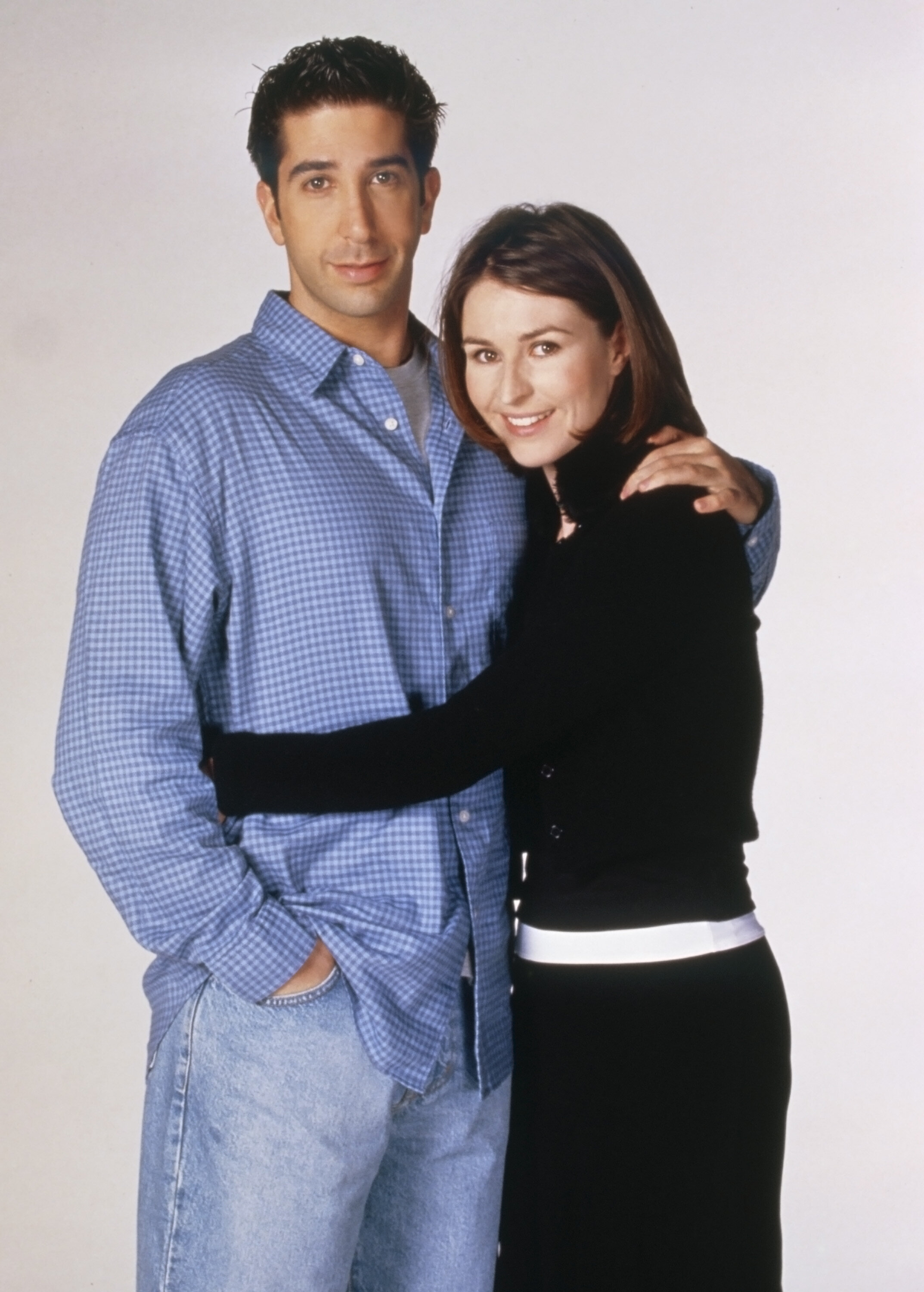
In his memoir Directed By James Burrows, excerpts of which have been published by the Daily Mail, the 11-time Emmy winner reflected on working with Cold Feet star Helen Baxendale, who appeared in Friends’ fourth and fifth seasons.

The British actor played Emily Waltham, who met Ross while on holiday in New York and wound up marrying him in a disastrous wedding ceremony that saw him saying the wrong name at the altar.

In his book, James admitted that while Helen was “nice” to work with, he didn’t find her “funny”, and admitted he wanted to recast the character of Emily.

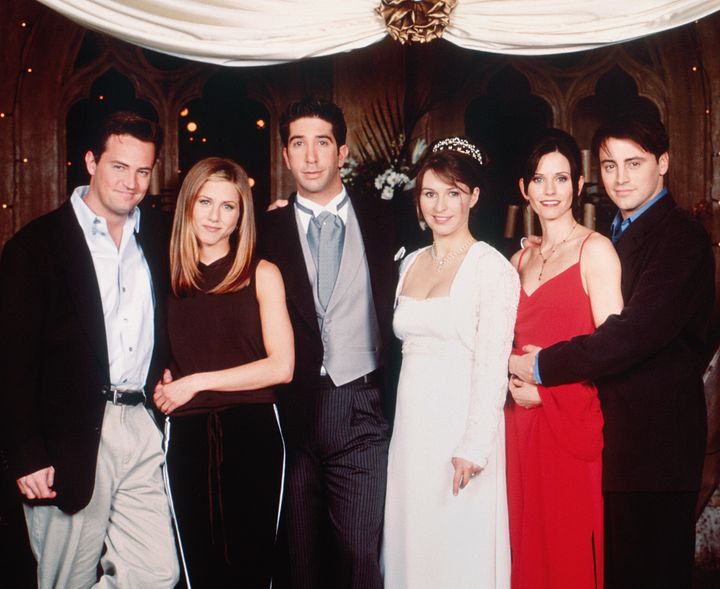
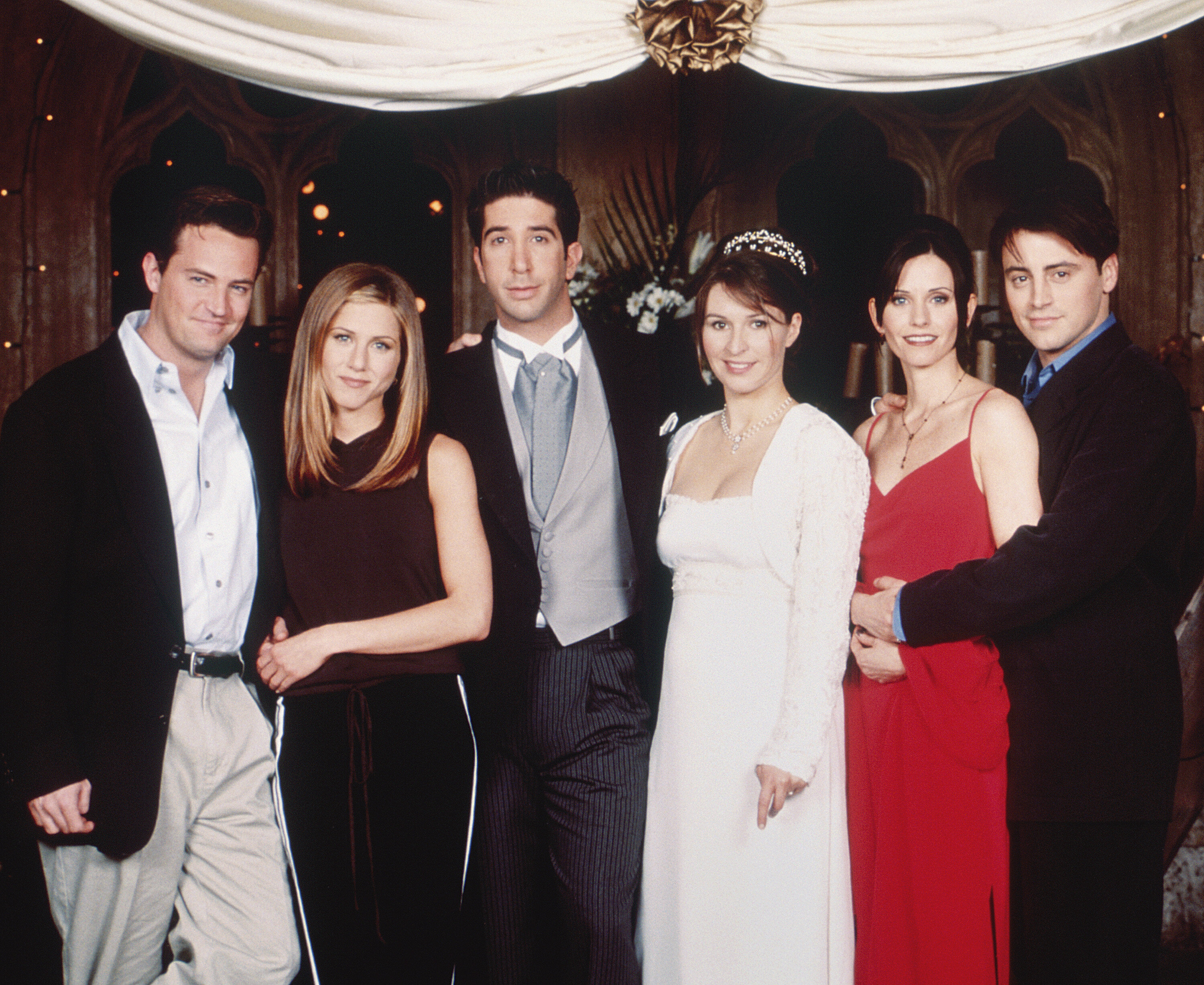
Helen Baxendale with the stars of Friends on location in London

NBC via Getty Images

“She was nice but not particularly funny,” he wrote. “[David] Schwimmer had no one to bounce off. It was like clapping with one hand.

“’In sitcoms and any type of romantic comedy, the funny is just as important as the chemistry. We discovered that any new girlfriend for Ross needed to be as funny as Rachel.

“Often, you can’t recast, because of tight shooting deadlines or other logistical considerations. You don’t cast anyone to be a straw man, unless it’s for one episode.”

He continued: “You need someone who gets laughs. Sometimes you start an arc and it ain’t working out, so you have to get rid of that person.”

After her ill-fated wedding to Ross, Emily remained in London, with Helen’s appearances in the fifth season of Friends being filmed remotely until she was eventually written out.

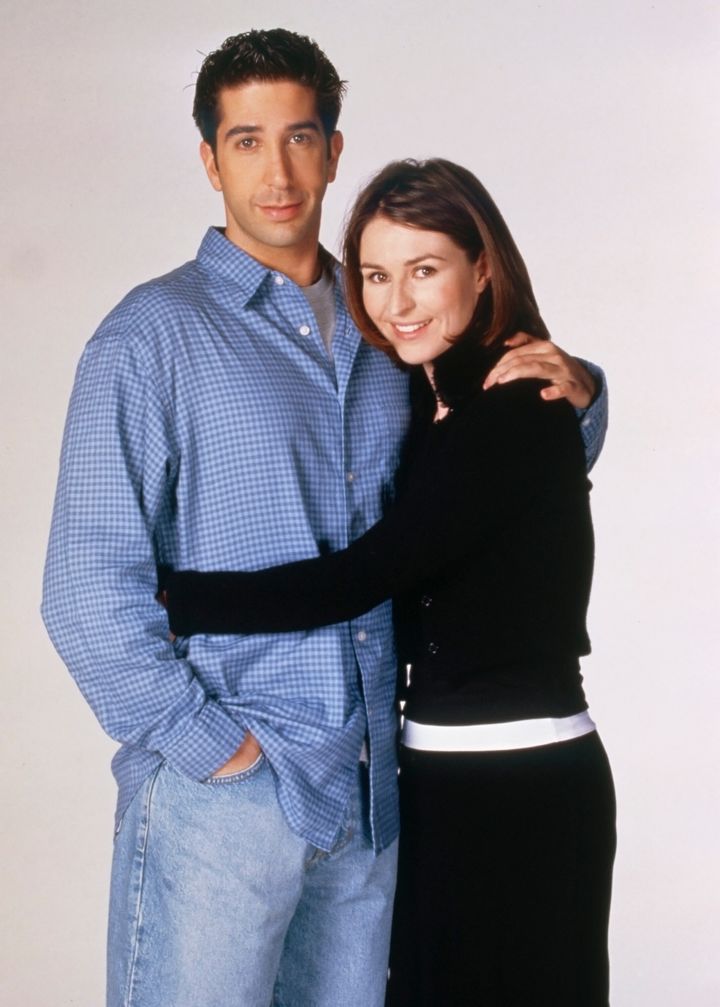
David Schwimmer and Helen Baxendale in character as Ross and Emily

NBC via Getty Images

Helen previously told The Mirror in 2012: “I am very proud and delighted to have been in such an amazingly successful and international show.

“It’s always a talking point and it was a very clever set up – even now young people especially seem to love it. But it doesn’t feel like part of my life at all now. I look upon it as a strange surreal little blip in my life almost like a dream.”

She recalled: “They were all very nice and professional. We were never great mates though. People expect because it is called Friends that everyone was great friends, but they were real professionals.

“They’d been doing it for years and I was one of many guest stars to appear.”

Singer Louise Redknapp revealed in 2020 that she’d been in the running to play Emily at one point, but eventually turned the part down.

Share Button

Ellie Goulding Shares Update Following Pyrotechnic Mishap During Live Performance

Ellie Goulding has assured her fans she’s doing well following an incident during one of her recent live shows.

Over the weekend, the chart-topping singer was performing her recent hit Miracle at Victorious Festival in Portsmouth, when a stage firework appeared to go off at the wrong time, and ignited close to her face.

The moment was recorded and shared online, with Ellie heard briefly screaming after the firework went off, before shaking it off and carrying on with the rest of her number.

Shortly afterwards, Ellie spoke out to let her Instagram followers know she was “intact” after the performance.

“To those asking, I am OK!” she insisted on her Instagram story. “Pyro didn’t hit me directly in the face. Face is intact.”

Ellie signed off her message “love you, thank you”, adding a firework gif to her post.

The British star recently enjoyed a chart resurgence after teaming up with Calvin Harris for the trance-inspired Miracle, which reached number one in the UK singles chart.

This marked the third time the two musicians have worked together, previously releasing the top 10 hits I Need Your Love and Outside in 2013 and 2014, respectively.

Ellie Goulding and Calvin Harris in 2014

Dave J Hogan via Getty Images

Earlier this year, Ellie unveiled her fifth studio album Higher Than Heaven, which gave the Anything Could Happen singer her fourth number one in the UK, in the same week that Miracle also reached its peak in the singles chart.

To coincide with the release, she’s set to tour the UK and select cities in Europe in October.

Share Button

Ben Wallace Has Resigned As Defence Secretary

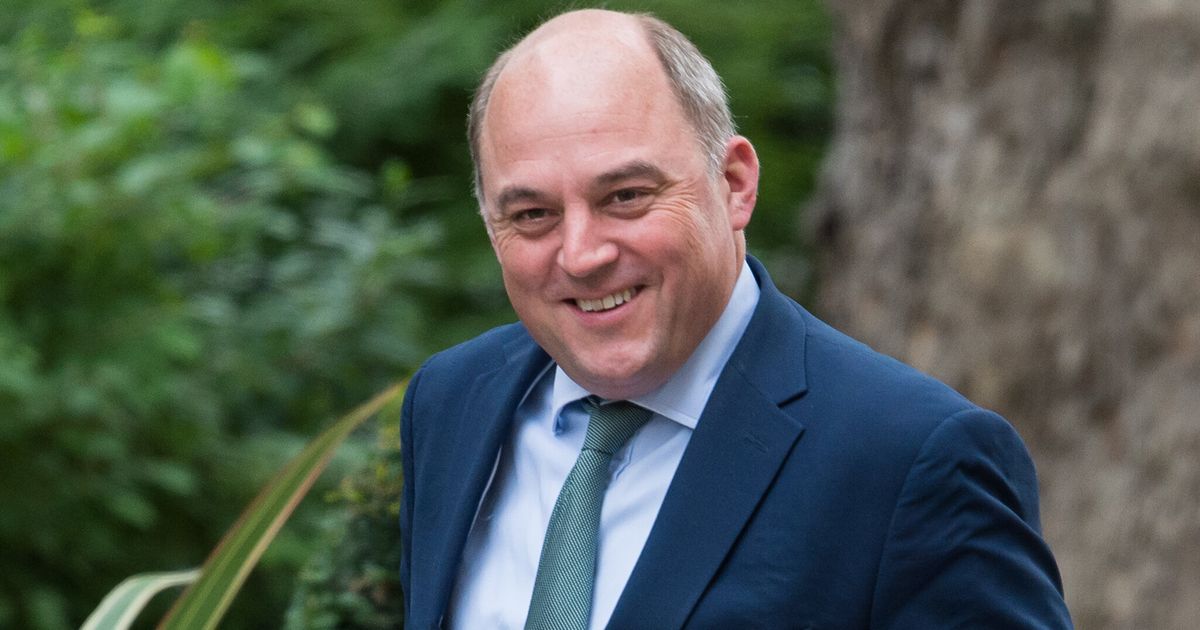
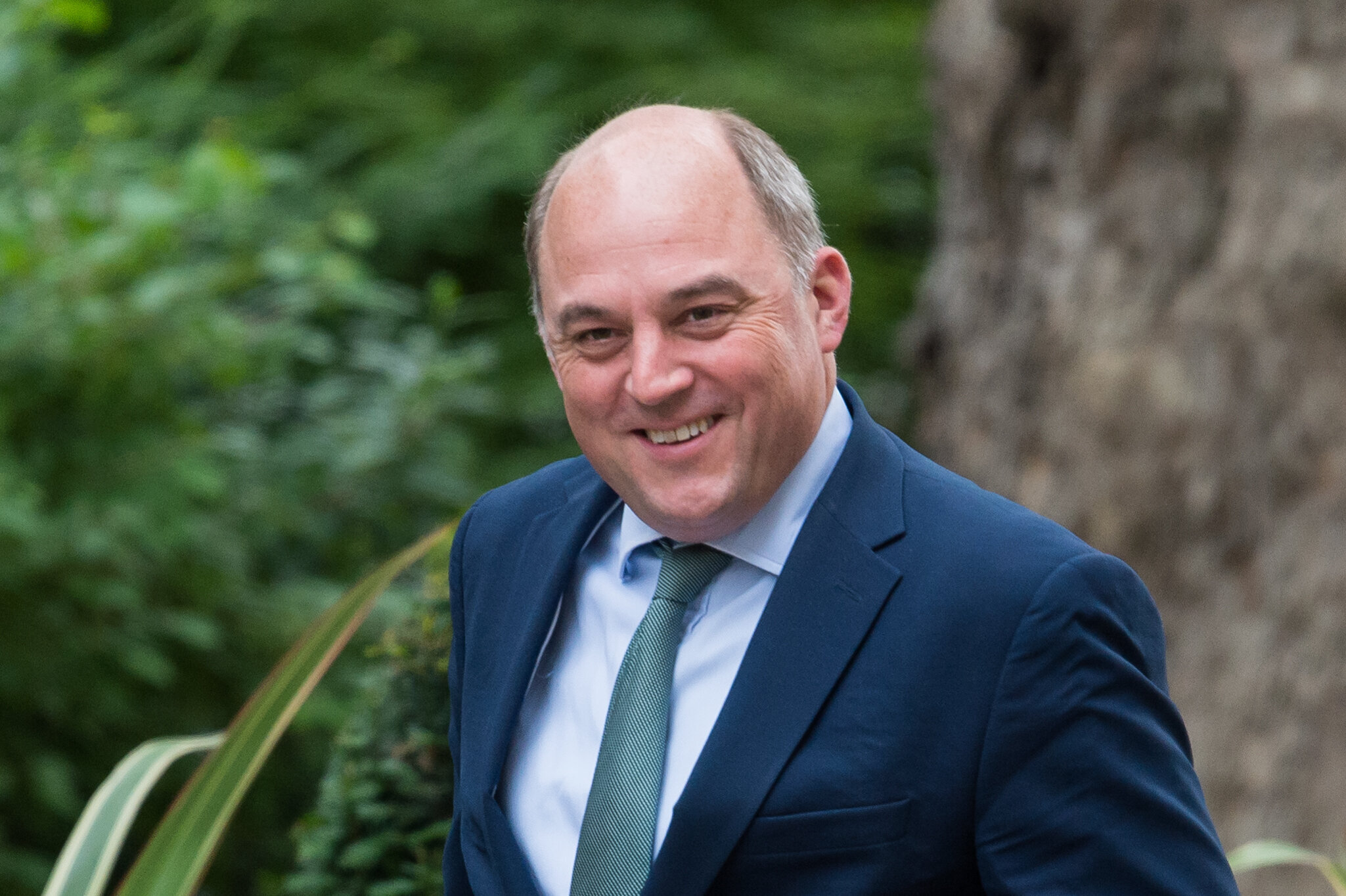
Ben Wallace has formally resigned as defence secretary ahead of a mini-reshuffle of Rishi Sunak’s cabinet.

In a letter to the prime minister this morning, he said he had “taken the decision to ask that I be allowed to step down” after four years in the job.

Wallace announced last month that he planned to quit the Ministry of Defence and would also not be standing at the the next election.

He told the Sunday Times he would stay in his post until the next reshuffle.

Among those tipped to replace him are Grant Shapps, Treasury minister John Glen and Cabinet Office minister Jeremy Quin.

Sunak is expected to carry out a limited shake-up of his top time this morning, with a wider reshuffle later in the year.

Wallace became an MP in 2005, but his constituency of Wyre and Preston North is being abolished in a review of boundaries and he will not seek a new seat.

Since 2015 he has also been minister for Northern Ireland and a security minister.

Wallace had hoped to be chosen as the next secretary general of Nato, but his chances were scuppered after the United States decided not to support his bid.

In his letter to the PM, Wallace said: “After much reflection, I have taken the decision to ask that I be allowed to step down.

“I won my seat in 2005 and after so many years it is time for me to invest
in the parts of life that I have neglected, and to explore new opportunities.

“Thank you for the support and your friendship. You and the Government will
have my continued support.”

He also called on the government to boost defence spending as the world becomes “more insecure and more unstable”.

In his reply, Sunak said Wallace had “served our country with distinction”.

He said: “I fully understand your desire to step down after eight years of exacting ministerial duties.

“As you say, the jobs you have done have required you to be available on a continuous basis.

“But I know you have more to offer public life both here and internationally. You leave office with my thanks and respect.”

Share Button

Spinal cancer: Giving the gift of extra time to terminal patients

The BBC follows health experts treating patients with dangerous cancer that has spread to the spine.

Share Button

Nitrous oxide: Laughing gas ban could harm users, experts warn

Health experts say a ban on nitrous oxide may stop users seeking medical help.

Share Button

Algae provide clues about 600 million years of plant evolution

The Earth’s surface is covered by plants. They make up the majority of biomass on land and exhibit a wide range of diversity, from mosses to trees. This astounding biodiversity came into existence due to a fateful evolutionary event that happened just once: plant terrestrialization. This describes the point where one group of algae, whose modern descendants can still be studied in the lab, evolved into plants and invaded land around the world. An international group of researchers, spearheaded by a team from the University of Göttingen, generated large scale gene expression data to investigate the molecular networks that operate in one of the closest algal relatives of land plants, a humble single-celled alga called Mesotaenium endlicherianum. Their results were published in Nature Plants.

Using a strain of Mesotaenium endlicherianum that has been kept safe in the Algal Culture Collection at Göttingen University (SAG) for over 25 years and the unique experimental set-up there, the researchers exposed Mesotaenium endlicherianum to a continuous range of different light intensities and temperatures. Janine Fürst-Jansen, researcher at the University of Göttingen, states: “Our study began by examining the limits of the alga’s resilience — to both light and temperature. We subjected it to a wide temperature range from 8 °C to 29 °C. We were intrigued when we observed the interplay between a broad temperature and light tolerance based on our in-depth physiological analysis.” How the algae respond was not only investigated on a morphological and physiological level, but also by reading the information of about 10 billion RNA snippets. The study used network analysis to investigate the shared behaviour of almost 20,000 genes simultaneously. In these shared patterns, “hub genes” that play a central role in coordinating gene expression in response to various environmental signals were identified. This approach not only offered valuable insights into how algal gene expression is regulated in response to different conditions but, combined with evolutionary analyses, how these mechanisms are common to both land plants and their algal relatives.

Professor Jan de Vries, University of Göttingen, says: “What is so unique about the study is that our network analysis can point to entire toolboxes of genetic mechanisms that were not known to operate in these algae. And when we look at these genetic toolboxes, we find that they are shared across more than 600 million years of plant and algal evolution!” As Armin Dadras, PhD student at the University of Göttingen, explains: “Our analysis allows us to identify which genes collaborate in various plants and algae. It’s like discovering which musical notes consistently harmonize in different songs. This insight helps us uncover long-term evolutionary patterns and reveals how certain essential genetic ‘notes’ have remained consistent across a wide range of plant species, much like timeless melodies that resonate across different music genres.”

Share Button