More than 75,000 people at greatest risk of losing their sight are waiting too long for treatment.


More than 75,000 people at greatest risk of losing their sight are waiting too long for treatment.

It’s an elegant solution: Remove the habitat of a parasite-carrying aquatic snail and reduce the level of infection in the local community; all while generating more feed and compost for local farmers.
A collaboration of scientists from the United States and Senegal focused on doing just that by removing overgrown aquatic vegetation from areas upstream of the Diama Dam in northeastern Senegal. In doing so, they generated positive impacts to the local communities’ health and economies.
“It is rare and gratifying when we can find a potential win-win solution to both human health and livelihoods,” said UC Santa Barbara geography professor David López-Carr, a co-author of a paper that appears in the journal Nature. In it, the researchers provide proof for a hypothesis that agricultural activities, including the use of fertilizers, contribute to parasitic infections by fueling the growth of aquatic vegetation. “The results suggest a simple solution to positively impact society at the intersections of health, society and economy of northern Senegal, with implications for the over 700 million people globally in schistosomiasis endemic areas.”
Since the construction of the Diama Dam in 1986, local farmers have had better access to fresh water to irrigate their fields. However, the presence of the new infrastructure also has increased the prevalence of the schistosoma parasite, a tiny freshwater flatworm commonly found in Africa, South America and Southeast Asia. Nearly 250 million people around the world are estimated to be infected with this parasite.
As far as tropical diseases go, schistosomiasis (also known as bilharzia or snail fever) isn’t immediately fatal or even transmissible between people. But in the long term, the condition is debilitating.
“The disease is most prevalent in poor communities lacking potable water and adequate sanitation,” said López-Carr, an anthropogeographer who specializes in human-environment dynamics in the developing world. Adult worms take up residence in blood vessels and lay eggs in tissue, causing reactions and generally wreaking havoc on organs. Long-term effects include increased risk for cancer and infertility, and those infected are less able to work and go to school, keeping them in the cycle of poverty. “Poor farmers can lose up to half of their yields due to infection,” he said.
Health agencies and organizations have been fighting these infections with drugs that work well, however, the medicine does not prevent reinfection, which can happen as soon as the individual encounters contaminated water. Previous research has also focused on using the snails’ natural predators — prawns — which were cut off by the dam.
advertisement
In their effort to get ahead of the disease, the collaboration took a close look at the habitat that supports the worms’ intermediate host, a small snail that lives in the Senegal River and its tributaries. They found that a common aquatic plant called Ceratophyllum demersum — also known as hornwort — can hold up to 99% of these snails, with which they have a mutualistic relationship.
Exacerbated by fertilizer runoff from agricultural operations farther upstream, c. demersum and other aquatic plants tend to proliferate in local waterways, which impedes access for daily activities such as cooking, irrigation and washing clothes.
For their experiment, the researchers conducted a three-year randomized control trial in 16 communities, to see if and how much nuisance vegetation removal in about half of the communities would affect the presence of the snails. They measured baseline infection rates, administered antiparasitic drugs, removed the vegetation and then measured reinfection rates in more than 1,400 schoolchildren. In total, the research teams took out an estimated 430 metric tons (wet) of aquatic vegetation from water access points.
“In our randomized controlled trial, control sites — places where we didn’t remove submerged vegetation from water access points — had 124% higher intestinal schistosoma reinfection rates,” López-Carr said. In addition to lowered infection rates where they removed the vegetation, the researchers found that the removed material could be used to feed livestock, or turned into compost for growing crops, lowering costs dramatically and increasing yields for local farmers. In this way, according to López-Carr “the approach yielded an economic incentive to remove nuisance vegetation from waterways and return nutrients from aquatic plants back to the soil and for livestock feed with the promise of severing poverty-disease traps while lowering infectious burden at the same time.”
“A broader benefit is the hope that this example can set for enhancing win-win planetary health research and solutions that improve livelihoods while also reducing infectious morbidity and mortality,” he added.
Having conducted these trials, the researchers hope that this study is implemented elsewhere in other similar regions to replicate the same kind of health and economic outcomes.
And, it might not be just a solution for developing countries. “Perhaps vegetation growth resulting from excess nutrients could also be used as livestock feed in more developed countries as well,” López-Carr said.

Whether they’re made from soybeans, almonds, oats, or just sourced straight from the cow, milk products must go through heat treatment to prevent harmful bacterial growth and keep them safe. But understanding how these processes affect new, plant-based milk formulations could make the beverages more pleasant to drink as well. Researchers reporting in ACS Omega have discovered how pasteurization and sterilization affects the look and feel of one such drink made from coconut and rice.
Despite the ubiquity of dairy-based foods, many people have some form of lactose intolerance — up to 36% of Americans, according to the National Institutes of Health. As a result, many turn to lactose-free, plant-based alternatives, some of which have added health benefits. For example, one drink under development combines rice flour and coconut water: Rice is hypoallergenic and high in fiber, and coconut water is hydrating and low in calories. To understand how heat treatment might alter this beverage, Jorge Yán?ez-Fernández, Diana Castro-Rodríguez and colleagues wanted to test the formulation against two different high-temperature processing steps.
The team used three versions of the beverage, containing either 2%, 5% or 8% rice flour, with coconut water comprising the rest. These were heated either by pasteurization in a water bath at 140 degrees Fahrenheit or by sterilization in an autoclave at almost 250 degrees Fahrenheit. After these treatments, the team found that the starches in the rice flour gelatinized and underwent the Maillard reaction, producing a slightly darkened color and stickier fluid for all three versions. Additionally, the drinks’ acidities increased, and there were fewer sugars, which may alter the way they taste. The team plans to use these results to inform future research into similar, dairy-free, “functional beverages,” including those that could one day contain probiotic, lactic-acid bacteria.

Researchers have revealed the unique ‘cheating’ strategy a New Zealand insect has developed to avoid being eaten — mimicking a highly toxic species.
In nature, poisonous species typically advertise their toxicity, often by producing high contrast colours such as black, white and yellow, like wasps and bees.
Along similar lines, New Zealand’s cyanide-producing stonefly, Austroperla cyrene, produces strong ‘warning’ colours of black, white and yellow, to highlight its threat to potential predators.
In a new study published in Molecular Ecology, University of Otago Department of Zoology researchers reveal that an unrelated, non-toxic species ‘cheats’ by mimicking the appearance of this insect.
Lead author Dr Brodie Foster says by closely resembling a poisonous species, the Zelandoperla fenestrata stonefly hopes to avoid falling victim to predators.
“In the wild, birds will struggle to notice the difference between the poisonous and non-poisonous species, and so will likely avoid both.
“To the untrained eye, the poisonous species and its mimics are almost impossible to distinguish,” he says
The researchers used genomic approaches to reveal a key genetic mutation in a colouration gene which distinguishes cheats and non-cheats.
advertisement
This genetic variation allows the cheating species to use different strategies in different regions.
However, co-author Dr Graham McCulloch says the strategy, known as Batesian mimicry, doesn’t always succeed.
“Our findings indicate that a ‘cheating’ strategy doesn’t pay in regions where the poisonous species is rare,” he says.
Co-author Professor Jon Waters adds cheating can be a dangerous game.
“If the cheats start to outnumber the poisonous species, then predators will wake up to this very quickly — it’s a bit of a balancing act,” he says.
The Marsden-funded team is assessing how environmental change is driving rapid evolutionary shifts in New Zealand’s native species.

Angus Cloud, the actor who played Fez on the HBO series Euphoria, has died at age 25, his family said in a statement on Monday.
“It is with the heaviest heart that we had to say goodbye to an incredible human today,” Cloud’s family said in a statement to TMZ, which first reported his death. He died at his family’s home in Oakland, California, according to NBC News.
Advertisement
“As an artist, a friend, a brother and a son, Angus was special to all of us in so many ways. Last week he buried his father and intensely struggled with this loss. The only comfort we have is knowing Angus is now reunited with his dad, who was his best friend. Angus was open about his battle with mental health and we hope that his passing can be a reminder to others that they are not alone and should not fight this on their own in silence,” the family’s statement continued.
“We are incredibly saddened to learn of the passing of Angus Cloud. He was immensely talented and a beloved part of the HBO and Euphoria family. We extend our deepest condolences to his friends and family during this difficult time,” accounts for HBO and Euphoria tweeted on Monday.
Besides Euphoria, Cloud had two other roles in current projects, including Freaky Tales which is in post-production, and an untitled thriller that was in the process of filming.
Advertisement
Cloud also appeared in Juice WRLD’s music video for the song Cigarettes in 2022 and Becky G and Karol G’s music video for the song Mamiii. The Euphoria actor also played roles in the 2021 film North Hollywood and The Line, which was released on June 9.
Euphoria was Cloud’s first acting job, he told Variety in a 2022 interview where he also discussed surviving a fall as a teenager in which he broke his skull. He told Variety that acting is “the best job” he’d ever had.
“But there’s plenty of other stuff I could see myself doing,” he added. “Buy a boat. Find an island. Post up in a tent. See what happens next.”

The Dundee University student filmed the dissection of a body without permission.
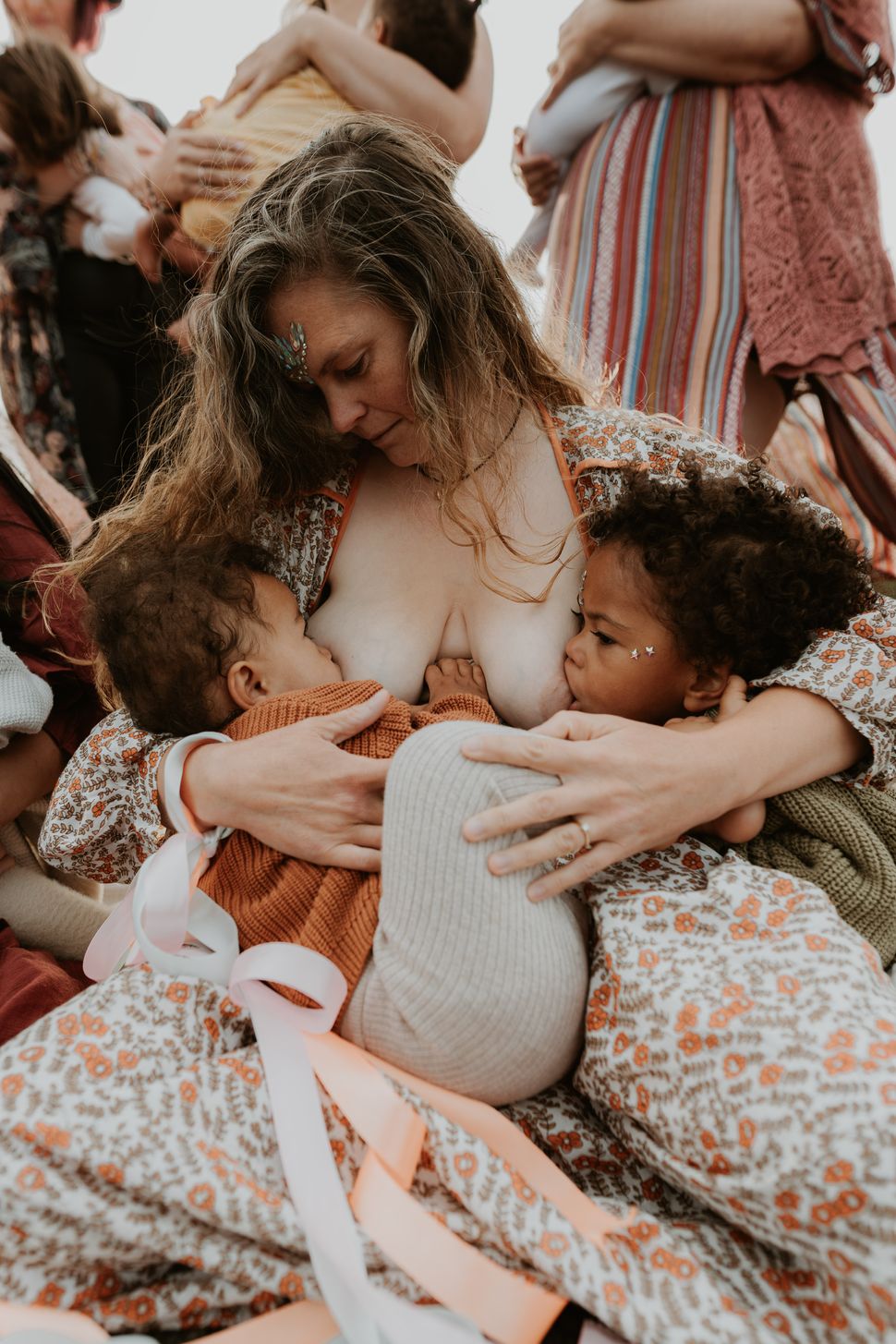
What’s stopping new mums from breastfeeding? That’s the question photographer Ania Hrycyna set out to uncover when she gathered 15 mothers together for a candid festival-inspired photoshoot of them feeding their babies.
The UK has some of the lowest breastfeeding rates in the world with eight out of 10 women stopping before they want to.
Advertisement
Ahead of World Breastfeeding Week (1-7 August), the South London-based photographer and mother brought together a group of local women at a local airfield and asked them about the challenges they’d experienced in their breastfeeding journeys.
The photographer’s hope is that their stories – and gorgeous photos – will foster more empathy and understanding of the difficulties women face. And one theme that crops up time and time again is the lack of support new mothers face.
Here are some of their stories.

Ania Hrycyna
I started breastfeeding my firstborn in May 2017. He was tiny and very sleepy, really struggled to latch and I received very little support from the midwives at the hospital.
Advertisement
Once at home, he lost 13% of his birth weight. The home health visiting team were fabulous and helped me increase my milk supply and get onto an exclusively breastfeeding path which we followed for two-and-a-half years (until a couple of weeks before the birth of his little brother).
I thought after breastfeeding for two-and-a-half years it would be a doddle the second time around, but I guess I underestimated that my new little bundle had to find his way, too.
I managed to settle onto breastfeeding Hugo, who again I fed for two-and-a-half years. This time until I was about 30 weeks pregnant with my third baby, Max.
I have recently gone back to work after maternity leave so just learning to live in our new chaos and finding the right balance between expressing at work and co-sleeping so that he can get all his milk feeds.
I love the bond from breastfeeding my babies.
Ania Hrycyna
Advertisement
In 2020, I became a mother to our first child Lilah Ottalie. Breastfeeding was something I had set my heart on and it came so naturally to us both – born in water, she climbed up and latched on within moments, despite having a tongue tie.
She fed perfectly throughout my second pregnancy in 2022 and is still going strong today.
Our second child, Ottis Malachi, had a harder time learning to latch and feed. He was born very fast, he was tired and so was I – everything was a blur. He didn’t feed at all for the first 48 hours, he never got any of my golden colostrum. I felt very let down by the team at the hospital, I still do.
They wanted him to try formula as he couldn’t latch and he was losing energy. Lilah has a severe cow’s milk protein allergy that had her in and out of hospital for the first eight months of her life. I have been dairy-free for the last three-and-a-half years for this reason.
The hospital could only offer me cow’s milk formula for Ottis, which I had no choice but to accept. He reacted more or less straight away and I knew the symptoms so well that I declined the next feed. It was all on me.
Giving birth in lockdown meant my partner wasn’t allowed in to support me either, and it was the first time I had ever left Lilah, who was still breastfeeding and wasn’t allowed in to see us. I was heartbroken with a new baby that needed me.
Advertisement
We stayed in for four days until we were discharged with a feeding plan of me exclusively pumping to supply him with what he needed. Ottis had a lot of problems – we found out he also had a tongue tie and a high palate with a shallow latch.
At six days old he finally latched on his own for the first time. He really struggled to find his way to my nipple, so it was suggested at six weeks that we replicate being born and the newborn crawl to the boob. It helped and I was so emotional.
I had been told I wouldn’t be able to feed him and it was a long road but we got there in the end. He still wouldn’t latch every time and struggled a lot, he used to get very frustrated and chompy which had me in a lot of pain and tears. He also has low muscle tone making it hard for him to hold on when feeding.
I never knew two breastfeeding journeys could be so different. I have now been tandem feeding for a further year-and-a-half.

Ania Hrycyna
Advertisement
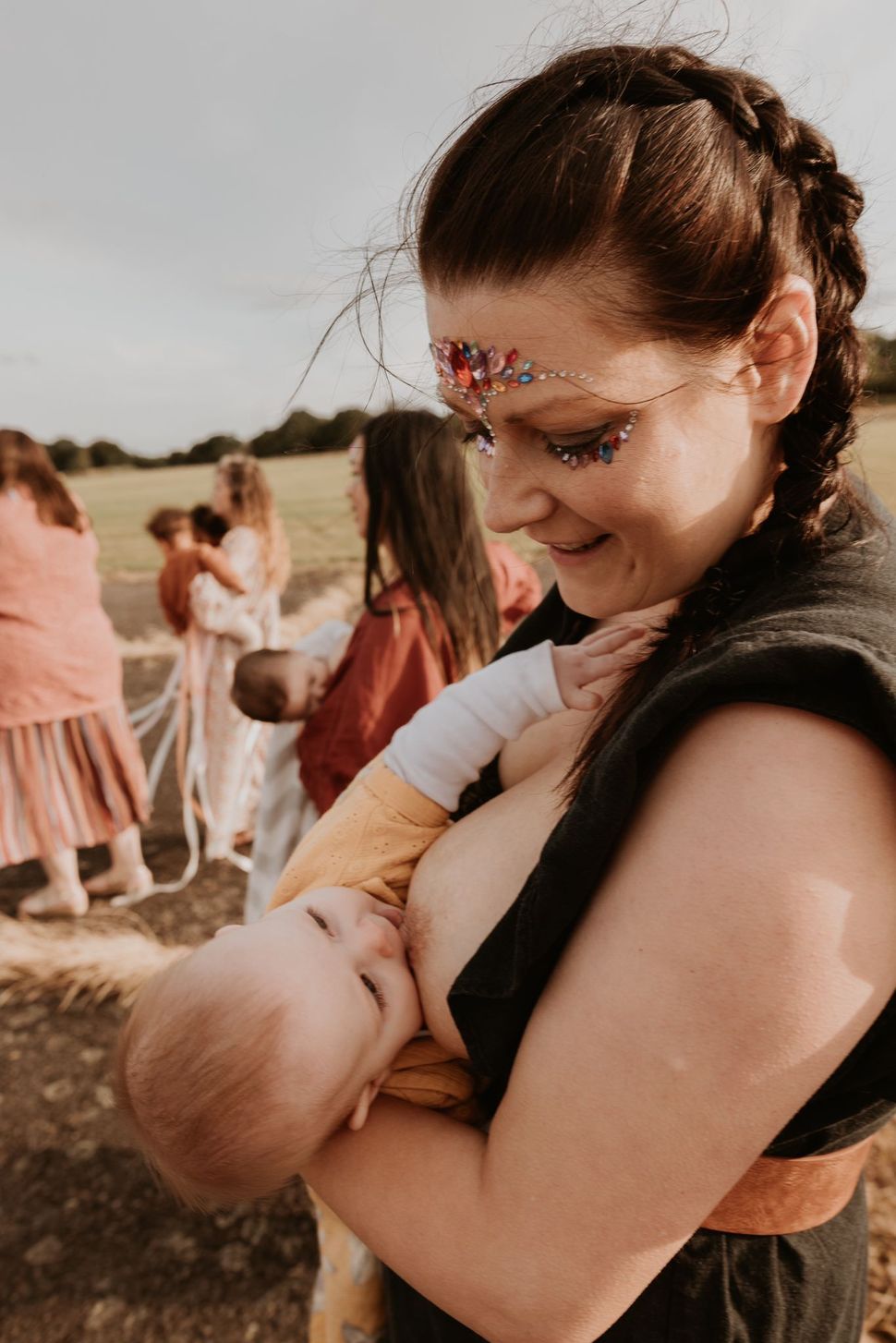
I knew I wanted to try breastfeeding, but also knew things might not work out and I didn’t want to feel too let down if I wasn’t able to. If anything I had almost convinced myself that I may not be able to because I was unable to harvest any colostrum before giving birth – despite my best efforts. I made sure to pack bottles of formula in my hospital bag.
With there being so much emphasis on ‘breast being best’ I did feel a bit guilty about being so comfortable with the idea of giving my baby formula straight away, like I had quit before starting – but now looking back I realise I had a lot of worries about breastfeeding in general with questions in my mind such as: Will I produce enough milk? Will it mean my body will never be my own again? Will my nipples be leaking milk all the time?
When I gave birth to my daughter, suddenly all of the feelings of anxiety and worry were quickly replaced with confidence as I watched her crawl up my stomach after birth, navigate her way to my boob and latch her little mouth – it was truly magical.
In this moment I fully understood and felt what my hypnobirthing teacher had meant when she said to trust your body and baby. Breastfeeding hasn’t come without the lows, though, and one of the things that surprised me was the pain – especially in those initial weeks when my daughter would cluster feed.
We’re told that breastfeeding should be a pain-free experience that will come naturally to us and our babies, which I don’t believe is true for the majority of women. I cried numerous times through the hard times in our journey, constantly thinking: why is this so tough when it’s supposed to be the most natural thing?
Advertisement
I think as a society we need to be more open about the issues surrounding breastfeeding and where to go for support, so that women can prepare themselves for the common issues and not struggle silently.
Ania Hrycyna
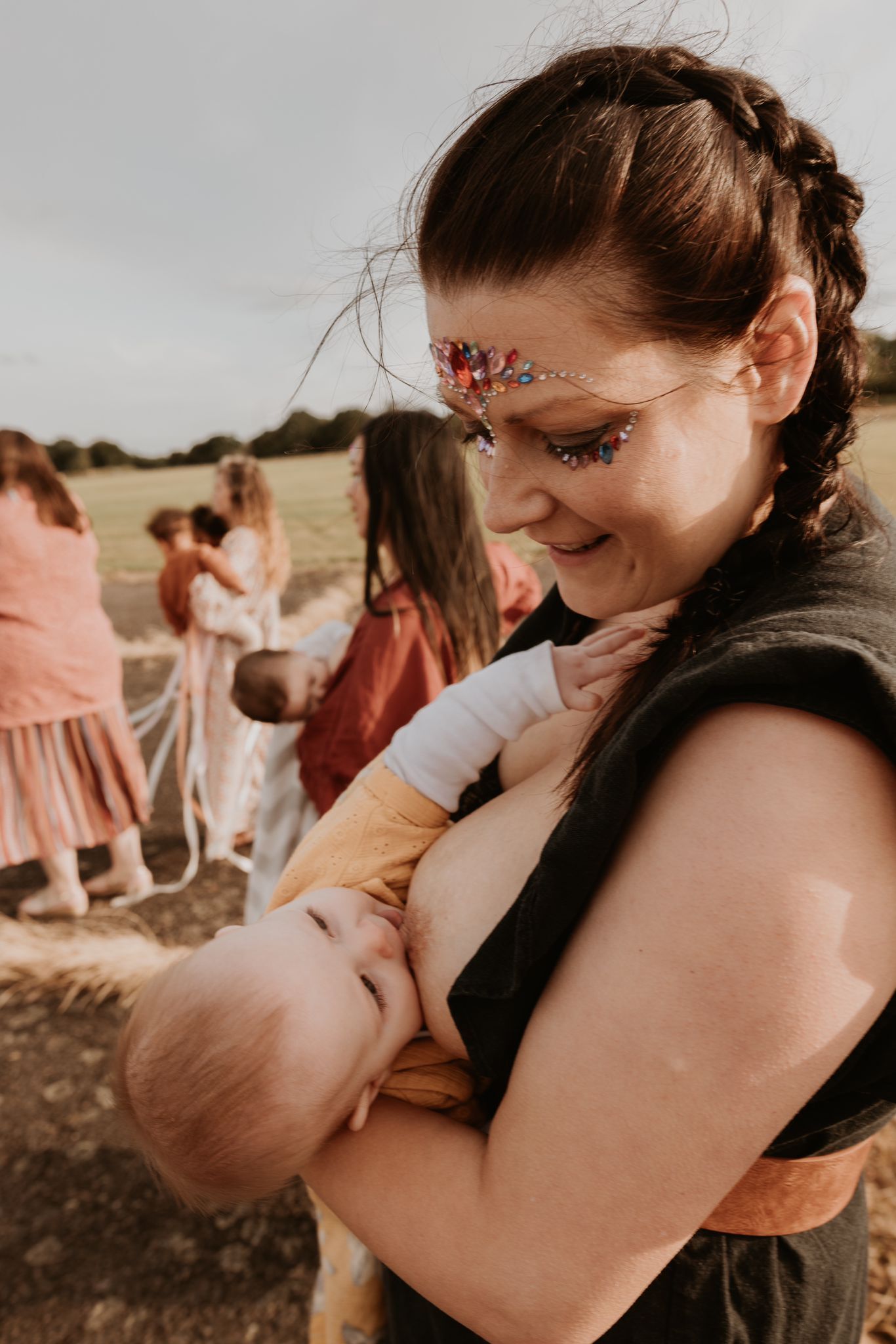
I always knew I wanted to breastfeed my children – my trouble was in having those children. After a good few years, I finally got pregnant thanks to the miracle of science, and then Covid-19 struck.
Serafina was born in September 2020. I tried to feed her in the minutes after birth, but she wouldn’t latch. I was devastated, especially as the breastfeeding nurses kept telling me it was because I have flat nipples. Hormones and tiredness didn’t help, but I felt that not only could I not conceive naturally, I couldn’t feed her naturally either. I felt like I was already failing as a mother, less than an hour after becoming one.
The following day, I was ‘allowed’ to express, so at least she was getting the good stuff… When I got home, I persevered with breastfeeding – my husband bought every contraption under the sun to try and help with my ‘flat nipples’ and the midwife who visited on day five tried to help me with positioning.
Advertisement
Serafina did start feeding, but I was in agony, kept getting blocked ducts, and had a baby or a pump attached to my boobs nearly 24/7. About six weeks after Serafina was born, I finally plucked up the courage to join a breastfeeding Zoom session. I was recommended a lactation consultant who arrived the next day and diagnosed a severe posterior tongue tie within two minutes of walking in the door and advised the stabbing, freezing pains I was feeling was vasospam.
A mere 10 seconds after the tongue tie was severed, Serafina latched onto my boob – and it felt amazing.
When we decided to try and have another baby, I was told I wouldn’t be able to start the hormone treatment until I’d stopped breastfeeding Serafina. After everything we’d been through to get to this point, how was I going to stop?! And why was I putting a potential future baby ahead of the real life baby girl I held in my arms?!
The guilt was crushing. But we eventually did it (with many tears!). Persephone was born in January this year and latched on and started feeding within minutes. It was a totally different experience. It still didn’t feel quite right, but it wasn’t painful. Tongue tie was discounted, so I just got on with it.
We were eventually referred to the tongue tie clinic because Persephone had green stools, and lo and behold, she had posterior tongue tie. To say I was annoyed is an understatement. But at six months old, she is now feeding much better. It has not been an easy journey, but I’m so proud of myself and my girls.
Advertisement

Ania Hrycyna
I always knew I wanted to breastfeed, so when my eldest daughter was born in 2013 I was delighted when it came quite easily to us both. When her younger brother was born 16 months later, it was a different story.
He had a tongue tie and feeding was really painful. I didn’t know how or where to access good support and believed the people who told me nothing could be done to make his feeding more comfortable.
I fed him for a year but it was a good three months before it felt comfortable. The same thing happened with his younger sister, born 18 months later and also with a tongue tie.
When my fourth baby was born and feeding was again painful, I knew a bit more about tongue tie and what to do. We found support, had her tie divided and feeding was so much easier from then on.
Advertisement
I decided to train as a breastfeeding counsellor, partly because I had always loved feeding my babies (despite the pain) and wanted to understand it more, and partly because I wanted to be able to offer others the support I had so desperately needed myself.
I spent two years completing a foundation degree and during that time my fifth and sixth babies came along, both with tongue tie. I recently gave birth to my seventh baby (again with tongue tie), who is in this photoshoot.
I find it so rewarding to be able to help people to work through difficulties and to be able to continue breastfeeding, where that is important to them. It has also been a huge help to my own breastfeeding journeys, which have not been without their difficulties, to understand how breastfeeding works and the impact that the various challenges can have.
I hear first-hand how valuable that support is for new parents and I am passionate about providing accessible support to anyone who needs it through drop-ins, free telephone helpline support and signposting to other services.
There is so much more to breastfeeding than just feeding a baby and I enjoy the constant learning that comes with working in breastfeeding support.
Advertisement





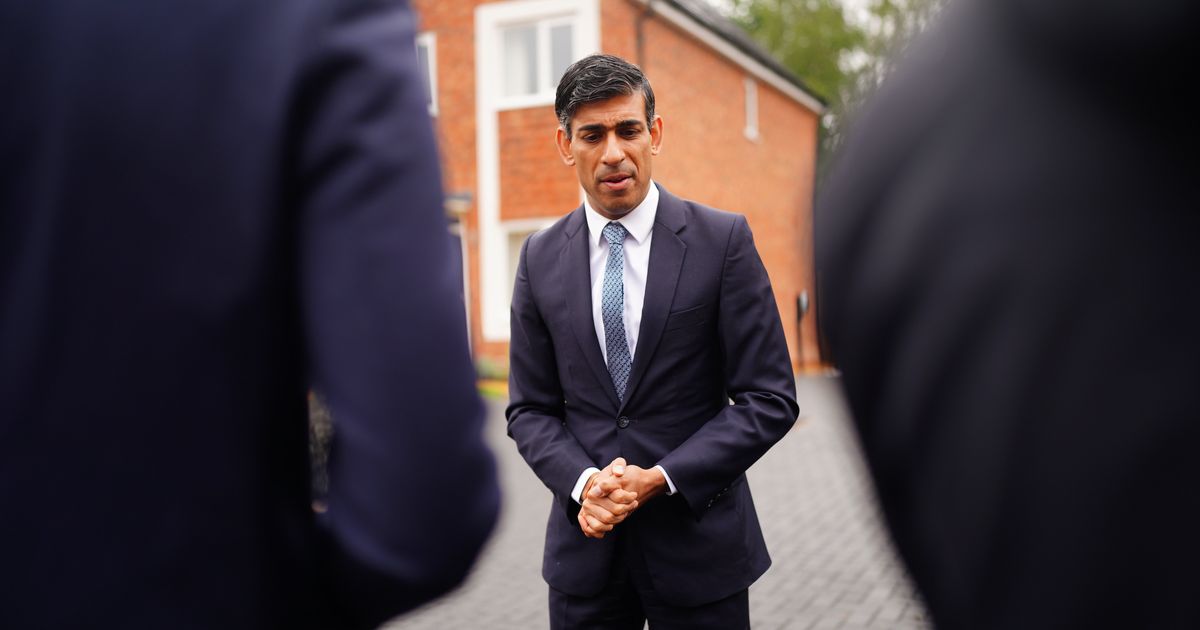
A Tory civil war has erupted after dozens of the party’s MPs and peers called on Rishi Sunak to delay the ban on the sale of new petrol and diesel cars.
Under the policy, drivers will be unable to buy the vehicles from 2030.
Speaking to the Sunday Telegraph, the prime minister said: “The 2030 target has been our policy for a long time and continues to be – we are not considering a delay to that date.”
Advertisement
But in a letter to the PM, 45 Tory MPs and peers – including former members of the cabinet – urged him to think again.
It said: “You rightly put on record this week that net zero is important, but you do not want to add to consumers’ bills and that measures need to be ‘proportionate and pragmatic’.
“We believe the proposed ban on petrol and diesel vehicles from 2030 would risk that entire approach and do grave harm to the economy.”
They said Sunak should follow the EU’s lead by delaying the ban until 2035.
“The future for this country is in imposing fewer burdens and being more lightly regulated than the EU, not in unilaterally imposing additional job-destroying burdens to meet and unnecessary and unworkable deadline,” the letter said.
Advertisement
Sunak hinted at rowing back on the government’s environmental commitments in the wake of the recent Uxbridge and South Ruislip by-election.
The Tories managed to hang on to Boris Johnson’s old seat by campaigning against opposing the expansion of London’s Ultra Low Emission Zone (ULEZ), which will see drivers of old cars charged £12.50 a day.
The letter said that showed net zero policies which cost voters’ money “are deeply unpopular”.
The MPs and peers added: “We urge you to review this policy to make sure car ownership remains affordable and manufacturers are protected.
“A move to 2035 to match competitor countries such as the EU bloc and the USA would seem entirely sensible.”
The letter’s signatories include Jacob Rees-Mogg, David Davis, Esther McVey and Lord Frost.
Sunak has also been attacked by environmental groups for “watering down” his environmental commitments.
Advertisement
He said last week that he would not introduce any policies that led to “more hassle and more costs” in people’s lives.
Dozens of groups, including Friends of the Earth, Greenpeace UK, the National Trust, RPSCA and RSPB, have written to the PM warning him not to use the environment as “a political football”.
They said: “Acting on climate change needs to be done fairly, but that is best done by delivering well-designed policy, backed up with public and private finance, and by working hand-in-hand with industry and communities. There is no public mandate for a delay.
“It is therefore with deep alarm that we have read reports over the last few weeks of your government considering watering down its commitments on almost every front of environmental policy.”
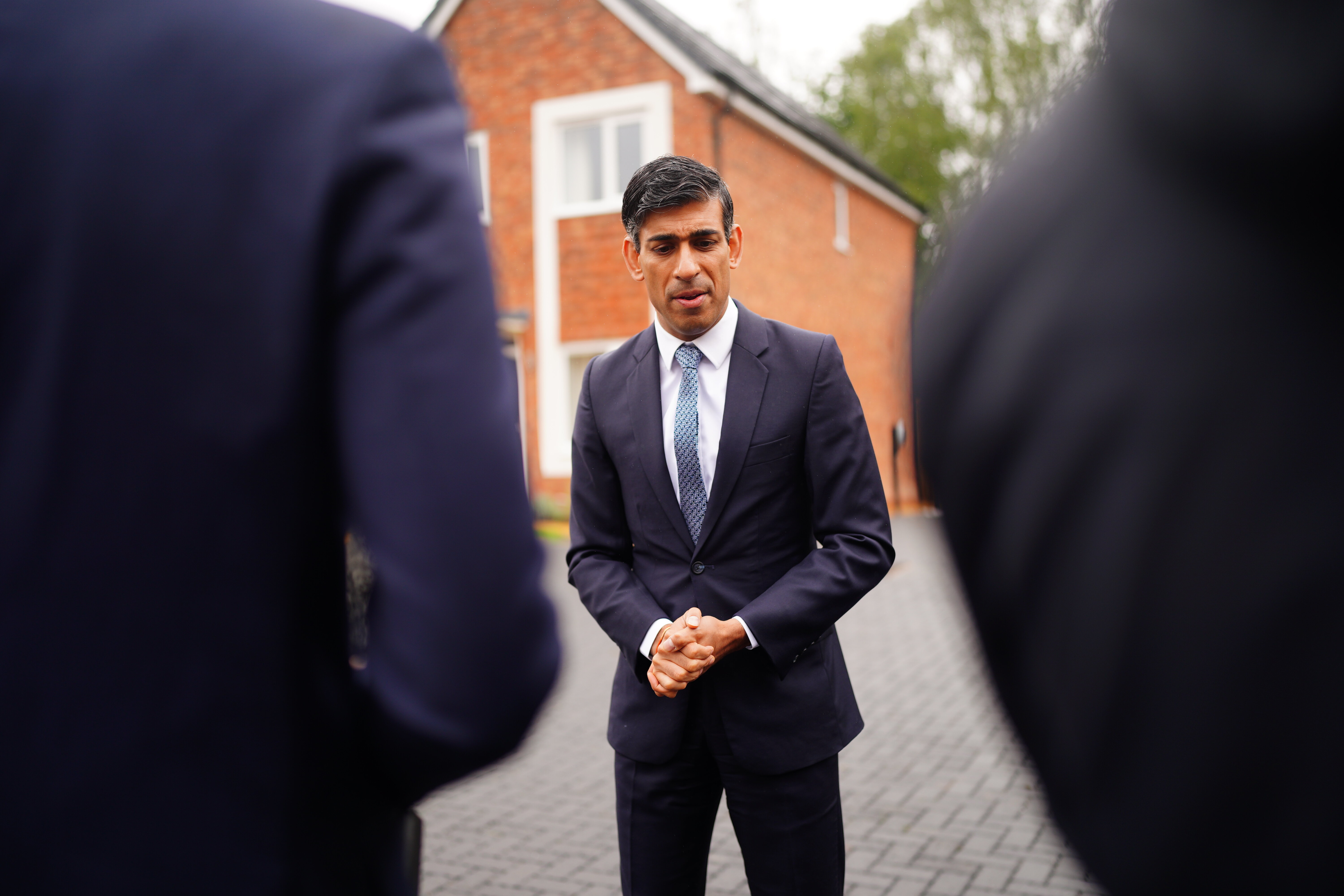
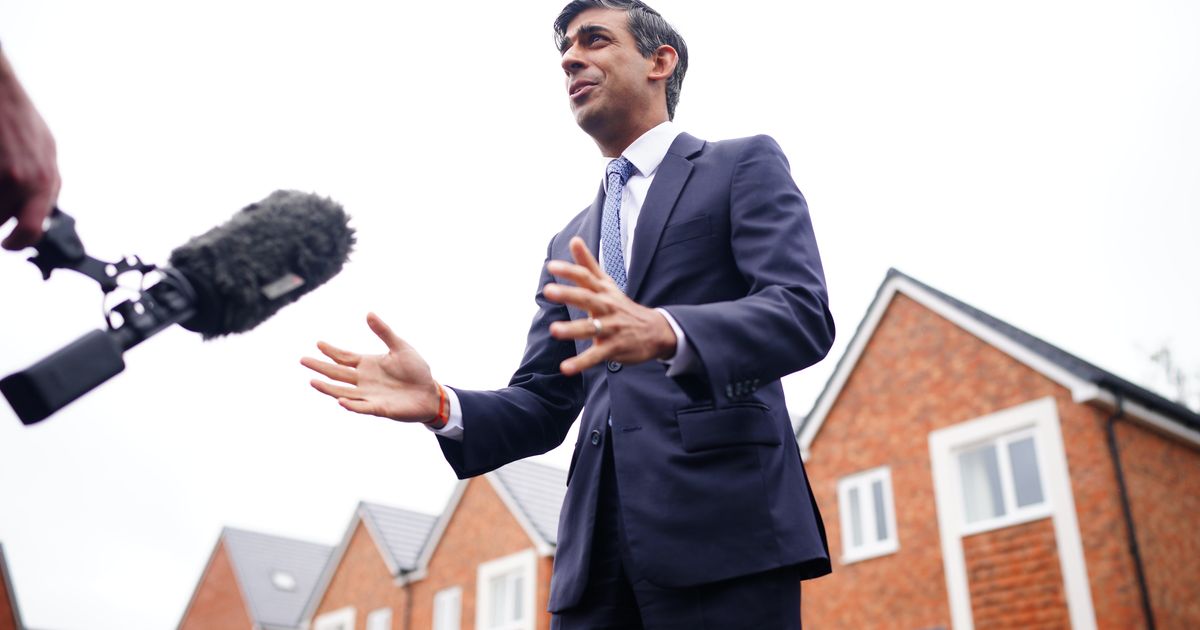
Rishi Sunak has been condemned by leading environmental groups over plans to row back on some of the Tories’ net zero commitments.
The prime minister said that he would not introduce any policies that led to “more hassle and more costs” in people’s lives.
Advertisement
That led to speculation that he could ditch the government’s commitment to ban the sale of new petrol and diesel cars by 2030, and dilute plans to phase out the use of gas boilers.
The shift in approach comes in the wake of the Uxbridge and South Ruislip by-election, which the Tories won on a campaign opposing the expansion of London’s Ultra Low Emission Zone (ULEZ), which will see drivers of old cars charged £12.50 a day.
Dozens of groups, including Friends of the Earth, Greenpeace UK, the National Trust, RPSCA and RSPB, have now written to the PM warning him not to use the environment as “a political football”.
The letter, which has 52 signatories, said: “The planet needs politicians to act urgently – not least, to protect people here in the UK, but also those across the world, who are being hardest hit by our changing climate.
Advertisement
“At the last election, the Conservative Party manifesto put the 2050 net zero target front and centre. It did so because, as well as being the right thing to do, the environment remains a central concern for voters.
“Acting on climate change needs to be done fairly, but that is best done by delivering well-designed policy, backed up with public and private finance, and by working hand-in-hand with industry and communities. There is no public mandate for a delay.
“It is therefore with deep alarm that we have read reports over the last few weeks of your government considering watering down its commitments on almost every front of environmental policy.”
The letter added: “We will not stand by whilst politicians use the environment as a political football. It is courage and leadership that we need now.”
In a further sign of Sunak’s weakening commitment to protecting the environment, the prime minister has also order a review of “low traffic neighbourhoods”.
Advertisement
The schemes close off certain roads to traffic in an attempt to improve air quality and encourage people to use their cars less.
However, they have proved highly controversial in some areas.
Sunak told the Sunday Telegraph: “The vast majority of people in the country use their cars to get around and are dependent on cars.
“I just want to make sure people know that I’m on their side in supporting them to use their cars to do all the things that matter to them.”
The pink, glittery dust has settled on Barbenheimer weekend, and with that, a number of revelations have come to light — including that people, it turns out, still want to go to the movies! And that Ryan Gosling is so much more than just Ken. And most importantly, that there are far more obscure, lesser-known and questionable Barbie dolls in the world than we remembered.
Barbie writer and director Greta Gerwig was given what feels like a surprising amount of creative autonomy from Mattel for her take on the iconic doll’s tale. She did not sidestep some of the toy giant’s more questionable decisions or public controversies. Many of them pop up during the film, prompting audiences to wonder: “That couldn’t be real, could it?”
Advertisement
But real they are. Real dolls, anyway. From Ken’s “buddy” Allan to Growing Up Skipper, here are all the very real and, in some cases, very weird Barbies that appear in the film.
Warning: Barbie spoilers and truly puzzling information ahead.

Mattel, Inc.
If Ken is “just Ken,” Allan is … only Allan. And literally the only Allan, since his character in the film is the only one of his kind, unlike the many Kens and Barbies.
Allan was introduced as Ken’s best friend in 1964. According to History, Mattel actually used the fact that he could fit into all of Ken’s clothes as a selling point, but Attitude notes that this also led to rumors that Ken and Allan were a little too close. After a very brief life of living in Ken’s shadows (and in the same striped shirt as in the film), Allan was discontinued that same decade before being rereleased as Midge’s husband in the ’90s.
Advertisement
After watching Michael Cera’s awkwardly endearing turn as the lonesome sidekick, we wouldn’t be surprised if he went promptly back into production today.
In the film, “Allan is sort of like a person without a group that he belongs to, he’s kind of a loner, in a way,” Cera said in an interview. “I think the joke about that, at least how I interpret it, is that Allan the doll … didn’t have a very successful run. [He’s] sort of this marginalised person in this world of Kens.”
Attitude reports that “conspiracists” think Allan was paired with Midge in the ’90s to “canonise Allan as heterosexual,” but it hasn’t stopped Allan from becoming something of a queer icon over the years.
“As a non-binary person I relate to Allan a lot!” said one TikToker in a slew of comments. “I see him as my rep ✨ not quite Barbie, not quite Ken. Just ✨ Allan✨ .”
Advertisement

Lawrence Lucier via Getty Images
As we mentioned, one of the more refreshing aspects of seeing Barbie Land through Gerwig’s pink-tinted lens was the director’s unwillingness to shy away from the toy company’s missteps.
We’re reintroduced to Pregnant Midge early on in the movie, and she comes back to haunt the Mattel execs later on in the film, too. A not-yet-pregnant Midge originally debuted in 1963, and there’s even a Wedding Party Midge gift set from some 30 years later that includes Midge and Allan (for some reason renamed “Alan”) alongside Barbie and Ken as bridesmaid and best man.
In 2002, Pregnant Midge was released; the doll featured a removable pregnant belly, prompting people to accuse Mattel of “promoting teen pregnancy,” even though, as CNN reported, she was by then canonically a married woman with a three-year-old child.

Yvonne Hemsey via Getty Images
Advertisement
What’s less boring than Ken? A Ken in a mesh purple shirt and pleather vest, with slicked-back bleached-blond highlights, an earring, of course, and a … necklace.
This 1993 model of Ken, long referred to as the time Mattel “made Ken gay,” quickly became one of the company’s best-selling dolls and a true queer icon before being recalled just months later after then-manager of marketing and communications, Lisa McKendall, was forced to give one of the greatest corporate statements of all time.
“We’re not in the business of putting cock rings into the hands of little girls,” the statement read. There’s at least one Earring Magic Ken currently available on eBay for $154. (Just saying.)

Mattel, Inc.
His release wasn’t the most puzzling Barbie decision (see Growing Up Skipper below), but it was strange nonetheless. Palm Beach Sugar Daddy Ken, which is exactly what it sounds like, was a 2009 doll marketed to adults wearing a lime-green jacquard blazer and toting a tiny white dog named Sugar. He also came with swim trunks, slides and sunglasses, and apparently retailed for a whopping $82. In the film, he claims that his name is a misunderstanding — he’s merely Sugar the dog’s daddy. Uh-huh. Sure.
Advertisement
“I have a TV in my back,” Video Girl Barbie quips in the film, deadpan, while showing off her embedded screen to the human visitors in Barbie Land. This version of Barbie may seem innocuous, if not a bit weird, but the FBI said differently.
The agency put out a “cyber crime alert” following her release in 2010, citing her ability to stream up to 30 minutes of recording onto a computer as a potential “dangerous tool for pedophiles.” Yikes.
Skipper, Barbie’s little sister, was first released in 1964. In 1975, Mattel decided it was time to let her grow up before your very eyes. This strange doll was advertised as two dolls in one: Skipper as the girl we knew, and, by twisting her arm around, a teenage Skipper who grew upward and also outward. Yes, her breasts enlarged as she got taller. You can see this in action in a commercial for the doll, which was perhaps predictably discontinued in 1977.
Advertisement
When Barbie, err, Margot Robbie, enters Weird Barbie’s house, she is greeted by a strange-looking dog. A strange-looking pooping dog. “That surely can’t have been real,” you might have thought to yourself.
And you would have thought wrong. Tanner the dog came with Barbie and did things a real dog does, like accepting treats that make their way through his digestive tract and out of his body by way of tiny brown pellets.
A recall for the Barbie and Tanner play set was issued because its poop scoop accessory contained a small magnet that could come loose. The U.S. Consumer Product Safety Commission said that if multiple magnets were swallowed by a child, they could attract each other and cause a potentially fatal intestinal perforation or blockage.


