Most older adults want to ‘age in place’ but many haven’t taken steps to help them do so

The vast majority of people over 50 say it’s important that they keep living in their current homes for as long as possible. But a new poll shows many of them haven’t planned or prepared for “aging in place,” and a sizable percentage might have a hard time paying for in-home help.

The pandemic’s toll on older adults, especially those in nursing homes and other long-term care facilities, has brought the issue of living independently at home into the national spotlight. So have policy proposals around changing the ability of Medicare and Medicaid to pay for virtual care and in-home help.

But the new findings from the National Poll on Healthy Aging suggest many people in their 50s, 60s and 70s need to do more to modify their homes or plan for services they may need if they want to avoid or delay needing to move. The poll also shows differences in aging-in-place readiness among the 28% of older adults who told the poll that they live alone.

The poll is based at U-M’s Institute for Healthcare Policy and Innovation and supported by AARP and Michigan Medicine, the University of Michigan’s academic medical center.

In all, 88% of people between the ages of 50 and 80 said it was very or somewhat important to them that they live in their homes as long as possible. But only 15% said they’ve given a lot of consideration to how their home may need to be modified as they age, while 47% have given it little or no thought.

Meanwhile, 48% of those who live alone said they don’t have someone in their lives who could help them with personal care such as bathing and dressing if needed, compared with 27% of those who live with others.

As for hiring help, 19% of older adults are very confident they could afford to pay someone to help with household chores, grocery shopping, personal care or managing their finances. On the other hand, nearly two-thirds of those who called their current physical or mental health status fair or poor said they were not confident or not very confident that they could afford to pay for such help.

“The pandemic’s impact on older adults, and policy proposals about home-based services at the federal and state level, mean this is a topic of immediate importance,” said Sheria Robinson-Lane, assistant professor at the U-M School of Nursing and IHPI member who worked with the poll team on the report. “Especially for those without as much social support, or with more health needs, it’s important to take a proactive approach and plan for the future now.”

Poll director Preeti Malani, U-M Medical School infectious disease professor also trained in geriatrics, said that older adults should explore with their health care providers and local social service agencies the kinds of support available to them, and talk with loved ones about their goals.

“Taking steps to understand what’s available in the community, through the national Eldercare Locator, the Area Agency on Aging that serves your region, nonprofit organizations and other sources could help older adults be more prepared,” she said.

“Family members can help encourage older adults to find out what’s available, to invest in home improvements, and to aid them in installing safety devices and technologies that can help keep them aging in place. Think of it as a positive investment toward current safety and future independence — that can help older adults get past the temptation to put it off for another day.”

More findings

The poll finds that 1 in 5 older adults had moved in the past five years. About half of those who moved said they had moved to a home that was easier to get around, while half also said their new home was smaller.

Wherever they live now, 34% said their home definitely has the necessary features that would let them age in place, and 49% said they had at least one ‘smart home’ device.

But the poll drilled down to ask about specific features and technologies. While 88% had a main-floor bathroom and 78% had a bedroom on the main floor, which could reduce the need to climb stairs and reduce fall risk, fewer older adults had other features.

For instance, 32% said they had grab bars in the bathroom, and less than 10% had safety-focused technologies such as alarms on their stoves or personal emergency response systems. Only 7% said they had a barrier-free shower, and 9% said that it was difficult to use the main rooms in their home because of clutter or large amounts of possessions there.

“AARP research consistently shows that the majority of older adults want to stay in their homes and communities for as long as possible,” said Indira Venkat, vice president of consumer insights at AARP. “Unfortunately, most houses weren’t built to support the needs of people across the many stages of life. The best way to continue living in the home you love is to plan ahead and make changes that will accomodate your needs today and in the future.”

In late 2021, AARP published a report on the preferences of adults over 18 about their future home and community circumstances, including the ability to age in place.

The poll report is based on findings from a nationally representative survey conducted by NORC at the University of Chicago for IHPI, and administered online and via phone in January and February 2022 among nearly 2,277 older adults ages 50-80. The sample was subsequently weighted to reflect the U.S. population.


Poll: https://www.healthyagingpoll.org/reports-more

Share Button

New COVID-19 nasal spray outperforms current antibody treatments in mice

A new protein-based antiviral nasal spray developed by researchers at Northwestern University, University of Washington and Washington University at St. Louis is being advanced toward Phase I human clinical trials to treat COVID-19.

Designed computationally and refined in the laboratory, the new protein therapies thwarted infection by interfering with the virus’ ability to enter cells. The top protein neutralized the virus with similar or greater potency than antibody treatments with Emergency Use Authorization status from the U.S. Food and Drug Administration (FDA). Notably, the top protein also neutralized all tested SARS-CoV-2 variants, something that many clinical antibodies have failed to do.

When researchers administered the treatment to mice as a nasal spray, they found that the best of these antiviral proteins reduced symptoms of infection — or even prevented infection outright.

The findings were published yesterday (April 12) in the journal Science Translational Medicine.

This work was led by Northwestern’s Michael Jewett; David Baker and David Veesler at the University of Washington School of Medicine; and Michael S. Diamond at WashU.

To begin, the team first used supercomputers to design proteins that could stick to vulnerable sites on the surface of the novel coronavirus, targeting the spike protein. This work was originally reported in 2020 in the journal Science.

In the new work, the team reengineered the proteins — called minibinders — to make them even more potent. Rather than targeting just one site of the virus’ infectious machinery, the minibinders simultaneously bind to three sites, making the drug less likely to detach.

“SARS-CoV-2’s spike protein has three binding domains, and common antibody therapies may only block one,” Jewett said. “Our minibinders sit on top of the spike protein like a tripod and block all three. The interaction between the spike protein and our antiviral is among the tightest interactions known in biology. When we put the spike protein and our antiviral therapeutic in a test tube together for a week, they stayed connected and never fell apart.”

Jewett is a professor of chemical and biological engineering at Northwestern’s McCormick School of Engineering and director of Northwestern’s Center for Synthetic Biology. Andrew C. Hunt, a graduate research fellow in Jewett’s laboratory, is the paper’s co-first author.

As the SARS-CoV-2 virus has mutated to create new variants, some treatments have become less effective in fighting the ever-evolving virus. Just last month, the FDA paused several monoclonal antibody treatments, for example, due to their failure against the BA.2 omicron subvariant.

Unlike these antibody treatments, which failed to neutralize omicron, the new minibinders maintained potency against the omicron variant of concern. By blocking the virus’ spike protein, the new antiviral prevents it from binding to the human angiotensin-converting enzyme 2 (ACE2) receptor, which is the entry point for infecting the body. Because the novel coronavirus and its mutant variants cannot infect the body without binding to the ACE2 receptor, the antiviral also should work against future variants.

“To enter the body, the spike protein and ACE2 receptor engage in a handshake,” Jewett said. “Our antiviral blocks this handshake and, as a bonus, has resistance to viral escape.”

In addition to losing effectiveness, current antibody therapies also come with several problems: They are difficult to develop, expensive and require a healthcare professional to administer. They also require complicated supply chains and extreme refrigeration, which is often unavailable in low-resource settings.

The new antiviral solves all these problems. As opposed to monoclonal antibodies, which are made by cloning and culturing living mammalian cells, the new antiviral treatment is produced large-scale in microorganisms like E. coli, making them more cost-effective to manufacture. Not only is the new therapy stable in high heat, which could further streamline manufacturing and decrease the cost of goods for clinical development, it also holds promise for being self-administered as a one-time nasal spray, bypassing the need for medical professionals.

The researchers imagine that it could be available at the pharmacy and used as a preventative measure to treat infections.

This study, “Multivalent designed proteins neutralize SARS-CoV-2 variants of concern and confer protection against infection in mice,” was supported by The Audacious Project at the Institute for Protein Design; Bill & Melinda Gates Foundation (OPP1156262, INV-004949); Burroughs Wellcome Fund; Camille Dreyfus Teacher-Scholar Program; David and Lucile Packard Foundation; Helen Hay Whitney Foundation; Open Philanthropy Project; Pew Biomedical Scholars Award; Schmidt Futures; Wu Tsai Translational Investigator Fund; Howard Hughes Medical Institute, including a fellowship from the Damon Runyon Cancer Research Foundation; Department of Defense (NDSEG-36373, W81XWH-21-1-0006, W81XWH-21-1-0007, W81XWH-20-1-0270-2019, AI145296, and AI143265); Defense Advanced Research Project Agency (HR0011835403 contract FA8750-17-C-0219); Defense Threat Reduction Agency (HDTRA1-15-10052, HDTRA1-20-10004); European Commission (MSCA CC-LEGO 792305); National Institutes of Health (1P01GM081619, R01GM097372, R01GM083867, T32GM007270, S10OD032290); National Institute of Allergy and Infectious Diseases (DP1AI158186, HHSN272201700059C, R37 AI1059371, R01 AI145486); National Institute of Diabetes and Digestive and Kidney Diseases (R01DK117914, R01DK130386, U01DK127553, F31DK130550); National Institute of General Medical Sciences (R01GM120553); NHLBI Progenitor Cell Biology Consortium (U01HL099997, UO1HL099993); National Center for Advancing Translational Sciences (UG3TR002158); United World Antiviral Research Network; Fast Grants; T90 Training Grant; and with federal funds from the Department of Health and Human Services (HHSN272201700059C).

Share Button

Tear-free hair brushing? All you need is math

As anyone who has ever had to brush long hair knows, knots are a nightmare. But with enough experience, most learn the tricks of detangling with the least amount of pain — start at the bottom, work your way up to the scalp with short, gentle brushes, and apply detangler when necessary.

L. Mahadevan, the Lola England de Valpine Professor of Applied Mathematics, of Organismic and Evolutionary Biology, and of Physics, learned the mechanics of combing years ago while brushing his young daughter’s hair.

“I recall that detangling spray seemed to work sometimes, but I still had to be careful to comb gently, by starting from the free ends,” said Mahadevan. “But I was soon fired from the job as I was not very patient.”

While Mahadevan lost his role as hairdresser, he was still a scientist and the topology, geometry and mechanics of detangling posed interesting mathematical questions that are relevant to a range of applications including textile manufacturing and chemical processes such as polymer processing.

In a new paper, published in the journal Soft Matter, Mahadevan and co-authors Thomas Plumb Reyes and Nicholas Charles, explore the mathematics of combing and explain why the brushing technique used by so many is the most effective method to detangle a bundle of fibers.

To simplify the problem, the researchers simulated two helically entwined filaments, rather than a whole head of hair.

“Using this minimal model, we study the detangling of the double helix via a single stiff tine that moves along it, leaving two untangled filaments in its wake,” said Plumb-Reyes, a graduate student at SEAS. “We measured the forces and deformations associated with combing and then simulated it numerically.”

“Short strokes that start at the free end and move towards the clamped end remove tangles by creating a flow of a mathematical quantity called the ‘link density’ that characterizes the amount that hair strands that are braided with each other, consistent with simulations of the process” said Nicholas Charles, a graduate student at SEAS.

The researchers also identified the optimal minimum length for each stroke — any smaller and it would take forever to comb out all the tangles and any longer and it would be too painful.

The mathematical principles of brushing developed by Plumb-Reyes, Charles and Mahadevan were recently used by Professor Daniela Rus and her team at MIT to design algorithms for brushing hair by a robot.

Next, the team aims to study the mechanics of brushing curlier hair and how it responds to humidity and temperature, which may lead to a mathematical understanding of a fact every person with curly hair knows: never brush dry hair.

This research was supported by funds from the US National Science Foundation, and the Henri Seydoux Fund.

Share Button

NHS faces an Easter ‘as bad as any winter’

Nearly half patients now have to wait four hours or more before being treated and discharged in A&E.

Share Button

Is a virus we all have causing multiple sclerosis?

Scientists think they have now uncovered a mystery cause of this incurable disease.

Share Button

Mutations across species reveal clues to ageing

“Staggering” findings from studying 16 mammals – including humans – sheds light on why we age.

Share Button

This 5-Minute HILIT Workout Will Boost Your Fitness, Without Wrecking Your Joints

You’re reading Move, the nudge we need to get active, however makes us happiest and healthiest.

HIIT, or high intensity interval training, was all the rage a few years back. And if you love getting your sweat on with rapid circuits and burpees, you do you.

But there’s a new trend in town that might appeal to those who found HIIT, well, a little too intense.

Enter HILIT, which stands for ‘high intensity low impact training’. Instead of throwing yourself around at the gym, HILIT is all about small, targeted movements that lead to mighty results.

And according to Amber Johnston, assistant head trainer at Barrecore, this type of exercise is “suitable for everyone,” including “new people to exercise, prenatal and postnatal people, plus athletes recovering from injury”.

“Very simply, via HILIT work outs, you are putting less impact on your body, especially your joints,” she tells us.

The benefits of HILIT, according to Johnston, include:

• Raising your heart rate

• Improving cardio fitness and muscle strength

• Protecting you from joint damage, pain and injury

• Burning calories

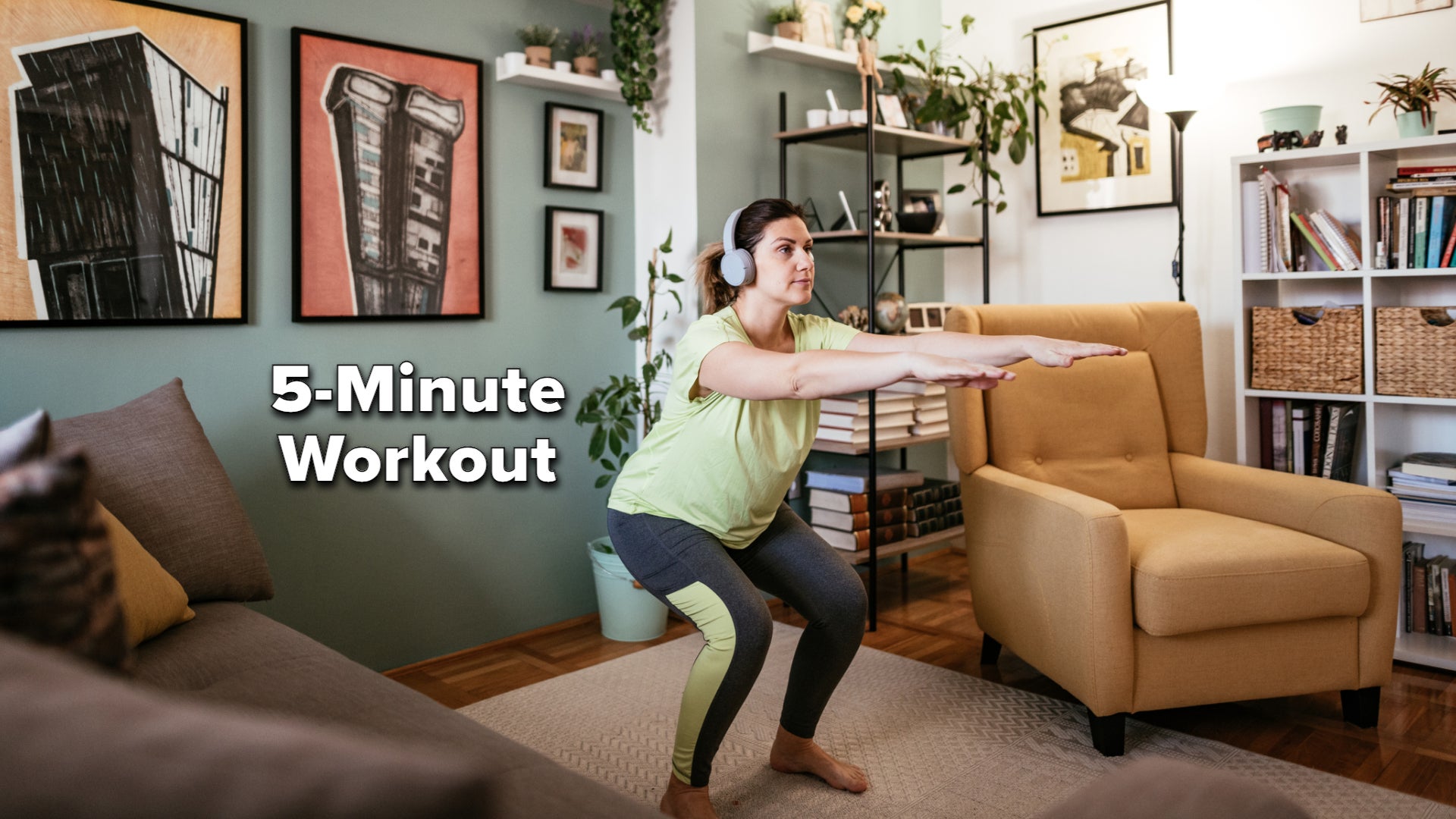
Below, Johnston has shared a five-minute HILIT workout that focusses on squats. “Squats are great for ankle and hip mobility, you will work your quads, glutes, hamstrings and core whilst getting your heart rate up with the full range movements especially the arms above your head,” she says.

“Watch your alignment; knees in line with toes, knees and ankles stacked and keep breathing! If you have trouble with your knees/hips/ankles keep the range of motion smaller and higher.”

Give this a go at home or in the gym.

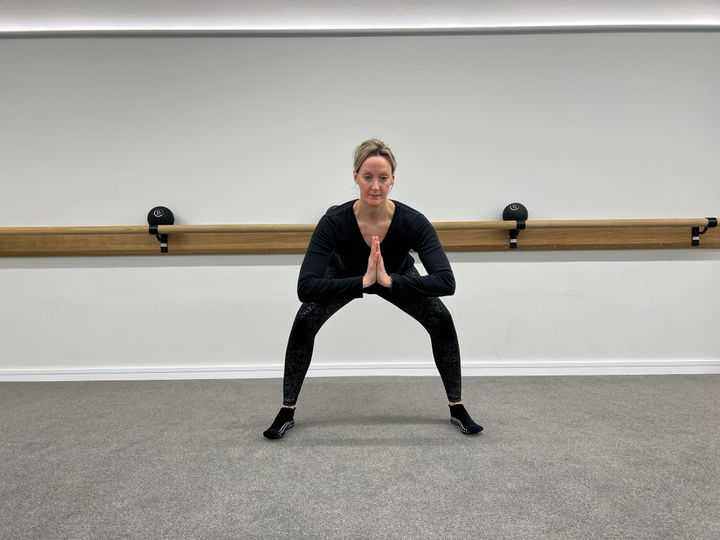
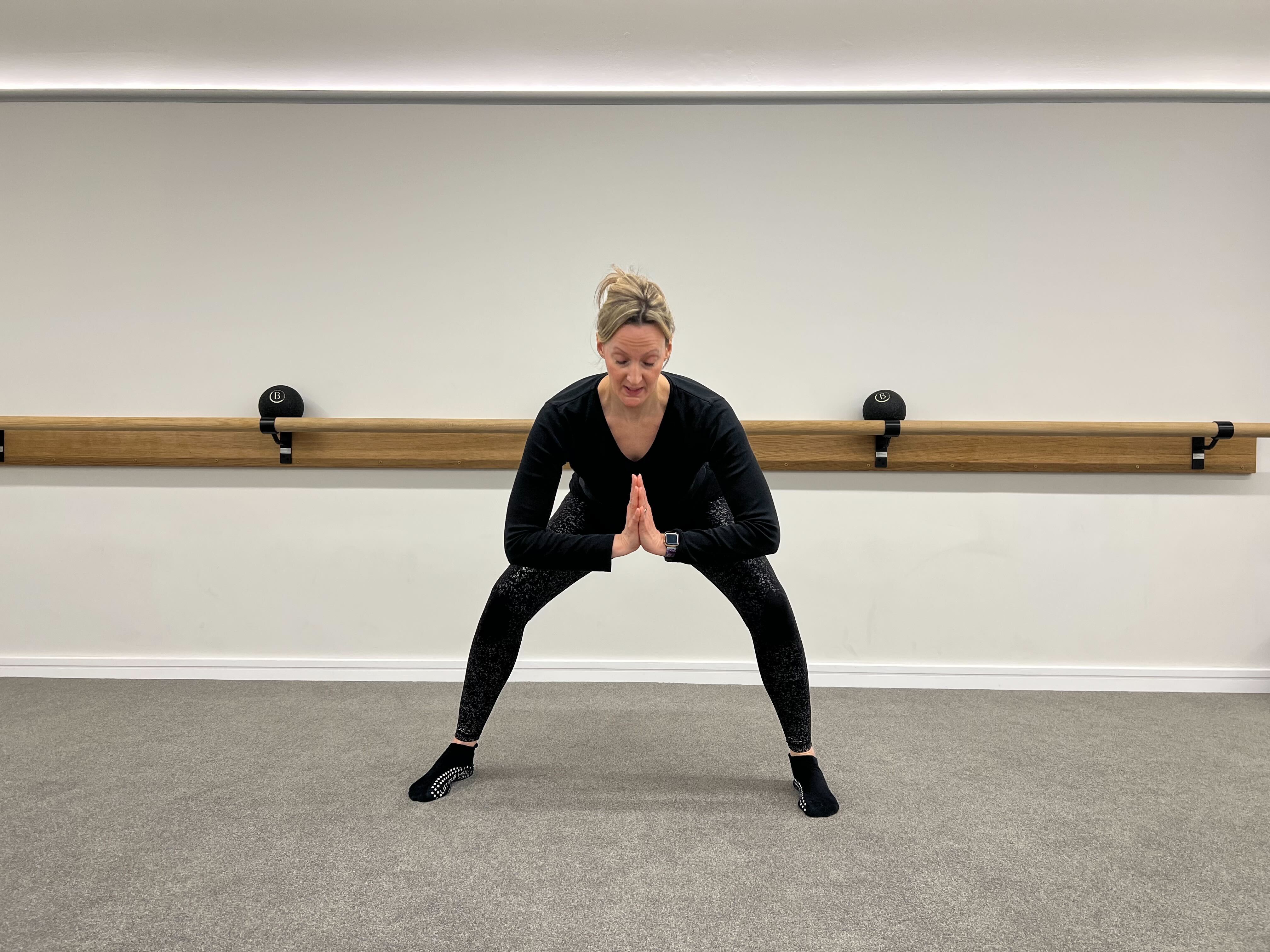
1. Start with slow squats, feet wider than your hips, toes turned out slightly, weight in your heels as you drop down for two counts and up for two counts, repeat for 30 seconds. Speed up to single count down, single count up, repeat for another 30 seconds.

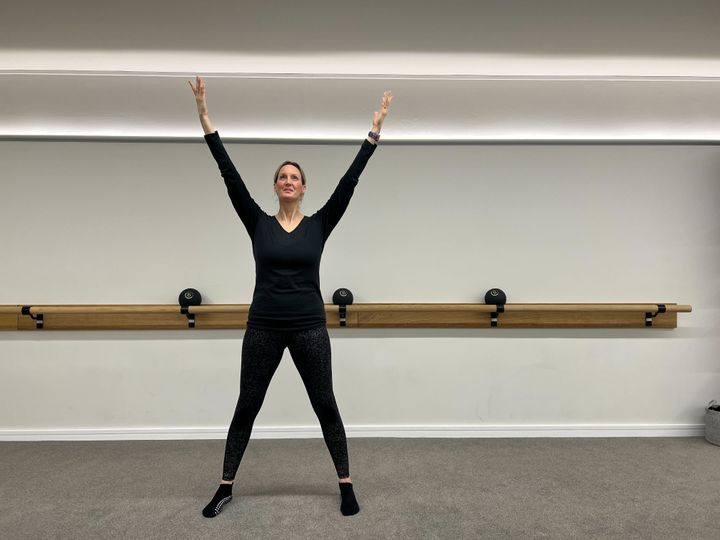
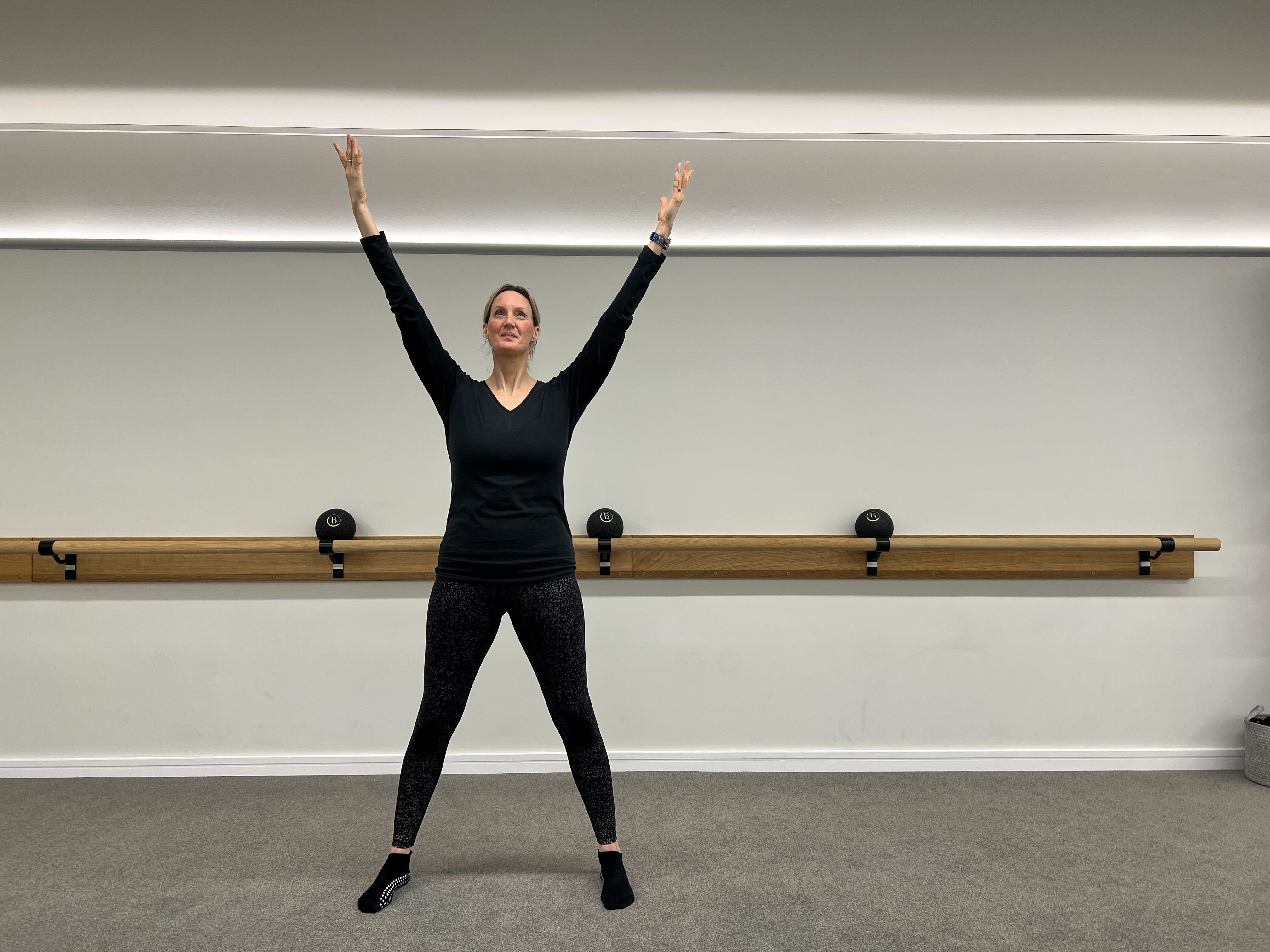
2. Raise arms above your head as you come up, repeat for 60 seconds, then hold at your deepest squat position and do tiny pulses for 30 seconds.

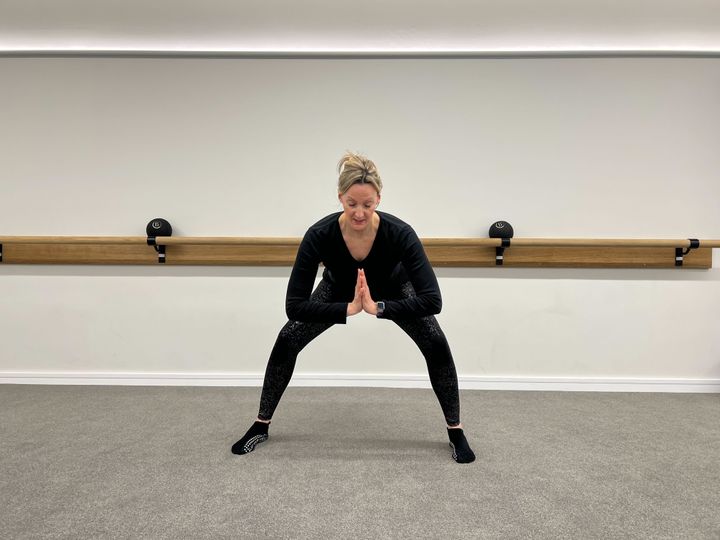
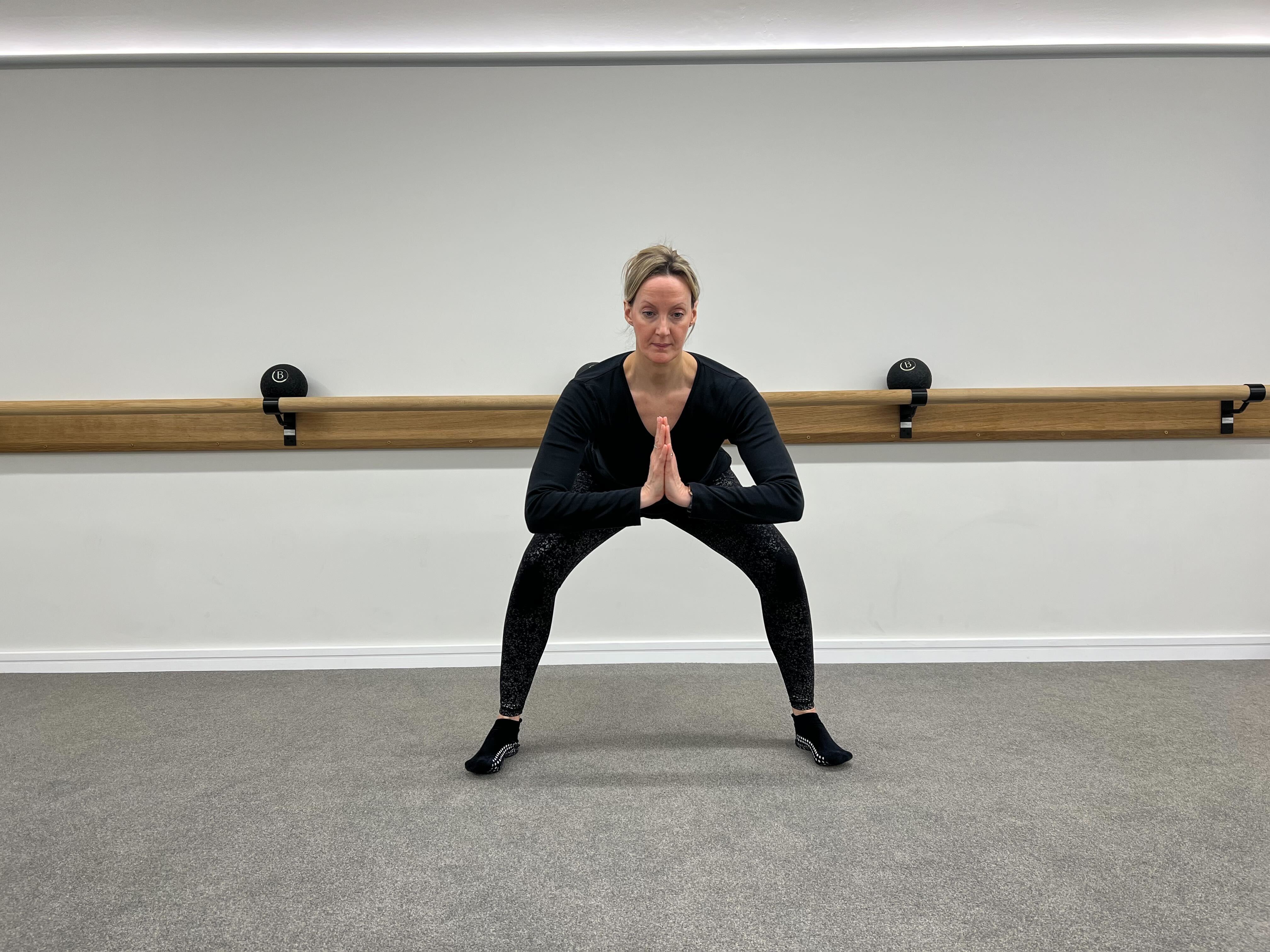
3. Hold your squat position and start walking to the side as if you are a crab, maintaining your deep squat position, step five times to left, five times to right, then four, then three, then two then one. This should take around 60 seconds to complete. Come back to your squat position and start to do single full range [as low as you can squat] again with arms and legs together for another 30 secs.

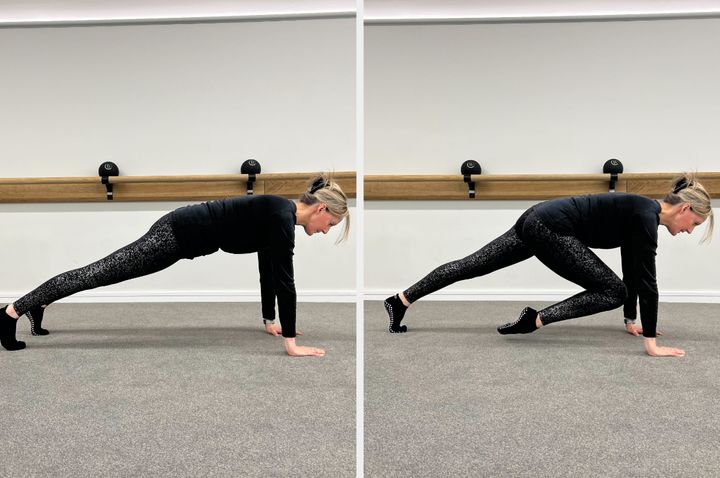
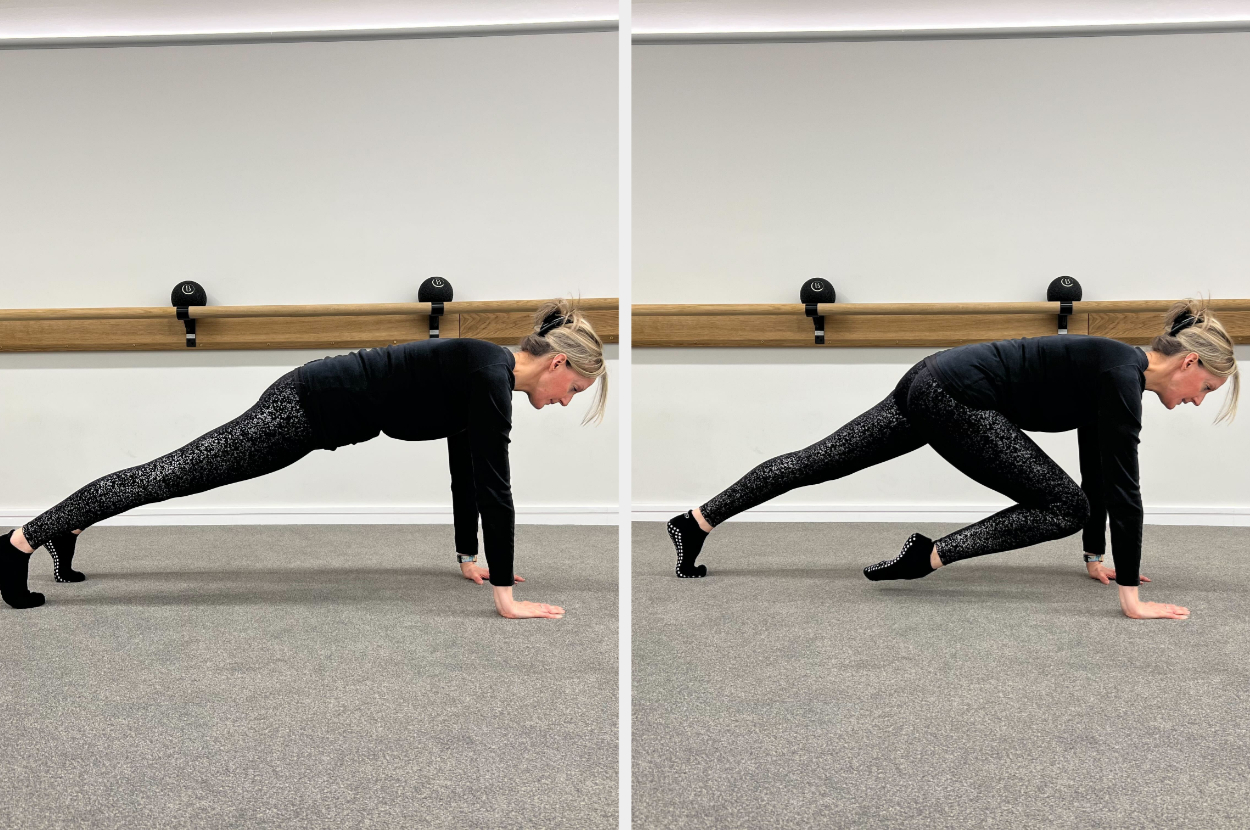
4. Finish your workout in a 30 second straight arm plank with mountain climbers.

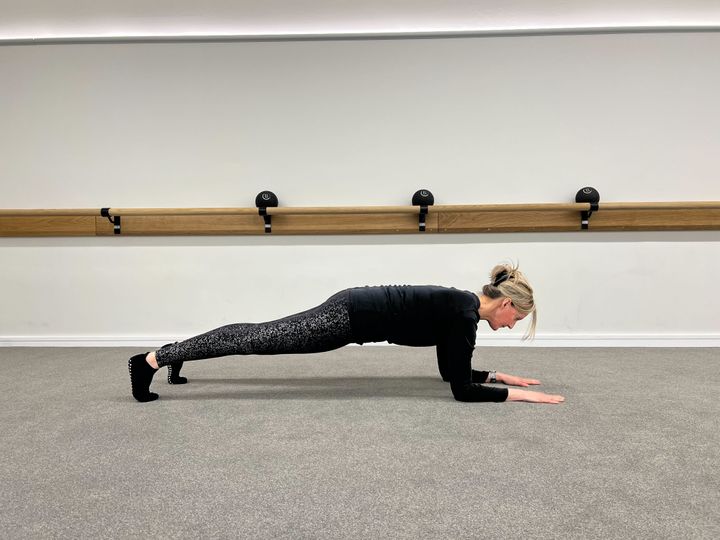
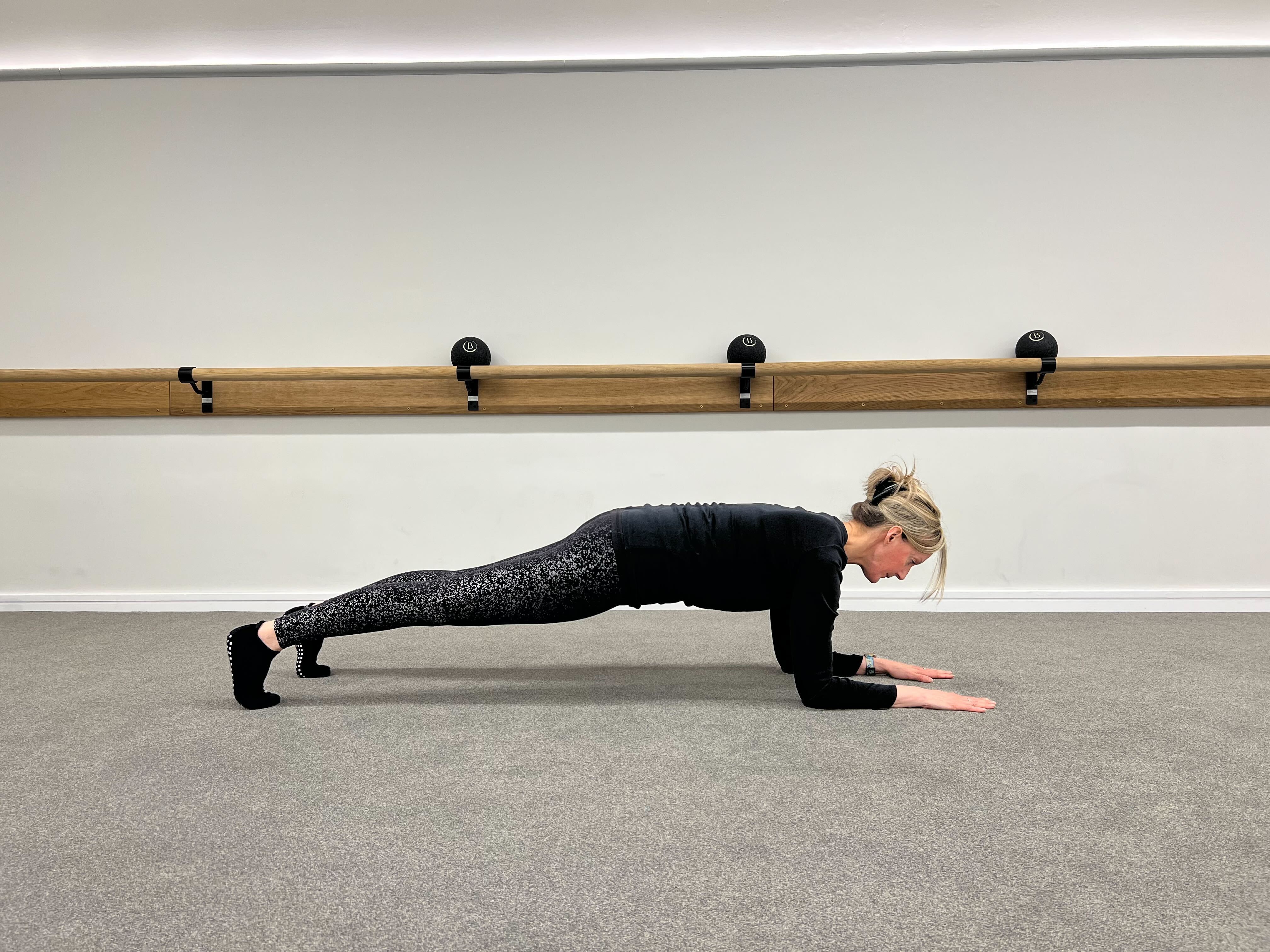
5. Then finally lower onto your forearms for the last 30 seconds for an active recovery whilst targeting all of your major muscle groups in a full isometric hold.

Focus on keeping your elbows under your shoulder, head in line with your spine, tailbone slightly tucked to prevent arching in the lower back, whilst focusing on drawing your belly button to your spine on each exhale breath. Modify onto your knees if you are struggling with your form in this position.

Move celebrates exercise in all its forms, with accessible features encouraging you to add movement into your day – because it’s not just good for the body, but the mind, too. We get it: workouts can be a bit of a slog, but there are ways you can move more without dreading it. Whether you love hikes, bike rides, YouTube workouts or hula hoop routines, exercise should be something to enjoy.

HuffPost UK / Rebecca Zisser

Share Button

Why Do We Need To Pee So Much When We’re Fasting?

Many of us fasting through the month of Ramadan can attest to the annoying feeling of needing to get up to pee through the night and generally throughout the day.

Muslims observing the holy month refrain from eating from just before the sun rises until it sets, which means packing in all the hydration before fasting commences. That can leave us needing to run to the loo a lot more, of course.

But many Muslims will also notice frequent urinating through the fasting day too, despite not actually drinking anything.

So why do we need to pee so much? Surely what goes in has already come out by a certain point?

Well, just because you’re not drinking doesn’t mean the bladder’s job is done.

Dr Gareth Nye, an ambassador for the Society of Endocrinology, tells HuffPost: “So the bladder is actually the ‘waiting room’ of our urinary tract where urine is stored before we go to the toilet. To look at changes in urine output or how much we do/don’t wee, we need to take a step back and look at the kidneys.

“The kidneys are involved in filtering our blood. It takes toxins and waste products and keeps the useful products the body needs to keep. One of the main filtered products is water which can be let go or kept in different amounts based on our body’s needs.”

So, on average, water makes up about 60-70% of the human body, largely depending on your age. Our bodies lose water through our urine, sweat, faeces and breath, so we have to continually replace this by drinking and eating (around a third of the water we consume comes from our food). If we don’t do this, our bodies can become dehydrated.

But we’re dehydrated, which means less pee right? Not necessarily.

Dr Nye explains that the bladder still needs to flush to out toxins, even when you’re dehydrated, thus creating more urine.

You might even notice a different colour in your pee when you fast.

Dr Nye adds: “The first stage of dehydration is thirst, which kicks in when 2% of body weight is lost. The signals that tell our brain we are thirsty also act on the kidneys to send less water to your bladder, keeping the water within the body and darkening your urine. You do need to flush out the toxins and so your body still produces urine even if you are dehydrated.”

You might notice other changes too in your urine while fasting.

“The key thing is, our bodies can go quite a long time without drinking and show no change in our urine output. Regularly when we sleep we can go eight-10 hours without taking any fluid on board and when you do drink/eat your body will replenish. You may notice changes in concentration as you go through the day as the amount of available water drops.”

So when iftar comes round, don’t forget to drink up (though you will feel the effects of it later).

Share Button

UK officials investigate 74 child hepatitis cases

One potential cause could be adenoviruses, but health experts are also looking at links to Covid-19.

Share Button

Deforestation drives climate change that harms remaining forest

In a paper published today in Nature Communications, a team led by scientists from the University of California, Irvine, using climate models and satellite data, reveal for the first time how protecting tropical forests can yield climate benefits that enhance carbon storage in nearby areas.

Many climate scientists use computer simulations to mimic the planet’s climate as it exists today and how it may exist in the future as humanity keeps emitting greenhouse gases. Such models rely on accurate measurements all the moving parts of the climate system, from how much sunlight hits and warms the climate, to the response of forest biomass to changes in temperature, rainfall and atmospheric carbon dioxide levels.

The list of moving parts is long, and one part that has until now remained unmeasured is the degree to which deforestation in tropical rainforests like the Amazon and the Congo contributes to additional forest losses because of its effect on regional climate.

“We used Earth system models to quantify what the climate impact from tropical deforestation is today,” said lead author Yue Li, UCI postdoctoral researcher in Earth system science. “Then, we used this information with satellite observations of forest biomass to figure out how nearby forests are responding to these changes.”

Jim Randerson, UCI professor of Earth system science, added: “This paper shows that avoiding deforestation yields carbon benefits in nearby regions as a consequence of climate feedbacks.”

He explained that for a new patch of deforestation in the Amazon, the regional climate changes that happen as a result led to an additional 5.1 percent more loss of total biomass in the entire Amazon basin. In the Congo, the additional biomass loss from the climate effects of deforestation is about 3.8 percent. Tropical forests store about 200 petagrams of carbon in their aboveground biomass. Since 2010, deforestation has been removing about 1 petagram of that carbon every year. (One petagram is equal to 1 trillion kilograms.)

Until now, climate modelers have, for lack of data, not considered tree mortality in their climate simulations. But by combining satellite data with climate variables, they obtained information about how sensitive carbon stored in vegetation is to climatic changes that result from tree mortality and fire.

“Deforestation has ramifications to forests growing elsewhere, because its consequences to the region’s air temperature and precipitation,” said co-author Paulo Brando, UCI professor of Earth system science. “Until recently, it was very difficult to isolate the effects of deforestation though.”

By developing new estimates of regional carbon losses from deforestation-driven climate change in the Amazon and the Congo, the team provided information that will help scientists fine tune their models. This “might help us design better climate solutions,” Randerson said. By knowing exactly how much biomass is being lost through this activity, he explained, policymakers can make stronger arguments for why it’s worthwhile to curb deforestation, because they can now better describe the knock-on effects.

Joining Brando, Li and Randerson on this project, which was funded by the U.S. Department of Energy Office of Science and NASA, were Dave Lawrence at the National Center for Atmospheric Research and Hui Yang from the Max Planck Institute for Biogeochemistry in Germany.

Story Source:

Materials provided by University of California – Irvine. Note: Content may be edited for style and length.

Share Button