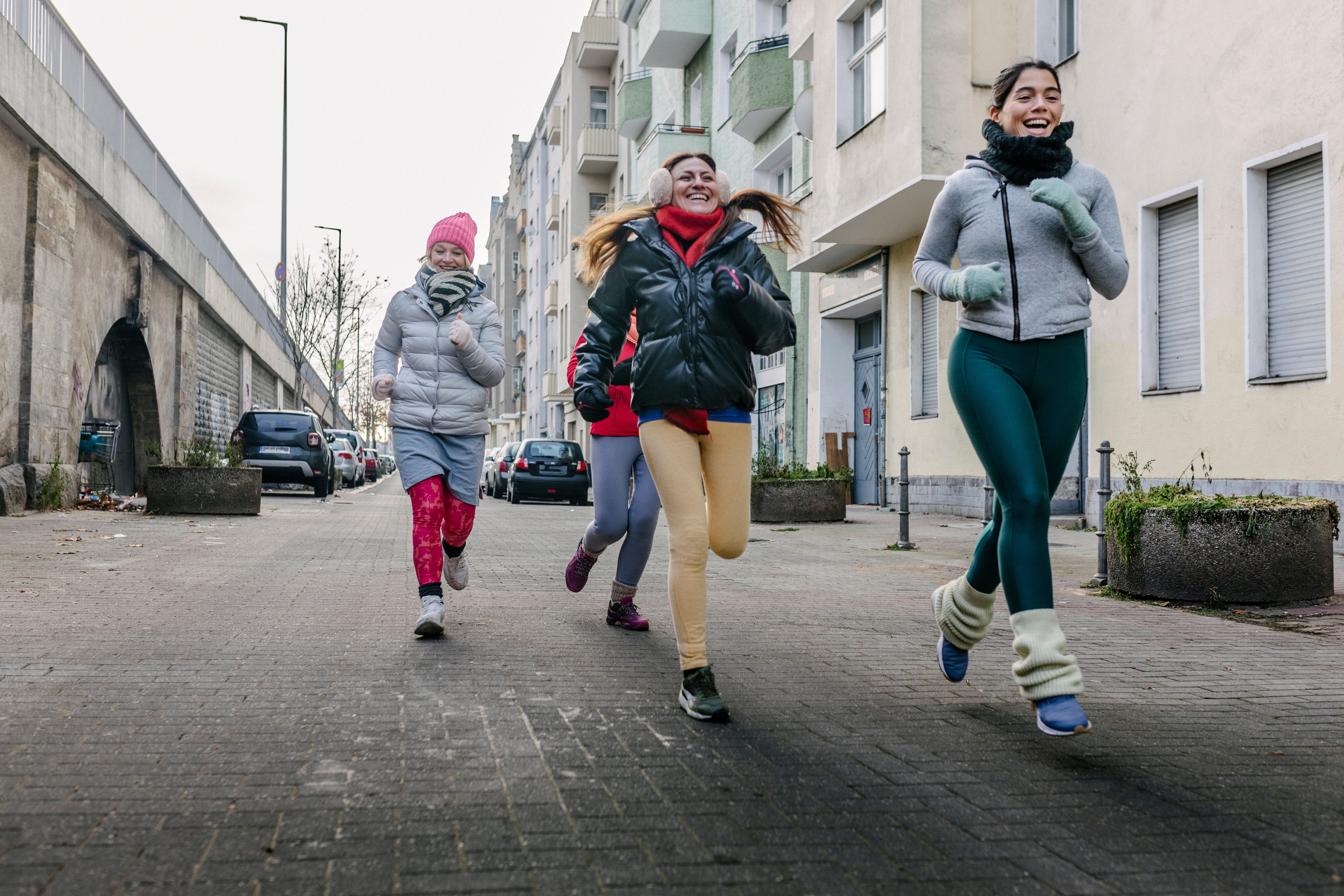
Yes, Science Says Exercising In Winter Really Is Harder

Who was summertime me? I don’t recognise that running, strength-training, “Japanese walking” powerhouse – winter me is an immobile hermit.

I know, I know, staying active in the colder months is great for your health.

But I just can’t bring myself to work out often now that the clocks have gone back. The motivation simply won’t kick in.

If that sounds like you, though, some reassuring (or depressing, depending on your mindset) news: you’re not alone. There is real science behind your cold-weather sluggishness.

No wonder we tend to spend more time staying still in the final season of the year.

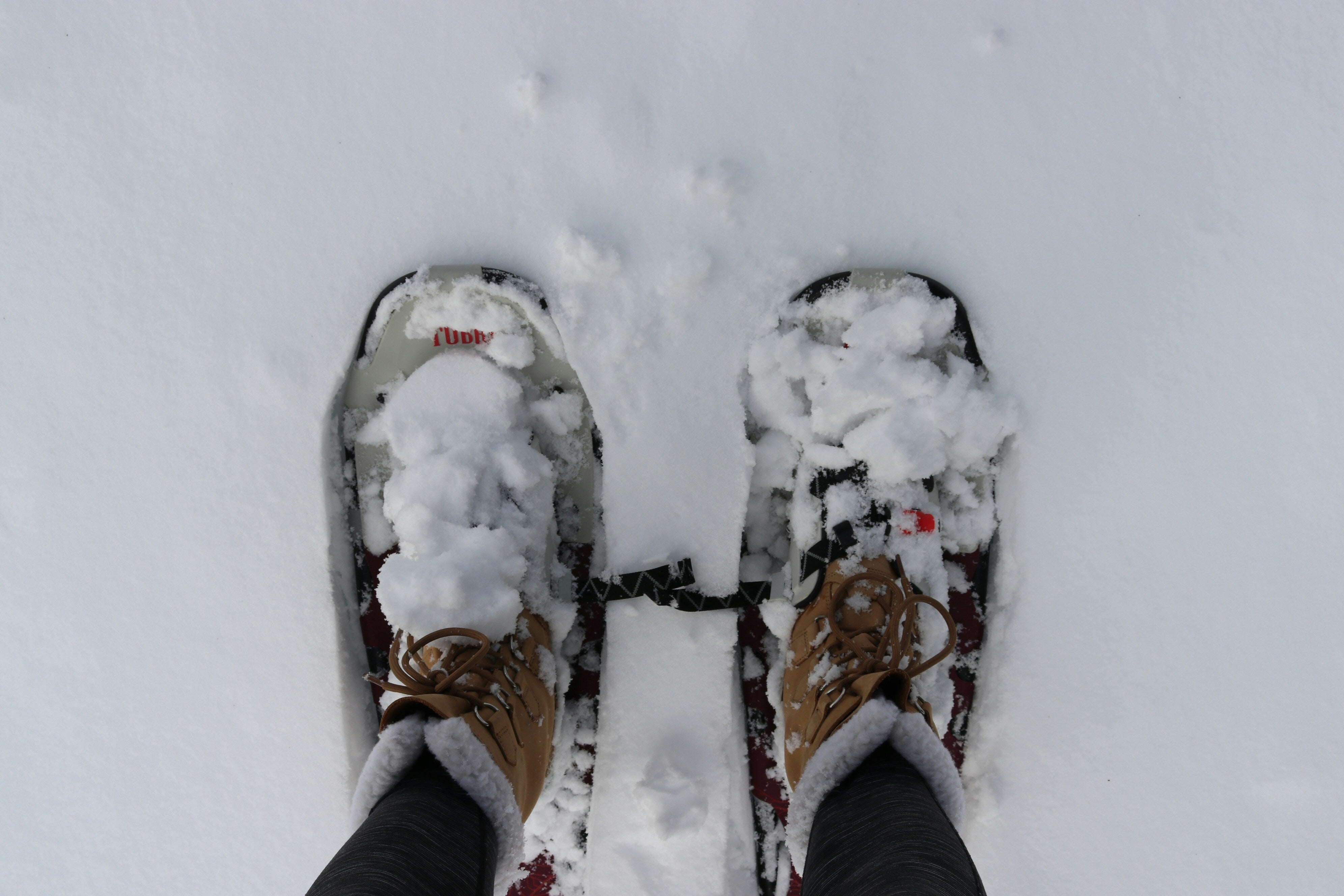
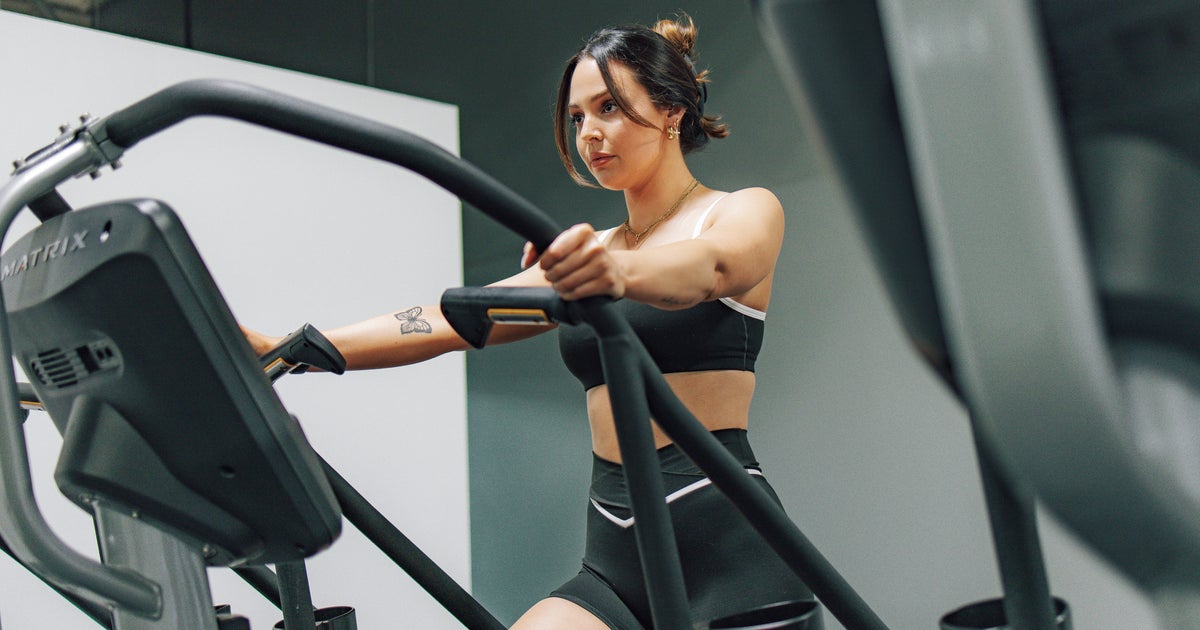
Why is it so much harder to exercise in winter?

If you are a member of the many people affected by Seasonal Affective Disorder (SAD), your motivation to head to the gym may be shot.

A paper suggested that vitamin D may potentially increase athletic performance, though more research is needed. Many of us lack the vitamin, linked to bone, muscle, and tooth health, in the darker months, the NHS said.

Some research conducted on military service members suggested that “The combination of cold temperatures with other environmental stressors, including altitude, wind, and wet environments, exacerbates the overall metabolic strain on military service members.”

In other words, it just takes more out of you to work out when it’s chilly out.

Another paper found that people who stood outside in the cold before attempting cycling saw a decrease in performance of 30%.

Your muscles might not work as well in the cold, either (in fact, they can tense up so much in response to cool weather that it may increase your risk of injury).

Want to warm them up ahead of your training session? Fine – but that might take you more energy, too.

More great news: once you’ve completed a chilly session, your hormones may make you hungrier than you would have been if you’d exercised in warmer weather.

How can I motivate myself to work out in winter?

BBC Sports recommends reframing sport as “me time,” working out with others, wrapping up warm, changing your routine to an indoor one, and rewarding yourself when you do get active.

PureGym says that sticking to a routine and seeing exercise as a way to get sunlight – which can help you regulate your sleep, especially after the clock change – may help too.

Even committing to a quick burst of activity on your lunch break can be useful, experts told TODAY.

Share Button

I Tried ‘Movement Snacking’ At Work, And My Back Has Never Felt Better

In my youth (read: a couple of months ago, when it was still bright out), I tried “Japanese walking,” “Jeffing,” and strength training to stay active.

Now that it’s cold and dark, and I have adopted the appropriate hermit lifestyle, it’s more about walking in what little daylight I can access and, to be honest, skipping the gym.

This is not, I know, good for me. Staying active in winter is good for our mental health and can even help to regulate our sleep as daylight disappears.

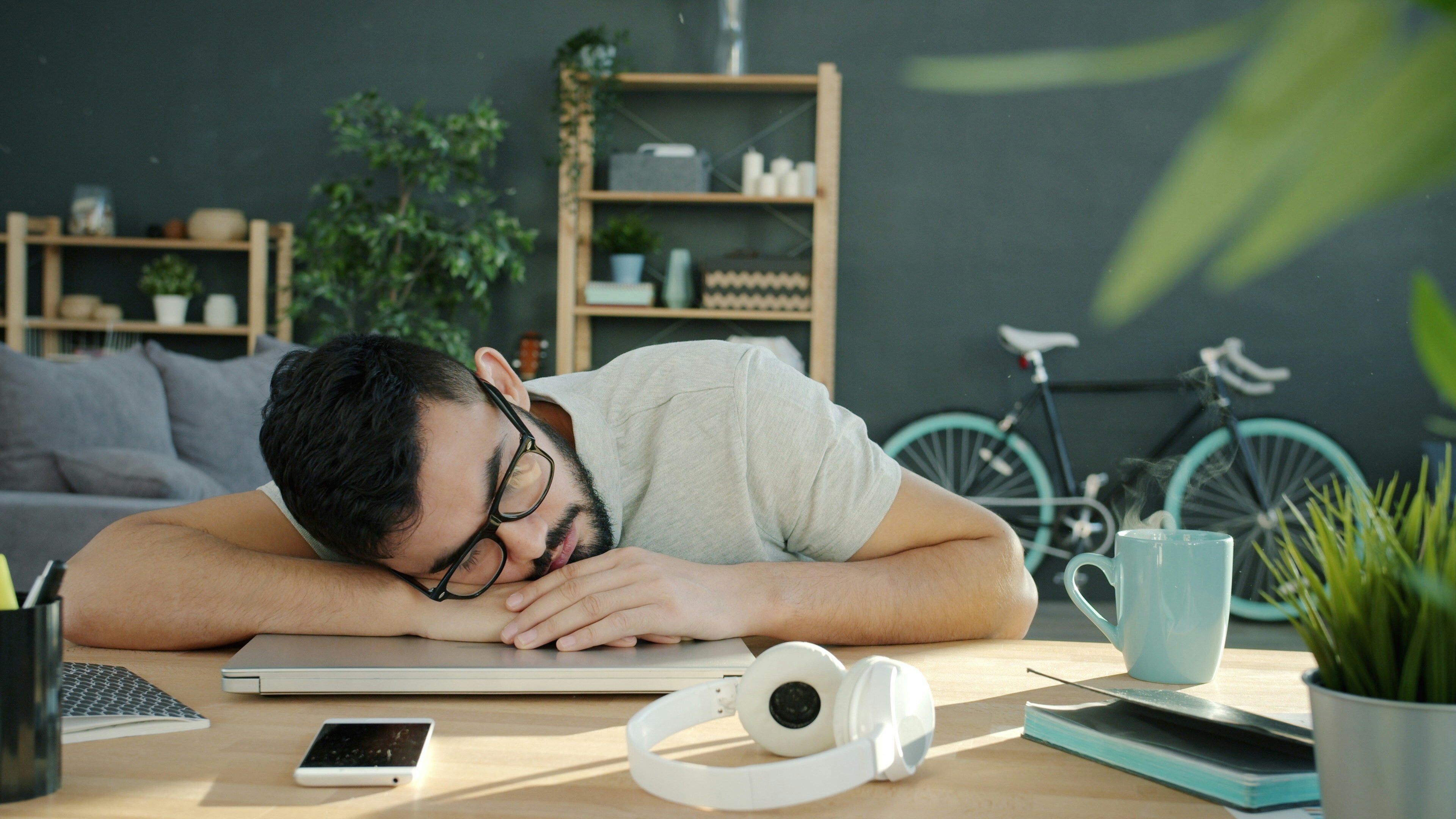
But I need to be realistic, too: I work from home and rarely feel up for getting my good (well, non-PJ) togs on of a gloomy evening or dark morning.

So, I began to try “movement snacking” – a trend that allows me to incorporate tiny workouts in between typing flurries.

Now, I can’t imagine a work week without it. It’s helped my upper back and shoulder pain a lot, too – I feel a lot less stiff and sore.

A quick midday walk on the left: stretching on the right

Amy Glover / HuffPost UK

A quick midday walk on the left: stretching on the right

What is “movement snacking”?

It involves including multiple small movement sessions, like 10 squats or a five-minute walk, into your day rather than relying on a single large block of exercise.

A 2022 paper found that even one-minute bursts appeared to have health benefits in small proof-of-concept studies.

And a 2025 systematic review showed that “movement snacks” lasting at least five minutes, performed twice daily or more, “improved cardiorespiratory fitness in physically inactive adults”.

For me, that took the form of a couple of squats after writing an article or a little turn around the block during lunch. I reckon I spend, on average, about three to five minutes on roughly four sessions.

Speaking to HuffPost UK, Dr Suzanne Wylie, GP and medical adviser for IQdoctor, said: “I think ‘movement snacking’ is an excellent and very sustainable approach to maintaining musculoskeletal health, especially for people with sedentary jobs.

“It’s realistic, easy to integrate into a busy day, and doesn’t require special equipment or a gym setting. Even a minute or two of stretching, shoulder rolls, or walking around every 30–60 minutes can have cumulative benefits for your comfort, flexibility, and energy levels.”

The doctor added that she often recommends similar approaches to her patients, “as small, consistent movements can make a big difference to how the body feels and functions over time”.

Can movement snacking help with back pain?

I’ve noticed that my upper back feels a lot less tense and sore now that I’ve begun “movement snacking” (and I think it’s helped my midday mood, too).

According to Dr Wylie, the two may be related.

“It’s very plausible that your improvement is directly linked to practising ‘movement snacking,’” she shared.

“When we remain seated for prolonged periods, particularly when working at a desk or computer, the muscles in the shoulders, upper back, and neck can become tense and shortened, while the supporting postural muscles weaken over time.

“This can lead to stiffness, discomfort, and even tension headaches. By incorporating short, regular bursts of movement throughout the day, you’re effectively breaking up those long periods of static posture.”

Exercise snacking may help, the GP ended, because “These brief stretches and mobility exercises help improve blood flow to the muscles, reduce joint stiffness, and encourage better posture”.

In other words, the trend may help more than your back – after all, some experts think it can help to manage your blood pressure, improve your heart health, and even support your metabolism too.

The best bit? From my experience, you won’t even notice you’re doing it – it’s so fun and easy, and helps to break up an otherwise monotonous stretch.

Share Button

This 1 Type of Walking Could Be The Key For Upping Your Step Count Without Wrecking Your Body

Want to add some extra challenge to your walk? Or want to tone down your too-tough run? “Jeffing” may be your answer.

Jeffing is a training method that comprises both running and walking intervals during a workout. It was founded by Jeff Galloway, an Olympic runner, who came up with the run-walk concept to help folks of all levels run further, protect themselves from injuries and enjoy running more, according to Galloway’s website.

The method is known by a few different names, such as the Galloway run-walk program and the run-walk method, but they all have the same goal: to help people build endurance, run faster and move more by employing both running and walking intervals during a workout.

Here’s what jeffing might look like: Going for a two-minute run followed by a three-minute walk and repeating that a few times for a full workout.

Whether you’re a runner or not, jeffing is a way to make running more accessible and for your step count to skyrocket in the process. Here’s what to know:

‘Jeffing’ is useful for runners of all levels, but is especially valuable for beginners.

Jeffing is good for anyone to try, whether you’re running a marathon or lacing up your shoes for the first time ever.

“I’ve always thought of Galloway’s run-walk as taking what he did when he was an Olympic runner … and … [bringing it] to people like my mom who never thought that they could be a runner,” said Randy Accetta, the director of coaching education at the Road Runners Club of America and founder of Run Tucson.

Runners training for races are known to employ this run-walk (or run-jog) method in their training, Accetta added.

While jeffing can help someone running a high-stakes race cross the finish line, it can also be a particularly good strategy for new runners, said Jeff Dengate, the runner-in-chief for Runner’s World magazine.

“We’ve seen this time and time again where somebody [takes] up running, they head out their driveway, and they think, ‘I have to be a runner. I have to be fast,’ so they get down the road and they’re just cooked, they’re just exhausted,” Dengate said.

For new runners, having a run-walk strategy can keep that exhaustion from happening. “It’s a really good introduction to running,” said Riley Buchholz, the men’s and women’s cross country coach at Temple University in Philadelphia. And it can be protective.

“A lot of people don’t realize that whenever you’re running, you’re applying three to four times your body weight [on your joints] — so, it’s a lot on the body to handle, especially if you just start pumping out miles at a harder effort that you aren’t used to. It takes time to adapt to that,” Buchholz explained.

A mix of running and walking when you head out to the trail or track can help protect your body from that impact.

Jeffing is a run-walk method that can help build up endurance and muscle strength.

FG Trade Latin via Getty Images

Jeffing is a run-walk method that can help build up endurance and muscle strength.

It can help build up strength and endurance.

Don’t let the walking fool you. If your goal is to build up your running capability, this jeffing still has a place in your training.

Alternating between running and walking can help you build up your lung capacity, endurance, and muscles, noted Buchholz before adding, “Anytime you’re exercising, you’re getting better.”

“It helps a lot of people build, not only the stamina, the endurance, but also speed,” Dengate said. “Runners can get faster by using those little walk breaks as well.”

Jeffing is also a good way to learn your preferred pace and effort, Buchholz said.

It takes some of the pressure off running, too.

Anyone who has gone for a run knows the feeling of wanting to stop for a break but feeling guilty about the pause. While there is never a reason to feel guilty (movement is movement), jeffing helps take away those bad feelings during exercise.

“It gives us all the opportunity to exercise without having to feel bad about wanting to stop,” Accetta said. “In the Galloway run-walk, you [intentionally take] the walk breaks. So you know going in that you’re going to run for five minutes and walk for a minute.”

That way, when you’re done with your workout, you can proudly check it off your to-do list because you set out to run and walk from the beginning, Accetta added. “And that’s different than, ‘oh my god, I’m so tired, I need to take a nap. I need to stop walking’ and then stressing whether … you’re ‘quitting’ or not.”

Here’s how to try it:

While some people choose to follow a formula such as one-to-one efforts (meaning, for example, five minutes of running followed by five minutes of walking), there really isn’t a hard-and-fast rule, according to Accetta.

“I think the beauty of … jeffing, or run-walk, is that you can manipulate the effort and rest intervals to fit the physical and emotional needs of the athlete as well as the terrain,” Accetta explained. “For me, there is no perfect ratio.”

It’s all up to you how you start. New runners could try running for 30 seconds, followed by a three-minute walk, or even 15 seconds of running, followed by a three-minute walk. Experienced runners could run for 10 minutes and follow it up with a 30-second walk. There is no wrong formula.

Buchholz said he generally recommends a one-to-four ratio for beginner runners. “Normally, the running is the one and the four is your walking,” he said.

This means if you’re moving for 20 minutes, five minutes can be spent running and 15 can be spent walking, Buchholz said.

If you do want a specific formula, Dengate said there are run-walk calculators online that can help you determine your pace and timing based on your mile time.

When it comes to pace, there are a few things to keep in mind. An everyday jog pace shouldn’t totally deplete you, according to Dengate. “We usually say to use the talk test. If you can’t carry a conversation with the person next to you, you’re probably running too fast on most days.”

“But then, how fast do we do those walk intervals? It’s not a full recovery — you want to walk with purpose … I like to tell people, move like you’re a New Yorker going down the sidewalk. You’re getting somewhere,” Dengate explained.

If you slow down too much during your walk interval, it’s hard to start running again, Dengate added.

Movement should feel good and rewarding, so take the pressure away and keep that in mind when you head outside for your weekly jeffing.

“Far too often we thought of running as punishment for other sports, or it’s something I have to do,” Dengate said. “I like to remind people, running is something we get to do. We’re fortunate enough to be able to have that opportunity to go out and spend that time doing it, so go have fun with it.”

Share Button

‘Zone Zero’ Exercise Is The Workout You Don’t Even Know You’re Doing – Here Are Its Benefits

Good news for fellow slow runners: it turns out zone two cardio, which sees joggers plod along at a conversational pace, is incredibly good for us.

Professional runners spend about 85% of their training doing that sort of low-impact activity. It puts runners at about 60-70% of their max heart rate.

But if even that sounds a little too much, zone zero movement (yes, really) might be the under-appreciated, super-low-effort way to keep you active without a pricey gym membership or even a pair of trainers.

Never putting your heart above 50% of its max rate, it can be done accidentally – it’s that easy and approachable.

What is zone zero training?

Primary care organisation The Lanby describes zone zero training as a kind of “active rest” – it “aids in active recovery, ensuring your body is ready for the next challenge”.

It means your heart rate never goes above half its maximum level, as we mentioned above. Your max heart rate changes by age: in general, it’s calculated by subtracting your age from 220.

So, say you’re 30 years old. Your max heart rate is around 190; and zone zero training will never see your pulse go above 95 beats per minute.

It can include slow walking, gentle cycling, and yoga. But popping to the shops, doing a bit of light tidying, and pottering around in the kitchen count too.

What are the benefits of zone zero training?

Zone zero training is not only a great way to make exercise accessible to those who might find the idea of a full-on workout a bit much, but active recovery also benefits active people as it helps to flush out waste material that builds up in tired muscles.

Some experts think that those who work out might subconsciously compensate for the added load by not engaging in zone zero moves (like tapping your foot or taking an extra few steps) throughout the day. Remembering to include zone zero work in your routine might help this.

Taking a short stroll after eating, in particular, might help to even out your blood sugar, too. And some suggest that pottering can keep you alive for longer.

What are some examples of zone zero training?

These can include:

  • Stretching at your desk
  • Light walking
  • Yoga
  • Walking meetings
  • Rolling your feet on a roller or ball as you work
  • Gently yoga
  • Slow cycling
  • Tidying
  • Cooking.

Parking a couple more metres away from work than usual or popping to the shops instead of ordering in can all add up.

That’s not to say that zone zero training should replace current health guidelines – the NHS says we should stick to 75 minutes of high-intensity or 150 minutes of moderate-intensity (over 50% of your max heart rate) activity a week.

Not doing so has been linked to shorter, less healthy lives.

Still, going from no activity to some has enormous health benefits too – and whether you find yourself intimidated by intense exercise or are struggling to properly recover from your most hardcore workouts, zone zero may offer an approachable answer.

Share Button

I Swapped 10,000 Steps A Day For 30 Minutes Of ‘Japanese Walking’ – I’ve Never Been More Active

Even though I love running and regularly go to the gym, facts are facts; I work from home and don’t love a long evening ramble. As a result, I regularly fail to get 10,000 steps a day, even though that’s been my goal for years.

All my “Jeffing,” VO2 max training, and treadmill interval sessions were not enough. I average around 6,500 steps daily, and my ongoing attempts to hit the 10k target have proven unsuccessful and inconvenient.

I tried walking after work (a non-starter), taking a lunch-break stroll (sometimes useful, but mostly impossible due to the Endless Kitchen Tasks working from home seems to highlight).

So, you can imagine how happy I was to read about “Japanese walking,” the strolling style said to be as good for us as 10,000 steps, while taking a fraction of the time.

Ironically, despite spending less time walking, my average steps are up to 8,100 a day.

What is “Japanese walking”?

Japanese walking, also known ‘the 3-3 walking workout’, is essentially the interval training of the walking world. It was developed by Professor Hiroshi Nose and Associate Professor Shizue Masuki at Shinshu University in Matsumoto, Japan.

Like “Jeffing,” which sees runners intersperse periods of high-intensity running with walking, Japanese walking packs bursts of intense stepping into a stroll.

Specifically, it asks you to walk for three minutes at a fast pace and slowly for another three minutes. Repeat this five times for a 30-minute workout.

The 2007 paper that the method’s inventors wrote found that, among middle-aged participants, those who tried “Japanese walking” left with lower blood pressure, stronger thigh muscles, and better aerobic ability than those who either did not walk or walked 8,000 steps a day at a moderate pace.

“High-intensity interval walking may protect against age-associated increases in blood pressure and decreases in thigh muscle strength and peak aerobic capacity,” the paper reads.

Dr Suzanne Wylie, a GP and medical adviser for IQdoctor, told HuffPost UK: “Even a modest 30-minute walk delivers remarkable cardiovascular benefits, reducing the risk of heart disease and stroke whilst improving blood pressure control.

“Regular movement helps maintain a healthy weight and strengthens muscles and bones – a crucial factor as we age, to help prevent osteoporosis and preserve mobility.”

A recent early walk (I usually hate them, but Japanese walking made it more bearable)

Amy Glover / HuffPost UK

A recent early walk (I usually hate them, but Japanese walking made it more bearable)

I’ve never found walking easier or more fun

Having tried the method myself, it’s safe to say I’m never going back.

Somehow, knowing the walk is going to take a maximum of half an hour means I’m much more open to the idea.

I walk more often, enjoy the time more (I think that the three-minute-on, three-minute-off approach makes the exercise go by much faster), and have even upped my step average by a couple of thousand per day.

“From a clinical perspective, any form of consistent, moderate-intensity walking, especially if it incorporates posture, breathing, or mindfulness as Japanese walking sometimes does, can further enhance cardiovascular and mental health,” Dr Wylie shared.

As a recent convert, I couldn’t agree more.

Share Button

Half-Assing Workouts Changed My Life – And It Could Work For Your Goals, Too

If you know me, you’re probably tired of hearing me rattle on about my running, walking, and strength training adventures (sorry, loved ones).

That’s partly because I’m insufferable. But it’s also because I never imagined I’d get into sports – before the age of 23, I hated the idea.

Now, though, I worry I’ve become a victim of the same conscientiousness some research suggests might have put me off physical activity for years. Until about two months ago, I found myself skipping as many as three workouts a week – if I wasn’t giving it 100%, I reasoned, I’d better not go at all (this, despite knowing that any exercise is better for you than none).

But recently I’ve been enjoying the delights of the “crappy,” half-assed workout, and my exercise routine has never been more consistent.

I spoke to Anna Mathur, psychotherapist and author of the upcoming book The Good Decision Diary, about the joys of doing something badly instead of skipping it altogether.

Unrealistic goals can lead to burnout

The author told me that ambition isn’t a bad thing, but goals rooted in shame or unrealistic expectations can set you on a fast path to disappointment.

“This leads to feelings of stress, pressure, unease, burnout, etc.,” she shared.

“Lofty goals often fail because they ignore the gritty reality of life, our fluctuating energy, ever-changing resources, the unexpected curveballs, responsibilities in other areas of our lives, and our nervous system state.

“We might set out with ‘I’ll wake up at 5am and run every day’ and when we inevitably miss a day because we’re sick, exhausted or had a late night at work, we feel like we’ve failed.”

As someone who used to bail from my beloved jogs unless I felt I could finish a record-beating 10k, I found myself nodding at her advice.

To combat unfair and inflexible goals, be they for a new squat PR or a crochet project, the therapist sticks to what she calls “the 70% rule… if a choice feels 70% good enough, it’s probably time to act.

“Waiting for the perfect moment or plan can keep us in a state of paralysis and stop us from starting. Half-doing something (going for a 10-minute walk instead of a 45-minute workout, writing a messy journal entry instead of none at all) is often how momentum builds and we take the pressure off.”

I have at least 70% conviction to work out most days, and if that only leads to a 45% effort, well, so be it.

In fact, even my 10-minute walk to the gym is so much better than nothing than I realise in the moment – even if I turn around and leave once there.

How can I tell that a goal is backfiring?

A few weeks ago, I spent three days pretty much solely in bed, dreading the prospect of my newly adopted gym routine.

This, despite the fact that my running PR was the best it had ever been, and my squats were the heaviest I’d tried.

That’s because, Mathur cautioned, “Good decisions aren’t just about the outcome (although that’s where we’re culturally taught to focus: on the external, the deliverables, the achievements) – they’re about how they make you feel on the way there too, how you grow as you go, whether you resent the aim, burn out trying to get there.

“One sign that a goal is backfiring is when it starts creating more anxiety than momentum,” she added.

“Maybe it’s affecting your sleep, mood, or relationships. Maybe it’s fuelling rumination, shame, or a harsh inner critic, or you keep falling short or ‘failing.’”

Though a backfiring goal might look impressive from the outside, she continues, it might be time to reconsider or reconfigure it once it leaves you feeling disconnected from yourself.

“A good decision feels like something you can return to, that doesn’t carry that all-or-nothing, walking-on-a-tightrope quality, and is not something you’re constantly bracing against,” she ended.

My new, more flexible routine (if I miss my previous early-or-nothing morning slot, fine; I’ll do something a little less machine-heavy in my crammed 6pm gym) is one example, but the approach works for a far wider range of goals too.

The Good Decision Diary by Anna Mathur publishes 7 August 2025 (Penguin Life, £16.99)

Share Button

This Low-Impact Exercise May Land You 2 Extra Hours Of Sleep

Though exercising too close to your bedtime may actually harm your sleep more than it helps, the NHS says that getting enough movement in your day is key to consistently good slumber.

Johns Hopkins Medicine writes that we don’t actually know why physical activity helps you snooze. It might be because working out releases “happy chemicals”, endorphins, or because it raises your body’s core temperature, they suggest.

A half-hour of exercise is linked to better sleep that same night, nonetheless.

And now, a new review has been published in the journal BMJ Evidence-Based Medicine that has named the low-impact exercise that could improve the sleep of insomniacs like me by almost two hours.

Yoga might give you two hours of extra sleep

The scientists looked at 22 previous randomised controlled trials involving over 1,300 people with insomnia.

They found that while cognitive behavioural therapy (CBT) was helpful for managing the condition, so too was exercise.

“Among the various modalities examined, yoga, Tai Chi, and walking or jogging appear to be particularly effective,” they wrote.

Not only did yoga improve sleep time by just under two hours on average, but it also helped participants to nod off half an hour earlier than usual.

The review found that the positive sleep effects of Tai Chi and CBT combined may last for as long as two years for people with insomnia, while those associated with aerobic activity or aerobic activity with strength training seemed to last for seven months.

Of the activities included in the research, though, yoga won out in sheer added minutes of kip.

The scientists encouraged more research into the topic

As we mentioned above, the relationship between sleep and exercise is still not fully understood.

Perhaps that’s why this study didn’t recommend an exact amount of yoga or time at which to do it.

“To confirm and extend these findings, future research should prioritise large-scale, high-quality RCTs with standardised intervention protocols,” they wrote in their paper.

The more data we have, the more exercise and sleep scientists can rest easy (sorry….).

Share Button

Keep Getting Running Injuries? The ‘UHBE’ Test Could Reveal Why

You may already know how many sit-ups and push-ups you’re meant to be able to do by age and gender, as well as how long you’ll ideally be able to hold a plank or stand on one leg.

These can measure everything from your biological age to your dementia risk.

But what about your balance and stability – factors Harvard Health says can influence your risk of falling and injury, and which are key to pain-free running?

The key to ensuring those are in the best possible nick, they add, is strengthening your core (a group of muscles that extends far beyond the six-pack abs you may associate with a strong core).

As it turns out, the best way to test your core strength also seems to reveal the strength of your hip flexors too – all key muscles to prevent running injury.

Try a unilateral hip bridge endurance test (UHBE)

A 2016 paper sought to find the best way to measure core strength at a clinical level.

The scientists assessed two common core stability tests: the trunk stability test (TST) and the unilateral hip bridge endurance test (UHBE).

The TST is essentially a push-up test. It asks participants to lie face down on the ground and push their body up with their hands planted on the floor.

Their back, shoulders, and knees should not sag or dip. This test is scored from 0-3, with 0 meaning they failed to complete the move and had pain (3 is a perfect, pain-free push-up).

The unilateral hip bridge endurance test asks people to lie down flat and lift their hips up from the surface they’re lying on, lifting one leg.

They are asked to keep their hips straight, avoiding dipping up buckling, for about 10 seconds. Pain, inability to complete the move to the full 10 seconds, and not feeling the move in your glutes can all be signs of issues.

Researchers found that compared to the TST, the UBHE test seemed to be far better at gauging your core strength, especially as it relates to your lower body.

It’s also a great way to assess your glute and hip strength, and because it’s a unilateral move, you can see whether one side is weaker than the other.

<div class="js-react-hydrator" data-component-name="YouTube" data-component-id="3154" data-component-props="{"itemType":"video","index":19,"contentIndexByType":1,"contentListType":"embed","code":"

","type":"video","meta":{"author":"RunDNA","author_url":"https://www.youtube.com/channel/UC-xAU5AQTq434VNHNd5Bi2Q","cache_age":86400,"description":"Unilateral Hip Bridge Endurance \n\nThe Unilateral Hip Bridge Endurance (UHBE) test is part of the gait capacity screen, designed to assess core stability and endurance necessary for walking. \n\nTo perform the UHBE test: \nThe participant lies on their back with knees bent and feet flat on the ground, bringing their heels as close to their bottom as possible. \n\nThe participant crosses their arms over their chest. \n\nInstruct the participant to lift their hips as high as possible, then extend one leg straight without letting the hips drop. \n\nKey observations: \nThe participant should maintain this position for 10 seconds without losing height or rotating the hips. \n\nMonitor if the participant feels the effort predominantly in their glutes rather than their back or hamstrings. If the effort is felt mainly in the back or hamstrings, the test is marked as unable. \n\nEnsure there is no pain during the test. \n\nThe leg that remains on the ground is the one being scored. \n\nThis test helps evaluate core and gluteal muscle endurance, which are crucial for maintaining stability and proper gait mechanics during walking.","options":{"_cc_load_policy":{"label":"Closed captions","value":false},"_end":{"label":"End on","placeholder":"ex.: 11, 1m10s","value":""},"_start":{"label":"Start from","placeholder":"ex.: 11, 1m10s","value":""}},"provider_name":"YouTube","thumbnail_height":720,"thumbnail_url":"https://i.ytimg.com/vi/7IS0C5L6HUo/maxresdefault.jpg","thumbnail_width":1280,"title":"Unilateral Hip Bridge Endurance Test","type":"video","url":"https://www.youtube.com/watch?v=7IS0C5L6HUo","version":"1.0"},"flags":[],"enhancements":{},"fullBleed":false,"options":{"theme":"life","device":"desktop","editionInfo":{"id":"uk","name":"U.K.","link":"https://www.huffingtonpost.co.uk","locale":"en_GB"},"originalEdition":"uk","isMapi":false,"isAmp":false,"isAdsFree":false,"isVideoEntry":false,"isEntry":true,"isMt":false,"entryId":"6842f49de4b043146daa7436","entryPermalink":"https://www.huffingtonpost.co.uk/entry/hip-bridge-test-running-injuries_uk_6842f49de4b043146daa7436","entryTagsList":"health,fitness,running","sectionSlug":"lifestyle","deptSlug":null,"sectionRedirectUrl":null,"subcategories":"","isWide":false,"isShopping":false,"headerOverride":null,"noVideoAds":false,"disableFloat":false,"isNative":false,"commercialVideo":{"provider":"custom","site_and_category":"uk.lifestyle","package":null},"isHighline":false,"vidibleConfigValues":{"cid":"60afc140cf94592c45d7390c","disabledWithMapiEntries":false,"overrides":{"all":"60b8e525cdd90620331baaf4"},"whitelisted":["56c5f12ee4b03a39c93c9439","56c6056ee4b01f2b7e1b5f35","59bfee7f9e451049f87f550b","5acccbaac269d609ef44c529","570278d2e4b070ff77b98217","57027b4be4b070ff77b98d5c","56fe95c4e4b0041c4242016b","570279cfe4b06d08e3629954","5ba9e8821c2e65639162ccf1","5bcd9904821576674bc55ced","5d076ca127f25f504327c72e","5b35266b158f855373e28256","5ebac2e8abddfb04f877dff2","60b8e525cdd90620331baaf4","60b64354b171b7444beaff4d","60d0d8e09340d7032ad0fb1a","60d0d90f9340d7032ad0fbeb","60d0d9949340d7032ad0fed3","60d0d9f99340d7032ad10113","60d0daa69340d7032ad104cf","60d0de02b627221e9d819408"],"playlists":{"default":"57bc306888d2ff1a7f6b5579","news":"56c6dbcee4b04edee8beb49c","politics":"56c6dbcee4b04edee8beb49c","entertainment":"56c6e7f2e4b0983aa64c60fc","tech":"56c6f70ae4b043c5bdcaebf9","parents":"56cc65c2e4b0239099455b42","lifestyle":"56cc66a9e4b01f81ef94e98c"},"playerUpdates":{"56c6056ee4b01f2b7e1b5f35":"60b8e525cdd90620331baaf4","56c5f12ee4b03a39c93c9439":"60d0d8e09340d7032ad0fb1a","59bfee7f9e451049f87f550b":"60d0d90f9340d7032ad0fbeb","5acccbaac269d609ef44c529":"60d0d9949340d7032ad0fed3","5bcd9904821576674bc55ced":"60d0d9f99340d7032ad10113","5d076ca127f25f504327c72e":"60d0daa69340d7032ad104cf","5ebac2e8abddfb04f877dff2":"60d0de02b627221e9d819408"}},"connatixConfigValues":{"defaultPlayer":"16b0ecc6-802c-4120-845f-e90629812c4d","clickToPlayPlayer":"823ac03a-0f7e-4bcb-8521-a5b091ae948d","videoPagePlayer":"05041ada-93f7-4e86-9208-e03a5b19311b","defaultPlaylist":"2e062669-71b4-41df-b17a-df6b1616bc8f"},"topConnatixThumnbailSrc":"data:image/png;base64,iVBORw0KGgoAAAANSUhEUgAAAAEAAAABCAQAAAC1HAwCAAAAC0lEQVR42mNkYAAAAAYAAjCB0C8AAAAASUVORK5CYII=","customAmpComponents":[],"ampAssetsUrl":"https://amp.assets.huffpost.com","videoTraits":null,"positionInUnitCounts":{"buzz_head":{"count":0},"buzz_body":{"count":0},"buzz_bottom":{"count":0}},"positionInSubUnitCounts":{"article_body":{"count":17},"blog_summary":{"count":0},"before_you_go_content":{"count":0}},"connatixCountsHelper":{"count":0},"buzzfeedTracking":{"context_page_id":"6842f49de4b043146daa7436","context_page_type":"buzz","destination":"huffpost","mode":"desktop","page_edition":"en-uk"},"tags":[{"name":"Health","slug":"health","links":{"relativeLink":"news/health","permalink":"https://www.huffingtonpost.co.uk/news/health","mobileWebLink":"https://www.huffingtonpost.co.uk/news/health"},"section":{"title":"Life","slug":"lifestyle"},"topic":{"title":"Health","slug":"health","overridesSectionLabel":false},"url":"https://www.huffingtonpost.co.uk/news/health/"},{"name":"fitness","slug":"fitness","links":{"relativeLink":"news/fitness","permalink":"https://www.huffingtonpost.co.uk/news/fitness","mobileWebLink":"https://www.huffingtonpost.co.uk/news/fitness"},"relegenceSubjectId":979690,"section":{"title":"Life","slug":"lifestyle"},"topic":{"title":"Fitness","slug":"fitness","overridesSectionLabel":false},"url":"https://www.huffingtonpost.co.uk/news/fitness/"},{"name":"running","slug":"running","links":{"relativeLink":"news/running","permalink":"https://www.huffingtonpost.co.uk/news/running","mobileWebLink":"https://www.huffingtonpost.co.uk/news/running"},"relegenceSubjectId":6375567,"url":"https://www.huffingtonpost.co.uk/news/running/"}],"isLiveblogLive":null,"isLiveblog":false,"cetUnit":"buzz_body","bodyAds":["

\r\n\r\n HPGam.cmd.push(function(){\r\n\t\treturn HPGam.render(\"inline-1\", \"entry_paragraph_1\", false, false);\r\n });\r\n\r\n","

\r\n\r\n HPGam.cmd.push(function(){\r\n\t\treturn HPGam.render(\"inline\", \"entry_paragraph_2\", false, false);\r\n });\r\n\r\n","

\r\n\r\n HPGam.cmd.push(function(){\r\n\t\treturn HPGam.render(\"inline-2\", \"entry_paragraph_3\", false, false);\r\n });\r\n\r\n","

\r\n\r\n HPGam.cmd.push(function(){\r\n\t\treturn HPGam.render(\"inline-infinite\", \"repeating_dynamic_display\", false, false);\r\n });\r\n\r\n"],"adCount":0},"isCollectionEmbed":false}”>

How can I improve my core and hip strength?

Ironically, the move UBHE test emulates – a single-leg hip bridge – can help to grow and stabilise your lower core and hip flexors.

Trying a front plant with a banded hip extension or trying a standing knee lift can also help, Runner’s World says.

Harvard adds that something as mundane as housework and gardening can strengthen your key stability muscles too.

Whichever weakness or imbalance you need to address, though, the UBHE test may be an underrated way to find out about it in the first place.

Share Button