Ask A Pharmacist: Why Does My Cold Keep Coming Back?

Cold and flu season is miserable enough without raised norovirus cases and talk of “super flu”.

In fact, I know three people who’ve had colds on and off for the past two months or so – just as it seems to get better, new symptoms start to reappear.

Speaking to HuffPost UK previously, Dr Suzanne Wylie, GP and medical adviser for IQdoctor, said it’s quite common to see “a combination of genuine influenza, circulating Covid-19 variants, RSV, and other viral illnesses that overlap in symptoms and timing”.

Here, the superintendent pharmacist and director of Pyramid Pharmacy Group, Amir Bhogal, explains why colds can recur and what to do about it.

1) Chronic stress

Stress can wreak havoc on your immune system, the pharmacist said.

“When you’re under sustained pressure, your body produces elevated levels of cortisol, a stress hormone that actively suppresses your immune response. This reduces the production of white blood cells responsible for fighting infections, making them less effective at responding to threats.

“Due to this, you can become more susceptible to catching colds, and your body may struggle to clear infections once they’ve taken hold.”

If possible, try to rest and de-stress if your colds keep coming back.

2) Poor sleep

Sleep is key to recovery, Bhogal added.

“During deep sleep, your body increases production of cytokines, proteins that play a central role in immune function and inflammation control,” he explained.

“When you’re sleep deprived, this process doesn’t happen properly. Instead, your immune response weakens, and your body loses the opportunity to repair itself. In reality, pushing through a cold whilst maintaining your normal schedule can prolong your symptoms and make it harder for your body to recover fully.”

Getting seven to nine hours of sleep is crucial, if you can – try “painkillers, saline rinses, or throat lozenges” if symptoms keep you up at night.

3) Smoking

This not only affects your immune system, the expert said, but also “compromises lung function, making it harder for your body to clear infections”.

Additionally, “smokers typically experience worse symptoms and longer recovery times”.

Immune system recovery happens impressively quickly after quitting smoking, he added.

“When you’re ready to quit, some pharmacies, such as Pyramid Pharmacy Group, offer smoking cessation services which typically include nicotine replacement therapy as well as ongoing support for those who are struggling with withdrawals.”

4) Booze

Alcohol also harms your immune system. “It reduces the activity of key immune cells involved in fighting infections, while also contributing to dehydration and disrupted sleep, both of which are essential for recovery,” Bhogal said.

Even a little drinking can have an outsized impact, he added, so try to rein it in when you’re not feeling the best.

5) Close contact environments

Parents are all too aware how easily diseases spread in close contact environments like schools and nurseries.

This is true, Bhogal said, for places like open-plan offices too.

“If you’re regularly exposed to others who are unwell, you’re at higher risk of catching successive colds, rather than dealing with one persistent infection,” he said.

To avoid this, make sure to practise good hand hygiene, keep your distance from visibly unwell people, and stay home if you’re sick yourself.

6) Underlying health conditions

Sometimes, recurring colds can signal something else is going on with your immune system, said Bhogal.

“Immunocompromised individuals are more susceptible to infections and may take longer to recover. Beyond that, viral infections can also lead to secondary bacterial infections like acute bronchitis or sinus infections, which require different treatment approaches,” he said.

“If your symptoms aren’t improving after two weeks, seeking guidance from a qualified medical professional is sensible. They can rule out complications and identify underlying causes of repeat infection.”
Share Button

6 Ways To Celebrate Winter Solstice This Year

Turns out the word “solstice” comes from a Latin term meaning “to stand still”. In the actual moment of the solstice, the sun lies exactly over the Tropic of Capricorn and appears to stall in the sky.

This event has been celebrated for thousands of years. Even the word “Yule,” which is used interchangeably with “Christmas” in many countries, has its origins in Jol, a pre-Christian solstice celebration held across northern Europe and Scandinavia.

Royal Museums Greenwich said that this year in the UK, the event will happen at roughly 93:03pm, December 21.

But the solstice sunrise is going to start between 8am and 9am in the UK, depending on your location. This is the event many won’t want to miss.

Here, we shared some ways to mark the occasion:

1) Stream the Stonehenge sunrise…

This year, parking spaces for the real-life Stonehenge have already sold out, though the stones are open to the public.

But if you’re not in the area, you can stream the moment the sun rises behind the monument’s “heel stone” and reaches into the centre of the ancient structure.

These are set to go live on December 21, with the YouTube one scheduled for 7:30am onwards.

2) …Or pick one of the many other viewing spots

Newgrange in the Republic of Ireland is an ancient burial tomb. Light hits the back of its passage every winter solstice, and while only those who win a lottery can see it in person on the day, the rest of us can watch the livestream on Heritage Ireland’s site.

Avebury, Glastonbury Tor, and the Calanais Standing Stones are also stunning sunrise locations for this time of year.

3) Light a log

The festival of Juul, which we mentioned earlier, used to involve the burning of an entire tree. That’s why we call it a “Yule log”.

If that seems a bit dramatic, though, try burning a log in your fireplace instead. And to truly stick to tradition, try keeping the log burning all day ― and use the ashes for your garden to encourage a bumper crop.

4) Eat tang yuan

The glutinous rice-covered dumpling is traditionally eaten at China’s Dōngzhì Festival, which celebrates the solstice.

It symbolises family togetherness.

5) Light a candle

One of the reasons people have celebrated the winter solstice for so long is because it signals the end of the darkest parts of winter. As a result, lights and fire are associated with multiple solstice celebrations.

Take part in the tradition by lighting a candle, if you like.

6) Feast!

Another common thread throughout traditional solstice celebrations? Feasting (and gifting).

And while this later became linked to decadent Christmas dinners, I reckon it’s as good a reason as any to tuck into that delicious fare early.

Share Button

4 Ways The Cold Weather Might Be Impacting Your Mouth (Yes, Really)

The cold weather can impact our bodies in so many ways, from making menopause symptoms worse to triggering arthritis flare ups.

But one little-known effect of the winter weather is that it can also trigger or worsen a range of dental problems, according to Dr Raj Juneja, principal dentist at Face Teeth Smile Dental Clinics.

So, in the spirit of staying informed – and preventing any issues from cropping up when the worst of the cold weather hits – here are just some of the ways cooler climes can impact your gnashers.

1. Tooth sensitivity

Dr Juneja said one of the most frequent issues dentists see during winter is tooth sensitivity.

When your tooth enamel (the outer layer of your teeth) becomes worn or thin, the underlying dentin and nerves are more exposed.

This means external stimuli – like hot or cold substances (yes, your morning coffee en route to work is very much included in that) – can reach the nerve and cause a sharp, shooting pain.

If you’ve noticed a bit of sensitivity, the dentist advises using a desensitising toothpaste and a soft-bristled brush, as well as avoiding acidic foods and whitening products that can thin the enamel further.

2. Cracked teeth and damaged fillings

Unfortunately, cold temperatures can also make teeth and dental restorations (like fillings and crowns) more brittle, said the dentist.

This is because when you go from warm to cold environments rapidly, your teeth can expand and contract slightly. Over time, this stress may lead to micro-fractures in enamel or even damage old fillings.

If you notice pain when biting or temperature sensitivity in a specific area, Dr Juneja recommends scheduling a dental check-up promptly, as early detection prevents small cracks from turning into a bigger issue.

3. Dry mouth and chapped lips

It’s not just your teeth which might be feeling the strain as the winter weather hits, as you ramp your heating up, you might notice you have a dry mouth. This can lead to bad breath, tooth decay and discomfort, said the dentist. You might notice your lips feel positively desert-like, too.

Dr Juneja’s advice? Stay hydrated, use a humidifier at home, and consider sugar-free lozenges or gum to stimulate saliva flow. He also advises applying a protective lip balm to prevent cracked lips and corners of the mouth.

4. Jaw tension and tooth grinding

Lastly, cold weather can cause people to clench their jaws or grind their teeth subconsciously, said the dentist, especially if you’re spending a fair bit of time shivering.

“This can worsen temporomandibular joint (TMJ) pain, lead to headaches, and wear down tooth enamel,” he said.

If you’ve noticed you’re a winter clencher, try relaxation exercises and keeping your face warm with a scarf. And don’t forget to ask your dentist about a night guard if you grind your teeth during sleep.

Keeping on top of dental check-ups can also help flag any signs of tooth damage or decay early on.

Good luck!

Share Button

Yes, Science Says Exercising In Winter Really Is Harder

Who was summertime me? I don’t recognise that running, strength-training, “Japanese walking” powerhouse – winter me is an immobile hermit.

I know, I know, staying active in the colder months is great for your health.

But I just can’t bring myself to work out often now that the clocks have gone back. The motivation simply won’t kick in.

If that sounds like you, though, some reassuring (or depressing, depending on your mindset) news: you’re not alone. There is real science behind your cold-weather sluggishness.

No wonder we tend to spend more time staying still in the final season of the year.

Why is it so much harder to exercise in winter?

If you are a member of the many people affected by Seasonal Affective Disorder (SAD), your motivation to head to the gym may be shot.

A paper suggested that vitamin D may potentially increase athletic performance, though more research is needed. Many of us lack the vitamin, linked to bone, muscle, and tooth health, in the darker months, the NHS said.

Some research conducted on military service members suggested that “The combination of cold temperatures with other environmental stressors, including altitude, wind, and wet environments, exacerbates the overall metabolic strain on military service members.”

In other words, it just takes more out of you to work out when it’s chilly out.

Another paper found that people who stood outside in the cold before attempting cycling saw a decrease in performance of 30%.

Your muscles might not work as well in the cold, either (in fact, they can tense up so much in response to cool weather that it may increase your risk of injury).

Want to warm them up ahead of your training session? Fine – but that might take you more energy, too.

More great news: once you’ve completed a chilly session, your hormones may make you hungrier than you would have been if you’d exercised in warmer weather.

How can I motivate myself to work out in winter?

BBC Sports recommends reframing sport as “me time,” working out with others, wrapping up warm, changing your routine to an indoor one, and rewarding yourself when you do get active.

PureGym says that sticking to a routine and seeing exercise as a way to get sunlight – which can help you regulate your sleep, especially after the clock change – may help too.

Even committing to a quick burst of activity on your lunch break can be useful, experts told TODAY.

Share Button

From Sunsets To Sex: 7 Ways To Make The Most Of Long, Dark Nights

Now that the sun’s officially begun setting before 6pm in the UK, I have to say I’ve noticed a marked decrease in my motivation.

Sure, I’ll go on my morning walks – but it’s not the longer runs I enjoyed in brighter months, or even the strength training I know can boost my mood.

I’ve even fallen victim to “pumpkin spice fatigue” at work.

Science says I’m not alone, however. We exercise for an average of eight minutes less in the colder months, appear to do less housework, and generally sit and sleep more.

This might be down to decreased vitamin D levels, seasonal changes like SAD (a disorder which affects one in three people in the UK), or even gut changes.

Whatever the cause, though, I mostly care about how to handle the gloomy weather without feeling like I’m losing out – which is where the members of r/AskUK come in.

Recently, u/bobbydazzler1000 asked: “How do you get through these dark miserable nights in winter?”

We thought we’d share some of the best responses:

1) “Ex-Brit/current Scandinavian here, where we have ~3 hours of daylight during the winter. Lean into it.”

“Seriously, accept it, and celebrate it.

“Winter is now your excuse to be as cosy and extra as you can possibly be. You’re going to take whatever you enjoy in the summer and winter-ise it. You’re going to take what you can’t do (very well) in the summer and learn to love it.

“Hot drinks. Cosy blankets. Knit jumpers. Knee-high socks. Clompy boots. Dramatic winter coats. Saunas. Jumping into frozen lakes. OK, not that last one. Hot water bottles. Socks in bed. Heavy duvet!

“Exercise outside with more layers and high-vis clothes. Running is a whole new experience if you’re wrapped up warm and breathing cold air.”

Credit: u/bluntbang

2) “Do you like sunsets and sunrises?”

“They can be the most beautiful parts of the day and it’s actually lovely to get them at civilised hours (in terms of being awake and out of the house).”

“This! I go outside and watch the sunset every day, it’s great. Gives you that feeling of a beautiful view on a summer’s day,” u/Minimum_Leopard_2698 agreed.

3) “Vitamin D, and get yourself outside at lunchtime if you are working, if you can.”

4) “Wake to light if you can. I use a light on a timer to fade in and wake me gradually before my alarm goes off.”

“Try to get outside and see the sky in the morning.

“Embrace the cosiness of the season, celebrate the small, lovely things – autumn leaves, chestnuts, mulled wine, a nice fire and a thick blanket.”

Credit: u/DocMillion

“Get a book on it and enjoy.”

6) “I live in the North of Scotland, so I feel you! For me, it’s vitamin D supplements, getting outside as much as I can and making a concerted effort to go out and do things with friends and family.”

“I struggle with my mental health, so for me it’s all about being conscious that I’m susceptible to SAD and recognising the signs (which usually involve not getting dressed properly when working from home and not wanting to socialise, just stay in and get cosy).”

7) “Sex, more sex, and even more sex.”

“This is exactly why more babies are born in summer months.”

Share Button

I’ve Found The Secret To Fluffy Jacket Potatoes In Under 7 Minutes

Jacket potatoes are so close to being the perfect midweek winter meal. They’re filling; they’re tasty; they go with basically anything. They’re also cheap, and spuds take much longer to go off than lots of other veggies.

But there’s one problem; it feels like you can basically while away an entire evening waiting for them to cook in an oven.

I can hear the purists now – and yes, I do agree that a lot of the time, the extra wait time is worth it. It’s a great way to ensure perfect, fluffy spuds with delicate, crispy skins, and other cooking methods (like air frying) take a similar amount of time.

But hear me out ― thanks to TikTok, I’ve been converted to a 10-minute microwave jacket potato-cooking method (yes, really).

What’s the method?

TikToker @harley.salem shared a microwave-based recipe for fluffy, crispy jacket spuds – and it’s racked up almost two hundred thousand likes.

The method is pretty simple: you wash the potato, shallowly stab it with a fork a LOT, deeply stab it with a fork a few times, and then wrap the spud in wet kitchen roll.

Place the damp parcel in the microwave for six minutes, and then carefully remove the VERY HOT cooked spud from your microwave. We recommend doing this with a tool like tongs, as it’s literally steaming at this point.

Then, also using a tool like tongs, peel the kitchen roll away from the potato ― et voila, you’ve got a perfectly fluffy spud.

If your spud isn’t fully cooked by the time it’s come out of the microwave, that’s simple to fix – simply re-wrap it in more damp kitchen roll and let it microwave for a couple more minutes (the bigger the spud, the longer you’ll need).

Why does it work?

Wrapping potatoes in wet kitchen roll is “crucial” for a moist and fluffy interior, according to Tasting Table.

Potatoes are pretty watery, however microwaving them can cause all of this water to evaporate really quickly, drying out your beloved baked spud.

The thinking is that wrapping the potato in wet kitchen roll acts as an “evaporation buffer” helping the spud to retain enough moisture to stay fluffy and delicious.

“Best hack ever … sooo easy,” one commenter shared on TikTok. And having tried it myself, I completely agree – the texture is so far from the soggy, grainy mess microwaves sometimes create.

I will say that it’s not the crispiest skin I’ve ever eaten on a potato and the damp kitchen roll gets very, very hot, so you need to be careful (we weren’t joking about those tongs).

But for speed, efficiency and overall flavour, this gets a solid 9/10 from me.

Share Button

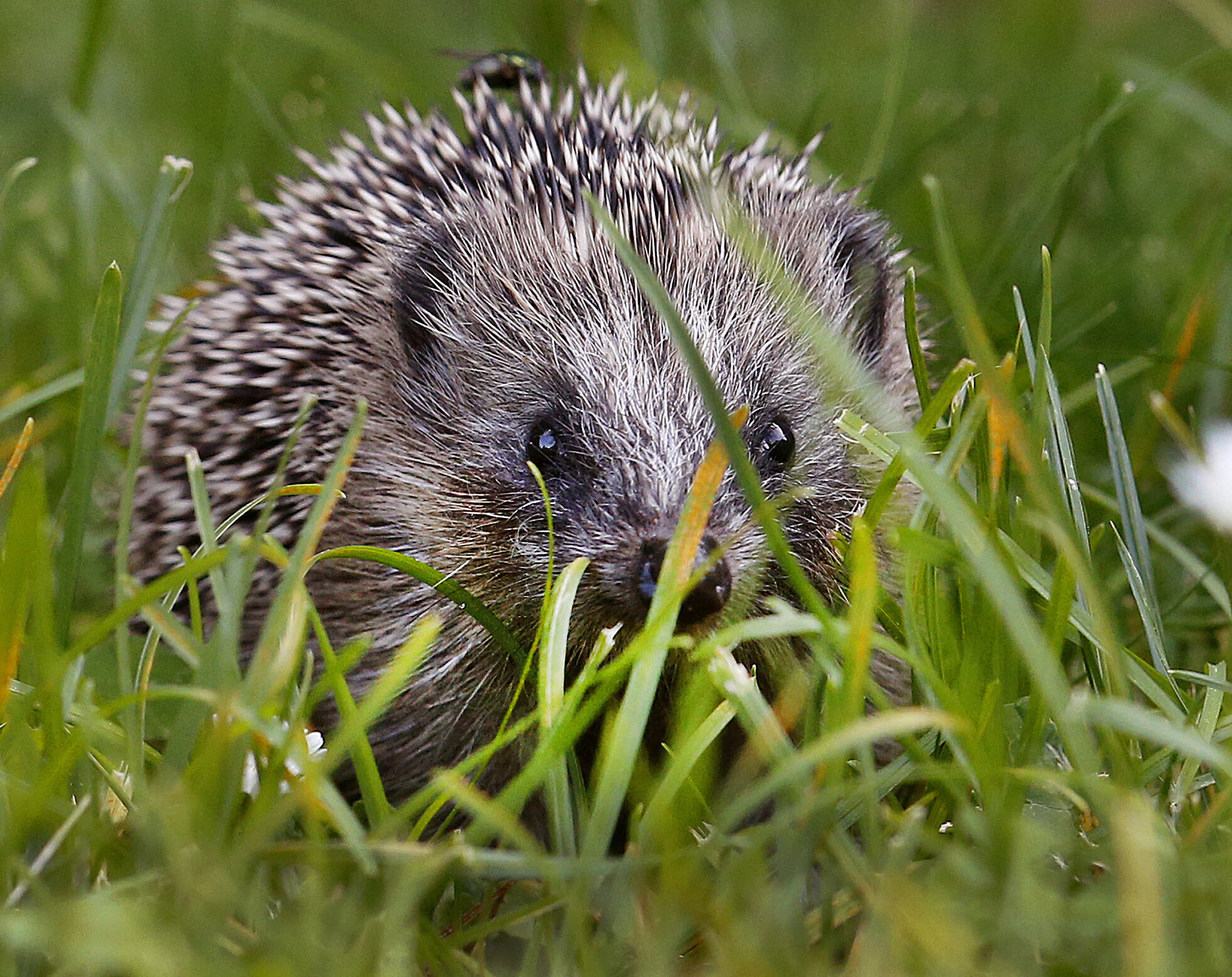
It’s Not Just Bread And Milk ― Hedgehog Food Can Be Bad For Them Too

As we head into the winter months, hedgehogs are weeks away from settling into hibernation.

During their seasonal slumber, the animals rely on fat stores accumulated over the summer to survive, making this a crucial period for their diet.

To keep the creatures fed, many of us might start thinking about leaving food out for them in our gardens (though it’s also helpful to keep late-blooming plants like some ivy untrimmed and avoid raking leaves, so they have a store of bugs to eat).

Most of us know not to feed them milk or bread, as this is bad for their stomachs.

But according to hedgehog rescue centre Hedgehog Cabin and The Wildlife Trusts, what would seem like the safest alternative ― specially-designed hedgehog food ― can often pose its own threats.

Why would food designed for hedgehogs be bad for them?

The Wildlife Trust points out that unlike cat food (which actually suits hedgehogs just fine), hedgehog food is not regulated.

Therefore its quality and ingredients vary.

“There are many unscrupulous companies keen to cash in on the growing army of kind people trying to halt the hedgehog’s decline, and will happily sell little more than floor sweeping of the cheapest, most unsuitable products, all wrapped up with a nice picture of a cute hedgehog, at the highest possible price,” Hedgehog Cabin warns.

They explain that some hedgehog feed includes mealworms, peanuts, oats, sunflower hearts and other ingredients that the creatures might like eating, but which are bad for them overall.

Mealworms, for example, are low in calories but delicious to hedgehogs, meaning they overeat on the food and ignore more nutrient-dense fare (a bit like ducks with bread).

Eating too many mealworms can even lead to metabolic bone disease, a painful condition that can unfortunately be fatal to hedgehogs.

What should I feed them instead?

You can get good hedgehog feed from reliable sources, but it’s important you ensure that its main ingredient is meat, and that it contains zero sunflower hearts, mealworms, oats or peanuts.

These are the worst ingredients they could have, Hedgehog Cabin write, as they can all contribute to metabolic bone disease.

But there’s a simpler solution ― “plain kitten biscuits or meat-based wet dog or cat food” are perfect for their nutritional needs, The Wildlife Trusts say.

As cat food is more meat-heavy, though, it may sometimes do a better job. Don’t feed them dry dog food, either, which may contain too much grain.

Share Button

‘Better Off Hibernating’: What It’s Really Like To Live With Seasonal Depression

While many of us may catch a case of the winter blues as the days get shorter, an estimated 10 million adults in the US and 2 million in the UK live with seasonal affective disorder.

This mental health condition, also known as seasonal depression, lasts around four to five months on average. “The appropriately named SAD, or seasonal affective disorder, is considered a type of depression characterised by its seasonal nature,” Jeff Temple, a professor at University of Texas Medical Branch and a licensed psychologist, tells HuffPost.

Unsurprisingly, people living farther north with less sunlight and earlier sunsets are more likely to experience SAD, likely due to the lack of sunlight and much shorter days. However, that doesn’t mean people in warmer, sunnier climates aren’t affected. While seasonal depression is much more common during the winter months, some people may experience seasonal depression during summer or during the colder season because of the fewer daylight hours. Women experience it more frequently than men.

A common misconception is that SAD is less serious than major depressive disorder because it doesn’t last all year round. However, people with this mental health condition explained to HuffPost that the symptoms of SAD are very real, and can even be debilitating.

Here’s what they want you to know:

People with seasonal depression may struggle to do daily activities

Like those with major depressive disorder, people with SAD may experience a lack of motivation and a loss of interest in day-to-day activities.

“I have had SAD for about 12 years, but I didn’t recognize the pattern or be diagnosed until about five years ago,” Claire, an optometrist, tells HuffPost. (Claire, along with some others in this story, asked to keep her last name private so she could freely talk about her mental health condition.) “I am typically an early riser and consider myself a productive person. However, when SAD hits, I struggle to do even the smallest daily chores like doing the dishes or making dinner.”

Similarly, Rebecca, a grad student, says that she has a “difficult time keeping up with [her] self-care and workout routine during the winter months,” and finds it nearly impossible to “function at full capacity.”

People with SAD may also feel more isolated during the darker months

Moreover, staying socially and emotionally connected to loved ones can require much more effort when coping with seasonal depression.

“The most prominent SAD symptoms I experience are loneliness and apathy. I tend to become quite numb in the winter months, and feel emotionally separated from the people around me,” says Vera, a freelance illustrator. “During regular depressive episodes, I may be able to ‘mask’ for most basic social interactions, whereas in winter seasons it’s not even an option. I’m too wiped out to even show up or pretend.”

Seasonal depression can interrupt normal sleep cycles and lead to extreme fatigue

SAD and sleep disturbances go hand in hand. Chloé Perrin, a bartender, has found that her symptoms of seasonal depression often manifest as constant exhaustion, leading to hypersomnia. Simply put, hypersomnia is characterised by recurring episodes of sleepiness during the day, difficulty waking up in the morning, and feeling tired despite oversleeping.

“My family used to joke that every winter I’d hibernate, whereas my sleep is otherwise normal-to-low the rest of the year and during other episodes,” she says.

Bella Sutter, a dancer with seasonal depression, explains that “getting out of bed feels impossible and my mornings normally start late.”

“I feel as if I would be better off hibernating through the winter because seasonal depression makes me feel like I’m half asleep anyway,” she adds.

SAD can cause mood changes, sleep disruptions and more.

Krzysztof Krysiak / EyeEm via Getty Images

SAD can cause mood changes, sleep disruptions and more.

People with seasonal depression may experience changes related to appetite and eating habits

Not only does seasonal depression impact sleep, but this mental health condition can have a negative impact on a person’s eating habits. Researchers have found a marked correlation between SAD and higher rates of disordered eating, including behaviours such as binging, purging and restricting food intake.

For Anna Samanamú, a high school paraprofessional and graphic designer, symptoms of SAD began when she was a teenager. “My appetite becomes affected [with SAD], and I would prefer to sleep rather than eat,” she says. “Unfortunately, that led me to have issues such as anaemia and Vitamin D deficiency.”

Seasonal depression may worsen symptoms of other mental health conditions

According to Temple, “seasonal affective disorder has a bi-directional relationship with other mood disorders like depression and bipolar disorder — meaning that people with one form are much more likely to develop or worsen the other.” Notably, SAD affects up to 20% of people with major depressive disorder, and 25% of people with bipolar disorder.

Rhiannon Bellia, who works in social services, has found that seasonal depression tends to exacerbate symptoms of other mental health conditions.

“My OCD gets a lot worse in the winter, it’s harder for me to focus and gauge time with my ADHD. With having autism, it’s also a bit harder for me to regulate sensory overwhelm,” Bellia says.

There are treatments for SAD

Temple explains that if symptoms such as losing interest in activities or feeling sad last “longer than a couple of weeks or [start] to interfere with your work, family, or relationships, then that’s a good sign that you may need some extra help.”

Fortunately, light therapy and cognitive behavioural therapy are proven to be effective treatments for people with SAD. The most beneficial at-home light therapy boxes provide light at 10,000 lux.

SAD is not simply feeling a little gloomy when the sun goes down; it is a serious mental health condition that can greatly impact every aspect of someone’s life.

“Please be kind to everyone who struggles with seasonal depression,” Samanamú says. “We are not lazy — sometimes there is just a disconnect from our minds and bodies. Many of us just need to take a little bit of time to become whole once again.”

Help and support:

  • Mind, open Monday to Friday, 9am-6pm on 0300 123 3393.
  • Samaritans offers a listening service which is open 24 hours a day, on 116 123 (UK and ROI – this number is FREE to call and will not appear on your phone bill).
  • CALM (the Campaign Against Living Miserably) offer a helpline open 5pm-midnight, 365 days a year, on 0800 58 58 58, and a webchat service.
  • The Mix is a free support service for people under 25. Call 0808 808 4994 or email help@themix.org.uk
  • Rethink Mental Illness offers practical help through its advice line which can be reached on 0808 801 0525 (Monday to Friday 10am-4pm). More info can be found on rethink.org.
Share Button

5 Of The Best Fashion Steals To Shop In The January Sales

HuffPost is part of Verizon Media. Verizon Media and our partners need your consent to access your device and use your data (including location) to understand your interests, and provide and measure personalised ads. Verizon Media will also provide you with personalised ads on partner products. Learn more.

Select ‘OK’ to continue and allow Verizon Media and our partners to use your data, or select ‘Manage options’ to view your choices.

Share Button