Critics Are All Saying The Same Thing About Meghan Markle’s Festive Netflix Special

Meghan Markle’s much-derided Netflix lifestyle series may have come to an end – but it’s going out in a big way with one last instalment.

Yes, Wednesday morning saw the arrival of With Love, Meghan: Holiday Special, the first (and, presumably, only) festive special in the Duchess of Sussex’s two-season project which has seen her offering tips on everything from cooking and crafting to gardening and generally being a great first.

Seasons one and two of With Love, Meghan were slammed by critics upon their release earlier this year, with many reviews claiming that the show felt out of step with what’s going on in the world, particularly in light of the current social and economic climate.

And – surprise, surprise! – the Holiday Special has also been met with a similarly lukewarm response.

Here’s a selection of what critics are saying about With Love, Meghan’s seasonal swansong…

“That, mercifully, is the end. I feel both offended and harmed, but in the spirit of goodwill I will add a star to my rating in gratitude for the fact that at least we are safe now until next year. God bless us, every one.”

“I said a little prayer before watching With Love, Meghan: Holiday Celebration. Give me the strength, I muttered, to endure what is to come, and the grace not to give in to despair. I’ve been struggling since the trailer landed a couple of weeks ago, because it opened with Meghan, in wellies, dancing around Christmas trees shouting, ‘Hey-oh!’. Now the whole festive episode has arrived and it is more than we could have hoped for, or done to deserve.”

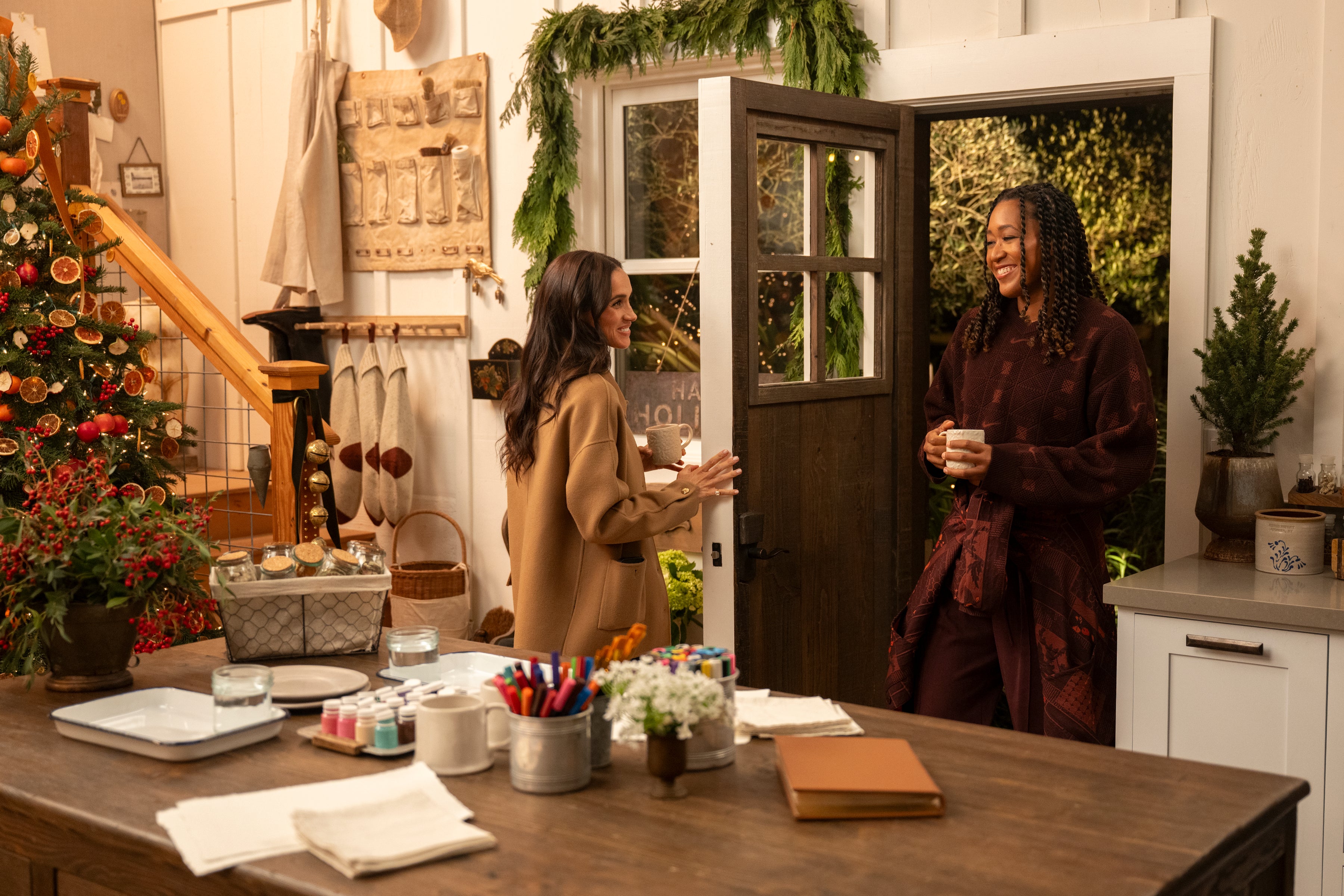
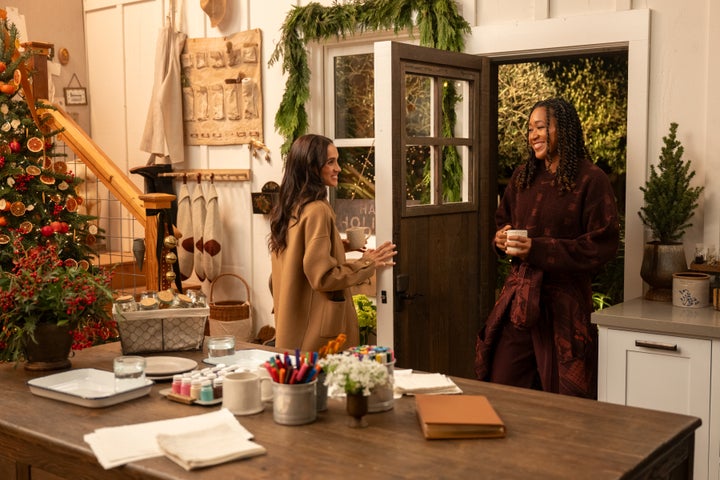
Naomi Osaka pays Meghan Markle a visit in her new Holiday Celebration

JAKE ROSENBERG/NETFLIX

“You’ll be reaching for the Christmas spirits – make mine a double – within the first five minutes, as Meghan talks us through the basics. ‘Once a year, you get to do the tree thing’. Advent calendars ‘are about having a surprise every day for 24 days until you get to Christmas’. ’Tis the season to wrap gifts. You don’t say!

“This is reminiscent of the advice given by Pippa Middleton in Celebrate, that seminal work of non-fiction produced by the Princess of Wales’s sister, which recommended serving turkey on Christmas Day and going stargazing at night-time because that’s when it’s dark.”

“It’s not a real special by any stretch, but some YouTube content or the radio that you might put on in the background as you do your tree or wrap your presents. White noise to dull the senses. It’s all a little Stepford Wives; not informative, fun, enjoyable or even aspirational.”

Sometimes, people are given a platform because of who they are, rather than what they can bring, and With Love, Meghan gives me the same feeling as when I am around very wealthy people who think that making a salad with friends makes them ‘grounded’ and ‘relatable’. On the other hand, there’s something soothing, even enjoyable, about the show’s glossy inanity.”

“It’s hardly scintillating stuff, but Netflix has really hit its stride with this special episode of With Love, Meghan. They’re really leaning [into] the frantic energy of its star trying to crack puns without splashing hot oil or butter down her pristine cashmere sweaters. Honestly, the production team must be trolling Meghan here with increasingly bizarre and elaborate set-ups for her to impart hosting ‘hacks’. In fact, are they really hacks? They would make anyone actually hosting Christmas for a big group have a nervous breakdown before the canapes were served.”

With Love, Meghan and With Love, Meghan: Holiday Celebration are streaming now on Netflix.

Share Button

The solar mission that survived disaster and found 5,000 comets

On December 2, 1995, the ESA/NASA Solar and Heliospheric Observatory (SOHO) lifted off for what was originally planned as a two-year mission.

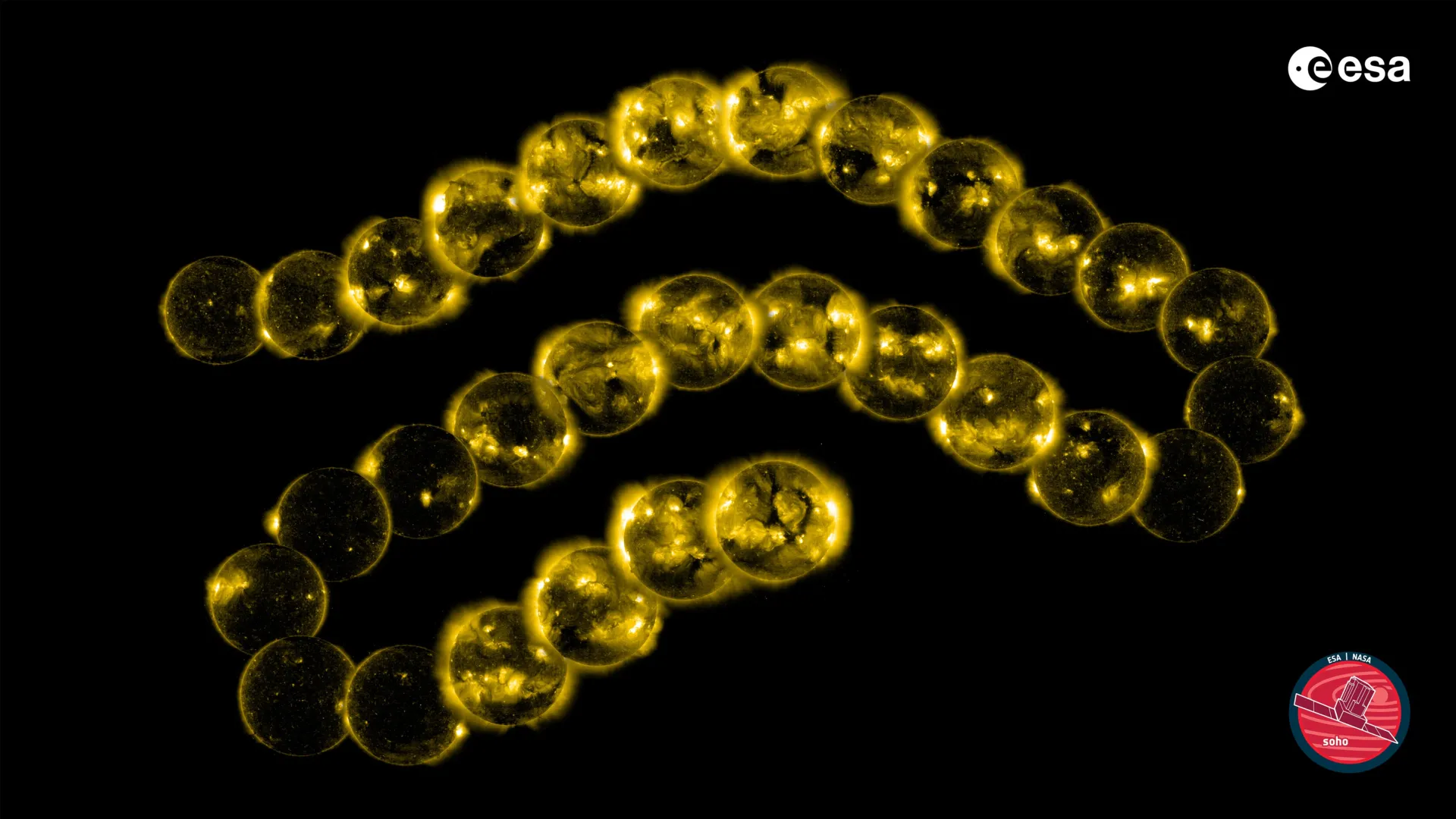
From a position 1.5 million km away from Earth, located between our planet and the Sun, SOHO has an uninterrupted view of the solar surface. Since launch, it has provided an almost unbroken record of solar activity spanning nearly three full 11-year solar cycles.

“It is testament to the ingenuity of our engineers, operators and scientists, and to international collaboration, that this mission has exceeded all expectations,” says Prof. Carole Mundell, ESA Director of Science. “SOHO has overcome nail-biting challenges to become one of the longest-operating space missions of all time.”

“The SOHO mission is a great example of the incredible partnerships between NASA and ESA,” adds Nicky Fox, associate administrator, Science Mission Directorate at NASA Headquarters in Washington. “Congratulations to the NASA and ESA teams on an amazing thirty years working together.”

Despite its achievements, SOHO’s journey has not been smooth. About two-and-a-half years after launch, the spacecraft experienced a major malfunction that sent it into an uncontrolled spin and severed communications with Earth. For three months, an international team worked continuously to find the spacecraft and bring it back to life.

Another serious setback occurred in November and December 1998, when its stabilizing gyroscopes failed. Engineers quickly developed new software, and by February 1999, SOHO could operate without gyroscopes. This breakthrough allowed it to continue gathering data that would go on to reshape the field of solar science.

“SOHO pioneered new fields in solar science. It is a game-changer in the study of space weather, providing real-time monitoring of the Sun to forecast potentially dangerous solar storms heading towards Earth, and its legacy continues to guide future missions,” says Daniel Müller, ESA Project Scientist for SOHO and Solar Orbiter.

“SOHO is still producing high-quality data on a daily basis, and with hundreds of papers being published every year, its scientific productivity remains very high.”

Daniel’s new paper ‘SOHO’s 30-year legacy of observing the Sun’ was published in Nature Astronomy on December 2, 2025.

Here are five highlights from the last five years:

1. A single plasma conveyor belt

SOHO became a leading instrument in the development of helioseismology, which studies how sound waves move through the Sun in a way similar to how seismic waves reveal the interior of Earth. Early in the mission, SOHO captured the first images of plasma flows (electrically charged material) beneath the solar surface, giving scientists an unprecedented look inside the Sun.

Because SOHO has remained active for so long, researchers have been able to answer a long-standing question: plasma circulates in a single loop, or cell, within each hemisphere of the Sun, instead of in multiple cells as once believed.

The observations show that plasma takes roughly 22 years to complete this full circuit. It rises from regions near the equator toward the poles before sinking deep inside the Sun and moving back toward the equator. This timing matches the Sun’s magnetic cycle and helps explain why sunspots, which are produced when strong magnetic fields break through the surface, tend to appear progressively closer to the equator as each solar cycle unfolds.

2. Does the Sun shine steadily?

Measuring the energy emitted by the Sun is essential for understanding how solar heating influences Earth’s atmosphere and climate. SOHO’s long-running record, paired with earlier datasets, now provides nearly fifty years of high-quality observations.

Scientists have found that the Sun’s total energy output changes very little, varying by only about 0.06% over the solar cycle. However, its extreme ultraviolet radiation changes far more significantly, doubling between solar minimum and solar maximum. This form of radiation affects the chemistry and temperature in Earth’s upper atmosphere, but it is not a direct cause of the long-term warming trend near the planet’s surface.

3. Solar storm monitoring made law

SOHO has played such a pivotal role in the development of real-time space weather monitoring systems that it was signed into United States law in October 2020.

The ‘Promoting Research and Observations of Space Weather to Improve the Forecasting of Tomorrow’ (PROSWIFT) act specifically mentions SOHO’s Large Angle and Spectrometric Coronagraph (LASCO) instrument.

LASCO is a coronagraph, a telescope with a disc masking the centre of view. By blocking out the direct light coming from the Sun, the instrument can see light from the surrounding atmosphere, called the corona. This allows us to see coronal mass ejections — large eruptions of solar material and magnetic fields — as they set off from the Sun, providing up to three days warning of potentially disruptive incoming space weather reaching Earth.

4. 5,000 comets — and counting!

The telescope’s prowess as a comet hunter was unplanned, but turned out to be an unexpected success. Thanks to the screening effect of SOHO’s coronagraph, ‘sungrazer’ comets — those that approach the Sun at very close distances — also become visible.

Not all comets seen by SOHO are sungrazers. For example, it also beautifully captured Comet Tsuchinshan-ATLAS, also called the Great Comet of 2024, a non-periodic comet from the outer reaches of the Solar System.

SOHO discovered its 5,000th comet in March 2024, making it the most prolific comet-discoverer in history. Most of these have been found by citizen scientists worldwide through the Sungrazer Project. The observations have provided valuable data on the movement, composition and dust production of comets.

5. Enabling future discoveries

SOHO’s longevity and accomplishments have influenced the design, goals, and collaborative approach of new solar observatories. It has also helped set standards for open data and international cooperation in solar research.

For example, the ESA-led Solar Orbiter mission is imaging the solar poles from higher latitude and flying much closer to the Sun, with many of its instruments being successors of SOHO’s. Similarly, NASA’s Solar Dynamics Observatory carries improved versions of SOHO’s instruments to continue the legacy that SOHO began in areas of full-disc imaging and helioseismology. Moreover, SOHO frequently contributes to ‘multipoint’ measurements, providing essential context for Solar Orbiter and NASA’s Parker Solar Probe as they fly along their own unique orbits around the Sun.

Even more recently, ESA’s Proba-3 took to the skies to open up new views of the Sun’s faint corona, while the Agency’s upcoming Vigil mission will be the first to monitor the Sun from the ‘side’, detecting solar storms before they roll into SOHO’s line-of-sight.

“SOHO is an all-round shining success, thanks to the dedication of the teams keeping this incredible machine flying,” says Daniel. “Its science remains valuable and relevant, serving generations of scientists, and I’m certain that its legacy will continue to guide solar science for decades to come.”

Share Button

New Study Reveals When The ‘Adulthood’ Brain Phase Actually Starts — And It’s Way Later Than You Think

When does adulthood actually start? Probably later than you think. According to a recent study published in the journal Nature Communications, when it comes to brain functionality, adulthood starts at 32.

The study was conducted by researchers at the University of Cambridge in the United Kingdom. The findings show that the human brain has five phases throughout a lifespan, and researchers say they are all broken up by age — 9, 32, 66 and 83, on average. Researchers referred to these ages as “turning points” when the brain rewires and goes through age-related changes.

The childhood brain, a time of high growth, lasts through roughly age 9, when it then changes to the adolescent brain, which continues until 32. Yes, 32.

This doesn’t mean that someone who is in the later part of this adolescent brain phase is going to act like a teenager, Dr. Alexa Mousley, the study leader, told The Guardian. Instead, it means their brains simply resemble each other as they continue to grow and form until the adult brain phase is reached. This adolescent brain phase is the only time when brain efficiency is consistently increasing, study authors said.

Age 32 also marks the “strongest shift” of all of the brain changes. Around this time, the brain goes into its adult era ― the longest phase ― which lasts until roughly age 66. During the adult era, or adult “epoch” as researchers call these phases, there is a “plateau in intelligence and personality,” the study press release states. Meaning, brain function stays pretty much the same for these decades.

At 66, the brain changes, and it moves into the “early aging” phase, which does not have dramatic changes, but the brain does show “further reduced connectivity as white matter starts to degenerate,” Mousley said in a press release. This aligns with the physical health issues that often start to appear in the 60s, Mousley said.

“This is an age when people face increased risk for a variety of health conditions that can affect the brain, such as hypertension,” Mousley said in the statement. Hypertension (also known as high blood pressure) can put you at higher risk of stroke and cognitive decline.

The final epoch starts at 83 and is known as “late aging,” which is a time when brain connectivity reduces and there is more reliance on specific regions.

To gather this data, researchers looked at a number of factors, including brain compartmentalization, along with the changes and deterioration of the nerve fibers in the brains of 3,802 people ages 0 to 90 via data from MRI scans. All participants were described as “neurotypical.”

This study does have limitations. The late-aging group of people was smaller than the other groups. More, participants in all groups had to meet certain health criteria, which may make them healthier than the general public. This could mean that study participants’ brain functionality may be more optimal.

The brain does not reach adulthood until about age 32, according to a new study.

Jose Luis Pelaez via Getty Images

The brain does not reach adulthood until about age 32, according to a new study.

Brain changes are inevitable as you age, but there are things you can do to keep your brain healthy.

Brain health is a major concern for people as they grow older, especially with more than 6 million Americans having a dementia diagnosis. Forgetting things here and there is no major cause for concern as you get older, but if those memory issues disrupt your life, you should talk to a doctor.

There are things you can do to help keep your brain as optimal as possible throughout your lifetime.

Healthy habits, overall, can help reduce dementia risk factors. It’s important to get enough sleep (seven to nine hours nightly), manage conditions like high blood pressure and high blood sugar, consume a diet with lots of fruit and veggies and prioritize time with loved ones.

Studies show it’s also beneficial to challenge your mind, whether that’s by taking music lessons or completing puzzles, learning a new language or enrolling in an interesting class. These kinds of challenges help the brain form and grow new connections.

Exercise is also a crucial factor in maintaining cognitive health. Regular exercise can help prevent dementia, benefit those with cardiovascular diseases (which also impact the brain) and can increase cognitive processing speed.

“Over longer periods of time, exercise and physical activity increase formation of new brain cells … which will impact memory and other functions of the brain,” Dr. S. Ausim Azizi, a professor and section chief of behavioral neurology at the Yale School of Medicine, previously told HuffPost.

There are also genetic factors that are out of your control that contribute to cognitive issues, but following brain-healthy behaviors can still benefit your mind.

No matter what you do, your brain will age, change and degenerate (just like your body), but this new research about the brain’s “epochs” can only help doctors understand more about the changes and risks associated with the brain throughout the lifespan.

Share Button

Warning over cosmetic face fillers as scans reveal new details of risks

Placed incorrectly, cosmetic dermal fillers can damage nearby ateries, leading to to skin loss and even blindness, experts warn.

Share Button

Prostate cancer screening: What you need to know

Everything you need to know about the decision on who should be screened for prostate cancer.

Share Button

Space is filling with junk and scientists have a fix

Each rocket launch sends valuable materials into the sky that cannot be recovered, while also releasing large amounts of greenhouse gases and chemicals that damage the ozone layer. A new paper published December 1 in the Cell Press journal Chem Circularity examines how familiar ideas like reducing, reusing, and recycling could be built into the way satellites and spacecraft are designed, repaired in orbit, and handled at the end of their service lives.

“As space activity accelerates, from mega-constellations of satellites to future lunar and Mars missions, we must make sure exploration doesn’t repeat the mistakes made on Earth,” says senior author and chemical engineer Jin Xuan of the University of Surrey. “A truly sustainable space future starts with technologies, materials and systems working together.”

Growing debris and the problem of abandoned satellites

The environmental toll continues long after launch. Most spacecraft and satellites are never recycled, which means that large amounts of material are permanently lost when missions end. Many older satellites are shifted into “graveyard orbits,” while others become drifting orbital debris that can disrupt the operation of active systems.

The authors argue that this approach cannot continue, especially with the increasing pace of private space missions. They highlight the need for a circular space economy, a model in which materials and equipment are created with reuse, repair, and recycling in mind. They also note that industries such as personal electronics and automotive manufacturing have already adopted similar ideas with considerable success.

“Our motivation was to bring the conversation about circularity into the space domain, where it’s long overdue,” says Xuan. “Circular economy thinking is transforming materials and manufacturing on Earth, but it’s rarely applied to satellites, rockets, or space habitats.”

Applying the 3 Rs to spacecraft, satellites, and space stations

According to the team, the foundation of a circular space economy lies in the 3 Rs: reduce, reuse, and recycle. Reducing waste would begin with building satellites and spacecraft that last longer and can be fixed more easily in space. They also suggest turning space stations into multifunctional centers where spacecraft can refuel, undergo repairs, or even have new components manufactured, which could cut down on the number of launches required.

The authors add that bringing spacecraft and space stations safely back to Earth for reuse would require better recovery systems, including technologies such as parachutes and airbags. They point out that equipment in space experiences significant wear because of extreme temperatures and radiation, so any part intended for reuse would need to pass strict safety checks.

Recovering orbital debris and using advanced technology for safer space operations

The researchers also recommend new efforts to gather orbital debris, such as using robotic arms or nets to collect fragments so the materials can be recycled. This would also help prevent collisions that create even more debris.

Data-driven tools will play an important role in this transition, the authors say. Information gathered from spacecraft could guide improvements in design and help limit waste, while simulation tools may reduce the need for expensive physical testing. They add that AI systems could help spacecraft and satellites avoid dangerous debris in real time.

Transforming the entire space system through innovation and global cooperation

The authors emphasize that a circular space economy represents a major shift in how the space sector works. Instead of focusing on single pieces of hardware, the entire system needs to be considered at once, from the materials used to how spacecraft are operated and retired.

“We need innovation at every level, from materials that can be reused or recycled in orbit and modular spacecraft that can be upgraded instead of discarded, to data systems that track how hardware ages in space,” says Xuan.

“But just as importantly, we need international collaboration and policy frameworks to encourage reuse and recovery beyond Earth. The next phase is about connecting chemistry, design, and governance to turn sustainability into the default model for space.”

This research received support from the UK Engineering and Physical Sciences Research Council, the Leverhulme Trust, and the Surrey-Adelaide Partnership Fund.

Share Button

Early Earth’s sky may have created the first ingredients for life

Earth’s ancient sky may have played a larger role in the beginnings of life than scientists once believed.

According to a study published Dec. 1 in the Proceedings of the National Academy of Sciences, researchers from CU Boulder and their collaborators report that billions of years ago, the young planet’s atmosphere may have been generating sulfur-based molecules that are known today as important components for life.

This discovery challenges the long-standing idea that these sulfur molecules formed only after life had already taken hold on Earth.

“Our study could help us understand the evolution of life at its earliest stages,” said first author Nate Reed, a postdoctoral fellow at NASA who conducted the research while working in the Department of Chemistry and the Cooperative Institute for Research in Environmental Sciences (CIRES) at CU Boulder.

Sulfur’s Importance and Why the Findings Matter

Sulfur, much like carbon, is a vital element found in every form of life, from bacteria to humans. It appears in certain amino acids, which serve as the basic building blocks of proteins.

Although sulfur was present in the early atmosphere, most scientists believed that organic sulfur molecules, such as amino acids, arose only after living organisms were already present and producing them.

Earlier attempts to simulate early Earth conditions often failed to generate meaningful amounts of sulfur biomolecules before life existed. When these molecules did appear, they formed only under unusual or highly specific conditions that were unlikely to have been common across the planet.

Because of this background, the scientific community reacted strongly when the James Webb Space Telescope detected dimethyl sulfide, a sulfur compound produced by marine algae on present-day Earth, in the atmosphere of an exoplanet called K2-18b. Many considered it a possible sign of life.

New Experiments Reveal Atmospheric Chemistry at Work

However, previous work by Reed and senior author Ellie Browne, a chemistry professor and CIRES fellow, showed that dimethyl sulfide could form naturally in the lab using only light and simple atmospheric gases. This indicated that the molecule might appear even on worlds without life.

In their latest experiment, Browne, Reed, and their team tested what Earth’s early sky might have been capable of producing. They illuminated a mixture of methane, carbon dioxide, hydrogen sulfide, and nitrogen to recreate atmospheric conditions from before life emerged.

Working with sulfur is challenging, Browne noted. The element sticks to laboratory equipment, and in the atmosphere, sulfur-based molecules are present at extremely low levels compared to CO2 and nitrogen. “You have to have equipment that can measure incredibly tiny quantities of the products,” she said.

Using a very sensitive mass spectrometer to identify and measure chemical compounds, the researchers discovered that their early Earth simulation produced a wide range of sulfur biomolecules. These included the amino acids cysteine and taurine, along with coenzyme M, which plays a key role in metabolism.

A Sky Capable of Supporting a Growing Ecosystem

The team then estimated how much cysteine an entire ancient atmosphere might generate. Their calculations suggested that early Earth’s sky could have produced enough cysteine to support about one octillion (one followed by 27 zeros) cells. By comparison, modern Earth contains roughly one nonillion (one followed by 30 zeros) cells.

“While it’s not as many as what’s present now, that was still a lot of cysteine in an environment without life. It might be enough for a budding global ecosystem, where life is just getting started,” Reed said.

The researchers propose that these atmospheric biomolecules may have fallen to the surface through rainfall, potentially delivering the chemistry needed to help life begin.

“Life probably required some very specialized conditions to get started, like near volcanoes or hydrothermal vents with complex chemistry,” Browne said. “We used to think life had to start completely from scratch, but our results suggest some of these more complex molecules were already widespread under non-specialized conditions, which might have made it a little easier for life to get going.”

Share Button

Government racks up £100m bill responding to Covid inquiry

BBC analysis shows cost to taxpayer is 50% higher than thought, with inquiry’s own costs at £192m.

Share Button

Elf On The Shelf Inspiration To See You Through To Next Week

While there are plenty of parents who are probably too maxxed out to be adding Elf On The Shelf to their daily routine (hi, hello, I am sadly one of them), the annual tradition remains hugely popular among families in the UK and across the pond.

In fact, just over one-third of parents (who have kids aged 10 and under) are thought to be taking part.

Whether you’re a seasoned veteran or are taking it up for the first time this year, here’s a quick recap of what it entails, as well as some inspiration for later in the week when you start to run out of steam…

What is Elf On The Shelf?

Like many new events and traditions here in the UK (ahem, Black Friday), Elf on the Shelf originated in the US, as the story of an elf sent by Santa to watch over kids at Christmas time.

Carol Aebersold and her daughter Chanda Bell came up with the storybook in 2004. “We grew up with this tradition in our home,” Bell previously told HuffPost UK. “When we were children, our Scout Elf, Fisbee, would come to our home and look over our family each year. I have such wonderful childhood memories with Fisbee.”

After it was rejected by publishers, the pair decided to self-publish the book in 2005 and packaged it up with an elf toy. This way, parents could make the elf pop up at different places around the house (as he did in the book), reminding kids he was on the move, keeping an eye out for Santa.

Aabersold and Bell sold the books from the backs of cars and reached out to family and friends they thought might want to adopt the tradition. Then in 2007, a picture was taken of Jennifer Garner walking down the street holding her own Elf on the Shelf box set. The photo went viral and everyone wanted to know more. By 2008, Elf on the Shelf was in major retail stores.

How does Elf On The Shelf work?

In short, elves are “adopted” by families and named. On 1 December, they then pop up somewhere around the house – perhaps with a note saying hi to the kids.

Once children are in bed, parents then place the elf (or elves) in different locations around the house so they are somewhere new when they wake up each morning.

The elf then says goodbye on Christmas Eve.

Elf On The Shelf inspiration

OK, so we’ve established how it all works. Now, here’s some festive inspiration for when you run out of steam and have no idea where to put your elves…

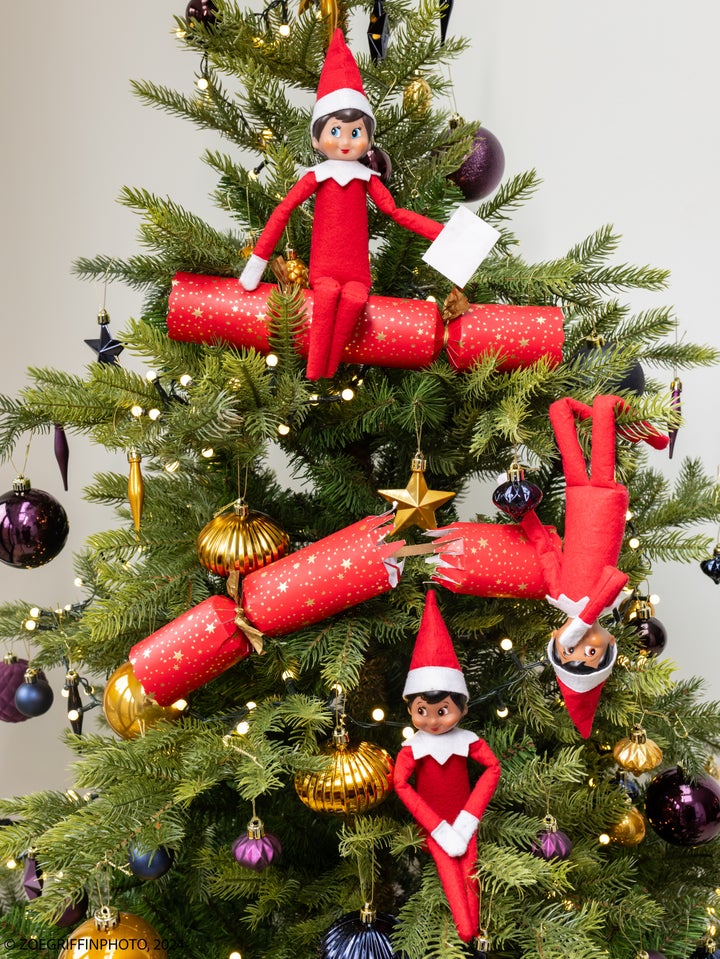
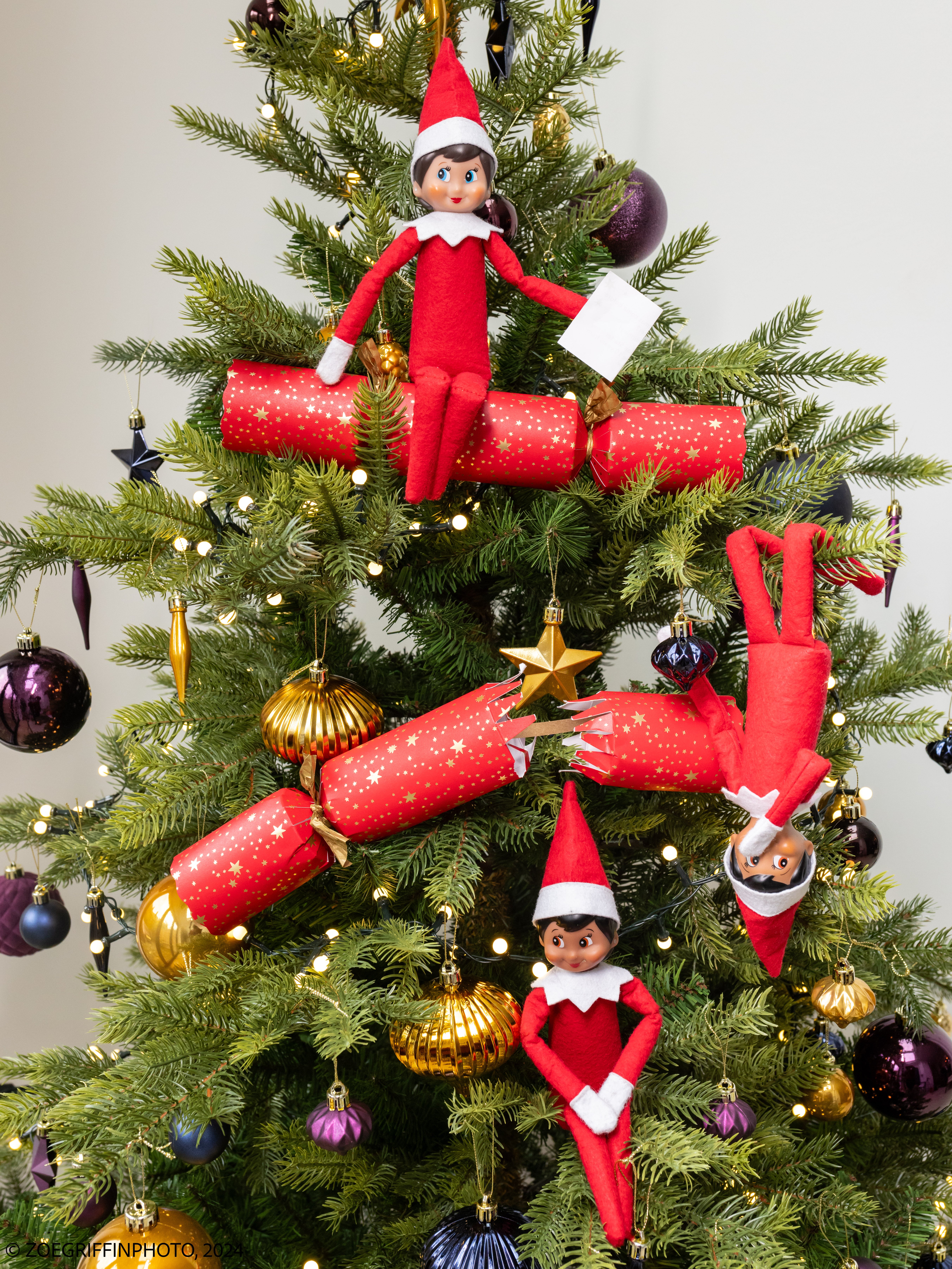
1. Hiding in the tree

Elves in the tree

Zoe Griffin / Elf On The Shelf

Elves in the tree

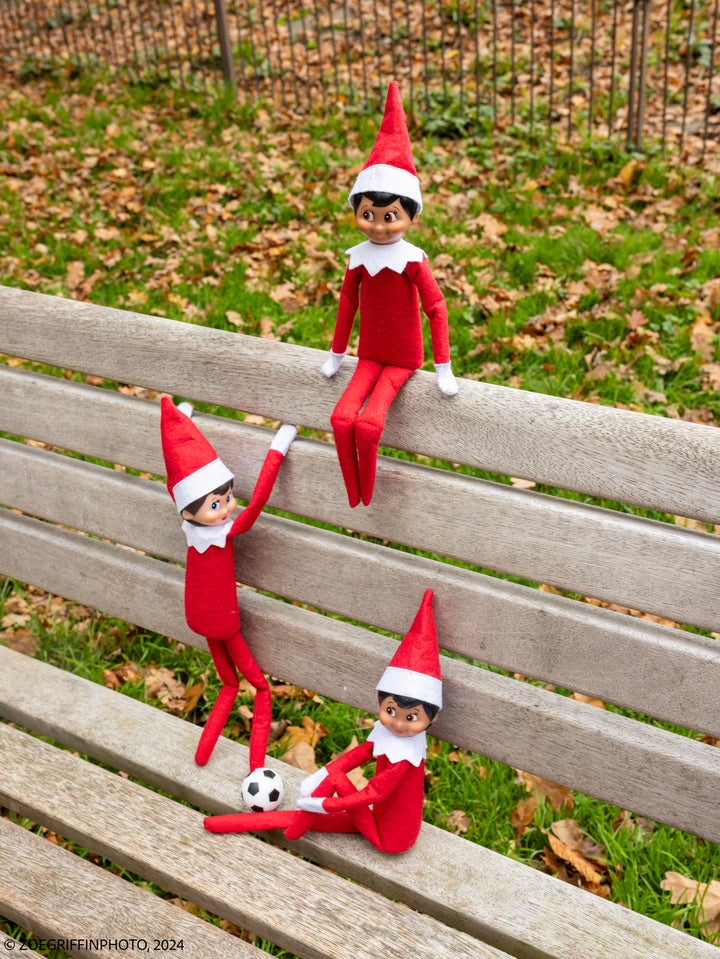
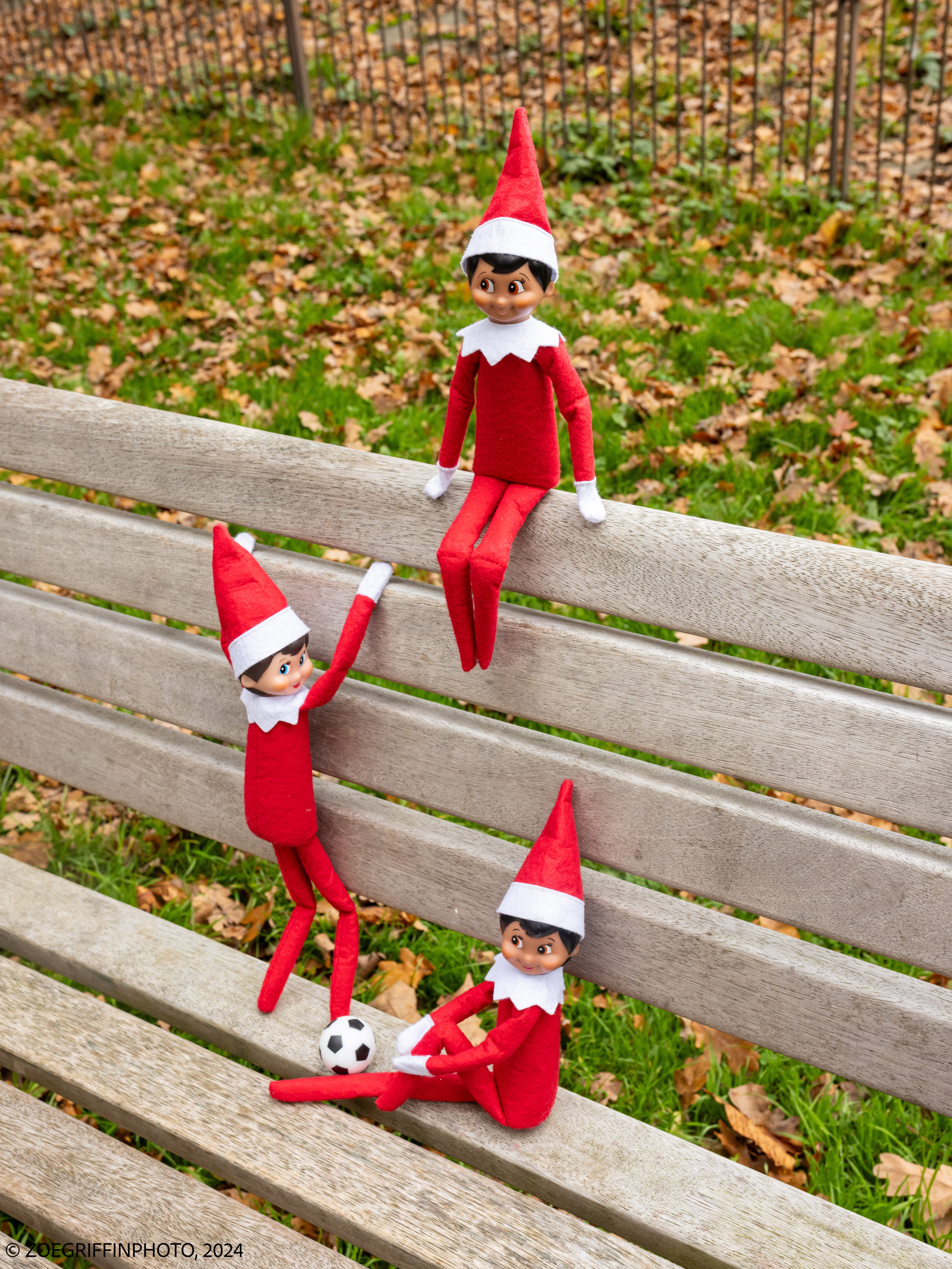
2. Sitting on your garden furniture (weather permitting)

Elves on the garden bench

Zoe Griffin / Elf On The Shelf

Elves on the garden bench

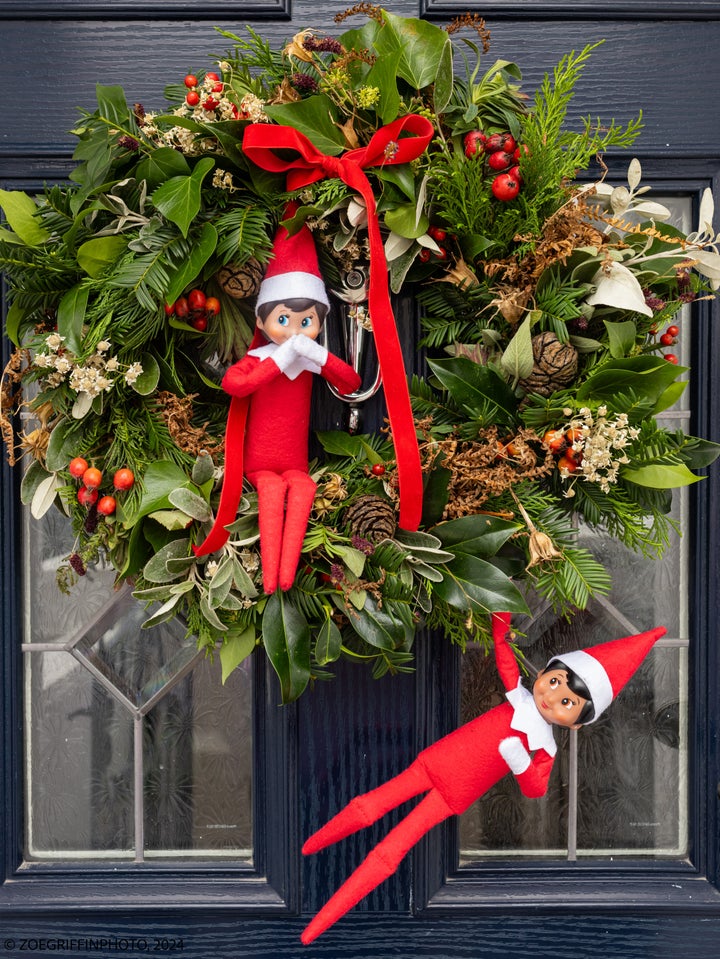
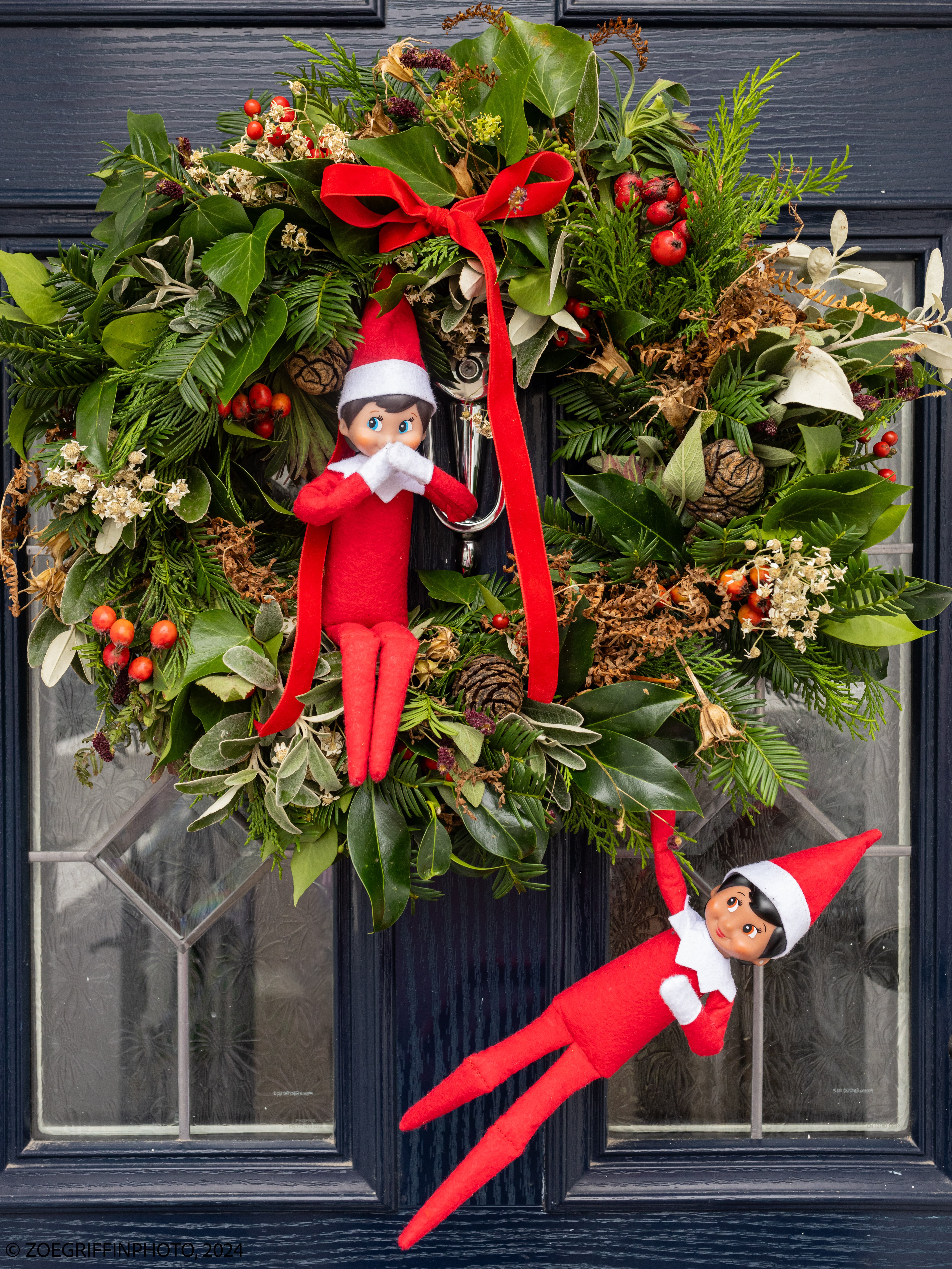
3. Hanging out on your wreath

Elves on the wreath

Zoe Griffin / Elf On The Shelf

Elves on the wreath

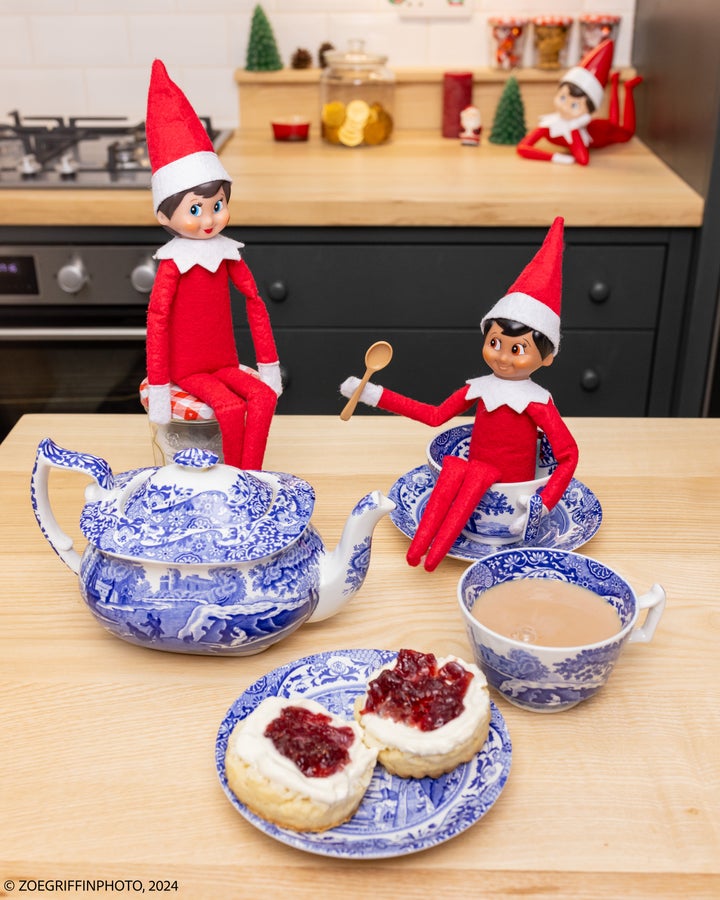
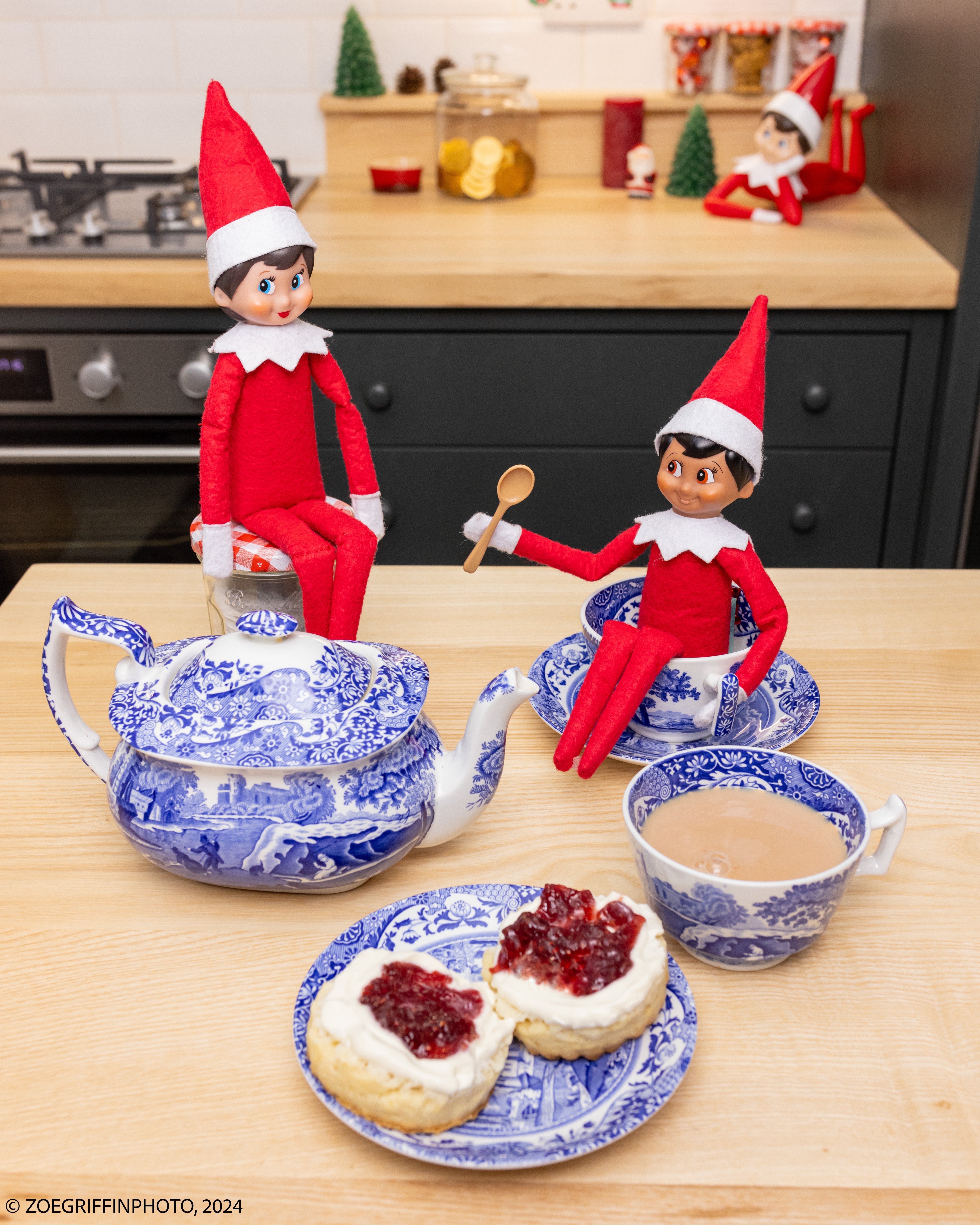
5. Tucking into afternoon tea

Elves having afternoon tea

Zoe Griffin / Elf On The Shelf

Elves having afternoon tea

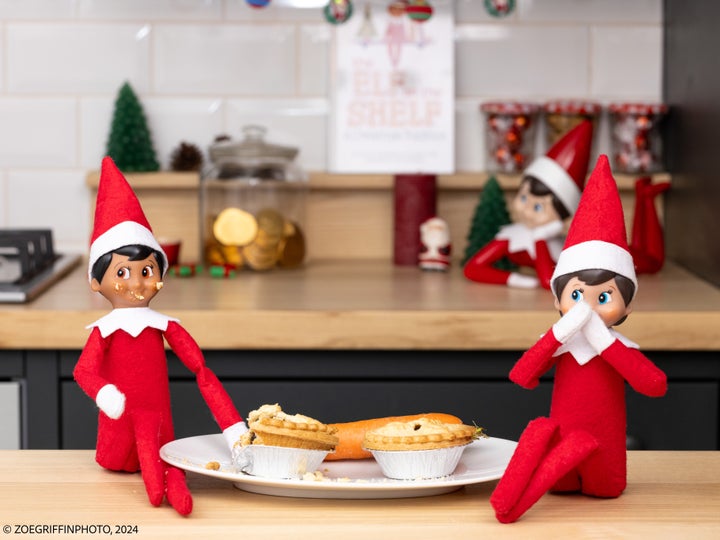
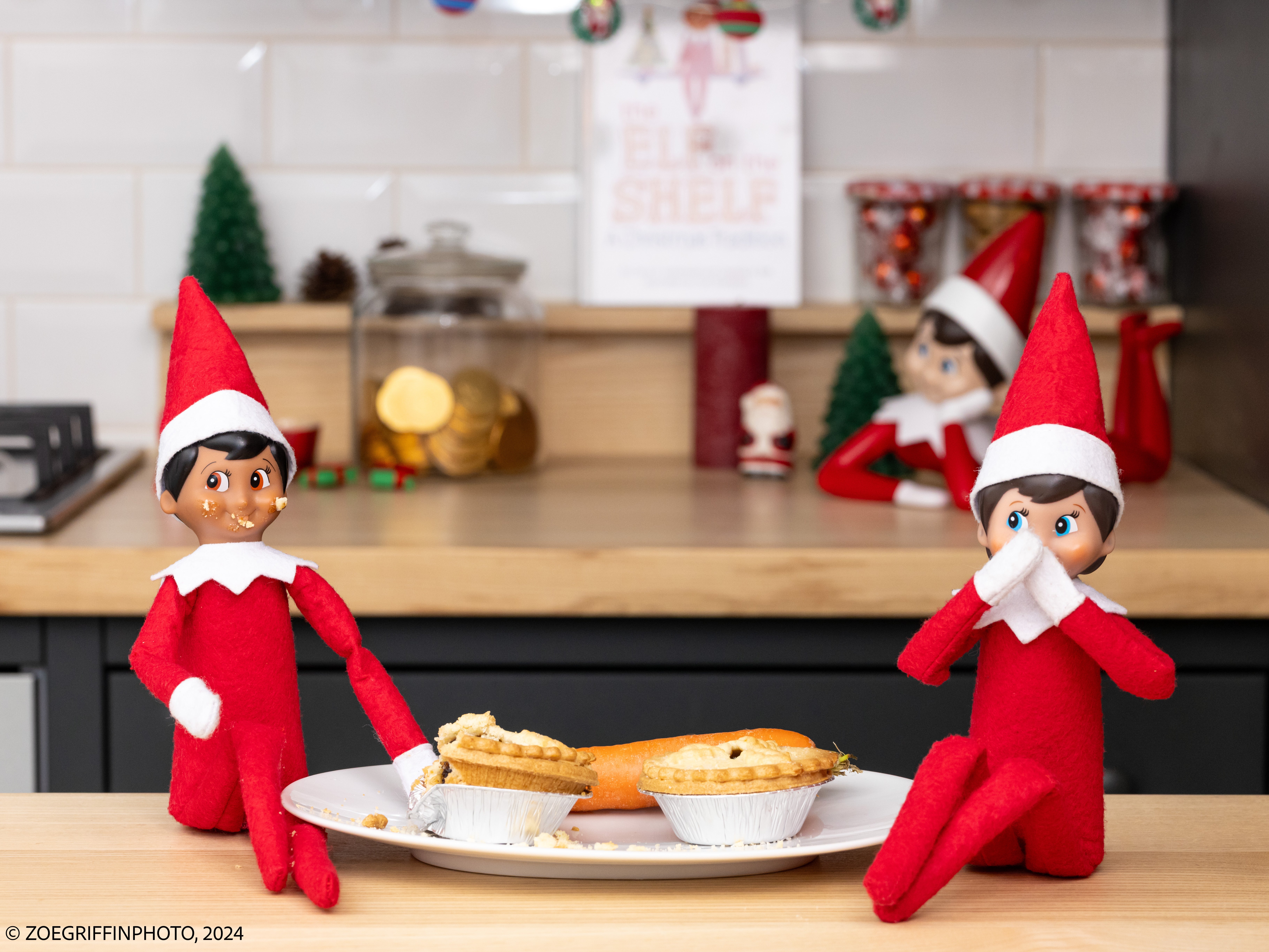
6. Munching mince pies

Elves eating mince pies

Zoe Griffin / Elf On The Shelf

Elves eating mince pies

7. Causing mischief with toilet roll

8. Conquering a paper cup pyramid

9. Getting frozen (for all the Elsa fans)…

Share Button

Sabrina Carpenter Hits Out At White House For Using Her Song In ‘Disgusting’ Video

Sabrina Carpenter has hit out at US president Donald Trump’s administration after the White House used her song to soundtrack a video she has described as “evil and disgusting”.

Responding on the same platform on Tuesday afternoon, the Grammy winner wrote: “This video is evil and disgusting. Do not ever involve me or my music to benefit your inhumane agenda.”

“This post honestly makes me sick,” she responded. “My music is about love, unity, and spreading positivity – never about division or hate.”

Share Button