George Michael’s Estate Reacts To Sample Featured On Taylor Swift’s New Album

George Michael’s estate has heaped praise on the new Taylor Swift album, which features an interpolation of one of the late singer’s signature hits.

On Friday morning, the Grammy winner unveiled her new album The Life Of A Showgirl, including the song Father Figure.

Earlier this week, the writing credits for this track were revealed to include George’s name, leading many fans to speculate that Taylor’s recording would incorporate the former Wham! star’s song of the same name.

Upon the song’s release, this was confirmed to be the case, with George’s successors posting a statement in support of Taylor’s new album on Instagram.

“We were delighted when Taylor Swift and her team approached us earlier this year about incorporating an interpolation of George Michael’s classic song Father Figure into a brand new song of the same title to be featured on her forthcoming album,” they said. “When we heard the track we had no hesitation in agreeing to this association between two great artists and we know George would have felt the same.”

“A forever thank you goes out to my mentors and friends Max [Martin] and Shellback for helping me paint this self portrait. If you thought the big show was wild, perhaps you should come and take a look behind the curtain…”

Share Button

The 3-Minute Home Test A Surgeon Says Could Save Your Life

October is Breast Cancer Awareness month. And on their page about the topic, the World Health Organisation (WHO) said the first pillar of the WHO’s Global Breast Cancer Initiative is to “empower individuals and communities to recognise symptoms and seek care early”.

Still, research has shown that women checking their breasts has dropped from 49% in 2022 to just 45% in 2024.

That’s a shame, breast cancer surgeon Dr Cihan Uras from Acıbadem Hospitals said, explaing that: “Breast cancer is the most common cancer among women worldwide… when it’s detected early, survival rates are very high.

“The best thing you can do for yourself is to be familiar with your own body and notice changes quickly. A self-check takes only three minutes,” the surgeon added.

How should I check my breasts at home?

Speaking to HuffPost UK, Dr Uras said the check, which should be done once a month, involves three steps.

These are:

1) Look in the mirror

To begin your test, the surgeon advised, stand topless in front of a mirror for one minute.

“Stand with your shoulders straight, with your hands on your hips, and look in the mirror for any noticeable differences. As you do this more often, these differences will be easier to spot,” he advised.

“Initial signs that you should be looking for include dimpling of the skin, any redness, rashes or changes to the nipple, particularly inversion or discharge.”

2) Raise your arms

This should take 30 seconds, Dr Uras told us.

“As you’re in the mirror, raise your arms above your head. Look for any changes in contour, any swelling that’s arisen, or any pulling of the skin,” the expert advised.

The move helps because it stretches the skin over your breasts.

“This makes subtle changes more visible, especially puckering or pulling of the skin that may not be very noticeable when your arms are by your side. It can also help reveal differences in movement between the two sides.”

3) Feel your breasts while standing and lying down

This should take about a minute and a half (90 seconds) all-in.

“While lying down, use the flat of your fingertips around your breasts to feel in circular motions,” the surgeon stated.

“Make sure that you cover the whole breast from the top to the bottom, as well as side to side. Don’t forget to go right up to your armpit area too. Apply different pressures; light, medium and firm, to ensure you’re feeling all layers of the breast tissue.

“You should be feeling around for any thickened areas, any tenderness that feels unusual to you, not to be confused with pushing down too hard, and of course any lumps.”

What should I do if I notice any changes?

If you do feel something a little different, don’t “panic straight away, as most are not cancer,” Dr Uras said.

But do get it checked as soon as possible, just in case.

“The chances are, you would’ve spotted it early, especially if you’re doing this every month, and your doctor can begin any treatment sooner rather than later,” the surgeon ended.

“The best time to do these checks is a few days after your period ends, when you’re less likely to experience tender breasts due to your cycle. For women who no longer get periods, picking the same time each month will just help you get into a better routine.”

Share Button

Green leader Zack Polanski backs legalisation of all drugs

Zack Polanski speaks to BBC South East on the party’s new approach ahead of the party’s conference.

Share Button

A flu test you can chew

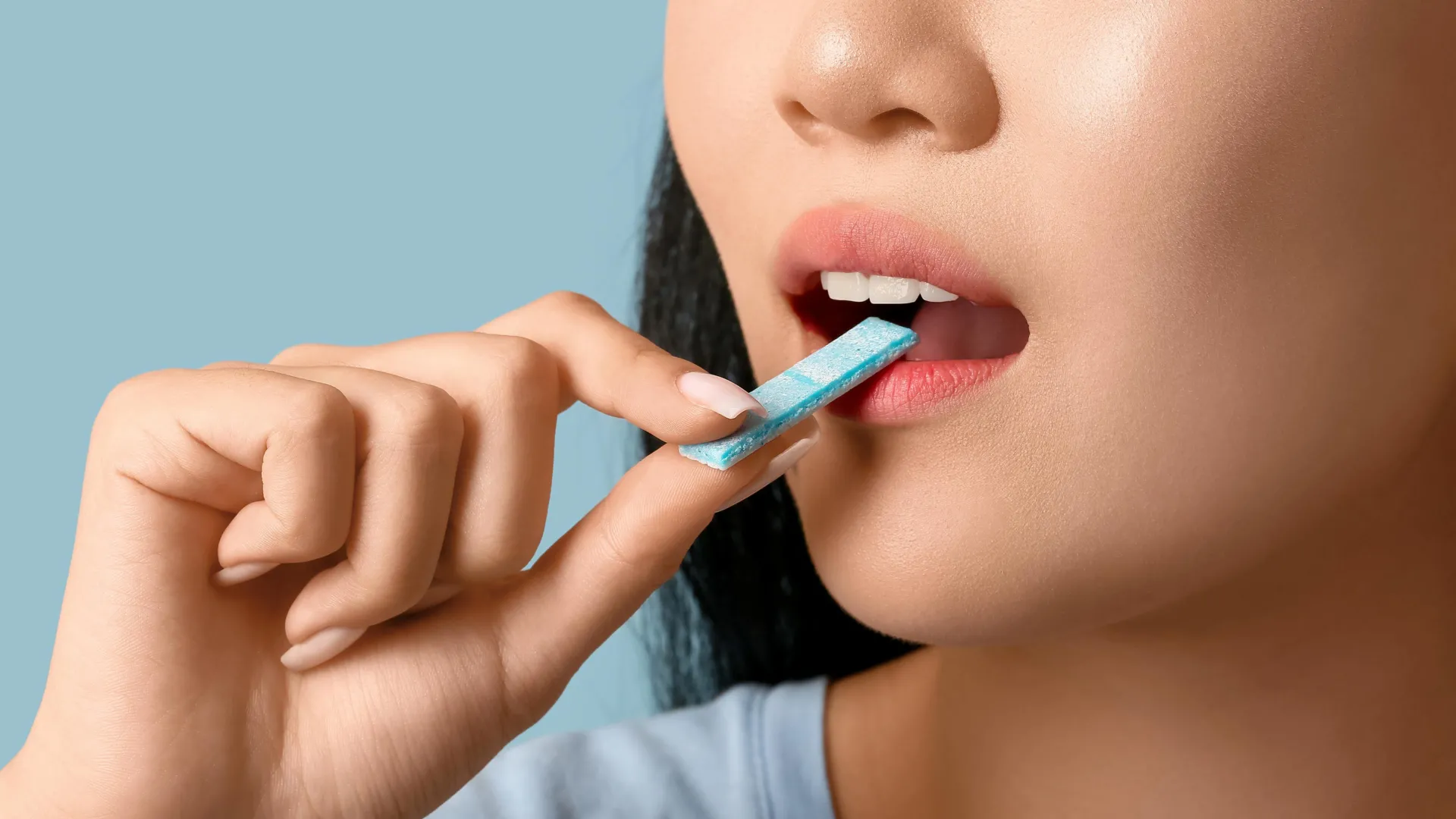
Flu season is fast approaching in the northern hemisphere. And a taste-based influenza testcould somedayhave you swapping nasal swabs for chewing gum. A new molecular sensor has been designed to release a thyme flavor when it encounters the influenza virus. Researchers reporting in ACS Central Science say that they plan to incorporate this type of low-tech sensor into gum or lozenges to increase at-home screenings and potentially prevent pre-symptomatic transmission of the disease.

Staying home is critical to preventing the spread of infectious diseases like influenza; however, people with the flu are contagious before they develop symptoms. Current flu diagnostics like nasal swab-based PCR tests are accurate, but they are slow and expensive. At-home lateral flow tests, akin to those used to test for COVID-19, are convenient and generally low-cost, but don’t catch pre-symptomatic infections.

As written in their published study, Lorenz Meinel and colleagues address these flu detection shortcomings “by switching away from complex detectors and machinery and toward a detector that is available for anyone, everywhere and anytime: the tongue.”

The team developed a molecular sensor that releases a flavor that human tongues can detect — thymol, found in the spice thyme. The sensor is based on a substrate of the influenza virus glycoprotein called neuraminidase (the “N” in H1N1). Influenza viruses use neuraminidase to break certain bonds on the host’s cell to infect it. So, the researchers synthesized a neuraminidase substrate and attached a thymol molecule to it. Thymol registers as a strong herbal taste on the tongue. Theoretically, when the synthesized sensor is in the mouth of someone infected with the flu, the viruses lob off the thymol molecules, and their flavor is detected by the tongue.

After developing their molecular sensor, the researchers conducted lab tests with it. In vials with human saliva from people diagnosed with the flu, the sensor released free thymol within 30 minutes. When they tested the sensor on human and mouse cells, it didn’t change the cells’ functioning. Next, Meinel and team hope to start human clinical trials in about two years to confirm the sensor’s thymol taste sensations in people with pre- and post-symptomatic influenza.

If incorporated into chewing gums or lozenges, “this sensor could be a rapid and accessible first-line screening tool to help protect people in high-risk environments,” says Meinel.

The authors acknowledge funding from the Federal Ministry of Research and Education (now called the Federal Ministry of Research, Technology and Space) and have registered a patent with the European Patent Office on this technology.

Share Button

Japan’s hot springs hold clues to the origins of life on Earth

Earth was not always the blue-green world we know today: the early Earth’s oxygen levels were about a million times lower than we now experience. There were no forests and no animals. For ancient organisms, oxygen was toxic. What did life look like at that time then? A recent study led by Fatima Li-Hau (graduate student at ELSI at the time of the research) along with the supervisor Associate Professor Shawn McGlynn (at the time of research) of the Earth-Life Science Institute (ELSI) at Institute of Science Tokyo, Japan, explores this question by examining iron-rich hot springs that mimic the chemistry of Earth’s ancient oceans around the time of one of Earth’s most dramatic changes: the oxygenation of the atmosphere. Their findings suggest that early microbial communities used iron along with oxygen released by photosynthetic microbes, for energy, revealing a transitional ecosystem where life turned a waste product of one organism into a new energy source before photosynthesis became dominant.

The Great Oxygenation Event (GOE) occurred around 2.3 billion years ago and marked the rise of atmospheric oxygen, likely triggered by green Cyanobacteria that used sunlight to split water, subsequently converting carbon dioxide into oxygen through photosynthesis. The result is that the current atmosphere is around 78% nitrogen and 21% oxygen, with only traces of other gases such as methane and carbon dioxide, which might have played a greater role before the rise of oxygen. The GOE fundamentally changed the course of life on Earth. This high amount of oxygen allows us animals to breathe, but it also complicates life for ancient life forms, which were almost unaware of the O2 molecule. Understanding how these ancient microbes adapted to the presence of oxygen remains a major question.

To answer this, the team studied five hot springs in Japan, which are rich in varied water chemistries. Those five springs (one in Tokyo, two each in Akita and Aomori prefectures) are naturally rich in ferrous iron (Fe2+). They are rare in today’s oxygen-rich world because ferrous iron quickly reacts with oxygen and turns into an insoluble ferric iron form (Fe3+). But in these springs, the water still contains high levels of ferrous iron, low levels of oxygen, and a near-neutral pH, conditions thought to resemble parts of the early Earth’s oceans.

“These iron-rich hot springs provide a unique natural laboratory to study microbial metabolism under early Earth-like conditions during the late Archean to early Proterozoic transition, marked by the Great Oxidation Event. They help us understand how primitive microbial ecosystems may have been structured before the rise of plants, animals, or significant atmospheric oxygen,” says Shawn McGlynn, who supervised Li-Hau during her dissertation work.

In four of the five hot springs, the team found microaerophilic iron-oxidising bacteria to be the dominant microbes. These organisms thrive in low-oxygen conditions and use ferrous iron as an energy source, converting it into ferric iron. Cyanobacteria, known for producing oxygen through photosynthesis, were also present but in relatively small numbers. The only exception was one of the Akita hot springs, where non-iron-based metabolisms were surprisingly dominant.

Using metagenomic analysis, the team assembled over 200 high-quality microbial genomes and used them to analyse in detail the functions of microbes in the community. The same microbes that coupled iron and oxygen metabolism converted a toxic compound into an energy source and helped maintain conditions that allowed oxygen-sensitive anaerobes to persist. These communities carried out essential biological processes such as carbon and nitrogen cycling, and the researchers also found evidence of a partial sulfur cycle, identifying genes involved in sulfide oxidation and sulfate assimilation. Given that hot springs contained very little sulfur compounds, this was a surprising discovery. The researchers propose that this may indicate a “cryptic” sulfur cycle, where microbes recycle sulfur in complex ways that are not yet fully understood.

“Despite differences in geochemistry and microbial composition across sites, our results show that in the presence of ferrous iron and limited oxygen, communities of microaerophilic iron oxidisers, oxygenic phototrophs, and anaerobes consistently coexist and sustain remarkably similar and complete biogeochemical cycles,” says Li-Hau.

The research suggests a shift in our understanding of early ecosystems, showing that microbes may have harnessed energy from iron oxidation and oxygen produced by early phototrophs. The study proposes that, similar to these hot springs, early Earth hosted ecosystems were composed of diverse microbes, including iron-oxidising bacteria, anaerobes, and Cyanobacteria living alongside one another and modulating oxygen concentrations.

“This paper expands our understanding of microbial ecosystem function during a crucial period in Earth’s history, the transition from an anoxic, iron-rich ocean to an oxygenated biosphere at the onset of the GOE. By understanding modern analogue environments, we provide a detailed view of metabolic potentials and community composition relevant to early Earth’s conditions,” says Li-Hau.

Together, these insights deepen our understanding of life’s early evolution on Earth and have implications for the search for life on other planets with geochemical conditions similar to those of early Earth.

More information

Earth-Life Science Institute (ELSI) is one of Japan’s ambitious World Premiere International research centers, whose aim is to achieve progress in broadly inter-disciplinary scientific areas by inspiring the world’s greatest minds to come to Japan and collaborate on the most challenging scientific problems. ELSI’s primary aim is to address the origin and co-evolution of the Earth and life.

Institute of Science Tokyo (Science Tokyo) was established on October 1, 2024, following the merger between Tokyo Medical and Dental University (TMDU) and Tokyo Institute of Technology (Tokyo Tech), with the mission of “Advancing science and human wellbeing to create value for and with society.”

World Premier International Research Center Initiative (WPI) was launched in 2007 by Japan’s Ministry of Education, Culture, Sports, Science and Technology (MEXT) to foster globally visible research centers boasting the highest standards and outstanding research environments. Numbering more than a dozen and operating at institutions throughout the country, these centers are given a high degree of autonomy, allowing them to engage in innovative modes of management and research. The program is administered by the Japan Society for the Promotion of Science (JSPS).


Share Button

Top NHS boss backed surgeon whose failures contributed to deaths

Seven people died following multiple failures by Karen Booth who continues to work for the NHS.

Share Button

Is it a cold, flu or Covid – and how to avoid the worst

BBC Morning Live’s Dr Oscar Duke shares his advice on how to identify whether you have cold, flu or Covid and how to look after yourself.

Share Button

Heart surgeon’s failures contributed to multiple deaths

Karen Booth carried out operations she wasn’t skilled enough to perform, an investigation found.

Share Button

Mum’s anti-chemo views influenced daughter’s death

Paloma Shemirani died after refusing chemotherapy despite a diagnosis of non-Hodgkin lymphoma.

Share Button

Poor sleep speeds brain aging and may raise dementia risk

People who sleep poorly are more likely than others to have brains that appear older than they actually are. This is according to a comprehensive brain imaging study from Karolinska Institutet, published in the journal eBioMedicine. Increased inflammation in the body may partly explain the association.

Poor sleep has been linked to dementia, but it is unclear whether unhealthy sleep habits contribute to the development of dementia or whether they are rather early symptoms of the disease. In a new study, researchers at Karolinska Institutet have investigated the link between sleep characteristics and how old the brain appears in relation to its chronological age.

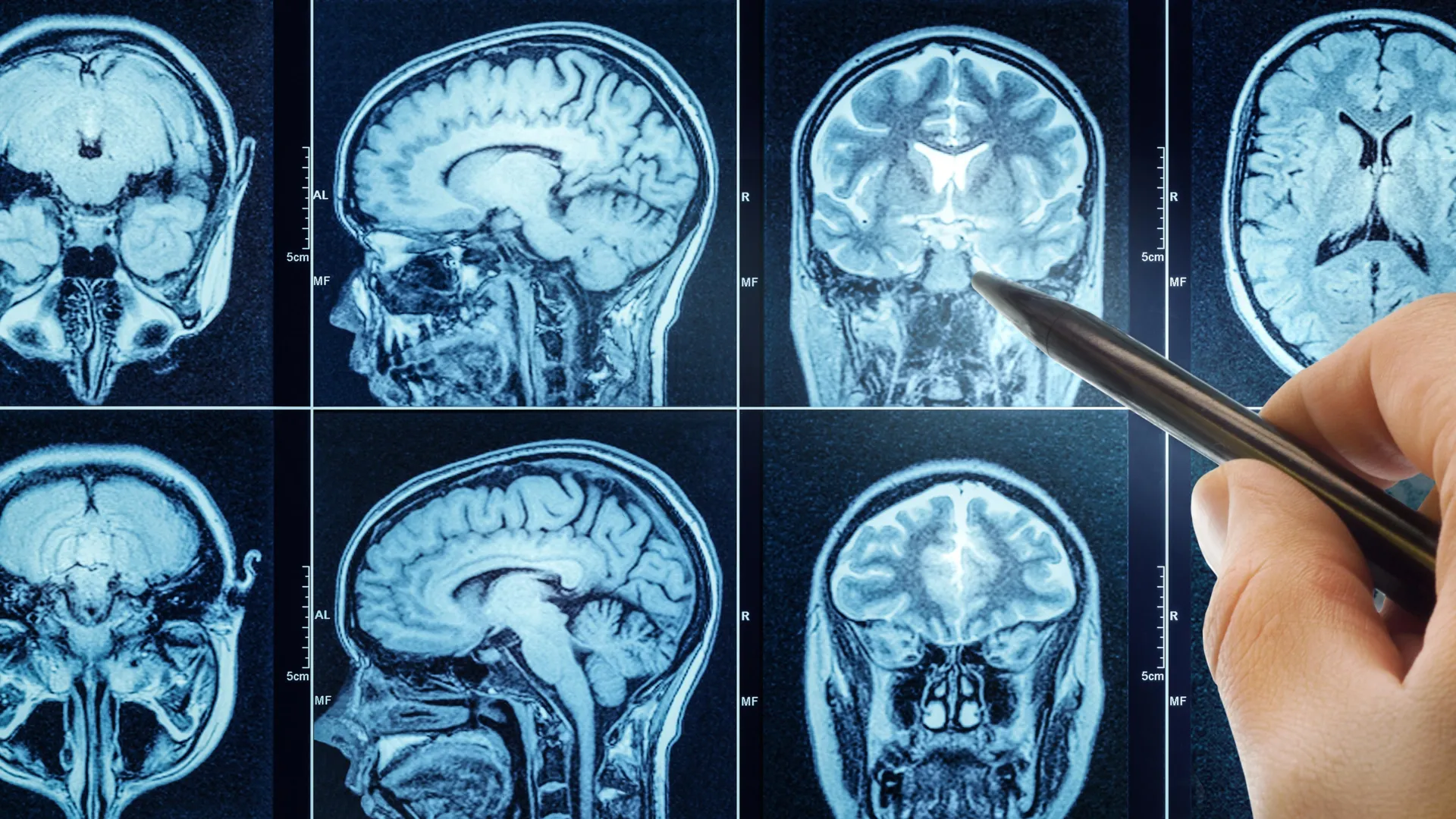
The study includes 27,500 middle-aged and older people from the UK Biobank who underwent magnetic resonance imaging (MRI) of the brain. Using machine learning, the researchers estimated the biological age of the brain based on over a thousand brain MRI phenotypes.

Low-grade inflammation

The participants’ sleep quality was scored based on five self-reported factors: chronotype (being a morning/evening person), sleep duration, insomnia, snoring, and daytime sleepiness. They were then divided into three groups: healthy (≥4 points), intermediate (2-3 points), or poor (≤1 point) sleep.

“The gap between brain age and chronological age widened by about six months for every 1-point decrease in healthy sleep score,” explains Abigail Dove, researcher at the Department of Neurobiology, Care Sciences and Society, Karolinska Institutet, who led the study. “People with poor sleep had brains that appeared on average one year older than their actual age.”

To understand how poor sleep can affect the brain, the researchers also examined levels of low-grade inflammation in the body. They found that inflammation could explain just over ten per cent of the link between poor sleep and older brain age.

“Our findings provide evidence that poor sleep may contribute to accelerated brain aging and point to inflammation as one of the underlying mechanisms,” says Abigail Dove. “Since sleep is modifiable, it may be possible to prevent accelerated brain aging and perhaps even cognitive decline through healthier sleep.”

Several possible explanations

Other possible mechanisms that could explain the association are negative effects on the brain’s waste clearance system, which is active mainly during sleep, or that poor sleep affects cardiovascular health, which in turn can have a negative impact on the brain.

Participants in the UK Biobank are healthier than the general UK population, which could limit the generalisability of the findings. Another limitation of the study is that the results are based on self-reported sleep.

The study was conducted in collaboration with researchers from the Swedish School of Sport and Health Sciences, and Tianjin Medical University and Sichuan University in China, among others. It was funded by the Alzheimer’s Foundation, the Dementia Foundation, the Swedish Research Council, the Loo and Hans Osterman Foundation for Medical Research, and the Knowledge Foundation. The researchers report no conflicts of interest.

Share Button