From October, most pharmacies in Wales can treat women under 64 who have urinary tract infections.


From October, most pharmacies in Wales can treat women under 64 who have urinary tract infections.
For the past few days, you may well have seen one or two headlines indicating that TV super-producer Ryan Murphy is considering Luigi Mangione as a potential future subject of his true crime anthology series Monster.
Earlier this week, Variety published an interview with the Emmy winner about the upcoming third season of his award-winning Netflix drama, which will focus on the notorious serial killer Ed Gein this time around.
Advertisement
During the conversation, Murphy defended his show from accusations that it’s “exploitative”, insisting he instead hopes to “provoke the question” about society with each season about a different societal theme, using various real-life murder cases to do so.
He also ruled out future seasons about John Wayne Gacy (“there’s nothing redemptive there?”) and Ted Bundy (“when you look at those crimes, what are the themes there? It doesn’t ask you any questions about society”), which is when the subject of Magione was then raised.
So, what did he actually say?

via Associated Press
Advertisement
Well, speaking to the US outlet, Murphy revealed that he and his team “have a ‘maybe one day’ file” of ideas for future seasons of Monster that “just aren’t ready yet”.
He then said that one such concept would be a season about Magione, the 27-year-old who is currently in police custody, accused of fatally shooting Brian Thompson, the CEO of the American health insurance organisation UnitedHealthcare.
According to Variety, Murphy quickly dismissed the idea of focussing on Mangione after he, in their words “deemed it too early to proceed”.
Advertisement
“We know nothing about him,” the Emmy winner pointed out.
Monster: The Ed Gein Story will debut on Netflix on Friday 3 October, with a fourth run of the controversial show already in production.
The next iteration will be the first to centre around a female killer, with Ella Beatty set to reunite with Ryan Murphy for the new series, which she’ll lead as Lizzie Borden, sharing the screen with other Murphy-verse alum including Billie Lourd and Vicky Krieps.
Rebecca Hall and British performer Jessica Barden will also be part of the cast of the show, which Netflix said will tell the story of “the infamous young woman accused of murdering her parents with an axe”.
Advertisement



Alexander Skarsgård has opened up about his new film Pillion, and how the movie’s much-hyped sex scenes differ from other projects he’s appeared in over the years.
The Emmy winner’s latest film features Harry Potter actor Harry Melling as Colin, a young man who embarks on a BDSM relationship with a biker gang leader, Ray, played by Alexander. Pillion became one of the Cannes Film Festival’s most talked-about films when it premiered earlier this year, not least because of its unique premise and graphic sexual content.
Advertisement
Speaking to Variety about making the film in an interview published earlier this week, Alexander reflected on how he and Harry worked with intimacy coordinator Robbie Taylor Hunt to ensure that these sex scenes felt real in their awkwardness.
“We wanted it to be clumsy and weird,” he explained. “On screen, [sex] often looks like a ballet, but [it] can be awkward and funny.”
“I often find sex on screen quite boring,” he continued. “Usually, all the tension is leading up to that moment, and then once people are in the sack…”
Advertisement

via Associated Press
Alexander went on to praise director Harry Lighton, who he said “didn’t put on silk gloves to tell this story” and instead “embraced the awkwardness” of the sex sequences between the two central characters.
Critics have already been full of praise for the sex scenes in Pillion, with Vanity Fair hailing the film as “frank, kinky [and] utterly idiosyncratic” and The Daily Beast describing it as “quite possibly the sexiest movie at Cannes this year, that’s also delightfully tender”.
Advertisement
And while Pillion certainly doesn’t shy away from sex, orgies or scenes of BDSM, Alexander also thinks the director approached these themes in a “beautiful” way rather than leaning into shock value.
“I think my mum will like this movie,” the True Blood star insisted. “[Even though] it’s about kinky gay bikers and a D/s relationship, [it’s] portrayed with the perfect amount of respect, but not too much respect.”
And as much as Pillion’s sex scenes have so far dominated conversation around the film, it turns out the movie is not nearly as graphic as it could have been.
Advertisement
The Big Little Lies star noted: “The sex scenes weren’t graphic for the sake of being graphic. We shot way more graphic stuff than you’ve seen just now.”
Earlier this year, director Harry Lighton told Variety during another interview that more daring sex scenes in Pillion had been cut so the audience didn’t end up “feeling they were being deliberately shocked by an image”.
“There was one close up of a dick, a hard dick … like down the barrel of the lens. And after watching the film on that ‘fuck-off’ screen I thought, yeah, cutting it was probably the right decision!” he quipped.
Advertisement



You might have heard that some newer strains of Covid – namely, the Stratus and Nimbus variants – are on the rise in the UK.
Indeed, the UK Health and Security Agency (UKHSA) recently reported that XFG and NB.1.8.1 (Stratus and Nimbus) formed most of the Covid cases last month.
Advertisement
And because Covid cases are ramping up right now, especially among the very young and the elderly, that means more instances of both new strains.
So far as the UKHSA currently knows, these strains are not more dangerous or make you any sicker than “regular” Covid.
“The most important thing is for those eligible to get their vaccination when it is due,” they wrote, as this can help to prevent the most extreme versions of Covid taking hold.
Advertisement
But how can you tell Nimbus and Stratus variants from “normal” Covid, and what should you do if you spot it?
Dr Zachary Hoy, an infectious disease specialist with Pediatrix Medical Group, previously told HuffPost that the Stratus variant “would have similar symptoms to other COVID variants that have recently been circulating.”
These include:
But Dr Naveed Asif, GP at The London General Practice, also said that the Nimbus variant’s most unique feature is a sore throat – one that can create a “razor blade sensation” while swallowing.
This still seems to be the case and has since been said to appear in cases of the Stratus variant, too.
And the Stratus variant may also be associated with a higher likelihood of developing a hoarse, raspy voice, a dry cough, exhaustion, and fever, though these can be a part of Covid-19 too.
Advertisement
As with any other strain of Covid and/or flu, you should try your hardest to avoid spreading the illness to others.
UKHSA says: “If you have symptoms of a respiratory infection, such as COVID-19, and you have a high temperature or do not feel well enough to go to work or carry out normal activities, you should avoid contact with vulnerable people and stay at home if possible”.
If you can’t do this, take precautions like wearing a well-fitting mask, avoiding crowded places, taking your exercise outdoors, away from others, covering your mouth or nose when you sneeze, washing your hands often with soap and water for at least 20 seconds, and avoid touching your face.
Advertisement
In terms of keeping yourself well while you have Covid, the NHS advises lots of rest, plenty of water, painkillers like paracetamol or ibuprofen if needed, sitting upright in a chair to help with breathlessness, and taking a spoonful of honey (don’t feed this to babies under a year old) to relieve sore throats and cough.
Call a doctor if your symptoms do not improve or get worse. Call 999 or go to the A&E if your breathlessness comes on suddenly or is so bad that you struggle to say short sentences when resting.


Scientists digging through data collected by the Cassini spacecraft have found new complex organic molecules spewing from Saturn’s moon Enceladus. This is a clear sign that complex chemical reactions are taking place within its underground ocean. Some of these reactions could be part of chains that lead to even more complex, potentially biologically relevant molecules.
Published on October 1 in Nature Astronomy, this discovery further strengthens the case for a dedicated European Space Agency (ESA) mission to orbit and land on Enceladus.
In 2005, Cassini found the first evidence that Enceladus has a hidden ocean beneath its icy surface. Jets of water burst from cracks close to the moon’s south pole, shooting ice grains into space. Smaller than grains of sand, some of the tiny pieces of ice fall back onto the moon’s surface, whilst others escape and form a ring around Saturn that traces Enceladus’s orbit.
Lead author Nozair Khawaja explains what we already knew: “Cassini was detecting samples from Enceladus all the time as it flew through Saturn’s E ring. We had already found many organic molecules in these ice grains, including precursors for amino acids.
The ice grains in the ring can be hundreds of years old. As they have aged, they may have been ‘weathered’ and therefore altered by intense space radiation. Scientists wanted to investigate fresh grains ejected much more recently to get a better idea of what exactly is going on in Enceladus’s ocean.
Fortunately, we already had the data. Back in 2008, Cassini flew straight through the icy spray. Pristine grains ejected only minutes before hit the spacecraft’s Cosmic Dust Analyzer (CDA) instrument at about 18 km/s. These were not only the freshest ice grains Cassini had ever detected, but also the fastest.
The speed mattered. Nozair explains why:
“The ice grains contain not just frozen water, but also other molecules, including organics. At lower impact speeds, the ice shatters, and the signal from clusters of water molecules can hide the signal from certain organic molecules. But when the ice grains hit CDA fast, water molecules don’t cluster, and we have a chance to see these previously hidden signals.”
It took years to build up knowledge from previous flybys and then apply it to decipher this data. But now, Nozair’s team has revealed what kind of molecules were present inside the fresh ice grains.
They saw that certain organic molecules that had already been found distributed in the E ring were also present in the fresh ice grains. This confirms that they are created within Enceladus’s ocean.
They also found totally new molecules that had never been seen before in ice grains from Enceladus. For the chemists reading, the newly detected molecular fragments included aliphatic, (hetero)cyclic ester/alkenes, ethers/ethyl and, tentatively, nitrogen- and oxygen-bearing compounds.
On Earth, these same molecules are involved in the chains of chemical reactions that ultimately lead to the more complex molecules that are essential for life.
“There are many possible pathways from the organic molecules we found in the Cassini data to potentially biologically relevant compounds, which enhances the likelihood that the moon is habitable,” says Nozair.
“There is much more in the data that we are currently exploring, so we are looking forward to finding out more in the near future.”
Co-author Frank Postberg adds: “These molecules we found in the freshly ejected material prove that the complex organic molecules Cassini detected in Saturn’s E ring are not just a product of long exposure to space, but are readily available in Enceladus’s ocean.”
Nicolas Altobelli, ESA Cassini project scientist adds: “It’s fantastic to see new discoveries emerging from Cassini data almost two decades after it was collected. It really showcases the long-term impact of our space missions. I look forward to comparing data from Cassini with data from ESA’s other missions to visit the icy moons of Saturn and Jupiter.”
Returning to Enceladus
Discoveries from Cassini are valuable for planning a future ESA mission dedicated to Enceladus. Studies for this ambitious mission have already begun. The plan is to fly through the jets and even land on the moon’s south polar terrain to collect samples.
A team of scientists and engineers is already considering the selection of modern scientific instruments that the spacecraft would carry. This latest result made using CDA will help guide that decision.
Enceladus ticks all the boxes to be a habitable environment that could support life: the presence of liquid water, a source of energy, a specific set of chemical elements and complex organic molecules. A mission that takes measurements directly from the moon’s surface, seeking out signs of life, would offer Europe a front seat in Solar System science.
“Even not finding life on Enceladus would be a huge discovery, because it raises serious questions about why life is not present in such an environment when the right conditions are there,” says Nozair.
Jonathan Jones says he was given chemotherapy tablets for 16 years, contrary to NHS guidelines.
The charity-run centre in Hull will help women with the condition that can cause extreme pain.
A teenager has told the Covid-19 inquiry she often feels “left out” after missing so much school.
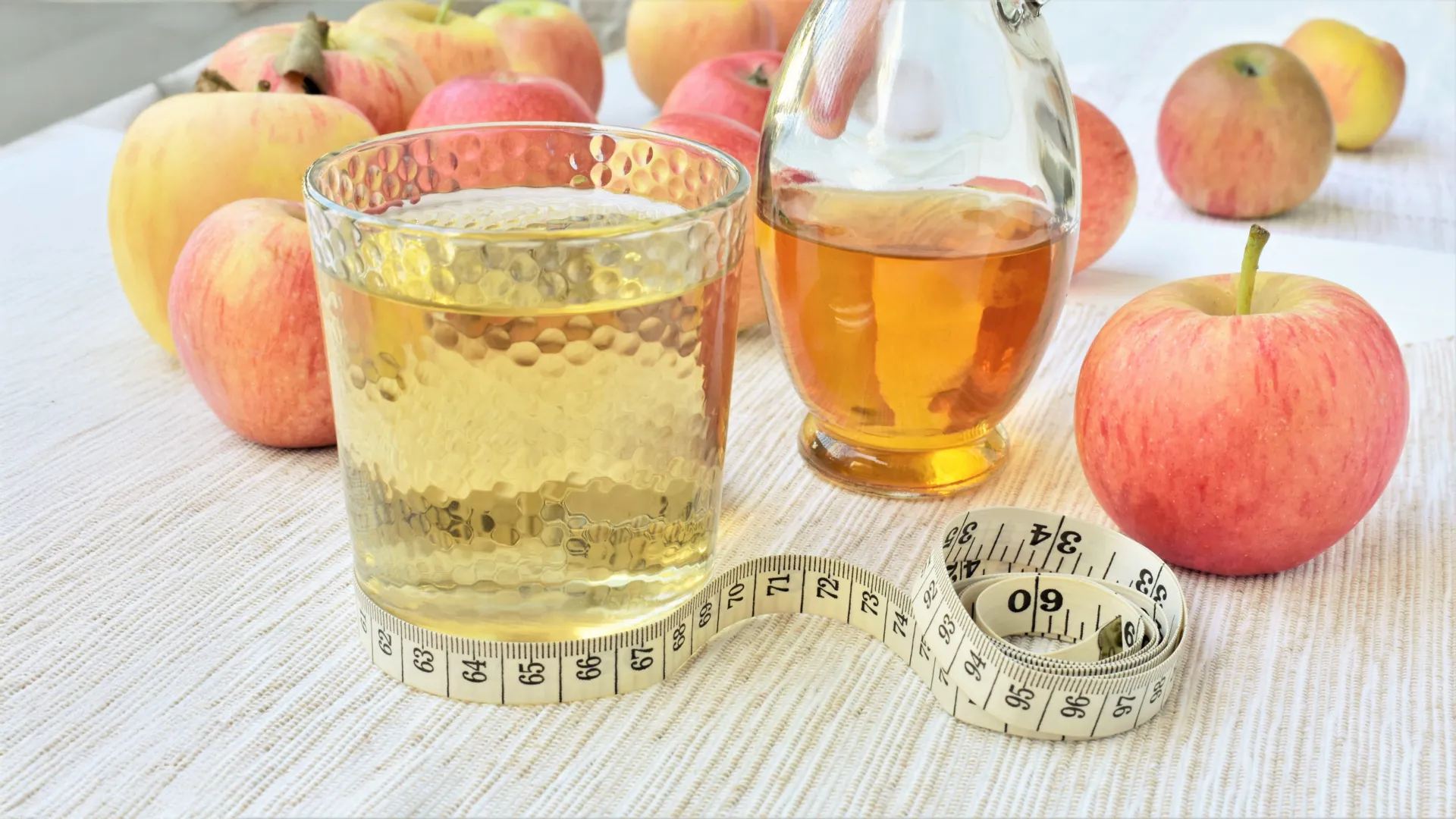
BMJ Group has retracted research suggesting that small daily quantities of apple cider vinegar might help people who are overweight or obese to lose weight.
The small clinical trial was published in the open access journal BMJ Nutrition, Prevention & Health in March 2024 and its findings press released. The study findings generated widespread international attention at the time, and continue to be frequently referred to in media coverage.
The retraction was prompted by concerns raised about the quality of the work, including the approach to statistical analysis of the data; implausible statistical values; the reliability of the raw data; inadequate reporting of methods; and lack of prospective trial registration, which breaches BMJ Group’s editorial policy.
Initially, concerns were raised in critiques of the study, some of which were published as letters in the journal. But after review by BMJ Group’s content integrity team, the study was referred to statistical experts to evaluate its reliability. This included attempts to replicate the results and examine the authenticity of the underlying data supplied by the authors.
It wasn’t possible for the statisticians to replicate the results and multiple analytical errors were identified. There were also irregularities in the data set, and their report, which is appended to the retraction notice, concluded that the data collected from each participant would require further independent scrutiny.
The authors said that the identified errors were honest mistakes, but they agree with the decision to retract the study.
Dr Helen Macdonald, Publication Ethics and Content Integrity Editor at BMJ Group, said: “Tempting though it is to alert readers to an ostensibly simple and apparently helpful weight loss aid, at present the results of the study are unreliable, and journalists and others should no longer reference or use the results of this study in any future reporting.”
She added: “This retraction reflects our strategic and proactive approach to investigating concerns raised about the content we publish. We act where necessary in the interests of openness and the importance of correcting the scientific record.
“While we deal with allegations as swiftly as possible, it’s very important that due process is followed. Investigations are often complex. This one involved detailed scrutiny of data and correspondence with researchers, institutions, and other experts, for example. Reaching a sound and fair and final decision can therefore take several months.”
Commenting on the decision to publish the study despite the lack of trial registration, Professor Martin Kohlmeier, editor in chief of BMJ Nutrition Prevention & Health, explained: “In hindsight, this was the wrong decision to make. But the authors come from a scientific environment that is underrepresented in nutritional research and the journal aims to prioritise high quality evidence, which usually comes from clinical trials.
“These are relatively unusual in nutritional research as they can be challenging to undertake because of the numbers of participants and time needed to obtain meaningful results.”
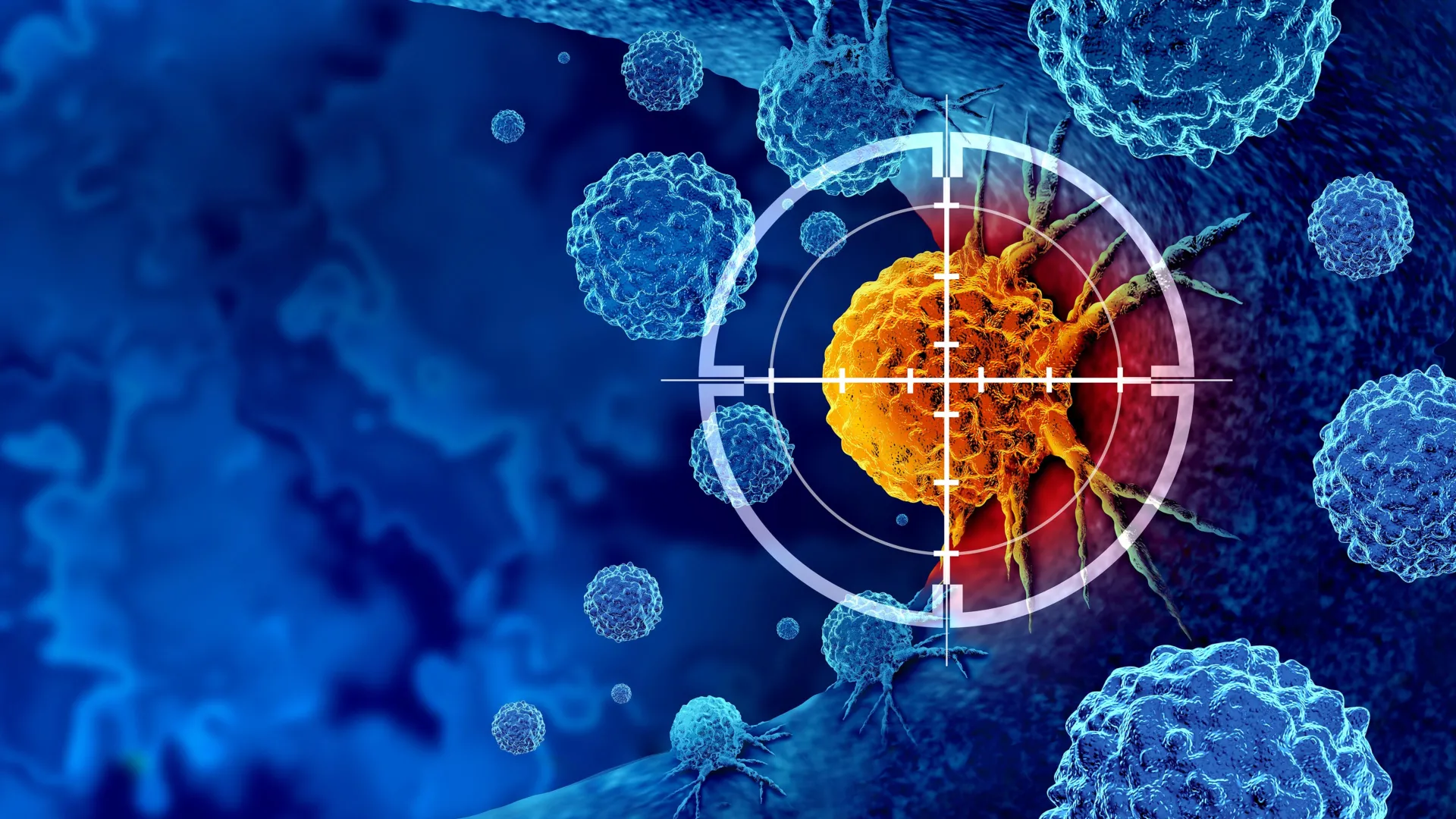
In a new study, researchers from the University of Chicago discovered that zeaxanthin, a plant-derived carotenoid best known for protecting vision, may also act as an immune-boosting compound by strengthening the cancer-fighting activity of immune cells. The findings, which were published in Cell Reports Medicine, highlight the potential of zeaxanthin as a widely available supplement to improve the effectiveness of cancer immunotherapies.
“We were surprised to find that zeaxanthin, already known for its role in eye health, has a completely new function in boosting anti-tumor immunity,” said Jing Chen, PhD, Janet Davison Rowley Distinguished Service Professor of Medicine and senior author of the study. “Our study show that a simple dietary nutrient could complement and strengthen advanced cancer treatments like immunotherapy.”
How does this nutrient work?
The study builds on years of work by Chen’s lab to better understand how nutrients influence the immune system. By screening a large blood nutrient library, the team identified zeaxanthin as a compound that directly enhances the activity of CD8+ T cells, a crucial type of immune cell that kills tumor cells. These cells rely on a molecular structure called the T-cell receptor (TCR) to recognize and destroy abnormal cells.
The researchers found that zeaxanthin stabilizes and strengthens the formation of TCR complex on CD8+ T cells upon interacting with the cancer cells. This, in turn, triggers more robust intracellular signaling that boosts T-cell activation, cytokine production, and tumor-killing capacity.
Zeaxanthin improves immunotherapy effects
In mouse models, dietary supplementation with zeaxanthin slowed tumor growth. Importantly, when combined with immune checkpoint inhibitors – a type of immunotherapy that has transformed cancer treatment in recent years – zeaxanthin significantly enhanced anti-tumor effects compared to immunotherapy alone.
To extend the findings, the researchers tested human T cells engineered to recognize specific tumor antigens and found that zeaxanthin treatment improved these cells’ ability to kill melanoma, multiple myeloma, and glioblastoma cells in laboratory experiments.
“Our data show that zeaxanthin improves both natural and engineered T-cell responses, which suggests high translational potential for patients undergoing immunotherapies,” Chen said.
A safe and accessible candidate
Zeaxanthin is sold as an over-the-counter supplement for eye health, and is naturally found in vegetables like orange peppers, spinach, and kale. It’s inexpensive, widely available, well-tolerated and, most importantly, its safety profile is known – which means it can be safely tested as an adjunct to cancer therapies.
The study also reinforces the importance of a balanced diet. In their previous research, Chen’s group discovered that trans-vaccenic acid (TVA), a fatty acid derived from dairy and meat, also boosts T-cell activity – but through a different mechanism. Together, the findings suggest that nutrients from both plant and animal sources may provide complementary benefits to immune health.
Clinical applications of zeaxanthin
Although the results are promising, the researchers emphasize that the work is still at an early stage. Most of the findings come from laboratory experiments and animal studies. Thus, clinical trials will be needed to determine whether zeaxanthin supplements can improve outcomes for cancer patients.
“Our findings open a new field of nutritional immunology that looks at how specific dietary components interact with the immune system at the molecular level,” Chen said. “With more research, we may discover natural compounds that make today’s cancer therapies more effective and accessible.”
The study, “Zeaxanthin augments CD8+ effector T cell function and immunotherapy efficacy,” was supported by grants from the National Institutes of Health, the Ludwig Center at the University of Chicago, and the Harborview Foundation Gift Fund.
Additional authors include Freya Zhang, Jiacheng Li, Rukang Zhang, Jiayi Tu, Zhicheng Xie, Takemasa Tsuji, Hardik Shah, Matthew Ross, Ruitu Lyu, Junko Matsuzaki, Anna Tabor, Kelly Xue, Chunzhao Yin, Hamed R. Youshanlouei, Syed Shah, Michael W. Drazer, Yu-Ying He, Marc Bissonnette, Jun Huang, Chuan He, Kunle Odunsi, and Hao Fan from the University of Chicago; Fatima Choudhry from DePaul University, Chicago; Yuancheng Li and Hui Mao from Emory University School of Medicine, Atlanta; Lei Dong from University of Texas Southwestern Medical Center, Dallas; and Rui Su from Beckman Research Institute, City of Hope, Duarte, CA.
