The aim is to help people return to work quicker and reduce the length of time they need fit notes – better known as sick notes.


The aim is to help people return to work quicker and reduce the length of time they need fit notes – better known as sick notes.

Nigel Farage is the very definition of a Marmite politician.
His opponents harbour feelings for him which range between contempt and outright hatred, while his supporters believe he can do no wrong.
The Reform UK leader’s ability to divide opinion was demonstrated at prime minister’s questions on Wednesday, when opposing MPs heckled him as he tried to ask Keir Starmer about the small boats crisis.
Advertisement
At one point, a Reform MP could be heard shouting “will you shut up” at his detractors as Farage continued to make his point.
Moments like that do Farage no harm at all. He presents himself as the anti-establishment politician speaking up on behalf of ordinary voters. How better can that be demonstrated than by MPs from the governing party trying to drown him out in the Commons?
And while Reform UK suffer blows which would be hugely damaging for other parties, they continue to lead in the polls and take council seats off their opponents.
Advertisement
In the past week alone, their number of MPs was once again reduced from five to four following James McMurdock’s decision to sit as an independent following allegations about his business dealings prior to entering politics.
And yet, a new poll published on Friday by Techne UK showed Reform’s lead over Labour is actually growing, with the Tories languishing 11 points behind Farage’s party in third place.
According to Luke Tryl of the More in Common think-tank, voters’ misgivings about Farage and his party are outweighed by their unhappiness with both Labour and the Tories.
Advertisement
He said: “There is a difference between Reform’s previous voters are their newer voters. Their previous voters are much more ideologically motivated, their newer voters are much more likely to say they are disillusioned by mainstream parties. They are the group I like to call the ‘roll the dice’ voters.
“We did a focus group in Lanark before that by-election, which Labour gained from the SNP but was a reasonably close three-way race.
“I spoke to someone who was voting for Nigel Farage, who said ‘personally I think the guy’s an arsehole, but I’m going to give him a shot because he can’t be any worse than the others’.
Advertisement
“I think that’s the attitude which is driving it. Lots of people say they don’t have any confidence in any politician of any party, but we may as well roll the dice on something new.”
There is no doubt that Labour’s less-than-stellar start to life in government has helped Farage.
Voters who backed Keir Starmer a year ago and are backing Reform “are more likely to say that they’ve switched because the government have failed to get immigration under control”, said Tryl.
He added: “It isn’t that the government hasn’t done a lot of popular things, but they’re drowned out by winter fuel, prisoner releases, farmers’ tax and the benefits cuts – they have defined in the public’s mind that the government has done so far.
Advertisement
“The government isn’t protecting the people that the public would like them to.”
This view was typified by Tim, a teacher who has switched from Labour to Reform in the past 12 months.
He told a More in Common focus group that Labour was “taking money off people with benefits and making life harder for them, but still letting the energy giants have huge bonuses every year”.
And while just one-third of voters say Farage respects people like them, that is still far more than the third who feel the same way about the prime minister and Tory leader Kemi Badenoch.
Advertisement
A former Tory cabinet minister pointed outthat the normal rules of politics do not apply to Farage and Reform, and until his party and Labour wake up to that fact, nothing will change.
“The establishment parties are still playing into Reform’s hands,” he said. ”Reform are controlling the game at the moment. As we head into the summer recess, they’re still setting the agenda.
“Colleagues are getting bogged down on this nonsense about an MP leaving Reform – it doesn’t matter out there in the real world. A Reform councillor doing something appalling doesn’t matter. It might have some local impact but in the grand scheme of things it doesn’t matter.”
Advertisement
The solution, the MP said, was for Labour and the Tories to keep their promises to the electorate.
“Politicians have to do what they say they’re going to do,” he said. “You might not agree with Donald Trump, but voters like the fact that he does what he said he was going to do.”
Farage pulled off another coup by recruiting former Tory chairman Jake Berry to the Reform ranks this week.
Berry, who served under three Conservative PMs, including his close friend Boris Johnson, said the mainstream parties had “broken Britain”.
Advertisement
But one of his former Tory colleagues said the significance of his defection had been overstated.
The MP said: “People like Jake Berry and [former Tory minister now Reform UK mayor] Andrea Jenkyns were not popular people. They are evidence of the mistakes of the past.
“If they were defections by people who were respected then that is a different kettle of fish. But their motivations are pretty transparent – she did it to become mayor of Lincolnshire and he wants to be mayor of Lancashire.
Nevertheless, Berry’s defection undoubtedly put further wind in the Reform sails.
If more senior Tories followed, and were joined by some from Labour, then Farage will be smiling again – regardless of what some of voters think of him.
Advertisement

A few months ago, a video went viral in which French content creator Éros Brousson offered his take on what it’s like to date a woman who values her peace.
“Some women have been single for so long, they don’t date anymore,” the 25-year-old says in the clip. “They grant you access to their peaceful little empire like a reluctant queen handing you a visitor’s badge.”
Advertisement
“You plan a cute date, she’s thinking, ‘That sounds nice, but also, I could stay home, deep clean my apartment, do a 12-step skin care routine, order sushi, and not have to listen to a man breathe,’” he jokes.
As a straight guy, he argued, you’re competing not with other men, but with a woman’s inner peace.
The video touched a nerve with single women in the comments ― women are sick and tired of an algorithm-filled dating world (rightfully so) and more than satisfied on their own.
The video called to mind a quote from British poet Warsan Shire that you probably saved on Pinterest at some point, if you’re a millennial: “My alone feels so good, I’ll only have you if you’re sweeter than my solitude.”
Advertisement
It also reminded me of the still-continuing 2024 trend of women committing to going “boysober”: In other words, taking an extended break from sex and men as a form of self-care.
“Protecting your peace could also be shielding a fear of vulnerability or letting oneself experience the full spectrum of relational experiences.”
– Liz Higgins, a therapist and founder of Millennial Life Counseling in Dallas
“This video is hitting home for single women because, for the first time in human history, women have the social and economic opportunity to be single over settling for an emotionally lacklustre relationship,” said Lily Womble, a dating coach and author of “Thank You, More Please: A Feminist Guide to Breaking Dumb Dating Rules and Finding Love.”
Advertisement
Women not having to settle in order to gain economic mobility is a relatively new phenomenon, Womble said. It was only 50 years ago that women first had the chance to get a credit card without her husband’s or father’s permission.
Some men may have an emotional skills gap to fill before they can compete with a woman’s inner peace, the dating coach said.
“My clients are now using ‘Do they go to therapy?’ as a qualifying and disqualifying question before going on a first date,” she said. “They want someone who is emotionally intelligent and working on their own growth.”
Advertisement
We’re not here to drag men, though. Given how inhospitable, if not downright hostile, the dating climate is, it’s understandable that both women and men would want a timeout. But it also kind of makes you wonder: If we really are in the midst of a loneliness crisis, might it in part be because people are benching their desires for connection, and if that’s the case, isn’t that a tiny bit depressing?
In a recent YouTube essay, Ashley Embers, a YouTuber with over 155,000 subscribers, made a broader but adjacent argument: “How Gen Z protected their peace too hard and now has no one,” she titled the video, in which she explores how individualism and the shift of our social lives online has left some of us pretty lonely.
Embers points to videos that populate so many For You pages on TikTok: the kinds of videos in which young people talk about going to bed at 9, being in their “protecting [their] peace era” and claim that they “don’t owe anyone anything” and “will cut people out” with a quickness the first time someone steps out of line.
Advertisement
Not compromising any element of yourself or your needs for the sake of being coupled is healthy, but if your goal is to one day have a relationship, eliminating yourself from the dating game probably isn’t the move, said Liz Higgins, a therapist and founder of Millennial Life Counseling in Dallas, Texas.
“Protecting your peace could also be shielding a fear of vulnerability or letting oneself experience the full spectrum of relational experiences,” she said. “Even good relationships aren’t perfect, and relationships are teachers.”
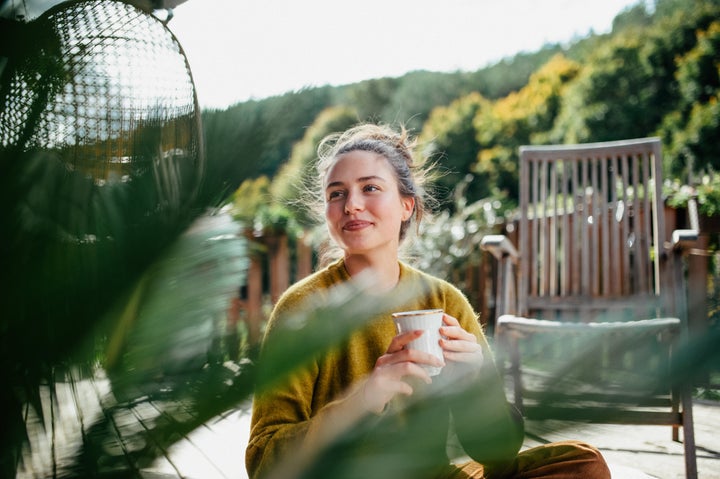
Halfpoint Images via Getty Images
Advertisement
Higgins also thinks the aforementioned TikTok influencers can make it seem like boundaries need to be rigid and absolute.
Certainly, in some cases, we need to put up clear walls when there are instances of abuse or lack of safety, she said.
“But some people may close off too soon before the important work of moving through adversity, building resilience, learning to experience repair with others, can occur,” she said. “These situations are also pivotal to our mental and relational wellness; we must learn to do these things and cannot just play it safe through life.”
Advertisement
The true power of taking a break and “protecting your peace” lies in creating space for being clear-eyed and focused on what you want and who you are, said Clare Cui, a life coach who works primarily with women.
“It allows you to understand your baseline of peace, engage in deeper introspection, and truly identify what brings you happiness and joy outside of a relationship context,” Cui said.
But she’s also learned personally (and through her clients) that stepping away from dating isn’t always a magic cure-all for finding peace in dating or relationships.
Advertisement
“I found it can be a common trap many fall into, myself included, if the underlying issues aren’t addressed,” Cui said. “I initially believed that simply not dating would somehow make my problems ― poof ― vanish.”
It would never actually work out that way, though, she said. “When I’d take a break, I’d feel good on my own, but the same issues and challenges would always resurface when I’d start dating again because, low and behold, ‘Hi, I’m the drama. It’s me,’” she added.
“There really needs to be intentional self-reflection and awareness of our own wounds or defence mechanisms for ‘protecting your peace’ to work,” Cui said.
Advertisement

Natalia Lebedinskaia via Getty Images
Jennifer Bartlett-Phelps, a 45-year-old from Indianapolis, dipped out of dating because it all felt sort of lopsided.
“In my experience, men require a ton of emotional energy from women but rarely give back at the same level,” Bartlett-Phelps said.
Advertisement
“I’m working a day job, running a business and building a YouTube channel,” she told us. “I don’t have the capacity to emotionally prop up someone who isn’t giving the same energy back.”
The only con she really sees is that she may be “alone” in her golden years, but “alone” is relative ― she has plenty of single friends she foresees spending time with, a la “The Golden Girls.”
“We are social creatures, so friendship is super important for most of us to thrive. But I don’t believe a romantic relationship is necessary for one to be truly happy,” she said. “I’ve been single for 10 years now and it’s the happiest I’ve ever been.”
Advertisement
Samantha Vigneau, a 33-year-old from Detroit, said you have to ask yourself if you’re truly protecting your peace.
“If you find yourself retreating from dating out of fear, insecurity or anxiety, this may be unconsciously sabotaging your dating life,” she said.
Vigneau thinks you also have to toss out the reductive belief that “no good men exist” and trust that you’ll find a worthwhile match.
Advertisement
“We attract what we believe, so I personally have this mantra of ‘there are plenty of great men out there’ and ‘the relationship that is for me will find me at the right time,’” she said.
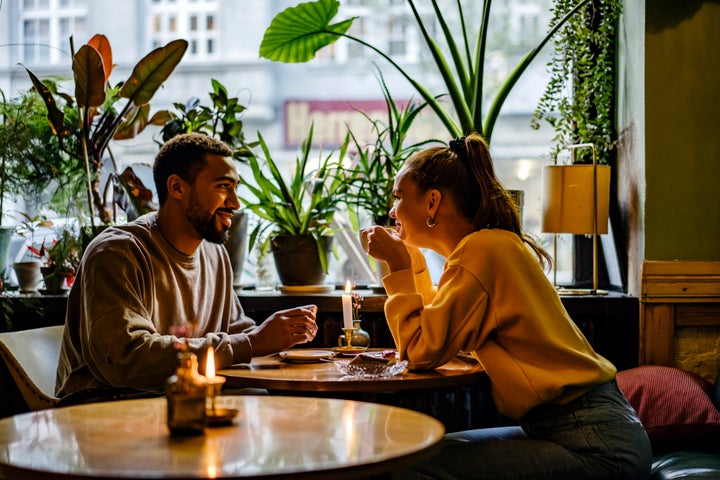
Janina Steinmetz via Getty Images
The only con of taking a break is how habit-forming your alone time can be, said Bruna Nessif, a 37-year-old writer and life coach from Southern California.
Advertisement
“When your life is no longer intermingled with another, you get to call all the shots,” she said. “You don’t have to experience the triggers that can arise with dating. That can get addicting. It feels good, but it can also become a coping mechanism to bypass the unconscious fear of losing control.”
Sometimes, dating feels like gazing into an unforgiving mirror, Nessif said. Meeting new people ― seeing yourself through new eyes and knowing that they’re making a value judgment on you ― often leads to you reflecting on your place in the world, and what’s actually going on internally and emotionally for you.
“Sometimes, it’s just easier to not put yourself in a position to look,” she said.
Nessif has found a nice, happy medium, though. She’s single but open to “pleasant surprises.”
“The truth is, both men and women have been using relationships as a crutch to the pain they refuse to face within themselves, and it re-creates a cycle of harm until we decide to do something different,” she said. “I’ve learned that I can’t control other people, but I can control what I entertain and what I believe I’m worthy of.”
Advertisement

The study looked at vaccines deployed during outbreaks of five deadly diseases.
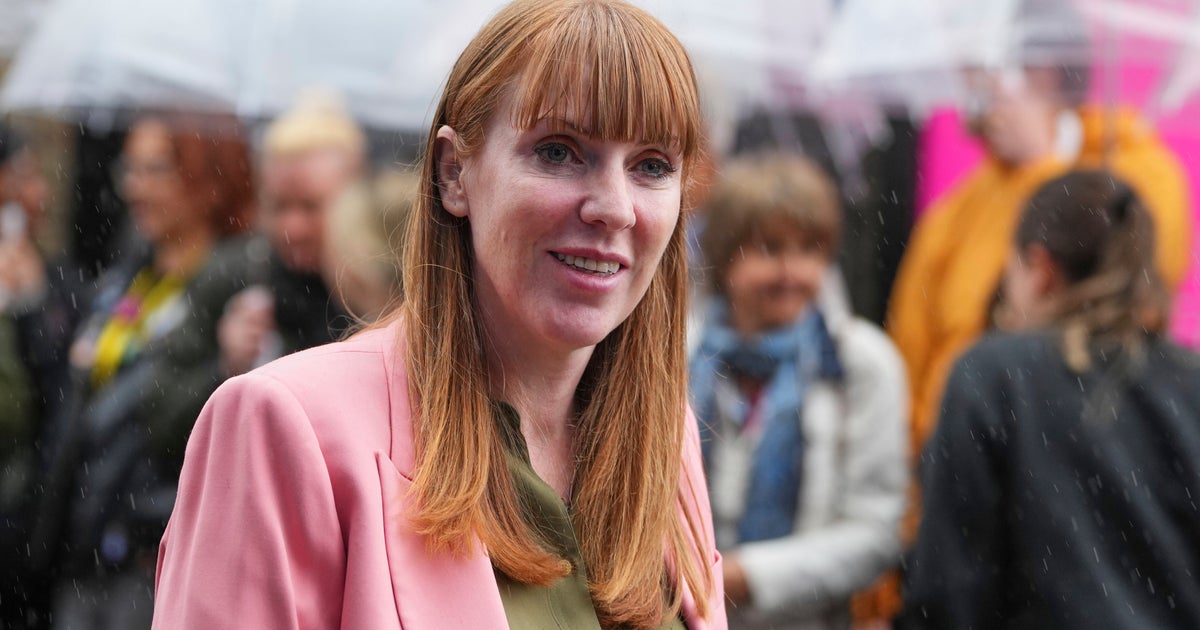
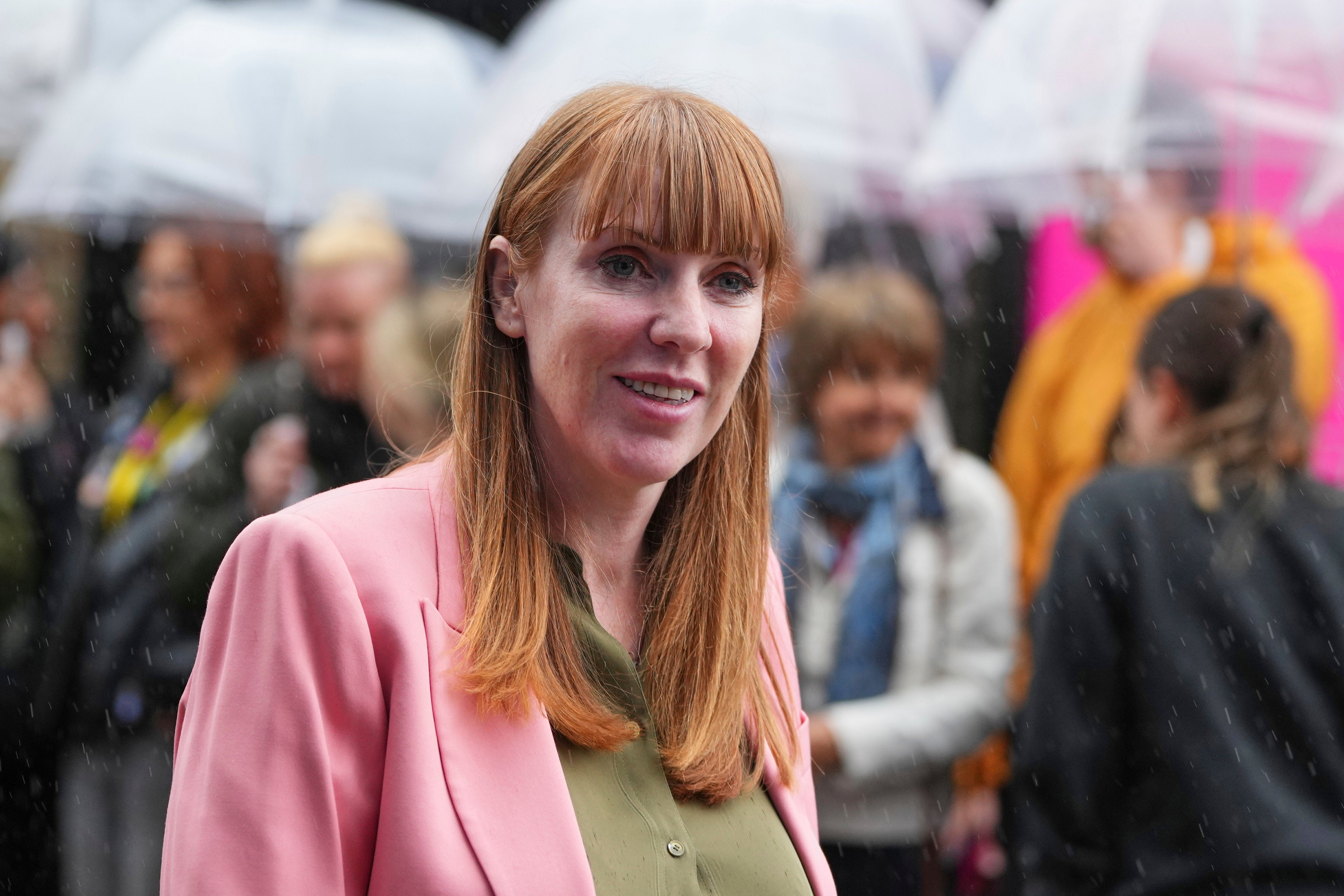
Unite has voted to suspend Angela Rayner from the union – even though she gave up her membership months ago.
Members decided to take the extraordinary step in protest at the deputy prime minister’s stance on the long-running strike by bin collectors in Birmingham.
Advertisement
The union, which has donated millions of pounds to Labour, also said it would “re-examine its relationship” with the party.
The move comes after Unite members debated a motion at their conference in Brighton, where they condemned the Labour-run council in Birmingham, and the government, for their approach to the bin workers.
Unite general secretary Sharon Graham said: “Unite is crystal clear it will call out bad employers regardless of the colour of their rosette.
Advertisement
“Angela Rayner has had every opportunity to intervene and resolve this dispute but has instead backed a rogue council that has peddled lies and smeared its workers fighting huge pay cuts.”
But HuffPost UK has learned that Rayner cancelled her membership of the union earlier this year, making it impossible for her to be suspended. She remains a member of Unison.
A Labour source said: “Angela’s not interested in stilly stunts, she’s interested in changing workers’ lives. Unite rejected a deal in Birmingham and their demands would have undermined equal pay, discriminating against female workers.
Advertisement
“Angela won’t be pushed around, and she quit Unite some months ago. Angela’s been fighting for equal pay for decades as a trade unionist and as a home care worker has experienced what it was like to be paid less as a working class woman for the same work.”
Labour peer Tom Watson, who was Rayner’s predecessor as the party’s deputy leader, said on X: “If Angie is their idea of a problem, Unite has become even more a parody of itself since Len McCluskey retired.
“Their members and officials must cringe with embarrassment at these stunts. A once proud and serious union is now just Twitter gimmick pressure group. It’s so sad.”
Advertisement
A Downing Street spokesman said the government’s priority throughout the bin dispute had “always” been Birmingham’s residents.
“As you know, Unite’s industrial action caused disruption to waste collection,” the spokesman said.
We have worked intensively with the council to tackle the backlog and clean up the streets for the residents for public health.
Advertisement
“We remain in close contact with the council and continue to monitor the situation as we support its recovery and transformation
“I think it’s important to look back to the context of this dispute: Unite is in dispute against Birmingham City Council’s decision to reform unfair staff structures, which were a major cause of unequal pay claims and left the council liable to hundreds of millions of pounds in claims, and that was a key factor cited in the council section 114 notice in 2023, declaring bankruptcy.”
The Labour peer says the strikes could damage public trust in doctors.

In the last year, there has been a surge in proteins developed by AI that will eventually be used in the treatment of everything from snakebites to cancer. What would normally take decades for a scientist to create — a custom-made protein for a particular disease — can now be done in seconds.
For the first time, Australian scientists have used Artificial Intelligence (AI) to generate a ready-to-use biological protein, in this case, one that can kill antibiotic resistant bacteria like E. coli.
This study, published in Nature Communications, provides a new way to combat the growing crisis caused by antibiotic resistant super bugs. By using AI in this way, Australian science has now joined countries like the US and China having developed AI platforms capable of rapidly generating thousands of ready-to-use proteins, paving the way for faster, more affordable drug development and diagnostics that could transform biomedical research and patient care.
The Nature Communications paper is co-led by Dr. Rhys Grinter and Associate Professor Gavin Knott, a Snow Medical Fellow, who lead the new AI Protein Design Program with nodes at the University of Melbourne Bio21 Institute and Monash Biomedicine Discovery Institute.
According to Dr. Grinter and A/Prof. Knott, the AI Protein Design Platform used in this work is the first in Australia that models the work done by David Baker (who won the Nobel Prize in Chemistry last year) developing an end-to-end approach that could create a wide range of proteins. “These proteins are now being developed as pharmaceuticals, vaccines, nanomaterials and tiny sensors, with many other applications yet to be tested” Associate Professor Knott said.
For this study, the AI Protein Design Platform used AI-driven protein design tools that are freely available for scientists everywhere. “It’s important to democratize protein design so that the whole world has the ability to leverage these tools,” said Daniel Fox, the PhD student who performed most of the experimental work for the study. “Using these tools and those we are developing in-house, we can engineer proteins to bind a specific target site or ligand, as inhibitors, agonists or antagonists, or engineered enzymes with improved activity and stability.”
According to Dr Grinter, currently proteins used in the treatment of diseases like cancer or infections are derived from nature and repurposed through rational design or in vitro evolution and selection. “These new methods in deep learning enable efficient de novo design of proteins with specific characteristics and functions, lowering the cost and accelerating the development of novel protein binders and engineered enzymes,” he said.
Since the work of David Baker, new tools and software are being developed, such as Bindcraft and Chai which have been incorporated into an AI Protein Design Platform co-led by Dr. Grinter and A/Prof. Knott..
Professor John Carroll, Director of the Monash Biomedicine Discovery Institute, said the new AI Protein Design Program ‘brings Australia “right up to speed in this exciting new modality for designing novel therapeutics and research tools. It is testament to the entrepreneurial spirit of two fabulous young scientists who have worked night and day to build this capability from scratch.”
“The Program, based at Monash University and the University of Melbourne, is run by a team of talented structural biologists and computer scientists who understand the design process from end-to-end. This in-depth knowledge of protein structure and machine learning makes us a highly agile program capable of regularly onboarding cutting edge tools in AI-protein design,” Associate Professor Knott said.
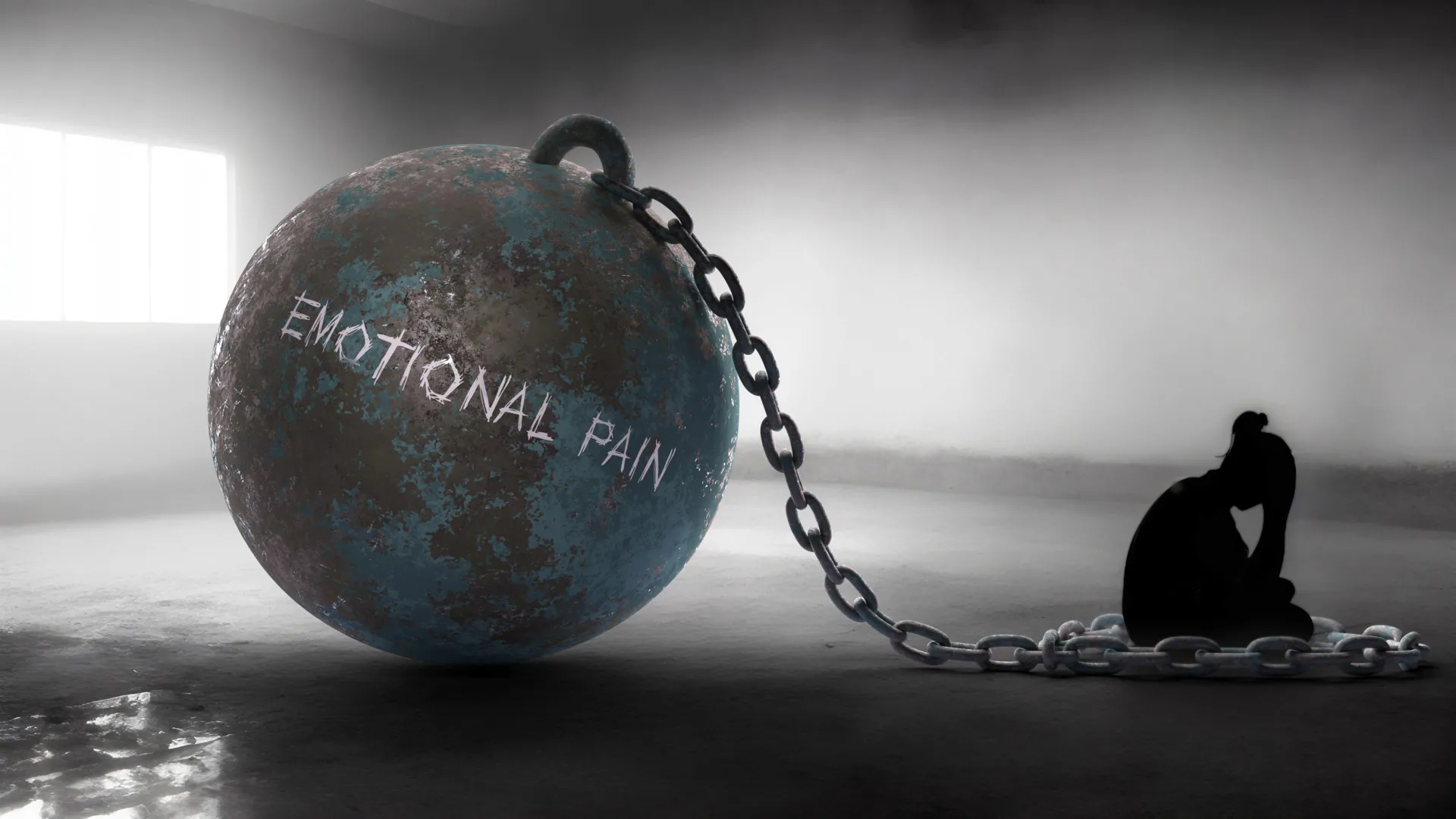
Pain isn’t just a physical sensation — it also carries emotional weight. That distress, anguish, and anxiety can turn a fleeting injury into long-term suffering.
Researchers at the Salk Institute have now identified a brain circuit that gives physical pain its emotional tone, revealing a new potential target for treating chronic and affective pain conditions such as fibromyalgia, migraine, and post-traumatic stress disorder (PTSD).
Published on July 9, 2025, in Proceedings of the National Academy of Sciences, the study identifies a group of neurons in a central brain area called the thalamus that appears to mediate the emotional or affective side of pain in mice. This new pathway challenges the textbook understanding of how pain is processed in the brain and body.
“For decades, the prevailing view was that the brain processes sensory and emotional aspects of pain through separate pathways,” says senior author Sung Han, associate professor and holder of the Pioneer Fund Developmental Chair at Salk. “But there’s been debate about whether the sensory pain pathway might also contribute to the emotional side of pain. Our study provides strong evidence that a branch of the sensory pain pathway directly mediates the affective experience of pain.”
The physical sensation of pain is what allows you to immediately detect it, assess its intensity, and identify its source. The affective part of pain is what makes it so unpleasant. This emotional discomfort motivates you to take action and helps you learn to associate negative feelings with the situation so you can avoid it in the future.
This is a critical distinction. Most people start to perceive pain at the same stimulus intensities, meaning we all process the sensory side of pain fairly similarly. In comparison, our ability to tolerate pain varies greatly. How much we suffer or feel threatened by pain is determined by our affective processing, and if that becomes too sensitive or lasts too long, it can result in a pain disorder. This makes it important to understand which parts of the brain control these different dimensions of pain.
Sensory pain was thought to be mediated by the spinothalamic tract, a pathway that sends pain signals from the spinal cord to the thalamus, which then relays them to sensory processing areas across the brain.
Affective pain was generally thought to be mediated by a second pathway called the spinoparabrachial tract, which sends pain information from the spinal cord into the brainstem.
However, previous studies using older research methods have suggested the circuitry of pain may be more complex. This long-standing debate inspired Han and his team to revisit the question with modern research tools.
Using advanced techniques to manipulate the activity of specific brain cells, the researchers discovered a new spinothalamic pathway in mice. In this circuit, pain signals are sent from the spinal cord into a different part of the thalamus, which has connections to the amygdala, the brain’s emotional processing center. This particular group of neurons in the thalamus can be identified by their expression of CGRP (calcitonin gene-related peptide), a neuropeptide originally discovered in Professor Ronald Evans’ lab at Salk.
When the researchers “turned off” (genetically silenced) these CGRP neurons, the mice still reacted to mild pain stimuli, such as heat or pressure, indicating their sensory processing was intact. However, they didn’t seem to associate lasting negative feelings with these situations, failing to show any learned fear or avoidance behaviors in future trials. On the other hand, when these same neurons were “turned on” (optogenetically activated), the mice showed clear signs of distress and learned to avoid that area, even when no pain stimuli had been used.
“Pain processing is not just about nerves detecting pain; it’s about the brain deciding how much that pain matters,” says first author Sukjae Kang, a senior research associate in Han’s lab. “Understanding the biology behind these two distinct processes will help us find treatments for the kinds of pain that don’t respond to traditional drugs.”
Many chronic pain conditions — such as fibromyalgia and migraine — involve long, intense, unpleasant experiences of pain, often without a clear physical source or injury. Some patients also report extreme sensitivity to ordinary stimuli like light, sound, or touch, which others would not perceive as painful.
Han says overactivation of the CGRP spinothalamic pathway may contribute to these conditions by making the brain misinterpret or overreact to sensory inputs. In fact, transcriptomic analysis of the CGRP neurons showed that they express many of the genes associated with migraine and other pain disorders.
Notably, several CGRP blockers are already being used to treat migraines. This study may help explain why these medications work and could inspire new nonaddictive treatments for affective pain disorders.
Han also sees potential relevance for psychiatric conditions that involve heightened threat perception, such as PTSD. Growing evidence from his lab suggests that the CGRP affective pain pathway acts as part of the brain’s broader alarm system, detecting and responding to not only pain but a wide range of unpleasant sensations. Quieting this pathway with CGRP blockers could offer a new approach to easing fear, avoidance, and hypervigilance in trauma-related disorders.
Importantly, the relationship between the CGRP pathway and the psychological pain associated with social experiences like grief, loneliness, and heartbreak remains unclear and requires further study.
“Our discovery of the CGRP affective pain pathway gives us a molecular and circuit-level explanation for the difference between detecting physical pain and suffering from it,” says Han. “We’re excited to continue exploring this pathway and enabling future therapies that can reduce this suffering.”
Other authors include Shijia Liu, Jong-Hyun Kim, Dong-Il Kim, Tae Gyu Oh, Jiahang Peng, Mao Ye, Kuo-Fen Lee, Ronald M. Evans, and Martyn Goulding of Salk.
The work was supported by the National Institutes of Mental Health (BRAINS grant 1R01MH116203) and the Simons Foundation (Bridge to Independence award SFARI #388708).
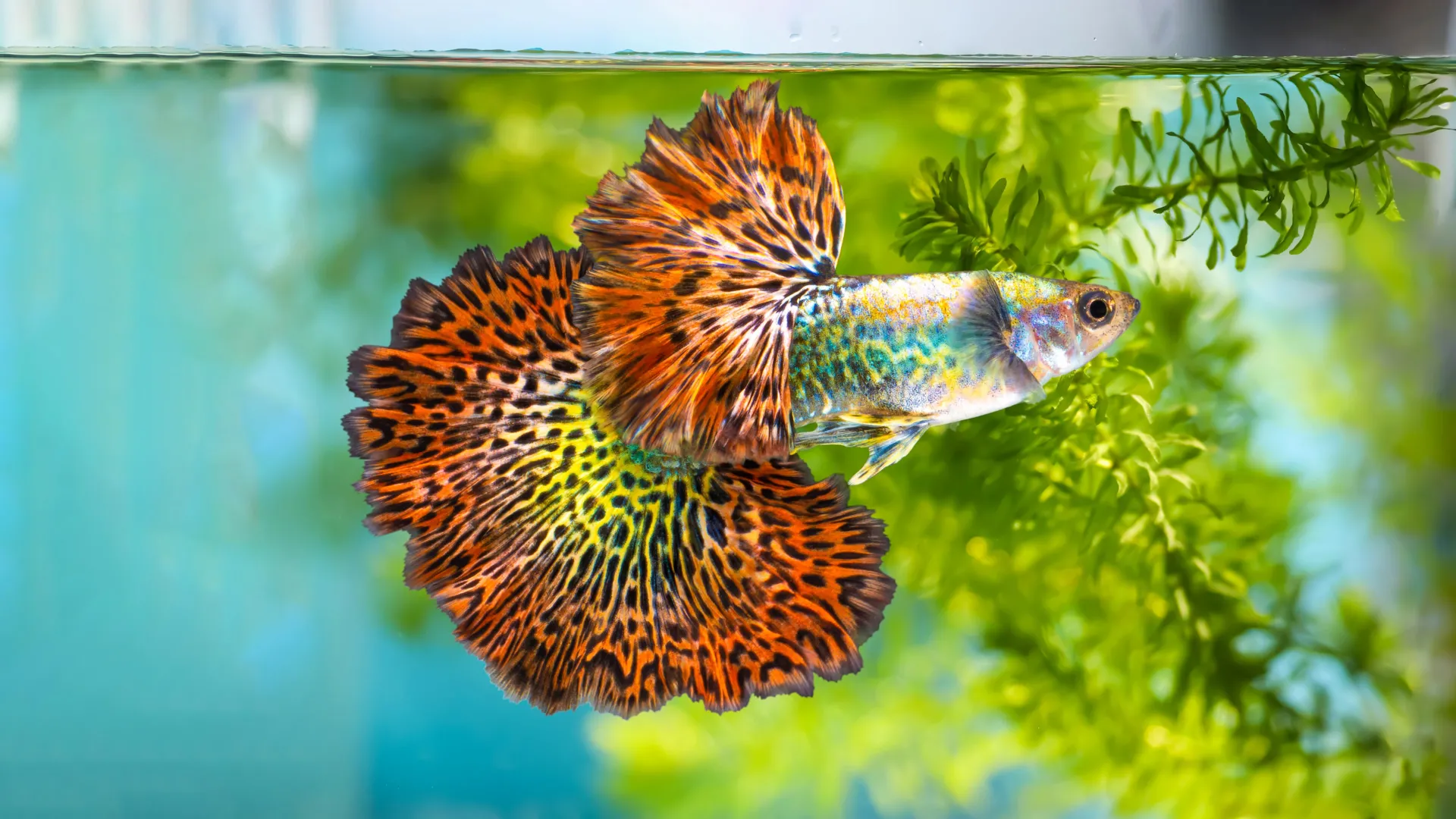
It turns out color isn’t just fashionable for guppies: According to a new UBC study, the more orange a male, the more virile it is.
The research published in Nature Ecology & Evolution shines light on an enduring evolutionary mystery: why male guppies have such vibrant and varied colors and patterns.
Virile me up
Zoologists Drs. Wouter van der Bijl and Judith Mank used deep learning, genetic studies and bred three generations of increasingly orange guppies to investigate. They found the more colorful males were up to two times more sexually active, performing for females at a greater rate and for longer periods of time, and attempting to sneakily copulate more often.
Orange you glad to see me, baby?
It’s known that female guppies prefer orange, and unusual, patterns in their male partners, but the team found that the color diversity of guppies comes from the same cells that are responsible for forming the brain, suggesting a genetic link between how guppies look and how they behave.
“Previously, people thought perhaps males realized that if they were more orange, they were more sexy. With the genetic link, it may be that they’re healthier and fitter,” said Dr. Mank.
Let’s recombine sometime
The researchers found the guppy color genes, and the locations they appeared in, were tied to multiple chromosomes, creating a vast architecture of genetic possibilities. Seven orange and eight black color types were identified overall, allowing for a potential 32,768 unique pattern combinations.
“Genetic variation is the raw material that evolution uses to produce resilient, adapted animals and plants, including for things like climate change or disease,” said van der Bijl. “We often look at extreme examples to understand where genetic variation comes from and how it’s maintained.”
Marc Lamah, dropped by a private provider, continues to operate on NHS patients in Brighton.
