Rosie O’Donnell Responded To Trump’s Citizenship Threat — And She Didn’t Hold Back

President Donald Trump is once again reviving his long-running feud with Rosie O’Donnell — this time with a baseless threat to revoke her citizenship.

In a Saturday post on Truth Social, Trump referred to the actor and comedian as a “threat to humanity,” citing her as someone who is not in “the best interest” of the country.

“Because of the fact that Rosie O’Donnell is not in the best interests of our Great Country, I am giving serious consideration to taking away her Citizenship,” he wrote. “She is a Threat to Humanity, and should remain in the wonderful Country of Ireland, if they want her. GOD BLESS AMERICA!”

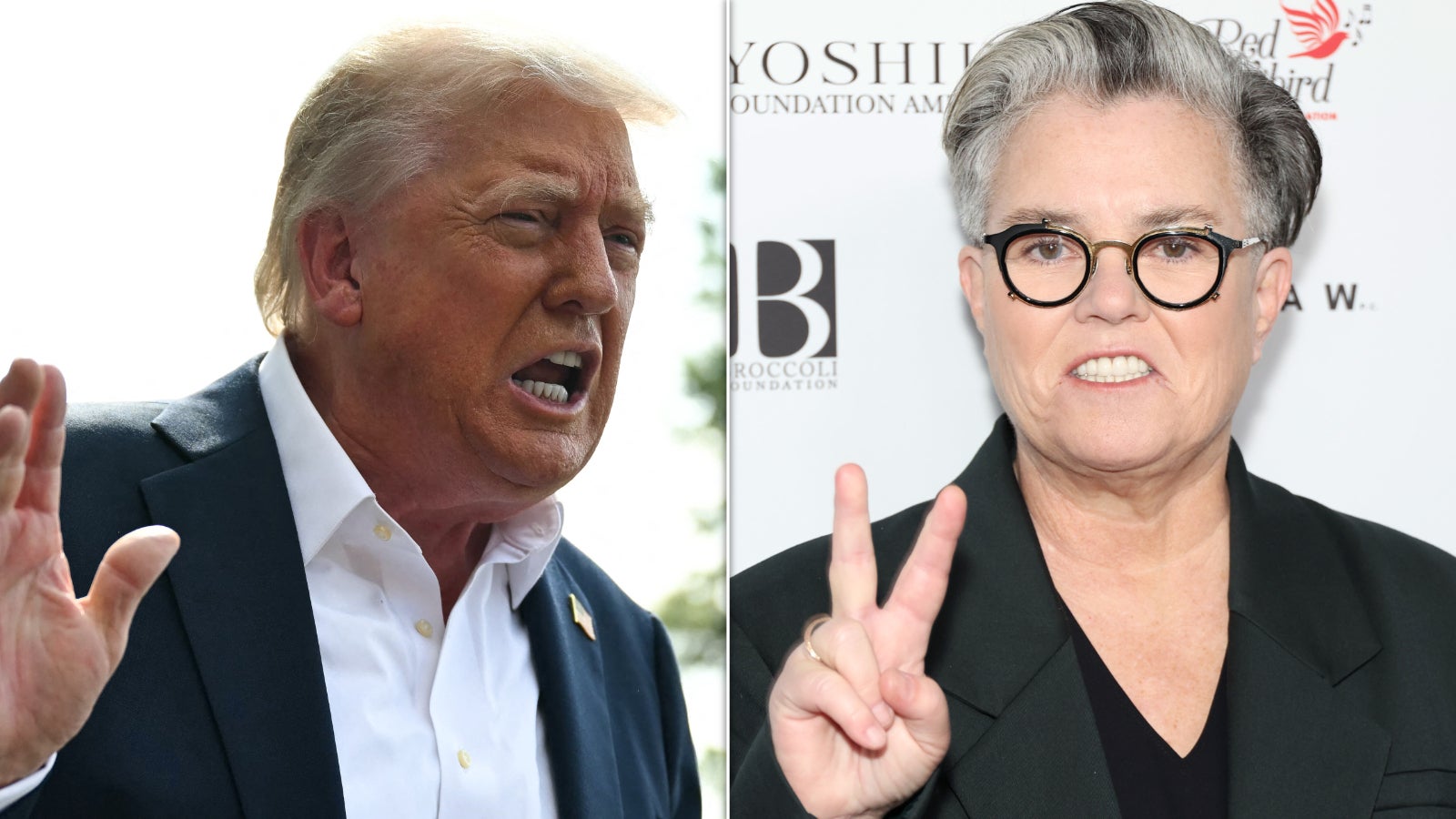
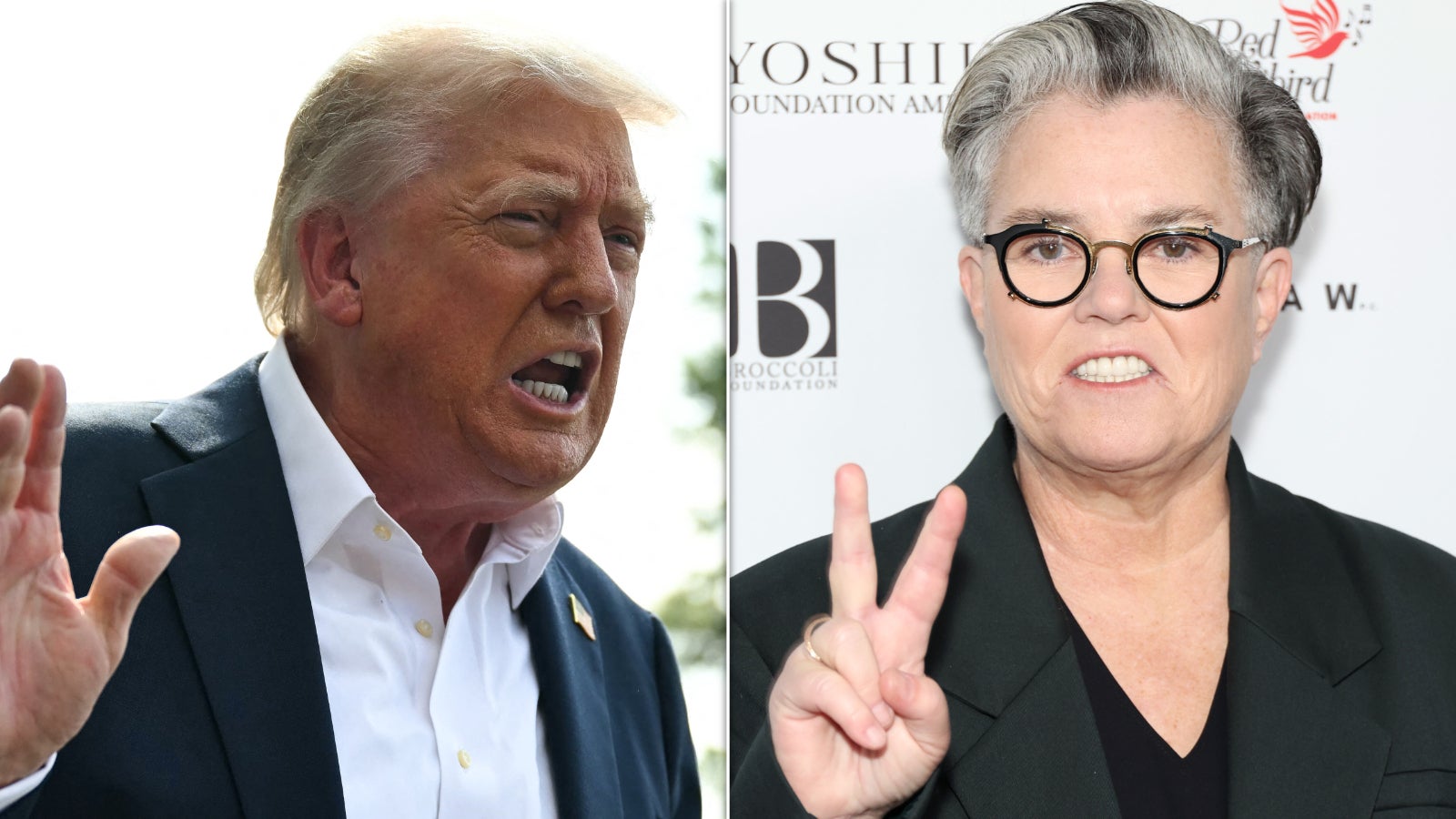
President Donald Trump and actor/comedian Rosie O'Donnell.
President Donald Trump and actor/comedian Rosie O’Donnell.

Getty Images

Trump’s remarks appeared to be in response to a TikTok video O’Donnell posted on Friday, in which she criticized the Republican Party and the current political climate of the US.

“He is definitely in a decline, and if you can’t see that, I don’t know what to tell you,” she said.

The Emmy-winning actor later fired back with two Instagram posts addressing Trump’s threat. In the first, she took direct aim at the president.

“The president of the usa has always hated the fact that i see him for who he is – a criminal con man sexual abusing liar out to harm our nation to serve himself – this is why i moved to ireland,” she wrote. “he is a dangerous old soulless man with dementia who lacks empathy, compassion and basic humanity – i stand in direct opposition all he represents – so do millions of others – u gonna deport all who stand against ur evil tendencies – ur a bad joke who cant form a coherent sentence #nevertrump”

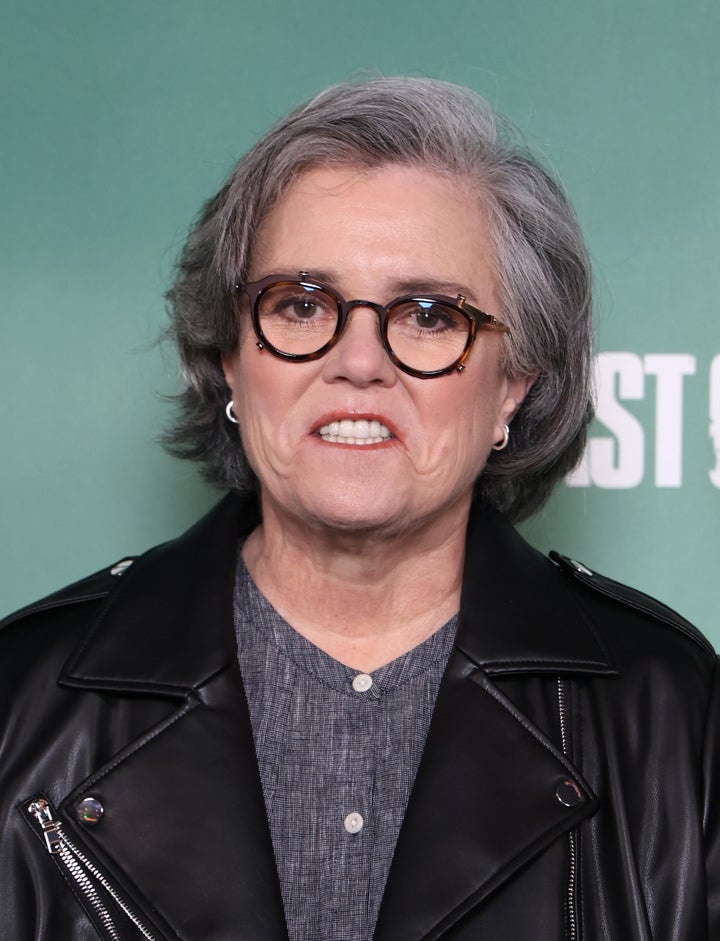
Rosie O'Donnell attends Sky's U.K. Premiere of "The Last of Us" Season II at Vue West End on April 10, 2025 in London, England.
Rosie O’Donnell attends Sky’s U.K. Premiere of “The Last of Us” Season II at Vue West End on April 10, 2025 in London, England.

Mike Marsland via Getty Images

In a second post, O’Donnell referenced their decades-long public battle and added that she resides “rent-free in that collapsing brain” of his.

“you call me a threat to humanity –but I’m everything you fear:a loud womana queer womana mother who tells the truthan American who got out of the country b4 u set it ablaze you build walls –I build a life for my autistic kid in a country where decency still exists.”

O’Donnell first shared in March that she had relocated to Ireland on Jan. 15, calling the decision “pretty wonderful.”

“I miss many things about life there at home and I’m trying to find a home here in this beautiful country, and when it is safe for all citizens to have equal rights there in America, that’s when we will consider coming back,” she said.

Share Button

Latin makeup labels put people with allergies ‘at risk’

Cosmetic ingredients should be listed in English to protect people with allergies, campaigners say.

Share Button

Florida cat sniffs out another new virus—and scientists are listening

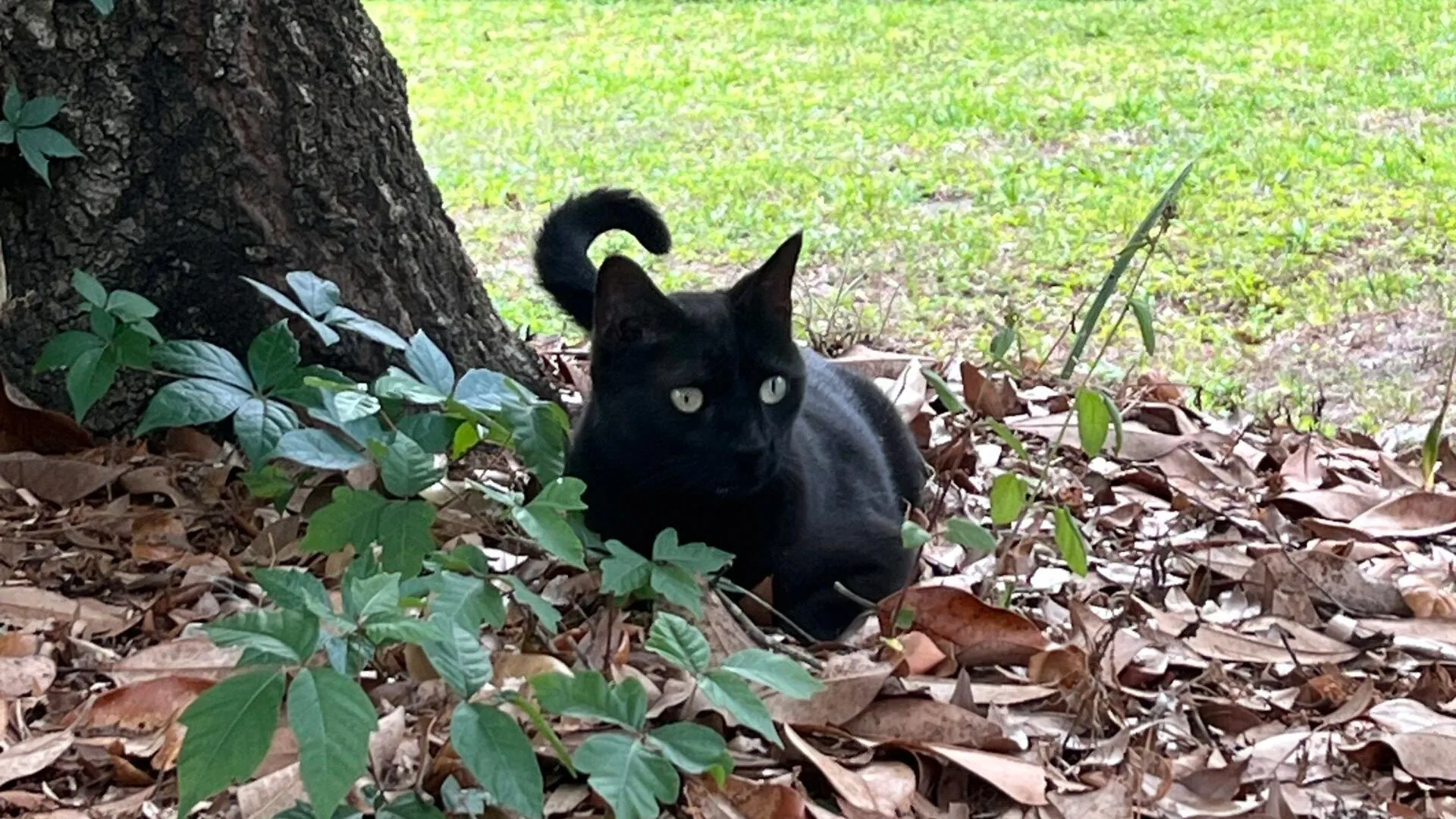
Pepper, the pet cat who made headlines last year for his role in the discovery of the first jeilongvirus found in the U.S., is at it again. This time, his hunting prowess contributed to the identification of a new strain of orthoreovirus.

John Lednicky, Ph.D., Pepper’s owner and a University of Florida College of Public Health and Health Professions virologist, took Pepper’s catch — a dead Everglades short-tailed shrew — into the lab for testing as part of his ongoing work to understand transmission of the mule deerpox virus.

Testing revealed the shrew had a previously unidentified strain of orthoreovirus. Viruses in this genus are known to infect humans, white-tailed deer, bats and other mammals. While orthoreoviruses’ effects on humans are not yet well understood, there have been rare reports of the virus being associated with cases of encephalitis, meningitis and gastroenteritis in children.

“The bottom line is we need to pay attention to orthoreoviruses, and know how to rapidly detect them,” said Lednicky, a research professor in the PHHP Department of Environmental and Global Health and a member of UF’s Emerging Pathogens Institute.

The UF team published the complete genomic coding sequences for the virus they named “Gainesville shrew mammalian orthoreovirus type 3 strain UF-1” in the journal Microbiology Resource Announcements.

“There are many different mammalian orthoreoviruses and not enough is known about this recently identified virus to be concerned,” said the paper’s lead author Emily DeRuyter, a UF Ph.D. candidate in One Health. “Mammalian orthoreoviruses were originally considered to be ‘orphan’ viruses, present in mammals including humans, but not associated with diseases. More recently, they have been implicated in respiratory, central nervous system and gastrointestinal diseases.”

The Lednicky lab’s jeilongvirus and orthoreovirus discoveries come on the heels of the team publishing their discovery of two other novel viruses found in farmed white-tailed deer. Given the propensity of viruses to constantly evolve, paired with the team’s sophisticated lab techniques, finding new viruses isn’t entirely surprising, Lednicky said.

“I’m not the first one to say this, but essentially, if you look, you’ll find, and that’s why we keep finding all these new viruses,” Lednicky said.

Like influenza virus, two different types of orthoreovirus can infect a host cell, causing the viruses’ genes to mix and match, in essence, creating a brand new virus, Lednicky said.

In 2019, Lednicky and colleagues isolated the first orthoreovirus found in a deer. That strain’s genes were nearly identical to an orthoreovirus found in farmed mink in China and a deathly ill lion in Japan. How in the world, the scientific community wondered, could the same hybrid virus appear in a farmed deer in Florida and two species of carnivores across the globe? Some experts speculated that components of the animals’ feed could have come from the same manufacturer.

With so many unanswered questions about orthoreoviruses and their modes of transmission, prevalence in human and animal hosts and just how sick they could make us, more research is needed, DeRuyter and Lednicky said.

Next steps would include serology and immunology studies to understand the threat Gainesville shrew mammalian orthoreovirus type 3 strain UF-1 may hold for humans, wildlife and pets.

For readers concerned about Pepper’s health, rest assured. He has shown no signs of illness from his outdoor adventures and will likely continue to contribute to scientific discovery through specimen collection.

“This was an opportunistic study,” Lednicky said. “If you come across a dead animal, why not test it instead of just burying it? There is a lot of information that can be gained.”

Share Button

Scientists just found 200+ hidden proteins that may drive Alzheimer’s

For decades, the story of Alzheimer’s research has been dominated by a battle between A-beta and tau amyloids, both of which can kill neurons and impact the brain’s ability to function. A new study suggests, however, that these sticky brain plaques may not be operating alone.

Johns Hopkins University researchers have identified more than 200 types of misfolded proteins in rats that could be associated with age-related cognitive decline.

The findings could lead the way to finding new therapeutic targets and treatments in humans that could provide relief for the millions of people over 65 who suffer from Alzheimer’s, dementia, or other diseases that rob them of their memories and independence as they age.

“Amyloids are the buildup of misshapen proteins. They’re big and ugly and easy to see under the microscope, so it makes sense that they catch our attention. But we’re seeing hundreds of proteins misfolding in ways that don’t clump together in an amyloid and yet still seem to impact how the brain functions,” said Stephen Fried, an assistant professor of chemistry and protein scientist who studies how molecules in the brain change during aging. “Our research is showing that amyloids are just the tip of the iceberg.”

The results were published on July 11 in Science Advances.

To understand the molecular differences between older brains that are mentally sharp and those that are experiencing decline, Fried and his team studied 17 2-year-old rats that grew up in the same colony. Seven rats performed poorly on memory and problem-solving tests and were considered cognitively impaired, while 10 performed as well as 6-month-old rats.

The researchers then measured more than 2,500 types of protein in the hippocampus, the part of the brain associated with spatial learning and memory. For the first time, scientists were able to determine for a large number of proteins whether individual proteins were misshapen or folded incorrectly, allowing the researchers to work out which proteins misfold for all the rats and are associated with aging in general versus which proteins specifically misfold in cognitively impaired rats.

More than 200 proteins were misfolded in the cognitively impaired rats yet maintained their shapes in the cognitively healthy rats. The findings suggest that some of those proteins are contributing to cognitive decline, the researchers said.

Misfolded proteins are unable to carry out tasks necessary for a cell to function properly, so cells have a natural surveillance system that identifies and destroys these misbehaving proteins. Previously, researchers thought misfolded proteins — specifically A-beta and tau proteins — were only disruptive when they clumped into amyloids.

“We think there are a lot of proteins that can be misfolded, not form amyloids, and still be problematic,” Fried said. “And that suggests these misfolded proteins have ways of escaping this surveillance system in the cell.”

But exactly how those misfolded proteins slip past a cell’s security system remains a mystery.

Next, the team plans to look at misfolded proteins under high-resolution microscopes to get a more detailed picture of what their deformities look like at the molecular level.

“A lot of us have experienced a loved one or a relative who has become less capable of doing those everyday tasks that require cognitive abilities,” Fried said. “Understanding what’s physically going on in the brain could lead to better treatments and preventive measures.”

Share Button

Inside the Maya king’s tomb that rewrites Mesoamerican history

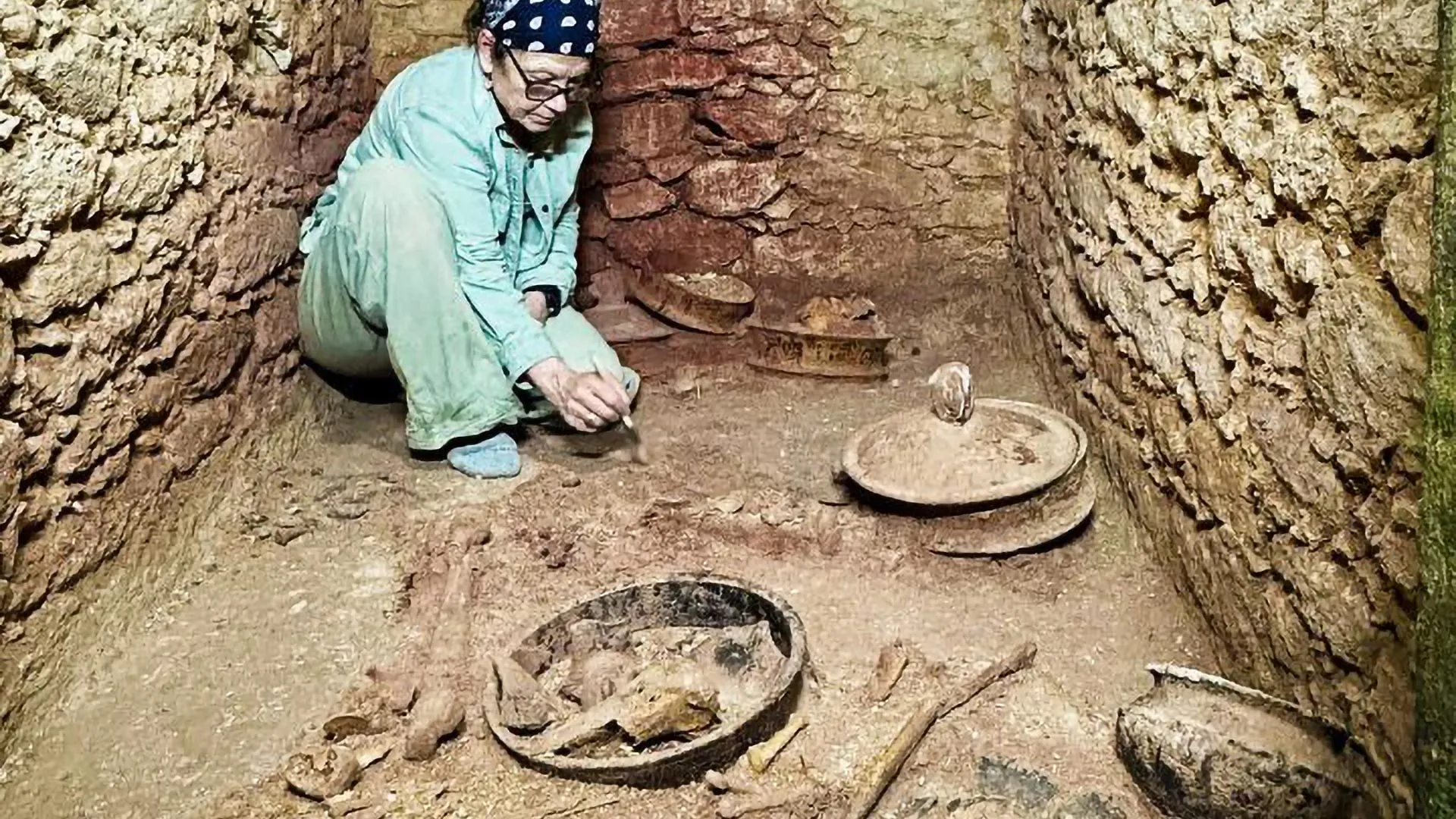
Archaeologists from the University of Houston working at Caracol in Belize, Central America have uncovered the tomb of Te K’ab Chaak, the first ruler of this ancient Maya city and the founder of its royal dynasty. Now in ruins, this metropolis was a major political player in Maya history, dominating the southern part of the Yucatan Peninsula from 560 through 680 AD before its abandonment by 900 AD.

The discovery is the first identifiable ruler’s tomb found in over four decades of work in Caracol, the largest Maya archaeological site in Belize and in the Maya lowlands.

Te K’ab Chaak, who acceded to the throne in 331 AD, was interred at the base of a royal family shrine with eleven pottery vessels, carved bone tubes, jadeite jewelry, a mosaic jadeite mask, Pacific spondylus shells, and other perishable materials. Pottery vessels in the chamber included a scene of a Maya ruler holding a spear and receiving offerings from supplicants in the form of deities. Another vessel portrays the image of Ek Chuah, Maya god of traders, surrounded by offerings. Four of the pottery vessels portray bound captives (similar vessels also appeared in two related burials). Two vessels supported lids with modeled handles of coatimundi (pisote) heads. The coatimundi, or tz’uutz’ in Maya, was used by subsequent Caracol rulers as part of their names.

A team led by husband and wife collaborators Arlen F. Chase and Diane Z. Chase of the University of Houston has been excavating at Caracol for more than 40 years; this field season was carried out in concert with Belize’s Institute of Archaeology and was supported by the Alphawood Foundation, the University of Houston, the Geraldine and Emory Ford Foundation, and the KHR Family Fund.

The Chases estimate that at the time of his burial the ruler was of advanced age and approximately 5’7″ in height. He had no remaining teeth.

Their investigations at Caracol’s Northeast Acropolis show that Te K’ab Chaak’s tomb was the first of three major burials dating to about 350 AD, a time of early contact with the central Mexican city of Teotihuacan, some 1200 kilometers distant. By 300 AD, Teotihuacan was a huge city that traded throughout Central America.

“One question that has perplexed Maya archaeologists since the 1960s is whether a new political order was introduced to the Maya area by Mexicans from Teotihuacan,” said Diane Z. Chase, archeologist and senior vice president for academic affairs and Provost at the University of Houston. “Maya carved stone monuments, hieroglyphic dates, iconography, and archaeological data all suggest that widespread pan-Mesoamerican connections occurred after an event in 378 AD referred to as the “entrada.” Whether this event represented actual Teotihuacanos in the Maya area or Maya using central Mexican symbols is still debated. The Caracol archaeological data suggests that the situation was far more complicated.”

A cremation placed in the center of Caracol’s Northeast Acropolis plaza, recovered in 2010 and placed after Te K’aab Chaak’s burial has been dated to AD 350 by radiocarbon analysis and included artifacts from central Mexico. It contained the remains of three individuals, as well as two large knives, six atlatl points, and fifteen pristine blades of green obsidian from Pachuca, Mexico (north of Teotihuacan); several pottery vessels also likely came from central Mexico. Additionally, a carved atlatl projectile tip, atypical for the Maya but typical for a Teotihuacan warrior, was included in the cremation.

The cremation itself and its placement in the center of a residential plaza are also more typical practices for a high-status Teotihuacano and do not accord with standard Maya burial practices. Based on other ceramics in this cremation, the main individual was likely a Caracol royal family member that had adopted central Mexican ritual practices. This individual may even have served as a royal Maya envoy who had lived at Teotihuacan and returned to Caracol.

A third burial – the tomb of a woman, also covered with hematite and containing four pottery vessels, a spondylus bead necklace, mirror fragments, and two Pacific spondylus shells – was recovered in the northern building of the same residential group in 2009 and is similarly dated.

The three burials interred in the Caracol Northeast Acropolis all cluster at AD 350, at least a generation before the previously recognized Teotihuacan presence in the Maya area. They demonstrate that early Maya rulers were fully enmeshed in Mesoamerican-wide contacts prior to the Teotihuacan entrada recorded on Maya monument[s].

“Both central Mexico and the Maya area were clearly aware of each other’s ritual practices, as reflected in the Caracol cremation, said Arlen F. Chase, professor and chair of Comparative Cultural Studies at the University of Houston. “The connections between the two regions were undertaken by the highest levels of society, suggesting that initial kings at various Maya cities – such as Te K’ab Chaak at Caracol – were engaged in formal diplomatic relationships with Teotihuacan.” The royal dynasty established by Te K’ab Chaak continued at Caracol for over 460 years.

The Chase’s findings also indicate that ancient peoples in the new world were travelers. A trip between Teotihuacan and Caracol today by car would take over 23 hours. The one-way walking time may be estimated to be approximately 153 days.

Research continues on the contents of the chamber with the reconstruction of the jadeite death mask and with ancient DNA and stable isotope analysis of the skeletal material. The Chases will present results of the 2025 Caracol field season at a conference on Maya-Teotihuacan interaction hosted by the Maya Working Group at the Santa Fe Institute (New Mexico) in August 2025.

About the Chases

Married since 1975, Diane and Arlen Chase are two of the most influential Maya archaeologists in the world, and the foremost experts on Caracol, one of the most significant ancient Maya cities.

Since their first dig in 1985, the Chases have become known for:

  • Providing a nuanced picture of Caracol’s ancient landscape and people, including recognition of Caracol as a city of advanced urban planning, road systems and markets and a large non-elite population upending the notion of a strict Maya social hierarchy. In 1986 they discovered an inscription that told of Caracol’s military victory over Tikal in 562 AD, overturning the myth that Tikal was the most powerful Classic Period city and illustrating that Caracol was a major military and political power.

  • Using airborne LiDAR (light detection and ranging) technology to uncover structures hidden for centuries under dense jungle, revolutionizing how archaeologists explore Maya sites. Their work from the 1980s-2000s revealed a web of interconnected roadways, proving that Caracol was a massive, urban and integrated city.

  • Overturning outdated beliefs about the Maya, while providing new insights. Their archaeological work has shown that ancient Maya society was composed of many different social gradients, contrary to more simple two-class models. From the 1980s -2000, they and their team mapped numerous causeways (or roads) and thousands of agricultural terraces spread out across Caracol as well as hundreds of reservoirs in non-elite areas, proving that water, sacred to the Maya, was not controlled by the elite, as previously thought. The Chases’ son, Adrian Chase, also an archaeologist, found that Caracol had a decentralized water system and that residential groups had their own access. He is currently studying the urban structure of Caracol and changes in governance over time.

The Chases will present detailed information on the tomb and other finds from Caracol at the Santa Fe Institute in August.

Share Button

Alzheimer’s has isolated us, says Fiona Phillips’ husband

Martin Frizell has spoken of the social isolation faced by the couple since the former GMTV presenter was diagnosed.

Share Button

So THAT’s Why Restaurant Strawberries Taste So Much Better

We’ve written before at HuffPost UK about how to achieve a restaurant-level finish on everything from scrambled eggs to potato wedges.

But even something as simple as cucumbers and strawberries can be elevated to a professional standard, too – provided you know the chef’s secrets.

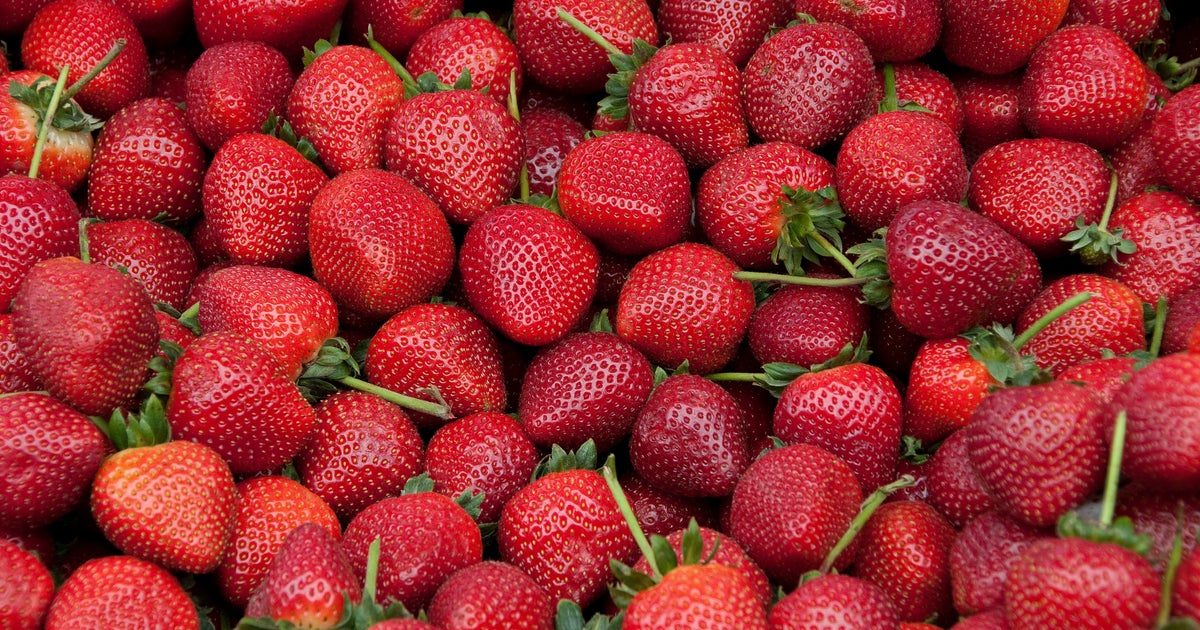
Luckily, Sabian Mehmetaj, pastry chef at Nottingham restaurant Cleaver & Wake, has shared the secret to getting the most out of the staple Wimbledon berry.

“Strawberries are such a nostalgic fruit,” he shared.

“Everyone remembers picking them, growing them or eating them with cream while watching Wimbledon. They’re simple but full of joy, which makes them perfect for summer desserts.”

Here’s his method for keeping them at their most delicious.

Store strawberries in a manner that mimics the great outdoors

“Fresh strawberries are always best, but how you store them really matters,” the chef revealed.

At his restaurant, they try to mimic outdoor conditions in their kitchen.

“During the day, we keep them at room temperature, then store them in the fridge overnight,” the pro revealed.

“This replicates the natural cycle of the seasons and stops them losing their flavour. When strawberries are too cold for too long, they can taste flat and dull.”

Berry producers Driscoll’s seem to agree.

They advise removing strawberries from the fridge “an hour or two” before eating them to get the most of their fragrant flavour.

As America’s Test Kitchen (ATK) shares, strawberries don’t actually have that much sugar; the smell is a big part of why we perceive them as sweet.

Allowing them to come to temperature will make their smell more pronounced, improving the taste of your strawberries.

Swap meringue for crumble, too

Mehmataj shared that though a pavlova is classic, he likes to add a different crunchy layer to his strawberry desserts.

“Most people go for meringue with strawberries, but I like to make a simple crumble topping instead and season it with a pinch of sea salt,” he said.

“That savoury note helps balance the sweetness and gives a really nice contrast in texture” (remember when people started pairing their strawberries with balsamic vinegar?).

If that doesn’t suit, the chef recommends a scoop of Italian meringue instead.

“Either way, it’s a dish that feels seasonal and familiar but with something a little different,” he advised.

Share Button

US Justice Department Lawyer Refuses To Rule Out 3rd Trump Term

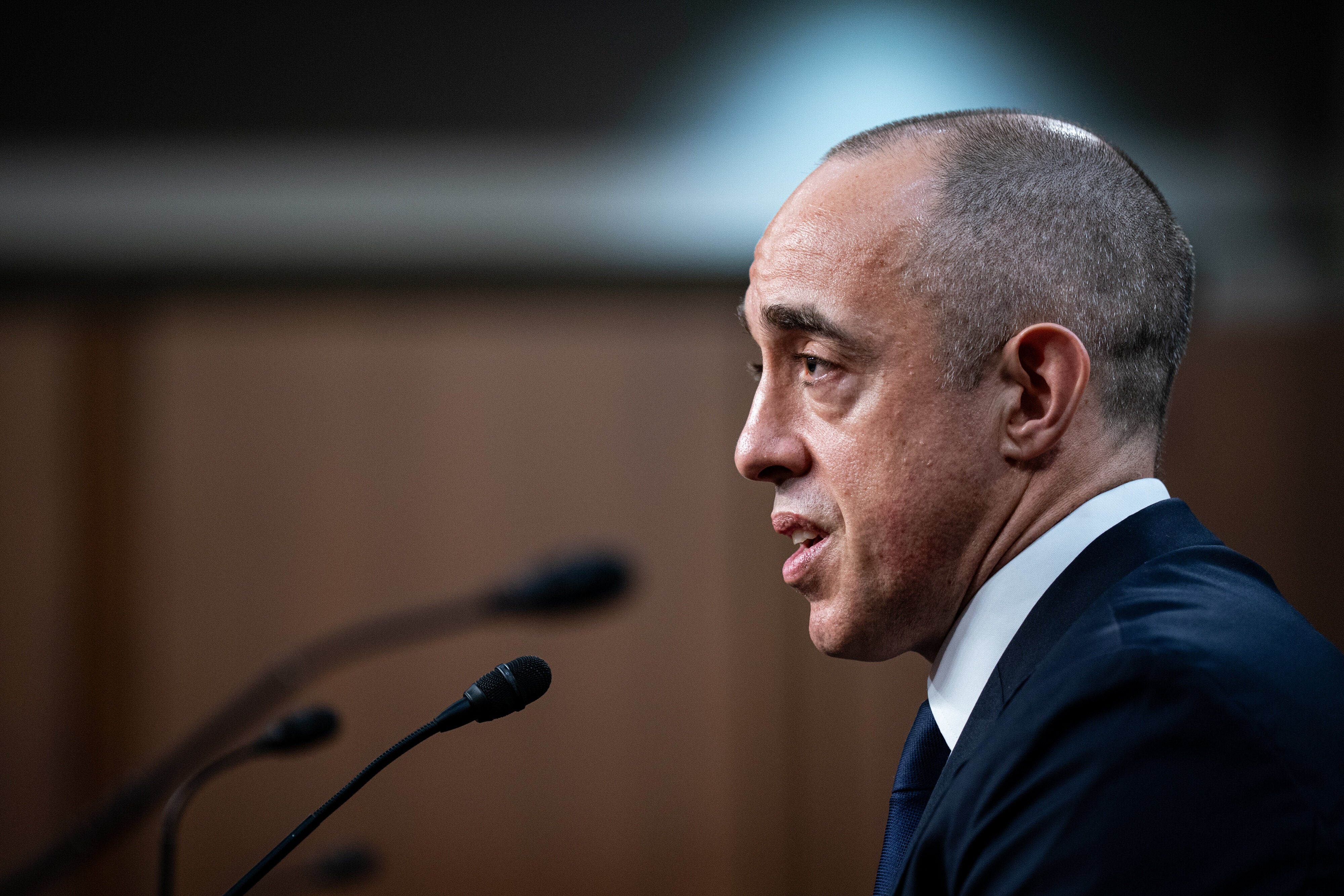
Emil Bove, an embattled senior Justice Department official who represented President Donald Trump at his New York hush money trial, has refused to rule out a third presidential term for any president, including his boss, according to his written responses to a Senate committee questionnaire.

Bove, currently associate deputy US attorney general, is under consideration for a lifetime judgeship on the US Court of Appeals for the 3rd Circuit.

The Senate Judiciary Committee is expected to vote Thursday on whether to advance the nomination to the full chamber for approval. To aid the committee members in their decision, Bove recently provided his responses to written questions from the group totalling 165 pages, which were obtained by HuffPost.

Trump’s former attorney was asked at multiple points for his stance on whether it would be permissible for a president to run for a third term, even though the 22nd Amendment of the US Constitution explicitly prohibits it. He offered the same answer each time.

“As a nominee to the Third Circuit, it would not be appropriate for me to address how this Amendment would apply in an abstract hypothetical scenario,” Bove responded. He quoted the text of the amendment: “No person shall be elected to the office of the President more than twice.”

Bove went on: “To the extent this question seeks to elicit an answer that could be taken as opining on the broader political or policy debate regarding term limits, or on statements by any political figure, my response, consistent with the positions of prior judicial nominees, is that it would be improper to offer any such comment as a judicial nominee.”

CBS News first reported on the questionnaire Friday.

Bove has been under scrutiny in recent weeks ever since a Justice Department whistleblower said he has been leading an effort to mislead federal judges and undermine their direct orders.

The whistleblower, former DOJ attorney Erez Reuveni, alleged that Bove told lawyers like himself to say “fuck you” to federal judges who ruled against the Trump administration. Reuveni was fired in April after admitting in court that the administration deported Maryland immigrant Kilmar Abrego Garcia in error.

Bove formerly served in the U.S. Attorney’s Office for the Southern District of New York until late 2021. Last summer, he was part of a team that represented Trump in a personal capacity as he was tried and ultimately found guilty on 34 New York state felony counts.

In his responses to the senators, Bove did not recall which cases relating to the Jan. 6, 2021, attempted insurrection he had worked on as a prosecutor for the Southern District of New York.

Asked whether he wished to denounce the violent events of Jan. 6, Bove declined, saying the incident “is a matter of significant political debate.”

HuffPost reached out to the Justice Department for comment from Bove.

Share Button

Your Kid Walks In On You Having Sex – This Is The First Thing You Should Say

If there’s one thing that comes with the territory of being a parent, it’s lack of privacy – and sometimes that means your child walking in on intimate moments.

It’s nothing new. Parents have been experiencing this intrusion since time began (spare a thought for the 69 dad!). But whereas once kids might’ve been hurried back to their rooms, never to discuss what happened again, these days some parents are being more open with their children about what they’ve just witnessed.

But how open should you be exactly?

I asked former sex education teacher Kathleen Hema to walk me through how’s best to respond when a kid walks in on you having sex – and the key takeaway is, it doesn’t have to be a big a deal as you think.

What to say when your child walks in on you having sex

Hema, who can often be found on social media teaching parents how to answer their kid’s sex questions, told HuffPost UK it’s important for parents to teach basic boundary setting early on in a child’s life.

This is because “when parents are setting and maintaining boundaries from an early age with their kid, it’s going to be so much easier to respond to a child walking in on you”.

Boundary setting can include teaching kids to knock on your bedroom door before entering (same goes for the bathroom) – and equally, you can reciprocate by knocking on their bedroom door.

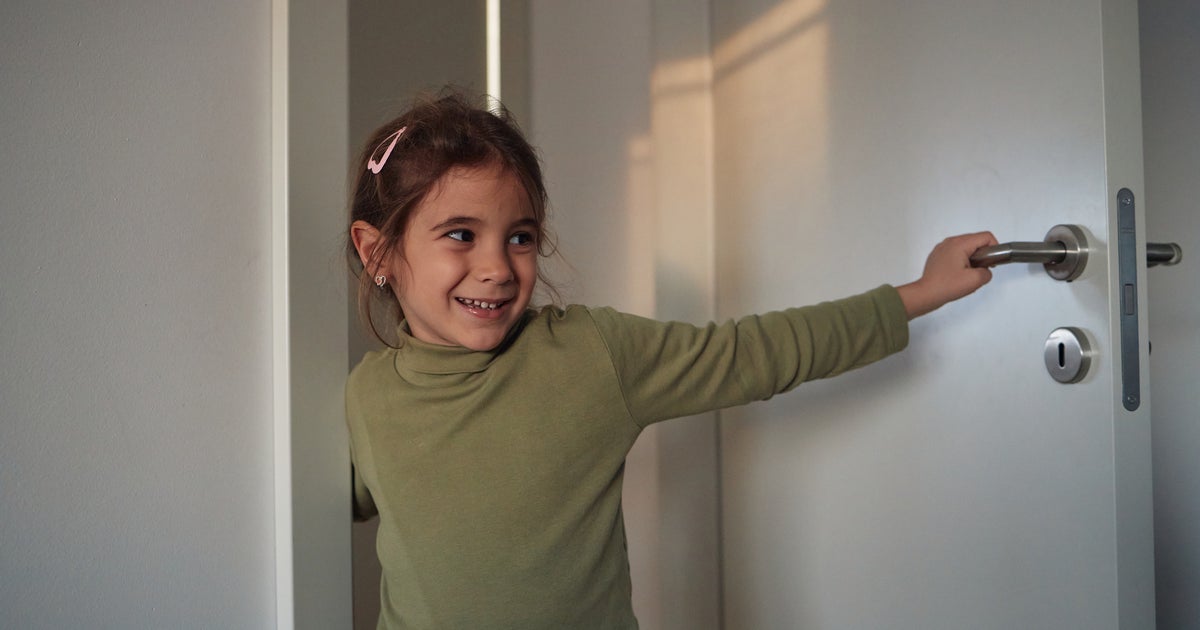
This means that when a young child walks in and you’re in the middle of business, you could say: “Are you OK?” and the child might respond with “yeah” or “I thought I heard something”.

At this point, you can say: “OK. I didn’t hear you knock. It’s respectful to knock before entering someone’s room. Since you are OK, can we practice knocking? Can you go back out and shut the door and knock?”

This simple response gives parents a moment to gather themselves and put their clothes on, Hema suggested.

“When you go to the door and open it, you must praise them for knocking and then you can ask them a question,” she added.

You could say something like, “Great job knocking! I really appreciate you knocking when the door is closed. What’s up? I wanna help you. What do you need?”

She continued: “This type of response is positive and immediately focuses the conversation back to why they came into the room in the first place. For many young kids, that’s enough! They tell you they need a drink of water and you assist them with that request and walk them back to bed.

“Oftentimes with young kids, they don’t have any questions because they may not have really seen anything.”

Sometimes, with primary school-age children (aged five and up), a bit more explaining might be needed as a child might ask their parent “was [name] hurting you?”.

Hema said this is a common question from a young child when this situation happens and said parents can respond by saying: “Nope. [Name] wasn’t hurting me. I am OK. When adults are alone, we sometimes do adult activities and it may have looked uncomfortable to you, but I will reassure you that I am OK.”

You can then redirect them with another question: “Do you need anything else before going back to bed?”

You don’t even have to call it sex. In fact, Hema said she recommends for parents to say “adult activities” because kids understand this.

“There are loads of things that kids observe as ‘adult stuff’. For example, drinking coffee or alcohol, driving, going to work. This is just another thing they can tack on to this list,” she said.

If your child does have questions, the crucial thing is that you stay calm and relaxed while you have these conversations. Parent Map advises using “factual, plain language” and answering any questions a child asks “without supplying additional information or answering questions the child isn’t asking”.

And maybe a trip to B&Q for a bedroom lock could be a wise move afterwards, too.

Share Button

‘Don’t tell me my baby wasn’t meant to be’

Siobhan Gorman was 16 weeks pregnant and home alone when she gave birth to baby Archie.

Share Button