How many languages can you learn at the same time? — Ghanaian babies grow up speaking two to six languages

Africa is a multilingual continent and many adults speak several languages fluently. An empirical study by a research team led by the Potsdam psycholinguists Prof. Dr. Natalie Boll-Avetisyan and Paul O. Omane now shows that the roots of this multilingualism can be found in infancy: In Ghana, most babies grow up multilingually, with most of them coming into contact with two to six languages and just as many regular speakers of each language. The researchers also showed that the babies heard some languages primarily indirectly — i.e. via radio, television or background conversations — while other languages were used by their caregivers to directly communicate with them. The results of the study have now been published in the journal “Cognitive Development.”

The study, which examined 121 babies aged three to twelve months in Accra, the capital of Ghana, demonstrates a remarkable variety of language input in the early months of life. The children are regularly exposed to two to six languages. Strikingly, the number of caregivers the children have also ranges between two and six, and babies who have more adults in their daily lives who regularly take care of them also hear more different languages. In Ghana, families often live in so-called “compound buildings,” where many everyday interactions take place in the courtyard, where family, neighbors and other relatives play an important role in the lives of children.

“The idea that a child learns only one particular language from a single caregiver, as is often assumed in Western cultures, does not apply to these communities. Rather, children are surrounded by a rich spectrum of linguistic inputs from the very beginning,” says Paul O. Omane, the first author of the study. “The majority of studies on children’s language acquisition have been conducted in Western industrialized nations, which is why they often focus on a rather narrow conception of multilingualism. Our research shows that other societies show a much more vibrant multilingual environment,” the study’s lead researcher, Prof. Dr. Natalie Boll-Avetisyan adds.

A key finding of the study is the distinction between direct and indirect language input. While English is primarily acquired through indirect channels such as television and official communication, children receive most of the local languages (such as Akan, Ga and Ewe) through direct contact with their caregivers. Accordingly, the proportion of direct input is higher in the local languages than in English, which is predominantly present as indirect input.

It is often emphasized how important direct language contact is for language acquisition,” Natalie Boll-Avetisyan says. “However, our results suggest that indirect input — especially through media and official communication — also plays an essential role in the children’s daily lives, particularly in urban contexts.”

As a result of their empirical study, the researchers call for a broader view in language research. The common assumptions do not reflect the diversity and complexity found in other cultural contexts such as Ghana. The study makes it clear that it is not only the number of languages a child hears, but also the diversity of people and the different forms of input that have a decisive influence on language acquisition. “Our research shows that for many children, a multilingual environment is a dynamic, vibrant reality from the very beginning. Multilingualism is not just a bonus, but a fundamental part of children’s identity and social structure,” the researcher says.


Share Button

UK Gardeners Advised To Do These 6 Tasks In March

When I texted my partner, “You won’t believe what I’ve just seen!” this morning, I think he figured I’d witnessed a crime.

Nope ― it’s just that my 7:45 return from the gym was bathed in real, blue-skied sunlight. That felt unthinkable even two weeks ago.

This sign of life sounds the first death knell for February, to which I say, good riddance. Spring is on its way; intrepid blossoms take their first floral gasps of above-0° air, and the garden begins to return to its verdant glory.

Of course, all this comes with a downside (or upside, depending on your perspective). Don your dormant gloves, gardeners ― we’re back to work!

Here are the tasks experts advise finishing in March:

1) Plant and sow

Now’s the time to plant everything from summer-flowering bulbs to new roses to shrubs, climbers, and wildflower seeds.

You can also sow onions and shallots, alongside other hardy veg like cabbage, lettuce, early potatoes, broad beans, radish, and cauliflower.

2) Prune roses

For the most bountiful display in spring and summer, it’s important to prune roses and climbers early on in the month ― dogwoods and willows will benefit from a harsher cut-back now too.

3) Weed, even if the weeds don’t look all that damaging

We’ve written before about how tackling perennial weeds before summer hits is key, even if they don’t look like they’re doing much harm.

They’ve growing thick, hard-to-remove roots at the moment; lift them and their roots from the ground as soon as you can to save yourself a horticultural headache later.

4) Get ahead of slug infestations

Slugs and snails seem to wake up the second your prized veggies do (funny, that).

Try biological controls or alternatives to keep their numbers in check ahead of spring.

5) Check for aphids too

Tender new stems don’t stand much of a chance against swarms of spring aphids. Manually remove them before the problem goes out of control.

6) Deadhead spring flowers

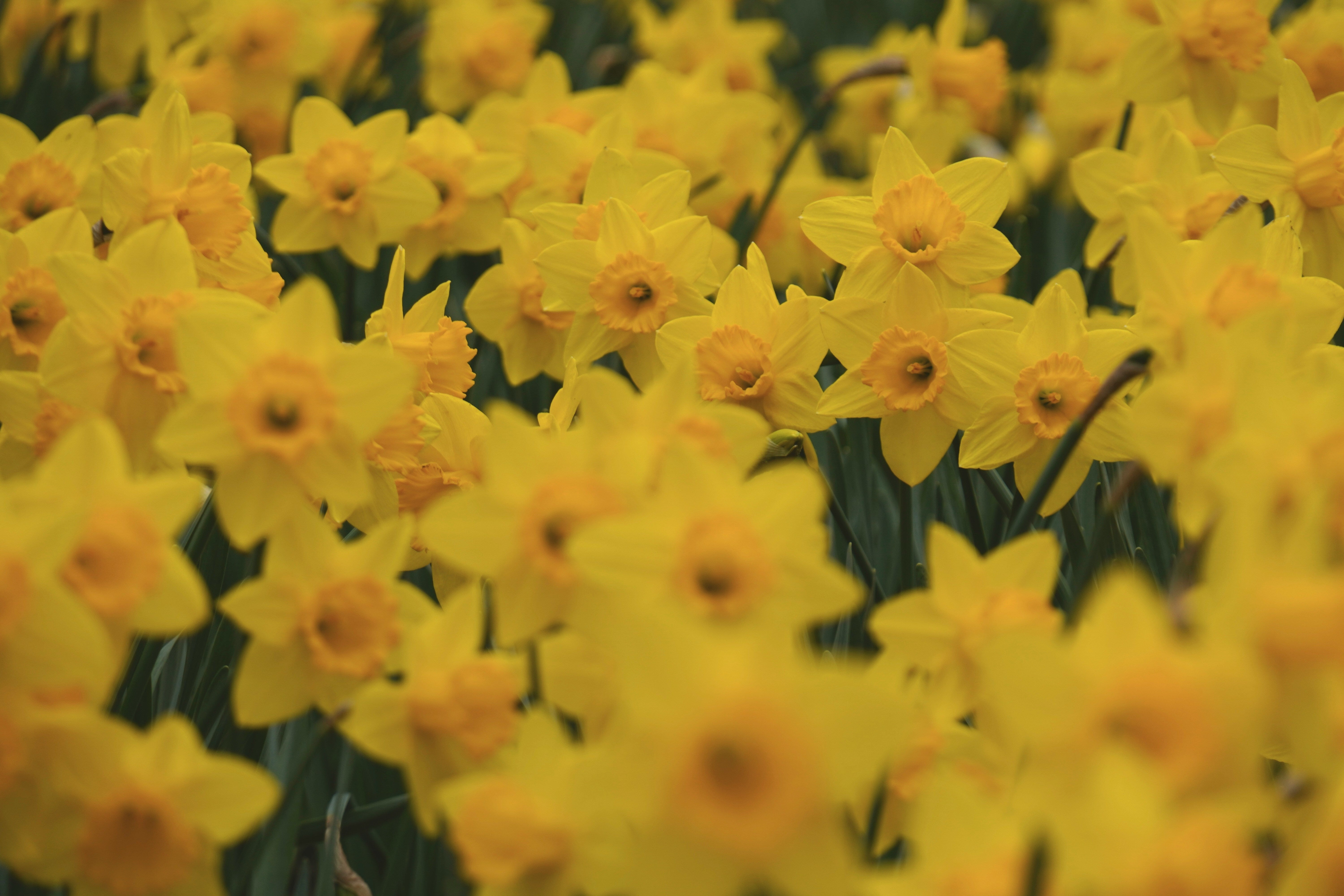
We were all excited when the first daffodils puffed their yellow chests up, but it’s important to deadhead those who have since wilted.

That’ll ensure an equally resplendent show next year, especially if you feed the bulbs with tomato feed.

Share Button

GPs strike deal to help end ‘8am scramble’ for appointments

It gives general practices a big funding boost, as well as reducing red tape and targets.

Share Button

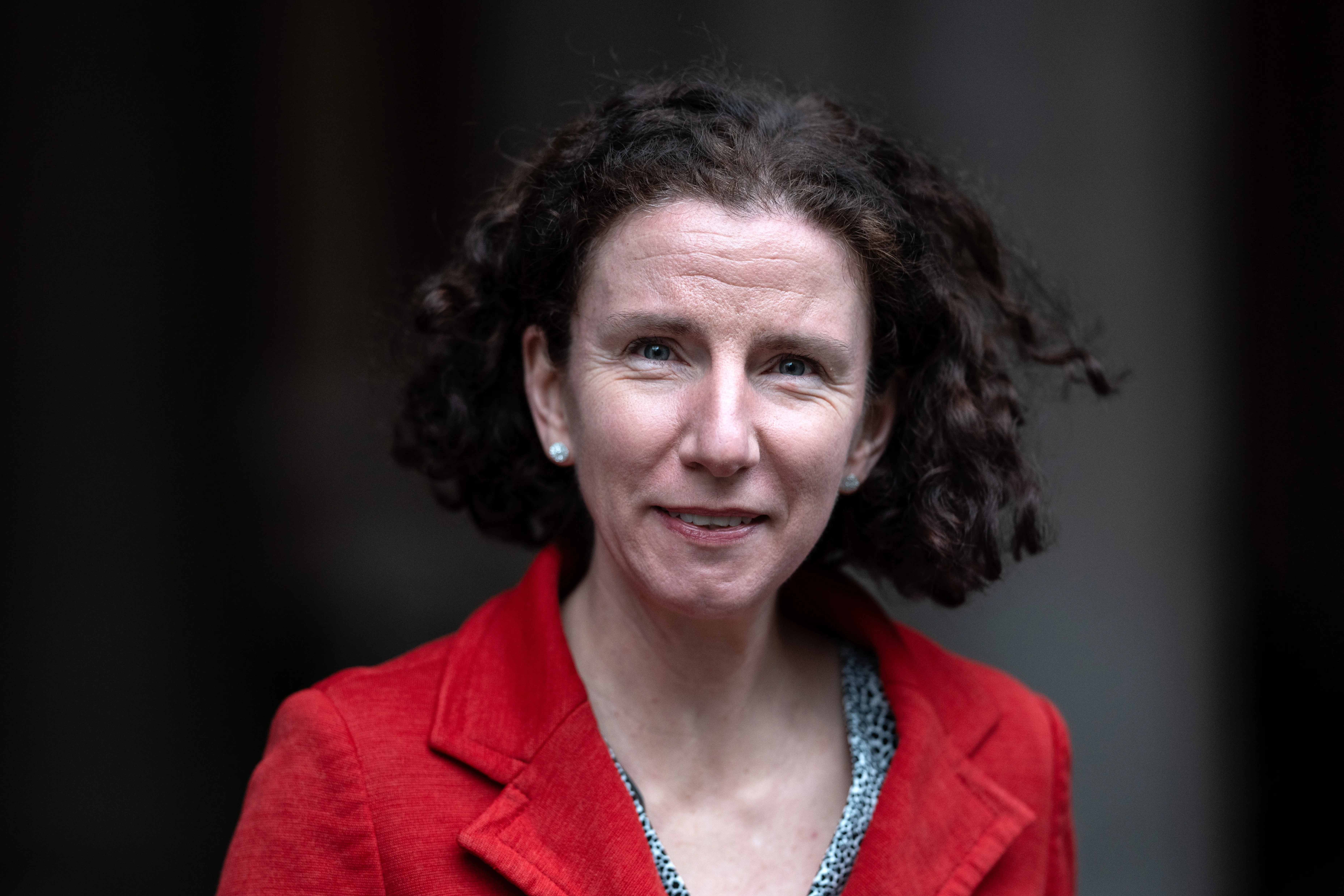
International Development Minister Anneliese Dodds Resigns Over Starmer’s Foreign Aid Cuts

The international development minister Anneliese Dodds has just quit her job after Keir Starmer chose to cut the foreign aid budget, reports say.

The prime minister announced he was taking funds from the international development sector to boost defence spending from its current level of 2.3% of gross domestic product (GDP) to 2.5% by 2027 – by 3% by the next parliament.

This move came after Donald Trump said Europe needs to spend more on its own security and stop relying on the US.

It means foreign aid funding will fall from 0.5% of GDP to 0.3%, a move which sparked backlash among charities and Labour backbenchers.

Dodds quit on Friday, warning that the UK’s decision would only strengthen Russia as Vladimir Putin stretches his influence around the globe.

She said while it was right to increase defence spending, she believes Starmer will now find it “impossible” to now stick to his promises to fund development in Ukraine, Gaza and Sudan.

According to the Guardian – who first reported her resignation – Dodds said she was told about the shift in spending on Monday but chose to hold off on announcing her resignation until after the PM’s trip to Washington.

In her letter, she said: “Undoubtedly the postwar global order has come crashing down. I believe that we must increase spending on defence as a result; and know that there are no easy paths to doing so.

“I stood ready to work with you to deliver that increased spending, knowing some might well have had to come from overseas development assistance [ODA]. I also expected we would collectively discuss our fiscal rules and approach to taxation, as other nations are doing.

“Even 3% may only be the start, and it will be impossible to raise the substantial resources needed just through tactical cuts to public spending. These are unprecedented times, when strategic decisions for the sake of our country’s security cannot be ducked.”

Dodds also warned this would impact Britain’s national security.

She said: “The cut will also likely lead to a UK pullout from numerous African, Caribbean and western Balkan nations at a time when Russia has been aggressively increasing its global presence.

“All this while China is seeking to rewrite global rules, and when the climate crisis is the biggest security threat of them all.”

The Labour MP’s criticism over the cut comes after senior Labour peer and former Scottish first minister Lord McConnell warned in HuffPost UK that the reduction in foreign aid would “create chaos and cost lives”.

Dodds’ decision also marks the fourth ministerial resignation since the PM was elected in July.

Louise Haigh quit as the transport secretary in November, Tulip Siddiq quit as the anti-corruption minister in January and Andrew Gwynne quit as health minister earlier this month.

Read Dodds’ full letter here:

<div class="js-react-hydrator" data-component-name="Twitter" data-component-id="9900" data-component-props="{"itemType":"rich","index":24,"contentIndexByType":1,"contentListType":"embed","code":"

It is with sadness that I have had to tender my resignation as Minister for International Development and for Women and Equalities.

While I disagree with the ODA decision, I continue to support the government and its determination to deliver the change our country needs. pic.twitter.com/44sCrX2p8z

— Anneliese Dodds (@AnnelieseDodds) February 28, 2025

","type":"rich","meta":{"author":"Anneliese Dodds","author_url":"https://twitter.com/AnnelieseDodds","cache_age":86400,"description":"It is with sadness that I have had to tender my resignation as Minister for International Development and for Women and Equalities. While I disagree with the ODA decision, I continue to support the government and its determination to deliver the change our country needs. pic.twitter.com/44sCrX2p8z— Anneliese Dodds (@AnnelieseDodds) February 28, 2025\n\n\n","options":{"_hide_media":{"label":"Hide photos, videos, and cards","value":false},"_maxwidth":{"label":"Adjust width","placeholder":"220-550, in px","value":""},"_theme":{"value":"","values":{"dark":"Use dark theme"}}},"provider_name":"Twitter","thumbnail_height":1036,"thumbnail_url":"https://pbs.twimg.com/media/Gk37iUmXwAAVKhf.jpg:large","thumbnail_width":746,"title":"Anneliese Dodds on Twitter / X","type":"rich","url":"https://twitter.com/AnnelieseDodds/status/1895447590789075008","version":"1.0"},"flags":[],"enhancements":{},"fullBleed":false,"options":{"theme":"news","device":"desktop","editionInfo":{"id":"uk","name":"U.K.","link":"https://www.huffingtonpost.co.uk","locale":"en_GB"},"originalEdition":"uk","isMapi":false,"isAmp":false,"isAdsFree":false,"isVideoEntry":false,"isEntry":true,"isMt":false,"entryId":"67c18c53e4b01834869f5163","entryPermalink":"https://www.huffingtonpost.co.uk/entry/international-development-minister-resigns-over-cut-to-foreign-aid_uk_67c18c53e4b01834869f5163","entryTagsList":"labour-party,keir-starmer","sectionSlug":"politics","deptSlug":null,"sectionRedirectUrl":null,"subcategories":"","isWide":false,"headerOverride":null,"noVideoAds":false,"disableFloat":false,"isNative":false,"commercialVideo":{"provider":"custom","site_and_category":"uk.politics","package":null},"isHighline":false,"vidibleConfigValues":{"cid":"60afc140cf94592c45d7390c","disabledWithMapiEntries":false,"overrides":{"all":"60b8e525cdd90620331baaf4"},"whitelisted":["56c5f12ee4b03a39c93c9439","56c6056ee4b01f2b7e1b5f35","59bfee7f9e451049f87f550b","5acccbaac269d609ef44c529","570278d2e4b070ff77b98217","57027b4be4b070ff77b98d5c","56fe95c4e4b0041c4242016b","570279cfe4b06d08e3629954","5ba9e8821c2e65639162ccf1","5bcd9904821576674bc55ced","5d076ca127f25f504327c72e","5b35266b158f855373e28256","5ebac2e8abddfb04f877dff2","60b8e525cdd90620331baaf4","60b64354b171b7444beaff4d","60d0d8e09340d7032ad0fb1a","60d0d90f9340d7032ad0fbeb","60d0d9949340d7032ad0fed3","60d0d9f99340d7032ad10113","60d0daa69340d7032ad104cf","60d0de02b627221e9d819408"],"playlists":{"default":"57bc306888d2ff1a7f6b5579","news":"56c6dbcee4b04edee8beb49c","politics":"56c6dbcee4b04edee8beb49c","entertainment":"56c6e7f2e4b0983aa64c60fc","tech":"56c6f70ae4b043c5bdcaebf9","parents":"56cc65c2e4b0239099455b42","lifestyle":"56cc66a9e4b01f81ef94e98c"},"playerUpdates":{"56c6056ee4b01f2b7e1b5f35":"60b8e525cdd90620331baaf4","56c5f12ee4b03a39c93c9439":"60d0d8e09340d7032ad0fb1a","59bfee7f9e451049f87f550b":"60d0d90f9340d7032ad0fbeb","5acccbaac269d609ef44c529":"60d0d9949340d7032ad0fed3","5bcd9904821576674bc55ced":"60d0d9f99340d7032ad10113","5d076ca127f25f504327c72e":"60d0daa69340d7032ad104cf","5ebac2e8abddfb04f877dff2":"60d0de02b627221e9d819408"}},"connatixConfigValues":{"defaultPlayer":"8b034f64-513c-4987-b16f-42d6008f7feb","clickToPlayPlayer":"5a777b9b-81fe-41a6-8302-59e9953ee8a2","videoPagePlayer":"19654b65-409c-4b38-90db-80cbdea02cf4"},"topConnatixThumnbailSrc":"data:image/png;base64,iVBORw0KGgoAAAANSUhEUgAAAAEAAAABCAQAAAC1HAwCAAAAC0lEQVR42mNkYAAAAAYAAjCB0C8AAAAASUVORK5CYII=","customAmpComponents":[],"ampAssetsUrl":"https://amp.assets.huffpost.com","videoTraits":null,"positionInUnitCounts":{"buzz_head":{"count":0},"buzz_body":{"count":0},"buzz_bottom":{"count":0}},"positionInSubUnitCounts":{"article_body":{"count":3},"blog_summary":{"count":0},"before_you_go_content":{"count":0}},"connatixCountsHelper":{"count":0},"buzzfeedTracking":{"context_page_id":"67c18c53e4b01834869f5163","context_page_type":"buzz","destination":"huffpost","mode":"desktop","page_edition":"en-uk"},"tags":[{"name":"labour party","slug":"labour-party","links":{"relativeLink":"news/labour-party","permalink":"https://www.huffingtonpost.co.uk/news/labour-party","mobileWebLink":"https://www.huffingtonpost.co.uk/news/labour-party"},"relegenceId":4172183,"section":{"title":"Politics","slug":"politics"},"topic":{"title":"Labour Party","slug":"labour-party","overridesSectionLabel":false},"url":"https://www.huffingtonpost.co.uk/news/labour-party/"},{"name":"keir starmer","slug":"keir-starmer","links":{"relativeLink":"news/keir-starmer","permalink":"https://www.huffingtonpost.co.uk/news/keir-starmer","mobileWebLink":"https://www.huffingtonpost.co.uk/news/keir-starmer"},"relegenceId":4156282,"url":"https://www.huffingtonpost.co.uk/news/keir-starmer/"}],"isLiveblogLive":null,"isLiveblog":false,"cetUnit":"buzz_body","bodyAds":["

\r\n\r\n HPGam.cmd.push(function(){\r\n\t\treturn HPGam.render(\"inline-1\", \"entry_paragraph_1\", false, false);\r\n });\r\n\r\n","

\r\n\r\n HPGam.cmd.push(function(){\r\n\t\treturn HPGam.render(\"inline\", \"entry_paragraph_2\", false, false);\r\n });\r\n\r\n","

\r\n\r\n HPGam.cmd.push(function(){\r\n\t\treturn HPGam.render(\"inline-2\", \"entry_paragraph_3\", false, false);\r\n });\r\n\r\n","

\r\n\r\n HPGam.cmd.push(function(){\r\n\t\treturn HPGam.render(\"inline-infinite\", \"repeating_dynamic_display\", false, false);\r\n });\r\n\r\n"],"adCount":0},"isCollectionEmbed":false}”>

It is with sadness that I have had to tender my resignation as Minister for International Development and for Women and Equalities.

While I disagree with the ODA decision, I continue to support the government and its determination to deliver the change our country needs. pic.twitter.com/44sCrX2p8z

— Anneliese Dodds (@AnnelieseDodds) February 28, 2025

Share Button