The healthcare regulator has sought urgent assurances over patient safety at Newcastle Hospitals.


The healthcare regulator has sought urgent assurances over patient safety at Newcastle Hospitals.
Workers are taking more days off due to stress, Covid and the cost-of living crisis, research suggests.

In a new study published in PNAS, researchers have extracted the first ancient DNA from Caribbean parrots, which they compared with genetic sequences from modern birds. Working with fossils and archaeological specimens, they showed that two species thought to be endemic to particular islands were once more widespread and diverse. The results help explain how parrots rapidly became the world’s most endangered group of birds, with 28% of all species considered to be threatened. This is especially true for parrots that inhabit islands.
On his first voyage to the Caribbean in 1492, Christopher Columbus noted that flocks of parrots were so abundant they “obscured the sun.” Today, more than half of parrot species in the Caribbean have gone extinct, from large particolored macaws to a parrotlet the size of a sparrow.
Biologists attempting to conserve the remaining parrot species are stymied by how little is known of their former distributions. This is due, primarily, to their complicated history with humans.
“People have always been obsessed with parrots,” said lead author Jessica Oswald, a senior biologist with the U.S. Fish and Wildlife Service Forensics Lab. “Indigenous peoples have moved parrots across continents and between islands for thousands of years. Later, European colonists continued that practice, and we’re still moving them around today.”
Centuries of exchange and trade have made it difficult to know how parrots wound up where they are now. Half of the 24 parrot species that currently live in the Caribbean were introduced from other areas, and it’s unclear whether native parrots evolved on the islands they inhabit or were similarly transported there.
Fortunately, their popularity with humans means parrots are occasionally found in archaeological sites as well. Their bones have been recovered from refuse piles — called middens — alongside shells, fish bones and other scraps from previous meals.
“There are records of parrots being kept in homes, where they were valued for their feathers and, in some cases, potentially as a source of food,” said senior author Michelle LeFebvre, curator of South Florida archaeology and ethnography at the Florida Museum of Natural History.
advertisement
Parrots also have an uncharacteristically good fossil record in the Caribbean, compared with other tropical regions. However, specimens are rarely found intact. More often, their bones are broken or isolated, and it’s not always possible to determine which species they belonged to.
DNA can provide unequivocal answers where physical comparisons fall short, and co-author David Steadman was eager to see if they could extract any residual genetic material preserved in bone tissue. Oswald — who worked as a graduate student and postdoctoral associate at the Florida Museum — had recently completed a proof of concept, in which she successfully sequenced the first DNA from an extinct Caribbean bird that had been preserved in a blue hole for 2,500 years. Using the same methods, she later discovered that an extinct flightless bird from the Caribbean was most closely related to similarly bygone, ground-dwelling birds from Africa and New Zealand.
“For me, the single most satisfying thing about this project is we can use fossils in ways that weren’t even imaginable when they came out of the ground,” said Steadman, a retired curator of ornithology at the Florida Museum.
The authors pieced together the long history of parrots in the genus Amazona, focusing on two species — the Cuban (A. leucocephala) and Hispaniolan (A. ventralis) parrots — for which they could obtain ancient DNA samples.
Of the two, Cuban parrots are currently the most widespread, with isolated populations in Cuba and on a few islands in the Bahamas and Turks and Caicos. They’re one of the only native parrots in the region not in imminent danger of extinction.
The Hispaniolan parrot has had a harder time adapting to human-wrought changes. It’s listed as vulnerable to extinction on the International Union for Conservation of Nature’s Red List and is entirely endemic to its eponymous island.
advertisement
Most of the fragmentary fossils collected outside of Hispaniola and Puerto Rico were consequently identified as belonging to the more common Cuban parrots. But when the DNA results came back, they told a different story. The fossils from the Bahamian paleontological sites were actually from Hispaniolan parrots, indicating that this species formerly had a range that extended up through the Bahamas before human arrival to the islands.
Similarly, the results indicate that Cuban parrots once inhabited the largest island in the Turks and Caicos, from which they are now absent.
“One of the striking things about this study is the discovery of what could be considered dark extinctions,” LeFebvre said. “We’re learning about diversity we didn’t even know existed until we took a closer look at museum specimens.”
Bones from archaeological sites in the Turks and Caicos and from Montserrat — an island far to the south in the Lesser Antilles — were also determined to be from Hispaniolan parrots. These had likely been transported there by humans, and the species is no longer present on the islands.
According to Oswald, knowing where species once thrived — both naturally by their own devices and artificially with the aid of humans — is the first step to conserving what’s left of their diversity.
“We have to think about what we consider to be natural,” she said. “People have been altering the natural world for thousands of years, and species that we think are endemic to certain areas might be the product of recent range loss due to humans. It takes paleontologists, archaeologists, evolutionary biologists and museum scientists all working together to really understand the long-term role of humans on diversity change.”
The authors published their study in the journal PNAS. Brian Smith of the American Museum of Natural History, Julie Allen of Virginia Tech and Robert Guralnick of the Florida Museum of Natural History are also co-authors on the study.

A team led by researchers at Johns Hopkins Bloomberg School of Public Health and the National Cancer Institute has developed a new algorithm for genetic risk-scoring for major diseases across diverse ancestry populations that holds promise for reducing health care disparities.
Genetic risk-scoring algorithms are considered a promising method to identify high-risk groups of individuals who could benefit from preventive interventions for various diseases and conditions, such as cancers and heart diseases. These risk-scoring algorithms are based on large-scale genetic studies that link certain DNA variants to higher or lower disease risks.
The vast majority of subjects in these genetic studies have been people of European ancestry. The resulting risk-scoring algorithms have not always performed well in other populations, due to genetic differences across populations.
The new method, described in a paper that appears online today in Nature Genetics, has been applied to data from genetic studies from 23andMe Inc. and other sources involving more than 5 million individuals across diverse populations to generate genetic scores for 13 traits, including health conditions like coronary artery diseases and depression, in five different ancestry categories: European, African, Latino, East Asian, and South Asian. The researchers also tested the new method in large-scale simulation studies.
“We showed that our method can help close the risk-scoring performance gap for non-European-ancestry populations,” says study senior author Nilanjan Chatterjee, PhD, Bloomberg Distinguished Professor in the Bloomberg School’s Department of Biostatistics. “At the same time, we also concluded that we can’t fully close the gap with new methods alone — we also need larger datasets on these populations.”
Many risk-scoring models derived from genetic studies in non-European-ancestry populations often fall short because those studies typically are relatively small in scale. This results in a performance gap in risk-scoring between European-ancestry and other-ancestry populations, which may contribute to health care disparities.
The new method — which the researchers call CT-SLEB — used a combination of AI techniques including machine learning and Bayesian statistical modeling. In addition to the 23andMe database, the researchers “trained” CT-SLEB on data from the Global Lipids Genetics Consortium, the National Institutes of Health’s All of Us research program, and UK Biobank.
advertisement
The research team’s benchmarking analyses showed that these new ancestry-specific risk-scoring models for the non-European populations generally outperformed standard polygenic risk score models that are based on mostly European-ancestry datasets, or are based on smaller non-European-ancestry datasets.
The researchers also compared CT-SLEB to a number of alternative methods. They found the proposed method is particularly helpful to improve genetic risk scores in African ancestry populations where scoring accuracy is generally the lowest. The team also found that CT-SLEB is computationally much fastercompared to its closest competitors, and thus could be amenable to analyzing much larger numbers of DNA variants and more populations.
The team is now working with more advanced methods that are even better performing but are still computationally fast, Chatterjee says.
He also emphasizes that, as the team’s calculations in the study showed, having polygenic risk score models that work equally well in non-European-ancestry and European-ancestry populations will require more genome-wide association studies in non-European-ancestry populations.
“A lot of people think machine-learning and AI can do magic but without large, well-designed studies, algorithms will not be as useful,” Chatterjee says.
The paper’s lead author is Haoyu Zhang, PhD, who was a doctoral student at the Bloomberg School at the time the study began and is currently an investigator at the National Cancer Institute. Researchers from 23andMe contributed to development of the new method and the analysis of the data. The CT-SLEB code is publicly available via GitHub. The code availability section in the paper includes a link to GitHub which includes the CT-SLEB code.
Funding was provided by the National Institutes of Health (K99 CA256513-01, R00 HG012223, 5T32HL007604-37, R35-CA197449, U19-CA203654, R01-HL163560, U01-HG009088, U01-HG012064, R01 HG010480-01 and U01HG011724).

A new Dartmouth study in the journal Science Advances suggests that how well people with diabetes manage their blood sugar depends on their experience with the condition and their overall success in controlling their glucose levels, as well as on the season and time of day. The findings could help physicians identify those patients who could benefit from more guidance in regulating their blood sugar, particularly at certain times of year.
The researchers accessed data from wearable glucose monitors that showed how 137 people in the U.S. aged 2 to 76 living primarily with type 1, aka juvenile, diabetes managed their blood sugar on a daily basis. By analyzing more than 91,000 days of data, the study provides the most detailed look yet at how diabetes management can vary by month, day, age, and even how experienced a patient is with the condition.
Patients in the study tended to maintain healthier blood sugar levels from April to September, the researchers found. In these warmer months when activity levels tend to be higher, glucose levels stayed in the healthy range through a larger part of the day than average. In the colder months from October to February, however, the time spent within the normal range was lower than average.
This effect was amplified during the holidays for participants of all ages, with New Year’s Day and Christmas topping the list of days when sugar levels strayed outside the desired target range more often. Despite being a warm-weather holiday, Independence Day was third on the list of days when poor glucose control was recorded.
“We’re looking for specific patterns that could potentially inform clinical guidelines and set the stage for targeted interventions,” says Temiloluwa Prioleau, assistant professor of computer science, one of the study co-authors. The authors note that the majority of their study participants had type 1 diabetes, so it is not clear how these findings might generalize to people with type 2 diabetes.
Some researchers and providers have hypothesized that changes in activity levels, lifestyle, and food intake during different seasons impact blood-glucose management, says co-author Prajakta Belsare, an assistant professor at James Madison University who worked on the study while she was a postdoctoral fellow in the Department of Computer Science.
Given the granularity of their data, the researchers also were able to investigate daily and weekly variations. They found that patients’ glucose levels were more likely to stay normal from Monday to Friday, and more so in the working hours from 9 a.m. to 5 p.m., than on weekends, suggesting that workweek routines have a positive effect.
advertisement
For Belsare, one of the more interesting results was how effectively different age groups manage their blood sugar.
“We found that young adults in the 19-to-34 age range were less proficient at managing blood glucose,” she says. It’s likely that this reflects the struggle that newly independent adults face in taking care of their own health without the oversight of parents or caregivers, says Belsare.
The paper doesn’t examine the factors driving the patterns they see. “I think the answer for the ‘why’ would be different for different people,” Prioleau says. “Our goal is to highlight what we’re observing at a population level. Hopefully, this will encourage people to leverage their own past data to inform and shape their future care, through behavioral changes when feasible, or through other types of intervention.”
Andrew Crawford, an assistant professor of medicine at the Geisel School of Medicine and interim section chief of endocrinology at Dartmouth Hitchcock Medical Center who was not involved in the study, says that it could help increase awareness among physicians that certain patients need more focused guidance at specific times of year.
As a physician who treats people with diabetes, Crawford said that the seasonal fluctuations described in the Dartmouth study are indeed consistent with what doctors see. People are less active in colder months and tend to consume more calories and sugary foods around year-end holidays. In warmer months, people are more physically active, which sensitizes the body to the effects of insulin and improves glycemic control, he said.
“What was most surprising to me, however, was that the seasonal variation, particularly the changes around major holidays, were not universal and differed substantially depending on the age of the patient and their general degree of glycemic control during the year,” Crawford says. “This underscores the fact that diabetes is largely a self-managed disease and that individuals with less experience managing their disease require additional education and support around major holidays to avoid hyperglycemia.”
Given the wealth of insights potentially buried in data from wearable sensors, access to real patient information is vital for research and clinical care, says Prioleau. In a previous study, she worked with Abigail Bartolome, Guarini ’23, and collaborators at Geisel to curate an anonymized dataset that the research community can now download to use in future studies intended to demystify diabetes.
“There are a lot of questions around how to personalize (diabetes) management,” she says, “and learning from each individual’s unique data can set the course towards delivering the best possible outcome for them.”

Negative pressure is a rare and challenging-to-detect phenomenon in physics. Using liquid-filled optical fibers and sound waves, researchers at the Max Planck Institute for the Science of Light (MPL) in Erlangen have now discovered a new method to measure it. In collaboration with the Leibniz Institute of Photonic Technologies in Jena (IPHT), the scientists in the Quantum Optoacoustics research group, led by Birgit Stiller, can gain important insights into thermodynamic states.
As a physical quantity pressure is encountered in various fields: atmospheric pressure in meteorology, blood pressure in medicine, or even in everyday life with pressure cookers and vacuum-sealed foods. Pressure is defined as a force per unit area acting perpendicular to a surface of a solid, liquid, or gas. Depending on the direction in which the force acts within a closed system, very high pressure can lead to explosive reactions in extrem cases, while very low pressure in a closed system can cause the implosion of the system itself. Overpressure always means that the gas or liquid pushes against the walls of its container from the inside, like a balloon expanding when more air is added. Regardless of whether it’s high or low pressure, the numerical value of pressure is always positive under normal circumstances.
However, liquids exhibit a peculiar characteristic. They can exist in a specific metastable state corresponding to a negative pressure value. In this metastable state, even a tiny external influence can cause the system to collapse into one state or another. One can imagine it as sitting at the top of a roller coaster: the slightest touch on one side or the other sends you hurtling down the tracks. In their current research, the scientists are examining the metastable state of liquids with negative pressure. To achieve this, the research team combined two unique techniques in a study published in Nature Physics to measure various thermodynamic states. Initially, tiny amounts — nanoliters — of a liquid were encapsulated in a fully closed optical fiber, allowing both highly positive and negative pressures. Subsequently, the specific interaction of optical and acoustic waves in the liquid enabled the sensitive measurement of the influence of pressure and temperature in different states of the liquid. Sound waves act as sensors for examining negative pressure values, exploring this unique state of matter with high precision and detailed spatial resolution.
The influence of negative pressure on a liquid can be envisioned as follows: According to the laws of thermodynamics, the volume of the liquid will decrease, but the liquid is retained in the glass fiber capillary by adhesive forces, much like a water droplet sticking to a finger. This results in a “stretching” of the liquid. It is pulled apart and behaves like a rubber band being stretched. Measuring this exotic state typically requires complex equipment with heightened safety precautions. High pressures can be hazardous endeavors, particularly with toxic liquids. Carbon disulfide, used by the researchers in this study, falls into this category. Due to this complication, previous measurement setups for generating and determining negative pressures have required significant laboratory space and even posed a disturbance to the system in the metastable state. With the method presented here, the researchers have instead developed a tiny, simple setup in which they can make very precise pressure measurements using light and sound waves. The fiber used for this purpose is only as thick as a human hair.
“Some phenomena which are difficult to explore with ordinary and established methods can become unexpectedly accessible when new measurement methods are combined with novel platforms. I find that exciting,” says Dr. Birgit Stiller, head of the Quantum Optoacoustics research group at MPL. The sound waves used by the group can detect temperature, pressure, and strain changes very sensitively along an optical fiber. Furthermore, spatially resolved measurements are possible, meaning that the sound waves can provide an image of the situation inside the optical fiber at centimeter-scale resolution along its length. “Our method allows us to gain a deeper understanding of the thermodynamic dependencies in this unique fiber-based system,” says Alexandra Popp, one of the two lead authors of the article. The other lead author, Andreas Geilen, adds: “The measurements revealed some surprising effects. The observation of the negative pressure regime becomes abundantly clear when looking at the frequency of the sound waves.”
The combination of optoacoustic measurements with tightly sealed capillary fibers enables new discoveries regarding the monitoring of chemical reactions in toxic liquids within otherwise difficult-to-investigate materials and microreactors. It can penetrate new, hard-to-access areas of thermodynamics. “This new platform of fully sealed liquid core fibers provides access to high pressures and other thermodynamic regimes,” says Prof. Markus Schmidt from IPHT in Jena, and Dr. Mario Chemnitz, also from IPHT in Jena, emphasizes: “It is of great interest to investigate and even tailor further nonlinear optical phenomena in this type of fiber.” These phenomena can unlock previously unexplored and potentially new properties in the unique thermodynamic state of materials. Birgit Stiller concludes: “The collaboration between our research groups in Erlangen and Jena, with their respective expertise, is unique in gaining new insights into thermodynamic processes and regimes on a tiny and easy-to-handle optical platform.”
There are calls for both sides to end the doctors’ pay row, ahead of joint strike action next week.
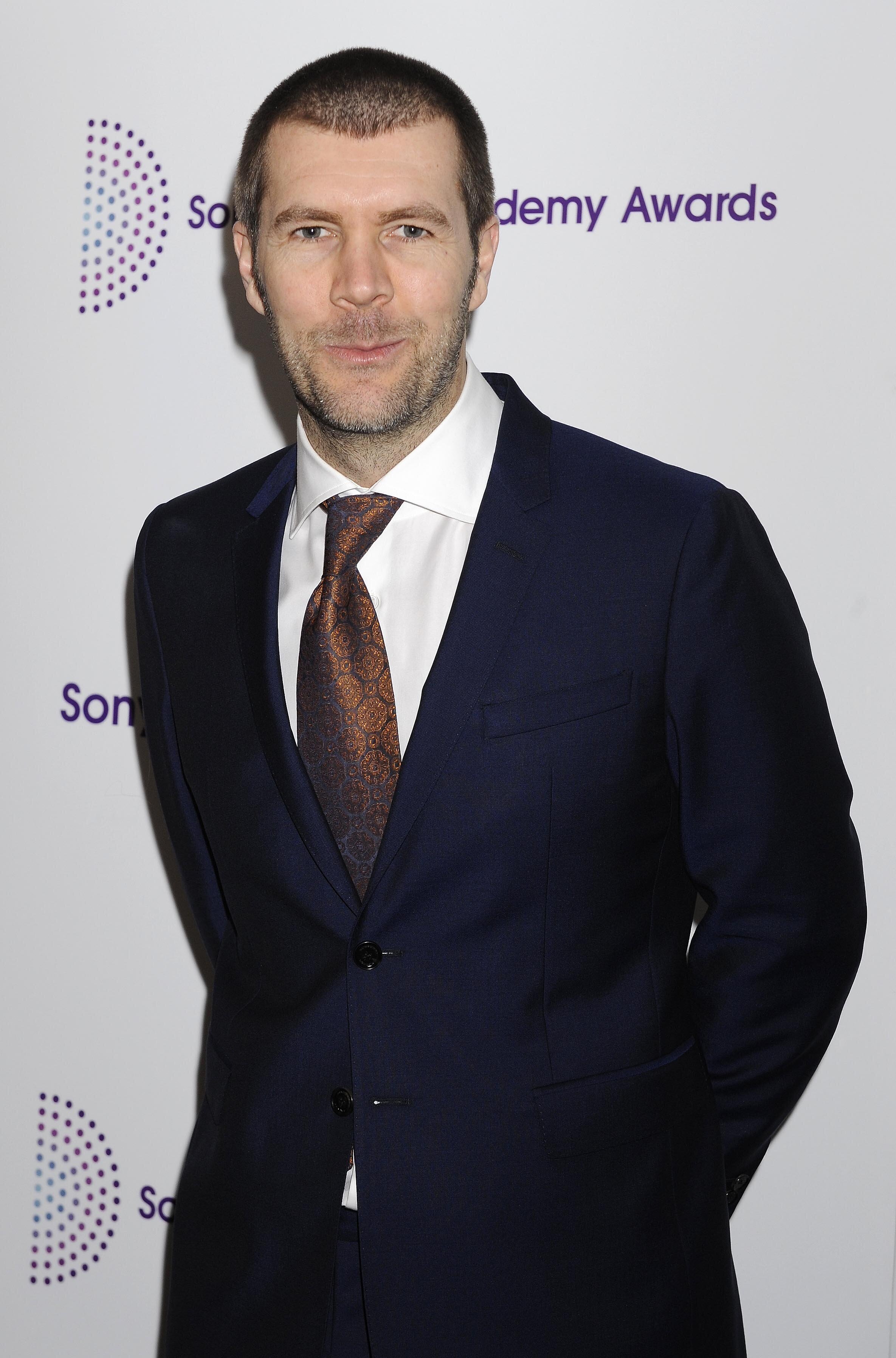
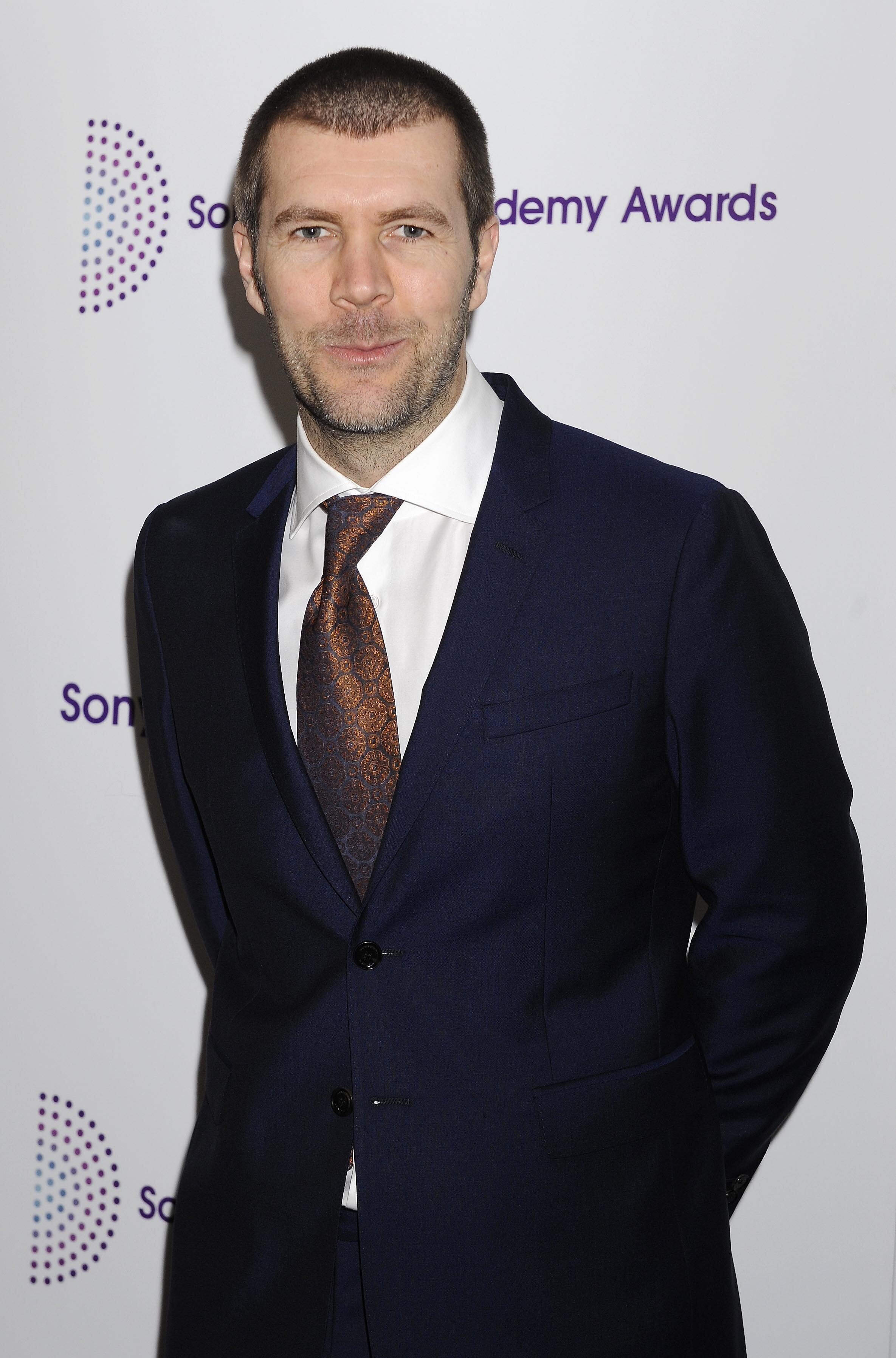
Comedian Rhod Gilbert has confirmed he’s embarking on an epic 100-date tour next year.
The Welsh comic disclosed last year that he had been diagnosed with stage-four cancer, and previously told The Guardian about how he was using “humour” to help him through his treatment.
It’s now been announced that Rhod will be hitting the road in January, for a tour that is due to span until November 2025, with more than 100 shows planned across the UK and Ireland.
Advertisement
“After the year I’ve had, it’s wonderful to be alive and going back on the road,” he enthused. “I can’t wait to get back on stage and I’m ready to get way too personal about life’s recent ups and downs.
“When life gives you lemons, you have to squeeze them ’til the comedy juice flows, so prepare for some dark but funny s***.”
Rhod’s new show will be titled Rhod Gilbert & The Giant Grapefruit, with a post on his website explaining: “In his last show, The Book of John, Rhod was dealing with some pretty pungent life citrus, and an idiot called John. Little did he know that things were about to turn even more sour…
“But Rhod’s not bitter; he’s bouncing back and feeling remarkably zesty. Hilariously dark, passionate and way too personal, this is classic Gilbert, squeezing every last drop out of life’s latest curveballs… with a little help from an old adversary.
Advertisement
“This new live show sees Rhod back on stage doing what he does best. Candid, hilarious and uplifting; it’s a show about navigating the dark bits and turning life’s giant grapefruits into something approaching lemonade.”
The stand-up told The Guardian in January of this year: “When I get through this, the next show will be in a similar vein. The cancer is on my mind 24/7, but, when I’m well enough to write, I’m jotting down a few things. And there is humour in there, definitely.”
Revealing he’s “mad keen” to create his next stand-up show, Rhod added: “I’ve got a 250-page document of stuff that’s on the go.
“All my work has gone. My social life has gone. Everything has gone. Everything. It’s just me and this bloody cancer, really.”
Advertisement
Rhod is known for his appearances on shows like Mock The Week, Live At The Apollo and Michael McIntyre’s Comedy Roadshow.
After impressing during a guest spot on the panel show Never Mind The Buzzcocks, he took over as permanent host for its final series on the BBC in 2014, and later fronted Rhod Gilbert’s Growing Pains on Comedy Central.
For more information about Rhod’s upcoming tour, visit his website here.
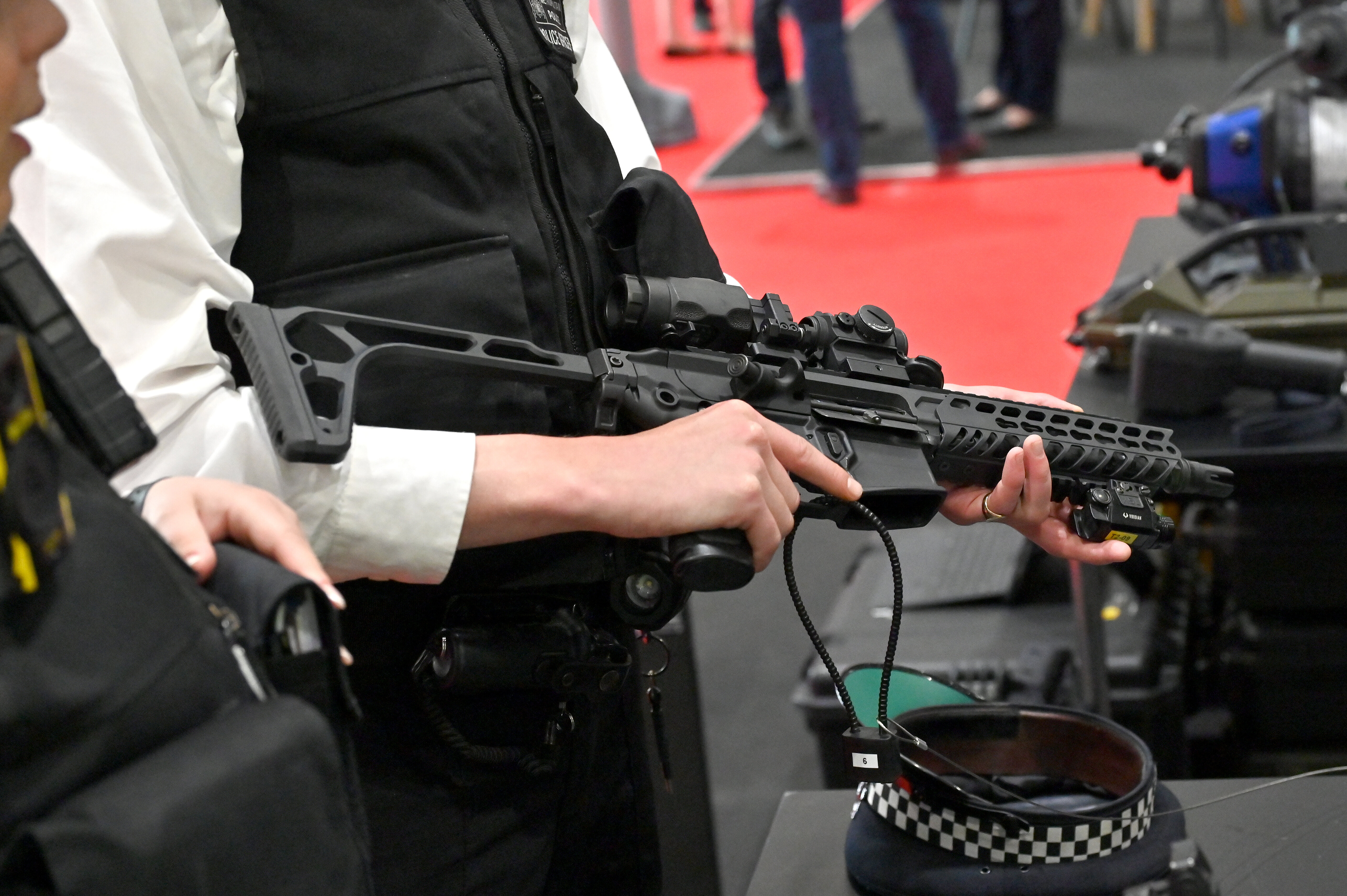
A row has erupted over the Metropolitan police after some officers turned in their firearm permits, meaning soldiers will now be drafted in to fill in the gaps.
The move – carried out by more than 100 of the 2,500 armed officers in the force – came after an officer was recently charged with the murder of Chris Kaba, an unarmed 24-year-old who died last September.
Advertisement
The debate has now escalated to include home secretary Suella Braverman, too.
Here’s what you need to know.
On September 5, 2022, Kaba was shot by a bullet – which went through the car windscreen – issued by a Met Police officer. Kaba died in hospital the next day.
Later reports revealed Kaba was driving an Audi which did not belong to him, and which had been connected to a gun incident the day before.
The police officer involved was suspended from duty, charged with murder and granted bail last week. Their details have been kept anonymous.
A plea and trial preparation hearing is listed for December 1, with a possible trial date to take place next September.
Advertisement
Some officers in the Met are now worried about how the charging of their colleague might impact them which is why they’ve decided to hand in their gun permits, according to the country’s largest police force.
The Met said: “A number of officers have taken the decision to step back from armed duties while they consider their position.”
In an update on Monday, it added that some officers returned to duties in the last 24 hours.
For context, the London Assembly said that in April, there were 2,595 authorised firearm officers in the Met, down from 2,841 in 2018.
Home Office stats say between March 2022 and March 2023, the Met Police took part in 18,257 firearm operations – that’s a third of all firearm operations recorded in the UK.
Advertisement
However, only 10 of these incidents included an officer opening fire at a person.
The Ministry of Defence received a Military Aid to the Civil Authorities request from the Home Office to send in Army personnel to fill in the gaps.
This is not unprecedented – soldiers stepped in to help with civil missions at the height of the Covid pandemic, and during paramedics’ strikes last year.
The Home Office asked the MoD to provide “routine counter-terrorism contingency support to the Metropolitan Police, should it be needed”.
The Met explained: “To ensure that we can continue to keep the public safe and respond to any eventualities, from Saturday evening Met firearms officers will be supported by a limited number of armed officers from other UK forces.”

Lucy North – PA Images via Getty Images
Advertisement
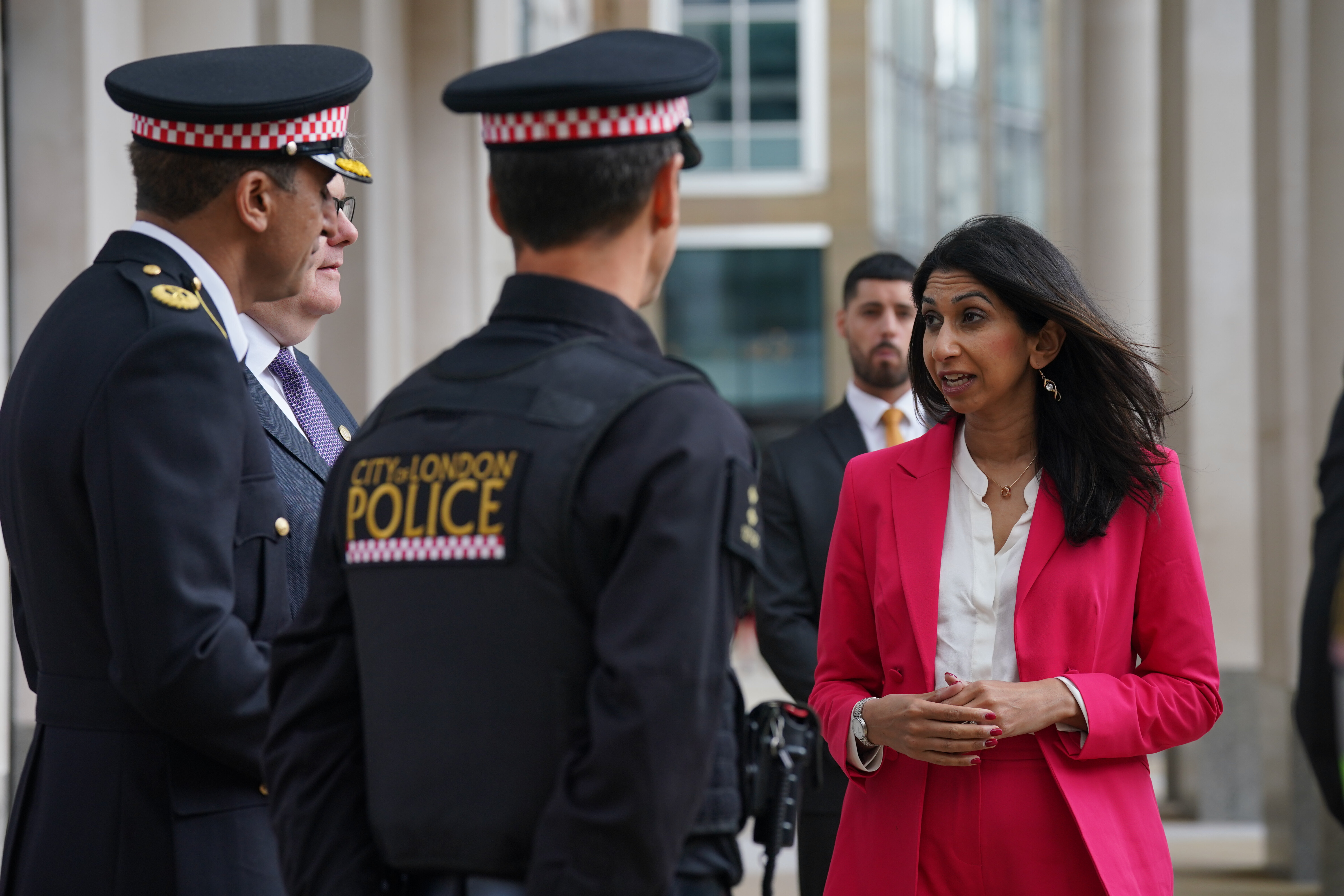
Home secretary Suella Braverman spoke out about the case on Sunday, saying there would be a review into armed policing, and that the officers have her “full backing”.
“They mustn’t fear ending up in the dock for carrying out their duties,” she claimed. “Officers risking their lives to keep us safe have my full backing and I will do everything in my power to support them. I will do everything in my power to support them.”
However, this statement, issued on X (formerly Twitter) has been controversial, because this is a comment on an active murder trial.
Doughty Street Chambers’ barrister, Adam Wagner, reposted her comment and said: “I think this series of tweets is inappropriate in the context of a live criminal case where an officer has been charged.
“It gives the clear impression, given the image in the linked article, that the Home Secretary is expressing an opinion on the Chris Kaba case.”
Advertisement
The i’s Ian Dunt told Sky News that he was “startled” by Braverman’s intervention, too.
He said journalists are told to be really careful when there’s live court proceedings, never mind cabinet ministers.
He claimed: “That’s a completely unjustifiable intervention by the home secretary and something we should be a little more alarmed about.”
Braverman’s review has been welcomed by Met chief commissioner Sir Mark Rowley.
He said while it was correct they were held to the “highest standards”, the current system undermines his officers, as they end up being investigated for “safely pursuing suspects” and they therefore needed more legal protection.
He said he would make “no comment” on any ongoing legal matter but said these issues “go back further” than the Kaba case.
Advertisement
He said: “Officers need sufficient legal protection to enable them to do their job and keep the public safe, and the confidence that it will be applied consistently and without fear or favour.”
However, he acknowledged that when officers act improperly, the system “needs to move swiftly” rather than “tying itself in knots pursuing good officers through multiple legal processes”.
Rowley has promised repeatedly to reform the force since getting into the role, and has vowed to robustly remove rogue officers in the Met.
It comes after years of scrutiny towards the force. A review released only in March this year called for immediate change or for the force to be broken up, claiming it was institutionally racist, misogynistic and homophobic.

“I swear to you, if you just did this one thing every day that takes less than five minutes, in three months from now, you’d be a completely different person.” “Okay,” I thought. “I’m listening.”
I was scrolling on TikTok one night when I came across a video by Emma Marschall, a holistic healing expert.
Advertisement
She was talking about the concept of somatic shaking: something that’s said to help release trauma, stress and anxiety.
“Each morning when you wake up, or whenever you feel like you need it you are going to do a somatic shaking practice,” she explains.
But what does somatic mean? Somatic therapy is a treatment that aims to treat mental and emotional conditions, like PTSD and anxiety, through the connections to mind and body, like grounding techniques.
Advertisement
“Put on one or two of your favourite songs that get you going, get you hype,” explains Marschall. “Plant your two feet on the ground (bonus points if you’re outside and get some negative electrons from the earth!) and keep them grounded the entire time.
Then all you have to do is… shake it out.
“Shake. Get that energy out,” she says.
But how can simply shaking your body help you feel less anxious?
When our bodies are stressed, we go into ‘fight or flight’ mode — when, back in the day, our cave people selves would have had to fight animals or tribes to survive, this mechanism would have come in very handy.
But now, our fight or flight mode can be triggered from a passive aggressive work meeting, or someone aggressively staring at us on the tube. When we’re stuck in one place and feel trapped, our bodies can store up this adrenaline and cortisol and cause us to experience anxiety, stress and mental overwhelm.
According to Dr Peter Levine, shaking can help release muscular tension, as well as burn this excess adrenaline which is triggered when we’re living in fight or flight mode when we’re constantly stressed, and calm the nervous system to its neutral state.
Animals have been known to shake to help regulate their systems. Think of a dog stretching and shaking after they get up, or when they’re scared. Some commented on Marschall’s video, saying they’ve noticed this themselves: “Dogs shake to rid themselves of anxiety so this actually makes sense,” commented one user.
Advertisement
And at the very least, a bedroom dance party can be a lot of fun. Try it tonight!