So THAT’S Why Your Stomach Hurts More As You Get Older

Plenty of surprises come with the aging process (like those weird noises our joints make or the monster hangovers that follow two sips of beer). But few are more of a bummer than the way our digestive system seems to lose interest in, well, digesting things.

“Intestinal issues can arise at any age and can become more prevalent as we age,” Dr. Sara Attalla, a gastroenterologist at Inspira Health in New Jersey, told HuffPost.

Roughly 60 million to 70 million Americans are affected by digestive diseases, according to the National Institutes of Health. Some of the most common symptoms? Heartburn, bloating, abdominal pain and changes in bowel habits (as in constipation, diarrhea or even a combo of the two).

Nailing down what’s causing your digestive drama can be tricky since it’s a multi-faceted problem that typically stems from a highly individual combination of aging and lifestyle-related culprits.

How The Aging Process Can Affect Digestion

As we age, the nerves and muscles in the gastrointestinal (GI) tract can start to glitch, resulting in changes to how our digestive organs function individually and work together — usually, this translates into the digestion process itself becoming sluggish and communication signals between digestive organs getting haphazard.

Movement within the esophagus and muscles involved in swallowing may not be as effective or coordinated, for instance, and can lead to higher rates of esophageal reflux (known as GERD, where your stomach contents start to make a comeback), while slower motility in the stomach can cause what you’ve eaten to linger and trigger indigestion.

“The stomach lining can also become thinner with age, which renders you more susceptible to injury in the stomach from things like inflammation,” Attalla said.

Decreased prostaglandin production over time (a hormone-like substance that plays a role in stomach acid secretion and GI muscle functioning) means a decrease in the protective lining of the stomach, too, leaving you more prone to gastritis and ulcers.

The next stop on your food’s digestive journey is a pit stop in the small bowel. “Slower motility here can lead to higher rates of bacterial overgrowth, which can cause bloating and diarrhea,” Dr. Sunana Sohi, a board-certified gastroenterologist at Gastroenterology Health Partners in Louisville, Kentucky, told HuffPost.

And if motility screeches to a halt in your colon, get ready for possible bouts of constipation and diverticulosis (a condition where small sacs form and push against weak spots in the wall of your colon, putting you at risk of symptom flareups, such as bleeding and inflammation).

Then there’s the chronic health conditions that tend to stack up as we get older (arthritisis, cardiovascular and metabolic diseases), many of which can cause limitations to the level of movement we can tolerate, further exacerbating gut motility issues. (“If you don’t move, neither does your gut,” Dr. Pritesh Mutha, an associate professor at McGovern Medical School at UTHealth Houston, told HuffPost.)

As for the medications we take to manage these conditions (both prescription and over-the-counter, especially NSAID pain relievers such ad aspirin and ibuprofen), they’re known to cause gastro-themed side effects of their own. Cue nausea, constipation, diarrhea, abdominal pain, even ulcers.
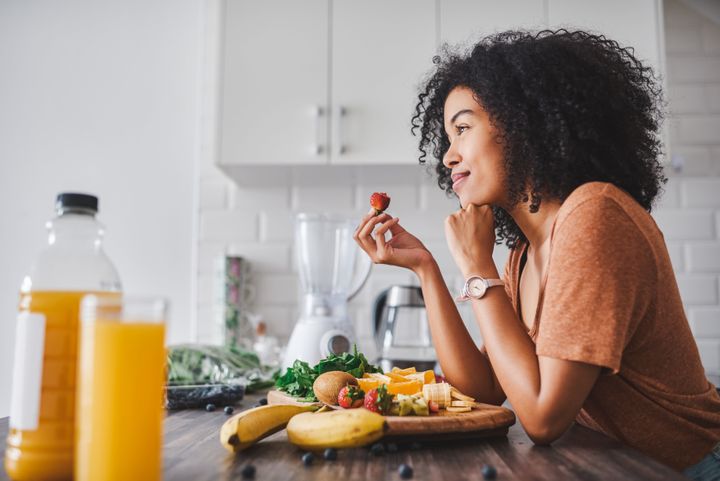
Chewing more slowly is one way to make eating easier on your digestive tract.

Moyo Studio via Getty Images

Chewing more slowly is one way to make eating easier on your digestive tract.

The Best Ways To Optimize Your Digestion As You Get Older

All of this is understandably frustrating and concerning. But experts stress there are ways to minimize any effects from age-related stomach issues. They recommend:

Chewing Better

Better digestion begins in the mouth. “Salivary enzymes help digest starch and fat in the mouth, decreasing the GI tract’s workload,” Mutha said. “The alkaline pH of saliva also helps neutralize acid in the esophagus due to reflux and alleviate GERD symptoms.”

Bonus: Cutting your food into smaller pieces and chewing at least 15 to 20 times per bite can help mitigate any complications associated with trouble swallowing.

Stimulating Saliva Production

Saliva production tends to decrease as we age, which can affect chewing and swallowing, Sohi said. According to the American Dental Association, dry mouth is twice as likely to strike when you take one or more medications daily, compared with people with no medications on their roster.

Things like regularly using an over-the-counter saliva substitute or sipping water between bites can be helpful if dry mouth is a problem for you at mealtime.

Eating More Food That’s Plant-Based, Less That’s Processed

The best way to optimize digestion is to eat a diet as low in processed foods and high in plant-based diversity as possible. “Diets high in processed food can alter the gut microbiome, leading to dysbiosis,” Sohi said, an unhealthy balance of gut bacteria that’s associated with higher rates of digestive disease.

Besides keeping your gut microbiome on the rails, going plant-based is the best way to increase your fiber intake, which is crucial to the quality and consistency of your number two sessions.

Fiber — soluble and insoluble — is what bulks up your poop, Mutha explained. This not only makes your time on the throne more pleasant and efficient, but it also decreases the likelihood of fecal incontinence and even helps treat diarrhea by absorbing water.

Staying Hydrated

Hydration is crucial to avoid constipation, Mutha said, especially once you start upping your fiber intake. The National Council on Aging recommends drinking one-third of your weight in fluid ounces daily. That means if you weigh 150 pounds, then you should be drinking 50 ounces (or 6¼ cups) of water per day.

Moving More

“Exercise stimulates the motility of the GI tract, so this can be very helpful for digestion,” Sohi said. “Lying recumbent on the couch after eating is one of the worst things you can do because not only does it not help with GI tract motility, but it can also promote acid reflux.”

Mutha agrees and recommends walking for roughly 15 minutes after your meals to help activate your stomach and improve gastric emptying.

Getting Enough Sleep

Sleep is a healing mechanism for the body, so not getting enough quality shut-eye — the recommendation is seven to nine hours per night — can adversely affect your gut barrier and immunity, Mutha said. Researchers are still nailing down the exact mechanisms behind how, but one theory is that sleep deprivation leads to an increase in microscopic inflammation in the bowel that may domino into gastrointestinal symptoms.

Mastering Your Medications

“Any and every medicine has GI side effects — even the ones that are prescribed for GI illnesses,” Mutha said. “Making sure you take your medications exactly as prescribed decreases the risk of side effects.”

NSAIDs should never be consumed on an empty stomach, for instance, while acid-suppressive medicines should be taken 30 minutes before breakfast. But if side effects happen anyway, let your doctor know.

When To Check In With Your Doctor About Your Digestive Issues

Even if you’re confident the digestive drama you’re experiencing is aging-related or a sign your lifestyle needs a revamp, “it’s important to not assume” and to “share your symptoms with your doctor anyway, as sometimes there can be a more serious underlying cause,” said Dr. Neena Mohan, gastroenterologist and assistant professor of clinical medicine at the Lewis Katz School of Medicine at Temple University in Philadelphia.

If, in addition to persistent changes in bowel habits, you’re also experiencing trouble swallowing, abdominal pain, nausea and/or vomiting, unexplained weight loss or have noticed blood in your poop (or it looks black and tarry), it’s time for a consultation with a gastroenterologist.

“Depending on the issue, your doctor may start with bloodwork and prescribe medications or do further testing, such as an endoscopy or colonoscopy,” Attalla said.

Share Button

Andy Burnham Says Ministers Are Treating People In The North ‘Like Second Class Citizens’

Andy Burnham has accused ministers of treating people in the north of England “like second class citizens” amid mounting speculation that the next phase of HS2 will be scrapped.

The Manchester mayor launched a furious attack on the government as Rishi Sunak ponders whether to axe the Birmingham to Manchester leg of the rail project.

His comments came after former transport secretary Grant Shapps repeatedly refused to confirm that the high-speed line will be completed in full.

Speaking on Sky News, Burnham furiously said: “Why is it that people in the north are always forced to choose – you can have this or you can have that, but you can’t have everything?

“London never has to choose between a north-south line or an east-west line and good public transport within the city.

“Why are we always treated as second-class citizens when it comes to transport?

“This is the parliament who said they would level us up. If they leave a situation where the southern half of the country is connected by modern high speed lines and the north of England is left with Victorian infrastructure, that is a recipe for the north-south divide to become a north-south chasm.”

Burnham said the abandonment of the HS2 leg would be the “desperate act of a dying government”.

Around £20 billion of taxpayers money has already been spent on the project, which was meant to cost £33 billion in total.

However, repeated delays and soaring inflation mean there are fears the final bill could be more than £100 billion.

Chancellor Jeremy Hunt has warned that the cost of the project is at risk of getting “totally out of control”, fuelling speculation that plans to extend it to Manchester will be scrapped.

However, Boris Johnson has said that would leave a “mutilated” rail line and has urged the government to commit to the project.

Andy Street, the Tory mayor of the West Midlands, has also called on Sunak to complete the project, while business leaders have insisted scrapping it would be disastrous for the economy.

Share Button

‘You’re Answering A Different Question’: Grant Shapps Clashes With Trevor Phillips Over HS2

The defence secretary repeatedly failed to say whether the next phase of the multi-billion pound project will go ahead.

Speculation is mounting that the government will axe plans to extend the rail line from Manchester to Birmingham.

Appearing on Sky News this morning, Shapps was asked whether or not he had promised businesses HS2 would go ahead as planned while he was transport secretary.

Phillips said: “Did you personally encourage people to invest on the basis that it was to run from central London to Manchester?”

Shapps began to say: “We’ve invested…”

But Phillips told him: “You’re answering a different question.

“I’m asking you when you talked to businesses as transport secretary, did you say to them, ’look, it’s worth investing in the north in this way because there will be HS2. Did you?”

But Shapps failed to answer and instead repeated that “the government is committed to improving rail infrastructure, particularly in the north”.

He added: “Forgive me, Trevor. I think your viewers understand that I’m not here today to deliver the budget on your excellent programme.

“I’m here to talk about actually things that I can inform you about which is for example, in my role as defence secretary and our work in Ukraine.”

Share Button

Twitter Users Raise A Stink After Marjorie Taylor Greene Calls Biden An ‘Old Fart’

Republcian Representative Marjorie Taylor Greene called Joe Biden an “old fart”, but the insult whiffed with many social media users.

On Friday, the president announced the creation of the Office of Gun Violence Prevention within the White House and later tweeted that “it’s time to again ban assault weapons and high-capacity magazines.”

He added: “If members of Congress refuse to act, then we need to elect new members of Congress who will act.”

That post apparently had Greene seeing red and she responded by tweeting back, “Whatever you old fart. We are electing a new President. Turning 45 into 47.”

Greene may have thought the “old fart” comment was a truth bomb, but many users of X, formerly known as Twitter, raised a stink, especially since she’s been griping recently about the lack of “society’s standards that set etiquette and respect for our institutions.”

As a result, she was thoroughly mocked.

Greene has been harping on civility for everyone else but her for a while now.

On Monday, after she criticised Pennsylvania Senator John Fetterman for wearing a hoodie on the Senate floor, he pointed out that there are other forms of decorum. He reminded her of when she displayed nude images of Hunter Biden during a House hearing.

Back in May, Greene found out how much her Democratic colleagues respect her desire for decorum when they raucously laughed at her after she told them, “Members are reminded to abide by decorum of the House,” she said, only to spark raucous laughter.

Share Button

What you need to know about Covid as new variant rises

Hospitalisations have gone up since the summer and a new variant is spreading. Should we be concerned?

Share Button

I Entered A Beauty Pageant At 57 To Feel Better About Myself. That’s Not Exactly What Happened.

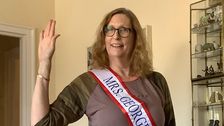
While it’s not exactly accurate to say it was a voice from the grave that commanded me to drop out of the Mrs. America pageant, it’s not exactly a lie, either. The truth lies somewhere in between and involves a questionable photographer, a threat from a friend to disown me, and a dingy bra once worn by Ivana Trump. But for five days, I was Cathy Alter, your Mrs. Georgetown DC.

It started from a place of insecurity — never a good thing in competition. My 11-year-old son, Leo, and I were sharing a late lunch at a British-style pub in Washington’s Dupont Circle. As we sat demolishing our mozzarella sticks, I took a moment to check my phone for emails. Maybe it was my text neck, or maybe Leo had never seen me in severe profile, but whatever the case, he reached over and grabbed the hunk of loose flesh residing below my chin (a wattle, a friend would helpfully explain).

“What’s that?” he asked, tugging on it like an udder.

I don’t remember how I answered him. But I do remember trying not to cry or ask my son if he was some kind of sociopath.

“I feel bad about my neck,” Nora Ephron confessed, in the opening essay and 2006 book of the same name.

“Our faces are lies and our necks tell the truth,” she wrote. “You have to cut open a redwood tree to see how old it is, but you wouldn’t have to if it had a neck.”

These days, at 57, it’s hard not to look in the mirror without thinking about how my reflection has changed. It’s me but not me. The face is certainly mine, just more gutted, the area underneath my eyes carved out by a wood gauge. It’s less feminine, somehow, and more Founding Fathers, especially when my hair is pulled back in a Jefferson braid. We won’t discuss my burgeoning FUPA.

To accept this image would be the healthiest way to proceed. The most empowering thing I could do for myself would be to love the marionette mouth, the nasolabial folds, the “elevens” between my brows, the time stamps that make this face uniquely mine. To say, to sing, to emblazon on a T-shirt: Here I am, world! A middle-aged woman with declining looks and a soft body!

Instead, I went home and sobbed to my husband, Karl.

“All boys should think their mothers are the most beautiful women in the world,” I said through my tears. “And it’s clear that Leo does not.”

“Well,” Karl said, “what can you do about it?”

I couldn’t tell if he was answering me rhetorically or expecting me to come up with an action plan.

And I did have a plan. Or, more accurately, a wild impulse that stomped on any attempt at levelheadedness.

“I’ll tell you what I’m going to do,” I told him. “I’m going to enter a beauty pageant — and win.”

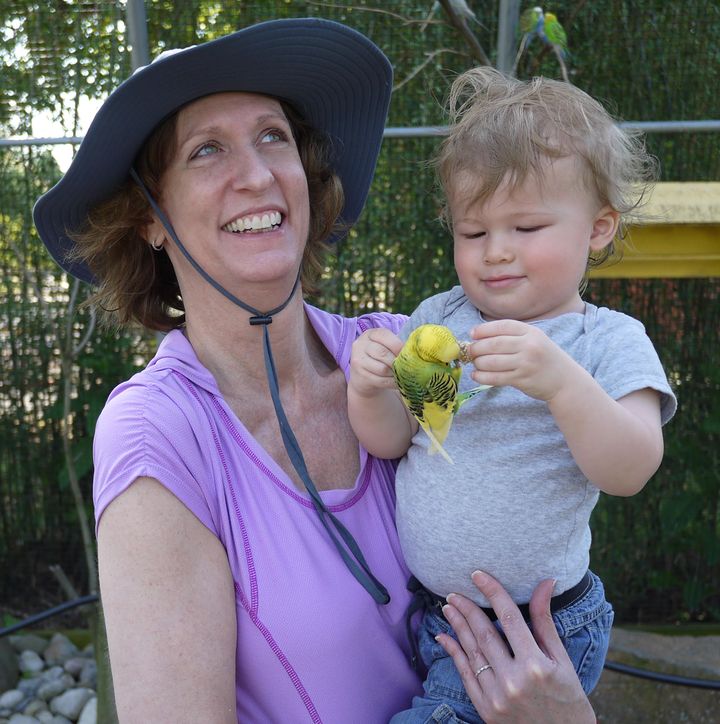
The author, who is freaked out by birds, and her son, Leo, when he was a toddler.

Courtesy of Cathy Alter

When I was growing up in Connecticut, my parents threw an annual Miss America party where guests bet on the contestants as if the young women were racehorses. It was the hottest ticket in town. Friends arrived in evening gowns and tuxedos, tossed $20 into the pot, and rooted for their “girl” while tearing down the 49 others.

My mother, a 6-foot-tall beauty with a penchant for red lips and backless suede dresses, could be especially vicious, taking note of a competitor’s “thunder thigh” or “unfortunate underbite” or describing a pair of straight-on nostrils as looking like “the Holland Tunnel.”

As the owner of the hippest clothing boutique the Bermuda-bag-carrying women of our sleepy town had ever seen, my mother was a true arbiter of style and presentation. By midnight, everyone was tanked and the guest who got closest to choosing the evening’s winner paraded around in a homemade sash and dime-store crown, both courtesy of my mother.

Now, decades later, I found a slew of pageants on Pageant Planet, a website that consolidates local and regional contests including Miss Earth USA, Mr. Crimson and Cream, and the pageant I wound up entering, Mrs. DC America. There were pageants for veterans, for senior citizens (I’m still a few years away from that one), for full-figured women, and one that sounds like a meta version of itself, The Empowered Woman pageant. If I were to create a montage of the contestants I saw across the site, the result would look like the b-rolls from all the Real Housewives franchises in existence.

The rules to enter the Mrs. DC America pageant were straightforward. If you were married, you could enter — which meant I could potentially be competing with child brides. Contestants are judged in three categories: the interview, the evening gown and the swimsuit. As if striding across the stage in a bathing suit and high heels wasn’t terrifying enough, there would be an opening dance number. With choreography. The winner of Mrs. DC would go on to represent the District of Columbia at the national Mrs. America Pageant in Las Vegas.

The next morning, I called one of the pageant directors. After a bit of chitchat, I learned that I had a little less than five weeks to prepare for the event, which would be held at a community center over an hour away, in Frederick, Maryland. Somehow, I’d imagined that I’d have at least a year to get ready, both physically and mentally. Now things were becoming both very real and very surreal.

“What do you want your sash to say?” she asked.

When I hesitated, baffled by her question, she clarified. “Where do you live in Washington?”

Which is how I appointed myself Mrs. Georgetown DC, after forking over a deposit of $250 (the entire cost of entry was $750) and promising to schedule a headshot with the official pageant photographer within the week.

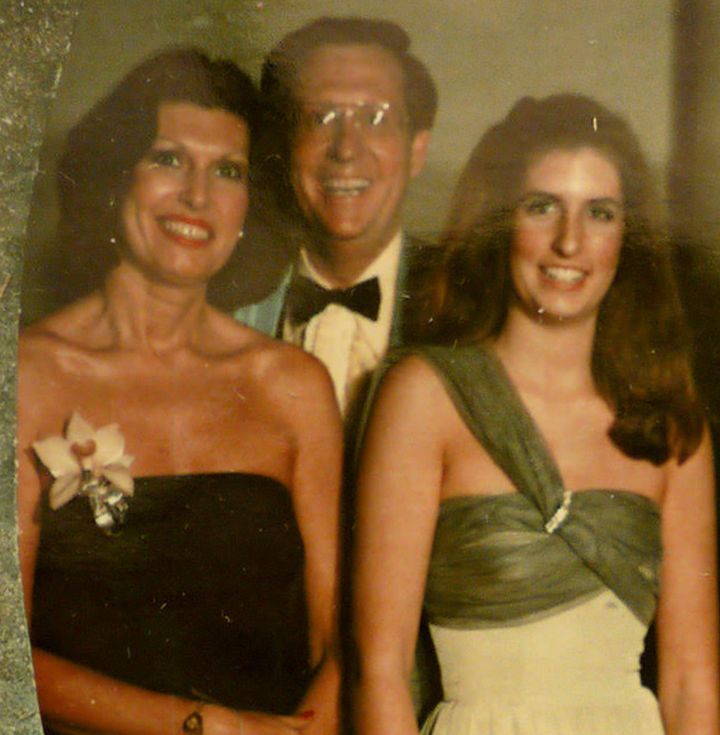
The author and her parents, Susan and Elliott Alter, in a photo taken on the author's Sweet 16 and Susan’s 40th birthday. "The theme of the party, held in my mom’s old high school gym, was a 1950s prom," the author writes.
The author and her parents, Susan and Elliott Alter, in a photo taken on the author’s Sweet 16 and Susan’s 40th birthday. “The theme of the party, held in my mom’s old high school gym, was a 1950s prom,” the author writes.

Courtesy of Cathy Alter

I immediately launched into overdrive, making a to-do list like I was planning my wedding. Each action item begot new actions. I made an appointment for highlights, but did I also want to talk about hair extensions? How much were hair halos? (What were hair halos?!) There was no time to sit and reflect on who I was fast becoming.

I called the photographer and asked him what I’d need to bring to the photo shoot. Everything on his list included the word glitzy. Also, he advised, “Wear something that either shows your cleavage or your shoulders but not both. That’s just overkill.”

He suggested I buy a bag of rhinestones and glue them onto my bathing suit, which, for some reason, he kept calling a “one-piece bikini.”

“Are you going to photograph me in a bathing suit?” I asked him.

“No,” he said. “I just wanted to tell you about rhinestones.” His parting advice, worthy of its own bedazzled T-shirt was, “Go glam or go home.”

My friends were divided on my new title. Some had a field day at my expense. “Can your bathing suit be Victorian or come with a turtleneck?” asked one. “Does AARP have a beauty pageant?” asked another, choking back laughter. One emailed me an Amazon link for Preparation H, which has famously been used to tighten bags under the eyes. “Maybe you can use this on your butt, too,” was the subject line.

Others were more perplexed.

“It’s ironic that you’re looking for acceptance and confidence in the very place designed not to give it,” said one of my closest friends, expressing concern.

A few were outraged. When I met a friend and former editor, she pounded on the table. “You can’t do this!” she said, holding her fist up for another strike. “What does this say about the progress we’ve been making as women?”

She brought up how precarious it is to be female in the wake of Roe v. Wade and the gutting of abortion rights and the horrible message about appearance that I would be sending to Leo. She told me she wasn’t sure if she could be my friend if I went through with the pageant.

Still another saw me as a champion just for entering: “You’ve been given a bigger stage, to stand up for all people who feel less than. You’re saying, ‘I’m here, I made it, and so can you.’”

I had been Mrs. Georgetown for two days before the idea of competing began to seem like a genuinely half-baked idea. What the heck was I doing? And what sort of message was I sending to myself? To my husband? To Leo? (“Do you think I could win?” I had asked the poor kid, who immediately looked to Karl for a clue before answering, “It depends on the competition.”)

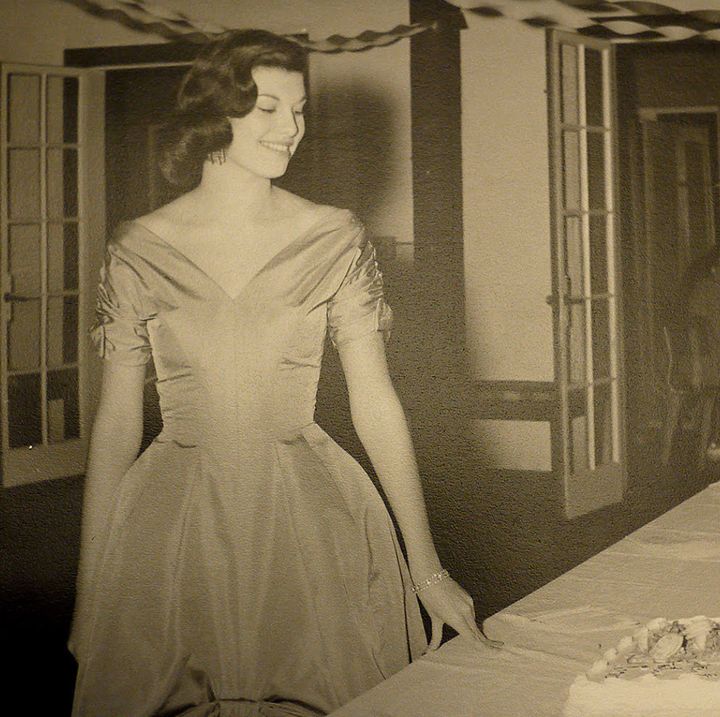
The author’s mother on the day of her Sweet 16 party. "That dress still hangs in the closet of the family home in Connecticut," the author writes.
The author’s mother on the day of her Sweet 16 party. “That dress still hangs in the closet of the family home in Connecticut,” the author writes.

Courtesy of Cathy Alter

I’ve always had a complicated relationship with beauty. As their ruthless Miss America parties suggest, my parents placed great value on physical appearance. When we were little, my father used to chase my younger brother and me around our swimming pool with a spray bottle of Sun In hair lightener. After growing up poor, eating mayonnaise sandwiches and fending for himself, having golden-haired, sun-kissed children who looked like they belonged in the Kennedy compound was, for him, an emblem of success.

My mother’s guiding principle was that it was more important to look good than to feel good. When I was in high school, she sat me down and gently explained that because I was no natural beauty — “no Christie Brinkley” were her words — I’d always have to wear makeup.

I was on the tender cusp of womanhood, and my mother’s grim appraisal took root in my soul. Before dementia completely robbed her of the ability to speak, the last clear words my mother said to me were, “How about some blush?”

On my third day as Mrs. Georgetown, I decided it was time to try on evening gowns at my favorite consignment shop in D.C. Even though the saleswomen aren’t permitted to mention the origin stories of their merchandise, I’ve gotten in pretty good with some of the staff and have been able to wheedle out some details.

Along these lines, I wound up in the dressing room with what I knew was an evening gown once worn by Ivana Trump by a designer whose name I didn’t recognize. It was $125 and the color of tomato sauce from a can, with a mermaid silhouette, red jewels scattered down the front, and about 40 miles of tulle. When I unzipped it, I saw there was a grimy Calvin Klein strapless bra sewn inside, size 36C, and I had a sudden pang, knowing such a private detail about Ivana. My mother, too, wore a 36C. Placing my own breasts inside the bra — and being this close to its original owner — was surprisingly intimate.

I looked at myself in the dressing room mirror, trying and failing to imagine myself striding across a stage in a conference center in Frederick, Maryland, giving a royal wave, chest out, smile aided by Vaseline on my teeth, hammertoes screaming at the straps of my stilettos.

I heard a voice.

“Take it off,” it said. “It’s not you,” it said.

Whether it was my mother speaking or Ivana, it didn’t matter. The dress wasn’t me. And neither, I realized, was the pageant.

My mother often warned me about falling for a pretty face. “Looks fade,” she had said after a man with movie star looks obliterated my heart. She could have been talking about her own vulnerabilities around appearance and aging. It was the way I knew that, despite her critical eye, even she recognized deep down that there were things more valuable than looks. My mother would have been unsparing in her assessment of my chances in the pageant (none) and in my decision to enter it (dumb).

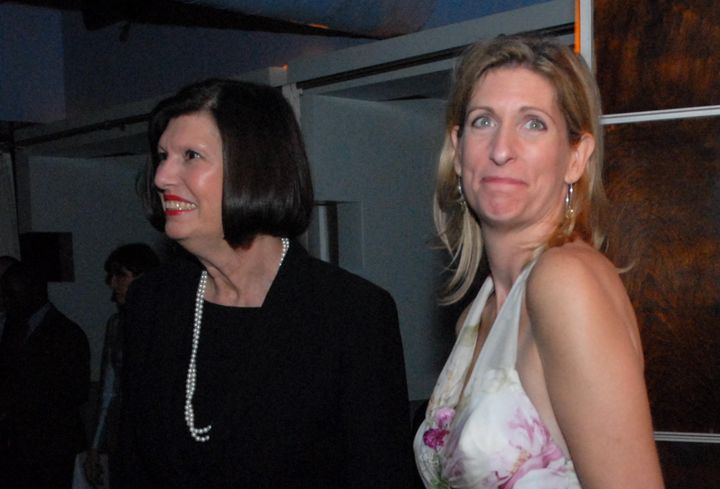
The author and her mother, taken on the author’s wedding day in 2006.

Courtesy of Cathy Alter

What good is beauty, anyway? It was surely a burden for my mother, who tried mightily to keep up appearances until that weight shifted to my father. He became her de facto makeup artist as she sat strapped in a wheelchair, unable to perform her own ministries, her hands clenched in rage.

After watching him spoon-feed her lunch (“Now, now,” he’d say whenever she tried to bite his fingers), the sight of him dabbing her lips with her trademark Love That Red made me reevaluate my own definition of devotion — of obligation. In the face of the inevitable, my father’s tacit efforts broke my heart.

On my final day as Mrs. Georgetown, I phoned the pageant director and dropped out of the race.

“Did something happen?” She sounded aghast, like maybe I had microderm-ed my face off.

“I don’t have the full support of my family and friends,” was my excuse, which approached the truth, at least partially.

The woman who went on to wear my Mrs. Georgetown sash, I learned later, was from Rockville, Maryland. In her official pageant headshot, she looks a little like a Facetuned Jennifer Coolidge.

The pageant fell on the same weekend as my father’s 90th birthday. Home in Connecticut, I showed my father a photo of my “replacement.”

“Good thing you dropped out,” he said. “You didn’t stand a chance.”

“Grandpa!” Leo looked at my face, concerned.

“Thanks for your vote of confidence,” I said, lightly punching his arm and reassuring myself that limitations are not heritable.

Later that night, Leo slipped me a note before bedtime. It read, in part, “I love you for yourself. I love your sweet, sweet, heart. Though you are beautiful, it’s what is inside that counts.”

It is a note I wish my mother would have written and dropped in the mail, addressed to herself.

Cathy Alter’s articles and essays have appeared in O, the Oprah Magazine, The Cut, Wired, and The Washington Post, among others. She is the author of “Virgin Territory: Stories From the Road to Womanhood,” the memoir “Up for Renewal: What Magazines Taught Me About Love, Sex, and Starting Over,” and “CRUSH: Writers Reflect on Love, Longing, and the Lasting Power of Their First Celebrity Crush.” She lives in Washington, D.C.

Share Button

The 1 Thing More People Wish They Knew About Before Giving Birth

When it comes to birth, we tend to focus on the prize. Having a child emerge from your body is, obviously, the main event. It’s followed by delivering the placenta, sometimes referred to as the “afterbirth.” Luckily, this part is usually pretty quick and painless — you may barely register that it’s even happening.

But in the hours and days that follow, your body will experience another minor milestone: the first postpartum poop. If you’re lucky, this will also be fast and forgotten as soon as you flush. However, given what your body has been through, the buildup to this event can be anxiety-inducing.

Here’s what you need to know, as well as some tips to ease discomfort.

How this poop is different

There are a number of factors that may make this particular trip to the bathroom feel more significant.

First, you may not have had a bowel movement in a while. “If you had a long induction or a long labor, and you haven’t eaten in a long time, you probably don’t have a lot that needs to come out. It may take several days,” Dr. Andrea Braden, an OB-GYN who practices in Georgia, told HuffPost.

Constipation may also be a side effect of pain medications, fluctuating hormones, or simply your own hesitation.

If you’ve had a cesarean section or an assisted delivery (via vacuum or forceps), or you’ve had a tear or episiotomy repaired with stitches, you may be in pain from that, and understandably reluctant to do anything that might aggravate your discomfort. But holding in your stool can make things worse.

“Some people will actually try to hold it in and not have a bowel movement, which causes constipation,” Braden said.

Haemorrhoids, which are common during this time, can also cause pain when you go to the bathroom.

While this is all uncomfortable, it isn’t unexpected.

“In my 26 years of experience, at least 90% of my clients have had trouble using the restroom after birth,” Kali King, a doula in Virginia, told HuffPost.

Tips for a smooth move

Stool softeners or laxatives can help you get that first bowel movement out without straining, which you’ll want to avoid if you ended up with stitches after your delivery.

“The goal would be to not push when you have a bowel movement,” Braden said. “You want it to come out very easily, because the pushing can cause a lot more pain and pressure on the incision sites, no matter where the incision is.”

King recommended light exercise or abdominal massage, as well as a squat position to help get things moving more easily.

Lori Bregman, a doula in Los Angeles, noted that staying hydrated is another way to prevent constipation. If you’re looking for something other than water, she recommends coconut water, bone broth and electrolyte drinks (like sports drinks). Fibre-rich foods like fruits and vegetables help, too.

A tablespoon of coconut oil can act as a natural stool softener, Bregman said, and a foot stool such as a Squatty Potty can help you get into a comfortable position while you’re on the toilet.

You’ll also be given a peri-bottle, a little plastic bottle that you can use to squirt water on your nether regions to clean yourself after going to the bathroom. This is much more comfortable than dry toilet paper, particularly if you had stitches in that area.

Haemorrhoid help

Haemorrhoids are “swollen blood vessels in the rectal area that develop from the pressure [of] your growing uterus and increased blood flow. They can be itchy and painful,” Bregman said.

Unfortunately, if you have them at the end of a pregnancy, delivery can exacerbate the problem. “They are extremely common during pregnancy and can get a lot worse especially if you pushed for a long time,” Braden explained.

Studies show that about 40% of people who give birth suffer from hemorrhoids before, during or following delivery. Pushing for longer than 20 minutes is associated with haemorrhoids, as are assisted deliveries (forceps or vacuum). Your provider may mention that you have them when they examine you after delivery, and you can also ask them directly.

The good news is that haemorrhoids “usually resolve on their own,” King said.

There are many things you can do to reduce the discomfort of hemorrhoids. Bregman recommends:

  • chilled or frozen witch hazel pads with drops of vitamin E oil
  • frozen leaf of an aloe vera plant
  • sitting on a donut pillow
  • using a footstool while on the toilet
  • sitz baths
  • ice
  • comfrey root ointment
  • acupuncture

When to call the doctor

Hemorrhoids can cause bleeding in the rectal area, but if you don’t have them, or you’re uncertain, bloody stool is definitely something to report to your health care provider.

As far as constipation, it’s probably time to call the doctor “if you haven’t had a bowel movement in a week and you’re feeling quite constipated,” Braden said.

Other symptoms that you’d want to report to your provider include “pain, swelling not going away, infection, weird smell, lots of bleeding and an intuitive feeling that something doesn’t feel right — always trust and follow that,” Bregman said.

King recommends that you not allow your provider “to downplay your symptoms.” If you feel that this is happening, you can look for a second opinion.

Share Button

Easy Recipes To Cook With Kids: Sticky Chicken And Fruity Loaf Cake

Getting children involved in the kitchen is something mother and author Annabel Karmel is incredibly passionate about.

So it’s perhaps no surprise then that her latest (and 50th) recipe book My First Cookbook is jam-packed with simple yet nutritious recipes that adults and kids can both get involved with making.

As busy working parents it can be hard to find the time and creativity, not to mention ingredients, to devise nutritious home-cooked meals, which is where My First Cookbook can help.

Expect fun lunchbox ideas such as Caterpillar Sandwiches, big batch meals like Teddy Bear Pasta and seasonal specials like Monster Pizzas and Gingerbread Men.

The book helps children learn essential hands-on kitchen skills – from simple sandwich making all the way to cake baking.

If you’re stuck for mealtime inspiration this weekend – and have a bit of time to spare to get your kids involved in the kitchen – we’ve got two of her brand new recipes to share.

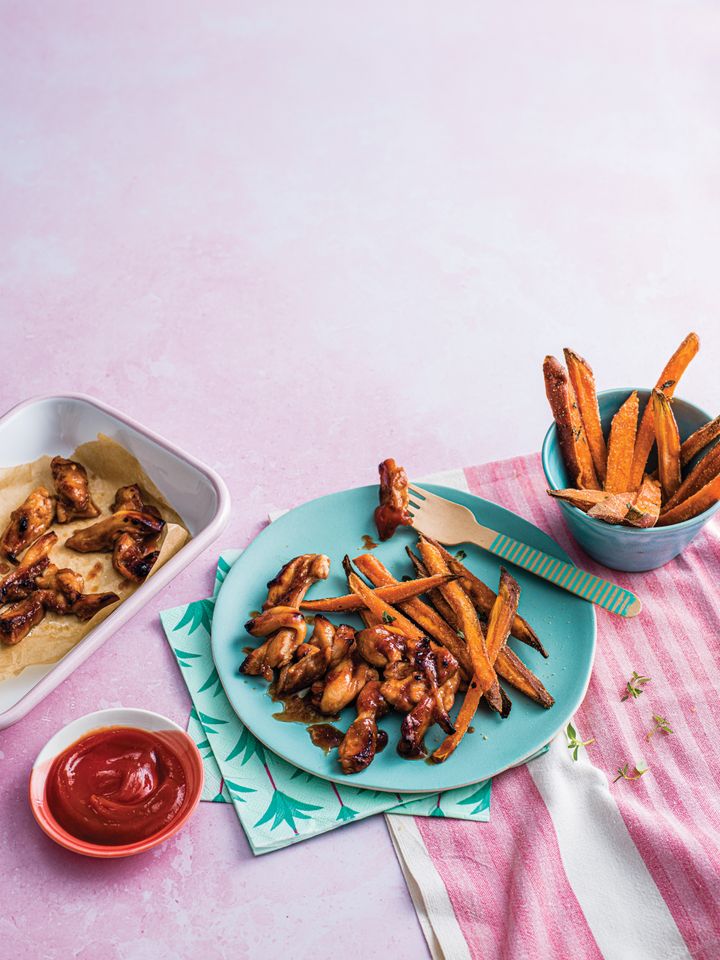
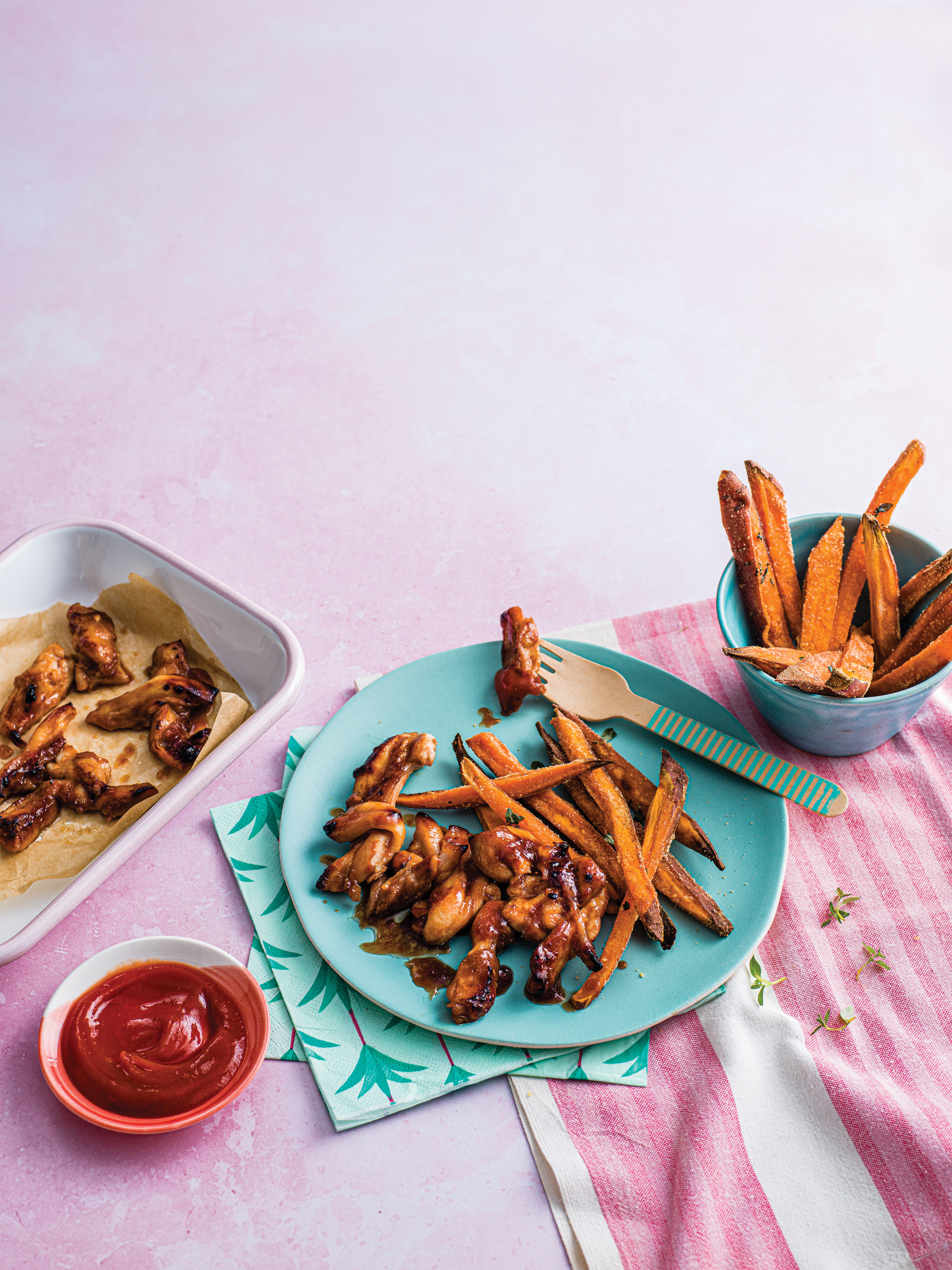
Sticky chicken with sweet potato fries

Nobody can resist this sweet, sticky chicken, especially with healthy baked fries.

Serves 4 | Prep time 40 mins | Cooking time 25 mins

You’ll need: baking tray, baking paper

Sticky chicken with sweet potato fries

Hachette / Annabel Karmel

Sticky chicken with sweet potato fries

Ingredients

  • 3 tablespoons ketchup
  • 3 tablespoons soy sauce
  • 2 tablespoons honey
  • 2 cloves of garlic, crushed
  • 500g (18oz) boneless chicken thighs, sliced into strips
  • 3 medium sweet potatoes, scrubbed
  • 2 tablespoons sunflower oil
  • 1 teaspoon chopped thyme
  • 3 tablespoons semolina

Method

Put the chicken into a medium mixing bowl. Add the ketchup, soy, honey and garlic, and mix together to coat the chicken. Leave for 30 minutes, then arrange on a baking tray lined with baking paper.

Preheat the oven to 200°C (400°F) Fan. Slice the sweet potatoes into thin chip shapes. Place on a baking sheet lined with baking paper. Add the oil and thyme. Season with salt and pepper, and coat with semolina to make them crispy. Mix everything up with your hands. Spread out on the baking sheet in a single layer.

Put both baking sheets into the oven. Cook for about 25 minutes, until the chicken is cooked and golden brown and the fries are lightly golden and cooked through.

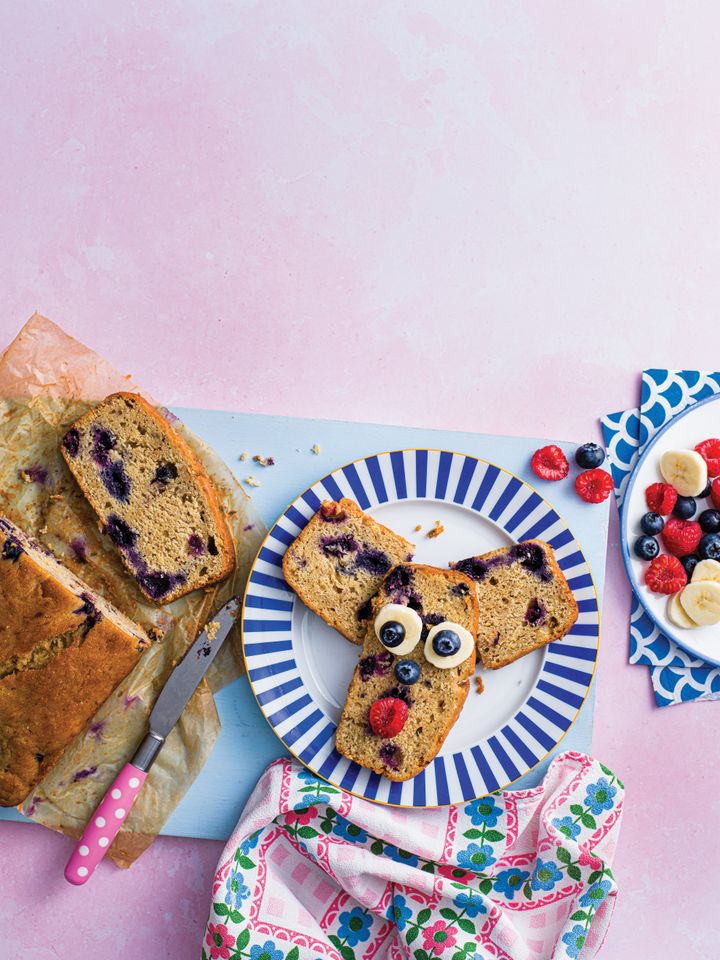
Banana and blueberry loaf cake

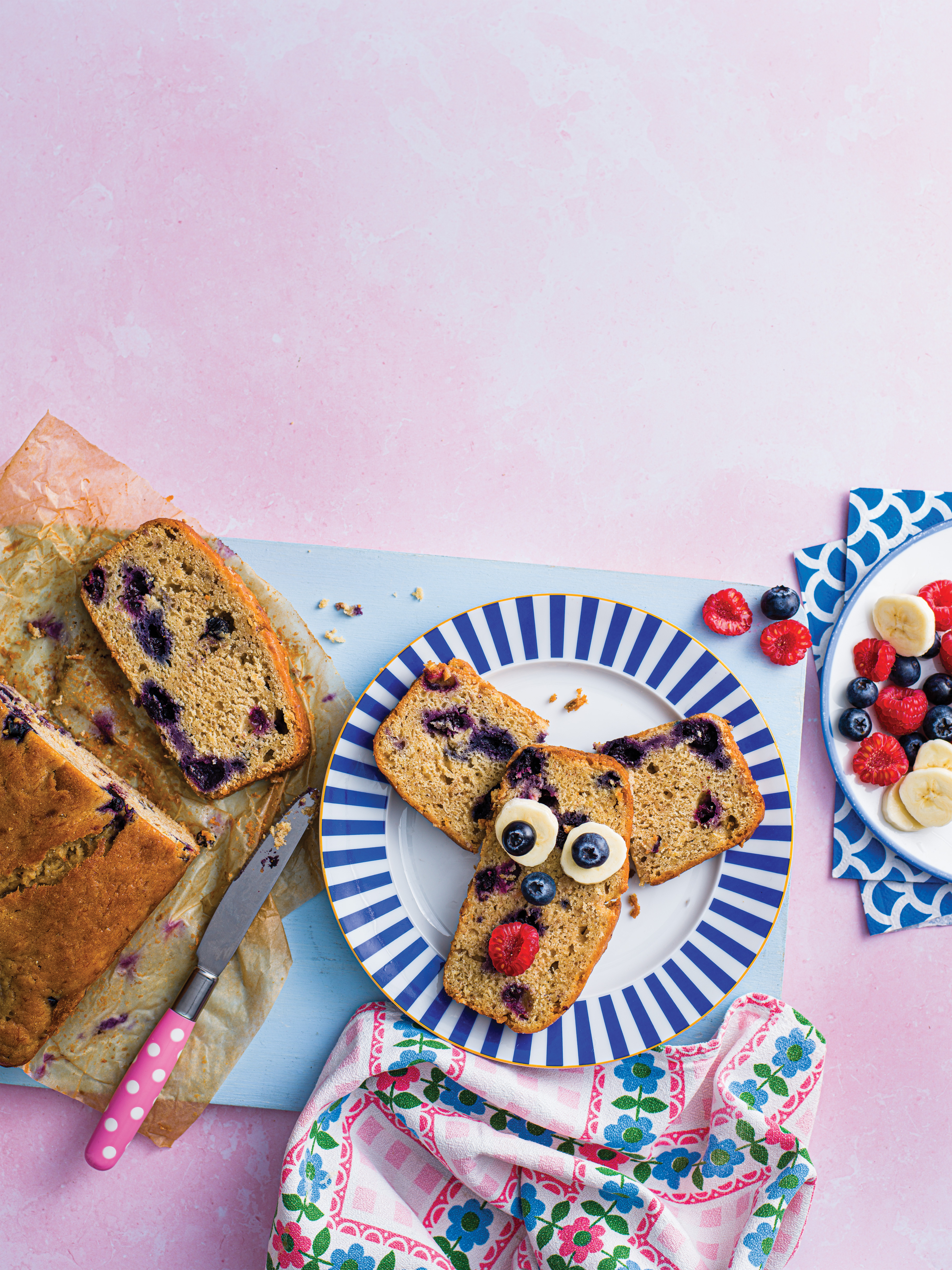
Slice up this fruit-filled loaf to make a delicious doggy face.

Serves 8 | Prep time 20 mins | Cooking time 60 mins

You’ll need: 900g (32oz) loaf tin, baking paper

Banana and blueberry loaf cake

Hachette / Annabel Karmel

Banana and blueberry loaf cake

Ingredients

  • 150g (2/3 cup) butter, softened
  • 125g (3/4 cup) light brown sugar
  • 2 eggs
  • 1 teaspoon vanilla extract
  • 200g (7oz) overripe bananas, mashed, plus extra slices
  • 225g (2 cups) self-raising flour
  • 1 teaspoon mixed spice
  • 100g (3.5oz) blueberries

To decorate

  • banana
  • a few blueberries
  • a few raspberries

Method

Preheat the oven to 160°C (325°F) Fan. Grease and line a loaf tin with non-stick paper.

Whisk the butter and sugar together in a mixing bowl until fluffy. Add the eggs, vanilla, bananas, flour and mixed spice. Whisk together using an electric hand whisk.

Fold in the blueberries and spoon into the loaf tin. Bake in the oven for 50 mins-1 hour until well risen and lightly golden.

Slice into slices and arrange on a plate to look like a dog’s face and ears. Add banana slices and blueberries for the eyes and nose, and a raspberry for the tongue.

My First Cookbook by Annabel Karmel is available to buy now for £12.99.

Share Button

11 Behind-The-Scenes Secrets You Didn’t Know About Love Is Blind

Little did we know when Love Is Blind first landed on our screens back in February 2020, that its concept of finding romance while in isolation would foreshadow the virtual dating trend that came about during lockdown.

Fast-forward three years, and the Netflix reality show is now one of the most popular dating formats on TV, with its fifth season having just launched on the streaming platform.

As we celebrate its return – and look forward the forthcoming UK version that is currently in the works – here are 11 well-kept secrets that might come as a surprise to even the biggest Love Is Blind fans…

Who pays for those engagement rings?

Chris Coelen – who created and produced Love Is Blind – told Variety that when it comes to rings, male contestants are given a choice of “10 or 12 different styles and colours”.

When Jackie from season four decided to keep her ring, despite breaking off her engagement with Marshall, she wrote on her Instagram: “As for the ring, Marshall did not pay for the ring, Love Is Blind paid for all the rings.”

However, other contestants brought rings to the pods with them that were passed down from their families, such as season two’s Kyle, who gave Shaina his mother’s engagement ring.

Season four's Brett poses with his engagement ring
Season four’s Brett poses with his engagement ring

SCOTT GREEN/NETFLIX

How far in advance is the show filmed?

There is a lengthy period between when the show is filmed and when it airs.

For example, speaking on his YouTube channel about the show, Cameron from season one said viewers regularly came up to his parents asking “Are you worried that Lauren is going to say no [to his proposal]?”

He added: “But they were already at the wedding a year and a half ago when it was filmed.”

Do all the couples make it on TV?

No, they do not.

During season one, the production team was shocked by the amount of engagements that occurred, and had to scale back due to budget and time restraints. Unfortunately, this meant two couples who got engaged in the pods didn’t make it on TV (although it’s worth pointing out that neither of them are together now).

The same thing happened when the second season saw two couples getting together, only for their stories not to make it onto the screen. In this case, both couples split before making it to the altar.

How are people cast for Love Is Blind?

Lexie from season one told Cosmopolitan: “I was contacted on Instagram about this new Netflix show, and it came at a time when I was just really fed up of dating.”

Meanwhile, Cameron from the same season, said: “Lauren and I did not apply for casting. Casting from Kinetic [Content] reached out to us for the show. For me, I got text messages.”

The stars of Love Is Blind season one

Is the show scripted?

Producer Chris Coelen has insisted the show is not scripted. In an interview with Entertainment Weekly, he said: “As a producer, I was kind of nervous, like, is anybody actually gonna get engaged? Is anyone going to make it to the altar?”

Adding to this, season one’s Cameron said most of the conversations held on the show were spontaneous and organic, and that there were no scripts involved.

The only artificial thing he saw was when a producer held an iPad in the background urging him to ask a fellow contestant how his date went.

“I don’t see that as a big deal, that’s a question I would have asked anyways,” Cameron added.

The boys debrief during season one of Love Is Blind

Are contestants banned from posting their relationship status online until the show is completely aired?

While the contestants are on the show, they are not allowed phone or computer access. After filming is wrapped, they all seem to keep their relationship status private online until the show is completely aired.

Chris told the LA Times that there isn’t a mandate in place prohibiting them from posting their relationship update or singleton status. However, they are suggested to hold off from sharing clues.

“People are going to do what they’re going to do. But I think generally people buy into the idea that this is something that they do not want to spoil for the audience,” he said.

Are the pods soundproof?

In order to have private and romantic conversations, the pods are soundproof, and only the contestants on the dates can hear what is being said.

“Even if you’re yelling in one pod, you can’t hear it in another,” Chris told Netflix Tudum. He added, “They’re also each fitted with a glass roof and are tall enough — about 40 feet high — that contestants can look up and daydream.”

The Love Is Blind pods are completely soundproof, and fitted with glass ceilings

Are the weddings legally binding?

The weddings on Love is Blind are real so if they break up they would have to get a divorce. Chris told Bustle, “If they choose to get married, yes, it’s a legally binding marriage.”

Bliss and Zach on their Love Is Blind wedding day

SCOTT GREEN/NETFLIX

How long are the contestants actually in the pods for?

The contestants only have 10 days to find their future partner in the pods. Usually, these dates last around 15 minutes at a time.

However, when sparks do start flying, they can range from around three to four hours, like they did for Cameron and Lauren. Typically the contestants go around 20 dates during their time in the pods.

Speaking with Netflix Tudum, Chris describes the period as “10 days of 24/7 intensive therapy”.

“They’re trying to identify every single thing that might be important to talk about before they choose to marry someone,” he added.

The pods are the most iconic part of any season of Love Is Blind

How long does it typically take them to get engaged?

Season one’s Cameron said he proposed to future wife Lauren in just nine days. However, he noted that Netflix made it seem like only four days.

After couples are engaged, they then have 28 days to decide whether they want to tie the knot. Within this period, the lovebirds will go on a couples retreat, after which they are returned to the real world to see how they fit into each other’s lives.

Cameron pops the question during season one of Love Is Blind

Which couples are still together?

From season one, Lauren and Cameron are still going strong, as are Amber and Barnett. When it comes to season two, all couples parted ways in the end.

From season three, Alexa and Brennon are still coupled up, and so are Colleen and Matt. From season four, the most recent season, three couples are still married – Bliss and Zac, Kwame and Chelsea and Brett and Tiffany.

The first four episodes of Love Is Blind season five are available to watch on Netflix now.

Share Button

Long Covid: MRI scans reveal new clues to symptoms

Further evidence emerges that a serious infection can leave some major organs with long-term damage.

Share Button