A Tory MP has called on politicians to be “honest with the public” about why the UK needs immigrants.
Former health minister Steve Brine said there wouldn’t be enough social care workers to “look after your ailing parents” without an influx of foreign labour.
Advertisement
Official figures last week revealed how net migration hit 672,000 in the year to June – three times higher than the government’s target.
Right-wing Conservatives have warned that the party could cease to exist if it fails to bring the number down before the next election.
Rishi Sunak has vowed to “clamp down” on immigration with new measures to reduce the numbers coming to the UK.
But on Times Radio today, Brine said “we need these workers” to do the jobs British people won’t.
And he took aim at former home secretary Suella Braverman, who said the immigration numbers were “a slap in the face to the British public”.
Advertisement
Brine, who is chair of the health and social care select committee, said: “Would that be a slap in the face to the care workers from outside the UK who look after your ailing parents?
“Would it be the Ukrainians that are living among us and contributing to our society, are they the slap in the face? Or would it be the people coming here from British Hong Kong?
“I hear this talk all the time and Labour has fallen into this trap as well. Oh, you know, ‘we need to get to the numbers down’, but which of the groups?”
The Winchester MP added: “We need these workers. We need them, particularly in social care.
“We’ve got around 152,000 vacancies in adult social care. And I just say it again, they are the people who look after your ailing parents and grandparents when families can’t because they’re working. They’re the people that pick up the slack.
“And we need to have a very serious look at ourselves as a society as to what do we actually want to be? Do we do we want to be honest with the public, because we need migration into this country.
Advertisement
“And if we’re just going to slash migration so that we can, you know, meet a political priority, and please the former home secretary then I don’t think we’re serving the society and the economy as we should be.”
As an outsider, there are some things I have to hand to the UK. Crumpets? Delicious. A good roast? The words alone set me drooling. But when it comes to sweet pies, my Irish eyes have landed on a firm winner; those are best done by Americans.
If (like me) you’ve always wondered at cherry pies and craved a pecan tart, I reckon you’ll want to soak up all the cross-Atlantic pie wisdom you can get.
Advertisement
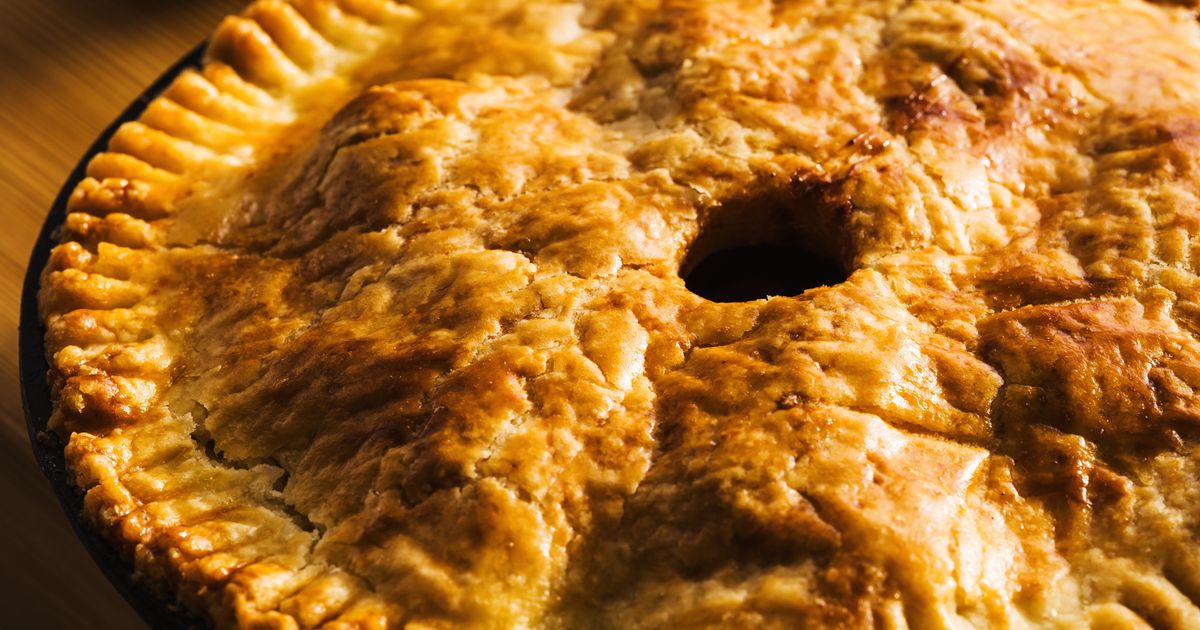
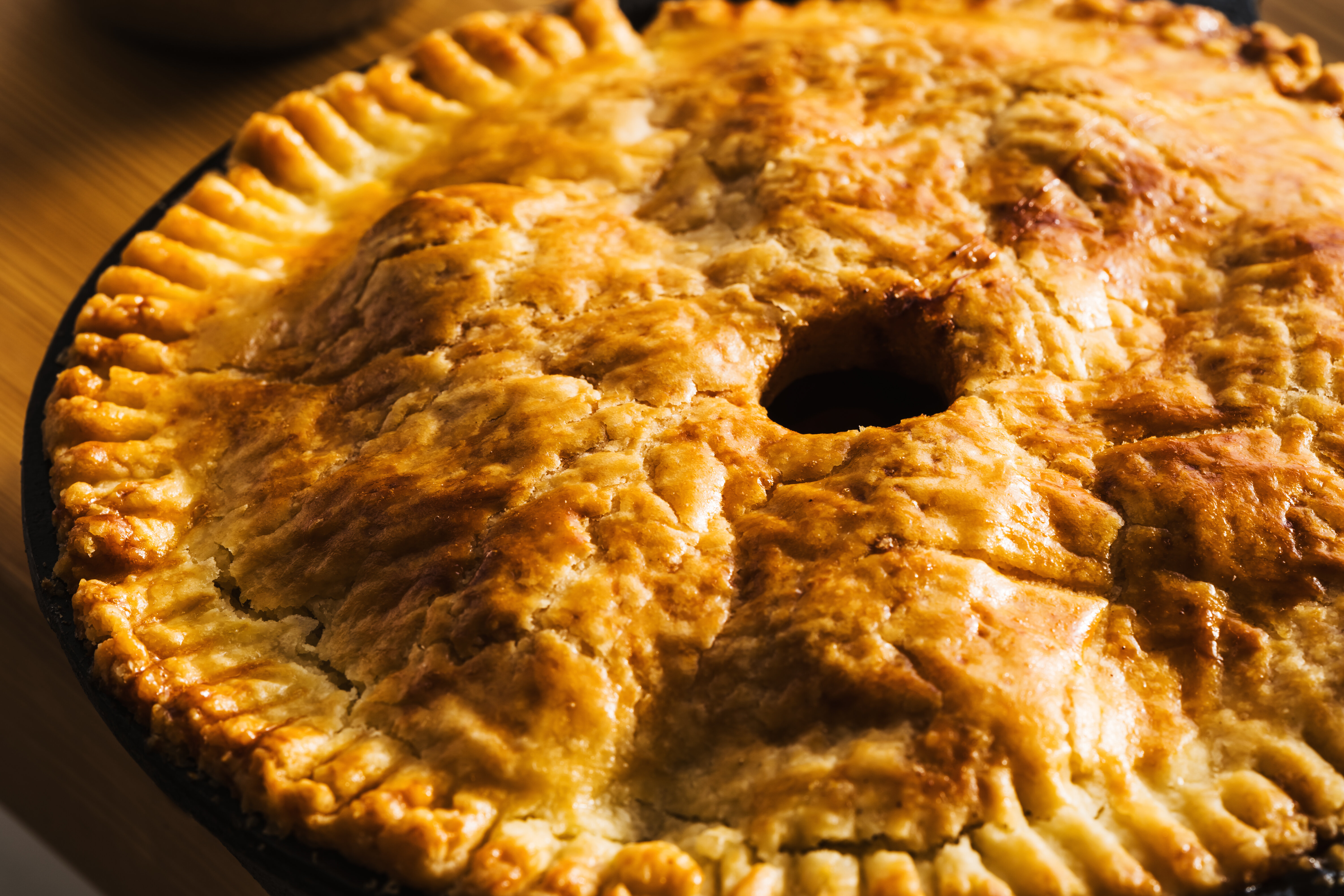
But recently, advice from a friend almost left me to question her knowledge; to bake the perfect double-crust apple pie, try placing it in a paper bag before lobbing it in the oven.
What?
I know! I was confused too. But it turns out the science is sound ― the bag keeps the air in a pie parcel, ensuring the filling stays tender.
On top of that, the bag provides a sort of cover to ensure your pie isn’t exposed directly to the heat of the oven; expect a more even golden colour, and a beautifully-consistent bite.
Of course, the method has its pitfalls. For instance, you’ll want to make sure your paper bag has no glue or plastic in it, as this can provide a horrible taste or, in the worst-case scenario, toxic fumes.
Advertisement
If you can’t be definite about how your paper bag was made, try making your own parchment envelope for your pie out of folded baking paper.
Secondly, make sure your paper doesn’t touch any of the heating elements in the oven directly ― this could cause it to singe and even burn. Keep a safe distance between your paper and the top or bottom of the oven, and the rack above it.
You’re also advised not to let the bag, or parchment, touch the top of the pie. Paperclip, or staple, the sides down; they risk burning if left to flap loose in the fan of your oven.
I know it sounds like a lot, but I promise it’s worth it ― I haven’t had a dessert that good, before or since.
Here’s TikToker and baking enthusiast sherry_skinner showing us how it’s done:
The leader of the right-wing Reform UK party has been accused of “harking back to the 1940s” after he said high levels of immigration were “changing the nature of our country”.
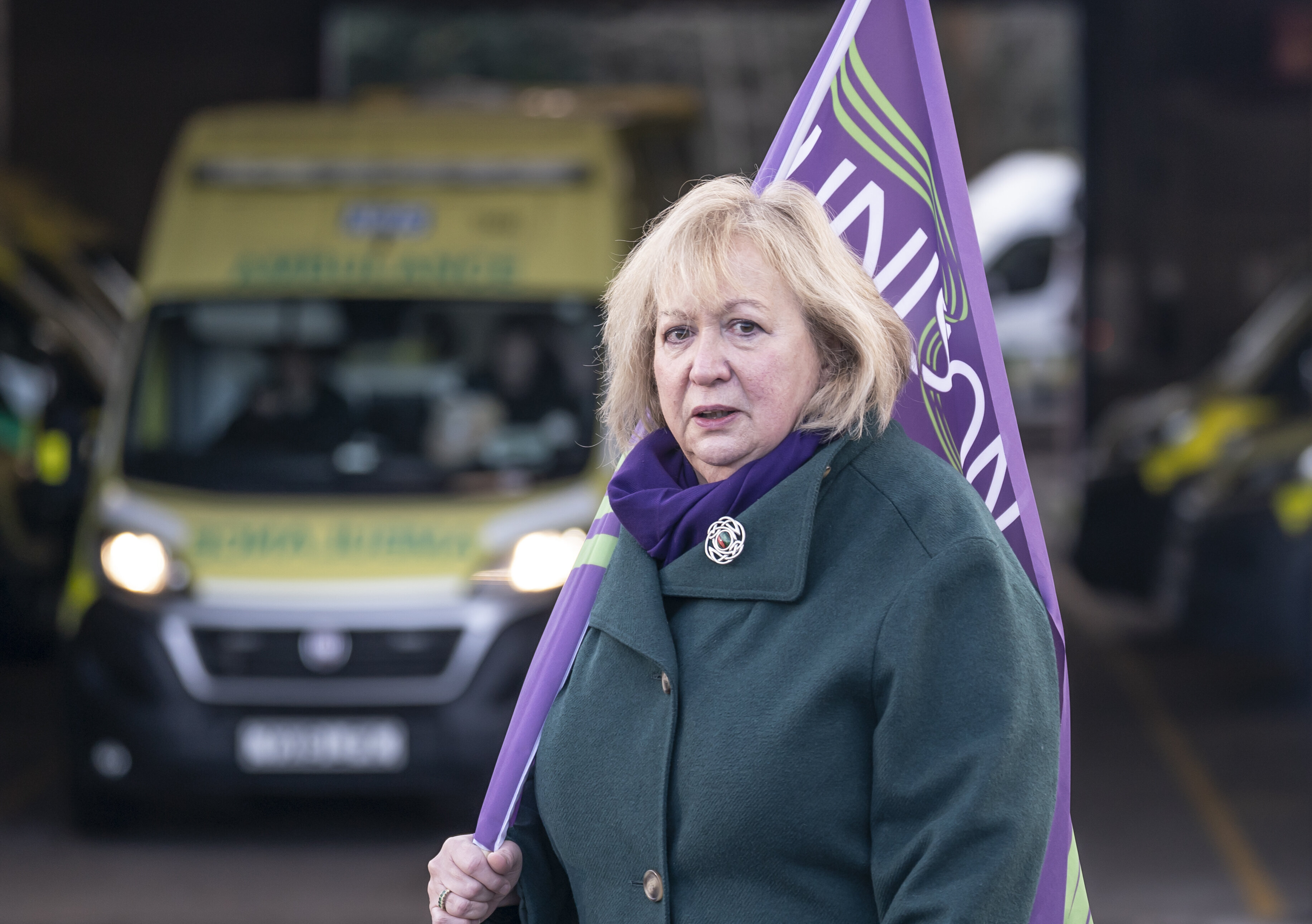
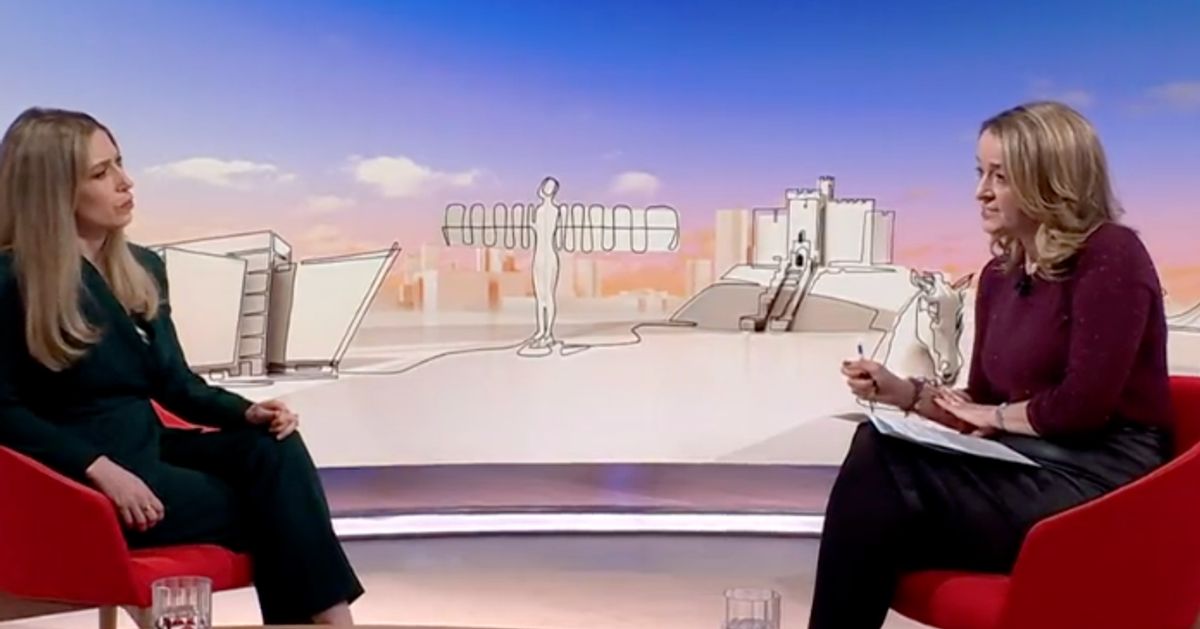
Richard Tice clashed with Christine McAnea, general secretary of the Unison trade union, on BBC 1′s ‘Sunday with Laura Kuenssberg’.
The row came after official figures showed net migration – the difference between the numbers entering and leaving the UK – hit 672,000 in the year to June.
Tice said that was “changing the nature of our country, making us poorer financially and it’s making us poorer culturally”.
But McAnea said: “When I hear people saying things like ‘it will affect our country culturally’ – and I’ve heard you say it before – I don’t even know what that means because we are a country where people come from all over the world.
″I’m the grandchild of migrants from Ireland and my culture of probably very different from yours. It’s an appalling way to turn things into a culture war in this country.”
Asked what he meant, Tice replied: “That sense of Britishness, who we are, our heritage, our history, our Christian values and ethos. That is the base of our single British culture and that’s what we want people to unify under.
“We welcome sensible levels of immigration, but mass immigration – people living in silos, different cultures, is not good for our country.”
McAnea hit back: “This is like harking back to the 1940s or 1950s.”
The chief secretary to the Treasury repeated Conservative claims that her party is reducing the amount people are being taxed – despite clear evidence to the contrary.
Kuenssberg told Trott: “It’s very important that you are clear about the overall picture here.
″The overall picture for our viewers is that the tax burden is going up and up and up and up.”
But the minister said: “That’s actually not true. For people on average wages, their taxes would have been cut by about £1,000 on average since 2010.
“For some of the highest earners, we have asked them to take on more of the burden.”
Kuenssberg replied: “You know, and our viewers will have seen and heard on many occasions, taxes are going to reach a post-war high.
Advertisement
“The overall tax burden is going up. Shouldn’t you just be straight with people?”
Trott said: “I am being straight. If you are on an average income, because of the tax changes that we’ve made, your tax burden will have gone down quite significantly.”
Kuenssberg hit back: “You are going to bring some taxes down, but the overall tax burden is going up – I want people to understand that clearly.”
Jack Harlow has a serious celebrity crush — and is giving fans hints about her identity.
The “First Class” rapper recently appeared on the “Call Her Daddy” podcast and, when asked if he had any A-list infatuations, admitted that “there’s someone.” The traits he listed, meanwhile, curiously matched those of a young starlet Harlow was allegedly seen kissing this month.
Harlow confirmed on “Call Her Daddy” that he does have a celebrity crush but doesn’t think it’s “mutual.” When urged to come out with her name already, the rapper provided Cooper with a handful of hints about her identity — most notably that “she’s beautiful.”
“I’ll tell you, I’ll give you something,” Harlow told Cooper. “I like a girl next door … so I don’t need any internet presence. I like me a librarian. I like a waitress … I really like London. Those women know how to talk. You know what I mean? They know how to talk.”
While Pugh hails from Oxford and not London, she’s certainly British — and notably starred as a nurse in “The Wonder” (2022). The 27-year-old also arrived in Hollywood with a charm comparable to a “girl next door” but has an active internet presence.
Harlow wouldn’t name his celebrity crush, but his hints could all suggest that it’s Pugh.
Scott Garfitt/Invision/Associated Press
Advertisement
“I just think the women over there have a certain wit and a certain, you know, they just are cheeky,” Harlow told Cooper about Brits. “Like they read a lot of books growing up.”
The rapper himself certainly knows what he doesn’t like.
“I don’t like mean-spirited energy at all, and I don’t like toxicity,” he told Cooper. “That’s not one of my fetishes, and I know that’s going right now. There’s a lot of guys that are into that. I have no patience for it. And that’s right now. If you ask me when I turn 30, who knows?”
Anyone who spends time around young children can attest to the fact that picky palates are common. Bold flavours ― especially those that involve heat ― often take little kids by surprise, and many react to the unfamiliarity with loud and adamant refusal. My almost-2-year-old niece, for example, is a mini foodie who loves just about every dish she tries … unless hot peppers are involved. One bite of salsa or guacamole, and she’s in full meltdown mode.
I, on the other hand, have loved spicy foods since I was a toddler (at least, according to my mom), and my adoration for peppers, chilli powder, cayenne, hot sauces and all other capsaicin-loaded eats has persisted into adulthood. That makes me wonder: Can spice tolerance be learned? Can kids develop a taste for spicy foods, even if they’re not immediate fans? And if so, how can a parent go about facilitating this while respecting their child’s preferences?
Advertisement
To answer these questions, we asked licensed nutritionists and dieticians who work with children to provide some guidance on the best ways to introduce young kids to spicy foods — and how to give them the space and the support to decide whether they like these dishes.
Children can begin to encounter seasoned foods at 7 to 12 months.
Most babies begin their foray into solid foods with soft and easy-to-eat items like warm cereal and pureed fruits and vegetables. Generally speaking, these intro foods feature gentle flavours and aren’t seasoned with salt or spices. At around the 7-month mark, though, Los Angeles-based registered dietician Blanca Garcia says that “most families with spicy foods in their cultures start giving infants foods with flavours. [Examples include] beans cooked with onions, garlic or black pepper, ginger, ginger tea and turmeric. For other cultures, spices can also include [mild] curries and garam masala. These foods are not spicy, but they do have flavours that can give the palate the foundation for what is to come.”
Begin by exposing kids to aromatic spices without heat.
As Garcia said, spices that deliver big flavours but don’t include capsaicin (the active component that causes the burning sensation prompted by hot peppers) can whet a child’s palate for more intense spices down the line.
Dawn Kane, a certified food scientist and the regulatory affairs manager for Little Spoon, advises first introducing aromatic spices without heat — think cinnamon, basil, mint or cumin — to kids.
Advertisement
“Start with a small amount to get your little one familiar with the ingredient and gradually incorporate it into more and more meal occasions,” she said. “Adding these spices can help expose your little one to a range of flavours and ingredients, helping to mitigate a future picky eater.”
When it comes to ‘hot’ foods, wait until your child has the ability to clearly say yes or no.
Adding foods with capsaicin to your child’s diet should wait until the child in question can clearly articulate their reaction to these dishes.
Registered dietician and certified nutritionist Reda Elmardi recommends waiting until after the age of 2 to try giving your kids spicy foods, both because of their physical development — she said kids’ taste buds become fully developed around that age — and because children deserve the agency to determine their own comfort levels with hot spices, which can be painful for some people to eat.
Gradually add spice to dishes that your child already enjoys.
Carefully easing your child into the experience of eating spicy food is a smart move.
“Start with a small amount of spice and serve with foods your child already enjoys,” advised registered dietician Johna Burdeos. “For instance, this might be in the form of a spicy dip to go with favourite finger foods, or a spicy sauce or gravy served with noodles, pasta, rice or potatoes. Increase the spiciness gradually, as your child’s tolerance evolves.”
Be careful with the amount of salt you use.
To mitigate the intensity of the spices and/or peppers you use in your recipe — which is always advisable, but especially when you’re cooking for kids who haven’t gotten used to spicy foods yet — keep a close eye on the amount of salt that you’re adding to the dish. Salt can heighten the perception of heat and make a spicy dish feel especially fiery.
Advertisement
Paediatric dietician Cathy Monaghan of Weaning.ie in Ireland urges you to “ensure there is no salt in the spice blends that you are using, and avoid added salt.”
Don’t force your kid to eat spicy foods, but make these dishes available to them if they want to try again.
If you introduce a spicy dish to your child and learn that they dislike it, you may assume that you missed your chance to instil a love of heat in your kid’s tastebuds. Luckily, registered dietician and nutritionist Allison Tallman of SportingSmiles.com assures us that all is not lost — as long as you let your child dictate the pace of future spicy food encounters.
“If your kid continues to disapprove of spicy foods, you can continue to offer them in small quantities, and again, one at a time,” Tallman said. “Do not push your child to eat it, though, as it may build up resentment. Give your child the choice to consume the food when and if desired.”
If your children help you prepare spicy dishes, take proper precautions.
Inviting your children to participate in the cooking process can help develop their overall interest in food, and letting them help as you prep a spicy meal could encourage them to give the completed dish a try. That said, special precautions need to be observed when you and your kids handle hot peppers or seasonings. Kids tend to rub their eyes and faces a lot, which can be very painful if their fingers have touched capsaicin.
Advertisement
“Safety measures for cooking with spicy peppers include being mindful of knives and the hot stove/pans so they don’t get cut or burned. It would also be very helpful to use gloves so they don’t get the capsaicin on their skin or in their eyes and feel those burns,” explains paediatric dietitian Courtney Bliss of Feeding Bliss in Phoenix.
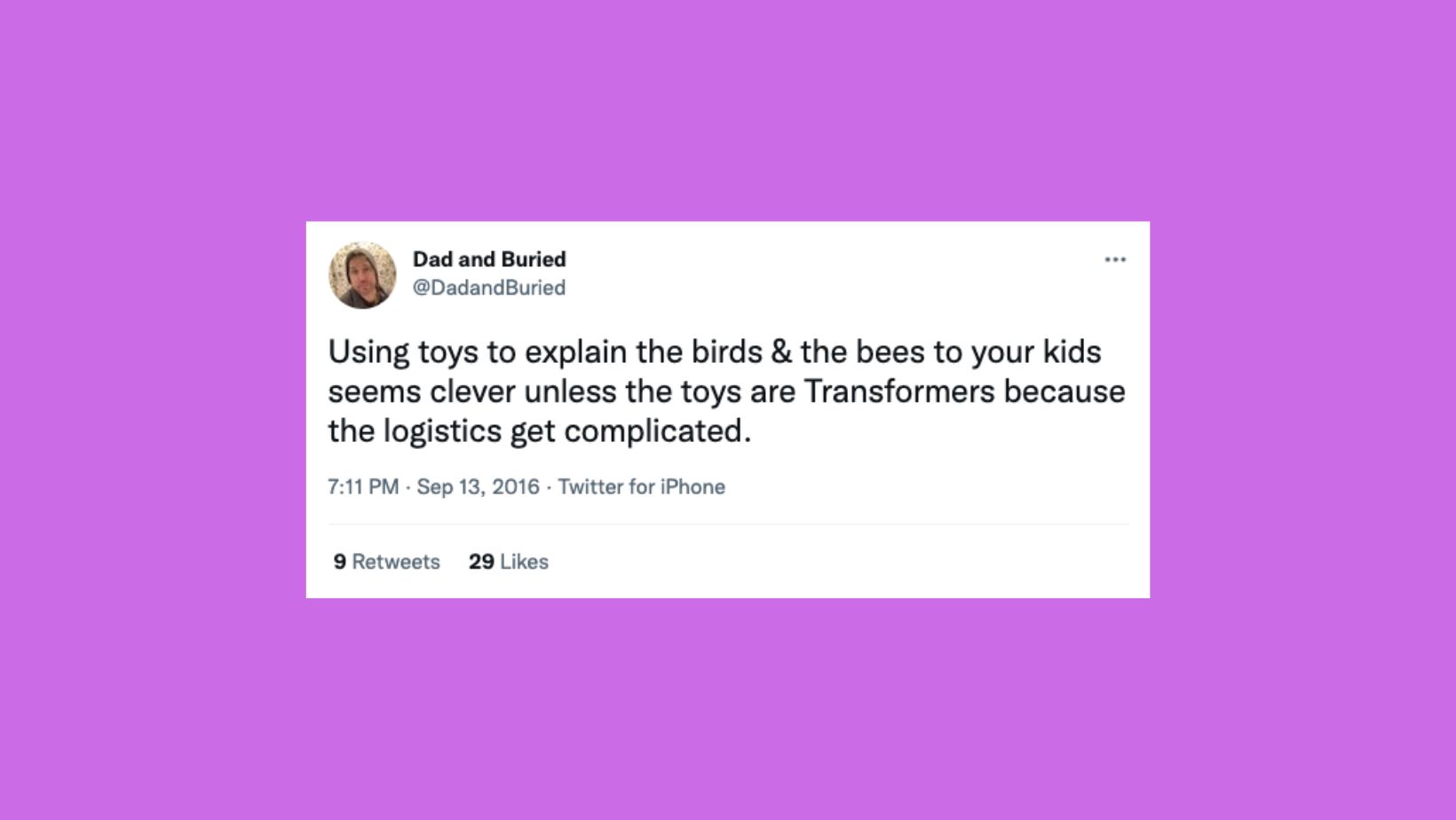
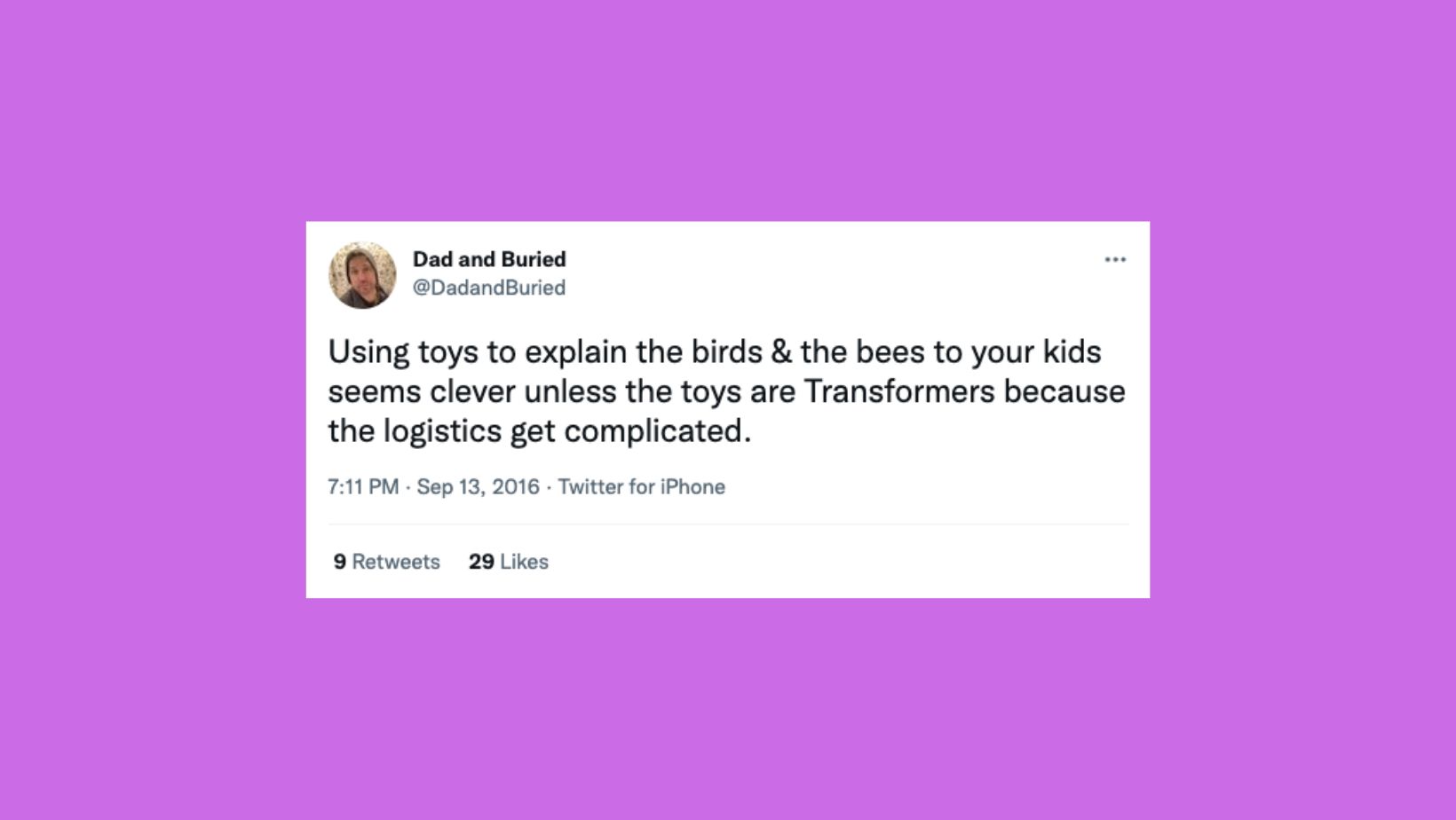
As awkward as it may feel, there comes a time when every parent must have “the talk” with their children. But those early efforts to explain where babies come from don’t always go as planned.
Fortunately, you can always laugh about it! Below, we’ve rounded up 31 hilarious tweets about trying to have the sex talk with your kids.
Well, well, well. Many of you thought the sudden cancellation of Joe Lycett’s new podcast – the Turdcast, in which the comedian was set to interview celebrities about their best poo stories – was a bit suspect.
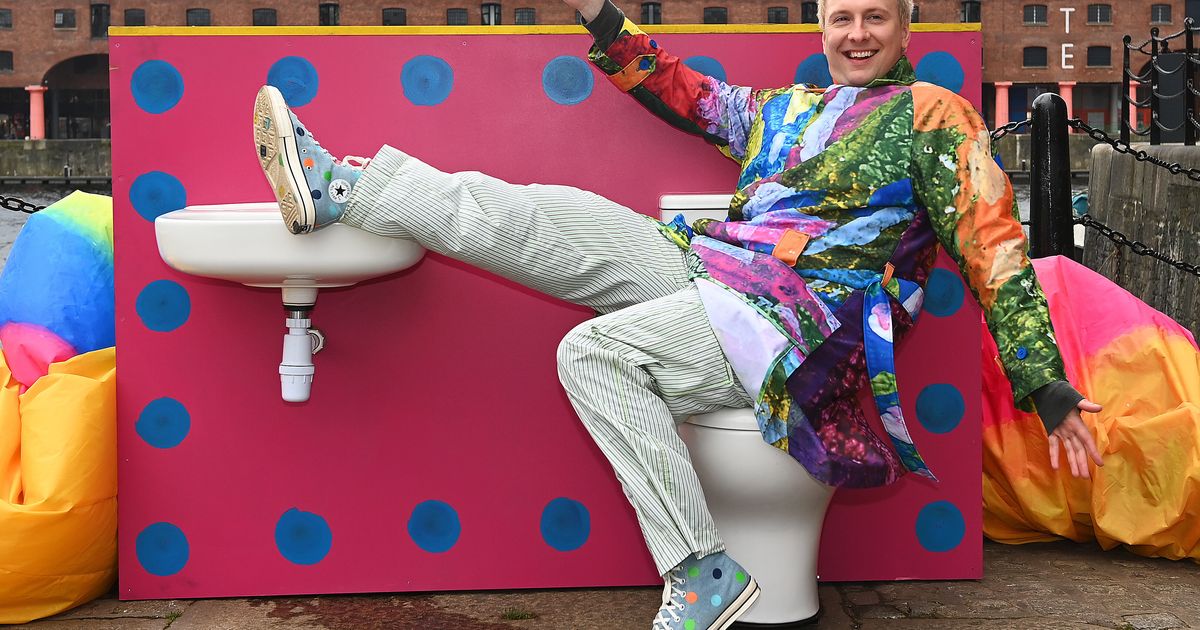
For those of you catching up, yesterday the 35-year-old invited members of the public in Liverpool to “spend a penny/drop a plop” (his words, not ours) before being interviewed about their horrific toilet stories for the podcast.
Advertisement
Or, at least, that was the plan. Because, sadly for Joe, that’s not quite how things turned out.
He confirmed on X that a “mechanical fault occurred” with the public toilet, leading to a “small spillage” and the eventual cancellation of the event – and the INDEFINITE CANCELLATION OF TURDCAST.
Now, this morning, Lycett has confirmed that the whole thing has been a total ruse.
Taking to social media this morning (in a video titled ‘A Statement From Miss Sue Idge’ he revealed: “I thought I would record a little video to explain what’s been going on over the last few days and give my side of the story.
“You might have seen there was a little incident in Liverpool on Thursday. So what I like to do is big stunts that get people talking about the big issues.
“Sometimes those stunts go to plan, and sometimes they absolutely don’t,’ he added, before being presented with a giant fake poo on a plate.
Advertisement
“On this occasion, everything went exactly to plan. Of course I didn’t spill raw sewage into the Royal Albert Dock. I’m not spilling s**t in public everywhere, who do you think I am, GB News?
“No, it was fake sewage from a fake toilet, to promote a fake podcast. Turdcast was never real, although we did record a real one with the real Gary Lineker.”
Okay, so what was the point?
“I spilled fake sewage because I wanted to get people talking about the billions of litres of real sewage that are released every year by our water companies,” he continued.
“Last year, according to one analysis the water companies paid shareholders £1.4billion in dividends. That’s a lot of money that could have been used to improve the sewer network and reduce spills.
“We’re asking the water companies to stop paying dividends and instead invest the money in solving this problem.”
Advertisement
He is now is asking people to ‘write to your water company’ to sign up to Joe’s Poo Promise.
But wait – there’s more. Lycett will now feature in a new Channel 4 documentary which will will investigate water companies as ‘the UK faces a sewage crisis’.
The doc, titled Joe Lycett vs Poo, will be an hour long and will investigate ‘how our waterways have become so polluted and why water companies have been allowed to taint one of our most precious resources.’
You can watch the full video here:
Tom Beck, head of live events and commissioning editor for Channel 4, said: “Joe is our leading mischief maker; he uses humour, wit and absolute fearlessness to call out companies, celebrities and even our politicians.
“He’s taken on the oil giants and David Beckham; now he’s highlighting one of our biggest environmental issues by diving into the murky waters of the utility companies polluting our seas and rivers.
Advertisement
“It will be provocative, revealing, important and feature lots of poo jokes. Who else could promise all of that?”.
What do the Julia Roberts 2010 flick “Eat, Pray, Love” and the cult classic Coyote Ugly, released a decade before it, have in common? It’s not the vibes, it’s definitely not the soundtracks, it’s actually author Elizabeth Gilbert.
Elizabeth Gilbert, author of bestselling books such as Eat Pray Love and Big Magic is actually at least partly responsible for the big magic of Coyote Ugly.
Advertisement
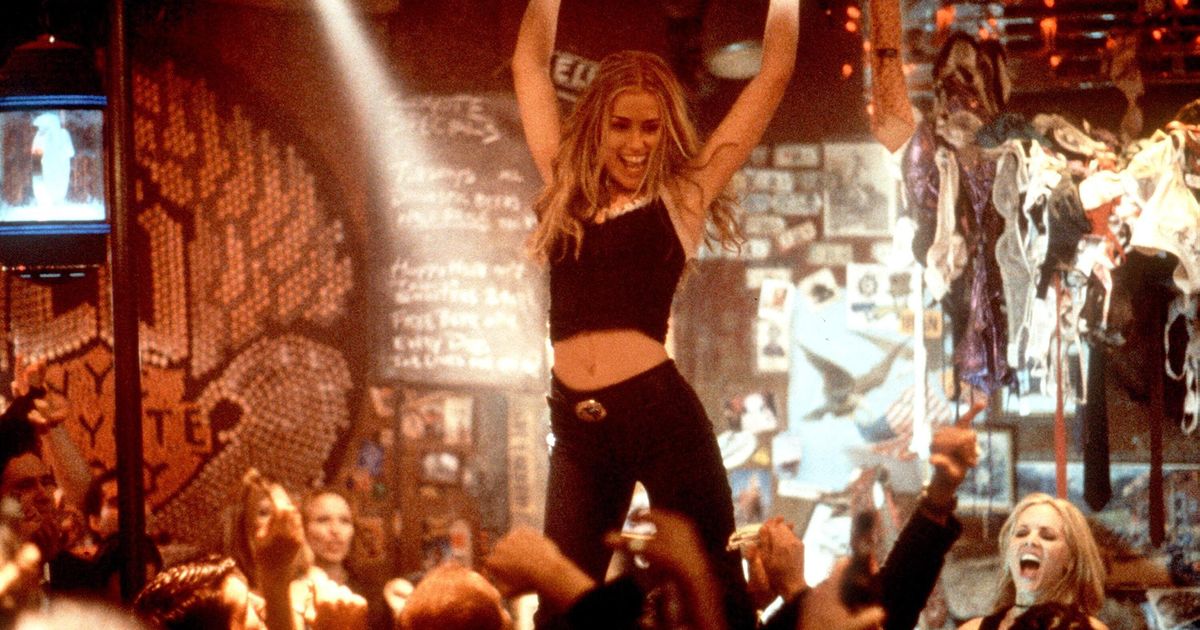
That’s right, while the two might seem worlds apart, Elizabeth Gilbert was actually a bartender at the original Coyote Ugly bar in the East Village, NYC.
While in a Facebook post the writer said that she was “dancing on the bar and everything” at the time, she tended to opt for sensible shoes and long tops which isn’t quite the vibe we know and love.
How did Elizabeth Gilbert inspire the Coyote Ugly movie?
This has come to light following a TikTok creator called Alwyn Hamilton highlighting that the two films are related and, in fact, the protagonist in each movie is actually the same person, though they might seem lightyears apart in attitude and demeanour.
So, the bar-dancing, hip-swinging woman we saw in Coyote Ugly goes on to become the soul-searching, earth-wandering woman in Eat, Pray, Love.
Advertisement
The two stories were based on Elizabeth’s experiences. The Coyote Ugly days of her life were detailed in an essay written for GQ in 1997 called, ‘The Muse of the Coyote Ugly saloon’ and of course, Eat, Pray, Love is a memoir of Elizabeth’s breakdown and recovery and was published in 2006.
It might not be the most obvious double-bill but the two films give an insightful glimpse into the writer’s incredible life over two decades.
To take just one stunning example, the British Heart Foundation explains that women 50% more likely to be misdiagnosed when suffering from a heart attack than men.
Advertisement
Twice as many women as men die from the underlying cause of heart attacks too – coronary heart disease.
Meanwhile, erectile dysfunction (which affects 19% of men) is studied in research five times more often than PMS, (which affects 90% of women), according to ResearchGate.
And endometriosis – where tissue like those which line the womb are found outside of the organ – can cause fertility issues, pain, fatigue and heavy bleeding as well as wellbeing issues. It takes an average eight years to be diagnosed.
Much of the issues come down to a lack of research and funding into women’s health.
The first ever plan to reduce these inequalities was only introduced last year in the government’s Women’s Health Strategy. It’s a start, but the examples mentioned above show we are still a long way off gender health equality.
Advertisement
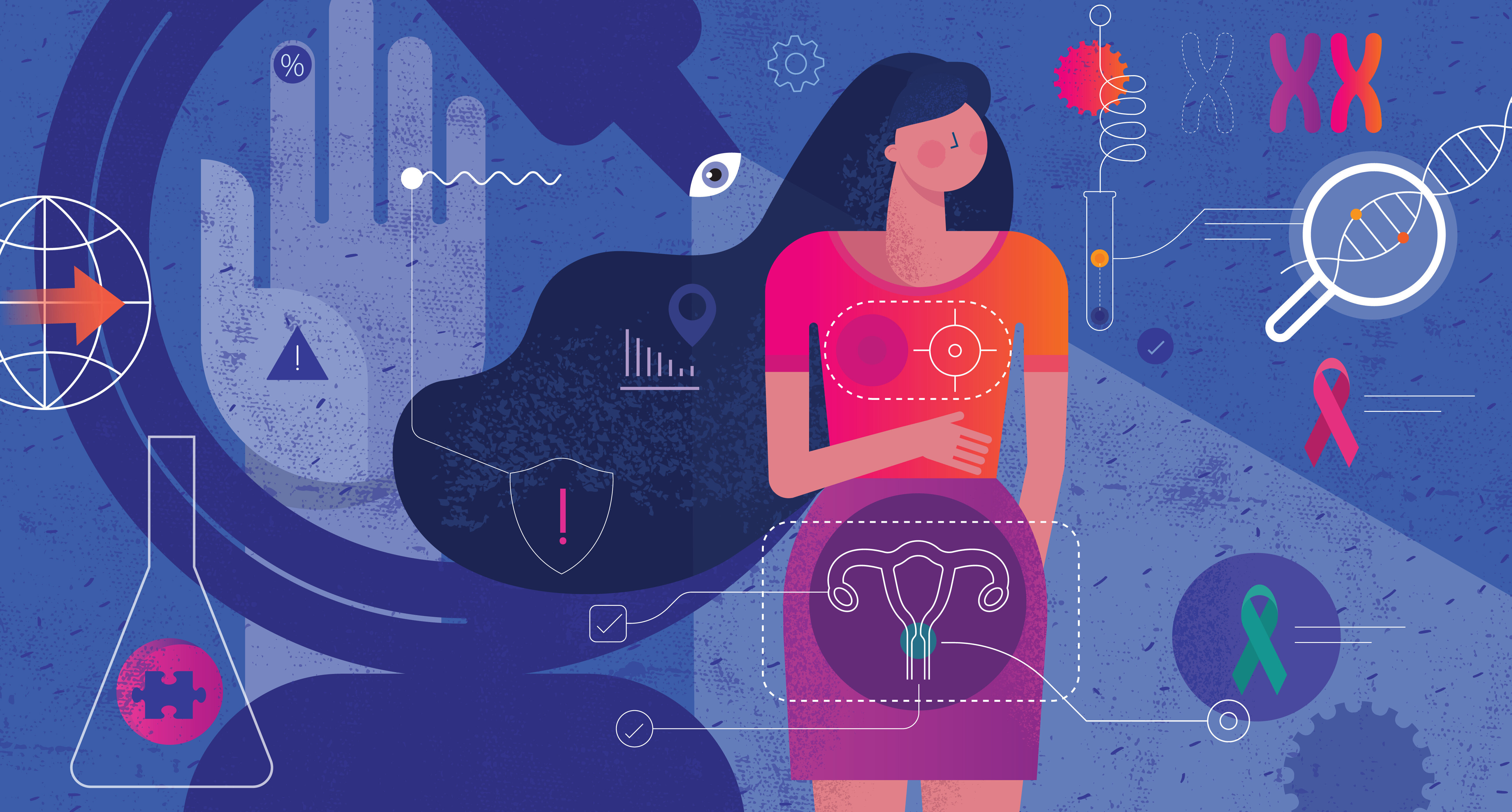
So, what would life look like if women had the same healthcare as men? Women’s intimate health brand INTIMA has produced a report imagining just that – and its findings are extraordinary.
1. Equal health would shrink the gender pay gap
The gender pay gap is an issue women still struggle with around the world. From November 22, the average woman in the UK is effectively working for free until the end of the year – that’s how large the discrepancy between women’s salaries and men’s salaries is.
The charity calls for more flexible working in an effort to improve women’s pay.
But it’s also worth recognising that health plays a large role, too. A whopping 89% of people experienced stress or anxiety in the workplace because of their period.
INTIMINA points to research dating back to 2015, which claimed women in the UK take 17 million sick days a year because of PMS. A third of women also take at least four sick days a year.
Advertisement
More than a third reported heavy menstrual bleeding too, which has been connected to higher unemployment and workplace absences.
Research from BUPA found a million women dropped out of work because of unmanaged menopause symptoms.
If these conditions were better researched, addressed earlier and talked about more openly, it could reduce absenteeism in the workplace, INTIMINA suggested. Flexible working would help deal with these conditions, too.
Advertisement
2. Economic boost
If there was no gender health gap, It could save £18 billion a year, according to INTIMINA.
That’s because endometriosis costs the economy £8.2 billon a year through treatment, loss of work and healthcare costs.
So it makes sense to invest in services to help treat these conditions.
And, according to the NHS Confederation, every pound invested in the NHS ends up giving £4 back to the economy by boosting productivity and workforce participation – truly, a win-win.
3. Boost for perinatal care
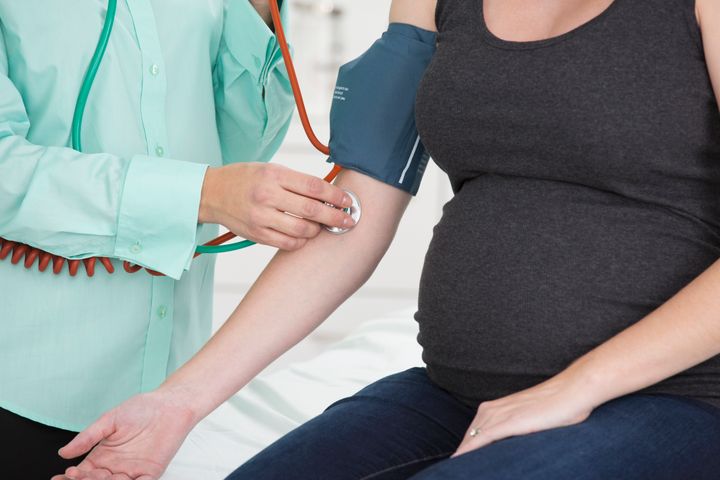
Healthcare professionals too often miss new mothers’ mental health struggles, the report revealed.
NHS England’s website also explains: “Perinatal mental health problems that are not treated effectively cost society £8.1 billion every year, with the annual cost to the NHS estimated at £1.2 billion.”
Suicide is the leading cause of maternal death during pregnancy and up to one year after it ends in the UK.
But as INTIMINA pointed out, many of the physical issues like incontinence or prolapse can be treated with early intervention and physiotherapy – which can help make new mothers’ lives a little easier.
Advertisement
Ariel Skelley via Getty Images
4. Orgasm gap? Eradicated
Research from 2018 suggests women in lesbian relationships orgasm 86% of the time, and women in straight relationships 65% of the time.
For men, it’s 95% of the time in straight relationships and 89% of the time for gay men – meaning there is an orgasm gap.
But, if women felt more comfortable getting to know their own bodies and speak to their doctors, INTIMINA suggested this would change.
Advertisement
Reduced pain, better mental health and better sex would all have knock-on effects for women’s relationships, too.
5. Women’s mental health improves
More research into conditions impacted by women – like PMS and Endometriosis – could offer a substantial boost to women’s mental health.
If endometriosis could be diagnosed after the first GP appointment – instead of after the average eight years – it would help relieve the 95% of patients who reported it had a negative impact on their wellbeing.
INTIMA claimed: “Earlier diagnosis and more effective treatments would help to reduce the mental health toll of menstrual and reproductive health issues. Symptoms would no longer be a barrier to living a full and well-rounded life.”
Advertisement
The brand suggested that, in turn, this would help reduce depression and anxiety among those who suffer.