Jennifer Lopez has finally addressed critics of one of her most recent business ventures, a canned cocktail called Delola.
The Jenny from the Block singer drew some backlash in April when she announced her venture into the alcohol industry, since she has spoken in the past about not drinking.
Advertisement
“I have been grinding nonstop for decades and more and more, I realise the importance of enjoying life,” Lopez said in the advertisement announcing Delola. “I just wanted to create something better. Better tasting, better ingredients, something I want to drink with my friends and family, and that is Delola.”
Citing a source close to Lopez, CBS News noted at the time that Lopez has “been pictured drinking at events over the course of her career, but has chosen to limit her drinking to improve both her health and appearance”.
But the singer herself never directly addressed anything on the record ― until now.
“You know what, I know that a lot of people have been talking about, like, ‘Oh, she doesn’t even drink,’” Lopez said in a video posted to Instagram on July 4. “‘What’s she doing, you know, with a cocktail line?’”
“And to tell you the truth, that was true for a long time. I didn’t drink,” she explained. “A few years back ― as you will see from several photos over the past 10, maybe 15 years ― I have been, you know, having the occasional cocktail. I do enjoy the occasional cocktail.”
Advertisement
“I do drink responsibly,” she added. “I don’t drink to get shitfaced. I drink to be social and have a nice time and just kind of relax and let loose a bit, but always responsibly.”
A 2018 InStyle article noted that Lopez “credits her looks to the wholesome habits she’s maintained throughout adulthood: no caffeine, no alcohol, lots of sleep”.
“I’ve taken care of myself, and now it shows,” Lopez told the publication at the time.
While promoting the launch of Delola this past April, Lopez told Food & Wine that she hadn’t “been a big drinker my whole life”.
“For a long time, I didn’t drink at all,” Lopez said. “But I’m very particular, and I wanted [Delola] to be something that’s easy to pour over ice and drink.”
Advertisement
Blake Lively recently received some similar backlash, after the Gossip Girl star, who has spoken about her decision not to drink, launched a cocktail line of her own.
“Drinking isn’t my thing. But for f* sake, flavour is,” Lively wrote last week in the caption of an Instagram post announcing the new line. “Homemade recipes. Real fruit. Real ingredients. Quality booze. No crap. Also a real time saver. Which is why I really did it.”
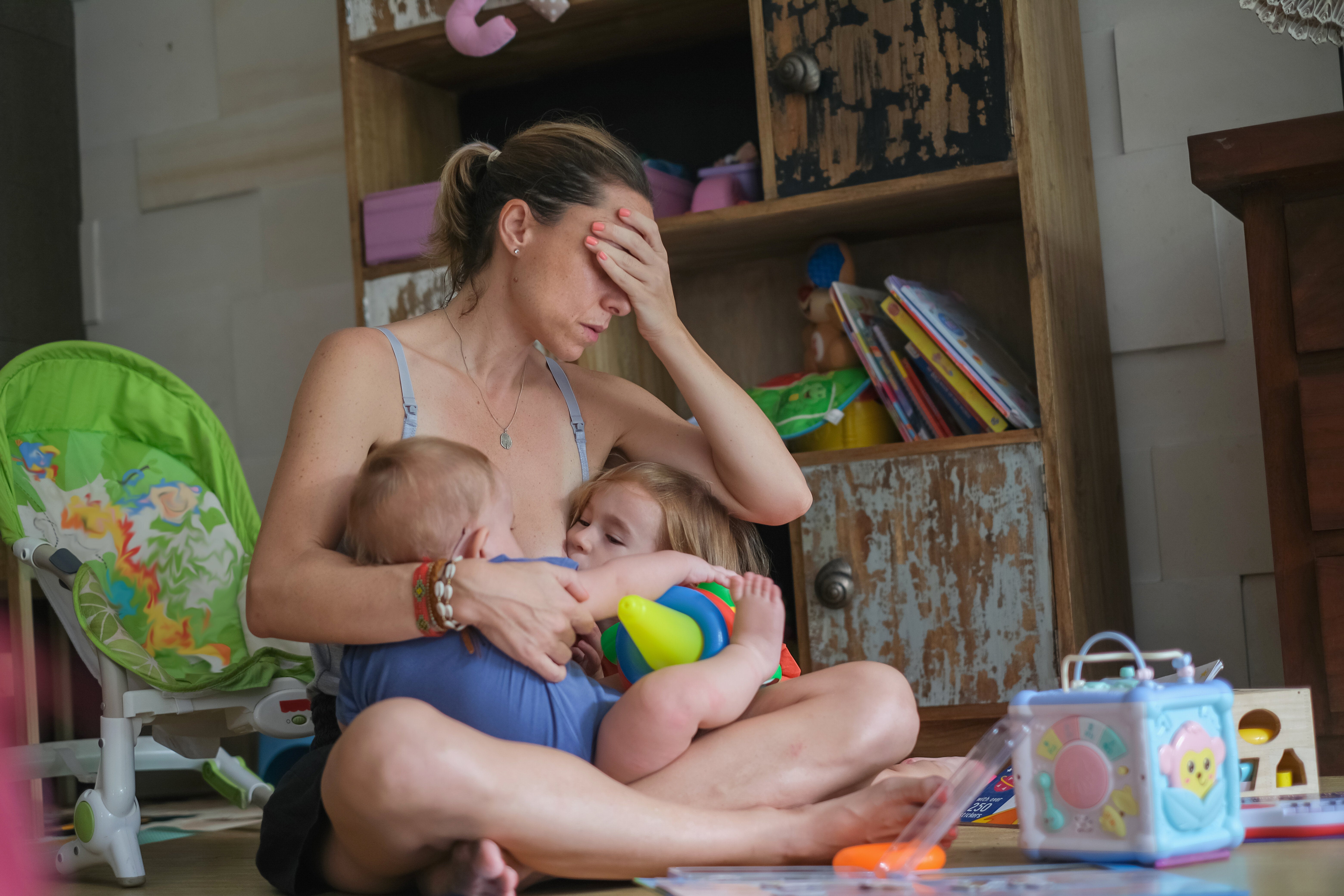
As a breastfeeding mother of three, Krystal Duhaney is no stranger to the sensation of being “touched out”. She describes it as “reaching the point where you just want a little breathing room from constant physical contact”.
“Don’t get me wrong, I love cuddling and snuggling with my little ones, but there are moments when I feel like I’ve had enough,” Duhaney, a registered nurse, lactation consultant and founder of MilkyMama, told HuffPost.
Advertisement
“Imagine having tiny hands tugging at your clothes, clinging to your legs, lifting up your shirt, and constantly wanting to be held. It can be overwhelming, especially when you add breastfeeding into the mix. Sometimes, all you want is a moment of personal space to recharge and gather your thoughts.”
This phenomenon is most often reported by mothers, but any parent or caregiver can experience it. Some have described it as a skin-crawling or claustrophobic feeling. For Duhaney, being touched out can make her feel “a bit irritable and impatient”.
“It’s like my body is craving a break from the never-ending physical demands,” she said. “It doesn’t mean I love my children any less. It’s just a natural reaction to the constant touch and sensory stimulation.”
Parents may feel touched out for any number of reasons. The near-constant physical contact when taking care of young children, especially, is a big contributor – think nursing, rocking, holding, cuddling, baby-wearing, co-sleeping, etc. Personal space and alone time are in short supply when you have a baby or a toddler.
Advertisement
“Breastfeeding demands, especially when coupled with frequent nursing sessions, can add to the feeling of being touched out,” Duhaney said.
“Sometimes, all you want is a moment of personal space to recharge and gather your thoughts.”
– Krystal Duhaney, mother and lactation consultant
Plus, there’s the “sensory overload from the combination of physical touch, noise and other stimuli,” which can be overstimulating to moms, she added. This may be especially pronounced for mothers with ADHD or other neurodivergent parents.
The heavy mental and emotional burdens of modern parenthood – like the pursuit of trying to “do it all” – likely play a role in feeling touched out, too, experts say.
“There isn’t much space left to think about yourself when you are worrying and thinking about your child, spouse, and all the other tasks you are responsible for,” marriage and family therapist Gayane Aramyan told HuffPost.
Advertisement
Naturally, all of this can take a toll on your relationship with your partner, too. Aramyan said her clients who are mothers often tell her they “literally don’t want to be touched anymore at the end of the day” and “just want their own space”.
“It’s really hard to make space for the family members who are not infants to have close intimate touching when you have an infant hanging off of you all day,” psychologist Louise Packard told Motherly.
If you’re feeling touched out, here’s how to cope
urbazon via Getty Images
“Whether it’s enjoying a cup of coffee alone, taking a quick walk, or simply locking yourself in the bathroom for a few minutes of peace, those moments of solitude can work wonders,” Duhaney said.
First, know that as unpleasant as this sensation can be, it is a very common experience and is in no way a reflection of your parenting abilities or the love you have for your family.
Mums often feel guilty for being touched out, but they shouldn’t: Bodily autonomy is a “normal human need,” psychologist Jessica Combs Rohr wrote in a blog post for Psychology Today.
Advertisement
“A fun thing about motherhood is you almost always feel like you are being a bad mother if you have a normal human reaction to difficult experiences,” she wrote in the story.
When you’ve reached your touch limit, communicate that to your family. Explain that you love them, but you need some time or space for yourself right now.
When you’re not so overwhelmed, have an honest conversation with your partner about what you’re feeling. That will help them understand what you’re dealing with and realise it isn’t personal.
“Set some boundaries and ask for support,” Duhaney said. “Your partner, family or friends can help share the load and give you some breathing room.”
Try to schedule some “me” time every day — even if a few minutes is all you can manage.
“It can be as small as 10 minutes before everybody else waking up,” Aramyan said. “Or taking 10 minutes during your child’s nap to not do anything but sit and read, or meditate. It’s important to fill our cup not just with girls’ nights or date nights or exercise, but to have something that happens daily for us to get something done for ourselves.”
Advertisement
Duhaney said it’s also important to give yourself permission to take breaks without feeling guilty about it.
“It’s OK to step away and recharge. Find moments throughout the day to steal some personal space,” she said. “Whether it’s enjoying a cup of coffee alone, taking a quick walk, or simply locking yourself in the bathroom for a few minutes of peace, those moments of solitude can work wonders.”
Connecting with other parents who understand firsthand what you’re going through can also help.
“Find online communities or local mom groups where you can share your experiences, vent, and get advice from moms who’ve been there,” Duhaney said. “Sometimes just knowing you’re not alone in feeling touched out can bring a sense of relief and validation.”
If your partner is the one feeling touched out, here’s how you can help
If you’re the partner of a touched-out mum, be supportive and understanding. Respect her boundaries, which may mean putting your desire for physical affection on the back burner temporarily.
“Show empathy and understanding by acknowledging her feelings and validating her experiences,” Duhaney said. “Let her know that you’re there for her and ready to help in any way you can.”
Advertisement
Make sure you’re pulling your weight when it comes to caregiving and other household responsibilities. See where you can do more to lighten her load.
“Offer to take over some tasks, such as feeding, diaper changes or bedtime routines, to give her a break,” Duhaney said. “By sharing the load, you’ll provide her with the opportunity to recharge and have some much-needed personal space.”
“Pay attention to signs of her feeling overwhelmed and step in to assist before she reaches her breaking point.”
– Duhaney
Be proactive about stepping up without always needing prompting or reminders from your partner.
“Anticipate her needs and offer help without waiting to be asked. Pay attention to signs of her feeling overwhelmed and step in to assist before she reaches her breaking point,” Duhaney said. “Proactively taking care of household chores or offering a listening ear can go a long way in easing her burden and making her feel supported.”
For the time being, sex may feel like yet another thing she has to do for someone else — but there are many other ways to foster intimacy. Maybe that’s getting a date night on the calendar once a month, setting aside 15 minutes at night to talk about stuff other than kids or household logistics, holding hands while watching TV or giving her a foot rub after a long day.
Advertisement
Encourage your partner to prioritize time for herself and help her make it happen.
“Support her in taking time for herself, whether it’s a relaxing bath, a solo outing, or pursuing a hobby she enjoys,” Duhaney said. “Offer to take care of the kids during those times, so she can fully focus on rejuvenating herself.”
Rodrigo, browsing with Vogue magazine writer Jia Tolentino for the August cover story, found a PORN IN THE U.S.A.! bootleg live recording from a 1984 Springsteen concert in Toronto.
“He’s my biggest celebrity crush of all time,” Rodrigo said, tucking the record under her arm. “I think I might have to get this for my new apartment. Yeah, you’re coming home with me.”
Springsteen adds to a list of music icons Rodrigo has shown love for.
The singer took the Madison Square Garden stage with Billy Joel last summer to perform Deja Vu, a song that mentions the Piano Man singer. The pair also performed Joel’s Uptown Girl and shared a hug.
Rodrigo told Vogue that she also considers Carole King “among her major influences.”
King, in an interview with the magazine, praised Rodrigo’s songwriting.
“You could tell she really believed in the lyrics. And that there was substance behind them, craft and substance,” King said. “I was struck by how grounded she is. She’s a professional in everything she does — she’s been a professional for a long time.”
She added: “She begins by speaking for herself, but she speaks, in the end, for so many young women. And I love her. I’ve only met her for one afternoon, but I love her.”
A mum has revealed how just six months after giving birth, she can’t remember the pain of labour. And it’s something many – but not all – can relate to.
“My husband thinks this is crazy. But I didn’t know if anyone else experienced this,” revealed the parent. “I gave birth almost six months ago and I don’t remember the pain.”
Advertisement
The phenomenon is not uncommon. Lots of women report not quite remembering the sensations of labour, even though they recall it was painful for them at the time.
“I vividly remember being in pain, and clutching the hospital bed rails with all my might, but the actual pain, [I] can’t recall it for anything,” said the mum, taking to Reddit.
“It blows my mind. Like I know I had contractions for hours, but I couldn’t even tell you what they felt like.”
Other parents were equally baffled and shared their own experiences of not remembering the sensations of birth. “I remember between (screaming through) contractions I said to my husband, ‘how do siblings exist?!’” said one.
Advertisement
“Two weeks later I’m picking out sibling names.”
But not everyone shared the reduced memory recall, as far as pain was concerned. “I can vividly recall every single pain and I’ve already decided to never do it again,” said one parent.
Another added: “Can’t relate. The pain haunts me daily.”
So, why is this?
Unsurprisingly it’s not a well-studied area, but one study of women’s memory of labour pain – from two months to five years after birth – found memory of labour pain did decline in a lot of women over a period of time.
But for those who had a negative overall experience of childbirth, the memory of labour pain didn’t decline. What’s more, women who had an epidural – suggesting they experienced extreme pain during birth – reported higher pain scores at all time points, suggesting that these women remember the ‘peak pain’ of labour.
In a piece for the Conversation, Monique Robinson, of the Telethon Institute for Child Health Research at The University of Western Australia, suggested lots of other factors can play a part in how a birth is remembered. So things like: satisfaction with care-providers, choice of pain relief, level of medical intervention, complications, outcomes for the baby, and other personal factors.
All of these would add up to either form a positive or negative birth experience. Positive experiences are less likely to be associated with pain, whereas negative ones are.
Advertisement
Discussing why some people might forget the pain of birth, Jennifer Conti, clinical professor of obstetrics and gynaecology at Stanford University, told Self her theory is that from an evolutionary perspective, the survival of our species could depend on women forgetting the pain of labour and birth.
“If you can’t remember how intense your [birth experience] was, maybe you’re more likely to do it again and reproduce,” she said.
“I often hear women say that they can remember that they were in pain during labour, but can’t actually recall the perception or intensity that well. On the other hand, there are women who swear they remember the event like it happened yesterday.”
Potty training is not for the fainthearted. It requires oodles of patience, a lot of wipes and an ability to be increasingly chilled when a poo turns up on your nice cream carpet.
But once your child is out of nappies and proudly doing wees and poos in their potty (or on the toilet) it’s a very rewarding feeling for all involved.
Advertisement
One mum-of-two recently took to TikTok to share how she managed to potty train her two-year-old in 72 hours (aka three days) – and we have nothing but respect for this toileting champion.
Courtney Ryrie-Novack, who is known as @scottishcourt on the app, said she used something called the ‘3P method’.
Those Ps stand for: persistence, patience and praise. Sounds interesting. So what does it all involve?
Advertisement
For starters, Courtney shared that she and her toddler didn’t leave the house for three days while they embarked on the potty training mission. And for that entire time, her son was naked.
Discussing the ‘persistence’ part of the 3Ps, Courtney said this is “most important” in the first day or however long it takes for your child to grasp that the potty is where they need to do poos or wees.
“Personally for us it was one day to know where the pee or whatever goes. So every 10 minutes you’re going to put your child on the toilet and say: you need to go pee, or poo, or whatever word you want to use,” she explained.
“You’re going to fill them up with juice … and you fill [them] all day long, and every single 10 minutes: [put them on the] toilet, toilet, toilet. And you do that until it’s bedtime, and that’s when we put a nappy on.”
She added that when her son first started using the potty, they’d use a distraction like an iPad to keep him sitting there, because otherwise he would try and run away.
Advertisement
There were some downsides to this technique, however. “He kind of tried tricking us sometimes by sitting on it for like 20 minutes so he could watch 20 minutes of his iPad, but we kind of let it pass the first day because – like I said – it was his first day,” she said.
By the end of the first day, Courtney said her son knew where he needed to pee and would know to get his parents, so they could take him to the toilet. And by the end of day two, he was going to the toilet by himself.
The mum added that ‘patience’ is also crucial during this time – and especially on the first day – because there will be a lot of accidents.
On the second day, she said her son was no longer having any accidents in the wee department, but did a couple of rogue poos. But that’s to be expected.
Moving on to the third P – ‘praise’ – Courtney said this is definitely the most important part of the process.
Advertisement
“We’re never going to scold our kid for missing the toilet, not making [it to] the toilet, or just not doing it in the toilet,” she said. “Because it’s not their fault. All they’ve known their whole life is ‘do it wherever I am in my diaper’.”
So, when children end up weeing or pooing on the potty, she encouraged parents to check what’s in the potty and then cheer and celebrate with them. She suggested you could give them a sticker, sweet or a toy – “whatever you think will motivate them”.
In her case it was chocolate, and it worked like a dream.
Fellow parents were keen to try the process, while others shared their own success. “I was a toddler teacher and this is exactly how I ended up potty training my two boys and how I recommended my friends potty train theirs,” said one mum.
There is no set age to start potty training as every child is different, however the NHS does recommend that around the age of 18 months to two years old parents can introduce sitting on the potty as part of the normal daily routine.
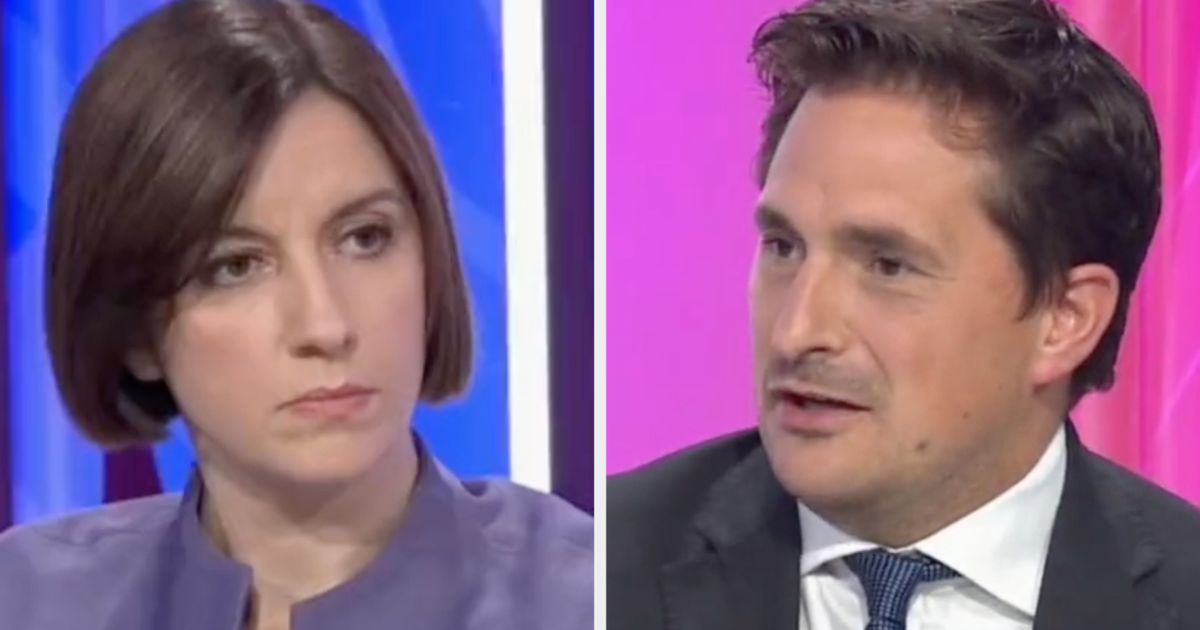
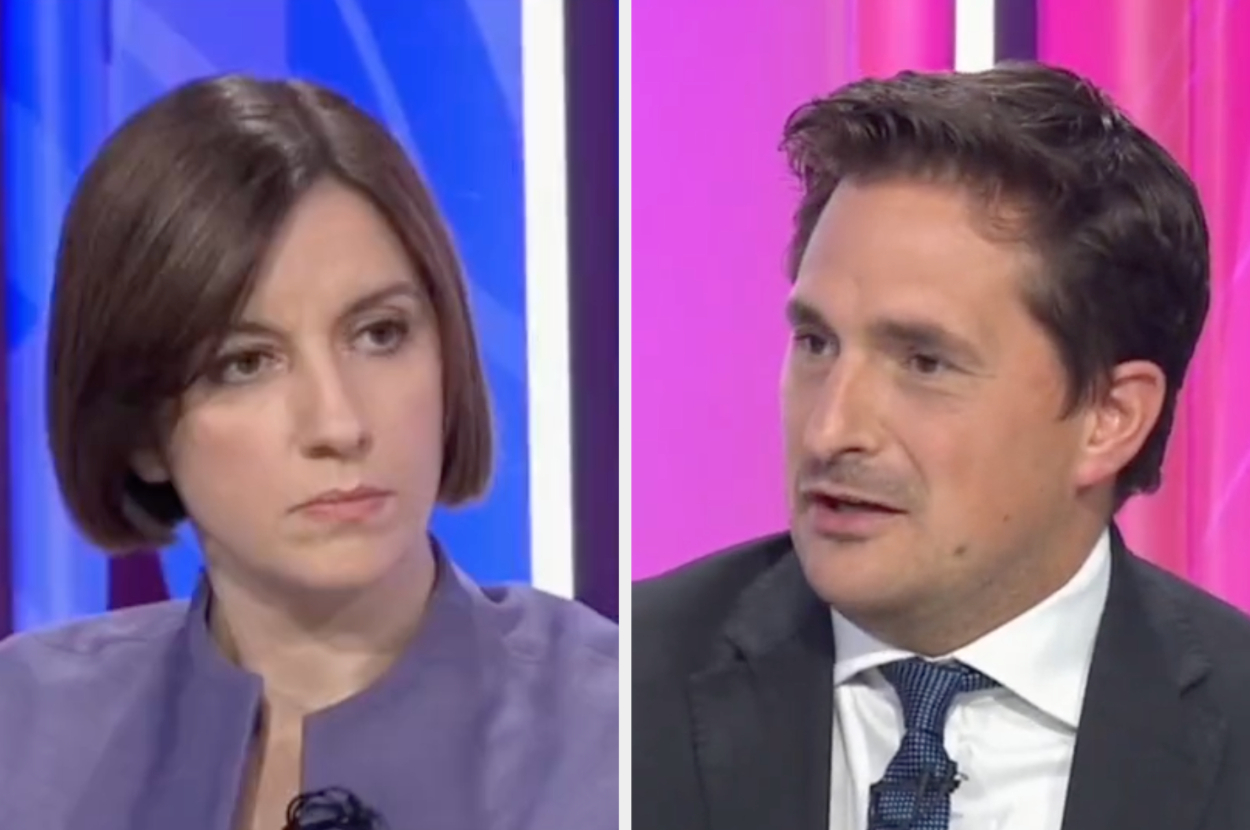
Johnny Mercer clashed with Labour frontbencher Bridget Philipson repeatedly on the corporation’s flagship politics show, and faced criticism for talking over fellow panelists.
At one point, the Opposition MP was joined by host Fiona Bruce and guest Dale Vince, the green energy entrepreneur, to correct the veterans minister wrongly suggesting the Labour Party was funded by climate protestors, Just Stop Oil.
Gets his facts totally wrong then just doubles down with more lies – as if a donor giving money to two organisations is the same as the organisations funding each other.
Mercer said: “You’re funded by Just Stop Oil, right? Which you’re not gonna give back.”
Philipson replied: “What are you talking about? That is categorically untrue.”
Mercer then tried to argue Vance donated to Just Stop Oil and some Labour politicians, including leader Keir Starmer.
“Facts matter,” Bruce interjected, as she pointed out this was not the same as Just Stop Oil funding the Labour Party.
Advertisement
“Would you like to set the record straight now, Johnny,” asked Philipson.
He was also slapped down after misinterpreting Labour’s position on the NHS.
During a question about the NHS, as the service marks its 75th anniversary, Philipson made the case for the NHS remaining free at the point of need – meaning the public has access to healthcare regardless of whether they can afford it at that moment or not.
She said: “I believe the principle of access free at the point of need is what has built the NHS, and made it so great, that we know that however much you’ve got in your bank account you can get the care you need, or you should be able to get the care you need at the point at which you need it.”
She added: “The sad reality is after 13 years of the Conservatives, that isn’t the case for people right now.”
But the point was was later given a different spin by Mercer.
The Plymouth MP said: “I mean, this idea that Bridget came out with, it depends how much money you’ve got in your bank account, whether you get served in A&E, is obviously garbage.”
Philipson swiftly responded: “That wasn’t the point I was making. You’re misrepresenting my position.”
Advertisement
Mercer continued: “You did say it depends how much money you’ve got as to how quickly you get treated.”
Philipson continued that she apologised if she “misspoke”, adding: “The point I was making was that it shouldn’t depend on how much you have in your bank account, whether you get access to healthcare.”
She ended the back and forth by saying: “Your government has broken the NHS and now you quibble about semantics.”
Johnny mercer needing an instant fact check 🤦♀️
Makes up some LaLa land story that Bridget Phillipson said it depends how much money you have in the bank whether you can get seen in A&E 🤔
Johnny Mercer says on BBCQT that the govt brought in “the living wage”. That’s not actually true, it brought in the national living wage, which is slightly lower than the rate calculated by @LivingWageUK & only applies if you are 23 and over
What the fuck was Johnny Mercer talking about? Christ this babbling display reminded me of the time my mate brought his estate agent colleague to the afters, except worse because THIS guy is supposed to be a minister!
The Tory MP was later accused of “shouting across every member of the panel tonight” by an audience member.
Mercer on the show stood by his jibe at critics of “collective bed-wetting” after the backlash he faced for saying armed forces personnel don’t need to use food banks.
When it comes to quintessential British family holidays, Center Parcs is up there – between the cute log cabins, wealth of things to do and picturesque settings, it’s got a lot going for it, especially as far as parents are concerned.
But one thing that can put some families off – especially given the current financial climate – is the price tag that comes with a week-long break.
Advertisement
Consumer champion Which? recently found that, on average, the cost of a UK Center Parcs stay is roughly £1,274. And that’s for a family of four to stay at a site for four nights during a peak period like half term.
But if you’re after a cheaper way to enjoy Center Parc’s outdoor adventure vibes, it might just be worth looking further afield.
A new report from Which? found families could more than halve the cost of a Center Parcs break by booking in Europe instead of the UK.
Oh, really?
Yup. The consumer group compared the cost of a four-night stay for a family of four at 16 Center Parcs sites across England, France and Belgium during four peak periods.
Advertisement
It found a UK stay came in at £1,274 on average, compared to £833 in France and £701 in Belgium.
Which? said the biggest price differences could be found for bookings over October half-term and Easter, partly due to differences between the school calendars here and in Europe.
On average, a family could save 55% opting for a Center Parcs resort in Belgium rather than the UK over October half term, with a four night break costing just £613, compared to £1,369 in the UK.
And the savings in France were almost as good, with the same stay costing £868 on average.
But don’t the travel costs make it more expensive?
Of course, with any trip abroad you need to factor in travel costs – and these can really rack up when the kids are off school, especially if you choose to fly.
That said, when Which? factored in travel costs – like taking a ferry and then driving – they still found families could save hundreds of pounds overall.
For example, Dunkirk is less than an hour’s drive from Center Parcs’ Park de Haan, in Belgium.
At the time of writing, a return ferry trip for a family of four from Dover to Dunkirk could be booked for approximately £170 during the October half-term.
Advertisement
Similarly, a return car ferry for a family of four from Dover to Calais could be booked for £125 return during October half term, and over Easter weekend a return journey via Le Shuttle can be booked for £179.
Venturing to European Center Parcs sites is something more and more parents are wising up to. One mum previously told The Sun how she took her family to Center Parcs in the Netherlands during the Easter holidays and saved hundreds of pounds.
For £680 she managed to bag a week in a three-bed cottage. She also suggested activities were cheaper in the Netherlands than in the UK.
And Which? also found this. Its analysis found archery costs between £19 and £26.50 at the UK’s Whinfell Forest park, while it costs £14 at Belgium’s Park de Haan. Similarly, Laser Battle games range in price from £24.50 to £34.50 at Whinfell Forest, and cost £15 at Park de Haan.
Jo Rhodes, deputy editor of Which? Travel, said: “Our research found that it’s well-worth casting your eye beyond the Channel to snap up some significant savings
Being pregnant and birthing a baby can be stressful enough, but getting pregnant and going into labour without even knowing about it? Well, that’s unlocked a new fear.
Some people are taking to TikTok to share their accounts of ‘cryptic’ or ‘invisible’ pregnancies.
Doctors swiftly realised she was crowning and she was rushed to the labour ward where, in 15 minutes, she’d given birth to a baby girl.
“Throughout my so-called pregnancy I had lost 30lbs, was the flattest I had ever been and had my period every month,” Simpson recalled.
What is a cryptic pregnancy?
In short, it’s where you don’t realise you’re pregnant because your body doesn’t really give you any of the tell-tale signs.
While for a very small amount of people they might not realise they’re pregnant until labour, a cryptic pregnancy can also apply to people who don’t realise they’re pregnant until at least 20 weeks.
Advertisement
Some people might not experience any symptoms, or very mild symptoms of pregnancy; others might blame their pregnancy symptoms on issues, like stress; and some might not grow a baby bump at all.
Why do some women not get a baby bump?
TikTok creator Nikki Salazer shared a video of her story. While she knew she was pregnant, it didn’t take away from the fact that not getting a bump felt a bit strange.
“As the months went by, I still had nothing,” she explained. “But I still had all the symptoms and felt kicking regularly. At eight months, I started to feel very heavy – but still, no bump.
“No-one could believe I was pregnant – even at the hospital. Thankfully, I had a healthy birth and delivery.”
Dr Karan Raj stitched Salazer’s video with some commentary of his own to explain just why these hidden bump pregnancies occur. “There are a number of factors that could contribute to this,” he said.
Advertisement
Apparently, it’s all to do with the shape of your uterus – and if you have a retroverted uterus, it’s easier for your baby to hide.
“Most women have an ‘anteverted’ uterus where it’s slightly tilted forwards,” said Dr Raj.
“But one in five have a backwards tilt towards the spine. For some women, it may remain tilted backwards for the duration of the pregnancy. This backwards growth could hide any bump.”
He explained that previous surgery, endometriosis and other gynaecological conditions could scar what’s known as the uterosacral ligaments, which “keep the uterus fixed to the spine and inside the pelvic cavities”.
“If these are stiff because of scarring, these ligaments can literally hold the uterus back and stop it from protruding too far out,” he said, which will result in a tiny little bump, or no bump at all.
Advertisement
And bad news if you’re tall… “If you’re taller, you’ll have a longer torso, so there’ll be more space for the uterus to develop upwards rather than just outwards,” added Dr Raj.
Gym bunnies should be wary, too, as a super strong stomach could have the same effect.“If you have well-developed rectus abdominal muscles, the uterus may develop closer to your core, rather than protruding out,” he said.
Other causes can include:
Having recently given birth,
PCOS,
Peri-menopause.
How common are cryptic pregnancies?
The good news is cryptic pregnancies are relatively rare. Studies suggest that around one in 475 pregnancies aren’t noticed until about 20 weeks gestation, which is halfway into the pregnancy.
And around one in 2,500 pregnancies go completely unnoticed until delivery.
On the upside, not having a huge bump getting in the way of tying your shoes, picking things up and generally moving around can be super beneficial.
But the emotional trauma of suddenly going into labour must be… well, a lot.
Although as Kayla Simpson said: “Within those 15 minutes my life changed forever – and now I can say for the better … Obviously I was in shock but I do think that things happen for a reason.”
You’re reading Love Stuck, where trained therapists answer your dating, sex, and relationship dilemmas. You can submit a question here.
You feel like you’ve won the lottery when you think you’ve found that forever person. It’s rare to find someone who ticks all your boxes and makes you feel safe. So, when that happens you’ll do anything to ensure that your relationship lasts.
Advertisement
Even if that means ignoring some aspects of the relationship that aren’t perfect.
This week’s reader Matthew is sure that he’s found the one but there’s one part of the relationship that is lacking: the sex. “I love my partner but our sex life is boring,” he tells HuffPost UK.
“I’ve been with my partner for a year and a half now. I’m very much in love with her but this isn’t the best sex I’ve had in my life,” he says.
He continues: “We’ve spoken about opening up our relationship but I think I only suggested doing this because I’m not satisfied in the bedroom. The sex is good but it’s not amazing and it makes me wonder if you can have it all in relationships?”
It’s evident that Matthew wants to make it work with his partner but is he settling in his love life? Counselling Directory member Nina Jellinek is on hand to help.
Advertisement
How important is the role of sex in a relationship?
Jellinek thinks this is a bit of a tricky question.
“For some people, sex is actually not important at all, or they might actively prefer a non-sexual relationship (not always a preference that is easy to express),” she says.
However, some people really value sex. “Both viewpoints are natural; the issues tend to arise if your and your partner’s feelings are at odds with each other,” Jellinek explains.
Sex usually plays a big part in relationships as it can be physically fun and satisfying.
“But it can also go beyond the physical feelings, and, for many, it is part of the sense of intimacy in a relationship,” Jellinek adds.
So, she says that “when there is a mismatch in people’s feelings about physical intimacy, it can lead to feelings of frustration, guilt, or resentment which can build up over time.”
What should we do if we feel that our sex life is lacking in our relationship?
Jellinek wants Matthew to consider whether the lack of sex is a temporary thing or if things might settle by themselves.
Advertisement
“It is also worth considering whether we have reasonable expectations around sex,” she says. When the relationship is new she says sex may have that novelty factor which is just not realistic to expect to maintain forever.
“This does not mean that you can’t expect to have an exciting physical relationship, just that things do change,” she adds.
Over time, people do sometimes fall into a routine that might be comfortable, but the sex might not have the same thrill factor that you had before.
“However, the truth might also be that you and your partner might be emotionally compatible, but the physical compatibility might never have been at the same level,” Jellinek says.
This could be a trickier situation because you have to try to address it. “But you also have to consider what you would do if things never improved in the way that you want,” she adds.
Advertisement
What practical advice would you give this reader?
If you aren’t happy with your sex life, ask your partner whether they feel the same.
“If you both want to improve things, there is a lot of scope for change, but it is important that each of you communicates your needs,” Jellinek advises.
If Matthew’s partner doesn’t feel the same, it might be a harder conversation to have. Jellinek suggests having a discussion about potentially exploring new experiences together.
If things aren’t working, there is the possibility of opening up the relationship. “There is nothing inherently wrong with this, but it can certainly come with complications,” Jellinek adds.
She continues: “It’s only going to work if you are both genuinely OK with it and even then the impact might be unpredictable.”
She wants Matthew to know that if he is not happy with his sex life it can impact his relationship so it’s an issue that needs to be talked through.
Advertisement
Love Stuck is for those who’ve hit a romantic wall, whether you’re single or have been coupled up for decades. With the help of trained sex and relationship therapists, HuffPost UK will help answer your dilemmas. Submit a question here.
Tens of thousands of children are set to receive hospital-level care at home as part of an expansion of virtual wards on the NHS.
The announcement is set to come from NHS chief executive Amanda Pritchard on the 75 anniversary of the health service.
Advertisement
The ‘hospital at home’ service will cover children in every region of England from this month, after successfully treating more than 6,400 children in a pilot scheme over the last year.
Pritchard said the NHS virtual wards programme has “provided peace of mind” to parents who have used them during trials, including in Blackpool, Dudley and Dorset.
What is a virtual ward and how does it work?
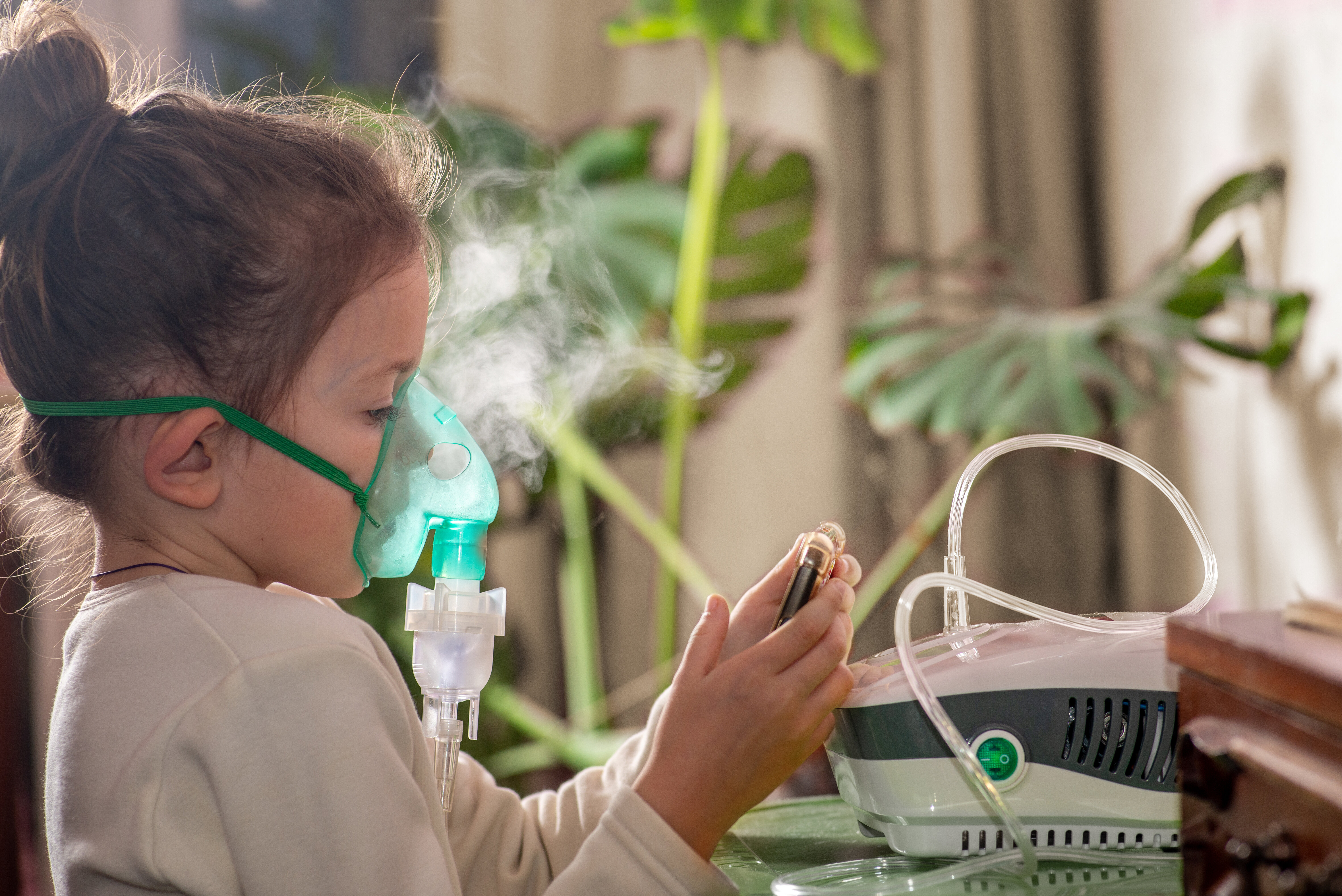
Virtual wards allow patients to get hospital-level care at home safely and in familiar surroundings, helping speed up their recovery while freeing up hospital beds.
Children on a virtual ward would be cared for by a multi-skilled team who can provide a range of tests and treatments, including blood tests, prescribing medication or administering fluids through an intravenous drip.
Advertisement
They would be reviewed daily by the clinical team and the ‘ward round’ may involve a home visit or take place through video calls.
Many virtual wards use technology like apps, wearables and other medical devices enabling clinical staff to easily check in and monitor patients’ recovery.
Children will be treated for a range of conditions like respiratory illness, such as asthma, and heart conditions, but from the comfort of their homes.
How is it helping children?
In Blackpool, almost 200 children have been treated on a paediatric virtual ward.
Hope Ezard, who is 21 months old, is one of them. She was born prematurely at just 29-weeks and has a rare neurodevelopmental disorder, GNB5, as well as chronic lung disease and feeding issues.
Hope has been in and out of hospital for most of her life to be treated for recurring respiratory infections, and to receive high-pressure oxygen and antibiotics.
Advertisement
The introduction of the virtual ward meant Hope could be moved home sooner.
Hope’s mum, Sarah, 39, said being able to receive care at home “is so beneficial to Hope, and our other children”.
“We know that in general, Hope doesn’t sleep very well when she’s in hospital and is more vulnerable to hospital infections, so there is peace of mind when she’s being cared for at home, on the virtual ward,” she said.
“She’s less likely to pick up anything that might make her more poorly, and she’s relaxed and comfortable in her own bed.
“And the fact that the brilliant community nurses are just a phone call away reduces any anxieties that we might have had.”
In Dudley, mum Anum Shazady praised the virtual ward for keeping her son out of hospital, with twice daily calls from NHS staff.
Advertisement
Anum said: “Now my son is on the virtual ward I can record his observations as many times as I want throughout the day, recording them onto the virtual ward pad and a member of staff calls me twice daily which reassures me that he is safe in our home environment.
“The new virtual ward is great for me and my family as it stops my son staying in hospital longer than he needs.”
Why are they expanding the scheme?
The ultimate aim is to free up hospital beds – especially ahead of winter.
NHS chief executive Amanda Pritchard said: “Virtual wards are already providing excellent care to families when their children are sick, and this expansion will enable thousands more to receive high quality care from home.
“Being treated at home can have a hugely positive impact on patients – it means they receive hospital-level care, but it also means they are not separated from their families – providing peace of mind for loved ones.
“As we look to the next 75 years of the NHS, we will continue to embrace the latest technologies and innovations to meet the changing needs of patients while ensuring that care is as convenient as possible.”