Just What Is Going On With The Strictly Come Dancing Judges?

It might seem way too early in the year to be discussing Strictly Come Dancing, but the show has already been making headlines thanks so some rumoured unrest among the judging panel.

Here’s what you need to know…

Why is everyone talking about the Strictly Come Dancing judges?

There has been speculation that this year could see some changes on the Strictly panel, which first began when head judge Shirley Ballas hinted she might not return.

Last month, Shirley said the intense trolling she received during last year’s series had taken its toll, and had made her consider whether she’d go back.

Admitting she had been “struggling” in 2022, Shirley told The Mirror: “I felt the abuse snowballed out of control and impacted me in such a negative way….

“And that was an all-time low since I joined the show – it was the most negativity I’d ever experienced.”

Asked if she considered quitting, Shirley replied: “It was a difficult series, I’ll leave it at that…

“Will I go back to Strictly? I always take one step at a time,” she said.

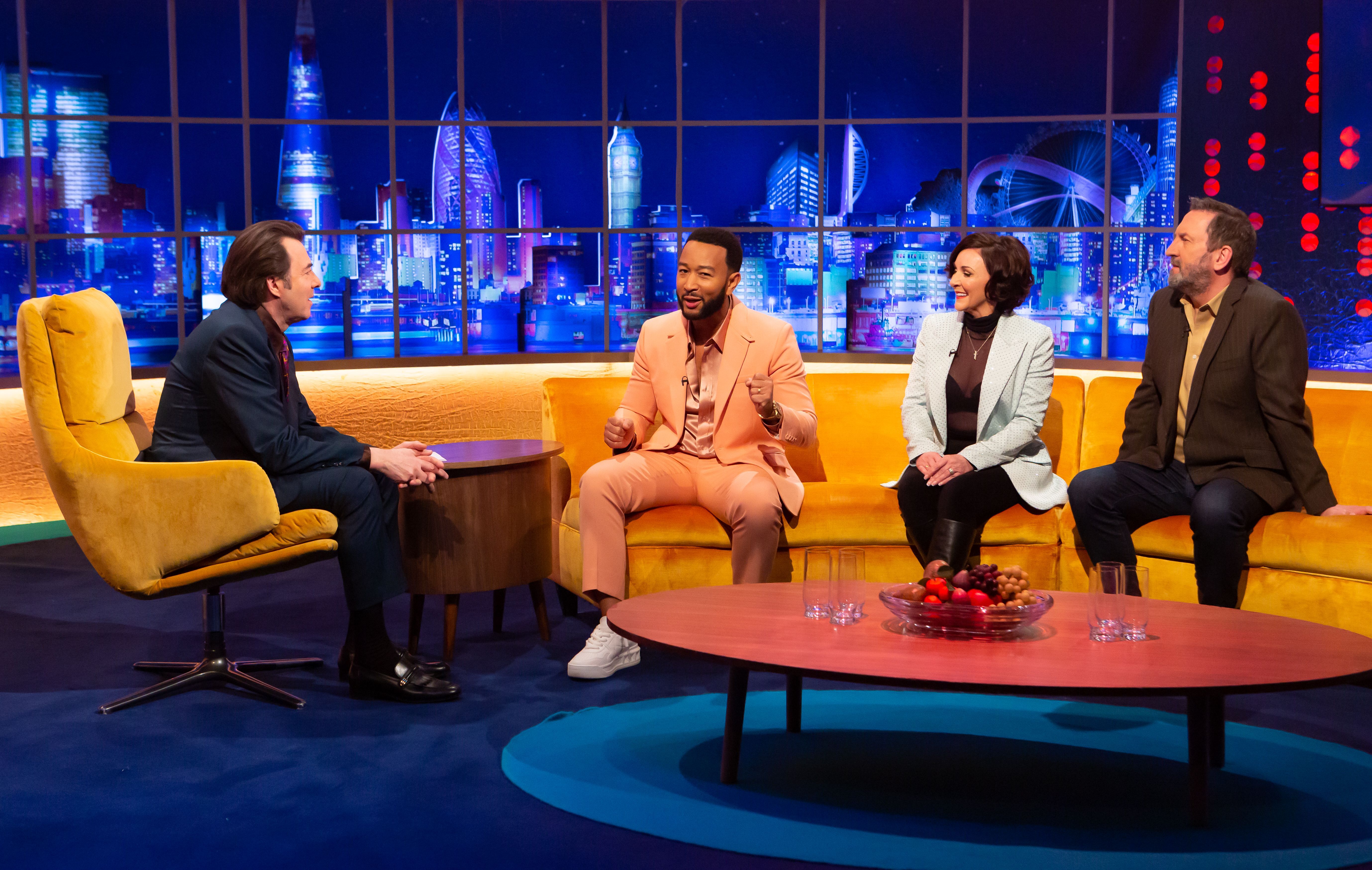
However, she walked those comments back somewhat during an appearance on The Jonathan Ross Show last week, suggesting negotiations were were currently taking place between her team and the BBC.

“Well… I do believe it’s in the process. Is that the right way to say it? Yes.. their people are talking to my people,” she told the chat show host.
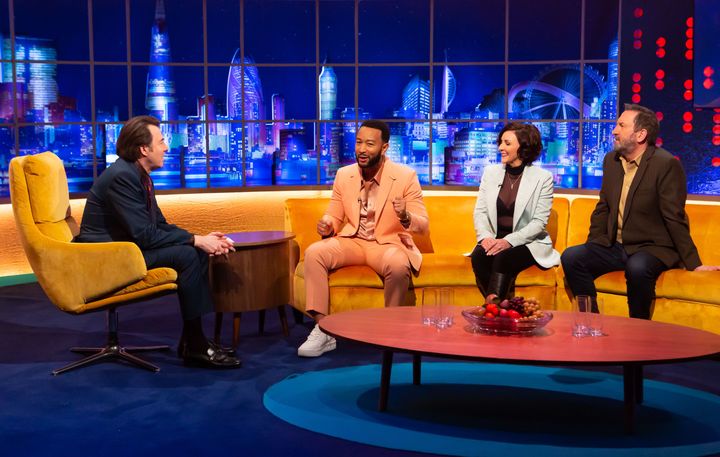
Shirley confirmed she was in negotiation to return to Strictly during an appearance on The Jonathan Ross Show

Brian J Ritchie/Hotsauce/Shutterstock

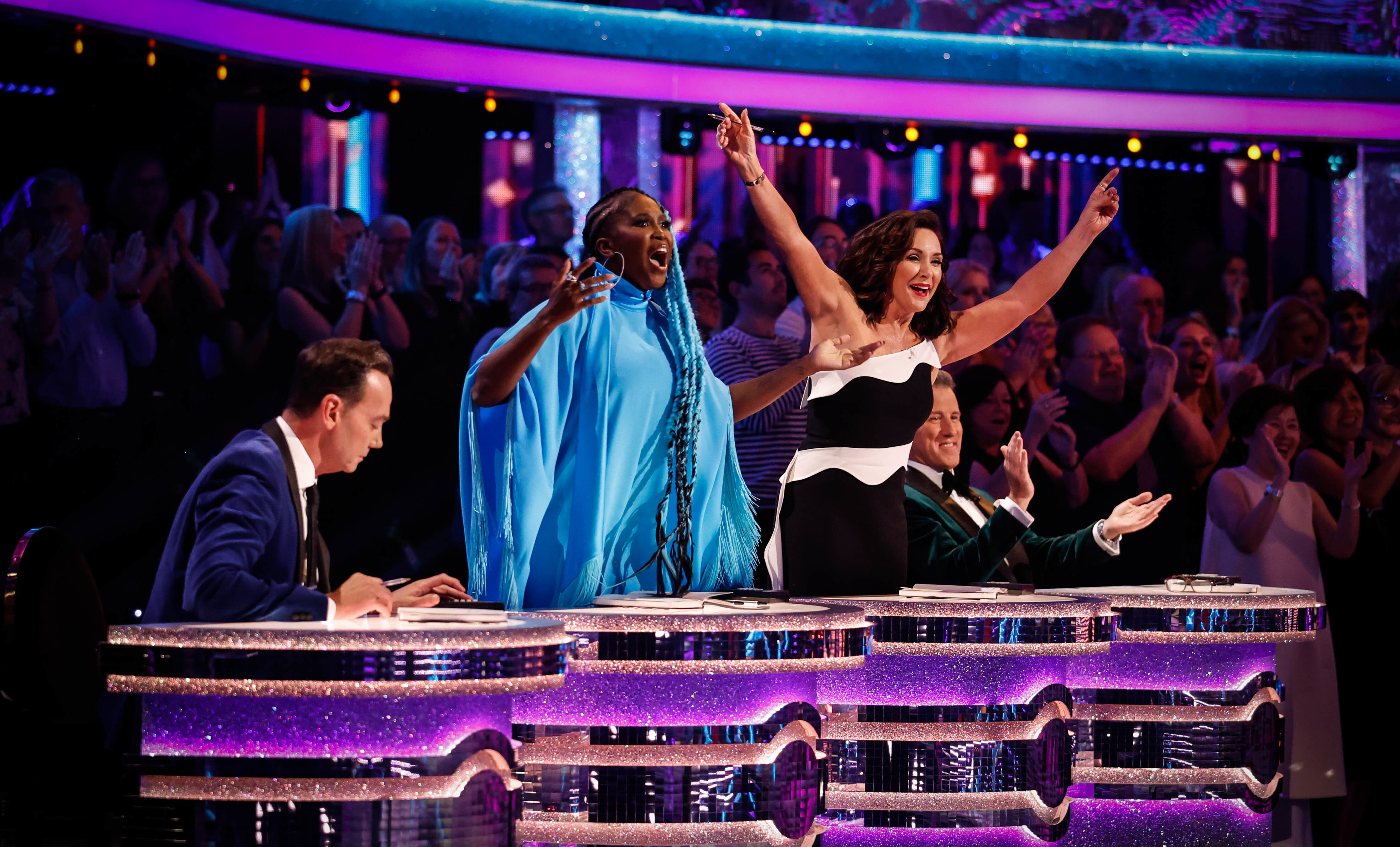
Since the, The Sun has claimed that Shirley and her fellow judges Craig Revel Horwood, Motsi Mabuse and Anton Du Beke are pushing for a pay rise to seal their returns.

The paper claimed the judges are chasing an 11 per cent increase, which is above the rate of inflation.

They quoted an unnamed source who claimed that things had apparently reached somewhat of a “stand off”, with the BBC refusing to bow to the demands due to the current cost of living crisis and the freeze the government imposed on the BBC licence fee last year.

However, these reports have not been verified.

Why is this all happening now?

While the new series of Strictly Come Dancing is still six months away, people work on the production of the show all year round.

As well as beginning conversations with some potential celebrity contestants, bosses also start confirming the line-up of professional dancers, judges and presenters early doors – as HuffPost UK learned last year when we ran our Backstage At The Ballroom series, speaking to those who work behind the scenes of the show.

Last year, for example, the judging line-up was confirmed in mid-May, with the announcement Anton was returning for his second full series as a judge.
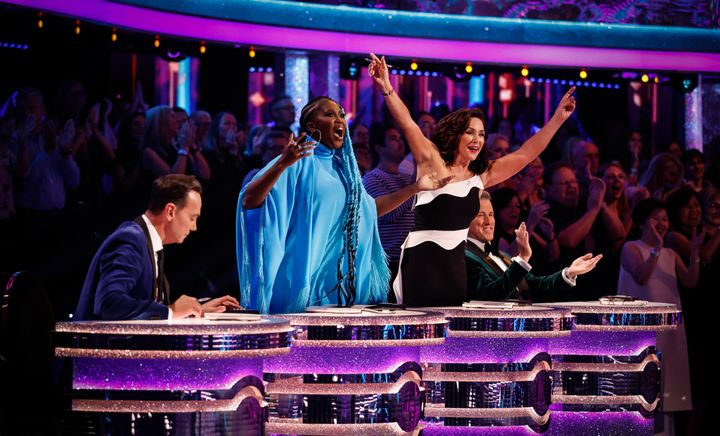
The Strictly judges during last year's series
The Strictly judges during last year’s series

Guy Levy/BBC via PA Media

We’ve also seen Rylan Clark depart Strictly spin-off show It Takes Two this week, proving that bosses are starting to shape what this year’s series will look like.

What have the judges said?

After The Sun’s story about the judges’ reported pay dispute came out this week, HuffPost UK contacted representatives for Strictly Come Dancing, Shirley Ballas, Motsi Mabuse, Craig Revel Horwood and Anton Du Beke for comment, but did not receive any responses.

However, it is highly unlikely any party would speak out on the specifics of the negotiations, as it is pretty standard procedure that organisations or individuals do not comment on artists’ contracts.

So, what next?

While it’s difficult to say who will be back on the judging panel this year until an official announcement is made, Strictly’s enduring popularity has proved that no individual is bigger than the show.

Having survived many other changes to the judging line-up over the years – the most recent of which saw Anton replace original judge Bruno Tonioli – whatever happens, we can all be sure that the nation’s favourite show will continue to sparkle when it returns in the autumn.

Share Button

Why Everyone’s Talking About Golliwog Dolls Right Now

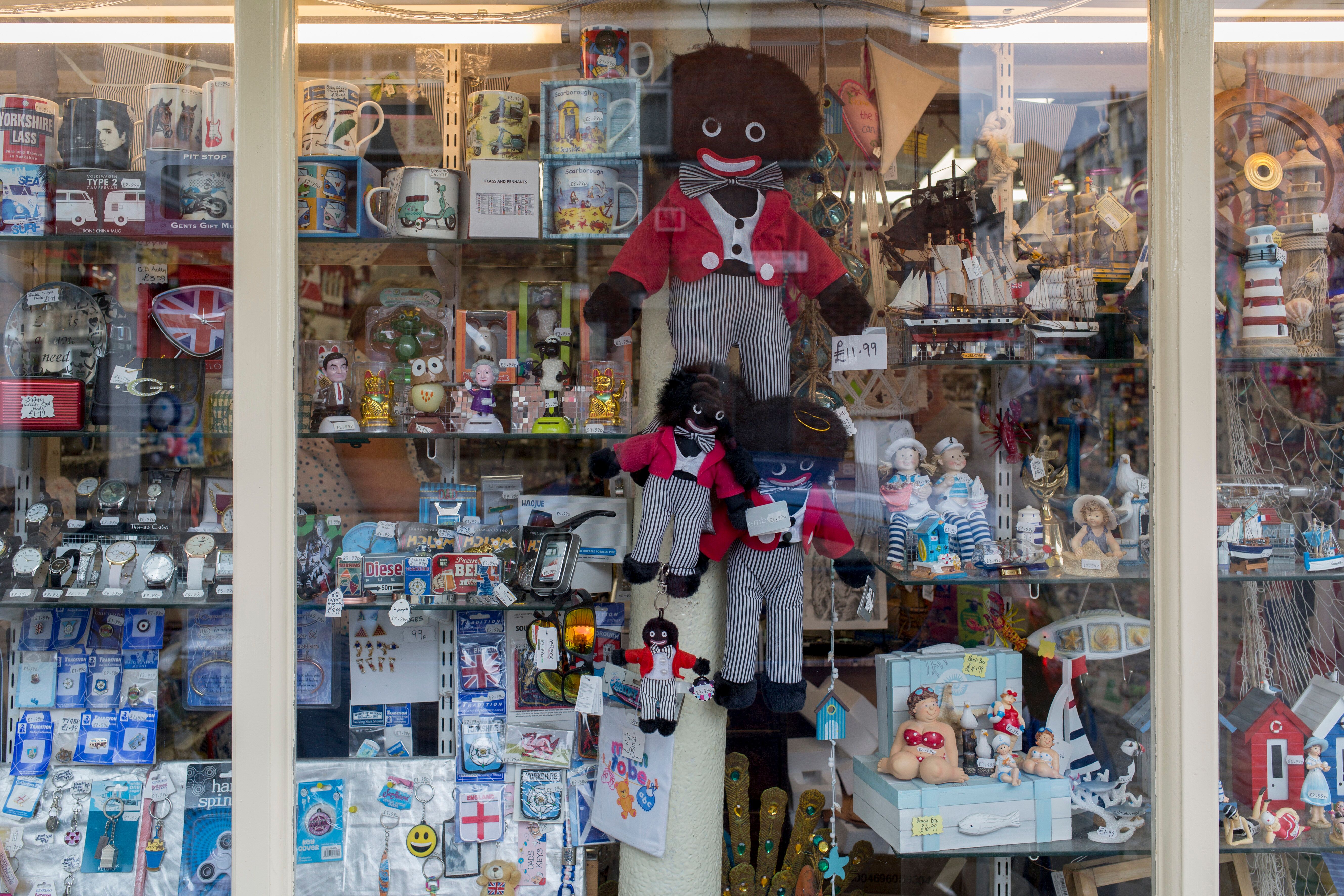
Golliwog dolls have made an unexpected return to the news cycle recently, following a recent police raid in an Essex pub.

Here’s why these highly problematic emblems of the past are still causing such a stir – and why the home secretary appears to have dragged into the row.

What are golliwog dolls?

The dolls are based off a design first produced in 1895 by an American cartoonist called Florence Kate Upton in children’s books, and was supposedly based on 18th Century minstrels.

The fictional character became identifiable by its frizzy hair, large lips and teeth, and seemed to resemble a rag doll.

The caricature then started to appear on Robertson’s Jam jars in 1910, becoming a popular brand, before evolving into toys and collectibles.

As the word Golliwog is used to attack Black people, Golliwog dolls are seen as racist.

In the 80s, the name for the dolls became “gollys” in an effort to step away from the racist connotations, but the brand was eventually dropped in 2001.

Media regulator Ofcom has since declared the word “golliwog” to be a highly offensive term, describing it as: “Strongest language, highly unacceptable without strong contextualisation. Seen as derogatory to Black people.”

What do golliwog dolls have to do with an Essex pub?

It all started on April 4 when police in Essex revealed five officers had confiscated several dolls from the White Hart Inn in Grays, where they were being displayed behind the bar.

No one was arrested or charged in connection with the investigation, but the landlord is to be questioned when he returns from abroad in May.

It is all part of an ongoing investigation following a complaint about an alleged hate crime (being racially distressed) on February 24.

Though she denies she or her husband are racist, landlady Benice Ryley, said she would be replacing the confiscated dolls. She said she had a collection of about 30 dolls from family and customers, in the pub for nearly 10 years and that she could not see “any harm” in displaying them.

The police have said it would only be able to remove the next lot of offensive dolls if they received another complaint.

“No victim has come forward who has felt racially harassed, alarmed or distressed since any further dolls have gone up in the pub,” the police said.

What does this have to do with the law?

Crime and Disorder Act

Displaying golliwog dolls could be considered illegal under the Crime and Disorder Act 1998.

It might fall under the definition for racially aggravated behaviour, if “the offender demonstrates towards the victim hostility based on the victim’s membership or presumed membership of a racial or religious group.”

According to The Guardian, it might not be necessary for someone to come forward as a victim to secure a conviction, as this is a public order offence.

Equalities Act

Businesses have to offer equal service to customers and staff under the 2010 Equalities Act.

Breaking this could be a civil issue, leading local authorities to act (potentially removing the pub’s licence).

Malicious Communications Act

A 2016 Facebook post from Benice’s husband, Chris Ryley, has also resurfaced, showing the Golliwog dolls hanging from a bar shelf. When his wife commented under the image asking if displaying the dolls was “legal”, he replied: “They used to hang them in Mississippi years ago.”

This could be construed as a breach of the Malicious Communications Act 1988, which relates to electronic communication including “with intent to cause distress or anxiety”.

Essex police are using this post as part of their investigation into the pub.

Why has Suella Braverman’s name been mentioned?

Reports in the Mail Online suggested that the home secretary had told the police force off for removing the dolls. The newspaper quoted a Home Office source allegedly saying the police “should not be getting involved in this kind of nonsense” and focusing on “catching criminals” instead.

But Essex Police said this account was “categorically not true”. They alleged she had not contacted the force about the probe – but refused to rule out that the Home Office in general had contacted them.

The force said: “In addition, as is the case in all investigations across every police force, we maintain operational independence from the Home Office, which ensures that every investigation is carried out without fear or favour.”

What next?

After an investigation, Essex Police would have to send any possible charges to the Crown Prosecution Service before a final decision was made.

The Campaign for Real Ale (CAMRA) has said the pub in question will now not be included in the Good Beer Guide, stating that it believes “pubs should be welcoming and inclusive places”.

Meanwhile, the saga has prompted a wave of reaction online, and polling company YouGov has revealed that 39% of respondents think it is still acceptable to sell/display the dolls, with 48% claiming it is not racist.

Share Button

What Happens If… You Eat Raw Chicken?

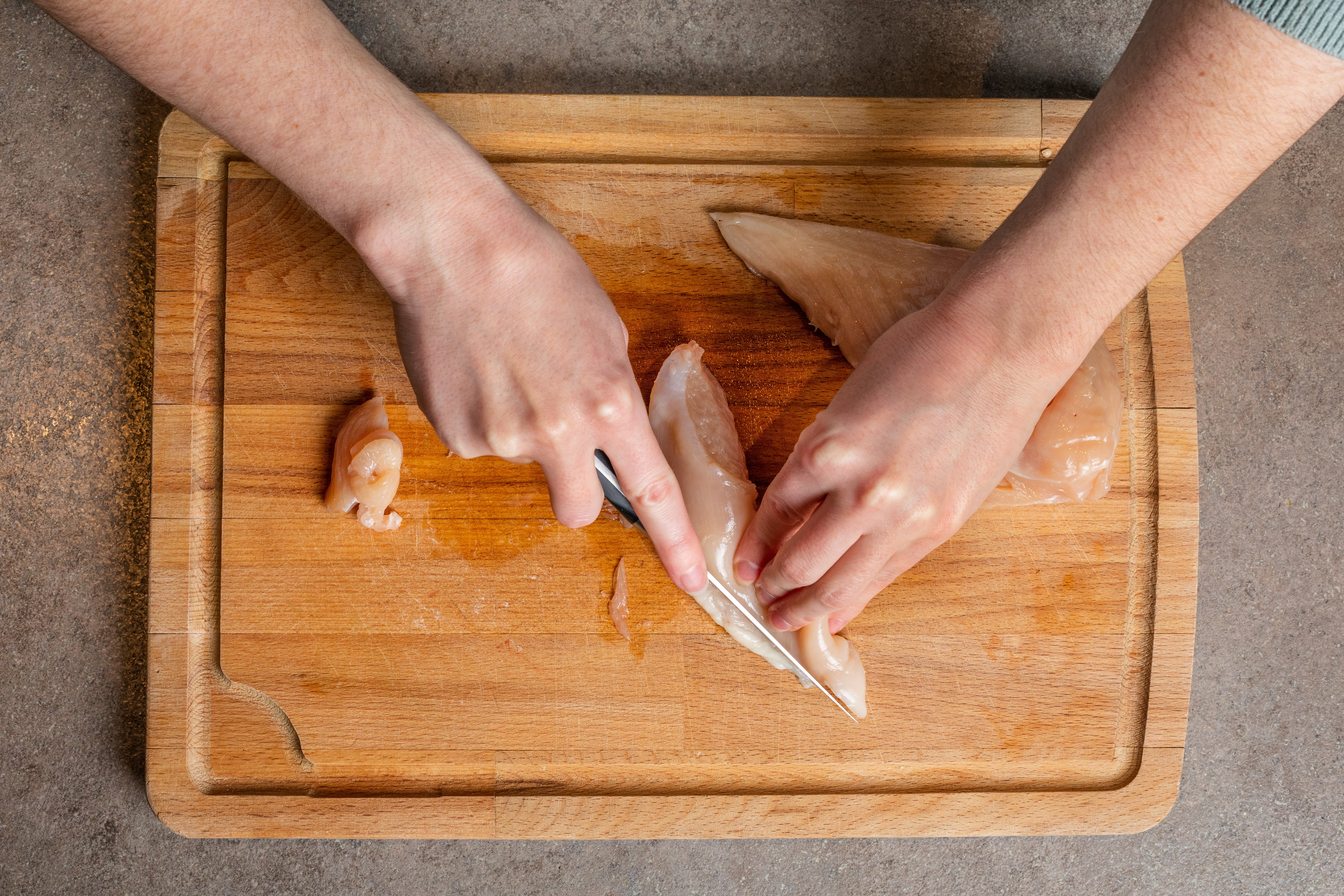
Chicken is not like beef or sushi, OK? You’re really not supposed to eat it raw.

Medium-rare steak is hardcore, ceviche is sophisticated, and sushi is just plain fashionable, but there’s a reason why raw chicken is not – and never will be – a popular menu option.

Plenty of people have also feared that they’re accidentally eating raw chicken (masquerading as cooked chicken) as they should. Even slightly undercooked chicken could make you seriously ill.

That’s because there’s a high risk of food poisoning if you eat the bird (or its juice) raw, as it may be be contaminated with many different types of bacteria.

Most will trigger:

  • Diarrhoea
  • Vomiting
  • Fever
  • Abdominal cramps

The NHS website also lists a high temperature of 38C or above and generally feeling unwell (fatigue, aches and chills) as signs you’ve got food poisoning.

According to Women’s Health, if the chicken in question has campylobacter bacteria, you might have between two to five days before symptoms start to present themselves – the infection might then stay for a week.

Salmonella is also a risk – the US’s Food and Drug Administration says about 1 in every 25 packs of chicken at the grocery store can contain the bacteria. It usually sets in around six hours after eating.

If your chicken may also have a bacteria called clostridium perfringens, the infection might kick in between six and 24 hours after swallowing the meat, but should usually last for less than a full day, according to the US Centre for Disease Control and Prevention.

And that’s not all.

Your undercooked meal could give you E.Coli too, although that’s possible eating raw fruit or veggies and undercooked beef as well. This usually incubates for three to four business days before making itself…known. Symptoms usually last between five to 10 days.

Sadly, nothing can help you once you’ve eaten the raw meat. Drinking water or rinsing your mouth won’t undo it, and neither will forcing yourself to be sick.

So, the best thing to do is to pick up a bland diet and stay hydrated with water and electrolyte drinks until the symptoms subside – which in most cases, it does.

It usually disappears within a week, but sometimes the infection can worsen into blood diarrhoea and a high fever. If this is the case, or you’re pregnant or immunocompromised, speak to your doctor.

Experiencing signs of dehydration means you should probably speak to your GP too.

To avoid food poisoning, it’s always best to make sure cooked chicken is white in colour. Signs of being undercooked will be clear because it will be pink or bloody. Even if the juice coming out of the chicken is pink, it’s probably still raw.

You can also use a thermometer to check the chicken is the perfect temperature of 75C in the centre.

Share Button

Twitter Is In Meltdown Over This Nipple Concealing Tank Top

When a heatwave soon to hit our shores, it’s officially time to peel off the layers. But with that comes a whole host of sartorial queries, like should I get my legs out or wear tights? What kind of jacket is right to wear with this dress? And most importantly – at least for me! – is how to wear a vest top with the right bra?

Because when you’re anything over a C cup, wearing a bra under a vest or tank is essential unless you want to poke your boss’s eye out with stiff nips or knock yourself out when running for the train. Free the nip, of course, but for those who want to feel a bit more secure up top, you’ll want to add the bestselling Uniqlo bra top to your spring wardrobe.

Beloved by minimalists for its practical, yet chic design principles, Uniqlo have released a whole range of different tops with bras stitched in, from cropped tanks in a range of cool colours to stylish plunge neck styles that can be dressed up for more formal occasions.

And if you’re feeling dubious about how well a built-in bra can really work, TikTok style influencer Mollie Campsie – who’s a 34E-F – shared her review of styling the different tops, saying: “I really like it. It’s so comfy!”

With 629.3 million hashtags on TikTok, tank tops are one of the season’s most sought-after items, having been worn by everyone from Hailey Bieber to Kendall Jenner of late, and designer brands such as Prada and Loewe releasing designs of their own.

For a selection with a smaller price tag, though, head to Uniqlo.

Share Button

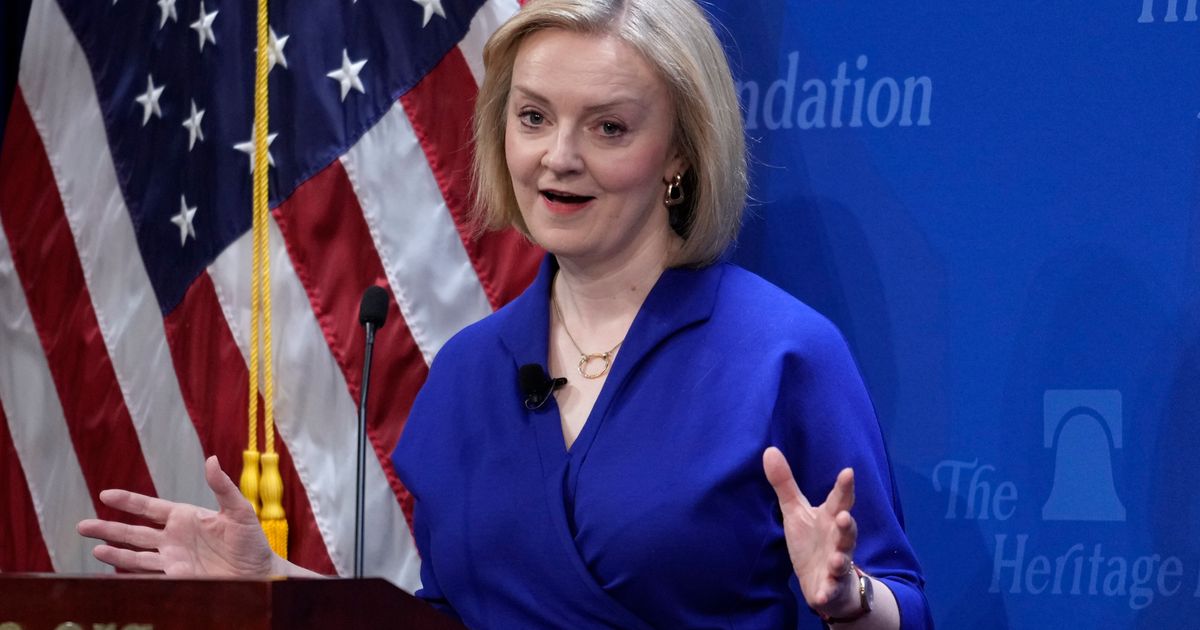
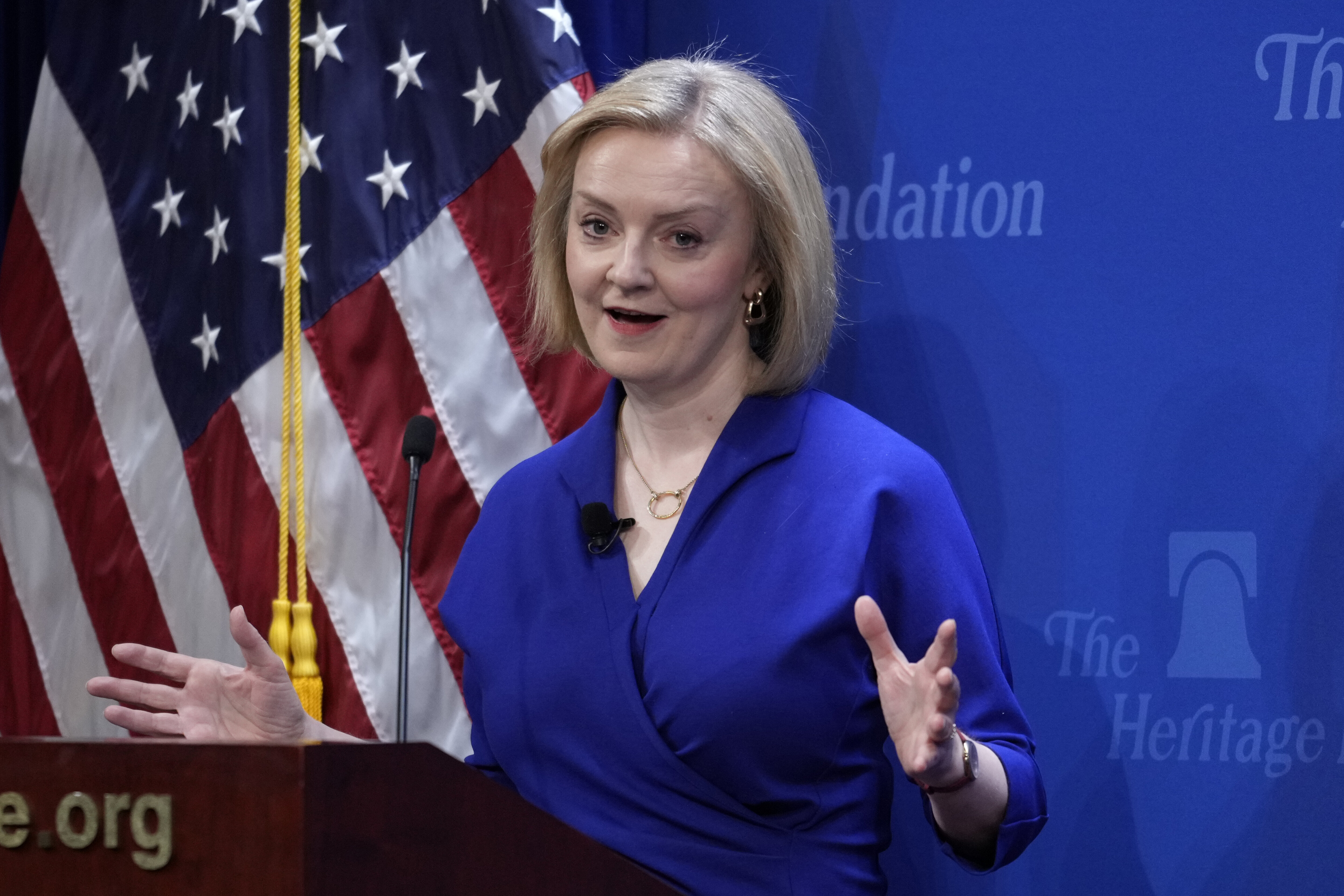
Liz Truss Calls Her Downfall A ‘Major Setback’

Liz Truss has hit the political comeback trail with a lecture denouncing the “cost of government crisis” and “woke culture”.

On Wednesday, the Conservative former prime minister was speaking in the US and delivering the Margaret Thatcher Lecture for the right-wing think tank Heritage Foundation.

Truss, whose premiership lasted 49 days, left Downing Street after her September mini-budget measures helped tank the pound.

Despite her unfunded tax cuts panicking the markets, Truss has continued to go into bat for a low tax-leading-to-high growth policy platform.

In her speech, she said she did not understand “quite how hard” it would be to change the culture of government to something more in line with what she is now advocating, acknowledging “last autumn I had a major setback”, but adding “I care too much to give up on this agenda”.

She said her plans faced “co-ordinated resistance” from her own party, the “British corporate establishment”, the International Monetary Fund and US president Joe Biden.

She went to hit out at “the left” which has “weaponised people’s concerns about the economy and environment”, adding that terms using such as “fuel poverty” and the “climate emergency” are being used to “justify policies which are anti-growth and socialist”.

“Maybe rather than a ‘cost of living crisis’, what we’ve actually got is the ‘cost of government crisis’,” she added.

She used her speech to criticise the size of the state in the US and UK, and warned they are becoming “social democracies by the backdoor”, describing a “culture where too many people and too many businesses expect a bailout”.

She told the audience: “The sad truth is what I think we’ve seen over the past few years is a new kind of economic model taking hold in our countries, one that’s focused on redistributionism, on stagnation, and on the imbuing of woke culture into businesses. I call these people the anti-growth movement.”

“There are also the people who live in the (Washington) beltway, or they live in London, they live within the M25, and they’ve been enjoying quite a nice life,” she said elsewhere in her speech, adding “they don’t want to see the status quo changed. All of those people are part of the resistance to the change we need to see”.

Share Button

Bonnie Tyler Appears To Suffer Awkward Miming Fail During This Morning Performance

Bonnie Tyler’s Total Eclipse Of The Heart is a karaoke classic we’ll probably never forget the words to.

Awkwardly, it doesn’t appear the same can be said for Bonnie Tyler herself.

The singer seemingly suffered a miming fail during a performance on This Morning on Wednesday.

The legendary Welsh star joined guest hosts Josie Gibson and Craig Doyle on the sofa for a chat on the ITV daytime show, before taking to the stage to belt out her signature hit, which has just turned 40 years old.

However, part way through the performance, Bonnie appeared to forget the words and stopped singing.

Unfortunately for her, however, the lyrics carried on playing, despite her lips not moving, leading many to deduce she’d been miming.

Seemingly realising the gaffe, Bonnie could be seen turning away from the cameras before trying to get the rest of the performance back on track.

Earlier on the show, Bonnie had said she never gets sick of singing Total Eclipse Of The Heart.

“I never get bored of singing it. I always do it during all of my shows and always look forward to it coming up in my set.

“The punters always love it.”

We’re sure that this rendition is one they won’t be forgetting in a hurry.

This Morning airs weekdays at 10am on ITV1.

Share Button

‘The Pain Level Of Twitter Has Been Extremely High’: Musk Gives Free-Wheeling Interview To BBC

Twitter CEO Elon Musk on Tuesday sat down for a spontaneous interview with the BBC at the social media network’s San Francisco headquarters, speaking about some of his regrets and offering a glimpse into how he envisions the future of the company about six months after he bought it.

Musk conceded he can sometimes be impulsive when it comes to posting on the platform. He has come under fire for several controversial tweets, including one in which he shared a conspiracy theory around the hammer attack on Paul Pelosi, the husband of former House Speaker Nancy Pelosi.

“Have I shot myself in the foot with tweets multiple times? Yes,” Musk told the BBC’s James Clayton.

“I think I should not tweet after 3 am,” he continued.

The self-professed “free speech absolutist” purchased Twitter in October ― despite trying to get out of a $44 billion agreement to do so ― and quickly set about reshaping the company. He decimated its staff and publicly attacked his own employees. He welcomed back banned users including former US president Donald Trump, who was kicked off the platform for instigating the January 6, 2021, attack on the Capitol, as well as right-wing figures and other accounts blocked for misinformation. He criticised the media and spread misinformation himself.

Asked about how the first six months have gone, Musk replied: “It’s not been boring.”

He said managing the company has been “quite a rollercoaster”, but that overall usage was up and the site was performing well despite some outages and glitches. He claimed the company will be cash flow positive by the next quarter.

Musk said the hardest moment he faced in the past six months was closing down a server centre at the end of last year, thinking it was redundant — a move that he described as “catastrophic” and which had to quickly be reversed.

“The pain level of Twitter has been extremely high,” he said. “This hasn’t been some sort of party. It’s really been quite a stressful situation.”

The CEO told the BBC the current headcount is at around 1,500, down from the roughly 8,000 people the company employed before he took over.

Musk reportedly agreed to the wide-ranging interview just a few hours before its start.

The Tesla and SpaceX CEO defended his company over the latest controversy around requiring Twitter users to pay for verification. Prior to his takeover, the social media platform applied the badges to the accounts of notable individuals and businesses to deter impostors.

Musk vowed to remove all legacy blue checks by April 20, after missing an earlier deadline he had set for the action for April 1.

Musk has already stripped The New York Times of its badge after a user notified him the newspaper didn’t intend to pay for it.

“I must confess there’s some delight in removing the verified badge from The New York Times,” he told the BBC. “That was great.”

He claimed that the goal of his verification strategy is not to necessarily create another revenue stream, but more so to “massively raise the cost of disinformation and bots in general”.

“My prediction is that any social media company that does not insist on paid verification will simply be overwhelmed by advanced AI bots,” he added.

Musk had attempted to get out of the sale agreement with Twitter, saying there was “material breach of multiple provisions” and that the company did not disclose information on spam bot accounts. But Musk told the BBC he moved forward in the end because he expected a judge would have forced him to complete the sale anyway after Twitter sued to enforce the agreement.

While he originally told the BBC he wouldn’t sell the company for the $44 billion he bought it for, he quickly switched his answer: “If I was confident that they would rigorously pursue the truth, then I guess I would be glad to hand it over to someone else.”

Share Button

Emotional Video Shows British Soldiers Saluting Ukrainian Troops Leaving UK For Frontline

A video of British troops forming a guard of honour for Ukrainian soldiers trained in the UK as they return to the frontline is being shared widely on social media.

Under Operation Interflex, new Ukrainian recruits are given basic British Army training before heading back to defend their homeland.

Footage tweeted by Ukraine’s Ministry of Defence – and then shared by its UK equivalent – shows military personnel lining both sides of a road and saluting the departing Ukrainian soldiers.

The clip also shows some troops holding Ukrainian flags as the buses go by.

The UK MoD tweeted: “We salute our Ukrainian friends as they return home after completing training to defend their freedom, loved ones and independence.”

Ukrainians have been trained in the UK since last summer, and by the first anniversary of the Russian invasion around 10,000 troops left the country combat ready. A further 20,000 are expected to go through the five-week course in 2023.

The basic training involves surviving in a hostile environment. Troops are taught skills such as basic fieldcraft and medical care, as well as marksmanship and weapon handling.

The training has been adapted to reflect what is needed on the ground, namely trench warfare.

In March, Ukrainian crews completed training on Challenger 2 tanks in the UK and returned home to continue their fight against Russia’s invasion.

Members of Kyiv’s armed forces travelled to Britain shortly after prime minister Rishi Sunak announced in January that the UK would send 14 Challenger 2 tanks to help oust the Kremlin’s invaders from Ukraine.

Share Button

Historic Firm’s Letter Goes Viral Over Fears Of Being ‘Killed Off’ By Brexit

An historic lace manufacturer has said it faces being “killed off by our own side” thanks to levies brought about by Brexit.

In a letter published in the Financial Times that has since gone viral, Chris Mason, managing director of Derbyshire-based The Cluny Lace Company, says the taxman has imposed an 8% duty on the return of all the lace it has sent to France for dyeing.

He adds the levy has been backdated to when Brexit came into force two years ago.

In the letter, he writes: “We have spent more than 200 years building our business, fought for 30 years against the global textile trend of moving to the Far East and have now been killed off by our own side in a couple of years. We all lose.”

It was quickly seized upon on social media.

Dragons’ Den entrepreneur Deborah Meaden wrote: “Absolutely devastating…a pin sharp arrow to the futility and harm of leaving the EU…for so many businesses.”

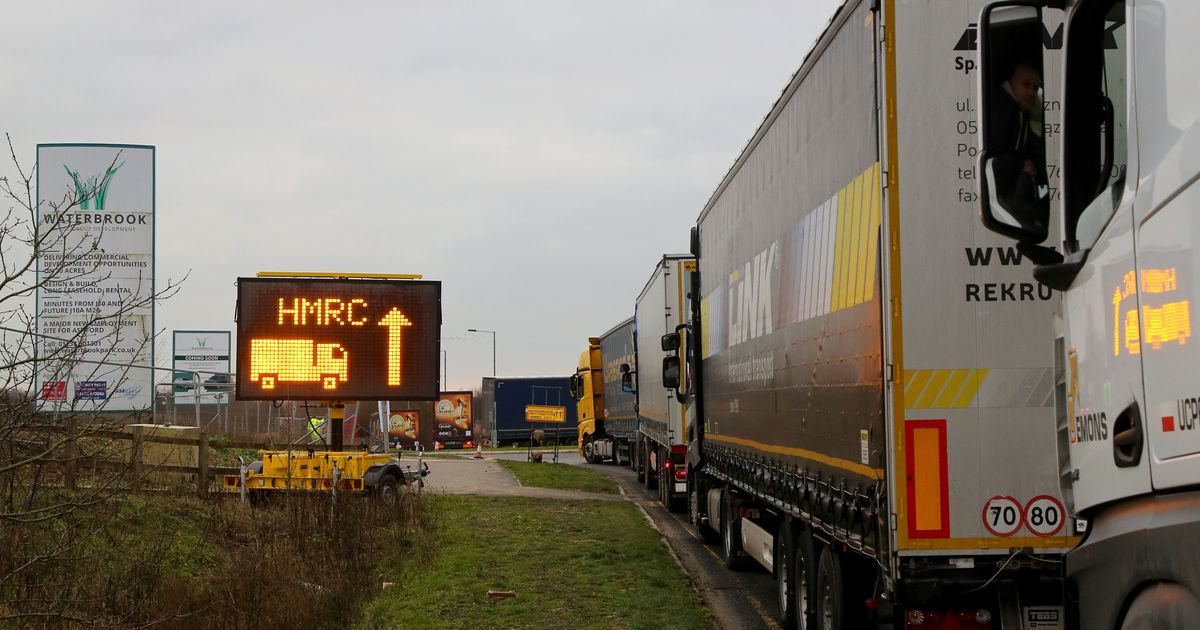
Earlier this month, the government set out plans for how post-Brexit border checks on goods coming into the UK from the EU will work.

Ministers published a draft border operating model, designed to bring in the checks the UK is required to make under its Brexit trade agreement with the EU.

Ministers have delayed implementing the checks on several occasions since the UK officially withdrew from the trade bloc on January 31, 2020.

Share Button

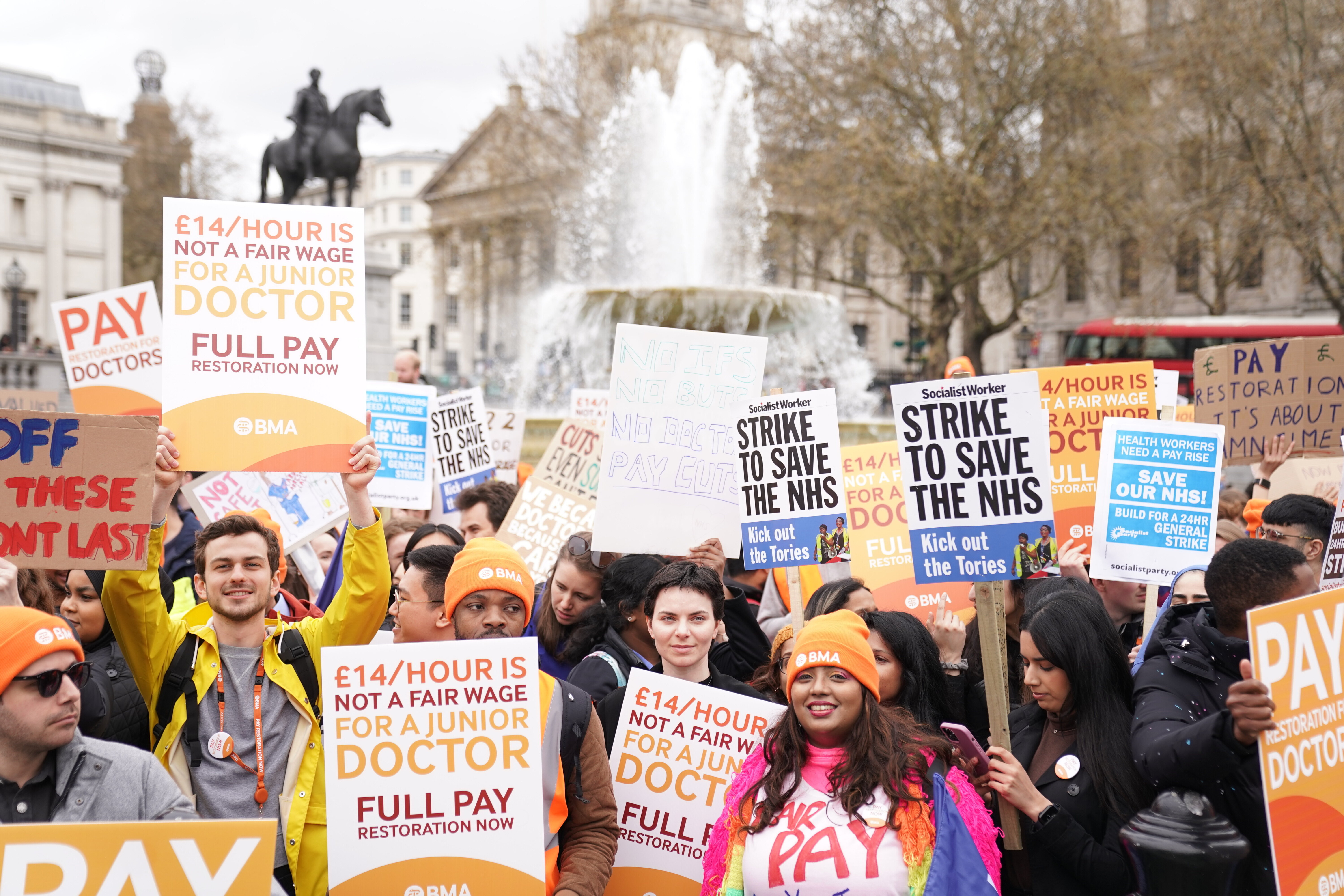
Junior Doctors Chant ‘Claps Don’t Pay The Bills’ As Thousands March On London

Hundreds of junior doctors have marched on central London to vent their frustration amid a bitter pay row at the start of a four-day strike.

Protesting medics chanted “Claps don’t pay the bills” and blew vuvuzelas as they made their way from Trafalgar Square past Downing Street and the houses of parliament.

Protesters also chanted “We are off to Australia”, in reference to higher wages paid for junior doctors abroad.

It comes as NHS bosses warn the strike action – which began at 7am and will continue until Saturday morning – will cause “unparalleled” upheaval and will be the “most disruptive in NHS history”.


The strikers were holding signs reading “Is it any wonder we’re going under” and “No wonder Dr Watson turned to crime fighting”.

Tourist buses and lorries beeped their horns in solidarity with the protesters. The doctors stopped to give bus drivers a cheer as they beeped their horns.

An estimated 250,000 appointments, including operations, will be cancelled as around 50,000 junior doctors in England are taking part in the industrial action.

The government and the British Medical Association are deadlocked over junior doctors demanding a 35% pay rise, which the union argues will bring wages to 2008 levels.

A Downing Street spokesperson said the 35% demand is “completely out of step with pay settlements in other parts of the public sector” and would cost £2 billion.

<img class="img-sized__img landscape" loading="lazy" alt="Junior doctors pass Big Ben as they take part in a rally during a nationwide strike.” width=”720″ height=”480″ src=”https://www.wellnessmaster.com/wp-content/uploads/2023/04/junior-doctors-chant-claps-dont-pay-the-bills-as-thousands-march-on-london-2.jpg”>
Junior doctors pass Big Ben as they take part in a rally during a nationwide strike.

Carl Court via Getty Images

Medics on the picket lines have spoken about “living on the breadline” amid difficult working conditions.

Trainee anaesthetist Ada Zembrzycka said her colleagues are using food banks as they struggle with the cost of living.

The 27-year-old, who works at Whipps Cross Hospital in east London, said: “If the pay cuts continue I will not only struggle to pay (for) my exams but for groceries and my Tube tickets.

“Rent is increasingly going up and I can’t keep up.”

Speaking on a picket line outside St Thomas’ Hospital in central London, she told the PA news agency: “I do have colleagues who have to borrow money from their families to pay rent this year.”

Dr Hugh Adler, 35, a senior registrar in infectious diseases who was on the picket line outside the Royal Liverpool University Hospital, said: “The headline reason we’re here today is pay erosion.

“People feel devalued, they’re struggling to make ends meet. People are choosing to leave the NHS and we’re seeing the gaps in the rota.

“We want to stop this exodus and haemorrhaging of staff, particularly junior staff who are paid £14 an hour after coming out of a six-year degree.

“They could go to Australia and work fewer hours for more money.”

Share Button