Labour has backed the government’s proposed ban on the sale of laughing gas, saying it is a “blight” on communities.
Nitrous oxide will be banned under plans to tackle anti-social behaviour, Michael Gove announced on Sunday.
Senior Labour MP Lucy Powell agreed with the proposal and called for enforcement.
The shadow culture secretary told Sky’s Sophy Ridge: “I think we want to see it banned as well because I think it does cause a huge amount of littering, of disruption and of antisocial behaviour challenges as well.
“We do need to tackle at source these kind of crimes – well sometimes they’re not crimes – these kind of behaviours that are blights on our communities.
“It’s something when I go door knocking in my constituency in Manchester Central and I go out meeting residents – anti-social behaviour is probably the number one issue that they raise with me.”
Gove told the BBC nitrous oxide can have a “damaging effect on young brains” and its public use can lead to “greater lawlessness”.
The Advisory Council on the Misuse of Drugs (ACMD) recently advised against new laws to ban nitrous oxide.
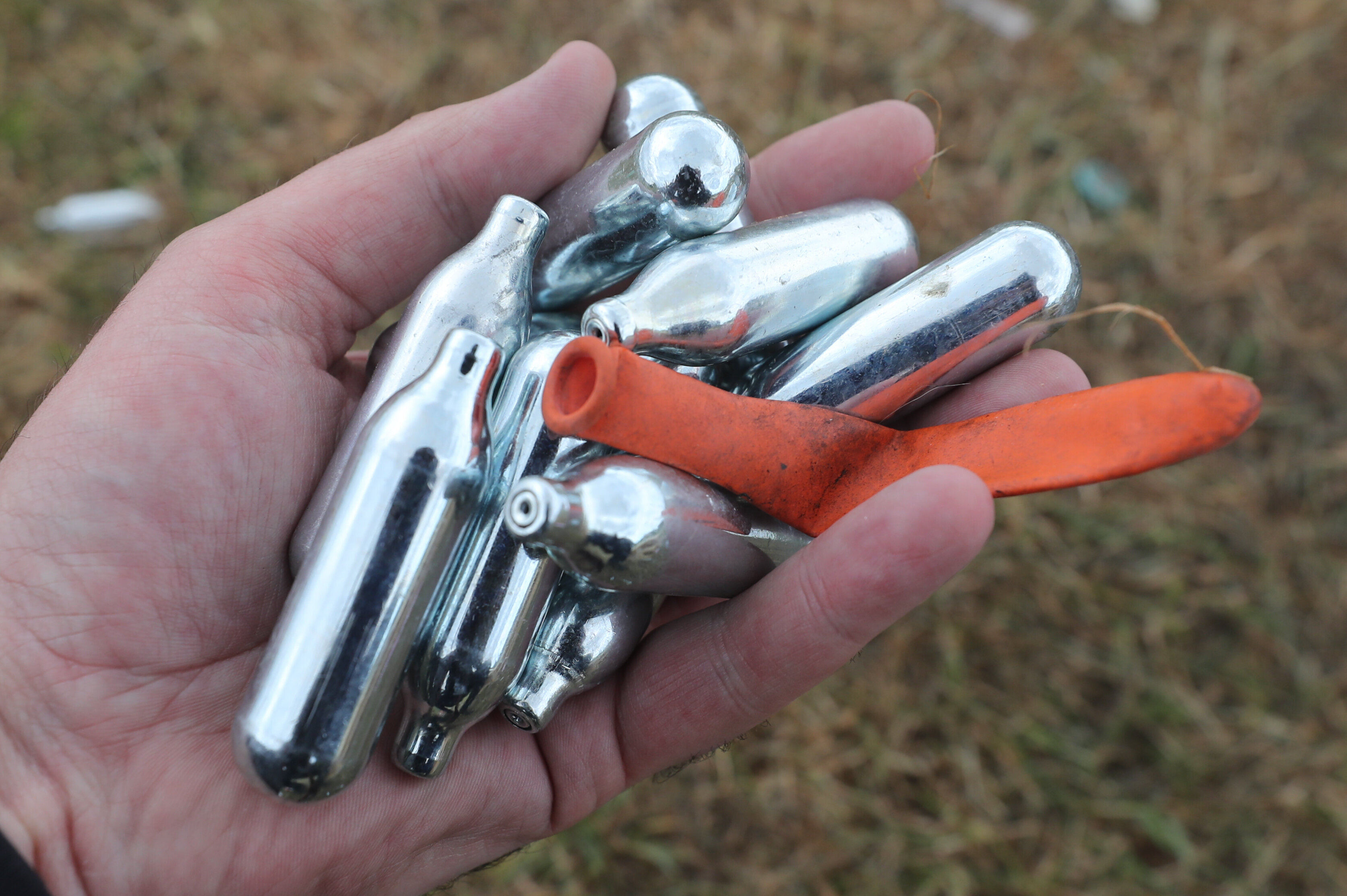
Nitrous oxide, sold in metal canisters, is known as NOS and is the second most-used drug by UK 16 to 24-year-olds.
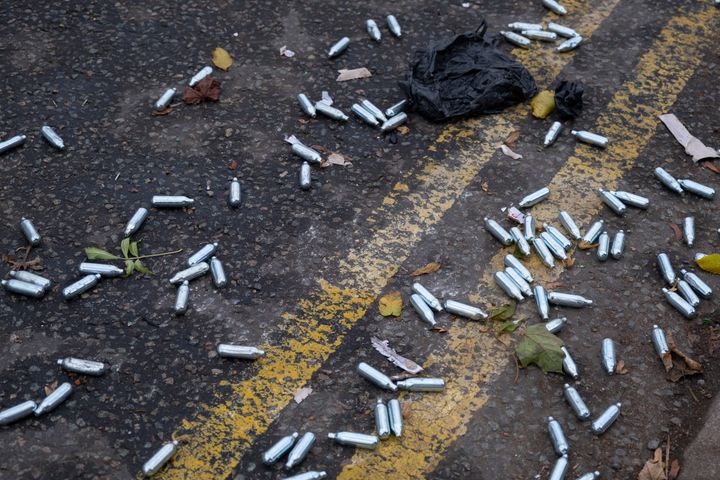
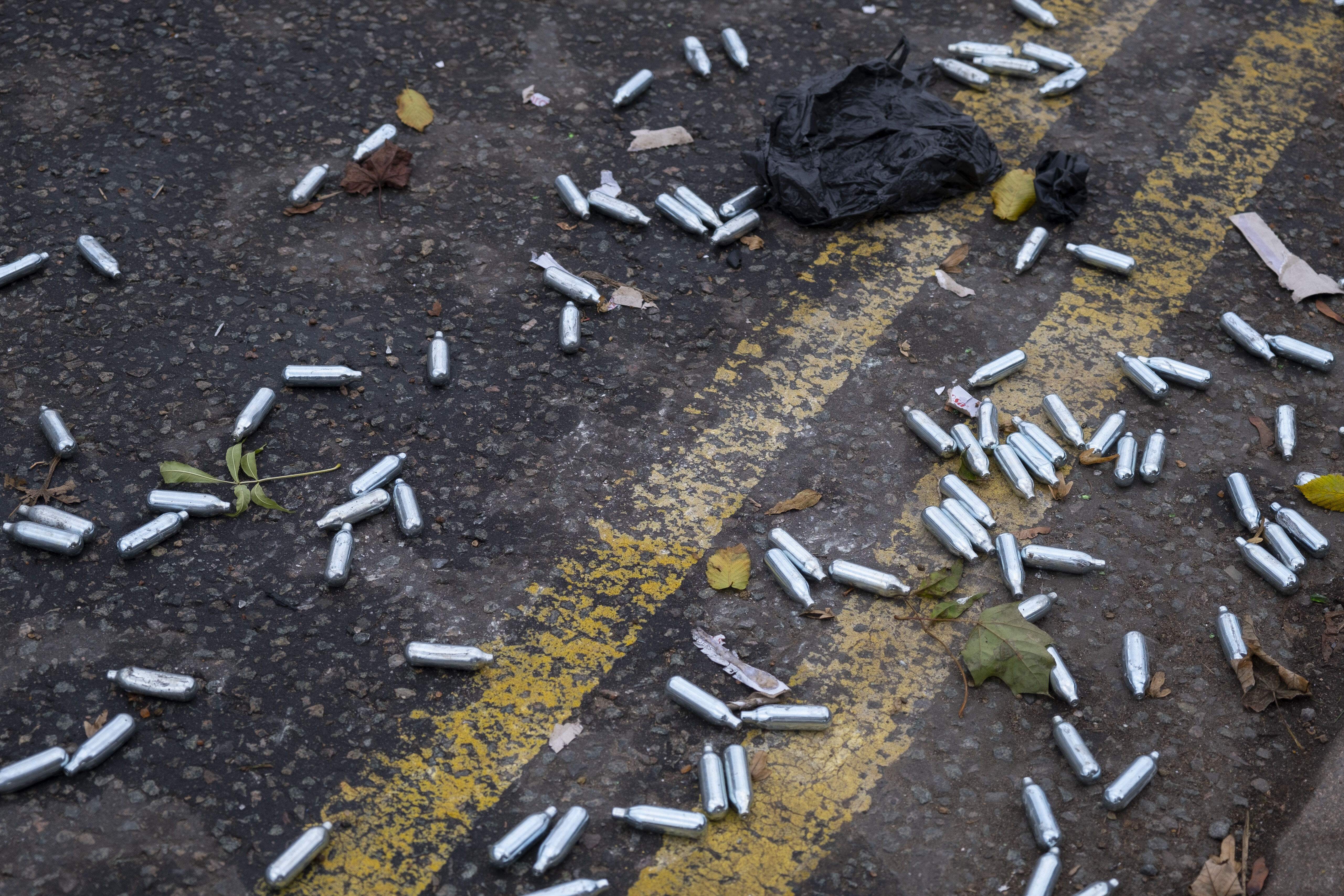
Confirming the ban on laughing gas, Gove told Sky: “I think anyone who has the opportunity to walk through our parks in our major cities will have seen these little silver canisters, which are examples of people not only spoiling public spaces but taking a drug which can have a psychological and neurological effect and one that contributes to antisocial behaviour overall.”
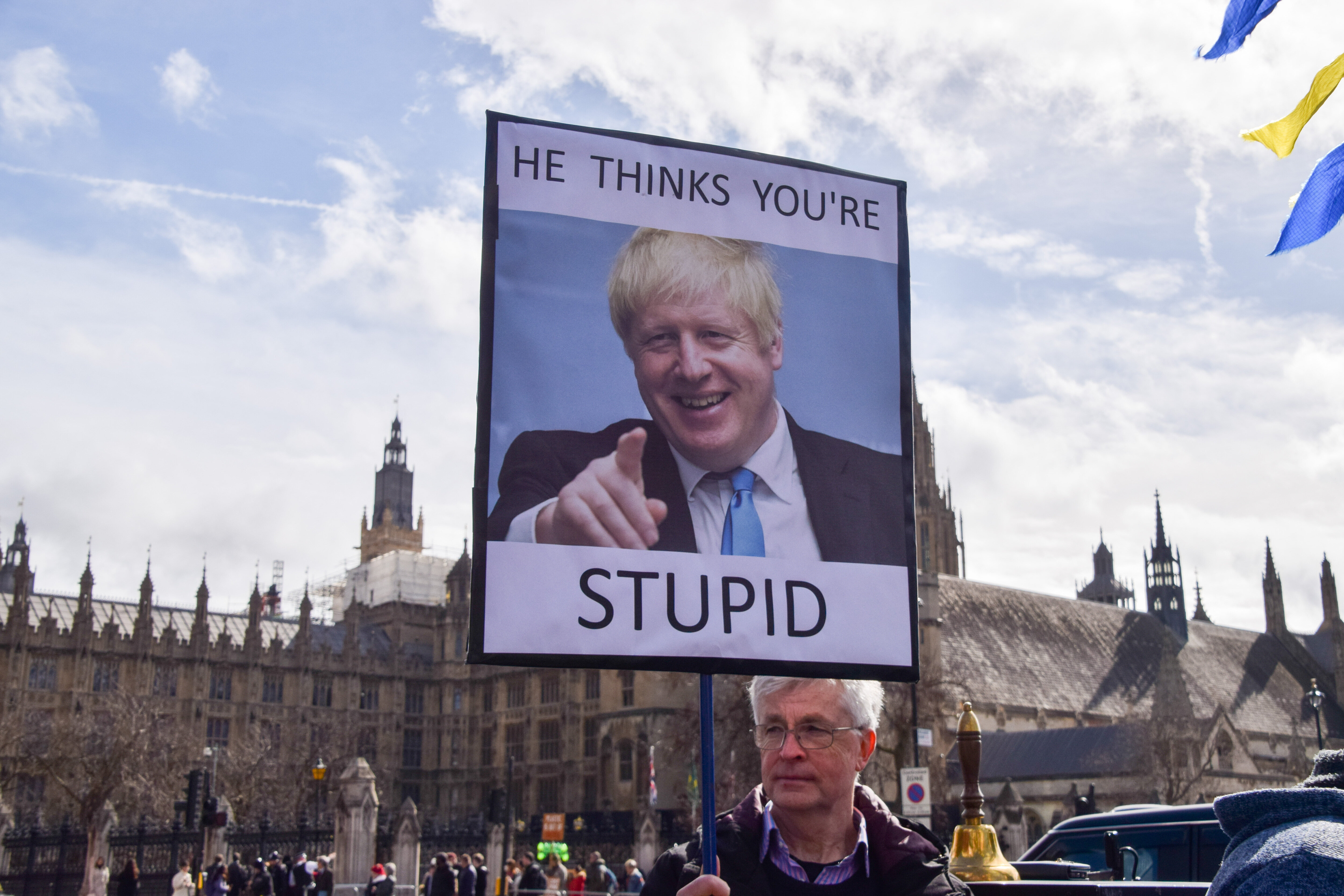
Their inquiry into whether he led misled parliament has the potential to end his political career.
However, Gove told Sky News Johnson is a “man of integrity” and is someone who “puts the country first”.
Advertisement
He went on to tell the BBC’s Sunday With Laura Kuenssberg programme he believed the former prime minister’s evidence.
Asked if Johnson had always told the truth, Gove said: “I think that all of us will at some point have told a white lie or an untruth.
“But I think the fundamental thing here —and again the privileges committee will make up its own mind, it has looked at all the evidence — but what was Boris’ argument? He was working incredibly hard, every hour that the lord sent in order to try and do the right thing.
‘I’m here to say to you, hand on heart, I did not lie to the house.’
Boris Johnson addresses the Privileges Committee stating his actions were made in ‘good faith’ and what ‘I believed was right at the time’. pic.twitter.com/l2F7rn7rgm
“He believed that saying thank you to people who were leaving in the cramped and confined circumstances of 10 Downing Street was part of that job. Did he attend those events in a spirit of self-indulgence? No, he did so in order to show his gratitude to those who were working with him.”
Advertisement
Gove said he was inclined to give Johnson “not just the benefit of the doubt” but to believe him when he “places his hand on his heart”.
Johnson swore on the King James Bible to tell the truth before accepting that he misled MPs but insisted his partygate denials were made “in good faith” based on what he “honestly” knew at the time.
Johnson said if it was so “obvious” that rule-breaking was going on in No.10, then it would also have been “obvious” to others, including Rishi Sunak.
He also argued the process had been “manifestly unfair” and said if the inquiry is accusing him of lying, then it is also levelling the same charge at civil servants, advisers and MPs.
“I took drugs on several occasions at social events more than 20 years ago,” he told the Daily Mail. “At the time I was a young journalist. It was a mistake. I look back and I think, I wish I hadn’t done that.”
Advertisement
“You’ve taken drugs, you’ve admitted to taking cocaine on several occasions, are you really going to give people a criminal record for laughing gas?”
Michael Gove says “yes” because he’s learned from his experience #Ridge
The levelling up secretary said he had learned it was a “mistake” and it was “absolutely vital” to deal with the “scourge” of laughing gas.
Asked if the public might view his stance on laughing gas as “hypocritical”, he told Sky News’ Sophy Ridge On Sunday: “No, I think it is because I have learned.”
Pressed on what he had learned, Gove said: “That it is a mistake — worse than a mistake — to regard drug taking as somehow acceptable.”
Advertisement
Empty cannisters of laughing gas lying on the street in Birmingham.
Mike Kemp via Getty Images
Confirming the ban on laughing gas, Gove said: “I think anyone who has the opportunity to walk through our parks in our major cities will have seen these little silver canisters, which are examples of people not only spoiling public spaces but taking a drug which can have a psychological and neurological effect and one that contributes to antisocial behaviour overall.”
Laughing gas is the second most commonly used drug among 16 to 24-year-olds in England after cannabis.
The decision goes further than the recommendations of a review commissioned by the Home Office, which stopped short of recommending a ban after examining the dangers of the substance.
Advertisement
Gove accepted that ministers had been advised not to ban laughing gas but said the government had taken a different view.
“Of course it is absolutely right that we uphold the law in this case,” he added.
“Yes, the advisory committee offered their advice but ultimately it is ministers who are responsible.
“And we believe collectively that it is absolutely vital that we deal with this scourge and in the same way.”
Asked if they believed Boris Johnson told the truth when he appeared before MPs this week, not a single member of the Question Time audience put their hand up.
Even more worryingly for the former prime minister, the programme was being broadcast from Newcastle-under-Lyme, part of the famous Red Wall of seats where he is still said to be popular with voters.
Advertisement
It was a fitting denouement to a miserable week for a man who was still in Downing Street less than a year ago.
Johnson suffered two major blows to his hopes of a political comeback within a few hours on Wednesday afternoon.
His irascible performance in front of parliament’s privileges committee, which is investigating claims he misled the Commons over partygate, left few in any doubt that he will be found guilty.
Should the committee decide to impose a suspension of more than 10 days, and parliament votes for it, he could face a by-election in his Uxbridge seat.
Advertisement
On the same day, Johnson’s hopes of leading a wide-scale Tory revolt against his arch-nemesis Rishi Sunak’s Brexit deal ended in failure when only 21 of his colleagues followed him into the No lobby.
Meanwhile, while all this was going on, Rishi Sunak enjoyed a game of cricket in the Downing Street garden with England’s T20 world cup-winning team.
Rishi Sunak enjoyed a game of cricket in the No10 garden with England’s T20 World Cup winning and children from the ACE cricket programme on Wednesday.
Simon Walker/10 Downing Street
As he surveys the political scene this weekend, Johnson will surely be contemplating the very real possibility that his ambition of a triumphant return to No.10 will be unfulfilled.
Many experienced observers of Westminster believe that the game is up for the former PM.
One senior Tory told HuffPost UK: “He’s just like that drunk uncle at the wedding who is there at the reception but you don’t really know why.”
Advertisement
Others believe that even Johnson’s media cheerleaders have decided to move on and throw their weight behind Sunak as the next election draws nearer.
“I thought it was very telling there was a front page of the Telegraph was very negative about him after his committee appearance,” said one former cabinet member. “I think that’s a weathervane.
“I think it’s a cocktail of the partygate stuff and the Brexit vote. It could have gone the other way – he could have had a major triumph in the committee and there could have been a big rebellion, but in the end it was just the usual suspects who voted with him.
“A line has been drawn and people just want to move on.”
One Tory MP told HuffPost UK: “His defence at the committee was basically ‘I’m an idiot’. Some people might accept that, but I think it just reaffirmed that him coming back is just not a realistic possibility.
“Even if Rishi falls under a bus, literally or politically, it’s not going to Boris who steps in to the breach. A significant enough number of MPs just wouldn’t wear it. Most of them realise he’s not an asset to them any more.”
Advertisement
Tory peer and election guru Lord Hayward told Sky News: “His support is diminishing and his impact on the party is diminishing the longer Rishi Sunak is prime minister.”
Former minister Caroline Nokes was even more forthright, declaring that Johnson is “finished”.
“I think there was a very clear message from his own ministers back in the summer that they didn’t want him to carry on,” she told ITV’s Peston show.
“He didn’t choose to stand against Rishi Sunak back in the autumn when we had the second leadership challenge.
“As far as I’m concerned, Boris Johnson is not coming back as prime minister.”
Johnson still does have his hardcore supporters who will defend him to the bitter end.
Jacob Rees-Mogg told Channel 4 News “he’s winning in the court of public opinion”, while Nadine Dorries said the privileges committee is “a kangaroo court” determined to find him guilty regardless of the evidence.
One Johnson ally said that if the partygate inquiry had been properly dealt with a year ago, he would probably still be PM.
Advertisement
“It would have helped restore perspective and pedestrianise what was portrayed as sinister and dramatic at the time,” they told HuffPost UK.
“The world now knows that police looked at the legality and found the PM and Rishi at fault for one event that the public would totally understand.
“People were working hard in No.10 and were there for long and endless hours – they weren’t heading in for a party. And the bad stuff unveiled by the Sue Gray report was a shock to Boris as much as anyone.
“We all lost the plot getting obsessed with partygate when we should have been looking at things like the anaemic economic growth, high inflation, the delays to HS2 and the fact that corporation tax is too high.”
However, the ally did agree with Johnson’s detractors that there is no chance of him returning to Downing Street.
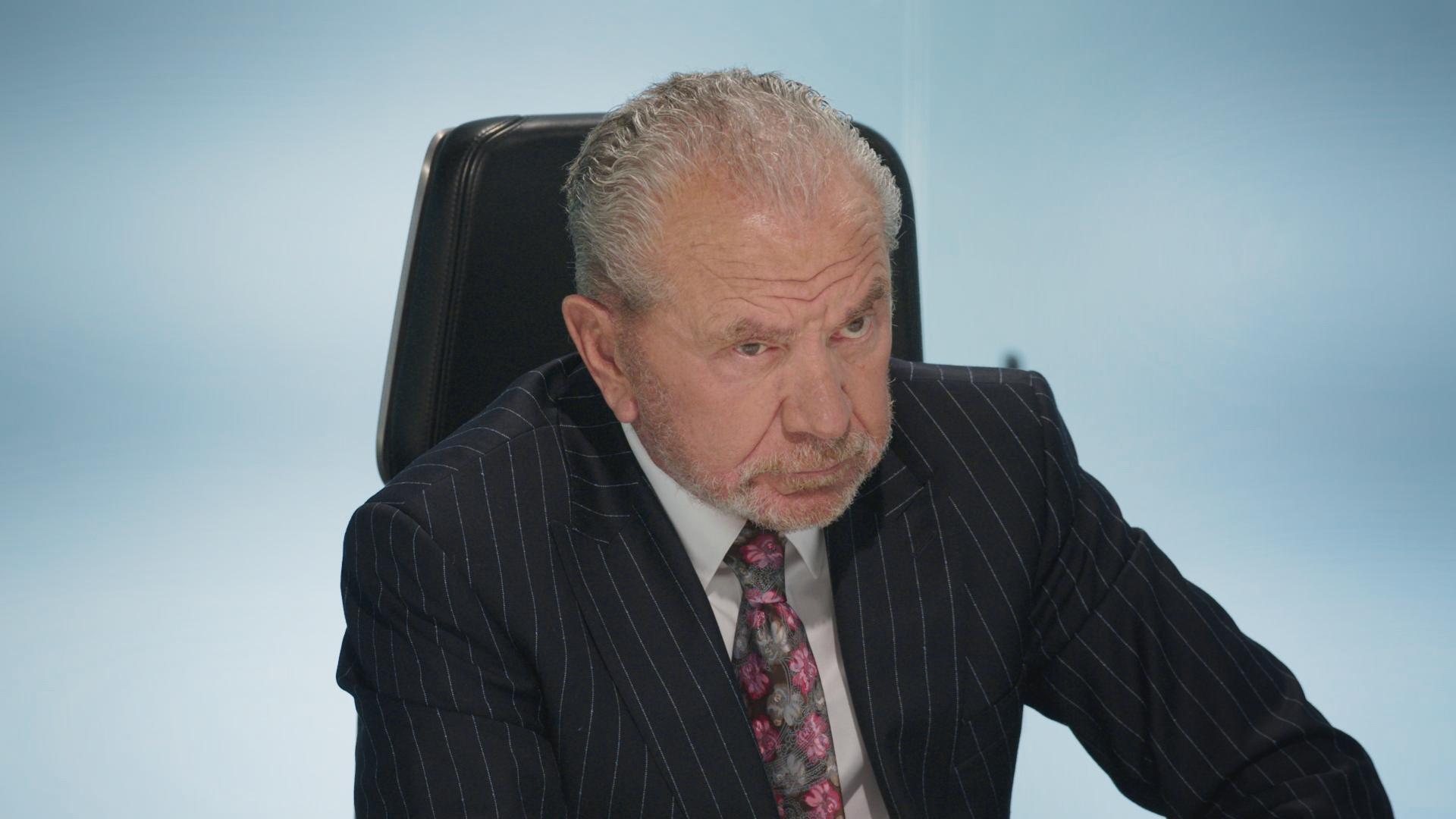
Gordon Ramsay has urged Alan Sugar to stop talking “absolute bollocks” amid an ongoing row about their respective BBC shows.
Last year, the TV chef launched Gordon Ramsay’s Future Food Stars, a new TV venture on BBC One, which the Amstrad founder claimed was a “virtual rip-off” of The Apprentice.
Advertisement
“Last year, Gordon Ramsay had some cockamamie idea… I like Gordon and I think he’s very good and should stick to what he should do, cooking and all that stuff,” he told the Daily Mail.
“He had something, which was like, I don’t know how the lawyers allowed it because it was a virtual rip-off of The Apprentice. No disrespect to Gordon but stick to your day job mate that’s all I would say.”
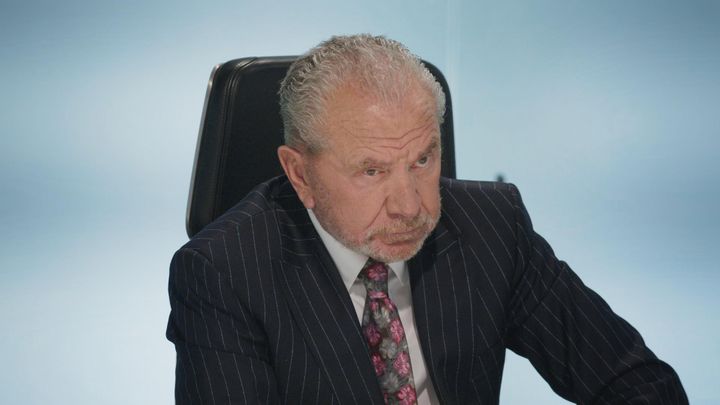
Alan Sugar in the Apprentice boardroom
BBC / Fremantlemedia Limited
In a new interview with The Sun, insisting the entrepreneur should stop “bitching” and talking “absolute bollocks”.
Advertisement
“He has no right to start throwing his toys out the pram,” the Kitchen Nightmares star claimed. “Do you think Simon Cowell started complaining about The Voice when he was running The X Factor? Of course he didn’t.
“There is more than enough room for both shows on the BBC. Come on Alan! Share the f–ing love!”
Gordon added: “One of his contestants who ran a cupcake firm got in touch. What is a cupcake firm going to Alan Sugar for money for? They should be coming to me.
“Anyway, she said to me, ‘I love the show, I am a huge supporter, how can I apply to come on?’. I wanted to send it and say, ‘See, you are bitching about me but your contestants are dying to come on the show!’.”
Alan Sugar with this year’s Apprentice candidates
BBC/Fremantle Media/Ray Burmiston
The 17th series of The Apprentice aired on BBC One earlier this week, with Alan Sugar giving a £250,000 investment to the aspiring business owner of his choosing.
Advertisement
Speaking to The Sun last week, Alan claimed he didn’t think Gordon’s food show would still be talked about in 17 years,
“Not even in 17 weeks’ time,” he added, but insisted: “I don’t want to start a war.”
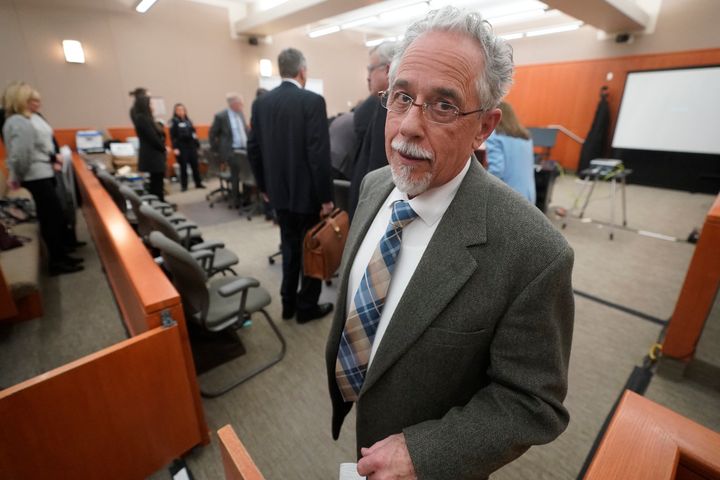
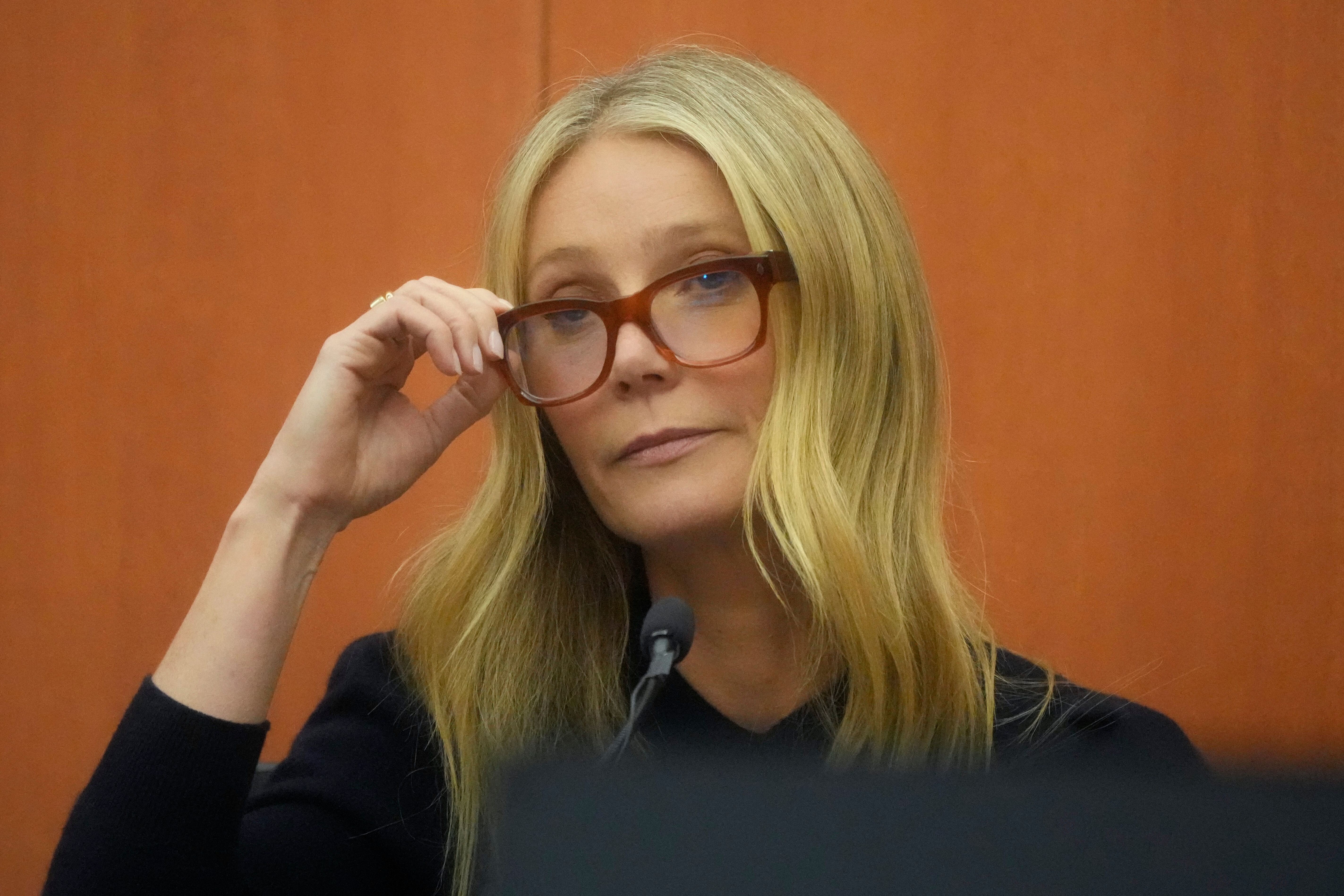
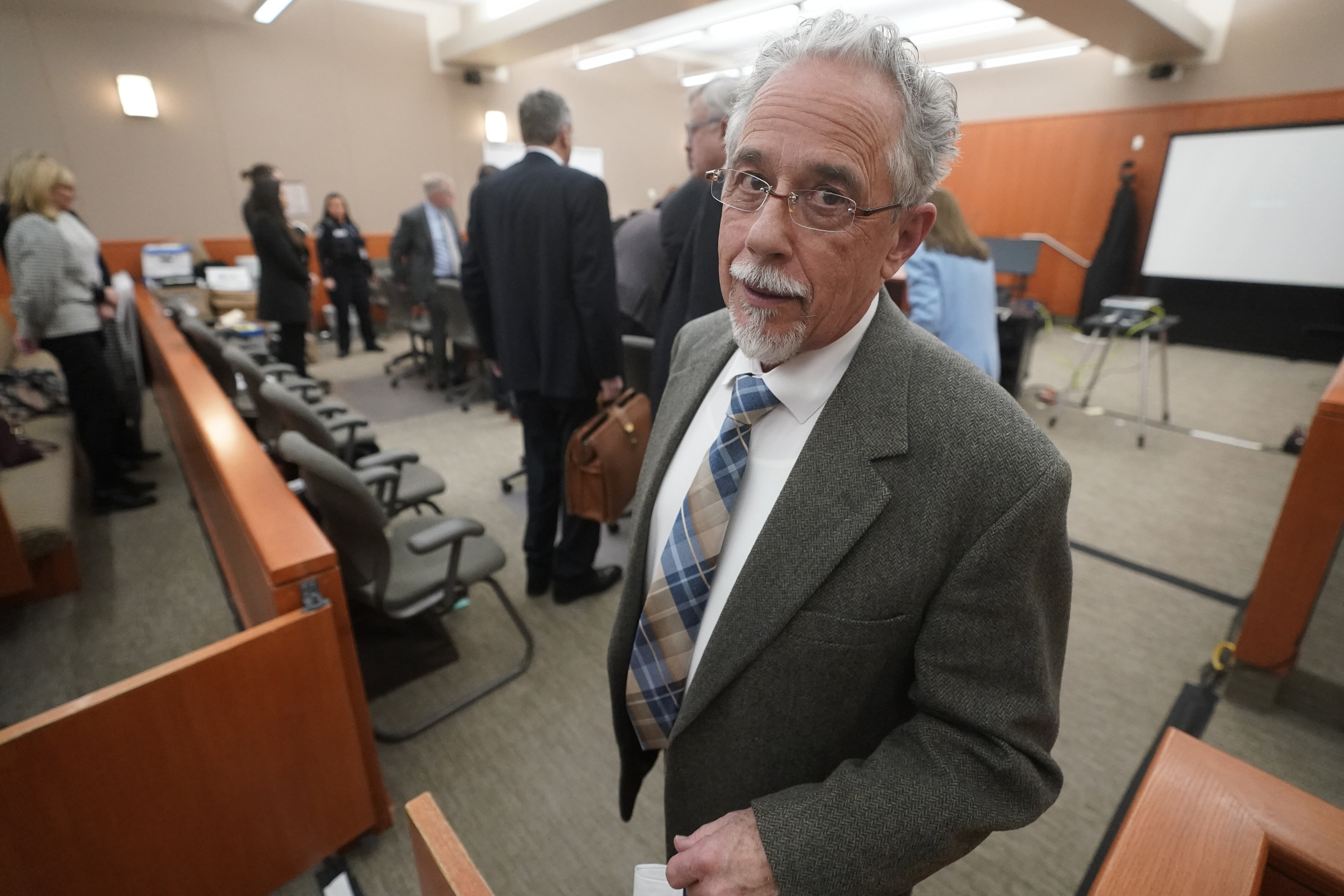
Back in 2016, the Oscar winner and a now-retired optometrist, Terry Sanderson, were involved in an incident at a ski resort in Park City, Utah.
Advertisement
Sanderson is suing Paltrow over the accident, claiming her “negligence” caused him to suffer “four broken ribs and permanent brain damage”. He is seeking up to $3,276,000 (around £2,688,000) in damages.
Paltrow has also filed her own counterclaim, accusing Sanderson of being responsible for the incident, and is seeking just one dollar in damages.
On Friday, the Shakespeare In Love star took to the stand for the first time, where Sanderson’s legal team asked whether her one-dollar countersuit was inspired by Taylor Swift, who was awarded the same amount in damages in a sexual assault trial in 2017.
Taylor Swift at the Grammys last month
Jeff Kravitz via Getty Images
Advertisement
“It’s an actual dollar that I’m asking for,” Paltrow told the jury. “It’s symbolic because the damages would actually be more.”
Asked whether Swift inspired the suit, the Goop founder insisted: “I think I said that I had not been familiar with [the Taylor Swift case] but I since am.”
When Sanderson’s team questioned whether she was friends with Swift, Paltrow responded: “No… I would not say we are good friends, we are friendly; I’ve taken my kids to one of her concerts before but we don’t talk very often.”
Terry Sanderson leaving the court earlier this week
Pool via Getty Images
The eight-day trial is expected to continue next week, after which a jury will make a decision.
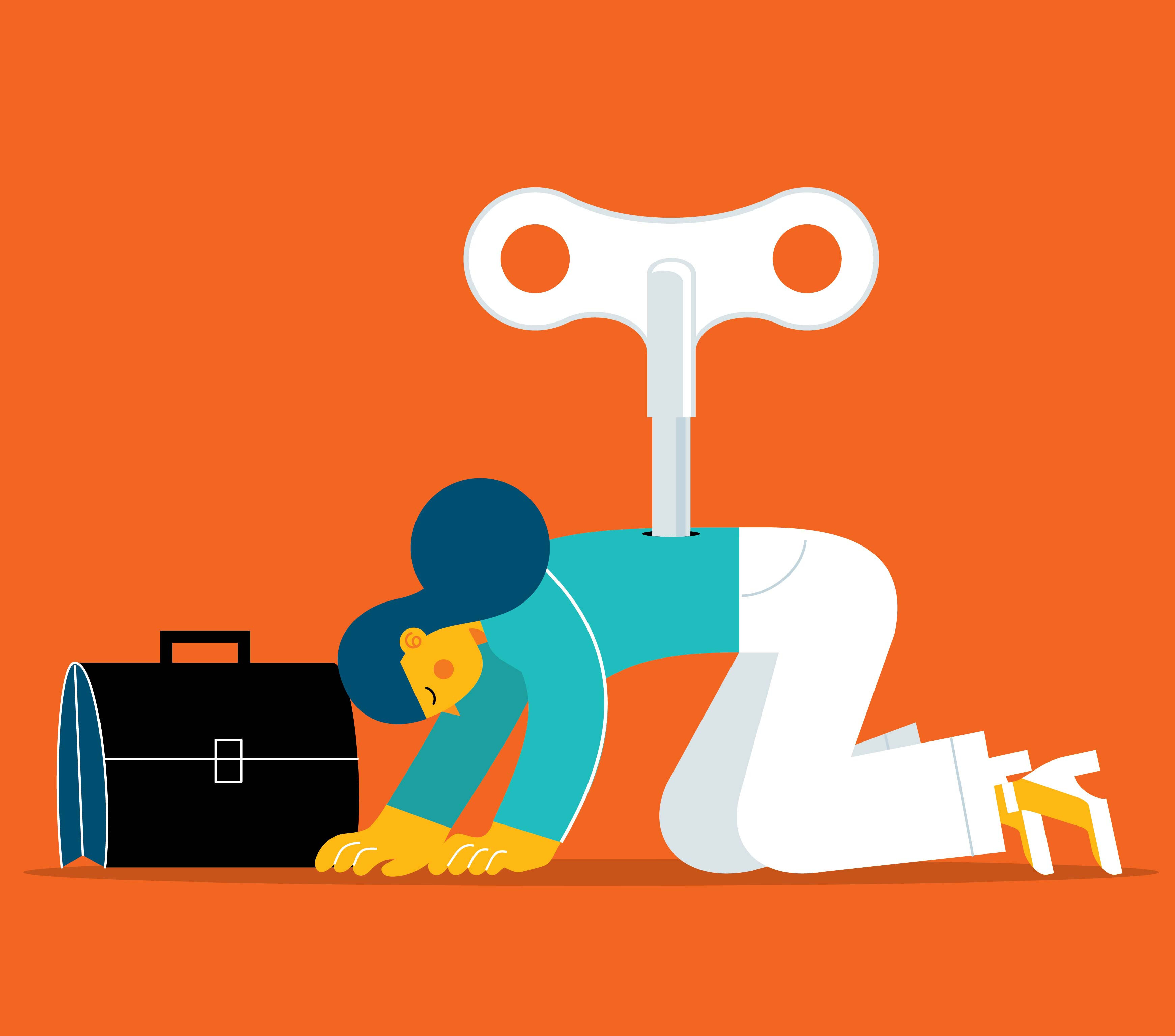
Another workplace label just landed, and you’re probably going to relate to it: rust-out.
Somewhere between boredom and burnout, rust-out isn’t a case of being fed up with your job but more about how you’re being treated within that role.
If burnout is when you push yourself too far, rust-out is when you’ve effectively been forgotten by your manager – leading to frustration, exhaustion and just… a desire to quit. You’re stuck in a position, and can’t go anywhere else.
“It’s where people don’t feel they’re don’t anything purposeful or being recognised.
“They often feel blocked – as if there’s nowhere for them to progress to, and it can be a much harder issue to address than burnout.”
Burnout is already recognised by the World Health Organisation (WHO) as an occupational phenomenon, but it’s worth putting rust-out on your radar too.
Advertisement
After all, not everyone joined the Great Resignation during the Covid pandemic – there are bills to pay (and they’re only getting more expensive thanks to the cost of living crisis).
Analytics company Gallup found in 2022 that just 21% of respondents were engaged with their jobs around the world.
But with rust-out it seems like motivation is gone altogether.
Clouston explained: “The mental impact of rust-out can be quite dark. You can feel depressed – like you’re stuck in the mud, unable to move.”
She claimed this then had a domino effect on the rest of our everyday lives outside of work, too.
miodrag ignjatovic via Getty Images
Advertisement
And rust-out doesn’t help anyone, including your employers.
“As a general rule, once someone starts to rust out, the quality of work goes downhill, as the employee loses interest, finding the job unfulfilling,” Clouston said, leading to cynicism.
But Clouston said that experiencing rust-out doesn’t mean you have to quit completely.
She suggested speaking to your manager to see if you can amplify the parts of your role you really enjoy, or create a progression plan for your role.
“This can help you review what you want in the workplace and help you find that opportunity for change,” she explained.
Clouston advised moving the focus back onto your wellbeing too, and remembering the pastimes which gave you joy before.
But if this doesn’t help, and it doesn’t seem like you can develop at work even when you try, you might want to start looking for a new job.
Holding in a fart, sometimes, feels an absolute necessity.
Not all (read: most) social settings are appropriate for you to let one free or for you to run to the nearest toilet to do the right thing.
Farts are, of course, a natural part of digestion so it’s not safe to just never let them out.
But, are there are any real health consequences to just clenching your cheeks together and hoping for the best?
Advertisement
US health information website, Healthline, explains that if you keep one in, some of the gas from the fart will then be “reabsorbed” into your circulatory system.
Then it goes into your lungs – and yes, it’s about to get grosser – and into the pulmonary circulation system, before being expelled via…exhalation.
But: this is not a mouth fart.
It’s just gas which would have contributed to the fart coming out via a… different route. It will not taste of anything.
Farts are made up of swallowed air and gas released by bacteria in your colon, from undigested carbohydrates. In fact, 75% comes from this bacteria which hasn’t been able to break down some of your meals.
Advertisement
“It smells bad due to the breakdown of various foods into certain gases, primarily sulphur containing gases.
“These aren’t reabsorbed by your body,” Healthline explained.
The rest of the fart usually contains hydrogen, carbon dioxide and methane, gases which don’t smell.
And while you might think it’s therefore OK to just hold in a ripe one because it will just get diverted to your mouth (grim), it might also cause you to bloat, or trigger a lot of burping.
It’s also likely to be uncomfortable especially if there’s a build-up of a lot of gas. Think cramping, think pain.
Any woman who takes the pill knows it comes with risks: mood changes, irregular periods, mental health issues, and cancer.
If you’re on the ‘mini pill’ there’s a slight chance you could develop breast cancer, researchers now say.
Advertisement
The new study in PLoS Medicine journal is the first of its kind to analyse the risks for users of the mini pill. We know that taking the pill can be a negative experience for women but some hormonal contraceptives can lower the risk of womb and ovarian cancers. All in all, women need to weigh up their options before choosing a contraceptive pill.
What is the mini pill?
The mini pill also known as the progesterone-only pill stops pregnancy by thickening the mucus in the cervix to stop sperm from reaching an egg, according to the NHS.
It must be taken every day at the same time in order for it to work. If taken correctly, it’s more than 99% effective.
There are two different types of progesterone-only pills:
3-hour progestogen-only pill – (traditional progestogen-only pill) this must be taken within 3 hours of the same time each day
12-hour progestogen-only pill (desogestrel progestogen-only pill) this must be taken within 12 hours of the same time each day
What are the risks of developing breast cancer?
The risk of developing breast cancer on the mini pill increases with age. Younger women are less likely to be diagnosed with breast cancer although this age group is most likely to be on the pill.
30,000 patient records that were held by family doctors were analysed by the researchers. The risk of a woman developing cancer within the next 15 years increased by 20-30% if she’s been on the pill for five years, but it’s contingent on the age of the woman.
The researchers in this study concluded that in a group of 100,000 women aged 35-39, nearly 2000 of them are likely to develop breast cancer within the next 15 years though this is determined by several factors which are not linked to being on the pill. So in actuality, it isn’t a large number.
“I don’t really see that there’s any indication here to say that women need to necessarily change what they’re doing,” Oxford University researchers, Prof Gillian Reeves, said.
“The main purpose of doing this research was really to fill a gap in our knowledge.”
What are the signs of breast cancer?
Manveet Basra, head of public health and wellbeing at Breast Cancer Now, says many women may know that a lump can be a possible symptom of breast cancer, but it’s “vital” to know that there are other signs to be aware of too.
These are:
A lump
Thickening of breast tissue that feels different from the rest of the breast
Nipple discharge
Dimpling or puckering of the skin of the breast (looks like orange peel)
The breast looking red or inflamed
Swelling in the upper chest or armpit
A change in breast size or shape
Your nipple becomes inverted or changes shape
Constant pain in your breast or armpit
While most breast changes won’t be cancer, it’s crucial you get any new or unusual breast changes checked by your GP right away. But, what does a lump actually feel like?
“It can either be deep or toward the skin itself. Typically it is not painful. It’s typically not easily movable but oftentimes fixed in a particular space, meaning it doesn’t shift in its location all that easily. In terms of shape, it is oftentimes round but sometimes it can be a little bit more irregular than that.”
Some experts have suggested the size of a breast lump ranges from as small as a pea to larger than a golf ball. Indeed, Kamal notes that many of his patients have compared it to a pea.
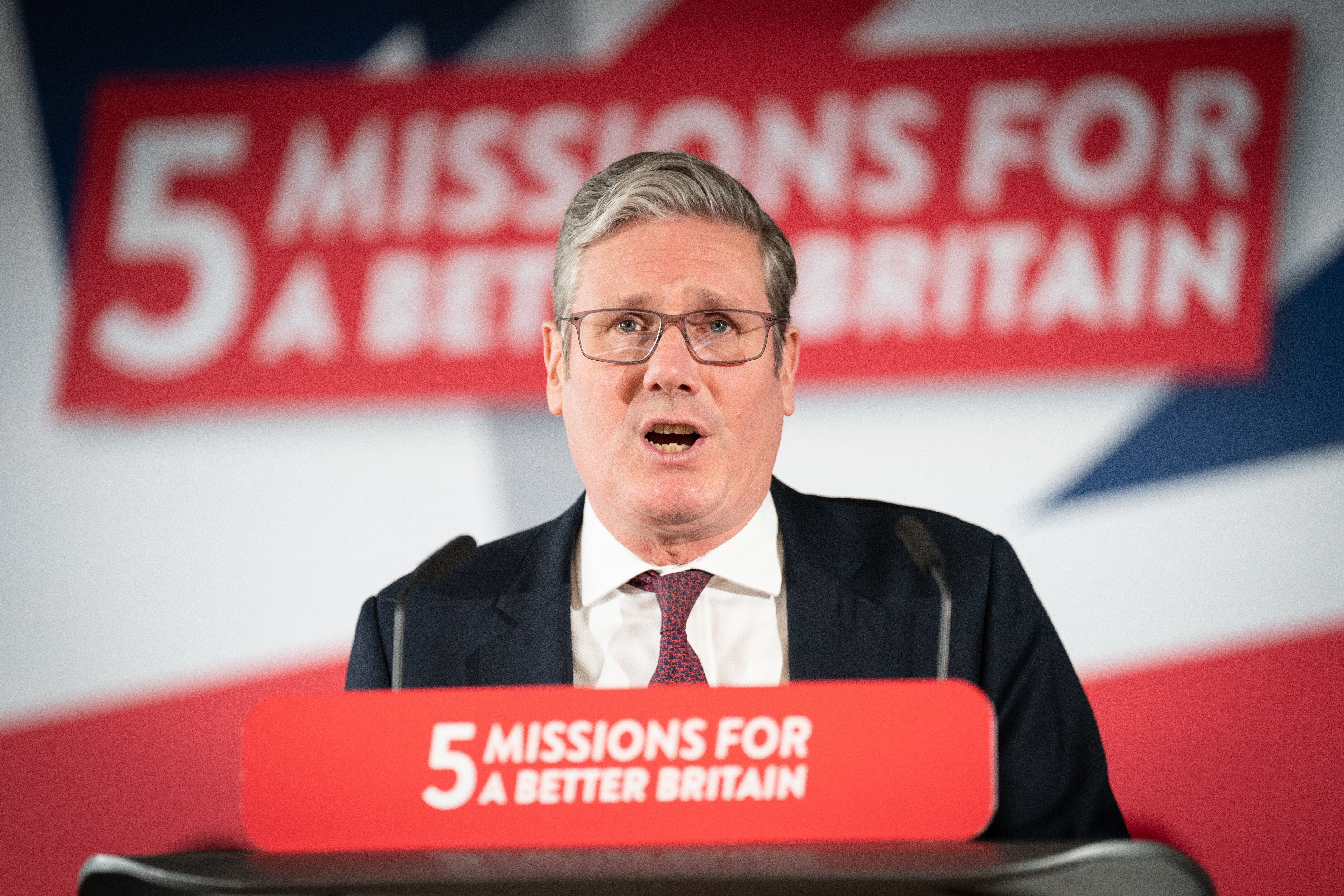
Keir Starmer earned £360,000 in the last two years and paid £118,000 in tax, it has been revealed.
The Labour leader published his returns for 2020/21 and 2021/22 a day after Rishi Sunak became the first prime minister since David Cameron to do so.
They show that in 202/21, Starmer earned £125,695 as an MP and leader of the opposition.
He also received £21,925 in book royalties and £13 in bank interest, making a total of £147,633.
In that year, he paid £51,547 in income tax.
In 2021/22, he earned £126,154 as an MP and Labour leader, £453 in royalties, £14 in bank interest and £85,466 in capital gains after his sister sold a house they had bought together for her and her children to live in.
Advertisement
He paid £43,103 in income tax, plus £23,930 in capital gains tax, making a total of £67,033.
It means that over the two years he earned a total of £359,720 and paid £118,580 to the tax man. That means his tax rate was 33%.
Sunak’s returns showed that he paid HMRC just over £1 million between 2019 and 2022.
Tax returns dating back to Sunak’s time as chancellor show that between 2019/20 and 2021/22, he received £1,006,374 in income, plus £3,760,588 in capital gains – a total of £4,766,962.
On that, he paid income tax and capital gains tax totalling £1,053,060.
A Labour source said: “While Sunak was jacking up everyone else’s tax, he was paying a tax rate of about 22% on millions of pounds of income.”