It is a highly unusual move that will see the Bank buying long-term government debt to tackle a surge in the cost of borrowing, which it said risked “contagion” to households and businesses.
Advertisement
The announcement has prompted calls for the prime minister to address the public about her decisions.
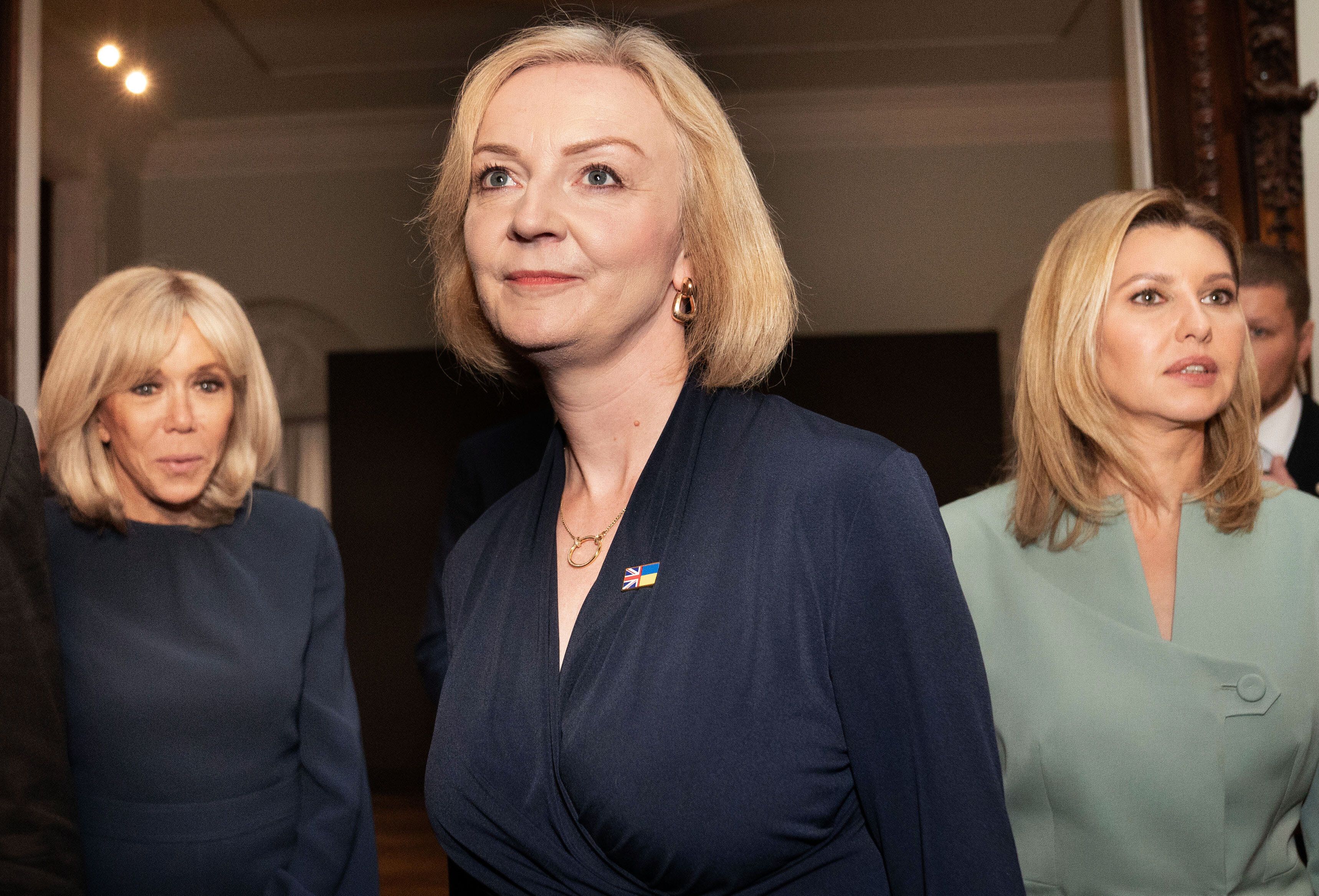
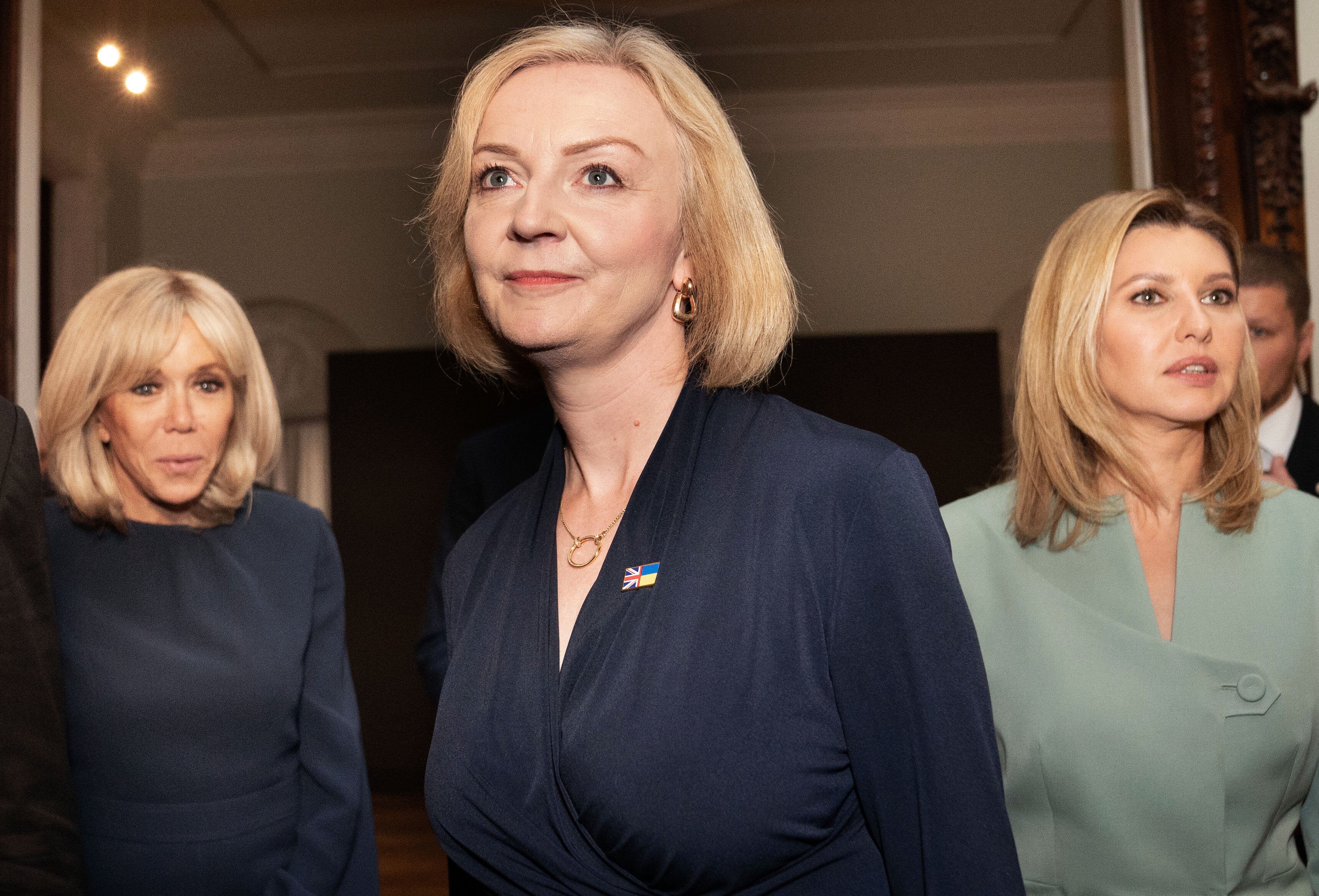
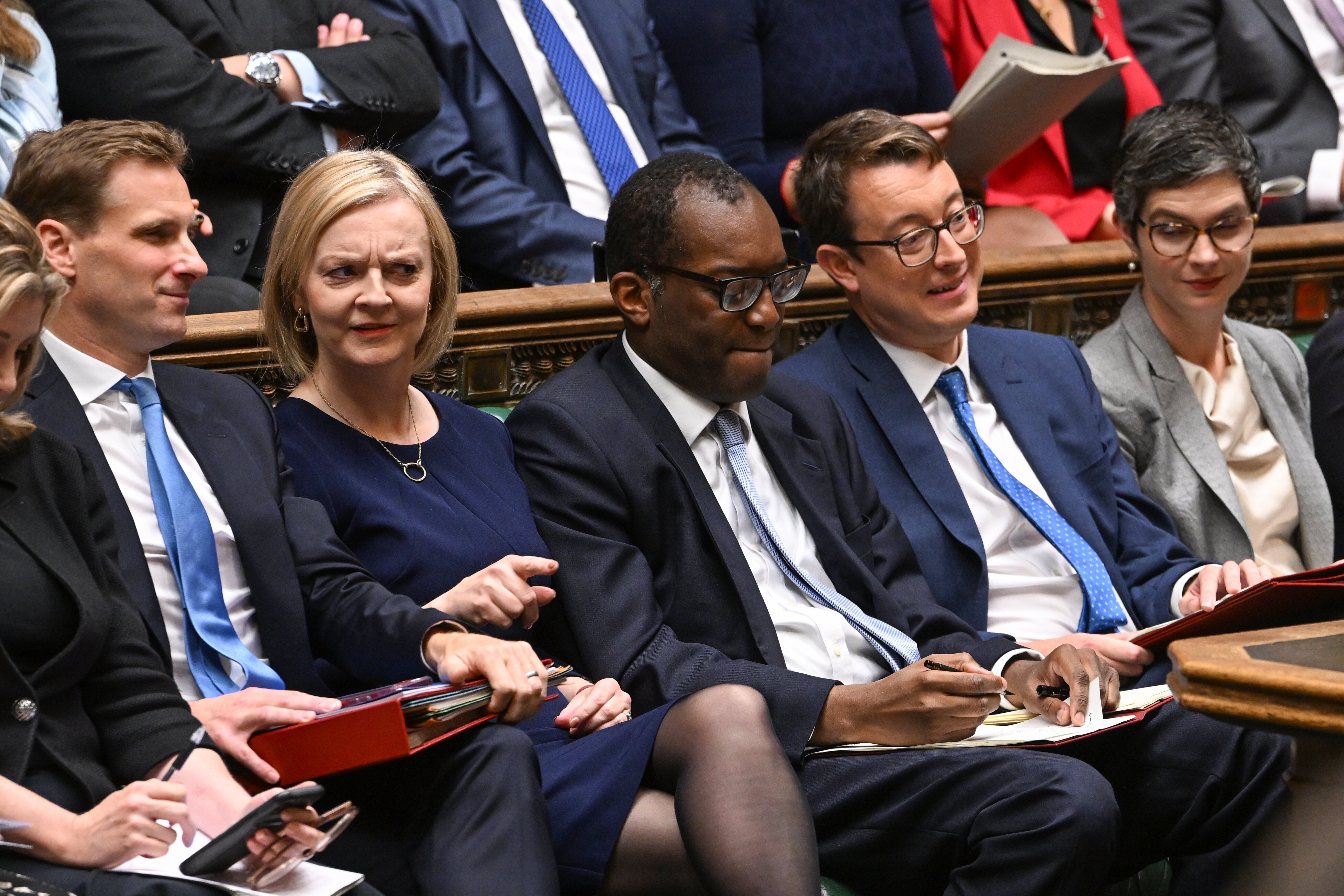
Truss has not spoken publicly in the six days since her government announced the biggest tax cuts for 50 years.
Government sources say there are no plans for Liz Truss to comment publicly today on the turmoil in financial markets
One Twitter user said: “Genuinely where the hell is Liz Truss? You’d of thought at least a written statement would of gone out by now to someone in the press to calm things down at least surely?”
GB News presenter Isabel Webster Tweeted: “Where is Liz Truss?”
“What the government needs to do now is recall parliament and abandon this budget.”
– Labour leader Keir Starmer
Advertisement
Comedian David Baddiel added: “Where *is* Liz Truss? We appear to be in a crisis. Normally, in that situation, a country’s leader says…*something*. Even if it’s keep calm and carry on.”
Former Blue Peter presenter Simon Thomas added: “Whilst the economy burns like a skip fire, has anyone seen or heard from Liz Truss? She was highly visible during her leadership tour; but now she is leader, where the hell is she?!
“Where is her leadership? Cooling off in Boris’s fridge? To remain quiet is a dereliction of duty.”
It comes as Labour, the Lib Dems and SNP all called for parliament to be recalled amid the “rapidly deteriorating economic crisis”.
Labour leader Keir Starmer told Sky News: “The government has clearly lost control of the economy.
“What the government needs to do now is recall parliament and abandon this budget.”
UK in grip of rapidly deteriorating economic crisis. Emergency intervention by @bankofengland to reduce damage of UK gov own policies extraordinary. Commons should be immediately recalled (where even is PM?) & as at least an initial symbol of sense, top tax rate abolition dumped
Lib Dem leader Ed Davey said Truss had 24 hours to fix the “economic disaster” and added: “Every hour the prime minister and chancellor hide from this economic nightmare increases the chances of interest rates spiralling out of control and people losing their homes.”
Advertisement
There are mounting concerns about a mortgage crisis as the Bank prepares to hike interest rates.
Lenders have withdrawn dozens of products as they struggle to adjust to the expectations of higher costs.
The Labour Party has also called on the chancellor to make an “urgent statement” on how he is going to fix the “crisis that he has made”.
The International Monetary Fund has made a stunning intervention over the state of the UK economy after the Tory mini-budget caused financial turmoil.
In the group’s first public reaction to Britain’s growing crisis, the IMF said on Tuesday that it would urge the UK to “re-evaluate” a massive £45 billion tax cut funded by government borrowing as it does “not recommend large and untargeted fiscal packages” given soaring inflation across the world.
Advertisement
It went on to warn the measures will likely increase inequality, and urged more action to hep those affected by the energy crisis and rising cost of living.
What is the IMF? Why do their comments matter?
The Washington DC-based “lender of last resort” has helped bail-out struggling nation states around the world for more than 70 years.
It is extremely rare for the organisation to intervene in a developed country’s economic policy. Britain was forced to apply for an IMF loan of nearly $4 billion during the 1976 financial crisis, with negotiators for the group insisting on deep cuts in public expenditure at the time.
IMF officials have warned repeatedly in recent months of the need to carefully calibrate fiscal and monetary policy as central bankers raise interest rates across the globe to get inflation under control.
Advertisement
Against a backdrop of the pandemic, Russia’s invasion of Ukraine and rising global interest rates, the organisation’s lending has hit a hit a record high at $14billion, the FT reported. Zambia and Sri Lanka, which both defaulted in the pandemic, are currently negotiating IMF bailouts as part of efforts to restructure debts.
What is it responding to?
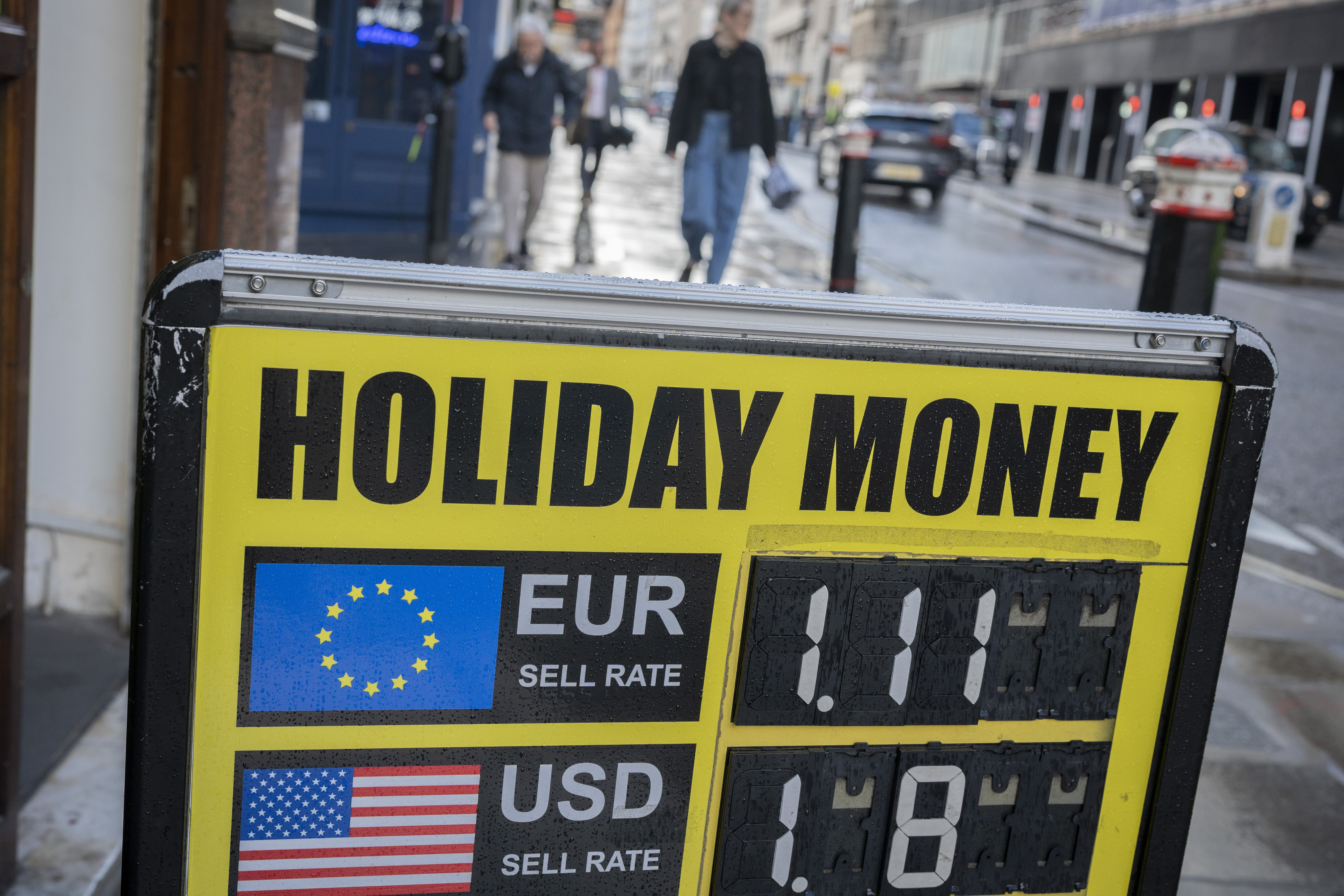
The IMF comments followed the Tories unveiling a controversial mini-budget on Friday that was designed to reboot growth – a move that saw the pound slump to a record low against the dollar by Monday.
The sell-off of sterling, as well as jitters across the financial markets, has led to fears the Bank of England is certain to raise interest rates dramatically to save the currency, which in turn is likely to spell bad news for homeowners.
Chancellor Kwasi Kwarteng responded by saying he would set out medium-term debt-cutting plans on November 23, alongside forecasts from the independent Office for Budget Responsibility of the full scale of government borrowing.
What did the IMF say?
In response to a query from Reuters after the British pound hit an all-time low amid spiking market concerns, the IMF spokesperson said: “We are closely monitoring recent economic developments in the UK and are engaged with the authorities.
Advertisement
“Given elevated inflation pressures in many countries, including the UK, we do not recommend large and untargeted fiscal packages at this juncture, as it is important that fiscal policy does not work at cross purposes to monetary policy.”
The IMF understands that Britain’s “sizable fiscal package” was intended to help residents deal with higher energy prices and to boost growth via tax cuts and supply measures, but such measures could put fiscal policy at cross purposes with monetary policy, the spokesperson said.
Kwarteng’s fresh budget would provide an “early opportunity for the UK government to consider ways to provide support that is more targeted and re-evaluate the tax measures, especially those that benefit high-income earners”, the spokesperson added.
What has the reaction been?
The BBC’s economics editor Faisal Islam: “The IMF telling a G7 member and major shareholder to ‘re-evaluate’ their signature economic policy because it ‘does not recommend’ such packages and will ‘increase inequality’… suggests profound international concern in finance ministries about a global impact of UK crisis.”
This the IMF telling a G7 member and major shareholder to “reevaluate” their signature economic policy because it “does not recommend” such packages and will “increase inequality”… suggests profound international concern in finance ministries about a global impact of UK crisis
This from IMF is humiliating for Kwarteng and Truss: “Given elevated inflation pressures in many countries, including UK, we do not recommend large untargeted fiscal packages at this juncture, as it is important fiscal policy does not work at cross purposes to monetary policy”.
An economist and former interest rate-setter has hit out at the government’s “raging incompetence” as he questioned whether Liz Truss and Kwasi Kwarteng would survive the economic turmoil created by their mini-budget.
David “Danny” Blanchflower, who sat on the Bank of England’s monetary policy committee for three years, said the prime minister and chancellor’s “credibility is completely trashed” within days of taking office.
Advertisement
His outspoken comments followed the Tories unveiling a massive £45 billion tax cut funded by government borrowing on Friday – a move that saw the pound slump to a record low against the dollar by Monday.
The sell-off of sterling, as well as jitters across the financial markets, has led to fears the Bank is certain to raise interest rates dramatically to save the currency, which in turn is likely to spell bad news for homeowners.
Appearing on the Sarah-Jane Mee Show on Sky News, Blanchflower referenced Kwarteng’s plan to explain how he will get debt falling in a medium term fiscal plan to be published on November 23, as he said the uncosted government plans mean Truss and the chancellor “just don’t look credible”.
Advertisement
He added: “So the question is, if you if you’re the chancellor of the exchequer and what you’ve done is you’ve stood up and you crashed the markets – you’ve crashed the bond market, you’ve crashed the foreign exchange market, the stock market dropped, the housing market’s in trouble – and you created a giant recession as the Bank of England has to raise rates … your credibility is completely trashed.
“And what’s the prime minister going to say – well, at the moment she appears to be hiding – but the questions journalists like you and (Sky News journalists) Ian King and Ed Conway and others are going ask is, what are you going to do, it’s all completely failed, hasn’t it? They told you it was going to fail, and it has now, what are you going to do?
“And obviously the question then is, politically, is she going to survive the month? Does she get to – and does he get to – this statement in two months time, because presumably politically they’ve created a disaster. And there’s even an issue: could you get to get this through the House of Commons? Unclear.
“I have never seen anything like this. I’ve been an economist for 50 years. I went through the great recession, and I have never seen such a raging incompetence ever.”
Advertisement
After two days of big changes, the pound settled down on Tuesday, trading at around 1.08 dollars for most of the day, deviating only briefly with a two cent drop.
London’s top stock index, the FTSE 100, was also subdued for most of the day.
The FTSE closed the day down 0.5% on Tuesday afternoon while gilt yields, reflecting the cost of government borrowing, rose 1.6%, more than a quarter higher than just a week ago.
But with some analysts predicting the base rate – currently standing at 2.25% – will have to rise to as high as 6% next year, some lenders began withdrawing some mortgages amid uncertainty over how far they will rise.
The Labour leader gave a confident and assured pitch not only to the party faithful, but to the country at large — to a Britain that he described as “all at sea”.
Advertisement
Starmer’s speech was designed to demonstrate that he was listening and that Labour was ready to step up where the Tories had stepped down.
Channelling the late Queen Elizabeth’s dedication to duty, he said it was now time to “turn our collar up and face the storm”.
Here are five things we learned from Starmer’s conference speech.
Labour is capitalising on Tory woes
Starmer said there were “two sides of Britain”: one of order and unity characterised by the queue to see the Queen’s lying-in-state, and one where a “cloud of anxiety hangs over working people”.
Starmer firmly pinned the blame for such anxiety on the Tories, whom he portrayed as reckless vandals: “They haven’t just failed to fix the roof. They’ve ripped put the foundations, smashed through the windows and now they’ve blown the doors off for good measure.”
“The government has lost control of the British economy – and for what?” he said. “They’ve crashed the pound – and for what?
“Higher interest rates. Higher inflation. Higher borrowing. And for what?
“Not for you. Not for working people. For tax cuts for the richest one per cent in our society. Don’t forget. Don’t forgive.”
The sense of crisis provides Labour with an opportunity to play the adult.
“At moments of uncertainty like this we must provide clear leadership,” he went on. “We must stand with working people. Meet their ambitions for real change. Walk towards a better future. And build a new Britain, together.”
While the Tories had “failed to prepare” for the economic crisis the UK now finds itself in, Starmer said he was looking to the future by transitioning to a green economy that would give “British power to British people”.
“Green and growth don’t just go together – they’re inseparable,” he said.
“The future wealth of this country is in our air, in our seas, in our skies. Britain should harness that wealth and share it with all.”
The phrase “British power to British people” was not only literal but metaphorical.
Starmer redefined Labour as the party of aspiration, accusing the Tories of failing to understand how they had “choked it off for working people”.
He recalled a meeting with a woman in Grimsby who told him: “I don’t just want to survive; I want to live”.
“Conference, I want to look her in the eyes after five years of a Labour government and I want to know that she, and millions of people like her, are not just surviving, they’re thriving.”
Advertisement
Taking on the Tories’ turf
The Tories have long been regarded as the party of home ownership, but Starmer showed he was serious about reclaiming that title with a pledge to guarantee 70 per cent home ownership.
He said he would bring in a new mortgage guarantee scheme to help real first-time buyers onto the housing ladder.
“My message is this: if you’re grafting every hour to buy your own home Labour is on your side,” he said. “Labour is the party of home ownership in Britain today.”
Country first, party second
Labour has long been criticised for been inward-facing rather than outward- facing, constantly distracted by internal divisions and fights.
If Starmer’s first in-person conference speech was marked by addressing the active issues within his own party, this one will be remembered for how little the Labour Party featured in the leader’s speech.
Advertisement
In a sign of the change the party has gone through under Starmer’s leadership, issues such as the problem of anti-Semitism and Jeremy Corbyn’s ambivalence to Nato, were mentioned as problems past, not present.
Labour’s moment?
Tony Blair famously described the Labour Party as the “political wing of the British people” in his conference speech in 1997 — the year that Labour would go on to win the general election by a landslide.
Starmer said that like 1945, 1964, 1997, “this is a Labour moment”.
Indeed, the party would be hard-pressed to find a moment more opportune to rebuild from the rubble.
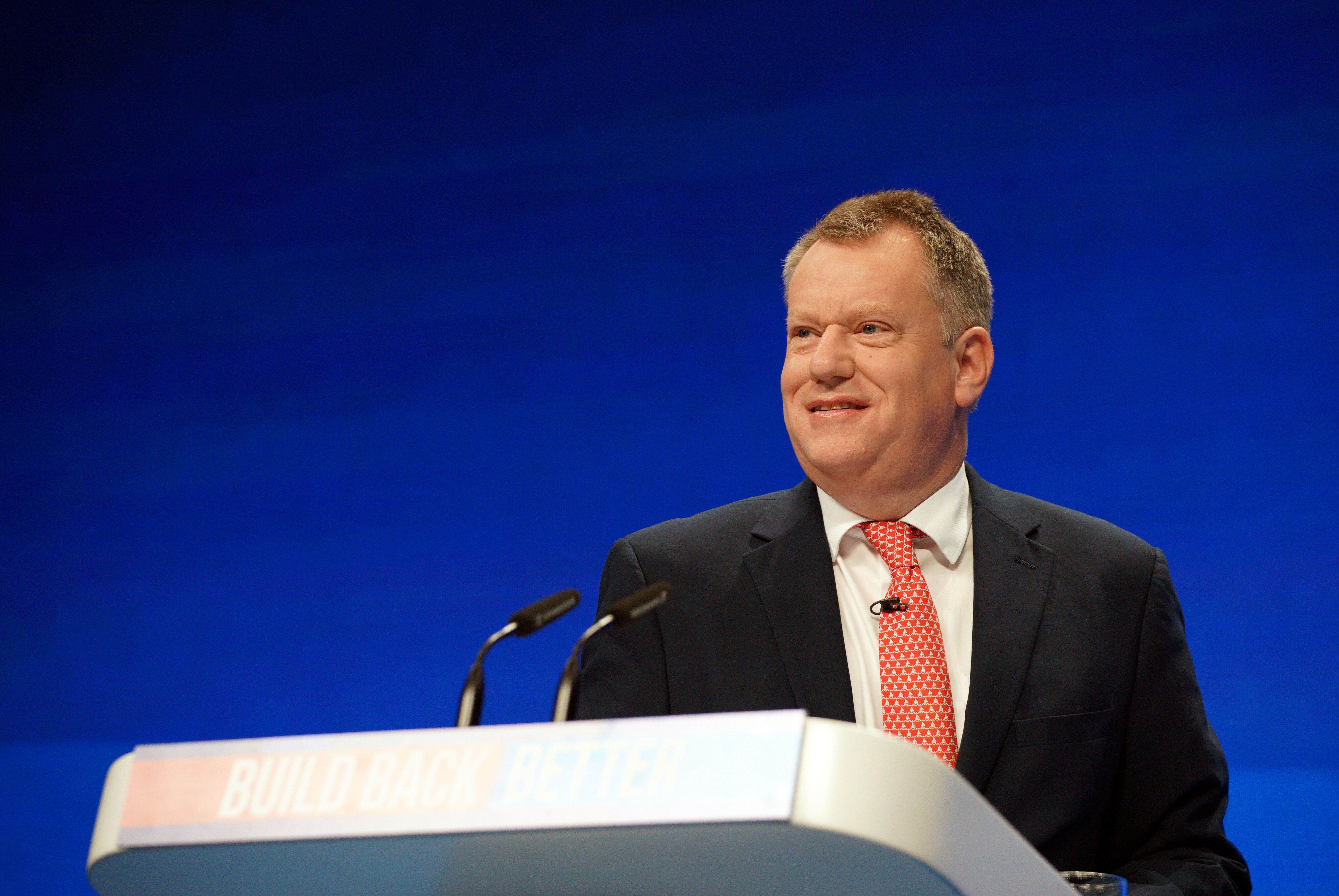
A Conservative peer and former chief Brexit negotiator has said he doesn’t think “anything has gone wrong” after a day of turmoil on the markets which saw the pound briefly slump to an all-time low.
Lord David Frost described the dramatic events since Friday’s mini-budget as “unwarranted” and an “over-reaction” as the Bank of England moved to assure investors it “will not hesitate” to raise interest rates to prop up the value of sterling.
Advertisement
Chancellor Kwasi Kwarteng’s £45 billion package of tax cuts has prompted a run on the currency that has caused wider fears about the state of the economy.
But Lord Frost, speaking on BBC Radio 4’s PM programme as Kwarteng avoided a public statement, appeared relaxed about the pummelling of the pound.
He said: “Well I don’t think anything has gone wrong actually. Liz Truss promised change, a different economic approach to get us back to growth and away from stagnation and that means a number of things have got to happen.
“Yes, rates have got to go up to get inflation under control, we’re going to have to have lower taxes and fiscal support to get people through this period, we’re going to have lots of structural reform as the chancellor said today and we need to hold down spending in the medium term and that’s coming in November.
Advertisement
“So I think what we’ve seen in the last few days is (a) unwarranted and a over-reaction approach to some elements of that, you’ve got to look at the total package which is taking the country on a different direction to get us out of stagnation and get us back to growth.”
Such was the market turmoil on Monday there was growing speculation in financial markets that the Bank would make an emergency interest rate rise after it hiked rates only last week to 2.25% from 1.75%.
Instead, with the pound fragile and bond prices still tumbling, Kwarteng issued a statement just before the British stock market closed to say he would set out medium-term debt-cutting plans on November 23, alongside forecasts from the independent Office for Budget Responsibility of the full scale of government borrowing.
The central bank welcomed “the commitment to sustainable economic growth” from Kwarteng and the independent scrutiny that the OBR growth and borrowing forecasts would bring.
Advertisement
Meanwhile, banks and building societies are withdrawing some of their mortgages from sale.
Three lenders – Halifax, Virgin Money and Skipton Building Society – have so far withdrawn some of their products amid the uncertainty, according to reports.
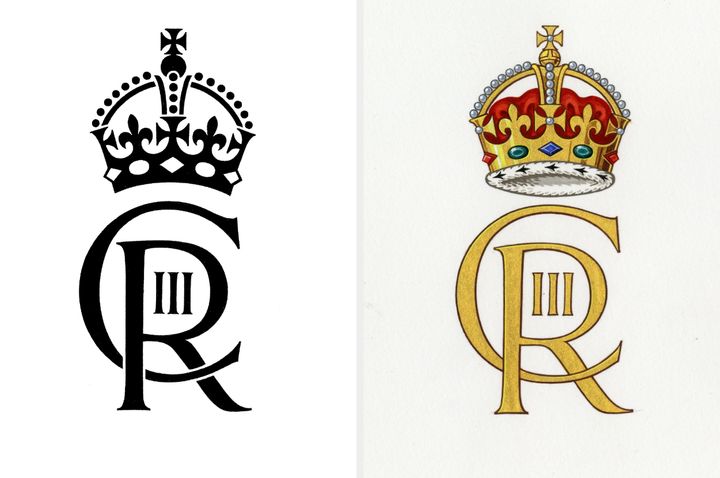
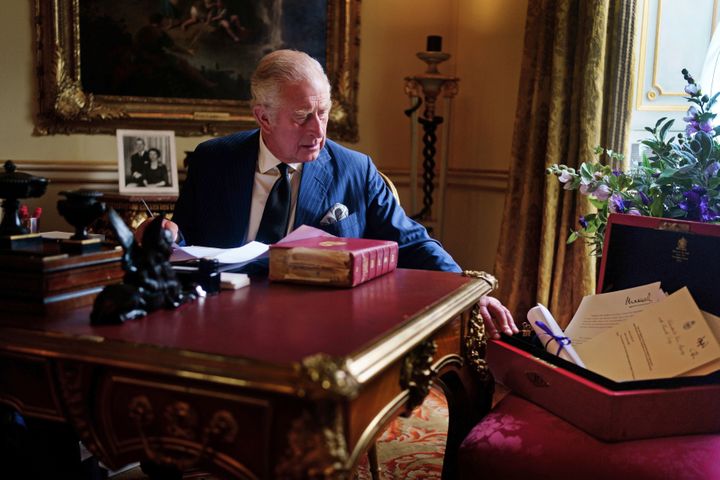
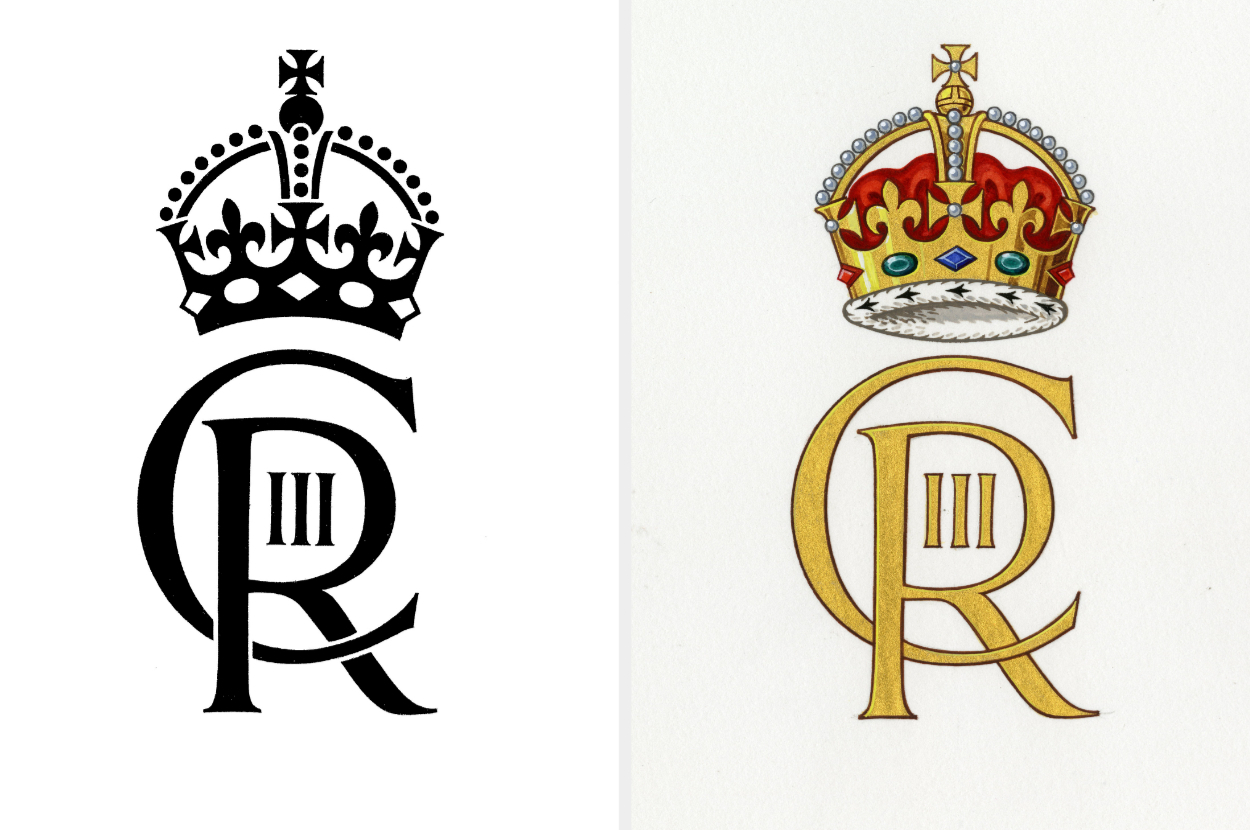
King Charles III has just unveiled his new royal cypher – another, albeit smaller, indication that his reign has officially begun.
The sign, revealed shortly before the official royal mourning period for the Queen ends on Tuesday, includes the C for his first name and the letter R for Rex, the Latin name for King.
Advertisement
In between these two letters is the Roman numeral for three (III) indicating that he is the third monarch in British history to be known as Charles, so it reads Charles Rex III.
Buckingham Palace via PA
King Charles III’s new cypher
The monogram is Charles’ personal property but will appear on government buildings, traditional police helmets, state documents and any post boxes built after his reign began.
It is also used on government departments and the Royal Household for franking mail, although the decision to update the cypher from the Queen’s to the King’s will be at the discretion of individual organisations.
Advertisement
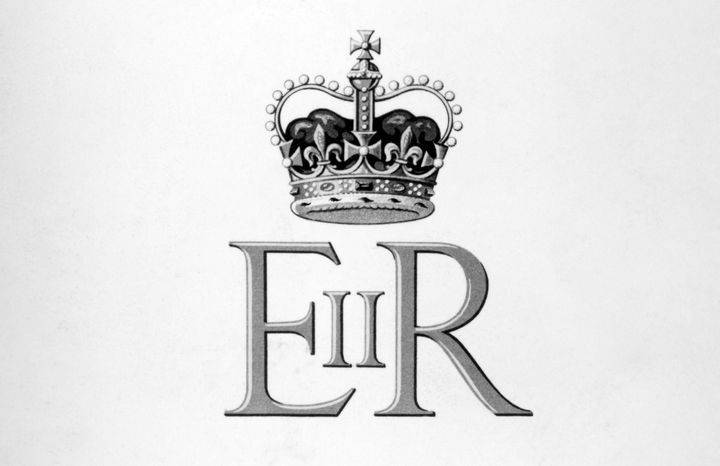
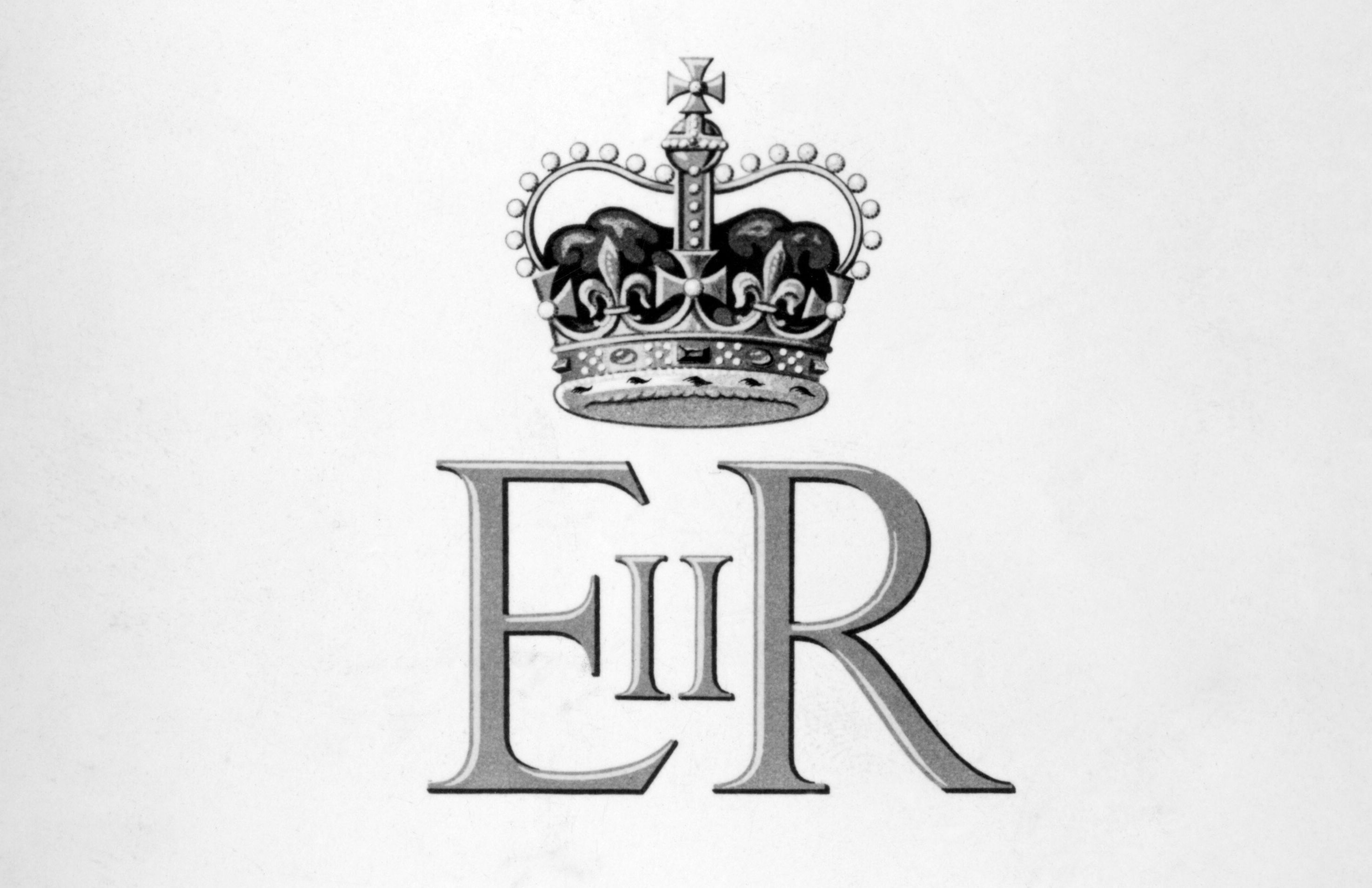
The monogram is not too dissimilar to the one used by his predecessor, his mother Queen Elizabeth II. As the Latin word for Queen is Regina, and she was the second English monarch to use the name Elizabeth, her monogram was ER II (sometimes known E II R).
However, when her cypher was used in Scotland, the II was not used because Scotland never recognised Elizabeth I as their monarch, only Mary Queen of Scots.
And, while kings tend to use the more rounded Tudor crown, queens typically use the St Edward’s crown on their cyphers, as seen below.
PA Images via Getty Images
The official design, prepared at the College of Arms and approved by the Queen, for the Royal Cypher of Queen Elizabeth II.
The King chose his own design after the College of Arms presented him with a series of options. The Scottish version includes the Scottish Crown and was approved by Lord Lyon King of Arms.
Advertisement
The heralds who make up the College are members of the Royal Household.
The cypher could only be shared once Charles confirmed he wanted to reign under his first name, rather than any of his middle names – Philip, Arthur or George.
Don’t expect any huge changes overnight though, as it is traditionally a slow process to alter such symbols on a nationwide basis. The Queen did not experience many of the physical changes until more than a year after her accession to the throne, around 1953.
And, like his mother’s, the King’s coronation is also expected to be a little while off out of respect for his deceased predecessor. There’s speculation that the sovereign will try to have a more toned-down affair as well, in line with his plans for a slimmed down monarchy and amid a worsening cost of living crisis.
Currency, too, will gradually be updated to include Charles’ profile rather than his mother’s, although the new ones will show the King facing to the left. This is a continuation of a 17th Century tradition, which saw successive monarch facing alternative ways.
Advertisement
New stamps, sculptures and portraits, are in the work as well, although they will all need approval from the King himself.
Still, the cypher shows that the new Caroline era is upon us, a name which stems from the Latin equivalent for Charles, Carolus.
This announcement also comes after the Palace released an image of the black ledger stone with the Queen’s name, birth and death dates etched onto it in St George’s Chapel, to mark the late monarch’s final resting place.
She shares the stone with her parents, King George VI and Queen Elizabeth, along with her husband, Prince Philip.
Hard to believe it’s been two years since Topshop closed its doors on the high street, but we’re still trying to understand what happened to one of the most iconic brands in British fashion history.
For a generation of women, Topshop was the place to shop, a position sealed by the likes of Kate Moss, Beyoncé, Cara Delevingne, Adwoa Aboah and Gigi Hadid, who all worked with the brand.
Advertisement
Yet by 2020, its high street reign ended when Phillip Green’s Arcadia group, which also owns Miss Selfridge, Burton and Dorothy Perkins, collapsed into administration.
It was bought up by Asos in February 2021, where it now sells online, but it’s nothing on the heyday of its flagship stores, including its 100,000 sq ft Oxford Circus mecca in London.
Now, a BBC documentary, Trouble at Topshop, tells the story of its rise and fall – shedding new light on what happened behind the scenes.
“This is a story of a group of women who led a fashion revolution. And it’s the story of a man who’s retail empire would make him king of the high street,” we’re told.
Advertisement
“When their world’s collided, there would be a battle for the soul of Topshop.”
The two-part series details Topshop’s biggest controversies – from questions over Green’s tax record to his treatment of employees – all of which have been well documented, though make for fascinating viewing. But along the way, we also learn some lesson-known facts about the brand we worshipped as teens.
Think you knew Topshop? Here are a few snippets from the doc that surprised us.
Topshop was seriously uncool
You probably associate Topshop with the noughties, but the brand (originally Top Shop) was actually founded in Sheffield in 1964 as a ‘youth store’. And by the 80s, when Jane Shepherdson joined the brand as an assistant buyer, it was a “dated retailer for teens”.
“When I took the job at Top Shop I thought: ’Well, this is a bit embarrassing, because it’s Top Shop. It’s a bit naff!” she says in the show.
Burton and Dorothy Perkins were the “cash cows” of the retail group at the time, and Shepherdson recalls: “We didn’t get a huge amount of attention at the time, we were left to get on with it really.”
But thanks to her smart eye, Shepherdson started repositioning Topshop in the market and increasing profits – long before Phillip Green came along.
Advertisement
Women led the fashion revolution
Phillip Green may be the household name, but a team of women led by Shepherdson (who became brand director in 2007), Caren Downie (buying director 1998-2008) and Jenny Garcia (head of buying 2011-2019) created the Topshop look adored by millions.
Until Shepherdson took over, the clothes and marketing were created for the male gaze, says Downie. But she shook up the market by prioritising looks women wanted to buy with their own money – for themselves, not for their husbands.
“Because we were all women and we knew what we wanted to wear – and we knew how it should feel and how it would make us feel – we were able to kind of drive it forward in a completely different way,” Downie says.
Shepherdson would sign off all collections, with outfit options shared in front of a panel – “it was quite Anna Wintour-ish and reminiscent of Vogue,” says Garcia.
But in 2002, Phillip Green’s acquisition meant a shakeup of the business, which was controversial from the off.
Advertisement
“When we heard we were being bought out, there was a whole [sigh] around the office, and a feeling of: ‘Really? What on earth is that going to be like?’” recalls Garcia.
A shoutout for Radio Top Shop
Green’s methods may have been controversial, but he did know how to increase profits – in the early days, at least. And as the brand grew, so did the popularity of its flagship store on London’s Oxford Street. If you visited it in its heyday, you’ll probably remember the DJs positioned by the front door.
But did you know that long before the in-store parties, the brand had its own radio station? Radio Top Shop, which became Fashion FM, launched in 1982 before it eventually closed down. It played in Topshop stores, even launching the career of BBC Radio 1′s Chris Moyles.
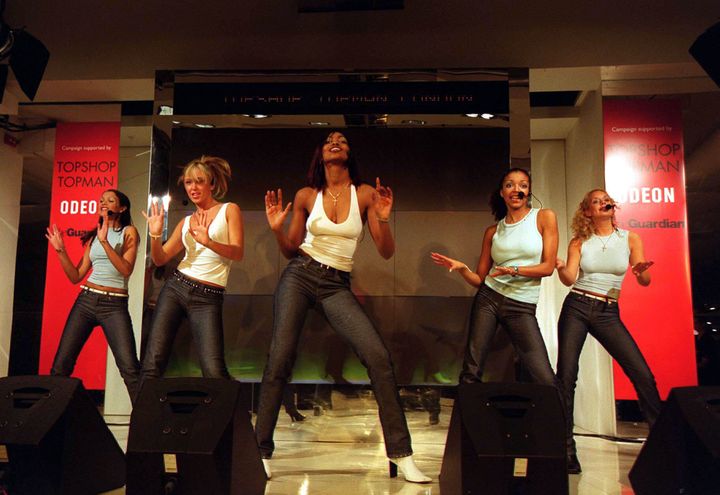
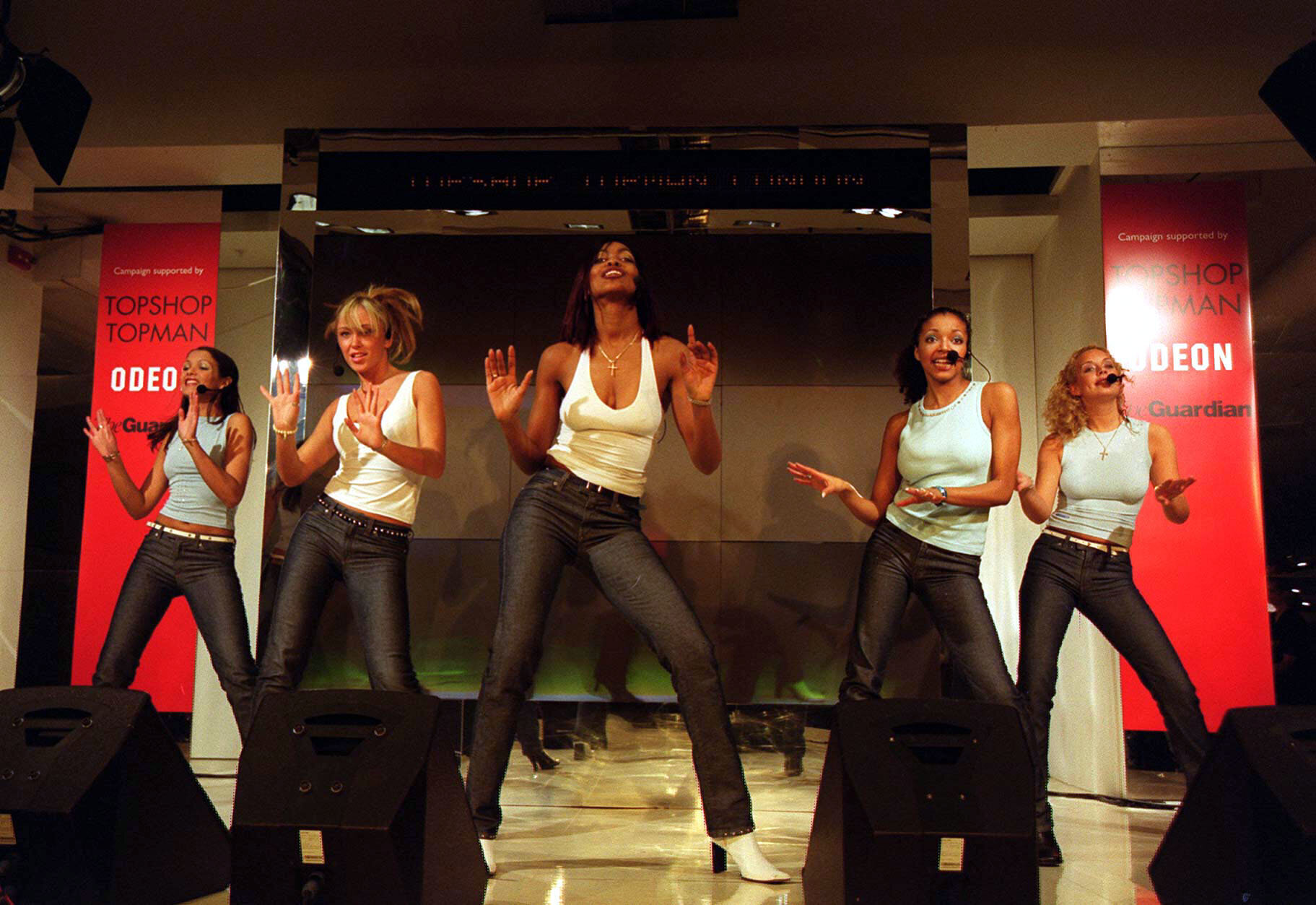
The flagship store also did a turn as a gig venue, with wannabe pop acts performing live next to the clothes.
Anthony Harvey – PA Images via Getty Images
Pop band Precious, performing at the Topshop / Topman store on Oxford Street, as part of the BBC Talent initiative.
Advertisement
Topshop wasn’t quite as quintessentially British as you’d think
Topshop marketed itself as the home of Brit-cool fashion, with London very much at its centre. But Garcia reveals the team travelled all around the world to find inspiration for their collections, taking “thousands and thousands of photos” of people on the “fringes” of the fashion scene in streets, clubs, shops, markets – you name it.
Although we associate the brand with British youth culture, it’s actually one of the few British fashion houses that’s broken America. And at its height, Topshop had stores in 40 countries worldwide.
It brought the high street to London Fashion Week
In 2005, Topshop took to the catwalk at London fashion week – something no other high street brand had done. If you were a tween or teen at the time, this game-changing show may have evaded your attention, but it almost definitely influenced the clothes you bought over the next five years.
Topshop was suddenly associated with models – catapulting its reputation to a whole new level – and within months, Phillip Green’s empire was estimated by the Sunday Times rich list to be worth £3bn.
That Kate Moss collab almost didn’t happen
David M. Benett via Getty Images
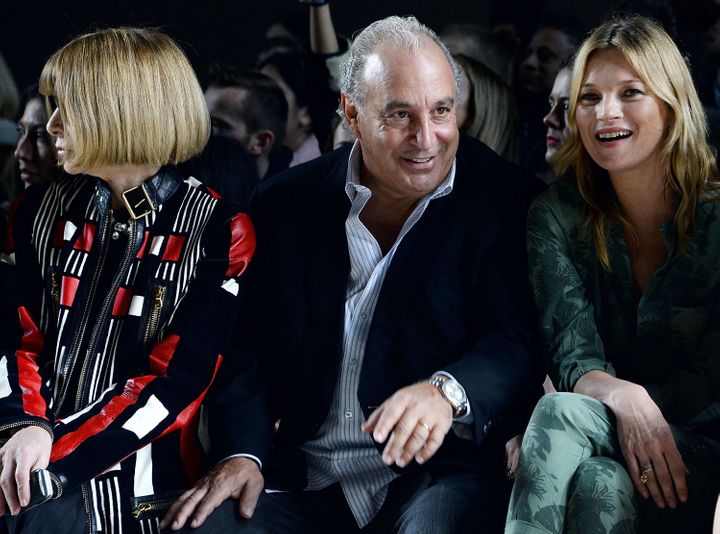
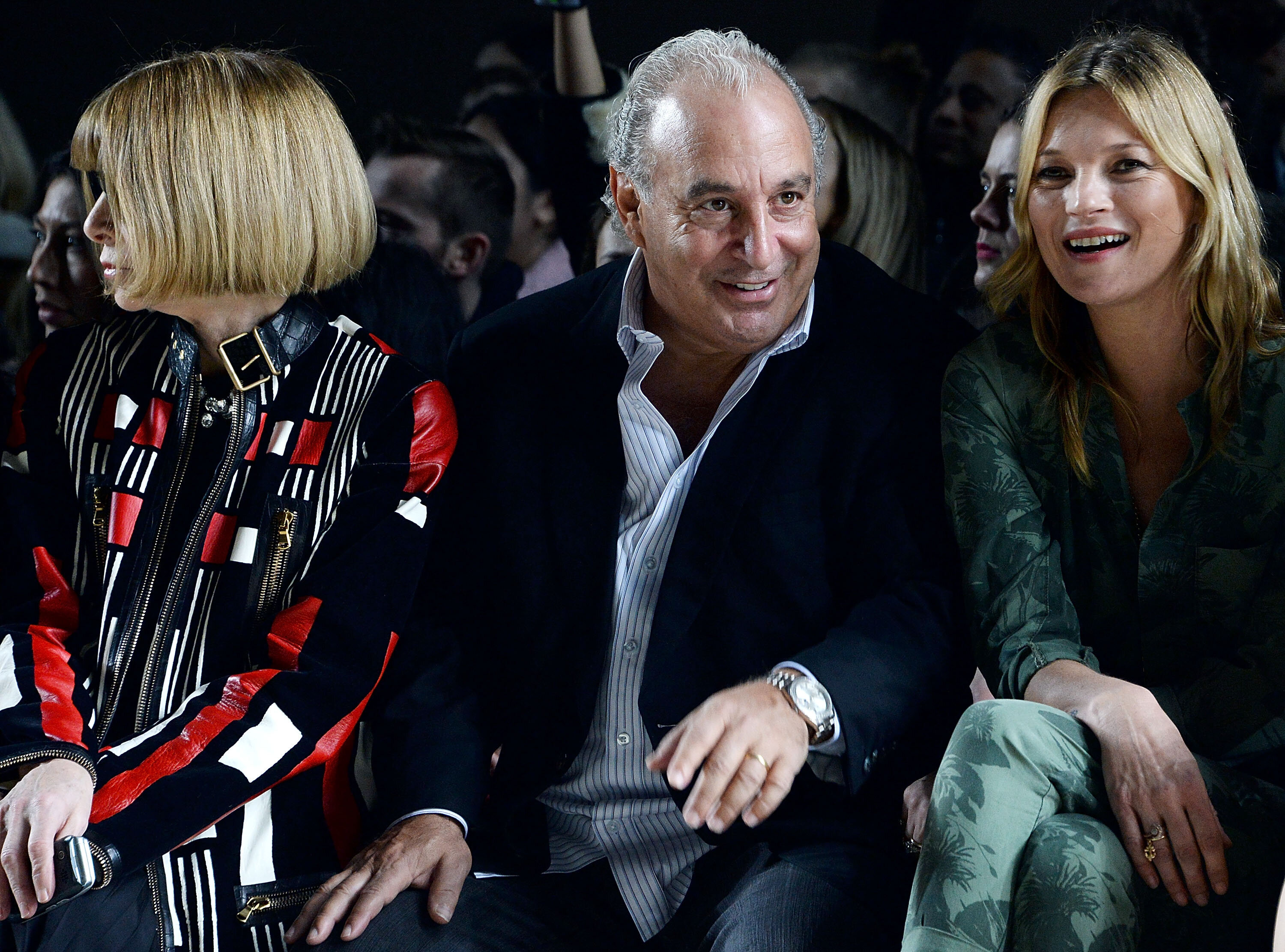
Anna Wintour, Sir Philip Green and Kate Moss attend the Topshop Unique show at London Fashion Week AW14 at Tate Modern on February 16, 2014 in London, England.
Advertisement
Kate Moss launched her first collection for Topshop in 2007 and within its first week, it made around £3m. But it almost didn’t happen. In the documentary, we learn that Green met Moss by chance at a party.
″[It was] by pure luck that I found her, it wasn’t a plan,” he says in interview footage from 2013. “It was just one of those instinctive moments. She said ‘why don’t we do some business?’ and I said ‘well, come and see me.’”
The collection may have been a hit with customers, but papers at the time claimed it contributed towards Shepherdson’s resignation. In the documentary, she says the collection with Moss was a good idea – but hints at tensions mounting behind the scenes regarding how business decisions were made.
You’ll have to watch the documentary for the full details, but what’s clear is without Shepherdson at the helm, Topshop was never the same again.
Trouble at Topshop airs on BBC Two at 9pm on Monday September 26 and on iPlayer
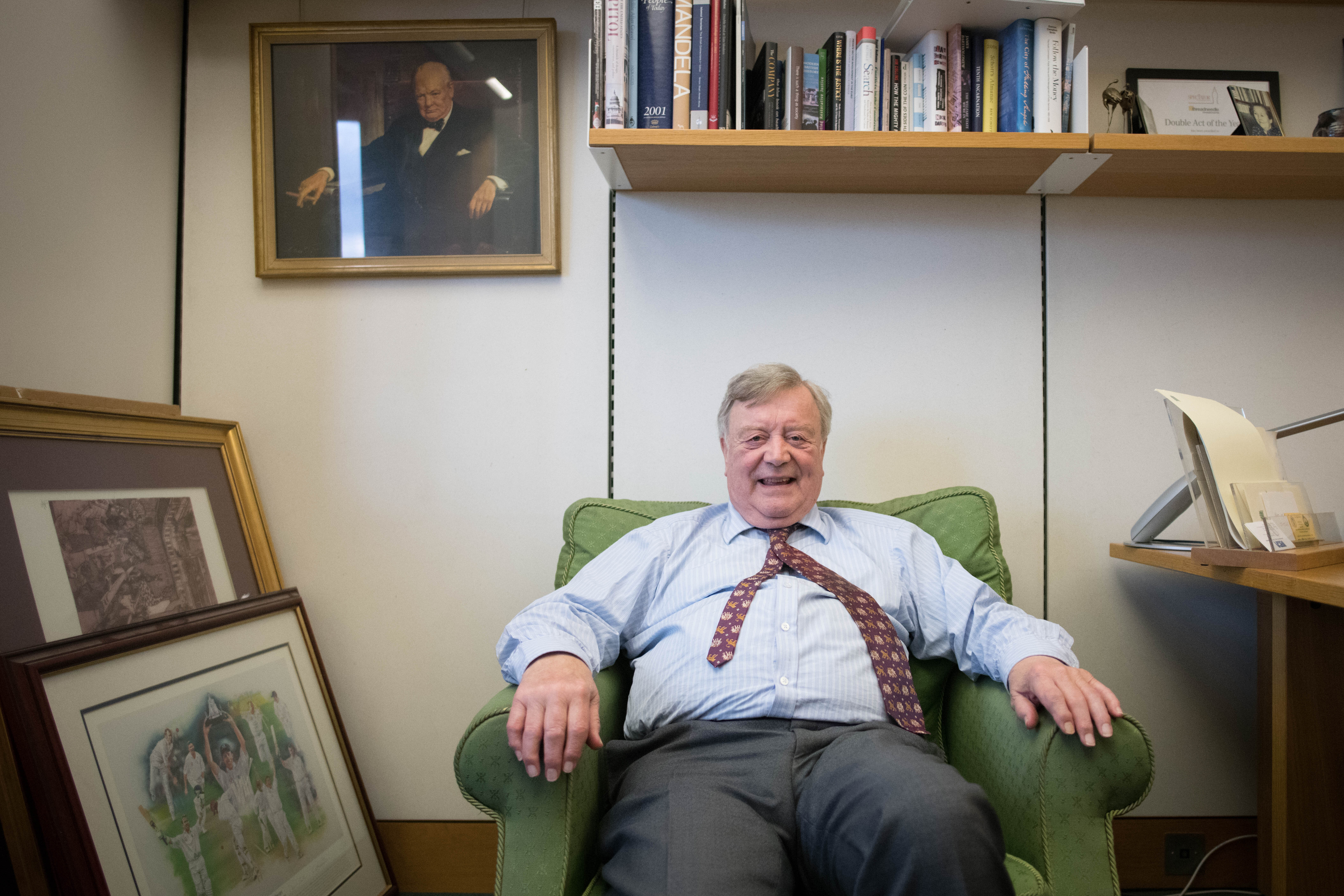
Kwasi Kwarteng’s tax giveaway for the rich would not have looked out of place in Latin America and could lead to economic meltdown, according to Ken Clarke.
The Tory grandee – who served as chancellor under John Major – said the decision to scrap the 45p tax rate for high earners could send inflation even higher and cause the value of the pound to collapse.
Advertisement
Kwarteng unveiled a £45 billion package of tax cuts in Friday’s mini-budget, which he said would lead to increased economic growth.
But Clarke, who quit parliament in 2019 after nearly 50 years as an MP, said they would not work.
He told Radio Four’s ‘World At One’ programme: “I don’t accept – I never have, the Conservative party never has – the overall premise of the budget, which is that you make tax cuts for the wealthiest 5 per cent, and it makes them work so much harder, and [there’s a] rush to invest.
“I’m afraid that’s the kind of thing that’s usually tried in Latin American countries without success.
“I do not think you stimulate growth by cutting taxes on the better-off, or taxes on business. If it was so simple, we would have got rid of taxes all together some time ago.
Advertisement
“What the increased spending power … is going to do is run the risk of further stimulating inflation. And we’re going into a serious inflationary recession this winter.”
Kwarteng is paying for the tax cuts by piling another £70 billion on the national debt, which Clarke said was now too high.
He said: “We’re heading in the Italian direction. That is going to be a problem, a very great problem, in the short term if it leads to a collapse in the pound and the loss of confidence in our economy. We’re going to drive investment away, not attract it.
“I don’t think anybody I was ever in government with would have contemplated a budget like this.”
Kwarteng this morning defended his mini-budget, and suggested more tax cuts were on the way.
He said: “We’ve got to have a much more front-footed approach to growth and that’s what my Friday statement was all about.
Advertisement
“I think that if we can get some of the reforms … if we get business back on its feet, we can get this country moving and we can grow our economy, and that’s what my focus is 100 per cent about.”
He said: “I do not think that the choice to have tax cuts for those that are earning hundreds if thousands of pounds is the right choice when our economy is struggling the way it is, working people are struggling the way they are and our public services are on their knees. So it is the wrong choice.
“I would reverse the decision that they made on Friday, let’s be absolutely clear about that.”
While she has sought to distance herself from the comparison, there is one thing she does share with her late predecessor: she has taken over as prime minister at a time when Britain’s economy is crumbling and its workforce is more mutinous than ever.
Advertisement
Angered by an inflation rate of 9.9 per cent that is outstripping stagnant wages, trade unions are organising en masse for industrial action that threatens to take Britain back to the turmoil of the 1970s.
One by one, they are rejecting the government’s single-digit pay offers and organising strike ballots. Collectively, they have said “enough is enough”.
Their resistance sets the scene for a new front in the divisive culture wars in which unions fear Truss will attempt to “crush the enemy within” by bringing in a series of measures that will hamper their ability to take industrial action.
Kwasi Kwarteng, Truss’s new chancellor, confirmed this week the government will bring forward legislation making it harder to go on strike.
Advertisement
“What we have is a government that seems to be struggling to come up with answers to the cost of living crisis,” says Tim Sharp, senior policy officer for employment rights at the Trades Union Congress (TUC).
“It appears that some in government would like to distract from that with a culture war against the unions.
“We had a leadership contest in which the candidates had to appeal to some of their more ideological members and that’s why we’ve seen the pledges in terms of anti-union action.”
Which unions are striking?
The RMT and Aslef rail unions, the Communication Workers Union (CWU) representing Royal Mail workers and barristers under the Criminal Bar Association (CBA) have all been on strike over pay and working conditions in recent weeks.
Dockhands represented by Unite have also been striking at the port of Felixstowe and are set to do so again in September, in the shadow of the Labour Party conference in Liverpool.
Advertisement
The National Education Union (NEU), the largest education union in the UK that represents teachers, lecturers and support staff, will open its online preliminary ballot for strike on September 24, before a formal ballot takes place in November.
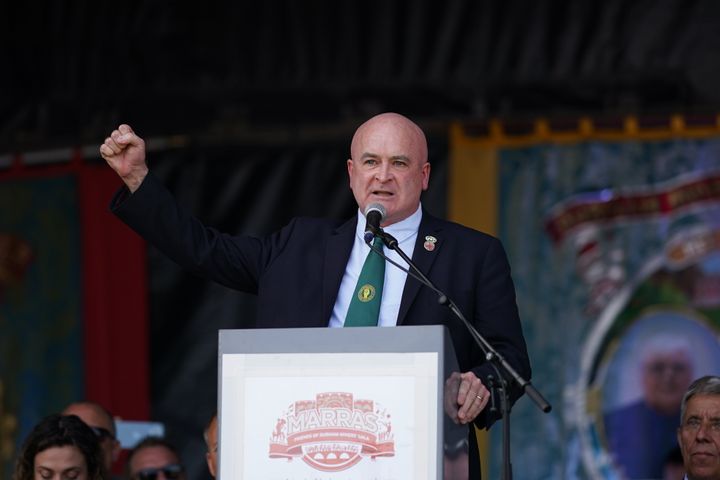
RMT general secretary Mick Lynch has said Britain could be brought to a standstill by a wave of strikes hitting “every sector of the economy”.
Ian Forsyth via Getty Images
The Royal College of Nursing (RCN), whose members include half a million nurses, midwives, nursing support workers and students, opened a postal ballot for strike action on September 15 that will close on October 13.
If enough members vote for industrial action, it will be the first time in the union’s history that its members in England and Wales go on strike.
The British Medical Association (BMA) has also said it will ballot junior doctor members in England for industrial action if the government fails to restore pay to 2008/09 levels by the end of this month.
Advertisement
The public needs to be prepared for the havoc such strikes could wreak on their daily lives.
“Every school in the country is going to be shut bringing total chaos,” one union source says. “Tens of thousands of hospital appointments are going to be cancelled.
“This is the price you pay for a Tory government that has slashed public services.”
The tools in Truss’s arsenal
If Truss is looking at how she might limit trade union rights, David Cameron’s Trade Union Act of 2016 might provide some inspiration.
Billed at the time as some of the most “regressive” anti-union legislation in the world, the law brought in measures such as higher thresholds for success in industrial ballots.
It also increased the notice period unions must give to employers ahead of any strike action from one week to two weeks.
In an ordinary union, there must be a 50 per cent turnout for an industrial ballot in order for their results to be legally valid. A simple majority has to vote in favour of strike action for it to go ahead.
Advertisement
But for workers who deliver “important” public services, not only does the 50 per cent turnout have to be met, the support of 40 per cent of all eligible members must also be attained for the strike action to be legal.
Unions fear that Truss could use a new law to bring in thresholds that are so high that they could make strikes nigh on impossible.
They anticipate that she could also widen the definition of what counts as a public service to include bus drivers and tube drivers, for example, to apply the 40 per cent threshold.
“If she goes in this direction there will be new laws — that’s a fact,” says one union source.
“She’s got a parliamentary majority. You’re not going to stop her legislating.
“If the Tories use an act of parliament to redefine what defines a public service, at a stroke they would cover huge sections of private industry.
“They can make it even more difficult for unions to get through the thresholds. These laws are already the most stringent of anywhere in Europe.”
Advertisement
A new law to guarantee a minimum level of service on “vital national infrastructure” was a key pledge to come out of the leadership campaign, as was a tax on the strike benefit members receive when they don’t go into work.
Truss also suggested brining in a cooling-off period so that unions can no longer strike as many times as they like in the six-month period after a ballot.
Tim Sharp says the effect of Truss’s plans could be that they make union disputes harder to resolve.
“The industrial action we’ve had has been grassroots driven,” he tells HuffPost UK.
“They risk making industrial disputes harder to resolve. You often see a day of strikes here and there, but if a union is being limited in how often it can take industrial action, then what you could see is longer periods of strike action.”
Another union insider agrees: “If Truss thinks she’s going to shut down the unions she’s got another thing coming.
“She will just create so much anger it increases turnout in the many union ballots currently going on.”
Advertisement
Workers of the world unite
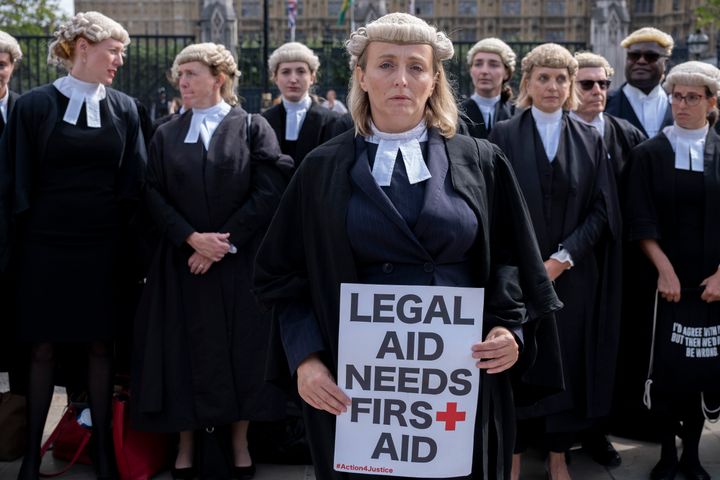
Criminal barristers are on strike over pay for legal aid work.
Mike Kemp via Getty Images
In the unions, Truss has found herself an opponent that will not go down without a fight.
Sharon Graham, the boss of the Unite union, tells HuffPost UK there will be a “prolonged and fierce resistance to Truss attacking workers’ rights”.
“If Liz Truss thinks we have just been sitting waiting for her anti-trade union laws, she’s wrong,” she says.
“We’re ready. If she puts up the thresholds for legal strike action we’ll employ more organisers to get the vote out. If she taxes strike pay, we’ll take more money from the strike fund to hold the real value of strike pay.
“And if she tries to gag trade unions we’ll find ways to speak out more and more.”
And in a swipe at Truss’s own result in the Tory leadership contest Graham says: “Right now if workers plan strike action 50 per of those who can vote in the strike ballot must vote for the strike to be legal.
Advertisement
“It’s a bit rich for Liz Truss to be upping the figures in new laws. In her election for leader she only got 47 per cent of Tory members who were entitled to vote.
“If the Tory Party was bound by the same restraints as the unions Truss would not have made the grade for leader. You could not make it up.”
RMT general secretary Mick Lynch said workers could be forced to take “unlawful industrial action” if the government makes it impossible for legal strikes to take place.
He told Sky News: “We’re fast getting to a situation where we’re going to have laws that are as oppressive as those that exist in Russia and China and back in Poland before Solidarnosc came along and took unlawful industrial action to break free of the oppression of the old Soviet bloc an the communist regime.”
The TUC is already preparing its campaign to appeal to the public when the battle begins.
National rallies will take place in Westminster and there will be a tour of town halls, a national day of action and a lobby of parliament.
Advertisement
The message members have been told to stick to is that Truss plans’ “threaten the right to strike” and are an attempt to distract the public from the burgeoning cost of living crisis.
And crucially, there is the edict to “stay calm: they want us to blow our tops, don’t give them the satisfaction”.
Failing that, the government could find itself in court.
In a sign of the resistance to come, 11trade unions launched legal action against the government on Tuesday over government plans to replace striking workers with agency staff.
They claim the government has broken the Employment Agencies Act 1973 by failing to consult them on the changes and is violating “fundamental trade union rights” protected by Article 11 of the European Convention on Human Rights.
No pain, no gain
For Truss, a protracted battle with the unions could help her forge her reputation with voters, for whom she remains largely unknown.
Advertisement
According to pollster James Johnson, the co- founder of JL Partners, Truss could win plaudits from the public from sticking to what she thinks is right.
“I don’t think it’s a politically calculated move, I think it comes from a genuine frustration within government,” he says.
“What pays off for Liz Truss is that if they are pursuing what they think is right, even if it doesn’t go down well, that may have a long term effect in popularity in showing that there is a steeliness and sense of inner conviction — and that is what the public do crave.”
By taking such a firm line, she also sets a contrast in voters’ minds between herself and Labour leader Keir Starmer, whom the public still perceive as weak on strikes.
“There are negative views about Starmer because of his position on strike — at first he seemed to back people going out, then he didn’t,” Johnson explains.
Advertisement
“It reinforces that view that he doesn’t stand for anything, and that is fine if the other leading party is seen like that — but if we get that contrast developing between Truss and Starmer, then he could be in trouble.”
The jury is out on whether Truss can recapture the status of a conviction politician — or whether the turmoil that ensues is so great that it would cancel any benefit that came from taking a stand.