3 Things Happening This Week In The Ukraine War You Might Have Missed

The Ukraine war has just passed the six-month mark – but the last week may prove to be one of the fundamental turning points of the entire conflict.

Here are three of the major events which unfolded over the last seven days.

1. Counteroffensive

Ukraine long-awaited counterattack in the south began this week, as the Ukrainian armed forces tried to take back territories seized by Russia.

It comes after spending several weeks building up the attacks on Russia’s supply lines, weakening Vladimir Putin’s army behind the scenes.

Ukraine’s military hit out in eight directions at the same time, and claim to have broken through their opponent’s “first line of defence” and retaking small Ukrainian villages.

However, the second line of defence has been much harder to break.

Greece’s honorary consul in Kherson, Pantelis Boubouras told Al Jazeera: “The villages along the front line – these the Ukrainians broke easily. In the second line of defence, there was blood spilled. I heard 1,000 Ukrainians and 1,500 Russians [were killed].”

He added: “The second line isn’t falling easily. There are 25,000 to 30,000 soldiers, they’ve been there for five months and are very well-equipped and dug in.”

Russia has denied that any territory lost, and claims 1,200 Ukrainians died in a single day during Ukraine’s attempts to recapture some areas.

But the Ukrainian military intelligence spokesman Vadym Skibitsky said Russia is looking to mobilise 90,000 troops in the country, after losing more than 47,000 throughout the war.

These would likely be made up of volunteers, reservists, and soldiers recruited over the summer, although low morale is thought to be affecting Russian ranks.

The offensive also came after Ukrainian president Volodymyr Zelenskyy warned: “If they want to survive, it is time for the Russian military to flee.”

But, for the most part, the country is keeping its cards close to its chest when it comes to this offensive.

It’s also worth remembering that this is not the case everywhere in Ukraine.

Citizens are still under attack elsewhere – Kharkiv city, in the northeast, is facing intense shelling, particularly in residential areas.

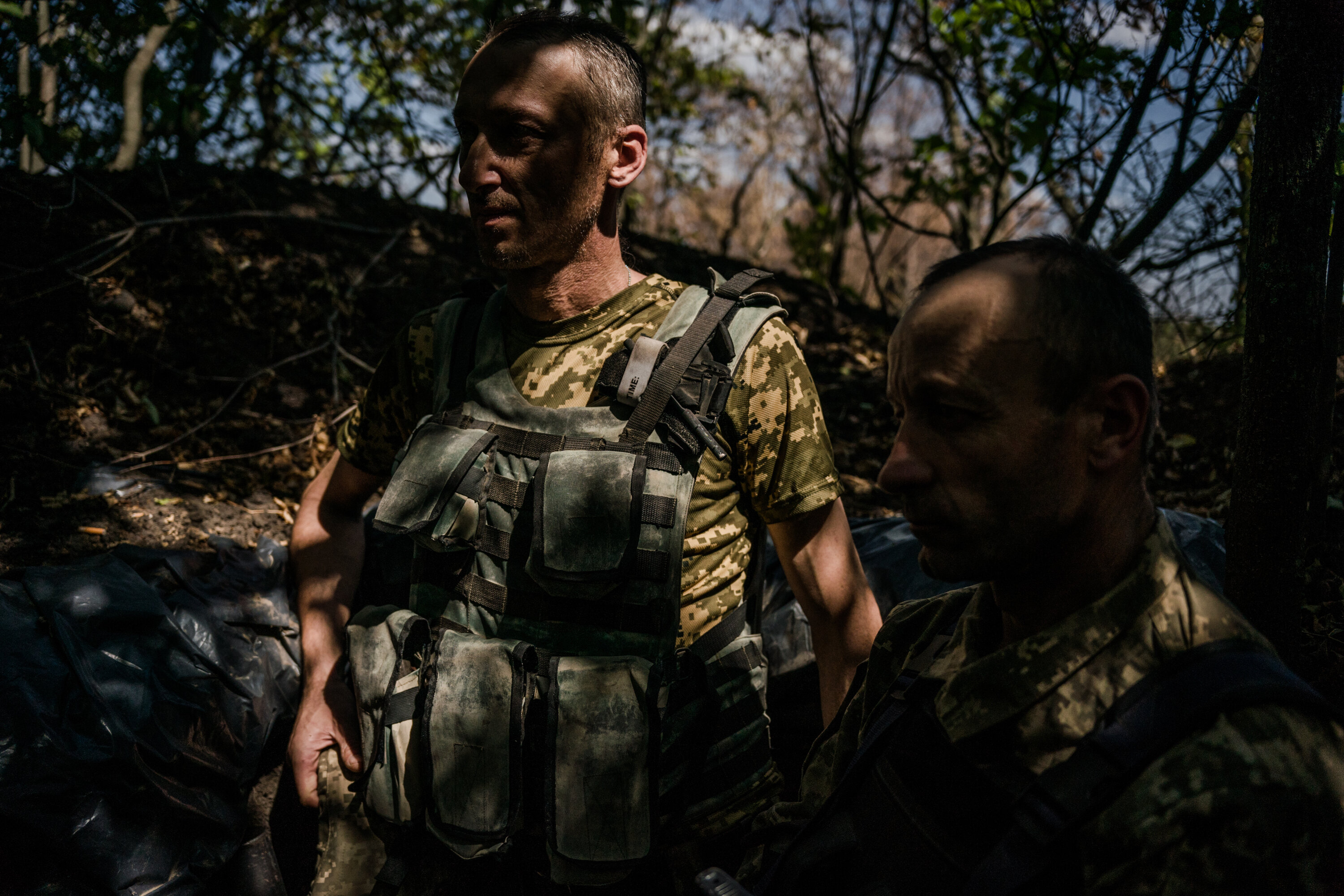
Vitali, 45, left, and Yuri 44, in the trenches on the Kherson frontline in Mykolaiv region, Ukraine, 8th of August 2022.

The Washington Post via Getty Images

2. Mysterious death

Ravil Maganov, the chair of Russia’s largest private oil company, fell to his death from a Moscow Central Clinic hospital on Thursday.

The independent news agency, Interfax, claimed he “fell from a window at Central clinical hospital,” and then “died from injuries sustained”.

As head of Lukoil, he was one of the country’s business elite.

Maganov supposedly “passed away following a severe illness” but the news agency did not say what he was being treated for.

Amid conflicting reports about his health prior to his death, it’s worth pointing out that Maganov is just one of several people with ties to the Russian energy industry who has died under unusual circumstances over the last six months.

One of the former top manages of Maganov’s company was found dead in May.

However, none of the deaths have been considered murders.

Lukoil was one of the few Russian energy companies which criticised the invasion of Ukraine, having called for a ceasefire just a week after it began.

Maganov also died on the same day Putin went to visit the same hospital to mark the death of former Soviet leader Mikhail Gorbachev.

It comes as the consequences of the war are starting to play out within Russia’s energy industry too. The Kremlin briefly cut off all Russian gas exports to Europe this week to squeeze countries which are providing financial aid to Ukraine throughout the war.

However, this does will Russia will have seen a fall in profits, on top of the extensive list of sanctions from the rest of the world imposed against it.

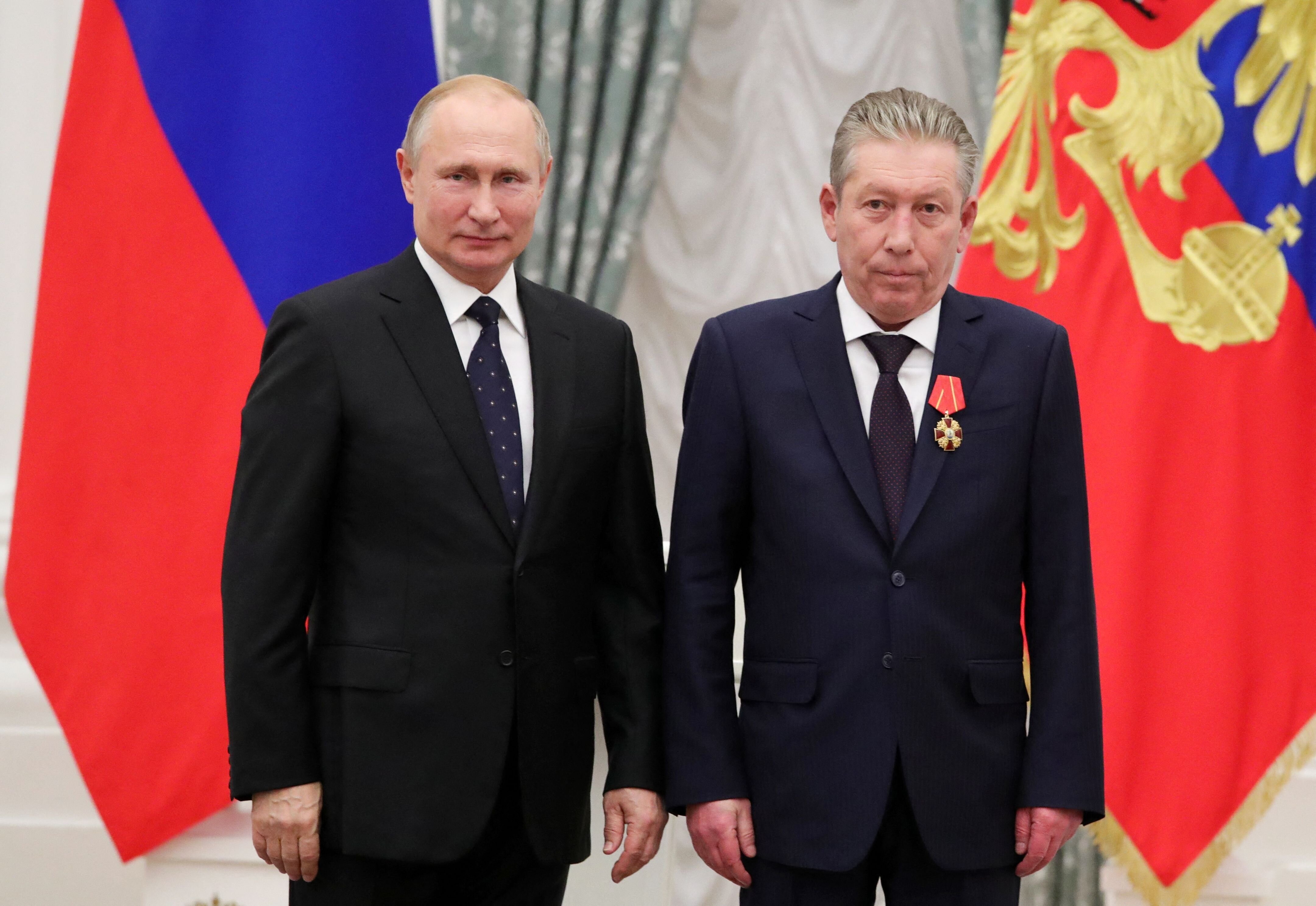
Putin with Lukoil Ravil Maganov (R)

MIKHAIL KLIMENTYEV via Getty Images

3. Memes

In true 2022 fashion, memes have become a key part of keeping morale up for many Ukrainians over the last six months.

But it was only this week that the official Twitter account for the Defence of Ukraine (the government branch) retweeted one.

It wrote: “We usually express gratitude to our internationals partners for the security assistance. But today we want to give a shoutout to a unique entity – North Atlantic Fella Organisation #NAFO.

“Thanks for your fierce fight against [the] Kremlin’s propaganda and trolls. We salute you, fellas!”

NAFO is a play on NATO, the North Atlantic Treaty Organisation. Ukraine is not part of Nato but did attempt to join.

Many believe that it was fears Ukraine was getting too close to western organisations such as Nato and the EU (for which it is now officially a candidate for membership) prompted Putin to launch his invasion. After all, the Russian president did demand that Ukraine give up its attempts to join Nato just before the war.

But NAFO is not just a parody of a defence organisation, but uses memes to mock Russia’s military performance and take down its attempts to spread misinformation about the war online.

Always using an image of a Shiba Inu dog (from an older meme), the organisation has no formal name or leadership, according to The Economist, but activists online rally together to use it.

Jeremy Fleming, the head of the GCHQ, recently claimed that Putin has already lost the information war in the West. Writing for The Economist, Shashank Joshi concluded: “The self-appointed warriors of NAFO might claim a little credit for that outcome.”

Share Button

Neil Patrick Harris Reveals The Very On-Brand Name For His Modesty Pouch While Filming Uncoupled Sex Scenes

Neil Patrick Harris has opened up about what it was like to film the sex scenes in his hit Netflix series Uncoupled, revealing the very on-brand name he had for his penis pouch.

In the comedy drama, the actor plays a newly-single gay man in his late 40s whose life turned upside down when his partner walks out on him after 17 years together.

Appearing on the Armchair Expert with Dax Shephard podcast, Neil admitted he “created a little pouch and named it” to protect his modesty when shooting some of the show’s more intimate moments.

He said: “I was curious about the crown royal bag around your junk, because they just provide a bunch of options in your dressing room. Some have tape, some have drawstrings, and I was not sure and I don’t have any real modesty, so none of it really bothered me except that I didn’t know the other person.

“It was a lot of dating scenes on Grindr-style, so I would just meet the guy that I’m going to be humping, talk to the intimacy co-ordinator and then start humping.”

Neil continued: “I created a little pouch and named it – it’s the NPH, the Neil Penis Holder. It’s like a very stretchy ring that then they rip stitch that around a mesh bag so you don’t have the drawstring stuff. You just stretch the thing around your heha, like slap you in the stinkers, like the whole package and then you don’t have to worry about anything ever. You just walk around.

“The NPH is nice, I recommend it. It was very helpful and gave me some confidence.”

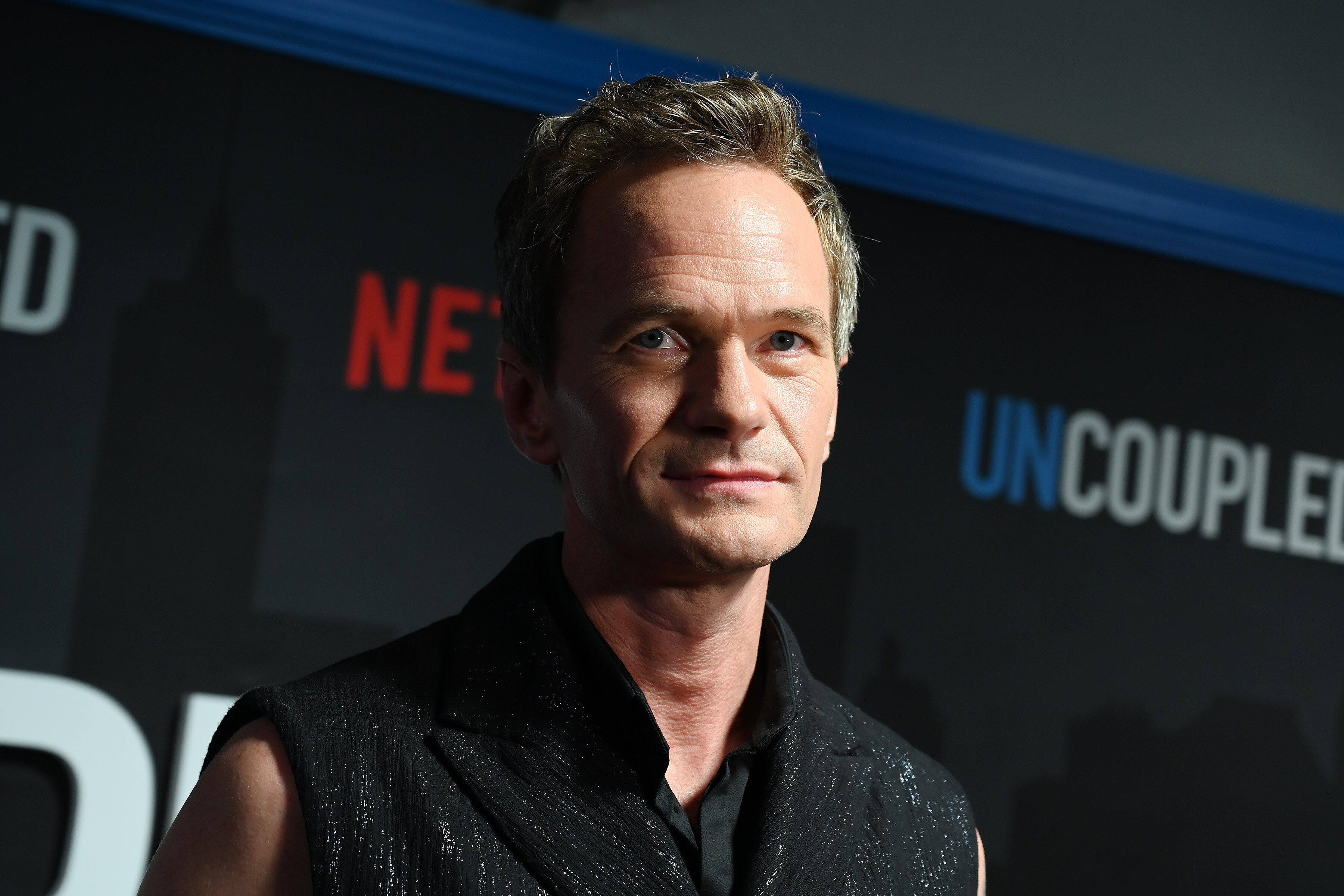
Neil at the premiere of Uncoupled

Kristina Bumphrey via Getty Images

Neil and his co-stars worked with an on-set intimacy co-ordinator prior and during the filming of the sex scenes, which while he admitted he “thought it would be very strange” initially, it turned out to be “incredibly helpful” for him.

He explained: “It requires that anything that might happen in the scene needs to be written or expressed two days before you film the scene. You don’t have to write in the script, ‘he does this and his hand goes there,’ but in the rider that you film, you say all of the things that could potentially happen so that’s above board. Because what could potentially happen – and I’m a producer on the show as well – you don’t want to be in the position where the scene ends with the script saying ‘they keep making out and start having sex’. Then you don’t know when they’re going to say cut, or know not how far you are supposed to take that…

“As an actor or producer, I can’t go to the other guy and say ‘you’re ok if I do this thing, right?’ because that is a very loaded question, because if he says no, I might not want to hire him again from his perspective, so he says yes as he wants to be a team player, but he might be uncomfortable with that.

“My least favourite thing is making someone feel unintentionally like they didn’t like something. So the intimacy co-ordinator is there to make sure everything is discussed and planned.”

He added: “I thought it would make it all very saccharine and very sterile… And you do talk it through, but you talk it through in a way that can still feel sexy.”

Uncoupled is available to stream on Netflix now, while Armchair Expert with Dax Shepard is available on podcasting platforms.

Share Button

Boris Johnson Clashes With Liz Truss As He Attacks ‘Dubious’ Fracking Claims

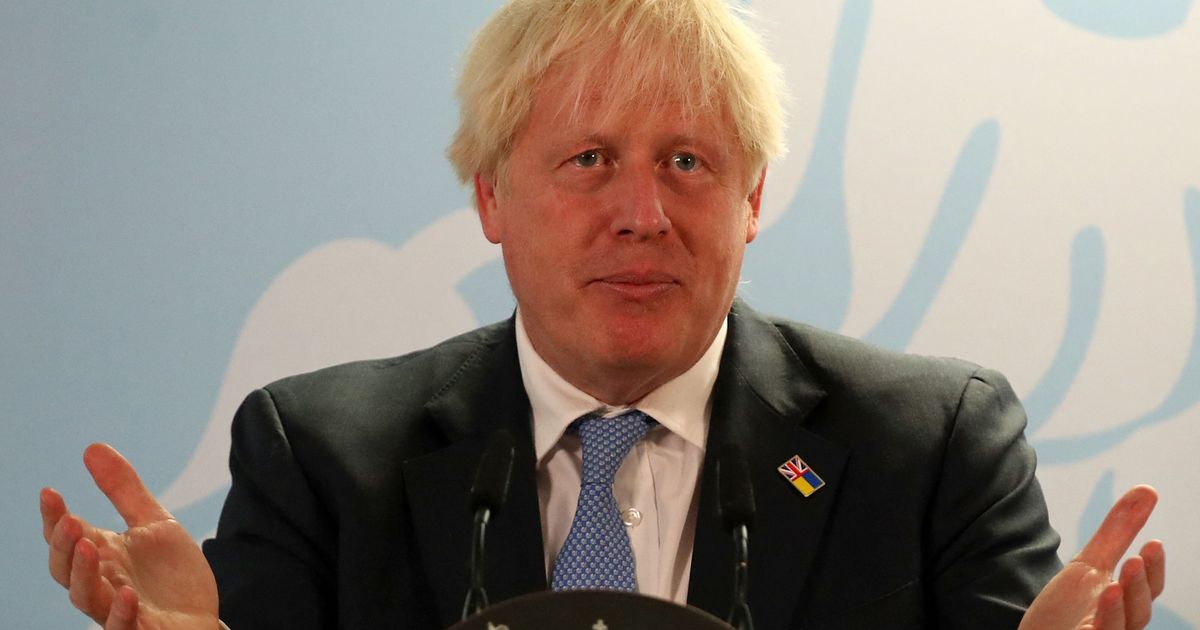
Boris Johnson has clashed with his likely successor by hitting out at supporters of fracking.

The outgoing prime minister said he was “slightly dubious” that shale gas exploration “will prove to be a panacea” for the energy crisis.

Johnson’s comments, as he gave his backing to the Sizewell C nuclear power plant, came just days after Liz Truss signalled she will end the current moratorium on shale gas exploration.

Writing in the Daily Mail, she said: “We will end the effective ban on extracting our huge reserves of shale gas by fracking but be led by science, setting out a plan to ensure communities benefit.”

But Johnson hit out at fracking supporters and insisted the UK should instead increase the amount of power it generates from cleaner sources like wind.

He said: “If we could frack effectively and cheaply in this country, that would be possibly a very beneficial thing. I’m just, I have to say, slightly dubious that it will prove to be a panacea.

“I would much rather that we focused on the things where we are brilliant, and where the environmental damage is really minimal.”

Johnson later added: “Tell everybody who thinks hydrocarbons are the only answer and we should get fracking and all that: offshore wind is now the cheapest form of electricity in this country.”

Share Button

No, Boris Johnson Didn’t Advise Buying A New £20 Kettle To Save Money On Electricity Bills

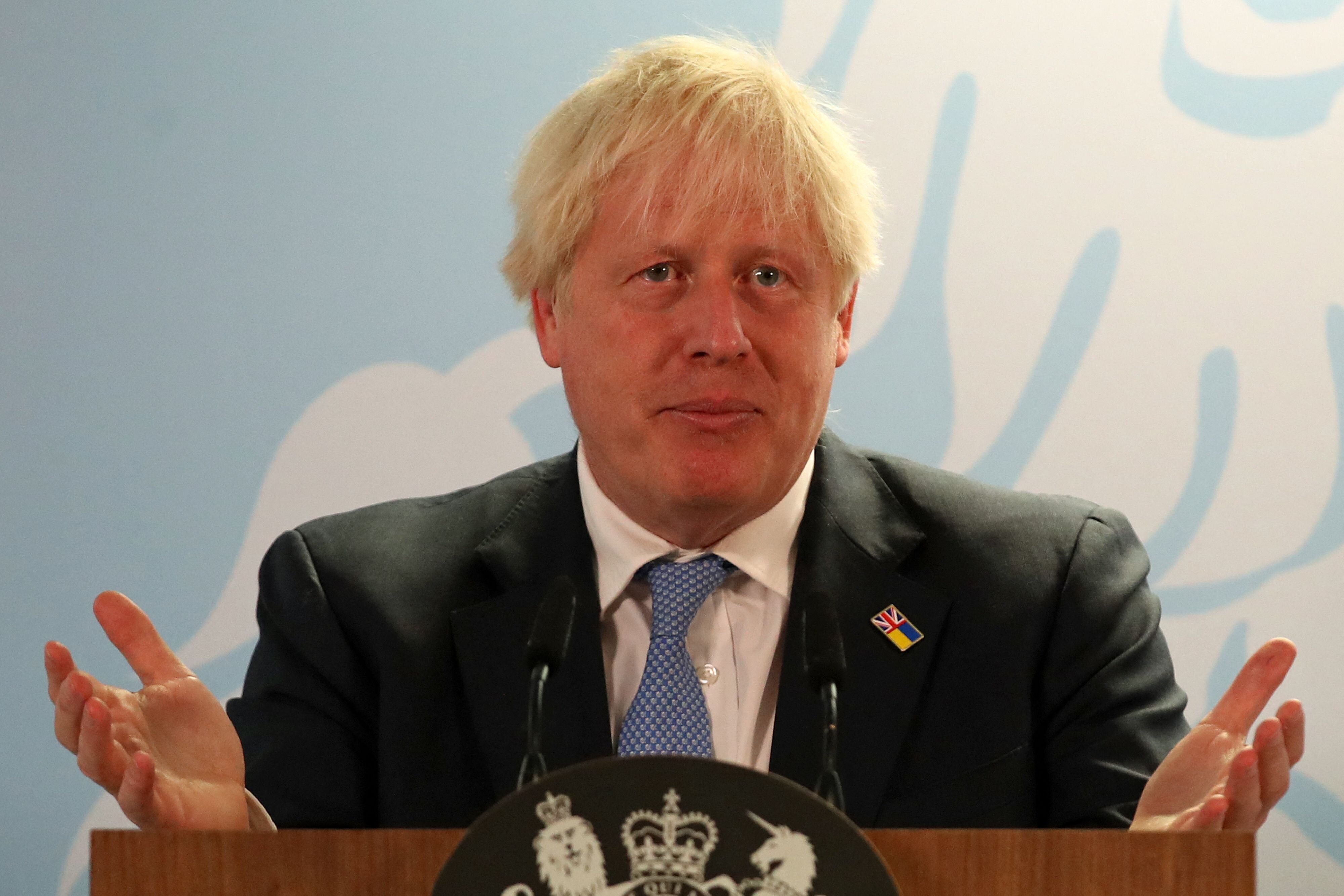
Boris Johnson has finally spoken up about the cost of living crisis, although even his well-intentioned speech has not landed among his online critics.

But, the clip going viral on Twitter has been taken out of context.

Here’s what you need to know.

What happened?

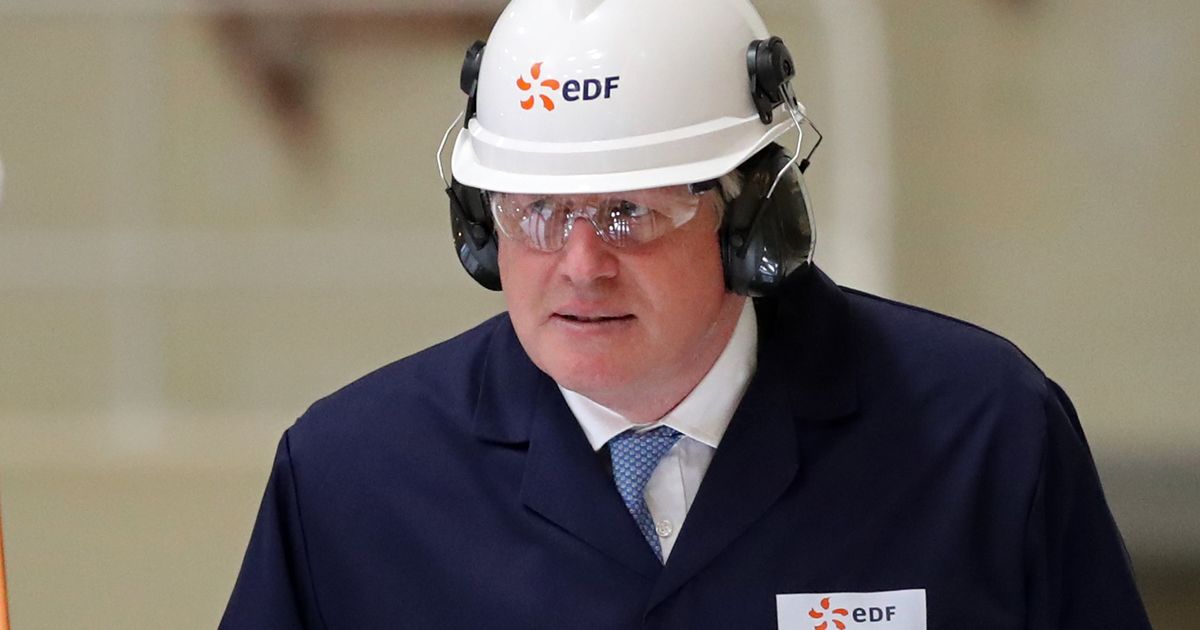
On Thursday, during his final public speech as the prime minister, Johnson was praising the virtues of nuclear power.

He said he would be assigning £700 million funding for a new nuclear plant to improve the UK’s energy security, and tried to explain how it might seem more expensive now to install but it would pay off in the long-run.

He claimed that if Hinkley Point C nuclear power station (in Somerset) were running now, it would be cutting “our national fuel bills by £3 billion”.

He explained: “Nuclear always looks – when you begin – relatively expensive to build and to run, But look at what’s happening today, look at the results of Putin’s war. It is certainly cheap by comparison with hydrocarbons.”

He then made this analogy: “If you have an old kettle that takes ages to boil, it may cost you £20 to replace it, but it will save you £10 a year every year, on your electricity bill.”

However, this last sentence was taken out of context on social media, and was widely mocked for appearing like real, cost of living advice.

Why did people react so strongly to the clip?

Had this been real advice, it would have meant saving £10 a year – this is just 0.28% of the £3,549 energy price cap set to kick in for the average household from October 1.

This increase is set to exacerbate a crisis already gripping the UK, as it is an 80% leap compared to the already high current energy price cap of £1,971.

An extra three million people into poverty this winter as a result, according to the Resolution Foundation.

So, understandably, people weren’t keen on letting the prime minister – who has been accused of being missing in action since he resigned at the start of July – off the hook when they believed it was genuine advice.

Has Johnson been forthcoming throughout the cost of living crisis?

Well, not exactly.

Johnson has faced repeated scrutiny for not engaging with the cost of living crisis ever since he resigned back at the start of July.

The government also decided it would not be making any financial decisions for the rest of Johnson’s time in office, despite the speed at which the cost of living crisis is worsening.

Since he quit, the prime minister has gone on holiday twice, avoided essential Cobra meetings and moved to the grace-and-favour country home in Chequers.

In the meantime, iInflation has soared to 10.1%, the fastest rate of increase for 40 years, and could even jump beyond 18% according to forecasts from Citi investment bank.

Only last October, the prime minister had tried to quell any worries about inflation by claiming such fears were “unfounded”.

Neither of his potential successors, Rishi Sunak or Liz Truss, have outlined coherent plans to tackle the crisis.

But Johnson claimed on Thursday that further government help was on the way.

Speaking in Suffolk, the prime minister said: “We’re helping people now with the cost of living and of course there will be more cash to come, whoever takes over from me, in the months ahead – substantial sums, that’s absolutely clear.”

He claimed that it was “clear that come the new administration, there is going to be a further package”, because “we have the fiscal firepower to sort it out.”

So, what was he actually saying about nuclear power?

The energy crisis stems from Europe’s reliance on Russia’s supplies. Since Moscow launched its invasion into Ukraine, the west has been adding a growing list of sanctions against Russia and has been trying to wean itself off its oil and gas exports.

Russia has also been squeezing the amount of energy it sends to Europe to leverage the west over its continual support for Ukraine.

So, Johnson’s decision to back nuclear energy comes at a time when the UK desperately needs new energy sources.

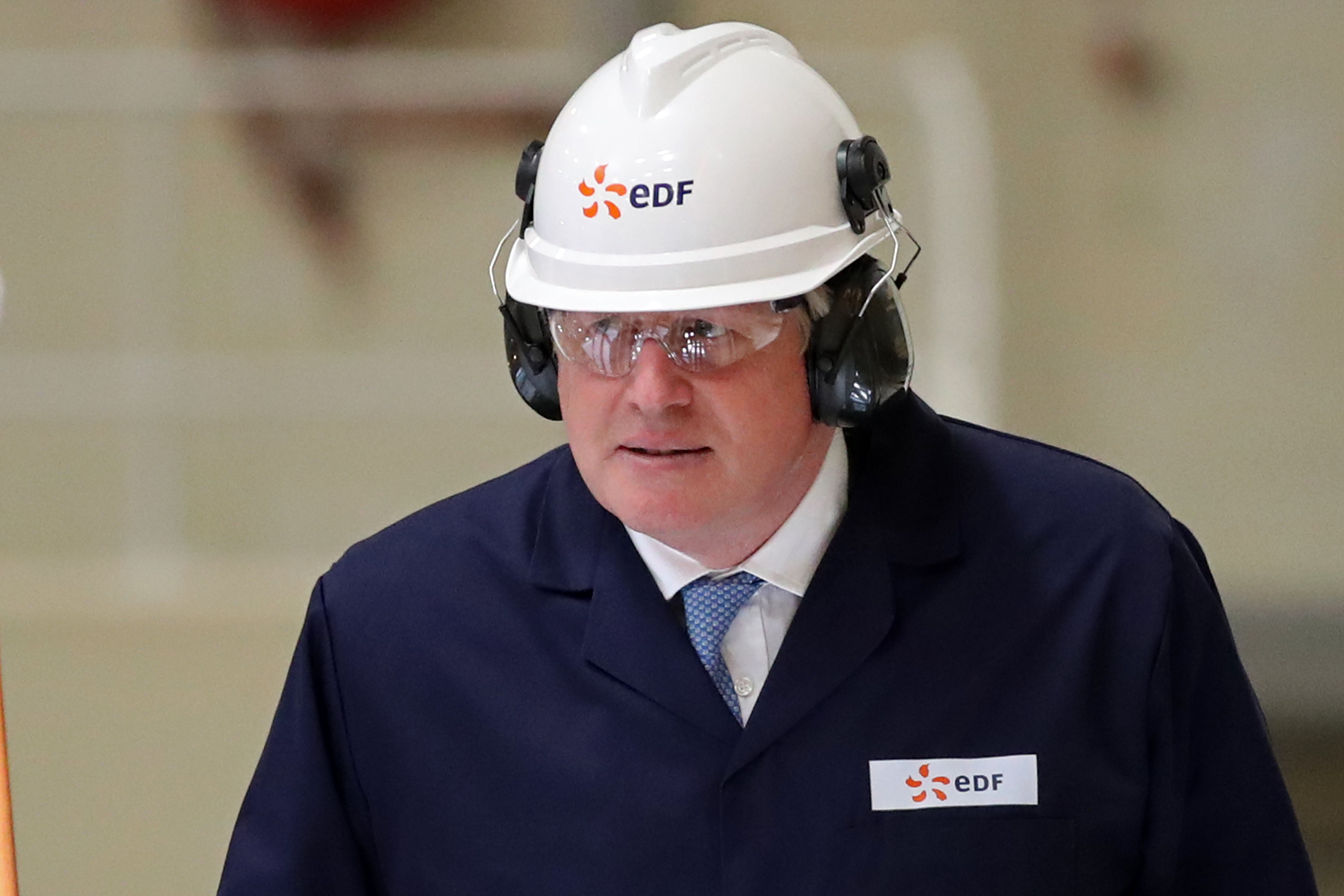
His speech at the new reactor at the Sizewell site in Suffolk could power the equivalent of around six million homes once built.

However, as Johnson leaves office on Tuesday, it’s not clear if the building will go ahead. Downing Street has not provided any more details about the funding according to PA news agency and EDF energy company (meant to be in partnership with the plant) did not respond.

The total cost of the project could be around £20 billion, and would not start generating electricity until around the 2030s.

Still, nuclear is considered a feasible alternative to fossil fuels.

Johnson also took aim at previous governments (led by both Tony Blair and Gordon Brown) for not injecting funding into it sooner – even though the Tories have been in power for 12 years now.

“So no more national myopia,” he concluded. “No more short-termism, let’s think about the future, let’s think about our kids and our grandchildren, about the next generation.”

Share Button

Elton John Remembers Princess Diana On 25th Anniversary Of Her Death

Sir Elton John has paid tribute to Diana, Princess of Wales, on the 25th anniversary of her death.

The singer was close friends with the princess prior to her death in August 1997, when she was killed in a car crash in Paris.

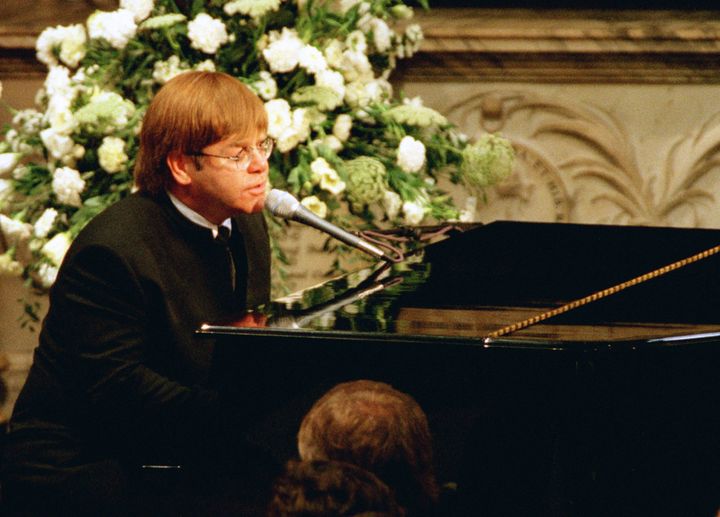
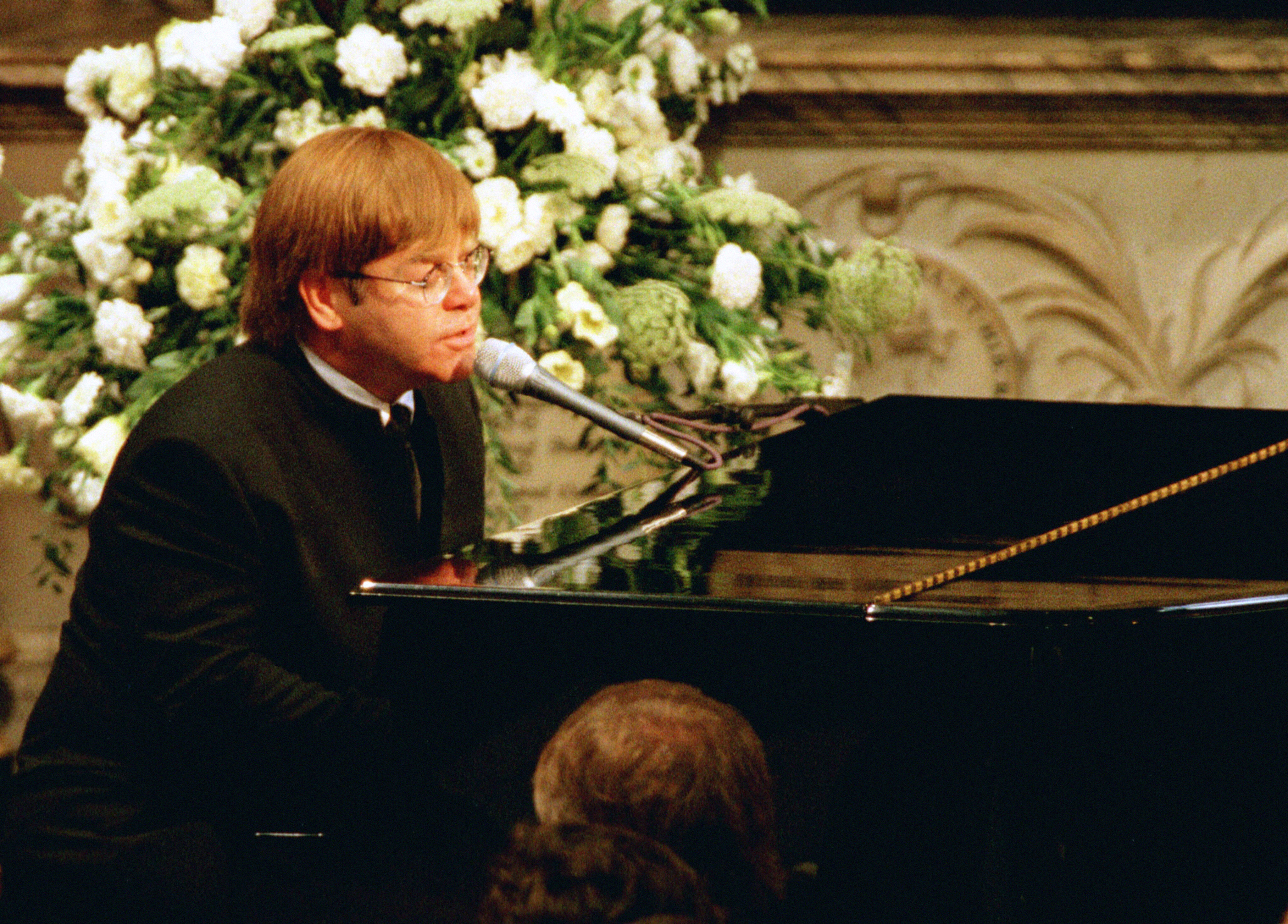
Elton reworked his hit song Candle In The Wind to perform at her funeral, which was subsequently released and became the biggest-selling single in UK chart history up to that date.

On Wednesday, Elton posted a picture of himself with Diana on Instagram.

“You will always be missed,” he wrote.

The pair’s friendship is said to have begun after Elton was reportedly hired to perform at Prince Andrew’s 21st birthday celebrations in 1981.

They were said to have bonded while dancing to the Charleston together on the dancefloor.

Elton performing a rewritten version of his song Candle In The Wind as a tribute to Diana, Princess of Wales, at her funeral

PA Images via Getty Images

Elton and Diana went on to work together helping to raise awareness of AIDS.

In 2018, Elton praised Diana for helping to smash stigma surrounding the disease when she publicly shook hands with a patient in 1987.

“One simple handshake, one gesture showed the world the desperate need for humanity for people living with AIDS,” he said.

“She knew the disease could not be communicated by hand. Her gesture meant nobody should be left behind. She did not distinguish between ‘us’ and ‘them’.”

Speaking at a Princess of Wales memorial lecture, he added: “I like to think she would be proud and astonished if she could see the progress that has been made since she left us.”

Elton has regularly supported Diana’s sons William and Harry over the years and attended both their royal weddings alongside his husband, David Furnish.

Share Button

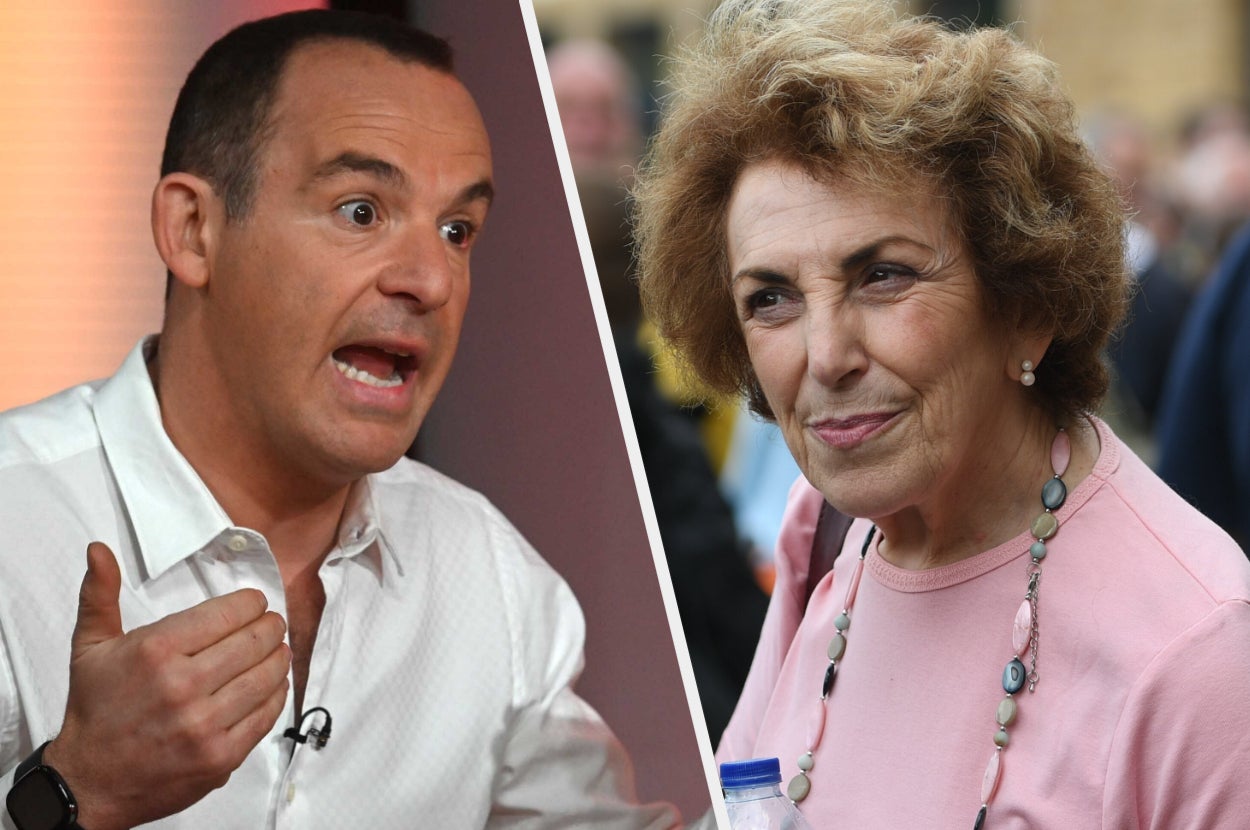
‘It Is A Catastrophe!’: Martin Lewis And Edwina Currie In Spat Over Energy Bill Crisis

Martin Lewis took on former Conservative minister Edwina Currie on Twitter on Wednesday, after she called out his approach to the energy crisis.

Lewis, a consumer journalist known as the Money Saving Expert, has repeatedly shared his exasperation towards the government as the energy price cap is set to hurtle towards £3,549 come October 1.

He called on either Liz Truss or Rishi Sunak, the two remaining contenders left in the race to be the next prime minister, to sit down in an ITV special once they take office to field questions over the cost of living crisis.

His tweet quickly went viral and grabbed Currie’s attention, a former Tory MP who briefly served as a junior health minister under John Major. She lost her seat in 1997′s general election.

Currie is now known for being an outspoken public figure, a media personality and an author – and she had plenty to say about Lewis’ plea to the government on Wednesday.

She tweeted: “I would like you, Martin, to stop using words like ‘catastrophe’, and instead advise people take sensible steps to reduce the effect on their families and businesses.

“And stop pretending that governments can do everything. They can’t.”

He then responded: “It is a catastrophe Edwina!

“While there are steps people can take to help themselves (I explain them in today’s email mse.me/latesttip), energy bills by Jan will cost on average over half the full state pension and bigger proportion of basic UC [Universal credit].

“No sensible steps cover that!”

Several hours later, Lewis also put together a Twitter poll which asked: “Do you think it is fair to call the coming winter energy and cost of living price hikes a ‘catastrophe’?

“Votes split by whether you traditionally vote for Conservatives )even if not right now) or not. To see if view correlates with political stance.”

He tweeted summarising his findings (long before the poll officially closed) by pointing out that of 15,000 votes, 90% of Conservative voters and 95% of non-Tory voters agreed that it was fair to call the crisis a “catastrophe”.

However, Lewis did note that this was a Twitter poll, and therefore does not fairly represent the population.

Currie also replied to Lewis directly, saying: “Emphasise the help. Include local authorities, as in Germany.

“Give people something they can do…not just wringing their hands. The more those who can reduce usage, the easier it gets for those who can’t. Every little helps.

“And no, governments cannot do everything.”

It’s worth noting that Germany has unveiled a long-term strategy to cut energy costs, including insulating old buildings, while also offering one-off payments for workers who pay income tax.

Meanwhile, Downing Street has been called a “zombie government” (by Lewis) and criticised over its inaction for weeks now – especially as the cost of living package offered in May is now nowhere near enough to meet the current needs of the crisis.

Share Button

Liz Truss’s ‘Risible’ Response To The Pakistan Floods Has Been Criticised By A Commons Committee

Liz Truss’s response to the Pakistan floods has been described as “risible” by a Commons committee.

In a letter to the foreign secretary, international development committee chair Sarah Champion said she was “embarrassed” by the UK’s pledge to provide up to £1.5 million in aid to the country.

The Labour MP said: “Even if the full £1.5 million were delivered, it would amount to less than 5p for each person affected.

“Furthermore, that pathetically small sum will be subtracted from “existing support to Pakistan”.

“The UK government’s risible response to this humanitarian disaster arguably amounts to nothing.”

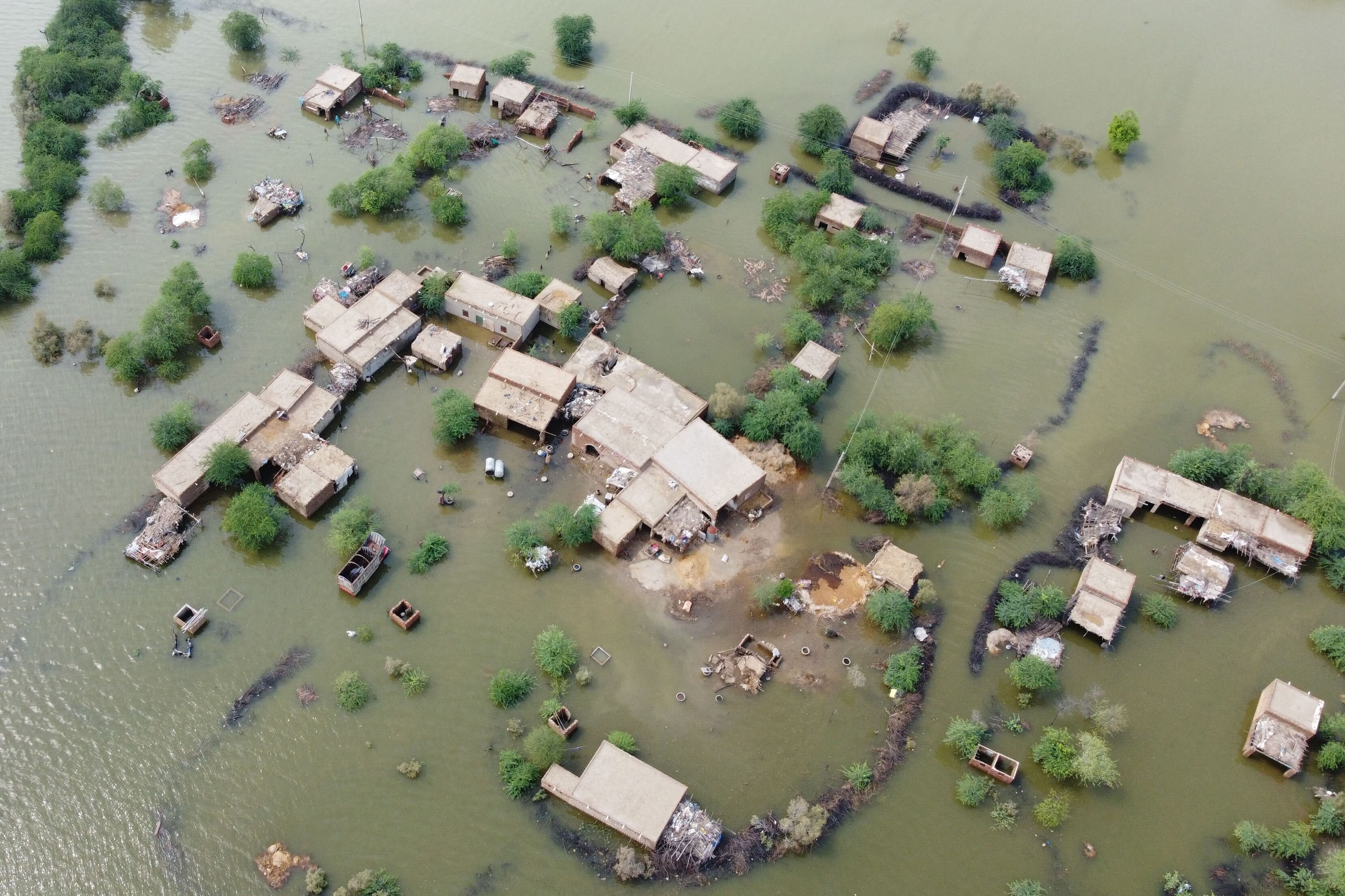
Devastating floods have swept across Pakistan in recent weeks, causing more than 1,000 deaths and affecting around 33 million people.

The heavy rains have caused a historic level of devastation, isolating villages and trapping many in mountainous areas.

It is the most rain Pakistan has seen in a decade, leaving one-third of the country underwater and around 1,860 miles of road reportedly washed away.

“It’s all one big ocean, there’s no dry land to pump the water out,” Pakistan’s climate minister Sherry Rehman said.

Champion accused the government of adopting “a policy of sustained indifference to Pakistan” in recent years.

She added: “Parliament returns from summer recess on Monday 5 September.

“Bearing in mind the humanitarian and economic catastrophe, I earnestly counsel you to make a statement to parliament at the first available opportunity to deliver your latest assessment of the extent and effect of the flooding and to explain how you plan to support our friends and allies in Pakistan.”

Further complicating the situation is the fact that Truss is expected to be named the new Tory leader on Monday and confirmed as prime minister the following day.

The Foreign Office has been contacted for comment.

Share Button

BBC Says Jeremy Vine Breached Impartiality Guidelines With Low Traffic Neighbourhood Comments

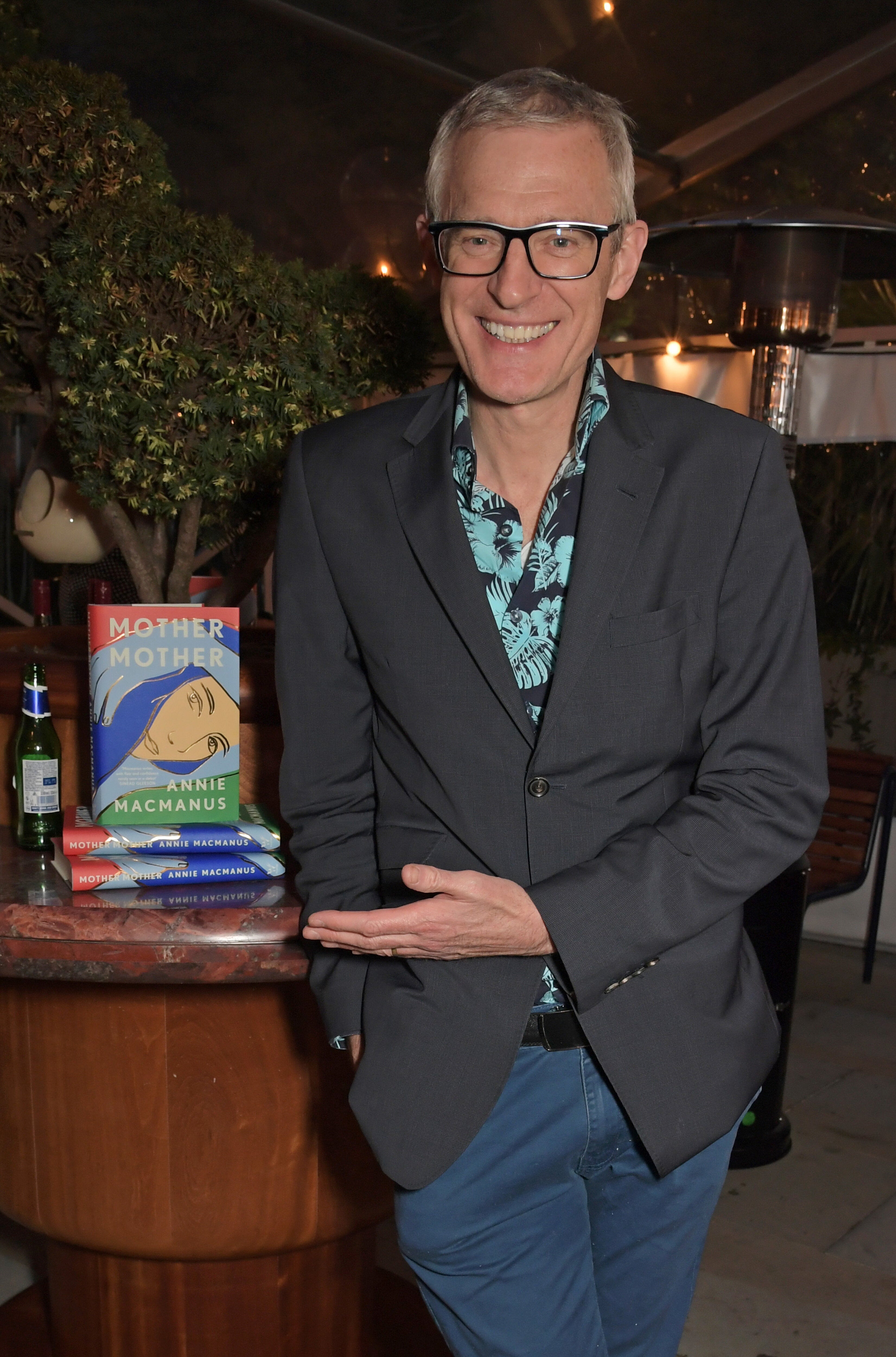
Jeremy Vine was spoken to by BBC bosses after breaching the corporation’s impartiality guidelines when backing the introduction of a low traffic neighbourhood in an area of London.

The presenter, who hosts a topical weekday show on BBC Radio 2, had criticised campaigners who objected to the introduction of a scheme in Chiswick, near where he lives.

A complainant claimed that tweets posted by Jeremy represented “a campaign of abuse” against a “legitimate local campaigning group”.

The BBC’s executive complaints unit (EBU) said that Jeremy had “primarily been responding to posts from a Facebook group superintended by the complainant, which had been drawn to his attention by member of the group, wishing him harm and describing him in opprobrious terms”.

While the EBU said he was “entitled to object to such personal abuse and, as he did so in terms which were not themselves abusive”, the complaint was not upheld.

However, it found Jeremy – who is famously a keen cyclist – did break impartiality guidelines with some of the views he expressed in his comments, which they said were “inconsistent with the BBC’s editorial standards”.

The EBU said on its website: “The Guidance makes clear that the BBC’s standards should be observed in personal social media activity, as well as on air, by those who work in journalism and factual programming, and the topical content of Mr Vine’s programme on Radio 2 brings him within that category. The introduction of an LTN [low traffic neighbourhood] was a source of sharp controversy in Chiswick at the time in question, (mirroring controversies in other localities where LTNs have been introduced), and was the kind of topic to which considerations of due impartiality applied for the BBC.

“To the extent that Mr Vine’s Twitter activity since the relevant Guidance came into effect appeared to endorse one viewpoint on that topic and controvert another, it was inconsistent with the BBC’s editorial standards as they applied to him, and this aspect of the case was upheld.”

The EBU said the matter was discussed with Jeremy as well as being passed to the management of BBC Content.

The statement added: “For the avoidance of misunderstanding, the ECU made clear to the complainant that the finding had no bearing on any social media activity in which Mr Vine simply expressed his personal enthusiasm for cycling or called attention to its potential benefits.”

Jeremy, who also hosts a morning talk show for Channel 5, previously expressed his view that discussing cycling safety “is not a political thing”, telling the Guardian earlier this month: “If you can create safe cycling space, you have the potential to free up thousands of miles of the transport network, and cleaning up the city, making it safer.”

He added: “I think the general principle is, I can speak truthfully and from my own point of view about issues like cycling down this street, which I do every day, or road deaths. We’re not impartial about road death – it’s a bad thing, and cycle safety is a good thing, and it’s clear that the more segregated cycle lanes you have, the safer cyclists are.”

The paper noted that Jeremy also said he does not publicly endorse low-traffic neighbourhood schemes he has never seen.

Share Button

How To Maximise Your Annual Leave In 2023 For The Most Time Off Work

Just like that, the last bank holiday of the season (until Christmas) has passed. Love Island has finished, we experienced two heatwaves, danced at Notting Hill Carnival and caught a tan at the beach. It looks like it’s time to slowly start putting your summer clothes away and get out your jumpers.

I know you don’t want to to think about winter just yet, so why don’t you use this time to start planning your holidays for next year?

It might feel too early, but if you start plotting your time now, you can get bag the best days and get 47 days off work by using only 19 days of annual leave. Imagine how you’d spend that time living your best life!

Want to find out how you can maximise your holidays next year? Keep reading.

Easter weekend 🐣

Easter Sunday falls on Sunday 9 April in 2023. If your employer closes on the weekends and bank holidays you can get a 10-day break using four days of annual leave.

Book off: April 3, 4, 5, 6

Get off: March 31 to April 10

May bank holiday 🌸

Ah, May how we love you for your multiple bank holidays. If you didn’t manage to get those days off in April then you’re in luck, because the May bank holiday is shortly after the Easter break. The first bank holiday is on May 1.

Book off: May 2, 3, 4, 5

Get off: April 31st to May 8th

The fun doesn’t stop there in May as we also have the late May bank holiday which falls on May 29.

Book off: May 30, 31, June 1, 2

Get off: May 29 to Sunday June 4

August bank holiday 🏖️

The August bank holiday is everyone’s favourite. It signifies the end of summer so we all want to make the most out of that weekend. And it’s the perfect time to book a little trip away. The 2023 August bank holiday falls on Monday 28.

Book off: August 29, 30, 31, September 1

Get off: August 26 to September 3

Christmas 🎄

Tis’ the season to be jolly by taking timing off to eat a dozen mince pies. Even those who don’t enjoy Christmas don’t want to work during that time. We’d all rather drink hot chocolate and snuggle up in bed. Christmas day falls on Monday 25 in 2023. You’ll also get a bank holiday on Boxing day (December 26) and New Year’s Day (January 1 2024)

Book off: December 27, 28, 29

Get off: December 23 to Tuesday January 2 2024

Share Button

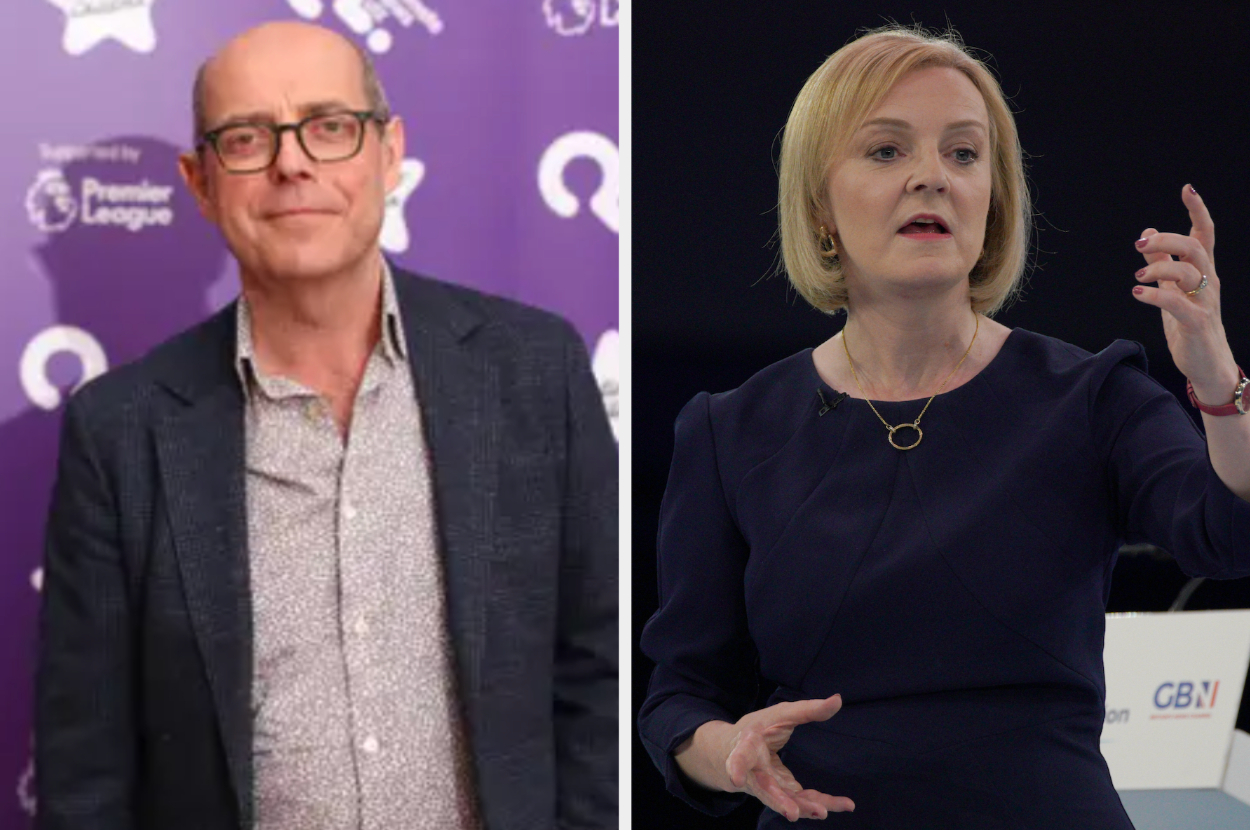
Nick Robinson ‘Disappointed And Frustrated’ After Liz Truss Cancels Interview

Liz Truss has been accused of “avoiding scrutiny” after she pulled out of an interview with Nick Robinson the day before it was due to be broadcast.

Today programme presenter Robinson said he was “disappointed and frustrated” after Truss claimed she no longer had time to be grilled by him.

The half-hour interview had been due to be broadcast at 7pm tomorrow night.

Robinson interviewed Truss’s rival, Rishi Sunak, earlier in the campaign.

Announcing the cancellation, the BBC said: “Ms Truss’ team say she can no longer spare the time to appear on “Our Next Prime Minister”.

“The other candidate for the Conservative leadership, Rishi Sunak, was interviewed by Nick on 10th August.

“We regret that it has not been possible to do an in depth interview with both candidates despite having reached agreement to do so.”

Reacting on Twitter, former BBC political editor Robinson said: “Was pleased to secure an in-depth interview with Liz Truss on BBC1. I am disappointed & frustrated it’s been cancelled.”

Truss’s campaign team did not respond to requests for comment.

A source close to Sunak told HuffPost UK: “It’s important that candidates face proper scrutiny so that members and the public know what they are offering.

“Avoiding that scrutiny suggests either Truss doesn’t have a plan at all or the plan she has falls far short of the challenges we face this winter.”

Unlike Sunak, Truss has already turned down the chance to be interviewed by feared interrogator Andrew Neil on Channel 4.

Sunak’s campaign said their man had done nine one-to-one broadcast interviews during the leadership campaign, compared to Truss’s two.

Labour’s Conor McGinn said: “The British public don’t get a say in choosing the next Tory Prime Minister and now it seems Liz Truss wants to avoid any public scrutiny whatsoever.

“People will rightly conclude that she doesn’t want to answer questions about her plans for the country because she simply hasn’t got any serious answers to the big challenges facing our country.”

Share Button