What Happens Now Theresa May Has Resigned: All Your Questions Answered

HuffPost is part of Oath. Oath and our partners need your consent to access your device and use your data (including location) to understand your interests, and provide and measure personalised ads. Oath will also provide you with personalised ads on partner products. Learn more.

Select ‘OK’ to continue and allow Oath and our partners to use your data, or select ‘Manage options’ to view your choices.

Share Button

The Inside Story: How Theresa May’s Personal And Political Flaws Finally Forced Her Downfall

HuffPost is part of Oath. Oath and our partners need your consent to access your device and use your data (including location) to understand your interests, and provide and measure personalised ads. Oath will also provide you with personalised ads on partner products. Learn more.

Select ‘OK’ to continue and allow Oath and our partners to use your data, or select ‘Manage options’ to view your choices.

Share Button

Supplements for vegans: What to know

People who follow a vegan diet do not eat any animal products, including meat, dairy, and eggs. While it is possible to be vegan and stay well-nourished by eating whole foods, many people choose to supplement their diet.

A vegan diet is low in some nutrients, such as vitamin B-12, that are primarily present in animal products. Vegan supplements offer a simple way for people to get enough of these nutrients.

In this article, learn about the most common vegan supplements and why they are beneficial.

1. Vitamin B-12
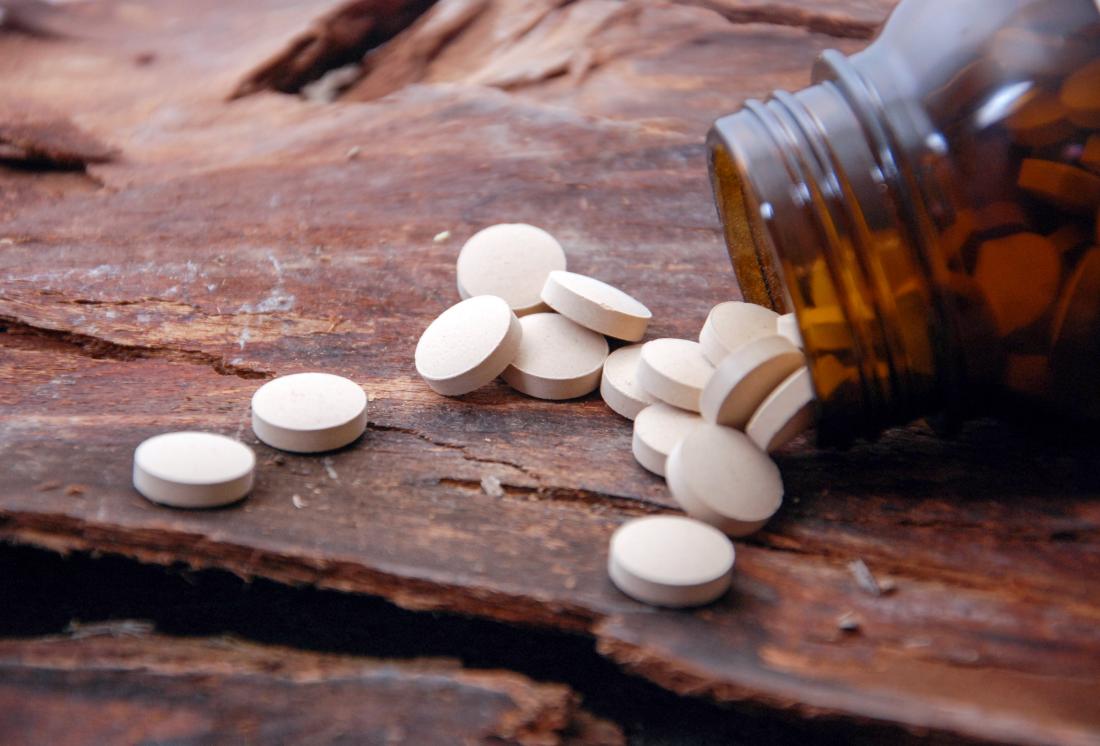
vegan supplements or nutritional pills spilling from bottle onto wooden surface
Most vegans can benefit from taking a B-12 supplement.

Vitamin B-12 may be the most important supplement for vegans. It is crucial for maintaining many bodily processes.

This vitamin plays a role in the formation of red blood cells, helps metabolize proteins, and even supports a healthy nervous system.

Although anyone can have low vitamin B-12 levels, vegans typically have a higher risk of deficiency as there are limited vegan sources of this vitamin.

It is important to note that people absorb and use vitamin B-12 differently. Even people who eat meat can have a vitamin B-12 deficiency if their body is unable to absorb the vitamin properly. The body’s ability to use vitamin B-12 also declines with age.

It is important for vegans to check in with their doctor from time to time to test their vitamin B-12 and iron levels. Working directly with a nutritionist or doctor can help them create a balanced diet plan.

The authors of a 2014 study recommend eating nori, a type of seaweed, regularly. It contains high levels of vitamin B-12 and other important nutrients for vegans, such as iron and polyunsaturated fatty acids.

Another simple way to add vitamin B-12 to a vegan diet is to eat nutritional yeast, which has a nutty, cheesy flavor. Manufacturers often fortify this inactive yeast with the vitamins that a vegan diet may be lacking.

Manufacturers may fortify other foods with B-12 as well, such as tofu or other soy products, some breakfast cereals, and soy, rice, or nut milk. As the plant-based movement continues to grow, more sources of vitamin B-12 may become available.

2. Omega-3 fatty acids

Omega-3 fatty acids are a great source of healthful fats. A plant-based vegan diet is generally high in some types of omega-3 fatty acids, but it is low in others.

Omega-3 fatty acids offer several health benefits, including:

Although more research in these areas is necessary, omega-3 fatty acids may also play a role in the development or treatment of other conditions, including:

Essential omega-3 fatty acids, such as alpha-linolenic acid (ALA), must come from the diet. The body cannot make them itself.

Long chain omega-3 fatty acids, such as docosahexaenoic acid (DHA) and eicosapentaenoic acid (EPA), are nonessential, meaning that the body can make them using ALA.

However, as 2017 research notes, the human body has a limited capacity to convert ALA into DHA or EPA. Furthermore, vegetarians and vegans tend to have lower EPA and DHA levels.

While ALA is present in flaxseed, canola oil, and soy products, EPA and DHA are only present in fish, fish oils, and microalgae.

Algae oil supplements and concentrates are the best vegan sources of EPA and DHA.

3. Iron
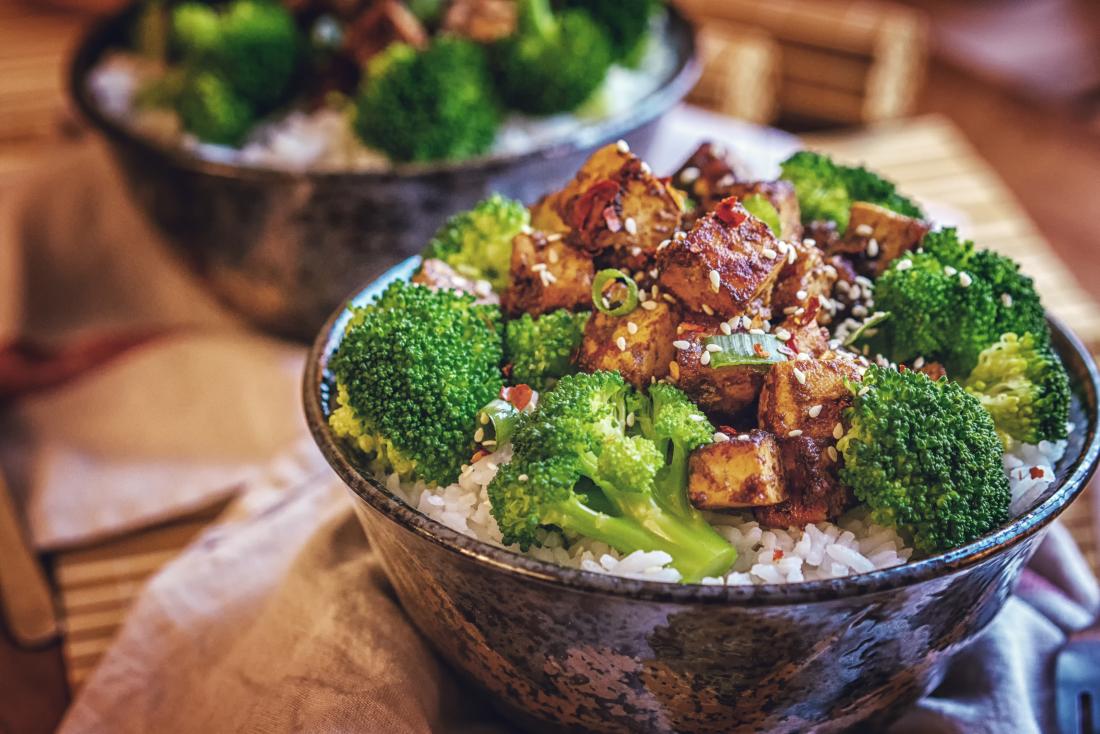
broccoli, tofu, rice and seeds in a bowl
Broccoli and seeds are rich in iron.

Iron is crucial for building healthy blood cells and helping them carry oxygen throughout the body. It has two different forms: heme and nonheme. Heme iron comes from animals, while nonheme iron comes from plants.

Heme iron is easier for the body to absorb and use. With that said, the authors of a 2013 study noted that eating a vegetarian or vegan diet high in iron-rich foods can provide the body with adequate iron.

Vegan iron-rich foods include:

  • nuts
  • legumes
  • whole grains
  • seeds
  • dried fruits
  • dark, leafy vegetables
  • some fortified cereals and foods

Additionally, getting plenty of vitamin C increases the intake of iron. People can request a blood test to see if they are getting and storing enough iron. Eating enough of these foods may mean that there is no need for supplementation.

In cases where a person has very low iron stores, doctors may still recommend iron supplements.

Getting too much iron can be dangerous, so it may be best to speak with a doctor before supplementing it.

4. Calcium

Calcium is another vital nutrient that some vegans may be lacking. It plays an important role in bone and teeth formation, muscle function, and heart health.

According to research from 2014, calcium levels are lowest in vegans, compared with omnivores and vegetarians.

The following plant sources are rich in calcium:

  • dark, leafy greens, such as mustard greens, bok choy, and watercress
  • legumes, such as chickpeas
  • fortified foods, which include many types of plant-based milk

If a person is not getting enough calcium from these foods, they should consider supplementation. Calcium typically comes in both capsule and powder form. Taking vitamin D alongside calcium may help boost its absorption.

5. Vitamin D

Vitamin D helps regulate mood and improve immune system function, and it aids the body’s absorption of other nutrients, such as calcium and phosphorous.

The body can make vitamin D when it gets enough sunlight. Most people can make an ample amount of vitamin D each day by spending about 15 to 20 minutes in the afternoon sun.

However, this is not always possible. Wearing sunscreen, which is vital for skin cancer prevention, may reduce the production of vitamin D. Many people live in areas with cold, cloudy weather and cover up their skin most of the time.

Few foods contain vitamin D. Many dairy products, such as milk and yogurt, may contain added vitamin D, but these foods are not suitable for vegans.

Vegan sources of vitamin D include fortified cereals and some types of mushroom. The average vitamin D intake from food alone tends to be lower than the recommended daily intake, so both omnivores and vegans can often benefit from taking a supplement.

6. Vitamin K-2
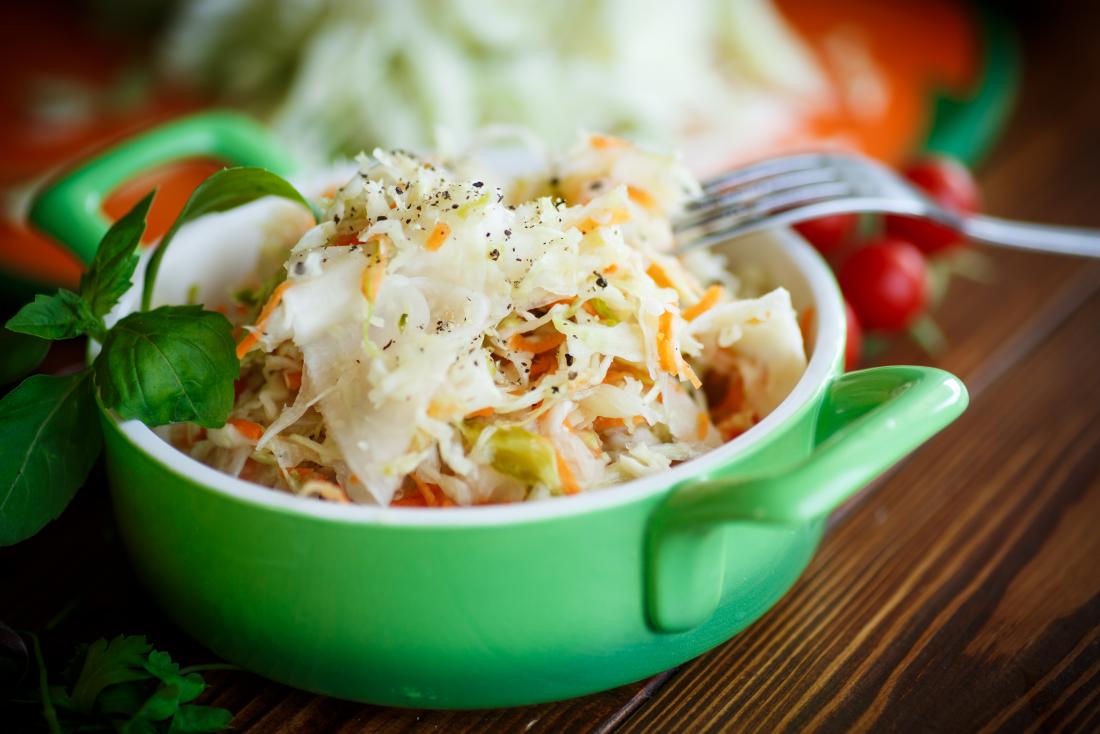
Sauerkraut in a bowl
Fermented foods, such as sauerkraut, contain vitamin K-2.

Vitamin K helps with blood clotting and wound healing. There are two types of vitamin K: vitamin K-1 and vitamin K-2.

Vitamin K-1 occurs naturally in many plants, especially dark, leafy greens.

Vitamin K-2 is present in some dairy products and egg yolks. As vegans do not eat dairy or eggs, they should focus on consuming the other source of vitamin K-2, which is fermented foods.

Examples of vegan fermented foods that may contain vitamin K-2 include:

  • raw sauerkraut
  • natto, a fermented soybean dish
  • unpasteurized kombucha
  • vegan kimchi
  • plant-based kefir

It is unlikely that a vegan will be deficient in vitamin K, given that gut bacteria can turn vitamin K-1 into vitamin K-2.

However, some people may wish to supplement their diet with K-2. Taking a vegan probiotic supplement may also help the gut process vitamin K.

7. Zinc

Zinc is another important compound for metabolism and the immune system. There are a few plant-based sources of zinc. However, plant compounds called phytates, which occur in many legumes and cereals, impair the absorption of zinc.

While not all vegans have low zinc intake, a 2013 systematic review and meta-analysis noted that vegans and vegetarians tend to have lower overall zinc levels.

8. Iodine

Iodine is necessary for a healthy thyroid gland. It is present in small amounts in plants depending on the soil in which they grew. Seaweed also contains iodine.

Vegans who eat edible seaweed a few times a week, such as in sushi, should meet their necessary iodine intake.

Iodized salt is also common in many regions, so people can get enough iodine from the salt present in home-cooked meals.

People who are concerned about their iodine intake should speak to a doctor about taking a supplement.

Summary

Vegan diets can offer many health benefits, but they can also make it difficult for people to get enough of certain nutrients.

Making up for these nutrients by eating specific foods and taking supplements can help vegans stay healthy.

The vegan supplements listed in this article are available for purchase online.

Share Button

Ayurvedic treatment for rheumatoid arthritis: What to know

Ayurveda is an traditional Indian practice involving a natural, holistic approach to treating medical conditions.

Some Ayurvedic practitioners use Ayurveda to treat rheumatoid arthritis (RA), which they call “amavata.” Ayurvedic treatment can include supplements, dietary changes, and exercise.

This article will review Ayurvedic treatment for RA, including the basic principles and whether research supports its use.

General principles

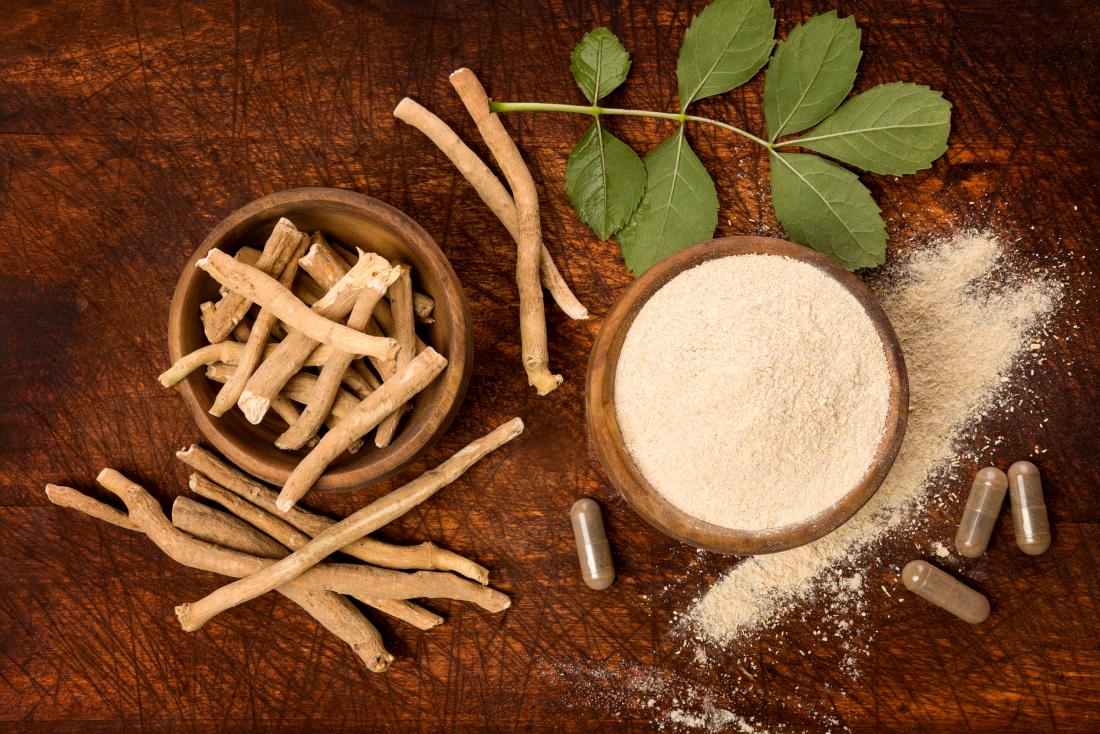
ashwagandha for Ayurvedic herbal remedy
Ayurvedic treatments often involve herbal remedies, such as ashwagandha.

The term “Ayurveda” is a combination of two Sanskrit terms “ayu” (life) and “veda” (knowledge). Practitioners work to balance the three energy forces, or “doshas,” of life: “vata,” “pitta,” and “kapha.”

Ayurvedic treatments for RA depend on which diagnostic guidelines the practitioner uses.

For example, those who practice from the guidelines “Madhava Nidana” believe that imbalances in the gut and inflammatory compounds cause RA.

On the other hand, practitioners from the “Ashtanga Hridaya” school of thought believe that RA is the result of poor dietary and lifestyle habits that cause inflammation in the body.

Both approaches use herbs, supplements, dietary changes, and exercise to help relieve RA symptoms.

Herbs and supplements

Ayurvedic practice often involves the use of herbs and supplements as treatment.

Some of the herbs that Ayurvedic practitioners often use to treat RA include:

  • Boswellia serrata (Indian frankincense)
  • garlic
  • ginger
  • Ricinus communis (castor oil)
  • ashwagandha

Some Ayurvedic medicine formulations also contain “bhasma,” which are specially prepared forms of metals, such as silver, copper, and iron.

An Ayurvedic practitioner may also prepare special oils that contain herbs. People can massage these oils into areas where they experience symptoms.

The Food and Drug Administration (FDA) do not regulate Ayurvedic supplements in the same way as prescription medications.

As a result, less information is available about how supplements work, how they may interact with other prescription medications, and if they are safe.

For this reason, it is vital that people only purchase Ayurvedic supplements from a reputable practitioner and tell their doctor if they are using Ayurvedic treatments.

They should also ask their Ayurvedic practitioner exactly what is in each preparation to ensure that it does not contain compounds that a person is allergic to or that may interact with other medical treatments.

Diet

Certain foods may worsen RA symptoms.
According to Ayurveda, certain foods may worsen RA symptoms.

Ayurvedic practitioners believe the following dietary habits may cause or worsen the symptoms of RA:

  • drinking alcohol
  • eating spicy foods
  • taking in excess salt
  • consuming too many sour, sweet, or sugary foods
  • eating uncooked foods
  • eating foods that cause acid reflux

As a result, an Ayurvedic practitioner will recommend avoiding these foods.

Some Ayurvedic practitioners also recommend soups that contain barley and rice, as these are thought to add a sense of lightness to the body.

Sometimes, a practitioner may recommend a castor oil fast. This is when a person consumes castor oil, a natural laxative, to encourage intestinal purification.

Over several days, a person will reintroduce foods and ultimately progress to a healthful routine diet.

Exercise and lifestyle

Ayurvedic practitioners believe that positive lifestyle habits can support RA treatment.

They believe that a sedentary lifestyle leads to the formation of “ama,” which causes inflammation and disease.

Practicing yoga, an essential part of Ayurvedic medicine, can help a person with RA to be more active and also reduce stiffness and pain.

Ayurvedic practitioners may recommend the following tips for people with RA:

  • using hot water, not cold, to bathe in and drink
  • avoiding exposure to cold breezes
  • avoiding late-night or late-afternoon naps
  • practicing yoga to relieve mental stress
  • using massage therapy with herbal oils to reduce pain and stiffness

While Ayurvedic practitioners do believe that physical activity can help relieve some conditions, they recommend that people with RA avoid excess walking.

What does the research say?

Studies suggest that yoga can benefit people with RA.

Little extensive and modern research exists on Ayurvedic treatments specifically for RA.

Researchers report difficulties designing clinical trials to test Ayurvedic interventions, compared with modern medicine or placebos. Many studies are small, making it difficult for researchers to know if the results would apply to larger populations.

For example, a 2011 study published in the International Journal of Ayurveda Research studied Ayurvedic treatments in 290 people with RA over 7 years.

At the study’s conclusion, the author found that even participants with severe RA reported improvements, including reductions in swelling and pain. However, the study did not use a control group, so the conclusions are difficult to confirm.

Other, smaller case studies support the use of Ayurveda in treating individuals with RA.

A 2015 case report on Ayurvedic treatment in a 45-year-old female supported the use of Ayurveda for reducing RA symptoms. The treatment included massage, supplements, a castor oil fast, avoiding spicy foods, and eating “light” foods.

Some aspects of Ayurvedic treatment have more support in contemporary research. For example, many Ayurvedic practitioners recommend yoga to help relieve RA symptoms.

A 2018 study on 75 adults with RA found that yoga improved fitness, flexibility, mood, and overall health-related quality of life.

Summary

Unfortunately, little high-quality research exists to support the use of Ayurvedic treatments for RA.

However, with a doctor’s supervision, many of the dietary and exercise-related changes may be beneficial. Also, any reduction in inflammation is likely beneficial. Since RA can damage joints without effective treatment, working with a rheumatology doctor along with an Ayurvedic practitioner is important.

Currently, there is no licensing program for Ayurvedic practitioners in the United States, nor is there an official training or certification process. This is different from Ayurvedic training in India, which has many regulations.

Anyone considering Ayurvedic treatment should speak to their regular doctor and be sure to ask about an Ayurvedic practitioner’s training and safety practices.

Share Button

Self-tanners: Are they safe?

Mayo Clinic does not endorse companies or products. Advertising revenue supports our not-for-profit mission.

Advertising & Sponsorship

Mayo Clinic Marketplace

Check out these best-sellers and special offers on books and newsletters from Mayo Clinic.

Share Button

Tory Local Parties Actively Decided Not To Campaign In European Elections, Insiders Reveal

HuffPost is part of Oath. Oath and our partners need your consent to access your device and use your data (including location) to understand your interests, and provide and measure personalised ads. Oath will also provide you with personalised ads on partner products. Learn more.

Select ‘OK’ to continue and allow Oath and our partners to use your data, or select ‘Manage options’ to view your choices.

Share Button

Stacey Solomon Has Given Birth And Partner Joe Swash Is ‘In Awe’

HuffPost is part of Oath. Oath and our partners need your consent to access your device and use your data (including location) to understand your interests, and provide and measure personalised ads. Oath will also provide you with personalised ads on partner products. Learn more.

Select ‘OK’ to continue and allow Oath and our partners to use your data, or select ‘Manage options’ to view your choices.

Share Button

Angry Pro-Remain Labour Activists Launch Bid To Force Party Into Anti-Brexit Position

HuffPost is part of Oath. Oath and our partners need your consent to access your device and use your data (including location) to understand your interests, and provide and measure personalised ads. Oath will also provide you with personalised ads on partner products. Learn more.

Select ‘OK’ to continue and allow Oath and our partners to use your data, or select ‘Manage options’ to view your choices.

Share Button

Applying sunscreen? Don’t be stingy

Mayo Clinic does not endorse companies or products. Advertising revenue supports our not-for-profit mission.

Advertising & Sponsorship

Mayo Clinic Marketplace

Check out these best-sellers and special offers on books and newsletters from Mayo Clinic.

Share Button

The Haphazard Coup: Theresa May’s Final Hours Begin As Andrea Leadsom Quits Over Brexit ‘Betrayal’

HuffPost is part of Oath. Oath and our partners need your consent to access your device and use your data (including location) to understand your interests, and provide and measure personalised ads. Oath will also provide you with personalised ads on partner products. Learn more.

Select ‘OK’ to continue and allow Oath and our partners to use your data, or select ‘Manage options’ to view your choices.

Share Button