Kelly Osbourne Announced As The Host Of 2019 British LGBT Awards

HuffPost is part of Oath. Oath and our partners need your consent to access your device and use your data (including location) to understand your interests, and provide and measure personalised ads. Oath will also provide you with personalised ads on partner products. Learn more.

Select ‘OK’ to continue and allow Oath and our partners to use your data, or select ‘Manage options’ to view your choices.

Share Button

Hair breakage: 10 causes and ways to repair

Hair breakage can happen for a variety of reasons, including specific hair products, diet, and stress. Home remedies can help.

People can experience hair breakage that affects all types of hair from straight to curly. It can make hair look frizzy or coarse either at the ends or near the top, or crown, of the head.

In most cases, hair breakage is temporary, and people can repair their hair and restore its strength by using products and home remedies.

In this article, we look at 10 common causes of hair breakage and ways to treat and prevent future breakage and hair damage.

What is the cause?

The following section explores the common causes of hair breakage:

1. Hair products and styling
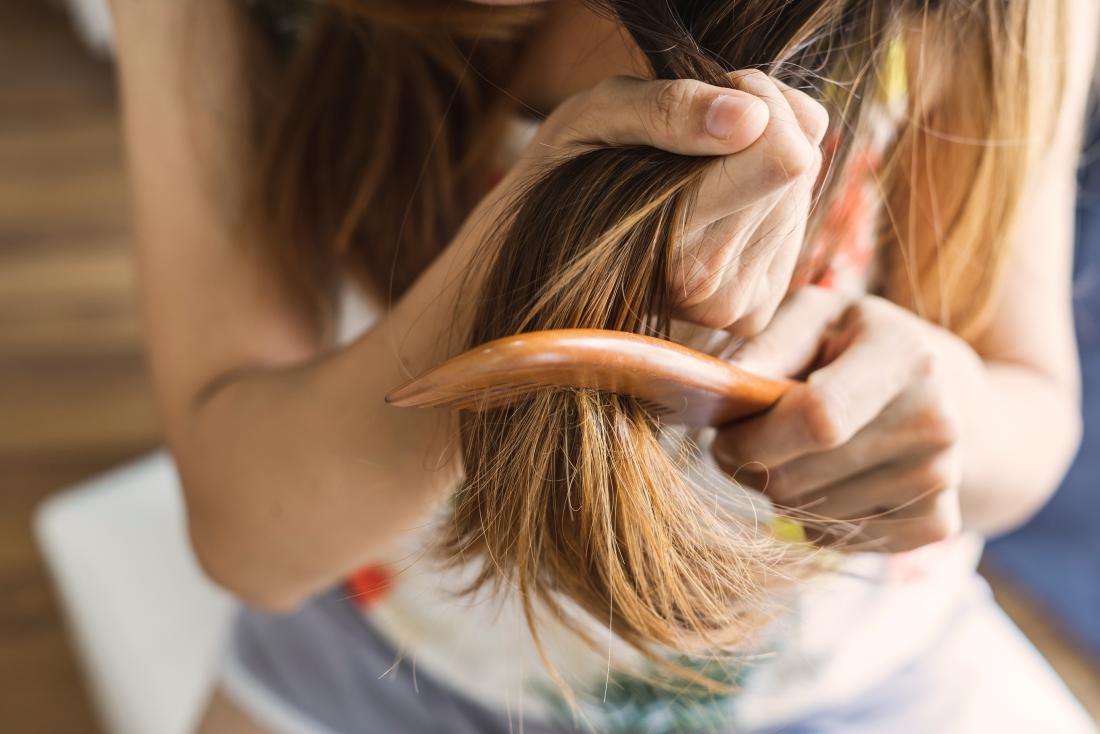
Woman brushing her hair which can cause hair breakage
Common causes of hair breakage can include styling and over-brushing.

Products that people use for coloring, perming, or relaxing the hair contain chemicals that can weaken the hair and make it more likely to break.

Even some shampoos can cause the hair to break, become brittle, or turn frizzy.

A 2014 study reported that the acidity, or pH, of a shampoo may affect hair breakage. Certain shampoos are alkaline, or basic, which can cause a negative charge on the hair. This creates more friction between hair strands and can lead to hair breakage.

Avoiding the application of harsh chemicals to the hair and choosing a shampoo with a neutral pH can improve hair health.

2. Over-brushing

Brushing the hair too much can also cause breakage.

People may not need to brush their hair as much as they think. The American Academy of Dermatology advise only brushing hair as much as people need to style it. Notably, the idea that people should brush their hair with 100 brushstrokes is a myth.

3. Heat and lack of moisture

Frequently using heat on the hair can damage the hair shafts and remove the moisture from the hair, which can cause brittle hair and hair breakage.

Over time, the following heat treatments can damage the hair:

  • blow-dryers
  • straighteners
  • curling tongs

Hot weather and humid climates can also dry the hair out and increase the risk of breakage.

People can often avoid and prevent future hair breakage by reducing heat treatments.

4. Towel drying

Rubbing wet hair with a towel can damage the hair, increase frizz, and cause breakage. Wet hair breaks more easily than dry hair.

Instead of rubbing the hair, try wrapping a towel around it to absorb the moisture, or letting it dry naturally in the air.

5. Not having regular haircuts

A lack of regular haircuts can result in split ends. These broken ends make the hair more likely to break higher up, nearer the hair shaft.

Getting regular haircuts, even when an individual is growing out their hair, can help to keep hair healthy and strong.

A hairdresser will also be able to give advice for maintaining healthy hair and addressing any current issues people may be experiencing.

6. Diet

brazil nuts in pot
Brazil nuts contain selenium.

Nutrition plays an integral part in promoting healthy hair. If people are deficient in certain nutrients, they may have weakened hair that appears dry, dull, or brittle. Severe nutrient deficiencies may also lead to hair loss.

Eggs and fish contain biotin, which is essential for healthy hair growth, and Brazil nuts offer hair-boosting selenium. Learn about foods for healthy hair growth here.

It is essential that people get a balanced diet that contains plenty of the following:

Once people resolve any nutritional deficiencies, they will likely find their hair becomes stronger and healthier again.

7. Tight hairstyles

If people are tying their hair back frequently in tight hairstyles, or using elastic bands to tie their hair up, this can lead to hair breakage. Tight hairstyles can stretch or break the hair away from the root.

If people regularly wear their hair in tight styles such as buns, cornrows, or braids, it may lead to a type of hair loss called traction alopecia. Although this is a temporary hair loss that the hair can recover from, it can become permanent if it keeps happening.

Elastic ties can also pull tightly on the hair and increase the risk of breakage. People can switch to covered hair ties and wear their hair in a variety of loose styles to relieve pressure on the hair.

8. Stress

Extreme stress can cause damage to the hair and a condition called telogen effluvium.

A severe shock or stress can cause the hair roots to reach the resting stage of their growth cycle before they are meant to and the hair comes loose from the scalp.

Once stress has passed, people will usually find the hair regrows. If people notice unusual amounts of hair shedding, they should see their doctor to check for the underlying cause.

9. Thyroid disorders

Thyroid disorders can cause hair breakage. If people have a thyroid disorder, they may notice very brittle, dry, and dull hair. Hair can also become thinner, or people may notice excessive shedding or bald patches.

People with a thyroid disorder may also notice changes to their skin and nails, including the following:

  • nails crumble or break easily
  • wounds heal more slowly than usual
  • deep lines on the palms and soles of the feet
  • itchy skin

If people notice any of these symptoms, along with fatigue, they should see their doctor to check if they have a thyroid disorder.

10. Eating disorders

Eating disorders can cause breakage to the hair and can lead to hair loss.

The malnutrition and health issues that come from eating disorders can disrupt the natural cycle of hair growth. This disruption can cause hair to break off during the growth phase of the hair cycle, which is called the anagen.

Treating hair breakage

People can often boost the health of their hair by addressing the cause, using hair-strengthening products, or changing their haircare routine.

The following sections look at ways to treat hair breakage:

Change haircare routine
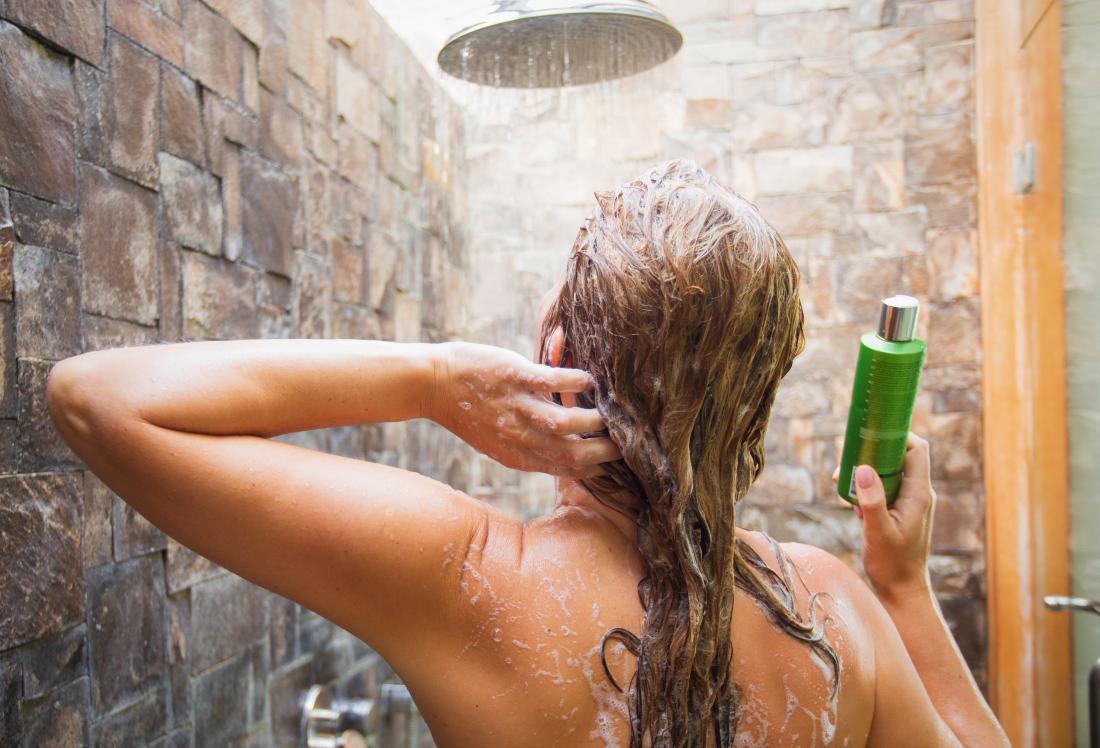
Woman in the shower using a conditioner
A person should change their haircare routine and use a conditioner to treat hair breakage.

Switching haircare routines can help if hair products or styling methods, such as harsh chemicals or heat treatments, are damaging the hair. Try air-drying the hair and using gentle products that contain fewer harsh chemicals.

People may find switching their hair products to ones that care for damaged hair, restore moisture, and strengthen hair may help to prevent hair breakage.

If people swim often, they can use a shampoo and conditioner that specifically restores any damage that chlorine and other chemicals in pools can cause to the hair.

Use a conditioner

Not using a conditioner after washing hair with shampoo can result in hair damage. A conditioner neutralizes the charge of the hair, which can help to lessen frizz and detangle hair.

Conditioners can also help to increase shine and smoothness of hair, making it more manageable.

Reduce stress

If stress is the cause of hair breakage, people can arrange to take time to relax and unwind, which can improve the condition of their hair. Read about ways to bust stress here.

Dietary changes

When the hair has lost its strength because of a person’s diet, they can try eating foods that strengthen the hair again. These foods include ones with plenty of protein, omega-3s, iron, biotin, and zinc.

Prevention

People can take steps to avoid future hair breakage, including the following:

  • using a conditioner after shampooing hair
  • massaging shampoo into the scalp and rinsing it through the hair, rather than rubbing it in
  • wearing a swimming hat to protect the hair from chlorine and other chemicals in pools
  • washing hair with a specialized swim shampoo after swimming
  • drying hair by wrapping it in a towel or letting it dry naturally
  • letting hair air dry slightly first before blow drying or brushing
  • limiting the use of hot tools on the hair, such as straighteners or curling tongs
  • reducing use of coloring and styling products
  • changing hairstyles often
  • using proper hair bands and tying the hair loosely
  • brushing hair gently, and just enough to style it
  • keeping extensions or weaves in for only 2–3 months at a time
  • eating a balanced diet to ensure the hair is getting all the nutrients it needs

Summary

Reducing or avoiding causes of hair damage and taking steps to care for the hair correctly can help to keep the hair strong and healthy. This can also help to prevent any worsening symptoms, such as hair loss.

If people notice excessive or unusual hair loss, they should see their doctor, as it may signal an underlying health condition.

Share Button

Children Going Hungry As Figures Show One Third Of Foodbank Packages Going To Youngsters

HuffPost is part of Oath. Oath and our partners need your consent to access your device and use your data (including location) to understand your interests, and provide and measure personalised ads. Oath will also provide you with personalised ads on partner products. Learn more.

Select ‘OK’ to continue and allow Oath and our partners to use your data, or select ‘Manage options’ to view your choices.

Share Button

London Marathon 2019 Set To Raise A Record Amount Of Money For Charity

HuffPost is part of Oath. Oath and our partners need your consent to access your device and use your data (including location) to understand your interests, and provide and measure personalised ads. Oath will also provide you with personalised ads on partner products. Learn more.

Select ‘OK’ to continue and allow Oath and our partners to use your data, or select ‘Manage options’ to view your choices.

Share Button

‘Vulnerable’ Places Of Worship Urged To Apply For Funding To Improve Security After Attacks

HuffPost is part of Oath. Oath and our partners need your consent to access your device and use your data (including location) to understand your interests, and provide and measure personalised ads. Oath will also provide you with personalised ads on partner products. Learn more.

Select ‘OK’ to continue and allow Oath and our partners to use your data, or select ‘Manage options’ to view your choices.

Share Button

Best ways to remove facial hair at home

While facial hair is natural in males and females, some people prefer to remove some or all of it. There is a range of options to remove facial hair at home, including over-the-counter creams and with tools such as razors, tweezers, and epilators.

The skin on the face is more sensitive than skin elsewhere on the body. When removing facial hair, be sure to look after the skin by cleansing and moisturizing afterward.

Read on for six simple ways to remove facial hair at home plus some other, more permanent methods to consider.

1. Shaving

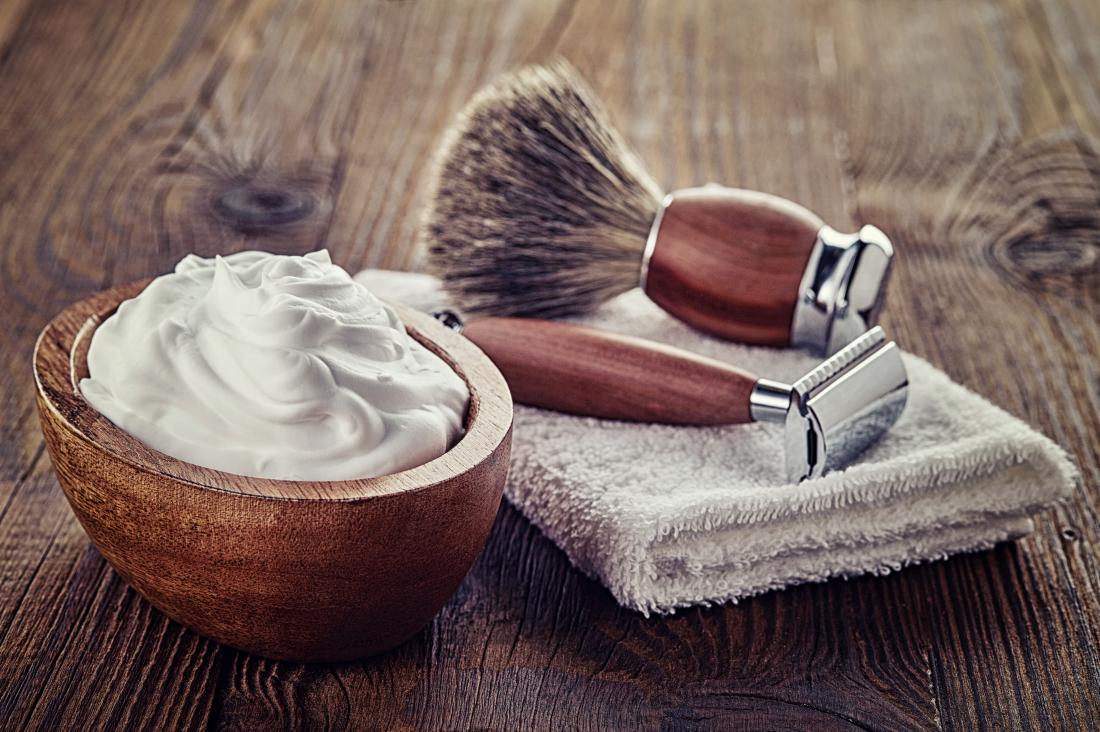
Shaving razor and cream to remove facial hair at home
A person can wet shave using a razor and shaving cream.

The benefit of shaving is that it is easy to do, pain-free, and affordable. Although effective at removing hair, the results are short-lived.

Shaving does not remove hair at the root, but at the same level as the skin, so it will grow back more quickly. People can expect hair to grow back within a day or two.

People can shave areas of their face with a razor, using either a dry shave or a wet shave.

A dry shave uses an electric razor, so people will not need to use water or shaving foam. To dry shave:

  • Wash the face to remove dirt and oils, and then dry with a clean towel.
  • Keep the skin taut by pulling it firmly to create a smooth surface to shave on.
  • Run the razor slowly over the area in the direction of the hair growth.
  • Keep the blade at right angles to get the best contact between the skin and razor.
  • Depending on the razor, move the blade using circular or straight motions.

To wet shave, people can use a disposable or long-life razor with either soap and water or shaving cream:

  • Wash the face with warm water to soften the skin and remove dirt and oils.
  • Apply soap and water or shaving cream.
  • Hold the skin taut and shave in the same direction the hair grows.
  • Rinse the blade in between each stroke.
  • After finishing, wash the face with cool water and pat dry.

If there are any moles or spots on the face, take care to avoid these or shave very lightly over them.

After shaving, rinse the face and apply a moisturizer to rehydrate the skin. Clean the razor and store it in a dry place. When using a disposable razor, replace after 5–7 shaves.

When shaving a small area of the face, try using a small razor specifically designed for the face. Online stores offer a range of facial razors with plenty of customer reviews to help choose the right one.

2. Tweezing

People can use tweezers to pull the hair out from the root. Tweezing removes one hair at a time, so it can be more time consuming and is best for small areas of hair removal, such as around the eyebrows.

Tweezing can be temporarily painful and cause slight redness, but these sensations should quickly fade.

To remove facial hair using tweezers:

  • Wash the area of skin with warm water, and then pat dry.
  • Pull the area of skin taut and grip the hair with the tweezers.
  • Firmly and quickly pull in the direction of hair growth.

After tweezing, rinse the area with cold water or an astringent solution to prevent skin irritation.

3. Waxing

Waxing removes hair from the root by applying melted wax to the skin. When people let the wax cool and then rip it away from the skin, it takes the hair with it.

People can use waxing as a way of removing facial hair, although they should take care to avoid delicate areas such as the nose and ears and any areas of sensitive or irritated skin.

People should not wax on any areas of skin that have:

People should also avoid waxing if they have:

Waxing is an effective way of removing hair, and the effects can last for several weeks. It can be more painful than other methods as it removes hair from the root.

If people want to wax facial hair at home:

  • Avoid using any retinoid products 2–5 days before waxing the face as this can cause the skin to come away with the hair.
  • Wash and dry the face before waxing.
  • Test the wax on the inside of the wrist to check the temperature. It should feel warm with no pain or burning sensation.
  • Apply the wax in the same direction of the hair growth.
  • Press the strip of cloth, provided with the pack, firmly on top of the wax and leave for 2–3 seconds, or as long as the instructions state.
  • Hold the skin taut and quickly pull the cloth strip away, pulling in the opposite direction to that in which the hair grows.
  • To ease any pain that accompanies waxing, apply a cold compress to their face afterward.

People should stop waxing if they notice any swelling or redness and see their doctor or dermatologist if this lasts for more than a few days.

If people are unsure about waxing at home, they can talk to a dermatologist for more information.

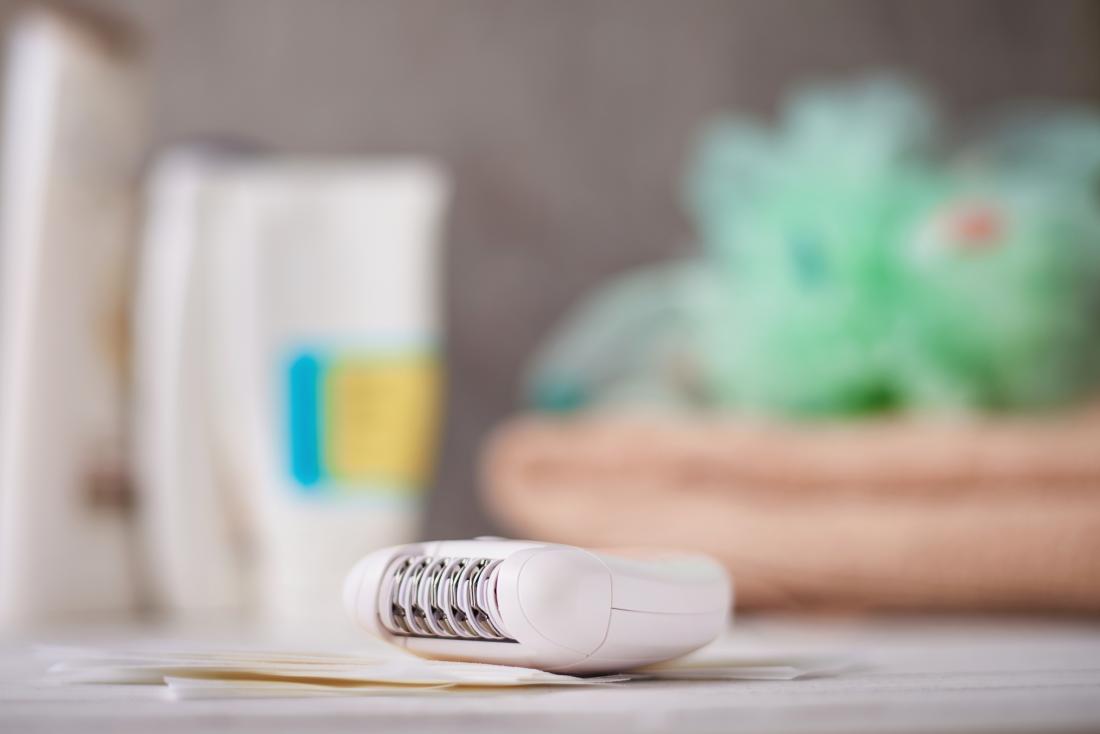
4. Using an epilator

Epilator
An epilator removes hair from the root.

An epilator is an electrical device that removes hair from the root using rotating tweezers that pull the hair upwards. A small epilator may be best for use on the face or smaller areas of hair.

People can try this method by following the instructions of the epilator they are using. The instructions may include these steps:

  • Exfoliate the skin before epilating.
  • Hold the device at a right angle to the skin surface.
  • Move the epilator slowly over the area of hair.

People may find epilating painful as it pulls hair up from the roots. This means that it also provides longer lasting results.

People can find epilators in drug stores or choose between types of epilator online.

5. Using depilatory cream

People can use a depilatory cream to remove facial hair. Depilatory creams remove the hair by dissolving the structure of the hair. People can then just wipe the hair away from the skin.

Some people may experience irritation or an allergic reaction to these types of creams, so they should carry out a patch test on a small area of skin before applying to their face. Avoid using this cream around the eyes or eyebrows.

People should not use depilatory creams on any area of skin that is:

  • particularly sensitive
  • irritated or burnt
  • inflamed
  • broken or chapped

People should carefully follow instructions for the depilatory product they are using and stop if they notice any irritation.

Drug stores and online stores sell depilatory cream suitable for the face.

6. Topical creams or medication

If an individual finds other methods of hair removal are not effective for them, they may consider using a topical prescription cream, such as Vaniqa.

People should test any creams on a small patch of skin before applying to their face, as these products may irritate. If an individual notices a reaction to the product, they should stop using the cream and talk to their doctor if the irritation does not pass.

Like other home methods, topical creams have temporary results, and the effects may last for 1 to 2 weeks. Some of these creams can contain strong chemicals, and people should talk to their doctor about any side effects.

Permanent methods

Laser hair removal is a long-term but not a permanent method for hair removal. If a person wants to remove their facial hair permanently, they can try electrolysis.

Electrolysis destroys the growth of the hair at the base of the hair follicle, which means the hair is unable to grow back.

Electrolysis is a permanent option for removing hair, and the Food and Drug Administration (FDA) recognize it as a method of permanent hair removal. Electrolysis is safe to use on the face.

During electrolysis, an electrologist will insert a sterile needle into the hair follicle. A small amount of electrical current then passes through and destroys the cells that stimulate hair growth. People will need repeat treatments to complete the electrolysis process.

Outlook

There are many ways to remove hair from their face, and people can choose whichever method they feel best works for them and their skin.

If unsure about carrying out any methods of hair removal at home, talk to a dermatologist or other cosmetic professional. Discuss any medical conditions that may affect the safety of hair removal before treatment.

People can consult a dermatologist about permanent solutions, such as electrolysis.

If females notice any unusual changes to the hair growth on their face, they should see their doctor, as it may signal an underlying health condition.
Share Button

Best ways to remove upper lip hair

It is natural for both men and women to have some upper lip hair, but people may prefer to remove it. Creams, razors, electronic tools, and natural methods can remove the hair temporarily, and people can see a dermatologist for permanent removal.

Some methods, such as shaving or waxing, remove the hair immediately while others, including creams and electrolysis, work over a more extended period.

Read on for instructions on 10 ways to remove hair from the upper lip.

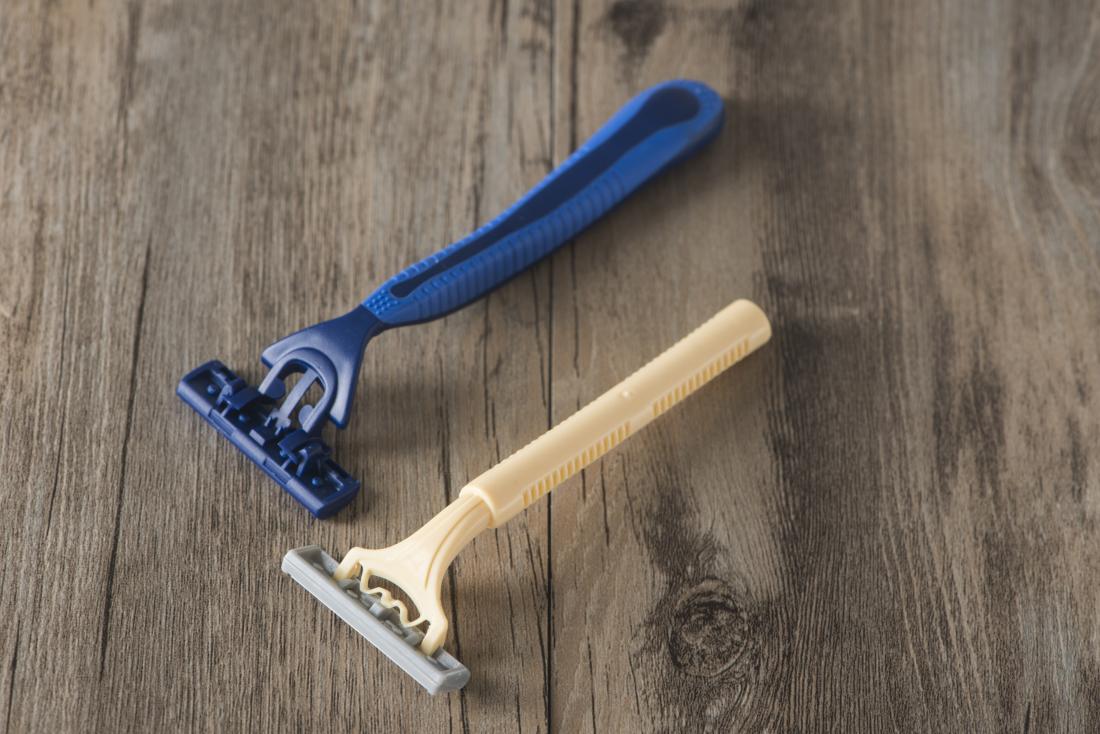
1. Use a razor

Shaving razors on wooden table
Hairs may regrow within 2 days of shaving.

Shaving is an easy and affordable way of removing upper lip hair, and it can be less painful than other options for sensitive areas of skin. Smaller razors are better than larger ones for removing hair from the upper lip.

Shaving is a temporary method of removing hair, which means that people may notice hair regrowth within 1–2 days.

To shave the upper lip, apply shaving cream, and use a clean razor to shave in the direction of the hair growth. Pull the upper lip down while shaving to keep the skin taut and create a cleaner shave. Take care to avoid shaving over any spots or cuts.

Razors that manufacturers have designed specifically for the upper lip are available in drugstores, or people can choose between a range of products online.

2. Hair removal creams

Some hair removal creams are safe to use on sensitive facial skin, including the upper lip.

Depilatory creams are highly alkaline solutions that break down the protein bonds in the hair, causing it to dissolve. At this point, people can simply wipe the hair away.

To use this cream, apply it to the upper lip for as long as the instructions advise and then rinse it off, along with the loose hair.

Depilatory creams are an easy, affordable, and quick way of removing lip hair. However, these creams do not dissolve hair down to the root, so they only have a short-term effect.

Some creams have a strong smell that people may find off-putting. Depilatory creams contain strong chemicals that can sometimes irritate the skin. It is important to do a patch test on another area of skin before applying one of these creams to the face.

If people notice any sensitivity to these creams, they should stop using them. Depilatory creams are not suitable for use on any broken, sunburnt, or irritated skin.

Drugstores and online stores sell hair removal creams specifically for use on the face.

3. Hot wax

People can apply a waxing strip to their upper lip to remove hair. Waxing can be painful on sensitive areas of skin, such as the upper lip, but it provides longer lasting results as it removes the whole strand of hair.

To wax their upper lip hair, a person can apply hot wax to this area of skin and press it down firmly with a cloth strip while it cools. They then need to pull the strip away quickly, which uproots the hair, leaving the skin hair-free for several weeks.

Waxing is most effective when the hair is a certain length. The American Academy of Dermatology (AAD) recommend that hair should be one-quarter to three-quarters of an inch before waxing. If the hair is longer than this, it might make waxing more painful.

People can buy home waxing kits from their local drugstore or online.

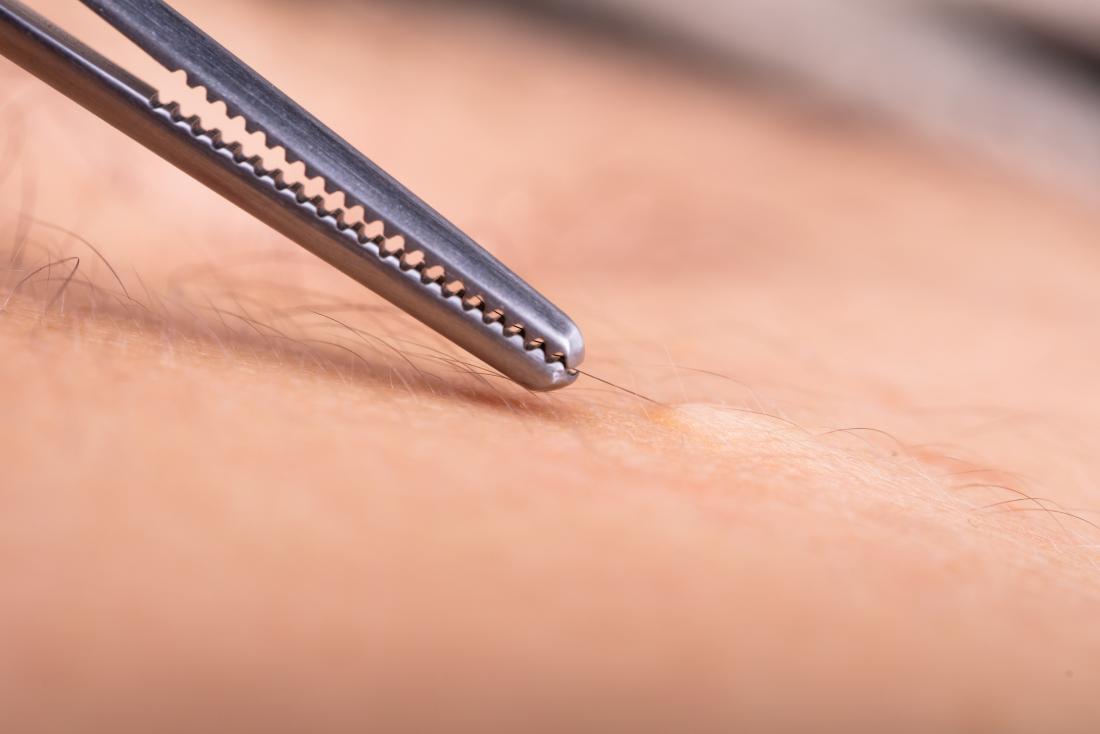
4. Tweezing

Tweezers pulling at hair
Tweezers are effective for removing a small number of individual hairs.

People can use tweezers to remove hair from their upper lip. Tweezing removes one hair at a time by pulling it up from the root, so this method is suitable for small areas of hair removal, such as the upper lip.

After cleaning the skin, a person can use a clean pair of tweezers to pluck out each hair from the upper lip as follows:

  • hold the skin taut by pulling down on the upper lip
  • pinch the hair with the tweezers and pull sharply in the direction of the hair growth
  • rinse the upper lip with cold water

5. Use an epilator

An epilator is a handheld electrical device that removes hairs in a similar way to tweezers by plucking them from the root. Epilators remove more than one hair at a time though, so epilating is a more efficient method than tweezing.

People may find that exfoliating the upper lip with a facial scrub before using an epilator gives a better result. People can then run the epilator over the upper lip to remove any unwanted hair.

An epilator may cause some redness of the skin, which should soon pass. However, anyone who notices any skin irritation from using an epilator should stop using it.

People can buy epilators from drugstores or online. Small epilators or those that the label describes as being for use on the face may be more comfortable and easier to use.

6. Spring hair removal tool

People can use a spring hair removal tool to remove hair from the upper lip.

The tool is a length of spring that works by plucking out strands of hair. People can bend the stick into a U-shape and roll it over their upper lip to remove the hairs.

Some drugstores and online stores sell a variety of spring hair removal tools.

7. Threading

Threading is another technique for hair removal. Like tweezing and epilating, it works by removing hair from the root, so the effects are temporary but last longer than shaving.

During this treatment, a dermatologist or beautician winds a length of thread around the hairs on the upper lip and then pulls sharply so that they come out at the root.

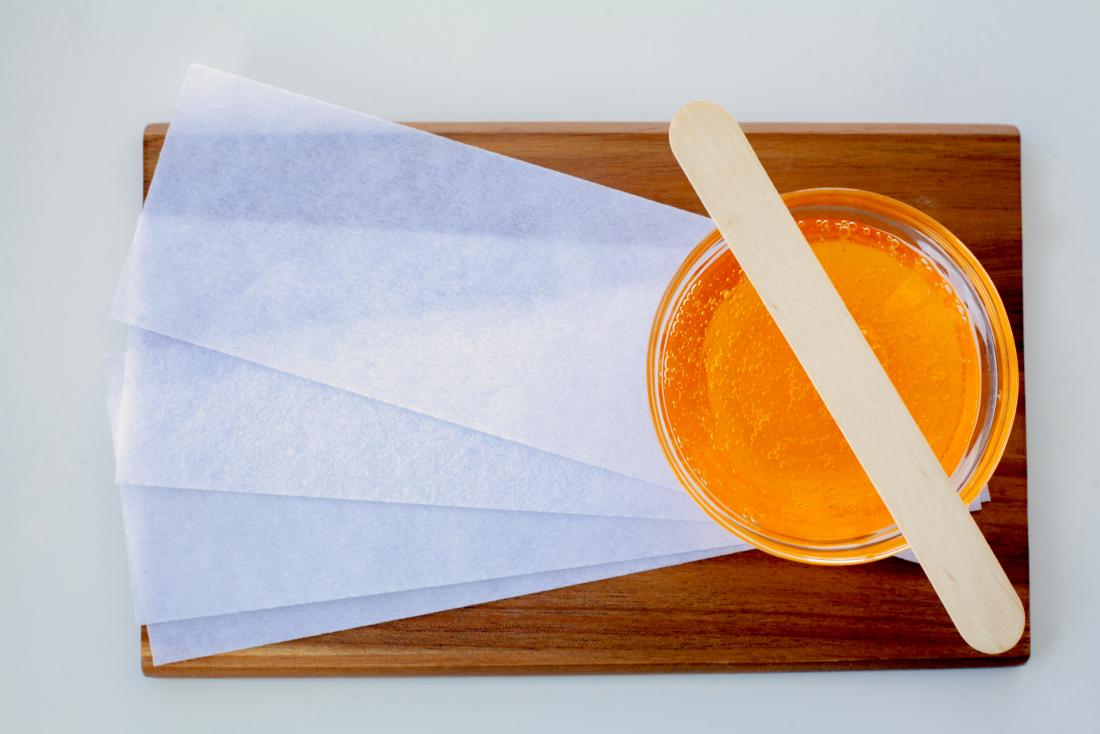
8. Try sugaring

Sugaring equipment for hair removal.
Sugaring is a hair removal technique that uses natural ingredients.

Sugaring is a natural option for removing facial hair. Although there are no scientific studies to confirm that it works, some people find it effective, and trying it does not pose any risks.

People have used the sugaring method, which works similarly to hot wax, for centuries. The sugar in the solution also works as an exfoliant, which can help soften skin.

To use this method, thicken sugar with other natural substances and heat it. Once the mixture has cooled, apply it to the upper lip and firmly press a clean strip of cloth over it before pulling the cloth away quickly in the direction of the hair growth.

Some people use the following ingredients to create a sugaring paste:

  • honey
  • sugar
  • lemon juice
  • water

People should ensure that the paste has cooled to room temperature before applying it to their skin.

Before trying any home remedies on the face, apply a small amount to another area of skin to test for an allergic reaction or skin irritation. If either occurs, stop using the paste and speak to a doctor if the symptoms do not go away.

9. Laser hair removal

Laser hair removal is an effective way to get rid of upper lip hair. During this procedure, a dermatologist directs a concentrated beam of light at the hair follicle to destroy the hair.

Laser hair removal is not a permanent method, but its results can last for up to several months. People may find that they need between two and six treatments to remove the hair.

Although people can purchase at-home laser hair removal kits, these are not suitable for use on the face. The AAD advise people to see a board-certified dermatologist for laser hair removal, as it can have dangerous side effects if an unskilled person attempts it.

10. Electrolysis

Electrolysis uses an electrical current to remove body hair. An electrologist will insert a tiny probe into the hair follicle where a small electrical current will destroy both the hair and follicle. This damage prevents the hair from regrowing, so electrolysis removes hair permanently.

Electrolysis is suitable for sensitive areas of skin, such as the upper lip.

Summary

There are many effective ways to remove hair from the upper lip. People can choose their preferred method depending on their skin type, budget, and how long they want the effects of hair removal to last.

A person who is uncertain about how best to remove hair from their upper lip can talk to a dermatologist or cosmetic professional.

When undergoing any cosmetic procedure, it is essential to ensure that a board-certified dermatologist provides the treatment.

Share Button

Ginkgo seeds may help keep skin blemish-free, but there’s a catch

Researchers have found that an ancient Chinese medical compendium was right all along — ginkgo seeds are able to kill the bacteria that cause acne and other skin conditions. However, the scientists also warn that we should not rush to make use of these seeds.
gingko tree leaves
The seeds of the ginkgo tree contain a substance that fights off bacteria that harm the skin.

The Ginkgo biloba tree is an evergreen and a living fossil (an ancient plant that has survived through the millennia) originally found in Eastern Asian countries, including parts of China, Japan, and the Koreas.

Now, however, people also cultivate it in parts of Europe and North America for ornamental purposes.

Folk medicine lists various uses for extracts of different parts of the ginkgo tree, including expelling intestinal worms, treating arthritis, and soothing chilblains.

Nowadays, ginkgo extracts — mostly from the tree’s leaves — are often present as the key ingredients in herbal supplements. However, although experimental studies have suggested that ginkgo may help treat many conditions, from depression to Alzheimer’s to diabetes, its actual effectiveness and safety remain debatable.

Now, research conducted at Emory University, in Atlanta, GA, has found that ginkgo seed extract has antibacterial properties. More specifically, it can fight off Cutibacterium acnes, Staphylococcus aureus, and Streptococcus pyogenes — three types of bacteria that cause acne, psoriasis, dermatitis, or eczema.

The team reached these findings — which appear in the journal Frontiers in Microbiology — after Xinyi Huang, who was studying at Emory at the time, became interested in a 19th-century copy of the “Ben Cao Gang Mu” (“Compendium of Materia Medica”) by Li Shizen, which belonged to the university.

Ancient Chinese wisdom brought to light

In Chinese, “bencao” means “rooted in herbs,” and this compendium — which was originally published in China in 1590, during the Ming Dynasty — contains detailed information on traditional medicinal plants, their classification, preparation, and uses.

While considering what she wanted to research for her senior thesis, Huang — who is now furthering her studies at the University of Maryland School of Pharmacy in Baltimore — came across Emory’s copy of “Ben Cao Gang Mu,” which described the uses of ginkgo seeds in the treatment of various skin conditions, including chapped skin, itchiness, rosacea, and skin infections.

In Li Shizen’s view, the seeds were to be ground into a paste, mixed with rice wine or rapeseed oil, and then rubbed onto the affected parts of the skin.

Intrigued by Li Shizen’s centuries-old advice, Huang decided to test the benefits of ginkgo seeds in the laboratory.

Working with researchers from the laboratory of Cassandra Quave, Ph.D. — who is senior author of the study paper and an assistant professor at Emory — Huang set out to assess ginkgo seeds’ antimicrobial properties in the context of skin conditions.

Since ginkgo trees are dioecious — meaning that they have two sexes — the researchers collected samples from male and female trees. They also purchased fresh seeds from a local farmers market.

Then, they classified their material by sex and other characteristics, also sorting them into groups of leaves, branches, mature seeds, and immature seeds.

Moreover, the team procured the substances that occur in ginkgo seeds in their pure chemical form.

The secret may lie in ginkgolic acid

In laboratory tests that they conducted on 12 different strains of bacteria, the researchers found that ginkgo seed coats and immature seeds — processed in the manner suggested by Li Shizen — inhibited the growth of three of these strains, namely C. acnes, S. aureus, and S. pyogenes.

Using statistical analysis, Huang and colleagues also observed a positive correlation between the antimicrobial properties of the ginkgo seeds and their richness in a substance called ginkgolic acid C15:1.

This, the researchers explain, suggests that ginkgolic acid may be largely responsible for ginkgo’s inhibitory effect on the bad bacteria.

The finding, Huang says, “was like blowing the dust off knowledge from the past and rediscovering something that had been there all along.”

She also notes that she had not expected to find that ginkgo seeds could have a medicinal use. “I was surprised because I had never thought about doing anything with ginkgo seeds except eating them,” she explains.

“I remember the first time I tasted them was in Cantonese soup. The seed turns an unforgettable bright yellow when it’s cooked. The flavor is really distinct — a little bit bitter but also sweet,” Huang recalls.

A word of caution

At the same time, however, the team warn that their discovery, though exciting, should not lead people to immediately go and try Li Shizen’s concoction on their own.

That is because — as co-first author François Chassagne, Ph.D., explains — concentrated ginkgolic acid C15:1 is actually toxic to the skin itself.

Huang herself notes that, even when she ate cooked ginkgo seeds as a child, her family forbade her from eating too many. “They’re good, but my parents warned me not to eat more than five at a time,” she remembers. And even Li Shizen, in the Ben Cao Gang Mu, suggests using ginkgo seeds sparingly.

“Our finding is still in a basic, benchtop phase — these extracts have not yet been tested in animal or human studies,” Huang emphasizes. “But it is still a thrill for me to learn that this ancient story in the Ben Cao Gang Mu appears to be real,” she adds.

“To the best of our knowledge, this is the first study to demonstrate the antibacterial activity of ginkgo seeds on skin pathogens,” points out Quave.

In the future, the researchers hope that the current findings may lead to the development of drugs that are better able to fight off harmful bacteria.

“One possible strategy in the search for new antibiotics would be to investigate ways to modify the structure of the particular ginkgolic acid tied to the antibacterial activity, to try to improve its efficacy and also to reduce its toxicity to human skin cells.”

François Chassagne, Ph.D.

Share Button

Universal Credit: Disabled People Up To £2,230 Worse Off A Year, Analysis Shows

HuffPost is part of Oath. Oath and our partners need your consent to access your device and use your data (including location) to understand your interests, and provide and measure personalised ads. Oath will also provide you with personalised ads on partner products. Learn more.

Select ‘OK’ to continue and allow Oath and our partners to use your data, or select ‘Manage options’ to view your choices.

Share Button

‘Youth Jobs Gap’ Means Poorer Children More Likely To Be Out Of Work Than Richer Peers

HuffPost is part of Oath. Oath and our partners need your consent to access your device and use your data (including location) to understand your interests, and provide and measure personalised ads. Oath will also provide you with personalised ads on partner products. Learn more.

Select ‘OK’ to continue and allow Oath and our partners to use your data, or select ‘Manage options’ to view your choices.

Share Button