End the Vegan Tax

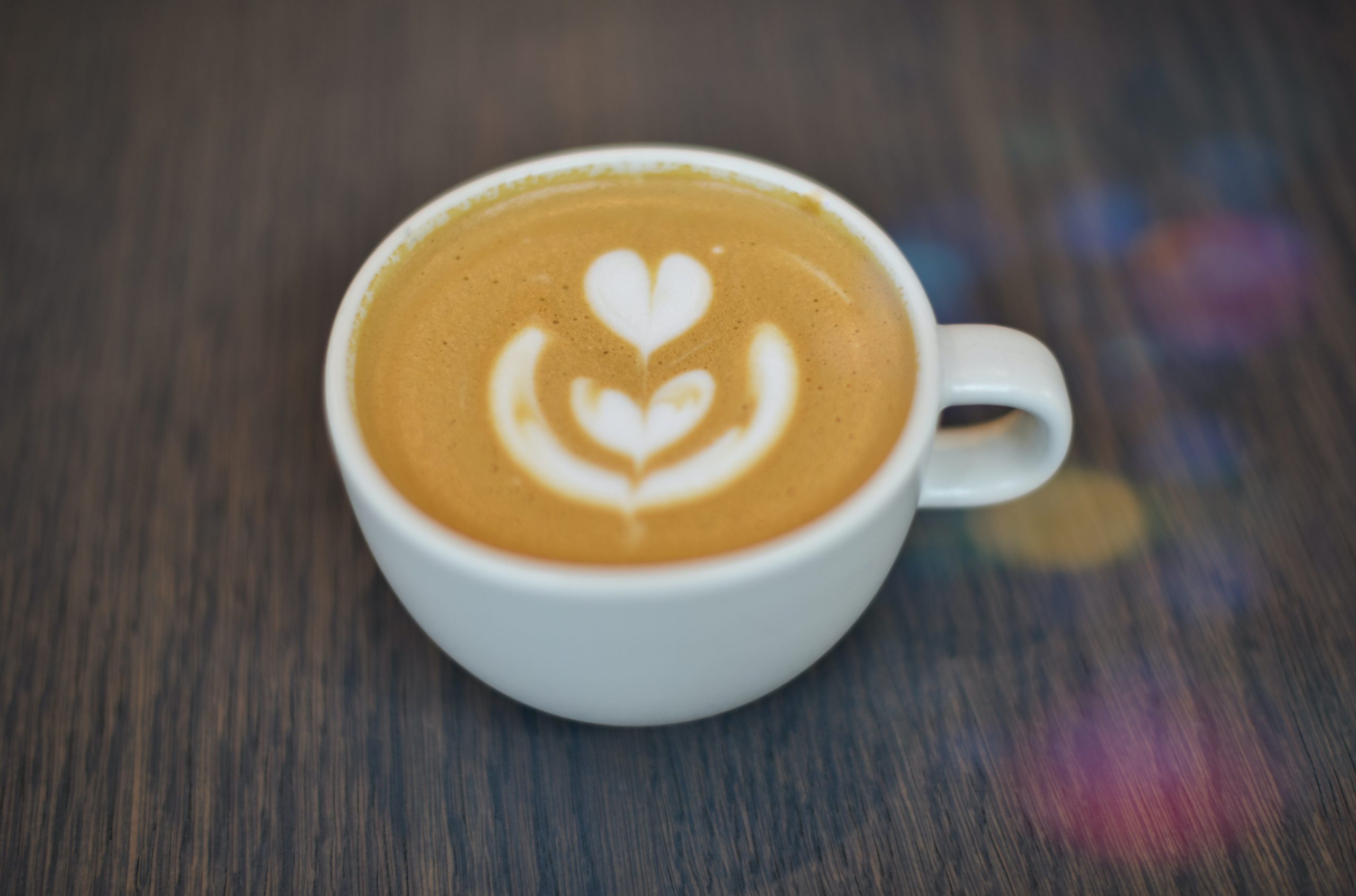
Vegans are typically well aware of the vegan tax – the extra money we pay to order a latte, a pizza, or some other item made vegan instead of with animal products. Substitute plant-based milk for dairy or vegan cheese for dairy cheese at a restaurant, and you can often expect to pay more.

Starbucks is one of the main outlets that’s been charging a vegan tax for years, whereby it costs extra to order a drink with soy milk, almond milk, or coconut milk instead of the same drink make with dairy. Lots of other places that offer drinks with plant-based milks also charge extra for it.

Depending on what you order, the vegan tax may be $0.70 to $1.00 for a drink or perhaps $2.50 to $5 more for vegan cheese on a pizza.

Why do places charge this? The short answer is because they can. It makes them extra money to do so. It stems from self-interest.

Vegans pay this tax grudgingly. We’ve gotten used to it, but it remains a sore spot, and it does create a negative impression of any brand or outlet that charges it. I mean… how can vegans not see Starbucks as just a bit assholish for doing this? It’s a greed move – and an unfair one.

The vegan tax positions ordering a vegan item as doing something special or out of the ordinary, so it normalizes animal products. Why should the milk of a raped cow be regarded as normal while some almonds blended in water are treated as special?

I can whip up some almond, cashew, or macadamia nut milk in my kitchen in a minute or two. These are super easy to make. I can also make soy milk using an inexpensive soy milk maker. It’s a bit more involved to get a cow, rape it to make it pregnant, sell its baby for scrap, and drain its tits.

Where there’s an annoyance like this that negatively affects a lot of people, there’s also an opportunity when seen through an entrepreneurial lens.

In some ways this situation is similar to when Blockbuster Video charged late fees back in the day. This policy annoyed customers but nicely padded Blockbuster’s billions. Customers tolerated it for a while, but it also left an opening (one of many) for a competitor to step in and provide a better service.

The vegan tax provides an obvious entrepreneurial opening, and some places are already capitalizing on it. As just one example, I learned of a new coffee place opening up this month in Vegas (where I live) that claims it won’t charge a vegan tax.

Golden Fog Coffee will reflect owners Derek and Juliet Douglas’ plant-based lifestyle where the menu will be 100% vegetarian and will not charge a “vegan tax” or higher prices for plant milks or vegan food items.

Source

But note that on the Golden Fog coffee website, they also buy into the framing of normalizing animal products with the label “standard.”

Standard and plant based quick bite items will be available for patrons, as well as a variety of milk alternatives for plant based latte lovers.

If it were me, I’d use the label substandard for animal products. It’s fair to say that a rapey production process qualifies as a lower standard.

Due to government subsidies, a lot of the true cost of animal products is hidden too. So vegans are actually being double taxed.

Overall it’s an unfair economic frame that ought to collapse under its own lameness and greed. But we can help to speed it along by calling out the tax as an unfair one, and we can encourage entrepreneurs who grasp the opportunity for better fairness and service.

We can also encourage better framing, such as by labeling vegan items as normal and non-vegan ones as rapey. 😉

Share Button

Hidden Goals and Illness

After I shared earlier this week about hidden goals, a lot of news came out about more people getting infected with the coronavirus. This includes people who deliberately went against sensible health guidelines, especially regarding mask wearing

From a cause-and-effect perspective, we could say that the virus eventually caught up with them, and of course their risky behaviors significantly increased their chances of getting infected.

But from a hidden goals perspective, we can also say that when people express such behaviors, they’re also expressing the hidden goal of getting infected. In other words, not wearing a mask isn’t just an expression of denial or bravado. Not wearing a mask expresses an elevated intention to invite infection. The hidden goal is to get sick.

Why would someone – or some part of a person’s psyche – want to get infected?

There could be lots of reasons. What are the benefits of getting infected? These are numerous.

First, you get immediate access to lots of downtime in a socially acceptable way. You’re expected to go into isolation and rest more.

Suppose that I announced that I had the virus. Wouldn’t that immediately change what you expected of me in the coming weeks? If I put myself into such a stressful or obligatory situation that getting sick could provide a much needed break, that could increase my chances of engaging in risky behaviors, such as not exercising or not eating well.

How often have you gotten sick when you were stressed, but you could also look back and see that you didn’t take very good care of yourself during those times either? Did you eat more iffy foods or slack off on good self-care practices? If so, you could say that you were courting illness as a way of giving yourself a break.

If you’re a very busy person and say you just want two weeks off for the sake of taking two weeks off, how will your social circle respond to that? Will anyone give you flak for it? How would they respond if you needed a few weeks off due to a serious or life-threatening illness?

If you get sick, the time is yours, and people are normally glad to let you off the hook regarding any expectations. They just expect you to focus on recovery.

Trump’s situation could also align well with hidden goals. He’s heading for an election that he’s likely to lose. He had a terrible debate performance this past week and has two more debates coming up (with the expectation of tighter rules), so there’s little or no upside and lots of downside if he does them. His long-term financial lies have been exposed publicly by the New York Times. He’s facing huge debt payments coming due, and he’s dealing with a major audit from this IRS that could cost him $100 million or so. More ex-insiders are turning against him. He and his family members may be looking at some real jail time too. Suffice it to say that his world is collapsing, and he doesn’t have many good options going forward.

His previous approach included trying to disrupt the election, setting the stage for disputing the results and throwing the process into chaos. That creates a big mess, but it probably wouldn’t work well enough to actually solve his problems, and this is generating an even bigger backlash against him.

By some measures it may seem like this would be the worst time for him to get sick – with just a month to go until the election. At a bare minimum, he has to self-isolate for at least 10 days, which is 1/3 of the time he has left. And that’s if things go well and he recovers quickly, which seems iffy since he just spent last night in the hospital.

But from the perspective of hidden goals, this is actually a very good time for him to get sick. As odd as it may seem, getting sick provides more options during this time.

He’s losing anyway. The next two debates aren’t going to go well for him, especially if they turn off his mic while Biden is speaking. He’s unlikely to turn things around in the next 30 days. There isn’t much hope for him to be found in those 30 days if he stays healthy. Even if he does his absolute best, it won’t likely make enough of a difference.

But getting sick – at a minimum – gives him access to extra outs and reframes. I’m not sure which of those would appeal to him, and some depend on how sick he gets, but here are a few to consider.

One aspect is that he gets to blame the virus if he loses – and anyone and anything he can associate with it. Moreover, people’s expectations of his performance are greatly lowered. So he can lose the election without losing so much of his social support. His supporters get to blame the virus too, and he surely knows this.

Another angle is that if he recovers quickly, he can say that the virus isn’t such a big deal and that people are blowing it out of proportion. Or he could claim that he’s strong enough to beat it quickly. And then if he loses the election, he can still blame the virus (and all of its associations) for its bad timing during the final month before the election. But given his hospitalization, I think this angle regarding a speedy recovery is becoming less accessible.

Another angle is that if he gets really sick, he can try to make a case for postponing the election. It fits with his attempts to sabotage the election and gives him even more options along those lines.

There’s also the angle of the virus being potentially fatal. That too is a potential hidden goal – the ultimate escape from all of life’s problems and challenges. Just let everything go and be done with it.

These are just conjectures since we can’t really know what another person’s hidden goals may be. I share this for the purpose of encouraging you to look at your own hidden goals – the goals that can be gleaned from your actual behaviors. So don’t see hidden goals as some absolute truth you’re trying to discover about yourself (or about other people). Rather see this as a tool that you can use to better understand your behavior and where you may be heading, so you can make more conscious choices.

If you play fast and loose with intelligent health precautions these days, consider the potential hidden goal that you may be trying to get sick. Then ask why you might want to do that. Do you see any potential benefits to a period of illness?

Illness can provide many benefits. It’s a period of rest. People’s expectations are immediately lowered, so it can make life easier, especially socially. You may be treated with more caring and compassion. Many of your problems will be put on pause – and some may even be improved or solved by your illness, such as interpersonal problems. An illness can remind you to appreciate good health and how precious it is, so you feel extra good when you recover.

Have you ever gotten sick in the past and found afterwards that it wasn’t such a bad thing? The experience may not be so great, but when you look at the full package, it’s not necessarily all bad.

The lesson of hidden goals with respect to illness is this: Watch out for when getting sick might actually give you some nice benefits or more options – especially when you see your behavior sliding in the direction of courting illness, like Trump’s behavior has been for months. That’s a good time to acknowledge the hidden goal and give it some conscious expression instead. You don’t have to court illness to get those benefits. You can create those benefits in other ways.

If you suspect that based on your behaviors, you may be courting illness, consider that you’re actually dealing with a social problem. If you lived alone on an island, you wouldn’t need to get sick just to earn a break from people’s expectations. So the warning signs of courting illness can point towards the need to invest in better management of social boundaries and expectations and win-win relationships.

You can also see this as a lifestyle problem. If illness starts to look better than wellness, at least to give you access to a short period of rest, that signals that your lifestyle is out of balance and that it would be wise to incorporate more rest. You can claim a lifestyle that includes sufficient time for rest and play. Maintain a lifestyle that provides an accessible pathway to the benefits of illness without actually having to get sick.

Share Button

Time Logging Insights

For the month of September, I maintained a daily time log, as described in the post called Long-Term Time Logging. Now I can share some insights from what I learned.

In this case it actually wasn’t that helpful to see where my time went. I was pretty aware of that already, so reviewing the logs didn’t give me many insights there. My logs matched up pretty closely with my assumptions and expectations.

What was surprising was what gave me the most joy. At the end of each day, I asked a simple question and briefly answered it at the bottom of the day’s time log. That question was:

Do I love this day?

I had assumed that by asking this question, it would help me become aware of which days I felt best about, and then I could deliberately embrace more of those positive patterns. That turned out to be true, but the surprising part was what actually created a day I loved versus a day I didn’t love.

I figured going into this that I’d love my most productive days. If I got a lot of work done, that should give me a sense of accomplishment, and then I’d feel great at the end of the day, right?

Wrong actually. My most productive day was the day I appreciated the least. Looking back, I was pleased that I got a lot done, but that satisfaction was so much at a mental level. That mental satisfaction didn’t reach into my heart and make me feel like I could genuinely say I loved the day.

The days I loved most when I reflected back on them had more to do with being than with doing. All that was required for me to love the whole day was to recall one delightful event from it, and these events were usually very simple and not particularly effortful.

One Delightful Event

Even if most of the activities of a day were routine or so-so, if I experienced one delightful event during the day, I would always feel a heartfelt sense of appreciation for the day when I reflected back on it afterwards. So my appreciation ultimately came down to simple moments.

Mostly these delightful events involved something new – usually not wildly different but with just enough novelty to create a special memory for that day.

Here are some examples of small but delightful events that made me reflect back on the day with feelings of love and appreciation:

  • Running a different route than I’d run before, along a new street that had just recently been paved on the western edge of the city. The streetlights were working, but the sidewalks and landscaping hadn’t been added yet. It felt special to be one of the first people to run down a new road that wasn’t open to car traffic, like it was my own private running route. On one side was a wall with newly built houses behind it, and on the other side was open desert. (See the photo below, taken during my first run down that street.)
  • Playing some new video games with Rachelle, especially A Short Hike and Untitled Goose Game – the goose game made us laugh a lot.
  • Going to the Apple Store with Rachelle, getting new Apple Watches, and chatting with the employees. The store had been closed for many weeks and just reopened last week, so the vibe was upbeat and happy.
  • Returning a monitor that broke (while under warranty) to that same Apple Store and getting a replacement for it, which made me appreciate it more.
  • Going for a longer than usual run with new running shoes one morning.
  • Cleaning up some parts of the house to restore them to a nicer state of cleanliness and order.
  • Watching Cobra Kai with Rachelle. The show is set in an area where I used to live, and it reconnected me with fond memories of martial arts training.
  • Discovering some useful insights during journaling sessions.
  • Participating in a weekend intensive with a coaching group on Zoom.
  • Connecting with CGCers during coaching calls.
  • Attending a live script reading of The Princess Bride with many of the original cast members, along with more than 100K other people.
  • Listening to Kevin Smith’s Tough Sh*t audiobook, laughing a lot, and loving all the geeky references.
  • Yummy sex.
  • Having a good dentist appointment and chatting with the hygienist. (I actually like going to the dentist since the people there are so friendly and down-to-earth.)
  • One day when I exercised for 150+ minutes – it felt good to move a lot.
  • Attending a diversity committee call for the Transformational Leadership Council – nice to connect with like-minded friends who care.
  • Watching the final episode of The Good Place with Rachelle and seeing her getting teary-eyed at the end.

September was a pretty happy month for me, probably because I paid extra attention to happiness. I realized that big accomplishments don’t fuel my happiness as much as I thought, but small delights do.

A nice morning run, an insightful journaling session, a fun video game – these are all good ways to create a day I’ll appreciate. But what seems to help the most is including some form of novelty in a day. Newness made me happier than routine.

It’s more special to play a new video game than one I’ve played many times before. It’s more special to try a new brand of running shoes that I’ve never worn before. It’s more special to go a slightly different direction instead of following a familiar route.

It’s okay if my experiences are rooted to familiar places and situations, but one little twist in the direction of novelty somehow makes me appreciate the experience – and the day – more than I otherwise would.

Just running down a different street instead of running one of my standard routes can make a meaningful difference in how I feel about the whole day. I could have the laziest day ever, but if I just had one new experience that day, it elevated my relationship with the day. That surprised me. I didn’t think novelty was so meaningful.

Work-wise I felt better about the days when I didn’t use a system or routine to get things done. I had more appreciation for the days when I went with the flow of inspiration, especially when it led to engaging with work a bit differently. This makes me really curious about how to leverage this further. Would I be more productive if instead of trying to systematize my approach to work, I went in the opposite direction and did something to make each day truly unique?

Note that having a routine and embracing novelty are not necessarily contradictory approaches. You can follow a structure and still include some novelty, like how many movies adhere to genre standards and then try to add some unique twists. A good structure often becomes invisible, so you’ll probably notice and appreciate the novel aspects more.

What I gained from this 30-day experiment is a greater respect for small delights created through novelty. When I feel a nudge to lean in the direction of doing something new, I’m more likely to trust that impulse now. When I have that thought to run a different route one morning, I trust that it serves a good purpose. Doing something even slightly new makes the activity more memorable, and it’s the memory that I appreciate.

I’m less likely to appreciate a very routine day because the day is harder to remember. When reviewing my time log entries, it’s hard to recall the details of a day filled with familiar items, even when I have a written record of the activities for that day. When there’s even one item that’s semi-unique though, I somehow remember the day with a smile.

Another realization is that newness stimulates more growth. Running a familiar route isn’t as stimulating for my body and mind as running a new route. Would I improve faster if I ran different routes more often instead of sticking with my familiar favorites? Probably.

I encourage you to do your own time logging experiment for at least a month, so you can discover your own insights, which won’t necessarily align with mine. Some readers have started their own logging practices within the past few weeks, and they’ve been emailing me to say that they’re finding it valuable too.

Share Button

The Relationship Frame

One interesting frame shared in the book The Courage to Be Disliked is: All problems are interpersonal relationship problems.

That isn’t necessarily a true statement, but you can think of it as a lens for viewing problems. Personally I think it’s a bit exaggerated as far as lenses go. I prefer a similar but more flexible one: All problems, challenges, and situations can be framed as relationships.

Not everything translates well to an interpersonal relationship, but you can translate any situation to some type of relationship. This can include your relationships with:

  • yourself
  • other people
  • reality
  • life
  • your work
  • money
  • skills
  • your body
  • and more

Moreover, when working on your goals and habits, it’s helpful to translate your goals and habits into growth experiences for one or more of your relationships with different parts of life. This helps goals feel more personal and meaningful, so they aren’t just the mental “stuck in your head” types of goals that don’t really get accomplished.

For example, I could frame my daily exercise as a discipline-based habit that I have to push myself to do each day, but that’s a lame approach that isn’t very sustainable. That mindset looks especially weak when viewed through the relationship lens. Who wants to maintain a habit if the relationship is based on force and struggle against some kind of resistance? That kind of relationship is headed for a breakup sooner or later.

Instead of pushing myself to exercise more or exercise harder, I focused on improving my relationship with exercise. I asked questions like these:

  • What would make this relationship better?
  • What could I do to increase the enjoyment of exercise, so I naturally want to do it without having to force myself?
  • Where is there friction in the relationship, and how can I reduce or eliminate that resistance?
  • How could I keep improving this relationship over time, so it keeps getting better year after year?

This approach worked nicely. I have a very positive relationship with exercise, and it’s improved even more this year. Here are some aspects of the relationship that I focused on improving:

  • Running different routes for variety and different levels of challenge, so it doesn’t feel too routine or stale
  • Continuing to develop new routes that I’ve never run before, so I feel a sense of abundance in having different routes to pick from
  • Tuning into my body and mind to decide which route to run based on what kind of experience I want (a run with more people, a more solitary run, a run where I’ll see the sunrise, a run where I can expect to see plenty of rabbits, a run with more parks, running near the baseball stadium, running along the western edge of the city, etc)
  • Listening to really good audiobooks while I run, on topics that appeal to me, including sometimes listening to audiobooks about running from runners who love to run
  • Enjoying the views while running through the hills that overlook the whole Vegas Valley
  • Investing in quality running shoes and testing different kinds of shoes to discover my personal favorites
  • Heading out before dawn and being greeted by the rising sun
  • Sometimes picking out planets like Venus or Jupiter when I look up at the dark sky while first starting out
  • Using an Apple Watch to track my progress as I go (time, distance, pacing, heart rate, etc) – and getting a new one each year, so I always have the latest version
  • Mostly running for the enjoyment of it but occasionally setting interesting goals for distance or speed
  • Feeling a sense of accomplishment for sometimes running to spots farther out than I’ve run to before
  • Waving or nodding to other runners and cyclists I pass along the way, which gives a little feeling of social connection with the people in the neighborhood (it’s encouraging to see people exercising)
  • Feeling good when I finish running and switch to a cool down walking pace
  • Enjoying the alone time, which feels more like being than doing
  • Reminding myself to feel grateful that my body can do this (seeing it as a beautiful gift, not to be taken for granted)

Lately I’ve been running 60-70 minutes most mornings. Interestingly it feels more motivating to run for an hour or more than it used to feel to run for 30-45 minutes. One reason is that as I increased the duration, I focused more on the relationship with running rather than the discipline or habit of running. Another reason could be that these longer runs do an even better job of rebalancing hormones and neurotransmitters, so I feel even happier.

Instead of pushing myself to run farther, which I’ve done many times before but which didn’t lead to sustainably longer runs, I sought to connect more deeply with the love and beauty of running. I focused on improving my relationship with running. I leaned towards the principle of love more than the principle of power here. This worked very nicely.

There are so many other ways to apply the relationship frame to create and maintain improvements in different areas of your life. Instead of pushing yourself to work harder or with more discipline, you can focus instead on improving your relationship with your work. Same goes for your relationships with any other kinds of tasks.

More than two decades ago, this type of framing helped me a lot with improving the flow of money through my life. Instead of trying to make more money in ways that were only semi-aligned, I worked on fixing my alignment problems with money. I invested in improving my personal relationship with money. That relationship was weak – I saw money as something annoying that I shouldn’t have to deal with. But I learned to appreciate its role in life and to enjoy earning and spending it. These days I think of money as fun and playful – it feels lighter and less stressful than it used to. Having a better relationship with money makes it easier to earn it, and it’s more fun to spend it as well.

Look at an area where you tend to struggle or have a hard time accomplishing your goals. What do you see when you use the relationship frame on that area? Is your relationship based on trying to force yourself to push through resistance? If so, how could you improve the relationship over time, so you naturally enjoy engaging with this area of life? This simple reframe can generate powerful insights that can radically transform your results.

Share Button

Sliding Bad Habits Into Good Ones

As a follow-up to yesterday’s post on Honoring Your Hidden Goals, consider that hidden goals are similar to hidden habits. In each case the hidden aspect means that some part of you is finding a way to meet a need or desire that you’re not necessarily acknowledging.

When you identify hidden habits, you can also trace them back to their needs and desires, and then you can devise more deliberate ways to satisfy those desires.

It’s likely you have some habits you may identify as bad or problematic, but they’re actually serving you well.

Think of a bad habit as a good habit in disguise – as a habit with some negative side effects.

For instance, I love cuddling my wife in bed, but this desire can easily make me want to linger in bed longer each morning, such as by sleeping in super late – like until 6:30am or even an ungodly 7am.

At one point I did have this habit, which interfered with my other desire to get up at 5am and go for a pre-dawn run to start my day (which I love). But the cuddle-sleep habit does serve a nice need as well – human connection, touch, some extra happiness, and a happy wife who also loves to cuddle.

These mixed feelings were easy to resolve by sliding the habit of cuddle-sleeping into a different form. Instead of doing this in the morning, we often enjoy a 20-minute cuddle-nap together on the couch, usually shortly after lunch. This siesta gives us a nice midday connection and refreshes us for the afternoon, but it doesn’t interfere with my early riser habit.

Here are a couple of other examples of sliding problematic habits into better ones:

If you have a habit of over-checking the news lately (i.e. doomscrolling), maybe it’s because you like consuming content. Maybe you like learning something new each day. So you could experiment with sliding this into a deliberate content consumption habit like reading books, listening to audiobooks, listening to podcasts, or working through online courses. See if you can increase the quality of the content you consume each day. Many highly successful people swear by the habit of reading a lot each morning to start their workday, sometimes for 2-3 hours – they just do their best to make it purposeful. If you could slide this habit towards a more structured approach that involves higher quality content, it may be worth keeping.

Maybe you check social media a lot because it satisfies your desire for human connection. Of course it can also be shallow and distracting. Where else could you slide this habit to make it more beneficial? Perhaps you could invite people to join you on one-on-one calls to connect. Or you could continue using social media, but nudge yourself to do a live video each week to push further beyond your comfort zone, so it’s more of a growth experience for you. Alternatively, you could slide this habit towards five or six days per week instead of seven, so you have a day or two of screen-free time each week. Or you could slide towards meditation or a personally meaningful spiritual practice. For instance, the Submersion course includes daily lessons to help you improve your relationship with life, so you can feel more connected each day.

Whatever you’re doing that feels like a bad habit, look into what hidden need or desire it addresses. Does it give you a break? Help you relax? Make you feel more informed or connected? If the habit was all negative, you’d probably drop it, so you’re keeping it in your life for a reason.

Then see if you can raise your standards above and beyond what the hidden habit is realistically doing for you. If a habit helps you feel social, for instance, what would be a higher standard for socializing? Perhaps you could connect with smarter people, more depth, more impact, more ripples, more playfulness, more edginess, etc. Could you satisfy this desire in a more growth-oriented way without making it overly complicated?

Sometimes it’s best to start with a minimal slide. See if you can elevate the habit slightly, and then lock it in at the elevated level. You could keep checking the news, but add one lesson from an online course immediately afterwards (or right before). One way to do this is to create a tab group in your web browser for your favorite news sites, and then add one extra tab to that group for an online course you’d like to complete. As you work through (and close) the news tabs, you’ll soon reach the online course tab, and then you can do just one lesson of that course each day along with your news checking.

You can also slide good habits towards better ones. I did this with my morning runs this year. I gradually increased my running distance, just sliding it forward a little more week by week, till I was running double the distance I was running before. Now I’m doing something similar but with speed instead of distance, pushing myself to go a little faster on some of my runs. It’s a little slide forward each week, and it adds a lovely growth element to what I’d previously been regarding as a maintenance habit.

Another way to slide a habit forward is with appreciation and acknowledgement. Thank the existing habit for what it’s doing for you, even if you semi-dislike it. Thank it for the connection, the relaxation, the pleasure, the information, the satisfaction, the entertainment, etc. Don’t over-focus on the negative side since that can blind you to the needs and desires that still matter to you – and which you might lose abruptly if you tried to immediately drop the habit.

Sliding a habit into a better one is easier when you acknowledge the hidden needs and desires that habit is satisfying. Instead of demonizing the habit for being all bad, recognize that it’s actually serving a purpose. And accept that if you want to replace a problematic habit with a better one, it’s wise to keep fulfilling the habit’s beneficial purpose.

Broaden your awareness of what you actually care about by looking for the hidden needs and desires behind your so-called bad habits. Maybe you care a lot about being entertained, being informed, feeling connected, feeling secure, and so on. Maybe these aspects of life are more important to you than you’re willing to admit. It’s fine to value those parts of life, and it’s easier to fulfill those desires in more aligned ways if you acknowledge that you do indeed value what they’re doing for you.

Share Button

What It’s Like To Receive Blood Plasma To Treat Covid-19

HuffPost is part of Verizon Media. We and our partners will store and/or access information on your device through the use of cookies and similar technologies, to display personalised ads and content, for ad and content measurement, audience insights and product development.

Your personal data that may be used

  • Information about your device and internet connection, including your IP address
  • Browsing and search activity while using Verizon Media websites and apps
  • Precise location

Find out more about how we use your information in our Privacy Policy and Cookie Policy.

To enable Verizon Media and our partners to process your personal data select ‘I agree‘, or select ‘Manage settings‘ for more information and to manage your choices. You can change your choices at any time by visiting Your Privacy Controls.

Share Button

Checking in With Death

The title may sound morbid, but it can be a powerful personal growth practice to pause and ask yourself now and then:

Am I ready to die yet?

If I’m not ready to die today, what’s missing? What feels incomplete?

Then give some real thought to these questions, such as by journaling about them.

What will it take to feel that you’ve finished this life? What more do you need to do, say, achieve, or experience?

These questions can point you in the direction of meaningful goals. They can help you align the flow of your life with what really matters to you. They can prevent deep regrets too.

When I ask these questions of myself today, I actually do feel ready to die in some ways. I feel like I’ve done more than enough in terms of expressing myself creatively and doing purposeful work that serves the world.

I also feel like I’ve stretched myself a lot. I’ve faced fears. I developed many interesting skills. I’ve been in love multiple times. I exercised a lot and got good mileage from my body. I wrote and recorded lots of material to help others that can outlive me.

So I don’t feel like I’d be dying too soon in terms of these dimensions of life. I feel that career-wise I’ve contributed more than my fair share already. If death claims me today, I don’t think I’d feel like I missed out on anything critical there. I can always do more, but it doesn’t feel essential to do more or to create more in order to feel like I’m finished life in these areas.

Mainly I feel that I want to soak up more experiences – more travel to new places and more connections with interesting people. I feel that in order to finish life, I still need to see and experience more of the world, especially outside of the USA. I feel that I haven’t explored enough different modes of living yet.

I also think it would be great to spend some time living outside the USA, not just visiting places. When I check in with death, I sense that it would be wise to experience more variety in where I live and how I live. I don’t have a specific place in mind, but the idea has grown increasingly appealing during the past few years.

You may think that life in the USA is becoming too tumultuous, but actually the way I experience it is that it’s a bit predictable. Even with all the tumult, it’s remarkable how much sameness there is in the experience of living here.

You may get completely different answers, but that’s what comes up for me. I think that if I died today, my biggest regret would be that I didn’t spend enough time living and experiencing different places and connecting with different people in those places. I would love to remedy that in the years I have left.

What you learn from checking in with death may not feel urgent. It may generate some of those someday/maybe back burner desires. That’s okay. Just keep those desires in mind now and then. Keep reconnecting with them. Let them stand as open invitations, and say yes to them when you’re ready. And remain aware that the clock is ticking.

Share Button

Declining Vibrational Mismatches

Do you ever get invitations that are vibrationally (or emotionally) out of sync with what you’d like to experience?

Do you get invited to boring events when you’re in the mood for some excitement?

Do you get invited to tediously slow experiences when you’d prefer faster pacing?

Do you get invitations that feel obligatory when you find freedom and flexibility more appealing?

Do you get sucked into disempowering invitations (like a pity party or whinefest) when you’re shifting into empowerment mode?

Why does this happen? Why do you get invitations like this?

The answer is pretty simple: You haven’t seriously opted out of them. You haven’t educated people to stop sending you those invites. People are inviting you because you’re letting them invite you.

During my 20s I used to get plenty of misaligned invitations. People would invite me to events that seemed disempowering, obligatory, slow, boring, tedious, and blah. The problem was that I kept saying yes to them. Even begrudgingly I’d still agree to show up now and then. I’d endure the events. I’d tolerate the invites. I trained people to feel okay with continuing to invite me or to feel entitled to obligate me.

At some point I finally realized how foolish that was and that it was just going to be endless if I didn’t make some changes. If I was running this ridiculous pattern in my 20s, I’d still be doing it in my 30s, 40s, and beyond if I didn’t cut it loose. So I updated expectations, first for myself and then by communicating them to others. I opted out of those mismatched invitations.

I prepared myself for a negative response, figuring it would eventually blow over and then I’d be free. All I needed to do was to get my message across. I didn’t need to get into long-winded explanations about it afterwards. And I didn’t need to own other people’s reactions.

And guess what happened? At first people squawked a little bit. And then they stopped inviting me – no more invites to hours-long boredomfests, no more obligatory rituals, no more disempowerment galleries to attend.

How long did it take? Oh… five or ten minutes to write an email and click send. Maybe I did that more than once for different people and situations.

How long does it take to write something like this?

After giving it some thought, I realize that these kinds of invitations are a mismatch for me. So I’d appreciate it if you wouldn’t send me more invites like this. I appreciate that you’re thinking of me and would like to spend time together. I just don’t feel aligned with engaging in these kinds of experiences. Hope you understand.

That’s a very basic version, so of course you can embellish with more details if you want.

When you opt out from misaligned invites, you can finally invest in doing what it takes to get yourself invited to aligned experiences. You’ll want something to replace that emptiness. You can seek out playful, fun, ambitious, purposeful, and growth-oriented invites – or whatever appeals to you.

Now it’s hard to remember getting the kinds of misaligned invites that used to be plentiful in my 20s. People just gave up – because I instructed them to give up. Even if they continued for a while, I had already moved on and wasn’t planning to show up, so sooner or later they were going to surrender to that fact. That’s the key – people will usually surrender when they can sense your certainty.

Which is better? To show up grudgingly to misaligned experiences, not being fully present and wishing you were somewhere else? Or to show up with gratitude, appreciation, excitement, and positive anticipation for an experience you’re eager to share with people? Which is more caring and compassionate? Which is more intelligent?

Which type of invitations are you currently getting? You know why you’re getting them. And you know what to do to change them if you want.

Go where your appreciation wants to go. Leave the misaligned invitations in the past, so your present and future can be rich in aligned ones.

Share Button

Sir David Attenborough Meets With Royals To Share A Very Special Gift

HuffPost is part of Verizon Media. We and our partners will store and/or access information on your device through the use of cookies and similar technologies, to display personalised ads and content, for ad and content measurement, audience insights and product development.

Your personal data that may be used

  • Information about your device and internet connection, including your IP address
  • Browsing and search activity while using Verizon Media websites and apps
  • Precise location

Find out more about how we use your information in our Privacy Policy and Cookie Policy.

To enable Verizon Media and our partners to process your personal data select ‘I agree‘, or select ‘Manage settings‘ for more information and to manage your choices. You can change your choices at any time by visiting Your Privacy Controls.

Share Button

Advancing Your Goals and Your Processes

As we’re coming to the end of the third quarter of 2020, how are you feeling about the progress you’ve made during the last three months? Are you satisfied or dissatisfied? Or do you have mixed feelings?

I like to review each closing quarter to reflect on what I actually got done. Usually I’m pleased when I see what I completed and experienced. This is relatively easy for me since I habitually maintain a log of accomplishments and experiences on a quarter-by-quarter basis, so I review this list at the end of each quarter. I find it more useful to compare one quarter’s progress to the previous quarter instead of measuring progress against my actual goals. Then I can see if I’m improving quarter by quarter.

After this little review, I look ahead to the next quarter and think about what I’d like to experience next. Several days ago I set my goals for the fourth quarter of this year, so I can start thinking about them well before the quarter begins.

One feeling I have about the upcoming quarter is that it’s time to advance. The past quarter involved a lot of small projects, and in the new quarter I’m ready for bigger ones. The two big ones are to create and publish a new deep dive course on creative productivity and to write the first draft of a novel.

I’ve created courses before but never on this particular topic. I’ve never written a novel before. So these are both advancement goals. Just engaging with them involves stepping into new territory.

I love advancement goals because they aren’t just more of the same. They stretch our characters. They dance with risk. They require exploration and experimentation. And they deliver such a sweet sense of accomplishment afterwards.

With advancement goals I find it particularly important to frame them carefully. The process of achieving them is at least as important as the end result. I want the process of advancement to feel wondrous and rewarding, like Indiana Jones exploring a new temple in search of hidden treasures.

So the advance isn’t just about reaching the end goal. It’s important to advance the process too – to engage with life in new ways that feel purposeful and meaningful. Using the same old process to achieve a new result-based goal seems boring and not as growth-oriented. A machine can run the same algorithm repeatedly. As a human I want the process to grow and evolve with me each time. A stale process may be fine for a Roomba but not for a human being.

I don’t just want to create a new course and write my first novel. I want to advance the way I create courses, and I want to advance into fiction with a sense of appreciation and discovery. Ten years from now I want to remember that I loved creating the course and loved writing the novel. I want the memories of enjoyment and appreciation and wonder, not the memory of being stuck in a dull or stressful process. Remembering some struggle is okay too – I’d rather struggle a bit than be bored.

Is it really an advance if you’re seeking a result, but your process feels like a step backwards in terms of lifestyle enjoyment? Are you advancing towards a goal while feeling like you’re simultaneously retreating into stress, worry, and attachment? If so, can you really call that an advance?

When you advance towards a new goal, be sure to advance your process too. Set goals not just for outcomes but also to explore and improve your relationship with life. Make it part of your goal to advance your character too. Make it part of your goal to create memories you’ll cherish for years.

Don’t just advance towards a new goal. Also advance the way you set and achieve goals.

Share Button