I hadn’t seen my dad in five years when my sister texted me that he had fallen at home. After I had my first child, the childhood abuse I had previously overlooked to keep the peace suddenly became incomprehensible, and I chose to become estranged from him.
But when I found out he was dying, I knew time was running out to reconcile. I didn’t want to regret missing it.
Advertisement
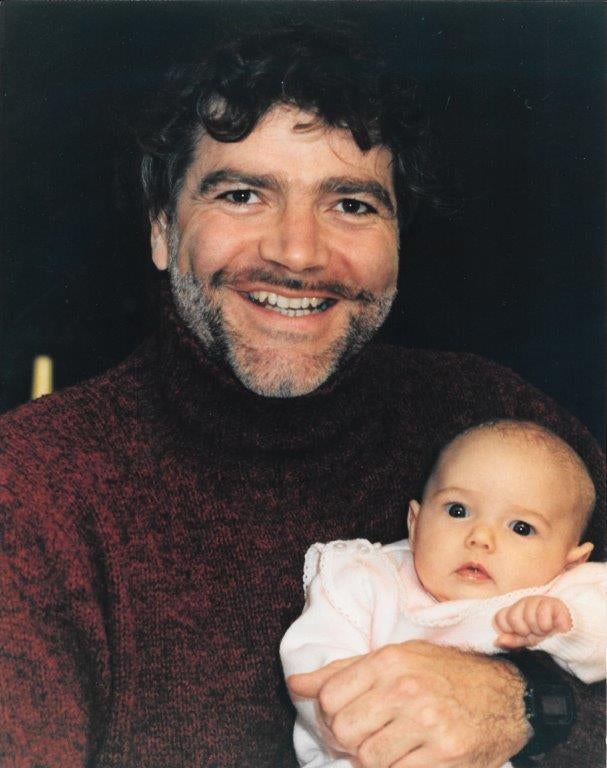
On my first visit to see him, I brought flowers and kneeled by his bedside. He was thin, jaundiced and bedridden. His fine hair was snowy and delicate over his scalp, his movie star cheekbones more prominent than ever. His brown eyes still looked like mine.
But he didn’t recognise me. He stared at me and looked away repeatedly, his expression bewildered and hurt.
“Who are you?” he asked.
I was stunned and told him who I was.
“Is it OK that I’m here, or would you prefer I go?” I asked.
“You can stay. I’m just surprised. It’s been a long time.” There was grief and accusation in his voice.
Advertisement
“I know,” I said.
I wouldn’t apologise for the estrangement. He wouldn’t apologise for the abuse. We wouldn’t talk about the past when death was so close.
When I left, I kissed his forehead and promised I’d be back.
A few weeks later, I signed up to be an early literacy volunteer, teaching young children to read. Once a week, I spent an hour with the students during their lunch break, reviewing the alphabet and helping them sound out words while they ate orange slices and whole wheat pizza.
Then I would spend an hour with my dad at the healthcare facility where he lived for his last five months. We would share a few minutes of small talk, I would feed him small bites of baked fish or tater tots, and we’d watch TV.
Advertisement
The two things were connected. My father’s side of the family is full of educators. My dad was a professor for more than 50 years. He’s the reason I have post-traumatic stress disorder, but he’s also the reason I love literature, travel, art, food and languages. His mother – my namesake – was once a missionary-teacher who rode on horseback four miles every day to reach her students.
“Teaching is a spiritual thing,” my dad said.
I thought volunteering to help children read would connect me to my dad and our family as he was dying. The kids were at the beginning of their lives and education, while my father, the professor, was coming to the end of his.
I volunteered on Mondays. Usually, I visited my father at the end of the week. My weeks were measured in the bookends of life.
Advertisement
There were six schools where I could volunteer – all underfunded and with low reading test scores. I chose the one closest to my childhood home, my dad’s house. I was a kindergartener in that neighbourhood the first time my dad squeezed my wrists so hard that bruises encircled them for weeks.
The school was a rectangular building made with dark bricks. I had passed by it countless times as a child. From the outside, it looked institutional in the late September sun. But inside, I was surprised by how light it was. The hallways were painted white and worn in places with scuffs and pencil squiggles – imprints from students growing up.
Three large trees grew in the foyer outside the library. Their shiny green leaves wove a canopy over the grey and blue tiles where kids walked from recess, lunch and library time. That’s where I met the kids with whom I’d be working, affectionately called Book Buddies.
Advertisement
The volunteer program coordinator handed me two folders, each bearing the name of a little boy. We had two assignments for the day. The first was to complete “getting to know me” sheets. The second was to assess how many letter names and sounds they knew.
I asked them their birthdays, their favorite colour and to draw their favourite food. My first buddy knew the letters in his name but no others. My second buddy surprised me by knowing all the letters and their sounds, but he said them quietly with his eyes downcast.
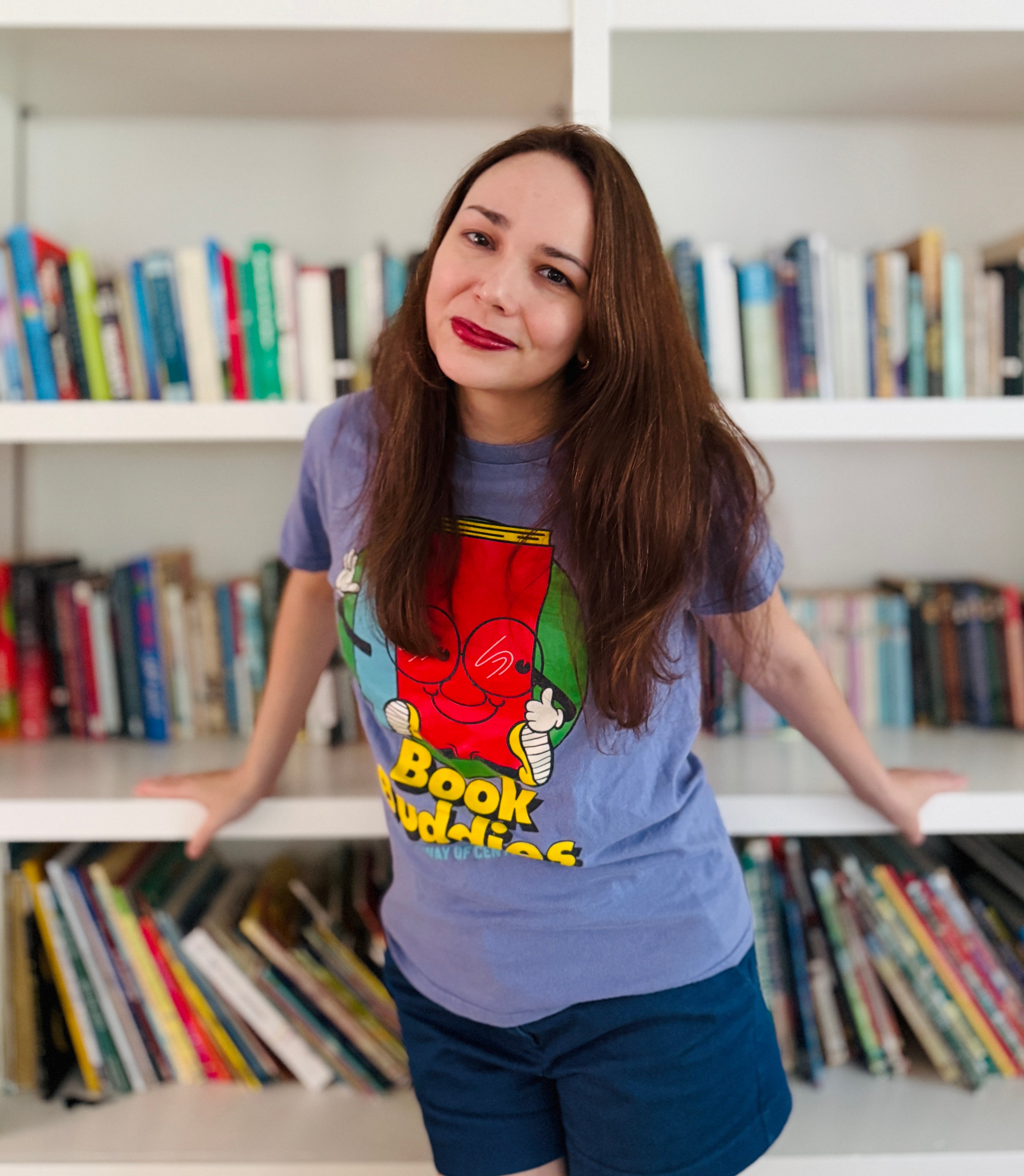
Photo Courtesy Of Virgie Townsend
Advertisement
At the school, there was the squeak of sneakers as kids ran in the hall and the voices of teachers announcing it was time to line up. There were boxes of small books, word games with dice, pencils, plastic utensils and thin straws for chocolate milk cartons.
Over time, I learned my first buddy loved to take a big sip of chocolate milk and burp and then we’d laugh together. He introduced me to his kindergarten friends. In the winter, his boot shoelaces were always undone, so I tied them before he returned to class.
My second buddy rarely made eye contact but read everything I put in front of him perfectly. He was reserved, but told me he lived with his dad and loved reading books the program gave him.
Advertisement
I praised both kids for their reading, hard work and the progress they made.
Sometimes after volunteering, I’d drive by my childhood home. With my father gone, the house stood empty.
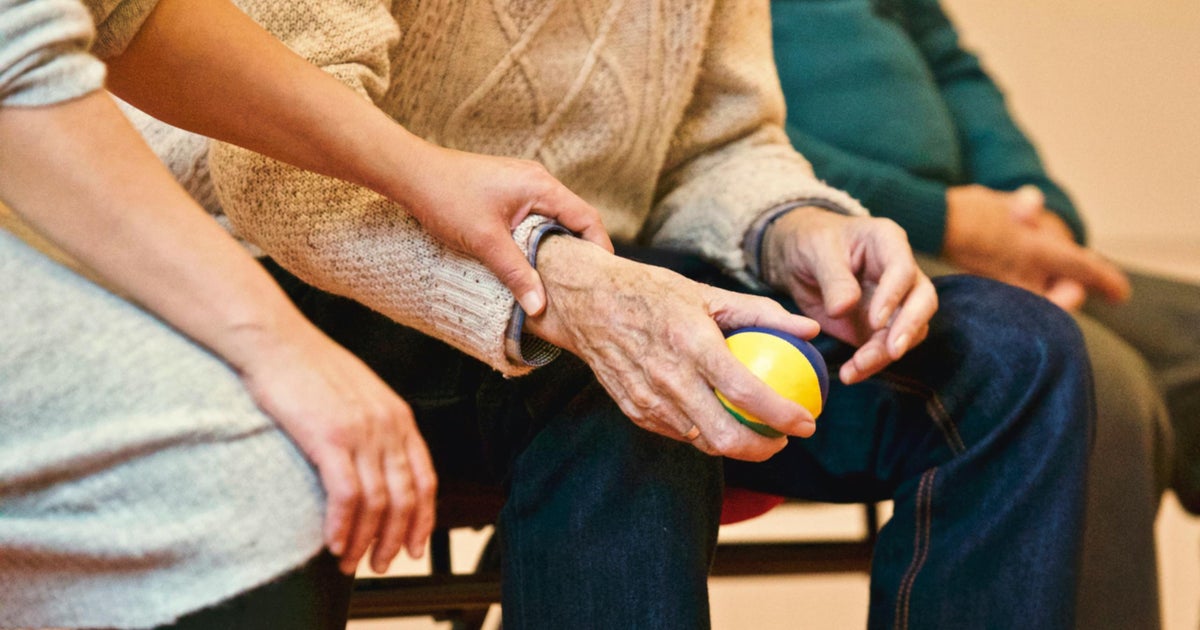
At the healthcare facility, there was a crane to lift my dad, who used to hike by the Sequoias near his own childhood home. There were nurses who joked as they spooned medication into his mouth and the blare of televisions playing at full volume. There were cartons of Ensure and automatic hand sanitiser dispensers.
Sometimes my dad seemed stronger. On a good day, we watched Star Trek, and he laughed out loud for the first time in a while. When I left, he called after me in a strong voice, “Love you, honey.”
Advertisement
But organ failure is a rollercoaster with many ups and downs, all heading toward the inescapable end. Mostly, I worried about the emergence of new symptoms like the jaundice and itchiness that came and went. The bones I hadn’t seen before, jutting clavicle and breastbone. Lost fat on his fingers, every knuckle visible beneath the thin skin.
On a cold January day, I was with my dad when he began seizing. The seizures were quick, full-body and terrifying. He didn’t remember them – he just thought he’d fallen asleep for a minute. The doctor said there was nothing else they could do.
Four days later, he was unconscious. His breaths were long, slow and gasping. His TV was off. He had stopped responding to us. I asked my sisters for a minute alone with him. Everything we had left was in that small room.
Advertisement
“I hope that in whatever comes next, you receive the love you didn’t get as a child and you’re able to give that love to yourself and others in return,” I told him. “If there’s regret or anything else you’re carrying, you can put it by the wayside. You don’t have to carry it for me.”
He died the next morning. After he took his last breath, I watched the pulse in his neck grow fainter until I couldn’t see it beating under his skin anymore.
“Dad, I’m just going to check your pulse, OK?” I said. I placed two fingers on his neck – a place I had never touched before – and felt no movement.
Advertisement
Before the funeral home director placed him on the gurney, I kissed his forehead one final time and then wept.
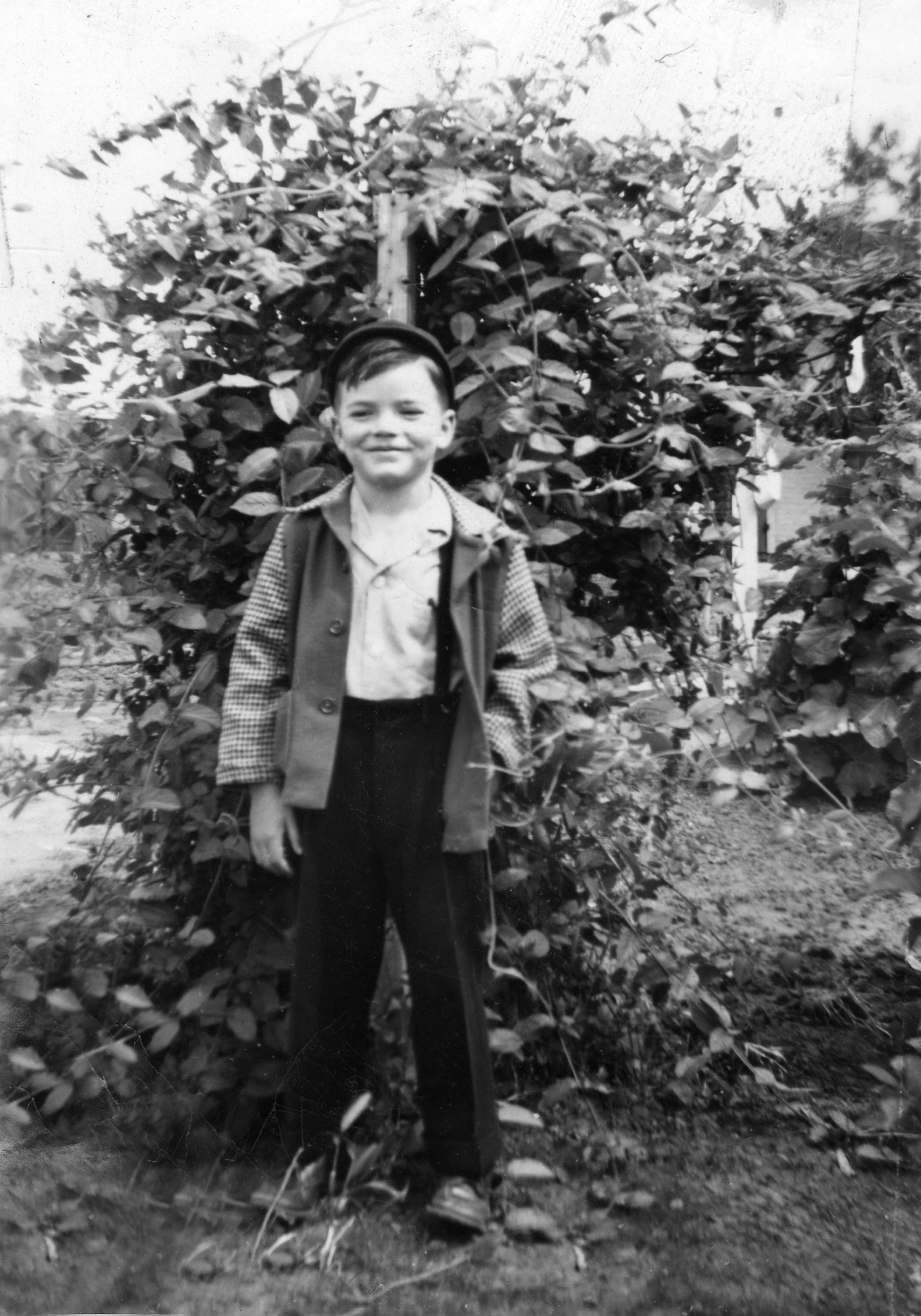
Depleted by grief and the paperwork that accompanies a parent’s death, I didn’t return to volunteering for a month. Sometimes I’d look at a photo of my dad from when he was 5 years old – the same age as my own son and my volunteering buddies.
In the picture, my dad wore a black cap over his dark hair, and his left hand was in the pocket of his checkered coat. Although I knew he had an unsafe, loveless childhood, he beamed a proud smile. I wished I could go back in time to protect that little boy.
Advertisement
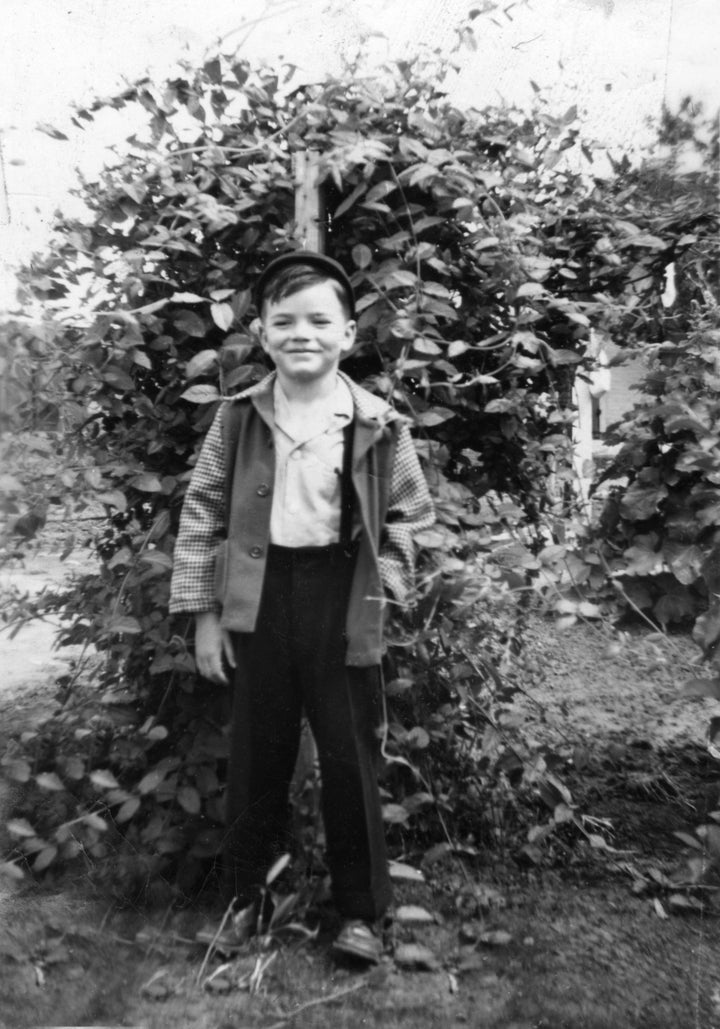
Photo Courtesy Of Virgie Townsend
When I went back to the school, my first buddy walked up to me with his lunch tray and a mildly scolding expression on his face.
“Where have you been?” he asked, as if I were a child who missed curfew.
“One of my family members was sick,” I said, smiling. “I’m back now.”
I was glad to be in the school, reading with the kids under the trees in the foyer. One day, as I arrived, my buddy was standing in the lunch line. He saw me, exclaimed to a friend, “That’s my Book Buddy!” and ran to hug me.
Advertisement
Later, when my second buddy caught a cold, I gave him tissues to take back to class because I knew he’d be too shy to ask the teacher. I helped another student carefully cut out a booklet for herself to take home to read. I made sure one of their classmates didn’t leave behind her lunchbox.
Little acts of care I wish had been given to the children that my father and I once were.
On the last day of volunteering, we held a party in the school library. I helped my buddies don plastic gold medals and paper graduation hats. We gave them backpacks with books, a toy keychain, bubbles and a red bracelet that said, “I love to read.”
“Do you love to read?” I asked my buddy, who was now reading several levels ahead of where he began.
He looked down bashfully and nodded with a smile, his two front teeth missing. We listened to a story about joyriding farm animals and played sight word bingo with candy. Then I tied his shoelace one last time, wished him a great summer, and watched him walk back to class.
Advertisement
I realised that while a child cannot heal their own parent, I could give that care to my kids and to other children who needed it. It was too late for my dad, but it might be right on time for them.
Do you have a compelling personal story you’d like to see published on HuffPost? Find out what we’re looking for here and send us a pitch at pitch@huffpost.com.
Help and support:
If you, or someone you know, is in immediate danger, call 999 and ask for the police. If you are not in immediate danger, you can contact:
Advertisement
- The Freephone 24 hour National Domestic Abuse Helpline, run by Refuge: 0808 2000 247
- In Scotland, contact Scotland’s 24 hour Domestic Abuse and Forced Marriage Helpline: 0800 027 1234
- In Northern Ireland, contact the 24 hour Domestic & Sexual Violence Helpline: 0808 802 1414
- In Wales, contact the 24 hour Life Fear Free Helpline on 0808 80 10 800.
- National LGBT+ Domestic Abuse Helpline: 0800 999 5428
- Men’s Advice Line: 0808 801 0327
- Respect helpline (for anyone worried about their own behaviour): 0808 802 4040