10 surprising ways diabetes and dementia are connected

The link between diabetes and dementia is becoming increasingly clear. New research shows how blood sugar problems affect brain health and vice versa. Here are ten evidence-based insights into how the two conditions are related.

1. Diabetes raises the risk of dementia

People with diabetes are about 60% more likely to develop dementia than those without, and frequent episodes of low blood sugar are linked to a 50% higher chance of cognitive decline.

2. Insulin resistance affects the brain too

Insulin resistance – the major cause of type 2 diabetes – happens when cells stop responding properly to insulin. This means that too much sugar, in the form of glucose, is left in the blood, leading to complications.

It usually affects the liver and muscles, but it also affects the brain. In Alzheimer’s, this resistance may make it harder for brain cells to use glucose for energy, contributing to cognitive decline.

3. A brain sugar shortage in dementia

The brain is only 2% of our body weight, but uses about 20% of the body’s energy. In dementia, brain cells appear to lose the ability to use glucose properly.

This mix of poor use of glucose and insulin resistance is sometimes unofficially called type 3 diabetes.

4. Alzheimer’s can raise diabetes risk

People with Alzheimer’s often have higher fasting blood glucose, even if they don’t have diabetes. This is a form of pre-diabetes. Animal studies also show that Alzheimer’s-like changes in the brain raise blood glucose levels.

Also, the highest genetic risk factor for Alzheimer’s, the APOE4 genetic variant, reduces insulin sensitivity by trapping the insulin receptor inside the cell, where it cannot be switched on properly.

5. Blood vessel damage links both conditions

Diabetes damages blood vessels, causing complications in the eyes, kidneys and heart. The brain is also at risk. High or varying blood glucose levels can injure vessels in the brain, reducing blood flow and oxygen delivery.

Diabetes can also weaken the brain’s protective barrier, letting harmful substances in. This leads to inflammation. Reduced blood flow and brain inflammation are strongly linked to dementia.

6. Memantine: a dementia drug born from diabetes research

Memantine, used to treat moderate to severe Alzheimer’s symptoms, was originally developed as a diabetes medication. It didn’t succeed in controlling blood glucose, but researchers later discovered its benefits for brain function. This story shows how diabetes research may hold clues for treating brain disorders.

7. Metformin might protect the brain

Metformin, the most widely used diabetes drug, does more than just lower blood glucose. It gets in to the brain and may lower brain inflammation.

Some studies suggest that people with diabetes who take metformin are less likely to develop dementia, and those who stop taking it may see their risk increase again.

Trials are testing its effects in people without diabetes.

8. Weight-loss injections may reduce plaque buildup

GLP-1 receptors agonist drugs, such as semaglutide (Ozempic, Wegovy), lower blood glucose and support weight loss. Records show that people with diabetes on these drugs have a lower dementia risk. Comparing GLP1 drugs to metformin, studies have found that they were even more effective than metformin at reducing dementia risk.

Two major trials, Evoke and Evoke Plus, are testing oral semaglutide in people with mild cognitive impairment or early mild Alzheimer’s.

9. Insulin therapy might help the brain

Since insulin resistance in the brain is a problem, researchers have tested insulin sprays given through the nose. This method delivers insulin straight to the brain while reducing effects on blood sugar.

Small studies suggest these sprays may help memory or reduce brain shrinkage, but delivery methods remain a challenge. Sprays vary in how much insulin reaches the brain, and long-term safety has not yet been proven.

10. SGLT2 inhibitors may lower dementia risk

New evidence suggests that compared to GLP-1 receptor agonists, SGLT2 inhibitors, (a type of diabetes drug) are superior at reducing dementia risk, including Alzheimer’s and vascular dementia, in people with type 2 diabetes. These tablets lower blood sugar by increasing sugar removal in urine. This study builds on early evidence suggesting they lower dementia risk by reducing inflammation in the brain.

This growing body of evidence suggests that managing diabetes protects more than the heart and kidneys, it also helps preserve brain function.

Questions remain whether diabetes drugs only reduce the diabetes-associated dementia risk or whether these drugs could also reduce risk in people without diabetes.

However, diabetes research has been very successful in creating at least 13 different classes of drugs, multiple combination therapies, giving rise to at least 50 different medicines. These reduce blood sugar, improve insulin sensitivity and reduce inflammation. A “side-effect” may be better preservation of brain health during aging.The Conversation

Share Button

Reform’s Plans For Women And Motherhood Act Under Fire For ‘Bringing In Handmaid’s Tale’

Reform UK’s plans for a Women and Motherhood Protection Act have been compared to the dystopian Handmaid’s Tale in a scathing takedown.

Nigel Farage’s party has promised to “strengthen women’s rights, protect motherhood and restore equality before the law” in a new policy document.

It claims the Equality Act does not go far enough and that sex based rights have been eroded.

The party vows “Reform UK will be the most pro-woman and pro-mother government in modern British history”.

It pledges to protect existing maternity rights and extend the time limit for pregnancy and maternity claims of unfair dismissal to 12 months.

“This Act will make Britain one of the best countries in the world to become a mother,” Reform alleges.

But the pledges fell flat with Labour MP Stella Creasy, who has long campaigned against the “motherhood penalty” in the UK.

She told HuffPost UK: “Reform reveal they think only women have responsibility for bringing up children.

“This is a charter for bringing in the Handmaid’s Tale, not equality in the home or the workplace – reinforcing the motherhood penalty and not ending it.”

The Handmaid’s Tale is a dystopian novel and drama series about forcing fertile women to bear children in a totalitarian society.

Creasy continued: “That’s why we need to align with Europe in giving all parents rights to paid parental leave so that no parent is left holding the baby.

“If Reform are serious about helping end discrimination, they should back my amendment to do that instead of failing to even mention the responsibilities of dads and second parents.”

Bridget Phillipson, minister for women and equalities, also criticised the policy suggestion.

She said: “Nigel Farage has spent years arguing women don’t need the protections and rights we fought for.

“From their leader praising Andrew Tate, to running a self-professed sexist as a candidate, Reform prove time and again they have a problem with women.”

Reform’s candidate for the upcoming Makerfield by-election, Robert Kenyon, made sexist remarks in unearthed social media comments and even admitted: “I’m sexist, sorry but I am.”

Phillipson continued: “Tearing up the Equality Act on day one just to replace it with something weaker is a complete waste of time and money.

“It was a Labour government that put women’s rights into law, and a Labour government now that is safeguarding and strengthening them.”

The Conservatives’ shadow equalities minister, Claire Coutinho, tore into the policy plan, too.

She said: “Reform care so little about women’s rights they said they’d scrap the Equality Act without even realising that it protects pregnant women from being sacked.

“Their prisons adviser believes men should be put in women’s prisons. And today’s plans would leave women who say biological sex is real completely exposed to being harassed and hounded out of their jobs.

“Kemi Badenoch is the only political leader who has consistently stood up for women’s rights and under her leadership the Conservatives will fight for their protections at every opportunity.”

Listen to Commons People, the podcast that makes politics easy. Every week, Kevin Schofield and Kate Nicholson unpack the week’s biggest stories to keep you informed. Join us for straightforward analysis of what’s going on at Westminster.

Share Button

Keir Starmer Must Announce When He Is Quitting If Burnham Wins Makerfield By-Election, Says Streeting

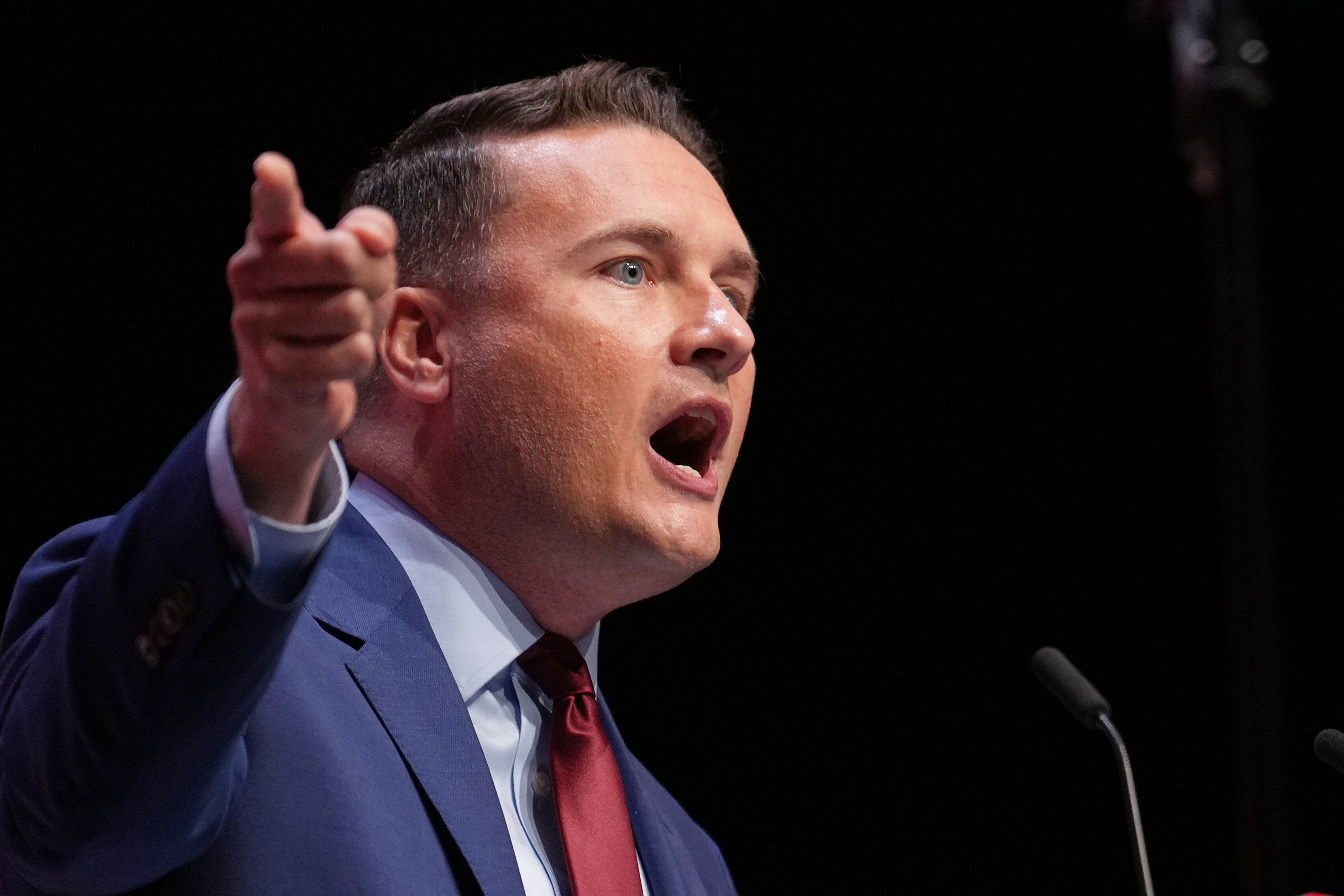
Keir Starmer must announce he is resigning as prime minister if Andy Burnham wins the Makerfield by-election, Wes Streeting has said.

The former health secretary said Starmer must set out a timetable for his departure as soon as possible.

Streeting also insisted that he has the backing of the 81 Labour MPs he needs to stand in any leadership contest.

The PM has repeatedly insisted that he will stand if a Labour leadership contest is triggered.

But speaking in London, Streeting said: “When the results are in, I hope the prime minister will at that stage reflect on his own position and set out a timetable.

“I think that would be a better way forward for everyone.”

Under Labour Party rules, leadership hopefuls need the support of one-fifth of its MPs to trigger a contest, which is 81 on the current numbers.

Asked if he had already had them signed up, Streeting said: “Yes I have the support I need to be on the ballot. Yes, I think we will be better served if that is a contest and a battle of ideas, not just of personalities.”

Voters in Makerfield go to the polls on Thursday, and Burnham appears on course to beat Reform’s Robert Kenyon.

He has also said that he will stand in any leadership contest.

Speaking earlier this month, he said: “I think Wes Streeting seems to have launched a leadership contest, so if that is running, I would seek to join it.”

But at the G7 summit in France on Tuesday, Starmer once again insisted he will not walk away from the job.

He said: “They said it’s not possible to turn the Labour Party around. It’s not possible to win an election.

“It’s not possible if you do win an election to invest in your public services and stabilise the economy – wrong every time, and that’s why I intend not to walk away from this, but to carry on with what I was elected to do, which is to serve this country, bring back the change that people desperately need in their lives.”

Listen to Commons People, the podcast that makes politics easy. Every week, Kevin Schofield and Kate Nicholson unpack the week’s biggest stories to keep you informed. Join us for straightforward analysis of what’s going on at Westminster.

Share Button

The Hobby Gen Z Is Turning Into The Summer’s Biggest Trend

Ahead of International Dawn Chorus Day, the Royal Society for the Protection of Birds (RSPB) announced they’ve seen a 10-fold increase in birdwatching among Gen Z (born 1997-2012).

Numbers are “still on the rise,” they added in a press release. These figures were based on data collected by Fifty5Blue.

That makes it Gen Z’s second fastest-growing hobby, per the data, after jewellery-making.

This is among a 47% general increase in birdwatching, with a 216% increase among Millennials and a 66% increase among Gen X. Gen Z, however, is leading the way.

Why are Gen Z birdwatching?

24-year-old Jess Painter from the RSPB’s Youth Council said social media tips have helped to make the hobby less exclusive.

“When I’m watching birds, I’m not thinking about anything else – it’s a moment of peace and a way to reconnect with nature, and with myself. By taking a moment to be curious, to watch, listen and learn, you open yourself up to endless small moments of wonder,” she said.

NHS doctor and president of the RSPB, Dr Amir Khan, said Jess and others like her are onto something.

“Hearing birdsong, especially during the dawn chorus when they’re at their loudest and most beautiful, can produce more serotonin and make us feel good,” he shared.

“For millennia, humans have evolved alongside nature, so it’s inherent that we want to connect with it. There’s even a scientific term for this theory, the biophilia hypothesis, which means we actively seek out nature.”

One study found that actively listening out for birdsong can make an already-beneficial walk even healthier.

There’s even some evidence to suggest that birdwatching may reduce your risk of dementia.

How can I get into birdwatching?

RSPB wildlife expert Molly Brown said birdwatching is “something that everyone can do, no matter how much or little they know about birds”.

Look out your window or head to a local park or woods, stay still and quiet, and enjoy the wildlife.

You can also hear some species instead of seeing them, woodlands.co.uk explained. Richard Scholfield, their estate manager, said: “People often think they’re only seeing one or two bird species on a woodland walk. But if you stop and listen, you’ll realise there are often half a dozen or more species singing around you at the same time.”

Chiff-chaffs, blackbirds, woodpeckers, song thrushes, wrens, and tawny owls all have distinctive calls.

Share Button

How an ovary syndrome led to Bake Off star’s fame

Now a successful TV presenter, Briony May Williams said she started stress-baking when she became ill.

Share Button

Witnessing joy amid the death: BBC travels to epicentre of Ebola outbreak

There are glimpses of happiness in the Democratic Republic of Congo’s fight against the virus that has killed more than 170.

Share Button

Recovery of Ebola patients offers rare moments of joy at epicentre of outbreak

There are glimpses of happiness in the Democratic Republic of Congo’s fight against the virus that has killed more than 170.

Share Button

This popular brain supplement was linked to shorter lifespans in men

A common amino acid found in protein rich foods and many brain health supplements may have an unexpected connection to longevity, according to new research.

Scientists reporting in the journal Aging-US examined whether two amino acids, phenylalanine and tyrosine, could influence how long people live (lifespan). Their findings suggest that higher levels of tyrosine in the blood are associated with a shorter life expectancy in men, raising new questions about the role this nutrient may play in aging.

The research was conducted by Jie V. Zhao, Yitang Sun, Junmeng Zhang, and Kaixiong Ye of the University of Hong Kong and the University of Georgia.

What Are Phenylalanine and Tyrosine?

Amino acids are often described as the building blocks of proteins. The body uses them to create and repair tissues, produce enzymes, and support countless biological functions.

Phenylalanine and tyrosine are two amino acids that help regulate metabolism and brain activity. They are naturally present in many foods, particularly meat, fish, eggs, dairy products, and other protein rich sources. They are also available in dietary supplements marketed for energy, focus, and cognitive performance.

Tyrosine is especially notable because it helps the body produce neurotransmitters such as dopamine, norepinephrine, and epinephrine. These chemical messengers play important roles in mood, attention, motivation, memory, and the body’s response to stress.

Because of these functions, tyrosine has attracted growing interest among researchers studying aging, brain health, and lifespan.

Study Analyzed More Than 270,000 People

To investigate whether these amino acids affect longevity, the researchers analyzed health and genetic information from more than 270,000 participants enrolled in the UK Biobank, one of the world’s largest long term health databases.

The team used two complementary approaches. First, they examined observed relationships between amino acid levels and mortality. They also used a technique called Mendelian randomization, a genetic method that helps scientists determine whether an observed association may reflect a cause and effect relationship rather than simple coincidence.

This combination allowed the researchers to look beyond correlations and gain stronger evidence about whether amino acid levels could directly influence lifespan.

Tyrosine Stood Out as a Potential Longevity Risk

At first glance, both phenylalanine and tyrosine appeared to be associated with a higher risk of death. However, after accounting for additional factors and conducting more detailed analyses, only tyrosine continued to show a consistent relationship with lifespan.

The findings suggested that higher tyrosine levels may contribute to reduced life expectancy in men.

Based on genetic analyses, the researchers estimated that elevated tyrosine levels could shorten men’s lifespan by nearly one year.

Women did not show the same pattern. The study found no significant association between tyrosine levels and lifespan among female participants.

The researchers also noted that men generally have higher tyrosine levels than women, which may help explain part of the long observed difference in average lifespan between the sexes.

“Phenylalanine showed no association with lifespan in either men or women after controlling for tyrosine.”

Why Might Tyrosine Affect Aging?

Scientists do not yet know exactly how tyrosine might influence lifespan, but several possibilities have emerged.

One potential explanation involves insulin resistance, a condition in which the body’s cells become less responsive to insulin. Insulin resistance is linked to numerous age related health problems, including type 2 diabetes, cardiovascular disease, and metabolic disorders.

Tyrosine may also affect the production of neurotransmitters involved in the body’s stress response. Over time, disruptions in these systems could potentially influence long term health and aging.

Researchers suspect that hormone related pathways may also play a role. Because these biological pathways can function differently in men and women, they may help explain why the apparent lifespan effect was observed only in men.

What Does This Mean for Supplements?

Tyrosine is frequently marketed as a supplement that may help support concentration, mental performance, and alertness, particularly during stressful situations.

However, the new findings suggest there may be more to the story when considering long term health.

Importantly, the researchers did not directly examine tyrosine supplements or test whether taking supplemental tyrosine shortens lifespan. Instead, the study focused on naturally occurring blood levels of the amino acid and how those levels were associated with longevity.

As a result, the findings should not be interpreted as proof that tyrosine supplements are harmful. Nevertheless, they do suggest that elevated tyrosine levels could be worth further investigation.

The researchers note that dietary strategies such as reducing overall protein intake may help lower tyrosine levels. Future studies will be needed to determine whether such approaches can safely improve healthy aging and lifespan.

More Research Is Needed

While the study provides some of the strongest evidence so far linking tyrosine to longevity, many questions remain unanswered.

Scientists will need to confirm the findings in additional populations and better understand the biological mechanisms involved. Researchers also hope to learn whether diet, lifestyle changes, or other interventions can safely reduce tyrosine levels and potentially promote healthier aging.

For now, the study highlights an intriguing possibility: a nutrient best known for supporting brain chemistry may also have an unexpected connection to how long people live.

Share Button

NASA spots giant ocean swell that could signal El Niño’s return

NASA and its European partners are tracking a major buildup of warm water in the Pacific Ocean that could signal the arrival of El Niño later this year.

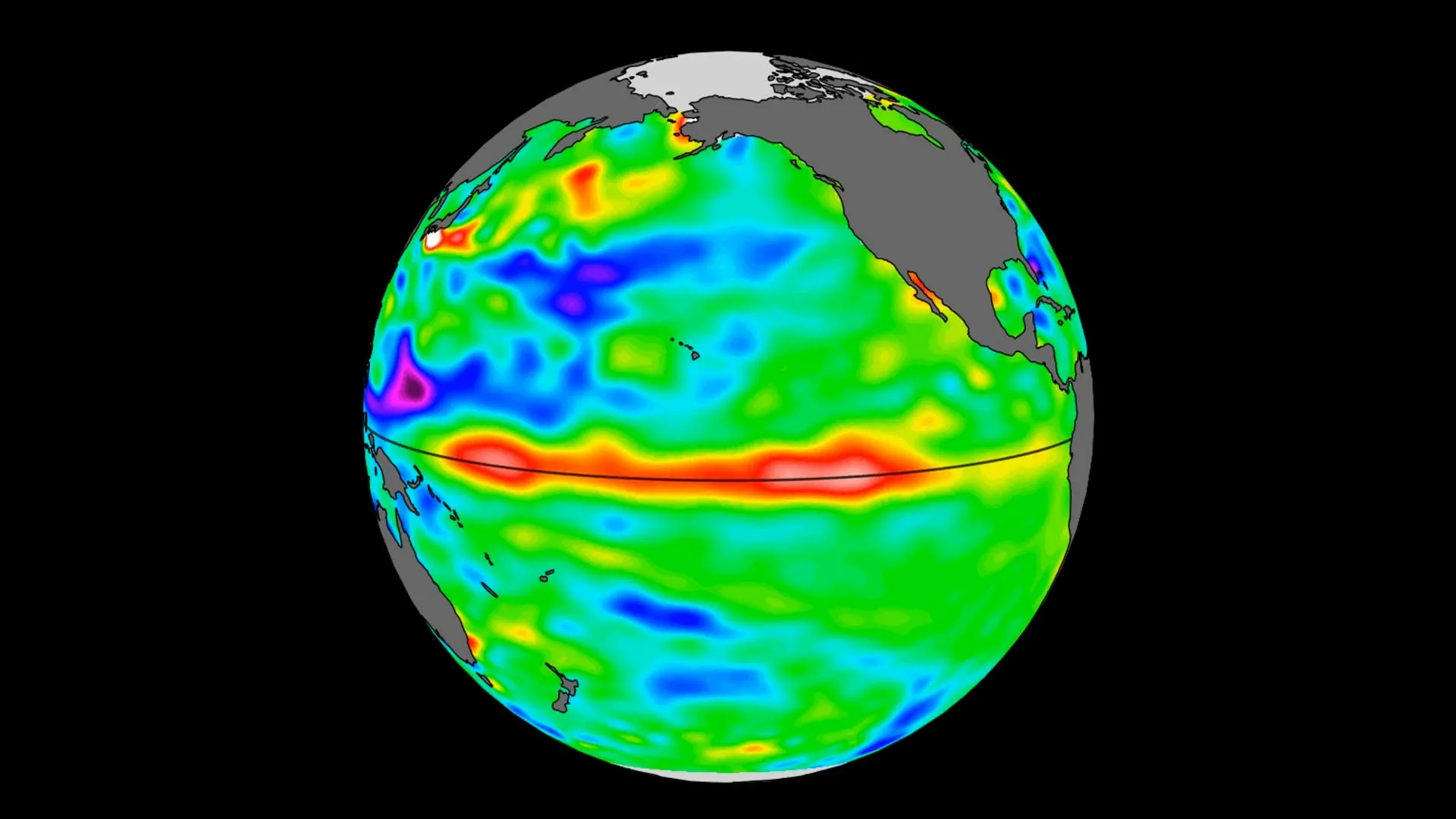
Data collected by the Sentinel-6 Michael Freilich satellite shows a broad area of unusually warm water, stretching hundreds of miles across, has reached the waters off South America. Because water expands as it warms, rising sea levels in a specific region of the ocean can reveal where temperatures are increasing beneath the surface.

El Niño can have far-reaching effects, bringing excessive rainfall to some regions while leaving others unusually dry. Those shifts can affect agriculture, transportation, water resources, and economies around the world.

Satellite Data Reveals Warm Pacific Waters

Launched in 2020 by NASA and led by ESA (European Space Agency) for the E.U. Copernicus Programme, Sentinel-6 Michael Freilich measures sea surface height across the world’s oceans every 10 days with precision down to fractions of an inch. One of its key roles is monitoring warm ocean features known as Kelvin waves, which are closely linked to the development of El Niño.

Kelvin waves typically begin when wind patterns over the far western equatorial Pacific briefly reverse direction. Instead of the usual easterly winds that blow from east to west, westerly winds develop. Combined with a broader weakening of easterly winds along the equator, this allows tropical waters in the western Pacific to warm and sea levels to rise.

The resulting wave of warm water then travels eastward across the Pacific over several weeks. When it reaches South America, ocean temperatures and sea levels near the coast increase. El Niño forms when several of these Kelvin waves occur over a period of months, causing warm water to accumulate along the coasts of Colombia, Ecuador, and Peru.

“While this year’s event started a bit later than the big El Niños of 2015 and 1997, it’s beginning to catch up,” said Josh Willis, a sea level researcher at NASA’s Jet Propulsion Laboratory in Southern California and project scientist for Sentinel-6 Michael Freilich. “We’ll see how big it gets.”

Satellite observations showed a small Kelvin wave developing near Micronesia in late January before fading by mid-February. Another wave formed in early March and steadily moved eastward. By mid-May, sea levels near Peru were more than 5.9 inches (15 centimeters) above long-term averages.

“NASA’s observation of El Niño uses sea level satellites like Sentinel-6 Michael Freilich to track massive Kelvin waves as they cross the Pacific, capture changes in Earth’s ocean thermodynamics, improve forecasts of weather extremes, and help communities prepare for potential coastal hazards,” said Nadya Vinogradova Shiffer, lead program scientist at NASA Headquarters in Washington. “Stay tuned as more ocean stories continue to unfold.”

How El Niño Affects Global Weather

The term El Niño dates back to the 1600s, when fishermen noticed that warmer ocean conditions often became stronger around Christmas. They called the phenomenon El Niño, Spanish for “the boy,” in reference to the birth of baby Jesus. The warmer waters also reduced fish catches.

When sea surface temperatures rise in the central and eastern Pacific, they can alter atmospheric circulation around the globe. One important effect is a shift in the jet stream, which influences the paths of storms. As a result, some regions may experience heavier rain or snowfall, while others see unusually hot and dry conditions.

The geographic reach of those impacts depends largely on the strength of the event. More moderate El Niños, such as those that began in 2018 and 2023, produced drought and flooding primarily within and around the tropical Pacific region. Stronger events, including the 2015-2016 El Niño, had consequences much farther afield, contributing to drought in Africa and flooding in California.

El Niño events typically reach their peak between November and January, meaning it will take several more months before the full extent of this year’s impacts becomes apparent.

“Every El Niño is different,” said JPL sea level researcher Severine Fournier, deputy project scientist for Sentinel-6 Michael Freilich. “But they almost always make for a hot year and big changes in rainfall in parts of the globe.”

Sentinel-6 Continues Decades of Sea Level Monitoring

Sentinel-6 Michael Freilich currently serves as the official reference satellite for measuring global sea levels. The mission continues a record that began in 1992 with the launch of TOPEX/Poseidon. Since then, a succession of satellites has extended that long-term dataset. The newest satellite in the series, Sentinel-6B, launched in November 2025 and is expected to assume responsibility for the mission by the end of 2026.

More About Sentinel-6 Michael Freilich

Named in honor of former NASA Earth Science Division Director Michael Freilich, Sentinel-6 Michael Freilich is one of two satellites that make up the Copernicus Sentinel-6/Jason-CS (Continuity of Service) mission.

Sentinel-6/Jason-CS is part of the European Union’s Copernicus Earth observation programme. The mission was jointly developed by ESA, the European Organisation for the Exploitation of Meteorological Satellites (EUMETSAT), NASA, and the National Oceanic and Atmospheric Administration (NOAA). Funding support came from the European Commission, while the French space agency CNES (Centre National d’Études Spatiales) provided technical support related to mission performance.

EUMETSAT operates and monitors the spacecraft and processes all altimeter science data on behalf of the European Union’s Copernicus Programme, working in collaboration with the mission’s partner agencies.

NASA’s Jet Propulsion Laboratory (JPL), a division of Caltech in Pasadena, contributed three scientific instruments for each Sentinel-6 satellite: the Advanced Microwave Radiometer, the Global Navigation Satellite System — Radio Occultation, and the Laser Retroreflector Array.

NASA also provided launch services, ground systems used to operate the NASA instruments, science data processing systems for two of those instruments, and support for U.S. members of the international Ocean Surface Topography Science Team.

Share Button

Why is it so hard to show yourself compassion?

Kimberley Wilson discusses compassion on Complex.

Share Button