Tweens and TV: 50-year survey reveals the values kids learn from popular shows

How important is fame? What about self-acceptance? Benevolence? The messages children between the ages of 8 and 12 glean from TV play a significant role in their development, influencing attitudes and behaviors as they grow into their teenage years and beyond, UCLA psychologists say.

Now, a new report by UCLA’s Center for Scholars and Storytellers assesses the values emphasized by television programs popular with tweens over each decade from 1967 to 2017, charting how 16 values have waxed and waned in importance during that 50-year span.

Among the key findings is that fame, after nearly 40 years of ranking near the bottom (it was 15th in 1967, 1987 and 1997), rose to become the No. 1 value in 2007, then dropped to sixth in importance in 2017.

Achievement — being very successful — was ranked first in 2017, with self-acceptance, image, popularity and being part of a community rounding out the top five.

The report, “The Rise and Fall of Fame: Tracking the Landscape of Values Portrayed on Television from 1967 to 2017”, evaluated two programs per decade (and four in 2017), from “The Andy Griffith Show” in 1967 and “Happy Days” in 1977 to “American Idol” and “Hannah Montana” in 2007 and “America’s Got Talent” and “Girl Meets World” in 2017.

Like fame, values such as community feeling and benevolence have also seen dramatic rises and falls over the past half-century, with their rankings typically echoing changes in the larger culture, the researchers found.

Being part of community, for instance, which ranked No. 1 in 1967, 1977 and 1997 (and No. 2 in 1987), plummeted to the 11th spot in 2007 — 10 spots below fame — before rising again to fifth in 2017. Likewise, being kind and helping others, the No. 2 value in 1967 and 1997, fell to the 12th spot in 2007. It is now ranked eighth.

“I believe that television reflects the culture, and this half-century of data shows that American culture has changed drastically,” said report author Yalda Uhls, founder and executive director of the Center for Scholars and Storytellers and an adjunct assistant professor of psychology. “Media plays an important role as young people are developing a concept of the social world outside of their immediate environment.”

The concepts children develop can also vary widely based on what types of programs they’re watching, according to the authors, who found a stark divergence between the values conveyed in reality shows — first evaluated in 2007 — and those of scripted fictional shows.

Values in reality TV vs. fictional programs

The most popular tween reality shows in 2017, based on Nielsen ratings, were “America’s Got Talent” and “American Ninja Warrior,” while the top two scripted shows were “Thundermans” and “Girl Meets World.” In the scripted shows, the top values conveyed were self-acceptance, benevolence and being part of a community. In contrast, the top values conveyed in reality shows were fame, image and self-centeredness.

Reality shows, created for a broad audience and watched frequently by tweens, often highlight competition and the importance of being No. 1 and include bullying, cheating and a winning-at-all-costs value system, the authors note.

“If tweens watch, admire and identify with people who mostly care about fame and winning, these values may become even more important in our culture,” said the report’s lead author, Agnes Varghese, a fellow of the center and a UC Riverside graduate student. “Reality television shows continued to reflect the same trend we saw in 2007, with self-focused values such as fame ranking highest.”

The authors recommend that parents help children understand that reality shows do not depict the experience of the average person and that fictional shows do not adequately depict the hard work and struggles associated with achieving fame.

TV values and the rise of social media

Uhls believes the explosive growth and popularity of social media platforms such as Facebook, launched in 2004, and YouTube, launched in 2005, may have influenced television content creators in the first decade of the 2000s to make fame-focused tween shows. Other research has shown that social media growth was accompanied by a rise in narcissism and a decrease in empathy among college students in the U.S., she notes.

“I don’t think this is a coincidence,” said Uhls, who was formerly a movie studio executive. “The growth of social media gives children access to an audience beyond the school grounds.”

By 2017, the social media landscape had expanded to include platforms like Snapchat and Instagram, and the access they provided to an ever-widening audience made popularity seem more easily attainable. For that reason, Uhls believes, achieving fame may have become less desirable and unique. In addition, the severe recession of 2007-09 may have shifted the culture away from self-focused values such as fame and getting rich.

Research conducted by UCLA distinguished professor of psychology Patricia Greenfield and colleagues has shown that society tends to become more community-focused in times of collective distress, Uhls noted.

Because children, particularly in their tween years, are forming a belief system that integrates the many messages about desirable future aspirations they receive from parents, school, peers and media, it is crucial to understand the role television plays in promoting values — both positive and negative, the researchers say.

The report draws on research, both published and unpublished, by Uhls, Greenfield and former UCLA graduate students Jill Giardino and Caroline Fung.


Share Button

Blight may increase public health risk from mosquito-borne diseases

Louisiana State University researchers recently published findings that blight leads to an increased abundance of disease-carrying mosquitoes. The researchers investigated the presence of several mosquito species in two adjacent but socio-economically contrasting neighborhoods in Baton Rouge: the historic Garden District, a high-income neighborhood, and the Old South neighborhood, a low-income area. They found significantly higher adult and larvae abundance of the Asian tiger mosquito (a carrier of Zika and dengue) and higher mosquito habitat availability — particularly discarded tires — in the Old South neighborhood. This indicates that environmental conditions in the low-income neighborhood were most ideal for this mosquito to breed and proliferate.

“These two neighborhoods are very similar in terms of vegetation cover, human population and density of households. One of the main differences is blight. One neighborhood has a lot of blight in the form of abandoned residences, empty lots and mismanaged waste, and the other neighborhood does not. It was the perfect set of conditions for addressing this question,” said Rebeca de Jesús Crespo, lead author and an assistant professor in LSU’s College of the Coast & Environment.

In recent years, the Old South neighborhood has been the focus of revitalization plans by multiple stakeholder groups. The researchers recommended that these blight reduction efforts continue for the benefit of public health.

“This is an area at high risk of these mosquito-borne diseases,” said Madison Harrison, co-author of the publication. “All that it takes for these diseases to spread is for the right vector to be infected with the pathogen and to bite humans at the right point of incubation of said pathogen.”

So far, Zika and dengue are not currently present in the state. However, Louisiana’s climate is ideal for these diseases to spread once introduced.

According to de Jesús Crespo, Harrison was an invaluable addition to the team. Currently, she is a public health master’s student at LSU Health New Orleans.

“In the College of the Coast & Environment, for almost every project that we do, we are integrated and interdisciplinary. We take a broad approach to doing research that is important for solving problems in real time. For this project, it was important to me to include Madison from LSU Health Sciences as well as community stakeholders who could provide their expertise and unique perspectives,” de Jesús Crespo said.

The researchers examined the prevalence of two container-breeding species of mosquitoes that are known to spread disease, the Asian tiger mosquito and the southern house mosquito (a carrier of West Nile virus). They inspected potential larvae habitats (such as discarded tires, discarded Styrofoam cups and snack bags, plant pots and water baths) in publicly accessible locations and calculated the percentage of those that contained larvae. Additionally, they placed adult mosquito traps around the perimeter of some private homes with the permission from the homeowner, in an abandoned house and in an empty lot with trash accumulation in the higher income neighborhood.

They found that the adult population of the southern house mosquito was fairly diffuse, but the lower income neighborhood had significantly higher numbers of Asian tiger mosquito (adults and larvae) and higher numbers of total mosquito larvae. This shows that the presence of discarded container habitats due to neglect provides more breeding grounds for disease-carrying mosquitoes, disproportionately affecting low-income groups.

“I think everybody can agree that urban blight is a problem we need to solve here in Baton Rouge. Mosquito risk is one of those factors that could impact human health and that adds another level of importance with that,” de Jesús Crespo said.

Story Source:

Materials provided by Louisiana State University. Note: Content may be edited for style and length.

Share Button

Covid: UK vaccination surge expected in coming days

All over 50s could be vaccinated ahead of schedule, thanks to good supplies, say experts.

Share Button

Yorkshire Police Sergeant Charged With Rape And Sexual Assault

shank_ali

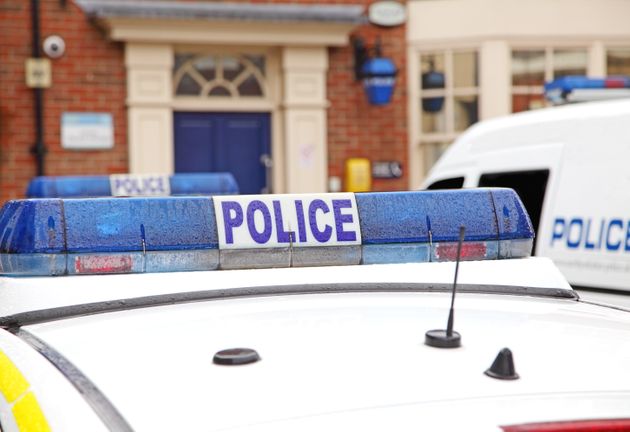
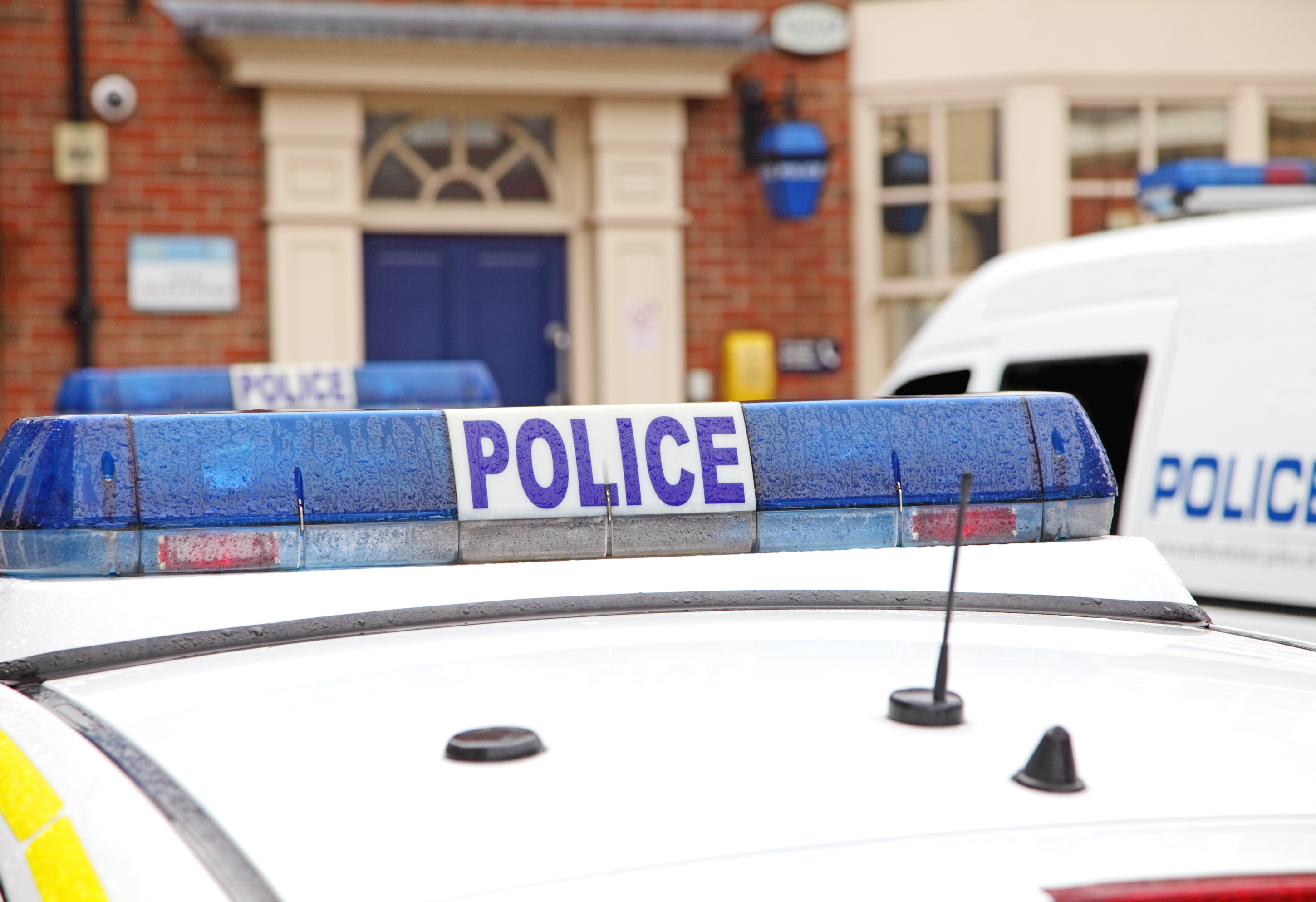
Stock image of a police car

A West Yorkshire police officer has been charged with one count of rape and one count of sexual assault.

Ben Lister, a police sergeant based in Bradford, is due to appear at Bradford Magistrates’ Court on March 24.

West Yorkshire Police confirmed he has been suspended from the force.

Share Button

Tories Get Polling Boost From Over-55s Who Have Had Covid Jab

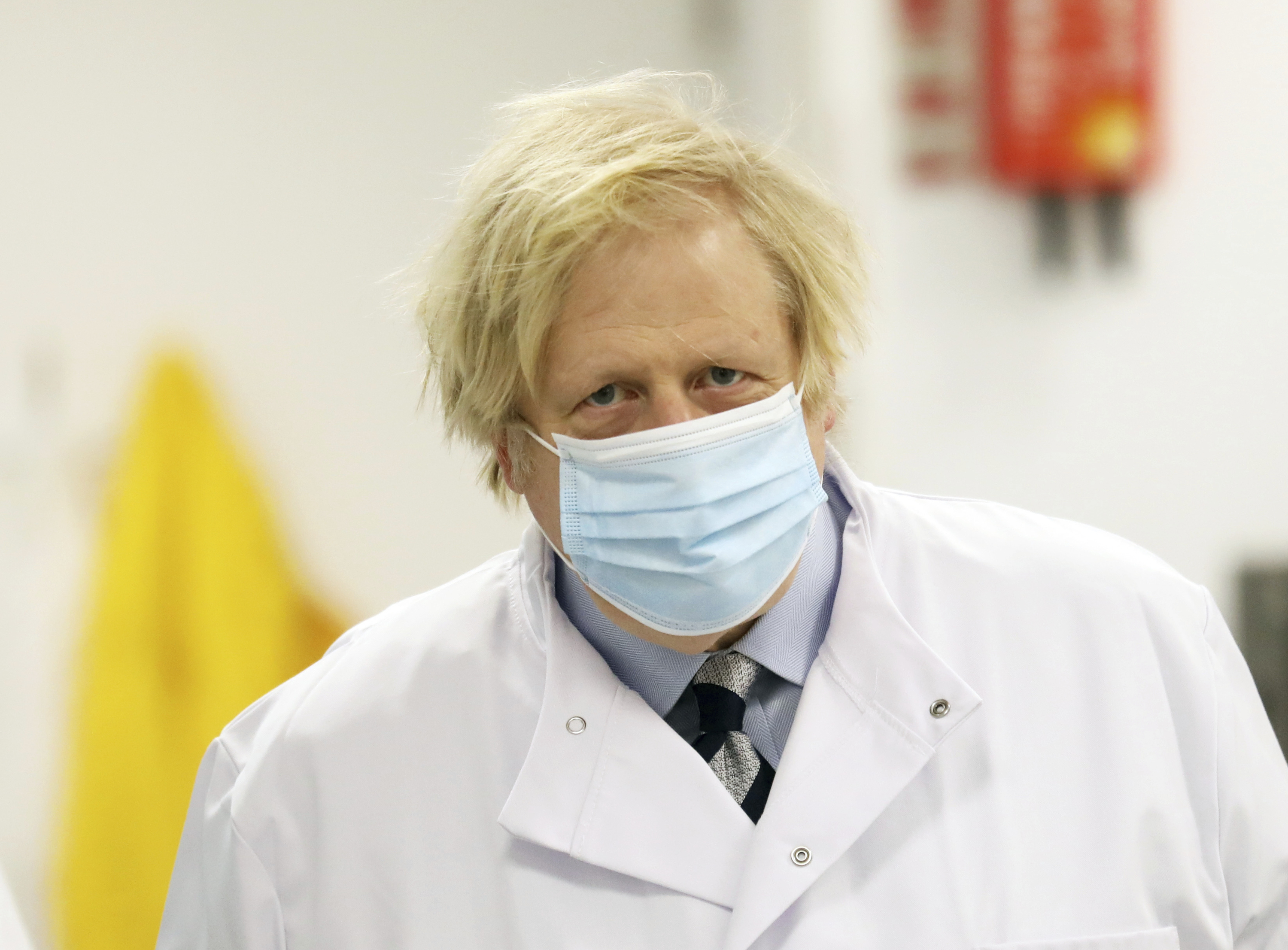
Boris Johnson’s “vaccine bounce” is being driven by the over-55s who have so far been given the Covid jab, according to new polling analysis.

A study of Savanta/ComRes surveys by polling expert Lord Hayward found that the Tories’ opening up of a seven-point lead over Labour almost exactly mirrors the age-related rollout of the vaccination programme.

And crucially, the older generations are more likely to vote in the coming set of “super Thursday” local elections on May 6.

The Conservatives are hoping that the vaccine effect, together with Johnson’s personal popularity in the north and midlands, could combine to protect them from heavy losses in key councils in Lancashire, Nottinghamshire and Derbyshire.

Keir Starmer is pushing the government’s planned 1% pay cap for NHS nurses as a key theme of Labour’s local election campaign.

The UK has one of its largest ever sets of elections in May, with polls postponed last year by the pandemic combining with planned contests to allow the first nationwide verdict on the main parties since the 2019 general election.

As well as county, district and city elections, there will be votes for eight London and metro mayors, and for the Scottish and Welsh parliaments.

Hayward said that the age differential of those switching support to the Tories was notable, given how the party had been neck and neck with Labour in early December but is now up to seven points behind across several polls.

“It is the older generations who have moved most markedly to the Conservatives. Basically the cohort from [the age of] 54 upwards.

“Now the significant thing is, they are the people who vote in local elections. So not only has that group moved towards the Conservatives, or has the population moved towards the Conservatives, but the people who’ve moved most towards the Conservatives are actually the people who vote generally.”

He went on: “It is quite noticeable. It was first of all the age group from 64 upwards that moved. There’s some sign now that the 55-year-old and upwards are also moving.

“And interestingly enough, they are the people who have received their vaccinations. So there’s clearly an element of ‘vaccine bounce’. I think it goes hand in hand. I don’t think it’s chance.”

More than 90% of pensioners have had their first dose of the Covid vaccine. Everyone aged 55 and over has already been notified they are eligible for vaccination, with some projections suggesting that everyone over 50 could be jabbed by the end of this month. It could take until the end of June to give a first dose to every adult over 18.

Hayward, the pollster who first coined the phrase “shy Tories” to explain John Major’s surprise 1992 victory, said the prime minister could be further assisted by each stage of the exit from lockdown restrictions in the weeks before the May polling day.

But he cautioned that other polling evidence showed concerns about Covid were receding notably since January and it was possible that its salience overall as an electoral issue could diminish in coming weeks as a result.

In a normal year, Labour would be expected to make substantial gains in the local elections, not least as the Tories had impressive seat holds or gains in 2016 and 2017, the baseline for this year’s contests.

Yet in key “red wall” areas that Boris Johnson won at Westminster level in 2019, there are signs that his personal popularity has increased. There are marked regional differences, with the PM’s popularity still very low in London but actually healthy in the north, the new analysis said.

The Tories will be heartened by another poll on Monday, with an IpsosMORI/Evening Standard survey finding a surge in economic optimism. For the first time since 2015, slightly more people think things will improve over the coming year than think they will get worse.

Share Button

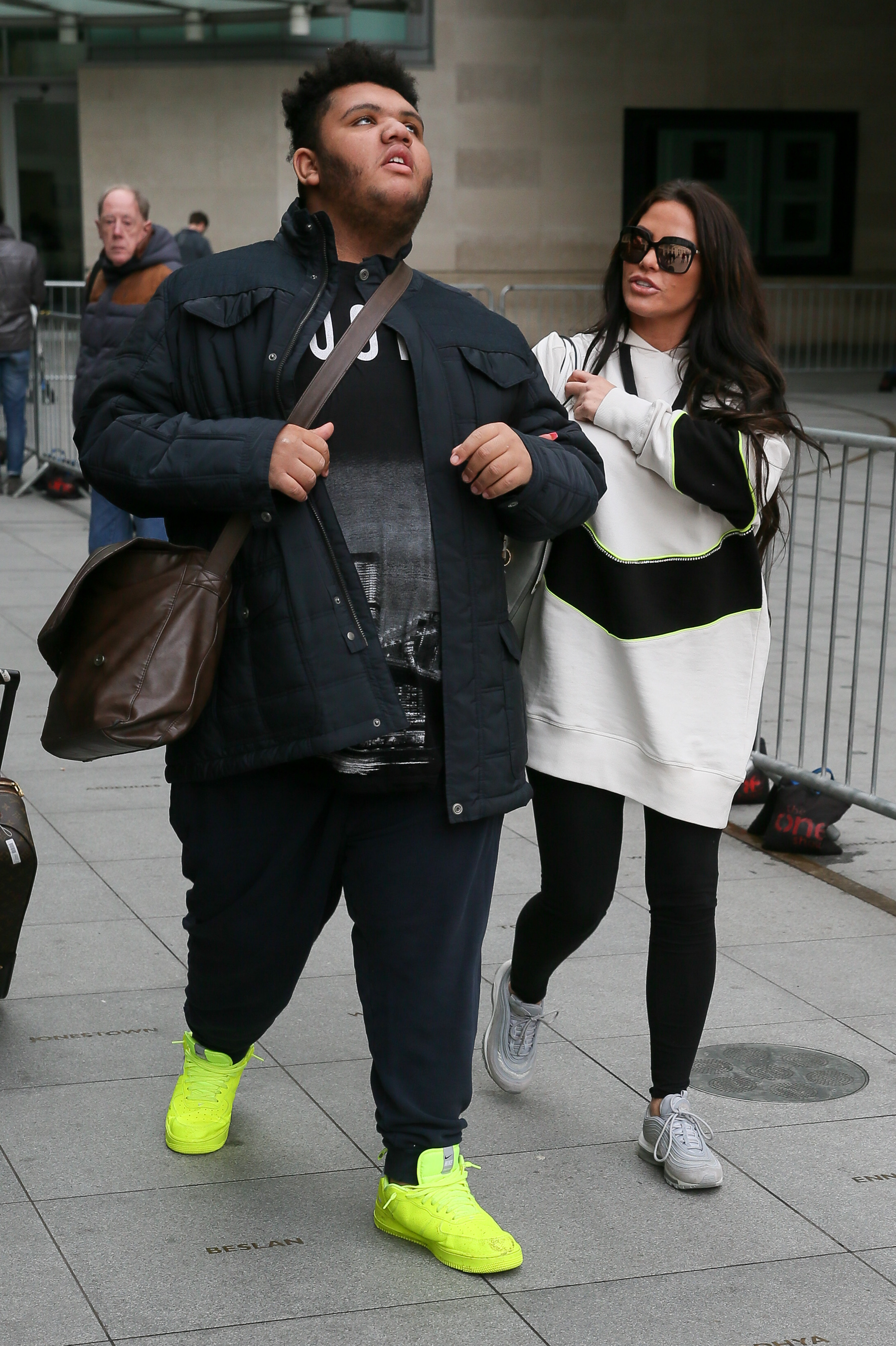
Katie Price’s ‘Track A Troll’ Petition Is Getting Some Kick-Back. Here’s Why

LGBTQ+ people and human rights advocates are concerned a petition launched by Katie Price to end online anonymity may put vulnerable people’s lives at risk.

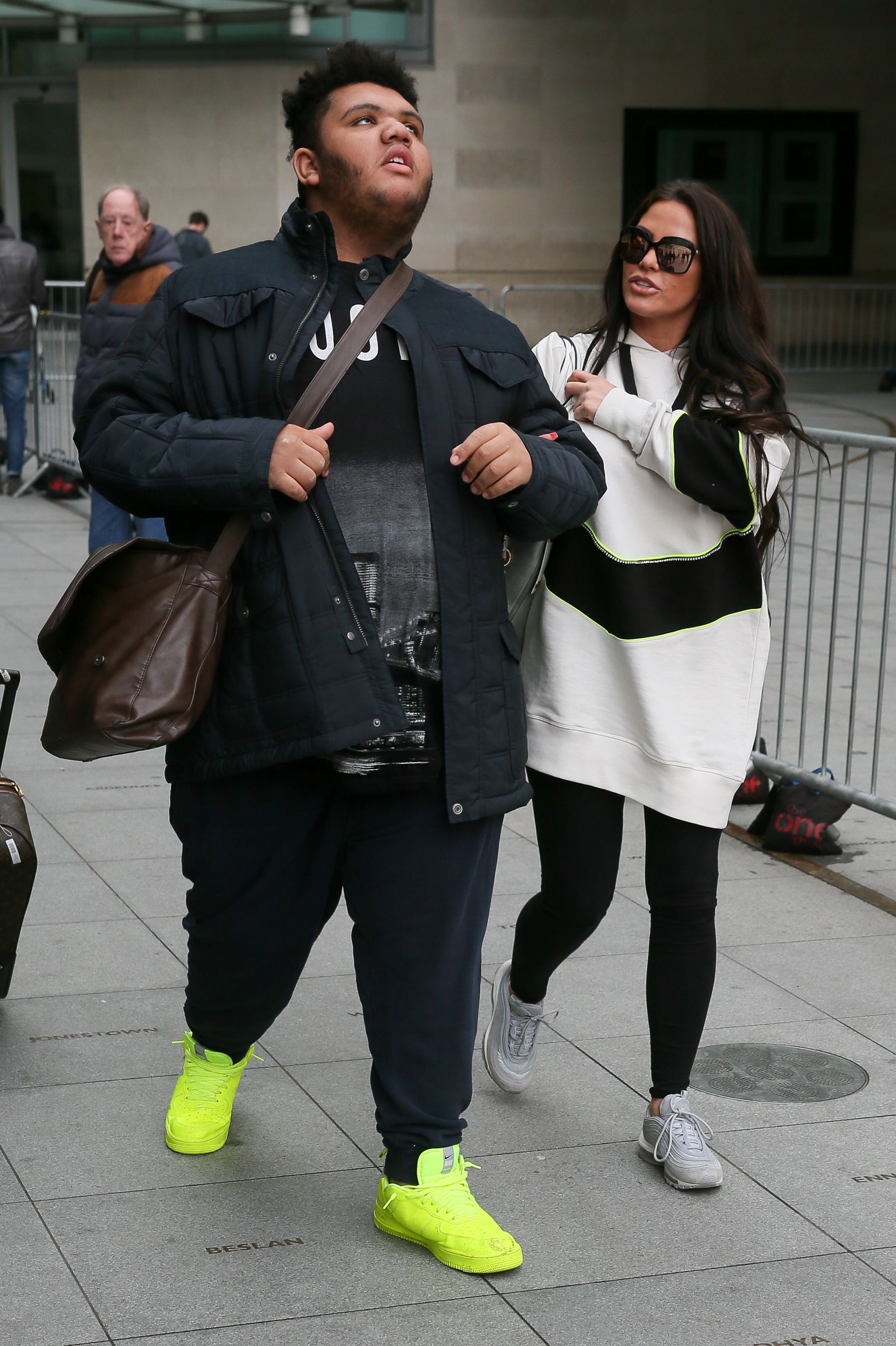
Price launched the petition alongside Conservative MP Andrew Griffith to call for action to be taken against online trolls, who have abused Price’s 18-year-old son Harvey.

In a statement posted on Instagram, Price wrote: “No troll should retain the right to hide behind their abusive malicious posts. I will not stop until every stone is unturned and all those are exposed and held accountable for their actions. This affects everyone in society including our children, Mother, Brother, Sister, family and friends alike, together we are all united in this petition. #TrackATroll.”

As it stands, there are more than 140,000 signatories. Price’s petition asks for it to be made “a legal requirement, when opening a new social media account, to provide a verified form of ID. Where the account belongs to a person under the age of 18, verify the account with the ID of a parent/guardian, to prevent anonymised harmful activity, providing traceability if an offence occurs.”

However, it has prompted communities to speak out about why online anonymity is essential for some people, such as marginalised queer groups, who use platforms like Twitter and Instagram to find solidarity and community.

Since Price launched the campaign on March 10, the hashtag #SaveAnonymity has been widely shared on social media. Many individuals using the hashtag to express their concerns are doing so from anonymous accounts.

One post, which has more than 10,000 retweets, reads: “I’m practically begging you to RT – those under 18 in the UK will have to get their parents to verify their accounts with full ID. This will put so many teens in danger (LGBTQ+ youth, abuse victims, etc.)”

Another reads: “Please tweet the hashtag #SaveAnonymity! A petition is going to UK Parliament that would require everybody on the internet to provide full ID before making an account, and minors would have to use parents’ ID.”

It continued: “If this law gets passed, LGBT kids would be outed, people in dangerous situations lose opportunity to reach out for help anonymously, etc, so please, don’t just tweet the hashtag and nothing else (this would be counted as spam), include other words too.”

One person wrote that they were “ terrified” at the prospect of the proposal getting passed, while another tweeted: “My parents would kick me out for my preferred pronouns. Social media is my escape from homophobic family and school. Please don’t let them take it away from me and many others.”

The Open Rights Group, which promotes human rights online and has 44k followers, is also standing against Price’s campaign. Speaking to HuffPost UK, a spokesperson said: “Attacking anonymity is a short cut to making some LGBTQ people’s lives very difficult, among others.”

In a statement on Twitter, the ORG commented: “We stand with #SaveAnonymity – it is great to see young people stand up for the rights of #LGBTQ people to be anonymous online. This is how rights are defended and won – people standing up for their rights.”

In January, the Open Rights Group responded to the Lords Communications Committee enquiry into freedom of information online, claiming digital regulation is limiting freedom of expression.

Referencing the ongoing debate about online anonymity, the group said: “Psuedonymity is vital for marginalised individuals such as members of the LGBTQ community seeking to explore their identity safely without identifying themselves to everyone they know.”

Other voices expressing concern about Price’s campaign include Rob McDowall, rapporteur for Equality and Human Rights Scotland and chair of Welfare Scotland, who tweeted that he “absolutely could not” support the campaign, which would “put so many in danger especially LGBT+ people who aren’t out.”

McDowall also endorsed another tweet suggesting it should be platforms such as Twitter and Facebook that should be held accountable for any abuse posted.

Cyberbullying has risen under lockdown, according to the Office of National Statistics, whose recent data showed one in five schoolchildren had been at the receiving end of online bullying over the past year.

Price’s campaign to #TrackATroll has garnered backing from charities including Mencap, and charity founder Anna Kennedy OBE, who appointed Harvey one of her charity’s ambassadors.

Clarifying details of the petition on Monday, Katie Price told Victoria Derbyshire: “When we say ID, I could be called Princess Price on something when my name is Katie Price – it’s just a way of contact so you can be contacted. As long as you can be tracked. And if people don’t want to do that then they could be guilty of something.”

In response to the criticism of the campaign, a representative for Katie Price told HuffPost UK: “No one is being outed, or required to provide personal information – a trackable IP address is not asking for private data – only an address to the IP registrar; a registrar of IP address that is held on a data base by a governing body.

“This is yet all to be negotiated. In the instance [that] a complaint is raised, the IP can be tracked to an address and subsequently the source. Katie would not expose anyone other than trolls and those guilty of malicious online content who’s purpose is to directly harm and cause mental upset.”

Responding to Price’s rep, the Open Rights Group spokesperson added: “If [Katie Price’s] plan really is limited to keeping IP records, as her representatives say, then this already exists. The problems here are about enforcement of platform’s rules, of police being unwilling to act.

“We remain worried that calls to remove ‘anonymity’ would be used to justify removing or limiting anonymity and making social media much less safe for LGBT people – and others who wish to remain anonymous or unknown to their work colleagues, social circles of families for instance, from fear of abuse.”

Share Button

Covid-19: Netherlands suspends use of AstraZeneca vaccine

It is the latest nation to act over reports of blood clotting, but the WHO says the vaccine is safe.

Share Button

Covid-19: Evidence does not suggest AstraZeneca jab linked to clots, MHRA says

The drugs regulator says people should still get their Covid vaccine, as some countries suspend using it.

Share Button

Psychedelic therapy could ‘reset’ depressed brain

A powerful hallucinogen used in shamanic rituals is being trialled as a potential depression cure.

Share Button

Sarah Everard’s Mourners Will Not Be Cowed By A Crackdown On Protests

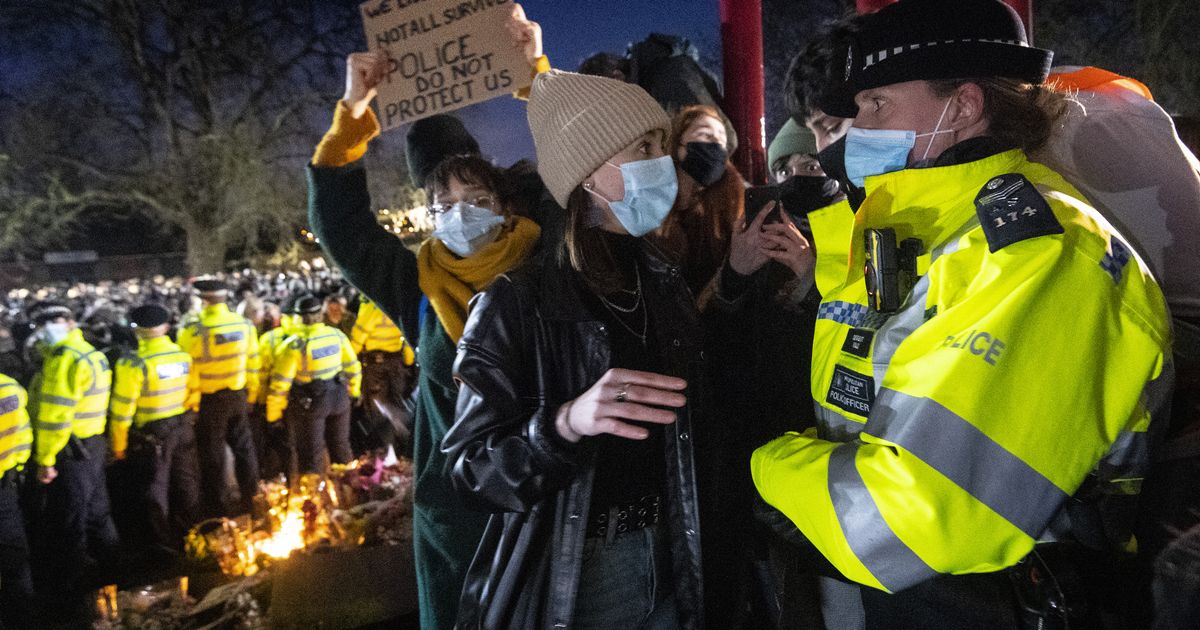
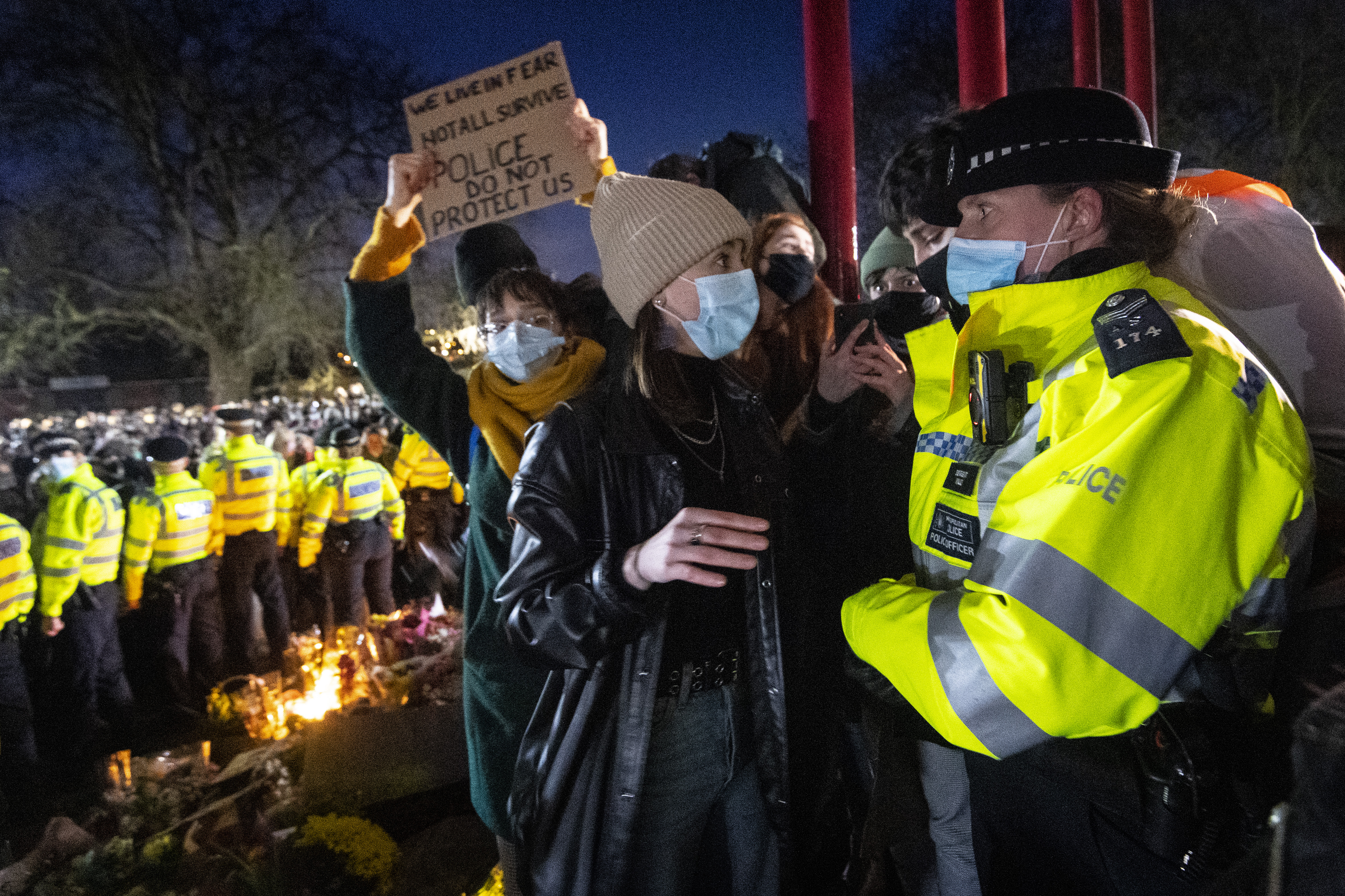
The scenes from Clapham Common on Saturday evening were horrific by anyone’s standards. The sight of Met Police officers trampling flowers lain in remembrance, dragging away and pinning to the floor women attending a vigil would be stomach churning under normal circumstances. But these are not normal circumstances.  

That a vigil held in the wake of the horrific murder of Sarah Everard should descend into such horror, allegedly at the hands of an officer of the same police force, shames us all. But whilst the fallout from this shameful episode and the calls for Cressida Dick’s resignation will ring out clearly in the next few days and weeks, we must organise against the next assault on our liberties.

There is no doubt that Cressida Dick should resign. No justification exists for the scenes on Clapham Common but this will not solve the underlying issue. 

This week the police, crime, sentencing and courts bill come before the House of Commons. This hurried piece of legislation is wide ranging and contains many parts to it which appear fairly benign. Sadly, there are some dangerous aspects to the bill too. At the heart of it lies the dangerous and dark curbs on protest. It is a cruel quirk that commissioner Dick has penned an accompanying statement to the legislation.  

It is why the illusionists in government have been so keen to provoke a culture war. To try to divide those usually opposed to them into opposing camps

One might question why a government riding so high in the polls would seek to further neuter dissenting voices. But after presiding over a response to the Covid pandemic, which has seen us suffer the world’s worst death tolls and amongst the most disastrous financial slumps, they are aware their hold on power is built on sand.

It is why the illusionists in government have been so keen to provoke a culture war. To try to divide those usually opposed to them into opposing camps. Those protesting the brutality that people of colour suffer, or against the destruction of our planet, are branded extremists. 

It is in this framing that the bill, in front of the Commons this week, is presented. In doing so the government are seeking consent from those who may have been conditioned to believe that the aforementioned groups should have draconian measures implemented upon them, whilst hoping they do not realise that the same legislation would have much farther-reaching consequences. What they appear not to have bargained for is something so shocking as Saturday’s events coming before the legislation could pass.

Saturday’s shameful scenes put protesters and the government on a collision course. This time, as ever, it is the protesters who are on the side of the angels

The history of protest is littered with events that have changed history, where people who have demanded change we now see as common, sense they have been demonised for daring to ask. The suffragettes, civil rights movement and trade unionists through the ages have all been forced through fighting for what is right, onto the wrong side of the law. Should the government do so again, protests will not stop – criminalising protest never ends well. 

As a young miner on strike during the 1984-85 dispute I saw first-hand how politically enabled state apparatus could be turned on hardworking communities for opposing the government’s regressive agenda. As a representative of those communities who suffered so much as a result, I will never bow to the authoritarianism embodied by this government. I am very pleased that the Labour frontbench see the dark turn at the heart of this legislation and will be whipping to oppose.

Like those giants who have protested before them, the women mourning Sarah Everard and demanding change will not be cowed into submission by a legal framework intent on silencing them. Saturday’s shameful scenes put protesters and the government on a collision course. This time, as ever, it is the protesters who are on the side of the angels.

Ian Lavery is the Labour MP for Wansbeck and former party chair.

Share Button