What People Get Wrong About Metabolism And Obesity

For decades, a myth dominated the health industry: people who are lean have a “naturally fast metabolism” and people with obesity have a “naturally slow metabolism”.

Since metabolism is your body’s process for converting food to energy, this idea seemed logical and fuelled metabolism-boosting trends.

People did everything from taking stimulant drugs to loading their diet with sardines. (Yes, it’s a thing.) These “quick fixes” promised to trick our bodies into burning calories at a faster rate.

But newer research has shown that while metabolism does impact weight, that alone doesn’t fully explain the rise in obesity.

In fact, a recent Duke University study published in Proceedings of the National Academy of Sciences found that metabolic rates remain pretty stable across populations, which suggests that other factors of modern life are more plausible drivers.

Obesity is more prevalent in developed countries than in less developed nations. Historically, health experts attributed the difference to industrialised populations that are less active and eat more calories.

But the Duke study revealed that physical activity may play less of a role than we thought.

Researchers evaluated the daily calorie burn, body fat percentage and BMI for thousands of people across 34 different countries. The biggest finding was that although there was a small decline in body-size-adjusted total calorie burn in developed countries, it wasn’t enough to explain the rise in body fat.

“When we look at different populations with very, very different lifestyles – for example, pastoralists, who are moving with herds of sheep and camels – they have similar body-size adjusted total energy burn as someone who is living in the U.S. sitting at their desk typing on a computer all day,” said Amanda McGrosky, an evolutionary anthropologist at Elon University and co-author of the study.

The finding aligns with previous research that showed our bodies adjust based on the ways we expend energy to keep our calorie burn at a stable level.

“We do see that people will increase their calorie burn when they start picking up a new exercise regime, and they might lose some weight initially. But over the long term, they tend to plateau,” McGrosky said. This happens because your metabolism becomes more efficient, learning to burn fewer calories to complete the same activities.

Exercise is still critical for overall health. It improves cardiovascular, cognitive and mental health and reduces your risk of chronic diseases. It can also help you maintain your weight and build muscle.

But looking at the obesity crisis that spans across developed nations, lack of exercise doesn’t seem to be a main cause.

“On the broad scale, across individuals in different populations, habitual energy expenditure and human metabolism seem to be fairly constrained within this narrow range that we’re all kind of stuck in,” McGrosky said.

So if energy expenditure and a “lack of metabolism” isn’t the answer, what’s really impacting us? Here are two major factors society tends to dismiss when talking about obesity (spoiler alert: the cards are stacked against us):

Processed food

“The current food environment makes it easy to gain weight, and it makes it hard to lose weight,” said Diane Enos, CEO of the American Society for Metabolic and Bariatric Surgery. “Obesity is a chronic relapsing disease. It’s not a decision by a person.”

Many experts are now focusing on diet patterns and food systems that impact people starting from childhood, especially ultra-processed foods. Kids and teens get 62% of their calories from ultra-processed foods, and for adults, it’s 53%.

Processed foods are more affordable and easier to access for many families.

dowell via Getty Images

Processed foods are more affordable and easier to access for many families.

Experts are concerned about ultra-processed foods because people tend to eat more of these manufactured products – many times because of their availability and affordability. Your body will often end up absorbing more calories than when you eat unprocessed foods. This happens because the structure of food can actually impact digestion.

Most of your digestion happens in the stomach and small intestine, where your body quickly absorbs calories. Some foods, especially minimally processed, fiber-rich and plant-based foods, make it all the way to the large intestine, where gut bacteria take over and start absorbing calories instead.

“It’s not so much that you’re increasing your metabolism; it’s that you’re shifting who’s doing the metabolising,” said Dariush Mozaffarian, director of the Food is Medicine Institute at Tufts University.

For example, raw fruits and vegetables can keep a portion of the calories locked in their cell structure while they pass through the stomach and small intestine. When they reach the large intestine, the gut bacteria break them down and absorb some of the calories instead of the person eating the food.

Ultra-processed foods are often broken down before they reach the gut bacteria in the large intestine, so your body absorbs nearly every calorie. Over time, this makes weight gain more likely.

Think about eating 200 calories of steel-cut oats versus 200 calories of instant oatmeal. With steel-cut oats, the natural structure is still intact, so some starches make it to the gut bacteria, which can help you absorb up to 20% less calories. With the instant oatmeal, the grains have already been broken down before you eat them, so your body absorbs more of the calories.

“Ultra-processed foods loaded with refined grains, starch and sugar also slow metabolism,” Mozaffarian said.

So when it comes to weight management, the challenge and solution likely involve the foods we eat, and while metabolism matters, it isn’t something we can easily overhaul with tricks or fad diets.

“I think people should pay attention to metabolism; try to have more muscle mass, try to eat foods that are going to benefit their metabolism and be digested by their gut microbiome … but they shouldn’t look for a quick fix, like just taking a pill or thinking, ‘I’m going to eat protein and my metabolism is going to change.’ Those are the quick fixes that I think are more harmful than beneficial,” Mozaffarian said.

Public policy

If we know that ultra-processed food is less beneficial and leads to overeating, why do we still have so much of it? As mentioned, for many people, it’s the most accessible option.

“In the U.S., a lot of people in lower socioeconomic groups don’t have easy access to fresh fruits and vegetables,” McGrosky said. “You can go to the store and see how expensive it is to buy fresh foods versus stopping at the corner store, where it’s much easier to grab packaged foods that are less nutrient-rich for the number of calories they provide.”

While that’s the case in developed countries, the situation for those facing poverty in other parts of the world can look very different.

Looking across societies, when there’s a shift from hunting, herding or subsistence farming into market economies, body fat percentages rise. Market economies give people access to mass-produced foods that may trigger increases in obesity.

McGrosky shared that the pastoralist families she works with in Kenya live on very little money, but they don’t eat the packaged meals that are commonly served to low-income families in the U.S. Their staples include a dense cornmeal porridge called ugali and milk from goats and sheep. Meat is rare and considered a luxury.

“I think it’s really a product of your social environment and the types of foods that are accessible to you,” McGrosky said.

“That does correlate with socioeconomic status, but it varies a lot depending on the country and the population … From the policy standpoint, I think it’s really important to ensure that everyone has access to these fresh foods that are not processed, foods that actually occur in nature, because our bodies did not evolve to digest ultra-processed foods.”
Your metabolism and the way you eat and move your body is vital to your health, but it's not exactly the easy answer when it comes to why obesity rates have risen.

Oscar Wong via Getty Images

Your metabolism and the way you eat and move your body is vital to your health, but it’s not exactly the easy answer when it comes to why obesity rates have risen.

When metabolism is the answer to weight gain

Weight is just one measure of health status, and it doesn’t tell the whole story of obesity as a chronic, relapsing disease.

“Even if you lose weight, you still have obesity, you still have a metabolic disorder.” Enos said.

The factors that contribute to it are complex and go beyond food environment and social conditions. A person may also be struggling with genetic factors like an inherited metabolic disorder or hormonal disorders like polycystic ovary syndrome. They may be taking medications that can cause weight gain, like antidepressants or corticosteroids.

Even common conditions like sleep apnoea or chronic stress can disrupt metabolism or increase cortisol production, which can contribute to changes in body composition.

Consider all of those biological factors, and then add in our current food environment and social issues like housing and food insecurity. It’s easy to see why the American Medical Association now views obesity as a disease that requires comprehensive, individualised care.

So, what’s the solution?

About half of all Americans are projected to have obesity by 2030, signalling an urgent need for prevention and destigmatisation. This means reducing bias, shifting focus to overall health and equitable care, and changing the food environment.

“The only way to help people evolve and combat metabolic syndrome and this disease of obesity is to start [from childhood] with easier healthy choices that are affordable, accessible and incentivised over ultra-processed foods,” Enos said. “You can’t put it all on the person if you’re not putting the policies in place to help protect them to begin with.”

Certain initiatives are already in the works. Funded by government grants and nonprofits, farm-to-school programs give children fresh meals, cooking classes and nutrition education. Many schools do not have access to these programs, though, highlighting the need for broader funding and implementation.

At the legislative level, federal and state bills have proposed changes to the labelling and advertising of sugar-sweetened and ultra-processed foods and beverages.

Some localities are adjusting their zoning to restrict fast-food restaurants and incentivise the creation of grocery stores. In terms of food assistance, there are proposed changes to SNAP benefits, and WIC packages were revised last year to encourage families to choose more nutrient-rich foods – but this adjustment isn’t a simple one.

“If people don’t know how to use the produce, or if they don’t have the ability to store it in a safe or healthy way, then it doesn’t do anybody any good,” Enos said. “People think, ‘[Give] them more fresh produce and people will naturally have a better outcome,’ but there’s a system-wide approach that has to be used.”

While many of these large-scale changes will take time, there are slight improvements that can be made in the short term.

“I talk a lot about small steps, not needing people to be perfect,” said Becky Ramsing, senior program officer II at the Johns Hopkins Center for a Livable Future.

Ramsing recommends trying to make easy, low-cost switches, like avoiding sugar-sweetened beverages, buying more frozen fruit and vegetables or choosing whole grains instead of simple carbohydrates.

“People’s food decisions are complex,” Ramsing said. “You have culture, gender, community, family, your food environment, and your own health issues. We have to go deeper than just throwing healthy food in the middle of the community. We need to actually make it affordable and have the education so people can make those choices for their families.”


Share Button

This 2026 Bookish Travel Trend Could Improve Your Mental Health

In all the chaos of the world, isn’t it lovely that reading is becoming cool again? As we reported earlier this year, Google searches for “book club” are at their highest in years, and Eventbrite say the number of book club events on the platform has increased by 350% since 2020.

Now, in their Unpack′26 report, the leading travel experts at Expedia reveal that ‘Readaways’ are surging in popularity ahead of 2026 travel.

Working in collaboration with holiday rental site Vrbo, they found that 91% of travellers admit that for 2026 trips, they’re interested in taking a trip centred around reading, relaxation and quality time with loved ones.

So, what is a ‘Readaway’ really?

So, it’s more than just taking some books abroad which is of course incredibly common. ‘Beach Reads’ are called that for a reason, right?

“It’s not new to take a stack of books on vacation, and that’s not what Readaways are,” says Melanie Fish, VP of Communications at Expedia Group.

“These are restful retreats shared with fellow book-lovers, where the real adventures unfold on the page – from a quiet corner in a cozy library, a porch swing, or a pool lounger.”

Reading on a porch swing while sipping a coffee and enjoying the outdoors in comfort? Isn’t that literally the dream?

It isn’t always quite countryside trips, either

Ben McLeod, General Manager at hotel The Social Hub in Glasgow says: “I always ask people why they’re visiting, and more and more I hear that they just want to get away from it all and get lost in a book or two. People are really looking for ways to switch off and step away from their phones.

“Traditionally, you might think people would head to the countryside to read, but while our lobby is busy and there’s always loads of different things happening, I’m always struck by how many guests I see immersed in a book. There’s something special about slowing down in the middle of a busy city.”

Reading is also great for your mental health

If, like me, you are one of the 25% of people in the UK that live with mental health issues, a trip like this may be exactly what you need for a little relief. Studies have indicated that reading can enhance social, mental, emotional and psychological wellbeing.

It also increases resilience and wellbeing for older people, so much so that the Mental Health Foundation recommends reading books and playing musical instruments as a way to preserve mental health in old age.

I will be BOOKing (get it) my own trip very soon.

Share Button

Scientists reverse kidney damage in mice, hope for humans next

Serious injury to short-term kidney function, known as acute kidney injury (AKI), can be life-threatening and also raise the likelihood of developing permanent chronic kidney disease. AKI can occur after major stressors such as sepsis or heart surgery, and more than half of all intensive care patients experience it. No approved medications currently exist to treat this condition.

Researchers at University of Utah Health (U of U Health) have discovered that fatty molecules called ceramides initiate AKI by damaging the mitochondria that supply energy to kidney cells. By using a backup drug candidate designed to alter how ceramides are processed, the team protected mitochondrial structure and prevented kidney injury in mice.

“We completely reversed the pathology of acute kidney injury by inactivating ceramides,” says Scott Summers, PhD, distinguished professor and Chair of the Department of Nutrition and Integrative Physiology in the University of Utah College of Health and senior author on the study. “We were stunned — not only did kidney function stay normal, but the mitochondria were unscathed,” Summers says. “It was truly remarkable.”

The results are published in Cell Metabolism.

Ceramide spikes may serve as an early warning

Earlier studies from the Summers lab showed that ceramides can harm organs such as the heart and liver. When the researchers measured ceramides in AKI models, they found a strong connection: levels rose sharply after injury in both mice and in human urine samples.

“Ceramide levels are very elevated in kidney injury,” says Rebekah Nicholson, PhD, first author on the work, who completed the research as a graduate student in nutrition and integrative physiology at U of U Health and is now a postdoctoral fellow at the Arc Institute. “They go up quickly after damage to the kidneys, and they go up in relation to the severity of the injury. The worse the kidney injury is, the higher the ceramide levels will be.”

These findings indicate that urinary ceramides could act as an early biomarker for AKI, giving clinicians a tool to identify vulnerable patients, including those preparing for heart surgery, before symptoms begin. “If patients are undergoing a procedure that we know puts them at high risk of AKI, then we can better predict whether or not they’re actually going to have one,” Nicholson says.

Altering ceramide production protects kidney function

The team nearly eliminated kidney injury in a mouse model by modifying the genetic program that controls ceramide production. This change produced “super mice” that did not develop AKI even under conditions that typically cause severe damage.

The researchers then tested a ceramide-lowering drug candidate created by Centaurus Therapeutics, a company co-founded by Summers. Mice treated ahead of time avoided kidney injury, maintained normal kidney function, remained active, and had kidneys that appeared close to normal under the microscope. Nicholson notes that their model places extreme stress on the kidneys, making it “really remarkable that mice were protected from the injury.”

“These mice looked incredible,” Summers adds.

The team found that ceramides harm mitochondria, the parts of the cell responsible for energy production. Damaged mitochondria in kidney cells become distorted and function poorly. Adjusting ceramide production, whether genetically or with the drug, kept mitochondria intact and working even under strain.

Potential for future therapies targeting mitochondrial health

Summers explains that the compound used in this study is closely related to, but not identical to, the ceramide-lowering drug that has entered human clinical testing. He emphasizes that mouse results do not always predict human outcomes and that further research is needed to confirm safety.

“We’re thrilled by how protective this backup compound was, but it’s still preclinical,” Summers says. “We need to be cautious and do our due diligence to make sure this approach is truly safe before moving it into patients.”

Even so, the researchers are encouraged by the findings. If the results extend to people, the drug could potentially be administered ahead of time to individuals who face a high risk of AKI, including patients undergoing heart surgery, where about one quarter experience the condition.

Because the drug appears to work by maintaining mitochondrial health, the team believes that the approach may have relevance for other disorders linked to mitochondrial dysfunction.

“Mitochondrial problems show up in so many diseases — heart failure, diabetes, fatty liver disease,” Summers says. “So if we can truly restore mitochondrial health, the implications could be enormous.”

The results are published in Cell Metabolism as “Therapeutic Remodeling of the Ceramide Backbone Prevents Kidney Injury.”

Funding and disclosures

This work was supported by a NCRR Shared Instrument Grant, the Kidney Precision Medicine Project, and several branches of the National Institutes of Health, including the National Cancer Institute (P30CA042014, CA272529), the National Institute of Diabetes and Digestive and Kidney Diseases (DK115824, DK116888, DK116450, DK130296, DK108833, DK112826, 1F31DK134088 and 5T32DK091317), and the National Institute of General Medical Sciences (3R35GM131854 and 3R35GM131854-04S1). Additional support came from the Juvenile Diabetes Research Foundation (JDRF 3-SRA-2019-768-A-B and JDRF 3-SRA-2019-768-A-B to WLH), the Burroughs Wellcome Fund Postdoctoral Diversity Enrichment Program (1058616), the American Diabetes Association, the American Heart Association, the Margolis Foundation, and the University of Utah Diabetes and Metabolism Research Center. The authors state that the content is their responsibility and does not necessarily reflect the views of the National Institutes of Health.

Scott Summers and Jeremy Blitzer are co-founders and shareholders of Centaurus Therapeutics. Liping Wang is also a shareholder. DN and Blitzer are listed as inventors on US Patents 1177684, 11597715, and 11135207 licensed to Centaurus Therapeutics, Inc.

Share Button

Doctor strike inflicting pain and misery on patients, says health secretary

Health Secretary Wes Streeting says the five-day strike by resident doctors is “completely irresponsible”.

Share Button

Science finally solves a 700-year-old royal murder

An international team led by Hungarian scholars has successfully confirmed that skeletal remains discovered in Budapest belong to Duke Béla, the Ban of Macsó, who descended from both the Árpád and Rurik dynasties. This finding resolves a long-standing archaeological mystery that has lingered for more than a century.

The project was organized by Tamás Hajdu (Department of Anthropology, Faculty of Sciences, Eötvös Loránd University (ELTE TTK)), with genetic analyses conducted by Anna Szécsényi-Nagy and Noémi Borbély of the Institute of Archaeogenomics, ELTE RCH. Their work demonstrates how historical accounts can be validated and violent deaths reconstructed in remarkable detail when the humanities and natural sciences collaborate. The study has been published in Forensic Science International: Genetics.

Early Discoveries on Margaret Island

The story began in 1915, when archaeologists excavating the Dominican monastery on Margaret Island (Budapest) uncovered the bones of a young man in the sacristy. Based on the burial context, period sources, and the evidence of trauma on the skeleton, researchers at the time suggested that the remains belonged to Béla Duke of Macsó, a member of the House of Árpád. Béla of Macsó (born after 1243 — died: November 1272) was the grandson of King Béla IV on his mother’s side, while his father’s lineage traced back to the Rurik dynasty of northern, Scandinavian origin, which produced numerous Grand Dukes of Kiev from the 9th century onward. According to 13th-century Austrian chronicles, Duke Béla was assassinated in November 1272 by Ban Henrik “Kőszegi” of the Héder family and his associates. Contemporary stories describe how his mutilated body was collected by Margit (his sister) and Erzsébet (his niece) and buried at the Dominican monastery.

Lost Bones and a 20th-Century Disappearance

After the excavation, the remains were sent to Lajos Bartucz at the Institute of Anthropology of the Budapest University (now: Department of Anthropology, ELTE TTK) for bioanthropological study. Bartucz documented 23 sword cuts across the skeleton, along with multiple fatal skull injuries. He concluded that the duke had been attacked by several individuals simultaneously and had even been struck while lying on the ground. Bartucz mentioned the bones publicly in 1936 and published a photograph of the skull in 1938. After that, all references to the remains disappeared, and many experts believed they had been lost during the Second World War. Unexpectedly, in 2018 the postcranial bones were rediscovered in a wooden box stored among tens of thousands of specimens in the Anthropology Collection of the Hungarian Museum of Natural History, while the skull continued to be curated in the Aurél Török Collection at ELTE.

Reopening the Case With Modern Science

In 2018, a new international research consortium was formed under the leadership of Tamás Hajdu (Department of Biological Anthropology, ELTE TTK). The group included anthropologists, geneticists, an archaeologist, an archaeobotanist, stable isotope specialists, radiocarbon experts, and dentists. Their objective was to verify the identity of the remains using modern forensic and bioarchaeological methods and to reconstruct as fully as possible the life and death of the duke.

The find holds exceptional historical value. Besides King Béla III, Béla of Macsó is the only confirmed member of the House of Árpád whose nearly complete skeleton is still preserved. This provides rare insight into both the genetic heritage of the Árpád dynasty and the Rurik line. Researchers from Vienna, Bologna, Helsinki, Harvard University, and multiple Hungarian institutions participated in the project.

Biological Profile and Diet Insights

Anthropological analysis showed that the man buried beneath the monastery floor on Margaret Island was in his early twenties. Radiocarbon dating was performed by two laboratories to ensure accuracy after early 14C measurements suggested a date slightly earlier than expected (second half of the 13th century). Additional tests by the Nuclear Research Institute (Debrecen) revealed that the unexpectedly early date was caused by dietary habits. The individual had consumed high amounts of animal protein, including fish and possibly shellfish that fed on ancient carbon sources, creating a known “reservoir” effect in the bones.

The team also examined dental calculus to further reconstruct his diet. More than a thousand microfossils were recovered from the tartar. Starch grains from wheat and barley, along with clear signs of milling, cooking, and baking, indicated that his meals included cooked wheat semolina and baked wheat bread.

Strontium isotope analysis, which helps determine where a person lived during different stages of life, showed that the individual did not grow up in the same place where he was buried. His early childhood isotope signatures match those found in the region of Vukovar and Syrmia (now part of Croatia and Serbia; earlier this region was a part of the Macso Banat of the Medieval Kingdom of Hungary), as well as other parts of the Carpathian Basin. Later in childhood he moved to a different area, possibly near modern Budapest.

Genetic Evidence Links the Skeleton to Royal Lineages

The final confirmation of identity was carried out at the Institute of Archaeogenomics of ELTE RCH by Anna Szécsényi-Nagy and Noémi Borbély. Multiple lines of genetic evidence supported the genealogical connections described in historical documents. The results show that Béla of Macsó was the great-grandson (fourth-degree descendant) of King Béla III, and his genetic distance to Saint Ladislaus fits this expected lineage pattern.

Genome-wide analysis revealed that the duke had a strong Scandinavian genetic component (almost half), significant Eastern Mediterranean ancestry, and a smaller early medieval Central European component. The Scandinavian contribution supports his descent from the Rurik dynasty, while the Eastern Mediterranean component may correspond to his maternal grandmother, Maria Laskarina, a member of the Byzantine imperial family and wife of Béla IV. Y-chromosome results also confirm the historically documented Rurik paternal line. A 2023 Russian archaeogenomic study showed that a 13th-century Rurikid (Dmitry Alexandrovich) belonged to the same paternal lineage, which can be traced back to Yaroslav I (Yaroslav Vladimirovich, also known as Yaroslav the Wise). Genetic data from present-day Rurikid descendants further reinforces this connection.

Reconstructing a Coordinated and Brutal Assassination

To understand how Béla died and to compare the evidence with medieval accounts, the team conducted a detailed forensic anthropological investigation. The analysis documented 26 perimortem injuries, including nine to the skull and 17 to the rest of the body, all inflicted during a single violent attack. The pattern of wounds suggests that three assailants took part: one confronted him from the front while the others struck from the left and right.

The wounds show that Béla recognized the attack and tried to defend himself. Two types of weapons were likely used, probably a sabre and a longsword. The depth and clarity of the cuts indicate that he wore no armor when he was killed. The reconstructed sequence of violence begins with strikes to the head and upper body, followed by severe defensive injuries as he attempted to block further blows. He was ultimately incapacitated by strikes from the side, and once he fell to the ground, the attackers delivered fatal blows to his head and face. The number and intensity of these injuries point to strong emotional motivation (e.g. sudden anger, hatred), while the coordinated nature of the attack suggests planning. Although Duke Béla’s assassination in November 1272 appears to have been partly or wholly premeditated, the manner of the killing indicates that it was not carried out calmly.

Researchers and institutions participating in the research project:

  • Tamás Hajdu coordinator of the project, first author: Department of Biological Anthropology at ELTE, Budapest and Centre for Applied Bioanthropology, Institute for Anthropological Research, Zagreb, Croatia
  • Noémi Borbély, corresponding author: Institute of Archaeogenomics, ELTE RCH, Budapest and Doctoral School of Biology at ELTE
  • Zsolt Bernert and Ágota Buzár: Hungarian Natural History Museum, Budapest
  • Tamás Szeniczey: Department of Biological Anthropology at ELTE, Budapest
  • István Major, Mihály Molnár, Anikó Horváth, László Palcsu and Zsuzsa Lisztes-Szabó: Isotope Climatology and Environmental Research Centre, HUN-REN Institute for Nuclear Research, Debrecen
  • Zsuzsa Lisztes-Szabó: Department of Botany, Faculty of Science and Technology, University of Debrecen, Debrecen
  • Claudio Cavazzuti: Department of History and Culture, Alma Mater Studiorum, University of Bologna, Bologna, Italy
  • Barna Árpád Kelentey and János Angyal: Faculty of Dentistry, University of Debrecen, Debrecen
  • Balázs Gusztáv Mende and Kristóf Jakab: Institute of Archaeogenomics, ELTE RCH, Budapest
  • Takács Ágoston: Medieval Department, Castle Museum — Budapest History Museum, Budapest
  • Olivia Cheronet and Ron Pinhasi: Department of Evolutionary Anthropology, University of Vienna, Vienna, Austria.
  • David Emil Reich: Department of Genetics, Harvard Medical School, Boston, USA, Department of Human Evolutionary Biology, Harvard University, Cambridge, USA, Broad Institute of MIT and Harvard, Cambridge, USA és Howard Hughes Medical Institute, Boston, USA
  • Martin Trautmann, correspondig author: Department of Cultures/Archaeology, University of Helsinki, Helsinki, Finland és A und O — Anthropologie und Osteoarchäologie Praxis für Bioarchäologie, München
  • Anna Szécsényi-Nagy, last author: Institute of Archaeogenomics, ELTE RCH, Budapest
Share Button

Hypersonic breakthrough could enable planes that fly 10 times the speed of sound

If it ever becomes achievable, hypersonic flight could dramatically reshape international travel. What currently requires an entire day could become a short trip lasting no more than a feature length movie. A route such as Sydney to Los Angeles, which now takes about 15 hours, might be reduced to only one hour.

“It really shrinks the planet,” says Professor Nicholaus Parziale, whose work centers on turning hypersonic travel from aspiration into reality. Parziale recently received the Presidential Early Career Award for Scientists and Engineers in recognition of his research into fluid mechanics at extreme speeds. “It will make travel faster, easier and more enjoyable.”

The Challenges of Flying at Mach 10

Covering half the world in just one hour may seem impossible, yet the technology is not as far away as it appears. Some military aircraft already reach speeds of Mach 2 or Mach 3, which means two or three times the speed of sound. Mach 1 equals about 760 miles per hour. To travel from Los Angeles to Sydney in sixty minutes, an aircraft would need to reach Mach 10. The major obstacles are the extraordinary turbulence and heat produced during flight at these extreme speeds.

There is a fundamental difference between how air behaves around an aircraft at lower speeds and how it behaves at higher speeds. Engineers describe these conditions as incompressible flow and compressible flow. In incompressible flow, which occurs at lower speeds (below about Mach 0.3 or 225 miles per hour), the density of the air stays nearly the same. This consistency simplifies aeronautical design. Once an aircraft moves faster than the speed of sound, the airflow becomes compressible instead. “That’s because a gas can ‘squish,'” Parziale explains, meaning it can compress.

Why Airflow Behavior Matters for Hypersonic Design

When air compresses, its density changes in response to variations in both pressure and temperature. These shifts influence how an aircraft interacts with the air around it. “Compressibility affects how the airflow goes around the body and that can change things like lift, drag, and thrust required to take off or stay airborne.” All of these factors play a major role in aircraft design.

Engineers already understand airflow fairly well for aircraft that fly below or near the speed of sound, a range called “low Mach” numbers. Creating hypersonic aircraft requires a much deeper understanding of how air behaves at Mach 5, Mach 6, or even Mach 10. Much of that behavior is still uncertain, except for guidance provided by Morkovin’s hypothesis.

Morkovin’s Hypothesis and the Mystery of Hypersonic Turbulence

Developed by Mark Morkovin in the mid 20th century, the hypothesis proposes that when air moves around Mach 5 or Mach 6, the fundamental nature of turbulence remains surprisingly similar to turbulence at lower speeds. Although high-speed airflow involves larger shifts in temperature and density, Morkovin suggested that the general pattern of turbulent motion stays mostly consistent. “Basically, the Morkovin’s hypothesis means that the way the turbulent air moves at low and high speeds isn’t that different,” Parziale says. “If the hypothesis is correct, it means that we don’t need a whole new way to understand turbulence at these higher speeds. We can use the same concepts we use for the slower flows.” This also suggests that future hypersonic aircraft may not require a completely different design philosophy.

Despite its importance, the hypothesis has lacked solid experimental validation. That gap led to Parziale’s recent research, described in his study Hypersonic Turbulent Quantities in Support of Morkovin’s Hypothesis, published in Nature Communications on November 12, 2025.

A Laser and Krypton Experiment Eleven Years in the Making

In the study, Parziale’s team introduced krypton gas into a wind tunnel and used lasers to ionize it. This process briefly created a straight, glowing line formed by the krypton atoms. High-resolution cameras then captured how this illuminated line bent, twisted, and distorted as it moved through the airflow, similar to how a leaf drifts and spins within small swirling currents in a river.”As that line moves with the gas, you can see crinkles and structure in the flow, and from that, we can learn a lot about turbulence,” Parziale says. He notes that developing the experimental setup required 11 years of effort. “And what we found was that at Mach 6, the turbulence behavior is pretty close to the incompressible flow.”

Parziale’s group received early support from the Air Force Office of Scientific Research Young Investigator Research Program (YIP) in 2016 and from the Office of Naval Research (ONR) YIP in 2020, with the latest work also funded by ONR.

What the Findings Mean for Future Flight and Space Access

While Morkovin’s hypothesis is not yet completely proven, the new results move scientists closer to understanding how to design aircraft that can withstand hypersonic speeds. The findings indicate that engineers may not need to reinvent the fundamental approach to aircraft design for these extreme conditions, which simplifies the challenge significantly.

“Today, we must use computers to design an airplane, and the computational resources to design a plane that will fly at Mach 6, simulating all the tiny, fine, little details would be impossible,” Parziale explains. “The Morkovin’s hypothesis allows us to make simplifying assumptions so that the computational demands to design hypersonic vehicles can become more doable.”

Parziale adds that the same principles could transform future access to space. “If we can build planes that fly at hypersonic speed, we can also fly them into space, rather than launching rockets, which would make transportation to and from low Earth orbit easier,” he says. “It will be a game-changer for transportation not only on earth, but also in low orbit.”

Share Button

Scottish abortion law ‘not fit for purpose’, says expert group

Currently, an abortion is only legal before 24 weeks when two doctors agree that certain grounds have been met.

Share Button

I Went Public About My Struggles With Diarrhoea. The Response Was Overwhelming.

My heart jumped, then thudded, as I faced my fears and the door to Room 207 at Los Altos High School. In three minutes, I would walk in, proceed to the head of the class, listen to teacher Cathy Dao recite my bio to roughly 30 10th graders — and then I would say “diarrhoea” out loud for the first time in my life to an in-person public audience.

It was 2024, and I was at the school to discuss a piece of mine that HuffPost published nearly three years earlier, “Here’s What I Want You to Know About Having Diarrhoea While Out in Public.” The essay addresses bathroom urgency, a condition millions of people experience, some for a limited time and others to varying degrees for the rest of their lives. Because I have Crohn’s disease, I’ve been dealing with it on and off for decades.

Bathroom urgency can affect people with other chronic medical conditions, too, including those with urinary incontinence or paruresis (shy-bladder syndrome); people with ostomy bags; and people on certain medications, say for cancer, weight loss or iron deficiency. But it also can strike delivery folks, mail carriers and other people who don’t work in a building with restrooms nearby, runners, young children and the elderly, and people without homes. Essentially, at some point, there’s a good chance that everyone will require a public restroom because of an urgent need to go, and my essay laid out the need for more easily accessible facilities.

The HuffPost Personal editor had liked my article straightaway — I was the one who put the brakes on publishing it. Several weeks before it was slated to go up on the site, I emailed him, “I’m scared to have this piece published — wondering if I’ll have the nerve to post on social media.” The thought of appearing before such a large and public audience as someone who experiences diarrhoea was terrifying, especially because so few people talk openly about it. However, that was all the more reason to move forward. I slept on it, and then nervously gave my editor the go-ahead.

Across social media platforms, the feedback was mostly positive. One person wrote about waiting for this article for their entire life. A few people were not supportive, writing comments such as, “This article is disgusting.” Hearing something like that can stick with a recovering people-pleaser.

Ultimately, I was happy I’d written the essay — and was happy I was going to be talking about it at the high school. Thanks to an invitation from the school librarian, Gordon Jack, to participate in the school’s annual Writers Week, I had first discussed my writing with students there six years prior.

Five days before my talk, I emailed Ms. Dao, whom I’d gotten to know over the years. “Curious how my article was rec’d by your students, and/or if you have any suggestions re: approach?”

Ms. Dao assured me that she’d told her first period class I had never spoken these words to a non-Crohn’s audience, and that she was confident they would be mature, but I was still anxious. Telling the truth meant risking ridicule, rejection and/or embarrassment — especially in front of high school students. That said, I also knew that if I didn’t start telling my truth, it might not make it out into the world.

Standing before the classroom door, I summoned my purpose: to raise awareness and to ease at least one other person’s way… even if I did not know how much it would ease mine.

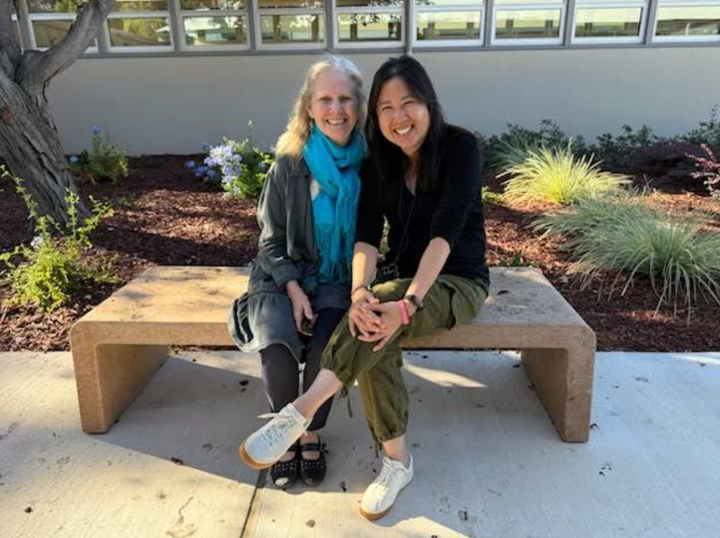
"Sometimes it takes a teacher — and her class." (The author, left, with Cathy Dao).

Courtesy of Perla Luna

“Sometimes it takes a teacher — and her class.” (The author, left, with Cathy Dao).

Clutching my marked-up essay in one hand, and reaching for the doorknob with the other, I headed into that high school classroom… and my deepening vulnerability.

I’d had a carefree childhood in a close-knit seaside town, just riding the waves and my Schwinn — until I began to feel ill weeks before I entered 9th grade and 19 years before the Americans with Disabilities Act.

After 18 months of watching and listening to the swirling white coats from my exam table perch, I finally got a diagnosis: Crohn’s disease, one of the two main forms of inflammatory bowel disease (IBD), along with ulcerative colitis (UC).

One afternoon in the waiting room of my new gastroenterologist, I grabbed a brochure for a camp for kids with Crohn’s. I thought if I went, maybe I could make even one friend who got this disease without me trying to get them to get it. I excitedly flapped the brochure in my mom’s direction on the drive home.

“Can I go to this camp for kids with Crohn’s?” I asked.

My mom had doggedly pursued a diagnosis for me. She sat up at night worrying about me, stuffed enemas up my back side, cleaned up my vomit and diarrhoea, and watched “The Mary Tyler Moore Show” with me rather than socialising on Saturday nights. She showed up for me in every way she could, but she just couldn’t bring herself to actually talk about what was really going on. Like most of us, she was a product of her time and upbringing. I loved her more than anything — she just didn’t understand where my desire to go to the camp was coming from.

“No,” she answered. “We’re not going to focus on that.”

And so we didn’t. We talked about my disease as little as possible.

I learned my lesson: Never show my stripes in public. I was also a teenager, and I wanted to fit in, so I hid my shameful secret as best I could — even from myself. Advocating for people with invisible disabilities never crossed my mind at that time.

Decades later, in 2016, I heard a news commentator mention a survey about the easiest way to get out of work.

Tell them you’re having digestive problems, she said, because no one wants to talk about them, and you won’t be asked any questions.

She and her cozy colleagues all laughed.

But this is no joke.

“Some patients with severe ulcerative colitis flare-ups may need to use the bathroom more than 10 times a day,” Crohn’s & Colitis Foundation Chief Scientific Officer Alan Moss, MD, wrote in an email. “This frequency makes it very hard to leave their homes.”

So UC, as well as a variety of other medical conditions, can sometimes cause people to become virtual prisoners in their homes — if they have them.

Those same conditions can cause people without homes to go through periods of routinely scrambling to find a bathroom quickly, if they find one at all, on top of their other day-to-day challenges.

Tragically, in 2019, a 10-year-old Kentucky boy died by suicide after being bullied about his colostomy bag, which resulted from a bowel condition he’d had since birth. For a variety of complicated reasons that may include bidirectionality as well as bathroom-use embarrassment, people with IBD may also experience depression as well as suicide attempts and death, as can those with IBS and other chronic diseases.

After four decades or so with Crohn’s, I was extremely weary — from finding bathrooms while out in the world, from the vomiting, diarrhoea and acute pain that occurred separately or simultaneously, from feeling invisible, from pretending, from searching for words to convey one of the fundamental stories of my life — all of which I only realised after talking to my therapist.

She was the first person I ever told about my nights in high school when I experienced the howling pain, about how I would writhe on the bathmat behind closed doors and never wake my parents, and only the second person I ever told about a particularly awful bathroom accident in college. Shortly thereafter, I told my husband of 30+ years about both. I never did tell my parents.

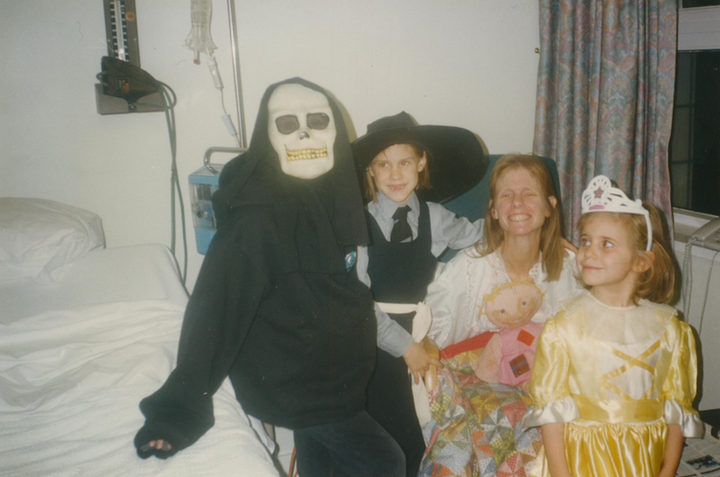
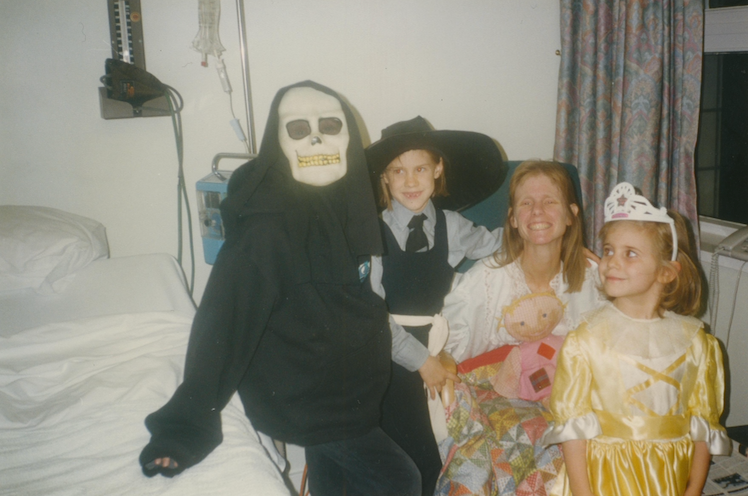
The author's three children visit her on Halloween while she recovered from another Crohn's-related bowel resection.

Courtesy of Kirk Davis

The author’s three children visit her on Halloween while she recovered from another Crohn’s-related bowel resection.

I made a video about my Crohn’s for our church.

“What you see isn’t my story,” I said, “and isn’t that true of all of us?”

I also helped organise an invisible disabilities week at church, including a Zoom panel in which I participated. I spoke on another invisible-disabilities panel, again comforted by the barrier my computer screen provided.

In 2020, chained to my desk during lockdown and wanting to give others the voice I couldn’t find for so many years, I co-founded the Disability at Stanford Oral History Project for people in the Stanford community with disabilities. Individuals — including me — were interviewed about their experiences for two to four hours.

Little by little, I was coming out of myself and sharing my stories with more and more people. Publishing my essay on HuffPost exposed me in an entirely new way.

“Thank you for sharing your personal story. It helped me to know that for the last 35 to 40 years, I have not been alone,” wrote one reader.

Another commented, “For every sufferer who happens to stumble on this courageous piece, there are many others who won’t. I hope it goes viral for all of us.”

One reader confessed, “I’m so glad I did read it, and feel like a jerk for my snarky thoughts.”

A paediatric health psychologist shared, “I work with youth with chronic digestive conditions, and having this out there in such a public forum is huge in breaking down stigma and shame … felt by so many kids…”

Hundreds of thousands of people read my piece. I was overwhelmed by the response.

A few people who read my article pointedly challenged me about whether I wear protective underwear, which made me realise I’d lived inside myself for so long that I hadn’t considered writing about how I can go a few years without having an accident while out and about.

Their questions prompted further self-examination, and I’m happy to share more about what my life currently looks like with Crohn’s.

I take most of my thrice-weekly walks in city parks and on school campuses that I’m familiar with so I can quickly locate one of their numerous, fairly clean bathrooms. If I walk on trails or at the beach, I might take an Imodium before departing, which I also do when I travel. I know I can access bathroom-finder apps such as “We Can’t Wait” or “Flush,” among others, and I continue to always carry a change of clothes with me. I take two fibre pills daily, and follow my gluten- and dairy-free diet (most of the time). All of this helps me feel better and gives me more confidence to venture out.

My situation can still turn on a dime. That’s part of having a chronic illness like mine. That said, I have not had a single accident related to bathroom urgency outside my home since my HuffPost essay was published in 2021.

We’ve learned more since then.

Seven weeks after my article appeared, Rebecca Kaplan, then-associate director of marketing & communications at The Crohn’s & Colitis Foundation, reported to me that the Foundation had seen a recent uptick in requests for their “I Can’t Wait” card, which people with IBD can show proprietors or those at the front of a public bathroom line to prove they have to get to a stall immediately.

By downloading the free "We Can’t Wait" restroom finder app, anyone — whether a Crohn's & Colitis Foundation member or not — can access a digital “I Can’t Wait” bathroom-access card. The Foundation provides a physical card for those who become a member, and non-members who also need a hard-copy card can now request one from the Foundation's Help Center at 1-888-MY-GUT-PAIN or 1-888-694-8872. The Color of Gastrointestinal Illnesses (COGI), United Ostomy Associations of America (UOAA), and other organizations also offer restroom-access cards.

Courtesy of United Ostomy Associations of America

By downloading the free “We Can’t Wait” restroom finder app, anyone — whether a Crohn’s & Colitis Foundation member or not — can access a digital “I Can’t Wait” bathroom-access card. The Foundation provides a physical card for those who become a member, and non-members who also need a hard-copy card can now request one from the Foundation’s Help Center at 1-888-MY-GUT-PAIN or 1-888-694-8872. The Color of Gastrointestinal Illnesses (COGI), United Ostomy Associations of America (UOAA), and other organizations also offer restroom-access cards.

Thanks to COVID-era discussions, the 2023 coverage of a Delta passenger who had diarrhoea in their seat (I cannot imagine), the side effects of new medications like Ozempic, and a social media trend intent on normalising stomach and bowel concerns, diarrhoea-related internet searches jumped by about 40% from 2018 to 2023.

The Portland Airport has opened single-occupancy, all-gender (SOAG) restrooms that are inclusive, accessible and touchless. Earlier this year, New York City’s Public Restroom Act was signed, and the bipartisan Trucker Bathroom Access Act was reintroduced in Congress. If we can’t bond over our shared bathroom needs, what can we bond over?

But there’s still a lot of work to do.

We need more, cleaner, safer public restrooms and a whole lot more compassion. And we need to have more conversations about bathroom urgency, why it happens, and how we can help one another.

That’s why, as scary as it was to meet that group of high schoolers face to face, I showed up and discussed my essay with them. Unbeknownst to me, Ms. Dao had asked a student from another one of her classes to attend my talk. During the Q&A, that student revealed we share the same disease.

“It was a good feeling to listen to someone who has that common experience,” they told me later, adding that they’d never met anyone else with Crohn’s. Maybe they saw their 15-year-old self in my six-decades-and-counting self. I definitely saw my 10th grade self in them.

May we all be as respectful to one another as Ms. Dao and her 10th graders were to me. Though I still prefer the page to the podium, Ms. Dao and her students helped me feel safer and better about speaking up and out. And here I thought I was there to teach the kids!

This year I returned to Los Altos High School to talk about my article again, only this time I had far less fear. I’ll be back again next year if they’ll have me.

Change — for me and for our society — is slow. But I can see it.

And this is how it happens: one word, one step, one stall at a time.

Alison Carpenter Davis, a former Outside magazine managing editor, has written about life with Crohn’s for HuffPost and the International Herald Tribune, and is at work on a memoir. Look for her interviews for I’m Still Rolling, as well as the Disability at Stanford Oral History Project, a project she co-founded and for which she received the 2024 Susan W. Schofield Award. She’s written on a variety of topics for the Chicago Tribune, The Des Moines Register, The Independent, and the International Herald Tribune, among others. Her book Letters Home from Stanford was released in paperback last year. You can contact her here.

To learn how to advocate for the Restroom Access Act, also called Ally’s Law, go here. To ask for a restroom-access form or wallet i.d. card, contact your health-care provider, the appropriate nonprofit organisation related to your medical condition, or your state health department, which may provide a downloadable form similar to California’s health department.

If you or someone you know needs help with mental health issues, call or text 988 or chat 988lifeline.org for support. Additionally, you can find local mental health and crisis resources at dontcallthepolice.com. Outside of the U.S., please visit the International Association for Suicide Prevention.

Do you have a compelling personal story you’d like to see published on HuffPost? Find out what we’re looking for here and send us a pitch at pitch@huffpost.com.

Share Button

Wellbeing support for terminally-ill islanders

A hospice offers a free programme for those with life-limiting or serious progressive illnesses.

Share Button

Wes Streeting Insists He Is Happy As Health Secretary – But Adds A Cheeky Afterthought

Wes Streeting brushed off suggestions he wanted to oust Keir Starmer as prime minister today when speaking to LBC – but added in a quick quip while he was at it.

It comes after multiple reports citing senior Labour sources claimed this week that the health secretary was thought to be on manoeuvres and looking to oust the prime minister – while No.10 officials insisted Starmer would not be going anywhere anytime soon.

Streeting instantly denied the reports, accusing senior figures of trying to “kneecap” him and claimed there was a “toxic culture” within No.10.

Starmer later apologised to his cabinet minister over the phone, and insisted he has never authorised any attacks on his ministers.

Speaking on an LBC phone-in on Friday morning, the health secretary seemed to suggest everything was well between him and his boss.

He claimed he and Starmer are still in the “same boat” over the leadership row, joking: “The season finale of the Traitors is over.

“I think the prime minister and I are both in the same boat here of being extremely frustrated because this is a total distraction.”

Streeting also said he had confidence in Starmer’s chief of staff Morgan McSweeney, who has been criticised amid the row.

When asked if he wanted to be prime minister “one day”, Streeting said: “I’m very happy to be doing the job I’m currently doing.”

LBC presenter Nick Ferrari then pointed to a clip from 2018 when Streeting – then a backbencher – predicted that he would be prime minister within a decade.

He smiled, and replied: “It will be my sense of humour that will ultimately do for me one day.

“But If you don’t back yourself, who will? That’s my advice to the kids in my constituency.”

Streeting also spoke out about the way the union jack has become a source of tension in the UK.

“We normally fly our flag in moments of national celebration,” he said, adding that he was “proud” of it.

“It does get hijacked by racists from time to time and I think our response to that should be to reclaim it,” he continued.

“I think we’ve got a level of racism, overt racism, in this country, a kind we haven’t seen for years.

“I’ve been an elected councillor or MP for the last 15 years. I have not had racism come up in my constituency as often as it has in recent weeks.

“People not just saying, ‘I’m really worried about racism,’ people describing being abused, spat at, shoved, giving racist abuse.

“I think we’ve got a sort of 70s, 80s, style racism which has emerged and we’ve got to put it back in its box.

“The government’s got a role to play, but all of us have got a role to play.”

Share Button