Sound of traffic increases stress and anxiety, study finds

Manmade sounds such vehicle traffic can mask the positive impact of nature soundscapes on people’s stress and anxiety, according to a new study published November 27, 2024, in the open-access journal PLOS ONE by Paul Lintott of the University of the West of England, U.K., and Lia Gilmour of the Bat Conservation Trust, U.K.

Existing research shows that natural sounds, like birdsong, can lower blood pressure, heart, and respiratory rates, as well as self-reported stress and anxiety. Conversely, anthropogenic soundscapes, like traffic or aircraft noise, are hypothesized to have negative effects on human health and wellbeing in a variety of ways.

In the new study, 68 student volunteers listened to three 3-minute soundscapes: a nature soundscape recorded at sunrise in West Sussex, U.K., the same soundscape combined with 20 mile per hour road traffic sounds, and the same soundscape with 40 mile per hour traffic sounds. General mood and anxiety were assessed before and after the soundscapes using self-reported scales.

The study found that listening to a natural soundscape reduced self-reported stress and anxiety levels, and also enhanced mood recovery after a stressor. However, the benefits of improved mood associated with the natural soundscape was limited when traffic sounds were included. The natural soundscape alone was associated with the lowest levels of stress and anxiety, with the highest levels reported after the soundscape that included 40 mile per hour traffic.

The authors conclude that reducing traffic speed in urban areas might influence human health and wellbeing not only through its safety impacts, but also through its effect on natural soundscapes.

The authors add: “Our study shows that listening to natural soundscapes can reduce stress and anxiety, and that anthropogenic sounds such as traffic noise can mask potential positive impacts. Reducing traffic speeds in cities is therefore an important step towards more people experiencing the positive effects of nature on their health and wellbeing.”

Share Button

Global food yields have grown steadily during last six decades, study finds

Contrary to widespread concerns that global crop yields have stagnated in recent decades, a comprehensive study of worldwide food production finds yields have continued to grow at roughly the same rate since the 1960s. John Baffes of the World Bank and Xiaoli Etienne of the University of Idaho, U.S., report these findings on November 27, 2024, in the open-access journal PLOS ONE.

Almost 10 billion people are expected to inhabit Earth by 2050, so agricultural production will become increasingly critical to feeding the growing population. Over the past six decades, much of the growth in food production has stemmed from technological advances, including the widespread development and use of better crop varieties. But some studies have suggested that the growth in production has leveled off, raising concerns about future food availability, especially in the low- and middle-income countries with the highest population growth.

In the new study, the researchers developed standardized measures for production and yield for 144 crops, covering 98 percent of global agricultural land. These measures allow scientists and policymakers to compare agricultural productivity across different countries and regions. The researchers found that there has been no discernable slowdown in the global growth of crop yields during the last six decades — any observed slowdown in specific crops, regions or countries has been offset by gains in others. Their findings show that yields grew annually at a rate equivalent to about 33 kg of wheat per hectare.

While the study’s findings are reassuring from a global food supply perspective, the researchers caution that sustainable food production and the affordability of food will continue to be challenges to global food security. They emphasize that these concerns are particularly relevant in the face of intensifying climate change and increased demand for food due to population and income growth.

The authors add: “Utilizing a comprehensive caloric-based index of production and yield for 144 crops, covering 98% of global agricultural land and food output, this paper reveals that, on an aggregate level, global yield growth — a vital indicator of agricultural productivity — has not slowed over the past six decades. This steady growth equates to an annual increase of approximately 33 kilograms of wheat per hectare, highlighting continued productivity gains worldwide.”

Share Button

Oceans emit sulfur and cool the climate more than previously thought

Researchers have quantified for the first time the global emissions of a sulfur gas produced by marine life, revealing it cools the climate more than previously thought, especially over the Southern Ocean.

The study, published in the journal Science Advances, shows that the oceans not only capture and redistribute the sun’s heat, but produce gases that make particles with immediate climatic effects, for example through the brightening of clouds that reflect this heat.

It broadens the climatic impact of marine sulfur because it adds a new compound, methanethiol, that had previously gone unnoticed. Researchers only detected the gas recently, because it used to be notoriously hard to measure and earlier work focussed on warmer oceans, whereas the polar oceans are the emission hotspots.

The research was led by a team of scientists from the Institute of Marine Sciences (ICM-CSIC) and the Blas Cabrera Institute of Physical Chemistry (IQF-CSIC) in Spain. They included Dr Charel Wohl, previously at ICM-CSIC and now at the University of East Anglia (UEA) in the UK.

Their findings represent a major advance on one of the most groundbreaking theories proposed 40 years ago about the role of the ocean in regulating the Earth’s climate.

This suggested that microscopic plankton living on the surface of the seas produce sulfur in the form of a gas, dimethyl sulphide, that once in the atmosphere, oxidizes and forms small particles called aerosols.

Aerosols reflect part of the solar radiation back into space and therefore reduce the heat retained by the Earth. Their cooling effect is magnified when they become involved in making clouds, with an effect opposite to, but of the same magnitude as, that of the well-known warming greenhouse gases, such as carbon dioxide or methane.

The researchers argue that this new work improves our understanding of how the climate of the planet is regulated by adding a previously overlooked component and illustrates the crucial importance of sulfur aerosols. They also highlight the magnitude of the impact of human activity on the climate and that the planet will continue to warm if no action is taken.

Dr Wohl, of UEA’s Centre for Ocean and Atmospheric Sciences and one of the lead authors, said: “This is the climatic element with the greatest cooling capacity, but also the least understood. We knew methanethiol was coming out of the ocean, but we had no idea about how much and where. We also did not know it had such an impact on climate.

“Climate models have greatly overestimated the solar radiation actually reaching the Southern Ocean, largely because they are not capable of correctly simulating clouds. The work done here partially closes the longstanding knowledge gap between models and observations.”

With this discovery, scientists can now represent the climate more accurately in models that are used to make predictions of +1.5 ºC or +2 ºC warming, a huge contribution to policy making.

“Until now we thought that the oceans emitted sulfur into the atmosphere only in the form of dimethyl sulphide, a residue of plankton that is mainly responsible for the evocative smell of shellfish,” said Dr Martí Galí, a researcher at the ICM-CSIC and another of the main study authors.

Dr Wohl added: “Today, thanks to the evolution of measurement techniques, we know that plankton also emit methanethiol, and we have found a way to quantify, on a global scale, where, when and in what quantity this emission occurs.

“Knowing the emissions of this compound will help us to more accurately represent clouds over the Southern Ocean and calculate more realistically their cooling effect.”

The researchers gathered all the available measurements of methanethiol in seawater, added those they had made in the Southern Ocean and the Mediterranean coast, and statistically related them to seawater temperature, obtained from satellites.

This allowed them to conclude that, annually and on a global average, methanethiol increases known marine sulfur emissions by 25%.

“It may not seem like much, but methanethiol is more efficient at oxidising and forming aerosols than dimethyl sulfide and, therefore, its climate impact is magnified,” said co-lead Dr Julián Villamayor, a researcher at IQF-CSIC.

The team also incorporated the marine emissions of methanethiol into a state-of-the-art climate model to assess their effects on the planet’s radiation balance.

It showed the impacts are much more visible in the Southern Hemisphere, where there is more ocean and less human activity, and therefore the presence of sulfur from the burning of fossil fuels is lower.

The work was supported by funding from organisations including the European Research Council and Spanish Ministry of Science and Innovation.

Share Button

Nanorobot hand made of DNA grabs viruses for diagnostics and blocks cell entry

A tiny, four-fingered “hand” folded from a single piece of DNA can pick up the virus that causes COVID-19 for highly sensitive rapid detection and can even block viral particles from entering cells to infect them, University of Illinois Urbana-Champaign researchers report. Dubbed the NanoGripper, the nanorobotic hand also could be programmed to interact with other viruses or to recognize cell surface markers for targeted drug delivery, such as for cancer treatment.

Led by Xing Wang, a professor of bioengineering and of chemistry at the U. of I., the researchers describe their advance in the journal Science Robotics.

Inspired by the gripping power of the human hand and bird claws, the researchers designed the NanoGripper with four bendable fingers and a palm, all in one nanostructure folded from a single piece of DNA. Each finger has three joints, like a human finger, and the angle and degree of bending are determined by the design on the DNA scaffold.

“We wanted to make a soft material, nanoscale robot with grabbing functions that never have been seen before, to interact with cells, viruses and other molecules for biomedical applications,” Wang said. “We are using DNA for its structural properties. It is strong, flexible and programmable. Yet even in the DNA origami field, this is novel in terms of the design principle. We fold one long strand of DNA back and forth to make all of the elements, both the static and moving pieces, in one step.”

The fingers contain regions called DNA aptamers that are specially programmed to bind to molecular targets — the spike protein of the virus that causes COVID-19, for this first application — and trigger the fingers to bend to wrap around the target. On the opposite side, where the wrist would be, the NanoGripper can attach to a surface or other larger complex for biomedical applications such as sensing or drug delivery.

To create a sensor to detect the COVID-19 virus, Wang’s team partnered with a group led by Illinois electrical and computer engineering professor Brian Cunningham, who specializes in biosensing. They coupled the NanoGripper with a photonic crystal sensor platform to create a rapid, 30-minute COVID-19 test matching the sensitivity of the gold-standard qPCR molecular tests used by hospitals, which are more accurate than at-home tests but take much longer.

“Our test is very fast and simple since we detect the intact virus directly,” Cunningham said. “When the virus is held in the NanoGripper’s hand, a fluorescent molecule is triggered to release light when illuminated by an LED or laser. When a large number of fluorescent molecules are concentrated upon a single virus, it becomes bright enough in our detection system to count each virus individually.”

In addition to diagnostics, the NanoGripper could have applications in preventive medicine by blocking viruses from entering and infecting cells, Wang said. The researchers found that when NanoGrippers were added to cell cultures that were then exposed to COVID-19, multiple grippers would wrap around the outside of the viruses. This blocked the viral spike proteins from interacting with receptors on the cells’ surface, preventing infection.

“It would be very difficult to apply it after a person is infected, but there’s a way we could use it as a preventive therapeutic,” Wang said. “We could make an anti-viral nasal spray compound. The nose is the hot spot for respiratory viruses, like COVID or influenza. A nasal spray with the NanoGripper could prevent inhaled viruses from interacting with the cells in the nose.”

The NanoGripper could easily be engineered to target other viruses, such as influenza, HIV or hepatitis B, Wang said. In addition, Wang envisions using the NaoGripper for targeted drug delivery. For example, the fingers could be programmed to identify specific cancer markers, and grippers could carry cancer-fighting treatments directly to the target cells.

“This approach has bigger potential than the few examples we demonstrated in this work,” Wang said. “There are some adjustments we would have to make with the 3D structure, the stability and the targeting aptamers or nanobodies, but we’ve developed several techniques to do this in the lab. Of course it would require a lot of testing, but the potential applications for cancer treatment and the sensitivity achieved for diagnostic applications showcase the power of soft nanorobotics.”

The National Institutes of Health and the National Science Foundation supported this work. Wang and Cunningham are affiliated with the Carl R. Woese Institute for Genomic Biology and the Holonyak Micro and Nanotechnology Lab at the U. of I.

Editor’s note: To reach Xing Wang, email @illinois.edu” title=”mailto:xingw@illinois.edu”>xingw@illinois.edu.

The paper “Bioinspired designer DNA NanoGripper for virus sensing and potential inhibition” is available from @aaas.org” title=”mailto:robopak@aaas.org”>robopak@aaas.org. DOI: 10.1126/scirobotic

This work was supported in part by NIH grants R21EB031310, R44DE030852 and R21AI166898.

Share Button

Discovering the traits of extinct birds

Looking to inform the conservation of critically endangered bird species, University of Utah biologists completed an analysis identifying traits that correlate with all 216 bird extinctions since 1500.

Species most likely to go extinct sooner were endemic to islands, lacked the ability to fly, had larger bodies and sharply angled wings, and occupied ecologically specific niches, according to research published this month.

While some of these findings mirror previous research on extinct birds, they are the first to correlate bird traits with the timing of extinctions, said lead author Kyle Kittelberger, a graduate student in the School of Biological Sciences.

“I’ve been very interested in extinctions and understanding the species that we’ve lost and trying to get a sense of how we can use the past to better inform the present and future,” said Kittelberger, who is completing his dissertation on how the bodies and wings of certain species of migratory songbirds have changed in response to climate change.

His team’s analysis tapped into BirdBase, a dataset of ecological traits for the world’s 11,600+ bird species compiled by U biology professor Ça?an ?ekercio?lu and the Biodiversity and Conservation Ecology Lab at the U. The team simultaneously analyzed a broad range of biogeographical, ecological and life history traits previously associated with extinction and extinction risk for bird species that have gone extinct as well as those that lack recent confirmed sightings and have therefore disappeared.

“Importantly, we examine biological correlates of bird extinctions through the lens of when birds went extinct, providing a novel extinction timing element that helps better inform why birds with certain traits disappeared when they did,” Kittelberger wrote in a series of posts on X. By identifying traits that most predispose birds to extinction, the findings can help guide conservation efforts of hundreds of species that are at peril.

“One of the strengths of the approach that we use is we compared all of these traits simultaneously against each other, whereas a lot of previous studies in the literature just look at traits in isolation.”

While only around 2% of the world’s bird species have gone extinct since 1500, the year Kittelberger’s analysis begins, even more had already disappeared by then. Before 1500, however, there is not as reliable a record of the birds that went extinct and data on their traits and characteristics.

This timing coincides with the rise of scientific observation, resulting in a systematic documentation of plant and animal life. It is also the time when European exploration took off, leading to the disruption of ecosystems around the globe as a result of colonization and introduced species.

Today, 1,314 bird species are at risk of extinction, according to the IUCN Red List of Threatened Species, or about 12% of the total.

Many species, such as the ‘Akikiki (Oreomystis bairdi), endemic to the Hawaiian island of Kauai, are so rare that they are functionally extinct. Kittelberger photographed the pictured ‘Akikiki, also called Kauai’s creeper, in the Alaka’i Wilderness Preserve in 2022, when it was believed around 70 or so remained in the wild; today, only one individual remains.

The proportion of 216 bird species globally extinct or likely lost since 1500 that were endemic to a region, found solely on islands, and were either flightless or partially flightless, as well as the breakdown of species by primary habitat or diet.

As with many other Hawaiian bird species, the main threat to the ‘Akikiki comes in the form of introduced species, principally malaria-carrying mosquitoes and habitat-wrecking livestock, according to Hawaii’s Division of Forestry and Wildlife.

The single most critical trait associated with extinction is insularity, those species endemic to islands. Other traits that appear to increase extinction risk, such as body size, wing shape and ecological specialization, are also associated with island insularity.

Pacific islands are home to a vast array of endemic species, many of which are now on the IUCN list. No archipelago has seen more loss of avian biodiversity than Hawaii, which accounts for 34 post-1500 extinctions, according to the study.

The bird family that experienced the most extinctions is Rallidae, or rails, which are globally distributed medium-sized semi-amphibious bird species. This family lost 26 members, while the entire line of the Mohoidae family, small nectar-sipping songbirds commonly known as Hawaiian honeyeaters, is completely gone (the only bird family to go fully extinct in modern times). The family’s last member, the Kauai O’o (Moho braccatus), was last observed in 1987.

The finding that did surprise Kittelberger’s team was the correlation of wing shape to extinction. They found that bird species with a larger hand-wing index, that is more pointed wings, were more likely to have vanished earlier. Since pointier wings indicate stronger flying and dispersal abilities, the team predicted such birds would be better equipped to respond to environmental pressures than those with rounder wings.

Yet birds with rounder wings, those with smaller hand-wing ratios, proved to be more resilient.

“It likely ties with the fact that a lot of these birds that went extinct were on islands. For these species or their ancestors to have arrived at these islands to begin with, they would’ve needed the ability to fly across large, open distances. So a lot of these birds on islands have, not necessarily longer, but more pointed wings,” Kittelberger said. “Think of a swift or a swallow or a bird like an albatross that flies over the ocean. They have really pointy wings that allow them to fly really well, whereas birds in dense tropical rainforests are not flying these large distances, so they have rounded wings because they’re just moving in their local habitat patches.”

Ecological specialists, as opposed to generalists, face great challenges when their specific ecological niche is altered, so they tend to be less able to respond and adapt to disturbances, like invasive species or disruption of a food source.

In other findings, the study concluded more than 87% were endemic to islands; nearly two-thirds inhabited forests; 45% ate primarily insects and other invertebrates; and 20% were completely or partially flightless. Finally, species with big bodies were overly represented on the extinct list.

“Heavier birds have been more likely to be targeted for hunting, with several well-known examples of birds being hunted to extinction in part for food, including the Dodo, Great Auk (Pinguinus impennis), and Spectacled Cormorant (Urile perspicillatus),” the study said. “Body mass has also been linked with a species’ inhabitance of islands, as island birds tend to be larger than mainland species.” Of the 43 species whose average body weight exceeded 500 grams, or 1.1 pounds, three-quarters were endemic to an island.

The decade of the 1890s saw the highest number on extinctions, with 21 recorded. The 1980s was another bad decade for bird loss with 20 species, including the Kauai O’o. This latter decade “is noteworthy since focused and targeted conservation efforts were already underway globally before and during this period,” the study said. “Though the rate of extinction declined in the subsequent decades, the number of globally threatened species has only increased.”

The study, “Correlates of avian extinction timing around the world since 1500 CE,” was published Nov. 7 in the journal Avian Research. The research team included Colby J. Tanner, Amy N. Buxton, Amira Prewett and Ça?an ?ekercio?lu. Support for this research came from the University of Utah’s Graduate Research Fellowship.


Share Button

For those with CTE, family history of mental illness tied to aggression in middle age

People who have chronic traumatic encephalopathy (CTE) who have a family history of mental illness may have a higher risk of aggression in middle age, according to a study published in the November 27, 2024, online issue of Neurology®, the medical journal of the American Academy of Neurology.

CTE is a neurodegenerative disease associated with repeated head injuries, often seen in athletes and military personnel, that can lead to mood changes and dementia.

“This appears to be a case where together these risk factors add up to a greater risk for aggression than they each do on their own, where people with CTE and a family history of mental illness are much more likely to have aggressive behavior than those with just CTE or just the family history,” said study author Jesse Mez, MD, MS, of Boston University Chobanian & Avedisian School of Medicine and a member of the American Academy of Neurology.

The study involved 845 men who were exposed to repetitive head impacts through contact sports or military service. A total of 329 of them played professional football. All donated their brains to research after their death, which was at an average age of 60. Of the total group, 589, or 70%, had CTE and 383, or 45%, had a family history of mental illness.

Researchers interviewed family members or spouses of the participants about their aggressive behavior. They were also asked whether the participants’ parents, siblings or children were ever diagnosed with major depression, bipolar disorder, anxiety, post-traumatic stress disorder, obsessive-compulsive disorder or other mood or psychiatric disorders. If any family member had a diagnosis, the participant was considered to have a family history of mental illness.

Researchers then divided participants into four groups: 256 people, or 30%, with CTE and a family history of mental illness; 333 people, or 40%, with CTE and without a family history of mental illness; 127 people, or 15%, without CTE and with a family history of mental illness; and 129 people, or 15%, without CTE and without a family history of mental illness.

Researchers asked family members about the participants’ aggressive behavior, such as whether they had severe arguments with others or got in physical fights, where scores ranged from zero to 44. They found that during adulthood people with CTE and a family history of mental illness had an average score of 19 compared to people with CTE without a family history of mental illness who had an average score of 17.

“This relationship was most striking for participants who died between 40 and 59 years old,” Mez added.

After adjusting for other factors, such as total years playing contact sports and military history, researchers found that those who died between 40 and 59 years old who had CTE and a family history of mental illness scored an average of 0.64 standard deviations higher on a scale measuring aggression when compared to those with CTE, but without a family history of mental illness. For people who did not have CTE, having a family history of mental illness did not increase their risk for aggressive behavior.

“The link between a family history of mental illness and aggression may be through a shared genetic background and also through shared environment and common behaviors, such as childhood experiences with family members,” said Mez. “Identifying people who are more likely to show symptoms of aggression based on family history of mental illness would give us a way to predict the consequences of CTE and identify who may benefit most from treatment options.”

A limitation of the study was that the study relied on past information from family members and spouses who may not have remembered information accurately.

The study was funded by the National Institutes of Health, Department of Veterans Affairs and the Nick and Lynn Buoniconti Foundation.

Share Button

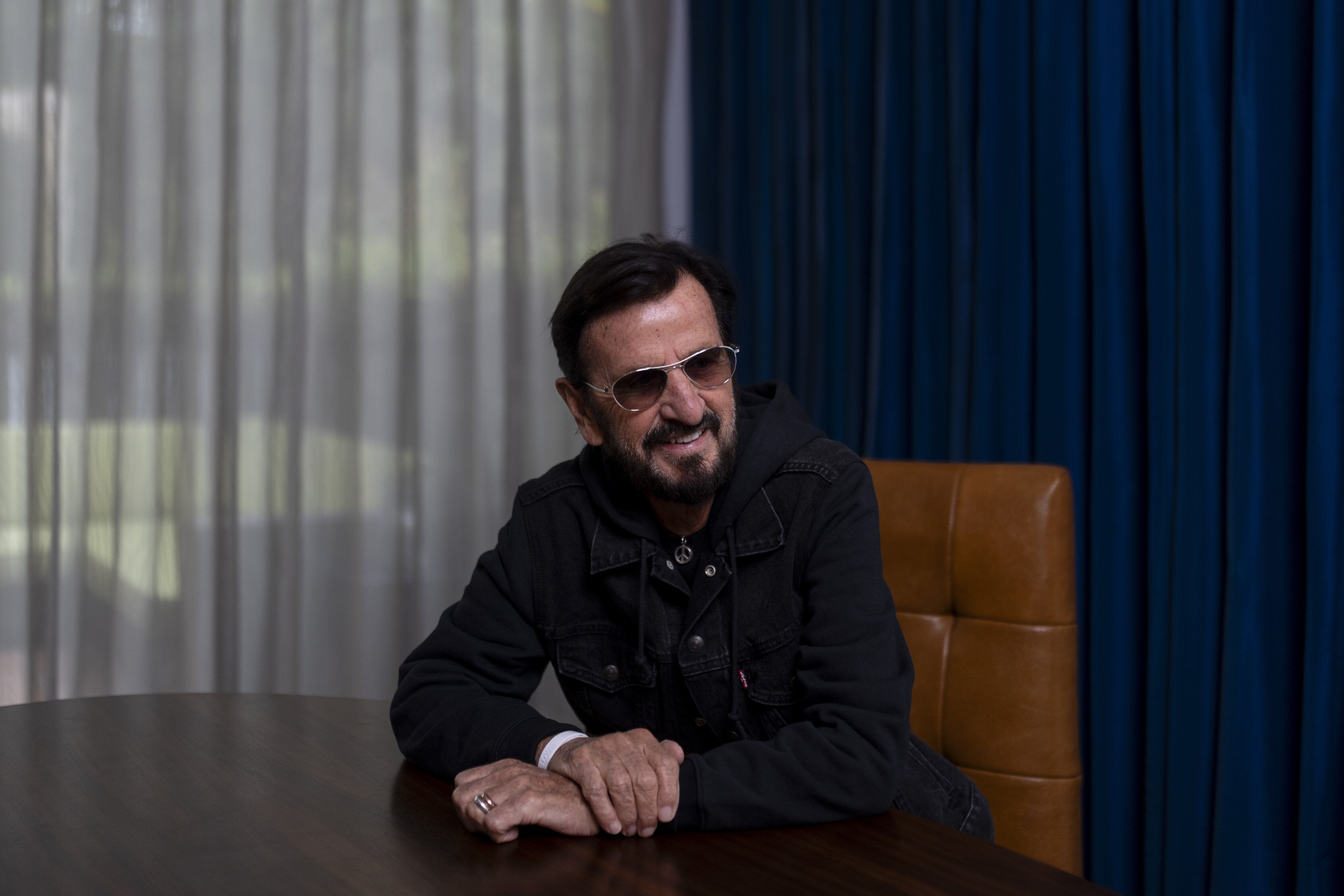
Ringo Starr Has A Brilliant Reaction To Barry Keoghan Playing Him In New Beatles Biopic

It was first reported in June that Oscar-winning director Sam Mendes was working on four separate films that would tell the story of The Beatles, each focusing on a different member of the group.

At the time, it was reported that the Saltburn star would play Ringo, and while this is yet to be confirmed, the man himself appeared to let the cat out of the bag during an interview with Entertainment Tonight.

“I think it’s great,” the Grammy-nominated musician said when asked about Barry playing him on screen.

He also joked: “I believe he’s somewhere taking drum lessons, and I hope not too many.”

Sam Mendes – best known for helming films like 1917, Spectre and American Beauty – said in a statement that he was “honoured to be telling the story of the greatest rock band of all time, and excited to challenge the notion of what constitutes a trip to the movies”.

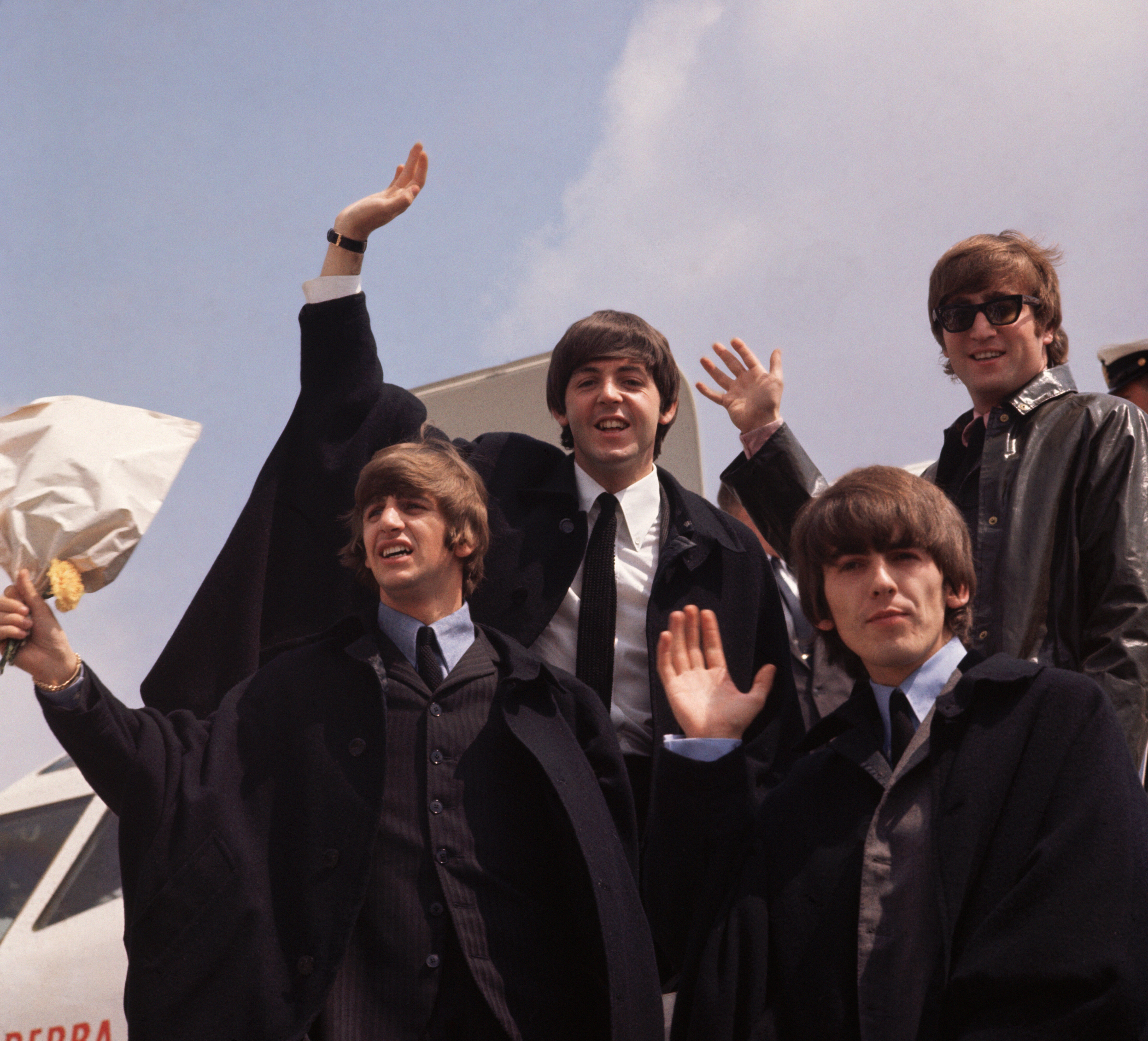
The Beatles have previously been depicted in numerous films and shows over the years, most notably 2009’s Nowhere Boy – a biopic about John Lennon, starring Aaron Taylor-Johnson as the Imagine singer – and 1994’s Backbeat, which depicted the Beatles’ early days.

Share Button

My Aunt Was Found Dead In Her Home. My Search To Find Out Why Led Me To A Tragic Truth.

When I exit the elevator into the hotel lobby, the urgency of my own voice startles me. “Are there any bodies of water nearby that I can access on foot?” The front desk receptionist gestures to the door and says I’ll meet Indian Creek within a few blocks.

I see sadness wash across my 73-year-old mother’s face. She’s holding the plastic bag containing her younger sister Carol’s cremains, and we’ve just learned we need permission from the U.S. Consulate to fly them back to my mother’s home in Spain for a proper memorial. Our flight leaves in a few hours, and a quick online search reveals that scattering ashes within 3 nautical miles of Florida’s shore is illegal. We have to be discreet.

“Carol loved Miami,” my mother whispers to soften the reality of what we are about to do: Leave Carol behind.

My aunt’s death at 69 had taken us by surprise. My mother’s weekly voice message, left on a Thursday, went unreturned. By Sunday, my aunt’s neighbour, who lives on the other side of the adjoining patio wall, smelled something off. He heard Chelsea, my aunt’s rescue dog, barking for days before he called 911.

The autopsy report attributes acute peritonitis caused by untreated (treatable) rectal carcinoma as the cause of my aunt’s death. The medical examiner surmised that she sat down in her rocking chair while preparing Chelsea’s food and never got back up to serve it.

The dog sat vigil by my aunt’s side for four days before they were discovered.

The Miami-Dade homicide detective explained that, because my aunt died alone in her home, the law required a forensic account of the scene. After they removed her body, I requested the property remain untouched. I wanted to piece together her final days to better understand her life, but I was not prepared for the chaotic state of her final months.

Perhaps my journalistic approach to her death is a way of coping with guilt and loss, but my investigation has revealed a heartbreaking reality.

My aunt, an educated, politically passionate, older gay woman, died isolated, financially destitute and alone. What could I have done to prevent it?

I had never asked Carol questions about her health or well-being. I was always caught up in my career and relationships, assuming deaths like this didn’t happen in a family like mine. I also believed my aunt was part of a system that took care of its aging population, and that I didn’t have to worry about her. I was terribly wrong, and I wanted to understand why.

Aunt Carol’s home in Miami after her death (2012); Left: Aunt Carol's kitchen Right: The room in Aunt Carol's condo where she died.

Courtesy of Michelle Tamara Cutler

Aunt Carol’s home in Miami after her death (2012); Left: Aunt Carol’s kitchen Right: The room in Aunt Carol’s condo where she died.

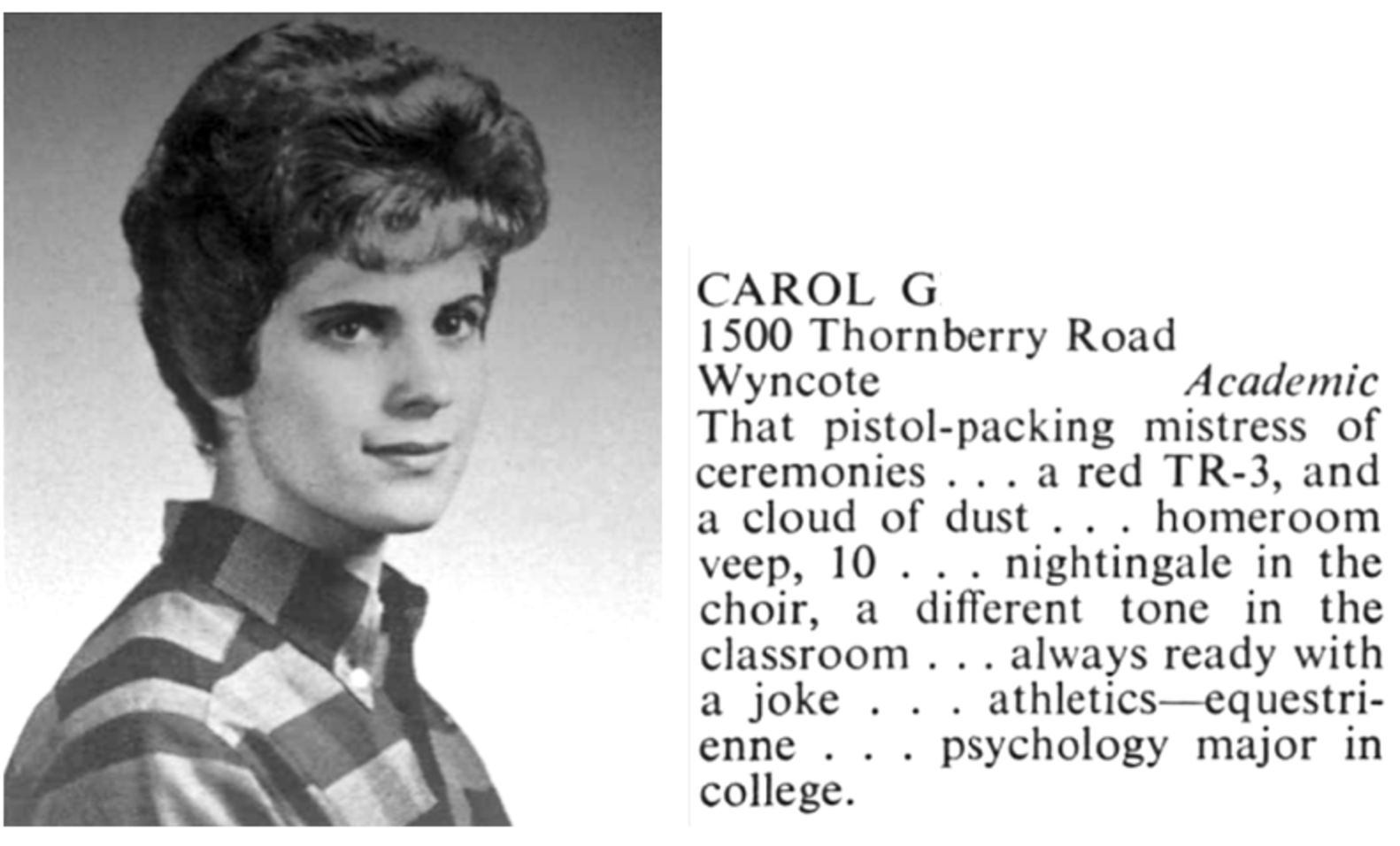
My aunt knew she was gay at 13, in 1955, but coming out wasn’t the custom in 1950s America. Instead, Carol excelled in sports, was known as a class comedian and had a boyfriend, despite being in love with her best friend, according to my mother.

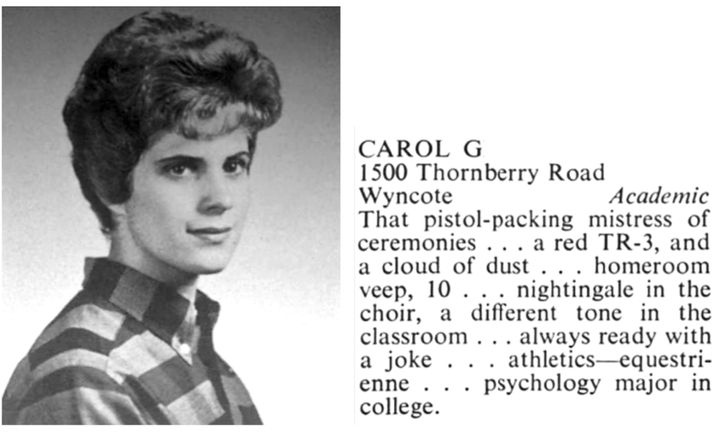
The comments under her yearbook photo describe her as a “pistol-packing mistress of ceremonies… always ready with a joke… athletic… psychology major in college.” Compared to the other female students on the same page, with descriptions like “knee-length sweaters” and “future Miss Private Secretary,” it’s clear Carol was already defining herself by her choices.

Aunt Carol’s high school yearbook photo (Philadelphia, 1958)

Courtesy of Michelle Tamara Cutler

Aunt Carol’s high school yearbook photo (Philadelphia, 1958)

A man who introduced himself as Carol’s high school boyfriend contacted me after reading my aunt’s obituary. He said they were going steady until she suddenly cut off contact right before his senior prom. When he drove by her house to speak with her about what had happened, she ran inside. He was heartbroken and confused by her behaviour.

Years later, he bumped into my aunt when they were studying for their master’s degrees at Temple University. She pointed to his Eldridge Cleaver “If you’re not part of the solution, you are part of the problem” pin and let him know that she was now open about her sexuality and that he should accept it or else remain part of the problem.

Surprisingly, between the dreaded 1959 high school prom and the empowered run-in with her high school ex at Temple in 1970, my aunt married a young man from the neighbourhood. He was a friend, my mother told me, who agreed to a “sham” marriage to ward off scrutiny from her parents.

I can imagine how difficult it may have been for Carol to come out to them. My grandparents were first-generation Americans who owned a successful beauty salon known for styling young Grace Kelly’s hair before she left for Hollywood. They raised their family with the understanding that public appearance was social currency, and heteronormative relationships were the gold standard.

Still, Carol was 25 when she got married in 1967. Couldn’t she have escaped her parents’ middle-class aspirations without the charade of a marriage? And what happened during the three years between her wedding and 1970, when she was fully out of the closet? What had changed? Was there some specific catalyst for her coming out and accepting who she truly was, or had she simply grown tired of hiding? I wish I’d asked her.

Later, when I was growing up in the ’70s, I had two aunts: Aunt Carol and Aunt Patty. There was never talk of lesbians or girlfriends or homosexuality; there was simply Carol and Patty as a couple until something changed in their relationship in the ’80s.

According to my mother, Carol didn’t want Patty, who was younger, to see Carol’s body aging. Vanity is another byproduct of growing up in the beauty business, but I think their breakup had more to do with my aunt’s codependent relationship with my grandmother.

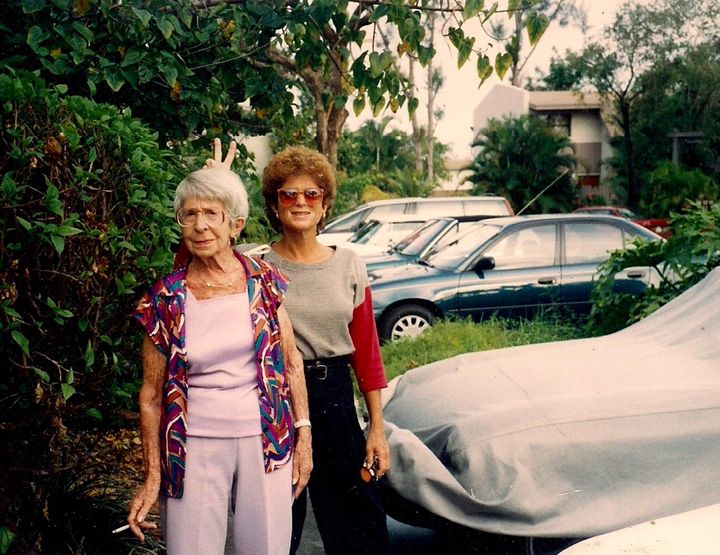
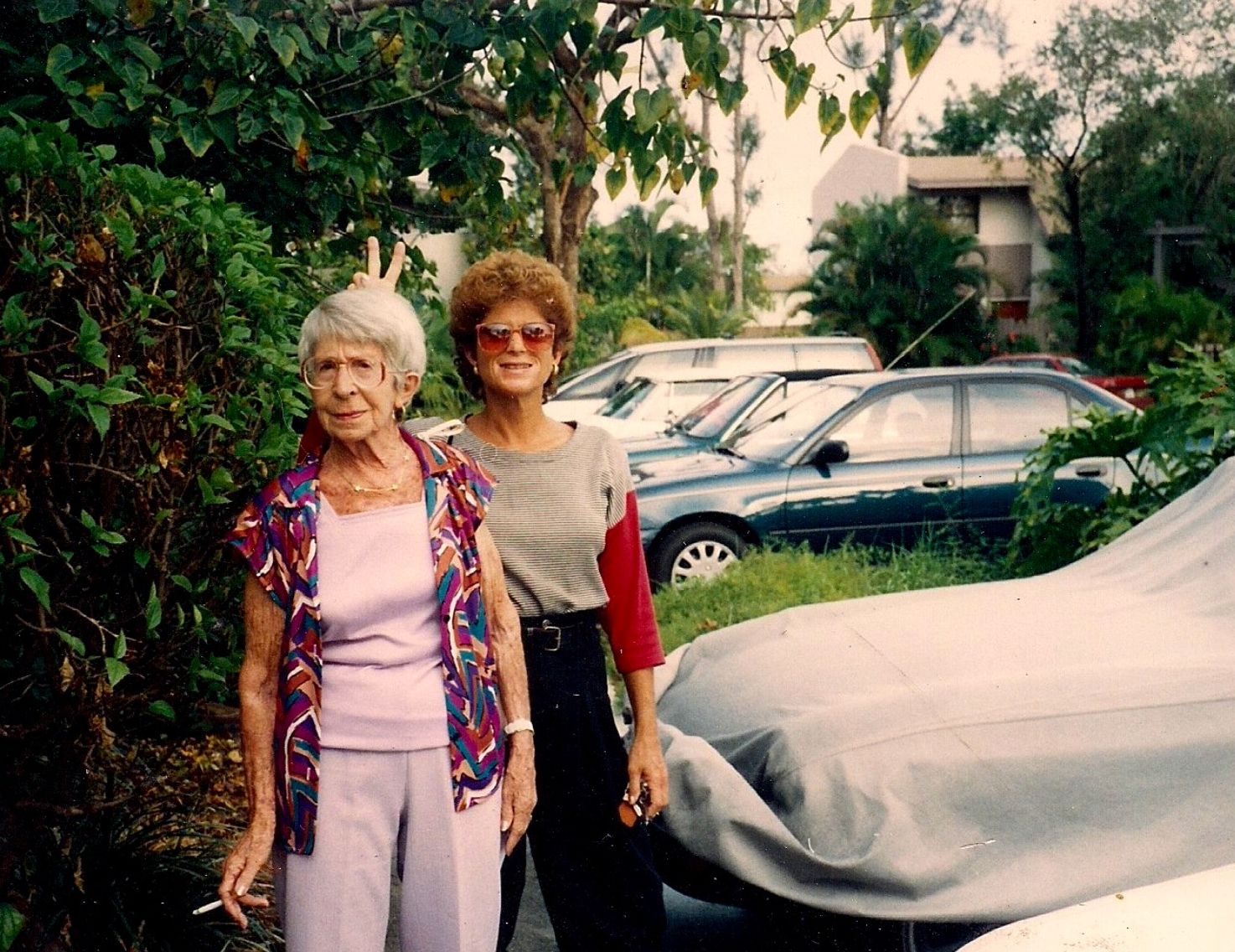
The author’s grandmother, left, with Aunt Carol in Miami sometime in the 1980s.

Courtesy of Michelle Tamara Cutler

The author’s grandmother, left, with Aunt Carol in Miami sometime in the 1980s.

When my grandparents retired to Miami, my aunt followed and was single for another 40 years. She did have one longtime friend, also named Pat, but Pat swore in a conversation with me that she and my aunt were never romantically together. She said they went to the same “women’s parties” in Coral Gables in the ’80s and lived with or close to each other for decades.

Pat said she felt she had met a “veteran lesbian” in my aunt, someone who knew who she was and wasn’t struggling with her truth. Carol was liberating to young Pat. Pat was also the last person to see my aunt alive.

Pat agrees that Carol didn’t invite anyone into her life after the relationship with Patty ended. She had no long-term romantic relationships, just her rescue dogs and exotic birds, public television, and football.

She was a frequent caller on sports talk radio shows and taught English composition to the football players at the University of Miami to make sure they kept up their grades to play. I remember her saying The Rock was one of her favourite students.

My aunt was also known for her sharp humour and open critique of politics, according to reviews on RateMyProfessor.com. One of her Florida International University colleagues told me Carol was “always upbeat and eager to discuss books, teaching, and travel.”

The challenges of being an underpaid adjunct lecturer without benefits gradually wore her down, he explained, though her dedication to students remained clear. It was around this time that her contract at FIU wasn’t renewed, and she left her house less and less.

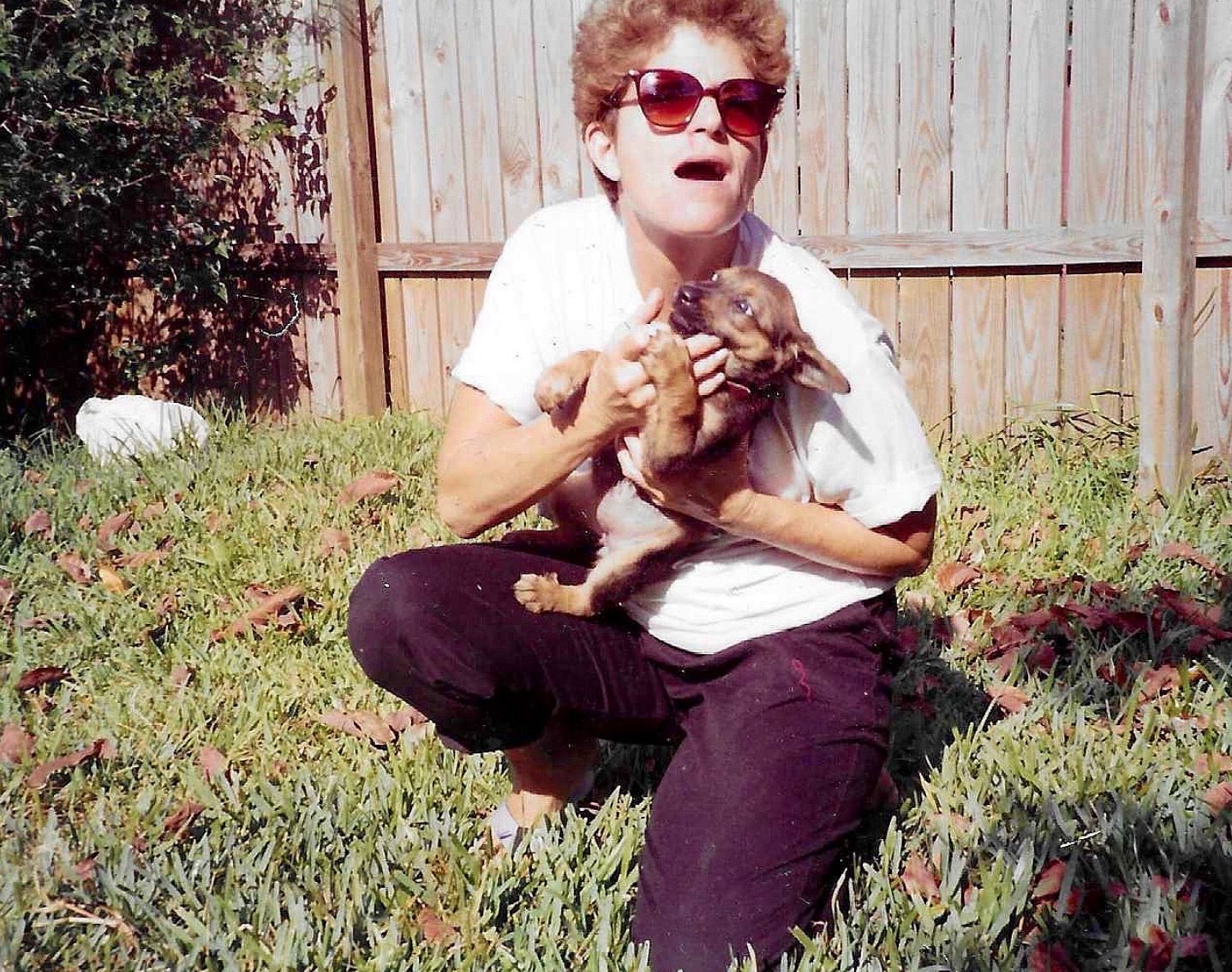
Aunt Carol with Chelsea as a puppy in Miami (date unknown).

Courtesy of Michelle Tamara Cutler

Aunt Carol with Chelsea as a puppy in Miami (date unknown).

The whole experience of going through Carol’s few remaining belongings in her foreclosed, gated-community condo shook me. I sobbed in the parking lot after seeing my mother break down for not successfully convincing Carol to move to Spain with her. It reminded me that I’d made no real effort to check in beyond email. Carol never extended an invitation to visit, and I never thought to just show up.

Suddenly flooded with memories, I quickly jotted them down before they disappeared — like one Christmas holiday in Miami Beach when Carol, dressed in black, made me laugh uncontrollably with an inspired version of Placido Domingo & John Denver’s 1981 song “Perhaps Love.”

Perhaps Love…

Is like a sweater

That fits into a box.

It shouldn’t smell like herring.

It shouldn’t taste like lox.

Carol had a way of poking fun at tradition even though she never felt at home with family gatherings or holidays, as she shared with me in an email the year before her death.

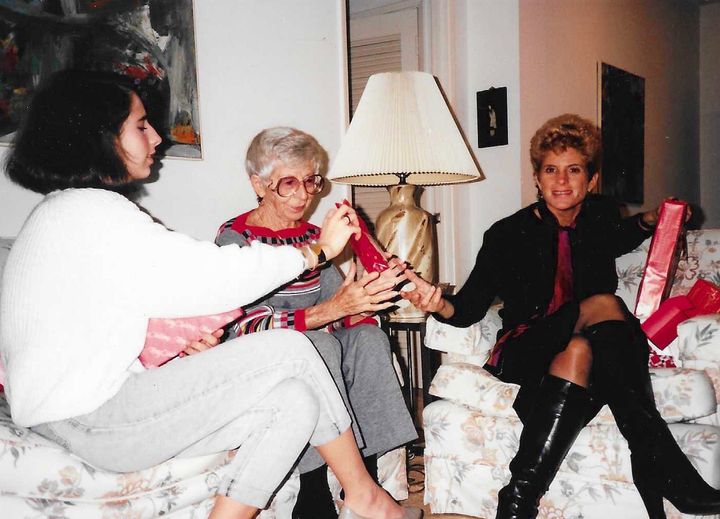
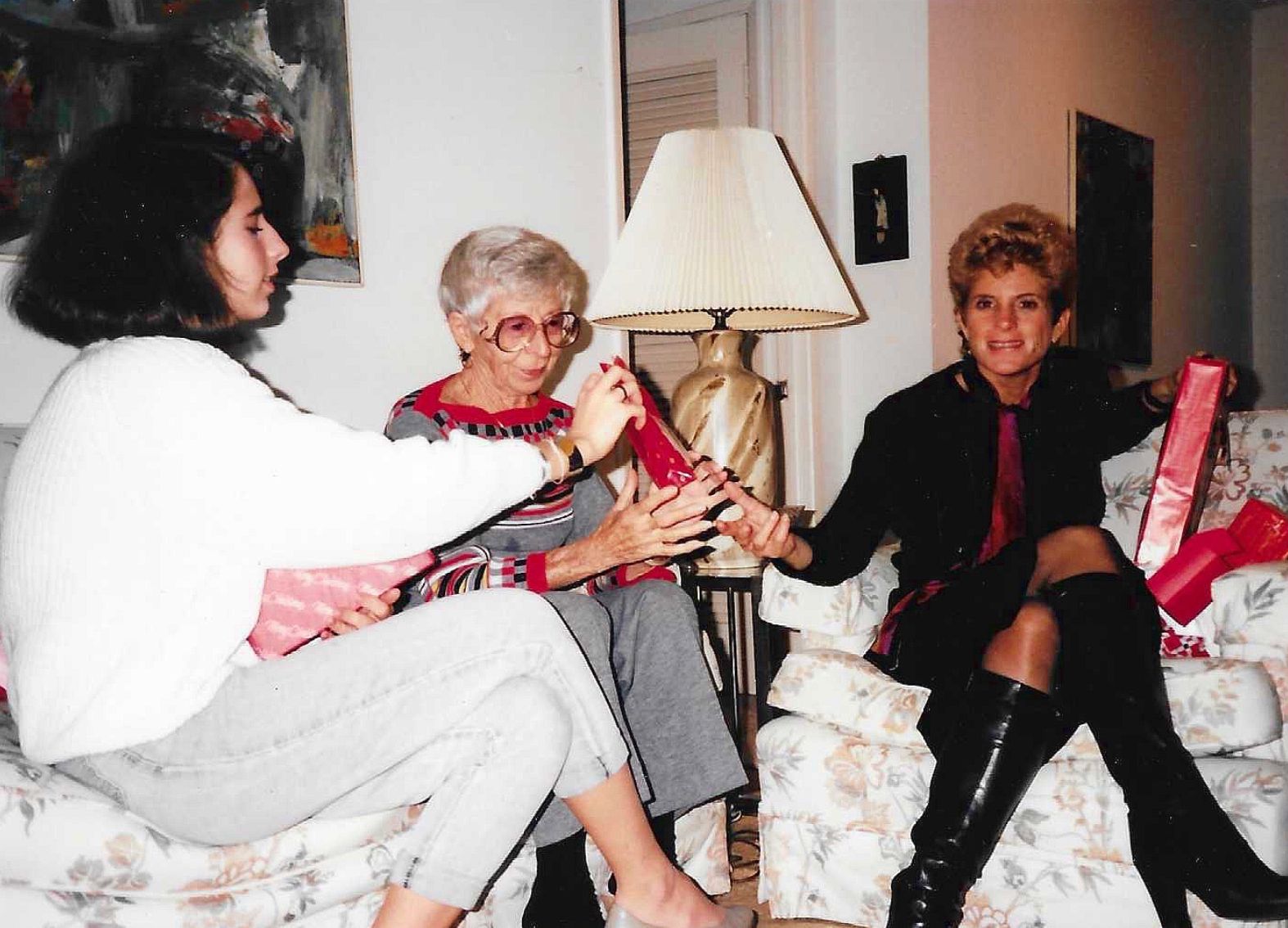
The author, left, with her grandmother, center, and Aunt Carol in Miami Beach (Christmas, 1981).

Courtesy of Michelle Tamara Cutler

The author, left, with her grandmother, center, and Aunt Carol in Miami Beach (Christmas, 1981).

On June 26, 2015, 19 years after President Clinton signed the Defense of Marriage Act into law, marriage equality became a right for millions of Americans. On that historic day, friends coloured my newsfeed with celebratory rainbow filters and messages.

Some had no intention of marrying, some were already traditionally or symbolically married, but they were all in agreement that discrimination has no place in our society.

I thought of Aunt Carol’s formative years as part of what I discovered SAGE and the Movement Advancement Project call the Silenced Generation. Born in the 1930s and 1940s, they came of age during a time of public shaming of LGBTQ+ people, as well as the pathologisation of homosexuality, which was listed in the “Diagnostic and Statistical Manual of Mental Disorders” as a “sociopathic personality disturbance” until 1973.

I wondered if my aunt’s distrust of institutions, doctors and the public in general was an underlying contributor to her heightened level of self-preservation and loneliness.

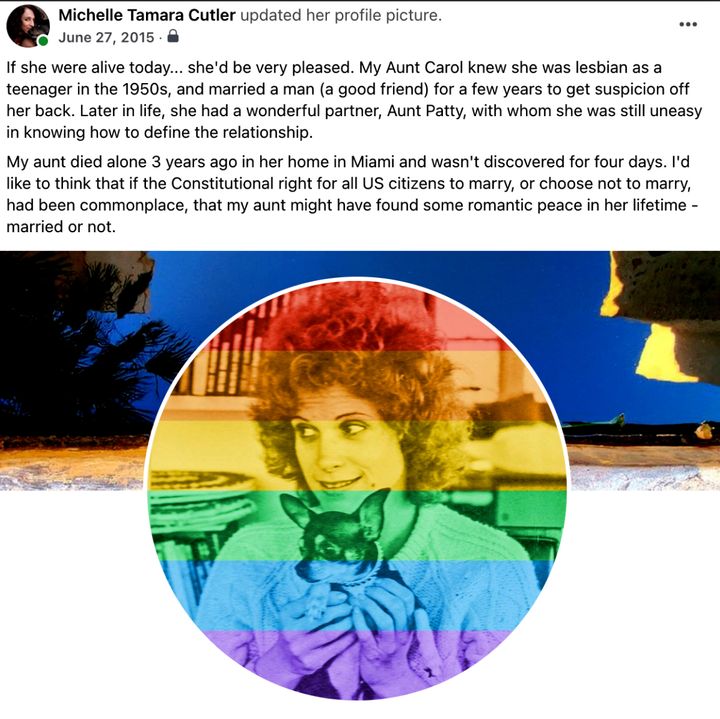
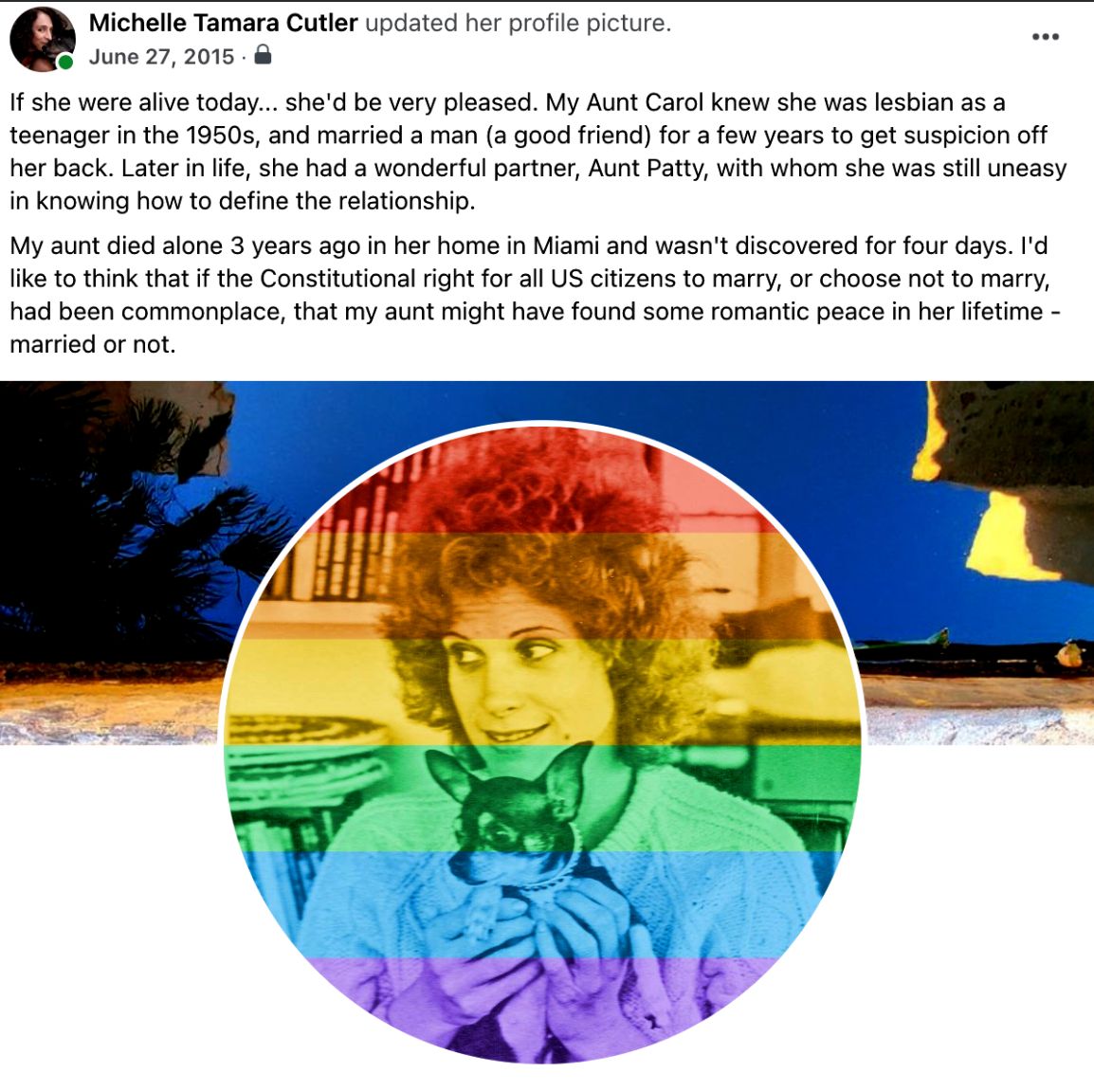
I dug out a black and white photograph of Aunt Carol in her late 30s. After studying her for a few moments, contemplating her life as an intelligent animal lover and activist with a wicked sense of humour — a real political firecracker — I decided to put a rainbow filter on the photo and share it on Facebook.

The author’s 2015 Facebook post with a photo of Aunt Carol, circa 1980

Courtesy of Michelle Tamara Cutler

The author’s 2015 Facebook post with a photo of Aunt Carol, circa 1980

If Carol were a 13-year-old today, however, there’s no guarantee she would feel any safer than she did in 1955. Basic civil rights, like marriage, family and financial planning, and hate crime prevention, have been argued and advanced in courtrooms, capitol buildings and the media, but these freedoms are perennially under attack.

According to the FBI, hate crimes against LGBTQ+ people rose in 2023, even as the rate of violent hate crimes dropped overall. The ACLU is actively monitoring over 550 anti-LGBTQ+ bills in U.S. state legislatures across the country, and things could get much, much worse for the LGBTQ+ community when the Trump administration reenters the White House in just a few months.

I do believe Carol would still be fighting this fight if she were alive. I found her listed as a signatory in a 1993 pro-choice ad in the Miami Herald published in protest of the murder of Dr. David Gunn at a women’s medical clinic in Pensacola.

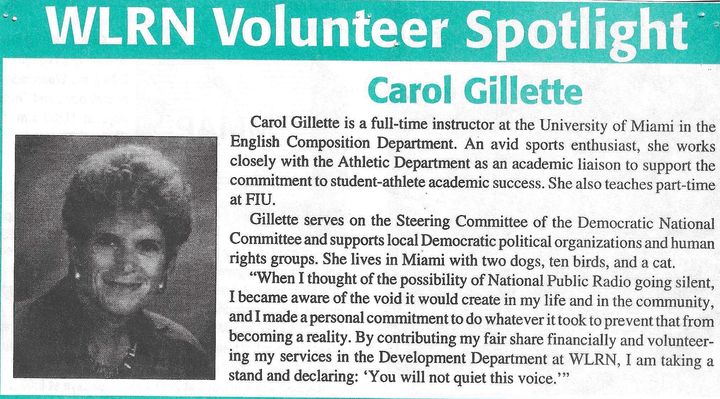
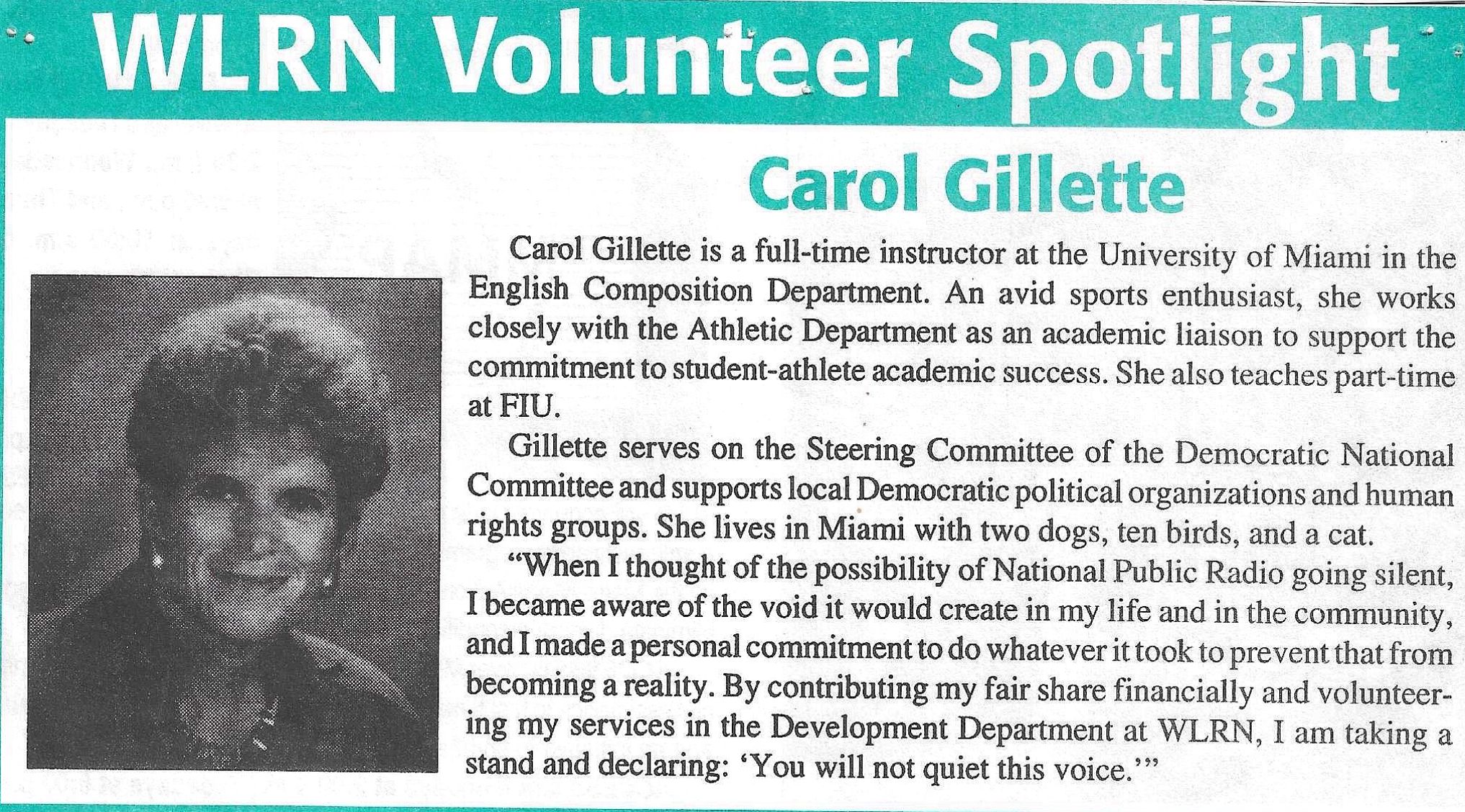
In another folder she kept of her achievements, I found letters from the head of her public television chapter, and in a 1997 volunteer profile, Carol is quoted as saying, “By contributing what I can… I am taking a stand and declaring, ‘You will not quiet this voice.’”

Still, her voice was ultimately quieted — and I know she’s not the only one.

WLRN Volunteer Spotlight featuring Aunt Carol (1990s)

Courtesy of Michelle Tamara Cutler

WLRN Volunteer Spotlight featuring Aunt Carol (1990s)

I wonder how many other Aunt Carols will die alone. There are an estimated 1.1 million LGBTQ+ identifying adults aged 65 and older. One study found 7 in 10 LGBTQ+ older adults live by themselves compared to 3 in 10 non-queer adults, and many queer elders don’t have children to help them.

LGBTQ+ retirement communities and care facilities are on the rise, but not everyone — including Aunt Carol — wants to live their day-to-day life with other people or has the funds to support that level of care. Organisations like SAGE, founded in 1978 by queer activists, further advocacy, services and support to older members of the LGBTQ+ community, but these groups do not exist in many areas and, where they do, there is still much work to be done to prevent queer elders from facing an end like my aunt.

I cannot change what happened in my family, but I will continue to tell Aunt Carol’s story whenever and however I can. I miss her voice, her humor, and her chutzpah. She was navigating an era of deep adversity and left a lasting impact on the people and organisations she touched.

At the same time, I’m beginning to understand the tragic truth of her last days and why she closed herself off from a world in which she felt unvalued, invisible, and at risk.

I often think of the day Aunt Carol talked me into water skiing for the first time when she was working with the Miccosukee tribe in the Everglades. I was 12 and terrified to go out of my comfort zone, but as the engine revved, Aunt Carol sang out Elton John’s biggest hit at the time from the back of the boat: “I’m still standing better than I ever did… Looking like a true survivor, feeling like a little kid!”

And as the boat pulled away, my arms extended at the end of the rope. Thanks to her inspiring confidence in me, I found my footing, stood up tall, and overcame my fear.

Michelle Tamara Cutler is an award-winning screenwriter and storytelling coach who specialises in true story adaptations. Her reported and personal essays have appeared in HuffPost, Business Insider, Trail Runner Magazine, Under the Gum Tree, Longridge Review, Brevity Blog and elsewhere. She is writing a memoir that examines the circumstances of her Aunt Carol’s death to illuminate LGBTQ+ elder isolation, the rewards of family caregiving, and the influence of the beauty business on identity and mental health. Learn more at michellecutler.com and connect on Instagram.

Share Button

The Tories Have Called For Another General Election Just Months After Their Landslide Defeat

The Tories have called for another general election less than five months after their landslide defeat.

Kemi Badenoch’s spokesman said the party was ready to go back to the polls after she invited Keir Starmer to resign so the Conservatives can take over.

At PMQs on Wednesday, Keir Starmer said the Tories “haven’t got a clue what they’re doing”.

Badenoch replied: “Mr Speaker, if he wants to know what Conservatives would do, he should resign and find out.”

Asked afterwards if the Tory leader really wants the PM to quit, her spokesman said: “Yes, we would love a go to get back in government and sort out the mess [Labour] have made.”

He was then asked if the party wanted another general election and said: “Why not?”

A Liberal Democrat source said: “Give us a chance, Ed’s wet suit isn’t even dry yet.

“Kemi Badenoch’s bizarre rant at PMQs shows the Tories have lost the plot.

“While Ed Davey challenged the prime minister with questions about the big issues of the day like winter fuel allowances or end of life care, Badenoch is indulging in petty political games.

“As the Conservatives fight the battles of yesterday, we will be fighting to make take even more bricks out of the Blue Wall come the local elections in May.”

Green MP and party co-leader Carla Denyer slammed the Tories’ suggestion.

She told HuffPost UK: “Kemi Badenoch is understandably trying to divert people from the dire record of the Conservatives in government over 14 years.

“It would be great if the Conservatives could reflect a little on their past failures, and choose to offer positive, constructive Opposition.

“We want Labour to deliver the real change needed to put the country back on its feet and that’s what we are pressing for every day in Parliament.”

Meanwhile, a petition on the parliament website signed by more than 2.7 million people calling for another election will be debated by MPs.

Petitions which receive at least 100,000 signatures are automatically considered for debate in the Commons.

Lib Dem MP Jamie Stone, who is chair of the public petitions committee, confirmed that the debate will take place on January 6.

Ironically, that will be the fourth anniversary of the coup attempt by Donald Trump supporters, who stormed the Capitol in Washington in an attempt to overturn the result of the 2019 presidential election.

Badenoch referred to the petition at PMQs, but Starmer told her: “We had a massive petition on July 4 in this country.

“We spent years taking our party from a party of protest to a party of government. They’re hurtling in the opposite direction.”

Share Button

Jameela Jamil’s Thoughts On ‘Instagram Face’ Has Fans Saying ‘PREACH’

Jameela Jamil, an actor and host of body positivity podcast I Weigh, is pretty well-known for sharing her thoughts on the pressures women face to look a certain way.

So perhaps it’s not surprising that she recently wrote an Instagram post about “how weird it’s going to be when soon all women on television look the same but men have so much variety.”

The post said that women are getting “the same nose, the same cheekbones, the same jaw, the same eyes, the same eyebrows, the same eyelids, the same lips and are starting to aim for the same forever age and body.”

This sounds similar to other body positivity advocate’s concerns about “Instagram face,” an identikit appearance a lot of women on social media seem to share.

Jameela pointed out that men as visually different as Timothee Chalamet, Pedro Pascal, Paul Mescal and Micheal B Jordan are “RIGHTFULLY celebrate[d]” for their looks, she doesn’t think women are afforded the same flexibility.

“Can you imagine a world in which every man feels RESPONSIBLE to have to save up for painful, expensive surgery to look exactly like Cillian Murphy?” she asked.

Though she stresses she respects women’s choice to pick whatever look they like, she asked “how much choice is it when you’re being bombarded with a ‘beauty standard’?”

The Good Place actor then said that though the ’90s were not exactly less punishing for women, at least Uma Thurman, Naomi Campbell, Meg Ryan, Halle Berry and more had “room for variety.”

“I’m jealous that so many men are so embraced and celebrated for what makes them different,” Jameela continued. “I want that for us.”

The actor also said she’s annoyed at the amount of money being made off of women’s insecurities, often by men, adding she noticed the beauty standard narrowing during lockdown.

“Variety is choice. Variety is agency. Variety is freedom,” she shared before a carousel of beauty trend-based images and a picture of Lindsay Lohan’s “done” face.

People were divided

Lots of commenters agreed with Jameela.

“100% agree. And why are everyone’s teeth neon white lately?” one commenter wrote.

“My 10-year-old told me I should get Botox on my jaw to look sharper, the other day. I hate social media. It is ruining our kids,” another lamented.

“You’re not alone. This conversation needs to be loud. A new trend every year, cosmetic surgeries are normal now!! It’s so sad thinking women feel pressured to get them to be considered beautiful,” yet another Instagram user opined.

Still, some thought the actor was a little off the mark.

“I feel like this exact conversation was had over 20 years ago and was a way to bash women for what they wanted to do with their bodies,” a comment reads.

“I disagree. I don’t think Kate Winslet looks like Davina McCall. Or that Dawn French or Oti Mabuse look the same,” someone else shared.

Still, most of the comments seem to be in line with a top response, which simply says “PREACH!”.

Share Button