The health secretary says Scottish and Welsh patients could be treated in England to cut waiting times.


The health secretary says Scottish and Welsh patients could be treated in England to cut waiting times.
Clocking in at just over three hours, Christopher Nolan’s Oppenheimer is his longest and arguably most ambitious film yet.
The biopic sees Cillian Murphy giving a sure to be Oscar-nominated performance as the titular physicist, who is known as the ‘father of the atomic bomb’.
Advertisement
Its not just the lead star who is being tipped for award season glory either, with his cast mates, director Nolan and the film’s sound, special effects and wardrobe teams also likely to make it onto shortlists.
We’re still many months away from the Golden Globes and Oscars nominee announcements but to tide you over, here are 15 behind-the-scenes facts that remind you just how impressive Oppenheimer is…
Nolan is no stranger to recreating dramatic events on the big screen but in perhaps his most ambitious move yet, the director decided to film the atomic bomb test without using any CGI or visual effects. That means what you see on screen really did take place – although on a smaller scale.
Visual effects supervisor Scott R. Fisher has explained how his team created real ‘miniature’ explosions and filmed those.
Advertisement
He told Total Film: “We don’t call them miniatures; we call them ‘big-atures’. We do them as big as we possibly can, but we do reduce the scale so it’s manageable.
“It’s getting it closer to the camera, and doing it as big as you can in the environment.”
In order to create the intense burning created by the successful test run, Scott’s team used gasoline and propane, while aluminium powder and magnesium were added to replicate the blinding white light of a nuclear explosion.
Scott added: “We really wanted everyone to talk about that flash, that brightness. So we tried to replicate that as much as we could.”
Oppenheimer opens with an ominous opening caption, which reads: “Prometheus stole fire from the gods and gave it to man. For this he was chained to a rock and tortured for eternity.”
Advertisement
The film is based on Kai Bird’s 2005 Oppenheimer biography American Prometheus and explaining the comparison, Kai writes in his book: “Like that rebellious Greek god Prometheus—who stole fire from Zeus and bestowed it upon humankind, Oppenheimer gave us atomic fire.
“But then, when he tried to control it, when he sought to make us aware of its terrible dangers, the powers-that-be, like Zeus, rose up in anger to punish him.”

Neil P. Mockford via Getty Images
Oppenheimer marks Christopher and Cillian’s sixth film together – following the Batman trilogy, Inception and Dunkirk – and given their close relationship, the Irish actor no longer needs to audition for roles.
During an interview with Radio 2, Cillian recalled the moment when he received a casual call from Nolan, who explained he had the perfect lead role for him.
Advertisement
“If you’re lucky you get one or two of those [calls] in your career, you know?” he said. “It was the best, best feeling. It was kind of euphoric, and then you go ‘oh that’s a lot of work’. So I immediately just started working.
“I had like six months before, between when he called me and we started the shoot. The script was solid and was there. It was one of the greatest scripts I’ve ever read. It was magnificent.”
Oppenheimer sees America’s greatest scientific minds living together at the Los Alamos facility in New Mexico and for the movie, Nolan also moved his cast and crew into digs together.
Emily Blunt likened the situation to ‘summer camp’ and told People: “We were all in the same hotel in the middle of the New Mexican desert. We only had each other.”

Karwai Tang via Getty Images
Advertisement
Longterm pals Emily and Matt Damon organised group dinners for the cast during filming – but the former’s on-screen husband RSVP’d with a firm no.
Mary Poppins actor Emily added to People: “The sheer volume of what he had to take on and shoulder is so monumental.
“Of course he didn’t want to come and have dinner with us.”
Cillian added: “You know that when you have those big roles, that responsibility, you feel it’s kind of overwhelming.”
Another contributing factor was the Irish star’s strict diet, as he lost weight to play the scientist, who in real-life subsisted on cigarettes, martinis and not so much food.
“He was losing so much weight for the part that he just didn’t eat dinner, ever,” Matt told Entertainment Tonight.
Advertisement
While Oppenheimer is very much deserving of its five-star reviews, cinema-goers have complained about one thing: the sound levels.
Posting on social media after seeing the movie, numerous fans noted that some of the speech sounds muffled and exchanges on-screen can sometimes be difficult to fully hear.
This is down to the fact the IMAX cameras used by Nolan aren’t soundproofed.
Most directors would work around this by getting actors to re-record dialogue in post-production to make it clearer, but this is something he isn’t a fan of.
“I like to use the performance that was given in the moment rather than the actor re-voice it later,” Nolan told Insider. “Which is an artistic choice that some people disagree with, and that’s their right.”

Pascal Le Segretain via Getty Images
Advertisement
In another unusual move, Nolan wrote the script in first person in order to reflect how most of the film is being told from Oppenheimer’s perspective and using his memories.
Matt Damon told Vulture: “I’ve never seen that done before. Instead of ‘Oppenheimer walks across the room,’ it’s ‘I walk across the room.’ This was a way for him to signal that, Okay, this is what the movie’s going to feel like. It’s going to feel immediate.”
Film purist Nolan filmed the biopic on large format cameras with IMAX 70mm film, but there was one small problem.
Oppenheimer features two timelines with one in colour and another in black-and-white. Unfortunately, black and white IMAX 70mm film didn’t exist so cinematographer Hoyte van Hoytema put in a call to Kodak.
He told Variety: “They came out with test rolls for us to run through our camera. We had to re-engineer our cameras a little bit, and we had to remake our pressure plates and our backend lab work needed to be readjusted.”
Advertisement
“I do remember when Chris and I were sitting in the cinema and watching the results of our first black and white test and it was just freaking amazing. We had never seen anything like it.”

Michael Loccisano via Getty Images
The Inception star has admitted that he doesn’t “have the intellectual capacity to understand quantum mechanics” but the same can’t be said for Benny Safdie, who plays Edward Teller.
Prior to becoming an actor, Benny was a budding scientist and studied nuclear physics in high school.
“I was working with a physicist at Columbia University,” he told Vulture. “I was doing cosmic rays. It is a deep passion of mine.”
Advertisement
Christopher Denham, who plays Klaus Fuchs, appeared in the 2014 series Manhattan, which took its name from the project developing the atomic weapons.
We won’t spoil the TV drama but Christopher’s Manhattan character, the entirely fictional Jim Meeks, has parallels to his Oppenheimer alter-ego.
Nolan’s love of IMAX cameras and 70mm film makes movie-making incredibly expensive, so he makes sure every single second of his movies is mapped out before yelling ‘action’.
Cillian told Collider: “There’s no deleted scenes in Chris Nolan movies. That’s why there are no DVD extras on his movies because the script is the movie. He knows exactly what’s going to end up – he’s not fiddling around with it trying to change the story. That is the movie.”
Despite having directed 11 feature films before starting work on his latest, Nolan had never directed intimate scenes before.
Advertisement
Oppenheimer features sex scenes with the titular scientist and Jean Tatlock, a member of the communist party who was his lover before and during his marriage (played by Florence Pugh).

Justifying the intimate moments, Nolan told Insider they are “essential” to understanding Oppenheimer’s life as a whole.
“His very intense relationship with Jean Tatlock […] is one of the most important things in his life,” he said. “But not least for the fact that Jean Tatlock was very explicitly a Communist and his obsession with her therefore had enormous ramifications for his later life and his ultimate fate.
“It felt very important to understand their relationship and to really see inside it and understand what made it tick without being coy or allusive about it, but to try to be intimate, to try and be in there with him and fully understand the relationship that was so important to him.”
Advertisement
The intimate scenes between Oppenheimer and his lover earned the film its R rating, but some cinema-goers noticed an odd addition to one scene.
In countries including India, Pakistan and the United Arab Emirates, digital censoring has been used to cover Florence’s body with a CGI black dress.
The director grew up in England in the 1980s when the scientist was “a part of pop culture then, without us knowing a lot about him.”
He told Bulletin: “I think I first encountered Oppenheimer in that relation; I think he was referred to in Sting’s song about the Russians that came out then and talks about Oppenheimer’s ‘deadly toys.’
Advertisement
“It was the peak of CND, Campaign for Nuclear Disarmament, the Greenham Common [protest]; the threat of nuclear war was when I was 12, 13, 14 – it was the biggest fear we all had,” he added.
In the same interview, Nolan recalls learning of how the Los Alamos scientists were told there was a chance the atomic bomb could destroy the world.
He explained: “That struck me as the most dramatic situation in the history of the world, with any sort of possibility being an end to life on Earth. That’s a responsibility that nobody else in the history of the world had ever faced.
“I put a reference to that in my last film, Tenet; there’s dialogue, a reference to that exact situation by Oppenheimer. That film deals with a science-fiction extrapolation of that notion: Can you put the toothpaste back in the tube? The danger of knowledge, once knowledge is unveiled—once it’s known, once it’s fact—you can’t wind the clock back and put that away.”


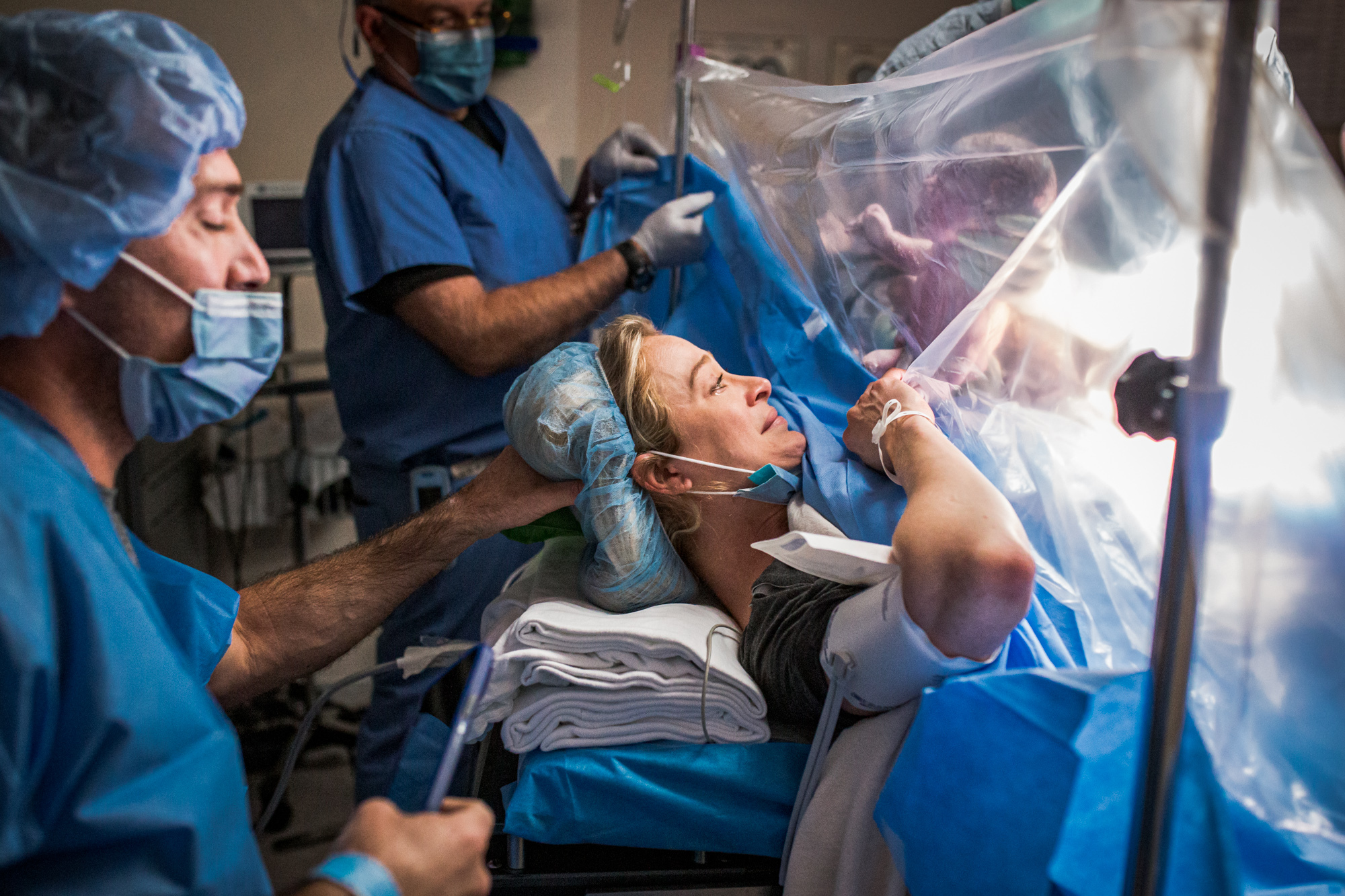
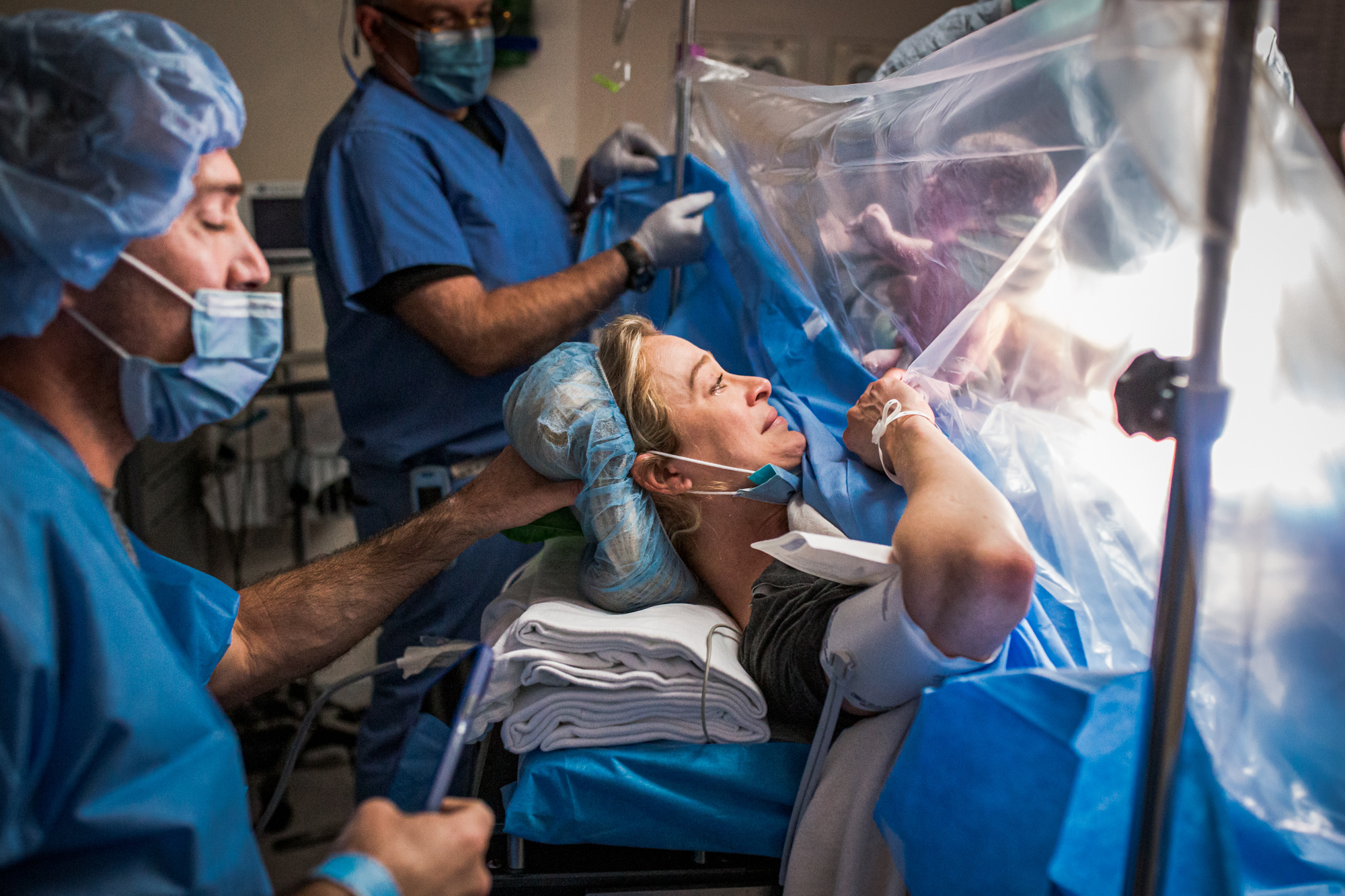
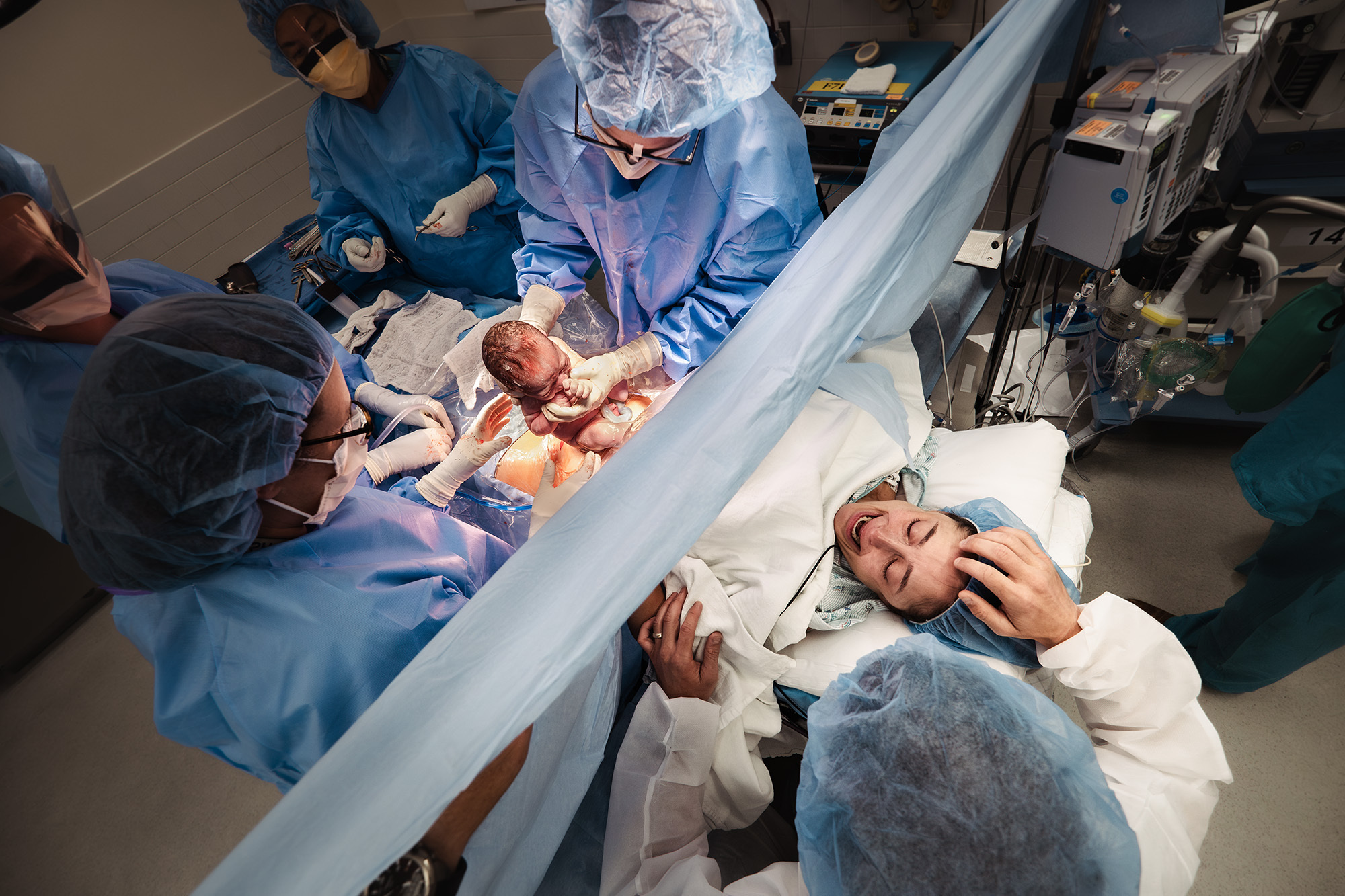
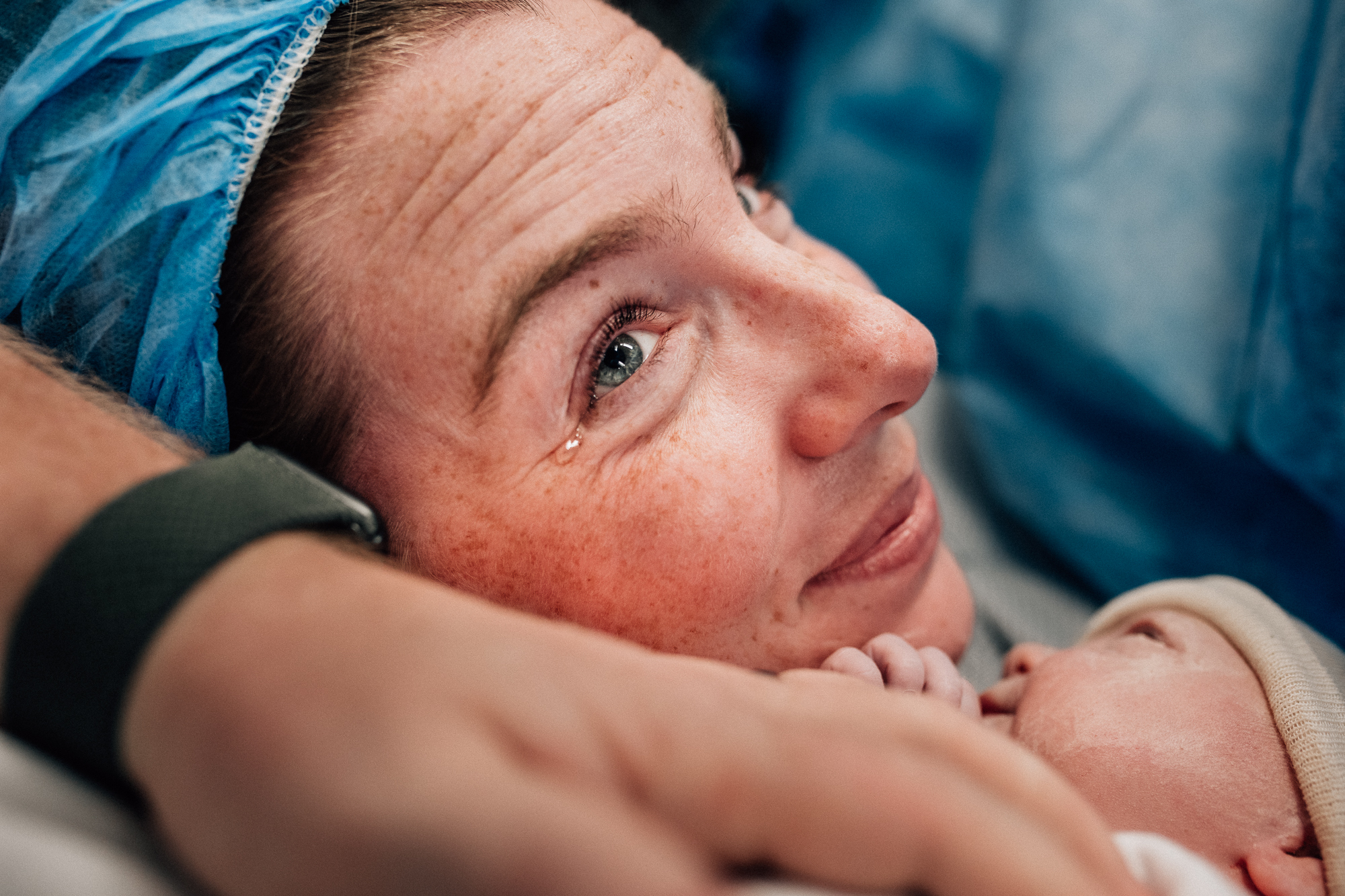
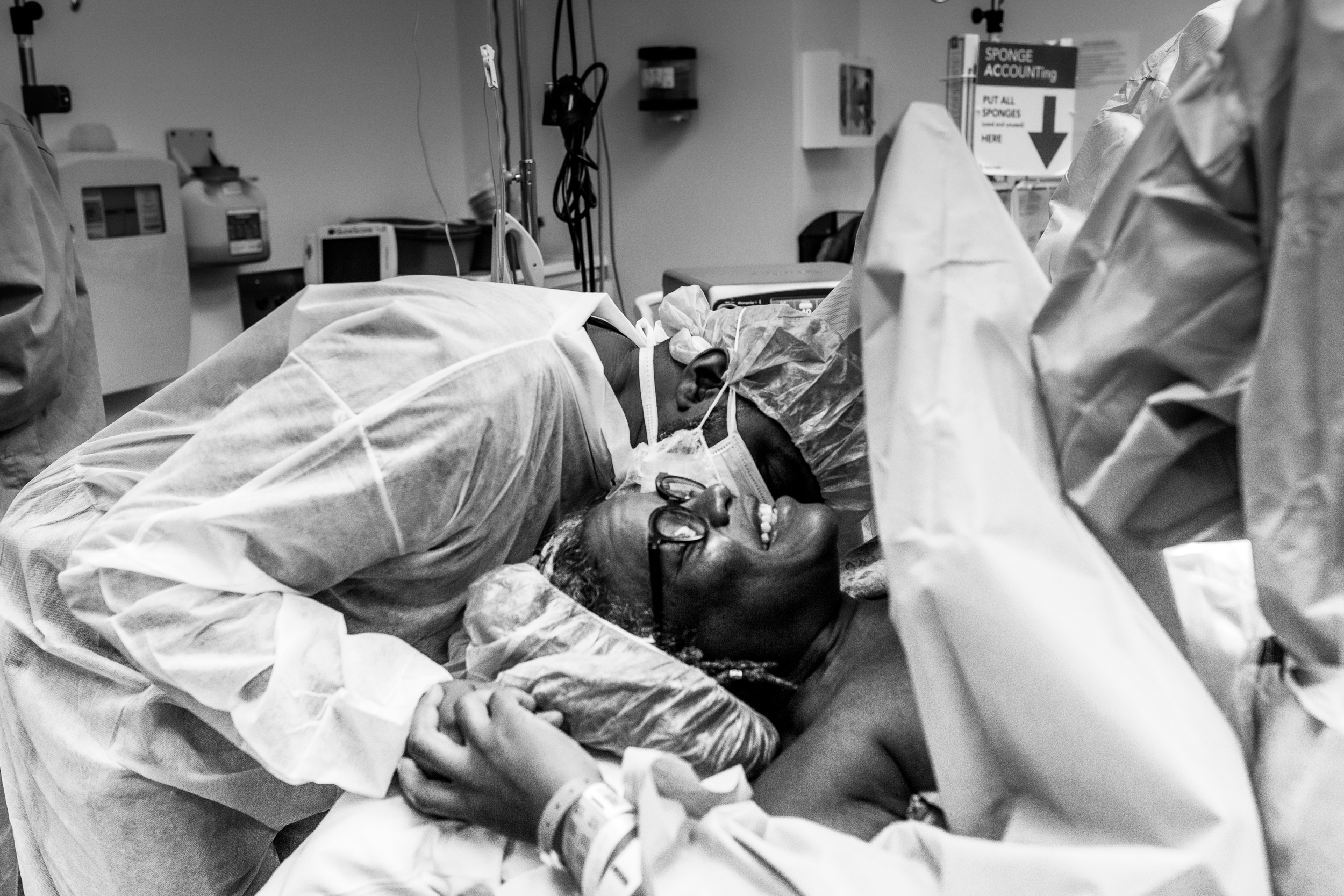
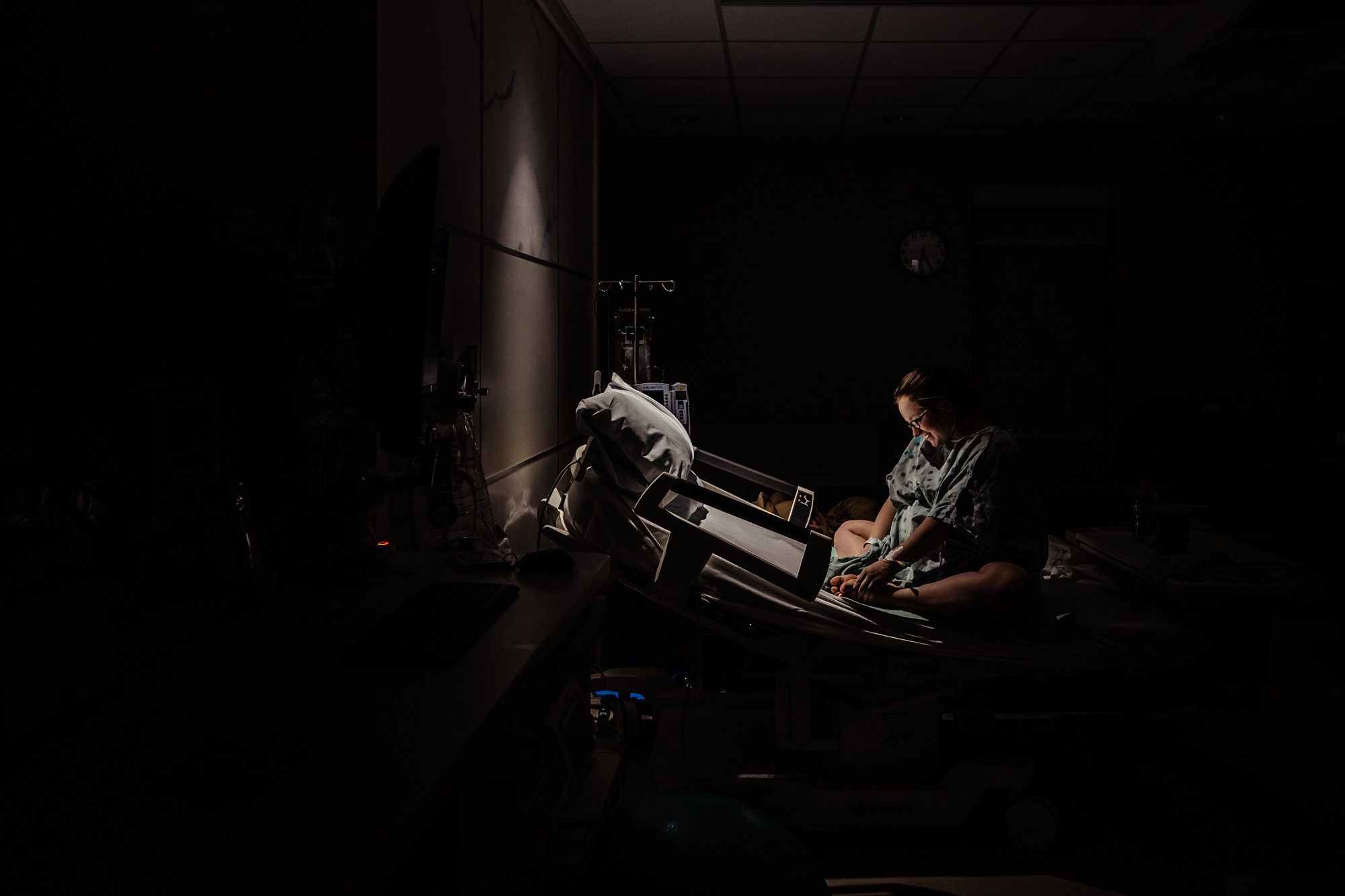
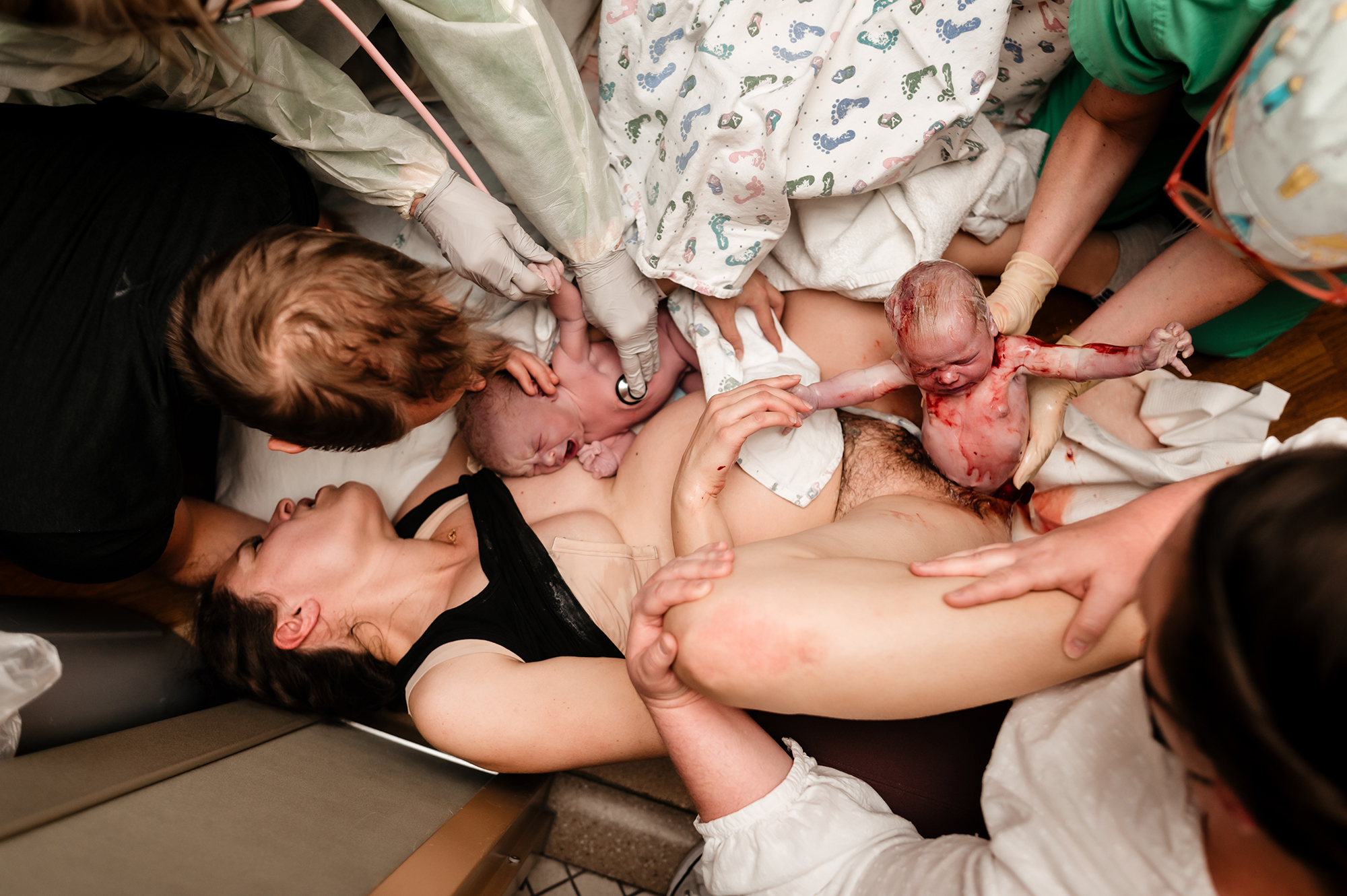
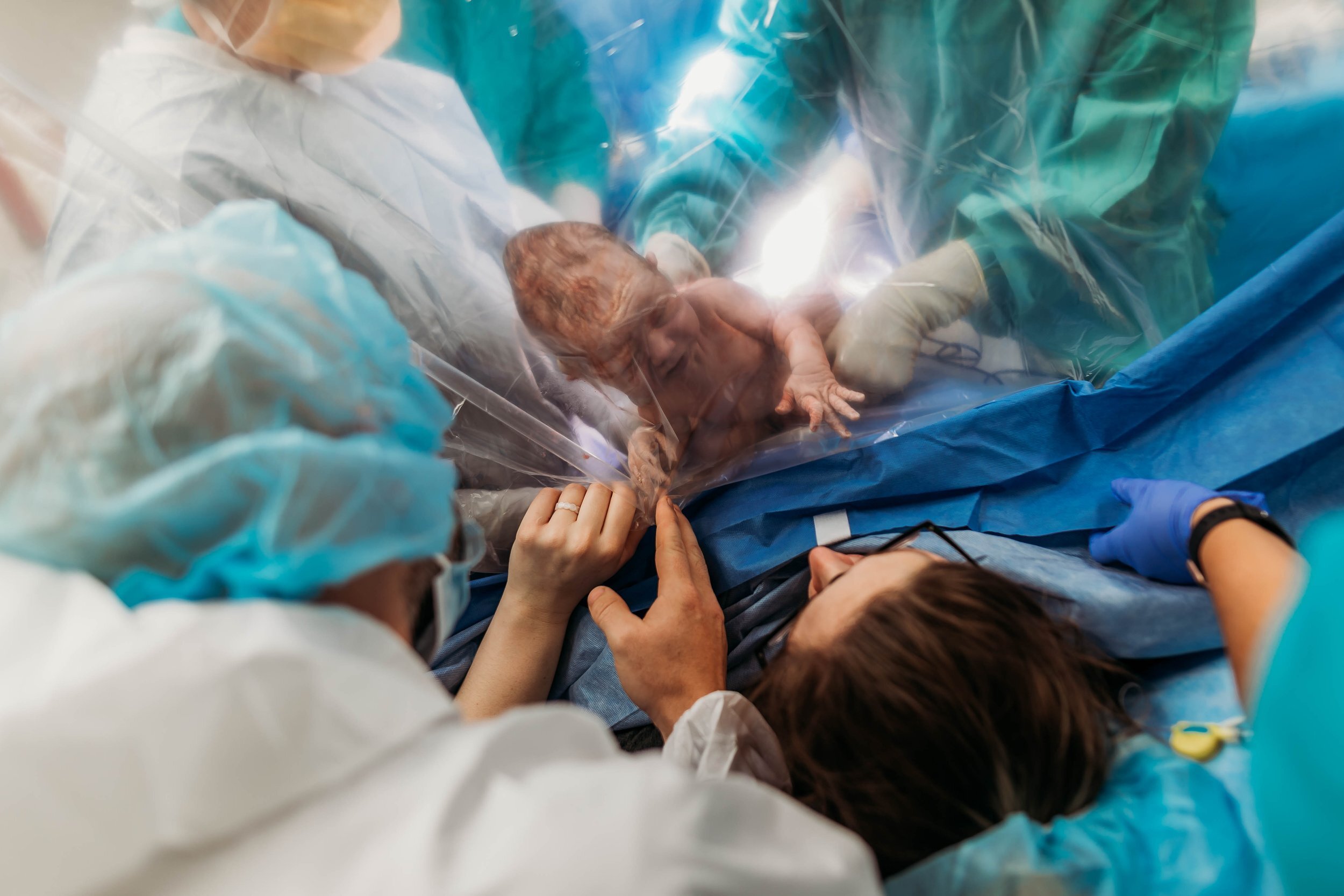
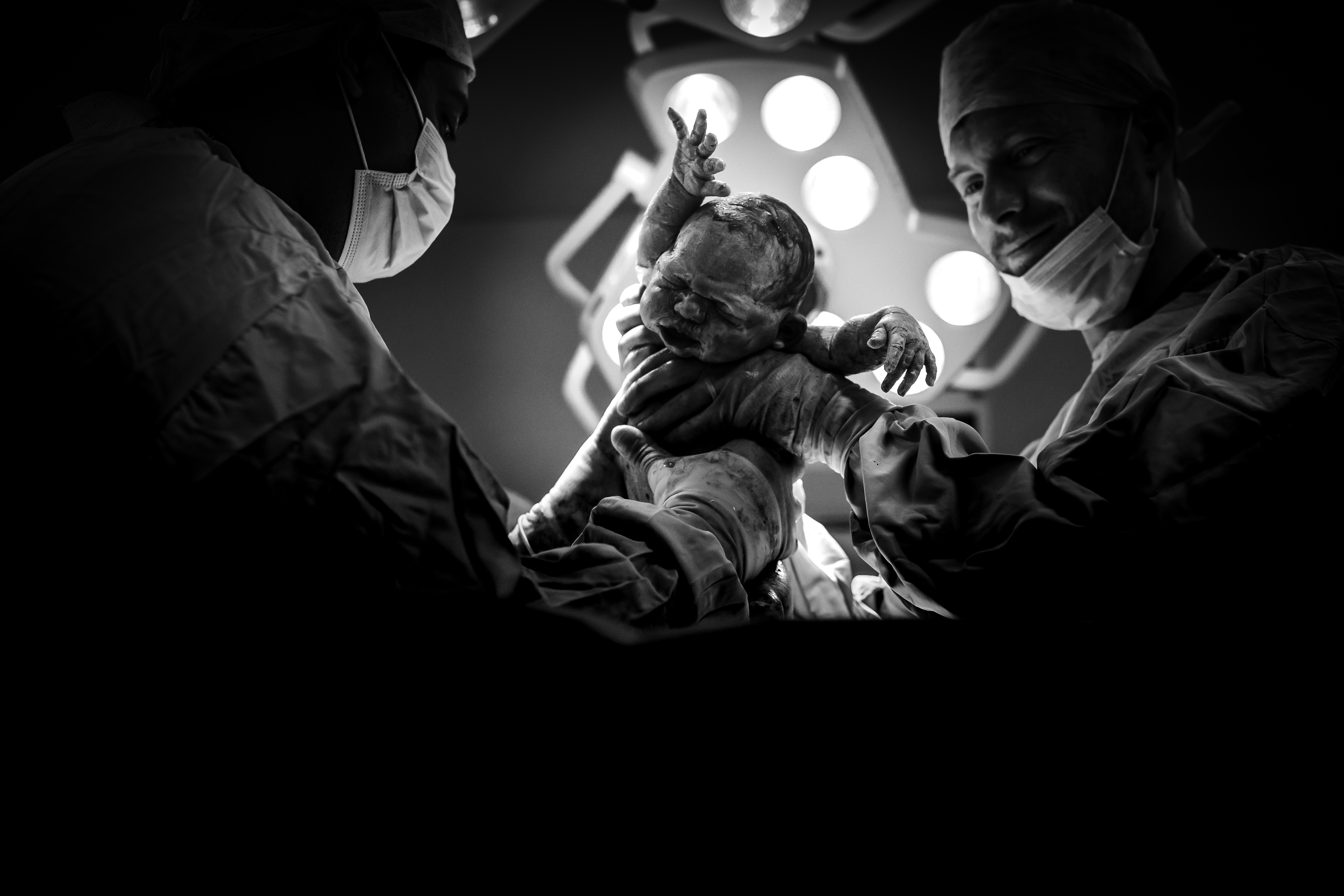
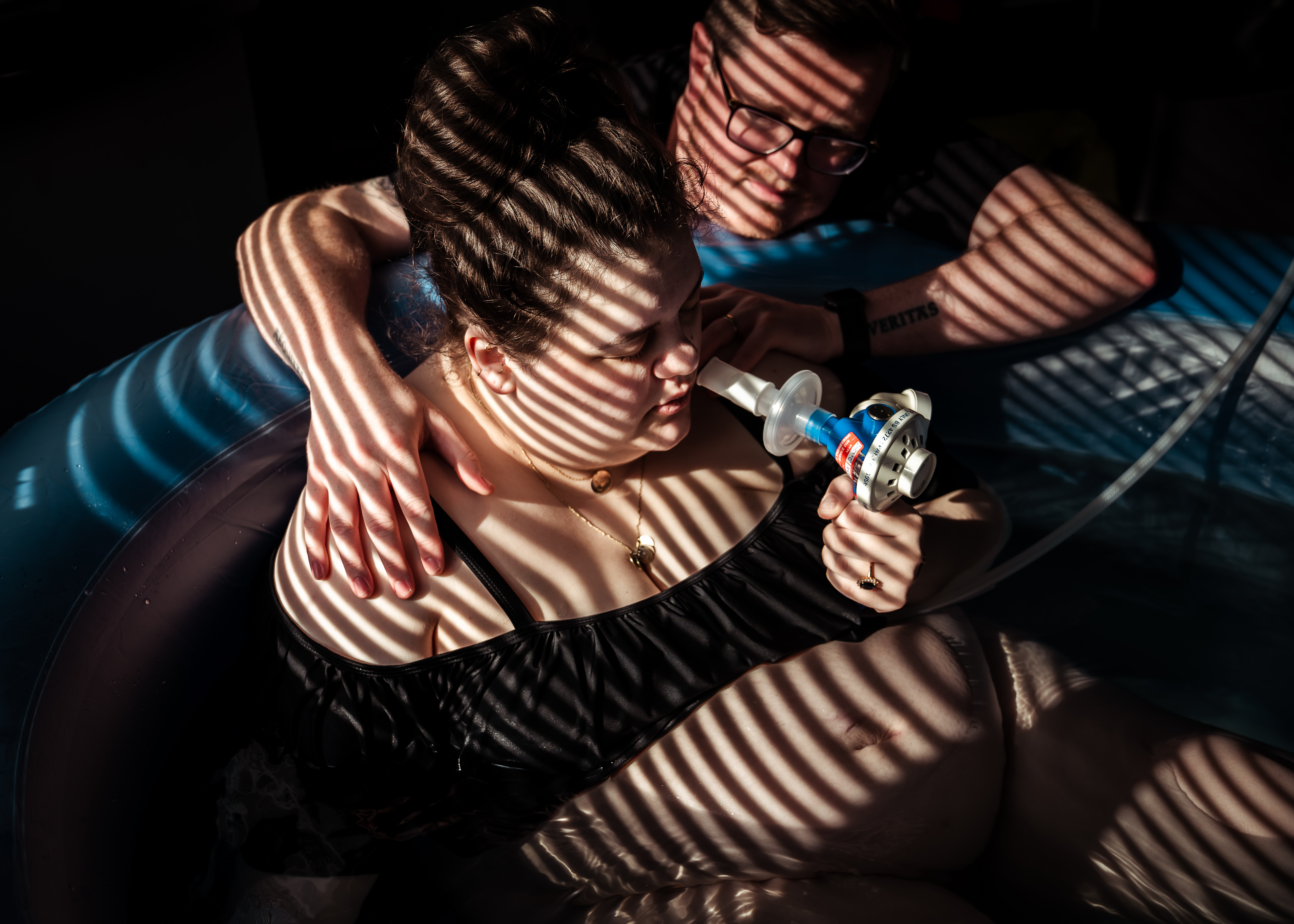
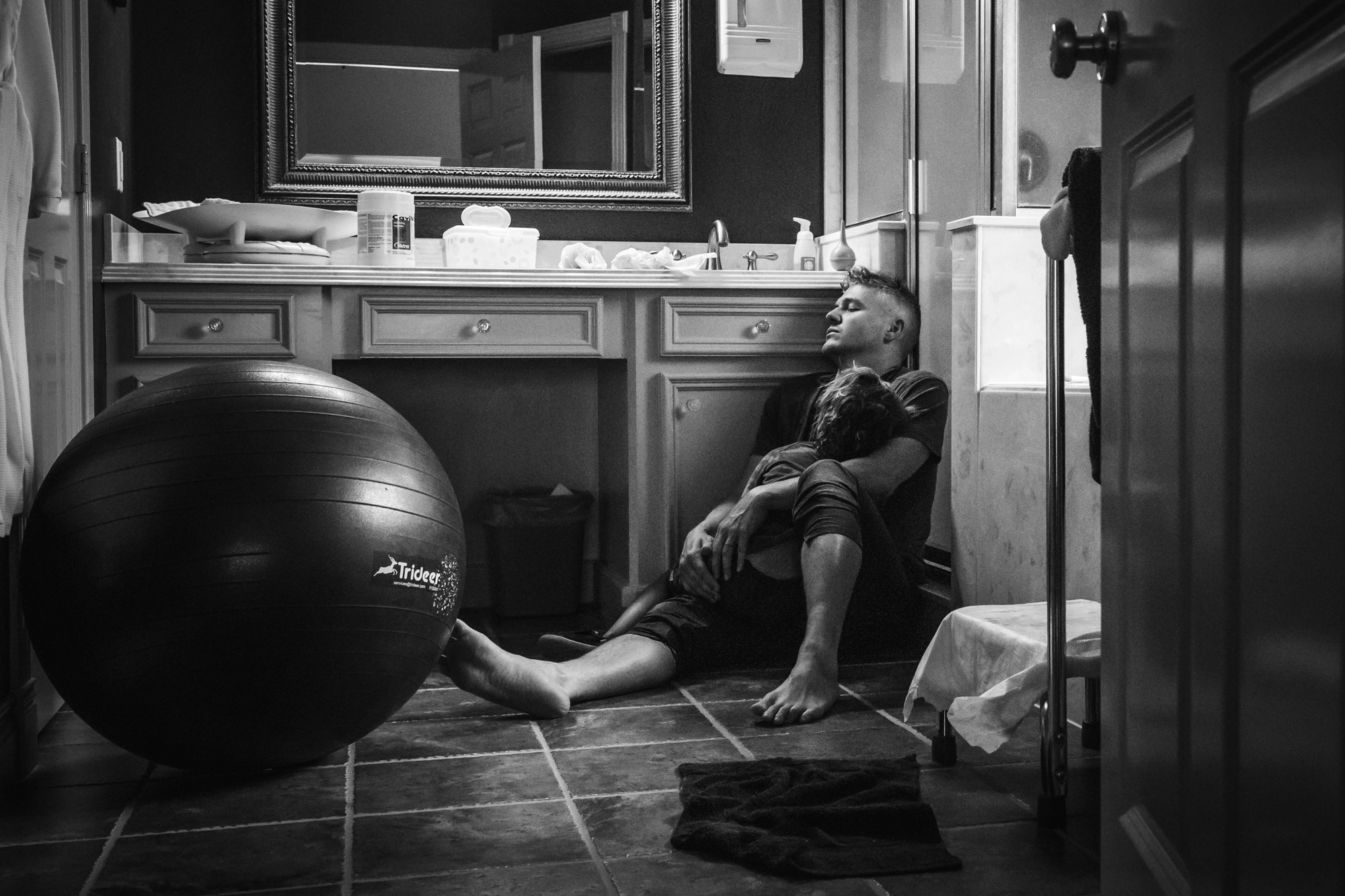
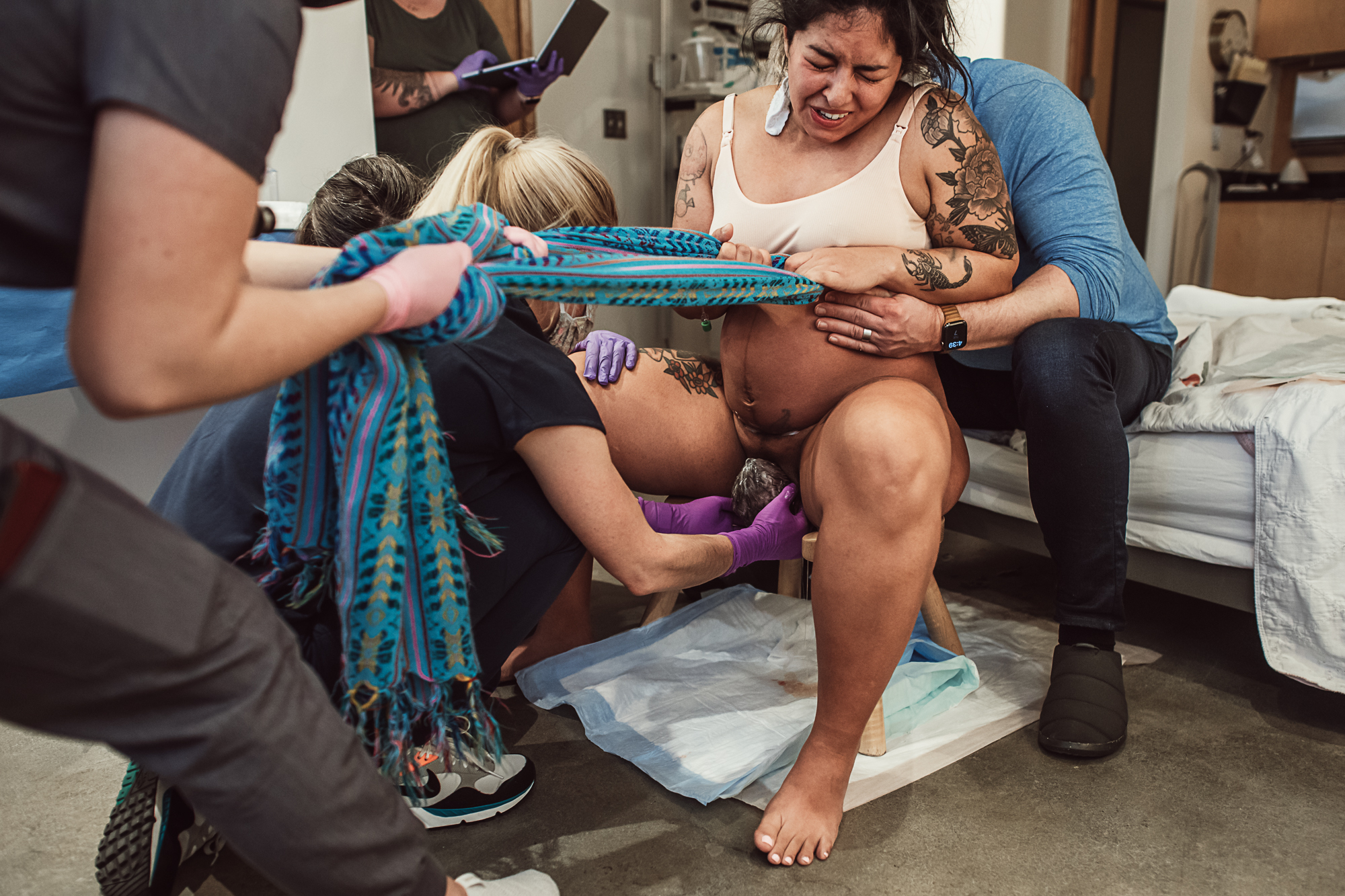
The photographers who document childbirth capture some of the most powerful and emotional moments in a parent’s life.
The organisation invited birth photographers to submit photos taken in 2022 and 2023 and received entries from almost 200 photographers around the world.
A panel of judges selected winners in categories like “between two worlds,” “birth team,” and “story in one image.”
“We put together this year’s showcase because we wanted to find a way to celebrate powerful birth imagery in a new way,” Nicole told HuffPost.
“By creating some more unique categories, we hoped to shine a light on images that often get overlooked in traditional photo contests.”
In addition to fostering a sense of community among birth photographers, Mason and Nicole work to change policies on social media platforms and offer courses for aspiring birth photographers.
Their biggest goal, however, is to make birth more visible, which they believe will help create a “safer and gentler” experience for all.
“We hope that people feel inspired by the images they see, and we hope they can recognise themselves or their birth story in some of these images,” Nicole said.
“We hope that this entire showcase illustrates just how diverse, powerful, and beautiful birth can be. ”
Keep scrolling for a selection of winning photos and other submissions and visit Birth Becomes You for the full collection. (Readers should note that the following uncensored photos show people in the act of childbirth.)

























As parents, all we want is for our kids to be happy and confident – and part of how we show them how great they are is to dish out praise.
“Well done!” ~ “Good boy/girl!” ~ “Great job!”
You probably utter these a fair few times throughout the day if your little one does something well.
And while praise is mostly considered to be beneficial for motivation, studies have found it’s the type of praise that makes the difference here.
Advertisement
A review of studies found praising a child’s intelligence had more negative consequences for their achievement motivation than praise for effort.
Fifth graders (10-11 year-olds) praised for intelligence were found to care more about performance goals relative to learning goals than children praised for effort.
When these children failed, they displayed less task persistence, less task enjoyment, more low-ability attributions, and worse task performance than children praised for effort.
What’s more, children praised for intelligence described it as a fixed trait more than children praised for hard work, who considered it subject to improvement.
Advertisement
Recently, clinical psychologist Dr Martha Deiros Collado shared an Instagram post about how parents can offer praise without even thinking sometimes, and that can be a problem.
“Praise is most effective when it is specific and focused on what a child has done,” she wrote in the caption for the post. “‘Well done’ sometimes rolls off the tongue so fast you may miss the effort your child has put into something.”
Dr Deiros Collado notes that “praise is a form of pressure” so the more a parent says “well done” or “good girl/boy” the more their child is likely to rely on their parents’ evaluations and judgement of what’s good or not.
“This can increase anxiety and shrink self-confidence,” she adds.
This pressure can also make some children “pull away” from doing something they’re good at, she suggests.
Advertisement
In short: praising effort, not talent, seems to be the best course of action.
A Stanford study of toddlers found doing this led to greater motivation and more positive attitudes towards challenges later in life.
As study author Professor Carol Zweck, told Psychology Today, statements like ‘you’re great’ or ‘you’re amazing’ aren’t helpful because later in life, when they don’t get it right or don’t do it perfectly, “they’ll think they aren’t so great or amazing”.
Dr Deiros Collado recommends talking less and asking more. So if your child draws something, you could ask: “How did you choose those colours?” or “Tell me more about the picture!”
Sometimes, instead of offering praise, silence can be just the ticket. “Let your child share their experience and pride (if it exists) or just let it be. Children do not need praise to be good,” she adds.
And lastly, she suggests you could try an approach where you offer praise and ask questions – she offers the example of saying: “Well done! You put your top on all by yourself. How did you do that?”
Advertisement
Of course, saying “well done” and “good girl/boy” every now and then isn’t going to hurt – but if you can think of creative ways to acknowledge your child’s effort in the things they do, you’ll be helping them in the long-run.


The largest storm in the solar system, a 10,000-mile-wide anticyclone called the Great Red Spot, has decorated Jupiter’s surface for hundreds of years.
A new study now shows that Saturn — though much blander and less colorful than Jupiter — also has long-lasting megastorms with impacts deep in the atmosphere that persist for centuries.
The study was conducted by astronomers from the University of California, Berkeley, and the University of Michigan, Ann Arbor, who looked at radio emissions from the planet, which come from below the surface, and found long-term disruptions in the distribution of ammonia gas.
The study was published today (Aug. 11) in the journal Science Advances.
Megastorms occur approximately every 20 to 30 years on Saturn and are similar to hurricanes on Earth, although significantly larger. But unlike Earth’s hurricanes, no one knows what causes megastorms in Saturn’s atmosphere, which is composed mainly of hydrogen and helium with traces of methane, water and ammonia.
“Understanding the mechanisms of the largest storms in the solar system puts the theory of hurricanes into a broader cosmic context, challenging our current knowledge and pushing the boundaries of terrestrial meteorology,” said lead author Cheng Li, a former 51 Peg b Fellow at UC Berkeley who is now an assistant professor at the University of Michigan.
Imke de Pater, a UC Berkeley professor emerita of astronomy and of earth and planetary sciences, has been studying gas giants for over four decades to better understand their composition and what makes them unique, employing the Karl G. Jansky Very Large Array in New Mexico to probe the radio emissions from deep inside the planet.
advertisement
“At radio wavelengths, we probe below the visible cloud layers on giant planets. Since chemical reactions and dynamics will alter the composition of a planet’s atmosphere, observations below these cloud layers are required to constrain the planet’s true atmospheric composition, a key parameter for planet formation models,” she said. “Radio observations help characterize dynamical, physical and chemical processes including heat transport, cloud formation and convection in the atmospheres of giant planets on both global and local scales.”
As reported in the new study, de Pater, Li and UC Berkeley graduate student Chris Moeckel found something surprising in the radio emissions from the planet: anomalies in the concentration of ammonia gas in the atmosphere, which they connected to the past occurrences of megastorms in the planet’s northern hemisphere.
According to the team, the concentration of ammonia is lower at midaltitudes, just below the uppermost ammonia-ice cloud layer, but has become enriched at lower altitudes, 100 to 200 kilometers deeper in the atmosphere. They believe that the ammonia is being transported from the upper to the lower atmosphere via the processes of precipitation and reevaporation. What’s more, that effect can last for hundreds of years.
The study further revealed that although both Saturn and Jupiter are made of hydrogen gas, the two gas giants are remarkably dissimilar. While Jupiter does have tropospheric anomalies, they have been tied to its zones (whitish bands) and belts (darkish bands) and are not caused by storms like they are on Saturn. The considerable difference between these neighboring gas giants is challenging what scientists know about the formation of megastorms on gas giants and other planets and may inform how they’re found and studied on exoplanets in the future.
The National Radio Astronomy Observatory (NRAO) is a facility of the National Science Foundation, operated under cooperative agreement by Associated Universities Inc.

Receiving a COVID-19 mRNA vaccine or booster during pregnancy can benefit pregnant people and their newborn infants, according to findings recently published in Vaccine. The paper describes results from the Multisite Observational Maternal and Infant Study for COVID-19 (MOMI-VAX), which was funded by the National Institute of Allergy and Infectious Diseases (NIAID), part of the National Institutes of Health.
The MOMI-VAX study launched in June 2021 when data on COVID-19 vaccination in pregnant people were sparse. Researchers hoped to understand the immune response following receipt of Pfizer and Moderna COVID-19 vaccines, and determine how much protection against illness they provided. Pregnant people are more likely to be hospitalized and die from severe COVID-19, and the disease puts them at greater risk for preterm birth. Researchers also suspected that, as with other vaccines, the antibodies generated by COVID-19 vaccination might transfer to fetuses across the placenta, which would provide newborns with some additional protection against COVID-19 in their first months of life. Among other metrics, the study tracked the COVID-19 antibody levels of pregnant people who received either of the two COVID-19 vaccines, as well as the antibodies in their cord blood when they gave birth.
Researchers at the NIAID-funded Infectious Diseases Clinical Research Consortium (IDCRC) followed more than 500 pregnant volunteers and their newborns, at nine study sites. Results from 240 participants are reported in this paper, including 167 pregnant participants who received the two-dose primary series of either of the two mRNA vaccines during pregnancy, and 73 who received a booster dose; at the time, only one booster dose was recommended. Researchers examined blood samples taken before and after participants were vaccinated or boosted, and at time of delivery. The researchers also analyzed participants’ cord blood at the time of birth.
The researchers found that pregnant people who received the COVID-19 vaccines generated antibodies against specific types of SARS-CoV-2. These included antibodies against the D614G variant (which the vaccines were designed to protect against), as well as the Delta and Omicron subvariants. The antibodies effectively crossed the placenta and were also found in the cord blood of vaccinated participants. This likely conferred some protection in the newborns against these variants immediately after birth — a critical time when they are vulnerable to severe COVID-19 disease but are too young to be vaccinated, according to the researchers.
Pregnant participants who received a booster dose had substantially more antibodies against SARS-CoV-2, both in their own blood and in their cord blood, suggesting that boosting also increased their newborns’ immune defenses against COVID-19. These findings support the use of COVID-19 vaccination, and in particular booster doses, during pregnancy for protection of mothers and newborns.
The researchers suggest that future studies could determine the best time during pregnancy to get vaccinated against COVID-19 to provide the most protection for parent and newborn. In addition, researchers hope to build a more complete picture of how prenatal COVID-19 vaccination affects infants using more data collected during the MOMI-VAX study, such as antibody levels in breastmilk and infants’ SARS-CoV-2 antibody levels in the year after birth.

Directing light from place to the place is the backbone of our modern world. Beneath the oceans and across continents, fiber optic cables carry light that encodes everything from YouTube videos to banking transmissions — all inside strands about the size of a hair.
University of Chicago Prof. Jiwoong Park, however, wondered what would happen if you made even thinner and flatter strands — in effect, so thin that they’re actually 2D instead of 3D. What would happen to the light?
Through a series of innovative experiments, he and his team found that a sheet of glass crystal just a few atoms thick could trap and carry light. Not only that, but it was surprisingly efficient and could travel relatively long distances — up to a centimeter, which is very far in the world of light-based computing.
The research, published Aug. 10 in Science, demonstrates what are essentially 2D photonic circuits, and could open paths to new technology.
“We were utterly surprised by how powerful this super-thin crystal is; not only can it hold energy, but deliver it a thousand times further than anyone has seen in similar systems,” said lead study author Jiwoong Park, a professor and chair of chemistry and faculty member of the James Franck Institute and Pritzker School of Molecular Engineering. “The trapped light also behaved like it is traveling in a 2D space.”
Guiding light
The newly invented system is a way to guide light — known as a waveguide — that is essentially two-dimensional. In tests, the researchers found they could use extremely tiny prisms, lenses, and switches to guide the path of the light along a chip — all the ingredients for circuits and computations.
advertisement
Photonic circuits already exist, but they are much larger and three-dimensional. Crucially, in existing waveguides, the particles of light — called photons — always travel enclosed inside the waveguide.
With this system, the scientists explained, the glass crystal is actually thinner than the photon itself — so part of the photon actually sticks out of the crystal as it travels.
It’s a bit like the difference between building a tube to send suitcases around an airport, versus setting them on top of a conveyer belt. With a conveyer belt, the suitcases are open to the air and you can easily see and adjust them en route. This approach makes it much easier to build intricate devices with the glass crystals, as the light can be easily moved with lenses or prisms.
The photons can also experience information about the conditions along the way. Think of checking the suitcases coming in from outdoors to see if it’s snowing outside. Similarly, the scientists can imagine using these waveguides to make sensors at the microscopic level.
“For example, say you had a sample of liquid, and you wanted to sense whether a particular molecule was present,” explained Park. “You could design it so that this waveguide travels through the sample, and the presence of that molecule would change how the light behaves.”
The scientists are also interested in building very thin photonic circuits which could be stacked to integrate many more tiny devices into the same chip area. The glass crystal they used in these experiments was molybdenum disulfide, but the principles should work for other materials.
advertisement
Though theoretical scientists had predicted that this behavior should exist, actually realizing it in the laboratory was a years-long journey, the scientists said.
“It was a really challenging but satisfying problem, because we were walking into a completely new field. So everything we needed we had to devise ourselves — from growing the material to measuring how the light was moving,” said graduate student Hanyu Hong, the co-first author of the paper.
Myungjae Lee (formerly a postdoctoral researcher at UChicago, now faculty at Seoul National University) was the other first co-author of the paper. Postdoctoral researcher Jaehyung Yu, Fauzia Mujid (PhD’22, now at Ecolab), and graduate students Andrew Ye and Ce Liang were also authors on the paper.
The scientists used the University of Chicago Materials Research Science and Engineering Center, the fabrication facilities of the Pritzker Nanofabrication Facility, and the Cornell Center for Materials Research.

Effluents from wastewater treatment plants have a dual effect: Some species disappear, while others benefit. Especially certain insect orders, such as stonefly and caddisfly larvae, are decimated. Certain worms and crustaceans, by contrast, can increase in number. A team from Goethe University Frankfurt led by Daniel Enns and Dr. Jonas Jourdan has corroborated this in a comprehensive study, which has now been published in the journal Water Research. They examined 170 wastewater treatment plants in Hesse in relation to species composition.
Wastewater treatment plants are an indispensable part of our modern infrastructure; they have made a significant contribution to improving the quality of our surface waters. However, their ability to completely remove what are known as micropollutants from wastewater is mostly limited. These substances include, for example, active ingredients from pharmaceuticals and personal care products, pesticides and other synthetic substances enter waterbodies via the treated wastewater, placing an additional burden on rivers and streams. This exacerbates the challenges faced by already vulnerable insect communities and aquatic fauna. Previous studies — which have primarily focused on single wastewater treatment plants — have already shown that invertebrate communities downstream of such effluents are generally dominated by pollution-tolerant taxa.
Until now, however, it was unclear how ubiquitous these changes are. That is why a team of biologists from Goethe University Frankfurt has now studied extensively how wastewater from 170 wastewater treatment plants in Hesse has an impact on the species composition of invertebrates. This has prompted a change in the common conception that human-induced stressors reduce the number of species in a habitat and thus their diversity: Rather, the findings indicate that a shift in species composition can be observed. The researchers were able to identify significant shifts in the composition of the species community between sites located upstream and downstream of wastewater treatment plants. Some species were particularly affected by effluents from wastewater treatment plants — such as stonefly and caddisfly larvae, which disappear entirely in some places. Other taxa, such as certain worms and crustaceans, by contrast, benefit and are found in greater numbers. This change can be observed especially in streams and smaller rivers. Overall, wastewater treatment plants alter conditions downstream to the advantage of pollution-tolerant taxa and to the disadvantage of sensitive ones.
How can we reduce water pollution?
Modern treatment techniques such as ozonation or activated charcoal filtering can make water treatment in wastewater treatment plants more efficient, allowing a wider range of pollutants, including many trace substances, to be removed from the wastewater before it is released into the environment. Merging smaller wastewater treatment plants can also contribute to reducing the burden on the environment. Whatever measures are taken, it is important to make sure that upstream sections are not already degraded and are in a good chemical and structural condition.

Producers of infant formula employ comprehensive food safety systems, including product testing to ensure those systems are working. A new study from the University of Illinois Urbana-Champaign finds that some testing methods are more powerful at catching contaminants than others.
Spacing out samples over time in a stratified sampling pattern is better at catching risky pathogens like Cronobacter than randomly sampling from the product as it is being produced, the researchers found. Furthermore, while taking more samples of product generally increases the chance to catch the pathogen, there is a point after which it is unlikely to increase safety.
“Our findings show that existing sampling and testing guidance is powerful, at least for the one hazard profile our team had access to for the study,” said project lead Matthew J. Stasiewicz, associate professor in the Department of Food Science and Human Nutrition (FSHN), part of the College of Agricultural, Consumer and Environmental Sciences at U. of I.
“However, this work also highlights the need for additional research and data sharing efforts into patterns of contamination in infant formula production, so that sampling and testing can be better matched to current needs,” he stated.
Safety systems for infant formula production include control points like milk pasteurization and steps to prevent contamination such as sanitary facility design and regular cleaning and sanitation. Product testing is an additional tool that producers are using to verify safety, and it must be powerful enough to catch a major failure before a potentially risky product is released to customers.
The study, published in the Journal of Food Protection, was supported by the Institute for the Advancement of Food and Nutrition Sciences (IAFNS) Food Microbiology Committee. The researchers used computer models to simulate sampling and testing finished formula to gauge the power of current national and international guidelines for testing programs and suggest ways to do better.
The process was based on detecting a realistic hazard, defined by what was observed in samples from Cronobacter-contaminated batches produced in Europe in the 2010s, the most current data available. The researchers found that safety plans with 30 or more grab samples had a very high probability of detecting hazards. However, there was a point of diminishing returns, where very high sample numbers — like testing every can produced — would not be meaningfully more powerful. They concluded that systematic or stratified random sampling patterns are more effective than simple random sampling for bulk powder testing.
“In addition to analyzing relevant scenarios, we built a web app that allows industry stakeholders to simulate various sampling scenarios and gain a deeper understanding of the effectiveness of sampling plans specific to their plants. With this knowledge, producers can proactively address risks and optimize current sampling practices,” said the study’s lead author Minho Kim, a doctoral student in FSHN.
For parents who are concerned about their infants becoming ill from bacterial contamination of formula, the researchers advise they talk to their doctor about safer formula feeding.
For example, one way to further reduce bacteria in formula is using hot water during reconstitution and then cooling it to body temperature prior to feeding. This simple preventative measure can greatly reduce the risk from Cronobacter contamination according to an international risk assessment. However, steps like this require care to avoid the risk of children being burned by the heated bottles.

Watermelon is a globally significant agricultural product, both in terms of the total amount produced and the total economic value generated.
Scientists at the Boyce Thompson Institute have constructed a comprehensive “super-pangenome” for watermelon and its wild relatives, uncovering beneficial genes lost during domestication that could improve disease resistance and fruit quality of this vital fruit crop.
“We aimed to delve deeper into the genetic variations that make watermelons so diverse and unique,” stated Professor Zhangjun Fei, the study’s lead author. “Our findings not only provide insights into the evolutionary journey of watermelons but also present significant implications for breeding and disease resistance.”
The watermelon super-pangenome was built using reference genome sequences and genome resequencing data from 547 watermelon accessions spanning four species — cultivated watermelon (Citrullus lanatus) and its wild relatives C. mucosospermus, C. amarus, and C. colocynthis.
Analyses of the super-pangenome revealed that many disease-resistance genes present in wild species were lost during domestication, as early farmers selected for fruit quality traits like sweetness, flesh color, and rind thickness. “These beneficial genes could be reintroduced into modern cultivars to breed more resilient watermelon varieties,” noted Fei.
A key discovery of the research, recently published in the Plant Biotechnology Journal, was the identification of a tandem duplication of the sugar transporter gene ClTST2 that enhances sugar accumulation and fruit sweetness in cultivated watermelon. This genetic variant was rare in wild watermelons but was selected during domestication.
“The super-pangenome provides a valuable genetic toolkit for breeders and researchers to improve cultivated watermelon,” said Fei. “By understanding the genetic makeup and evolutionary patterns of watermelons, we can develop varieties with enhanced yield, increased disease resistance, and improved adaptability.”
This research was supported by grants from the USDA National Institute of Food and Agriculture Specialty Crop Research Initiative (2015-51181-24285 and 2020-51181-32139) and the US National Science Foundation (IOS-1855585).
