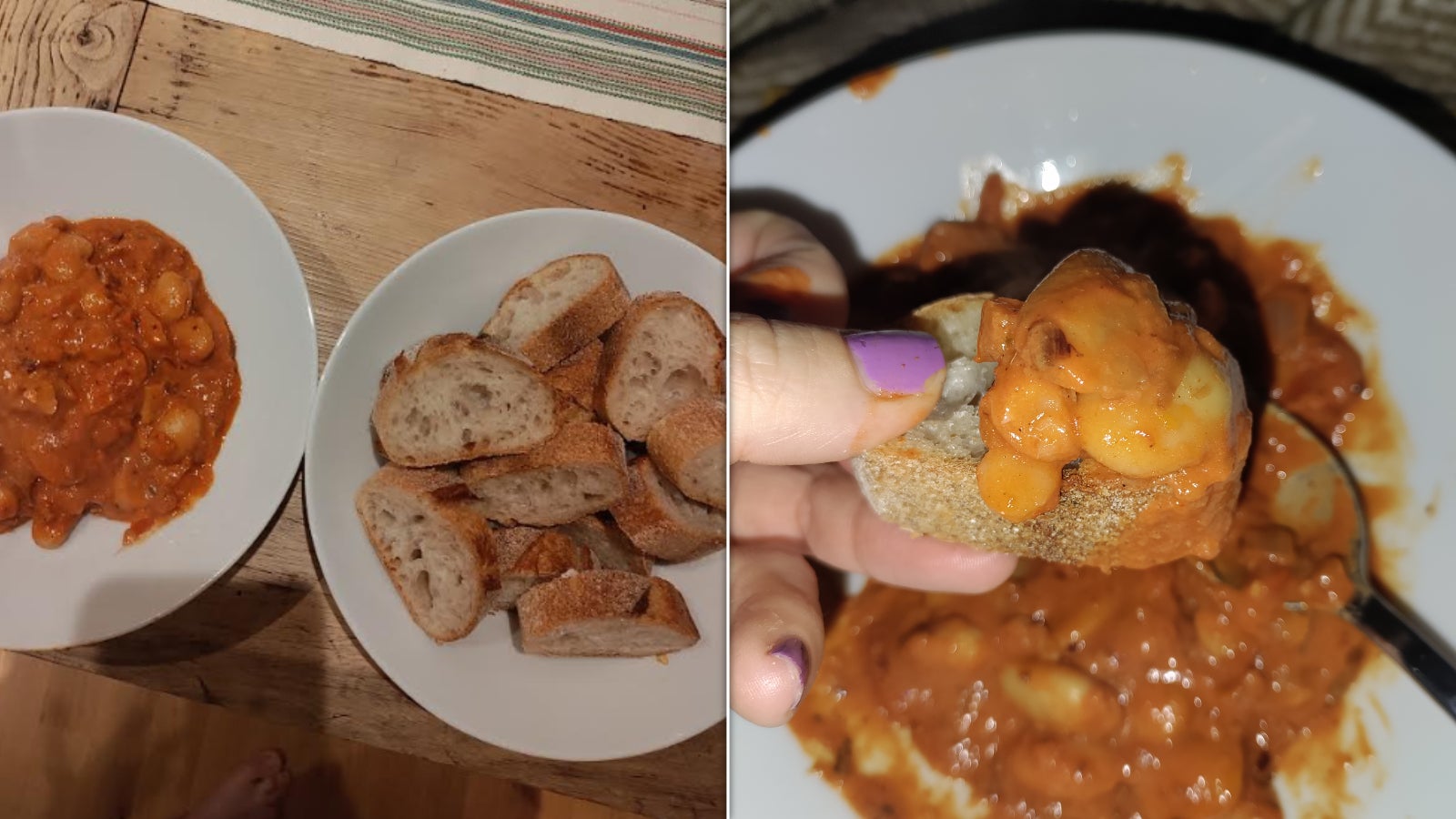
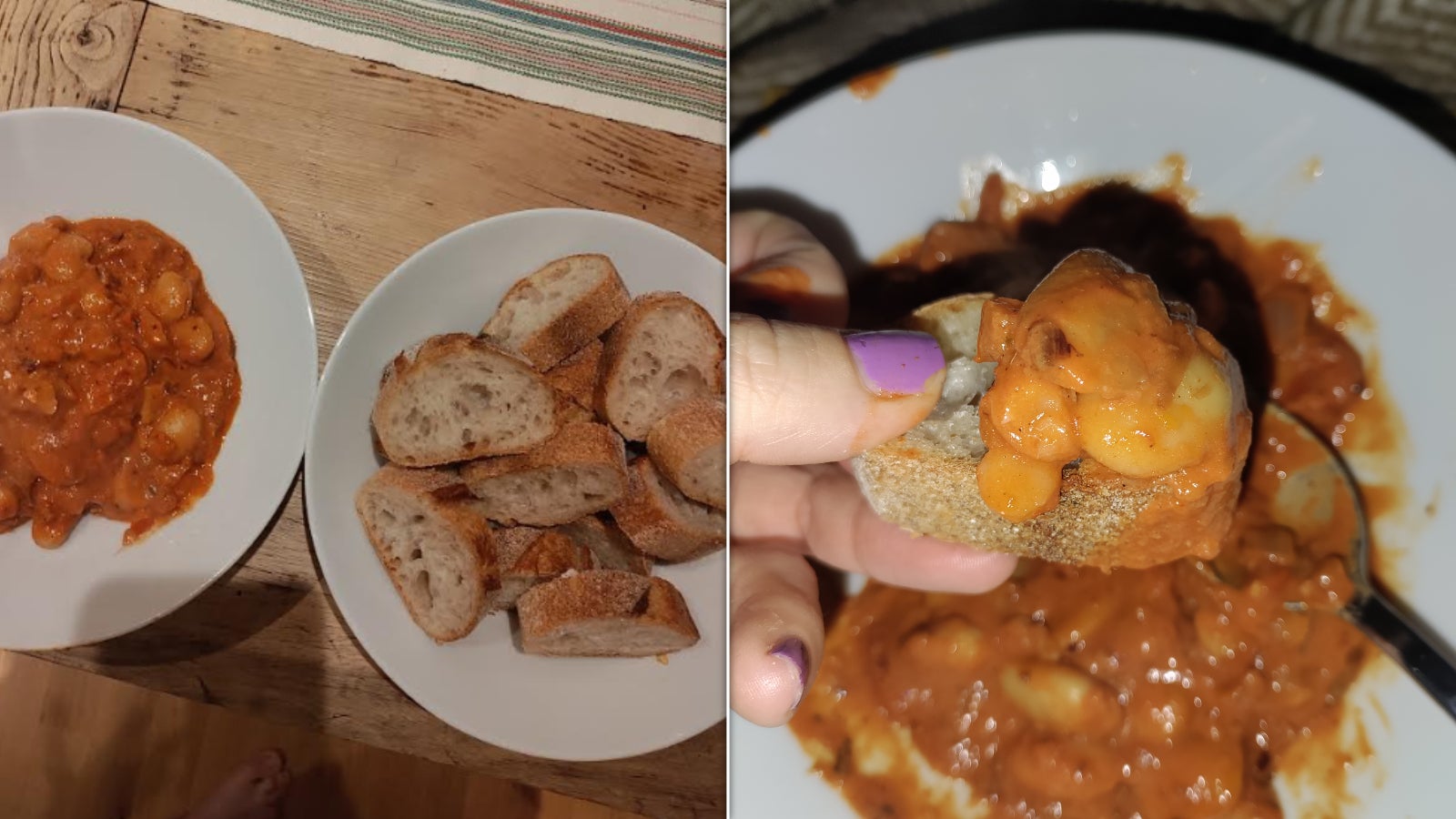
This £2 ‘Marry Me’ Butter Bean Recipe Takes 15 Minutes And Contains Almost A Third Of Your Daily Fibre

And let’s face it; with the sun shining and the temperatures rising, most of us feel less and less in the mood to stand over a hot stove for long.

I’m currently on a low-effort, high-fibre meal kick (about 90% of Brits fail to reach the NHS’s 30 g-a-day fibre recommendation, which is a shame as it can help to lower your risk of colon cancer).

First, that resulted in my overnight cocoa chia oat breakfast. And recently, it gave life to my new quick-fix “marry me” butter bean recipe, too (my ingredients offered 9g of fibre a serving without bread and is perfect for a speedy dinner or lunch).

The base is simple

TikTok’s viral “marry me” chicken recipe is actually older than you might think ― it’s a variation of “Tuscan”-style recipes (Mary Berry used the method before it got its catchy name).

The idea is simple: cook a tomato sauce around a protein and then add some form of dairy at the end to round it out.

“Marry me” recipes often use sundried, rather than regular, tomatoes for an added flavour punch. The result is a moreish, deep flavour that tricks you into thinking you’ve spent hours cooking out tomatoes.

My butter bean recipe does that same, but it’s a lot faster and more wallet-friendly (it involves a 50p can of butter beans, roughly half a pound’s worth of fresh basil, about £1 of Parmesan, approximately 80p of sun-dried tomato, and 50p cream cheese, plus pennies of herbs and spices, onions, and garlic).

Let’s round that up to £2 a person (my recipe fed two).

Here’s how it’s made

Ingredients (for 2)

  • 400g tin butter beans
  • 4 cloves garlic
  • Small onion, finely diced
  • 1 tablespoon oil (any is fine, though from the sundried tomato jar is best)
  • About 4 sun-dried tomatoes, diced
  • Half a teaspoon of chilli flakes
  • 1 teaspoon oregano
  • Fresh basil, chopped
  • 75g cream cheese
  • 50g grated parmesan
  • Salt
  • Pepper
  • Crusty bread (optional)

Instructions

  • Heat the pan to medium, and place the oil in it once hot. Place the finely-chopped shallots in oil along with a half teaspoon of salt once shimmering and keep simmering until translucent (about seven minutes).
  • Add the chopped garlic and sun-dried tomatoes along with the chilli flakes and oregano and fry off for a minute or until fragrant, then pour in the butter beans with their water.
  • Continue cooking for another 5 minutes or until the sauce begins to become jammy and thick.
  • Add the cream cheese, Parmesan, pepper, and salt to taste at the end, stirring until well combined (do this off the heat).
  • Serve and cover with chopped basil leaves. Eat with crusty bread if preferred.
Share Button

‘Act Fast, Don’t Panic’: Experts Share What To Do If You Click On A Scam Link

If you’ve noticed more scam calls and increasingly convincing phishing emails recently, you’re not alone. The UK National Cybersecurity Centre (NCC) itself has said that “scams are getting smarter, and some even fool the experts”.

AI tools and voice cloning (where fraudsters use clips of someone’s voice to mimic a loved one on the phone) might make your online life feel increasingly fraught.

But what if you’ve already selected it by accident? Here, cybersecurity experts share their advice on what to do next.

General advice if you’ve clicked on a suspicious link

Tomas Stamulis, the chief security officer at digital privacy company Surfshark, said that you shouldn’t assume the worst if you’ve clicked on a suspicious link – though you should “act quickly”. In fact, all the experts we spoke to said speed matters here.

“Close the page straight away and avoid entering any personal information, passwords or payment details. If anything has downloaded or been installed, disconnect the device from the internet and run a full malware scan,” he added.

Neil Bayliss, director of IT support experts Hubtel IT, agreed that you should act immediately, but stressed you shouldn’t panic. “Scammers often count on you panicking and losing your ability to think rationally,” he explained.

And Stephen Bailey, director of client delivery at global cyber security company NCC Group, told us: “One of the biggest mistakes people make is delaying because they’re worried about admitting they clicked a link or opened an attachment.”

Both in your workplace or on a personal device, “taking action quickly can limit the damage and make it much harder for an attacker to gain further access”.

If you used, or think you might have used, a work account or device when entering your card details, contact your company’s IT team too, both Bailey and Bayliss shared.

What if I opened a link and shared my password?

Stamulis said that if you did enter some login details, change them from a “clean” device – not the one on which you received the scam email, text or call.

Start with your email address, he added, as access to your email can give hackers a path to other services via password changes. Stamulis advised using unique passwords and two-factor authentication.

Keep an eye on your bank, email, and “other important accounts for unfamiliar logins, password changes, or transactions over the following days and weeks,” he continued.

“Be particularly vigilant about unexpected calls, texts or emails offering to help with the issue, as scammers can use the situation to pose as a trusted company or support service and try to gather more information from you.”

What if I opened a link and shared financial details?

You should call your bank at once if you shared any financial information like your card or account details, stated Bayliss. “Make sure you use its official website or app, or call the contact number on the back of your card,” he said.

All the experts we spoke to said scammers might use the aftermath of a data breach to get more financial information from you, too.

Maybe your initial click on the link didn’t lead to any information they could use to directly draw money from your account.

But people should be very cautious of any unsolicited requests for credentials, financial information, or urgent action. “Instead, verify information through official channels and trusted sources before taking any action,” stated Bailey.

How can I report scam links?

Stamulis said that if the scam came via email, report it to your email provider and the National Cyber Security Centre. Don’t click on the link again, and don’t reply to the scammers.

You can also “forward suspicious emails to report@phishing.gov.uk and suspicious text messages to 7726 free of charge,” Bayliss said.

You can also report scam calls to 7726, per Ofcom. Just select the phone number that called you (don’t dial it), copy it and paste into a SMS message to 7726.

How can I spot scam links going forward?

“There used to be quite common signs of a scam such as spelling mistakes or suspicious-looking links, but some criminals use AI tools to create convincing and polished messages,” suggested Bayliss.

Scams have gotten more “sophisticated” but one giveaway can be a sense of urgency.

If you receive a message or call that tells you you need to take immediate action, like resetting a password or following a link, consider it suspicious.

Bayliss warned: “Don’t let yourself become pressured or lose sight of clear red flags.”

And Stamulis said you should “treat unexpected contact with caution, avoid clicking links in messages and go to the relevant website or app independently”.

“It is also worth changing any reused passwords, enabling two-factor authentication and keeping an eye out for unusual account activity or unexpected password-reset requests,” he said.

Share Button

NASA’s Webb finds signs of Mars-sized worlds smashing together

Scientists think one of the most important events in the early solar system was a colossal collision between the young Earth and a Mars-sized body known as Theia. The impact likely vaporized huge quantities of rock and hurled material into space. Some of that debris eventually came together to form the Moon, where NASA’s Artemis program is returning humans, preparing for Mars, and shaping the future of space exploration.

That ancient impact dramatically altered Earth. Now, astronomers are using NASA’s James Webb Space Telescope to investigate young star systems that appear to be experiencing similarly violent events. By studying these systems, researchers can estimate how energetic the collisions were and learn more about how rocky planets form and evolve.

The team’s findings published Oct 1. in The Astrophysical Journal.

Webb Targets Rare Extreme Debris Disks

The material surrounding a star changes significantly over time. Young stars begin with a juvenile, gas-rich protoplanetary disk where forming planets can reside. As the system matures, that environment develops into a gas-poor debris disk.

During its years of operation, NASA’s retired Spitzer Space Telescope studied these debris disks and identified an unusual category known as extreme debris disks. These systems contain exceptionally large amounts of warm dust close to their stars, roughly in the same region where rocky planets orbit in our own solar system.

Kate Su of the Space Science Institute in Boulder, Colorado, led a team of astronomers that used Webb to investigate these unusual systems in greater detail.

Theoretical models suggest extreme debris disks should be relatively common, but observations tell a different story. Based on data gathered so far, scientists estimate that only about 1% of young stars display observable signs of this stage. Our own solar system may also have passed through such a phase while it was forming.

Even though these systems are uncommon, the researchers assembled a sample of 21 extreme debris disks. Five came from archival Spitzer observations, and 16 were studied with Webb. Of the Webb sample, 12 disks were newly observed, while four were follow-up observations of systems previously examined by Spitzer.

“This is the first time we have gathered enough systems to truly understand this subclass that we call extreme debris disks,” said Su, lead author of the paper. “Before Webb, we had limited information. We knew that they are weird and very different from the typical cold debris disks that we know, like Vega and Fomalhaut. Now that we have more data, we can pin down what these disks represent for planet formation and evolution.”

Dust Reveals the Nature of Planetary Collisions

The researchers confirmed that extreme debris disks have three defining characteristics. Their dust grains are smaller than those found in protoplanetary or more typical debris disks, they contain unusually high concentrations of warm dust, and their brightness changes irregularly over time. Webb and Spitzer revealed these features through mid-infrared spectra.

To understand what might be producing these unusual traits, the researchers examined the minerals present in the disks. Their analysis showed that the systems could be divided into two broad groups: silica-rich disks and silica-poor disks.

On Earth, volcanic glass such as obsidian is an example of silica-rich material. The silica-poor mineral forsterite, meanwhile, can be seen as green sand grains on certain beaches in Hawaii.

Whether a disk is rich or poor in silica can reveal important information about the collision that created its debris. The distinction may also help explain why some of the disks fluctuate more dramatically in infrared brightness.

“To just see their mid-infrared emission and beautiful spectral features with Webb, which allowed us to identify their compositions, was the most exciting thing for me,” said Agnes Kospal of Konkoly Observatory in Budapest, Hungary, and a coauthor of the study. “We have no other way to study these planetary embryos directly because they are too small.”

Mars-Sized Worlds May Be Smashing Together

Roughly one-third of the disks in the sample are silica-rich. The researchers say these systems likely formed after extremely energetic collisions between Mars-sized bodies. Such impacts would be powerful enough to vaporize a substantial amount of rocky material.

The other two-thirds are silica-poor. These systems appear to result from lower-energy collisions, including grazing impacts between Moon-sized objects.

The researchers also found an important age difference between the two groups. Silica-rich disks have only been identified around stars younger than 300 million years. Silica-poor disks, however, occur around stars spanning a much wider range of ages and tend to show stronger changes in brightness.

The team suggests that this variability may come from the rapid evolution of newly created debris. Changes in the material’s orbit, along with additional collisions, could cause the infrared brightness to rise and fall over time.

The findings may also help scientists reconstruct the history of our own solar system, which could have passed through more than one extreme debris disk phase.

“How rocky planets formed and giant planets evolved are part of the broader story of the solar system’s formation. It’s all one story,” said Su. “Our work on extreme debris disks helps us bring together the big picture of what we currently understand.”

Clues to the Collision That Formed the Moon

Computer simulations suggest terrestrial planets, including Earth, should emerge within the first few hundred million years after a solar system begins forming.

That timeline matches the ages of the silica-rich extreme debris disks observed so far. It is also consistent with estimates that Earth and the Moon formed roughly 100 million years after the Sun, with the Moon likely being the result of a collision between Earth and a Mars-sized object.

Scientists are also interested in whether the Sun may once have passed through a silica-poor extreme debris disk phase.

If the older silica-poor disks and their seemingly random periods of changing infrared brightness are caused by orbital instability, the pattern would be broadly compatible with the Late Heavy Bombardment hypothesis for our solar system.

Under that scenario, the giant planets shifted significantly from their original positions. Their movement disturbed the orbits of smaller objects, setting off catastrophic collisions and producing brief periods filled with large amounts of dust, similar to what astronomers now observe in extreme debris disks.

“Of course, there’s many things we still don’t know about these disks,” said Attila Moor of Konkoly Observatory, a coauthor of the study. “We expect no silica-rich systems among older extreme debris disks. We only have three disks in our sample that fit that age criteria, so it’ll be nice to observe more of these systems to confirm our hypothesis.”

The James Webb Space Telescope is the world’s premier space science observatory. Webb is solving mysteries in our solar system, looking beyond to distant worlds around other stars, and probing the mysterious structures and origins of our universe and our place in it. Webb is an international program led by NASA with its partners, ESA (European Space Agency) and CSA (Canadian Space Agency).

Share Button

Taking antibiotics? Sugar may be making the damage worse

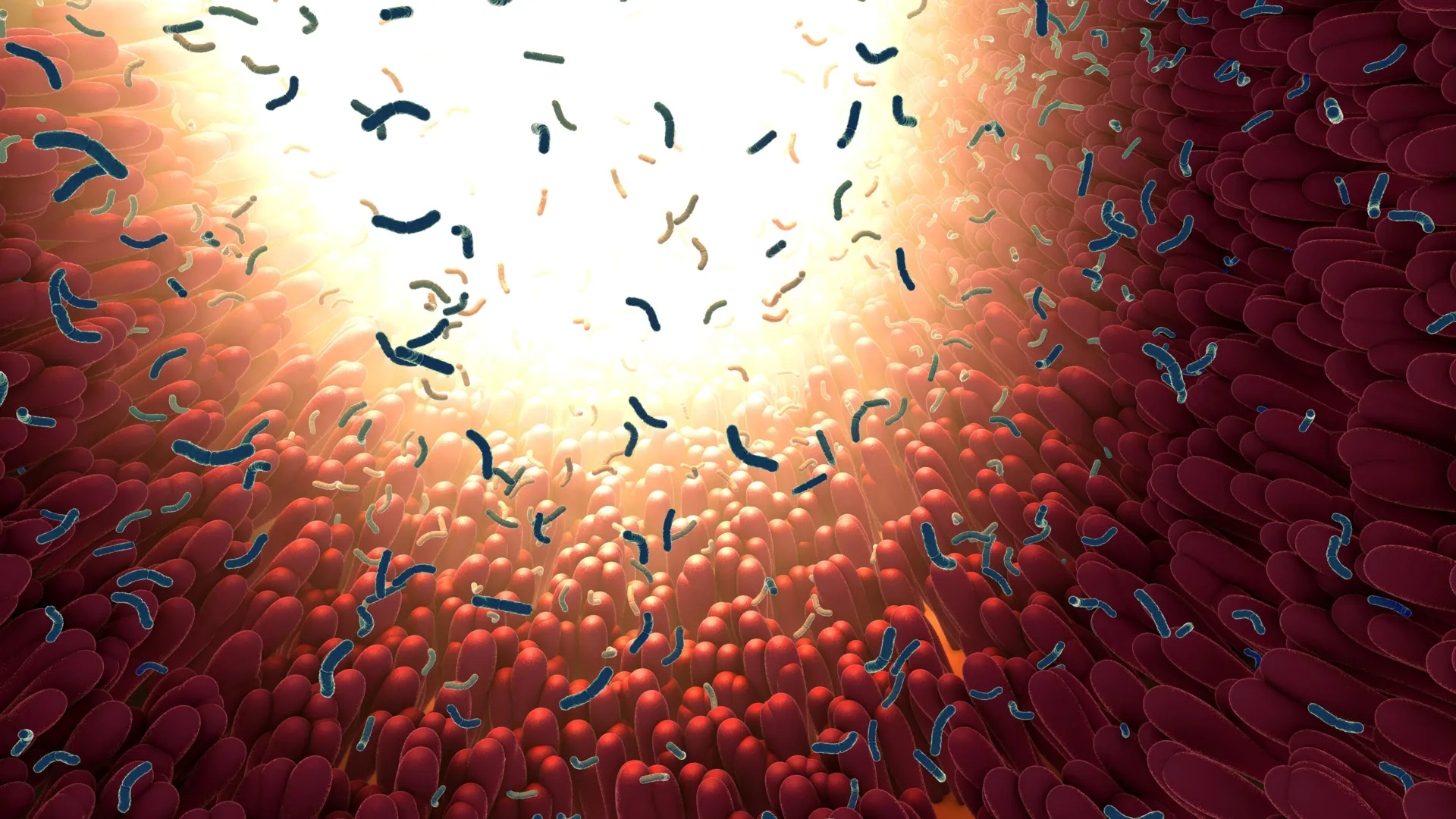
Eating more sugar while taking antibiotics may intensify the disruption those drugs cause to beneficial gut bacteria, according to new research.

The study focused on the intestinal microbiome, the vast community of bacteria that has evolved alongside humans and helps with digestion, immune function, and other essential processes. Antibiotics are among the most commonly prescribed medicines worldwide, but they can kill beneficial bacteria as well as harmful ones. In some cases, that disruption allows potentially dangerous species to gain an advantage.

A diverse microbiome is generally better able to resist the expansion of harmful pathogens. Antibiotic treatment can reduce that diversity, leaving the gut ecosystem more vulnerable to disease, according to the researchers.

Sugar Linked to Greater Microbiome Damage

Researchers from NYU Langone Health, City of Hope, and Memorial Sloan Kettering closely monitored 9,419 meals consumed by 173 hospitalized cancer patients and tracked changes in their gut microbiomes.

For every additional 100 grams of sugar eaten during the 48 hours before treatment, the researchers observed an additional 21% decline in alpha diversity, a measure of the variety of beneficial bacterial species found in the gut.

The findings, published online Sept. 30 in the journal Nature, also showed that sugary diets combined with antibiotic treatment were associated with increases in Enterococcus faecium among patients. This bacterial species has been linked to infections that can be difficult to treat.

Mouse experiments produced a similar result. Animals exposed to the antibiotic biapenem while consuming dietary sucrose experienced a 16.3-fold increase in the gut Enterococcus population by day 3 of the study. By day 6, the bacterial burden was 33.4-fold higher.

“As we are learning how collateral damage of antibiotics to the microbiome are linked with long-term health problems, it’s important to identify factors that limit these unintended health risks,” said the study’s co-senior author Jonas Schluter, PhD, assistant professor in the Department of Microbiology at NYU Langone. “Our study, which used more than 9,000 recorded meals, suggests that modifying diet during and after antibiotics, specifically by reducing sweets intake, could help with that.”

Why Researchers Studied Blood Cancer Patients

The team focused on people with blood cancers because these patients frequently receive antibiotics and their food intake can be monitored closely during hospitalization. Researchers recorded what patients ate at every meal and collected microbiome samples each day.

That combination of detailed diet records and daily biological sampling made the project one of the largest and most detailed studies of its kind to date.

“The microbiome is emerging as an important factor in cancer care,” said co-senior study author Marcel van den Brink, MD, PhD, chief physician executive at City of Hope. “For patients undergoing intensive treatments such as bone marrow transplantation, the healthy diversity of the gut microbiome can have important implications for outcomes. Studies like this help us better understand how everyday factors, including diet, may affect a delicate balance that influences how patients respond to treatment, recover, and experience side effects.”

Patients with blood cancers who receive stem cell transplants are often hospitalized for several weeks while undergoing chemotherapy and antibiotic treatment. During that period, both their diets and their gut microbiomes can change dramatically.

In these patients, potentially harmful species such as Enterococcus faecium can flourish after much of the surrounding microbial ecosystem has been “destroyed.”

Gut Microbiome Damage and Cancer Outcomes

“Especially in blood cancer patients, microbiome injury is associated with worse outcomes, including higher overall mortality and infections,” said Jonathan Peled, co-senior author on the study and associate director of the Center for Hematological Malignancies at Memorial Sloan Kettering Cancer Center. “An important next step will be to design clinical trials to test whether short-term dietary changes can improve clinical outcomes in patients.”

The researchers say dietary sugar may magnify the microbiome disruption caused by antibiotics because potentially harmful bacteria that survive treatment may be able to use those sugars to expand.

“The new work identifies dietary sugars as an amplifier of antibiotic-induced microbiome disruption, probably because the potentially harmful bacteria that survive the antibiotics are benefiting from the dietary sugars that they can use to expand,” said study second author William Jogia, a PhD student in Dr. Schluter’s lab in the Institute for Systems Genetics. “While the findings suggest that reducing simple sugars may limit microbiome injury, whether sugar directly supports Enterococcus, weakens competing bacteria, or acts through another mechanism in patients remains to be seen.”

The findings therefore suggest that cutting back on simple sugars during and after antibiotic treatment could potentially reduce microbiome damage. However, the researchers emphasize that more work is needed to determine exactly how sugar produces the effect and whether dietary changes will improve outcomes in patients.

Study Authors and Collaborators

Along with Drs. Schluter and Jogia, study authors from the Schluter lab at the Department of Microbiology and Institute for Systems Genetics at NYU Langone Health were Caichen Duan, Chenzhen Zhang, Fanny Matheis, and Alexis Sullivan.

Authors from the Adult Bone Marrow Transplantation Service in the Department of Medicine at Memorial Sloan Kettering Cancer Center were co-senior author Jonathan Peled, co-first authors Anqi Dai and Annamaria Ballweg, along with Madhumitha Rangesa, Peter Adintori, Mirae Baichoo, Nicholas Waters, Abrielle Swartz, Sukanya Sahu, Brianna Gipson, Sandeep Raj, Zoe Pierce, Kenton Wu, Justin Neuberger, Adam Warren, Marissa Lubin Buchan, Ana Gradissimo, Luigi Amoretti, Annelie Clurman, Daniel Brereton, Paul Giardina, Miguel-Angel Perales, and Sergio Giralt. Also authors from Memorial Sloan Kettering Cancer Center were Teng Fei in the Department of Epidemiology and Biostatistics, Oriana Miltiadous in the Department of Pediatrics, Tatanisha Peets in Food and Nutrition Services, and Marina Burgos da Silva in the Human Oncology & Pathogenesis Program.

Other authors were Tyler Funnell, Natalie Smith, John Slingerland, Antonio Gomes, and Robert Jenq in the Department of Hematology and Hematopoietic Cell Transplantation at City of Hope National Medical Center in Los Angeles; Eiko Hayase in the Departments of Genomic Medicine and Stem Cell Transplantation Cellular Therapy in the Division of Cancer Medicine at University of Texas MD Anderson Cancer Center; Corrado Zuanelli Brambilla in the Hematology Unit, Department of Cellular Therapy, Hematology and Laboratory Medicine at Azienda Ospedaliera Universitaria Senese in Siena, Italy; Abigail Johnson in the Division of Epidemiology and Community Health in the School of Public Health at the University of Minnesota, Minneapolis; Dan Knights in Department of Computer Science and Engineering at the University of Minnesota; and Kate Markey in the Translational Science and Therapeutics Division at Fred Hutchinson Cancer Center in Seattle.

Funding and Disclosures

Funding for the study was by National Institutes of Health grants K08HL143189, P30 CA008748, P01CA023766, R35CA284024, DP2AI164318, R01CA269617, P30CA0160087, R01-CA228358, R01-CA228308, F31-CA261086, P30 CA008748, P01-CA023766; R01-HL123340, R01-HL147584, and P01-AG052359. Other support came from the Gabrielle’s Angel Foundation, a Helen Hay Whitney postdoctoral fellowship, the Starr Cancer Consortium, The Tri-Institutional Stem Cell Initiative, the Lymphoma Foundation, the Susan and Peter Solomon Divisional Genomics Program, Cycle for Survival, the Parker Institute for Cancer Immunotherapy, the American Society of Clinical Oncology Young Investigator Award, a Hyundai Hope on Wheels Young Investigator Award, a Tow Center for Developmental Oncology Career Development Award, and an AIRC fellowship for Abroad.

Dr. Schluter has filed intellectual property applications related to the microbiome (reference numbers #63/299,607), serves on an advisory board and holds equity in Jona Health, and is cofounder of Postbiotics Plus Research. These relationships are being managed in keeping with the policies of NYU Langone Health.

Share Button

Scientists changed how zoo lions eat. Their wild side came out

A new Australian study suggests that zoo lions behave more like their wild counterparts when they are given whole animal carcasses as part of a feast and fast feeding schedule.

Published in Applied Animal Behaviour Science, the research was conducted by Adelaide University and Monarto Safari Park in South Australia. Scientists studied a group of adult male African lions after animal care staff added whole carcasses every nine days to an existing feeding routine designed around periods of eating and fasting.

Continuous video monitoring over three months showed that the lions spent much more time eating when carcasses were provided, rested for longer afterward, and gradually became more active as the fasting period continued. Together, these patterns more closely resembled the natural feeding cycles seen in wild lions.

Lead author Lesia Hryhorenko from Adelaide University’s School of Animal and Veterinary Sciences said the study provides new information about how feeding routines can shape the behavior of carnivores living in human care.

“Wild lions don’t eat at the same time every day. They experience natural periods of feasting and fasting depending on hunting success,” Hryhorenko said.

“We wanted to understand how African lions in human care respond when feeding routines more closely resemble those natural patterns.”

Tracking Lions Around the Clock

The research team – which included visiting Belgium Masters student Florence Demoulin from the University of Liege – observed three adult male lions at Monarto Safari Park before and after whole carcasses were introduced.

During the experimental phase, the three lions received approximately 200 kilograms of carcasses. The food was left available for as long as three days, after which the lions entered a period of rest and digestion.

Researchers used eight infrared cameras to record the animals continuously. This produced one of the most detailed 24 hour datasets yet assembled for African lions in human care under a carcass feeding regime.

The difference on carcass feeding days was substantial. The lions spent almost three times as long eating as they typically did. They also fed more frequently and for longer stretches as they tore apart, pulled at, manipulated, and consumed the carcasses.

These activities gave the animals more opportunities to perform the kinds of feeding behaviors that are part of life in the wild.

A Natural Feast and Fast Rhythm

Once the lions had finished feeding, they spent considerably more time lying down and resting. As the fasting period went on, their movement gradually increased again.

This repeating pattern of intense feeding, extended rest, and rising activity closely matched the feast and fast rhythm documented among wild lion populations.

“Providing whole carcasses changes much more than the nutritional content of the diet,” Hryhorenko said.

“It gives lions the opportunity to engage in behaviors such as tearing, pulling and manipulating food over extended periods, which are important components of their natural feeding ecology.”

Pacing Appears Linked to Routine, Not Hunger

The researchers also tracked pacing, a repetitive behavior in carnivores that is often linked to anticipation.

Pacing increased slightly over the study period, but it did not consistently rise as the lions went longer without food. Instead, the largest increases occurred around predictable events such as keeper arrivals and times when the animals were moved between areas of their habitat.

That pattern suggests pacing may have been more strongly connected to familiar daily routines and the expectation of feeding than to hunger itself.

The researchers also found no increase in aggression or disruption to the lions’ social stability during whole carcass feeding events.

Co-author Associate Professor Alexandra Whittaker said the findings demonstrate why animal behavior needs to be monitored over longer periods when researchers evaluate zoo management practices.

“Many zoo studies focus only on what happens immediately after food is provided,” Associate Professor Whittaker said.

“Our results show that feeding schedules can influence behavior for days afterwards, making it essential to look at behavioral patterns across the entire feeding cycle rather than a single feeding event.”

The researchers say future work could combine behavioral monitoring with physiological measurements to provide a more complete picture of how different feeding strategies affect animal welfare and well-being.

Share Button

New global guidelines warn against obesity drugs for children under 10

Care should focus on healthy eating and exercise, not medicines such as weight-loss injections, says the World Health Organization

Share Button

Baby termination was ‘our most loving choice’

Rosanna Brown was advised to end her pregnancy because her baby had a life-threatening condition.

Share Button

‘That nagging feeling of dread’: Is ‘hang-xiety’ a real thing?

For some, a hangover can start an anxious spiral. We spoke to experts about the reasons why.

Share Button

Family of woman who died after ‘misread’ smear test join calls for inquiry

Relatives of Louise Corbett Gibbons support the campaign for an inquiry into screening services.

Share Button

Goodbye joint replacements? Stanford scientists found a way to regrow cartilage and stop arthritis

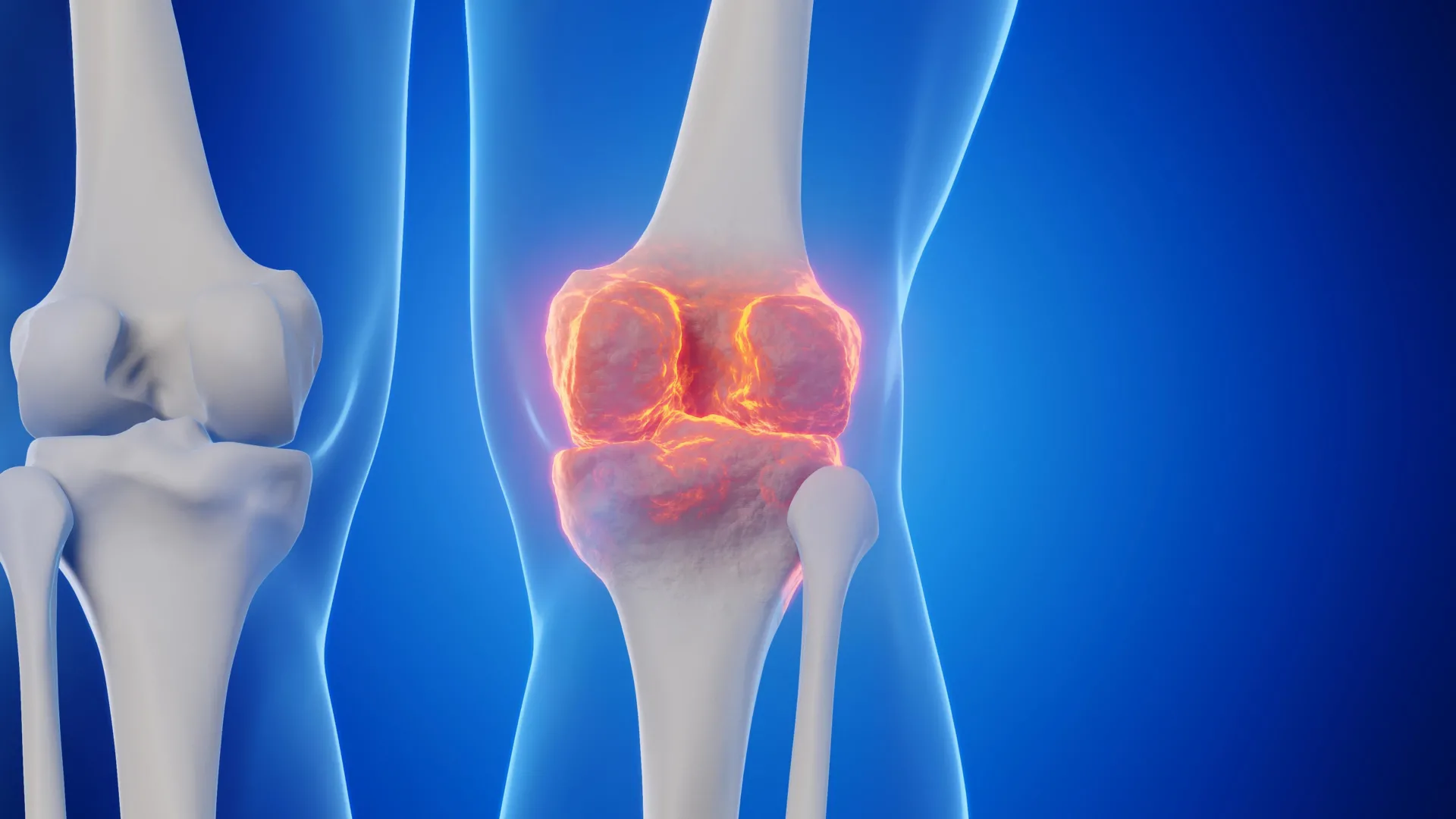
Scientists have identified a way to restore cartilage in aging knee joints, at least in mice, by blocking a protein whose levels rise with age. The approach not only reversed naturally occurring cartilage loss in older animals, but also protected mice from developing arthritis after knee injuries similar to ACL tears in people.

The findings also showed promise in human tissue. Cartilage samples collected during knee replacement surgeries responded to the treatment by beginning to produce new, functional cartilage.

Together, the results suggest that cartilage damaged by aging or arthritis may be more capable of repair than previously thought. If the strategy ultimately works in people, researchers believe it could potentially lead to an oral medicine or injection that regenerates cartilage and reduces the need for knee or hip replacement surgery.

Targeting the damage behind osteoarthritis

Osteoarthritis is a degenerative joint disease in which cartilage gradually breaks down, leaving joints painful, swollen and increasingly difficult to move. It affects about one in five adults in the United States and is estimated to account for roughly $65 billion in direct health care costs each year.

Current treatments mainly focus on controlling pain and other symptoms. Once the disease becomes severe, replacing the damaged joint surgically may be the only remaining option. There is currently no drug that can reliably slow or reverse osteoarthritis itself.

The Stanford Medicine-led study instead focused on a protein called 15-PGDH. The researchers have described it as a gerozyme, a term for enzymes that become more abundant with age and contribute to the gradual loss of tissue function.

Previous work by the same group showed that 15-PGDH acts as an important regulator of aging in multiple tissues. Blocking the protein with a small molecule increased muscle mass and endurance in old mice. Doing the opposite, increasing 15-PGDH in young animals, caused their muscles to shrink and weaken. The protein has also been linked to the regeneration of bone, nerve and blood cells.

In many of those tissues, healing depends on tissue-specific stem cells multiplying and developing into specialized cells. Cartilage turned out to behave differently. Instead of relying on stem cells, existing cartilage cells called chondrocytes changed their patterns of gene activity and shifted toward a more youthful state.

“This is a new way of regenerating adult tissue, and it has significant clinical promise for treating arthritis due to aging or injury,” said Helen Blau, PhD, professor of microbiology and immunology. “We were looking for stem cells, but they are clearly not involved. It’s very exciting.”

Blau, who directs the Baxter Laboratory for Stem Cell Biology and is the Donald E. and Delia B. Baxter Foundation Professor, and Nidhi Bhutani, PhD, associate professor of orthopaedic surgery, are the senior authors of the research, which was published in Science. Instructor of orthopedic surgery Mamta Singla, PhD, and former postdoctoral scholar Yu Xin (Will) Wang, PhD, are the lead authors of the study. Wang is now an assistant professor at the Sanford Burnham Institute in San Diego.

“Dramatic regeneration” of cartilage

“Millions of people suffer from joint pain and swelling as they age,” Bhutani said. “It is a huge unmet medical need. Until now, there has been no drug that directly treats the cause of cartilage loss. But this gerozyme inhibitor causes a dramatic regeneration of cartilage beyond that reported in response to any other drug or intervention.”

Cartilage is not all the same. The human body contains three major types, each designed for a different job.

Elastic cartilage is soft and flexible and helps form structures such as the outer ear. Fibrocartilage is tougher and better suited to absorbing force, including in areas between the vertebrae of the spine. Hyaline cartilage is smooth and slippery, allowing bones to move against one another with very little friction in joints such as the ankles, hips, shoulders and parts of the knee.

In joints, hyaline cartilage is also known as articular cartilage. It is the type most commonly damaged by osteoarthritis.

Osteoarthritis can develop as joints experience stress from aging, injury or obesity. Chondrocytes begin producing inflammatory molecules while also breaking down collagen, a structural protein that gives cartilage much of its strength.

As collagen disappears, cartilage becomes thinner and softer. Inflammation adds swelling and pain, creating the familiar symptoms of osteoarthritis.

The problem is that articular cartilage normally has very little ability to repair itself. Researchers have identified possible stem or progenitor cells capable of forming cartilage in bone, but efforts to find similar cell populations within articular cartilage itself have not been successful.

An aging protein becomes a target

Earlier research from Blau’s laboratory found that a molecule called prostaglandin E2 is important for the function of muscle stem cells. The protein 15-PGDH breaks down prostaglandin E2.

Blocking 15-PGDH, or otherwise raising levels of prostaglandin E2, has been shown to support regeneration in damaged muscle, nerve, bone, colon, liver and blood cells in young mice.

That raised an important question for Blau, Bhutani and their colleagues: Could the same biological pathway contribute to the deterioration of cartilage as animals age or recover from injury?

The researchers compared 15-PGDH levels in knee cartilage from young and old mice. They found that the amount of the gerozyme roughly doubled with age.

They then gave older animals a small molecule drug designed to inhibit 15-PGDH. In one experiment, the drug was injected into the abdomen so it could have effects throughout the body. In another, it was delivered directly into the knee joint.

Both approaches produced striking results.

Cartilage in the knees of older animals had been noticeably thinner and less functional than cartilage in young mice. After treatment, however, it became thicker across the surface of the joint.

Importantly, the cells were making hyaline cartilage, the smooth articular cartilage needed for healthy joint movement, rather than the less suitable fibrocartilage.

“Cartilage regeneration to such an extent in aged mice took us by surprise,” Bhutani said. “The effect was remarkable.”

Protecting knees after ACL injuries

The researchers also tested whether the treatment could help after traumatic knee injuries.

ACL tears are particularly common in sports such as soccer, basketball and skiing, where athletes frequently pivot, stop abruptly or jump. Surgery can repair the torn ligament, but fixing the immediate injury does not necessarily prevent long-term joint damage.

About 50% of people who experience these injuries go on to develop osteoarthritis in the affected joint within approximately 15 years.

In the mouse experiments, researchers administered the gerozyme inhibitor twice a week for four weeks after injury. The treatment dramatically reduced the likelihood that the animals would develop osteoarthritis.

Mice that received a control drug had 15-PGDH levels twice those of animals whose knees had not been injured, and they developed osteoarthritis within four weeks.

The treated mice also moved more normally and placed more weight on the paw attached to the injured leg than untreated animals did.

“Interestingly, prostaglandin E2 has been implicated in inflammation and pain,” Blau said. “But this research shows that, at normal biological levels, small increases in prostaglandin E2 can promote regeneration.”

Making old cartilage cells act younger

To understand what was happening inside the joint, the researchers took a closer look at chondrocytes from young and old mice.

Older cartilage cells showed more activity in genes associated with inflammation and with the unwanted conversion of hyaline cartilage into bone. At the same time, genes involved in normal cartilage development were less active.

Treatment shifted that balance.

One population of old chondrocytes that produced 15-PGDH and expressed genes associated with cartilage degradation dropped from 8% of cells to 3%.

A second population, which did not produce 15-PGDH but expressed genes linked to fibrocartilage formation, fell from 16% to 8%.

Meanwhile, a third group moved sharply in the opposite direction. These cells did not produce 15-PGDH and expressed genes involved in forming hyaline cartilage and maintaining the extracellular matrix needed for healthy cartilage function. Their share increased from 22% to 42%.

The extracellular matrix is the network of proteins and other molecules that surrounds cells and gives tissues their structure. In cartilage, it is especially important because it helps the tissue withstand pressure while maintaining the smooth surface joints need for movement.

Overall, the treatment appeared to push cartilage toward a younger biological state without recruiting stem or progenitor cells.

Human cartilage also responded

The researchers then examined cartilage taken from people with osteoarthritis who were undergoing total knee replacement surgery.

After one week of treatment with the 15-PGDH inhibitor, the human tissue contained fewer chondrocytes expressing 15-PGDH. Activity in genes associated with cartilage degradation and fibrocartilage also declined compared with untreated tissue.

Most notably, the samples began regenerating articular cartilage.

“The mechanism is quite striking and really shifted our perspective about how tissue regeneration can occur,” Bhutani said. “It’s clear that a large pool of already existing cells in cartilage are changing their gene expression patterns. And by targeting these cells for regeneration, we may have an opportunity to have a bigger overall impact clinically.”

The findings do not yet establish that the treatment can regrow cartilage or prevent osteoarthritis in people. The mouse results and experiments on human tissue represent important early evidence, but clinical trials specifically testing cartilage regeneration will be needed to determine whether the approach is safe and effective for patients.

An oral 15-PGDH inhibitor has already reached clinical testing for a different age related problem: muscle weakness.

Blau added, “Phase 1 clinical trials of a 15-PGDH inhibitor for muscle weakness have shown that it is safe and active in healthy volunteers. Our hope is that a similar trial will be launched soon to test its effect in cartilage regeneration. We are very excited about this potential breakthrough. Imagine regrowing existing cartilage and avoiding joint replacement.”

Researchers from the Sanford Burnham Prebys Medical Discovery Institute contributed to the work.

The study was funded by the National Institutes of Health (grants R01AR070864, R01AR077530, R01AG069858 and R00NS120278), the Baxter Foundation for Stem Cell Biology, the Li Ka Shing Foundation, the Stanford Cardiovascular Institute, the Milky Way Research Foundation, the Canadian Institutes of Health Research, a Stanford Translational Research and Applied Medicine Pilot grant, a GlaxoSmithKline Sir James Black Postdoctoral Fellowship, and a Stanford Dean’s Postdoctoral Fellowship.

Blau, Bhutani and other coauthors are inventors on patent applications held by Stanford University involving 15-PGDH inhibition for cartilage and tissue rejuvenation. Those applications are licensed to Epirium Bio. Blau is a cofounder of Myoforte/Epirium and holds equity and stock options in the company.

Share Button