You Can Actually Rent The Dreamy Italian Villa From ‘The White Lotus’ On Airbnb

If you’ve been dying to book a Sicilian vacation after watching the second season of The White Lotus (pun totally intended), here’s your chance to live out all your Italian summer fantasies.

Now fans can book the very same irresistible palazzo that Harper Spiller (Aubrey Plaza) and Daphne Sullivan (Meghann Fahy) visited for a day trip turned dizzying girls’ night in episode three of the hit HBO show.

The grand three-story mansion, Villa Tasca, is available to rent on Airbnb. But as you might expect, you need to brace yourself for a whopping price tag.

The historic and lavish villa, which dates back to the 16th century, boasts four bedrooms, five-and-a-half bathrooms, massive windows, dazzling high ceilings and a swanky double staircase — all for $5,946 (£4,813) per night.

The property also features a swoon-worthy 20-acre manicured garden with citrus groves, a greenhouse and a swimming pool where you can channel your inner Daphne and Harper.

Villa Tasca, located in Palermo, is available for rent on Airbnb.

Though the series places the manor in the city of Noto, it’s actually located roughly four hours away in Palermo, the capital of the Italian island of Sicily.

The show’s sophomore season was filmed in multiple picturesque destinations across the island of Sicily, including Taormina, Palermo, Noto and the Ionian Sea.

From Castello degli Schiavi, one of ‘The Godfather’ trilogy’s most significant filming locations, to the Greek Theatre of Taormina where gladiator games were hosted during the Roman Empire, the show’s latest season is full of dream getaways to add to your Pinterest board.

And if the views from the Palermo-based villa weren’t enough to make you feel like Italian royalty, the property also comes with butler service from a full staff, a formal dining area that seats 10, a fully furnished terrace, a billiards room, music room and bar to kick back drinks with friends and family.

“All the glories of Italy’s past—stately neoclassical architecture, trompe-l’oeil frescoes, Murano chandeliers, gilt-framed paintings—make for a sumptuous present at this Renaissance villa between Palermo and Monreale,” the Airbnb property’s listing reads.

You can rent the entire estate for you and up to eight of your closest pals for a minimum of three nights — hopefully sans the show’s murderous ending.

Share Button

Jennifer Coolidge’s TikTok Debut Features A ‘Poem’ And A Seriously A-List Guest

Just when you thought you couldn’t love Jennifer Coolidge any more than you already did.

The White Lotus star has joined TikTok and gifted us all with a truly iconic debut clip featuring a (ahem) “poem” and one seriously A-list cameo.

“Hi, this is my first TikTok,” the Legally Blonde star begins.

“And I was trying to think of something cool to do, and I think I’m just gonna do a poem that I like.”

And no, Jen didn’t choose Shakespeare…

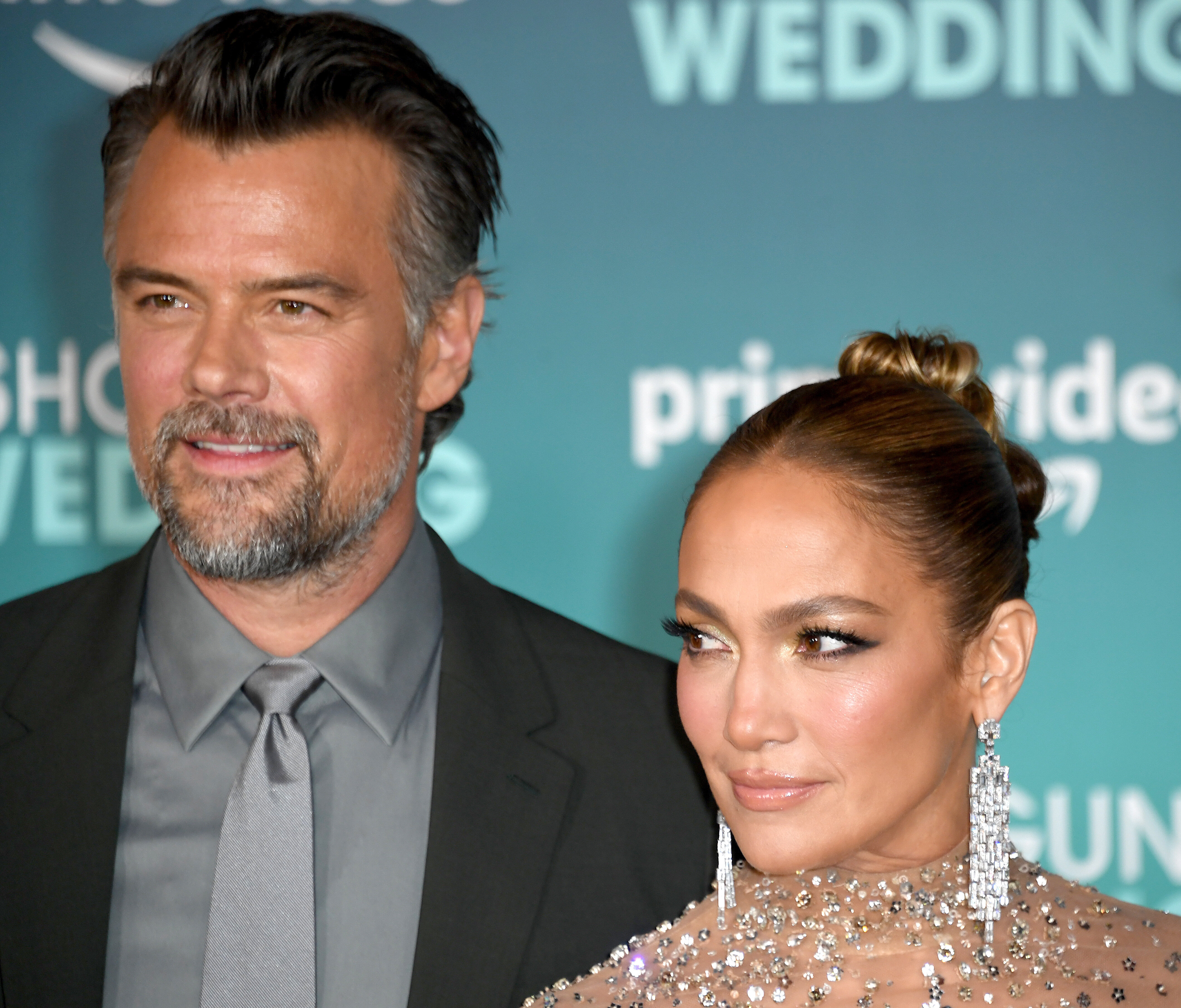
Jennifer and J-Lo’s appearance in the TikTok clip comes as the two stars promote their new rom-com, Shotgun Wedding.

Speaking to ET about working with the recent Emmy and Golden Globe-winning star on the film, J-Lo said “iIt was one of those things where everything came together.”

Their co-star Josh Duhamel was also full of praise for the American Pie star, admitting he was a “huge fan”.

“She is a wonderful person to have around the set. She’s very chill,” he said.

“What I’ll never forget about working with Jennifer was that we didn’t know if she was like, doing it on purpose or if it was like part of her thing ― it’s almost like an Andy Kaufman thing,” he said of Jennifer’’s oddball character choices.

“It makes everybody feel like we need another take, and she’s like, ‘No, I’m good.’ And then you see it, and it’s brilliant… She’s one of those enigmas.”

Share Button

Dentists warn of permanent damage from clear braces ordered online

One man said his teeth were not strong enough to bite an apple after wearing aligners bought remotely.

Share Button

Covid: Half a million people missed out on heart drugs

Low prescribing in the early months of the pandemic may lead to more heart attacks and strokes, study warns.

Share Button

Rare opportunity to study short-lived volcanic island reveals sulfur-metabolizing microbes

On the short-lived island of Hunga Tonga Hunga Ha’apai, researchers discovered a unique microbial community that metabolizes sulfur and atmospheric gases, similar to organisms found in deep sea vents or hot springs.

In 2015, a submarine volcano in the South Pacific erupted, forming the Hunga Tonga Hunga Ha’apai island, destined to a short, seven-year life. A research team led by the University of Colorado Boulder and Cooperative Institute for Research in Environmental Sciences (CIRES) jumped on the rare opportunity to study the early microbial colonizers of a newly formed landmass and to their surprise, the researchers discovered a unique microbial community that metabolizes sulfur and atmospheric gases, similar to organisms found in deep sea vents or hot springs.

“These types of volcanic eruptions happen all over the world, but they don’t usually produce islands. We had an incredibly unique opportunity,” said Nick Dragone, CIRES PhD student and lead author of the study published this month in mBio. “No one had ever comprehensively studied the microorganisms on this type of island system at such an early stage before.”

“Studying the microbes that first colonize islands provides a glimpse into the earliest stage of ecosystem development — before even plants and animals arrive,” said Noah Fierer, CIRES fellow, professor of ecology and evolutionary biology at CU Boulder and corresponding author on the study.

A multi-institutional team of researchers on the ground collected soil samples from the island, then shipped them to CU Boulder’s campus. Dragone and Fierer could then extract and sequence DNA samples from the samples.

“We didn’t see what we were expecting,” said Dragone. “We thought we’d see organisms you find when a glacier retreats, or cyanobacteria, more typical early colonizer species — but instead we found a unique group of bacteria that metabolize sulfur and atmospheric gases.”

And that wasn’t the only unexpected twist in this work: On January 15, 2022, seven years after it formed, the volcano erupted again, obliterating the entire landmass in the largest volcanic explosion of the 21st century. The eruption completely wiped out the island and eliminated the option for the team to continue monitoring their site.

“We were all expecting the island to stay,” said Dragone. “In fact, the week before the island exploded we were starting to plan a return trip.”

However, the same fickle nature of the Hunga Tonga Hunga Ha’apai (HTHH) that made it explode also explains why the team found such a unique set of microbes on the island. Hunga Tonga was volcanically formed, like Hawaii.

“One of the reasons why we think we see these unique microbes is because of the properties associated with volcanic eruptions: lots of sulfur and hydrogen sulfide gas, which are likely fueling the unique taxa we found,” Dragone said. “The microbes were most similar to those found in hydrothermal vents, hot springs like Yellowstone, and other volcanic systems. Our best guess is the microbes came from those types of sources.”

The expedition to HTHH required close collaboration with members of the government of the Kingdom of Tonga, who were willing to work with researchers to collect samples from land normally not visited by international guests. Coordination took years of work by collaborators at the Sea Education Association and NASA: a Tongan observer must approve and oversee any sample collection that takes place within the Kingdom.

“This work brought in so many people from around the world, and we learned so much. We are of course disappointed that the island is gone, but now we have a lot of predictions about what happens when islands form,” said Dragone. “So if something formed again, we would love to go there and collect more data. We would have a game plan of how to study it.”

Share Button

New nanoparticles deliver therapy brain-wide, edit Alzheimer’s gene in mice

Gene therapies have the potential to treat neurological disorders like Alzheimer’s and Parkinson’s diseases, but they face a common barrier — the blood-brain barrier. Now, researchers at the University of Wisconsin-Madison have developed a way to move therapies across the brain’s protective membrane to deliver brain-wide therapy with a range of biological medications and treatments.

“There is no cure yet for many devastating brain disorders,” says Shaoqin “Sarah” Gong, UW-Madison professor of ophthalmology and visual sciences and biomedical engineering and researcher at the Wisconsin Institute for Discovery. “Innovative brain-targeted delivery strategies may change that by enabling noninvasive, safe and efficient delivery of CRISPR genome editors that could, in turn, lead to genome-editing therapies for these diseases.”

CRISPR is a molecular toolkit for editing genes (for example, to correct mutations that may cause disease), but the toolkit is only useful if it can get through security to the job site. The blood-brain barrier is a membrane that selectively controls access to the brain, screening out toxins and pathogens that may be present in the bloodstream. Unfortunately, the barrier bars some beneficial treatments, like certain vaccines and gene therapy packages, from reaching their targets because in lumps them in with hostile invaders.

Injecting treatments directly into the brain is one way to get around the blood-brain barrier, but it’s an invasive procedure that provides access only to nearby brain tissue.

“The promise of brain gene therapy and genome-editing therapy relies on the safe and efficient delivery of nucleic acids and genome editors to the whole brain,” Gong says.

In a study recently published in the journal Advanced Materials, Gong and her lab members, including postdoctoral researcher and first author of the study Yuyuan Wang, describe a new family of nano-scale capsules made of silica that can carry genome-editing tools into many organs around the body and then harmlessly dissolve.

By modifying the surfaces of the silica nanocapsules with glucose and an amino acid fragment derived from the rabies virus, the researchers found the nanocapsules could efficiently pass through the blood-brain barrier to achieve brain-wide gene editing in mice. In their study, the researchers demonstrated the capability of the silica nanocapsule’s CRISPR cargo to successfully edit genes in the brains of mice, such as one related to Alzheimer’s disease called amyloid precursor protein gene.

Because the nanocapsules can be administered repeatedly and intravenously, they can achieve higher therapeutic efficacy without risking more localized and invasive methods.

The researchers plan to further optimize the silica nanocapsules’ brain-targeting capabilities and evaluate their usefulness for the treatment of various brain disorders. This unique technology is also being investigated for the delivery of biologics to the eyes, liver and lungs, which can lead to new gene therapies for other types of disorders.

Share Button

Squirrels that gamble win big when it comes to evolutionary fitness

Imagine overhearing the Powerball lottery winning numbers, but you didn’t know when those numbers would be called — just that at some point in the next 10 years or so, they would be. Despite the financial cost of playing those numbers daily for that period, the payoff is big enough to make it worthwhile.

Animals that live in highly variable environments play a similar lottery when it comes to their Darwinian fitness, or how well they are able to pass on their genes. In a new study led by the University of Michigan, scientists found that red squirrels that gambled at the game of reproduction outperformed their counterparts, even if it cost them in the short term.

Natural selection favors female squirrels that have large litters in years when food is abundant because they contribute lots of babies to the gene pool, said Lauren Petrullo, lead author and National Science Foundation postdoctoral research fellow in biopsychology at the University of Michigan.

“We were surprised to find that some females have large litters in years when there won’t be enough food for their babies to survive the winter,” she said. “Because it’s biologically expensive to produce offspring, we wanted to know why these females make what appears to be an error in their reproductive strategy.”

The red squirrels studied live in the Canadian Yukon and experience a “mast year,” or boom in their main food source — seeds from the cones of white spruce trees — once every four to seven years. Squirrels forecast the large mast crop of food before it occurs and increase litter sizes in the months prior, ensuring better future survival for their babies and better fitness for themselves.

“There is a constant tug-of-war between the trees and the squirrels at our study site,” Petrullo said, “with each player trying to deceive the other for its own fitness gain.”

Petrullo and Ben Dantzer, U-M associate professor of psychology and of ecology and evolutionary biology, used data collected by the Kluane Red Squirrel Project, a collaborative, 34-year-old field study involving U-M, the University of Colorado, the University of Alberta and the University of Saskatchewan.

“Each year, we collect data on how many babies squirrels produce and how many spruce cones the squirrels eat,” Dantzer said.

The scientists quantified the reproduction of female squirrels during both food booms and busts, discovering differences in their fitness whether they gambled with their reproductive strategy or not. While some squirrels played it safe by keeping litter sizes small each year, those that took a “pie in the sky” approach by having large litters even when food was scarce enjoyed greater lifetime fitness if they got to experience a mast year, the research showed.

Unlike the Powerball example, though, squirrels aren’t guaranteed to eventually win.

“In some ways, this strategy of gambling with litter sizes is like playing with fire,” Petrullo said. “Because the average squirrel lifespan is 3.5 years and masts only happen every four to seven, a female could potentially be sabotaging her fitness by having too many babies in low-food years, hoping for a mast when she may die before she ever gets to experience a mast at all. This could be pretty costly.”

Alternatively, for squirrels, the cost of not gambling at all in the game of reproduction can be insurmountable if they end up missing their shot at the jackpot.

“It’s essentially impossible for a female to recuperate the fitness costs of not ramping up reproduction in a mast year, so the stakes are extremely high,” Petrullo said.

Females that increased litter sizes in low-food years did take a short-term hit to their fitness. But they were more likely to increase litter sizes if and when they experienced a mast, taking home the ultimate prize of greater lifetime reproductive success, she said.

The squirrels’ best bet, according to the researchers, is to take their chances and suffer short-term fitness costs in order to avoid the unmatched cost of missing the fitness jackpot completely.

“Determining the relative costs of different types of errors is key to understanding why animals make what look to us like mistakes,” Petrullo said.

Scientists are still unsure exactly how the squirrels are able to forecast future food production. The animals may be eating parts of the spruce trees that affect their physiology and alter the number of babies they produce, Dantzer said.

“This is exciting because it suggests that squirrels are eavesdropping on the trees, but we still have much more to do to solve this puzzle,” he said.

Because many animals use cues about things like food in their environment to make reproductive decisions, and the reliability of these cues is declining due to global climate change, scientists also wonder how the costs of these types of errors will alter what is the best reproductive strategy.

“If the predictability of a food boom is reduced and squirrels can no longer forecast the future, this could impact the number of squirrels out there in the Boreal forest,” Dantzer said. “This could be problematic given that squirrels are prey for many predators.”

The research, which appears in Science, was funded in part by the National Science Foundation and the Natural Sciences and Engineering Research Council of Canada.

The study’s co-authors are Stan Boutin, University of Alberta; Andrew McAdam, University of Colorado; and Jeff Lane, University of Saskatchewan.

Share Button

Strikes update: How nurses’ strikes on Thursday will affect you

What you need to know about the nurses’ strike and other industrial action, by the BBC’s Zoe Conway.

Share Button

ITV Boss Responds To Calls For Jeremy Clarkson To Be Dropped Over Meghan Markle Column

ITV chief Dame Carolyn McCall has said there is “no place” at the channel for comments like those made by Jeremy Clarkson about Meghan Markle in his now-infamous column for The Sun.

Last month, the former Top Gear host faced widespread criticism over an opinion piece he penned in which he said he “hated” the Duchess of Sussex on a “cellular level”.

He added in the piece that he “dreamed” of the day she’d be “made to parade naked through the streets” while crowds “throw lumps of excrement at her”.

Shortly after its publication, Clarkson faced calls to be dropped as the host of ITV’s Who Wants To Be A Millionaire?, which the channel’s CEO responded to at the time in a letter that was made public this week.

In the letter, McCall told one complainant their “concerns are completely understandable”.

Meghan Markle and Prince Harry

Chris Jackson via Getty Images

“ITV has no editorial control over Jeremy Clarkson’s independent journalistic output in The Sun or anywhere else he chooses to publish,” she wrote (via Deadline).

“Everyone at ITV is very aware of our responsibilities as a Public Service Broadcaster and I’d like to be clear that the comments made were Jeremy Clarkson’s own and are in no way endorsed by ITV. There is no place on ITV for the comments made in that article.”

McCall added: “It is also worth adding that Jeremy Clarkson is not an ITV employee and that when he appears on ITV it is as a quiz show host on a show which does not provide a platform for his opinions.”

Carolyn McCall
Carolyn McCall

LEON NEAL via Getty Images

At the height the controversy last month, Clarkson said he was “horrified to have caused so much hurt”, but stopped short of an actual apology at the time.

Since then, he shared a lengthy statement on Instagram claiming he’d sent an email to both Meghan and her husband Prince Harry on Christmas Day to say his language in the column had been “disgraceful” and he was “profoundly sorry”.

He claimed: “Usually, I read what I’ve written to someone else before filing, but I was home alone on that fateful day, and in a hurry. So when I’d finished, I just pressed send.

“And then, when the column appeared the next day, the land mine exploded.”

A spokesperson for the Duke and Duchess of Sussex later said: “On December 25, 2022, Mr Clarkson wrote solely to Prince Harry, The Duke of Sussex. The contents of his correspondence were marked Private and Confidential.

“While a new public apology has been issued today by Mr Clarkson, what remains to be addressed is his long standing pattern of writing articles that spread hate rhetoric, dangerous conspiracy theories, and misogyny.

“Unless each of his other pieces were also written ‘in a hurry’, as he states, it is clear that this is not an isolated incident shared in haste, but rather a series of articles shared in hate.”

Share Button

Michael Gove Slaps Down Tory MP Who Said Nurses Using Food Banks Should Budget Better

Michael Gove has slapped down a Tory MP who suggested that nurses were using foodbanks because of poor budgeting.

Former Cabinet minister Simon Clarke has been criticised for telling nurses on a £35,000 annual salary that something was “wrong” with their budgeting if they were reliant on foodbanks.

Today marks the second day of strike action by nurses this week as their dispute with the government over pay and working conditions shows no sign of resolution.

Unions have warned that nurses are increasingly turning to foodbanks as the cost of living crisis bites into their wages, which they argue have decreased in real terms over the past decade.

Asked by Kay Burley on Sky News whether he agreed that nurses were “excellent at saving lives but hopeless with their finances”, Gove replied: “No, I would never put it that way.

“I think we appreciate that nurses, everyone who’s working on the front line in the national health service, is doing an amazing job, and my thanks and gratitude to nurses today is something I want to express very deeply and personally.”

“I also think that when we’re looking at the pay claims that are being made by people within the national health service, and also people in other parts of the public sector, we have to balance making sure we do everything we can to reward them for their hard work with recognising that we also have to be careful stewards of public money overall.”

Gillian Keegan, the education secretary, has also faced a backlash after suggesting that people could be turning to foodbanks because “something will have broken down – either a relationship or boiler or anything”.

Pressed on whether his colleagues had been wrong to criticise nurses for the way they manage their money, the levelling up secretary replied: “I would never criticise nurses for something like that.

“I think the most important thing to do is to recognise that people who are working in the NHS are people who’ve dedicated their lives to a caring profession, they’re doing everything they can to support us.”

Clarke, himself a former levelling up secretary, said on Twitter this morning that he “100%” stood behind his comments.

The MP for Middlesbrough South and East Cleveland told BBC Radio Tees on Wednesday that the debate over nurses’ pay is now “way out of hand”.

“I’m afraid if you are using a food bank and you are earning the average nurse’s salary of £35,000 a year then something is wrong with your budgeting, because £35,000 a year is not a salary on which you ought to be relying on a food bank.”

Citing the Nursing Times as his source, he told the station £35,000 is the median nurse’s salary and added: “My message is everyone needs to take responsibility in their lives.

“I don’t believe people on an average salary of £35,000 a year need to be using food banks.”

As well as the strikes this week, the Royal College of Nursing (RCN) has also announced that its members will walk out on February 6 and 7 unless progress is made on pay talks with the government.

Ambulance workers and emergency call handlers will also take to the picket lines on February 6 in a bid to persuade ministers to “get serious on pay”.

Asked whether it was responsible for nurses and ambulance staff to strike on the same day, Gove said: “Naturally we would prefer for there not to any strikes at all and we prefer there not to be co-ordinated strike action of this kind.

“I just say two things, the first is that I am conscious ambulance workers, nurses and others, when they do go on strike action, and I don’t approve of it, I have to say, but they do take steps in order to ensure they can look after the most urgency emergency cases.

“The second thing I would say is we are introducing legislation to make sure that there is a minimum service level, that should provide people with peace of mind that there will always be an NHS there for them, and indeed other blue light services that they need.”

Share Button