I Hired A Sex Worker To Celebrate My 70th Birthday — But That’s Just The Beginning Of The Story

I hired a sex worker for my 70th birthday because I was terrified of crossing the border into the land of the elderly.

I wasn’t scared of dying; I accept that inevitability. In fact, I feel very fortunate to have done so many laps. No, I was afraid of not living and scared of fading away. I wasn’t willing to saunter into that ghostly world of the aging. I needed a rocket launch — something to reboot me awake.

The options came down to hiring an escort or jumping out of a plane. Although the thought of disrobing this aging, flabby body in front of a man in his 40s was frightening, it seemed the safer choice. Like so many other older folks, I had osteopenia, and hurtling through the air at a rapid speed with a man strapped to my back might be taking too much of a risk for my bones.

Seeking out an escort meant I was not only taking a risk physically and emotionally, but also financially. One of my passions in life was overseas travel, and the $1900 investment in a hotel room and three hours with an escort could have bought me a plane ticket. I knew how to organize a trip abroad, but I had no idea how to find an escort. When in doubt, google.

Swiping through endless photos of semi-naked men draped over beds — and young enough to be my grandson — was disheartening. I nearly changed my mind and googled parachuting. But after adjusting the filter to a higher price range, I found Mitch. Although there was the obligatory bare-chested photo, he had a reassuring video explaining his process and acknowledging how challenging it is for a woman to hire an escort for the first time. And he was in his 40s — closer to the age of a son than a grandson. That felt more palatable.

My request to Mitch was straightforward: an erotic massage and an orgasm, which he promised he could deliver. Unfortunately, there ended up being nothing in our three hours together that was vaguely sensually or sexually arousing. I was afraid I would fall asleep from boredom, with his head resting on my shoulder like a child. In the end, I asked him to leave 20 minutes early. I told him it wasn’t working, and he said he was “devastated.”

I emailed him the next morning and asked for a refund. He responded a few minutes later to tell me that he had transferred the money back to my account. Looking back, I think Mitch got stuck in his own narrative that older women wanted a “boyfriend experience,” which he explained as a kiss, a cuddle and a chat. Although I reiterated what I wanted and he reassured me he was happy to deliver, we both knew the transaction was unsatisfactory.

I bookmarked the funds for another escort. After all, I don’t give up after one bad Tinder date. I slid back into the warm pond of my content single life working as a psychologist in private practice, and I went on an overseas holiday. I packed away the memory of that night with Mitch in a dark corner of my mind — more as something forgettable than regrettable. If I am honest, I think it was also to silence that little voice inside me that goadingly whispered, Who are you kidding — a 70-year-old woman with a man in his 40s?

“By telling me I didn’t have the right to ask for sensual and sexual pleasure at ‘my age,’ they made me more determined to hire another escort.”

A few months later, I was surprised to learn that the Sydney Morning Herald had agreed to publish an essay I wrote about Mitch. I initially considered using a pseudonym, mainly for professional reasons, but also because I had noticed the uncomfortable, embarrassed silence in the room when I told a few friends and family, which made me a little hesitant to disrobe myself emotionally and physically in front of strangers. But I knew this story was more about claiming my voice and asking for what I wanted than about hiring an escort, and that story needed my name.

I was humbled by the number of people who personally reached out to me and was surprised to be called “brave,” a word I reserved for people who rescued children from burning houses. Most of the anonymous online comments were supportive, but there were a few that were scathing, which I assume were from men: “get a dog,” “poor man,” “he was doing his best, look what he had to work with.”

Those comments ignited a fire in my belly. By telling me I didn’t have the right to ask for sensual and sexual pleasure at “my age,” they made me more determined to hire another escort.

I thought of the moth that flew out of my diaphragm years ago, like a rebuke reminding me I had abandoned my sexual self and left her dusty and forgotten under my bathroom sink. This time, I was the moth, back in the light, ready to flap my wings. No one was going to push me back into the dark.

I didn’t need to google my way through pictures of men with bulging body parts this time. I had a referral from a woman in her mid-60s who had read my essay and recommended Chris, someone she had seen six times. I was ready to relaunch.

My session with Chris was satisfying in so many ways — not just physically. Though I usually feel safer being in charge, I was able to let him take the lead, and I found I could ask for what I wanted and accepted that I didn’t need to please anyone but myself. That alone was a blast onto another planet. Of course, the orgasm helped, but it wasn’t just that; it was letting go of pleasing others, finding my voice and being in my body the way I wanted to be in it. The experience was truly radical for me.

I wrote other essays about Mitch and Chris for Oldster Magazine, and there were more opportunities for podcasts and essays in The New York Times, The Times UK, ABC, Irish TV and radio. I had touched a nerve; I was out in the world, and that is where the real story begins.
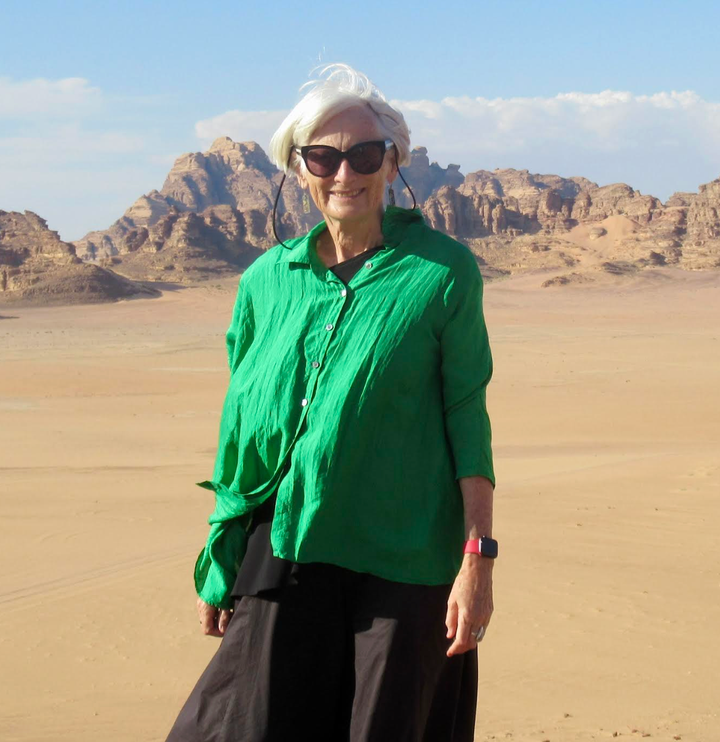
The author in Egypt in 2023. "Of course, the orgasm helped, but it wasn’t just that; it was letting go of pleasing others, finding my voice and being in my body the way I wanted to be in it," she writes.
The author in Egypt in 2023. “Of course, the orgasm helped, but it wasn’t just that; it was letting go of pleasing others, finding my voice and being in my body the way I wanted to be in it,” she writes.

Courtesy of Gail Rice

However, before I get into that, I want to put the sex worker episode into context. I am single and never married by choice. I have enjoyed a smorgasbord of relationships — some wonderful, some not — but by my mid-40s, it was as if the music had stopped in a game of musical chairs. I had a chair, but everyone else had chosen a partner and gone home.

In my 50s, I started using dating apps on and off, which was mostly enjoyable. But, by the time I was 65, I was bored with the sluggish fish left in the pond, tired of feeling like I was auditioning to fill the gap of the beloved dead wife or to offer my services as a “cuddle buddy,” which was how one man 15 years older described what he was looking for. No thanks. Enough dating.

As my 70th birthday loomed, not only was I looking into a world of being invisible, but I saw a future where I would never be touched sensually or sexually again — one where I never felt desired and never saw myself as desirable. As a psychologist, I know touch is a primary human need — the foundation of our physical and mental health — and it was this vision of a life devoid of touch that blasted me out of my comfort zone and got me googling escorts.

Never in my wildest dreams did I think taking off my clothes and looking for an orgasm with a stranger in a costly hotel room would lead me into a new world that felt intimate and public at the same time, or that I’d be joining a vibrant chorus of voices demanding to be heard, celebrating our minds and bodies as we age, unwilling to run or hide while resisting the stories we have been told about getting older.

These stories tell women that desirability, sexuality, sensuality and relevance have an expiration date, often after menopause, or sadly long before. These stereotypes are so deeply ingrained that we hold on to them as if they are true and inevitable, not imagined and constructed, often passing them on to our daughters and granddaughters.

In my clinical work, I hear mothers despairing that their tweens are being marketed anti-aging creams. A client in her late 20s reported having a facelift after noticing a wrinkle. I’ve also heard a mother gave her daughter Botox for her 21st birthday, and that women leaving long-term relationships were despairing because men on dating sites were seeking partners the age of their daughters. It’s no surprise that 92% of cosmetic surgery clients are women, and they seem to be in a desperate race to save themselves from aging, as if it were a preventable disease.

As we cross the bridge into the land of the elderly, the message is to shrink, step aside, take up less space. As women, not only are we less desirable but also less relevant. The one exception is grandparenting — a continuation of the mothering role.
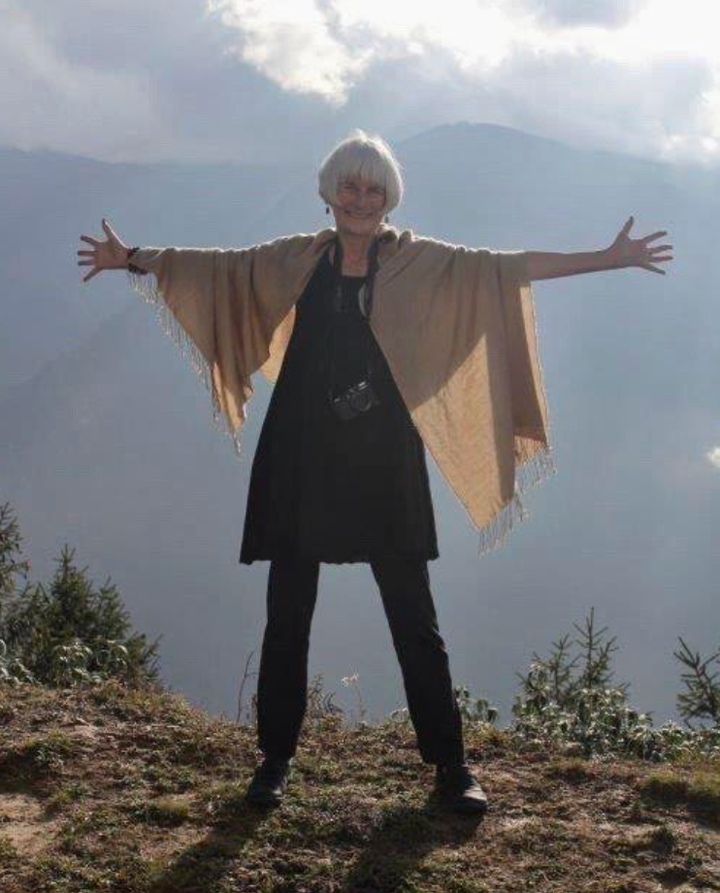
The author in Bhutan in 2019. "Yes, there are fewer years in front of me than behind me, but this life is a gift and a privilege," she writes.
The author in Bhutan in 2019. “Yes, there are fewer years in front of me than behind me, but this life is a gift and a privilege,” she writes.

Courtesy of Gail Rice

It is painful to admit that as I aged, I found it challenging meeting clients older than me, perhaps because I fell prey to those unconscious prejudices that “old” clients would be less interesting, less open to change and less curious. Perhaps the real reason was that I was afraid to confront my own fears reflected in their eyes: loneliness, sadness, regret and urgency that time was running out. Maybe it felt safer not to look.

But I am ready to face that fear now. Yes, there are fewer years in front of me than behind me, but this life is a gift and a privilege. It is urgent, and now I am more motivated than scared. There’s no more time to stand back, to wait, and I am ready to claim my place, my power, my voice, and my wisdom with others in my tribe.

I had imagined I would reboot my body by hiring an escort. While that physical touch did wake something up in me, the real awakening came from being seen and heard through my articles and podcasts — my thoughts, my ideas and my experience mattered. I had opened a door and found the confidence and the spark I needed to restory the rest of my life.

Restorying is a concept I have embraced for decades in my therapeutic work with individuals and groups. It is based on the idea that, as individuals, our lives are constructed by the stories we learn about ourselves from our families and our culture. Some of these stories are helpful; they inspire us and move us forward. Others shame us, hold us back and keep us small.

Restorying is a process of reframing, rewriting, reclaiming our stories, and choosing the ones we wish to live by. The real story lies not in what happened to us, but in how we make sense of it. If we dare to look at the events and stories in our lives with curiosity and without judgment, we can reframe and integrate them to restory a life that is our own, not the version others constructed for us.

By telling, retelling and rewriting and having conversations about my 70th birthday story, I am reframing my past and my future, propelling myself forward into a story that is mine — a story not about the escorts, not about what happened in the tangled sheets, but about daring to find my voice, to ask for what I wanted without trying to please others.

And now, instead of shrinking and disappearing, I am expanding with every conversation. As I peel another layer off, I discover something new about myself and the world, and recognize how my assumptions and old narratives continue to limit me. This experience of “coming out” is turning out to be one of the most exciting trips I have ever been on. I’ve honestly never felt so alive.

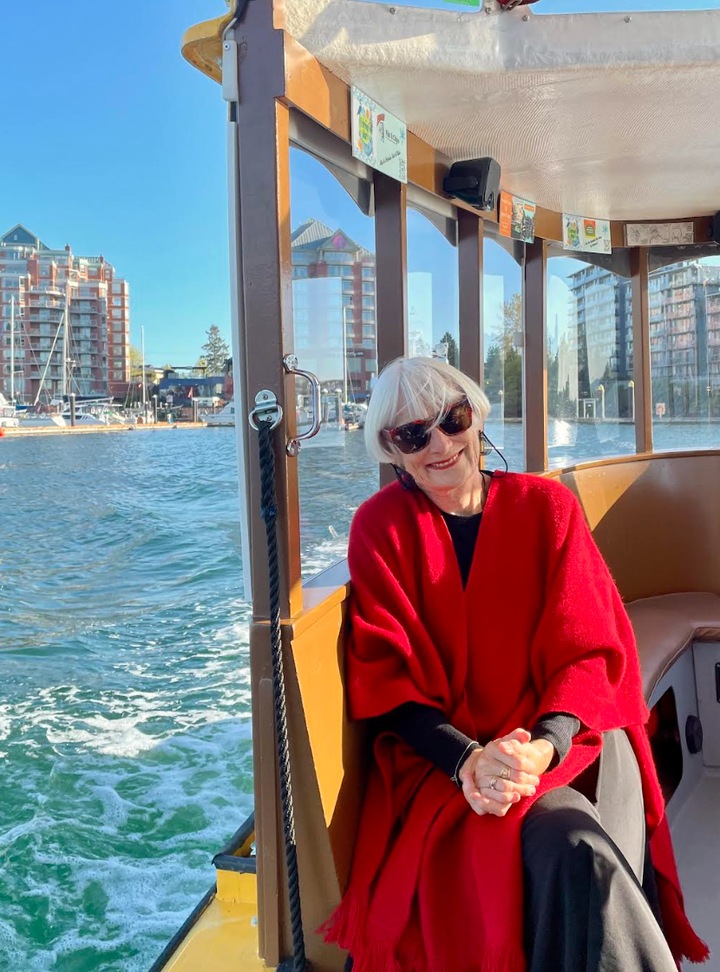
The author on a boat near Vancouver Island in 2024. "I wish my 30-year-old self had known about this agency and the power I now know I have," she writes.
The author on a boat near Vancouver Island in 2024. “I wish my 30-year-old self had known about this agency and the power I now know I have,” she writes.

Courtesy of Gail Rice

Anyone can pause and restory their lives at any age. We don’t need to jump out of airplanes or hire escorts. We can learn to trust our voice and ask for what we want in our relationships with a partner, a friend or a work colleague; take a risk and try something new; learn something new; push our bodies; push our minds. We don’t need to do it alone — we can join a tribe and ask for support.

It takes courage to name the stories we are still holding on to about being small, not worthy, not lovable, but once we do, they lose their power over us. By trusting ourselves and taking one risk and then another, we wake ourselves up — one breath at a time.

After decades as a psychologist listening to other people’s stories, I realized how quietly I had disappeared from my own. It is scary to be breaking boundaries I have held for so long about nondisclosure as a therapist, and choosing to show up as a vulnerable, flawed human being. Perhaps that is the gift and the beauty of aging: My time is now because there is no more time to wait. I can take the risk or stay silent. I am loving conversations that debunk the myth of the wise therapist and thrilled to be joining everyone else in this wild, messy ride that is life.

Though these conversations are exciting and hopeful for me, I also have feelings of sadness and regret. As I dare to see myself and be seen, there is pain. I see missed opportunities and stories that held me back. I wish my 30-year-old self had known about this agency and the power I now know I have. I wish I could tell her that she is enough; her body is beautiful, she is lovable, and she doesn’t need to keep pleasing others to earn love. But I know she wasn’t ready to hear that back then. I like to imagine she would be thrilled to see me dancing — not shuffling — into the land of people fortunate enough to experience the adventure and challenges of aging.

In fact, my story is far from over. I continue to seek out adventures that connect me to touch. I have booked three sessions with a female tantric healer in the hope of getting closer to my fantasy of a state of body and mind free from all physical and mental constraints. I want to be suspended for a moment in space — vibrating and humming like hundreds of Tibetan bells — as another layer peels off of me.

Gail Rice is a Canadian-born, Sydney-based psychologist and writer whose work explores aging, desire and reinvention. Her essays have appeared internationally, and she has been featured on many podcasts, including The New York Times’ “Modern Love.” She is a contributor to the forthcoming anthology “More Than a MILF: Sex and the Aging Female Body” and is currently writing a memoir.

Do you have a compelling personal story you’d like to see published on HuffPost? Find out what we’re looking for here and send us a pitch at pitch@huffpost.com.

Share Button

All The Signs Your Garden Has A Hedgehog (And What To Do Next)

Some experts advise against cutting hedges between March and September, as that’s when birds are busy building their nests and raising their chicks.

But Andy Simms from MyBuilder.com, which is running a Help the Hedgehogs campaign, pointed out that we need to look out for other little critters too.

“The winter season is well and truly over, so, understandably, millions of Brits will be starting to think of garden tasks they can complete now ahead of summer. But it’s not just us that might be outside, hedgehogs may be, too, and they’re not always easy to spot,” he said.

How can I tell if I have hedgehogs in my garden?

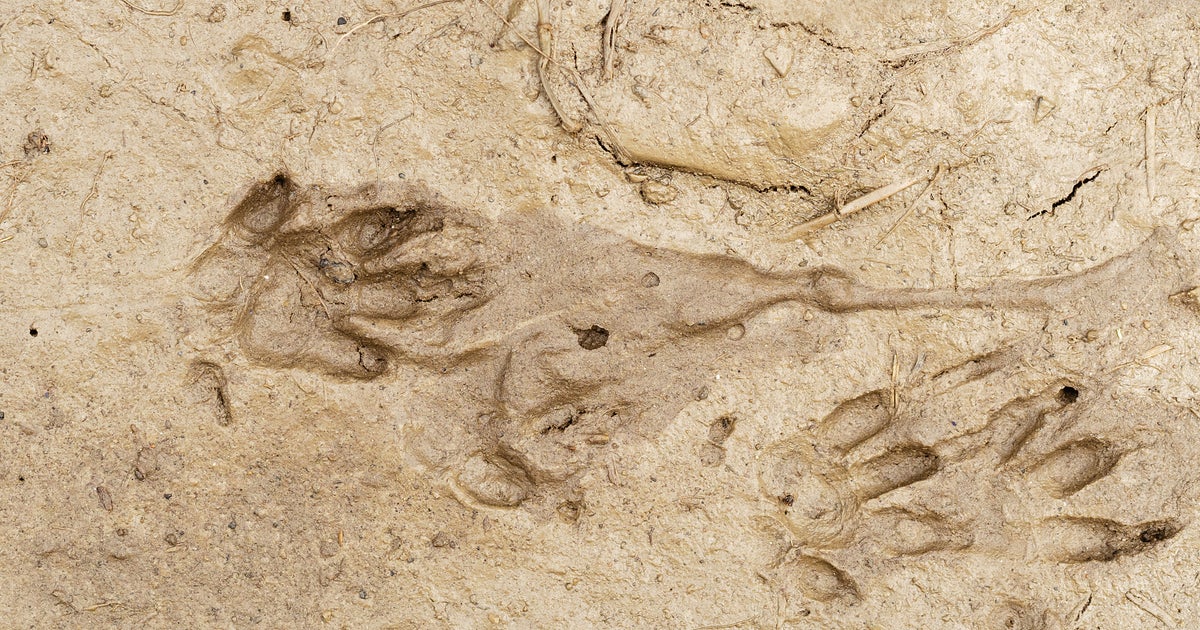
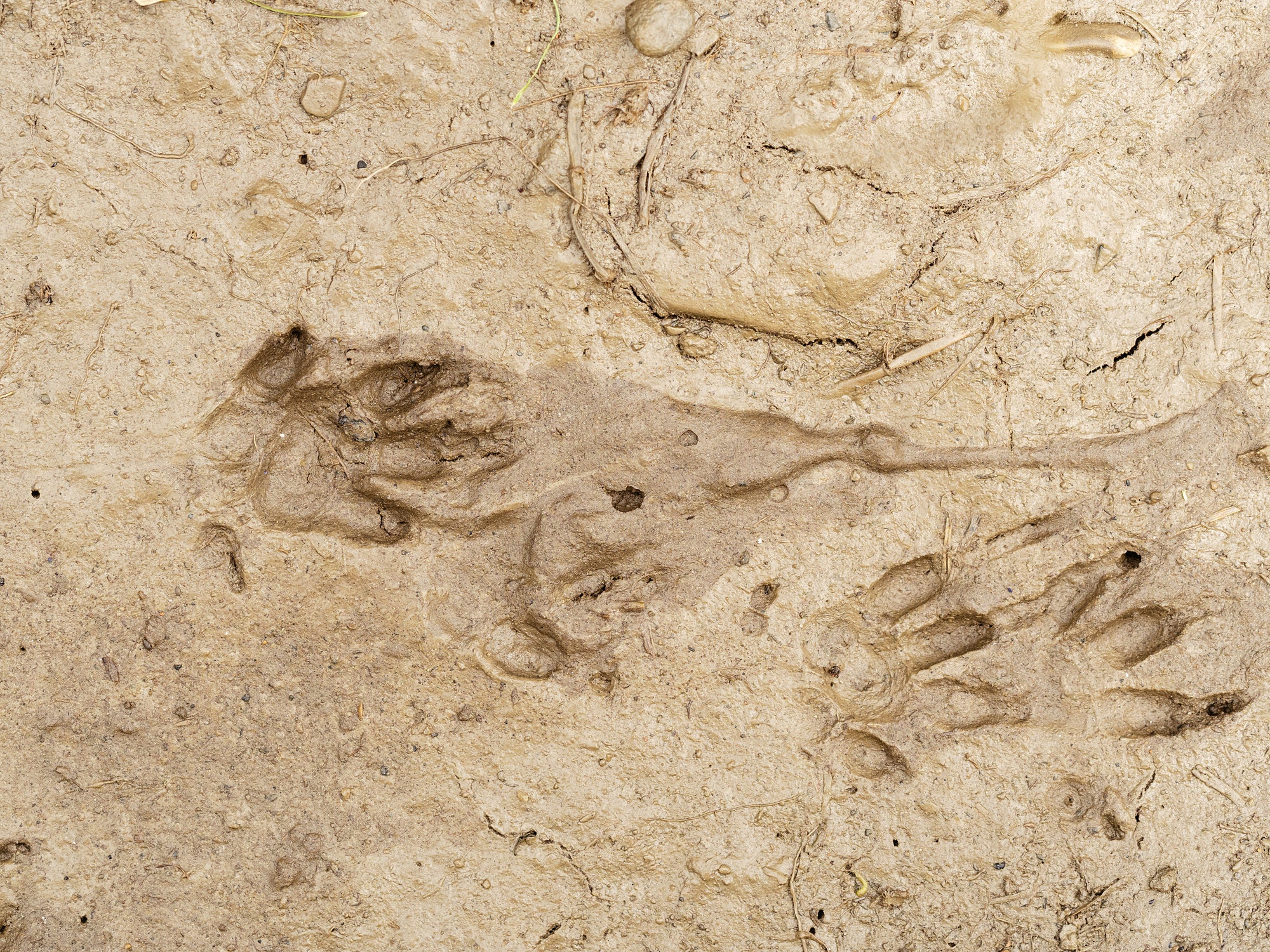
“There are signs to watch out for, such as small, black droppings, tiny hand-like footprints in mud, and loud grunting noises, particularly at night. If you notice any of these, you may have one of these small creatures in your garden,” Simms shared.

Hedgehog poop is typically 1-1.5cm long and often has shiny insect remains in it.

Hedgehog Street has a postcode tool that can tell you if people have reported hedgehogs near you, too (hedgehogs can travel further than you think at night).

You should always check these signs before beginning any gardening task, be it mowing, pruning, or planting, Simms added.

And don’t forget to look in any garden drains from time to time, as hedgehogs can fall in these and get stuck.

Hedgehogs are seriously struggling in the UK

Sadly, these measures are necessary as hedgehog numbers have fallen by 30% in urban areas and 50% in rural ones since 2000.

“If you would like to help protect hedgehogs, there are jobs you can do, such as leaving some areas in your garden wild… or even building a hedgehog home,” Simms said.

Collecting nesting materials like logs and leaves, providing clean drinking water, and avoiding the use of slug pellets can all help, DEFRA shared on the government’s site.

Share Button

This tiny claw in a 500-million-year-old fossil just rewrote the origin of spiders

After a long day of teaching, Rudy Lerosey-Aubril turned to a familiar task: preparing a Cambrian arthropod fossil for study. At first glance, the specimen looked typical for its age. But as he carefully removed surrounding material, something unusual appeared. Instead of an antenna, there was a claw.

“Claws are never in that location in a Cambrian arthropod,” said Lerosey-Aubril, “It took me a few minutes to realize the obvious, I had just exposed the oldest chelicera ever found.”

Oldest Known Chelicerate Identified

In a study published in Nature, Research Scientist Rudy Lerosey-Aubril and Associate Professor Javier Ortega-Hernández, Curator of Invertebrate Paleontology in the Museum of Comparative Zoology – both in the Department of Organismic and Evolutionary Biology at Harvard – describe Megachelicerax cousteaui, a 500 million year old marine predator discovered in Utah’s West Desert. It is now recognized as the earliest known chelicerate, a group that includes spiders, scorpions, horseshoe crabs, and sea spiders. This finding extends the known history of chelicerates by about 20 million years.

“This fossil documents the Cambrian origin of chelicerates,” noted Lerosey-Aubril, “and shows that the anatomical blueprint of spiders and horseshoe crabs was already emerging 500 million years ago.”

Detailed Anatomy of an Ancient Predator

Revealing the fossil’s structure required patience and precision. Lerosey-Aubril spent more than 50 hours working under a microscope with a fine needle to expose its features. The animal measured just over 8 centimeters long and preserved a dorsal exoskeleton made up of a head shield and nine body segments.

These two regions had different functions. The head shield carried six pairs of appendages used for feeding and sensing. Beneath the body were plate-like respiratory structures that resemble the book gills seen in modern horseshoe crabs.

The First Clear Evidence of a Chelicera

The most striking feature is the chelicera, a pincer-like appendage that defines chelicerates. This structure separates spiders and their relatives from insects, which instead have antennae at the front of their bodies. Chelicerates rely on grasping appendages, often associated with venom delivery.

Despite the abundance of Cambrian fossils, no clear example of a chelicera from that period had been identified before. This discovery fills that gap and provides direct evidence of when these defining features first appeared.

Bridging a Major Evolutionary Gap

Before this fossil was studied, the oldest known chelicerates came from the Early Ordovician Fezouata Biota of Morocco, dating to about 480 million years ago. The new specimen predates them by 20 million years, placing M. cousteaui near the base of the chelicerate lineage.

It represents a transitional form, linking earlier Cambrian arthropods that seem to lack chelicera with later horseshoe crab-like species known as synziphosurines.

“Megachelicerax shows that chelicera and the division of the body into two functionally specialized regions evolved before the head appendages lost their outer branches and became like the legs of spiders today,” explained Ortega-Hernández, “it reconciles several competing hypotheses; in a way, everybody was partly right.”

Early Complexity in the Cambrian Explosion

This fossil captures a key moment in the evolution of chelicerates. It shows that important elements of their body plan were already established shortly after the Cambrian Explosion, a time when life was rapidly diversifying.

“This tells us that by the mid-Cambrian, when evolutionary rates were remarkably high, the oceans were already inhabited by arthropods with anatomical complexity rivaling modern forms,” Ortega-Hernández added.

Why Early Success Was Delayed

Even with these advanced features, chelicerates did not immediately dominate marine ecosystems. For millions of years, they remained relatively uncommon and were overshadowed by groups such as trilobites. Only later did they expand and eventually move onto land.

“A similar evolutionary pattern has been documented in other animal groups,” said Lerosey-Aubril. “This shows that evolutionary success is not only about biological innovation — timing and environmental context matter.”

From Overlooked Fossil to Major Discovery

The fossil was collected from the middle Cambrian Wheeler Formation in Utah’s House Range. It was discovered by avocational fossil collector Lloyd Gunther and donated to the Kansas University Biodiversity Institute and Natural History Museum in 1981. For decades, it remained part of a collection of seemingly ordinary specimens until Lerosey-Aubril chose to examine it as part of his research on early arthropods.

Named After Jacques Cousteau

The species name Megachelicerax cousteaui honors French explorer Jacques-Yves Cousteau. Lerosey-Aubril – who is also French – and Ortega-Hernández selected the name to recognize Cousteau’s efforts to highlight the beauty and vulnerability of marine life.

“Cousteau and his crew inspired generations to look beneath the surface,” said Lerosey-Aubril, “it seemed fitting to name this ancient marine animal after someone who changed the way we see ocean life.” Just as Megachelicerax cousteaui has changed how we view chelicerates.

A Group That Still Shapes the Modern World

Today, chelicerates include more than 120,000 species, from spiders and scorpions to mites, horseshoe crabs, and sea spiders. They occupy a wide range of environments on land and in water.

“For thousands of years, these animals have quietly existed among us, deeply influencing our lives from pop-culture to medical and agricultural contributions,” Ortega-Hernández concluded. “This fossil discovery sheds new light on their origins.”

The Lasting Value of Museum Collections

The researchers also emphasized the importance of scientific collections. Institutions such as the University of Kansas Biodiversity Institute and Natural History Museum preserve specimens for decades, allowing new insights to emerge as scientific understanding evolves. The authors highlighted the work of curators including B. Lieberman and J. Kimmig, whose efforts ensure these collections remain available for future discoveries.

Share Button

‘Those Are War Crimes’: United Nations Chief Condemns Trump’s Latest Iran Threats

A senior United Nations officials has warned Donald Trump that targeting key civilian infrastructure in Iran would be “war crimes”.

The US president said bridges and power plants could be destroyed unless the regime in Tehran agrees a peace deal to end the conflict.

His comments, in a post on Truth Social, came nearly five weeks after the war began with a wave of Israeli and US strikes.

Trump said: “Our Military, the greatest and most powerful (by far!) anywhere in the World, hasn’t even started destroying what’s left in Iran. Bridges next, then Electric Power Plants! New Regime leadership knows what has to be done, and has to be done, FAST!”

But speaking on Radio 4′s Today programme, Tom Fletcher, the UN’s under-secretary general for humanitarian affairs, said that would be a clear violation of international law.

He said: “This is infuriating. We’re dealing with the intended and unintended consequences of this reckless conflict, and I think what everyone is observing now is that war is not a television game show.

“Peacemaking is not a real estate deal and the world is not a casino and these actions have real consequences.”

Fletcher added: “This has been a gradual and then very sudden deterioration in the way that we talk about protection of civilians, the way that we talk about international humanitarian law.

“This stuff isn’t negotiable. You don’t hit civilian infrastructure.

“You don’t hit schools, you don’t hit energy sources, you don’t hit bridges. Those are war crimes. That is absolutely clear in international law.

“But somewhere along the way we seem to have thrown that all aside and we’ve chosen impunity, indifference, game show gambling over solidarity and humanity.”

<div class="js-react-hydrator" data-component-name="Twitter" data-component-id="7845" data-component-props="{"itemType":"rich","isLiveblogEmbed":false,"index":15,"contentIndexByType":1,"contentListType":"embed","code":"

\"You don’t hit schools, you don’t hit energy sources, you don’t hit bridges: those are war crimes.\"

UN humanitarian chief Tom Fletcher criticises actions in the Iran war and says leaders have chosen ‘game show gambling’ over humanity by hitting civilian infrastructure. pic.twitter.com/boGJjSsZbp

— BBC Radio 4 Today (@BBCr4today) April 3, 2026

","type":"rich","meta":{"author":"BBC Radio 4 Today","author_url":"https://twitter.com/BBCr4today","cache_age":86400,"description":"\"You don’t hit schools, you don’t hit energy sources, you don’t hit bridges: those are war crimes.\"UN humanitarian chief Tom Fletcher criticises actions in the Iran war and says leaders have chosen ‘game show gambling’ over humanity by hitting civilian infrastructure. pic.twitter.com/boGJjSsZbp— BBC Radio 4 Today (@BBCr4today) April 3, 2026\n\n\n","options":{"_hide_media":{"label":"Hide photos, videos, and cards","value":false},"_maxwidth":{"label":"Adjust width","placeholder":"220-550, in px","value":""},"_theme":{"value":"","values":{"dark":"Use dark theme"}}},"provider_name":"Twitter","thumbnail_height":1920,"thumbnail_url":"https://pbs.twimg.com/amplify_video_thumb/2039988583784730624/img/7C-R_9MheOWuBmjp.jpg:large","thumbnail_width":1080,"title":"BBC Radio 4 Today on Twitter / X","type":"rich","url":"https://twitter.com/BBCr4today/status/2039988874286420444","version":"1.0"},"flags":[],"enhancements":{},"fullBleed":false,"options":{"theme":"life","device":"desktop","editionInfo":{"id":"uk","name":"U.K.","link":"https://www.huffingtonpost.co.uk","locale":"en_GB"},"originalEdition":"uk","isMapi":false,"isAmp":false,"isMobile":false,"isAdsFree":false,"isVideoEntry":false,"isEntry":true,"isMt":false,"entryId":"69cf7c55e4b0d214cc7111e9","entryPermalink":"https://www.huffingtonpost.co.uk/entry/those-are-war-crimes-united-nations-chief-condemns-trumps-latest-iran-threats_uk_69cf7c55e4b0d214cc7111e9","entryTagsList":"donald-trump,iran,united-nations,@ai_seo_headline","sectionSlug":"parents","deptSlug":null,"sectionRedirectUrl":null,"subcategories":"","isWide":false,"isShopping":false,"headerOverride":null,"noVideoAds":false,"disableFloat":false,"isNative":false,"commercialVideo":{"provider":"custom","site_and_category":"uk.parents","package":null},"isHighline":false,"vidibleConfigValues":{"cid":"60afc140cf94592c45d7390c","disabledWithMapiEntries":false,"overrides":{"all":"60b8e525cdd90620331baaf4"},"whitelisted":["56c5f12ee4b03a39c93c9439","56c6056ee4b01f2b7e1b5f35","59bfee7f9e451049f87f550b","5acccbaac269d609ef44c529","570278d2e4b070ff77b98217","57027b4be4b070ff77b98d5c","56fe95c4e4b0041c4242016b","570279cfe4b06d08e3629954","5ba9e8821c2e65639162ccf1","5bcd9904821576674bc55ced","5d076ca127f25f504327c72e","5b35266b158f855373e28256","5ebac2e8abddfb04f877dff2","60b8e525cdd90620331baaf4","60b64354b171b7444beaff4d","60d0d8e09340d7032ad0fb1a","60d0d90f9340d7032ad0fbeb","60d0d9949340d7032ad0fed3","60d0d9f99340d7032ad10113","60d0daa69340d7032ad104cf","60d0de02b627221e9d819408"],"playlists":{"default":"57bc306888d2ff1a7f6b5579","news":"56c6dbcee4b04edee8beb49c","politics":"56c6dbcee4b04edee8beb49c","entertainment":"56c6e7f2e4b0983aa64c60fc","tech":"56c6f70ae4b043c5bdcaebf9","parents":"56cc65c2e4b0239099455b42","lifestyle":"56cc66a9e4b01f81ef94e98c"},"playerUpdates":{"56c6056ee4b01f2b7e1b5f35":"60b8e525cdd90620331baaf4","56c5f12ee4b03a39c93c9439":"60d0d8e09340d7032ad0fb1a","59bfee7f9e451049f87f550b":"60d0d90f9340d7032ad0fbeb","5acccbaac269d609ef44c529":"60d0d9949340d7032ad0fed3","5bcd9904821576674bc55ced":"60d0d9f99340d7032ad10113","5d076ca127f25f504327c72e":"60d0daa69340d7032ad104cf","5ebac2e8abddfb04f877dff2":"60d0de02b627221e9d819408"}},"connatixConfigValues":{"defaultPlayer":"16b0ecc6-802c-4120-845f-e90629812c4d","clickToPlayPlayer":"823ac03a-0f7e-4bcb-8521-a5b091ae948d","videoPagePlayer":"05041ada-93f7-4e86-9208-e03a5b19311b","defaultPlaylist":"2e062669-71b4-41df-b17a-df6b1616bc8f"},"topConnatixThumnbailSrc":"data:image/png;base64,iVBORw0KGgoAAAANSUhEUgAAAAEAAAABCAQAAAC1HAwCAAAAC0lEQVR42mNkYAAAAAYAAjCB0C8AAAAASUVORK5CYII=","customAmpComponents":[],"ampAssetsUrl":"https://amp.assets.huffpost.com","videoTraits":null,"positionInUnitCounts":{"buzz_head":{"count":0},"buzz_body":{"count":0},"buzz_bottom":{"count":0}},"positionInSubUnitCounts":{"article_body":{"count":4},"blog_summary":{"count":0},"before_you_go_content":{"count":0}},"connatixCountsHelper":{"count":0},"buzzfeedTracking":{"context_page_id":"69cf7c55e4b0d214cc7111e9","context_page_type":"buzz","destination":"huffpost","mode":"desktop","page_edition":"en-uk"},"tags":[{"name":"Donald Trump","slug":"donald-trump","links":{"relativeLink":"news/donald-trump","permalink":"https://www.huffingtonpost.co.uk/news/donald-trump","mobileWebLink":"https://www.huffingtonpost.co.uk/news/donald-trump"},"section":{"title":"News","slug":"news"},"topic":{"title":"Donald Trump","slug":"donald-trump","overridesSectionLabel":false},"url":"https://www.huffingtonpost.co.uk/news/donald-trump/"},{"name":"Iran","slug":"iran","links":{"relativeLink":"news/iran","permalink":"https://www.huffingtonpost.co.uk/news/iran","mobileWebLink":"https://www.huffingtonpost.co.uk/news/iran"},"url":"https://www.huffingtonpost.co.uk/news/iran/"},{"name":"United Nations","slug":"united-nations","links":{"relativeLink":"news/united-nations","permalink":"https://www.huffingtonpost.co.uk/news/united-nations","mobileWebLink":"https://www.huffingtonpost.co.uk/news/united-nations"},"url":"https://www.huffingtonpost.co.uk/news/united-nations/"}],"isLiveblogLive":null,"isLiveblog":false,"signInUrl":"https://login.huffpost.com/login?dest=https%3A%2F%2Fwww.huffpost.com%2Fentry%2Fthose-are-war-crimes-united-nations-chief-condemns-trumps-latest-iran-threats_uk_69cf7c55e4b0d214cc7111e9%3Fhp_auth_done%3D1","cetUnit":"buzz_body","enableIncontentPlayer":true,"bodyAds":["

\r\n\r\n HPGam.cmd.push(function(){\r\n\t\treturn HPGam.render(\"inline-1\", \"entry_paragraph_1\", false, false);\r\n });\r\n\r\n","

\r\n\r\n HPGam.cmd.push(function(){\r\n\t\treturn HPGam.render(\"inline\", \"entry_paragraph_2\", false, false);\r\n });\r\n\r\n","

\r\n\r\n HPGam.cmd.push(function(){\r\n\t\treturn HPGam.render(\"inline-2\", \"entry_paragraph_3\", false, false);\r\n });\r\n\r\n","

\r\n\r\n HPGam.cmd.push(function(){\r\n\t\treturn HPGam.render(\"inline-infinite\", \"repeating_dynamic_display\", false, false);\r\n });\r\n\r\n"],"adCount":0,"midArticleAdPartner":null},"isCollectionEmbed":false}”>

“You don’t hit schools, you don’t hit energy sources, you don’t hit bridges: those are war crimes.”

UN humanitarian chief Tom Fletcher criticises actions in the Iran war and says leaders have chosen ‘game show gambling’ over humanity by hitting civilian infrastructure. pic.twitter.com/boGJjSsZbp

— BBC Radio 4 Today (@BBCr4today) April 3, 2026

Subscribe to Commons People, the podcast that makes politics easy. Every week, Kevin Schofield and Kate Nicholson unpack the week’s biggest stories to keep you informed. Join us for straightforward analysis of what’s going on at Westminster.

Share Button