The Bowelbabe fund, set up by Dame Deborah James in 2022, helps to support Cancer Research UK.


The Bowelbabe fund, set up by Dame Deborah James in 2022, helps to support Cancer Research UK.
Review finds care for some patients was “below the level that would have been expected”.
For some people, it’s filtered, airbrushed social media pictures. For others, it’s unrealistic romantic expectations set by movies and TV.
For me, though, my greatest source of insecurity was the r/sourdough forum.
It’s nobody’s fault: if I had created a tall, fluffy masterpiece with a perfect golden crust, I, too, would want to share a shot. If my first-ever loaf looked like it belonged in an ad for artisanal butter, I would indeed want the world to know.
Advertisement
And people share their less successful loaves – a gummy rise, a burnt base – as well.
Still, I couldn’t help it. After a while, I began judging my slightly gummy, slightly deflated loaves a little too harshly. Then, the inevitable turn towards The Product That Solves It All: if I just owned one of these twisty little starter whisks, or a proper starter jar, or a bigger banneton, I’d be (grid) worthy!! I thought.
It sounds silly, because it is. But according to a post shared by u/good-things_ in the group, I’m not alone.
Advertisement
“I don’t use any of the equipment everyone talks about for sourdough. I mix my dough in any bowl available that’s big enough, and I eyeball the rise. Sometimes my bowls are solid and plastic, so I can’t see if there are bubbles,” the poster confessed (mine is metal).
Still, they pointed out, loads of the recommended gear and science-backed rules are relatively new (especially compared to sourdough’s thousands of years of history). Which means my great-great-great-grandma probably didn’t give a hoot about whether the ear of her every loaf curled up like a cowlick.
“I love that people get obsessed and get into the nitty-gritty of how to make a beautiful, perfect loaf. But I also want everyone to know ugly, imperfect loaves are still delicious,” the post continued.
Advertisement
Underneath was a swarm of agreement. “I also admit that my loaves are a bit substandard, but that’s okay with me in the long run. By not stressing about it, I can manage to keep making bread regularly for sandwiches, etc., and not lose enthusiasm,” u/bajajoaquin replied.
“I gave up chasing the perfect loaf with huge holes and a perfect ear, etc. I decided I just wanted to make bread for my own enjoyment… It works for me, and that’s what really matters,” u/dearmax added.
I’ve been through a similar process recently.
Amy Glover / HuffPost UK
Advertisement
For a couple of months, I stopped making bread entirely. It wasn’t just because I felt mine was subpar, but that was part of it: I felt I was spending so long on something so far from perfect that I got frustrated.
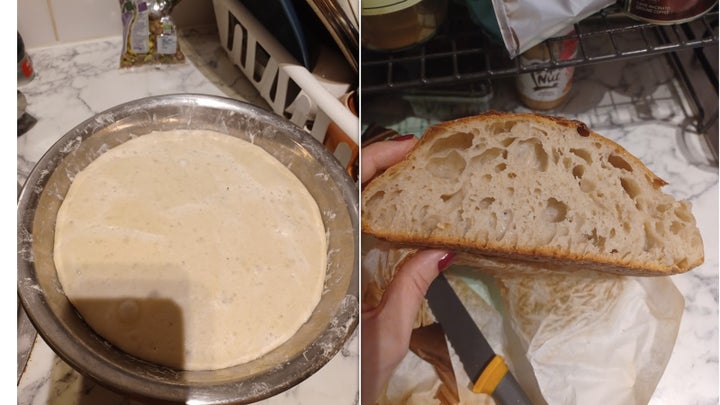
But recently, I’ve fallen back in love with the craft. My new starter (Gluton Airport, if you want her government name) doesn’t have a super-strict feeding schedule, and probably would bubble more enthusiastically if she did.
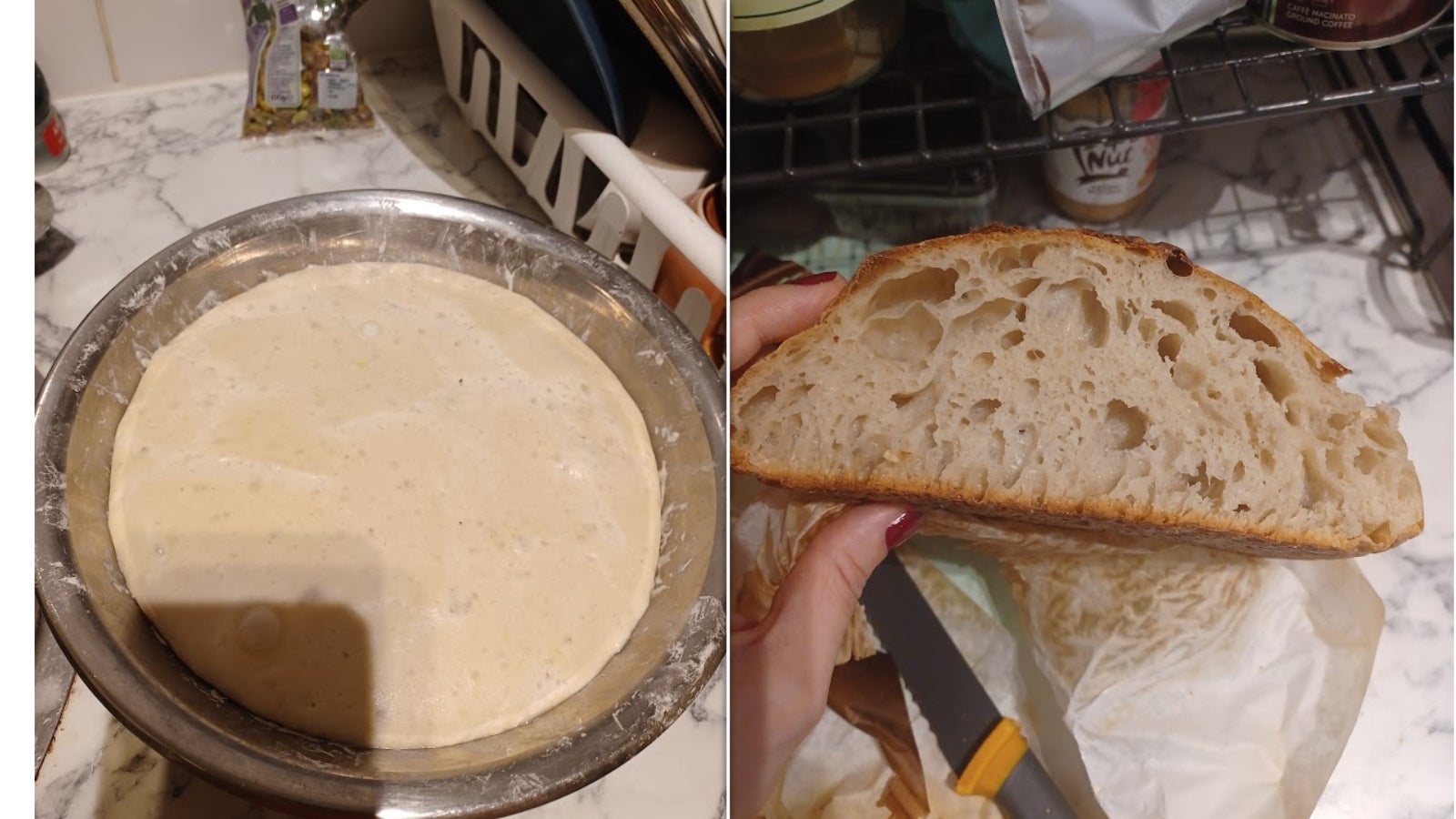
I’m 99% sure I’m leaving my overnight sourdough out to prove for about two hours too long (I don’t go to sleep immediately after mixing it, and I sleep too late to bake it on time).
Advertisement
Amy Glover / HuffPost UK
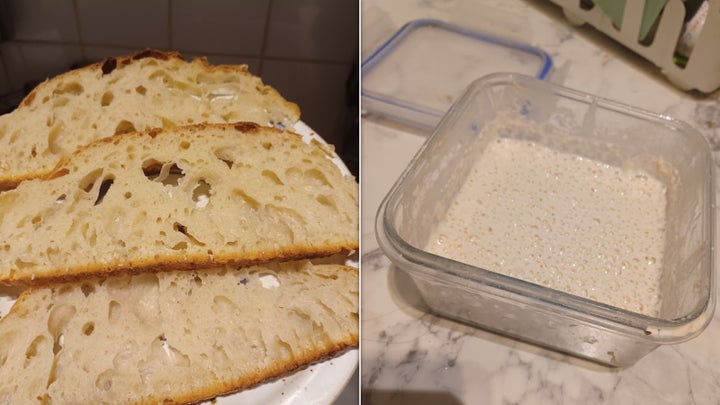
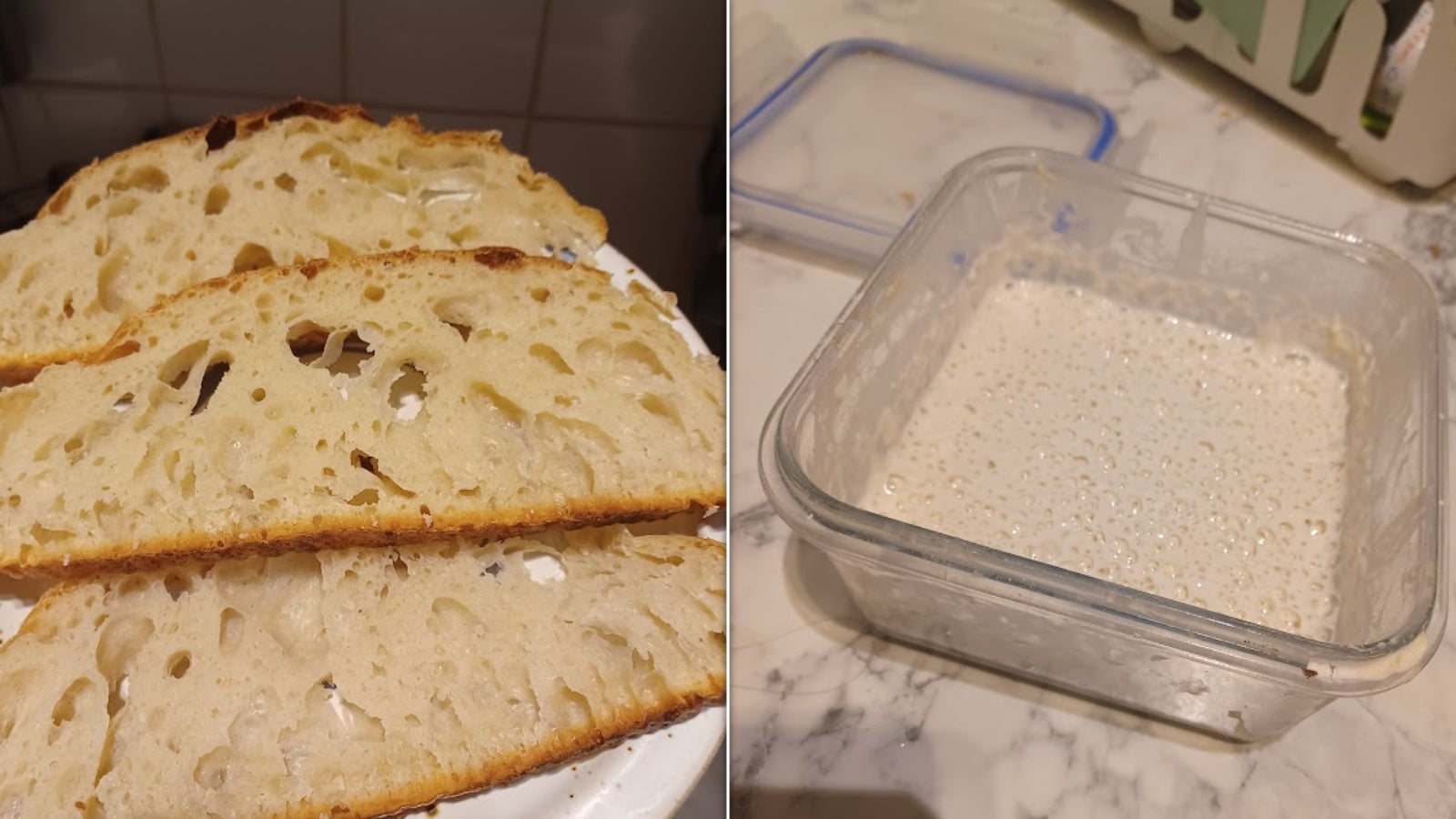
Probably as a result, my loaves are somewhat limp, a little gummy, and nowhere near as photogenic as I’d like.
Nonetheless, they’re still delicious. I haven’t splashed out on a pricier shop-bought loaf – a lot of which isn’t technically sourdough – since.
Advertisement
It’s a bit like half-assing my workouts. I don’t give 100% every single time, and it’s made me enjoy the hobby so much more.
Now, I’m more in love with making sourdough – meh as it may be – than ever. Most of all, I’m having fun again (and isn’t that the point of a hobby?).


As we age, our bodies lose some resilience, which can lead to less movement throughout the day and an increased risk of facing multiple chronic diseases at once (multimorbidity).
This happens partly because senescent cells, sometimes called “zombie” cells, stop dividing and build up. They secrete “proinflammatory molecules that contribute to chronic inflammation and ageing-related diseases”.
Advertisement
A process called senolysis usually clears these away, but as we get older, that cleaning system becomes less efficient.
But scientists from the University of Kyoto think they’ve found a way to slow or stop the production of these “zombie cells”.
Though we knew that “zombie cells” seemed to create inflammation that affected nearby cells, scientists weren’t sure about how this went on to affect someone’s body.
Advertisement
These researchers looked closer at the senescent cells themselves and found they heavily relied on glycolysis (using sugar for energy), a process which is also involved in the spreading of cancer cells.
Using bioluminescence to help see what was going on in the cell better, scientists found that two enzymes were crucial to glycolysis in “zombie cells”. Their binding was increased in sensecent cells.
So, when they were able to interrupt that key interaction, researchers could selectively “delete” zombie cells.
Advertisement
In mice, the change was linked to reduced lung fibrosis.
They also found that when this activity was diminished, a protein that triggers cell death was suppressed too.
The study authors hope this might help to maintain resilience in older age.
That way, it’s hoped, the risk of multimorbidity might go down.
This study’s corresponding author, Hiroshi Kondoh, said: “Our findings in glycolytic regulation suggest that impaired metabolic resilience in ageing is one of the targets for senotherapy, to aid in preservation of resilience in ageing.”
Advertisement

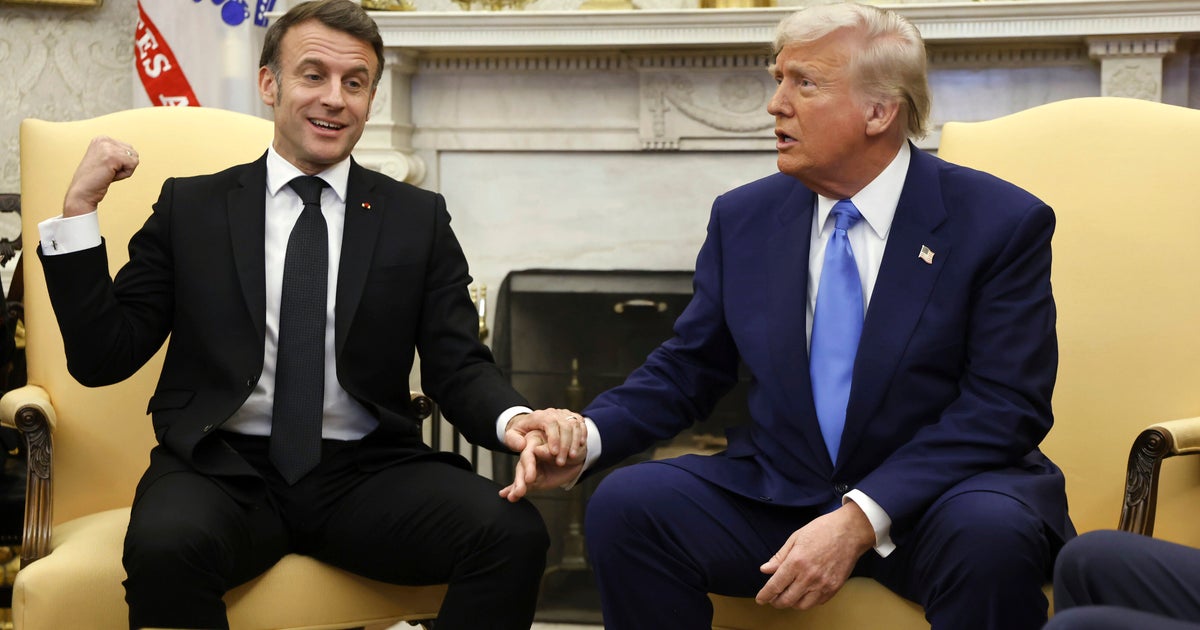
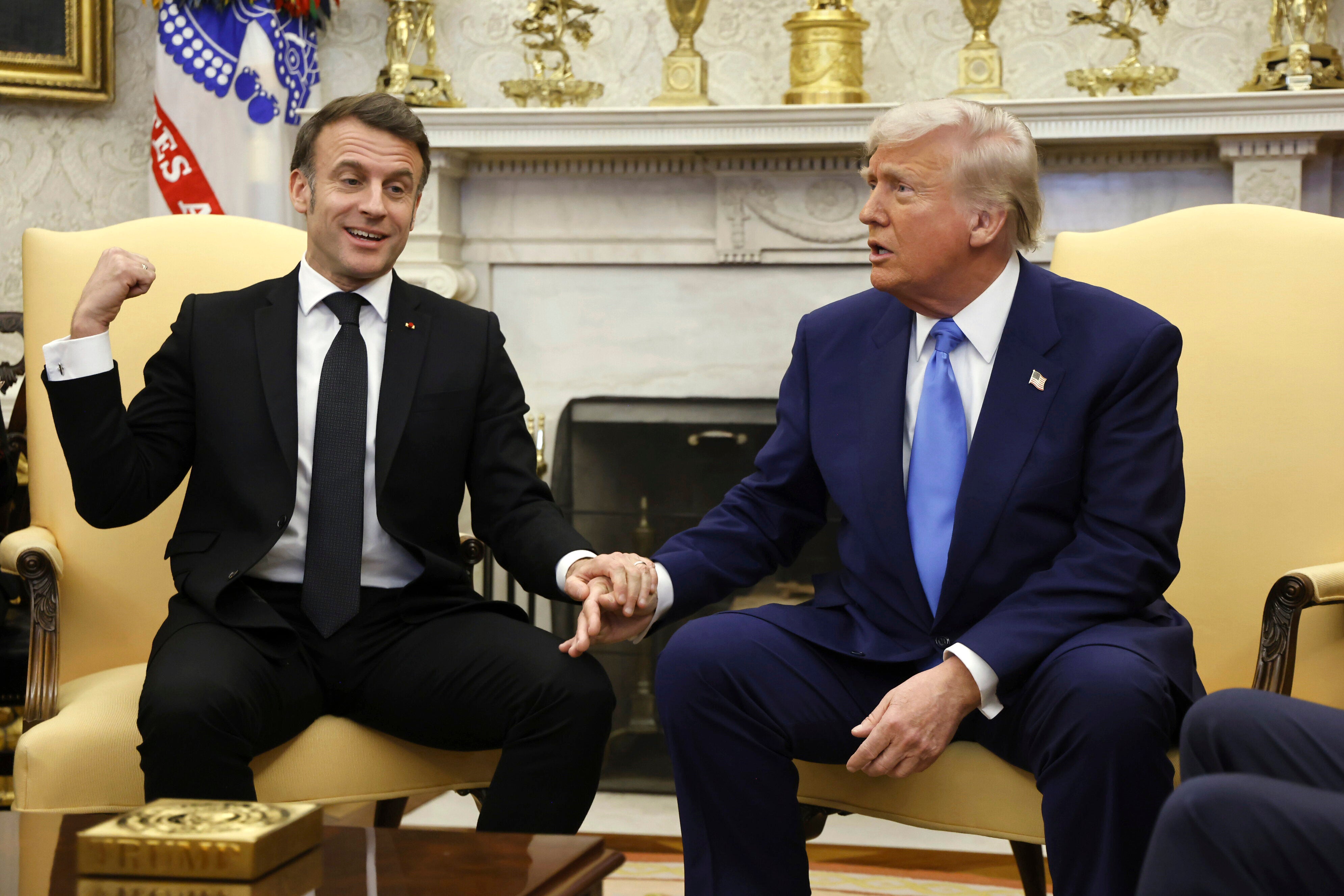
Emmanuel Macron has hit back at Donald Trump after he mocked the French president over an altercation he appeared to have with his wife.
The US president said Macron was “still recovering from the right to the jaw” after the incident last year.
Advertisement
Bridgette Macron was filmed apparently pushing her husband in the face shortly before they disembarked from his presidential plane.
In a speech in Washington on Wednesday, Trump referred to the incident as he criticised the French for not getting involved in the Iran war.
He said: “Macron, whose wife treats him extremely badly. He’s still recovering the right to the jaw.”
Advertisement
Speaking during a state visit to South Korea, Macron said: “The remarks I have heard are neither elegant nor up to standard.
“So I am not going to respond to them. They do not merit a response.”
The French president said Trump’s previous suggestion that the international community use force to re-open the Strait of Hormuz was “unrealistic”.
He also condemned Trump’s criticism of Nato and hints that America could leave the military alliance.
Advertisement
Macron said: “I believe that organisations and alliances like Nato are defined by what is left unsaid – that is, the trust that underpins them, and that has often been the case, incidentally, with military and strategic matters.
“If you cast doubt on your commitment every day, you erode its very substance.”
He added: “We need to be serious, and if you want to be serious, you don’t go around saying the opposite of what you said the day before.
“I think there is too much talk.”
Advertisement
Subscribe to Commons People, the podcast that makes politics easy. Every week, Kevin Schofield and Kate Nicholson unpack the week’s biggest stories to keep you informed. Join us for straightforward analysis of what’s going on at Westminster.
Summer 2025 was the warmest UK summer on record, with four heatwaves, a top temperature of nearly 38C and a mean temperature of 16.1C
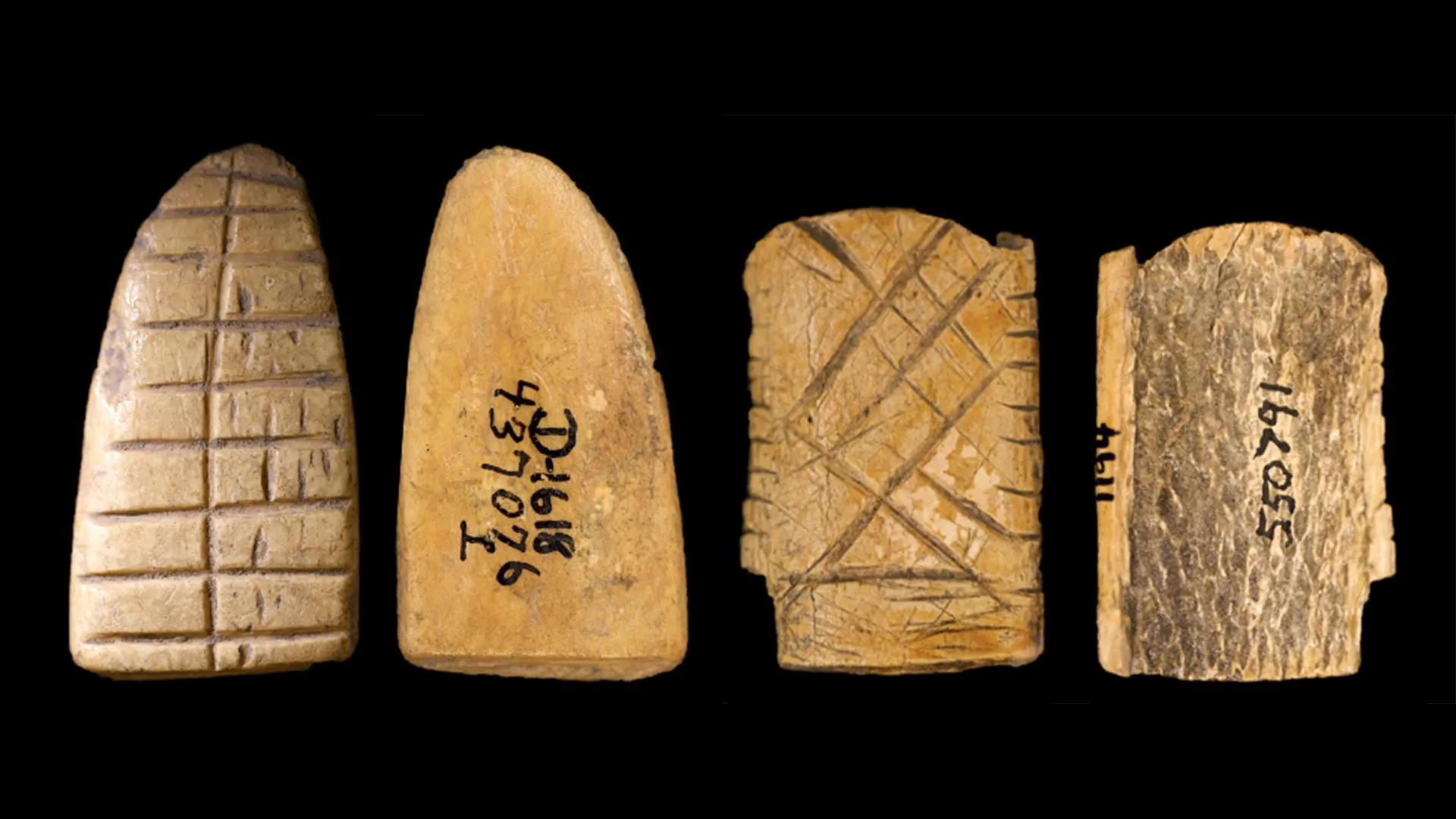
A new study in American Antiquity, a leading journal of North American archaeology published by Cambridge University Press for the Society for American Archaeology, presents compelling evidence that the earliest known dice were created and used by Native American hunter-gatherers more than 12,000 years ago. These discoveries come from the western Great Plains at the end of the last Ice Age and predate the oldest known dice from Bronze Age societies in the Old World by thousands of years.
Research led by Colorado State University Ph.D. student Robert J. Madden shows that dice, gambling, and games of chance have deep roots in Native American culture, stretching back at least 12,000 years. The earliest examples come from Late Pleistocene Folsom-period sites in Wyoming, Colorado, and New Mexico. These artifacts are more than 6,000 years older than comparable dice found in the Old World.
“Historians have traditionally treated dice and probability as Old World innovations,” Madden said. “What the archaeological record shows is that ancient Native American groups were deliberately making objects designed to produce random outcomes, and using those outcomes in structured games, thousands of years earlier than previously recognized.”
What Ice Age Dice Looked Like
The oldest specimens identified in the study date to roughly 12,800-12,200 years ago. Unlike modern six-sided dice, these objects were two-sided pieces known as “binary lots.” They were carefully shaped from bone into small, handheld forms that were flat or slightly rounded, often oval or rectangular, and designed to be tossed together onto a surface.
Each piece had two distinct faces, marked by differences in color, texture, or added designs, similar to heads and tails on a coin. One side served as the “counting” face. When thrown, each piece would land showing one side or the other, producing a binary (two-outcome) result. Players cast multiple pieces at once, and the outcome depended on how many landed with the counting face up.
“They’re simple, elegant tools,” Madden said. “But they’re also unmistakably purposeful. These are not casual byproducts of bone working. They were made to generate random outcomes.”
A New Method to Identify Ancient Dice
To move beyond guesswork, the study introduces an attribute-based morphological test, a structured checklist of physical characteristics used to identify dice in archaeological collections. This method is based on a comparative analysis of 293 sets of historic Native American dice recorded by ethnographer Stewart Culin in his 1907 Bureau of American Ethnology monograph, Games of the North American Indians.
Using this framework, the study revisits artifacts that had previously been labeled as possible “gaming pieces” or ignored entirely. By applying consistent criteria, Madden was able to determine whether these objects fit the definition of dice.
In many cases, the items had been known for decades but were never evaluated within a broader pattern. With this new approach, the study identifies more than 600 diagnostic and probable dice from sites covering every major period of North American prehistory, from the Late Pleistocene through and after European contact.
“In most cases, these objects had already been excavated and published,” Madden said. “What was missing wasn’t the evidence, it was a clear, continent-wide standard for recognizing what we were looking at.”
The earliest examples were also examined directly in museum collections at the Smithsonian Institution, the University of Wyoming Archaeological Repository, and the Denver Museum of Nature and Science.
Rethinking the Origins of Probability
Dice games are often considered humanity’s earliest structured interaction with randomness, laying the groundwork for probability theory, statistics, and scientific reasoning. Until now, scholars believed these practices originated in complex Old World societies around 5,500 years ago.
The new findings point to a much earlier and more widespread origin.
“These findings don’t claim that Ice Age hunter-gatherers were doing formal probability theory,” Madden said. “But they were intentionally creating, observing, and relying on random outcomes in repeatable, rule-based ways that leveraged probabilistic regularities, such as the law of large numbers. That matters for how we understand the global history of probabilistic thinking.”
A Long-Lasting Cultural Tradition
The research also highlights how widespread and enduring dice games have been in Native American cultures. Evidence of dice appears at 57 archaeological sites across a 12-state region, spanning Paleoindian, Archaic, and Late Prehistoric periods, and reflecting a wide range of cultural traditions and lifestyles.
Madden suggests that this long history points to the important social role of games of chance. “Games of chance and gambling created neutral, rule-governed spaces for ancient Native Americans,” he said. “They allowed people from different groups to interact, exchange goods and information, form alliances, and manage uncertainty. In that sense, they functioned as powerful social technologies.”
About the Study
The article, “Probability in the Pleistocene: Origins and Antiquity of Native American Dice, Games of Chance, and Gambling,” will appear in American Antiquity, published by Cambridge University Press on behalf of the Society for American Archaeology.
Debi Angell says the kits they make help women and girls who can not afford period products.

Colorectal cancer appears to stand apart from other cancers in a surprising way. New research from the University of East Anglia suggests it carries its own distinct microbial “fingerprint,” a discovery that could reshape how doctors understand and treat the disease.
Colorectal cancer is the fourth most common cancer in the UK and the second leading cause of cancer-related death. The new findings may help clinicians better understand how the disease develops, how aggressive it may become, and how patients might respond to different treatments.
The team analyzed whole genome sequencing (WGS) data from more than 9,000 cancer patients. Their results, published in Science Translational Medicine, also challenge a widely held assumption that every cancer type has its own unique microbial signature.
“This study changes how we think about the role of microbes in cancer,” said lead researcher Dr. Abraham Gihawi, from UEA’s Norwich Medical School.
How scientists analyzed tumor microbes
To carry out the study, researchers examined Genomics England DNA sequence data from 11,735 cancer samples spanning 22 different cancer types.
“When you collect cancer DNA sequences, you also gain information from the DNA of microbes contained within the samples,” said Dr. Gihawi.
“We wanted to determine the precise DNA composition of microbes present in each sample. So, we developed computer programs to remove human DNA and analyse the remaining microbe DNA.
“We then correlated this information with clinical data from the patients about their cancer type and clinical outcome.
“What we found challenges previous claims that each cancer type has a distinct microbiological signature or fingerprint.
“But importantly, as whole genome sequencing becomes more common in hospitals, we show that looking at the microbes in tumor samples could become a powerful tool for improving cancer care at little extra cost.
Colorectal cancer shows a distinct microbial signature
The analysis revealed a clear pattern. Among all cancers studied, only colorectal tumors consistently showed a unique and identifiable microbial community.
“Our results show that only colorectal tumors possess distinctly identifiable microbial communities.
“We found that these microbial signatures were so specific that they could accurately distinguish colorectal tumors from other tumors. We hope that this could help doctors diagnose the disease more precisely and researchers to study the microbes found in colorectal cancer.”
The study also points to broader clinical uses. In oral cancers, researchers found that certain viruses such as HPV (human papillomavirus) could be detected more accurately than with some current diagnostic tests.
They also identified rare but dangerous viruses, including Human T-Lymphotropic Virus-1 (HTLV-1), which can remain dormant in the body and later contribute to cancer development.
Microbes linked to survival and treatment response
The findings suggest that microbes may do more than simply exist alongside cancer. In some cases, they appear to be linked to how patients fare.
“We found that certain types of bacteria were associated with poorer survival rates in some cases of sarcoma. This might lead to additional research and treatment options for these types of cancer,” said Dr. Gihawi.
“One of the most exciting things we found was that in some sarcoma cases, the presence of specific bacteria was linked to better survival rates.
“This suggests that microbes might one day help doctors predict how well a patient will respond to treatment and open up new approaches to treatment,” he added.
Whole genome sequencing as a clinical tool
Experts say the work highlights the growing importance of genome sequencing in modern medicine.
Prof Daniel Brewer, from UEA’s Norwich Medical School, said: “This study highlights the growing clinical value of whole genome sequencing in identifying pathogenic organisms such as HTLV-1 and papillomavirus, which may otherwise go undetected.
“By revealing these hidden infections and providing insight into cancer prognosis — particularly in sarcomas — it demonstrates how genomic analysis is becoming an indispensable tool in precision medicine.
“The findings also suggest that oral cancer, in some cases, may be a close diagnostic consideration, further emphasizing the importance of comprehensive genomic profiling in clinical decision-making.”
Collaboration and funding
The project was led by UEA and involved researchers from multiple institutions, including the University of Leeds, the Quadram Institute, Oxford Nanopore Technologies, the Institute of Cancer Research, London, the University of Manchester, National Institute for Health and Care Research (NIHR) Manchester Biomedical Research Centre, the University of Athens (Greece) the University of Liverpool, Cambridge University Hospitals NHS Foundation Trust, University College London, the University of Southampton, the University of North Carolina (US) and the Earlham Institute.
Funding for the study was provided by the Big C Cancer Charity and Prostate Cancer UK.
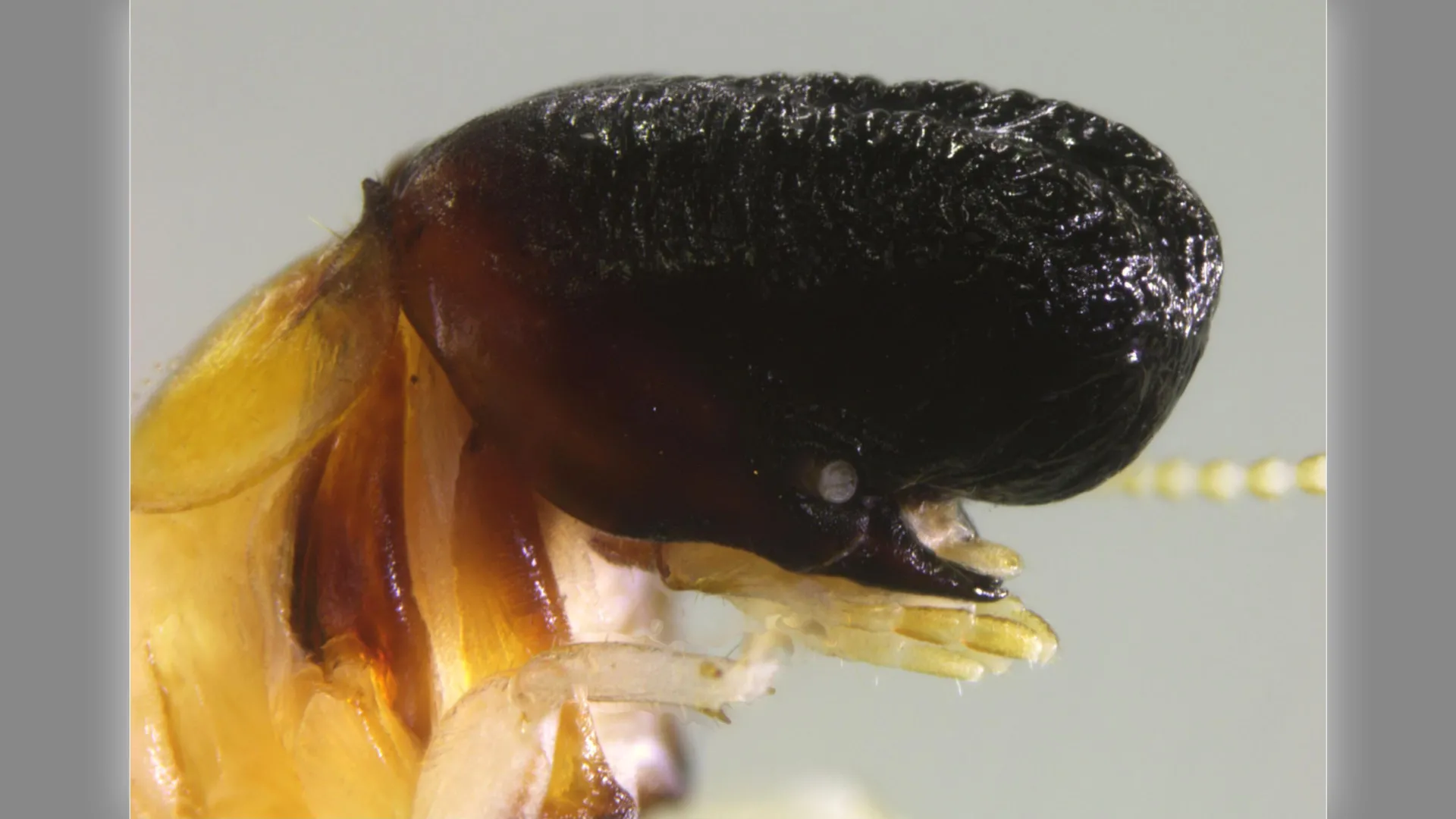
High in the treetops of a South American rainforest, scientists have identified a tiny soldier termite with a surprisingly whale-like appearance. The unusual insect caught the attention of an international team of researchers, who were struck by how different it looked from any known species.
Named Cryptotermes mobydicki, the termite was described by an international research team led by a University of Florida scientist. It features a long, rounded head and mandibles that are mostly hidden from view. Its shape closely resembles a sperm whale, the famous marine animal from Herman Melville’s novel, which inspired its name.
“This termite is unlike anything we’ve ever seen,” said Rudolf Scheffrahn, professor of entomology at the UF Institute of Food and Agricultural Sciences (UF/IFAS).
Whale-Like Head Shape Surprises Scientists
According to Scheffrahn, the insect’s appearance was so unusual that researchers initially believed they might be looking at an entirely new genus. His taxonomic research is based at the UF/IFAS Fort Lauderdale Research and Education Center.
“The lateral view of the soldier’s frontal prominence and elongated head resembles the head of a sperm whale, and in both organisms, the mandibles are eclipsed by the head,” he said. “The whale’s eye and soldier’s antennal socket are comparatively positioned. After I noticed the resemblance to a sperm whale, my coauthors thought the name to be appropriate and whimsical, much like ‘ghost orchid’ or ‘Dumbo octopus.'”
New Species Adds to Termite Evolution Puzzle
This discovery brings the number of known Cryptotermes species in South America to 16. Genetic analysis shows that Cryptotermes mobydicki is closely related to other species found across the Neotropics, including populations in Colombia, Trinidad and the Dominican Republic. These findings provide new insight into how this group of termites has evolved and spread.
The colony was located inside a dead tree standing about eight meters above the forest floor. Its unusual body structure highlights just how diverse termite species can be and points to how many organisms in tropical environments remain undocumented.
Biodiversity Gains and No Threat to Homes
“The discovery of this distinctive new termite species underscores the vast number of unnamed organisms yet to be discovered on our planet,” said Scheffrahn.
Each new species adds to scientists’ understanding of biodiversity, especially in groups like termites, which include only about 3,000 known species worldwide.
There is also reassuring news for Florida property owners. As a drywood termite, Cryptotermes mobydicki does not pose a risk to buildings or trade. Unlike invasive termites that damage structures in parts of the southeastern United States, this species is limited to its native rainforest habitat and does not spread beyond it.
