Oliver has an inherited condition called Hunter syndrome, which causes progressive damage to the body and brain.


Oliver has an inherited condition called Hunter syndrome, which causes progressive damage to the body and brain.
One in eight men will be diagnosed with prostate cancer in their lifetime.
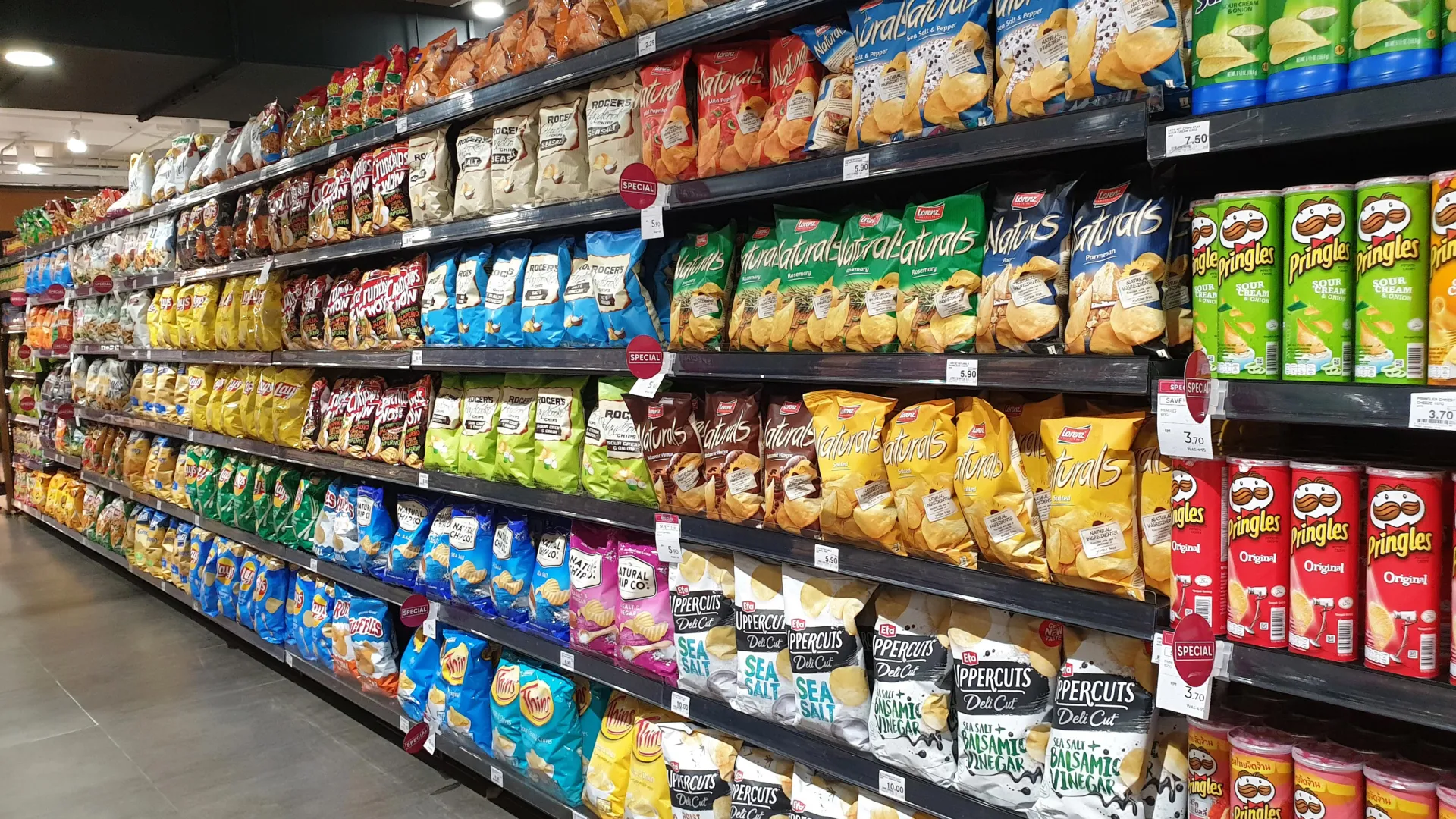
Experts from around the world are raising alarms about the rapid global rise of ultra-processed foods, warning that UPFs are reshaping diets and driving a surge in chronic health problems.
Rising UPF Consumption Sparks Global Health Concerns
A new three paper Series in The Lancet, written by 43 international experts, warns that the rapid spread of ultra-processed foods (UPFs) across global diets is creating a serious public health challenge. The authors detail how UPF companies use a range of strategies to increase sales and block policies designed to protect consumers. The Series offers a plan for stronger government action, greater community involvement, and broader access to affordable, nutritious foods.
Professor Carlos Monteiro, University of Sao Paulo, Brazil, explains, “The growing consumption of ultra-processed foods is reshaping diets worldwide, displacing fresh and minimally processed foods and meals. This change in what people eat is fueled by powerful global corporations who generate huge profits by prioritizing ultra-processed products, supported by extensive marketing and political lobbying to stop effective public health policies to support healthy eating.”
Calls for Strong, Coordinated Policy Action
Professor Camila Corvalan, University of Chile, Chile, adds, “Addressing this challenge requires governments to step up and introduce bold, coordinated policy action — from including markers of UPFs in front-of-package labels to restricting marketing and implementing taxes on these products to fund greater access to affordable, nutritious foods.”
Dr. Phillip Baker, University of Sydney, Australia, continues, “We need a strong global public health response — like the coordinated efforts to challenge the tobacco industry. Including safeguarding policy spaces from political lobbying and building powerful coalitions to advocate for healthy, fair and sustainable food systems and stand-up to corporate power.”
UPFs, based on the Nova classification, are industrially produced branded foods created from low cost ingredients such as hydrogenated oils, protein isolates or glucose/fructose syrup, along with cosmetic additives (e.g. dyes, artificial sweeteners, emulsifiers). These products are intentionally formulated and promoted to replace fresh foods and traditional meals, while maximizing profits for manufacturers (for a detailed definition see paper 1, panel 1).
Research Shows Clear Links Between UPFs and Chronic Disease
The first paper in The Lancet Series reviews scientific evidence gathered since the Nova classification was developed by Prof Carlos Monteiro and colleagues in 2009. The findings consistently show that UPFs are crowding out traditional dietary patterns, lowering overall diet quality, and contributing to higher risks of many chronic diseases.
National surveys also reveal substantial increases in UPF consumption (paper 1, figure 1). The proportion of dietary energy from UPFs tripled in Spain (11% to 32%) and China (4% to 10%) over the past three decades, and rose from 10% to 23% in Mexico and Brazil during the previous forty years. In the USA and UK, levels have remained above 50% for the past two decades, with slight increases over time.
Growing Body of Evidence Underscores Health Risks
The Series reports that diets high in UPFs are associated with overeating, poor nutrient balance (too much sugar and unhealthy fats, too little fibre and protein), and greater exposure to potentially harmful additives. A systematic review of 104 long-term studies found that 92 showed higher risks for at least one chronic disease, with meta-analyses identifying significant associations with 12 health conditions including obesity, type 2 diabetes, cardiovascular disease, depression, and premature death (paper 1, figure 4, appendix p23-24).
While the authors acknowledge scientific debates about Nova and UPF definitions — including the need for more long-term trials, clearer mechanisms, and recognition of product subgroups with differing nutritional qualities — they emphasize that further research should not delay immediate public health action.
Professor Mathilde Touvier, French National Institute for Health and Medical Research (Inserm), France, states, “While healthy debate about UPFs within the scientific community is welcomed, this should be distinguished from attempts by vested interests to undermine the current evidence. The growing body of research suggests diets high in ultra-processed foods are harming health globally and justifies the need for policy action.”
Policy Solutions to Reduce UPFs and Improve Diet Quality
The second paper in the Series outlines policy options to curb UPF production, marketing, and consumption, holding major companies accountable for promoting unhealthy diets (paper 2, table 1). These recommendations are intended to strengthen existing legislation targeting high fat, salt and sugar (HFSS) foods.
Professor Barry Popkin, University of North Carolina, US, says “We call for including ingredients that are markers of UPFs (eg, colors, flavors, and sweeteners) in front-of-package labels, alongside excessive saturated fat, sugar, and salt, to prevent unhealthy ingredient substitutions, and enable more effective regulation.”
Marketing Restrictions, School Policies, and Fresh Food Access
The authors recommend stronger marketing limits, particularly for promotions aimed at children, digital advertising, and brand-level marketing. They also suggest banning UPFs in public settings such as schools and hospitals, and capping shelf space for UPFs in supermarkets. One example of successful reform is Brazil’s national school feeding program, which has removed most UPFs and will require 90% of school food to be fresh or minimally processed by 2026 (paper 2, panel 4).
Alongside regulation, the authors highlight the need to expand access to fresh foods. Taxing selected UPFs could help support subsidies for healthier options, particularly for low-income households.
Professor Marion Nestle, New York University, US, notes, “Improving diets worldwide requires policies tailored to each country’s unique situation and how entrenched UPFs have become in people’s daily eating habits. While priorities may differ, urgent action is needed everywhere to regulate ultra-processed foods alongside existing efforts to reduce high fat, salt, and sugar content.”
Associate Professor Gyorgy Scrinis, University of Melbourne, Australia, adds, “Importantly, policies must ensure that fresh and minimally processed foods are accessible and affordable — not just for those with time to cook, but for busy families and individuals who rely on convenient options. Only by combining stricter regulation on poor quality food products with realistic support for more nutritious choices can we truly promote better diets for all.”
How Corporate Power Drives the Global UPF Boom
The third paper shows that the sharp rise in UPF consumption is being driven primarily by global food corporations rather than individual behavior. These companies use low cost ingredients, large-scale production methods, and highly persuasive marketing to encourage widespread consumption.
With global annual sales reaching $1.9 trillion, UPFs represent the most profitable segment of the food industry. Manufacturers of these products have delivered more than half of the $2.9 trillion in shareholder payouts made by publicly listed food companies since 1962. The profits help fuel expansion, marketing power, and political influence, reinforcing corporate dominance over modern food systems.
The Series explains that UPF companies rely on sophisticated political strategies to protect their interests — blocking regulations, influencing scientific debates, shaping public opinion, supporting hundreds of interest groups, lobbying, donating to political campaigns, and engaging in litigation to delay policy action (paper 3, table 1 and figure 2).
Professor Simon Barquera, the National Institute of Public Health of Mexico, Mexico, states, “Powerful corporations — not individuals’ choices — are behind the global rise of ultra-processed foods. Through interest groups, these corporations often position themselves as part of the solution, but their actions tell a different story — one focused on protecting profits and resisting effective regulation.”
Urgent Need for a Unified Global Response
The authors call for a global public health movement to protect policy-making from industry interference, end ties between industry and health organizations, and strengthen networks advocating for reduced UPF consumption.
Professor Karen Hoffman, University of the Witwatersrand, South Africa, says, “Just as we confronted the tobacco industry decades ago, we need a bold, coordinated global response now to curb the overproportionate power of UPF corporations and build food systems that prioritize people’s health and well-being.”
They argue that transforming food systems requires a new vision that elevates local food producers, preserves cultural food traditions, promotes gender equity, and ensures that economic benefits flow to communities rather than to distant shareholders.
Dr. Phillip Baker concludes, “We are currently living in a world where our food options are increasingly dominated by UPFs, contributing to rising global levels of obesity, diabetes and mental ill-health. Our Series highlights that a different path is possible — one where governments regulate effectively, communities mobilize, and healthier diets are accessible and affordable for all.”
The Lancet Series on Ultra-Processed Foods and Human Health, was supported by funding from Bloomberg Philanthropies.
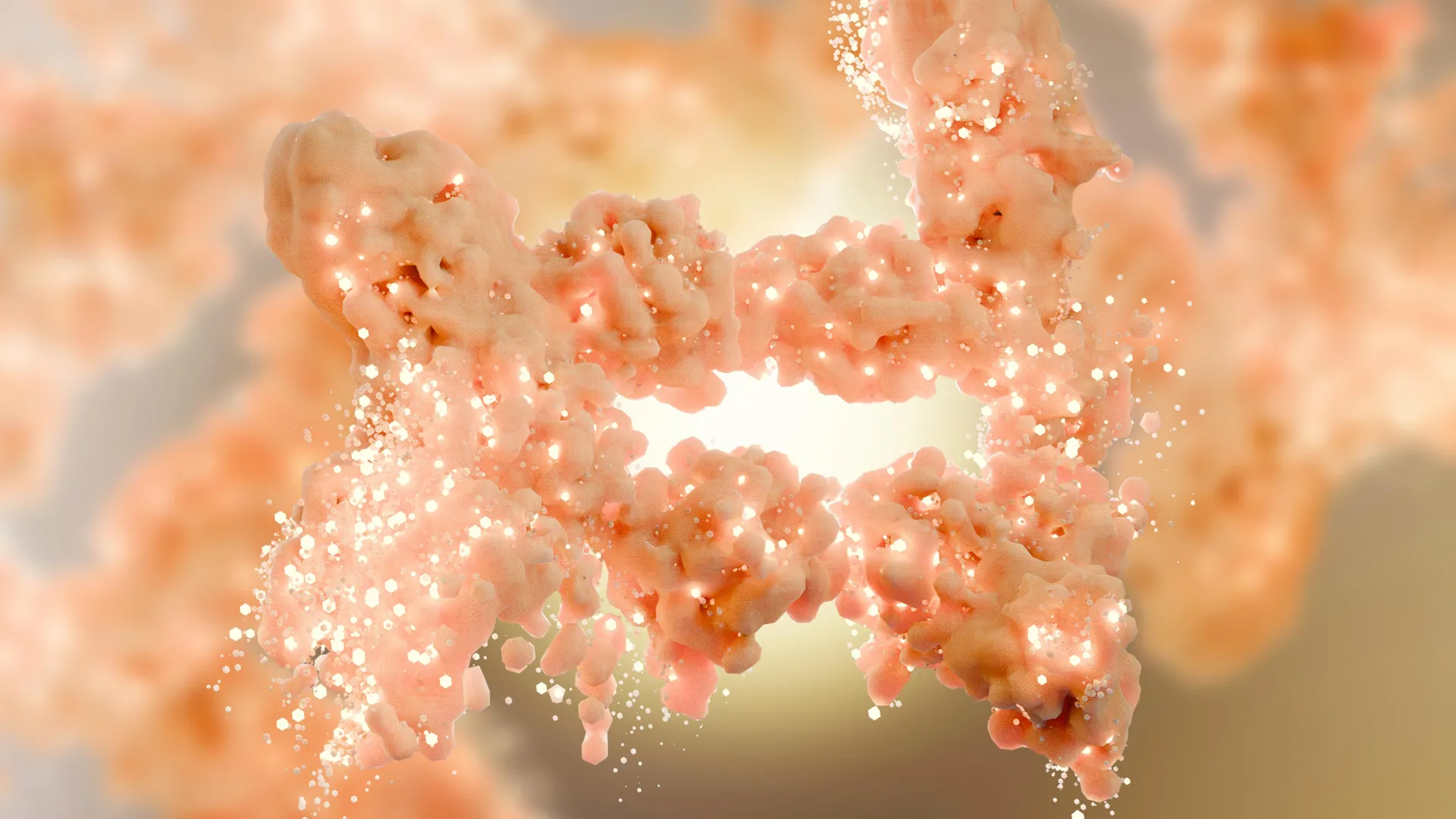
Our fat cells, known as adipocytes, do far more than store extra body weight. They serve as an important energy reserve for the body. Inside each adipocyte, fat is packed into lipid droplets that can be tapped when fuel is needed — for example, during the hours between meals. To release this stored energy, the body relies on a protein called HSL, which functions much like a switch. When energy is running low, hormones such as adrenaline activate HSL, prompting it to free fat that can then supply various organs.
Without HSL, it would be reasonable to expect fat to build up, as though the body had lost access to its energy supply. Surprisingly, this is not what happens. Research involving both mice and patients with mutations in the HSL gene shows that the lack of this protein does not lead to excess fat or obesity. Instead, affected individuals experience a loss of fat mass, a condition known as lipodystrophy.
Although obesity and lipodystrophy appear to be complete opposites, both involve fat cells that do not function properly. As a result, each condition can contribute to metabolic disturbances and cardiovascular problems.
HSL Found in an Unexpected Location Inside Fat Cells
To understand this surprising behavior, a team led by Dominique Langin, professor at the University of Toulouse within the I2MC, took a closer look at where HSL is found inside adipocytes. The protein is well known for its role at the surface of lipid droplets, where it helps break down stored fat. However, the study revealed that HSL also resides inside the nucleus of fat cells. “In the nucleus of adipocytes, HSL is able to associate with many other proteins and take part in a program that maintains an optimal amount of adipose tissue and keeps adipocytes ‘healthy’,” explains Jérémy Dufau, co-author of the study, who completed his doctoral thesis on this topic.
The researchers also found that nuclear HSL levels are tightly controlled. Adrenaline, which activates the form of HSL located on lipid droplets, also encourages the protein to leave the nucleus. This process occurs naturally during fasting. In contrast, obese mice show elevated levels of HSL within the nucleus, suggesting a shift in this regulatory system.
A Revised Understanding of HSL’s Role in Metabolism
“HSL has been known since the 1960s as a fat-mobilizing enzyme. But we now know that it also plays an essential role in the nucleus of adipocytes, where it helps maintain healthy adipose tissue,” says Dominique Langin. This additional responsibility helps explain why the absence of HSL results in lipodystrophy, and it offers new insights into metabolic disorders such as obesity and related health complications.
This discovery appears at a critical time. In France, one in two adults is overweight or obese, and globally the number reaches two and a half billion people. Obesity increases the risk of a range of diseases, including diabetes and heart problems, and often reduces overall quality of life. Continued scientific research is crucial to improving prevention efforts and patient care.
The former PM is calling for more men to be screened for the disease, which is the most common cancer in males in the UK.

The UK has been been criticised for “blocking ambition” to tackle climate change by environmental campaigners.
COP30 – the UN’s 30th conference of parties – concluded this weekend following fraught discussions over how countries around the world can work together to address the declining environment.
Advertisement
After two weeks of intense meetings, the 194 countries present – the US did not send a delegation only agreed on a voluntary arrangement, rather than a legally binding deal, to begin discussions on a roadmap to gradually phasing out fossil fuels.
But, in a small win for campaigners, developed countries did agree to triple financial support for developing nations as they adapt to the climate crisis.
They will now receive £92 billion a year for adaption – although they will not get it until 2035.
Hannah Bond, co-CEO of the non-profit ActionAid UK, hit out at the British delegates in particular for this lacklustre conclusion to the summit, claiming the conference “still falls short” when it comes to finance.
Advertisement
Wealthier nations which typically produce more greenhouse gas emissions have been repeatedly asked to help developing countries cover the damage costs that come with environmental disasters.
However, the UK caused a stir when it chose not to give taxpayer cash to the COP30 forests fund even before this year’s conference began amid ongoing struggles within the British economy.
The Department for Energy Security and Net Zero told Politico the UK is still “incredibly supportive” of the initiative and would continue with “efforts to unlock private investment”.
Advertisement
ActionAid UK’s Bond said: “A COP that delivers progress behind closed doors and still falls short on finance cannot claim success.
“It’s a major setback that the UK’s refusal to cough up for the climate funding it owes, and to centre justice, meant a wider agreement collapsed.
“It’s like watching a house engulfed in fire while the arsonists stand around debating who should hold the hose.
Advertisement
“Without making big polluters pay up for the damage they’ve caused, climate justice remains impossible – yet the UK continues to push private finance and loans, deepening debt and forcing the Global South to foot the bill while allowing the ongoing financing of fossil fuels and deforestation.”
She added: “Women and communities in the Global South are already leading the solutions; now countries like the UK must stop blocking ambition, deliver real finance, and match the courage of those fighting for their as we fight for all of our futures.”
The director of climate research and policy at the campaign group Corporate Accountability, Rachel Rose Jackson, said the whole of the “global North should be ashamed” of their actions at COP30.
Advertisement
She said: “Yet again the EU and others, as the largest historical polluters, continue to orchestrate their great escape rather than do their fair share.
“The US, who told the world it wouldn’t even bother to show up, is still manipulating on the sidelines in Belém while it expands oil and gas drilling at home.
“And Big Polluters continue to write the rules of climate action with no protections in place.
“We must Kick Big Polluters Out, reset the system, demand the Global North do its fair share and pay its climate debt, and urgently and justly end the fossil fuel era that is poisoning us.
Advertisement
“These are the only measures by which a true success can be measured.”
Meena Raman, from the non-profit Third World Network, also hit out at the EU and the UK for “playing political games”.
She said: “The countries of the Global North, led by the EU and UK, effectively held the COP30 negotiations hostage – insisting on diluting commitments to climate finance for adaptation before allowing progress. Their public frustration over the supposed lack of ambition on mitigation was little more than posturing, designed to deflect attention from their own obligations.”
Romain Ioulalen, from Oil Change International, said wealthy countries were to blame for COP’s failures this year.
Advertisement
He said: “The EU, UK, Australia and other wealthy nations are to blame for COP’s failure to adopt a roadmap on fossil fuels by refusing to commit to phase out first or put any public money on the table for the crisis they have caused.“We didn’t win the full justice outcome we need in Belém, but we have new arenas to keep fighting.”
Meanwhile, Nikki Reisch from the Centre for International Environmental Law, called the final agreement an “empty deal”, adding: “COP30 provides a stark reminder that the answers to the climate crisis do not lie inside the climate talks – they lie with the people and movements leading the way toward a just, equitable, fossil-free future.”
What’s your name? Taylor Coffman.
Do you know where you are? The hospital.
What is the date? February 17, 2022.
Who’s the president? Biden.
What’s the capital of Canada? Uh-oh. Ottawa? Do Americans typically know that?
I tried to respond to my new internist, but the answers didn’t flow from me. Each one caused a stutter the size of Mariana Trench — and it terrified me.
Plus, I was twitching so badly, my arms were practically useless.
I’d been in the hospital for a month. Zach, my husband, was at home in our apartment taking care of my newborn baby with my mother. It wasn’t easy for them: small apartment, new baby, one bathroom, my life hanging in the balance.
Advertisement
For the last few weeks, I’d been cycling in and out of the ICU. Zach had even gotten “the talk” — a doctor had called in the thick of the night to tell him that I might not make it home. Many thought I would likely not survive. They didn’t fully know what was wrong with me, except that everything was going wrong with me.
Four weeks earlier, I had my baby by C-section. Moments later, I was rushed into another surgery because my vitals started to plummet and I was bleeding out rapidly.
I didn’t even get to hold my baby. There was no skin-on-skin — only chaos, panic, and then I didn’t wake from my anesthaesia. It was a living nightmare. I did wake up eventually, and four days after giving birth, I finally met my daughter before she went home — without me.
Advertisement
After having my baby, I endured three rounds of ICU intubation, multiple abdominal surgeries, a body full of blood clots, heart failure and kidney failure with a dash of severe sepsis and pneumonia and a long list of other scary conditions I’d never want to Google. I was a forever-changed, half-dead person.
Once I was removed from the ventilator for the final time — and I was able to speak again — a rotating cast of doctors visited me every day, and told me different things about my condition. It felt like some absurdist theatre play. I had practically the same conversation over and over and over in a spin cycle of frustration and a maze of murky next steps.
My case was especially challenging because I had so many bodily systems failing and that required a slew of doctors. I had a fetal maternal medicine team, residents, an internist, a cardiologist, a hematologist, a nephrologist, an infectious disease specialist, a pulmonologist, a surgical team and maybe a few others I’ve forgotten.
Advertisement
“I’m a project manager at my day job, and you all have got to get organised working across fields,” I complained to one of my many physicians. “Everyone is telling me something different.”
In response to my speaking up, my doctors finally put a text chain together so they could all communicate in one place.
It’s possible that text chain saved my life — and it may never have been created if I hadn’t said something.
Advertisement

Photo by Becca Murray
I realised, if I was going to live, I’d have to project-manage my recovery. I had power. I could assert myself. My doctors cared deeply about my survival, so I reasoned it was time to start asking them for what I needed instead of passively riding my tidal wave of medical torment. My skin was grey and my kidneys didn’t work, but I wasn’t weak — not where it counted the most. I had my mind and I had my voice back, so I needed to use it.
I was many tests away from an official diagnosis but my wise haematologist had a theory that I have a particularly nasty disease called atypical haemolytic uremic syndrome, or aHUS. It’s wildly rare and kills a lot of people who get it. The disease strikes women in particular because it often hides in the body until a trigger — like pregnancy — sets it off.
Advertisement
After a few stable days, I began to feel a progressively increasing shake and stutter in my body. I tried to project manage by sharing my new symptoms with my doctors. “This isn’t me,” I said. “Something else is really wrong.”
My newly assigned internist told me it might be a side effect of my medicine. Other doctors suggested I was stressed and recommended I take clonazepam to ease my anxiety.
Suddenly, a few hours later, everything in my perception began mysteriously repeating three times in a row, like being stuck in a horrific deja vu loop, and then I could no longer speak.
Advertisement
It turned out my body was poisoning my brain with toxins because my kidneys were failing. I desperately needed dialysis, but there were no machines available at this massive cutting-edge hospital… and my nightmare continued longer than it should have.
I was beyond angry and frustrated. Despite constantly keeping my many providers apprised of my symptoms, I was now at the point of toxic encephalopathy and experiencing aphasia and nervous system tremors with deja vu.
Why had I been dismissed when I spoke up about the warning signs I was experiencing?
The data doesn’t look fondly on the system. A 2009 study showed middle-aged women with the same heart disease symptoms as men were twice as likely to be diagnosed with a mental health issue. The Journal of American Heart Association found that women possibly experiencing a heart attack wait 29% longer in ERs than men.
Advertisement
Recently, the CDC reported 1 in 5 women experience mistreatment during their pregnancies, and the stats are markedly worse for Black women, resulting in higher rates of tragic maternal mortality.
I know that doctors often have it rough in a broken system. I sympathise with their challenges and fatigue. But it should be on the medical industry and educational institutions — not patients — to make strides to overcome these pressures.
I am also not saying we should always distrust our doctors. I believe in science and I believe in their training and expertise. But after everything I experienced, I now know there are ways patients can better support our providers, and I know that engaging with them and playing an active role in our care is not only vital — it can mean the difference between life and death.
Advertisement
Now, I approach health care differently.

Courtesy of Taylor Coffman
While doctors certainly have knowledge and training that I do not, I am an expert on myself. We work together and truly listen to each other to make the best decisions about how to treat my conditions. I urge them to communicate in a clear way that helps me understand exactly what is happening and I continue to voice my concerns until I am satisfied that they understand what I’m experiencing.
When I know something is wrong, but I’m not sure exactly what, I become a researcher. I organize a list of bullet points about what I am feeling in the notes app on my phone and bring it to my appointment.
Advertisement
I also do my homework. Though many doctors say they hate it when patients look for information on the internet — and Googling symptoms can lead to trouble — a new study shows it may not be as harmful as once thought, and there are many great digital resources to consult.
If I want a test or procedure that a doctor doesn’t agree I need, I ask them to annotate my request in the notes. Written records have weight. I also often ask medical professionals if it’s okay to record the appointment using my phone’s voice memo recorder.
When we see doctors, we’re often overwhelmed by all of the information we’re receiving and the big emotions we’re feeling and it’s amazing how much we can miss.
Advertisement
My current doctors are invested in my care and I like them all. But, at the end of the day, it’s a relationship based on their ability to keep me well. If I don’t see progress, I get a second opinion, and it’s okay if they know that. It’s not personal. These doctors often end up consulting each other.
Most people don’t want to be a squeaky wheel, but be a squeaky wheel. Research shows being an empowered patient can improve health outcomes. I respect boundaries and I’m kind, but I’m insistent. If I commit to a plan with the doctor, I don’t slack. It’s not always easy, but when I’m doing everything that’s asked of me, if a treatment doesn’t work, then it’s not on me.
Five grueling weeks after giving birth, I finally went home to my baby. It turned out that my hematologist was right — I do have aHUS.
Advertisement
Today, I’m doing quite well by chronic rare disease standards. There is no cure for aHUS, but it’s one of the very few rare diseases with an approved treatment. After nine months of dialysis, my kidney regained some function and left me with stage 3 kidney disease. I currently get infusions every eight weeks to keep my aHUS from causing more damage, but otherwise, I’m busy being a mom to my active toddler.
While the experience was a roller coaster, I did find my voice in that hospital bed. I learned the importance of advocating for my needs and, most crucially, to trust myself when something is wrong.
This piece was originally published in February 2024 and is being rerun as part of HuffPost Personal’s “Best Of” series.
Advertisement
Read more about Taylor’s story on Rare Disease Girl Substack.
Taylor Coffman is a multi-hyphenate creative from the East Coast. As an actor, Coffman has recurred on HBO’s “Silicon Valley” directed by Mike Judge, CBS’s “Life in Pieces,” Rachel Dratch’s “Late Night Snack,” and has appeared in Ryan Murphy’s “FEUD.” Behind the scenes, she worked for many years at Jimmy Kimmel Live; one of the nation’s most listened-to NPR stations, KPCC; and in podcasting at LAist Studios. She lives in Santa Monica with her musician husband, Dustbowl Revival’s Zach Lupetin, her daughter and a very needy rescue dog named Sunny.
Do you have a compelling personal story you’d like to see published on HuffPost? Find out what we’re looking for here and send us a pitch at pitch@huffpost.com.



Cancer biology, drug safety studies and aging research may all benefit from a fluorescent sensor created at Utrecht University. The new technology gives scientists the ability to watch DNA damage and repair unfold inside living cells in real time. This development, described in Nature Communications, enables types of experiments that were not previously possible.
DNA in our cells faces continual harm from sunlight, chemicals, radiation and even the normal processes that keep the body functioning. Most of this damage is corrected very quickly. When these repairs fail, the resulting errors can play a role in aging, cancer and several other diseases.
For years, researchers struggled to directly observe these repair events as they occurred. Many traditional approaches required killing and preserving cells at different time points, producing only isolated snapshots instead of a continuous view.
A New DNA Damage Sensor for Living Cells
Scientists at Utrecht University have now introduced a sensor that changes this situation. Their tool allows researchers to watch damage appear and fade inside living cells and also inside living organisms. According to the study published in Nature Communications, this capability opens the way to experiments that were previously out of reach.
Lead researcher Tuncay Baubec describes the approach as a method for looking inside a cell “without disrupting the cell.” He notes that common tools such as antibodies and nanobodies often bind too tightly to DNA, which can interfere with the cell’s own repair systems.
“Our sensor is different,” he says. “It’s built from parts taken from a natural protein that the cell already uses. It goes on and off the damage site by itself, so what we see is the genuine behavior of the cell.”
How the Fluorescent Sensor Works
The system relies on a fluorescent tag attached to a small domain taken from one of the cell’s own proteins. This domain briefly recognizes a marker that appears only on damaged DNA. Because the interaction is gentle and reversible, the sensor highlights the affected region while leaving the cell’s repair work untouched.
Biologist Richard Cardoso Da Silva, who helped design and evaluate the tool, recalls the moment he recognized its potential. “I was testing some drugs and saw the sensor lighting up exactly where commercial antibodies did,” he says. “That was the moment I thought: this is going to work.”
A Continuous View of DNA Repair
The contrast with older methods is striking. Instead of running many separate experiments to capture different moments, researchers can now watch the entire repair sequence as a single continuous movie. They can track when the damage appears, observe how rapidly repair proteins arrive and see when the cell resolves the issue. “You get more data, higher resolution and, importantly, a more realistic picture of what actually happens inside a living cell,” says Cardoso Da Silva.
The research team also tested the sensor outside the lab dish. Collaborators at Utrecht University used the tool in the worm C. elegans, a widely used model organism. The sensor performed equally well and revealed programmed DNA breaks that occur during the worm’s development. For Baubec, this demonstration was essential. “It showed that the tool is not only for cells in the lab. It can be used as well in real living organisms.”
The potential applications extend beyond watching repair occur. The sensor’s protein domain can be connected to other molecular components, allowing scientists to map the locations of DNA damage across the genome or determine which proteins gather around a damaged region. Researchers can also reposition damaged DNA inside the nucleus to test how its location influences repair. “Depending on your creativity and your question, you can use this tool in many ways,” says Cardoso Da Silva.
Better Tools for Medical and Drug Research
Although the sensor is not a treatment, it could significantly improve medical research. Many cancer therapies work by inflicting deliberate DNA damage on tumor cells, and early drug development often requires precise measurements of how much damage a compound creates.
“Right now, clinical researchers often use antibodies to assess this,” Baubec says. “Our tool could make these tests cheaper, faster and more accurate.” The team also sees potential uses in clinical settings, such as studying natural aging or detecting exposure to radiation or other mutagenic factors.
The innovation is already attracting interest. Several laboratories contacted the team before publication, eager to use the sensor in their own repair studies. To support this demand, the researchers have made the tool available without restrictions. Baubec notes, “Everything is online. Scientists can use it immediately.”

Donald Trump has attacked the Ukrainian leadership for showing “zero gratitude” over the US’s new peace plan to end Russia’s war.
America has unveiled a new 28-point framework meant to resolve the Ukraine conflict in recent days and given Kyiv until Thursday to agree to it – or the US will withdraw access to its intelligence and weaponry.
Advertisement
However, there are fears the plan involves too much capitulation from Ukraine towards its aggressor, almost four years after Vladimir Putin invaded, and that it was authored with too much input from Russia.
The framework involves capping Ukraine’s armed forces at 600,000, giving up its weapons and ceding even more territory to Russia, which already controls a fifth of Ukraine’s sovereign land.
Some senators even claimed Trump’s top diplomat Marco Rubio described the plan as “Russia’s wish list”, a remark which the State Department has rejected.
Advertisement
Top western officials are now holding talks on the proposals in Geneva.
Ukrainian president Volodymyr Zelenskyy said Kyiv faces a difficult choice between sacrificing the country’s dignity and losing a major ally.
After Zelenskyy posted on social media that “further work” is ongoing to make sure Ukrainian perspectives are included, the US president furiously took to social media.
“UKRAINE ‘LEADERSHIP’ HAS EXPRESSED ZERO GRATITUDE FOR OUR EFFORTS, AND EUROPE CONTINUES TO BUY OIL FROM RUSSIA,” he wrote.
Advertisement
He pointed out that the US still sells weapons to Nato which are distributed to Ukraine.
Writing in a post on TruthSocial, the US president said: “The war between Rsussia and Ukraine is a violent and terrible one that, with strong and proper US and Ukrainian LEADERSHIP, would have NEVER HAPPENED.”
He repeated his previous claims that if the “2020 Presidential Election was not RIGGED & STOLEN” – a baseless allegation – then there would be “no Ukraine/Russia War”.
He added: “Putin would never have attacked!”
He then claimed he inherited a war that “SHOULD HAVE NEVER HAPPENED” which is a “LOSER FOR EVERYONE”.
Advertisement
Trump’s outburst comes after Zelenskyy wrote on X: “The Ukrainian delegation is working in Geneva today, focused on finding doable solutions to end the war, restore peace, and guarantee lasting security.
“There have already been brief reports from our delegation members about the outcomes of their first meetings and talks. Currently, there is an understanding that the American proposals may include a number of elements based on Ukrainian perspectives and critical for Ukrainian national interests.
“Further work is ongoing to make all elements truly effective in achieving the main goal anticipated by our people: to finally put an end to the bloodshed and war.”
Advertisement
Trump has been determined to resolve the war in Ukraine ever since he returned to office in January, even claiming he could end it within 24 hours.
He initially seemed to favour Putin’s side, even rolling out the red carpet for him for a rare face-to-face summit in Alaska, before getting frustrated with Russia for not negotiating and slapping fossil fuel sanctions on Moscow.
But this new deal suggests the president has swung back towards backing Russia once again in order to end the war by any means possible.
Advertisement

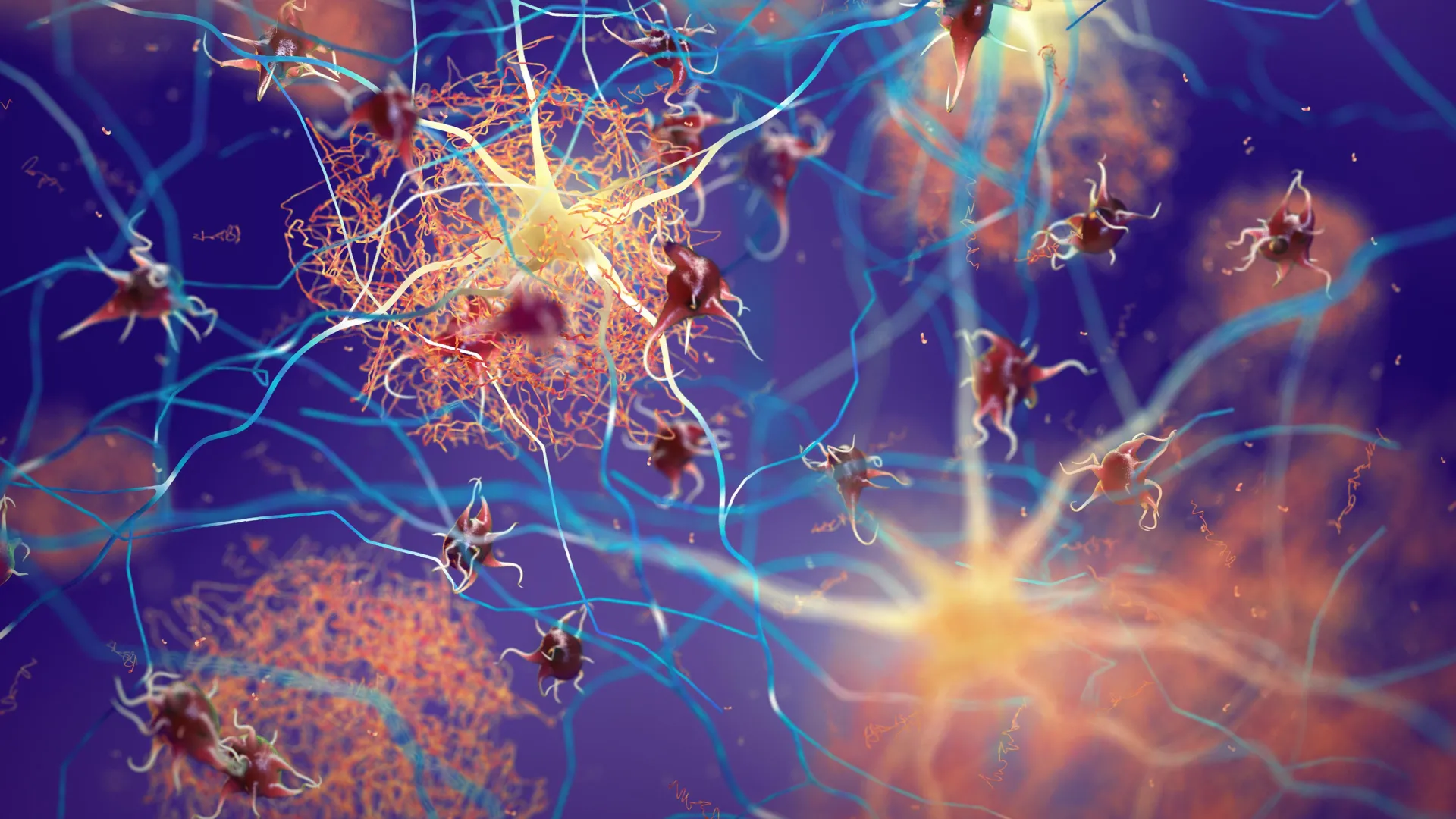
Researchers at Baylor College of Medicine have identified a natural process in the brain that can remove existing amyloid plaques in mouse models of Alzheimer’s disease while also helping preserve memory and thinking ability. This process relies on astrocytes, star shaped support cells, which can be guided to clear out the toxic plaque buildup commonly seen in Alzheimer’s. When the team increased the amount of Sox9, a protein that influences many astrocyte functions during aging, the cells became more effective at removing amyloid deposits. The findings, reported in Nature Neuroscience, suggest that strengthening astrocyte activity could one day help slow cognitive decline linked to neurodegenerative disorders.
“Astrocytes perform diverse tasks that are essential for normal brain function, including facilitating brain communications and memory storage. As the brain ages, astrocytes show profound functional alterations; however, the role these alterations play in aging and neurodegeneration is not yet understood,” said first author Dr. Dong-Joo Choi, who conducted this work while at the Center for Cell and Gene Therapy and the Department of Neurosurgery at Baylor. Choi is now an assistant professor at the Center for Neuroimmunology and Glial Biology, Institute of Molecular Medicine at the University of Texas Health Science Center at Houston.
Focusing on Sox9 as a Key Regulator
For this project, the investigators set out to understand how astrocytes change with age and how those changes relate to Alzheimer’s disease. Their attention centered on Sox9, a protein that influences a wide network of genes involved in astrocyte aging.
“We manipulated the expression of the Sox9 gene to assess its role in maintaining astrocyte function in the aging brain and in Alzheimer’s disease models,” explained corresponding author Dr. Benjamin Deneen, professor and Dr. Russell J. and Marian K. Blattner Chair in the Department of Neurosurgery, director of the Center for Cancer Neuroscience, member of the Dan L Duncan Comprehensive Cancer Center at Baylor and principal investigator at the Jan and Dan Duncan Neurological Research Institute at Texas Children’s Hospital.
Testing the Approach in Symptomatic Alzheimer’s Models
“An important point of our experimental design is that we worked with mouse models of Alzheimer’s disease that had already developed cognitive impairment, such as memory deficits, and had amyloid plaques in the brain,” Choi said. “We believe these models are more relevant to what we see in many patients with Alzheimer’s disease symptoms than other models in which these types of experiments are conducted before the plaques form.”
In these models, the researchers either increased or removed Sox9 and then monitored each mouse’s cognitive performance for six months. During this period, the animals were tested on their ability to recognize familiar objects and locations. After the behavioral studies were completed, the team examined the brains to measure plaque accumulation.
Higher Sox9 Levels Improve Plaque Removal and Memory
The results showed a clear difference. Lowering Sox9 led to faster plaque buildup, reduced structural complexity in astrocytes and diminished plaque clearing. Raising Sox9 had the opposite effect, increasing the cells’ activity, supporting plaque removal and preserving cognitive performance. The protective benefits suggested that strong astrocyte engagement may help slow the cognitive decline associated with neurodegenerative disease.
“We found that increasing Sox9 expression triggered astrocytes to ingest more amyloid plaques, clearing them from the brain like a vacuum cleaner,” Deneen said. “Most current treatments focus on neurons or try to prevent the formation of amyloid plaques. This study suggests that enhancing astrocytes’ natural ability to clean up could be just as important.”
Future Potential and Ongoing Research Needs
Choi, Deneen and their colleagues note that additional research is needed to understand how Sox9 behaves in the human brain across time. Still, these results point toward the possibility of developing therapies that harness astrocytes’ natural cleaning abilities to combat neurodegenerative disorders.
Sanjana Murali, Wookbong Kwon, Junsung Woo, Eun-Ah Christine Song, Yeunjung Ko, Debo Sardar, Brittney Lozzi, Yi-Ting Cheng, Michael R. Williamson, Teng-Wei Huang, Kaitlyn Sanchez and Joanna Jankowsky, all at Baylor College of Medicine, also contributed to this work.
This research was supported by National Institutes of Health grants (R35-NS132230, R01-AG071687, R01-CA284455, K01-AG083128, R56-MH133822). Additional funding came from the David and Eula Wintermann Foundation, the Eunice Kennedy Shriver National Institute of Child Health & Human Development of the National Institutes of Health under Award Number P50HD103555 and from shared resources provided by Houston Methodist and Baylor College of Medicine.
