The former PM is calling for more men to be screened for the disease, which is the most common cancer in males in the UK.


The former PM is calling for more men to be screened for the disease, which is the most common cancer in males in the UK.
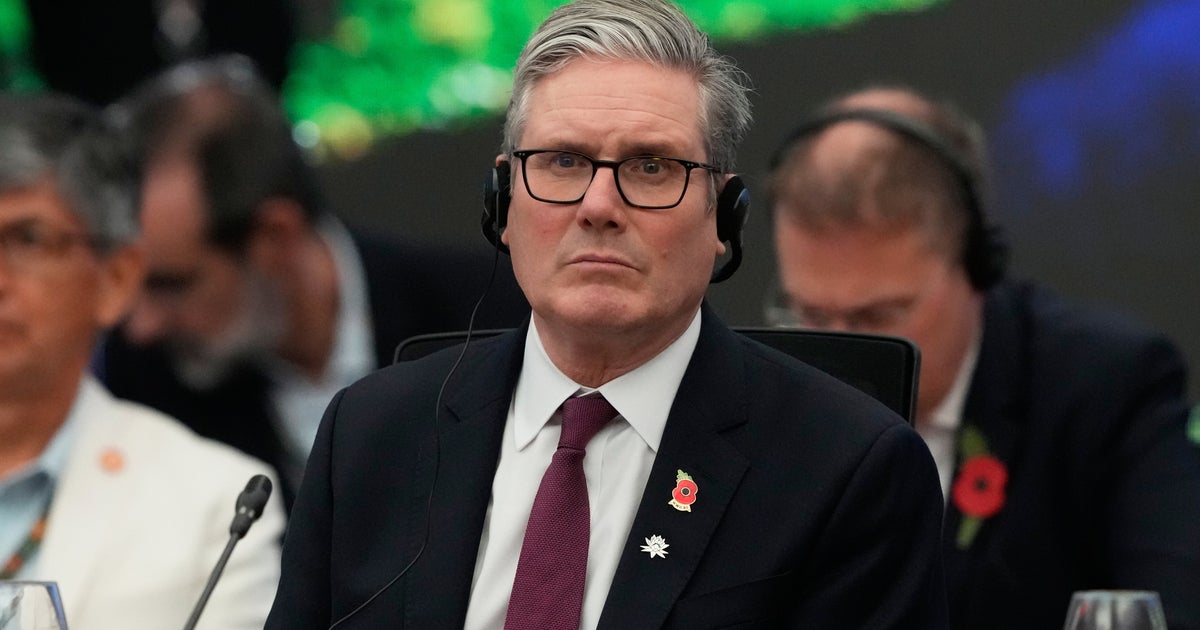
The UK has been been criticised for “blocking ambition” to tackle climate change by environmental campaigners.
COP30 – the UN’s 30th conference of parties – concluded this weekend following fraught discussions over how countries around the world can work together to address the declining environment.
Advertisement
After two weeks of intense meetings, the 194 countries present – the US did not send a delegation only agreed on a voluntary arrangement, rather than a legally binding deal, to begin discussions on a roadmap to gradually phasing out fossil fuels.
But, in a small win for campaigners, developed countries did agree to triple financial support for developing nations as they adapt to the climate crisis.
They will now receive £92 billion a year for adaption – although they will not get it until 2035.
Hannah Bond, co-CEO of the non-profit ActionAid UK, hit out at the British delegates in particular for this lacklustre conclusion to the summit, claiming the conference “still falls short” when it comes to finance.
Advertisement
Wealthier nations which typically produce more greenhouse gas emissions have been repeatedly asked to help developing countries cover the damage costs that come with environmental disasters.
However, the UK caused a stir when it chose not to give taxpayer cash to the COP30 forests fund even before this year’s conference began amid ongoing struggles within the British economy.
The Department for Energy Security and Net Zero told Politico the UK is still “incredibly supportive” of the initiative and would continue with “efforts to unlock private investment”.
Advertisement
ActionAid UK’s Bond said: “A COP that delivers progress behind closed doors and still falls short on finance cannot claim success.
“It’s a major setback that the UK’s refusal to cough up for the climate funding it owes, and to centre justice, meant a wider agreement collapsed.
“It’s like watching a house engulfed in fire while the arsonists stand around debating who should hold the hose.
Advertisement
“Without making big polluters pay up for the damage they’ve caused, climate justice remains impossible – yet the UK continues to push private finance and loans, deepening debt and forcing the Global South to foot the bill while allowing the ongoing financing of fossil fuels and deforestation.”
She added: “Women and communities in the Global South are already leading the solutions; now countries like the UK must stop blocking ambition, deliver real finance, and match the courage of those fighting for their as we fight for all of our futures.”
The director of climate research and policy at the campaign group Corporate Accountability, Rachel Rose Jackson, said the whole of the “global North should be ashamed” of their actions at COP30.
Advertisement
She said: “Yet again the EU and others, as the largest historical polluters, continue to orchestrate their great escape rather than do their fair share.
“The US, who told the world it wouldn’t even bother to show up, is still manipulating on the sidelines in Belém while it expands oil and gas drilling at home.
“And Big Polluters continue to write the rules of climate action with no protections in place.
“We must Kick Big Polluters Out, reset the system, demand the Global North do its fair share and pay its climate debt, and urgently and justly end the fossil fuel era that is poisoning us.
Advertisement
“These are the only measures by which a true success can be measured.”
Meena Raman, from the non-profit Third World Network, also hit out at the EU and the UK for “playing political games”.
She said: “The countries of the Global North, led by the EU and UK, effectively held the COP30 negotiations hostage – insisting on diluting commitments to climate finance for adaptation before allowing progress. Their public frustration over the supposed lack of ambition on mitigation was little more than posturing, designed to deflect attention from their own obligations.”
Romain Ioulalen, from Oil Change International, said wealthy countries were to blame for COP’s failures this year.
Advertisement
He said: “The EU, UK, Australia and other wealthy nations are to blame for COP’s failure to adopt a roadmap on fossil fuels by refusing to commit to phase out first or put any public money on the table for the crisis they have caused.“We didn’t win the full justice outcome we need in Belém, but we have new arenas to keep fighting.”
Meanwhile, Nikki Reisch from the Centre for International Environmental Law, called the final agreement an “empty deal”, adding: “COP30 provides a stark reminder that the answers to the climate crisis do not lie inside the climate talks – they lie with the people and movements leading the way toward a just, equitable, fossil-free future.”
What’s your name? Taylor Coffman.
Do you know where you are? The hospital.
What is the date? February 17, 2022.
Who’s the president? Biden.
What’s the capital of Canada? Uh-oh. Ottawa? Do Americans typically know that?
I tried to respond to my new internist, but the answers didn’t flow from me. Each one caused a stutter the size of Mariana Trench — and it terrified me.
Plus, I was twitching so badly, my arms were practically useless.
I’d been in the hospital for a month. Zach, my husband, was at home in our apartment taking care of my newborn baby with my mother. It wasn’t easy for them: small apartment, new baby, one bathroom, my life hanging in the balance.
Advertisement
For the last few weeks, I’d been cycling in and out of the ICU. Zach had even gotten “the talk” — a doctor had called in the thick of the night to tell him that I might not make it home. Many thought I would likely not survive. They didn’t fully know what was wrong with me, except that everything was going wrong with me.
Four weeks earlier, I had my baby by C-section. Moments later, I was rushed into another surgery because my vitals started to plummet and I was bleeding out rapidly.
I didn’t even get to hold my baby. There was no skin-on-skin — only chaos, panic, and then I didn’t wake from my anesthaesia. It was a living nightmare. I did wake up eventually, and four days after giving birth, I finally met my daughter before she went home — without me.
Advertisement
After having my baby, I endured three rounds of ICU intubation, multiple abdominal surgeries, a body full of blood clots, heart failure and kidney failure with a dash of severe sepsis and pneumonia and a long list of other scary conditions I’d never want to Google. I was a forever-changed, half-dead person.
Once I was removed from the ventilator for the final time — and I was able to speak again — a rotating cast of doctors visited me every day, and told me different things about my condition. It felt like some absurdist theatre play. I had practically the same conversation over and over and over in a spin cycle of frustration and a maze of murky next steps.
My case was especially challenging because I had so many bodily systems failing and that required a slew of doctors. I had a fetal maternal medicine team, residents, an internist, a cardiologist, a hematologist, a nephrologist, an infectious disease specialist, a pulmonologist, a surgical team and maybe a few others I’ve forgotten.
Advertisement
“I’m a project manager at my day job, and you all have got to get organised working across fields,” I complained to one of my many physicians. “Everyone is telling me something different.”
In response to my speaking up, my doctors finally put a text chain together so they could all communicate in one place.
It’s possible that text chain saved my life — and it may never have been created if I hadn’t said something.
Advertisement

Photo by Becca Murray
I realised, if I was going to live, I’d have to project-manage my recovery. I had power. I could assert myself. My doctors cared deeply about my survival, so I reasoned it was time to start asking them for what I needed instead of passively riding my tidal wave of medical torment. My skin was grey and my kidneys didn’t work, but I wasn’t weak — not where it counted the most. I had my mind and I had my voice back, so I needed to use it.
I was many tests away from an official diagnosis but my wise haematologist had a theory that I have a particularly nasty disease called atypical haemolytic uremic syndrome, or aHUS. It’s wildly rare and kills a lot of people who get it. The disease strikes women in particular because it often hides in the body until a trigger — like pregnancy — sets it off.
Advertisement
After a few stable days, I began to feel a progressively increasing shake and stutter in my body. I tried to project manage by sharing my new symptoms with my doctors. “This isn’t me,” I said. “Something else is really wrong.”
My newly assigned internist told me it might be a side effect of my medicine. Other doctors suggested I was stressed and recommended I take clonazepam to ease my anxiety.
Suddenly, a few hours later, everything in my perception began mysteriously repeating three times in a row, like being stuck in a horrific deja vu loop, and then I could no longer speak.
Advertisement
It turned out my body was poisoning my brain with toxins because my kidneys were failing. I desperately needed dialysis, but there were no machines available at this massive cutting-edge hospital… and my nightmare continued longer than it should have.
I was beyond angry and frustrated. Despite constantly keeping my many providers apprised of my symptoms, I was now at the point of toxic encephalopathy and experiencing aphasia and nervous system tremors with deja vu.
Why had I been dismissed when I spoke up about the warning signs I was experiencing?
The data doesn’t look fondly on the system. A 2009 study showed middle-aged women with the same heart disease symptoms as men were twice as likely to be diagnosed with a mental health issue. The Journal of American Heart Association found that women possibly experiencing a heart attack wait 29% longer in ERs than men.
Advertisement
Recently, the CDC reported 1 in 5 women experience mistreatment during their pregnancies, and the stats are markedly worse for Black women, resulting in higher rates of tragic maternal mortality.
I know that doctors often have it rough in a broken system. I sympathise with their challenges and fatigue. But it should be on the medical industry and educational institutions — not patients — to make strides to overcome these pressures.
I am also not saying we should always distrust our doctors. I believe in science and I believe in their training and expertise. But after everything I experienced, I now know there are ways patients can better support our providers, and I know that engaging with them and playing an active role in our care is not only vital — it can mean the difference between life and death.
Advertisement
Now, I approach health care differently.

Courtesy of Taylor Coffman
While doctors certainly have knowledge and training that I do not, I am an expert on myself. We work together and truly listen to each other to make the best decisions about how to treat my conditions. I urge them to communicate in a clear way that helps me understand exactly what is happening and I continue to voice my concerns until I am satisfied that they understand what I’m experiencing.
When I know something is wrong, but I’m not sure exactly what, I become a researcher. I organize a list of bullet points about what I am feeling in the notes app on my phone and bring it to my appointment.
Advertisement
I also do my homework. Though many doctors say they hate it when patients look for information on the internet — and Googling symptoms can lead to trouble — a new study shows it may not be as harmful as once thought, and there are many great digital resources to consult.
If I want a test or procedure that a doctor doesn’t agree I need, I ask them to annotate my request in the notes. Written records have weight. I also often ask medical professionals if it’s okay to record the appointment using my phone’s voice memo recorder.
When we see doctors, we’re often overwhelmed by all of the information we’re receiving and the big emotions we’re feeling and it’s amazing how much we can miss.
Advertisement
My current doctors are invested in my care and I like them all. But, at the end of the day, it’s a relationship based on their ability to keep me well. If I don’t see progress, I get a second opinion, and it’s okay if they know that. It’s not personal. These doctors often end up consulting each other.
Most people don’t want to be a squeaky wheel, but be a squeaky wheel. Research shows being an empowered patient can improve health outcomes. I respect boundaries and I’m kind, but I’m insistent. If I commit to a plan with the doctor, I don’t slack. It’s not always easy, but when I’m doing everything that’s asked of me, if a treatment doesn’t work, then it’s not on me.
Five grueling weeks after giving birth, I finally went home to my baby. It turned out that my hematologist was right — I do have aHUS.
Advertisement
Today, I’m doing quite well by chronic rare disease standards. There is no cure for aHUS, but it’s one of the very few rare diseases with an approved treatment. After nine months of dialysis, my kidney regained some function and left me with stage 3 kidney disease. I currently get infusions every eight weeks to keep my aHUS from causing more damage, but otherwise, I’m busy being a mom to my active toddler.
While the experience was a roller coaster, I did find my voice in that hospital bed. I learned the importance of advocating for my needs and, most crucially, to trust myself when something is wrong.
This piece was originally published in February 2024 and is being rerun as part of HuffPost Personal’s “Best Of” series.
Advertisement
Read more about Taylor’s story on Rare Disease Girl Substack.
Taylor Coffman is a multi-hyphenate creative from the East Coast. As an actor, Coffman has recurred on HBO’s “Silicon Valley” directed by Mike Judge, CBS’s “Life in Pieces,” Rachel Dratch’s “Late Night Snack,” and has appeared in Ryan Murphy’s “FEUD.” Behind the scenes, she worked for many years at Jimmy Kimmel Live; one of the nation’s most listened-to NPR stations, KPCC; and in podcasting at LAist Studios. She lives in Santa Monica with her musician husband, Dustbowl Revival’s Zach Lupetin, her daughter and a very needy rescue dog named Sunny.
Do you have a compelling personal story you’d like to see published on HuffPost? Find out what we’re looking for here and send us a pitch at pitch@huffpost.com.


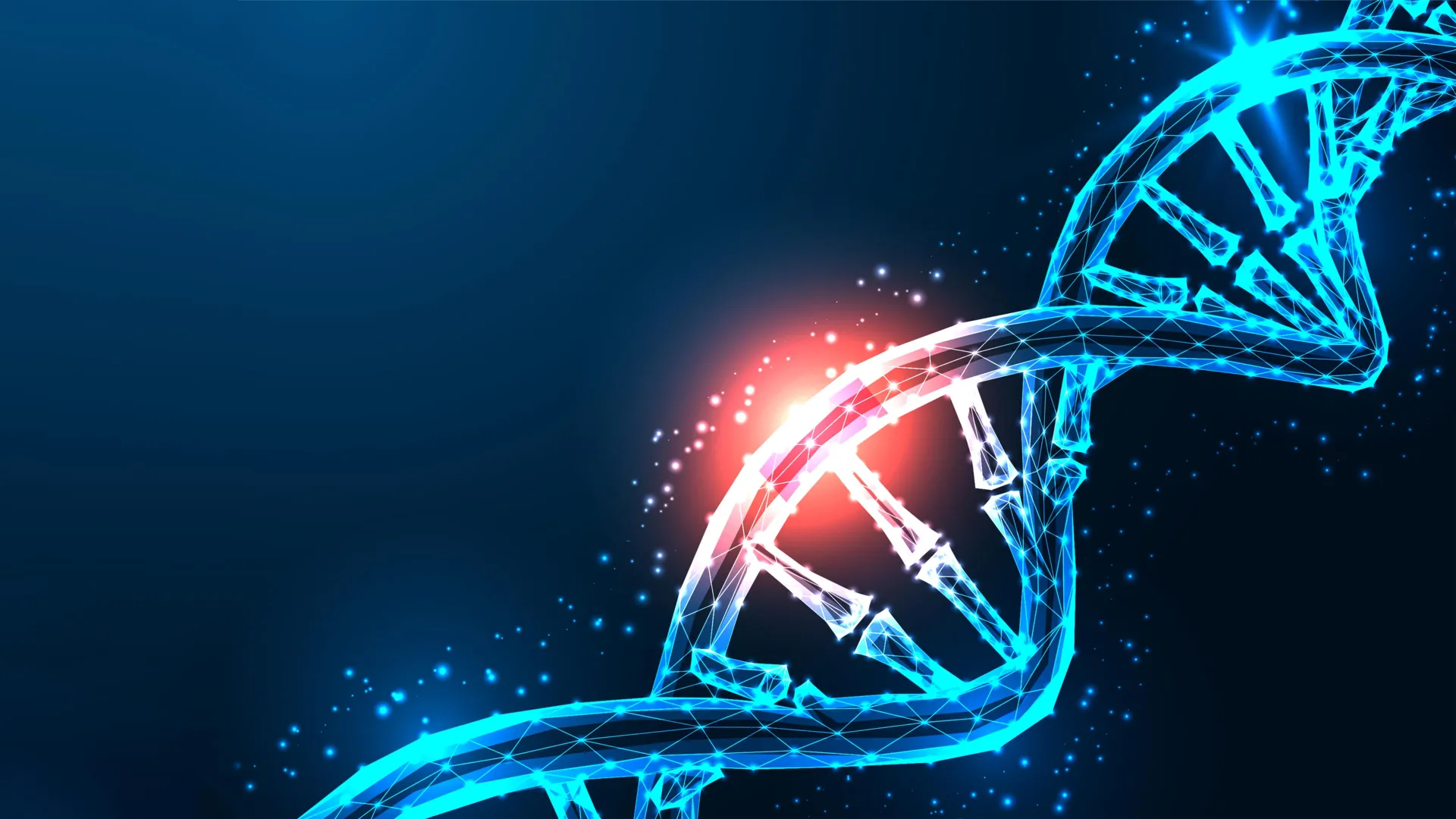
Cancer biology, drug safety studies and aging research may all benefit from a fluorescent sensor created at Utrecht University. The new technology gives scientists the ability to watch DNA damage and repair unfold inside living cells in real time. This development, described in Nature Communications, enables types of experiments that were not previously possible.
DNA in our cells faces continual harm from sunlight, chemicals, radiation and even the normal processes that keep the body functioning. Most of this damage is corrected very quickly. When these repairs fail, the resulting errors can play a role in aging, cancer and several other diseases.
For years, researchers struggled to directly observe these repair events as they occurred. Many traditional approaches required killing and preserving cells at different time points, producing only isolated snapshots instead of a continuous view.
A New DNA Damage Sensor for Living Cells
Scientists at Utrecht University have now introduced a sensor that changes this situation. Their tool allows researchers to watch damage appear and fade inside living cells and also inside living organisms. According to the study published in Nature Communications, this capability opens the way to experiments that were previously out of reach.
Lead researcher Tuncay Baubec describes the approach as a method for looking inside a cell “without disrupting the cell.” He notes that common tools such as antibodies and nanobodies often bind too tightly to DNA, which can interfere with the cell’s own repair systems.
“Our sensor is different,” he says. “It’s built from parts taken from a natural protein that the cell already uses. It goes on and off the damage site by itself, so what we see is the genuine behavior of the cell.”
How the Fluorescent Sensor Works
The system relies on a fluorescent tag attached to a small domain taken from one of the cell’s own proteins. This domain briefly recognizes a marker that appears only on damaged DNA. Because the interaction is gentle and reversible, the sensor highlights the affected region while leaving the cell’s repair work untouched.
Biologist Richard Cardoso Da Silva, who helped design and evaluate the tool, recalls the moment he recognized its potential. “I was testing some drugs and saw the sensor lighting up exactly where commercial antibodies did,” he says. “That was the moment I thought: this is going to work.”
A Continuous View of DNA Repair
The contrast with older methods is striking. Instead of running many separate experiments to capture different moments, researchers can now watch the entire repair sequence as a single continuous movie. They can track when the damage appears, observe how rapidly repair proteins arrive and see when the cell resolves the issue. “You get more data, higher resolution and, importantly, a more realistic picture of what actually happens inside a living cell,” says Cardoso Da Silva.
The research team also tested the sensor outside the lab dish. Collaborators at Utrecht University used the tool in the worm C. elegans, a widely used model organism. The sensor performed equally well and revealed programmed DNA breaks that occur during the worm’s development. For Baubec, this demonstration was essential. “It showed that the tool is not only for cells in the lab. It can be used as well in real living organisms.”
The potential applications extend beyond watching repair occur. The sensor’s protein domain can be connected to other molecular components, allowing scientists to map the locations of DNA damage across the genome or determine which proteins gather around a damaged region. Researchers can also reposition damaged DNA inside the nucleus to test how its location influences repair. “Depending on your creativity and your question, you can use this tool in many ways,” says Cardoso Da Silva.
Better Tools for Medical and Drug Research
Although the sensor is not a treatment, it could significantly improve medical research. Many cancer therapies work by inflicting deliberate DNA damage on tumor cells, and early drug development often requires precise measurements of how much damage a compound creates.
“Right now, clinical researchers often use antibodies to assess this,” Baubec says. “Our tool could make these tests cheaper, faster and more accurate.” The team also sees potential uses in clinical settings, such as studying natural aging or detecting exposure to radiation or other mutagenic factors.
The innovation is already attracting interest. Several laboratories contacted the team before publication, eager to use the sensor in their own repair studies. To support this demand, the researchers have made the tool available without restrictions. Baubec notes, “Everything is online. Scientists can use it immediately.”

Donald Trump has attacked the Ukrainian leadership for showing “zero gratitude” over the US’s new peace plan to end Russia’s war.
America has unveiled a new 28-point framework meant to resolve the Ukraine conflict in recent days and given Kyiv until Thursday to agree to it – or the US will withdraw access to its intelligence and weaponry.
Advertisement
However, there are fears the plan involves too much capitulation from Ukraine towards its aggressor, almost four years after Vladimir Putin invaded, and that it was authored with too much input from Russia.
The framework involves capping Ukraine’s armed forces at 600,000, giving up its weapons and ceding even more territory to Russia, which already controls a fifth of Ukraine’s sovereign land.
Some senators even claimed Trump’s top diplomat Marco Rubio described the plan as “Russia’s wish list”, a remark which the State Department has rejected.
Advertisement
Top western officials are now holding talks on the proposals in Geneva.
Ukrainian president Volodymyr Zelenskyy said Kyiv faces a difficult choice between sacrificing the country’s dignity and losing a major ally.
After Zelenskyy posted on social media that “further work” is ongoing to make sure Ukrainian perspectives are included, the US president furiously took to social media.
“UKRAINE ‘LEADERSHIP’ HAS EXPRESSED ZERO GRATITUDE FOR OUR EFFORTS, AND EUROPE CONTINUES TO BUY OIL FROM RUSSIA,” he wrote.
Advertisement
He pointed out that the US still sells weapons to Nato which are distributed to Ukraine.
Writing in a post on TruthSocial, the US president said: “The war between Rsussia and Ukraine is a violent and terrible one that, with strong and proper US and Ukrainian LEADERSHIP, would have NEVER HAPPENED.”
He repeated his previous claims that if the “2020 Presidential Election was not RIGGED & STOLEN” – a baseless allegation – then there would be “no Ukraine/Russia War”.
He added: “Putin would never have attacked!”
He then claimed he inherited a war that “SHOULD HAVE NEVER HAPPENED” which is a “LOSER FOR EVERYONE”.
Advertisement
Trump’s outburst comes after Zelenskyy wrote on X: “The Ukrainian delegation is working in Geneva today, focused on finding doable solutions to end the war, restore peace, and guarantee lasting security.
“There have already been brief reports from our delegation members about the outcomes of their first meetings and talks. Currently, there is an understanding that the American proposals may include a number of elements based on Ukrainian perspectives and critical for Ukrainian national interests.
“Further work is ongoing to make all elements truly effective in achieving the main goal anticipated by our people: to finally put an end to the bloodshed and war.”
Advertisement
Trump has been determined to resolve the war in Ukraine ever since he returned to office in January, even claiming he could end it within 24 hours.
He initially seemed to favour Putin’s side, even rolling out the red carpet for him for a rare face-to-face summit in Alaska, before getting frustrated with Russia for not negotiating and slapping fossil fuel sanctions on Moscow.
But this new deal suggests the president has swung back towards backing Russia once again in order to end the war by any means possible.
Advertisement

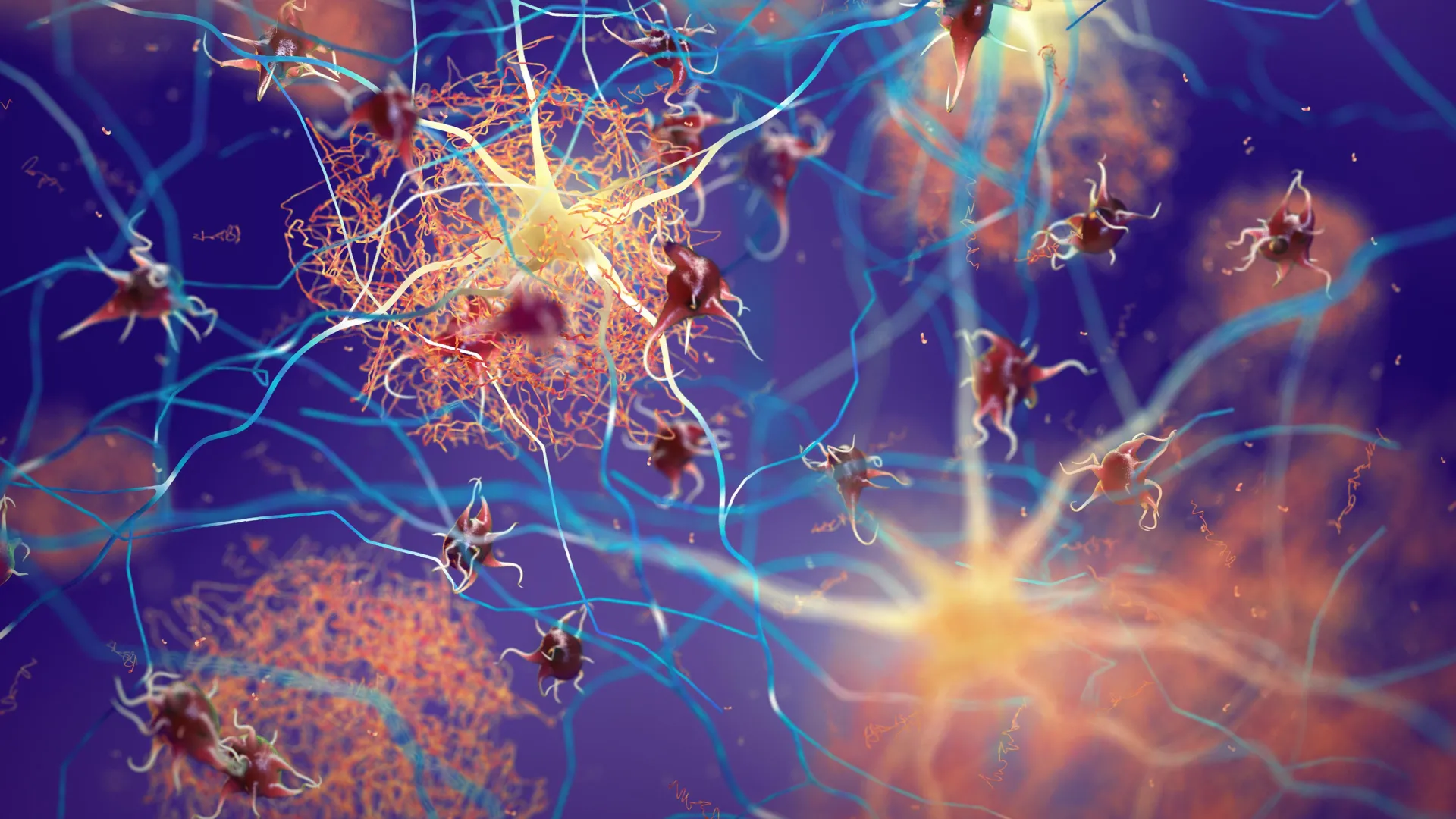
Researchers at Baylor College of Medicine have identified a natural process in the brain that can remove existing amyloid plaques in mouse models of Alzheimer’s disease while also helping preserve memory and thinking ability. This process relies on astrocytes, star shaped support cells, which can be guided to clear out the toxic plaque buildup commonly seen in Alzheimer’s. When the team increased the amount of Sox9, a protein that influences many astrocyte functions during aging, the cells became more effective at removing amyloid deposits. The findings, reported in Nature Neuroscience, suggest that strengthening astrocyte activity could one day help slow cognitive decline linked to neurodegenerative disorders.
“Astrocytes perform diverse tasks that are essential for normal brain function, including facilitating brain communications and memory storage. As the brain ages, astrocytes show profound functional alterations; however, the role these alterations play in aging and neurodegeneration is not yet understood,” said first author Dr. Dong-Joo Choi, who conducted this work while at the Center for Cell and Gene Therapy and the Department of Neurosurgery at Baylor. Choi is now an assistant professor at the Center for Neuroimmunology and Glial Biology, Institute of Molecular Medicine at the University of Texas Health Science Center at Houston.
Focusing on Sox9 as a Key Regulator
For this project, the investigators set out to understand how astrocytes change with age and how those changes relate to Alzheimer’s disease. Their attention centered on Sox9, a protein that influences a wide network of genes involved in astrocyte aging.
“We manipulated the expression of the Sox9 gene to assess its role in maintaining astrocyte function in the aging brain and in Alzheimer’s disease models,” explained corresponding author Dr. Benjamin Deneen, professor and Dr. Russell J. and Marian K. Blattner Chair in the Department of Neurosurgery, director of the Center for Cancer Neuroscience, member of the Dan L Duncan Comprehensive Cancer Center at Baylor and principal investigator at the Jan and Dan Duncan Neurological Research Institute at Texas Children’s Hospital.
Testing the Approach in Symptomatic Alzheimer’s Models
“An important point of our experimental design is that we worked with mouse models of Alzheimer’s disease that had already developed cognitive impairment, such as memory deficits, and had amyloid plaques in the brain,” Choi said. “We believe these models are more relevant to what we see in many patients with Alzheimer’s disease symptoms than other models in which these types of experiments are conducted before the plaques form.”
In these models, the researchers either increased or removed Sox9 and then monitored each mouse’s cognitive performance for six months. During this period, the animals were tested on their ability to recognize familiar objects and locations. After the behavioral studies were completed, the team examined the brains to measure plaque accumulation.
Higher Sox9 Levels Improve Plaque Removal and Memory
The results showed a clear difference. Lowering Sox9 led to faster plaque buildup, reduced structural complexity in astrocytes and diminished plaque clearing. Raising Sox9 had the opposite effect, increasing the cells’ activity, supporting plaque removal and preserving cognitive performance. The protective benefits suggested that strong astrocyte engagement may help slow the cognitive decline associated with neurodegenerative disease.
“We found that increasing Sox9 expression triggered astrocytes to ingest more amyloid plaques, clearing them from the brain like a vacuum cleaner,” Deneen said. “Most current treatments focus on neurons or try to prevent the formation of amyloid plaques. This study suggests that enhancing astrocytes’ natural ability to clean up could be just as important.”
Future Potential and Ongoing Research Needs
Choi, Deneen and their colleagues note that additional research is needed to understand how Sox9 behaves in the human brain across time. Still, these results point toward the possibility of developing therapies that harness astrocytes’ natural cleaning abilities to combat neurodegenerative disorders.
Sanjana Murali, Wookbong Kwon, Junsung Woo, Eun-Ah Christine Song, Yeunjung Ko, Debo Sardar, Brittney Lozzi, Yi-Ting Cheng, Michael R. Williamson, Teng-Wei Huang, Kaitlyn Sanchez and Joanna Jankowsky, all at Baylor College of Medicine, also contributed to this work.
This research was supported by National Institutes of Health grants (R35-NS132230, R01-AG071687, R01-CA284455, K01-AG083128, R56-MH133822). Additional funding came from the David and Eula Wintermann Foundation, the Eunice Kennedy Shriver National Institute of Child Health & Human Development of the National Institutes of Health under Award Number P50HD103555 and from shared resources provided by Houston Methodist and Baylor College of Medicine.
Hundreds of peopling attending singing groups are being taught songs and breathing techniques.

A geomagnetic superstorm is one of the most extreme forms of space weather, created when the Sun sends enormous bursts of energy and charged particles toward Earth. These powerful events rarely occur, typically appearing only once every 20-25 years. On May 10-11, 2024, Earth was hit by the strongest event of this kind in more than two decades, known as the Gannon storm or Mother’s Day storm.
A research effort led by Dr. Atsuki Shinbori of Nagoya University’s Institute for Space-Earth Environmental Research gathered direct observations during the storm and produced the first detailed view of how such an event squeezes Earth’s plasmasphere (a protective region of charged particles surrounding the planet). The results, published in Earth, Planets and Space, show how both the plasmasphere and the ionosphere respond during intense solar disturbances and offer insight that can improve predictions of satellite disruptions, GPS problems, and communication issues caused by extreme space weather.
Arase Satellite Captures a Rare Plasmasphere Collapse
Launched by the Japan Aerospace Exploration Agency (JAXA) in 2016, the Arase satellite travels through Earth’s plasmasphere and measures plasma waves and magnetic fields. During the May 2024 superstorm, it happened to be in an ideal position to record the severe compression of the plasmasphere and the long, slow recovery that followed. This marked the first time scientists had continuous, direct data showing the plasmasphere contracting to such a low altitude during a superstorm.
“We tracked changes in the plasmasphere using the Arase satellite and used ground-based GPS receivers to monitor the ionosphere — the source of charged particles that refill the plasmasphere. Monitoring both layers showed us how dramatically the plasmasphere contracted and why recovery took so long,” Dr. Shinbori explained.
Superstorm Pushes Plasmasphere to Record-Low Altitudes
The plasmasphere works with Earth’s magnetic field to help block harmful charged particles from the Sun and deep space, offering natural protection for satellites and other technology. Under normal conditions, this region stretches far from Earth, but the May storm forced its outer edge inward from about 44,000 km above the surface to only 9,600 km.
The storm formed after several major eruptions on the Sun released billions of tons of charged particles toward Earth. Within just nine hours, the plasmasphere was compressed to roughly one-fifth of its usual size. Its recovery was unusually slow, requiring more than four days to refill, which is the longest recovery time recorded since Arase began monitoring the region in 2017.
“We found that the storm first caused intense heating near the poles, but later this led to a big drop in charged particles across the ionosphere, which slowed recovery. This prolonged disruption can affect GPS accuracy, interfere with satellite operations, and complicate space weather forecasting,” Dr. Shinbori noted.
Superstorm Pushes Auroras Farther Toward the Equator
During the peak of the storm, the Sun’s activity compressed Earth’s magnetic field so strongly that charged particles were able to travel much farther along magnetic field lines toward the equator. As a result, vivid auroras appeared in places that rarely experience them.
Auroras normally occur near the poles because Earth’s magnetic field channels solar particles into the atmosphere there. This storm was powerful enough to shift the auroral zone far beyond its usual location near the Arctic and Antarctic circles, producing displays in mid-latitude regions such as Japan, Mexico, and southern Europe — areas where auroras are seldom seen. Stronger geomagnetic storms allow the lights to reach increasingly equatorial regions.
Negative Storms Slow the Plasmasphere’s Return to Normal
About an hour after the superstorm arrived, charged particles surged through Earth’s upper atmosphere at high latitudes and flowed toward the polar cap. As the storm weakened, the plasmasphere began to replenish with particles supplied by the ionosphere.
This refill process usually takes only a day or two, but in this case the recovery stretched out to four days because of a phenomenon known as a negative storm. In a negative storm, particle levels in the ionosphere drop sharply over large areas when intense heating alters atmospheric chemistry. This reduces oxygen ions that help create hydrogen particles needed to restore the plasmasphere. Negative storms are invisible and can only be detected using satellites.
“The negative storm slowed recovery by altering atmospheric chemistry and cutting off the supply of particles to the plasmasphere. This link between negative storms and delayed recovery had never been clearly observed before,” Dr. Shinbori said.
Why These Findings Matter for Space Weather and Technology
These results provide a clearer understanding of how the plasmasphere changes during a severe solar storm and how energy moves through this region of space. Several satellites experienced electrical problems or stopped transmitting data during the event, GPS signals became less accurate, and radio communications were disrupted. Knowing how long Earth’s plasma layer takes to recover from such disturbances is essential for predicting future space weather and for protecting the technology that relies on stable conditions in near-Earth space.
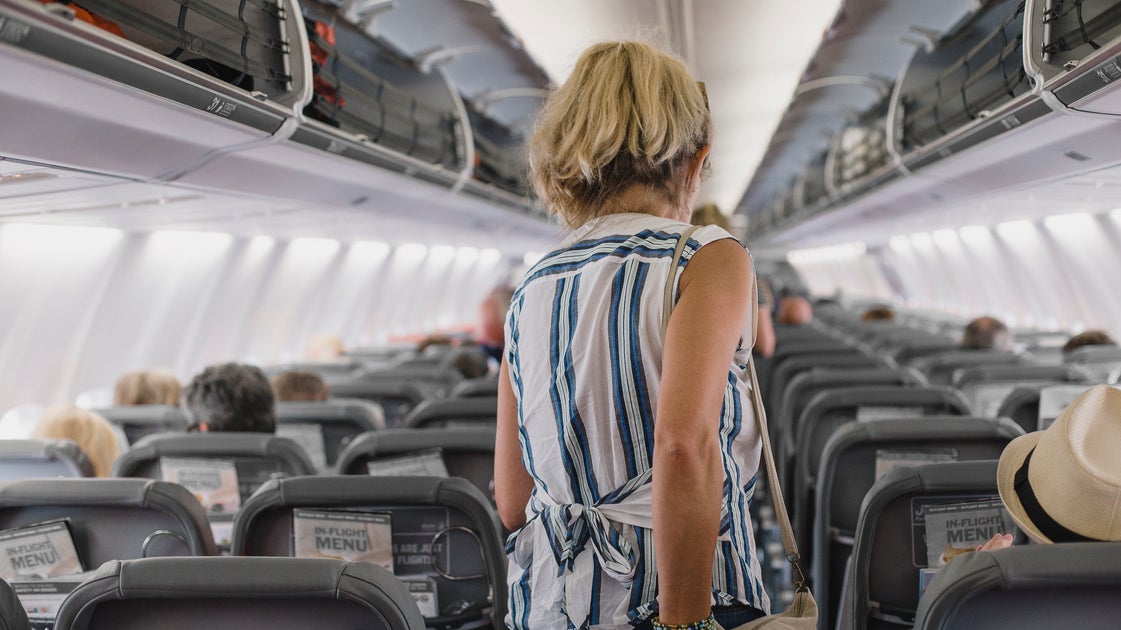
Air travel does not typically bring out the best in people. The stress of tight connections, long lines, cramped cabins and general transit fatigue can push even the calmest travelers to their limits.
But that doesn’t mean you have to add to the unpleasantness. Indeed, there are many things passengers do that make the flight experience worse for their fellow travellers – from the airport to boarding and even deplaning.
Advertisement
On the latter front, the lack of courtesy has gotten particularly dire.
“It’s like a cattle call to both get on the plane and then get off,” said August Abbott, an etiquette expert with JustAnswer. “It’s embarrassing to the whole human race to see otherwise caring, helpful and patient people lose all sense of their humanity and seemingly revert to instinctive behaviour and act like animals fighting for survival.”
To help improve the situation, HuffPost asked etiquette experts to share some common rude behaviours during the deplaning process. Read on for eight faux pas and what you should do instead.
“It’s important to be courteous to fellow passengers, and waiting for your row to deplane is the most obvious and courteous behaviour,” said Diane Gottsman, an etiquette expert, author of Modern Etiquette for a Better Life and founder of The Protocol School of Texas.
Advertisement
There’s a term for people who immediately stand and rush up the aisle the moment the plane arrives at the gate: aisle lice. You don’t want to be part of this group.
In instances of major delays, the flight crew often asks passengers who aren’t making tight connections to stay seated and allow those in a rush to deplane first. So if you’ve arrived at your final destination, show courtesy by respecting that request.
Otherwise, Gottsman advised not assuming you’re the only one with a connection.
“If you are running late for another flight, so are the people in front of you and behind you,” she said. “If you need assistance, you can ask a flight attendant.”
Advertisement
As noted, in the event of a long delay, flight attendants may ask those who are arriving at their final destination or have ample time to make their next flight to stay seated and allow those with shorter windows the chance to deplane first.
“If a nearby passenger has a very tight connection, it is kind to allow them to exit as quickly as possible,” said Jodi R.R. Smith, president of Mannersmith Etiquette Consulting.
Those who’ve been in this situation know that passengers don’t always heed the request, however, which is a very inconsiderate behaviour.
Advertisement
“Let’s face it. Even on short commuter flights, everyone wants to be off the plane,” Smith said. “Gather your belongings so you are ready when it is your turn to deplane.”
She pointed to “clogging the aisle” as a deplaning faux pas many passengers commit. “It is their turn to exit and they just start looking about for their belongings.”
Travelers who aren’t prepared to deplane when it’s their turn should allow others to pass them, Smith added.
Advertisement
“Be ready when it’s time for your row,” echoed Nick Leighton, an etiquette expert and cohost of the “Were You Raised by Wolves?” podcast. “It’s no secret when you’re next. Be prepared!”
Smith recommended taking a moment after landing to look around your seat.
“Check for anything that may have come out of your carry-on,” Smith advised. “Do you have your phone, snack containers, water bottle, book, etc.?”
Smith noted that “trying to push into an already crowded aisle” is another rude deplaning behaviour.
“You should allow the row ahead of you to clear before you deplane,” she said. “It certainly is fine to stand in the aisle if there is space, but shoving is not going to speed your departure.”
Advertisement
If standing at your seat is uncomfortable, you can always sit back down and have your under-seat belongings ready to go on your lap. There’s no need to push anyone out of the way.
“Is shoving your way to the front so you can save 10 seconds really worth it? Probably not!” Leighton noted.
Just as you shouldn’t shove your body into the aisle when it’s already full of people, you should refrain from adding luggage into the mix if there’s nowhere to put it.
Advertisement
As Smith noted, another rude behaviour is “insisting on taking down items from the overhead bin when there is no physical space to put them yet.”
Of course, everyone needs to retrieve their luggage eventually ― just wait until there’s actually room to safely manoeuvre. Timing is everything.
“Be aware when you do remove bags from the overhead bins,” Smith said. “It is never polite to hit another passenger in the head with your luggage.”
Advertisement
Spatial awareness is hugely important when it comes to courtesy and consideration toward others.
“Try to be conscious of your space,” Smith advised. “Whipping your backpack or bag onto your back while standing in a crowded aisle is bound to create issues.”
Don’t treat the plane like your personal bin. If you missed the trash collection before landing, don’t leave it to the crew to clean up the mess.
“Nowadays, it is polite to assist the crew in turning over your plane,” Smith said. “Armrests up, shades down – especially in warm climates – and seat belt crossed. Any of your remaining trash, wrappers, empty drinks and certainly used tissues, should be carried with you into the terminal for proper disposal.”
Advertisement
“One of the most rude and offensive behaviours is complaining about someone struggling to collect their carry-ons – instead of just helping them,” Abbott said. “Is it that much easier to rant and rage than to be kind and caring?”
Before complaining, travellers who are able to assist their fellow passenger with a tricky overhead bag manoeuvre should offer to help, or try to find someone else who can.
“Shame on those growing impatient with the speed that those ahead of you are setting due to struggles no one is helping them with,” Abbott said.
Advertisement

When he was in his early 20s, Los Angeles-based writer Brandon G. Alexander often felt an inexplicable sadness after sex, even when it was “good” sex with people he liked.
“The best way to describe the feeling is empty or sometimes shame, depending on my relationship and intention with the person,” the 30-year-old founder of the men’s lifestyle site New Age Gents told HuffPost.
Advertisement
“Our culture teaches men how to be physically connected to someone, but we ignore the truth that sex is highly emotional and spiritual. The idea that a man wouldn’t feel something before, during or after sex is unrealistic, but most have become so conditioned to think otherwise.”
What Alexander experienced years ago is what researchers call “post-coital dysphoria.” PCD, as they refer to it, is a condition marked by feelings of agitation, melancholy, anxiety or sadness after intercourse, even when it’s good, consensual sex. The condition can last between five minutes and two hours.
It’s also called “post-coital tristesse,” which literally means “sadness” in French. In the 17th century, philosopher Baruch Spinoza summed it up this way: Once the “enjoyment of sensual pleasure is past, the greatest sadness follows.”
Advertisement
Many studies have examined the first three phases of the human sexual response cycle (excitement, plateau, orgasm), but the resolution phase has often been overlooked.
That’s starting to change, though. In a 2015 study in the Journal of Sexual Medicine, almost half of the women surveyed reported experiencing PCD at some point in their lives, and around 5 percent said they’d felt it regularly within the past month.
A new study from the same researchers published in June suggests that PCD is almost just as prevalent in men: In an online survey of 1,208 male participants, around 40 percent of men said they’d experienced PCD in their lifetime, and 4 percent said it was a regular occurrence.
Advertisement
In excerpts from the survey, men admit to feeling a “strong sense of self-loathing” about themselves post-sex and “a lot of shame.” Others say they’d experienced “crying fits and full on depressive episodes” after sex that sometimes left their significant others worried.
“Men who may suffer from PCD think that they are the only person in the world with this experience, but they should recognize that there’s a diversity of experiences in the resolution phase of sex.”
– Robert Schweitzer, a psychology professor at Queensland University of Technology in Australia.
Despite the number of men who reported experiencing PCD, it’s challenging for researchers to study it because most men are reluctant to talk about it, said Robert Schweitzer, the lead author on both studies and a psychology professor at Queensland University of Technology in Australia.
Advertisement
“Men who may suffer from PCD think that they are the only person in the world with this experience, but they should recognise that there’s a diversity of experiences in the resolution phase of sex,” he told HuffPost.
“As with many diagnoses, it provides some relief to be able to name the phenomenon.” (Schweitzer is still collecting accounts of people with PCD for his ongoing research.)
As to why it’s so common in both men and women, a study of twins suggested that genetics may play some sort of role. PCD is also often linked with sexual abuse, trauma and sexual dysfunction, but that’s certainly not always the case; in this latest study, the majority of the men who reported PCD hadn’t experienced those issues and were in otherwise healthy, satisfying relationships.
Advertisement
More often than not, Schweitzer thinks PCD is a culmination of both physical and psychological factors. Physically, orgasms activate a flood of endorphins and other feel-good hormones, but the neurochemical prolactin follows, resulting in a sometimes intense comedown. Psychologically, the paper establishes a correlation between the frequency of PCD and “high psychological distress” in other aspects of a person’s life.
Sometimes, the psychological factors are compounded by the knowledge that no emotional connection exists with a sexual partner, said Kimberly Resnick Anderson, a Los Angeles-based sex therapist unaffiliated with the study.
“Some of my clients, especially males with sex addictions, report post-coital dysphoria because deep down, they know there is no bond between them and the person they are sleeping with,” she told HuffPost.
Advertisement
Other times, patients worry that their partners just weren’t that into the sex.
“If you believe your partner was just ‘taking one for the team’ and not genuinely interested in sex, it can lead to a sense of shame and guilt,” Resnick Anderson added.
What’s important to remember, she said, is that sex can mean different things at different stages of your life. And as these recent studies show, nuanced, complicated post-coital feelings are completely natural.
“We need to have more conversations about men and intimacy. The more we tell guys it’s OK to feel ― or protect your heart by waiting to sleep with someone sometimes ― the more we’ll change the old ideas around men and sex.”
– Brandon G. Alexander, lifestyle writer
Advertisement
There may be ways to curtail the negative feelings, too: For starters, stick around rather than high-tailing it out the door after a hookup session – or if you’re in a relationship, cuddle instead of heading to the living room to watch Netflix.
A 2012 study on the resolution phase of sex showed that couples who engage in pillow talk, kissing and cuddling after intercourse report greater sexual and relationship satisfaction.
And be honest about your emotions after sex, without assigning blame to yourself or your partner. As the growing research shows, men and women feel a full spectrum of emotions after sex, and that’s perfectly normal.
Advertisement
That’s something that Alexander, the writer who experienced PCD often in his 20s, had to learn on his own as he approached his 30s.
“As a guy, you shouldn’t numb out or try to deal with PCD in silence,” he said. “We need to have more conversations about men and intimacy. The more we tell guys it’s OK to feel – or protect your heart by waiting to sleep with someone sometimes – the more we’ll change the old ideas around men and sex.”

