The Average Number Of Friends People Have Is A Lot Lower Than I Thought

According to the World Health Organisation (WHO), social isolation and loneliness are increasingly being recognised as public health issues across all age groups.

One in six people worldwide, the WHO added, face the problem, which they say can have “a serious impact on physical and mental health, quality of life, and longevity”.

That is not to say, of course, that having a small friend group necessarily means you feel lonely. But new figures from Talker Research have found that the number of mates people have on average has shrunk once again.

And Gen Z reported a higher number of friendships fading in the past 10 years (10.4) than Boomers (7.7).

What’s the average number of friends?

According to this data, which involved 2,000 participants, the figure balances out to 3.6 close pals per person.

As Vice points out, this figure seems to be “shrinking every year”, with younger generations seemingly increasingly affected.

Distance, life transitions, and not having enough time were cited as the top three reasons for growing apart.

In a separate YouGov Friendship Study, 58% of UK respondents said they had less than 10 friends, of any closeness level, overall.

12% of Britons said they had just one close friend, while 41% put it at two to three; meaning a majority (53%) have three close friends or fewer.

7% of people polled by YouGov said they didn’t have a single person they don’t have anyone they’d call a close mate (women and men formed equal parts of that figure).

How can I find and keep friends in adulthood?

Speaking to HuffPost UK previously, Dr Uma Darji, a family doctor who told us she’s often felt too tired to hang out with her friends, said, “What matters most is staying emotionally connected, not necessarily seeing each other constantly”.

She added, “I suggest adjusting expectations. If you aren’t up for a long dinner, try to engage with a short voice note or quick meme exchange to keep the lines of communication and connection alive without draining you… Be honest with your friends, you don’t have to pretend that you can do it all.”

And after seeing the Talker research we mentioned earlier, Kyle Sligar, a psychologist at All In Bloom Therapy, said “taking initiative, being consistent, and stepping into vulnerability” can help you to form new connections, too.

“There are so many other adults out there feeling lonely,” he added. The psychologist recommends attending community meet-ups, trying new classes, volunteering, and even trying new online groups.

Share Button

The Best Retinol Creams To Turn Back Time On Your Hands

Despite being a lifelong skin care obsessive, I am notorious for indulging in facial products while utterly neglecting the rest of my body. But given that the skin on our entire bodies is also aging, being exposed to the elements and working hard to protect us, it deserves a bit of care as well. And while active skin care ingredients may be more commonly used in facial products, there are a fair amount of body products that also incorporate skin-loiving ingredients to help with all kinds of issues.

Hand cream, in particular, is a great way to dabble in skin care-forward body care. And given that few things give away our age quite like our hands, it’s not a bad idea to invest in products that are made to help keep our hands looking and feeling soft, supple and youthful. Harnessing the power of ingredients like retinol and applying it to other parts of the body just might be the secret weapon we’ve all been looking for.

In previous reporting, Dr. Y. Claire Chang, a board-certified cosmetic dermatologist at Union Square Laser Dermatology, explained that retinol creams can “help increase epidermal thickening, promote collagen synthesis and decrease collagen breakdown in photo-aged skin.” By adding retinol to a hand cream (which is typically thicker than body moisturizers, due to having a higher oil content), you can enjoy the same benefits as you would with a face cream like the ability to possibly help prevent and soften wrinkles, smooth uneven texture and improve the overall complexion of your paws.

Below, we’ve curated a list of highly-rated, reviewer beloved hand creams with retinol. They’re available at a varying range of price points from retailers like Amazon, Nordstrom, Sephora, Target and more. It’s an easy way to add some extra oomph to your everyday hand cream and enjoy the added benefits with minimal effort.

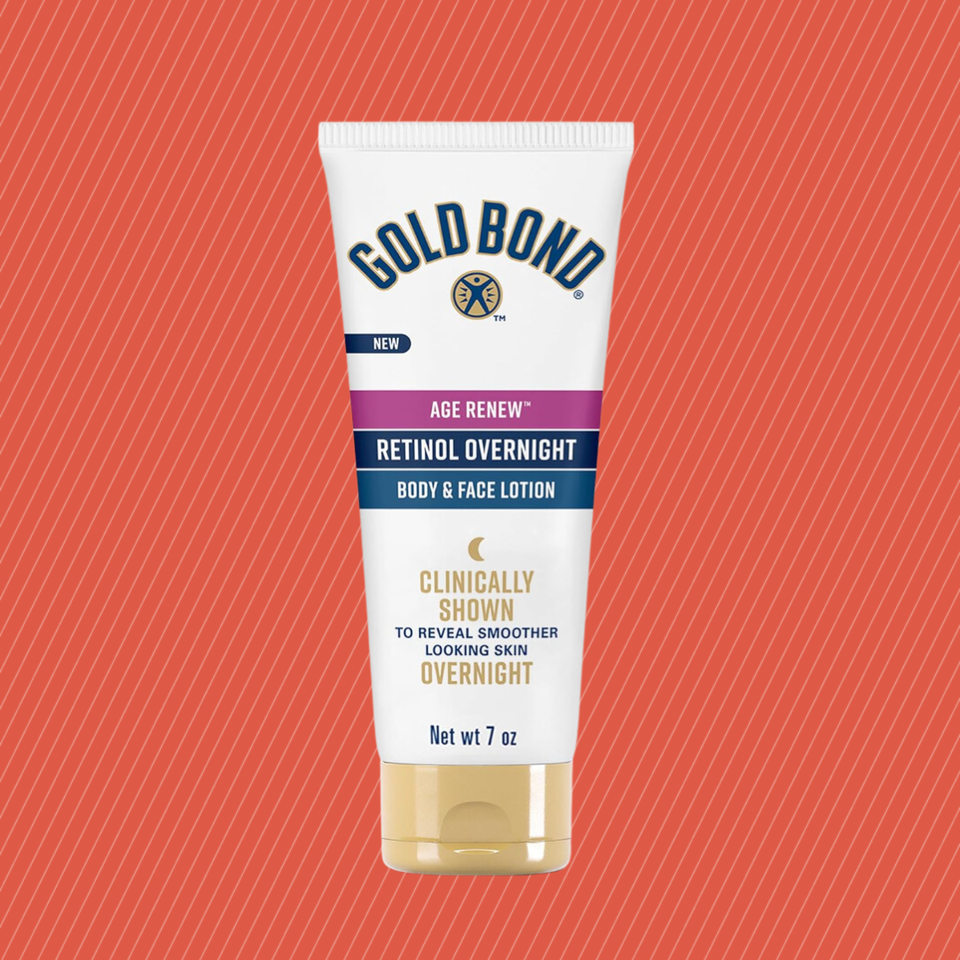
Gold Bond Age Renew Retinol Overnight body lotion

Lock in that anti-aging and hydrating goodness with this ultra-moisturizing overnight cream from Gold Bond. The retinol-peptide complex can help to lift, tighten and moisturize skin without leaving you feeling greasy or with the irritation that can commonly accompany retinol usage. Pop it on your hands (and beyond) and start to see and feel the difference. While not explicitly a hand cream, reviewers noted that it is just the right texture for hands and leaves their hands looking and feeling as good as new.

Promising review: “It’s light and smooth, very comfortable and nonirritating. I use it mostly on my hands and neck. It feels light and very comfortable and it has no scent which is great for those who are sensitive to that. For the price and the amount you get for a body lotion that have great ingredients including retinol and vitamins i say its worth the try and see how much improvement it gives to the look of your hands and/or neck. I havent used it on my other parts of my body since im using a diff product with retinol on my face. They also ship it with tape on the opening so it wouldnt spill out which is great.” — Emie

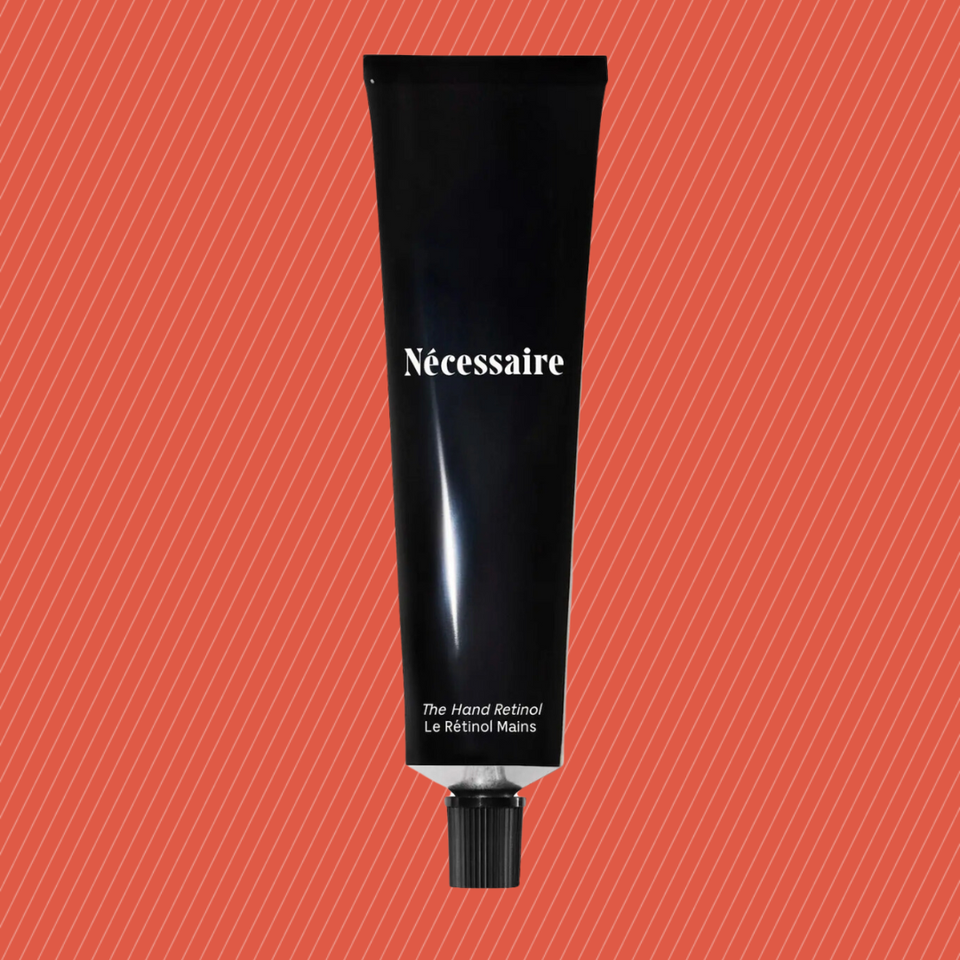
Nécessaire The Hand retinol repair serum

For a fairly high concentration of retinol, consider this hand serum from Nécessaire. it has 0.25% of retinol alongside peptides, AHAs, amino acids, vitamins and glycerin to hydrate deeply. It’s a great option for anyone looking to treat or prevent crepey skin, dark spots, scars and even ragged cuticles. You’ll feel like you just stepped out of a nail salon every morning.

Promising review: “Absolute wonder! I bought this based on a dermatologist’s recommendation, and it really delivers! After a very short time my hands look and feel so much better! I was starting to notice my hands were looking older, and this has really helped.” — ROinCo

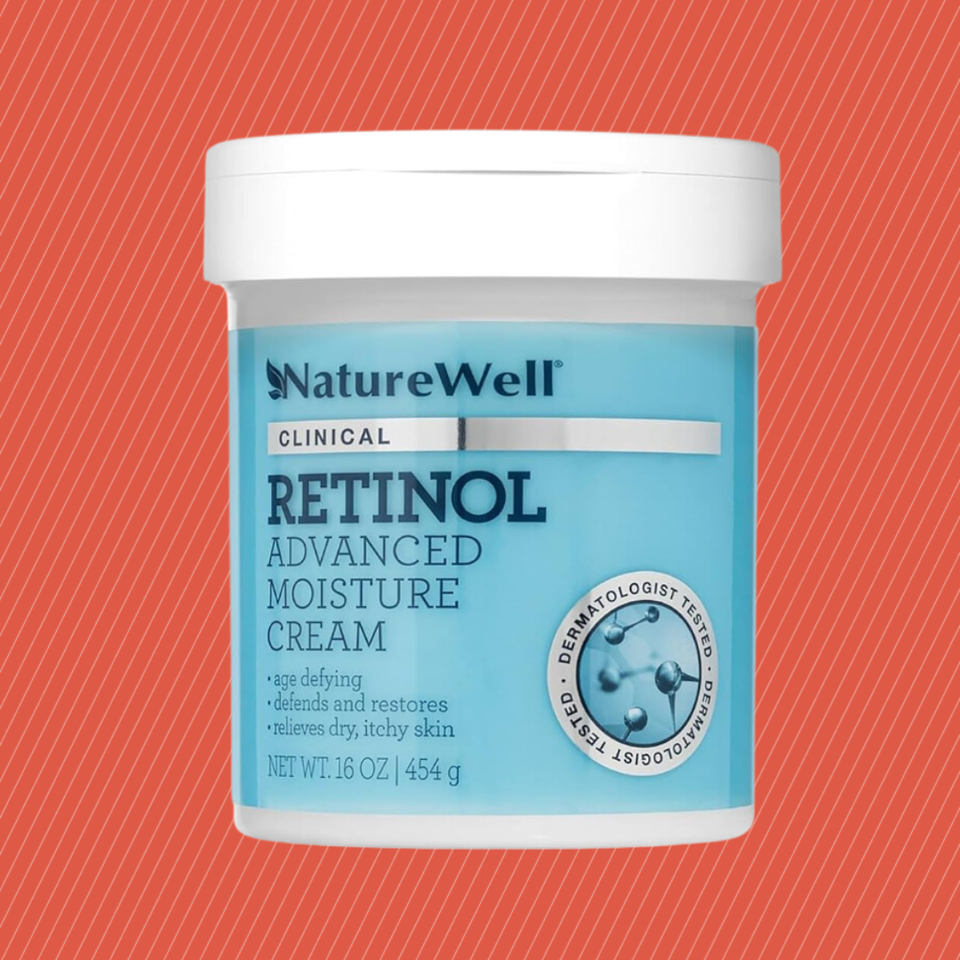
NatureWell Clinical Retinol Advanced moisture cream

NatureWell uses advanced micro-encapsulated retinol to help improve skin tone, smoothing texture and boosting firmness and elasticity. The pump dispenser delivers the right amount so you don’t worry about wasting product, and helps to lengthen the cream’s product life. It’s incredibly popular on Amazon, boasting 4.5 out of 5 stars and over 12,100 ratings. It’s also the most affordable option on this list and the most versatile, as it can be used on hands, face and body. It’s just rich enough to use all over without feeling too greasy, though reviewers find it’s great for hands and arms.

Promising review: “Nice smell works well on lighting the spot on my hands and a couple of spots on my face.” — Kathleen K. Goodman

“Reduces crepey skin. For 1 week I only put it on my left arm and after a week you can see the difference. The left arm looks so much better and is so much softer than the right.” — Debi V.

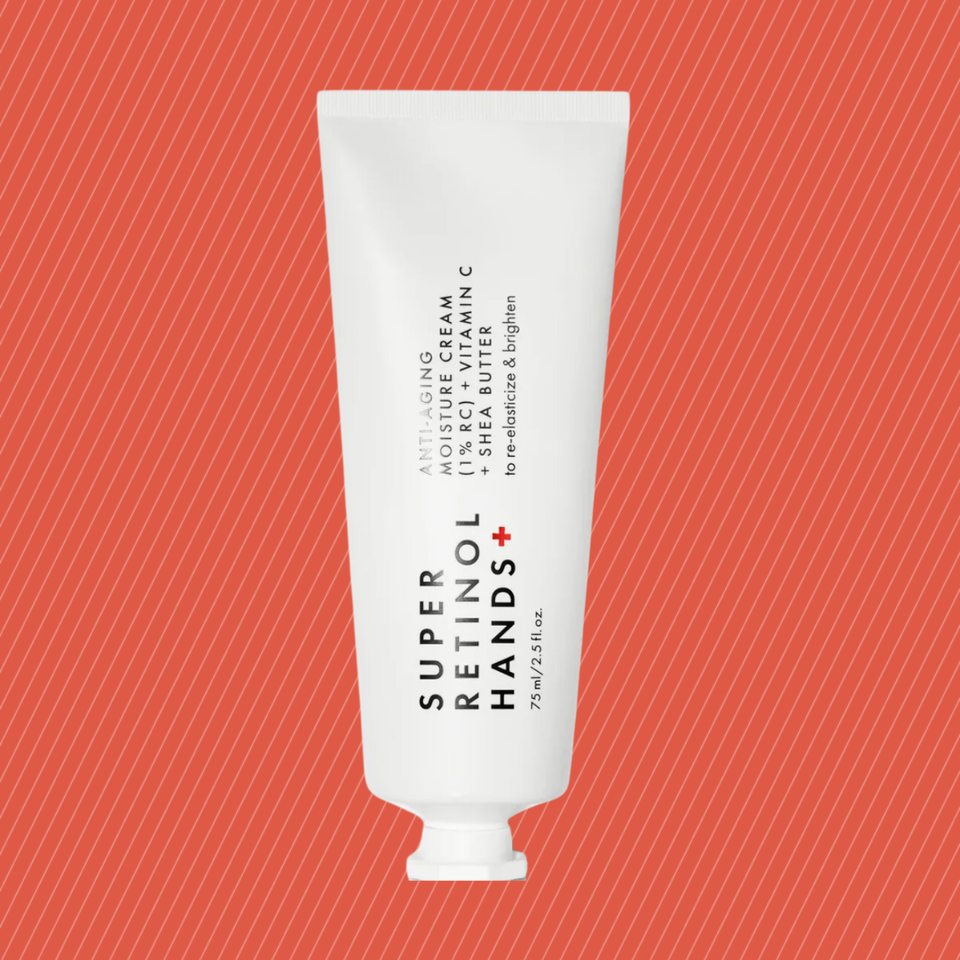
Beauty Pie Super Retinol Hands anti-aging moisture cream

Get all the benefits of a deeply moisturizing, rich hand cream with the added power of encapsulated retinol with this Beauty Pie cream. It can help with common signs of hand aging, targeting dark spots, smoothing and elasticity. Throw it on before bed and wake up to baby-soft hands.

Promising review: “A must for older hands. Wonderful night time hand treatment for aged hands. Helps with age spots and crepey skin. Also very moisturising without being sticky.” — Mary

Soft Services Theraplush overnight repair treatment

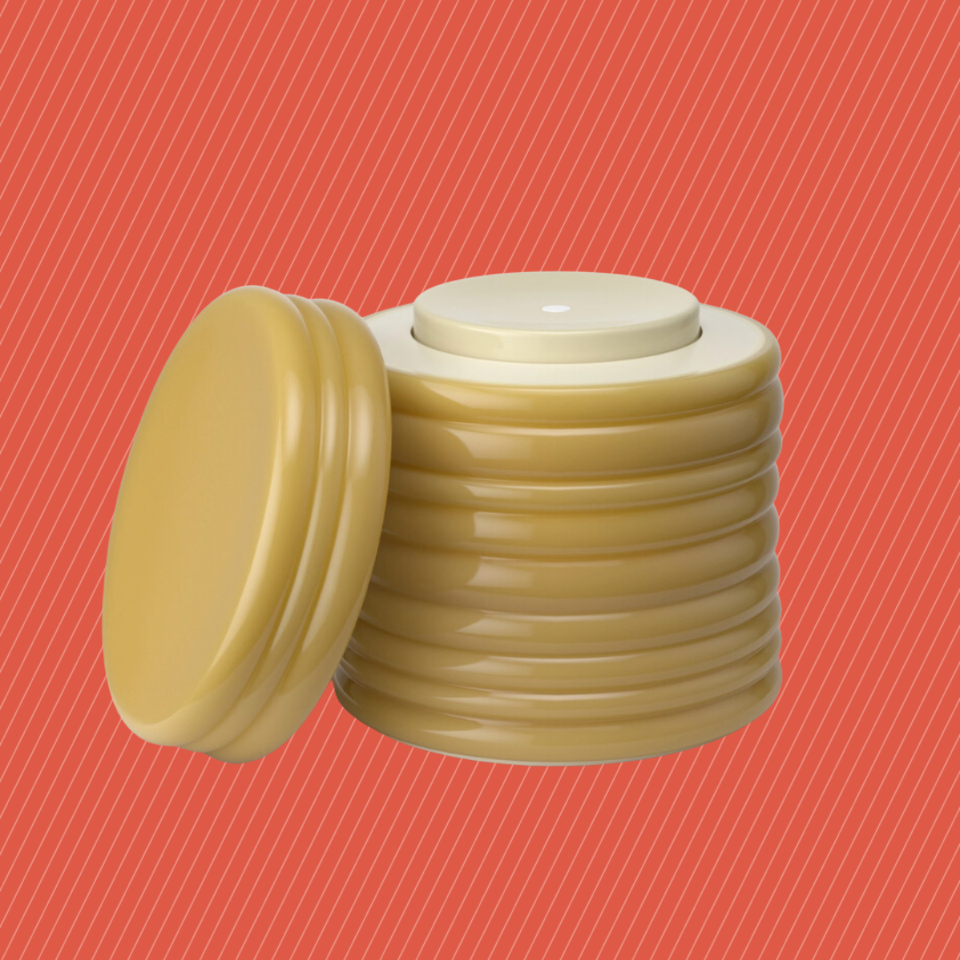
This is the one everyone’s talking about. Not only is this night cream for hands formulated with top-notch anti-aging ingredients, but it comes in the cutest reusable vessel I’ve ever seen. It’s a great option for anyone who is serious about repairing and renewing their hands. The cream has a medium-weight density that is soft and slightly waxy, so those who are prone to touching their face or don’t like the feeling of freshly lotioned skin might not love it. But if you don’t mind it, then your hands will thank you in the long run. It’s infused with retinol, colloidal oatmeal and panthenol so you can wake up with youthful, beautiful hands daily.

Promising review: “In love with this product! I’ve only been using this product for a few weeks and see a difference already. I’m 60 years old and produce food videos so I’m very conscious of the appearance of my ‘mature’ hands. Theraplush has absolutely enhanced the overall smoothness and texture; so impressed with this lovely cream! I would recommend this product to: Anyone who is aware of the importance of taking extra care of their hands!” — Sheri

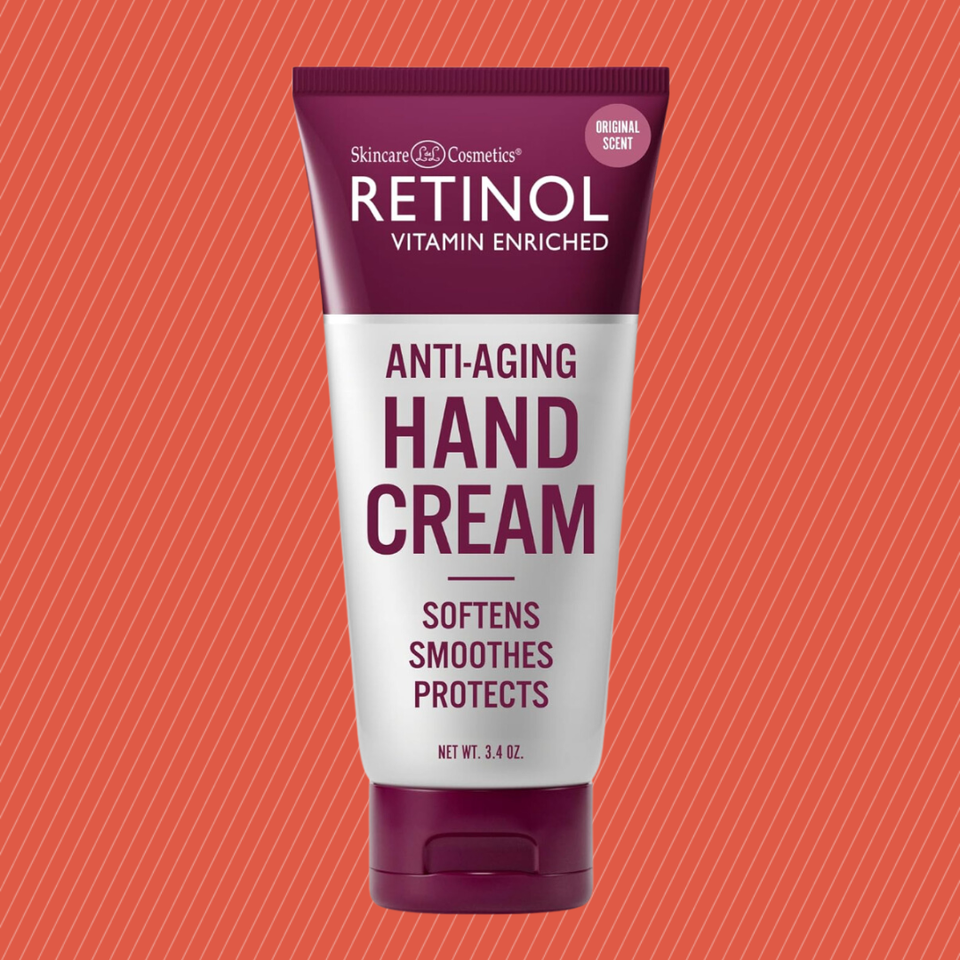
A multifunctional retinol and vitamin-enriched hand cream

The glowing reviews speak for themselves when it comes to this anti-aging hand cream. It deeply conditions not just hands, but nails and cuticles as well, drenching the entire area with vitamins and retinol. It boasts a rich and creamy formula that feels luxurious but won’t break the bank, so you can show off youthful-looking skin with minimal effort. Just be aware that it has a nostalgic scent that might not be for everyone!

Promising review: “I like the moisture and lively texture of my hands. Before they looked dry and older because of all the hand sanitizer I have used over the last 3 years. Now they look healthy and feels so soft, and I don’t mind shaking hands if needed.” — Nene Love it

“I really like this hand lotion. I am 36 and a hairdresser so my hands get a beating daily. I’ve noticed them aging so I wanted something to help slow that. This lotion feels very soft when you put it on. My kids did comment that it smells like a Grandma. And I think it kind of does smell like it too. Not a bad smell just does have a distinctive smell. I do like it!” — Karen

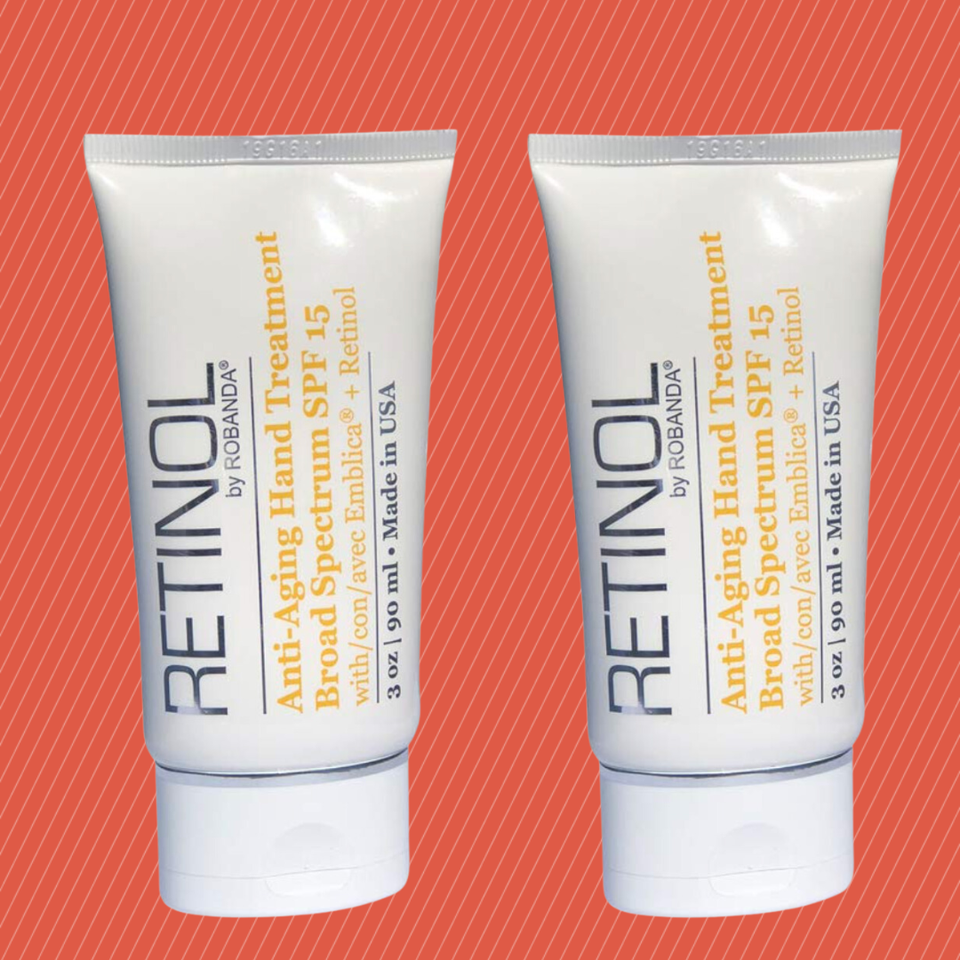
Robanda Retinol Anti-Aging hand treatment SPF 15

I came upon this Robanda retinol hand cream during my research and was intrigued by the fact that it contains SPF alongside retinol. Along with antioxidants, it helps to infuse the skin with anti-aging ingredients and can improve the look of wrinkles and sun damage while leaving skin healthy, smooth and safe from the sun’s harmful UV rays.

Promising reviews: “Love the creme. Daughter asked to try it and as she was going back home to CT, called for the exact name and a picture. She loved it also. Works good on old hands. Of course mine are a lot older than hers.” — Aging

“I have a stress eczema on my hands. This cream healed my hands in 3(!) days! Now I recommend it to everyone! And use the crème on daily basis.” — Oyuka

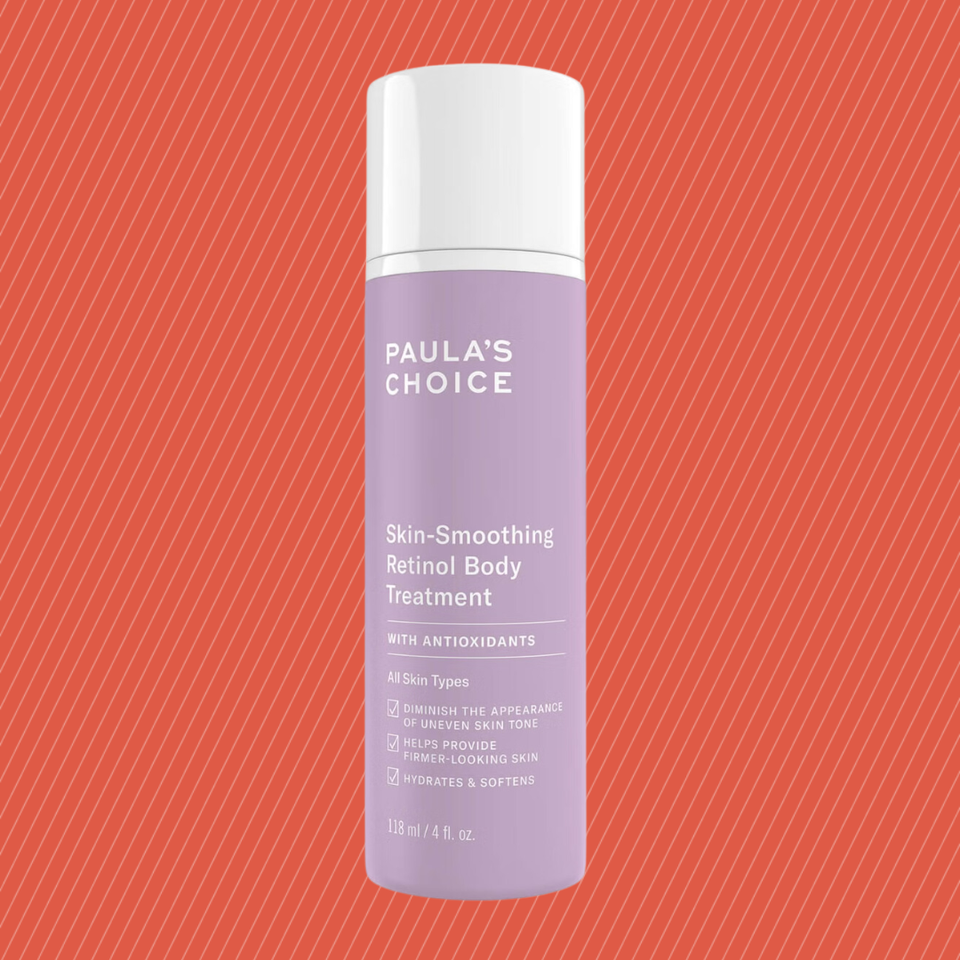
Paula’s Choice Retinol Skin-Smoothing body treatment

Made with retinol, antioxidants and shea butter, this skin-smoothing treatment lotion gives you all the benefits of a retinol cream like encouraging cell renewal, reducing the look of uneven skin and boosting hydration. Just note that it’s on the richer side, so make sure that’s the texture and finish you prefer.

Heads up: It’s available at Dermstore but you’ll get the best deal on it by nabbing it from the official Paula’s Choice website while it’s 20% off.

Promising review: “I have only been using it for a week so haven’t seen a change in my skin tone but it has already made the texture better. Also, it goes on so smooth, absorbs well and doesn’t leave a greasy residue. And it hasn’t made my skin get the red and dry early retinol use look. If it does as well with my skin tone, I will definitely purchase it again.” — Leah

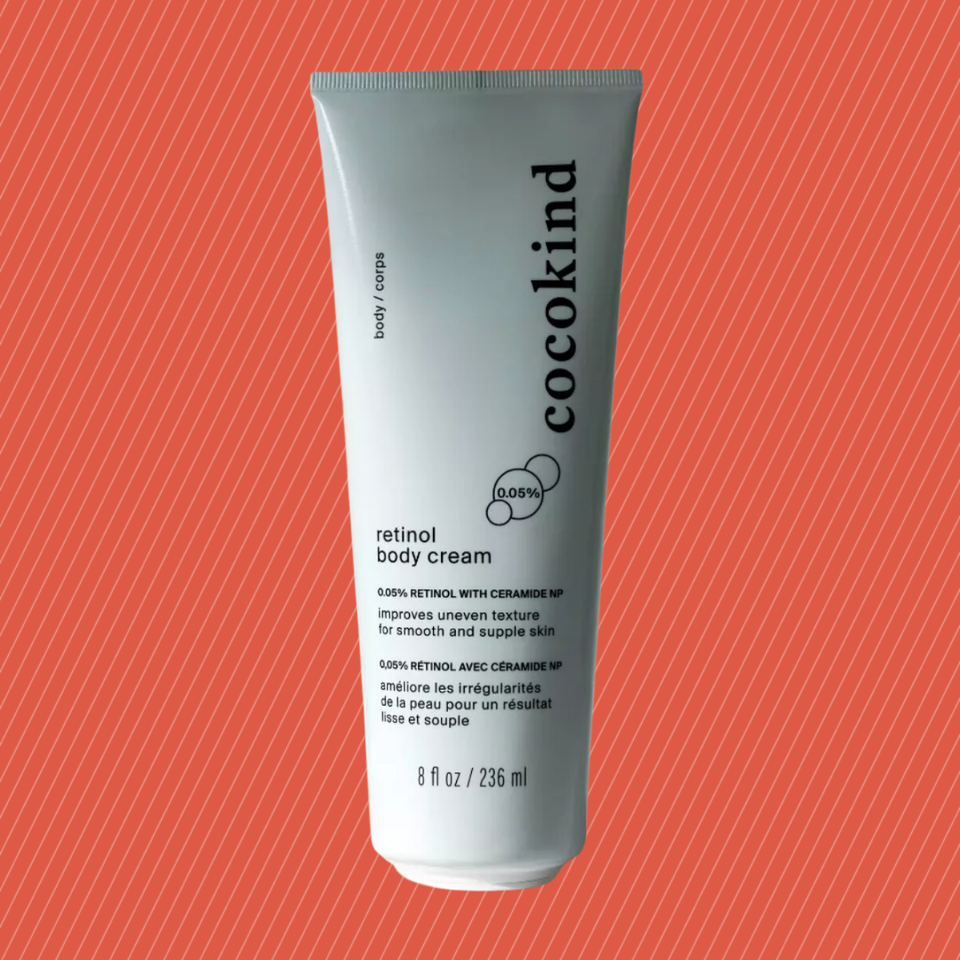
Cocokind retinol body cream

If you don’t like a greasy feel, check out this lightweight moisturizer that’s infused with 0.05% retinol. It works alongside ceramides, shea butter and squalane to drench your hands in nourishing, hydrating ingredients that can help to give hands a more youthful, supple, firm and even appearance. That’s a whole lot of skin care benefits for a product under $25!

Note: It’s on sale at Target for about 18% off for Target Circle members (it’s free to join, btw)! Grab it there if you can.

Promising review: “Great lotion! As I am getting older I am looking for more products that can help me in the long run. This [cocokind] retinol cream is really making a difference. I use this every other evening after my shower. I have really noticed a difference in the way my skin feels. It is so soft and supple. I am a fan for life!” — Anghess

Share Button

Alan Carr Speaks Out After All Those Dramatic Twists In The Celebrity Traitors Finale

This article contains major spoilers for the final episode of The Celebrity Traitors.

Alan Carr is speaking out about the many twists and turns in the Celebrity Traitors final.

During Thursday night’s bumper-length finale, viewers saw the former Chatty Man host manage to pull the wool over the eyes of Nick Mohammed and David Olusoga to make it all the way to the end of the game, nabbing the hefty prize money for himself.

Things then ended on an emotional note as Alan broke down in tears, admitting that the deceitful game had been “tearing me apart”.

After the episode aired, Alan appeared in a video posted on BBC iPlayer’s official Instagram page, celebrating his victory.

“It feels absolutely amazing to be the first Celebrity Traitors winner,” he enthused. “I mean, who even knew that this would happen? I think I have surprised the nation and, most importantly, I’ve surprised myself. I’m still in shock.”

Reflecting on some of his highlights from the series, Alan named his “favourite moment” as Celia Imrie’s now-infamous fart.

“Everyone goes, ‘oh ain’t it funny when Celia farted?’, but people forget I was chained to her. I couldn’t get away from it,” he quipped.

On his favourite “murder” of the series, Alan continued: “This sounds so weird, but for me, my favourite kill was Lucy. Because I handed it to her on a plate, well, not a plate, in my hand. I handed it to her, it was done face-to-face.

“You know what, I got such a taste for killing, it was nice to see their eyes as I murdered them. What have I become?”

He added: “This whole experience has been mind-blowing, it’s been wonderful, it has changed me as a person, and I’ve absolutely loved it. But you know, all good things must come to an end. And as Shakespeare said, parting is such sweet sorrow…”

The cast of The Celebrity Traitors pictured with host Claudia Winkleman

BBC/Studio Lambert/Cody Burridge

Already, it’s been reported that 11 million people watched the gripping Celebrity Traitors finale, with a second season already heavily rumoured to be in the pipeline.

Before that, though, the show will return for its fourth regular series early next year.

Share Button

The hidden “Big Bang” that decides how bowel cancer grows

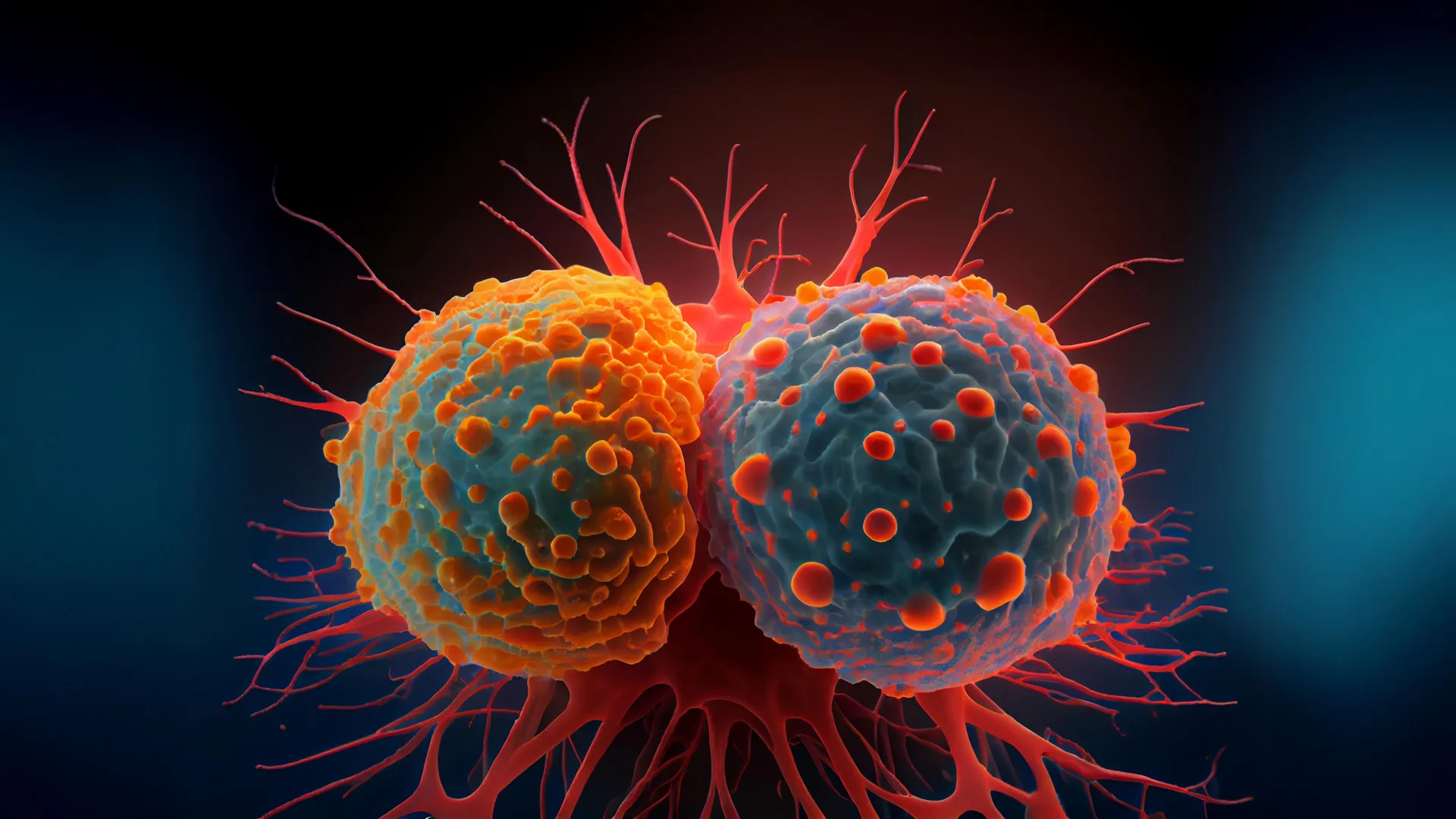
Just as the universe began with a colossal explosion, bowel cancer also experiences a “Big Bang” moment that determines how it will grow and spread, according to new research supported by Cancer Research UK and the Wellcome Trust.

Scientists from The Institute of Cancer Research in London, the Fondazione Human Technopole in Milan, and Chalmers University of Technology in Sweden discovered that this pivotal event occurs when cancer cells first manage to hide from the immune system. This process, called immune escape, allows the cells to evade detection and continue developing unchecked.

During immune escape, bowel cancer cells disrupt the genes that normally allow the body’s immune defenses to recognize them as a threat. Once this happens, the researchers found that the cancer’s ability to disguise itself remains largely unchanged as it grows.

The findings could help doctors identify patients more likely to respond to immunotherapy, including experimental bowel cancer vaccines that train the immune system to target and destroy cancer cells.

How Bowel Cancer Outsmarts the Immune System

Professor Trevor Graham, Professor of Genomics and Evolution and Director of the Centre for Evolution and Cancer at The Institute of Cancer Research, explained the significance of the discovery:

“Some bowel cancers are ‘born to be bad.’ How they interact with the immune system is set early on.

“Immunotherapy and bowel cancer vaccines hold enormous promise for treating the disease. Our research suggests that a bowel cancer’s relationship with the immune system doesn’t change very much as it grows. If we can target that relationship early on, treatment should have a stronger chance of success.

“As bowel cancer treatment becomes increasingly personalized, understanding how tumors evolve and change matters even more than it did before. Like the explosion which set the course of the universe, bowel cancer’s Big Bang gives us the biggest clues of what its future holds and how we might change that future.”

A Common and Challenging Cancer

Bowel cancer is the fourth most common cancer in the UK, with about 44,100 new cases each year — around 120 every day. Approximately 15% of these cases respond well to immunotherapy, while the majority remain resistant to this treatment approach.

Currently, several types of bowel cancer vaccines are being tested in clinical trials. These are designed to help the immune system recognize and destroy returning or newly forming cancer cells after surgery or other treatments.

Study lead author Eszter Lakatos, a mathematical biologist at Chalmers University of Technology and the University of Gothenburg, Sweden, said:

“Our research group has investigated and found answers to how cancer cells render themselves invisible to the immune system. Our hope is that these insights will eventually lead to more targeted, effective and early treatments, in addition to surgery.”

To uncover these mechanisms, the research team analyzed tumor and immune cells from 29 people with bowel cancer. They sequenced the DNA and RNA from each sample and examined how tightly the DNA was wound around proteins in the chromosomes (a process known as epigenetics).

The scientists found that epigenetic changes in cancer cells alter how DNA is “read” to produce RNA, which carries the instructions for making proteins. These changes can reduce the number of neoantigens — “red flag” proteins that alert immune cells to danger — on the surface of cancer cells. With fewer neoantigens, the immune system struggles to recognize and destroy the tumor.

Toward More Effective Immunotherapy

The researchers believe that combining immunotherapy with drugs that modify the epigenome could improve treatment outcomes. Such a combination might increase the number of neoantigens displayed by cancer cells, making them easier for the immune system to target. Further testing will be needed before this approach can move into clinical trials.

Dr. Catherine Elliott, Director of Research at Cancer Research UK, said:

“To beat bowel cancer for everyone, we need to understand what happens at the very earliest stages of the disease. No matter how different bowel cancer tumors can look, one defining moment at the start makes a big difference to how the cancer grows.

“Bowel cancer has an insidious ability to resist treatment. Immunotherapy is starting to work well for patients, but it doesn’t work for everyone. This research helps us understand why, as well as giving us new insights to make immunotherapy work better for bowel cancer.”

Understanding the Disease’s Earliest Moments

Tom Collins, Research Lead for Discovery Research at the Wellcome Trust, added:

“Through tracing the earliest stages of bowel cancer, the research team has shed valuable new light on a mechanism that could lead to more targeted, effective and early treatments.

“This is a powerful example of discovery science. Research at this molecular level has provided a deeper understanding of how bowel cancer develops, which could lead to the improved health outcomes for patients in the long-term.”

The study, titled “Epigenetically driven and early immune evasion in colorectal cancer evolution,” was published on November 5 in Nature Genetics.


Share Button

Scientists discover how hair cells can help heal skin faster

The skin contains two main types of adult stem cells: epidermal stem cells and hair follicle stem cells. Normally, each type has a clear role — one maintains the skin while the other supports hair growth. However, research from Rockefeller University has revealed that hair follicle stem cells (HFSCs) are surprisingly adaptable. When the skin is injured, these cells can switch from growing hair to helping repair the wound.

So what tells them when it’s time to make that switch?

A Stress Signal That Changes Cell Behavior

The same Rockefeller research team has now identified the key signal behind this transformation. Hair follicle stem cells respond to what’s called an integrated stress response (ISR) — a cellular alert system that helps them conserve energy and focus on survival tasks.

In the skin, this stress response is tied to the amino acid serine, a non-essential nutrient found in common foods like meat, grains, and milk. In their study published in Cell Metabolism, the scientists showed that when serine levels fall, the ISR activates and hair production slows down. If the skin is also wounded, the ISR ramps up even further, stopping hair growth entirely so that cells can concentrate on repairing damaged tissue. This shift in priorities helps the skin heal faster.

“Serine deprivation triggers a highly sensitive cellular ‘dial’ that fine tunes the cell’s fate — towards skin and away from hair,” explains first author Jesse Novak, an MD-PhD student at Weill Cornell’s Tri-Institutional MD-PhD Program and former doctoral student in the Rockefeller lab of Elaine Fuchs. “Our findings suggest that we might be able to speed up the healing of skin wounds by manipulating serine levels through diet or medications.”

Adult tissues depend on stem cells to maintain balance — replacing cells that die and repairing tissue when it’s damaged. Yet, scientists still know little about how these cells manage their energy and nutrients during different tasks. Novak and his team wanted to understand the metabolic factors that keep stem cells functioning normally and what changes when they must shift gears to heal a wound.

“Most skin wounds that we get are from abrasions, which destroy the upper part of the skin,” says Novak. “That area is home to a pool of stem cells that normally takes charge in wound repair. But when these cells are destroyed, it forces hair follicle stem cells to take the lead in repair,” Novak says. “Knowing that, we thought that tracking these skin cells through wound healing presented a very good model for testing if and how metabolites are regulating this process overall.”

Serine’s Role Beyond Hair and Skin

Earlier research from the Fuchs lab showed that precancerous skin stem cells can become dependent on circulating serine and that limiting serine in the diet helps stop these cells from turning cancerous. Those findings highlighted serine’s powerful influence on cell behavior and even inspired studies testing serine-free diets as cancer treatments.

However, it remained unclear how reducing serine might affect healthy tissue. To explore this, Novak focused on serine’s role in normal stem cell activity and how its absence might reshape regeneration.

The researchers tested how hair follicle stem cells respond to metabolic stress. They either deprived mice of dietary serine or used genetic methods to block the cells from producing their own. In both cases, the results showed that serine communicates directly with the ISR — a system that monitors when tissue conditions go off balance.

When serine levels were low, hair growth slowed because it requires significant energy. When wounds occurred, the ISR activated even more strongly, prioritizing healing over hair regeneration. In other words, when stress increases, the skin’s repair mechanisms take priority.

“No one likes to lose hair, but when it comes down to survival in stressful times, repairing the epidermis takes precedence,” says Fuchs. “A missing patch of hair isn’t a threat to an animal, but an unhealed wound is.”

Can Extra Serine Boost Hair Growth?

Once the team confirmed that low serine levels affect stem cell behavior, they wondered about the reverse — could increasing serine levels enhance hair growth? The answer appears to be no. The body maintains tight control over serine levels, and even when mice were given six times more dietary serine than usual, levels only increased by about 50%.

“However, we did see that if we prevented a stem cell from making its own serine and replenished its losses through a high-serine diet, we were able to partially rescue hair regeneration,” Novak adds.

Next, the researchers plan to investigate whether wound healing can be improved by lowering serine intake or by using medications that influence serine levels or the ISR pathway. They also aim to test other amino acids to see if any have similar effects.

“Overall, the ability of stem cells to make cell fate decisions based upon the levels of stress they experience is likely to have broad implications for how tissues optimize their regenerative capacities in times where resources are scarce,” says Fuchs.

Share Button

Doctor licked beer off colleague, tribunal hears

Dr Mark Watson is suspended for licking beer from a younger colleague’s cleavage.

Share Button

Rare desert berry could transform diabetes treatment

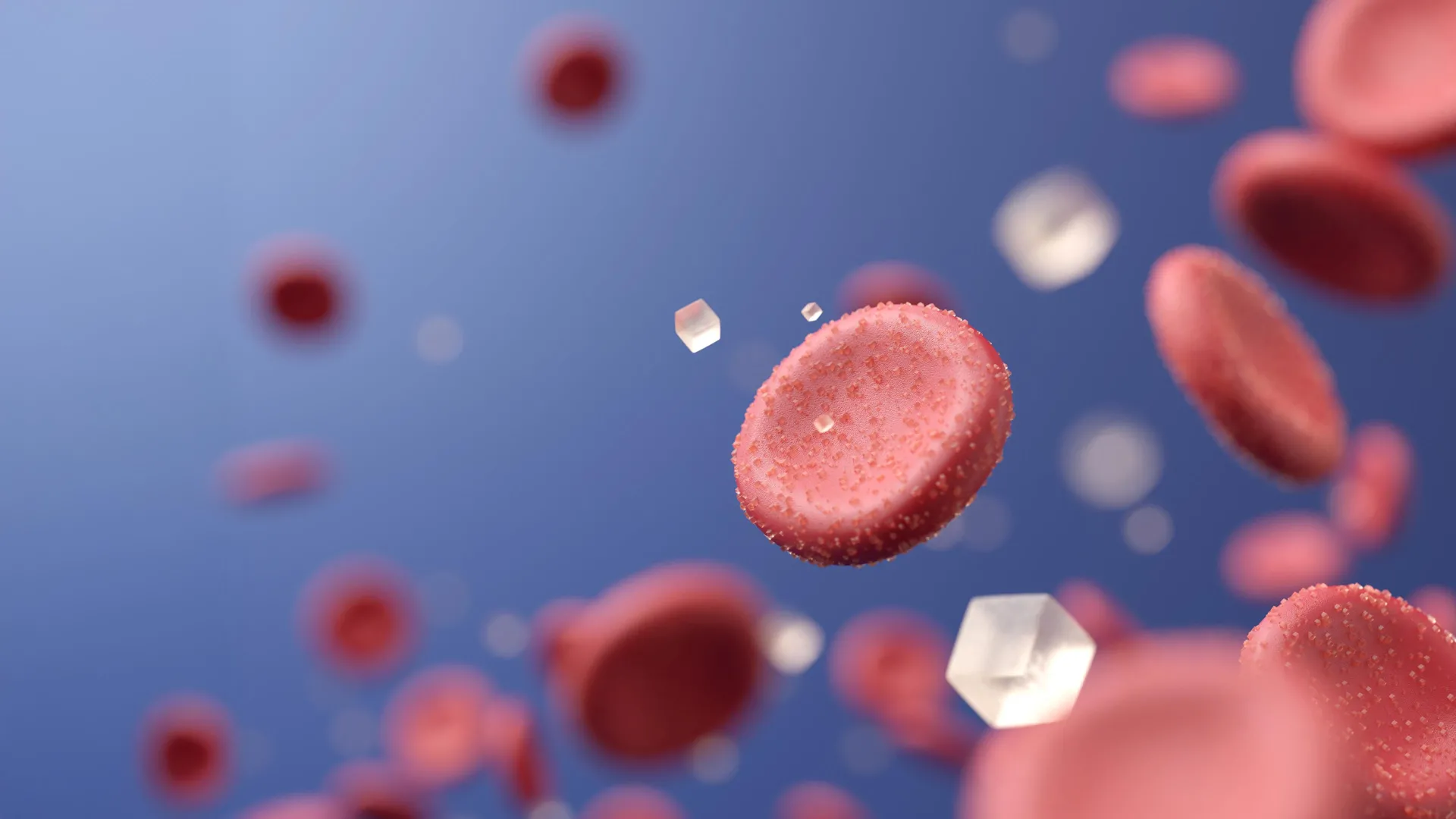
In what could mark a major step forward for diabetes care, scientists have found extraordinary health benefits in a little-known desert plant. The fruit of Nitraria roborowskii Kom, long used in traditional medicine, showed strong potential to fight insulin resistance and restore healthy metabolism in diabetic mice. The plant extract not only helped stabilize blood sugar but also corrected several related issues, including abnormal fat metabolism and oxidative stress. These results were linked to the activation of a key cellular signaling system that regulates how the body processes glucose and energy. The discovery points to the possibility of safer, naturally derived treatments for one of the world’s most widespread chronic diseases.

The number of people living with diabetes is expected to climb to 750 million by 2045. While modern drugs can control symptoms, many come with side effects and do not address the underlying causes of metabolic imbalance. This has led scientists to revisit nature’s medicine cabinet in search of new therapeutic options. Among these is Nitraria roborowskii Kom, a tough shrub that thrives in the harsh deserts of western China. Its bright red fruits, sometimes known as “desert cherries,” have nourished and healed local communities for centuries. Only recently have researchers begun to uncover the biological mechanisms behind its traditional use, prompting systematic scientific investigations into its potential.

Breakthrough Study Confirms Potent Diabetes-Fighting Properties

A collaborative study between Qinghai University and the Northwest Institute of Plateau Biology, published in the Chinese Journal of Modern Applied Pharmacy, provided strong experimental evidence of the fruit’s effects. Using well-controlled trials, scientists tested a concentrated form of the extract (NRK-C) on diabetic mice over seven weeks. The results were striking: the compound not only lowered blood sugar and improved insulin responsiveness but also addressed broader metabolic dysfunctions through a previously underexplored biological route.

How the Desert Berry Restores Metabolic Balance

The detailed analysis revealed the extract’s impressive range of benefits. Over the course of seven weeks, NRK-C reduced fasting blood glucose levels by 30-40% in diabetic mice, with stronger results at higher doses. It also improved insulin sensitivity by roughly 50% compared with untreated animals. In addition to these improvements, the extract balanced cholesterol and lowered oxidative stress markers by as much as 60%, a rare feat for any single therapeutic compound.

Further investigation showed that NRK-C works by reactivating the PI3K/AKT signaling pathway — a critical metabolic circuit that often breaks down in diabetes. This reactivation appears to “reboot” the body’s ability to regulate glucose and fat metabolism. Microscopic examination supported these findings, revealing healthier liver and pancreatic tissue structures in treated mice compared with untreated ones. Taken together, these findings suggest the compound helps the body reset its metabolic function rather than just masking symptoms. Its naturally broad effects contrast sharply with the narrowly targeted mechanisms of many pharmaceutical drugs.

Expert Insight: A Holistic Approach to Diabetes Treatment

“These results are exciting because they suggest we might be able to treat diabetes more holistically,” said Dr. Yue Huilan, a senior researcher on the project. “Instead of just lowering blood sugar like most medications, this plant extract appears to help the body regain its natural metabolic balance. The implications could extend beyond diabetes to other conditions involving insulin resistance.” While the team emphasized that human trials are still needed, the findings represent an encouraging move toward more natural and comprehensive approaches to diabetes care.

This discovery opens up several promising research directions. Pharmaceutical developers may pursue standardized NRK-C extracts as supplements or adjunct therapies, while nutrition experts could explore adding the fruit to functional foods aimed at metabolic health. The results also lend modern scientific support to traditional medicinal knowledge, helping bridge ancient practice and contemporary medicine. Researchers are particularly eager to determine whether NRK-C could help prevent diabetes in high-risk individuals or reduce complications in those already affected.

More broadly, the findings underscore the value of preserving and studying traditional medicinal plants, many of which may hold untapped potential for addressing modern health challenges. Nature, it seems, still has many healing secrets waiting to be rediscovered.

Share Button

Botox was like going for coffee – but I had no idea if it was genuine

Rules about administering drugs such as Botox and Mounjaro have not kept up, says Wales’ regulator.

Share Button

How a ‘swimming cap’ could transform care for brain-injured babies

Researchers are trialling a new technique to monitor brain function in newborns.

Share Button

Failing care homes not reinspected within a year

BBC finds a fifth of care homes rated “inadequate” were not reinspected within a year or more.

Share Button