WellnessMaster

Get The Latest News on Holistic Wellness

WellnessMaster

Nigel Farage Gets Fact-Checked By The Home Office Over ‘Incorrect’ Migrant Covid Claims

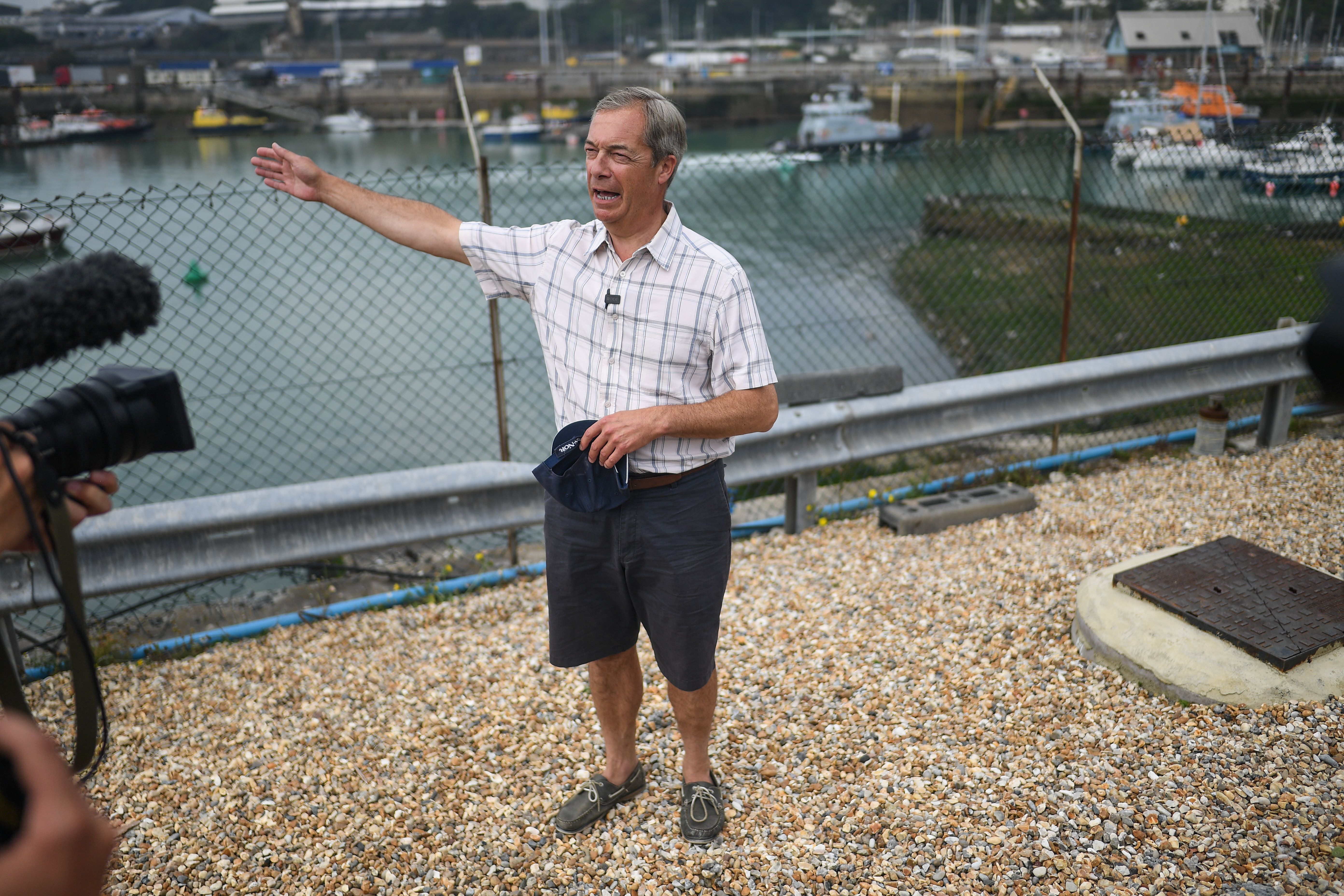
Nigel Farage has been called out by the Home Office over a tweet in which he claimed 12 migrants arriving in Dover on Saturday had tested positive for coronavirus.

The Reform UK leader detailed what he described as a “Covid crisis” and called on home secretary Priti Patel to “get a grip”.

But hours later the Home Office refuted the claim, saying none of the people referred to by Farage had tested positive.

“This is incorrect,” it said in a tweet. “None of these 12 people tested positive for Covid-19. All adults who arrived today have been tested for Covid-19.”

Four small boats in total carrying 87 people including children made the dangerous Channel crossing into the UK on Saturday.

The Home Office has said all adults who arrived in Dover were tested for Covid-19, and only one person tested positive.

It is not known how Farage obtained the false information and his tweet is yet to be deleted.

HuffPost UK has contacted Reform UK for comment.

Elsewhere, a new study last week found those who support Reform UK are the least likely to take up the offer of a coronavirus jab.

Only 53.7% of those planning to vote for Reform UK favour taking the vaccine, a two-wave study by Oxford University found.

This contrasts dramatically to over 90% for supporters of the ConservativesLabour and the Liberal Democrats, at 94.8%, 91.4% and 92.1% respectively, and 100% for those who intend to vote for the SNP.

People who did not know who they would vote for were less likely to take the vaccine at 82.6%, as were supporters of the Green Party at 77.4%.

The study found strong relationships between political attitudes and intention to accept the jab, with whether you voted for Brexit also appearing related to vaccine acceptance, according to Oxford researchers.

Share Button

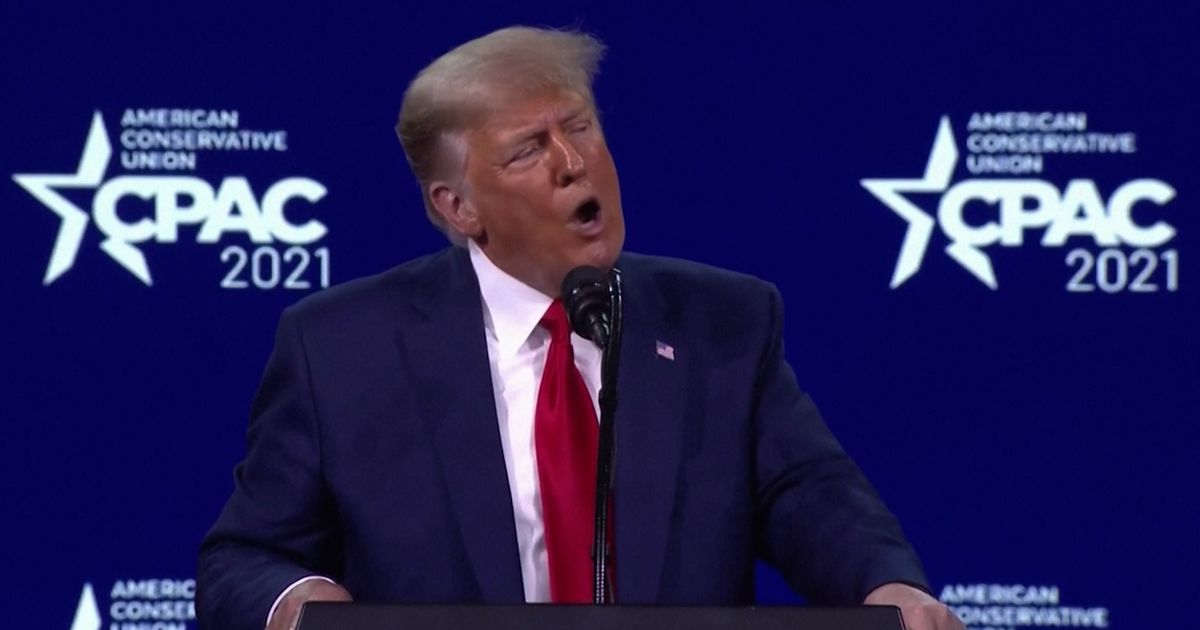
It’s Been One Year Since Trump Boasted 15 Covid Cases Would Soon Be ‘Close To Zero’

Drew Angerer via Getty Images

More than 500,000 people have now died of Covid-19 in the US alone. It’s Been 1 Year Since Trump Boasted 15 COVID-19 Cases Would Soon Be ‘Close To Zero’

The US hit a tragic anniversary Friday, exactly 12 months after then-president Donald Trump gloated that the nation was doing a “pretty good job” against the spread of Covid-19 and that the 15 reported cases would quickly be “down to close to zero.”

He declared the following day that “like a miracle, it will disappear.”

The US Covid-19 death toll has now surpassed 510,000, with cases in the country topping 28 million.

The New York Daily News used Trump’s quote on the front page when the US passed a half million Covid-19 deaths on Monday. “So Far From Zero” the headline said.

The day before Trump’s 2020 prediction, Dr Nancy Messonnier, director of the Centres for Disease Control and Prevention’s National Centre for Immunisation and Respiratory Diseases, warned: “We expect we will see community spread in this country. It’s not so much a question of if this will happen anymore but rather more a question of exactly when this will happen and how many people in this country will have severe illness.”

Trump threatened to fire Messonnier after her warning, The Wall Street Journal reported.

Yet Trump admitted to Washington Post journalist Bob Woodward weeks before he claimed Covid-19 would vanish that he knew it was far more dangerous than he had let on.

“You just breathe the air and that’s how it’s passed,” Trump said in a February 7 call with Woodward, who reported the conversation in his book “Rage.” “And so that’s a very tricky one. That’s a very delicate one. It’s also more deadly than even your … strenuous flus …. This is deadly stuff.′ 

He told Woodward in March: “I wanted to always play it down.”

Share Button

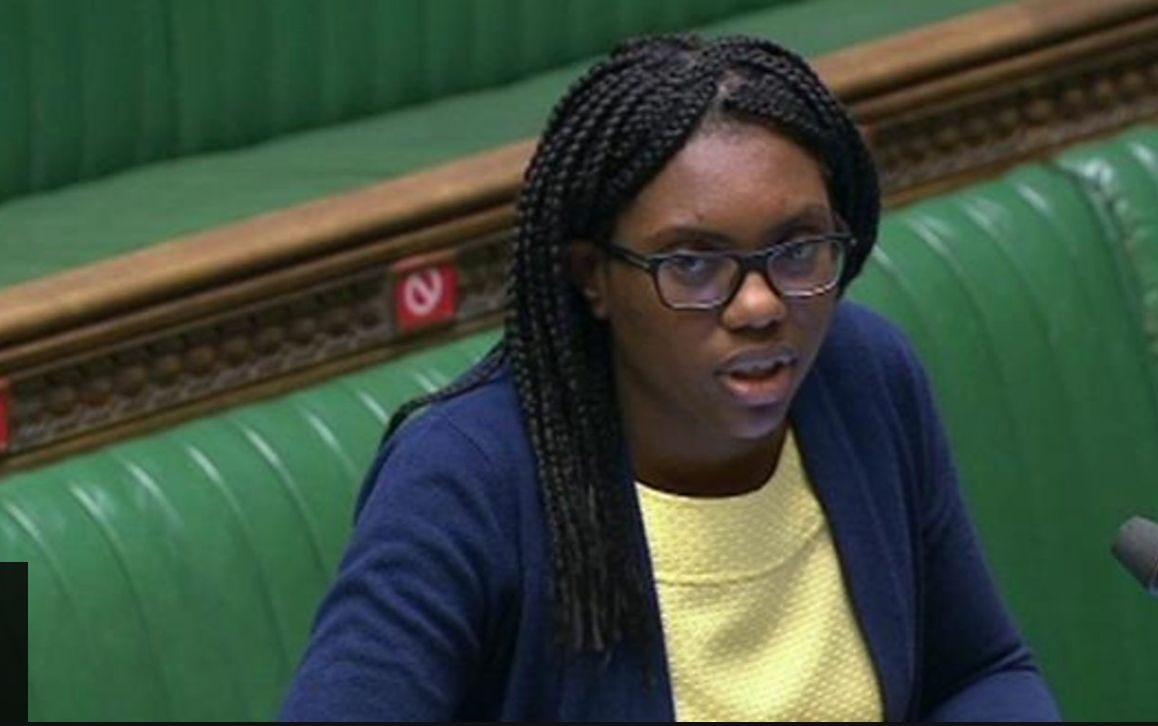
Who Is Accountable For Kemi Badenoch’s Public Attack On Our Journalist?

Some people call it “cancel culture”. Others call it accountability. Rightly or wrongly, your Twitter feed can get you in trouble at work, or worse. But we’ve now learned that members of our government are not held to the same standards as the rest of us.

It’s almost a month since Britain’s equalities minister posted an eight-tweet thread filled with false allegations about the conduct of HuffPost reporter Nadine White. Nadine had asked Kemi Badenoch, as one of parliament’s most senior Black MPs and the minister with the portfolio for race and inequality, why she hadn’t appeared in a video aimed at increasing uptake of the vaccine among Black people. She emailed the MP’s office, and the Treasury press team, where Badenoch also holds a ministerial role. Rather than respond via either of those channels, the minister fired off a Twitter tirade about how this routine press enquiry was a “sad insight into how some journalists operate”, describing it as “creepy and bizarre”. Nadine was forced to lock her Twitter account after she received abuse.

It took us a couple of hours to file a formal complaint with the Cabinet Office. It took them three and a half weeks to reply, but at last the government has seen fit to answer our complaint. 

Their letter is short and to the point. “I note that the tweets were not issued from a government Twitter account but instead from a personal Twitter account,” writes Cabinet Office permanent secretary Alex Chisholm. “The minister is personally responsible for deciding how to act and conduct herself, and for justifying her own actions and conduct. As such, this is a matter on which the minister would be best placed to offer a response.”

The ministerial code states that “ministers of the Crown are expected to maintain high standards of behaviour and to behave in a way that upholds the highest standards of propriety”. But not, it seems, on their ministerial Twitter accounts. 

We were not alone in mistakenly thinking that the minister’s verified Twitter account, in which she describes herself as “Treasury & Equalities Minister”, was in some way linked to her job

How stupid of us. It is cold comfort that we were not alone in mistakenly thinking that the minister’s verified Twitter account, in which she describes herself as “Treasury & Equalities Minister”, was in some way linked to her job. The National Union of Journalists called Badenoch’s original outburst about Nadine “frankly weird, completely out of order and an abuse of her privilege”. The Council of Europe’s Safety of Journalists Platform flagged the incident as a potential threat to media freedom under the European Convention on Human Rights. The European Centre for Press and Media Freedom, recorded the attack as a “violation of media freedom”. I wonder how many of Kemi Badenoch’s 40,000 followers are also under the impression that her Twitter account is a reflection of her professional role and work as an elected representative.

Also mistaken was No.10’s race adviser Samuel Kasumu, who was so upset about Kemi Badenoch’s behaviour that he handed in, but was then persuaded to withdraw, his resignation. Apparently unaware of that Kemi Badenoch’s official parliamentary Twitter account is only “personal”, he wrote: “I believe the Ministerial Code was breached. However, more concerning than the act was the lack of response internally. It was not OK or justifiable, but somehow nothing was said. I waited, and waited, for something from the senior leadership team to even point to an expected standard, but it did not materialise.”

Nadine is a reporter who has done crucial work for HuffPost UK on racial inequality in the UK, not least during the Covid pandemic. So it’s just as well that it was not in a ministerial capacity, but from her “personal Twitter account”, that the minister for equalities made a show of not understanding how news works. Had she only had her professional hat on, she might have remembered that journalists send literally hundreds of requests for comment every day to every institution in the UK in order to find out if a story is accurate. We don’t publish stories without doing this – indeed, no story was published in this case.

It is a little confusing that Kemi Badenoch published screenshots of messages sent to her professional address and the Treasury press office in a “personal” capacity. But it’s certainly a relief that, when she declared to her 39,000 followers that Nadine’s conduct was a “sad insight into how some journalists operate”, and accused HuffPost and Nadine of “looking to sow distrust”, she wasn’t speaking as a government minister – because these claims are not only unbecoming of a senior politician, but betray either an alarming ignorance of how the press fits into our democratic system or a cynical display of bad faith.

In the end, Kemi Badenoch broke her silence by contacting a journalist – not Nadine or anyone from HuffPost, but a reporter at her local paper, the Saffron Walden Reporter. In a statement, she repeated her defamatory allegations about Nadine, this time claiming we had “stoked” a “false story” on social media, claims that were withdrawn from publication when it was pointed out that there was no evidence for them.

This apparently did not trouble her ministerial employers in the Cabinet Office or No.10. Perhaps they might like to clarify whether someone is speaking in an official capacity when they begin a statement with the words “as Equalities Minister”. 

It is absurd to any reasonable person to suggest the words of a minister are somehow less accountable if they are written by them on Twitter than a press release, or were given in an interview.

So who is responsible for the actions of the government’s ministers, if not the government? The Cabinet Office was clear: “This is a matter on which the minister would be best placed to offer a response.” No.10 agreed, with the prime minister’s press secretary saying it was “a matter for Kemi Badenoch” –although she added: “That would not be how we in No.10 would deal with these things.” 

Kemi Badenoch’s office, however, does not agree that it her responsibility, telling Nadine this week: “She has nothing further to add beyond what is included in the letter sent earlier today from Alex Chisholm to your editor.” The same Alex Chisholm who made it very clear it was for her to respond.

This story is not just about a government machine that is out of touch with the realities of our digital lives. It is absurd to any reasonable person to suggest that the words of a minister are somehow less accountable if they are written by them on Twitter than if they appeared in a press release, or were given in an interview. If any member of the public were to tweet out emails sent to their work address, accompanied by a slew of false allegations, they would expect a swift call from HR. Indeed, someone might like to tell transport secretary Grant Shapps, who formally announces weekly updates to the government’s travel and quarantine policies through his own Twitter account, whose handle he literally read out in Parliament. 

The ministerial code, which the government concluded Kemi Badenoch had not breached with her public attack on a journalist doing her job, is built around the loftily-titled Seven Principles of Public Life. Hopefully ministers are asked to read it when they enter office. “Accountability,” reads one principle. “Holders of public office are accountable for their decisions and actions and must submit themselves to whatever scrutiny necessary to ensure this.”

We’re a long way from David Cameron’s famously cringeworthy comment that “too many tweets might make a twat” – ministers of Kemi Badenoch’s generation are all too aware of how useful a platform Twitter is for their political and personal profile. But where they are rightly accountable for their conduct as elected representatives elsewhere in their lives, this effectively allows them impunity online.

The Cabinet Office themselves “noted” to us in their response that “the prime minister’s press secretary has already provided comments on this matter”, suggesting a tacit endorsement of their belief that this is not how a minister should behave. But both institutions apparently felt it was not their place to get involved.

Like a parent banning their teenager’s laptop but leaving them with a phone, Whitehall feels dangerously out of touch in providing such an obvious loophole. Remember next time you see a prospective candidate or councillor cancelled online for tweets they sent at university – our government ministers are allowed to say whatever they like.

Jess Brammar is editor-in-chief of HuffPost UK. Follow her on Twitter @jessbrammar

Share Button

Exclusive: Government Blocking Covid Families’ Access To Justice Using Threat Of Costs

The government has been accused of using money as a way of blocking access to justice for bereaved Covid families.

Human rights lawyer Elkan Abrahamson says the government is using punitive costs orders to stymie the ability of thousands of grieving families to fight for a public inquiry into the handling of the pandemic.

“They’re opposing everyone who’s raising these issues and saying: ‘You’re going to have to pay us a fortune in costs if you lose,’” he said.

“They’re using money as a way of blocking access to justice. That’s what it boils down to.”

Abrahamson, who is head of major inquiries at Broudie Jackson Canter law firm, is acting for Covid-19 Bereaved Families for Justice in bringing legal action against the government.

The group of about 2,500 families is launching judicial review proceedings to try to compel the government to hold a public inquiry.

But before doing so they have been forced to raise substantial sums of money to cover the legal costs they could be forced to pay the government if the action is not successful.

Abrahamson said the government had refused to waive costs when asked by the campaign, but had also declined to tell the group how much it could seek to claim.

Covid-19 Bereaved Families for Justice began fundraising and has now got enough money to continue with its bid, which is expected to progress in the near future.

A separate case has shown the significant risks of bringing such legal challenges.

Earlier this month, the government asked for costs of up to £1m in a case brought by the Good Law Project for a judicial review over the award of contracts for personal protective equipment.

The action meant the small, not-for-profit organisation, which is funded by donations from the public, could have been liable for “eye-watering” costs if it lost the case.

“We cannot bear this kind of existential risk,” said Jolyon Maugham QC, director of Good Law Project.

The group applied to the High Court for a cost capping order to restrict the legal costs of both sides, which was granted on February 24.

It had asked for a cap of £100,000 but instead the order was granted at £250,000.

“If we lose the case, we are liable to pay a quarter of a million pounds to government, as well as needing to cover our own legal costs,” said Maugham. 

“Despite huge support from members of the public, generous individuals and organisations, we are still short.”  

Abrahamson said one compelling reason for holding a public inquiry into the pandemic is that the option of pursuing inquest proceedings has been effectively closed off to most families in relation to Covid-19 deaths.

“The coroners are very, very reluctant to actually look into anything more,” he said. “The guidance says if there’s an individual failing you can point to that leads to someone getting Covid, maybe they could look at it, but if it’s a generic failing, you can’t look at it.”

Deaths in relation to care home failings, failure to provide PPE, failings in the 111 system and delays in lockdown all fall outside this remit.

“The chief coroner has said there will be a [public] inquiry, but there isn’t one, that’s the problem,” said Abrahamson.

His firm is dealing with about 150 clients who want inquests to be held into the deaths of their loved ones.

But only five or six of these have actually moved forward to pre-inquest hearings, Abrahamson said.

HuffPost UK has approached the Cabinet Office for comment.

Share Button

Exclusive: Black LGBT+ Young People Hit Hardest By Covid Mental Health Crisis

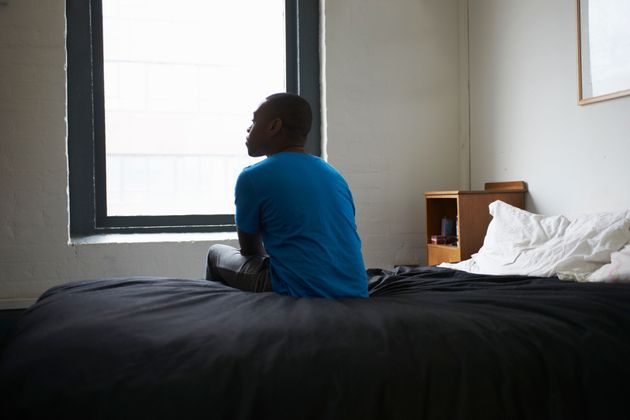
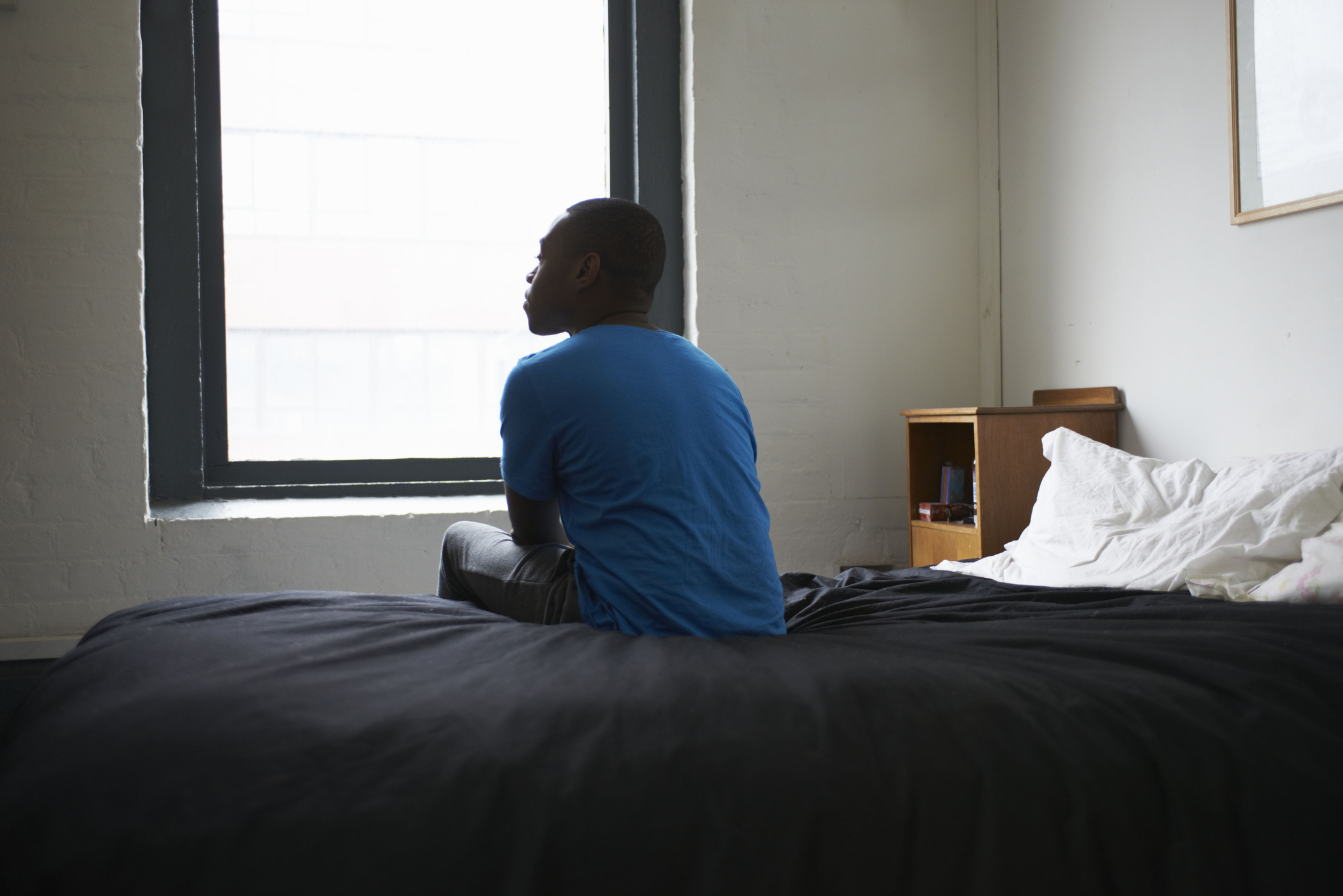
Black LGBT+ young people’s mental health has been severely impacted by the pandemic according to groundbreaking new research, HuffPost UK can reveal.

While LGBT+ young people are more than twice as likely to be worried about the state of their mental health than their non-LGBT+ peers since the pandemic began, a new survey by charity Just Like Us has shown that Black young people within this cohort face increased struggles.

Black LGBT+ young people are more likely to be concerned about their mental health with almost two-thirds (61%) worrying about this on a daily basis, compared to just over half (51%) of white LGBT+ young people.

Chief Executive of Just Like Us, Dominic Arnall, says the pandemic is the “biggest risk to the mental health of LGBT+ young people since Section 28” and is calling for greater awareness of the unique issues that young Black people in this group particularly face.

“It’s devastating to see that Black LGBT+ young people have been particularly impacted by the pandemic. 

“There needs to be much more awareness around the issues that Black LGBT+ young people are facing, and an intersectional approach needs to be taken to inclusive education in schools and mental health care for young people. 

“It’s so important that if you are celebrating LGBT+ History month or School Diversity Week, make sure you include a diverse range of LGBT+ people including Black LGBT+ people and engage with organisations that do specific work in this area.”

Peter Cade

Black LGBT+ young people are also more likely to be experiencing depression, anxiety disorder, panic attacks, and alcohol or drug dependence.

For white LGBT+ pupils, the likelihood of experiencing these are significantly lower: just under half of those surveyed say they have or are experiencing depression, an anxiety disorder, and fewer were enduring panic attacks, alcohol or drug dependence.

Black LGBT+ young people are also significantly more likely to be experiencing difficulties at home in lockdown, with a third (29%) reporting daily tension in the place they’re living, compared to a quarter (25%) of white LGBT+ young people.

Last year’s heightened racial tensions around Black Lives Matter protests have also compounded feelings of isolation among young, queer Black people. 

Tara Moore


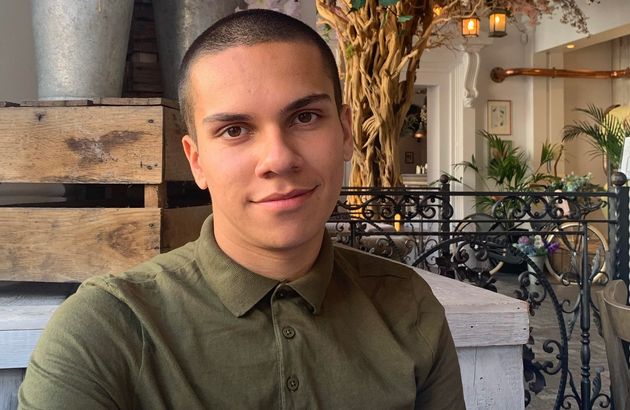
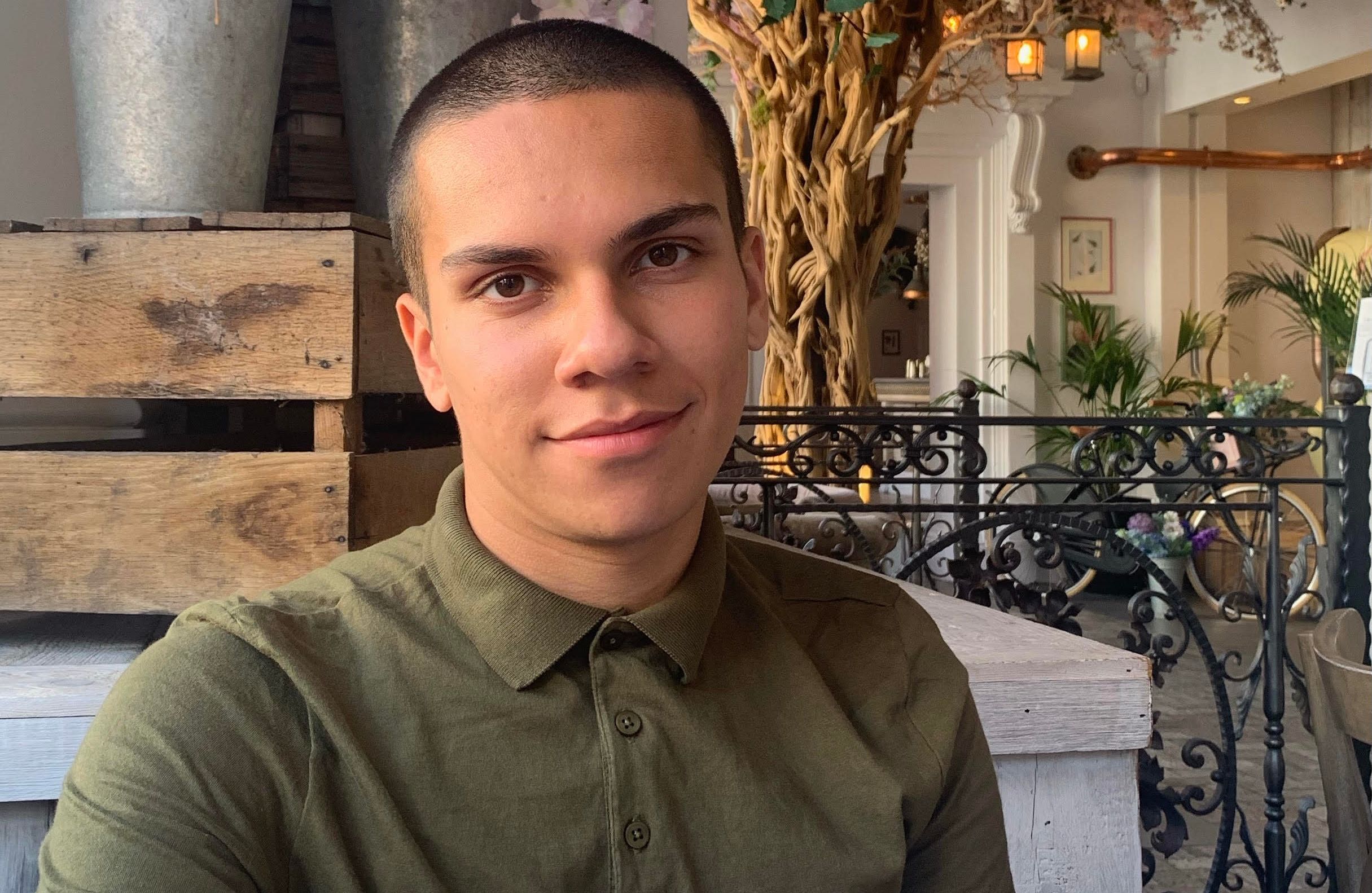
Samuel Picton, 20, who’s of dual ethnicity – white and Black Caribbean – said growing up in a small, predominantly white northern town can be quite isolating, due to limited understanding of being Black and LGBT+.

Speaking to HuffPost UK, he said: “I have friends who, like myself, are Black or mixed race and feel the same. I also know from my experience that the momentum that Black Lives Matter gained last summer had it’s challenges because of the pandemic. The protests were being blamed for a potential rise in Covid-19 cases, and the general experience of being on social media during this time – during a national lockdown – was very draining.”

Supplied

The Yorkshire-based student – who’s cisgender and gay – said while some young people have found an outlet through social media during the lockdown – it can be a toxic place that’s rife with negativity and, in his case, homophobia.

“I was removing people from my social media daily because of negative views. Social media in general can be so damaging to your mental health but I know many will have found an outlet in it during lockdown.

“To complicate things, seeing homophobic tweets from within the Black community then evokes the feeling of being othered within your own community. I’ve definitely been worried about my mental health over the past year because of these things […].”

Picton is a youth ambassador for Just Like Us ambassador and regularly speaks in schools – virtually at the moment – about being LGBT+ to help tackle the issues of isolation these pupils are facing. 

Educational institutions need to do more, he said, and in this case use of technology could create safe spaces for students who require it.

“I think that a very small silver lining of this pandemic is that platforms such as Zoom have made it easier to create remote communities and this should definitely be utilised in the future in order to create safe spaces for young Black LGBT+ people,” Picton added.

“Having support groups in the local community would obviously be great, but certain communities may not have the funding, facilities or simply enough openly black LGBT+ people within them to make these groups up. Using Zoom to host groups, workshops, or just general chats with young Black LGBT+ people would definitely help to tackle these issues of isolation.”

Paula Abu

Speaking to the mental and emotional challenges faced by young LGBT+ people more generally, Dominic Arnall from Just Like Us said: “This is the biggest risk to the mental health of LGBT+ young people since Section 28.”

Section 28 of the Local Government Act, enacted in May 1988, prohibited “the promotion of homosexuality by local authorities”

“The pandemic has been a difficult period for everyone, but our research clearly demonstrates the impact of coronavirus and lockdown has not fallen evenly,” the chief executive added. 

Moreover, the pandemic has particularly impacted the mental health of LGBT+ young people eligible for free school meals, transgender young people, and LGBT+ young people with a disability – 65% of these groups report are worrying on a daily basis for their mental health. 

One secondary school pupil, 14-year-old Matthew, is pansexual and from Coventry. He said: “It has been a really scary time for everyone. I definitely feel less motivated and it’s very quiet. 

“I also have had some panic attacks and am worried about being forgotten. If you don’t have a home life where people are accepting of being LGBT+, you need it to be accepted at school so you know it’s OK.”

Just Like Us surveyed 2,934 secondary school pupils (including 1,140 LGBT+ young people) in Years 7-13 (ages 11 to 18) across 375 schools and colleges in December 2020 and January 2021. 

The data forms part of a larger report into inclusive education and the experiences of LGBT+ young people that charity Just Like Us is due to publish in June 2021.

Useful websites and helplines:

Share Button

Covid Surge Testing To Be Deployed In Area Of Brentwood, Essex

Circle Creative Studio via Getty Images

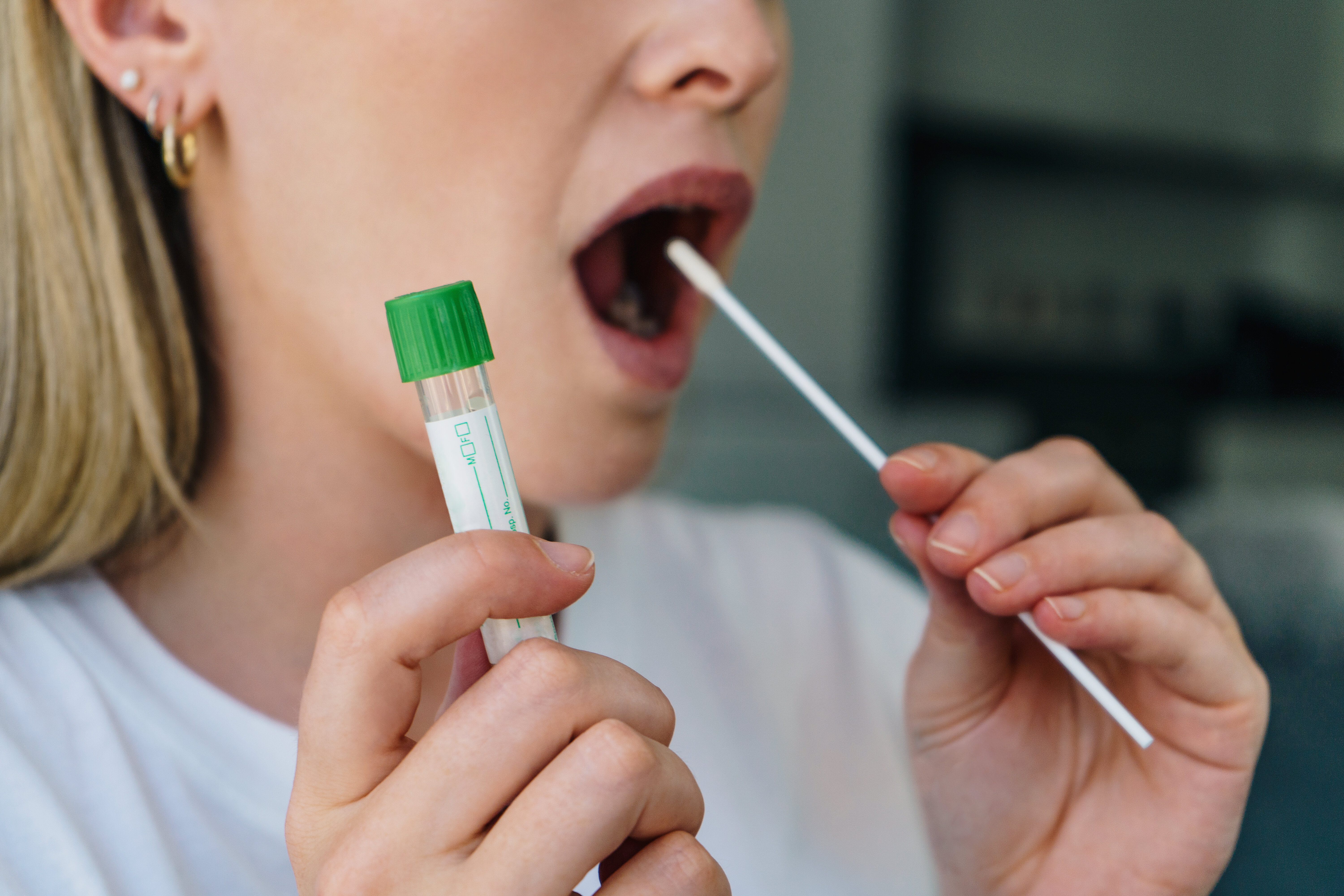
Young woman holds a swab into her mouth and holding a medical tube for the coronavirus / covid19 home test

Surge testing is being rolled out in an area of Essex after a case of the South Africa coronavirus variant was found, the Department of Health has announced. 

The increased surveillance will be undertaken in the CM13 postcode in Brentwood.

People living in the postcode area are “strongly encouraged” to take a test when offered, whether or not they have any symptoms of the virus.

A spokesman for the Department of Health said: “Working in partnership with the local authority, additional testing and genomic sequencing is being deployed to the CM13 postcode in Brentwood, Essex, where a single case of the Covid-19 variant first identified in South Africa has been found.”

The variant in question – also known as 501Y.V2 – was first detected in two people who arrived in the UK from South Africa in December 2020. ]

However, new cases have now been identified in people who haven’t travelled to the country, suggesting this variant could be spreading in the community.

The South African variant is thought to be far more transmissible, but not more lethal, than other variants of the coronavirus. There’s also emerging evidence to suggest it is less susceptible to immunity induced by the Covid-19 vaccines.

Surge testing has now been deployed in specific locations across numerous areas in England.

Sequencing of positive PCR tests – swabs that are processed in a laboratory – can take around two weeks, according to Public Health England.

The DHSC has said data on surge testing will be provided “in due course”.

Share Button

Princess Eugenie And Jack Brooksbank Reveal Royal Baby Name

Princess Eugenie and her husband Jack Brooksbank have named their baby son August Philip Hawke Brooksbank.

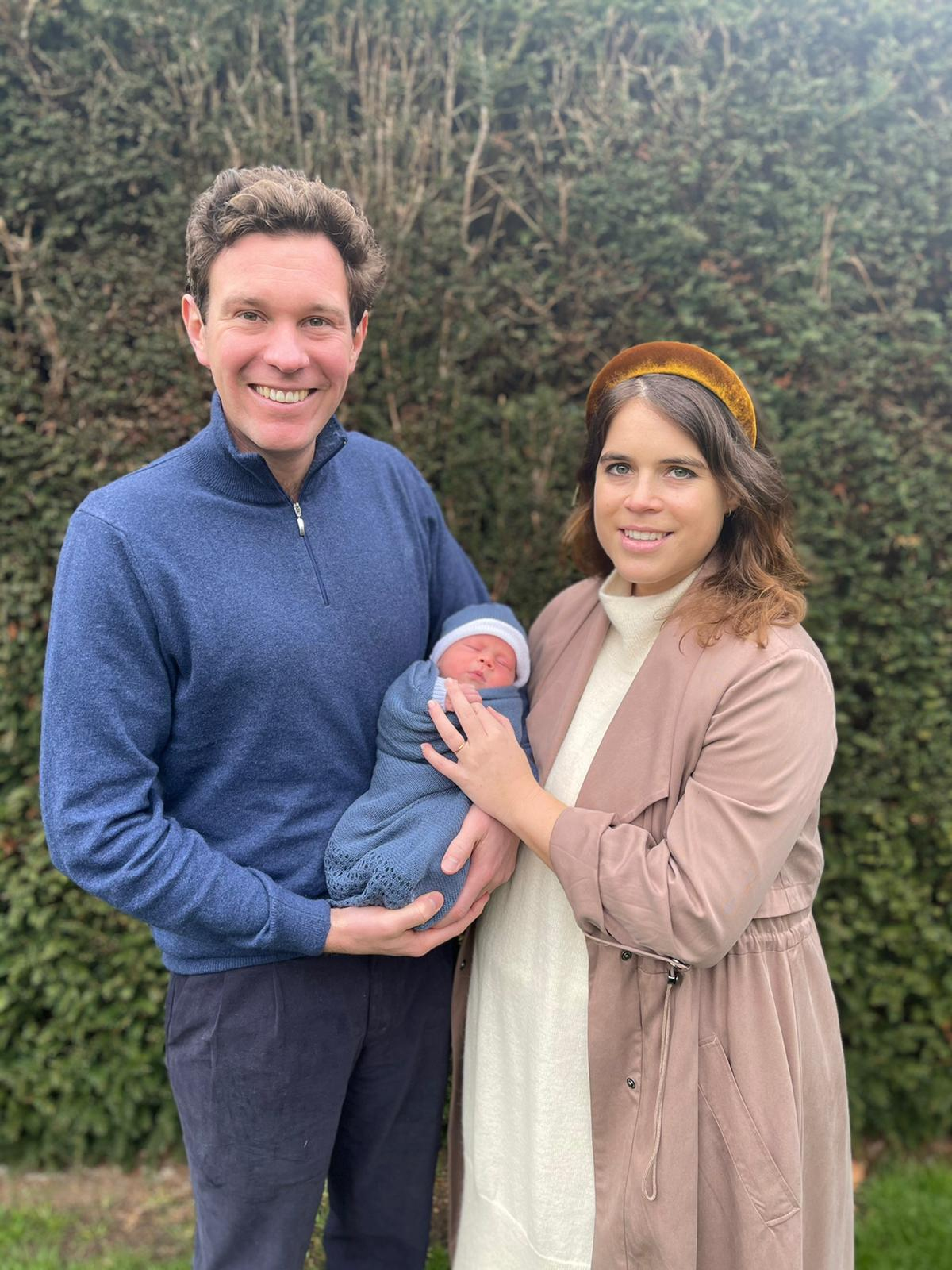
The couple are pictured smiling with their first child, in an image released by Buckingham Palace.

The newest addition to the royal family, who was born at the exclusive Portland Hospital in central London at 8.55am on February 9, is the Queen and the Duke of Edinburgh’s ninth great-grandchild.

The choice of Philip pays tribute to the duke, who remains at King Edward VII’s hospital, having been admitted on Tuesday evening after feeling unwell.

The new arrival was born 11th in line to the throne but, following the news a few days later that the Duchess of Sussex is expecting a second child, will move to 12th place.

In the newly-released picture, the baby boy is wrapped in blue and has his eyes closed as he is held by his beaming father and clutches his mother’s finger.

Eugenie posted on Instagram: “We wanted to introduce you to August Philip Hawke Brooksbank.

“Thank you for so many wonderful messages. Our hearts are full of love for this little human, words can’t express. We are excited to be able to share these photos with you.”

She added that the images were taken “By our wonderful midwife. Thank you to the wonderful essential workers including our midwife who came to discharge our boy.”

On the day of his birth, Eugenie, 30, and Jack gave the world the first glimpse of their baby, posting a black and white image on Instagram of their hands cradling his tiny fingers and wrist.

A few days later Eugenie waved from the back seat of a 4×4 with her son beside her in a carry cot, while husband Jack drove them home from the hospital.

The baby is a regular Master Brooksbank even though his mother is a princess.

Eugenie and Brooksbank, who is European brand director of Casamigos Tequila, co-founded by the actor George Clooney, wed in a glittering ceremony in the gothic surroundings of St George’s Chapel, Windsor Castle, in front of royal and celebrity guests in October 2018.

Share Button

Britain Must Send Covid Vaccines To Poorer Countries Now, World Trade Organisation Warns

.bf-toaster { z-index: 10000001; position: fixed; color: #000000; bottom: 0; left: 0; right: 0; background-color: #f3f3f3; padding: 31px 20px 16px 20px; box-shadow: 0 -3px 5px 0 rgba(0, 0, 0, 0.24); display: flex; align-items: center; justify-content: center; } .bf-toaster__link { color: #000000; text-decoration: underline; } .bf-toaster–hidden { display: none; } .bf-toaster__inner { flex: 1 1; display: flex; flex-direction: column; } .bf-toaster__close { background-image: url(https://modulous.huffpost.com/2021/01/14/1610654944-bf-toaster-close.png); position: absolute; top: 23px; right: 23px; background-size: 18px 18px; width: 18px; height: 18px; cursor: pointer; } .bf-toaster__text { display: flex; flex-direction: column; font-family: ProximaNova; font-size: 14px; line-height: 20px; text-align: left; max-width: calc(100% – 40px); } @media (min-width: 415px) { .bf-toaster__text { font-size: 16px; line-height: 1.25; } } @media (min-width: 768px) { .bf-toaster { padding: 25px; } .bf-toaster__close { position: initial; } .bf-toaster__inner { flex-direction: row; align-items: center; justify-content: space-between; max-width: 1140px; position: relative; } } @media (min-width: 1040px) { .bf-toaster__text { flex-direction: row; } }

#topnav_margin_btm { margin: 0 !important; }

NEWS

20/02/2021 10:03 GMT

75% of vaccines administered so far have been shared between just 10 countries.

Britain must send Covid vaccines to poorer countries now instead of waiting until it has a surplus, the new head of the World Trade Organisation (WTO) has warned.

Ngozi Okonjo-Iweala urged the government to act now as it is “in the interest” of rich countries as well as poor countries to have “equitable access”.

Boris Johnson pledged to donate the majority of the UK’s surplus vaccines to poorer nations in the lead-up to Friday’s virtual G7 meeting.

He told world leaders that there is “no point in us vaccinating our individual populations – we’ve got to make sure the whole world is vaccinated because this is a global pandemic”.

But Okonjo-Iweala told BBC Radio 4’s Today programme on Saturday that while the move was “welcome”, there should not be a delay.

She said: “I don’t think we should wait to get surplus when other people have been served. I think that any donations that are coming must come now.

“The reason is very simple. It’s in the interest of rich countries as well as poor countries to have equitable access.”

G7 leaders said in a joint statement released after the virtual summit on Friday that they have raised their overall commitment to the Covax scheme – which aims to accelerated efforts towards equitable access to Covid vaccines –  to $7.5bn (£5.3bn).

The United Nations secretary general Antonio Guterres on Friday called on wealthier countries to share Covid vaccines with poorer countries, warning that a failure to do so could come back to haunt them.

“The risk is, if we vaccinate only the developed countries and we let the virus spread in the developing world, the virus will mutate. The mutating will be more dangerous, but also more able to resist vaccines,” he said during a virtual meeting at the Munich Security Conference.

Guterres said that 75 percent of the vaccines distributed so far have been shared amongst 10 countries, describing the present situation as “chaotic” – highlighting the fact that 130 countries worldwide still haven’t received a single dose.  

Conversations

.follow-us__body::before { background-color: #0dbe98; } .follow-us .newsletter-signup input[type=”submit”] { color: #0dbe98; }


Share Button

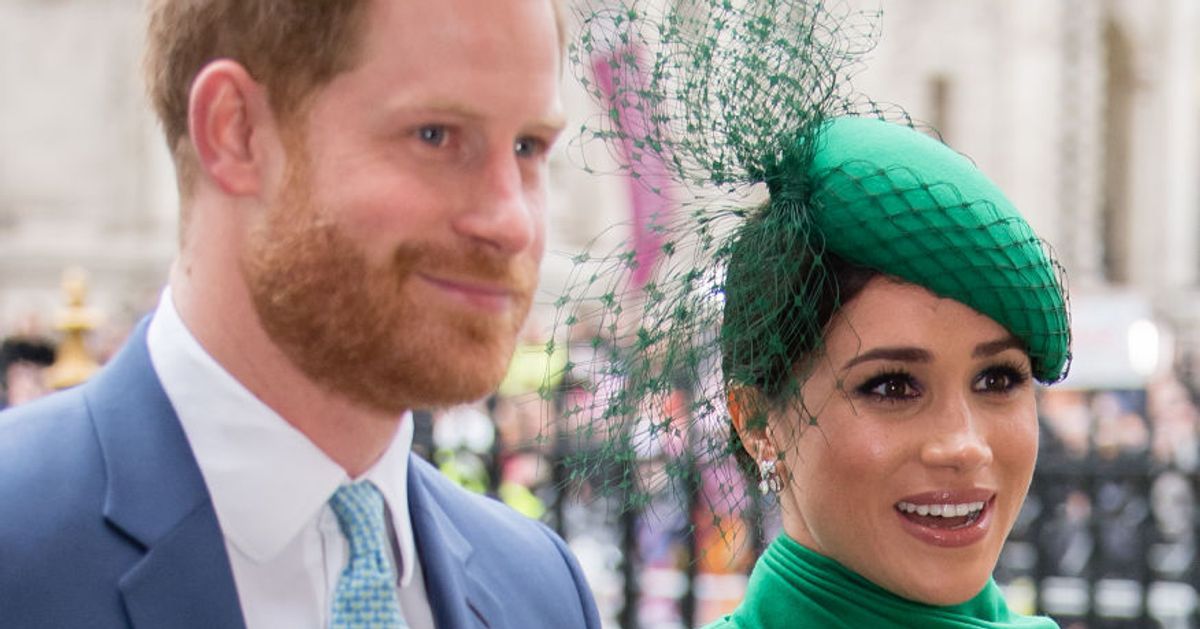
Harry And Meghan Confirm They Will Not Return As Working Members Of Royal Family

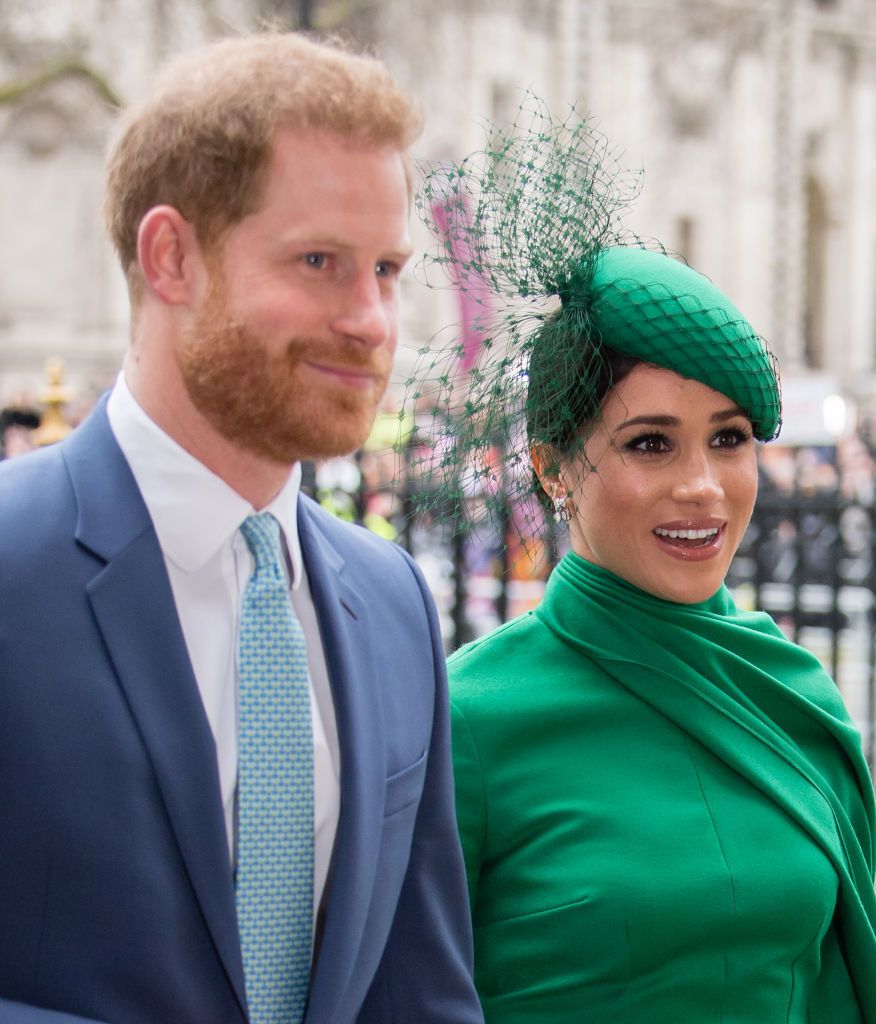
Prince Harry and his wife Meghan Markle have confirmed they will not be returning as working members of the royal family. 

The announcement comes 12 months after they said they wanted to quit as senior royals. 

Buckingham Palace said in a statement: “The Duke and Duchess of Sussex have confirmed to Her Majesty The Queen that they will not be returning as working members of the royal family.

“Following conversations with the duke, the Queen has written confirming that in stepping away from the work of the royal family it is not possible to continue with the responsibilities and duties that come with a life of public service. The honorary military appointments and royal patronages held by the Duke and Duchess will therefore be returned to Her Majesty, before being redistributed among working members of the royal family.

Getty

The Duke and Duchess of Sussex have stepped down officially as senior members of the royal family 

“While all are saddened by their decision, the duke and duchess remain much loved members of the family.”

A spokesperson for Harry and Meghan said: “As evidenced by their work over the past year, the Duke and Duchess of Sussex remain committed to their duty and service to the UK and around the world, and have offered their continued support to the organisations they have represented regardless of official role.

“We can all live a life of service. Service is universal.”

The decision was made after conversations between Harry and members of the royal family.

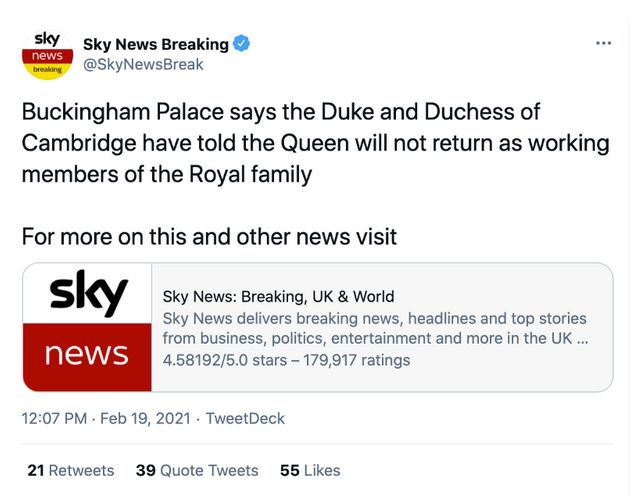
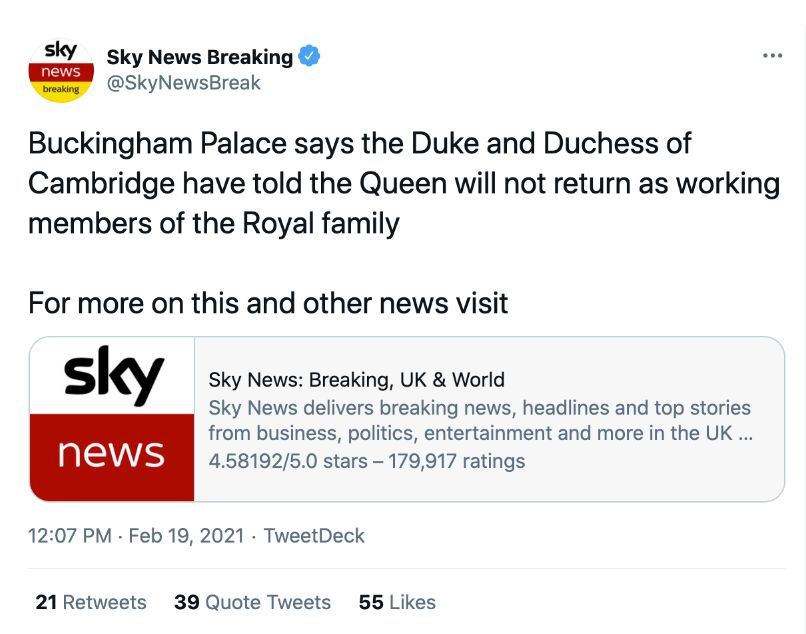
Sky News raised eyebrows by accidentally tweeting that the Duke and Duchess of Cambridge, William and Kate, had quit the royal family, which would have been considerably more surprising.

The error was swiftly corrected.

Twitter

Sky News mistakenly said the Duke and Duchess of Cambridge – William and Kate – were stepping down. The error was swiftly corrected.

The military, Commonwealth and charitable associations whose patronages will revert to the Queen are the Royal Marines, RAF Honington, Royal Navy Small Ships and Diving, the Queen’s Commonwealth Trust, The Rugby Football Union, The Rugby Football League, The Royal National Theatre and The Association of Commonwealth Universities.

Harry and Meghan released their shock statement on January 8, 2020, saying they intended to step down and become financially independent, but still support the Queen – a dual role that in the end was unworkable.

They have settled into a new life in the US away from the monarchy secured lucrative multimillion-pound deals with both Netflix and Spotify and established their Archewell foundation.

Share Button

Texas Prisoners Freeze Without Hot Food Or Running Water

As a massive winter storm brought freezing temperatures and widespread power outages to Texas, people in jails there were left with no running water, no extra blankets and little food.

“We’re in here freezing to death and starving,” Finis Prendergast, a 42-year-old National Guard veteran who has been held in a Harris County jail for 29 months, told HuffPost on Wednesday. 

Mass power outages have plunged millions across the state into darkness with no heat, while temperatures have dropped below freezing in recent days. Officials still do not know when power will be broadly restored. 

Prendergast said that after power went out at the jail around 2am local time on Monday, generators kicked in, but power was restored in a limited fashion. Only one of five rows of lights in the dorm lit up, and plug sockets didn’t work. He said “cool air” has been blowing through the vents, and they weren’t given any dinner on Monday night. 

Nigel Patrick, a 37-year-old imprisoned in the same facility, confirmed Prendergast’s account that they hadn’t received dinner on Monday. He said that people had not received any extra blankets and were wrapped up “like a burrito” in the single thin blanket they already had.

On Tuesday night, officers distributed water bottles, which people incarcerated at the facility now must use for drinking, brushing their teeth, and washing their hands. Meanwhile, the nine toilets in the facility – which are used by dozens of people – have been filled up to the brim with urine and faeces. 

“It’s unbearable,” Patrick said on the phone from the jail, speaking to HuffPost and Texas Jail Project advocates. “I’ve been holding my bowels, needing to defecate for two days.”

In response to questions, the Harris County sheriff’s office directed HuffPost to its statements on Twitter, which confirmed that its three jail facilities lost water pressure, but said they still had power. The office claimed the heat was “working fine” and that people in its jails got three meals a day and extra blankets. 

The majority of people in jails across the United States are being held before their trial, many simply because they cannot afford bail. People in US prisons are also disproportionately Black.

Due to widespread power outages, there was a risk that many vials of the Covid-19 vaccine – which must be kept in sub-zero freezers – would go bad, so Prendergast, Patrick and others in Harris County jails received the vaccine yesterday.

Harris County is far from the only jail or prison system to fail its incarcerated population amid the storm. The Texas Jail Project has relayed reports from people in jails in several other counties who have said they have no access to running water. 

People in state prisons are also reporting that inadequate food and overworked prison staff amid the snowstorm, according to The Marshall Project.

Hundreds of women incarcerated at a federal medical prison in Fort Worth were also left “freezing” without heat amid the storm, the Forth Worth Star-Telegram reported.

Prendergast noted that they haven’t had a hot meal in days and instead of the usual bread with peanut butter and jelly in the mornings, today they got a small muffin – “incredibly tiny, like bite-size” – with three little packets of jelly and peanut butter. “What am I supposed to do with that?” he asked.

“This storm has really brought out some of the issues they have in the prison system,” said Tracy Williams, policy director at Texas Inmate Families Association, which represents families with loved ones in Texas prisons. He said his organisation has been getting emails about people imprisoned losing power and spending days without heat. “It speaks to some much needed change.”

Meanwhile, freezing temperatures are set to continue in Texas in the coming days.

Share Button
smartphone

FREE
VIEW