I Just Learned What ‘Snafu’ Really Stands For, And Wow

Turns out CAPTCHA actually stands for “completely automated public Turing test to tell computers and humans apart” – and LEGO, HARIBO, and Twix all have hidden meanings, too.

And my friends are probably bored by now of hearing that IKEA, ASDA, and Tesco are acronyms or portmanteaus.

Well, sorry to them: I’ve found another word with an unexpected meaning.

Yup, “snafu” – which refers to a situation in which nothing goes to plan, and everything that can go wrong seems to – stands for five words, and has a surprisingly military origin.

What does ‘snafu’ stand for?

Per Merriam-Webster, snafu stands for “Situation Normal: All Fucked Up” (or “fouled up”). In other words, it suggests a scenario where chaos or confusion is the norm.

The American military slang seems to have appeared in World War II – it was explained in the Kansas City Star in 1941 as “situation normal, all fixed up” and was presented as a novel word, not suitable for use “on leave”, back then.

Interestingly, in that entry, the sergeant said soldiers were torn on whether the initials were a “backronym” – a word which starts out not standing for anything but is later given words for each letter.

“Most fellows” said the word “snafu” just “popped out” of the head of one of the members of the 35th division outfits, who he claimed invented the word, per the Kansas City Star.

But “after snafu got pretty well spread around, somebody decided it was a bunch of letters that stood for words,” one theory reportedly went.

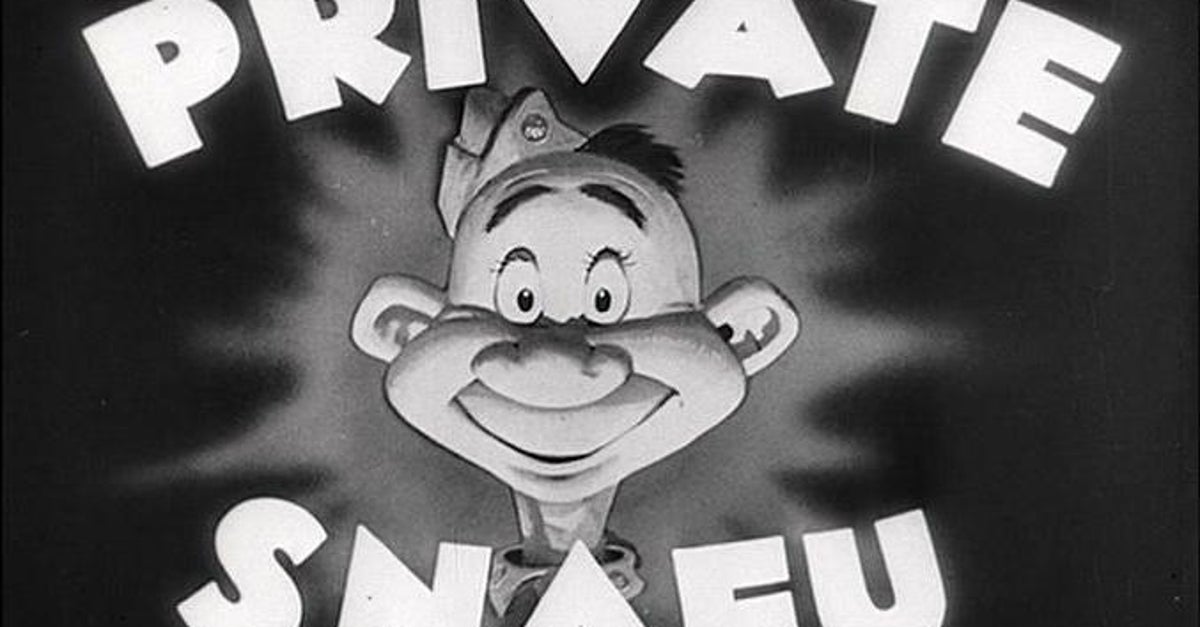
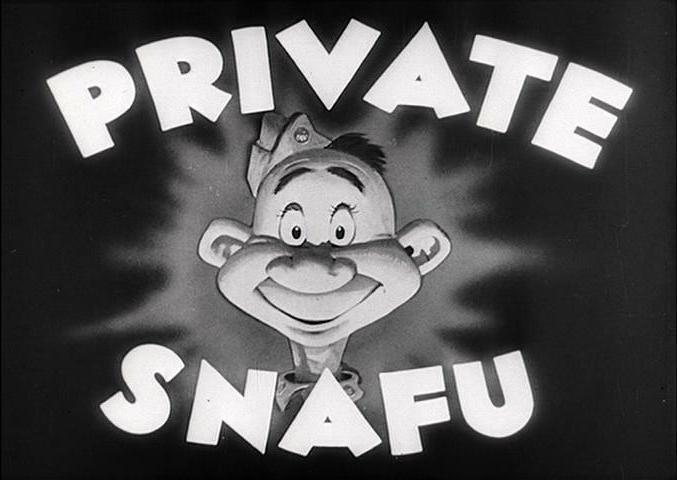
However it began, there was a fictional character called Private Snafu who appeared in instructional cartoons in the ’40s.

Described as “the goofiest soldier in the US army,” Private Snafu seems to have been named after the slang rather than giving rise to it.

And it turns out that the person who voiced his animated persona, Mel Blanc, also provided the instantly recognisable tones of Donald Duck and Bugs Bunny.

Dr Seuss helped to write some episodes

The National WWII Museum in New Orleans shared that Dr Seuss – or, to give him his full name, Theodor Geisel – wrote “most” of the shorts.

As ScreenRant pointed out, the shorts didn’t just advise US soldiers on what not to do during the war (whatever Private Snafu was up to was wrong, basically). But on top of that, the cartoons kept animation studios alive during wartime as an essential industry.

Episodes of Private Snafu did not have to be approved by the Production Code Administration. That led to more raunchy scenes and swearing.

Though the Private Snafu clips are now in the public domain and can be viewed online, the museum warned that “the series does contain outdated cultural depictions that were common during the war”.

Share Button

I Just Learned Why Horseshoes Are Really Considered Lucky, And It’s Dark

It probably won’t surprise you to learn that “stealing someone’s thunder” and “spilling the beans” have a pretty unusual relationship to the weather and legumes they describe.

Common phrases like “o’clock” and “pardon my French” have unexpected origins, too.

But what about superstitions like horseshoes? How come an animal’s foot covering came to mean good luck, so much so that you can still find some nailed to the doors of people’s homes?

According to riding wear suppliers at Discount Equestrian, the answer is a little wilder (and darker) than I thought.

Why are horseshoes considered lucky?

One story, the horse experts said, related to 10th-century monk and bishop St Dunstan and the devil (oh!).

“The legend of the horseshoe is closely associated with St Dunstan, today the patron saint of goldsmiths, locksmiths, and jewellers,” they said.

“As the story goes, while living as a hermit in Glastonbury, he was visited by Satan, who asked him to use his blacksmithing skills to shoe the devil’s hoof.”

The legend says that because St Dunstan recognised the visitor for who he was, he nailed a red-hot horseshoe to his hoof.

So, the devil learned to be afraid of the iron symbol and steered clear of houses which displayed them on their doors.

Some also believe that nailing seven holes into a horseshoe attached to your door will add to its luckiness.

The ‘n’ angle, with the heels pointing down, has been believed to pour blessings on visitors, while the “U” shape may be used to keep any good fortune from spilling out.

Iron has long been considered lucky

This is not the only factor that goes into the choice, Discount Equestrian said.

Horsehoes are made from iron, which was once considered a talismanic metal used to keep witches and other supernatural forces at bay.

“The horseshoe is a perfect example of a symbol that has crossed centuries without people really knowing why they use it,” the pros explained.

“It combines practicality that iron was once precious, with deep religious folklore about protecting the home. When people hang one today, they’re unknowingly repeating a thousand-year-old superstition.”

Share Button

So THAT’s Why Netflix Often Shows Its Original Movies In Cinemas First

Even when Netflix was a simple DVD rental service, the premise was roughly as it is today: the company offered the best TV shows and movies for customers to view in the comfort of their own home.

And now that the streamer is online-first, their site still boasts that viewers can “watch anywhere, anytime”.

So why do so many of their original movies, including Oscar winners like All Quiet On The Western Front, Glass Onion and, right now, The Thursday Murder Club enjoy a limited theatrical release too (meaning they exclusively show in a few cinemas before making their way online)?

After all, these rollouts are not always big box office earners for the streamer.

Take 2018′s The Ballad Of Buster Scruggs, directed by the famous Coen brothers and starring the likes of Liam Neeson and James Franco, which was “barely” shown in UK theatres – it only appeared in a tiny smattering of Curzon cinemas.

And recently, the brand’s CEO, Ted Sarandos, described the traditional model of releasing movies to cinemas as “outdated.” So what’s going on?

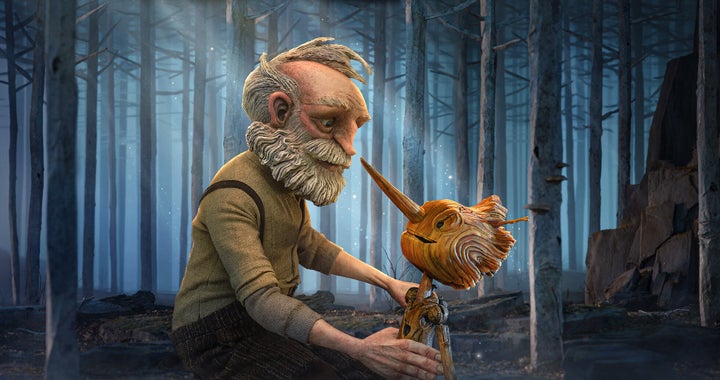
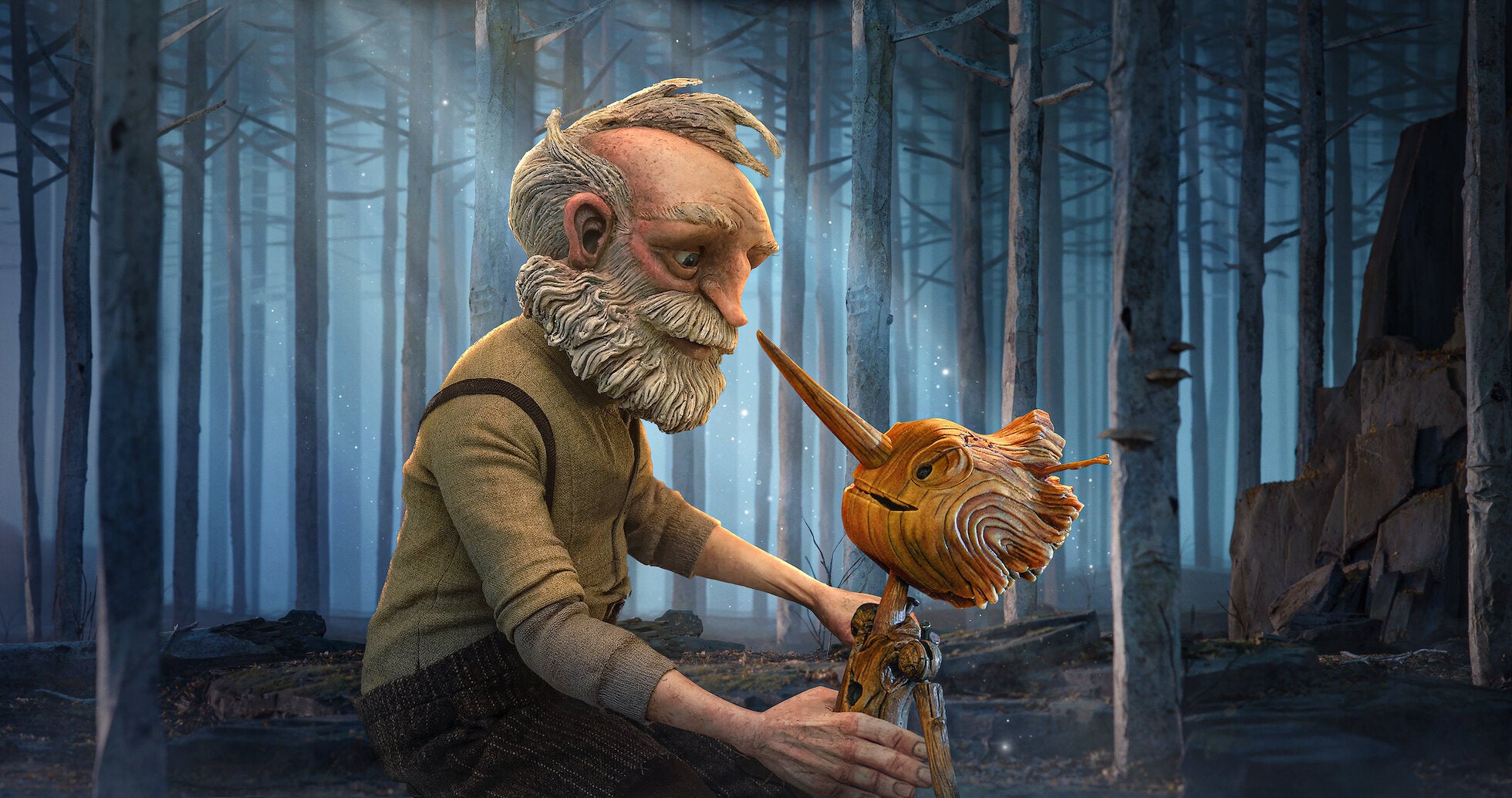
Netflix's original film 'Pinocchio,' which premiered at the BFI London Film Festival before being shown in select cinemas
Netflix’s original film ‘Pinocchio,’ which premiered at the BFI London Film Festival before being shown in select cinemas

Well, to qualify for some prestigious awards – notably including the Oscars – movies have to follow certain rules. These often include a theatrical run.

To be considered for an Oscar, for instance, a film has to be “feature length” (over 40 minutes) and have had a “theatrical qualifying run of at least seven consecutive days in the same commercial motion picture theatre, during which period screenings must occur at least three times daily, with at least one screening beginning between 6pm and 10pm daily.”

Some believe this is the primary reason for Netflix’s tiny theatrical releases.

Additionally, a theatrical release, and certainly a film festival premiere, can help to build buzz and a sense of prestige for upcoming titles, too.

But the usually tiny cinema releases are not without their critics.

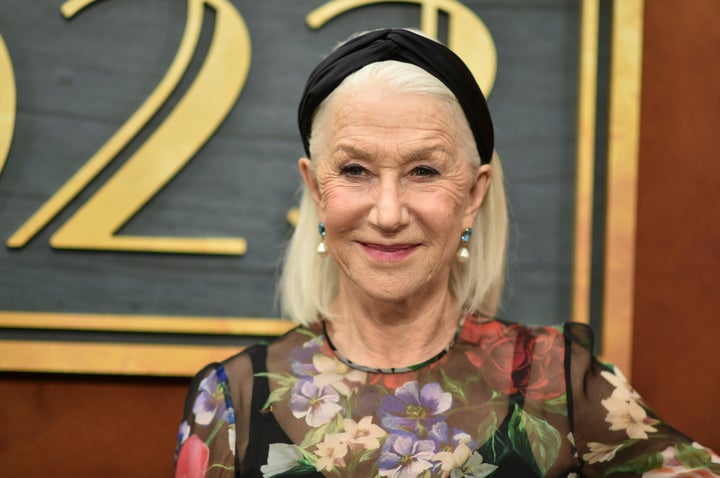
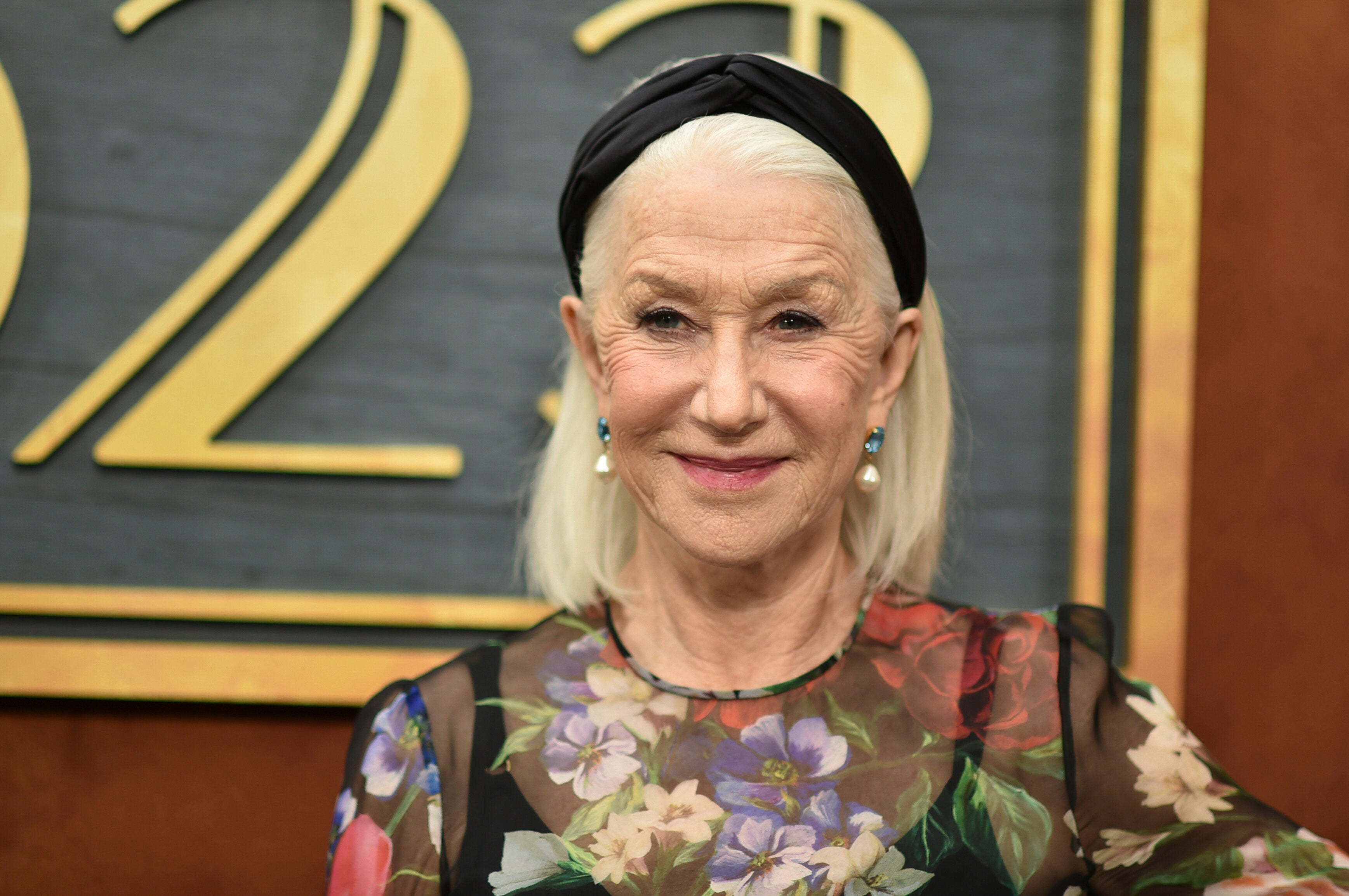
Helen Mirren
Helen Mirren

via Associated Press

When Netflix original Roma became the top nominee at the Oscars, for instance, actor Helen Mirren (currently starring in Netflix’s The Thursday Murder Club)outright said “I love Netflix, but fuck Netflix,” adding that there’s “nothing like sitting in the cinema”.

Director Stephen Spielberg reportedly proposed a rule change that would make streaming giants ineligible for Academy Award nominations, too.

At the time (2019), Netflix posted on X: “We love cinema. Here are some things we also love…

“Access for people who can’t always afford, or live in towns without, theatres… letting everyone, everywhere enjoy releases at the same time… giving filmmakers more ways to share art. These things are not mutually exclusive.”

<div class="js-react-hydrator" data-component-name="Twitter" data-component-id="4366" data-component-props="{"itemType":"rich","index":22,"contentIndexByType":1,"contentListType":"embed","code":"

We love cinema. Here are some things we also love:

-Access for people who can’t always afford, or live in towns without, theaters
-Letting everyone, everywhere enjoy releases at the same time
-Giving filmmakers more ways to share art

These things are not mutually exclusive.

— Netflix Tudum (@NetflixTudum) March 4, 2019

","type":"rich","meta":{"author":"Netflix Tudum","author_url":"https://twitter.com/NetflixTudum","cache_age":86400,"description":"We love cinema. Here are some things we also love:-Access for people who can’t always afford, or live in towns without, theaters -Letting everyone, everywhere enjoy releases at the same time-Giving filmmakers more ways to share art These things are not mutually exclusive.— Netflix Tudum (@NetflixTudum) March 4, 2019\n\n\n","options":{"_maxwidth":{"label":"Adjust width","placeholder":"220-550, in px","value":""},"_theme":{"value":"","values":{"dark":"Use dark theme"}}},"provider_name":"Twitter","title":"Netflix Tudum on Twitter / X","type":"rich","url":"https://twitter.com/NetflixTudum/status/1102418557760024578","version":"1.0"},"flags":[],"enhancements":{},"fullBleed":false,"options":{"theme":"news","device":"desktop","editionInfo":{"id":"uk","name":"U.K.","link":"https://www.huffingtonpost.co.uk","locale":"en_GB"},"originalEdition":"uk","isMapi":false,"isAmp":false,"isMobile":false,"isAdsFree":false,"isVideoEntry":false,"isEntry":true,"isMt":false,"entryId":"68a58769e4b021f222363e6d","entryPermalink":"https://www.huffingtonpost.co.uk/entry/why-netflix-shows-movies-in-cinemas_uk_68a58769e4b021f222363e6d","entryTagsList":"ukfilm,netflix,trivia","sectionSlug":"entertainment","deptSlug":null,"sectionRedirectUrl":null,"subcategories":"","isWide":false,"isShopping":false,"headerOverride":null,"noVideoAds":false,"disableFloat":false,"isNative":false,"commercialVideo":{"provider":"custom","site_and_category":"uk.entertainment","package":null},"isHighline":false,"vidibleConfigValues":{"cid":"60afc140cf94592c45d7390c","disabledWithMapiEntries":false,"overrides":{"all":"60b8e525cdd90620331baaf4"},"whitelisted":["56c5f12ee4b03a39c93c9439","56c6056ee4b01f2b7e1b5f35","59bfee7f9e451049f87f550b","5acccbaac269d609ef44c529","570278d2e4b070ff77b98217","57027b4be4b070ff77b98d5c","56fe95c4e4b0041c4242016b","570279cfe4b06d08e3629954","5ba9e8821c2e65639162ccf1","5bcd9904821576674bc55ced","5d076ca127f25f504327c72e","5b35266b158f855373e28256","5ebac2e8abddfb04f877dff2","60b8e525cdd90620331baaf4","60b64354b171b7444beaff4d","60d0d8e09340d7032ad0fb1a","60d0d90f9340d7032ad0fbeb","60d0d9949340d7032ad0fed3","60d0d9f99340d7032ad10113","60d0daa69340d7032ad104cf","60d0de02b627221e9d819408"],"playlists":{"default":"57bc306888d2ff1a7f6b5579","news":"56c6dbcee4b04edee8beb49c","politics":"56c6dbcee4b04edee8beb49c","entertainment":"56c6e7f2e4b0983aa64c60fc","tech":"56c6f70ae4b043c5bdcaebf9","parents":"56cc65c2e4b0239099455b42","lifestyle":"56cc66a9e4b01f81ef94e98c"},"playerUpdates":{"56c6056ee4b01f2b7e1b5f35":"60b8e525cdd90620331baaf4","56c5f12ee4b03a39c93c9439":"60d0d8e09340d7032ad0fb1a","59bfee7f9e451049f87f550b":"60d0d90f9340d7032ad0fbeb","5acccbaac269d609ef44c529":"60d0d9949340d7032ad0fed3","5bcd9904821576674bc55ced":"60d0d9f99340d7032ad10113","5d076ca127f25f504327c72e":"60d0daa69340d7032ad104cf","5ebac2e8abddfb04f877dff2":"60d0de02b627221e9d819408"}},"connatixConfigValues":{"defaultPlayer":"16b0ecc6-802c-4120-845f-e90629812c4d","clickToPlayPlayer":"823ac03a-0f7e-4bcb-8521-a5b091ae948d","videoPagePlayer":"05041ada-93f7-4e86-9208-e03a5b19311b","defaultPlaylist":"2e062669-71b4-41df-b17a-df6b1616bc8f"},"topConnatixThumnbailSrc":"data:image/png;base64,iVBORw0KGgoAAAANSUhEUgAAAAEAAAABCAQAAAC1HAwCAAAAC0lEQVR42mNkYAAAAAYAAjCB0C8AAAAASUVORK5CYII=","customAmpComponents":[],"ampAssetsUrl":"https://amp.assets.huffpost.com","videoTraits":null,"positionInUnitCounts":{"buzz_head":{"count":0},"buzz_body":{"count":0},"buzz_bottom":{"count":0}},"positionInSubUnitCounts":{"article_body":{"count":21},"blog_summary":{"count":0},"before_you_go_content":{"count":0}},"connatixCountsHelper":{"count":0},"buzzfeedTracking":{"context_page_id":"68a58769e4b021f222363e6d","context_page_type":"buzz","destination":"huffpost","mode":"desktop","page_edition":"en-uk"},"tags":[{"name":"ukfilm","slug":"ukfilm","links":{"relativeLink":"news/ukfilm","permalink":"https://www.huffingtonpost.co.uk/news/ukfilm","mobileWebLink":"https://www.huffingtonpost.co.uk/news/ukfilm"},"section":{"title":"Entertainment","slug":"entertainment"},"topic":{"title":"Film","slug":"ukfilm","overridesSectionLabel":false},"url":"https://www.huffingtonpost.co.uk/news/ukfilm/"},{"name":"Netflix","slug":"netflix","links":{"relativeLink":"news/netflix","permalink":"https://www.huffingtonpost.co.uk/news/netflix","mobileWebLink":"https://www.huffingtonpost.co.uk/news/netflix"},"url":"https://www.huffingtonpost.co.uk/news/netflix/"},{"name":"trivia","slug":"trivia","links":{"relativeLink":"news/trivia","permalink":"https://www.huffingtonpost.co.uk/news/trivia","mobileWebLink":"https://www.huffingtonpost.co.uk/news/trivia"},"url":"https://www.huffingtonpost.co.uk/news/trivia/"}],"isLiveblogLive":null,"isLiveblog":false,"backfillRelatedArticles":[],"cetUnit":"buzz_body","enableIncontentPlayer":false,"bodyAds":["

\r\n\r\n HPGam.cmd.push(function(){\r\n\t\treturn HPGam.render(\"inline-1\", \"entry_paragraph_1\", false, false);\r\n });\r\n\r\n","

\r\n\r\n HPGam.cmd.push(function(){\r\n\t\treturn HPGam.render(\"inline\", \"entry_paragraph_2\", false, false);\r\n });\r\n\r\n","

\r\n\r\n HPGam.cmd.push(function(){\r\n\t\treturn HPGam.render(\"inline-2\", \"entry_paragraph_3\", false, false);\r\n });\r\n\r\n","

\r\n\r\n HPGam.cmd.push(function(){\r\n\t\treturn HPGam.render(\"inline-infinite\", \"repeating_dynamic_display\", false, false);\r\n });\r\n\r\n"],"adCount":0,"midArticleAdPartner":null},"isCollectionEmbed":false}”>


We love cinema. Here are some things we also love:

-Access for people who can’t always afford, or live in towns without, theaters
-Letting everyone, everywhere enjoy releases at the same time
-Giving filmmakers more ways to share art

These things are not mutually exclusive.

— Netflix Tudum (@NetflixTudum) March 4, 2019

This year, Netflix received 18 Oscar nominations, leading the way with the polarising musical Emilia Perez, and won three.

Share Button