These 6 Common Kitchen Habits Are Shortening Your Fridge’s Lifespan

Your fridge is the one appliance in your home that never gets a day off. It hums along 24 hours a day, holds your groceries at a safe temperature and just sits in the kitchen, which is probably why most of us never think about it until the milk goes warm.

But the small things you do every day, from how you pack your refrigerator to where you put your leftovers, can have a real effect on the appliance’s longevity.

According to Ian Palmer-Smith, an appliance repair expert at Domestic & General, the average refrigerator should last about 10 to 15 years, but that number can drop to “eight or nine years if you don’t follow best practices”.

The good news is that almost all of those best practices are simple, and several of the worst habits that negatively impact fridges are easy to break.

We asked three repairmen about the mistakes they most often see when it comes to fridge upkeep and what to do instead.

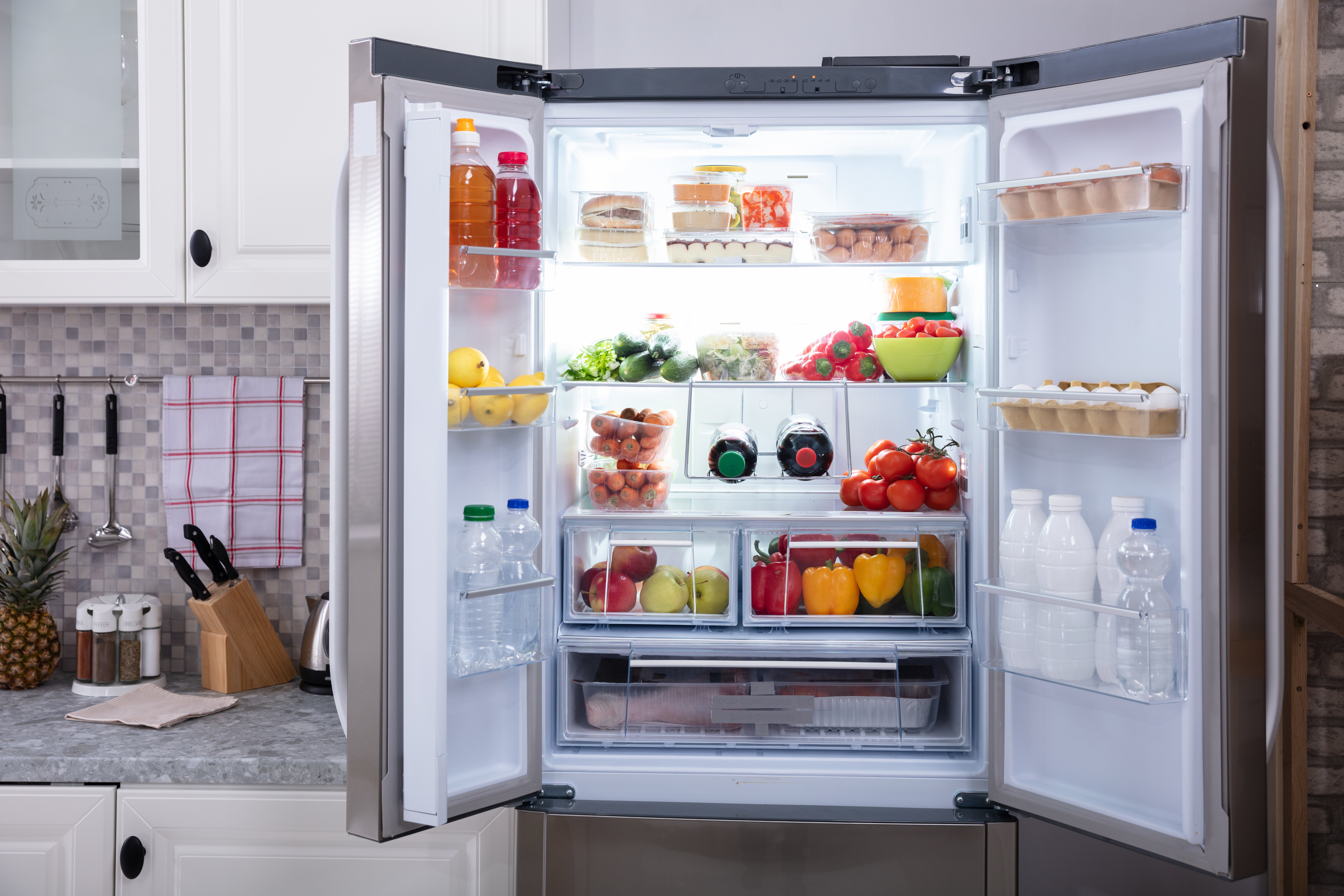
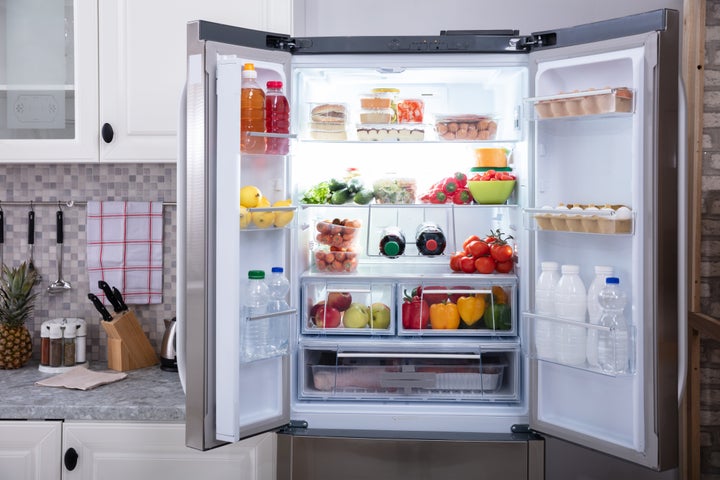
If your fridge is so packed that you can't see any gaps between the food, it's too full.

Andrii Zorii via Getty Images

If your fridge is so packed that you can’t see any gaps between the food, it’s too full.

Mistake #1: Not cleaning the condenser coil

The repairmen agreed on one thing: the part of your fridge most likely to fail is the one you’ve probably never looked at.

“The biggest driver of fridge breakdowns is the condenser coil, where the gas gets condensed and forms refrigerant,” Palmer-Spring explained. It’s a metal grid that, depending on the model, sits at the back of the unit, underneath it or, on some high-end refrigerators, up top. Because it’s tucked out of sight, it collects dust, grease and pet hair, and that buildup keeps it from doing its job.

“That stops the coil from dissipating heat, so the motor ends up overheating,” Palmer-Spring said. “The inside of the fridge might not feel hot, but the motor is overheating.”

Tony Andrade, service manager at Abt Electronics, described the same chain reaction: a dirty condenser “makes the compressor work harder and can cause it to overheat. Once it reaches a certain temperature, it may shut down and cool inefficiently.”

The fix: Clean the area and don’t crowd it. Andrade recommends cleaning the condenser every six months if you have pets and roughly once a year if you don’t.

Palmer-Spring suggests pulling the fridge out every winter and going over the coil with a handheld vacuum, also giving the appliance room to breathe in the first place: people “often place the appliance right up against a wall or in a tight space,” which traps heat and starts the whole problem.

Mistake #2: Overpacking the fridge

We’ve all crammed a fridge to the brim before a holiday, and the repairmen say that’s fine every once in a while for a night or two. The trouble starts when it becomes your everyday default.

“Overpacking a fridge … makes the cooling system work harder, leads to uneven temperatures and can cause the compressor to work much harder,” Palmer-Spring said. The issue isn’t just weight but airflow. Cold air needs room to move, and a wall of groceries blocks that from happening.

Andrade explained that overstuffing “doesn’t affect the condenser itself, but it does affect air circulation inside the unit. If you accidentally block the vents where the cold air comes out, the refrigerator won’t cool properly, and you’ll end up with uneven temperatures.”

The fix: Use the eyeball test. “If you can’t see any space inside, it’s overloaded,” Palmer-Spring said. “It’s a simple visual exercise: if I can’t see space, it’s too full.”

Keep the vents, especially the one up top, clear and treat a packed-to-capacity fridge as a one-night dinner party situation, not a permanent state.

Mistake #3: Opening the door too often

The problem with this one is moisture. Every time the door opens, warm room air rushes in to meet the cold. “If you’re constantly opening the fridge just to see what’s inside, moisture can build up because the 70-degree air in your home is entering a 37-degree refrigerator,” said Dennis Godynuk, a fridge repairman and owner of Comfort Appliance Repair TN.

Repeated openings also undo the cooling cycle: he tells customers a fridge can take four to six hours to cool down properly and “people often keep opening the door to check on it, which resets the cooling process.”
Opening the refrigerator door too often in a short timespan can cause problems.

AndreyPopov via Getty Images

Opening the refrigerator door too often in a short timespan can cause problems.

To be clear, some level of constant use is completely fine. “If you’re cooking and leave the fridge open for a minute, then close it and don’t open it again for 20 minutes, that’s generally not an issue,” Godynuk said. The damage comes from rapid, repeated openings, seven or eight times in an hour, which can leave the interior panels “very wet,” with water potentially dripping down into technical components.

The fix: Grab everything you need in one trip and resist the urge to keep “checking.” After a repair or a big restock, give the fridge a few uninterrupted hours to recover its temperature.

Mistake #4: Putting hot food straight in

Hot food releases steam, and steam is just moisture in disguise.

“If you’ve just finished cooking something, like noodles, and they’re still very hot when you put them in the fridge, they’ll release steam and create immediate moisture inside the unit,” Godynuk said. He sees the fallout regularly. “Customers call us saying their refrigerator stopped cooling, and we find that moisture has become trapped in a fan motor or cooling components,” he said.

Because those components run near freezing, trapped moisture can ice over, making the fridge louder or stopping it from cooling altogether.

It’s also a strain on the hardest-working part of the machine, the compressor (clearly, the most important part of the fridge). “Putting hot food in the fridge also puts pressure on the compressor,” Palmer-Spring said. “If you’re doing it continually, it’s not a good habit.”

The fix: Let food cool to room temperature before it goes in. An occasional warm container won’t doom your appliance, but as a daily routine it adds up.

Mistake #5: Setting the wrong temperature

A fridge that’s set too cold or too warm is constantly fighting itself, and that effort shortens its life. “A lot of people set their fridges either too warm or too cold,” Palmer-Spring said. “If it’s too cold or too warm, the fridge has to work harder, which reduces its lifespan.”

So what’s the sweet spot? Godynuk recommends keeping your refrigerator between 36 and 39 degrees Fahrenheit. He cautions against drifting higher even though regulations technically allow it. Some fridges let you set temperatures as high as 42 degrees, and because units cool to a set point and then float within a range. “If it’s set to 42 degrees, the temperature may rise to 44 degrees before the cooling cycle starts again,” Godynuk said. For him, that’s “too close for comfort,” so he warns against going below 36, since “32 is freezing.” (In the UK, Palmer-Spring noted, the commonly cited range runs about 3 to 5 degrees Celsius.)

The fix: Set your fridge temperature to the high 30s.

Mistake #6: Neglecting the door seal

That rubber gasket running around the door keeps cold air in and outside air out. But when the seal falls off or isn’t cleaned properly, the appliance may become damaged.

“Often it isn’t cleaned enough or harsh cleaning products cause it to deteriorate,” Palmer-Spring said. “If the seal is damaged, outside air can get in and create moisture.”

Andrade described the knock-on effect of a door that no longer shuts tightly: the unit simply can’t keep up. With cold air escaping, he said, the fridge “will run longer and more frequently,” forced to overwork to make up the difference.

The fix: Clean the seal with mild soap every six months and skip the harsh cleaners that break it down. Check it now and then for cracks or gaps and replace it if it’s no longer sealing snugly.

None of these common mistakes require much effort to undo, and considering that a refrigerator is built to run for well over a decade if you let it, you should try your best to avoid these issues.

As Palmer-Spring put it: “Most fridges can have a long lifespan as long as they have proper airflow, are cleaned regularly and you’re not putting unnecessary stress on the compressor or other components.”

Share Button

Stop Binning Your Coffee Grounds: The ‘Rubbish’ Hack That Solves A Stinky Fridge Overnight

I’m still reeling from the stench I smelled in my fridge the other day. After an unpleasant inspection, I realised the issue wasn’t a rotting courgette or some turned milk; instead, the little drainage hole at the back of the fridge had gotten blocked, leading stagnant water to pool under our bottom drawer.

I probably don’t need to tell you that this was not a welcome aroma. Nor did it go away completely after I flushed and cleared the drain, no matter how many times I wiped and re-wiped the surfaces.

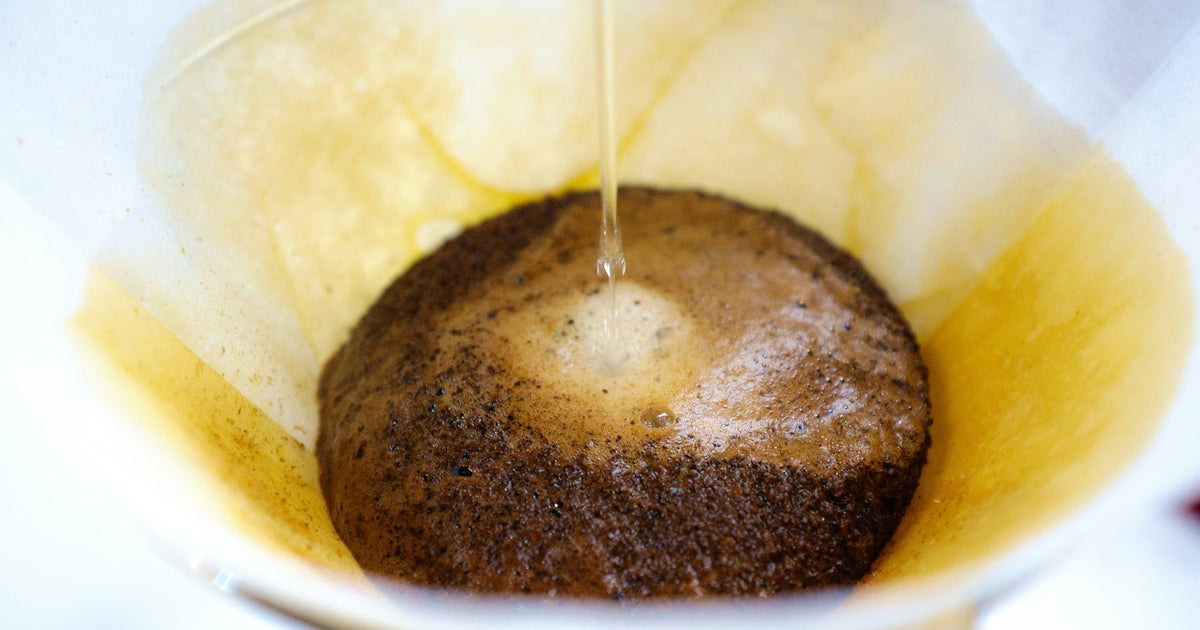
It took a tip from appliance company Whirlpool – using coffee grounds – to finally rid our kitchen of the stinky spectre.

Coffee grounds can absorb smells from your fridge

You’ve likely already heard that a bowl of baking powder can help to get rid of some odours.

But if you don’t have that, coffee grounds do just as good a job, said Whirlpool.

“Coffee grounds contain nitrogen, which is great for neutralising odours. If you’re dealing with refrigerator odours, try placing a small bowl of coffee grounds in your fridge compartment,” their site reads.

“It will not only help absorb the odour but also leave behind a slight coffee smell.”

They do also reccomend vinegar for stronger smells, though we were dealing with a lingering, one-off scent remnant here rather than an ongoing smell issue.

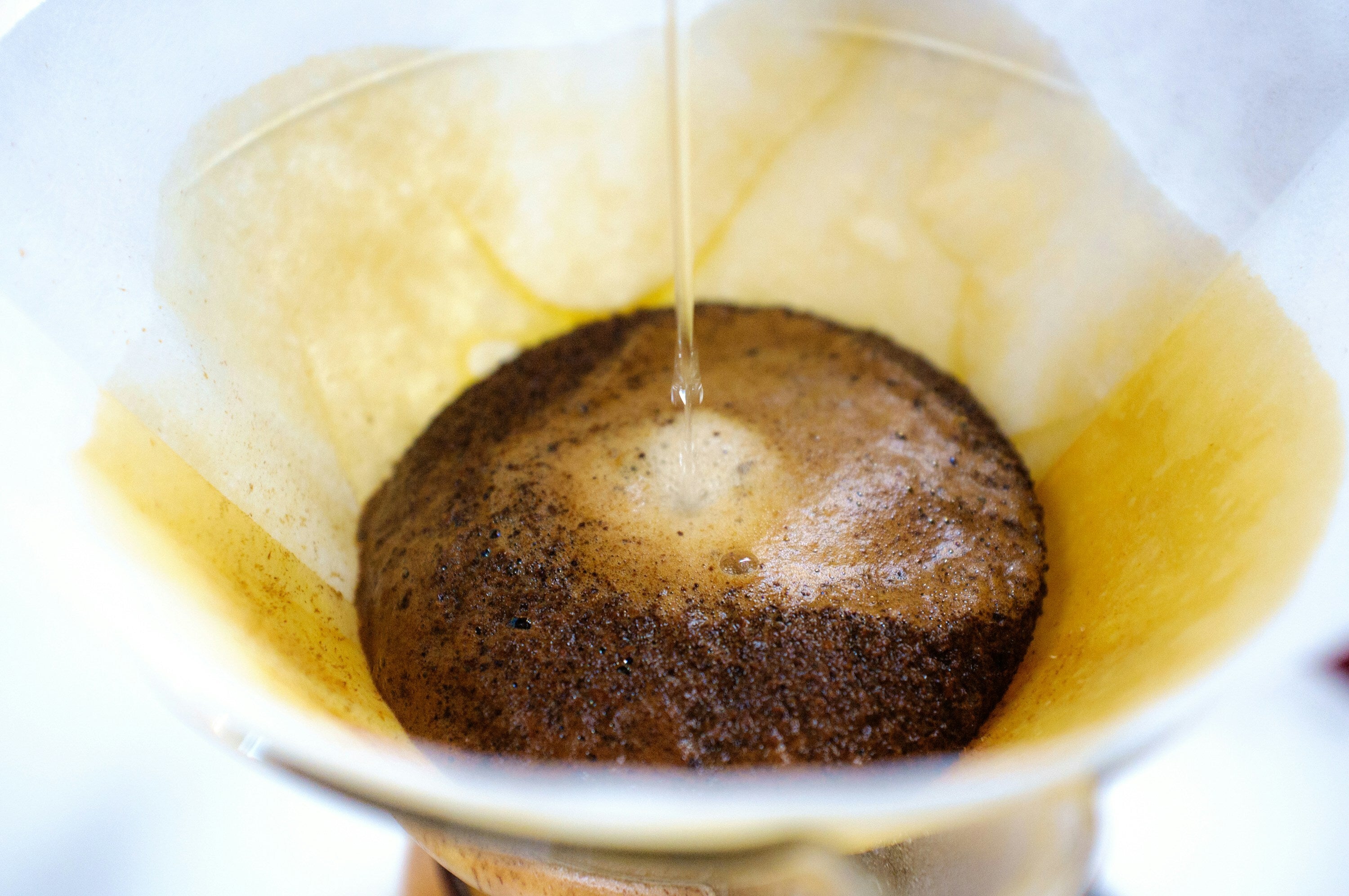
And yes, old coffee grounds do the job brilliantly, as The Kitchn noted. Just make sure they’re dry; you can do that by placing them in a thin layer on a baking tray after use and waiting.

So far, it’s worked. A day after the Great Stink, our fridge is back to its normal aroma.

Anything else?

The Kitchn also recommended using their deodorising power on your hands.

“The next time your hands are stinky from cutting fish, onions, or garlic, wet them and then use the coffee grounds to scrub them,” they said.

One caveat, though: do this over a bin with its lid off rather than a sink, so the grounds don’t go down the drain.

Share Button

Why ‘Write A List’ Is An Insulting Response To Housework Inequality

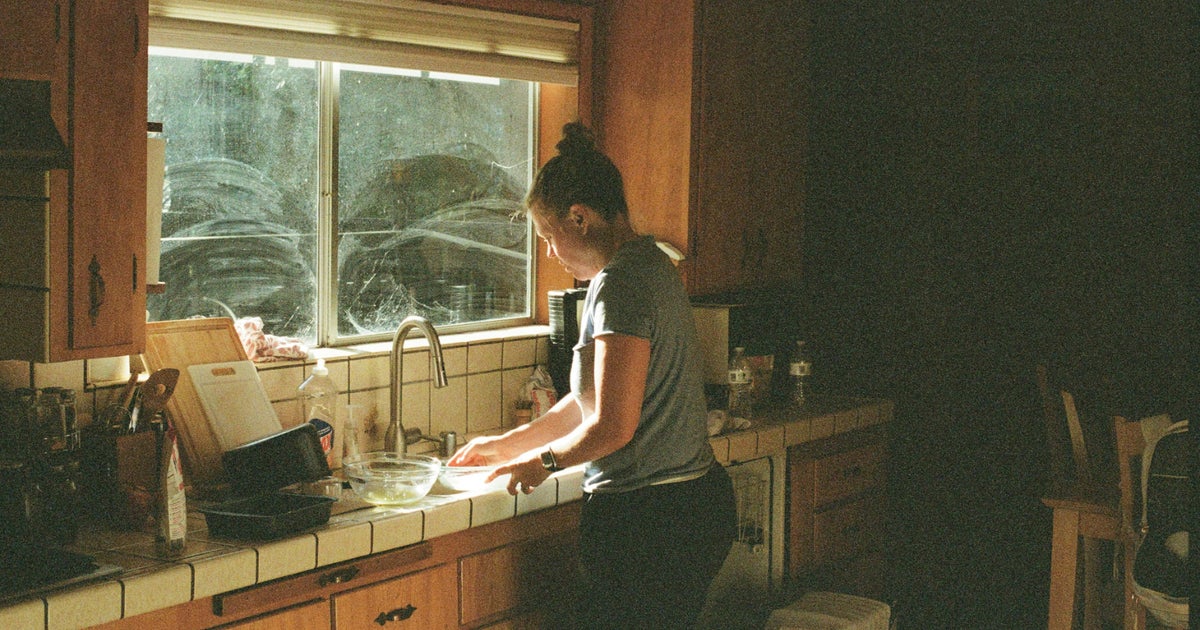
91% of women with children spend at least one hour a day on housework, compared with 30% of men with kids, the European Institute for Gender Equality shared in 2021.

According to the same data, working women spend 2.3 hours a day on housework, whereas working men spend 1.6 hours on it daily.

These are, of course, only averages; some men will do as much as women, and some more. Additionally, not all domestic labour imbalances will fall along gendered lines (though in most mixed-gender relationships, it’s likely to).

But no matter what, or who, the cause of chore inequality, chances are anyone who brings up being on the more labour-intensive side of it will have heard “write them/me a list!” at least once.

I have grown to despise that advice in relationships where one person is already doing the bulk of the domestic work. Here, we spoke to relationship therapist and author at Passionerad, Sofie Roos, about why I might not be alone.

“Write a list” profoundly misunderstands the nature of domestic inequality

Roos said that, while she understands that the idea aims to “create a fairer share of the home labour, I think this advice in reality fails to address the core problem”.

It creates more work for someone who, by nature of being given the task, likely already does the lion’s share of domestic labour, she said.

“When one of the partners is expected to write a list and manage things, they also get all of the responsibility for the situation in their lap as they then must see what needs to be done, to prioritise and organise, and plan and follow through… [which is a] big workload.

“This tip also tends to add to the myth that (usually) women should just ‘know how to run a home and a relationship’, as if it were a skill you’re born with rather than something you learn and build up together with your partner,” she added.

Plus, Roos said, it adds to the feeling that one partner is “helping” another, implying that household work is inherently one partner’s domain.

And a single list assumes that housework is static, that noticing, judging, pre-empting, remembering, and reacting to changes and unexpected shifts in your household’s needs isn’t a huge part of the mental load.

“That said,” Roos told me, “I think it’s [a] pretty stupid piece of advice that in reality tends to make things worse rather than solving anything between you”.

What should couples do instead?

OK, so Roos agrees that the dreaded list should be off the table. But given that domestic labour inequality is so pronounced, and that at least some of the parties involved probably want to improve that, what should we do instead?

“I think the focus should be shifted… to share[d] responsibility,” the therapist told us.

Instead of assigning a “project manager” role to one partner, she added, “Ask yourselves what’s your shared responsibility, where the two of you can take more initiative and where you can lead, and communicate around what tasks you feel more keen on doing and try to split it between you in a fair way”.

It’s important to find a way to follow up on that, too, she continued, “for example, by sitting down and having a check-in every second week where both of you take a shared responsibility of communicating how it goes, what you can do better or change and what you should keep on doing the same.”

The partner who has historically done less in the home needs to understand why this is important, however, she added.

“To make them understand that, you might need to sit down and have a talk where you honestly explain how it feels to you when they say [things like], ‘Just tell me what to do and I do it’… you’re not their parent, and this dynamic easily makes it feel that way, which isn’t sustainable in the long run.

“And lastly, don’t forget that this is something you’ll need to tweak and adjust with time as life changes… household labour needs to stay up to date with your situation,” she ended.

“Finding the balance is therefore nothing you do through one set solution, but by having an ongoing process around the labour work at home!”

Share Button

Hate Throwing Stuff Out, But Need More Space? ‘Reverse Decluttering’ Could Help

What a rotten mix of traits I have. I love collecting new stuff, hate throwing things out, and also adore free space and clear counters.

That means I can spend hours stressing over my cluttered cupboards, despairing about what could happen if I threw away that once-beloved trench coat, all to end up in a frozen, stressed state.

If that sounds like you, Bill Parkinson, a bedding expert from Sleepy Piglets, may have a solution.

“If you struggle with decision fatigue, reverse decluttering is a great way to ease into the process with a more positive mindset,” he explained.

What is “reverse decluttering”?

The process is pretty simple (and rather like Marie Kondo’s joy-sparking rule) – instead of trying ot work out what you want to lose, consider what you couldn’t live without.

“Rather than starting with what to get rid of, begin by setting aside the things you know you want to keep,” Parkinson said.

“This helps set the tone for a productive session by focusing on what’s already useful or valued in your space. That small win naturally makes the decisions that follow feel less overwhelming, while helping you to feel more confident and in control from the outset.”

Indeed, some research has found that employees who set short-term goals were more likely to complete them.

“Once your essentials are set aside, it’s much easier to look at what’s left and decide what to donate, recycle or move on,” Parkinson continued.

’Tis the season for regifting, too

If you really don’t like the idea of throwing your possessions away, Parkinson said, “Regifting is a great way to give good quality items that you don’t have time to sell a second life.

“A barely-used lamp, for example, could be exactly what someone else is looking for. Passing items on makes the process feel more rewarding and intentional, especially if you’re someone who struggles with the guilt of letting things go.”

After all, he explained, “What tends to slow people down when decluttering is the idea that they might sell everything at a later date. In reality, those ‘sell’ piles often sit around for weeks and can often be mistaken for rubbish in your next clear-out.”

Bedrooms are particularly susceptible to accumulating clutter for this reason, he stated.

“Being decisive about what to actually give away is what turns a declutter session into real progress.”

Share Button

The Fridge Setting An Expert Says Could Be Ruining Your Wine

If (like me) you feel pretty intimidated by the world of wine, Lauren Denyer, a WSET School London wine educator, has some words of reassurance.

“There is a certain amount of pretension that can come with wine, which can be very off-putting and often incorrect,” the expert, who regularly breaks “the rules,” previously told HuffPost UK.

She’s not above popping ice in white wine, drinking red as a mixer, putting good wine in your spag bol, and using the same glass for Christmas champagne as you do for your midweek supermarket Chablis.

But if you want to keep your wine tasting its best for as long as you can, wine expert Colin Simpson of Into the Vineyard said you keeping an eye on your fridge setting actually is a rule worth sticking to.

What’s the best fridge setting for wine?

It depends on the type of wine and how long you’re keeping it refrigerated. But in all cases, Simpson advised, we should avoid “Keeping wine at temperatures well below ~7°C for long periods.”

This, he says, is because “Fridges can store wine temporarily, but prolonged cold may dry out the cork, allowing air in and risking spoilage”.

When corks dry out, they shrink. This allows oxygen to enter the bottle, “accelerating chemical reactions that can spoil flavour and aroma,” he stated.

By the way, if you have a bottle of wine standing up in your fridge door shelf, you might be placing it in double jeopardy.

That’s not just because this part of your cooler sees the most temperature fluctuations, Simpson said.

Lying your wine on the side also, “Keep[s] the cork in contact with the wine. This prevents drying and unwanted oxygen exposure”.

How should I store wine, then?

Again, it really does change per bottle. But Simpson says that in general, “Chemical reactions in wine happen faster at higher temperatures, which is why cool, consistent storage is ideal.

“It slows reactions to a steady, desirable pace. The pH of wine shifts slightly with temperature, but its actual acidity remains stable unless extreme conditions trigger chemical changes.”

Store your wine on its side, away from direct sunlight, in a cool, still area. A wine fridge is ideal for really special bottles, but whether you have one or not, try not to go below ~7°C.

Share Button

How Bad Is It To Walk Around Barefoot At Home? Doctors’ Answers May Surprise You.

When you walk in the door and kick off your shoes, does it actually hurt the health of your feet to walk around barefoot on hard floors? It’s not the most comfortable feeling, but doctors say there can be some benefits — with a few caveats.

First, let’s start with a definition of barefoot: According to the Cambridge Dictionary — and experts ranging from podiatrists to dermatologists — walking barefoot means having no shoes or socks on.

“Barefoot is skin to ground,” explained licensed clinical podiatrist Dr. Robert Conenello. “Anything else is considered to be shod, as even socks alter the mechanics of movement.”

There are benefits to going barefoot at home.

“I’m a big advocate for going barefoot at home,” Conenello said. “[The practice] increases intrinsic muscular strength within the feet.”

He explained that the primary benefit of walking barefoot is the reinforcement of the muscles in the feet, which tend to weaken “as we age and wear shoes.” These muscles are closely linked to our overall mobility, so their deterioration can contribute to reduced movement as we get older.

“Many of the pathologies that I see in my practice are due to the inability to engage these muscles for normal movements and metabolic efficiency,” Conenello added.

Dermatologist Dr. Hannah Kopelman agreed with that overall assessment, and also mentioned that going barefoot at home can have some unexpected benefits for the skin on your feet.

“Walking barefoot at home … allows your skin to breathe, which can help prevent moisture buildup and reduce the risk of fungal infections like athlete’s foot,” she explained.

Although not directly related to dermatology, walking barefoot at home can also offer a secondary skin-related advantage, one connected to sensory stimulation and overall wellness.

“Feeling the texture of different surfaces underfoot can be grounding and relaxing, almost like a mini reflexology session,” Kopelman said. “For those without underlying skin or foot conditions, this can be a natural way to connect with your environment and promote mindfulness.”

To put it concisely, opting to go shoeless and sockless in your clean home helps fortify your feet, providing long-term rewards while also reducing the risk of skin conditions. Additionally, it offers a kind of natural massage, which can be surprisingly relaxing.

But there are some potential downsides.

One potential downside of walking barefoot indoors is the increased exposure to irritants or allergens on the floor, such as dust, pet dander or cleaning chemicals, as Kopelman pointed out. For individuals with sensitive skin or chronic conditions like contact dermatitis or eczema, this could be a significant concern.

While Conenello acknowledges similar risks — such as stepping on pathogens like fungi in moist environments — he is quick to emphasise that “proper hygiene can help mitigate these risks.”

“Wash your feet frequently, dry them thoroughly and moisturise,” he advised.

Other painful risks associated with going barefoot include the potential for slipping on slick or wet surfaces, or stepping on something hard and sharp that could cause injury. As anyone who has ever stubbed a toe or accidentally stepped on a Lego can attest, such incidents can be excruciating. Kopelman points out that individuals with diabetes or poor circulation are more vulnerable to severe consequences, as “even a minor foot injury can lead to serious health issues.”

It's a good idea to wear something protective on your feet if you're standing to cook for a long period of time.

Vladimir Vladimirov via Getty Images

It’s a good idea to wear something protective on your feet if you’re standing to cook for a long period of time.

Kopelman also noted that, while walking barefoot can help strengthen muscles, the repeated practice of doing so on hard surfaces could potentially lead to foot fatigue or plantar fasciitis, a condition where the tissue connecting the heel bone to the toes becomes inflamed.

“Over time, the lack of cushioning can put stress on the joints, especially in those who already have foot or joint issues,” she explained.

There are times when you should wear shoes or socks.

Though Conenello is generally a proponent of going barefoot, he advises wearing foot support when engaging in tasks that involve standing for extended periods of time — like when cooking.

“When standing for long periods barefoot, there can be excessive load to one area of the foot,” he said. “Even my professional cooks usually benefit from a shoe that allows them to balance weight over their entire foot.”

To illustrate the concept further, he made an analogy. “[Let’s say] that you developed some decent core strength through performing some planks,” he said. “I would not suggest you start adding significant time or weight to your exercise routine prematurely.”

There is, of course, a middle ground: socks.

According to Conenello, “there is nothing wrong with wearing socks.” They’ll simply decrease the benefits associated with being barefoot. “There is now a filter between the ground and the foot,” he said.

Kopelman added that socks can offer “minimal protection from minor abrasions or allergens while still allowing your feet to feel relatively free.” Direct contact with surfaces that may harbor bacteria or irritants is also minimised when wearing socks.

Taking all the pros and cons into account, walking barefoot at home — especially on clean and well-maintained floors — is not only safe, but generally healthy … unless you’re dealing with some sort of skin condition (think psoriasis, eczema or athlete’s foot, for example) that could be exacerbated by the presence of bacteria.

“Likewise, individuals with diabetes, neuropathy or poor circulation should avoid barefoot walking due to the increased risk of unnoticed injuries or infections,” Kopelman said.

Going barefoot selectively seems to be the best option. Moderation is, indeed, key.

Share Button

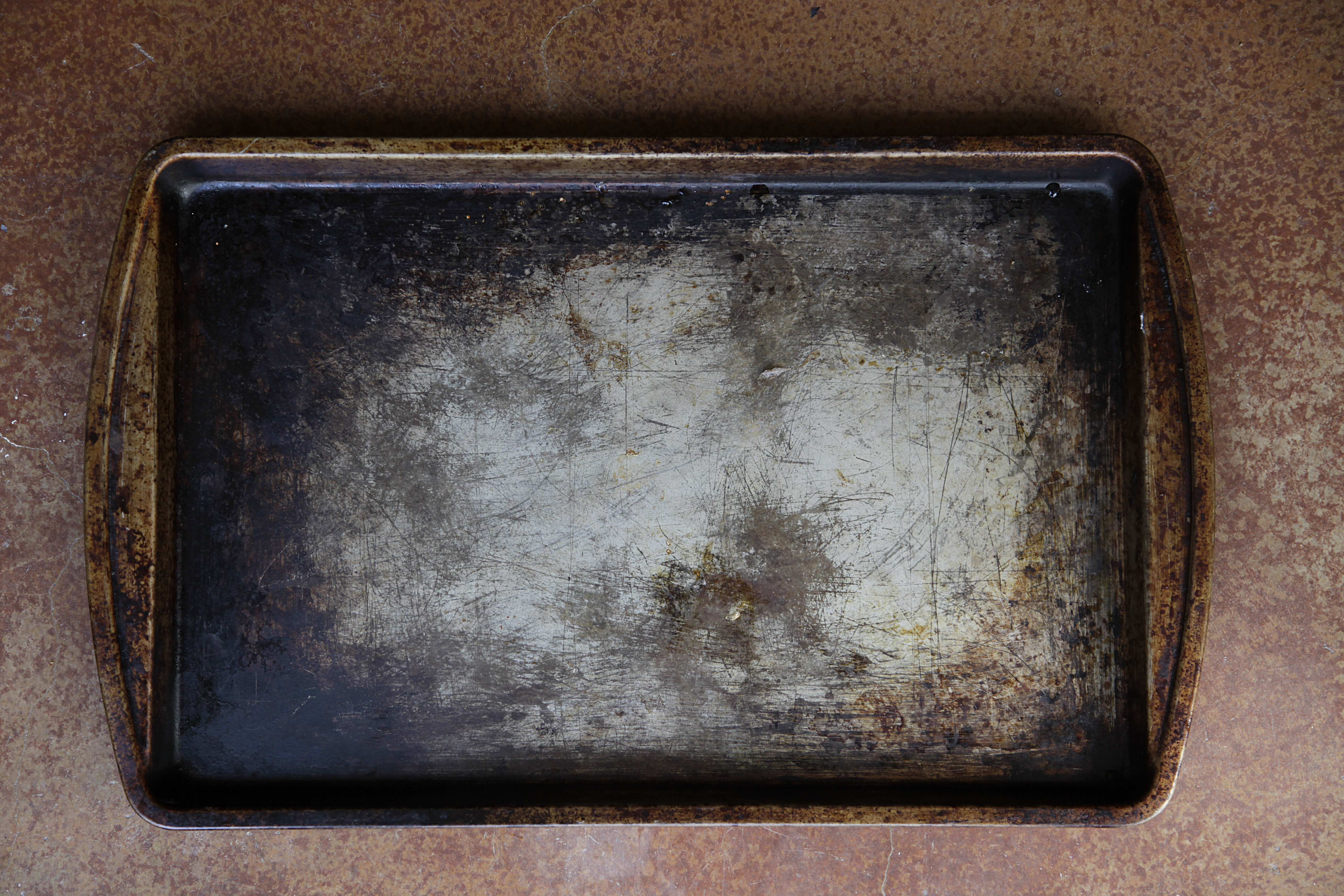
The Secret To Sparkling Baking Trays Is Hiding In Your Food Cupboard

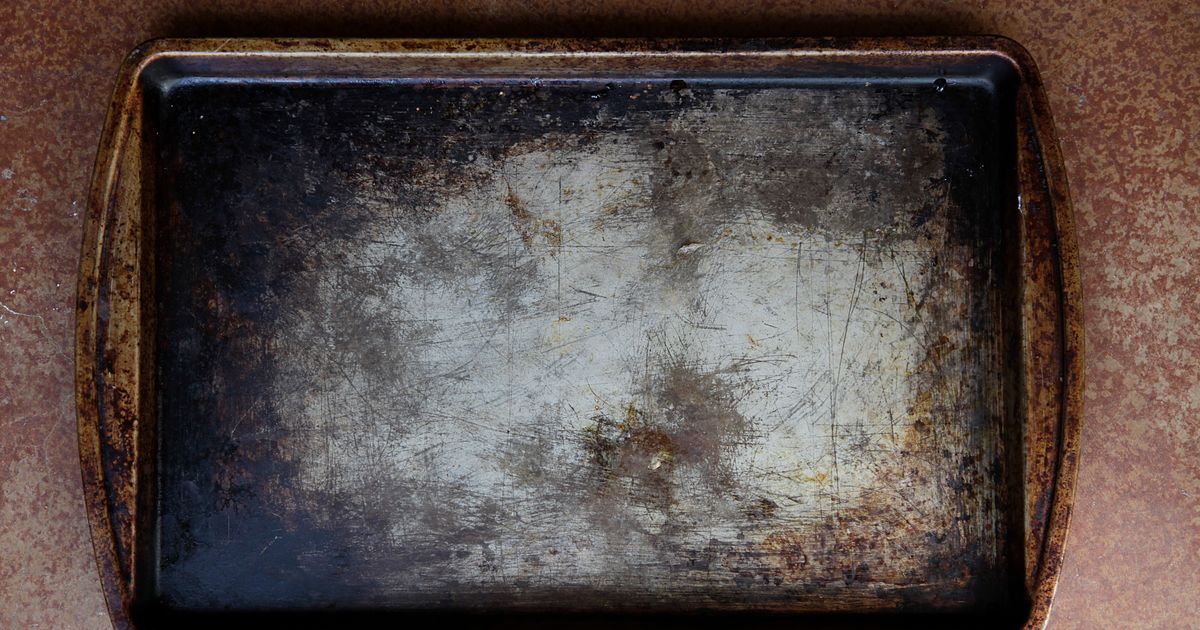
I don’t know what it is about baking trays. Maybe it’s the fact that we’ve designed them for a lifetime of inferno-like suffering in our ovens – but no matter how carefully I clean mine, they seem to get incredibly filthy in a matter of months ― almost as if they’re doing it on purpose.

Forget sponges. Forget dish brushes. Once my baking trays have achieved the crusted-on hue of shame, it feels like nothing will help to clean them.

So you can imagine how intrigued I was to hear from Tasting Table that the humble spud could help to remove the rust from my trays.

All I have to do, they advise, is halve a raw spud, dip the potato in washing-up liquid and salt or baking soda, and get to scrubbing. I was sceptical too ― but having tried it, I’ll never go back.

I know! It works because potatoes are high in something called oxalic acid, which is sometimes sold in its pure form as a rust remover.

When this comes into contact with rust, it creates a substance called iron oxalate, which can easily be washed away with water and soap.

The addition of washing-up liquid will help to cut through grease, while salt and baking powder will exfoliate the surface of your trays.

Sweet potatoes are higher in rust-reducing oxalic acid than other kinds, Tasting Table points out.

Yep! I’ve tried wrapping my entire oven (baking trays included) in clingfilm overnight after applying a baking soda paste before ― this worked brilliantly.

You can also try submerging your baking trays in hot, soapy water for a minimum of half an hour before scrubbing away the grime. This works, but requires a lot of sink space.

Baking soda and boiling water can also do the trick, Oven Pride suggests (though keep your hands safe during this method).

And of course, you can’t go too far wrong with a wire scourer and good ol’ elbow grease…

Share Button

Is It Just Me, Or Does Tap Water Get Colder In Winter? I Asked An Expert

I’ll be completely honest here: I know as much about plumbing as I do marine biology or rocket science (which is to say, next to nothing).

So when I told a friend “you know, I always think tap water is way colder in water,” I had no idea how to respond when she asked how I thought that’d happen.

An even more embarrassing admission; I’m not even sure where the reservoir that holds the water that runs through my sink is, or if it’d even be possible for the liquid in it to be affected by the weather.

So, I thought I’d ask Myles Robinson ― former boiler repair company owner and current CEO of UK Composite Doors ― whether I was losing it in the run-up to Christmas, or if this was a real thing.

So… Is tap water really colder in winter?

Yes, Myles says.

He told HuffPost UK: “tap water is definitely colder in the winter. It all comes down to a combination of factors, the water source, the pipes, and how they interact with the colder weather.”

“Most water systems draw from reservoirs, rivers, or groundwater. In winter, these sources naturally drop in temperature, especially in areas with freezing conditions,” he continued.

“Even groundwater, which is insulated by the earth, gets colder as the ground above freezes. So, the water entering your home starts off colder during winter months.”

If you’re thinking “wait, wouldn’t it warm up in the pipes?”, we were in the same boat ― but Myles has answers.

“Pipes running through unheated spaces, like basements, crawl spaces, or underground, are understandably more exposed to the colder air or ground temperatures in winter,” he explained.

“As the water sits in these pipes, it cools even more before reaching your tap. The longer the run of pipe from the main supply to your tap, the more pronounced this cooling effect can be.”

Does tap water get hotter in summer too?

I knew I wasn’t imagining lukewarm glasses of water in the colder months!

“Interestingly, in the summer, the opposite can happen. Heat from the air or soil can warm up the water in your pipes, making it feel less refreshing than winter’s icy flow,” Myles said. Huh!

By the way, if freezing tap water is bothering you, the home expert says there are steps you can take to get rid of the problem.

“If you’re noticing your tap water feels shockingly cold in winter, especially in older homes, you might want to check if your pipes are insulated,” he told HuffPost UK.

“Proper insulation won’t stop the water from being cooler—it starts that way from the source, but it can keep your pipes from freezing, which is a much bigger concern!’’

Share Button

I Used To Be A Cleaner ― This 1 Vacuuming Mistake Is Ruining Your Sleep

As a former cleaner, I notice the little details (like polished taps and doorknobs, or truly streak-free windows) that show an expert level of cleaning.

You don’t have to be a cleaner to meet those standards; I’ve even had clients whose homes were pro-looking spick and span before I turned up.

Even in those houses, however, an important part of the bedroom was almost always ignored.

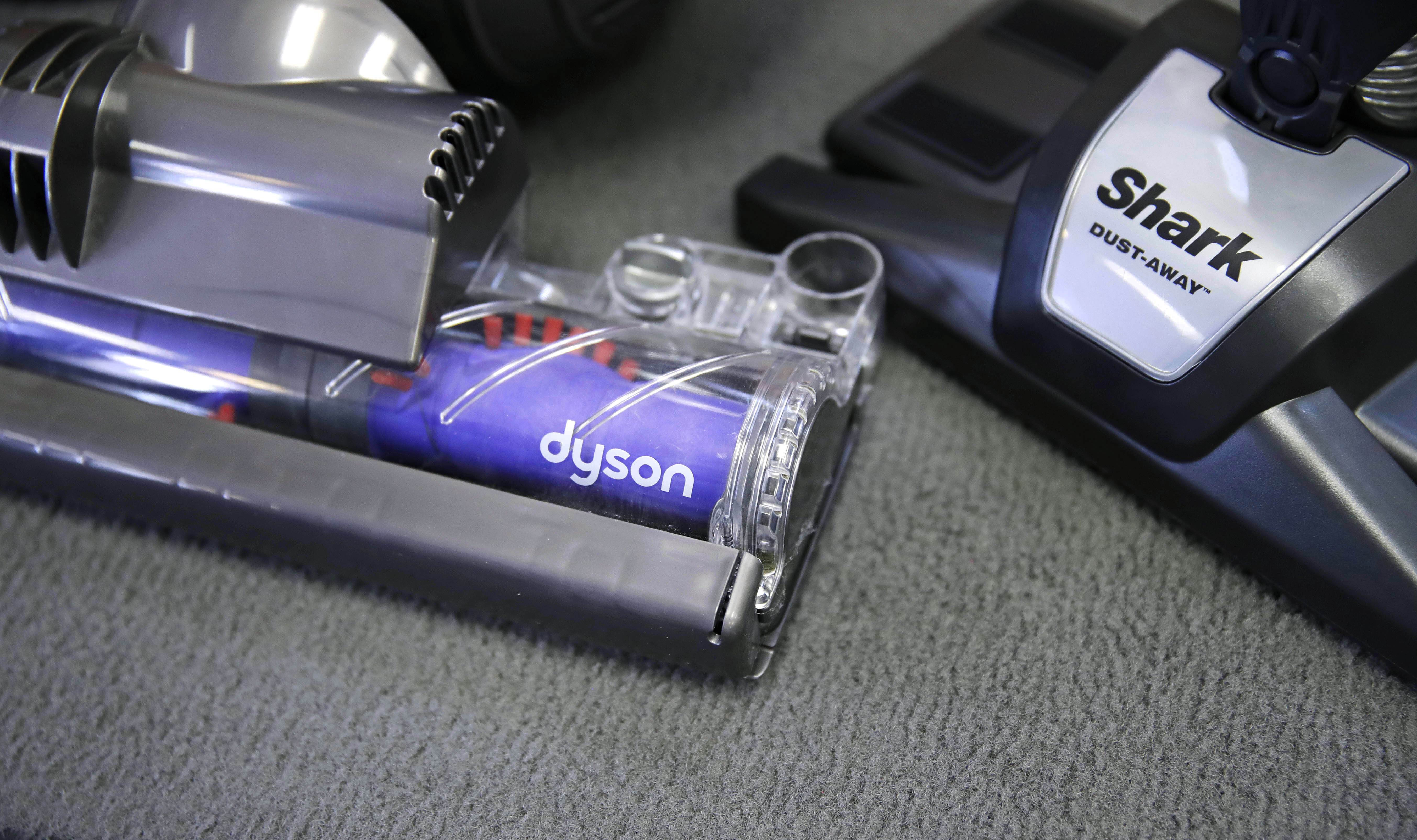
Freddie Garnham, Lighting Design Engineer at Dyson, shared that “unseen dust mites, allergens and dust contribute to an unhygienic environment” in our sleeping space in one neglected area in particular.

Which is?

People, you are meant to vacuum your mattress.

It makes sense when you think about it ― you may already vacuum your sofa, but for some reason, mattresses always seem to evade deep cleans.

That’s not a great idea, Garnham says.

“Regularly vacuuming your mattress will ensure a cleaner and more hygienic sleeping environment and a sleep undisturbed by allergies,” he said.

“While the frequency will depend on the mattress itself, it is recommended to be cleaned every six months with bedding changed once a week to keep dust and allergens at bay.”

He’s not alone. Speaking to Ideal Homes, Jane Wilson, manager of Fantastic Cleaners, said: “Regular vacuuming of your mattress can help remove allergens, dust mites, and dirt, contributing to a cleaner and more hygienic sleeping environment.”

She added,“It’s generally safe and beneficial for most types of mattresses. This includes mattresses with materials such as foam, latex, innerspring, hybrid, and memory foam.”

How should I vacuum my mattress?

The good news is that you don’t need a specially designed tool for the task: a plain old Henry or other vacuum will do.

Mattress Online says you should get the nozzle on the bed part and begin “using small circular motions over the entire mattress to make sure you lift all of the dust, dirt, hair and dead skin.

“If you have one, you can also use an upholstery attachment to make vacuuming a little easier, but it’s not essential.”

Once you’ve tried it, we can almost guarantee you’ll never go back.

Share Button

Sorry To Interrupt, But I Think I Just Found The Prettiest Candles In The UK

We hope you love the products we recommend! All of them were independently selected by our editors. Just so you know, HuffPost UK may collect a share of sales or other compensation from the links on this page if you decide to shop from them. Oh, and FYI — prices are accurate and items in stock as of time of publication.

As autumn creeps in, I’ve been enjoying a lot more “Tavern food”-style evenings in. And in an attempt to romanticise my at-home dinners, I’ve had my eye out for some really, really pretty dinner candles.

Turns out I didn’t need to look further than my own city, though.

Pygmalion London’s hand-poured candles, which are made using vegetable wax, natural dyes and 100% cotton wicks, were first made on Rosanna Philpott’s kitchen table in 2021.

Three years later, the brand (and its offerings) have expanded ― and much as I hate to give up my best-kept decor secret, I reckon you deserve to see what’s on the table (teehee) here.

The candles, which stand at 29cm tall, burn for roughly 10 hours.

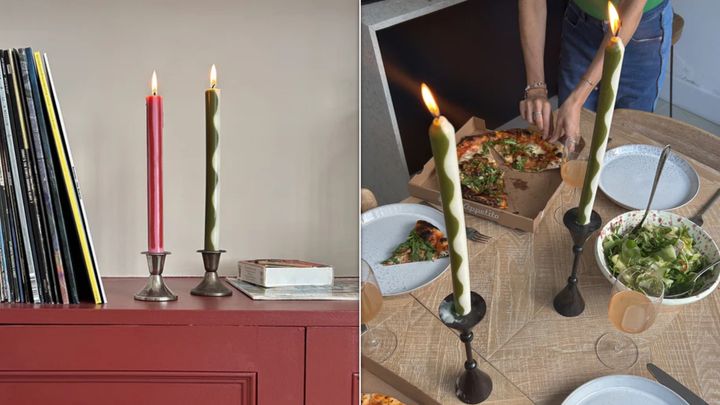
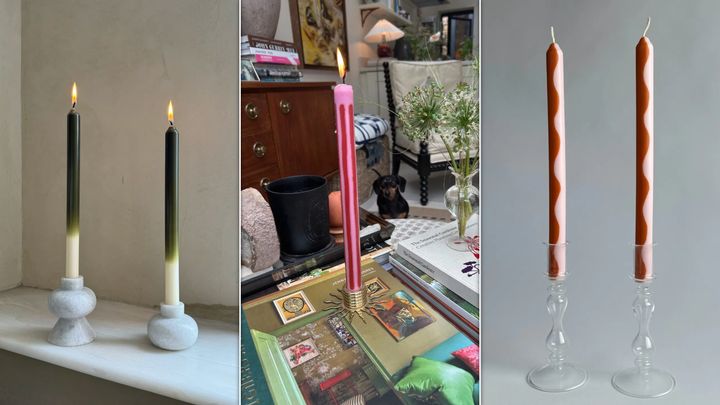
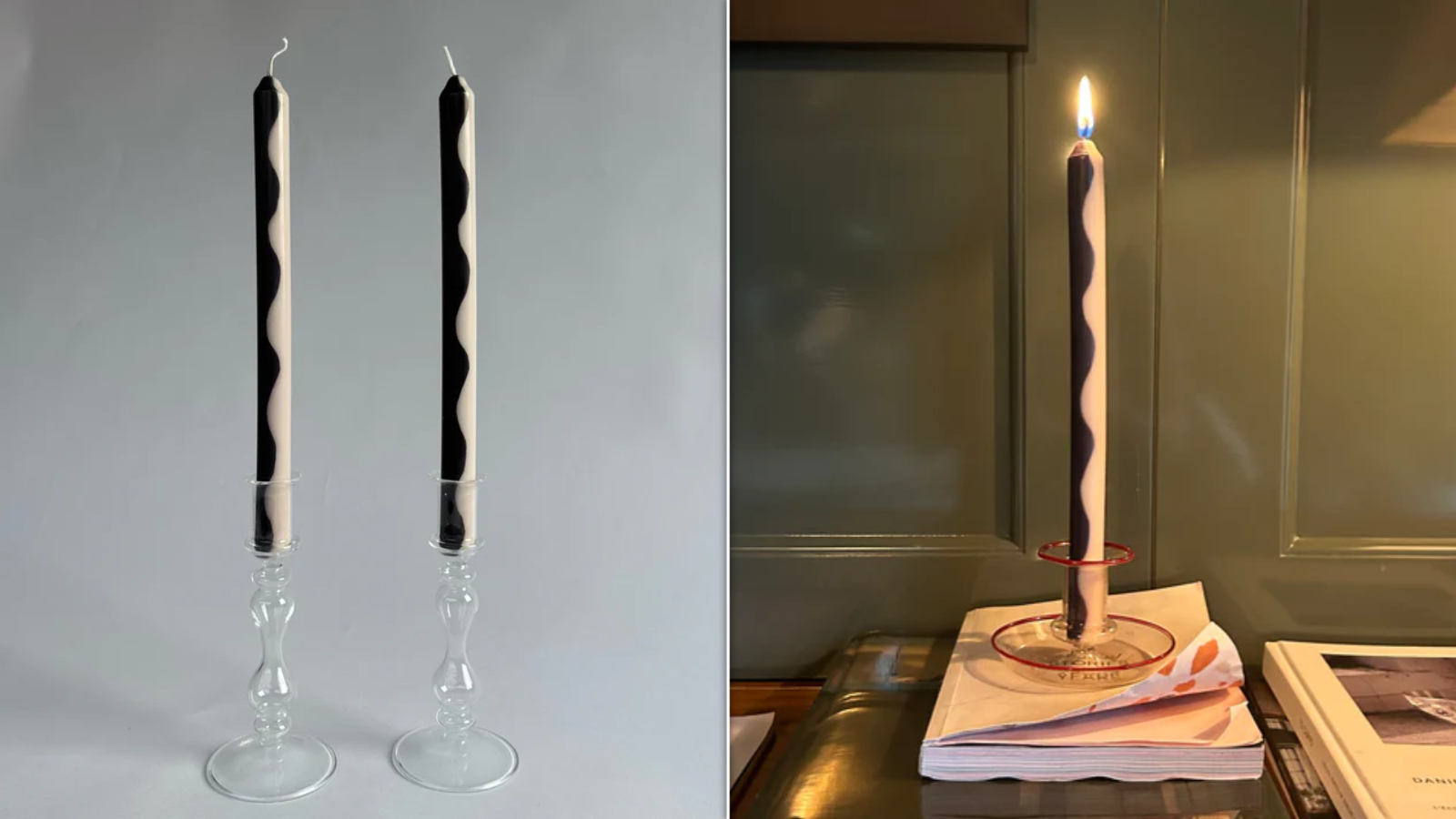
And while it seems like a cardinal sin to light, say, this pair of black and white Twiglet candles, even their stumps are gorgeous.

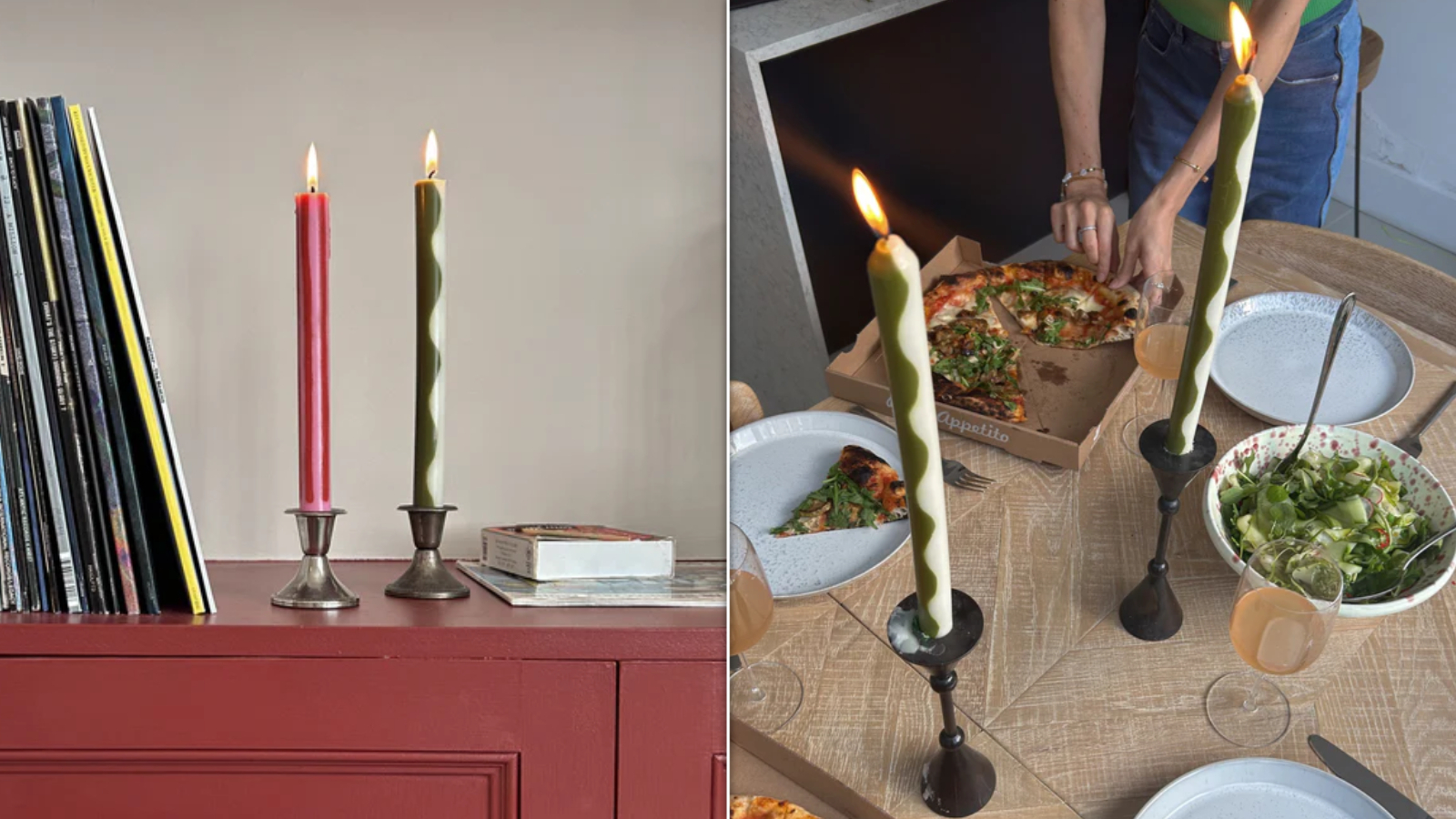
That’s because the waves on candles like the Twiglet and Botanist designs (pictured below) go all the way through the candle, so you won’t lose that gorgeous finish after the first (or second, or eighth) burn.

Whereas some other brands simply paint their candles’ designs onto their surfaces, Pygmalion’s candlemakers create their works of art by hand-pouring naturally dyed vegetable waxes into a candle shape.

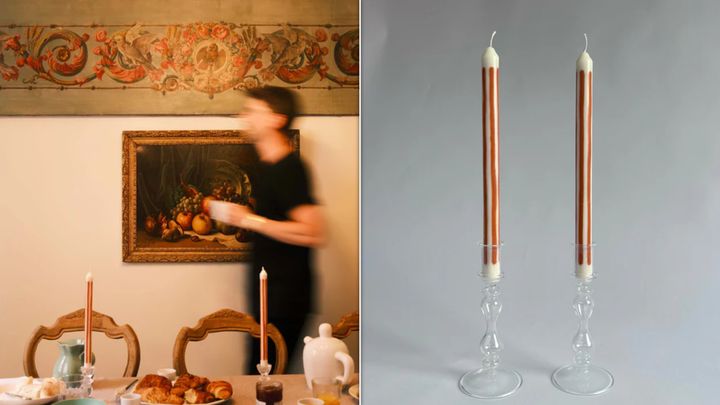
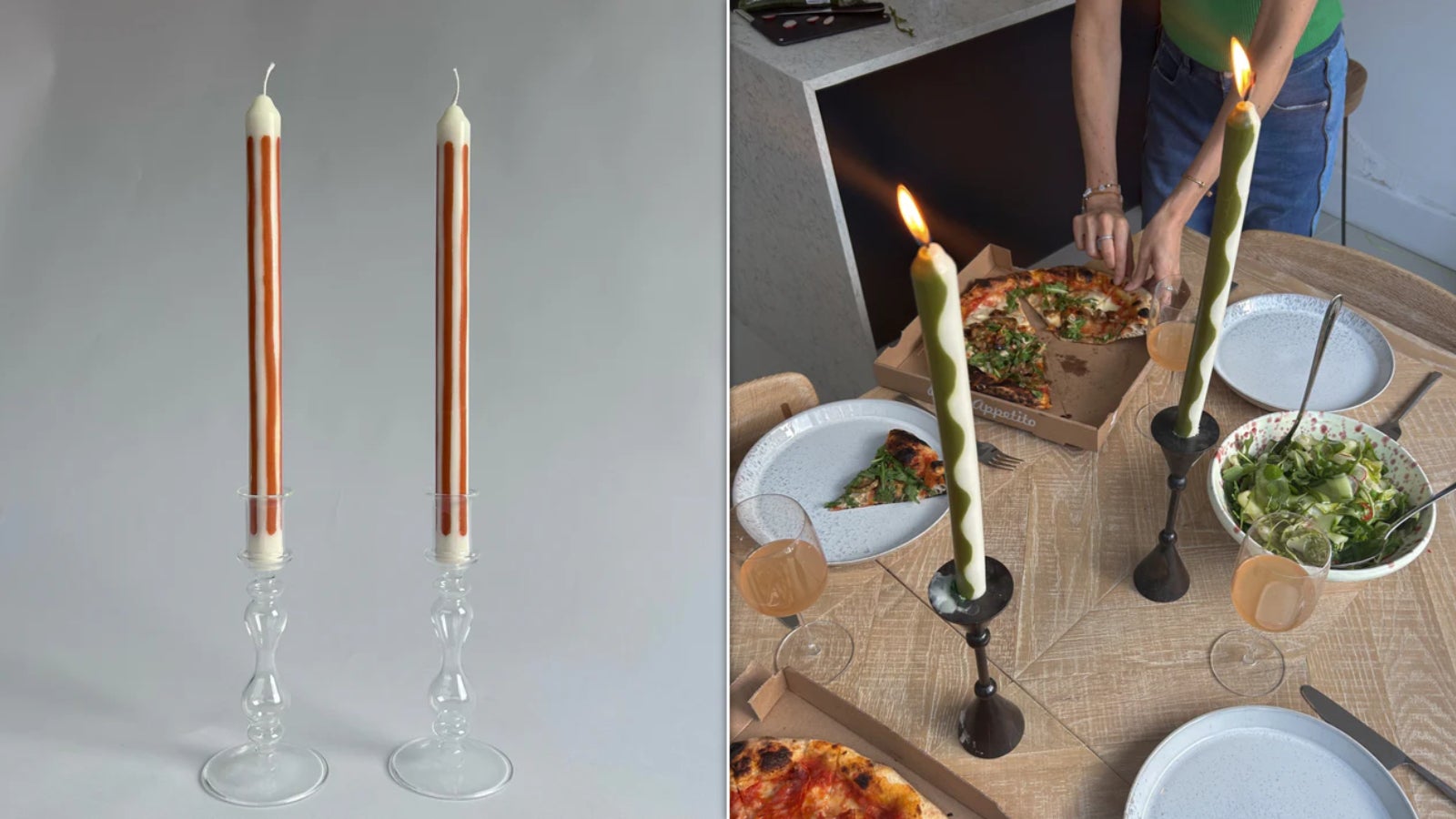
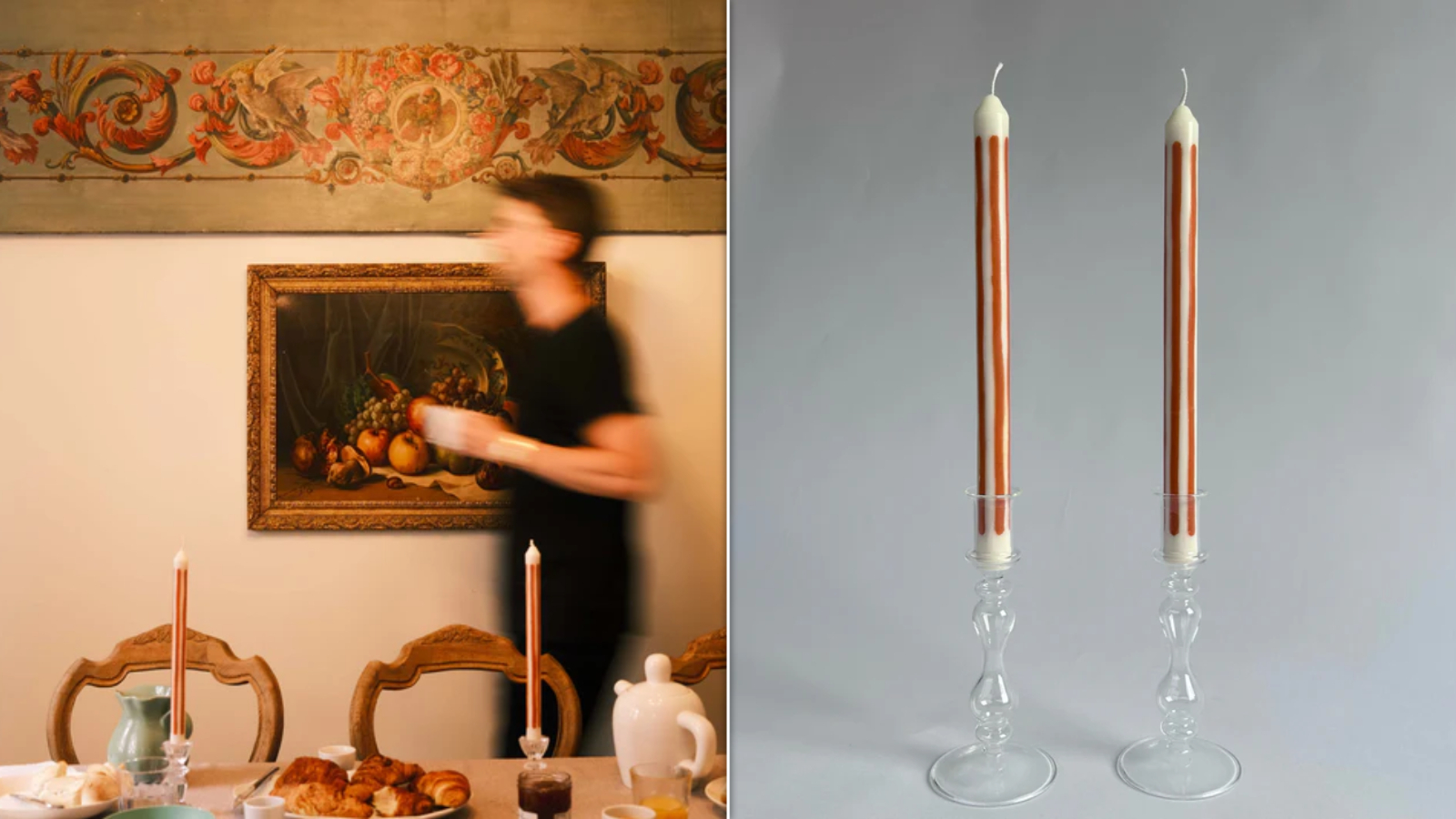
That means you won’t be catfished by, say, the stripes in this pair of Humbug candles ― they’ll look as good during your first course as they do hours into your post-dinner DMCs.

Even the more intricate designs of these Terracotta candles should be able to withstand the heat (literally and figuratively).

Like all Pygmalion candles, they come packaged in creamy recycled Italian paper.

Pygmalion London

Speaking of that packaging ― it’s so luxe-looking I’ve considered sending a box to a friend in lieu of flowers before.

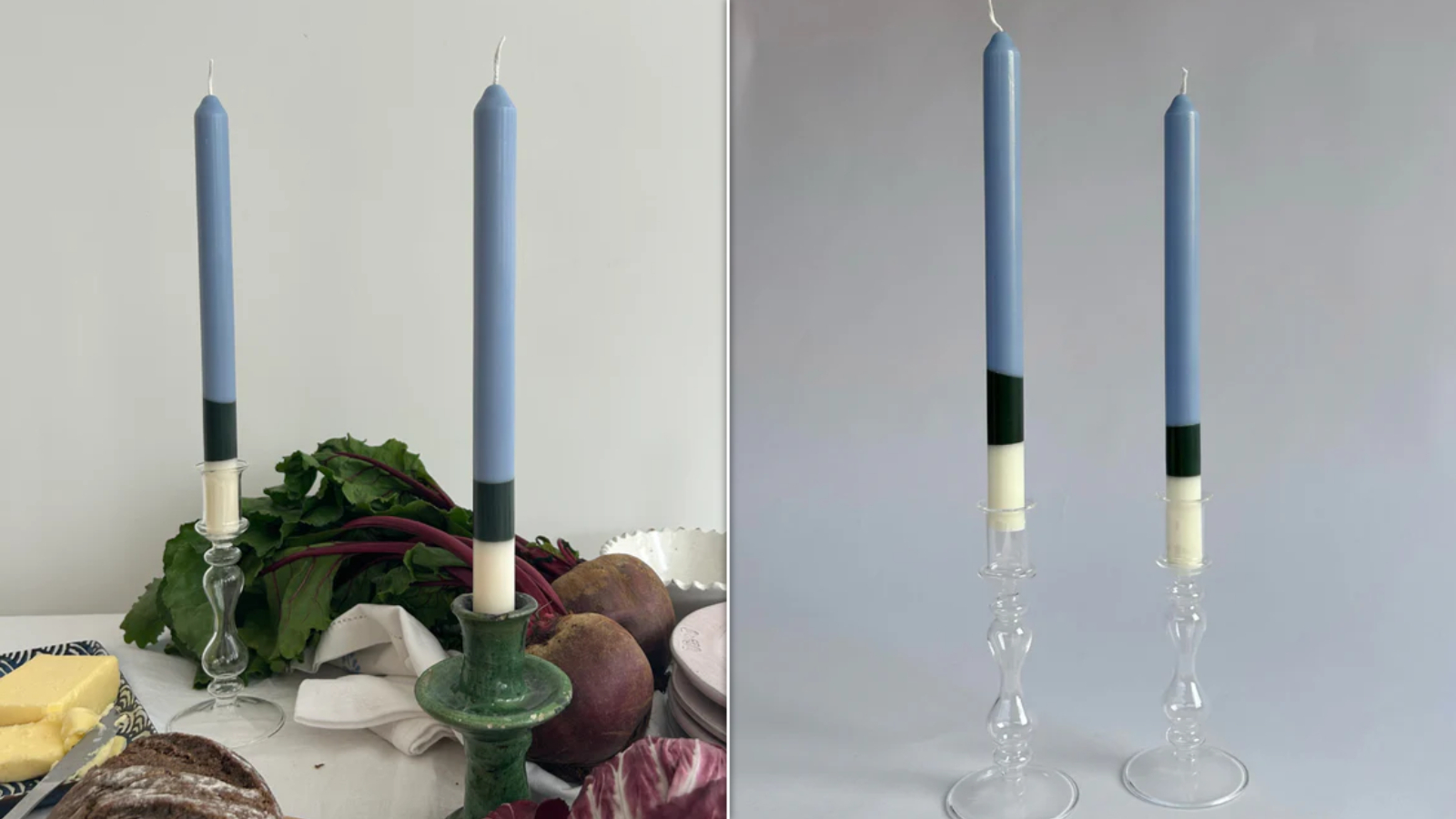
You can get pairs like this Highbury set sent to their home, maybe even with a text about grabbing dinner together soon (far better than a wilting carnation, if you ask us).

So if you’re after a present that looks like you found it in a gorgeous, out-of-the-way boutique or just want to be the “I found that brand first!” person in your friend group, I recommend browsing through Pygmalion’s stock.

We’ll never tell…

Share Button