I work from cafes most days. My regular place is good, but sometimes on my travels, I see things that make me question my caffeine addiction.
More than once, I’ve watched someone finish a glass of water and put their empty cup back in with the clean ones. So, now when I pick up a glass and it’s damp, I can’t tell if it’s wet from use or wet because it’s been washed, and I go without. It’s one of many unhygienic behaviours that seem rife in coffee shops.
Daniel Day via Getty Images
Advertisement
Matt Woodburn-Simmons worked as a barista for years and now runs the Home Coffee Expert website. His first rule is: do not touch the milk.
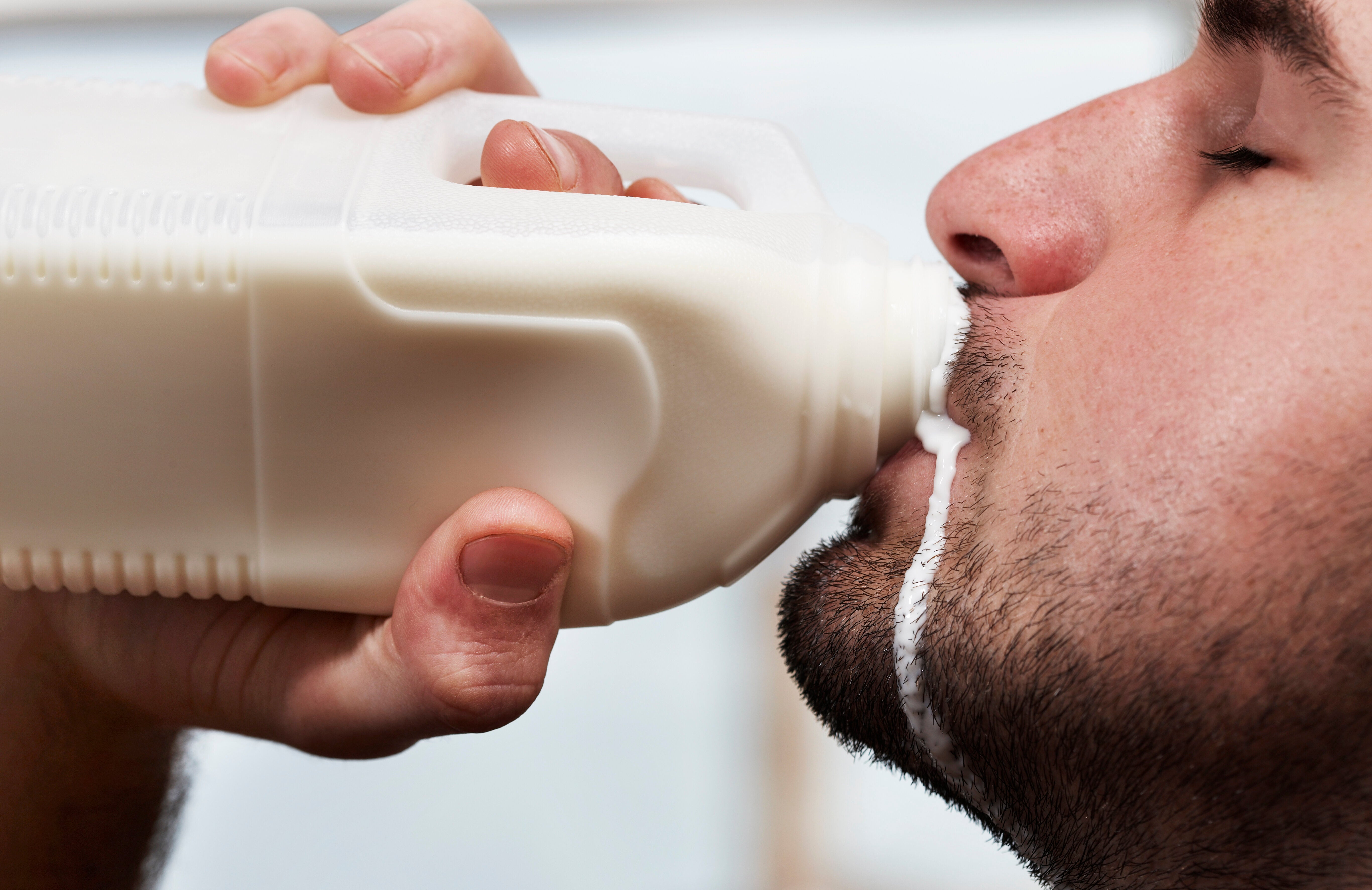
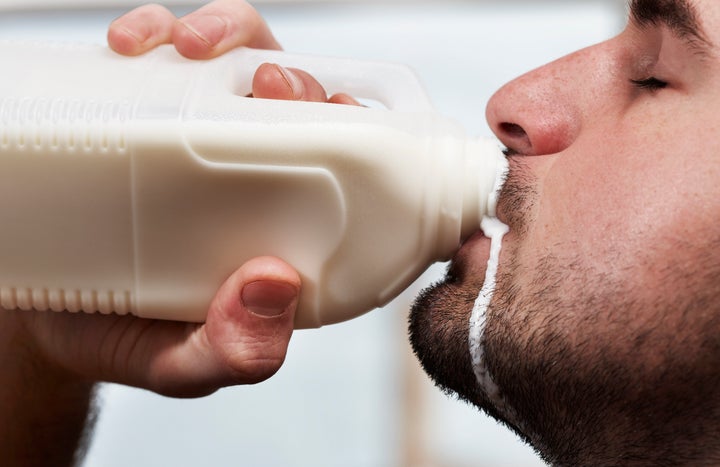
In the hotter months, especially, people drink straight from the communal carafe, he said. “Full lips wrapped around it and chugging the milk while waiting for their coffee. I imagine people would rather their milk was not French kissed by a stranger before use.”
The honey is nearly as bad. Woodburn-Simmons watched people squeeze it onto a finger and lick it or wipe the drip from the nozzle and lick that, too. “Hundreds of fingers a day going onto the end of the honey nozzle is a superspreader event waiting to happen,” he said.
Advertisement
Shanina Knighton, an infection preventionist and nursing professor at Case Western Reserve University, can explain why the milk is so bad.
“Milk is about the friendliest thing you can hand a bacterium,” she said. “It is full of protein and sugar, it sits warm or lukewarm in the line, and it leaves a thin film on everything it touches. That film is where the trouble starts.
“Once a little milk dries onto a spout, a gasket or the inside of a dispensing tube, it gives bacteria a place to settle, and what grows there is a biofilm, a sticky layer of microbes that anchors to the surface and laughs off a quick rinse.”
Advertisement
I would never touch the milk, ever.
Topping up a half-empty jug only makes it worse. “When someone adds new milk on top of the old without emptying and washing the container first,” Knighton said, “whatever was living in that residue gets a fresh meal and a running start.”
Woodburn-Simmons saw that happen often. “Milk jugs with a crust around the spout,” he said, refilled multiple times and never cleaned. “I would never touch the milk, ever.”
Advertisement
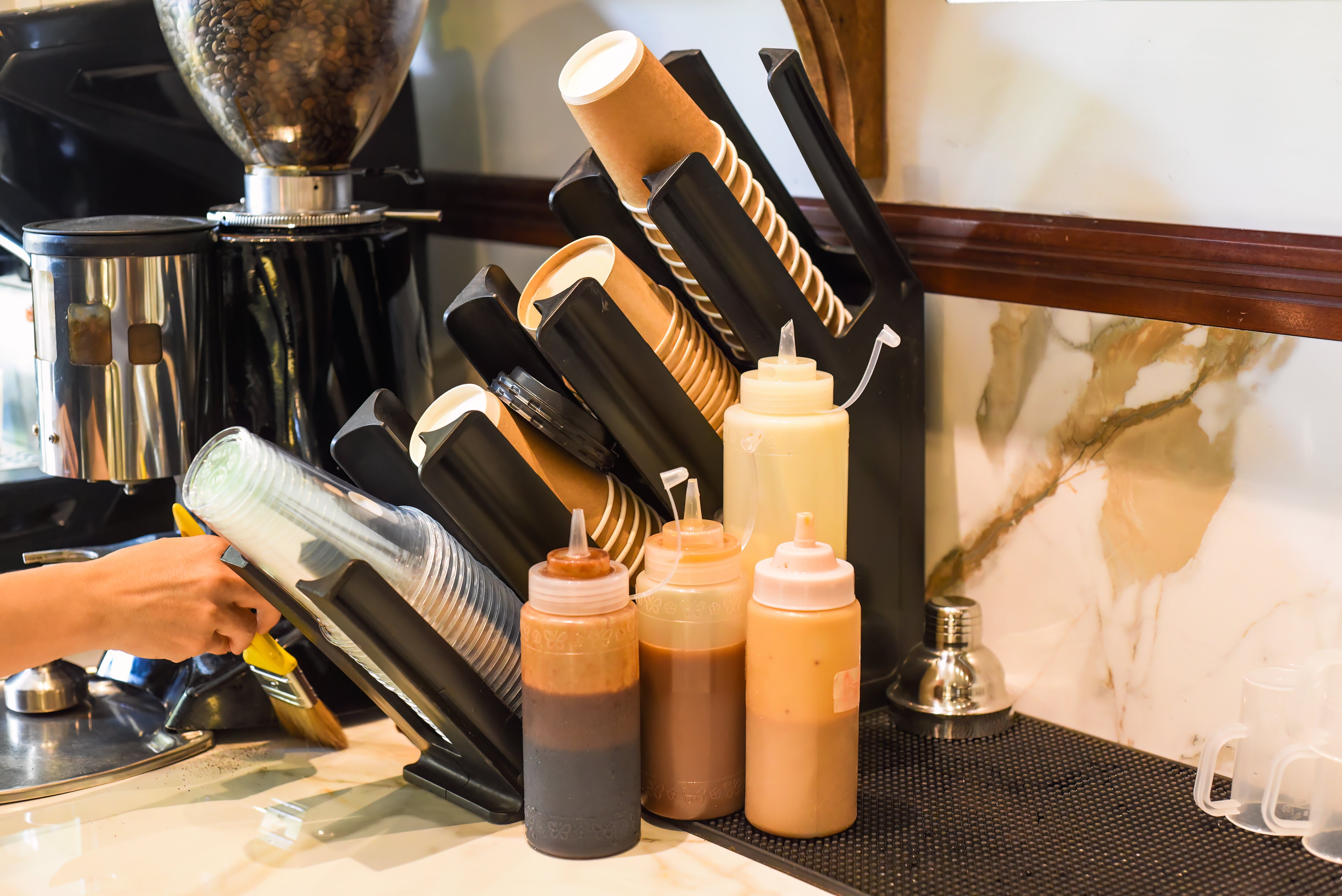
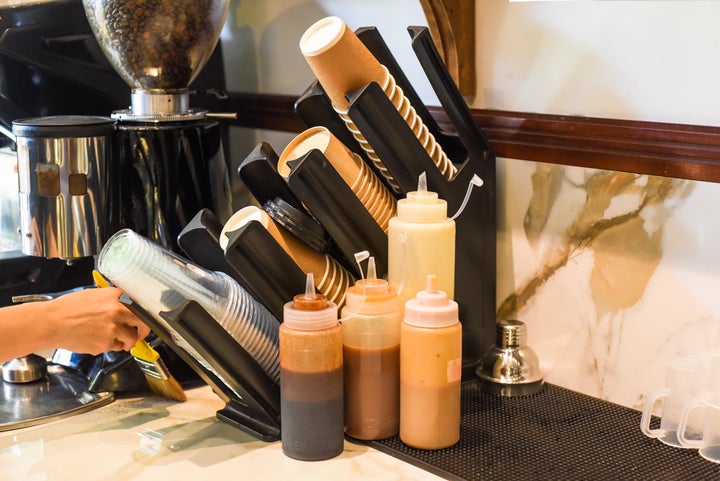
Lids are also a concern. Elliot Sterling once watched a man find the communal milk almost empty, shake it vigorously over his cup, and then place his whole hand flat on the lid stack and drag it smoothly down the entire row. “Three people used those lids after him,” Sterling said, “and I used them as well before I realised what was happening.” He takes his from the middle of the stack now.
“People separate a stack by pawing through several lids before they commit to one,” Knighton said, “and the part they are handling is the same part that ends up against someone’s mouth. Most of what we touch in a day never reaches our lips, so it forgives a lot. A lid rim does not.”
“Lids themselves were never cleaned, just left on the assumption they were fine,” Woodburn-Simmons said. When the morning rush hit, the wipe-downs lapsed too. “Wiping down the area became an only-when-absolutely-necessary job,” he said, which on a bad morning meant “three to four hours.” He still remembers the puddles of spilled milky coffee left to spoil and people setting their lids down in them.
Advertisement
The horror stories continue. At a Toronto coffee shop, Philip Stoelman saw a customer lick the communal stir spoon and drop it straight back in the jar. “That person didn’t even think twice,” he said. Stoelman has carried his own stir stick ever since. JoAnne Loftus switched to a water bottle after watching someone in an Austin cafe rinse a used mug in the self-serve water-glass bin and refill it. “They didn’t even use the sink,” she said.
Tatiana Terekhina via Getty Images
Knighton has her own story. She once ordered an iced latte and watched the worker handle a credit card, then reach in and “grab the tip of my straw with their bare hand.” She asked for a fresh one. The worker held up the box kept under the counter. “Every straw in it had a visible coating of dirt,” she said. “They were clear straws, so there was no missing it.”
Advertisement
Woodburn-Simmons has a longer list. Customers clipped their nails while they waited, “nail clippings going everywhere.” Parents handed sugar packets to children who sucked on them and put them back – “kids being germ factories.” One person even fished an unused sugar packet out of the bin and put it back.
By now you might want to swear off self-serve stations entirely, but you don’t have to. “Bacteria live on practically everything we touch,” Knighton said, “so the real question is never whether something is there, but whether enough of the wrong kind is there to matter.”
Dr. Shilpi Agarwal, a board-certified family physician, has two rules at the station. The first is about the lid. “Customers often put their lid face down on the counter,” she said, after a mouth or dirty hands have already been on it. “Place down a napkin, then place your lid on there rather than resting it on the bare counter.”
Advertisement
The second rule skips the station altogether. “Ask for a top-off of warm milk,” she said, so the barista handles the dairy, and you never touch the jug. “Only touch what you need.”
Knighton’s test for a bad station needs no equipment. “Learn to read a station by its moisture rather than its shine,” she said. “Standing liquid, crusted residue, overflowing trays and a sticky dispensing area tell you far more about how a place is run than a spotless countertop ever will.”
I’m still a coffee addict, though after speaking to Woodburn-Simmons, I’m beginning to consider quitting. “The general public are way more disgusting than you think they should be,” he told me.
Advertisement