This Many Sleepless Nights A Week Could Raise Dementia Risk By 40%

Scientists already think that regular poor sleep, especially in midlife, might increase your odds of developing dementia (less than five hours a night has been associated with double the risk).

And sudden changes to how long you sleep for may be linked to the condition years before diagnosis.

We aren’t exactly sure how or why sleep could have this effect on the brain. But a recent paper has added to the existing associations.

The researchers involved in the study found that those with “chronic insomnia” could face an increased dementia risk.

How much bad sleep does it take to raise my dementia risk?

In this paper, “chronic insomnia” was defined as having trouble sleeping for at least three nights a week for at least three months.

Some 2,750 participants with an average age of 70 were tracked for 5.6 years. They were all dementia-free at the start of the study, and 16% had chronic insomnia.

After conducting memory and thinking tests as well as brain scans, the scientists found that those who reported insomniac sleep patterns had more amyloid plaque formation, which is linked to dementia development.

Of those who self-reported chronic insomnia at the start of the study, 14% went on to develop insomnia, compared to 10% among those who didn’t have sleep issues.

People with insomnia were 40% more likely to develop mild cognitive impairment or dementia than those without insomnia.

Speaking to MedicalNewsToday, the study’s lead author, Dr Diego Z Carvalho, said: “In our models, the impact of insomnia on the risk of mild cognitive impairment/dementia was higher than having two cardiometabolic conditions like hypertension and diabetes, or being 3.5 years older than your actual age, which are known risk factors.”

Why might insomnia affect dementia risk?

We still can’t say for sure, but Dr Carvalho suggested this research has given him some ideas.

“We found that insomnia with reduced sleep was not only associated with Alzheimer’s disease biomarkers like amyloid, but also with poorer cerebrovascular health with greater evidence for small vessel disease as shown by white matter hyperintensities,” he said.

This matters because both the buildup of amyloid plaque proteins and poorer heart and vessel health are independently linked to increased dementia risk.

The lead researcher also recommended that more doctors include sleep tests in their regular screenings, especially with older patients.

Share Button

Fact-Check: No, Immigration Is Not The Only Reason Driving Tests Are So Delayed Right Now

A surge in net migration has been widely blamed for causing a substantial backlog to driving tests in the UK right now – but that’s actually the full picture.

Officials from the Driver and Vehicle Standards Agency (DVSA) told the transport secretary Heidi Alexander over the weekend that the unprecedented surge in immigration since 2021 is to blame for the backlog.

Learners are currently waiting up to six months to take a test, compared to just over six weeks in 2018-2019.

That’s far from the DVSA’s target wait time of seven weeks.

At the end of August, there were 644,398 future tests waiting to be booked, which is almost three times higher than the 219,786 total recorded in February 2020.

According to minutes released via a Freedom of Information request, the cabinet minister was urged to consider “immigration options” and “minimum learning periods” by transport officials.

But, as the government pointed out, there are multiple factors playing into the problems around booking a driving test at the moment.

Why is there a delay to driving tests?

Immigration is one of multiple factors pushing back driving tests.

According to the Department for Transport, an increase in the population of 17-year-olds in recent years is partially behind the backlog.

There’s also been a sharp rise in demand for provisional driving licences since 2019, a large component of which was driven by applicants born outside the UK.

However, for many this will be for identity purposes – not for taking a driving test.

A provisional driving licence is a valid form of ID and costs just £34 if applied for online, while a standard passport can cost £94.50.

There’s also the ongoing delays from the pandemic, as well as a shortage of examiners.

A government spokesperson also criticised the DVSA’s comments around immigration, saying: “This is incomplete analysis of the many causes of driving test wait times.

“This government has seen net migration fall by 300,000 since July last year.

“We inherited a broken driving test system where many learners found themselves stuck in a frustrating limbo, but the government has taken decisive action to address this and the DVSA has carried out over 20,000 more tests between June to August this year and the pass rate remains the highest it’s been since May 2021.”

Why is this important?

A surge of anti-immigration sentiment has swept across the UK in recent months, resulting in demonstrations outside asylum hotels and Saturday’s far-right march through London.

It’s widely believed that online misinformation is one of the main catalysts for such displays.

As data from the Office for National Statistics points out, net migration has halved since its record levels in 2023, falling to 431,000 in the year ending December 2024.

But, concerns over immigration are at the highest outside of 2015, with 49% of the British public saying immigration is an important issue facing the UK today.

Share Button

These 6 Habits Will Transform Your Relationship With Your Adult Kids

Being a parent to an adult child is certainly different from raising a toddler, a school-age kid or even a teenager. What they needed from you five, 10 or 20 years ago isn’t what they need from you today.

If your bond with your adult child isn’t where you want it to be, don’t despair. We asked therapists who deal with family issues to share the most significant things parents can do to create a happier, healthier relationship with their grown kids.

Here’s what we learned.

1. Stop giving unsolicited advice

When your adult child comes to you with an issue about their career, their relationship or their own kids, it’s easy to assume they’re seeking your trusted input on the matter. But consider that they may just be looking for a compassionate ear.

The best way to find out what they need is to ask, “Are you looking for advice or are you wanting to vent?” said Dallas marriage and family therapist Sarah Epstein.

Adult children “may not want consistent feedback on their choices,” Epstein told HuffPost. “If parents can embrace only offering advice when asked, and learn the skills to listen thoughtfully, their relationship will almost certainly strengthen.”

Winifred Reilly, a marriage and family therapist in Berkeley, California, said it’s important to “stay in your lane” as the parent of an adult child.

“There was a time when we could pick our kids up under one arm and carry them out of the playground. It was our job to call all the shots,” Reilly, who is also the author of “It Takes One to Tango,” told HuffPost. “Once they’re adults, we need to be literally and figuratively more hands off.”

“Once they’re adults, we need to be literally and figuratively more hands off.”

– Winifred Reilly, marriage and family therapist

That doesn’t mean you don’t play an important role in their life anymore. It just means your role has transitioned to “more of a trusted adviser,” Reilly said.

“Instead of, ‘Here’s what I think you should do,’ a better and more respectful move is, ‘Would you like to hear my thoughts on that?’” Reilly said.

“When invited, we can say what we’re thinking and ask what they’re thinking. When we’re not invited, it’s a good idea not to chime in,” said. “The overall message needs to be one of love and respect, even if we don’t fully agree with their decisions.”

2. Show your child that you believe they’re capable of handing difficult situations

On a related note, West Los Angeles clinical psychologist David Narang said that one of the keys to building a strong relationship with your grown kids is to think of yourself as “a sounding board for a powerful adult,” instead of “the rescuer of a helpless child”.

In other words, you should operate under the assumption that your child is capable of tackling the difficult situation at hand, he said.

A common mistake among parents of adult kids is “getting too caught up in” the struggles their child is facing, Narang said. Perhaps you’re a parent who is hell-bent on getting your child to follow your advice. Or maybe you get so worked up about the situation that it makes your already stressed-out child even more overwhelmed, he said.

At this stage of life, your value as a parent is “in your capacity to withstand the suffering that your child is trying to tolerate,” Narang added.

His advice? Allow your child to “air out their distress,” and keep the conversation focused on them. Then, help them arrive at their own solutions.

“As a parent, your understanding of your child’s suffering carries unique power to help him or her feel supported,” Narang said. “Similarly, your awareness of your child’s inner strength has a unique impact to help your child see that strength in him- or herself, especially given your memory of all the times you have witnessed that strength.”

Taking this approach will help bring you and your child closer “because they will feel your support while still experiencing themself as a competent adult,” he said.

These habits should help you create a better relationship with your adult children.

Ippei Naoi via Getty Images

These habits should help you create a better relationship with your adult children.

3. Stop playing the blame game and focus on repair instead

Blaming yourself – or your child – for the cracks in your relationship isn’t going to make things better between the two of you.

Instead of pointing fingers, “turn blame into responsibility to do better in the future,” licensed mental health counsellor Tracy Vadakumchery, also known as The Bad Indian Therapist, told HuffPost.

“Your child knows that you did your best,” Vadakumchery said. “Them bringing up their issues with you does not mean they think you’re a bad parent.”

“If your urge is to blame somebody as part of your problem-solving, it’s important that you recognise this as a defence mechanism for feelings of guilt,” she said. “What if there’s no one to blame? Blaming is shaming and accomplishes nothing.”

It’s more productive to focus on repairing your bond: apologise sincerely for any hurt you’ve caused, and make a promise to do things differently moving forward.

And if you’re not already working with a therapist, finding a mental health professional you can talk to “might not be a bad idea,” Vadakumchery said.

4. Do a relationship check-in

You might assume no news is good news as the parent of a grown kid. If your adult child hasn’t raised any issues lately, you figure things must be fine between you. Or perhaps you sense the relationship isn’t on good footing, but you’re not sure where things went wrong.

In any case, doing a relationship check-in – where you have “a big-picture conversation about the health of the relationship” – is a great step to take, Epstein said.

“Checking in can include questions like, ‘How does our relationship feel to you?’ ‘Do you enjoy our conversations?’ ‘What do you enjoy most or least?’ ‘Do you feel supported?’” she said.

Initiating a check-in demonstrates that you’re open to hearing feedback and having potentially difficult conversations, and that you’re willing to make changes to your behaviour in order to improve your connection.

“In some families, parents dictate how their relationship with their adult children should look and enforce it through a sense of obligation. They explain expectations to their child without ever asking the child what they want from the relationship,” Epstein wrote in a recent blog post for Psychology Today.

“An audit like this one instead signals a desire to get to know your adult child’s needs within the relationship and to commit to a bond that works for both of you.”

A relationship check-in is a powerful way to improve your bond with your adult child.

Oliver Rossi via Getty Images

A relationship check-in is a powerful way to improve your bond with your adult child.

5. Avoid telling your adult child how they should think or feel

If you have a more challenging relationship with your grown kid and they finally open up to you about something, “know that it took a lot for them to feel comfortable enough to do that,” Vadakumchery said.

“How you respond will either confirm or deny their belief: ‘That’s why I don’t tell you anything,’” she said.

That means steering clear of phrases that discount or minimize their experience, like “That didn’t happen,” “Don’t feel that way” or “I’m sorry you feel that way,” Vadakumchery said.

“While it’s true that memory can be unreliable, even if you’re right, telling your child that what they experienced didn’t happen will not only make them feel unheard or unseen, but you’re training them to not trust their intuition and not come to you about things,” she said. “Listen first before responding.”

And remember that most arguments between two people who care about each other are typically more about underlying feelings than they are about the topic at hand, Vadakumchery noted.

“Instead of focusing on the details, focus on their emotions,” she said. “If you don’t know what to say, sometimes the best response is to just be there. You don’t necessarily have to say anything. Just show that you’re listening.”

6. Honour – and encourage – boundaries in the relationship

Adult children may set boundaries with their parents around certain charged topics of conversation, like their appearance, finances or career choice. Or the boundaries may be physical ones, like “Please call before stopping by the house,” Epstein said.

Rather than bristling at these requests, “parents can listen and honor those boundaries and even commend their child for standing up for what they need to make the relationship work,” she said.

It may help to remember that the intention of boundaries is to help people connect in better, healthier ways. So your child establishing some guidelines isn’t an effort to push you away ― it’s a way to create more honesty and trust in the relationship that will hopefully bring you closer together.

Share Button

Fourteen NHS trusts’ maternity care to be investigated over ‘failures’

Families impacted have criticised the review, calling it “not fit for purpose”.

Share Button

‘Killer’ child car seats still on sale 10 years on

Which? advised families to buy approved seats with a clear orange label indicating they are safe.

Share Button

Daily eye drops could make reading glasses obsolete

Everybody develops presbyopia as they age – a difficulty in focusing on near objects and text – and often have to resort to reading glasses. However, the solution might be as simple as using special eye drops two or three times a day.

A retrospective study of 766 patients presented on September 14 at the 43rd Congress of the European Society of Cataract and Refractive Surgeons (ESCRS) [1], found that the majority could read an extra two, three or more lines on the eye chart used for testing near visual acuity (the Jaeger chart) after using specially formulated eye drops. This improvement was sustained for up to two years.

Dr Giovanna Benozzi, director of the Center for Advanced Research for Presbyopia, in Buenos Aires, Argentina, said: “We conducted this research due to the significant unmet medical need in presbyopia management. Current solutions such as reading glasses or surgical interventions have limitations, including inconvenience, social discomfort, and potential risks or complications. There is a group of presbyopia patients who have limited options besides spectacles, and who are not candidates for surgery; these are our primary focus of interest. We sought to provide robust clinical evidence supporting an innovative pharmacological solution to offer patients a non-invasive, convenient and effective alternative.”

The eye drops, developed by Dr Benozzi’s father, the late Dr Jorge Benozzi of the same centre, contain a combination of two active agents: pilocarpine, a drug that constricts the pupils and contracts the ciliary muscle, which is a muscle controlling the eye’s accommodation for seeing objects at varying distances, and diclofenac, a non-steroidal anti-inflammatory drug (NSAID) that reduces inflammation and the discomfort that pilocarpine often causes.

Patients administered the eye drops twice a day, usually on waking and again approximately six hours later, with an optional third dose if symptoms recurred or additional visual comfort was needed. The group of patients (373 women and 393 men, with an average age of 55) were divided into three groups to receive one of three eye drop formulations. Each formulation had a fixed dose of diclofenac but concentrations of pilocarpine were 1%, 2% and 3%.

The researchers assessed the improvement in how well patients could read the Jaeger chart without reading glasses (uncorrected near visual acuity) one hour after the first administration of the drops, and they followed up the patients for two years.

Dr Benozzi told the Congress: “Our most significant result showed rapid and sustained improvements in near vision for all three concentrations. One hour after having the first drops, patients had an average improvement of 3.45 Jaeger lines. The treatment also improved focus at all distances.

“Impressively, 99% of 148 patients in the 1% pilocarpine group reached optimal near vision and were able to read two or more extra lines. Approximately 83% of all patients maintained good functional near vision at 12 months. Importantly, no significant adverse events like increased intraocular pressure or retinal detachment were observed.”

In the 2% group, 69% of 248 patients were able to read three or more extra lines on the Jaeger chart, and in the 3% group, 84% of 370 patients could read three or more extra lines.

The improvement in the patients’ vision was sustained for up to two years, with a median duration of 434 days. Adverse side effects were mild, with the most common being temporary dim vision, which occurred in 32% of cases, irritation when the drops were instilled (3.7%) and headache (3.8%). No patients discontinued the treatment.

Common adverse side effects of pilocarpine can also include eye redness, watery eyes, blurred vision, dim or dark vision, sensitivity to light or problems changing focus between objects, seeing flashes of light or “floaters” in vision, and, in rare cases, detached retinas.

Dr Benozzi continued: “Nearly all patients experienced positive improvements in near visual acuity, although the magnitude of the improvement depended on the status of their vision before treatment at baseline. Our study revealed that optimal pilocarpine concentrations could be individualized depending on the baseline severity of presbyopia as assessed by the initial Jaeger scores. Patients with less severe presbyopia responded best to 1% concentrations, while those with more advanced presbyopia required higher 2% or 3% concentrations to achieve significant visual improvement.”

She concluded: “These results suggest this combination therapy offers a safe, effective, and well-tolerated alternative to traditional presbyopia management. It significantly reduces dependence on reading glasses, providing a convenient, non-invasive option for patients, although these eye drops may not eliminate the need for glasses in all individuals.

“Importantly, this treatment is not intended to replace surgical interventions, but rather to serve as a valuable solution for patients who need safe, effective, and personalised alternatives and seek freedom from the inconvenience of eyewear. Eye care professionals now have an evidence-based pharmacological option that expands the spectrum of presbyopia care beyond glasses and surgery.”

Besides the group of patients in this study, Dr Benozzi has other patients who have received the treatment for more than ten years. Dr Benozzi plans further research to measure improvements in patients’ quality of life, and to explore the underlying physiological mechanisms of the eye drops.

Strengths of the study include the large number of patients included and the long follow-up time. It is the first systematic evaluation comparing three different pilocarpine concentrations in combination with diclofenac. A limitation is that it is a retrospective, single-centre study, which could limit the generalizability of the findings and introduce selection bias.

ESCRS President-Elect, Professor Burkhard Dick, chair of the ophthalmology department at the University Eye Hospital Bochum, Germany, was not involved in the research. He commented: “While surgery for age-related near vision loss has advanced, some patients are not candidates. The single-centre retrospective study by Dr Benozzi suggests that eye drops containing pilocarpine and diclofenac may improve near vision for up to two years, but the limited design means the results may not apply to everyone. Long-term pilocarpine use can sometimes cause side effects such as reduced night vision, dimmer vision in low light, eye strain, irritation and, in rare cases, retinal detachment, while prolonged topical NSAID use may pose corneal risks. Broader, long-term, multi-centre studies are needed to confirm safety and effectiveness before this treatment can be widely recommended.”

Notes

  1. Abstract number: ESCRS25-FP-3944, ‘Dose-dependent efficacy and safety of pilocarpine-diclofenac eye drops for presbyopia: a real-world single-center study,” by Giovanna Benozzi et al. Free paper session on ‘Miscellaneous topics in cataract and refractive surgery’, 16:30-18:00 hrs CEST, Sunday, September 14, https://pag.virtual-meeting.org/escrs/escrs2025/en-GB/pag/presentation/570375

Share Button

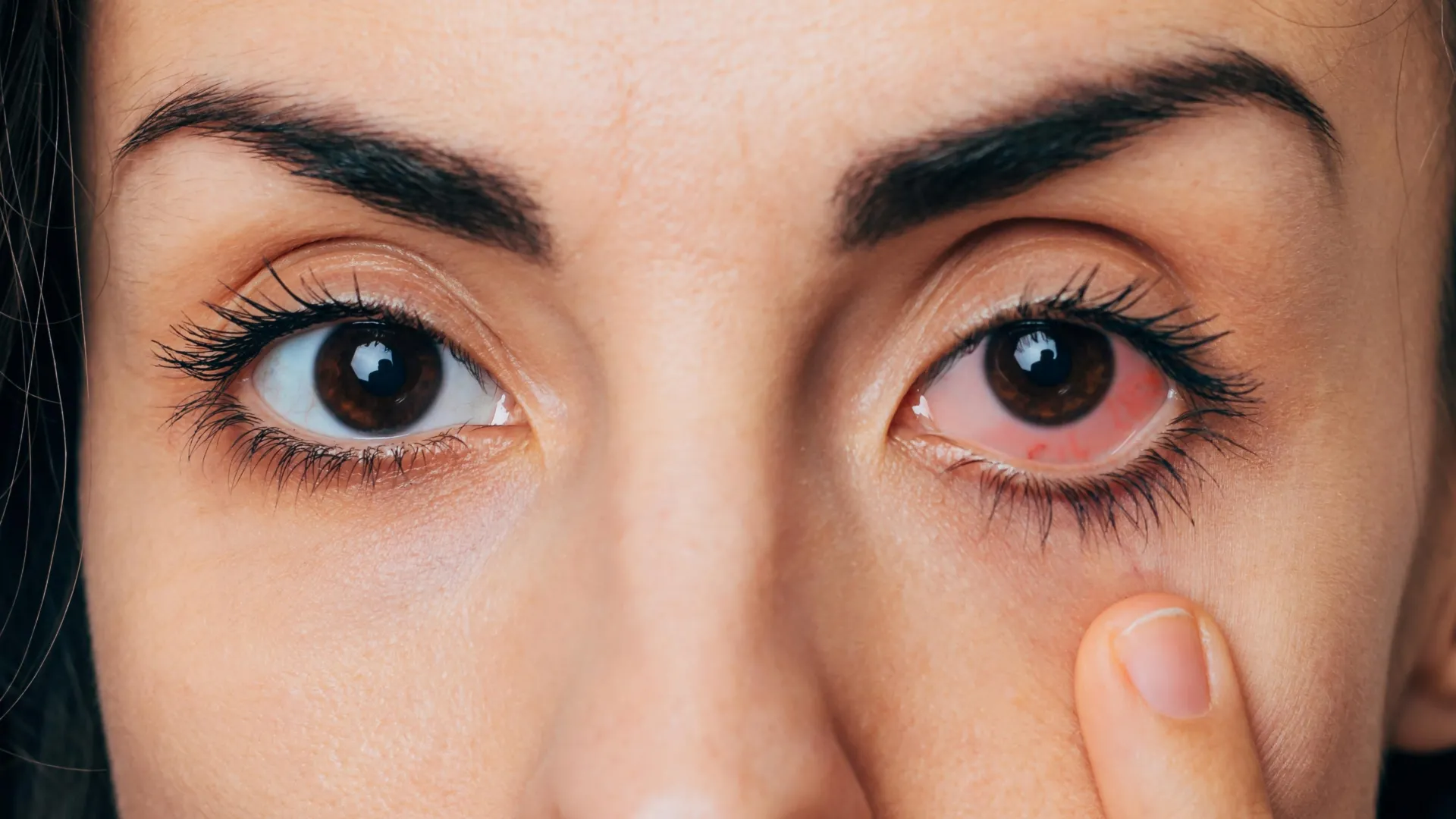
Half of adults suffer from dry eyes, but most never get help

Dry eyes can cause significant discomfort, and the symptoms become more common as we age. However, until now, it was unclear what proportion of the population suffered from the condition, with estimates ranging from 5-50%.

In fact, research presented today (September 15) at the 43rd Congress of the European Society of Cataract and Refractive Surgeons (ESCRS) [1], found that more than half of the general population in the USA and Europe experience dry eyes, yet only 20% of European patients and 17% of US patients were diagnosed, and they can wait years for professional help.

Dr Piotr Wozniak, refractive surgeon and dry eye specialist at Optegra Eye Clinics in Warsaw, Poland, and a lecturer and clinical instructor at Cardinal Stefan Wyszyński University in Warsaw, told the Congress: “Results from our studies reveal a substantial group of patients suffering without help. The European questionnaire explored why people don’t seek treatment. Many see dry eye as a normal part of aging and something to endure. As a medical doctor, I find this particularly concerning because a simple eye drop could offer significant relief – but many people aren’t even asking for help.”

Dr Wozniak presented findings from a survey of 2,003 adults in the US conducted in April 2024, and from an ongoing, international arm of the study conducted by Bausch and Lomb with over 5,000 adults in the UK, France, Germany, Poland, and Saudi Arabia: the ‘Needs Unmet in Dry Eye: Symptoms, Treatment and Severity’ (NESTS) study. In June 2025, the NESTS international arm surveyed 2,580 adults in the general population and 2,572 dry eye sufferers [2].

“In the NESTS study, we found that 58% of the general population reported experiencing dry eye symptoms, yet only one in five have received a formal diagnosis from a healthcare provider,” he said. “The large size of this study makes these results robust.

“The study explored the patient journey in detail. What stood out was that up to one-third of patients had experienced symptoms for more than five years before seeking professional help. NESTS also found that around half of sufferers experience symptoms every single day. The delay in seeking treatment is concerning, especially since dry eye is a progressive disease and early intervention can prevent a vicious cycle of inflammation.”

Other results from NESTS showed that 60% of dry eye sufferers waited at least four months before seeking help and 20% waited more than a year before talking to health care provider about their symptoms. Many sufferers stopped driving at night (17%), no longer wore makeup (14.8%), or reduced their use of heat or air conditioning (15.2%) due to their uncontrolled dry eye symptoms. One in three sufferers (34%) reported that their symptoms had worsened in the past year and only 9% said there had been an improvement.

Lubricating eye drops were the first and most common treatment, chosen either by the patient or by an eye or health care provider. Yet only 25% believed their current treatment was specifically tailored to their needs.

Dr Wozniak said: “NESTS also examined patient-provider interactions, revealing national differences. For example, in France fewer than half of dry eye sufferers had planned follow-up visits, while in Saudi Arabia, the majority, 84%, were proactively followed up by their providers.”

In the US study, eye dryness frequently affected 50% of survey respondents, and 80% experienced symptoms such as fatigue, itchy or watery eyes, but only 17% had a diagnosis from an eye care provider. Between 35-75% of people were very or extremely bothered by dry eyes, with reading, using electronic devices or driving being the most common activities to be disrupted; 70% lacked knowledge of treatment options; 40% were unaware that untreated dry eyes can cause other eye problems and vision loss; only about 25% visited an eye care provider every two years or more frequently; 67% of people with dry eyes waited six months or more to see an eye care provider, and 31% waited two or more years.

Dr Wozniak said: “These findings highlight the widespread impact of dry eye disease on quality of life, showing a large number of people suffering silently.

“We need to educate patients and the public on the causes, consequences and treatment options for dry eyes, as well as the importance of regular eye checks. In addition, we must support healthcare professionals in distinguishing between different types of dry eye and matching treatments appropriately. One person’s ‘dry eye’ can be very different from another’s.”

Diagnosis of dry eye often involves a combination of patient-reported symptoms, medical history and clinical tests. However, some patients are diagnosed only on the basis of symptoms and a standard eye examination, for instance with a microscope. Specific diagnostic tools include looking at the time it takes for a dry spot to appear on the cornea after a blink, using dye to stain the surface of the eye, measuring the concentrations of salts and other particles in tears, or an assessment of the Meibomian gland, which is responsible for producing the oily part of tears.

Left untreated, dry eyes can be very uncomfortable, can cause inflammation and a condition called blepharitis when eyelids become sore and inflamed. Symptoms include a sandy or gritty feeling, soreness, uncomfortable and painful eyes, itching or burning sensation, short-term blurred vision, and watery eyes. Dry eyes are more common in people over the age of 50 because the glands that make tears, particularly the oily component, become less effective, causing the tears to dry up too quickly and the front of the eye to become dry and irritated. The condition may also affect the outcome of nearly every ophthalmological surgery, including cataract and refractive procedures, making its diagnosis and management important, even before surgery takes place.

Dry, dusty, windy and cold conditions can also make eyes feel dry, as can air-conditioning, central heating, smoking and certain medical conditions such as autoimmune diseases and hormonal conditions.

ESCRS President, Dr Filomena Ribeiro, who is Head of the Ophthalmology Department at Hospital da Luz, Lisbon, Portugal, was not involved in the research. She commented: “These findings reveal the true extent of dry eye disease in the general population. It is concerning that such a small proportion of sufferers seek help for the condition, especially as it can make a real difference to the outcomes of ophthalmological surgery and also to their quality of life. Eye and health care professionals need to discuss this with patients when they see them and encourage people to have regular eye care checks.”

Notes

  1. ESCRS25-PP-3336, ‘Dry eye symptoms, severity, treatment and unmet needs: an analysis of the United States of America and a multinational snapshot’, by Piotr Wozniak et al. Poster session: Ocular surface disease. 09:15-10:45 hrs CEST, Monday, September 15, https://pag.virtual-meeting.org/escrs/escrs2025/en-GB/pag/presentation/572147
  2. Data from the NESTS international arm became available after the abstract was submitted. Therefore, the information in this release represents the most up-to-date data that will be presented to the Congress.
Share Button

Hospital opens room for miscarriage support

The space will provide “compassionate care during a profoundly difficult time”, says a ward sister.

Share Button

Cannabis use may quadruple diabetes risk

Cannabis use is linked to an almost quadrupling in the risk of developing diabetes, according to an analysis of real-world data from over 4 million adults, being presented at this year’s Annual Meeting of The European Association for the Study of Diabetes (EASD) in Vienna, Austria (September 15-19).

Cannabis use is increasing globally with an estimated 219 million users (4.3% of the global adult population) in 2021, but its long-term metabolic effects remain unknown. While some studies have suggested potential anti-inflammatory or weight management properties, others have raised concerns regarding glucose metabolism and insulin resistance, and the magnitude of the risk for developing diabetes hasn’t been clear.

To strengthen the evidence base, Dr Ibrahim Kamel from the Boston Medical Center, Massachusetts, USA and colleagues analyzed electronic health records from 54 healthcare organizations (TriNetX Research Network, with centers from across USA and Europe) to identify 96,795 outpatients (aged between 18 and 50 years, 52.5% female) with cannabis-related diagnoses (ranging from occasional use to dependence, including cases of intoxication and withdrawal) between 2010 and 2018.

They were matched with 4,160,998 healthy individuals (with no record of substance use or major chronic conditions) based on age, sex, and underlying illnesses at the start of the study, and followed for 5 years.

After controlling HDL and LDL cholesterol, uncontrolled high blood pressure, atherosclerotic cardiovascular disease, cocaine use, alcohol use and several other lifestyle risk factors, the researchers found that new cases of diabetes were significantly higher in the cannabis group (1,937; 2.2%) compared to the healthy group (518; 0.6%), with statistical analysis showing cannabis users at nearly four times the risk of developing diabetes compared to non-users.

While the authors note that more research is needed to fully explain the association between cannabis and diabetes, it may come down to insulin resistance and unhealthy dietary behaviours. Nevertheless, the study’s results have immediate implications for metabolic monitoring practices and public health messaging.

“As cannabis becomes more widely available and socially accepted, and legalized in various jurisdictions, it is essential to understand its potential health risks,” said lead author Dr Kamel. “These new sights from reliable real-world evidence highlight the importance of integrating diabetes risk awareness into substance use disorder treatment and counseling, as well as the need for healthcare professional to routinely talk to patients about cannabis use so that they can understand their overall diabetes risk and potential need for metabolic monitoring.”

The authors note that more research is needed on the long-term endocrine effects of cannabis use and whether diabetes risks are limited to inhaled products or other forms of cannabis such as edibles.

Despite the important findings, this is a retrospective study and cannot prove that cannabis use causes diabetes, and the authors cannot rule out the possibility that other unmeasured factors may have influenced the results despite efforts to reduce confounding bias via propensity score matching. This study has limitations due to lack of detailed cannabis consumption data and potential misclassification. The authors acknowledge inherent limitations of real-world data often result from inconsistent patient reporting in electronic medical records. They also note that there is a risk of bias because of imprecise measures of cannabis exposure and the reliance on participants to accurately report any cannabis use, even when they lived in places where the drug is illegal.

Share Button

‘Something had been stolen from me’ – children share the lows – and highs – of pandemic

Children describe positive memories of family time, as well as the darker side of pandemic life online.

Share Button