I Just Learned Why Horseshoes Are Really Considered Lucky, And It’s Dark

It probably won’t surprise you to learn that “stealing someone’s thunder” and “spilling the beans” have a pretty unusual relationship to the weather and legumes they describe.

Common phrases like “o’clock” and “pardon my French” have unexpected origins, too.

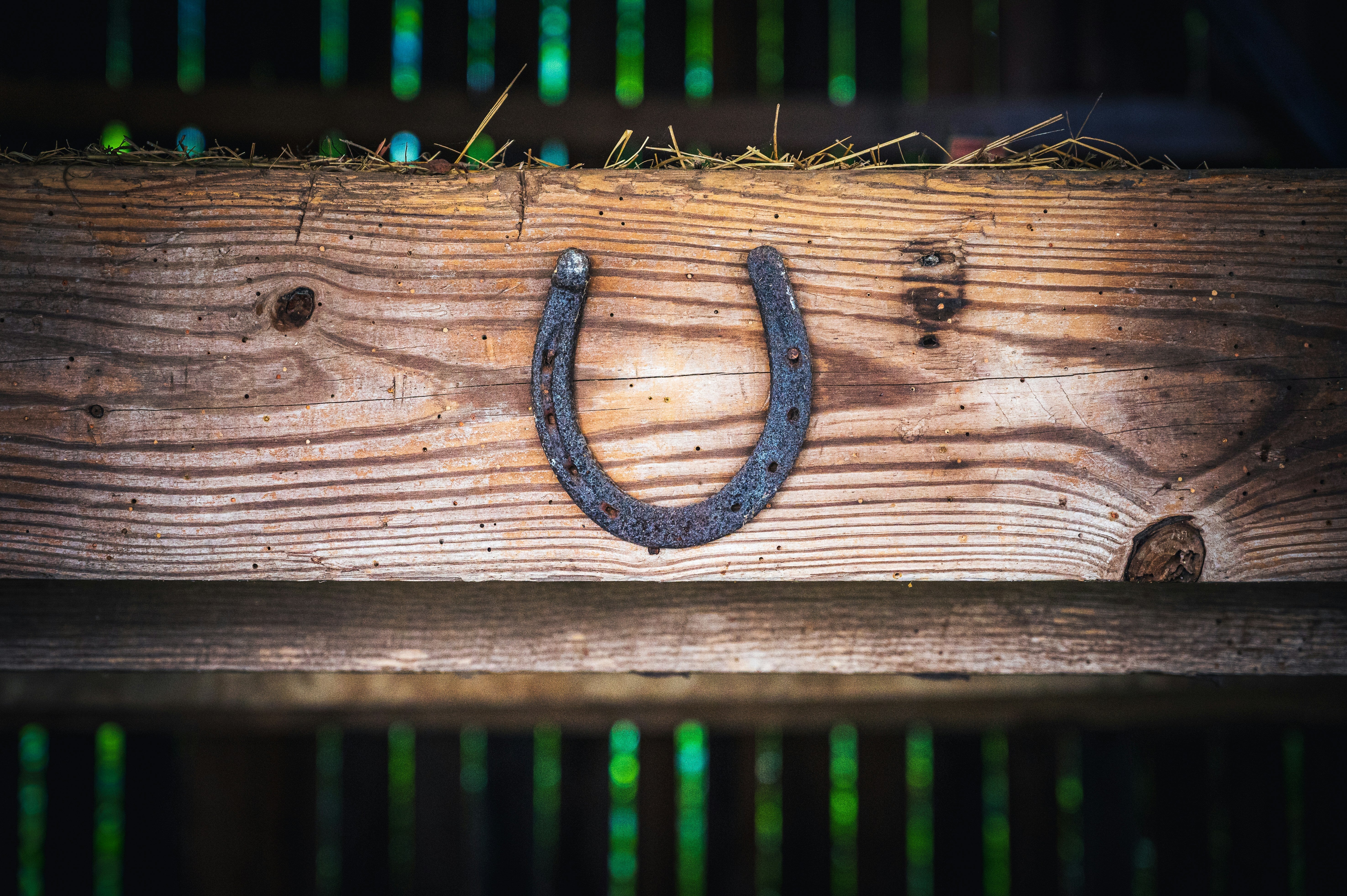
But what about superstitions like horseshoes? How come an animal’s foot covering came to mean good luck, so much so that you can still find some nailed to the doors of people’s homes?

According to riding wear suppliers at Discount Equestrian, the answer is a little wilder (and darker) than I thought.

Why are horseshoes considered lucky?

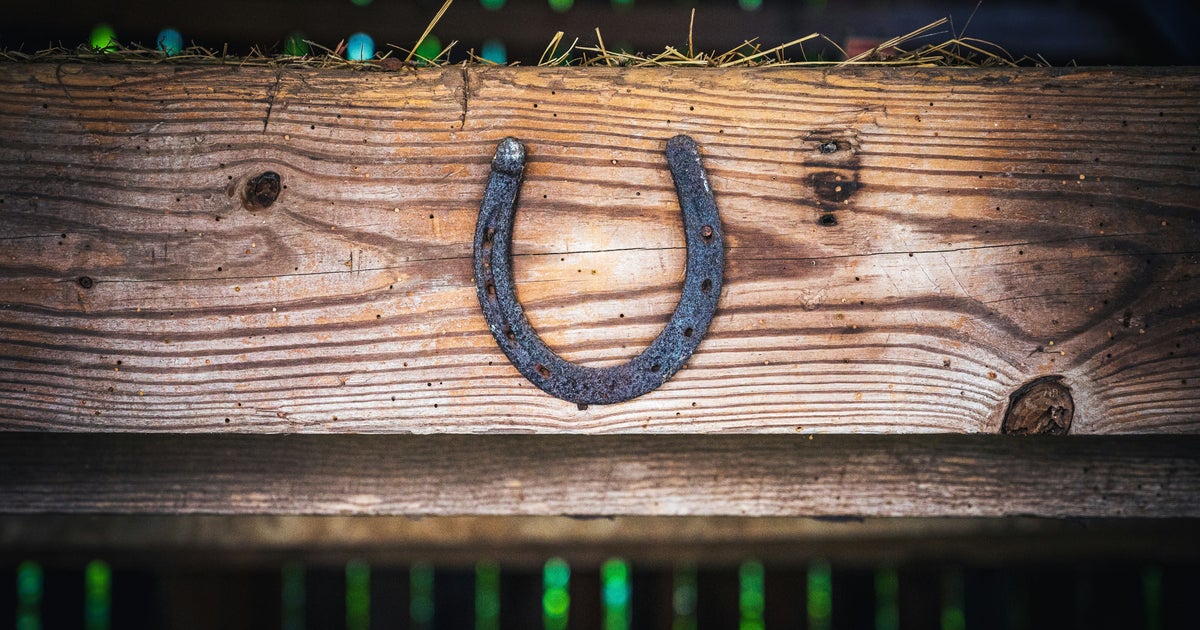
One story, the horse experts said, related to 10th-century monk and bishop St Dunstan and the devil (oh!).

“The legend of the horseshoe is closely associated with St Dunstan, today the patron saint of goldsmiths, locksmiths, and jewellers,” they said.

“As the story goes, while living as a hermit in Glastonbury, he was visited by Satan, who asked him to use his blacksmithing skills to shoe the devil’s hoof.”

The legend says that because St Dunstan recognised the visitor for who he was, he nailed a red-hot horseshoe to his hoof.

So, the devil learned to be afraid of the iron symbol and steered clear of houses which displayed them on their doors.

Some also believe that nailing seven holes into a horseshoe attached to your door will add to its luckiness.

The ‘n’ angle, with the heels pointing down, has been believed to pour blessings on visitors, while the “U” shape may be used to keep any good fortune from spilling out.

Iron has long been considered lucky

This is not the only factor that goes into the choice, Discount Equestrian said.

Horsehoes are made from iron, which was once considered a talismanic metal used to keep witches and other supernatural forces at bay.

“The horseshoe is a perfect example of a symbol that has crossed centuries without people really knowing why they use it,” the pros explained.

“It combines practicality that iron was once precious, with deep religious folklore about protecting the home. When people hang one today, they’re unknowingly repeating a thousand-year-old superstition.”

Share Button

Cabinet Minister Heaps Praise On ‘Outstanding’ Peter Mandelson Despite Sacking Over Epstein Row

A cabinet minister has described Peter Mandelson as “outstanding” despite him being sacked over his close links with convicted paedophile Jeffrey Epstein.

Peter Kyle, an ally of the former UK ambassador to Washington, also defended Keir Starmer’s decision to give him the job in the first place.

Mandelson was sacked on Thursday morning following the publication of emails in which he told Epstein “your friends stay with you and love you” even as he was facing child underage sex charges in 2008.

On Sky News this morning, business secretary Kyle admitted No.10 knew Mandelson and Epstein had “a strong relationship” before Starmer made him ambassador in February.

He said: “We knew that there were risks involved, but his talent led us to believe at the time that the risk was worth it.”

Presenter Trevor Phillips asked him: “The prime minister interrogated Lord Mandelson about the relationship with Epstein himself. This is one of the country’s leading barristers. If he couldn’t have actually got the information from Peter Mandelson before the appointment, who could? Who failed here?”

Kyle said: “There was a lot of information publicly, we knew there was a relationship, we knew the relationship continued after he had been convicted.

“The decision was taken in the national interest to try and use the specific talents that he had, which were singular and outstanding.”

Bizarrely, the business secretary went on to claim that “we only knew what the media knew” about Mandelson’s links to Epstein, despite the Labour peer having to go through so-called “deep vetting” before getting the job.

Share Button

I Run An Assessment Clinic – Here Are 7 Signs Of Autism To Be Aware Of In Children

It’s estimated that one in 100 children in the UK is autistic – yet diagnosis for can often be lengthy and complicated.

Swansea University research found it takes, on average, six years longer to diagnose autism in girls than boys.

The study, which involved 400 people, found three-quarters (75%) of boys received a diagnosis before the age of 10 compared to half (50%) of girls.

While the average age of diagnosis was between four and six for boys, in girls it was between 10 and 12 years old, the BBC reported.

Early diagnosis is key to being able to support a child’s development and wellbeing – and as part of this, parents can be aware of the signs to look out for in children so they can begin to seek diagnosis.

While every child is unique, there are common indicators parents can be mindful of, ranging from physical patterns like differences in eye contact and speech, to cognitive preferences like routines and special interests.

Here, Dr Bijal Chheda, consultant psychologist and founder of Nos Curare, a private clinic specialising in neurodiverse care, has shared seven early signs of autism for parents to know.

1. Limited eye contact

“One of the earliest and most noticeable signs of autism in young children is inconsistent eye contact,” the psychologist told HuffPost UK.

You might notice your child avoids directly looking at others’ faces – including yours. They might sometimes glance briefly during interactions, but with minimal reactions.

The expert stressed this “shouldn’t be taken as rudeness or lack of affection”.

“This habit reflects how children with autism tend to process social cues, finding it difficult or even draining to participate in everyday conversations,” she said.

“By limiting eye contact, they allow themselves to focus on processing their surroundings in a way that feels less intimidating and more manageable.”

If you’ve noticed this in your child, it might help to provide them with gentle encouragement and low-pressure one-on-one sessions to help them become more comfortable with social engagement.

2. Delayed speech development

Language delays are common early indicators of autism, said Dr Chheda.

“Some children may not start saying their first recognisable words until around 12-18 months, which is much later than the typical developmental range,” she noted.

“Meanwhile, others may have a limited vocabulary or struggle with forming sentences well into adolescence.”

The expert noted delays can occur because children with autism “often process language in a more analytical way, making it harder for them to grasp context”.

As a result, they may find it harder to imitate sounds or follow basic conversational patterns, she suggested.

“However, autistic children are highly perceptive, and these delays usually coexist with strong non-verbal skills, such as pointing or using sounds to express their needs,” she said.

3. Repetitive movements

Some children might display patterned behaviours such as spinning, rocking, or looping the same phrases – these are signs of autism known as ‘stimming’.

“These rhythmic movements and sounds often serve as self-soothing mechanisms that regulate emotions and process stimuli,” said the psychologist.

″‘Stimming’ provides autistic children with predictable stimulation, reducing anxiety or helping the child cope with overwhelming situations.

“While sporadic repetition is normal in most children, as this can be a way to practice new skills or explore their immediate surroundings, intense patterns may indicate a cognitive difference,” she said.

As interrupting these habits may lead to instant emotional outbursts or sudden aggression, her advice is to provide safe spaces for stimming, “where children can soothe themselves and redirect their focus, without discouraging the behaviour entirely”.

4. Lack of social engagement

Children on the autism spectrum may avoid group play, not respond to their name, or show minimal interest in forming meaningful connections with others, said the expert.

“While not intentional, sensory sensitivities like taking part in small talk may disrupt their preference for predictability,” she said.

“This may trigger the practice of ‘masking’ wherein they suppress autistic traits (like stimming, limited eye contact, or repetitive speech) and mimic neurotypical behaviours to fit in.”

Children can find it really hard to socialise – and being forced to do so can trigger anxiety in some – so Dr Chheda advises starting by encouraging small interactions in familiar settings while respecting their need for breaks and letting them express themselves naturally, so they don’t feel the need to mask.

5. Sensitivity to sound or touch

Perhaps one of the more well-known signs of autism is a heightened sensitivity to stimuli. “These responses are linked to how their nervous system interprets body signals, including physical or emotional reactions to certain noises, lighting, or textures,” said Dr Chheda.

“For example, some children with hypersensitivity may cover their ears in response to common sounds like tapping, vacuum cleaners, or clinking utensils.

“On the other hand, hyposensitive or under-responsive children may not feel certain sensations as strongly, usually seeking more intense sensory input by tapping surfaces or holding tightly onto objects like their favourite stuffed animals.”

If you notice this in your child, you can help them by creating calm environments that offer sensory breaks, with easy access to safe items that satisfy your child’s needs.

“When they are ready, gradually introduce new sensations at a comfortable pace with the guidance of a qualified professional,” added the expert.

6. Resistance to change

Plenty of us are creatures of habit and don’t particularly love change, but a strong preference for predictability is common among children with autism. You might notice that sudden shifts in daily schedules, including meals and bedtimes, can trigger distress and even lead to meltdowns.

“When children with autism experience frequent disruptions to their routines, it can contribute to feelings of unease, leading to demotivation and low mood,” said the psychologist.

Her advice is: instead of demanding immediate changes, introduce small adjustments gradually and provide visual schedules to help children adapt.

“Accommodating their need for structure, such as giving advanced notice of upcoming changes, can help children prepare and feel more secure, making transitions easier,” she added.

7. Special interests

“Children with autism often develop deep interests in specific topics or activities called ‘hyperfixations’,” added Chheda. “These hobbies may seem unusual in intensity or subject matter compared to their peers, leading to challenges in group or classroom settings.”

The psychologist pointed out that many parents worry that this extreme interest in a specific area could limit social development.

But “we must highlight that these special interests can actually act as leverage for learning, skill-building, and connecting with others who share similar passions,” she said.

Her advice is to encourage exploration of these niche interests in safe and structured ways. “You can enroll them in inclusive special needs programs or incorporate these fixations into educational activities, using them as a bridge to develop any delays in communication and problem-solving skills,” she added.

Share Button

Cut and bulk: Teenagers explain why they want to get ripped

The quest for brick-like abs has become serious business – even if you’re only in Year 8.

Share Button

So THAT’s Why There Are So Many Acorns This Year

You might have noticed very early browning of leaves this year, as well as a premature blackberry bounty.

That’s partly because this heatwave-packed year has sparked sooner flowering and fruiting, and sadly, drought has left many trees stressed.

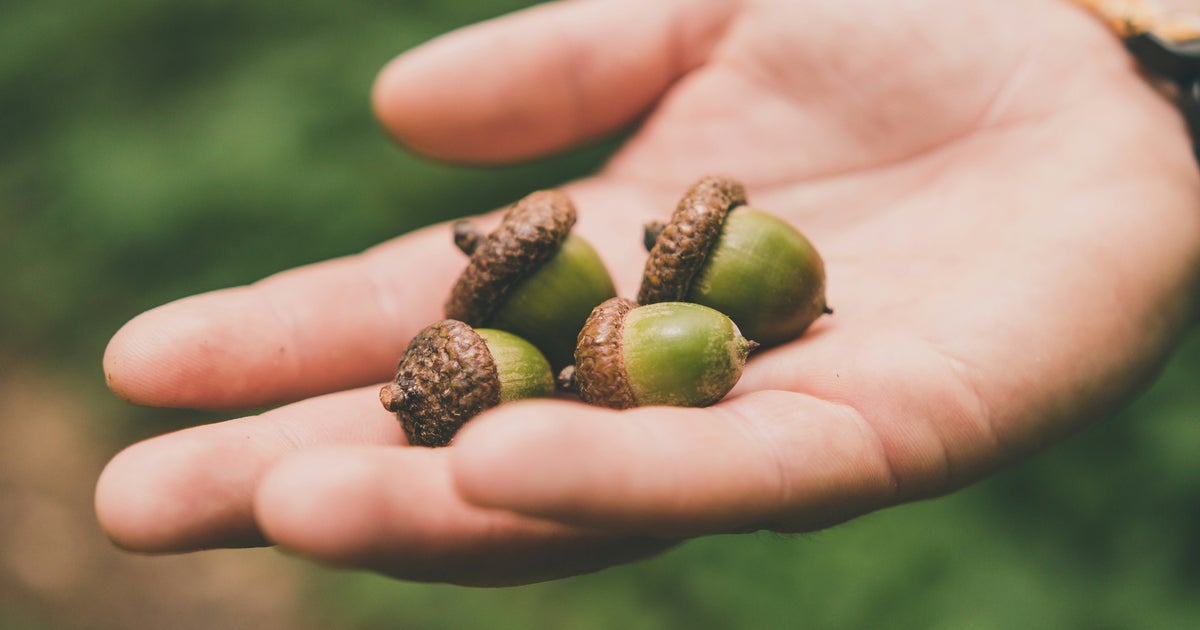
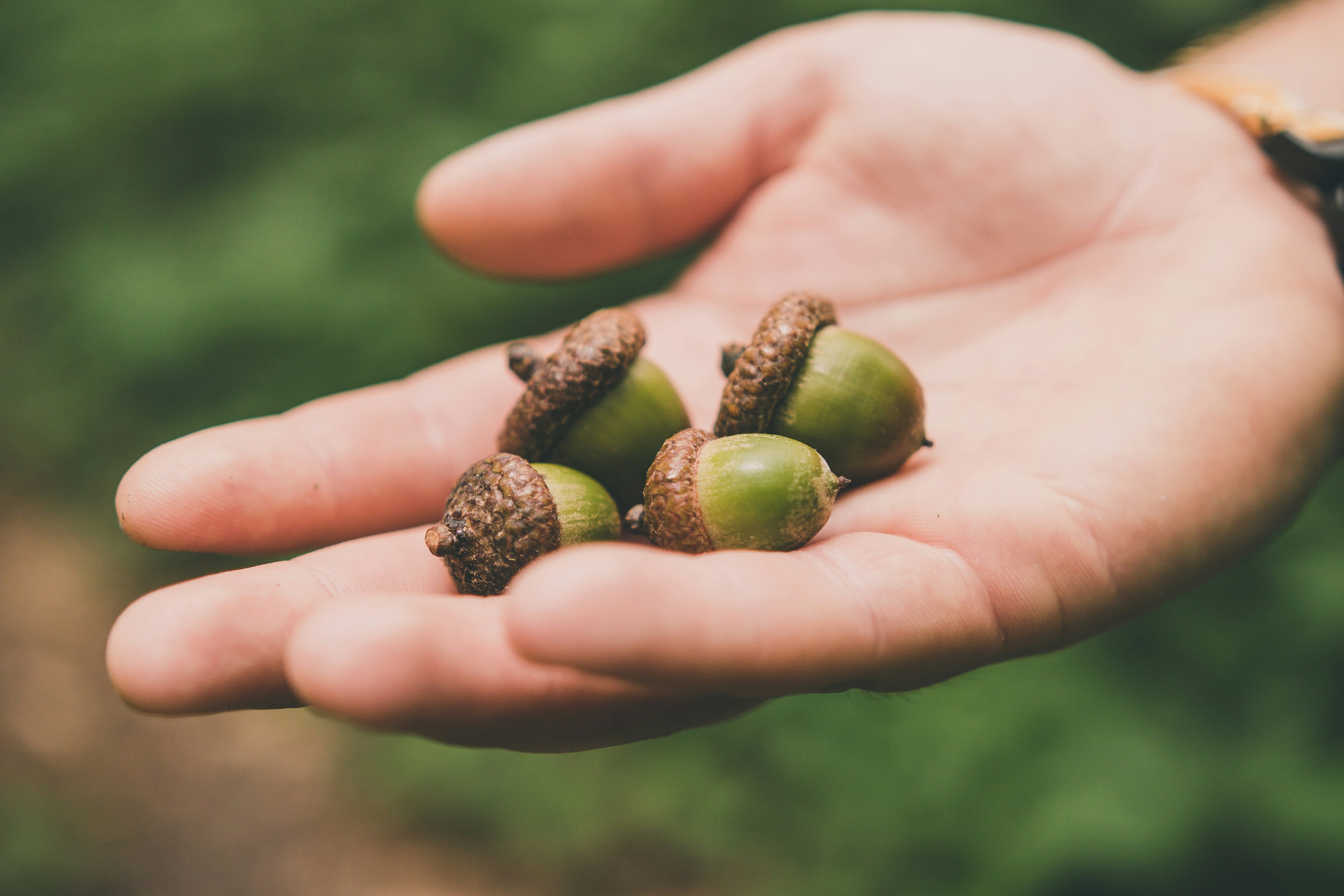
But if you’ve noticed far more acorns on your forest floor than you’re used to, there may be a different cause – it seems oaks are experiencing a “mast year”.

What is a “mast year” for oak trees?

Both oak and beech trees (which produce beech nuts) experience this phenomenon, the Woodland Trust explained.

“Mast” refers to all the fruits and nuts trees release in autumn to allow them to reproduce. It comes from the Old English word “mæst”.

So, when oak and beech trees – whose seed output can change enormously from year to year – have a particularly high-yielding autumn, this is called a “mast year”.

Why do mast years happen?

We don’t know, but experts have theories.

Some think this is down to “predator satiation”, or making more food than animals who eat acorns and beech nuts (like squirrels, badgers, and mice) can realistically consume.

Because the output is so unpredictable, populations of these predators cannot optimise for the amount of seeds the trees put out. In other words, the theory goes, animal populations and eating habits would evolve to match and eat the exact amount of nuts the oaks release – leaving none to grow into other trees.

By making too many acorns some years, the plants ensure there are some left behind to grow after the feeding frenzy. And because acorn production was lower in the previous years, predator populations aren’t big enough to get through them all.

But the cost of doubling down on seeds and nuts is not insignificant. It uses so much energy, the tree’s growth might be slightly stunted.

That’s why “mast years” only happen roughly every five to 10 years.

Share Button

I Spent Years Nearly Drinking Myself To Death. Then A Stranger Sent Me A Photo That Made Me Turn My Life Around

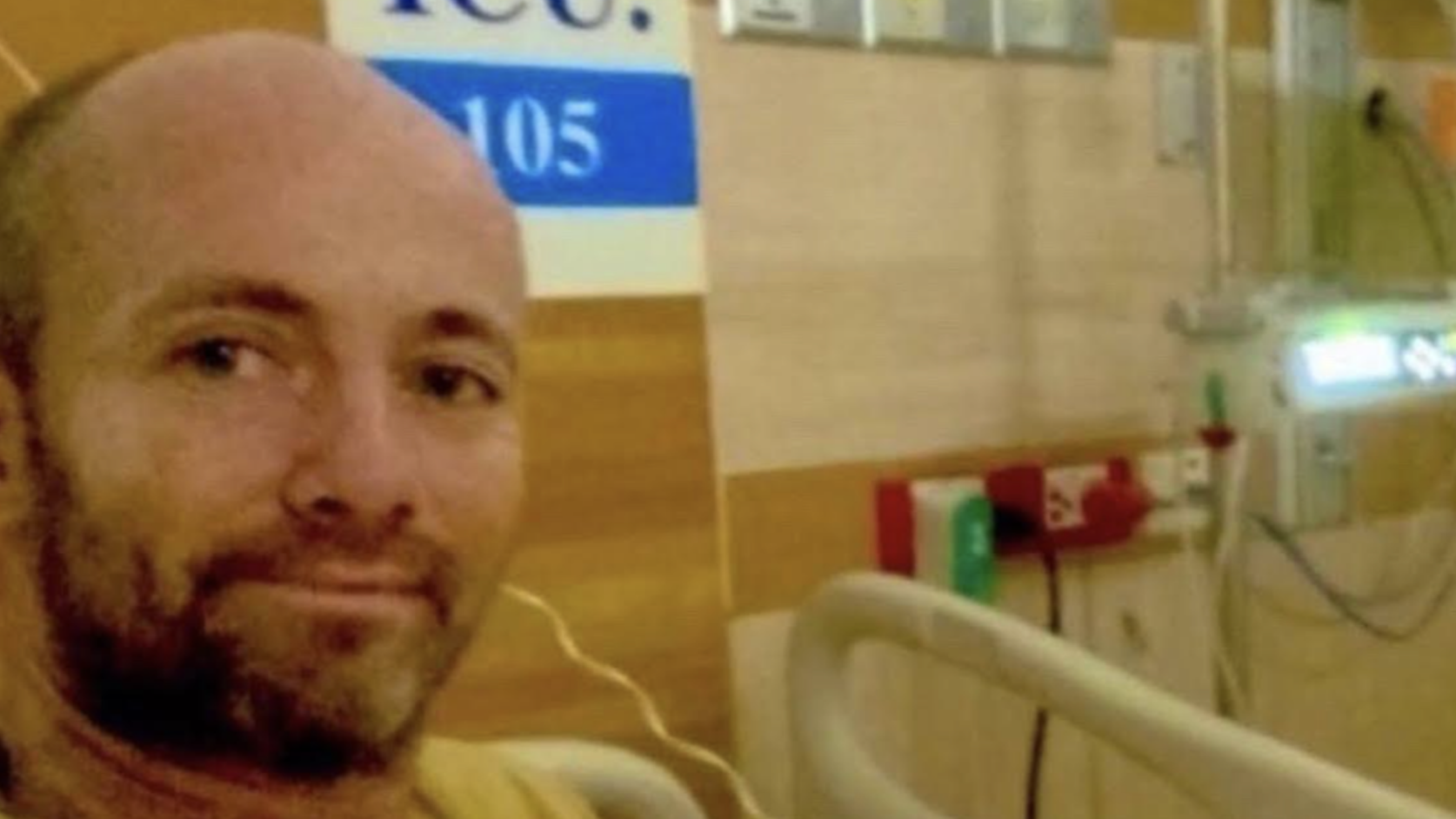
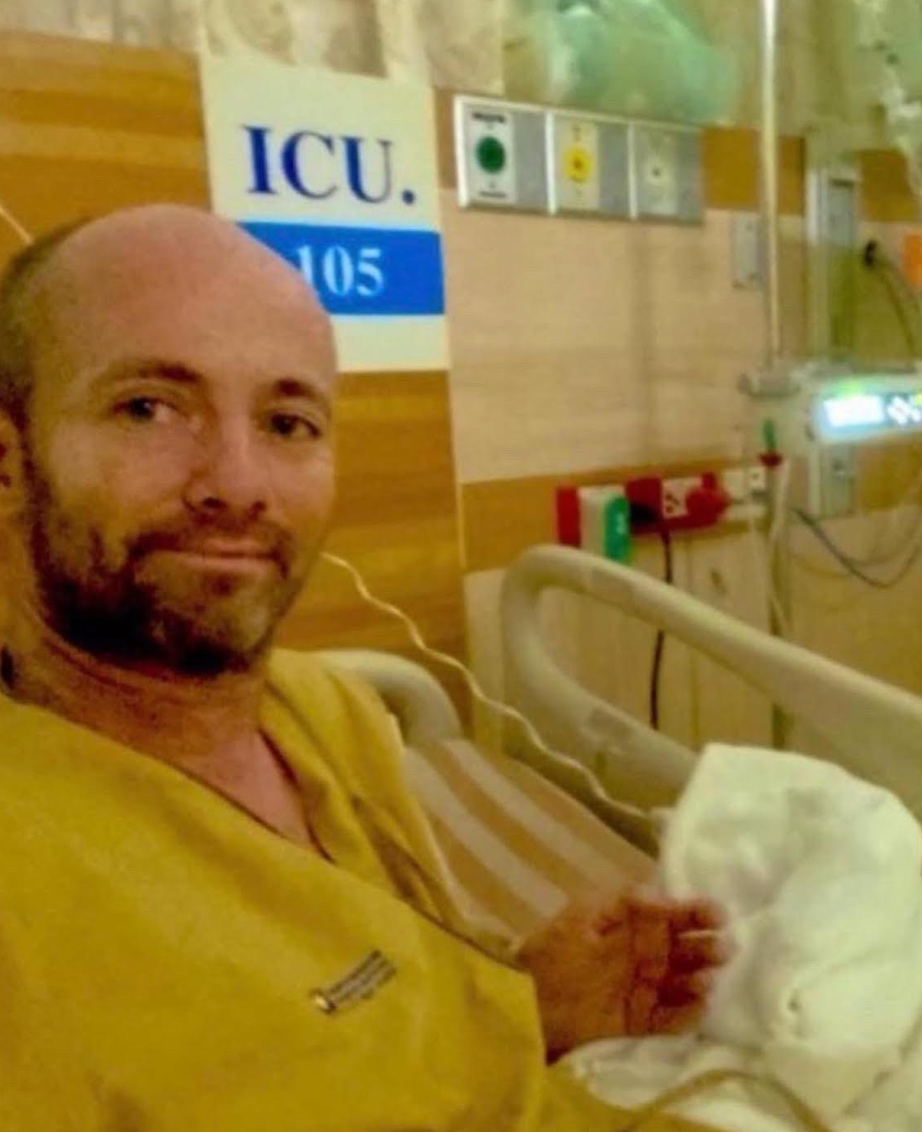
Four years ago, I woke up in an ICU in Thailand. My liver was failing. I was drinking three bottles of wine a day, chasing it with whiskey, and swallowing handfuls of Valium. I wasn’t trying to numb the pain anymore – I was trying to kill myself. I just didn’t have the guts to do it all at once.

Moving to Thailand was supposed to be my big fix. Back in Ireland, I’d built and sold a successful media company with 40 staff members across three cities. On paper, I was doing well.

In real life, I was a wreck. I’d been a functioning alcoholic for years, hiding behind client meetings, late nights, and a culture where drinking hard was seen as normal. I was burned out, lost, and clinging to the hope that sunshine and distance might change something.

It didn’t.

In fact, Thailand made it worse. The freedom, the quiet, the time – it gave my addiction space to grow. With no structure around me, I lost the plot completely. I drank until I blacked out, every day, for months. I was surrounded by beaches and blue skies, but I wanted to disappear.

The ICU stint scared me straight. It was rock bottom. I left the hospital and never touched a drink again. I woke up and realised I had two options: keep going and die, or stop and face everything I’d been running from. That was the day I quit. I haven’t had a drink since.

But getting sober was just the start. I needed something bigger to hold onto. Something that gave the days shape.

That’s when the dogs came in.

At first, it was just a couple of strays I saw around the island. They were sick, mangy, limping. I left out some food. The next day, more showed up. Then more. Before I knew it, I was feeding dozens – then hundreds. The need was overwhelming. Thailand has millions of street dogs, and most of them are barely surviving.

Nobody else seemed to be doing much. So I figured maybe I could.

What started as something to keep me busy became the centre of my life. Today, I run a sanctuary called Happy Doggo. We feed more than 1,200 dogs every day. We rescue the ones that have been hit by cars, dumped, abused, and left to die. We also fund the sterilisation of thousands a month, which helps stop the suffering before it starts.

These dogs have been through the worst, but they still want to trust. They still look at you with hope. That guts me every time.

One dog in particular changed everything.

Her name is Tina.

I got a WhatsApp message one day – a photo from someone I didn’t know. It showed a dog chained under a shack up in the mountains. She was skin and bones, her fur was matted, and she was lying in her own filth. Her eyes were what really got me: broken, but still alert. I’ve seen a lot of rough cases, but this one hit different.

I called Rod, my Aussie mate who helps with rescues, and we drove up into the hills. When we found her, she didn’t move much. Her chain was short, the ground was hard, and her body looked like it had given up. But when I reached out, she leaned into my hand. No fear. No flinching. Just surrender.

The locals weren’t fussed. They said she was old, or maybe hit by a car. They didn’t argue when I asked to take her.

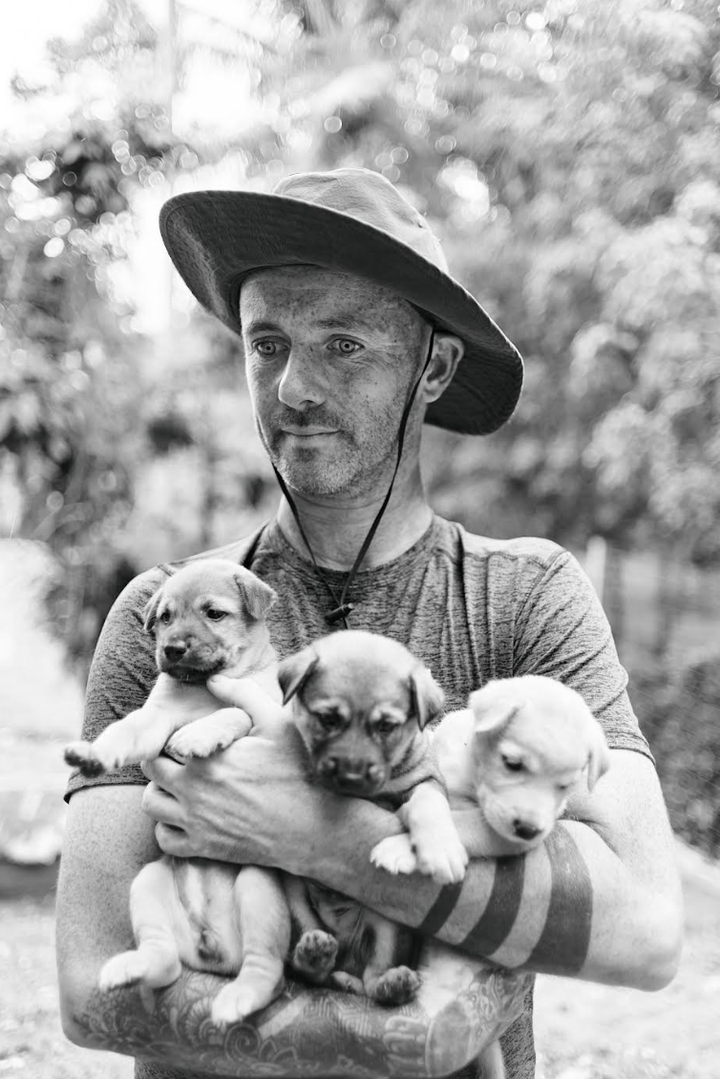
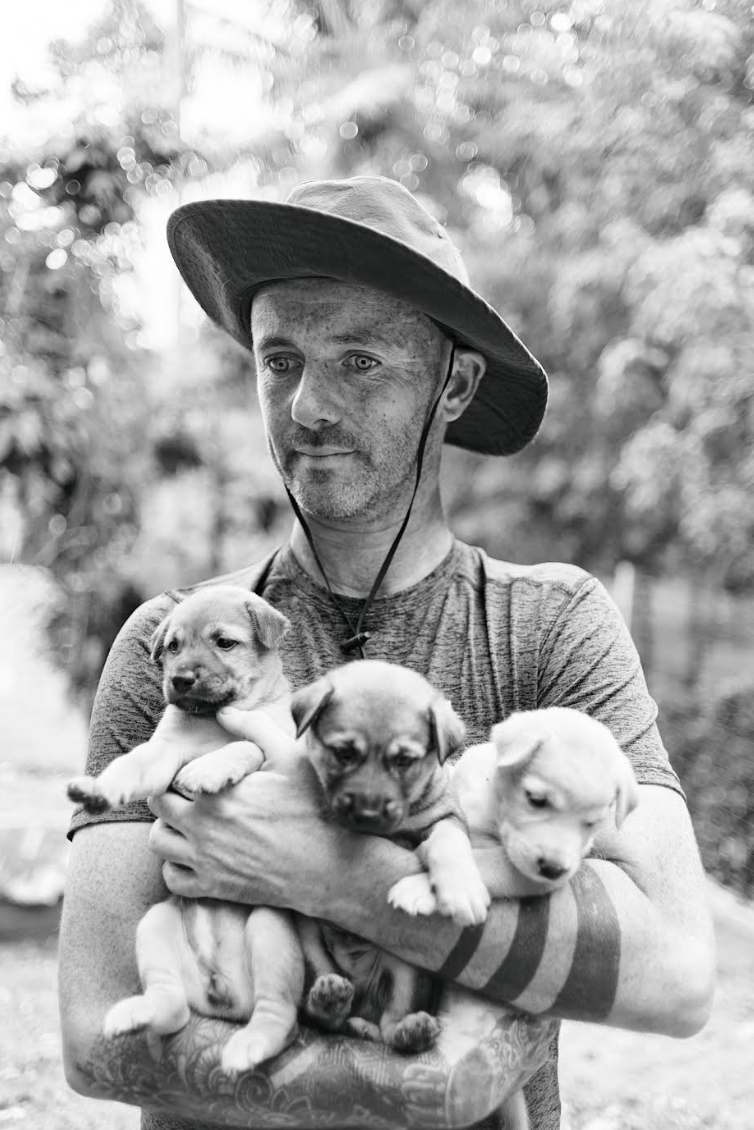
The author with rescue puppies in Thailand in 2023.

Courtesy of Niall Harbison

The author with rescue puppies in Thailand in 2023.

The vet didn’t sugarcoat it. Tina was riddled with parasites, she was anaemic, and her kidneys weren’t great. But the shocker was she was a golden retriever. You don’t see many of those on the streets here. The vet reckoned she’d been used for breeding, over and over, and then dumped when she couldn’t deliver any more litters. Used, then thrown away.

That night, I wanted to give Tina something good. A proper meal. Real food. Something she hadn’t had in a long time.

It nearly killed her.

At the time, I didn’t know that starving dogs can’t handle big meals right away. Within an hour, her stomach ballooned. She started struggling to breathe. I freaked out. My colleague Valeria knew what it was – bloat – a deadly condition where the stomach fills with gas and can twist. If it’s not treated fast, they will die.

We didn’t have a vet on hand. It was just us, a needle, and a lot of panic. Valeria stuck the needle in and released the gas. It hissed out like a pressure cooker, and I thought, maybe, just maybe, we’d bought her a bit more time.

That night, I sat beside Tina listening to her breathe. I thought about the times I nearly died – all the nights I’d wanted it to end – and here I was, doing everything I could to keep this broken little dog alive.

Over the next few days, Tina stayed close. She slept in my bed. Ate tiny meals. Slowly, her fur started growing back. Her eyes softened. She wagged her tail. One day, after a bath, a tuft of hair stuck up like something out of an ’80s music video. I looked at her and thought, You’re Tina Turner.

That’s how she got her name.

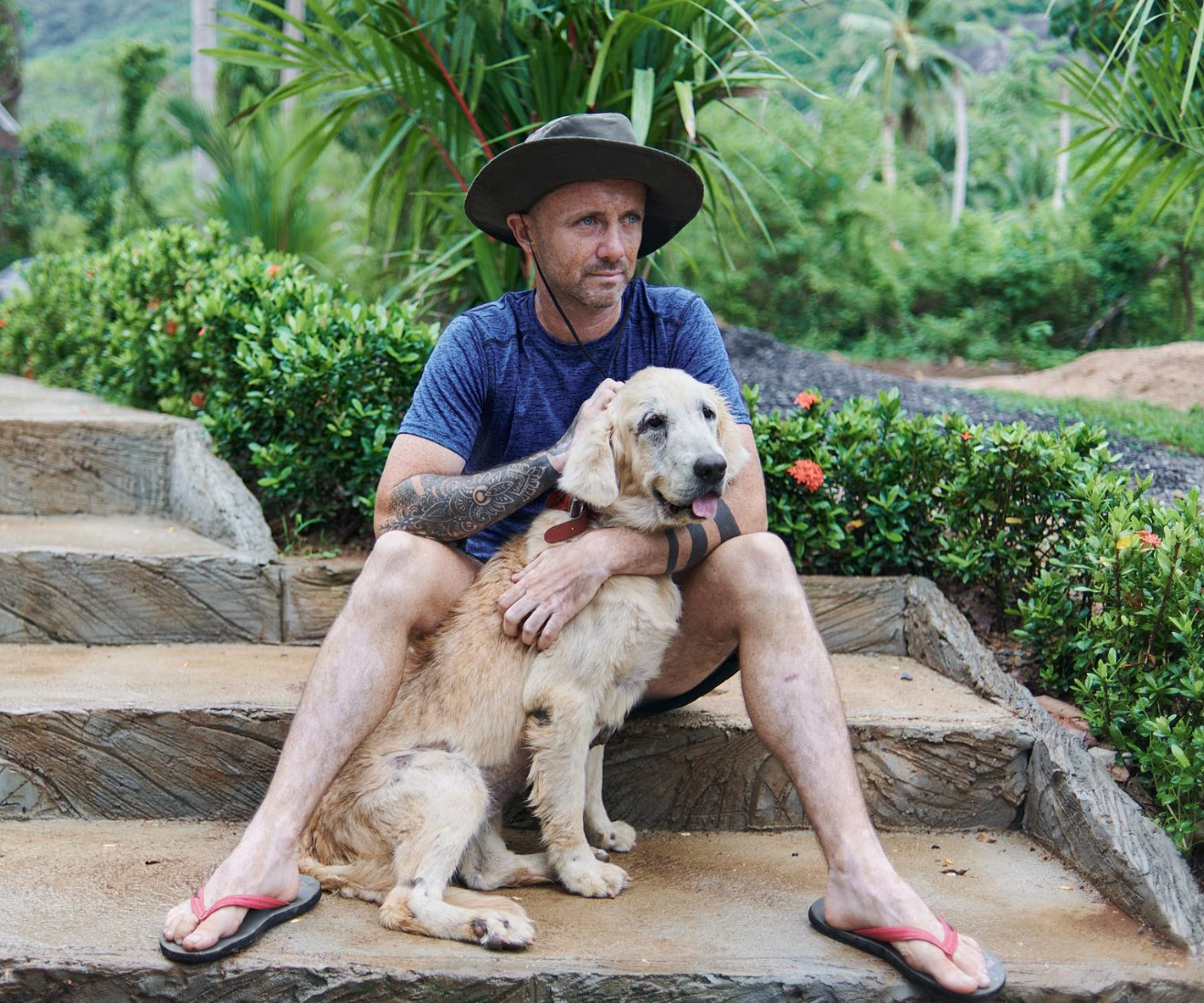
The author with Tina in Thailand in 2023.

Courtesy of Niall Harbison

The author with Tina in Thailand in 2023.

Tina became the face of Happy Doggo. People connected with her story – and I think it’s because we all love a comeback. I certainly do.

She reminded me of myself. Shackled. Exhausted. Written off. But still here. Still trying.

Before all this, I thought success meant money, nice things, a big exit. I had those, and I was miserable. Now, I go to sleep knowing I’ve helped someone survive another day – even if that someone is covered in fleas and chewing my flip-flop. I’ve never felt more grounded.

Sobriety gave me my life back. But the dogs gave me a reason to live it.

People ask why I do this – why I spend my days scooping poop, chasing donations, running around after sick animals. The answer’s simple: because someone has to. And because, somewhere along the way, they saved me, too.

I wrote a book about Tina – and about all of this. It’s called Tina: The Dog Who Changed the World. It’s her story, but it’s mine as well. A story about getting knocked down, and choosing to get up again. About how the smallest life can give you the biggest reason to keep going.

There are 500 million street dogs in the world. I’ve made it my mission to save half of them. Sounds mad, I know. But I believe in impossible things now.

I believe a dog can save a man’s life. And I believe Tina wasn’t just a dog. She was the start of everything.

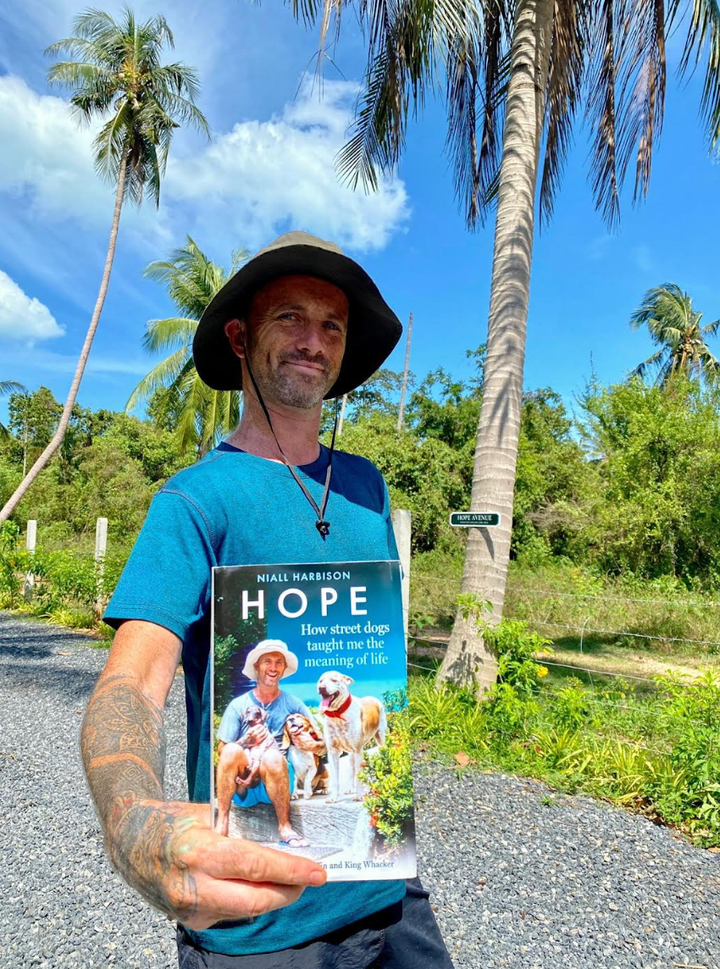
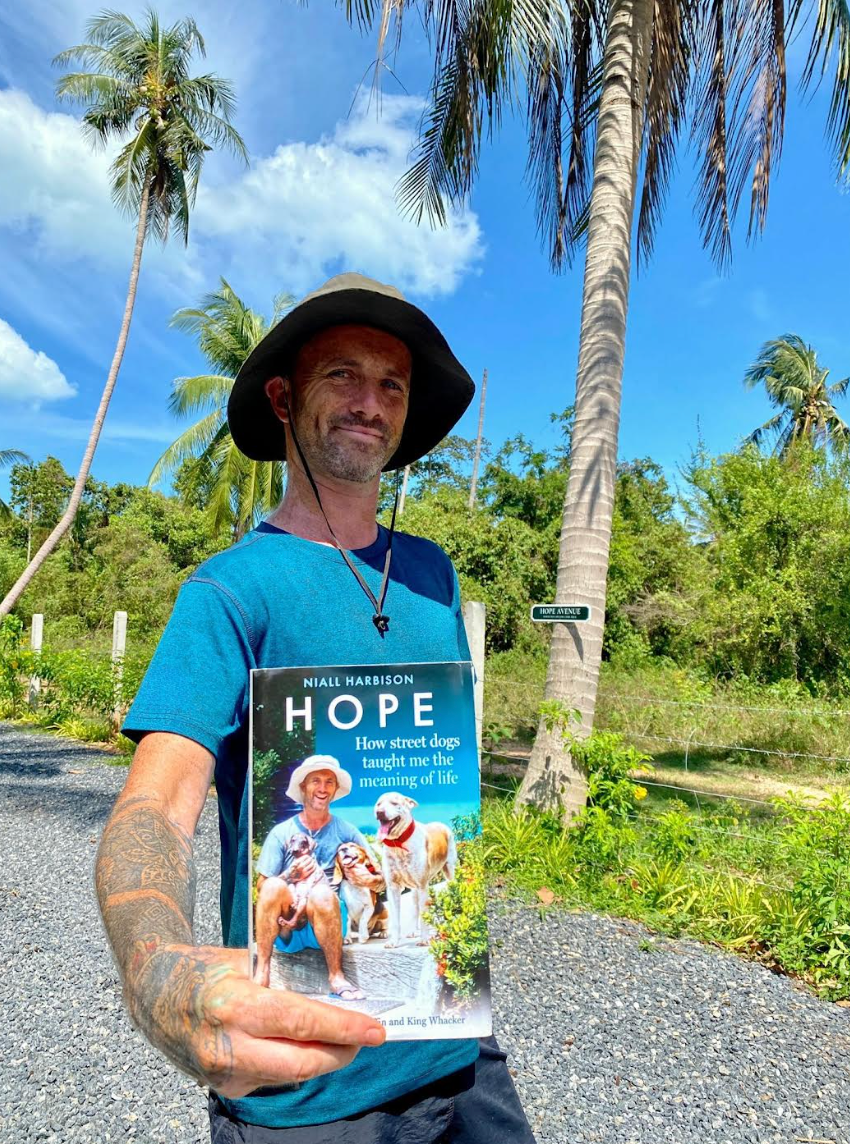
The author holding the first book he published, "Hope: How Street Dogs Taught Me the Meaning of Life."

Niall Harbison is an author, former tech entrepreneur, and street dog rescuer based in Thailand. A recovered alcoholic, he now runs Happy Doggo, a nonprofit that feeds and cares for more than 1,000 street dogs every day. His memoir, “Hope: How Street Dogs Taught Me the Meaning of Life,” became a Sunday Times bestseller, and his latest book, “Tina: The Dog Who Changed the World,” which appeared on the New York Times best-sellers list in 2025, honors the rescue dog who started it all. Follow his journey at happydoggo.com, on Instagram (@niall.harbison and @wearehappydoggo), or on YouTube at http://youtube.com/@wearehappydoggo.

Do you have a compelling personal story you’d like to see published on HuffPost? Find out what we’re looking for here and send us a pitch at pitch@huffpost.com.

Help and support:

Share Button

I Have A Condition Called Polymorphic Light Eruption. This Is How I Get Through The Summer Months

We hope you love the products we recommend! All of them were independently selected by our editors. Just so you know, HuffPost UK may collect a share of sales or other compensation from the links on this page if you decide to shop from them. Oh, and FYI – prices are accurate and items in stock as of time of publication.

For most people, summer means sunbathing, tans and getting that sunkissed look after two weeks in Europe.

But for me, the summer months come with a yearly dread, constantly checking ultraviolet (UV) levels and hiding indoors — because it wreaks havoc on my skin.

I have a condition called polymorphic light eruption, also known as PLE. This is different to heat rashes or sunburns in that I am more sensitive to higher UV levels than most people. Unless I take extra steps to look after the sun exposed skin on my hands, forearms, face or even feet, the sunny and clear skies lead to angry, burning and itchy rashes.

PLE as a condition is not as well known in the general public. For years, I had no idea what was going on with my skin – I used to think I was the unlucky person who got heat rashes and sunburns at the same time every year. It was only a few years ago, when I coincidentally brought up the condition with my GP, did I finally get a name for my yearly suffering. When I searched it up on Google, I remember reading a few news articles calling it a ‘vampire skin condition’ which left me feeling rather unnerved. But it turned out that as long as I prepared for high UV days in advance I could still go out in the sun to some extent.

The actual cause behind PLE is still somewhat unclear, but experts say it’s to do with the body’s heightened immune response to UV light. According to Dr Derrick Phillips, Consultant Dermatologist and official spokesperson for the British Skin Foundation, PLE is thought to be an “over-reaction of the immune system in the skin.”

As someone with a history of hypersensitivities and allergies, this makes sense. He told HuffPost UK: “When the skin is exposed to UV light, an unknown substance or antigen is thought to be produced. In people with PLE, the immune system mistakenly sees this as harmful and mounts an inflammatory response, which leads to the rash.”

Dr Philips added that there seems to be a “genetic component” to PLE, and that up to “46 per cent of people with PLE report a family history.

So, what happens to me? During the summer, my life revolves around the Weather app. I start my day by looking at the temperature, and in particular, UV levels. This is because PLE can also affect me in overcast and cloudy conditions too, as UV light can penetrate through clouds and window glass.

I’ve had unexpected flare-ups despite sitting indoors, all because I spent a few hours sitting near a sunny window. I also react intensely to heat, which leads to flushed skin and a terrible, prickling sensation, followed by the bothersome, itchy rash. It means that summer months can be hard, especially if I’m out in the sun a lot. I avoid going away over summer, choosing to vacation in the autumn or winter months. A few years ago, I went to Barcelona in August and wasn’t as careful with my skin. I was left with angry, itchy rashes on my hands and forearms which put a damper on my holiday plans.

If I can get to the rash before it gets to me, then I’m usually protected. This is done by staying in shade and becoming best friends with suncream. I’ve tried numerous sun creams on the market to find the one that works for me, and it comes down to two products I constantly keep stocked at home.

For my face, the La Roche-Posay Anthelios UVMUNE 400 Ultra-Light Invisible Fluid SPF50+ (Boots, £16) works an absolute treat. It’s extremely lightweight yet effective and keeps my skin protected and hydrated. It’s a great option to use on the go too, and works well under make-up.

For the rest of my body, I swear by Garnier Ambre Solaire SPF 50+ Hydra 24 Hour Hydrating Suncream, which my mum introduced to me when I was little and I still buy it today. It’s one of the most effective suncreams out there, and for its price, (LOOKFANTASTIC, £6.50) it’s an absolute steal. It is a thicker, heavier formulation and takes time to fully absorb in my skin. However, if I go out with this suncream on, I won’t have a single rash anywhere at all.

If I’m unlucky enough to end up with those raised, itchy bumps on my hands or face after going outside, then I know a rash is oncoming. For that, it’s all about making sure I try my hardest not to itch my skin, and keep it shaded, cooled and hydrated. When it gets really bad, I use an over-the-counter topical steroid such as Hydrocortisone 1% to help with the pain and inflammation. To maintain that, I turn to more cooling and calming creams.

Everyone is different, but Sudocrem Antiseptic Healing Cream (Boots, £8) works a treat, and I make sure to regularly use Aveeno’s skin RELIEF moisturising lotion for everyday use (Boots, £6.99). The rest of my skincare routine typically stays the same with the majority of my products being hydrating, calming and soothing, such as BYOMA’s Hydrating Soothing Milky Toner (Sephora UK, £11.99) and The Ordinary’s Hyaluronic Acid Serum (Boots, £7.04).

Sometimes, the rashes can leave me with hyperpigmentation, which is more common in people with brown skin. Dealing with that takes weeks, but the TOPICALS Brightening and Clearing Serum always works well (Sephora UK, £25).

Skincare experts also stress the importance of using SPF50+ products. Dr Hana Patel, from Superdrug Online Doctor, told HuffPost UK that sun cream is “non-negotiable.” for those with PLE She said: “Daily SPF is non-negotiable: Choose a broad-spectrum, high-SPF (30–50) sunscreen with photostable filters (look for ingredients like Tinosorb, Mexoryl SX/XL, or zinc oxide). Apply generously and reapply every 2 hours, especially if sweating or swimming.”

There are other treatments available for more severe PLE which are available through specialist services. Dr Derrick Phillips told HuffPost UK about the options for more “persistent” cases. He said: “A course of phototherapy in spring, which is sometimes called “skin hardening”, can help the skin gradually build tolerance to sunlight ahead of summer.

“Some people may also benefit from taking Polypodium leucotomos extract, a natural antioxidant supplement derived from a tropical fern, which has been shown to provide a degree of internal protection against UV-induced skin damage.”

It’s always important to get advice from a healthcare professional, and see what works for you. I haven’t tried these therapies yet as I’m able to manage my condition myself, but could always consider it in the future.

Share Button

Johns Hopkins breakthrough could make microchips smaller than ever

Johns Hopkins researchers have discovered new materials and a new process that could advance the ever-escalating quest to make smaller, faster and affordable microchips used across modern electronics — in everything from cellphones to cars, appliances to airplanes.

The team of scientists has discovered how to create circuits that are so small they’re invisible to the naked eye using a process that is both precise and economical for manufacturing.

The findings are published on September 11 in the journal Nature Chemical Engineering.

“Companies have their roadmaps of where they want to be in 10 to 20 years and beyond,” said Michael Tsapatsis, a Bloomberg Distinguish Professor of chemical and biomolecular engineering at Johns Hopkins University. “One hurdle has been finding a process for making smaller features in a production line where you irradiate materials quickly and with absolute precision to make the process economical.”

The advanced lasers required for imprinting on the miniscule formats already exist, Tsapatsis added, but researchers needed new materials and new processes to accommodate ever smaller microchips.

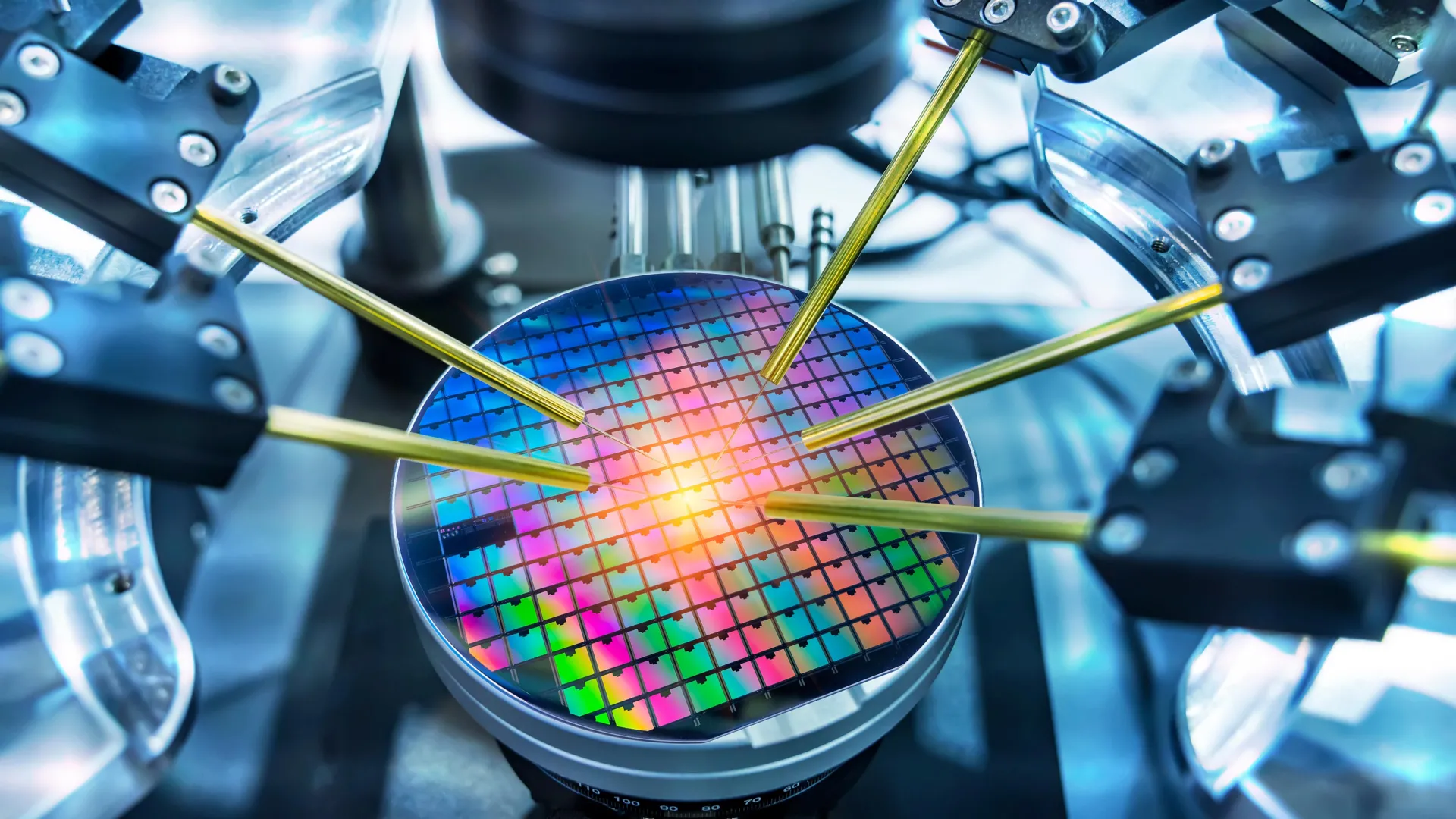
Microchips are flat pieces of silicon with imprinted circuitries that execute basic functions. During production, manufacturers coat silicon wafers with a radiation-sensitive material to create a very fine coating called a “resist.” When a beam of radiation is pointed at the resist, it sparks a chemical reaction that burns details into the wafer, drawing patterns and circuitry.

However, the higher-powered radiation beams that are needed to carve out ever-smaller details on chips do not interact strongly enough with traditional resists.

Previously, researchers from Tsapatsis’s lab and the Fairbrother Research Group at Johns Hopkins found that resists made of a new class of metal-organics can accommodate that higher-powered radiation process, called “beyond extreme ultraviolet radiation” (B-EUV), which has the potential to make details smaller than the current standard size of 10 nanometers. Metals like zinc absorb the B-EUV light and generate electrons that cause chemical transformations needed to imprint circuit patterns on an organic material called imidazole.

This research marks one of the first times scientists have been able to deposit these imidazole-based metal-organic resists from solution at silicon-wafer scale, controlling their thickness with nanometer precision. To develop the chemistry needed to coat the silicon wafer with the metal-organic materials, the team combined experiments and models from Johns Hopkins University, East China University of Science and Technology, École Polytechnique Fédérale de Lausanne, Soochow University, Brookhaven National Laboratory and Lawrence Berkeley National Laboratory. The new methodology, which they call chemical liquid deposition (CLD), can be precisely engineered and lets researchers quickly explore various combinations of metals and imidazoles.

“By playing with the two components (metal and imidazole), you can change the efficiency of absorbing the light and the chemistry of the following reactions. And that opens us up to creating new metal-organic pairings,” Tsapatsis said. “The exciting thing is there are at least 10 different metals that can be used for this chemistry, and hundreds of organics.”

The researchers have started experimenting with different combinations to create pairings specifically for B-EUV radiation, which they say will likely be used in manufacturing in the next 10 years.

“Because different wavelengths have different interactions with different elements, a metal that is a loser in one wavelength can be a winner with the other,” Tsapatsis said. “Zinc is not very good for extreme ultraviolet radiation, but it’s one of the best for the B-EUV.”

Authors include Yurun Miao, Kayley Waltz, and Xinpei Zhou from Johns Hopkins University; Liwei Zhuang, Shunyi Zheng, Yegui Zhou, and Heting Wang from East China University of Science and Technology; Mueed Ahmad and J. Anibal Boscoboinik from Brookhaven National Laboratory; Qi Liu from Soochow University; Kumar Varoon Agrawal from École Polytechnique Fédérale de Lausanne; and Oleg Kostko from Lawrence Berkeley National Laboratory.

Share Button

Electrons that act like photons reveal a quantum secret

Science News

from research organizations


Intriguing behavior of such electrons in particular materials produced by chemical synthesis.

Date:
September 13, 2025
Source:
Ehime University
Summary:
Quantum materials, defined by their photon-like electrons, are opening new frontiers in material science. Researchers have synthesized organic compounds that display a universal magnetic behavior tied to a distinctive feature in their band structures called linear band dispersion. This discovery not only deepens the theoretical understanding of quantum systems but also points toward revolutionary applications in next-generation information and communication technologies that conventional materials cannot achieve.
Share:

FULL STORY


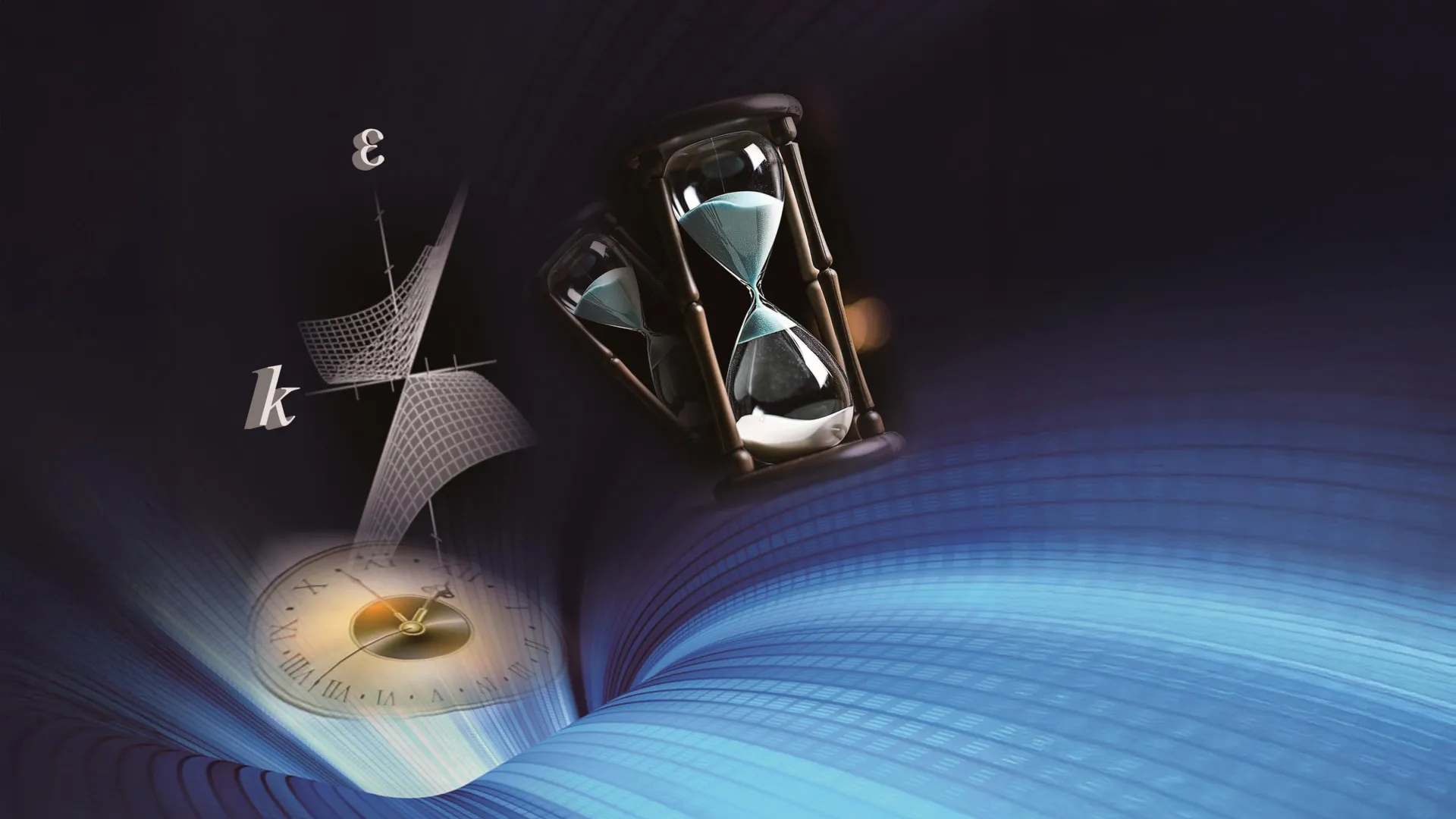
Unique physical properties of materials have been the center of interest in material science community. Among them, quantum materials have recently garnered growing attention, because of their unprecedented physical properties governed by photon-like electrons. We have synthesized a series of organic compounds of as a new member of quantum materials.

After theoretical and experimental examination, we have discovered universal features of magnetic behavior shared by them. Based on our original theoretical model, the behavior is directly related to a characteristic feature of their band structures called linear band dispersion (LBD). Accordingly, such magnetic behavior is intrinsic and universal to quantum materials with LBD.

The findings here will accelerate the understanding and application of quantum materials, which will enable advanced information and communication technology that other materials cannot achieve.


Story Source:

Materials provided by Ehime University. Note: Content may be edited for style and length.


Journal Reference:

  1. Sakura Hiramoto, Koki Funatsu, Kensuke Konishi, Haruhiko Dekura, Naoya Tajima, Toshio Naito. Universal Features of Magnetic Behavior Originating from Linear Band Dispersion: α-BETS2X and α′-BETS2Y (BETS = Bis(ethylenedithio)tetraselenafulvalene, X = IBr2, I2Br, Y = IBr2, ICl2). The Journal of Physical Chemistry Letters, 2025; 16 (35): 9116 DOI: 10.1021/acs.jpclett.5c02197

Cite This Page:

Ehime University. “Electrons that act like photons reveal a quantum secret.” ScienceDaily. ScienceDaily, 13 September 2025. <www.sciencedaily.com/releases/2025/09/250912195124.htm>.

Ehime University. (2025, September 13). Electrons that act like photons reveal a quantum secret. ScienceDaily. Retrieved September 13, 2025 from www.sciencedaily.com/releases/2025/09/250912195124.htm

Ehime University. “Electrons that act like photons reveal a quantum secret.” ScienceDaily. www.sciencedaily.com/releases/2025/09/250912195124.htm (accessed September 13, 2025).

Explore More

from ScienceDaily


RELATED STORIES


Share Button

Woman loses faith in hospital after miscarriage

Emma Simmonds says she will never return to the hospital, this week rated England’s worst.

Share Button