A major new study led by the University of Sydney suggests that walking 7000 steps a day offers similar health benefits across several outcomes as walking 10,000.
il 7000 steps, at which point the benefits began to taper off
A major new study led by the University of Sydney suggests that walking 7000 steps a day offers similar health benefits across several outcomes as walking 10,000.
Led by Professor Melody Ding from the School of Public Health, the study was published in The Lancet Public Healthand analysed data from 57 studies from 2014 to 2025 that were conducted in more than ten countries including Australia, USA, UK and Japan.
The largest and most comprehensive review to date, the researchers examined the impact that different daily step counts have on the chance of dying from cardiovascular disease and cancer, and developing diseases such as cancer, type 2 diabetes, dementia and depression. Professor Melody Ding says the findings offer a more achievable benchmark for people who struggle to meet traditional exercise guidelines.
“Aiming for 7000 steps is a realistic goal based on our findings, which assessed health outcomes in a range of areas that hadn’t been looked at before,” said Professor Ding.
“However, for those who cannot yet achieve 7000 steps a day, even small increases in step counts, such as increasing from 2000 to 4000 steps a day, are associated with significant health gain.
“We know daily step count is linked to living longer, but we now also have evidence that walking at least 7000 steps a day can significantly improve eight major health outcomes — including reducing risk of cardiovascular disease, dementia and depressive symptoms.”
Health benefits at different step counts
The researchers looked at studies in which participants wore step counting devices, such as pedometers, accelerometers and fitness trackers, to track their daily step counts. Starting at 2000 steps, experts compared the health outcomes of people walking more steps a day at 1000 step increments to see whether there was any difference in the risk of early death or other major diseases.
When compared with 2000 steps a day, researchers found that:
Walking 7000 steps a day reduced the risk of death by 47 percent, which was almost identical to the benefit seen at walking 10,000 steps per day.
Dementia risk dropped by 38 percent from walking 7000 steps a day, with only a 7 percent extra reduction at 10,000 steps.
Risk of type 2 diabetes fell by 22 percent from walking 10,000 steps a day and reduced to 27 percent at 12,000 steps.
Significant health improvements were seen when people increased their average daily steps from 2000 to between 5000 and 7000 steps.
“For people who are already active, 10,000 steps a day is great,” said Dr Katherine Owen, co-author and chief analyst of the study from the School of Public Health. “But beyond 7000 steps, the extra benefits for most of the health outcomes we looked at were modest.”
The researchers are working with the Australian government to use the evidence from this study to inform future updates to physical activity guidelines.
“Our research helps to shift the focus from perfection to progress. Even small increases in daily movement can lead to meaningful health improvements,” said Professor Ding.
Experts are calling for future studies to explore how step goals should vary based on age, health status and region, and to include diverse populations and longer-term data to strengthen the evidence. Professor Ding says this kind of detail is rare and will be useful for health practitioners when tailoring advice for patients.
The global marine heatwaves (MHWs) of 2023 were unprecedented in their intensity, persistence, and scale, according to a new study. The findings provide insights into the region-specific drivers of these events, linking them to broader changes in the planet’s climate system. They may also portend an emerging climate tipping point. Marine heatwaves (MHWs) are intense and prolonged episodes of unusually warm ocean temperatures.
These events pose severe threats to marine ecosystems, often resulting in widespread coral bleaching and mass mortality events. They also carry serious economic consequences by disrupting fisheries and aquaculture. It’s widely understood that human-driven climate change is driving a rapid increase in the frequency and intensity of MHWs.
In 2023, regions across the globe, including the North Atlantic, Tropical Pacific, South Pacific, and North Pacific, experienced extreme MHWs. However, the causes underlying the onset, persistence, and intensification of widespread MHWs remain poorly understood.
To better understand the MHWs of 2023, Tianyun Dong and colleagues conducted a global analysis using combined satellite observations and ocean reanalysis data, including those from the ECCO2 (Estimating the Circulation and Climate of the Ocean-Phase II) high-resolution project.
According to the findings, MHWs of 2023 set new records for intensity, duration, and geographic extent, lasting four times the historical average and covering 96% of the global ocean surface. Regionally, the most intense warming occurred in the North Atlantic, Tropical Eastern Pacific, North Pacific, and Southwest Pacific, collectively accounting for 90% of the oceanic heating anomalies.
The researchers show that the North Atlantic MHW, which began as early as mid-2022, persisted for 525 days, while the Southwest Pacific event broke prior records with its vast spatial extent and prolonged duration. What’s more, in the Tropical Eastern Pacific, temperature anomalies peaked at 1.63 degrees Celsius during the onset of El Niño.
Using a mixed-layer heat budget analysis, the scientists discovered diverse regional drivers contributing to the formation and persistence of these events, including increased solar radiation due to reduced cloud cover, weakened winds, and ocean current anomalies. According to the researchers, the 2023 MHWs may mark a fundamental shift in ocean-atmosphere dynamics, potentially serving as an early warning of an approaching tipping point in Earth’s climate system.
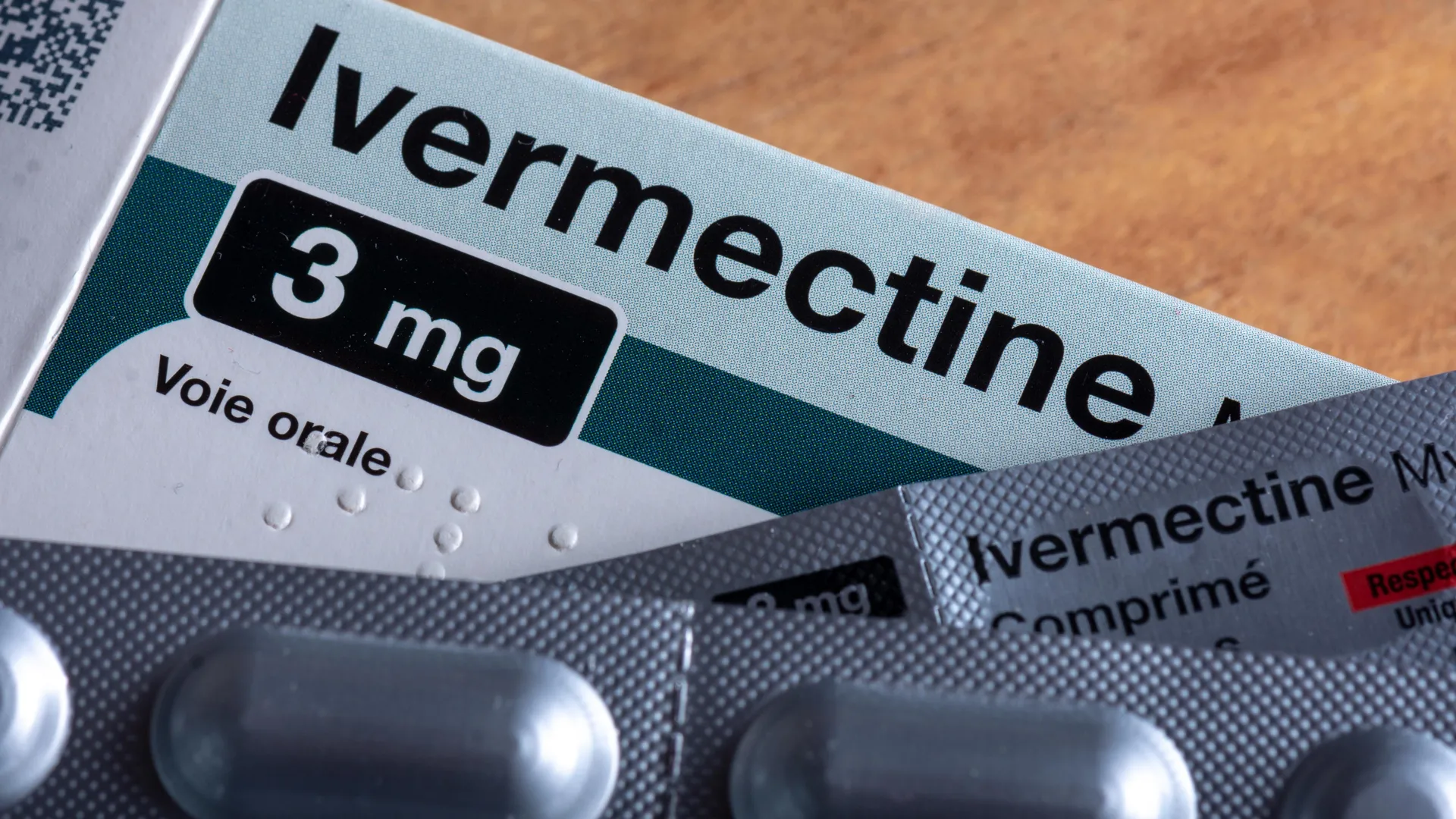
Ivermectin administered to the whole population significantly reduces malaria transmission, offering new hope in the fight against the disease. The BOHEMIA trial, the largest study on ivermectin for malaria to date, showed a 26% reduction in new malaria infection on top of existing bed nets, providing strong evidence of ivermectin’s potential as a complementary tool in malaria control. The results of this project, coordinated by the Barcelona Institute for Global Health (ISGlobal) -an institution supported by the “la Caixa” Foundation- in collaboration with the Manhiça Health Research Centre (CISM) and the KEMRI-Wellcome Trust Research Programme, have been published in The New England Journal of Medicine.
Malaria remains a global health challenge, with 263 million cases and 597,000 deaths reported in 2023. Current vector control methods, such as long-lasting insecticidal nets (LLINs) and indoor residual spraying (IRS), have become less effective due to insecticide resistance and behavioral adaptations in mosquitoes to bite outdoors and during dusk or dawn, when people are not protected by these measures. This underscores the urgent need for innovative solutions to combat malaria.
Ivermectin for malaria: A novel strategy
Ivermectin, a drug traditionally used to treat neglected tropical diseases like onchocerciasis, which causes river blindness, and lymphatic filariasis, which causes elephantiasis, has been shown to reduce malaria transmission by killing the mosquitoes that feed on treated individuals. Given the rising resistance to conventional insecticides, ivermectin could offer an effective new approach totackle malaria transmission, especially in regions where traditional methods have become less effective.
The Unitaid-funded BOHEMIA project(Broad One Health Endectocide-based Malaria Intervention in Africa) conducted two Mass Drug Administration (MDA) trials in the high-burden malaria regions: Kwale County (Kenya) and Mopeia district (Mozambique). The trials assessed the safety and efficacy of a single monthly dose of ivermectin (400 mcg/kg) given for three consecutive months at the start of the rainy season in reducing malaria transmission. In Kenya, the intervention targeted children aged 5-15, while in Mozambique it focused on children under five.
Malaria reduction in Kenya
In Kwale County, Kenya, children who received ivermectin experienced a 26% reduction in malaria infection incidence compared to those who received albendazole, the control drug used in the study. The trial involved over 20,000 participants and more than 56,000 treatments, demonstrating that ivermectin significantly reduced malaria infection rates — particularly among children living further from cluster borders or in areas where drug distribution was more efficient. Moreover, the safety profile of ivermectin was favorable, with no severe drug-related adverse events and only mild, transient side effects already seen with ivermectin in campaigns against neglected tropical diseases.
“We are thrilled with these results,” says Carlos Chaccour, co-principal investigator of the BOHEMIA project and ISGlobal researcher at the time of the study. “Ivermectin has shown great promise in reducing malaria transmission and could complement existing control measures. With continued research, ivermectin MDA could become an effective tool for malaria control and even contribute to elimination efforts,” Chaccour, who is now a researcher at the Navarra Centre for International Development at the University of Navarra, adds.
“These results align with the World Health Organization’s (WHO) criteria for new vector control tools,” states Joseph Mwangangi, from the KEMRI-Wellcome Trust Research Programme. “The findings suggest that ivermectin MDA could be a valuable complementary strategy for malaria control, particularly in areas where mosquito resistance to insecticides is a growing concern,” adds Marta Maia, BOHEMIA’s lead entomologist from the University of Oxford.
Lessons from the Mozambique trial
In contrast, the implementation of the Mozambique trial in the rural district of Mopeia faced severe disruptions due to Cyclone Gombe (2022) and a subsequent cholera outbreak, which significantly disrupted operations. “One of the most important lessons we learned from the trial in Mopeia is that strong community engagement is essential,” states Francisco Saúte, director of the Manhiça Health Research Centre (CISM). “Building trust with local communities and fostering close collaboration with the Health Ministry, National Malaria Control Program, and local authorities was key to ensuring acceptance of the ivermectin MDA.”
Expanding the Impact Beyond Malaria
In addition to reducing malaria transmission, ivermectin MDA offers significant collateral benefits. The BOHEMIA team found an important reduction in the prevalence of skin infestations such as scabies and head lice in the ivermectin group in Mozambique, and the community reported a major reduction in bed bugs in Kenya. These effects are particularly valuable when ivermectin is integrated into existing delivery systems, maximizing its impact on public health.
Shaping the future of malaria prevention
The study is part of a larger global effort to assess ivermectin’s potential in malaria control. The findings have been reviewed by the WHO vector control advisory group, which concluded that the study had demonstrated impact and recommended further studies. Findings were also shared with national health authorities as they evaluate the potential inclusion of ivermectin in malaria control programs.
“This research has the potential to shape the future of malaria prevention, particularly in endemic areas where existing tools are failing,” concludes Regina Rabinovich, BOHEMIA PI and Director of ISGlobal’s Malaria Elimination Initiative. “With its novel mechanism of action and proven safety profile, ivermectin could offer a new approach using a well-known, safe drug that can add to the effect of other mosquito control tools available today.”
On his way out the door to a weekend golf trip that’s set to cost American taxpayers at least $10 million, Donald Trump stopped to answer a couple questions from reporters ― and he was awfully cagey when asked about Ghislaine Maxwell.
Asked if he would pardon or commute the sentence of Maxwell, sex offender Jeffrey Epstein’s onetime girlfriend, Trump sure didn’t say “no.”
Advertisement
“I’m allowed to do it,” he told reporters. He then claimed that “it’s something I’ve not thought about.”
Presumably, Trump wouldn’t pardon Maxwell, who was convicted for helping Epstein sexually abuse underage girls, unless it benefited him personally — perhaps by buying her silence or otherwise somehow distracting the country from his own past relationship with Epstein.
Advertisement
Trump deflected further when pushed on the subject.
Maxwell is serving a 20-year sentence at a federal prison in Tallahassee, Florida. Deputy Attorney General Todd Blanche met with her on Thursday in an attempt to quell a firestorm over the Trump administration’s backtracking on promises to release additional records from the Epstein investigation.
“What I do want to say is that Blanche is a great attorney,” Trump told reporters.
Then he launched into one of his classic redirects and encouraged the press not to investigate his own connection to Epstein, but everyone else’s. He proceeded to list names that may or may not be in the Epstein files and speculated about “hedge fund guys” and former President Bill Clinton going to Epstein’s island.
In the same back and forth, Trump also denied that he’d written a lewd birthday message for Epstein that featured a drawing of a naked woman and remarked how “enigmas never age” while wishing that “may every day be another wonderful secret.” The Wall Street Journal published the content of the note last week.
“I told Rupert Murdoch it was a Scam, that he shouldn’t print this Fake Story,” Trump posted on Truth Social, the social media app he owns. “But he did, and now I’m going to sue his ass off, and that of his third rate newspaper.”
Advertisement
“Mr. Murdoch stated that he would take care of it but, obviously, did not have the power to do so,” Trump wrote in another post.
The story in question reported that Trump had apparently sent a crude letter to Epstein on his 50th birthday in which he alluded to things the two men had in common and included the phrase, “may every day be another wonderful secret.” When the paper didn’t kill the story as Trump had asked, the president filed a libel lawsuit claiming that the story would cause him “overwhelming financial and reputational harm” and demanding $10 billion in compensation.
Not even Murdoch, whose media empire (which includes Fox News) has been of great political benefit to Trump, is safe. He, along with the Journal and the reporters who worked on the story, were named in the suit.
Advertisement
It’s no secret that the president is notoriously thin-skinned and can’t handle even mild criticism, nor does he hide that he’s particularly litigation-happy — Trump has long filedlawsuits, including spurious ones, against negative media coverage. But this time is different.
“It’s unprecedented to have a sitting president file a lawsuit against a newsroom,” said Tim Richardson, the journalism and disinformation program manager at PEN America, an organisation that advocates for free speech rights.
If Trump can control the media, he will be free to enact whichever policies he wants — without anyone to hold him accountable for the harm they may do. It’s all a part of his effort to control what Americans can say, think, or engage with.
“Trump is throwing a temper tantrum and saying if I shout loudly enough, maybe the people who criticise me will go away,” Peter Loge, a professor of media and public affairs at George Washington University, told HuffPost. “But if you don’t want to get yelled at about what you think, don’t be President of the United States.”
Because of the First Amendment, it’s a standard of American law that people have the right to speak about and critique their government, and that includes news publications. What’s more, public figures have a higher bar to clear than a regular person when it comes to claiming defamation, or that a story or criticism damages them. It’s understood, and courts have supported, that if you are in public life, the public has an interest in your doings, even if they are not flattering.
Advertisement
Well, it’s understood, except apparently by Trump himself.
“Trump is basically saying, if you say something I don’t like, I’m going to punish you,” Jenna Leventoff, senior policy counsel at the American Civil Liberties Union, told HuffPost.
It is, in fact, something Trump has been saying to other institutions for a long time. Since January, Trump has signed executive orders threatening big law firms that have championed issues he doesn’t like, hamstringing their ability to bring legal challenges against his administration. The president demanded that the firms provide him with pro-bono services — and many, though not all, of them capitulated.
He has also turned the screws on colleges and universities, traditionally sites of political protest and civil disobedience. Through executive orders and policy demands, he has pushed to swing higher education to the political right: prioritizing enrolling conservative-leaning students, hiring faculty that support Trump, and demanding they end programs that focus on race and justice. If colleges fail to adhere to the Trump agenda, he threatens them with loss of federal funding.
Trump’s war with the press is a holdover from his first administration, and he picked it up almost immediately after returning to the White House. In this administration, he has begun to openly use threats and the power of the federal government to exercise pressure on his critics.
“The tactics that have been used have been ratcheted up from what we saw [during his first term],” Richardson said.
But Trump has used the move since. After The Wall Street Journal published its story about the Epstein birthday card, Trump blocked a WSJ reporter from coverage of official events. The White House had also previously blocked a HuffPost reporter from the group of journalists covering the president, although the reporter, S.V. Date, was later reinstated.
Brendan Carr, the FCC chair, said it was because the station reported on the live location of the vans of federal immigration officers. The radio station, Carr said, needed to “explain how this could possibly be consistent with their public interest obligations.”
“Every elected official complains that the press is unfair,” Loge noted. “The difference with this administration is that Trump is actively trying to threaten and shut down the free press.”
Advertisement
Francis Chung/Politico/Bloomberg via Getty Images
Trump began a feud with CBS when he falsely accused the network of “deceptively” editing a 60 Minutes interview with Harris during the 2024 presidential race to “tip the scales” in her favour. Trump filed a lawsuit against Paramount, which owns CBS. The company said the interview was simply edited for time, which is typical, rather than doctored. Still, Paramount settled for $16 million.
After Paramount agreed to thesettlement, Stephen Colbert, the host of the Late Show With Stephen Colbert on CBS, lampooned the company’s decision to genuflect before the president, calling the settlement a “big fat bribe.”
Advertisement
Paramount was in the middle of an upcoming merger with Skydance Media, for which it needed FCC approval.
Colbert, a longtime critic of the right wing in general and Trump in particular, even seemed to acknowledge that the jokes put a target on his back.
“Some of the TV typers out there are blogging that once Skydance gets CBS, the new owners’ desire to please Trump could ‘put pressure on late-night host and frequent Trump critic Stephen Colbert,’” the host said, quoting a Puck News article. “OK, OK, but how are they going to put pressure on Stephen Colbert… if they can’t find him,” he joked.
Advertisement
Three days after Colbert skewered the settlement, CBS announced it was cancelling his show. Executives stressed that it was a purely financial decision. Trump, however, took a victory lap.
“I absolutely love that Colbert got fired,” Trump said on Tuesday in a Truth Social post. He also alluded to other late-night hosts who make fun of him. “It’s really good to see them go, and I hope I played a major part in it!”
“Trump’s goal is to have a chilling effect,” Leventoff said. Advocates worry that if he’s able to threaten and punish media outlets, companies and universities with no repercussions, it’ll send a signal to other institutions that fighting back isn’t worth it.
It’s not just those who examine Trump’s policies who are subject to intimidation.
On Wednesday’s episode of the daytime talk show “The View,” co-host Joy Behar discussed Trump’s regular attempts to turn criticisms back to former President Barack Obama. “The thing about [Trump] is he’s so jealous of Obama. Because Obama is everything that he is not — trim, smart, handsome, happily married, and can sing Al Green’s song ‘Let’s Stay Together’ better than Al Green,” Behar said. “And Trump cannot stand it. It’s driving him crazy.”
Behar “should self-reflect on her own jealousy of President Trump’s historic popularity before her show is the next to be pulled off air,” the White House statement read.
Advertisement
“This is intimidation,” Richardson said. “The View is not standard news, but it all follows the same line of thinking. If there’s criticism or dissent, he wants to quash it.”
In both those countries, cracking down on press freedom is routine. In Russia, journalists have been arrested for negative coverage of the government, and dozens of reporters have been killed. Orbán’s far-right party has proposed laws that would penalise groups that receive foreign donations, including journalism outlets. He has been accused of rewarding loyal news outlets with government subsidies.
Advertisement
“These are certainly tactics that have been used in other countries to muzzle the press,” Richardson said.
In such a quelling environment, even questionable situations can contribute to a sense that dissent runs the risk of punishment.
“People are agreeing with Trump because they’re too afraid to oppose him,” Loge said.
When the approval of the Paramount merger was announced, Anna Gomez, the only Democrat on the FCC, blasted the decision.
Advertisement
“The Paramount payout and this reckless approval have emboldened those who believe the government can — and should — abuse its power to extract financial and ideological concessions, demand favored treatment, and secure positive media coverage,” she said.
“It is a dark chapter in a long and growing record of abuse that threatens press freedom in this country. But such violations endure only when institutions choose capitulation over courage. It is time for companies, journalists, and citizens alike to stand up and speak out, because unchecked and unquestioned power has no rightful place in America.”
Media capitulations will only further harm free speech rights and embolden Trump. “It’s setting a dangerous precedent,” Richardson said. “And it’s hard to say where this ends.”
Chances are you either know, or are, a “people pleaser” ― someone who feels the urge to please others, sometimes at your own expense.
It can make you reluctant to say “no” to others, anxious about speaking up for your own needs, and suspicious that the people in your life are always taking advantage of your “helpful” nature.
Advertisement
But speaking to HuffPost UK, Dr. Bijal Chheda, consultant psychologist and the founder of neurodiverse-inclusive mental health clinic Nos Curare, sometimes the instinct can be a form of “fawn mode.”
What is “fawn mode”?
“While many people are familiar with the classic stress responses ‘fight, flight, or freeze,’ there’s a fourth overlooked reaction called ‘fawn mode,’” Dr Chheda told us.
“Fawn mode is a psychological response to threat where, essentially, people-pleasing is turned up to become a survival strategy.”
Advertisement
But instead of causing you to flee from or confront a perceived threat, “fawn mode” means you become hyper-attuned to the needs and expectations of those around you.
It can happen to people who were bullied or exposed to an emotionally unsafe environment in childhood, the expert said, but it can also start in adulthood following toxic work, romantic, familial, or platonic relationships.
“Because they fully believe that their safety or acceptance depends on keeping others happy, people in fawn mode feel the need to work extra hard in the moment to maintain peace,” the psychologist shared.
Advertisement
For those on the autism spectrum, fawning behaviours “may overlap with masking or the act of camouflaging one’s real traits as a way to blend in with social expectations.
“They do this consciously in order to minimise rejection or avoid criticism, often resulting in burnout.”
Those with ADHD may face similar pressures, she continued.
What are the signs I’m in “fawn mode”?
Per Dr Chheda, you may be in fawn mode if:
1) Saying no feels impossible, even when you’re overwhelmed.
You might find it hard to set boundaries, even ones that are sorely needed, the psychologist said.
“Even when your own energy or time has been depleted, you tend to prioritise others’ needs to avoid conflict or confrontation.”
Advertisement
2) You are constantly anxious about upsetting others.
“This heightened anxiety makes every interaction feel like a test where one wrong move could lead to disapproval or instant abandonment,” Dr Chheda told us.
This can make clear, honest communication “exhausting.”
3) Apologising has become a reflex or automatic response.
Find yourself saying “sorry” out or habit, even if you’ve done nothing wrong?
“In these instances, apologising has become a default response used to smooth over situations or deflect potential criticism,” explained the psychologist.
“Over time, this habit can blur the lines of personal responsibility.”
4) Your sense of self-worth depends on being needed.
Some people in “fawn mode” tie their self-worth to how useful they feel they are to other people.
“In turn, this dynamic makes it hard to recognise your own personal needs or prioritise self-care without feelings of guilt,” Dr Chheda stated.
Advertisement
5) You feel responsible for how other people feel.
You might be hyper-vigilant about other people’s emotions and moods.
“This constant monitoring can leave you emotionally exhausted. In focusing so much on others, it becomes easy to lose sight of your own feelings or identity,” the pro told us.
What should I do if I think I’m in “fawn mode”?
You don’t have to turn a lifetime of habits around in a day, Dr Chheda revealed.
“Self-awareness is the first step to breaking free from fawn mode. Take time to reflect on when these behaviours began and how they have been reinforced throughout your life,” she advised.
“Once you have done this, you can start setting micro-boundaries. Begin with small steps like saying no to low-stakes requests or pausing before agreeing to things.”
Advertisement
The process of untying your worth from the needs of others can be lonig and tricky, the psychologist ended, but is ultimately worth it.