You might already know that how long you can stand on one leg has been linked to your brain age ― the position involves coordinating different parts of your body and mind, making it uniquely useful as a marker of ageing.
But not all the signs are medical, as anyone who’s ever looked at a festival lineup and thought “I don’t recognise a single name here” knows.
Advertisement
And recently, members of r/AskUK wondered whether or not the pronunciation of the letter “z” counts as one such marker.
“I was horrified to learn that a fully British colleague of mine says ‘zee’ for the letter zed and he says he always has. Is this now common and I have just lost touch?”, a now-deleted poster asked.
So, we spoke to clinical linguist and CEO of Dysolve, Dr Coral Hoh, about what was really going on.
Yep, it does seem to be an age thing
“Yes, it’s generational but not confined to the UK alone,” the linguist said of the Americanised pronunciation.
Advertisement
“It is also the case in other English-speaking regions,” she told HuffPost UK.
“For example, in Southeast Asia, in countries like Singapore and Malaysia, speakers in their 30s-40s may use ‘zee’ and ‘zed’ interchangeably.”
Meanwhile, she says, “their younger counterparts prefer the former, thanks to American influence.”
Growing up in Ireland, people in my Disney Channel-reared age group were constantly being accused of the same thing (I’ll admit I choose “zee” over “zed,” though my older relatives would never).
Advertisement
People think the trend is coming from media, including social media
“Americanisms are becoming more and more common, I blame YouTube,” Redditor u/Frst-Lengthiness-16 opined.
“My kids refuse to call biscuits by the correct name, calling them fucking ‘cookies.’”
Jane Setter, a professor of phonetics at the University of Reading, agrees, telling The Guardian: “For children, it could simply be because everyone is watching a particular trending YouTube influencer or group of influencers, or playing particular online interactive games, through word of mouth and a desire to fit in with their friends, that these people speak in a particular way, and the kids are using the features of those speakers with other kids to show they “belong” to that group.”
This may be part of the reason why Americanisms are so common among Gen Z (never said “Gen Zed,” I note) and younger…
But that’s got nothing on the improbable director Jennifer Love Hewitt says is behind one of her most famous scenes.
Advertisement
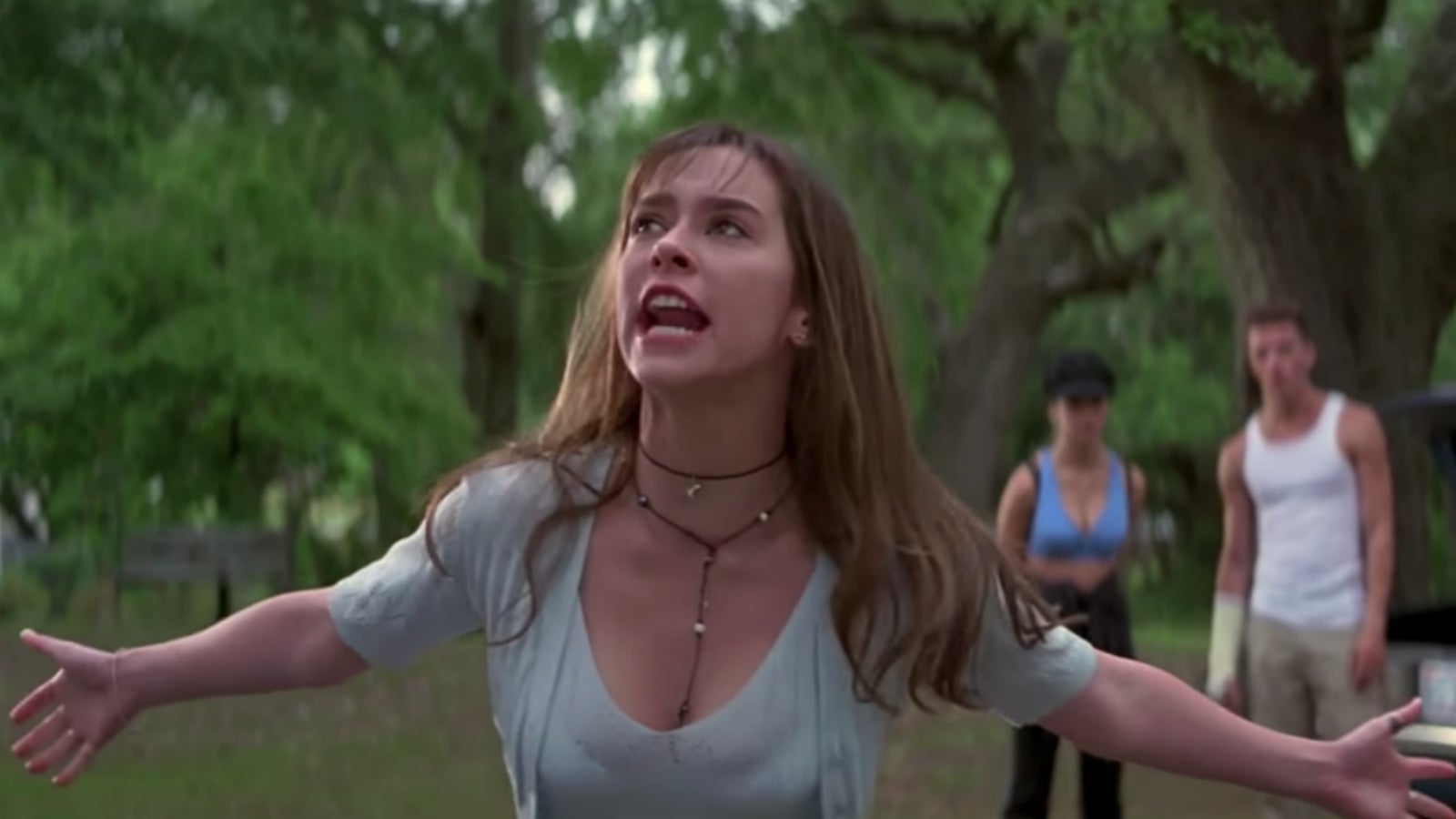
In I Know What You Did Last Summer, the actor’s character breaks down after months of being followed by a killer. The camera shows her spinning in the street as she screams: “What are you waiting for, huh? What are you waiting for?”.
The moment is probably the best-known scene in the movie – and Jennifer says it was directed by a child, in an interview that’s resurfaced in a viral Instagram Reel.
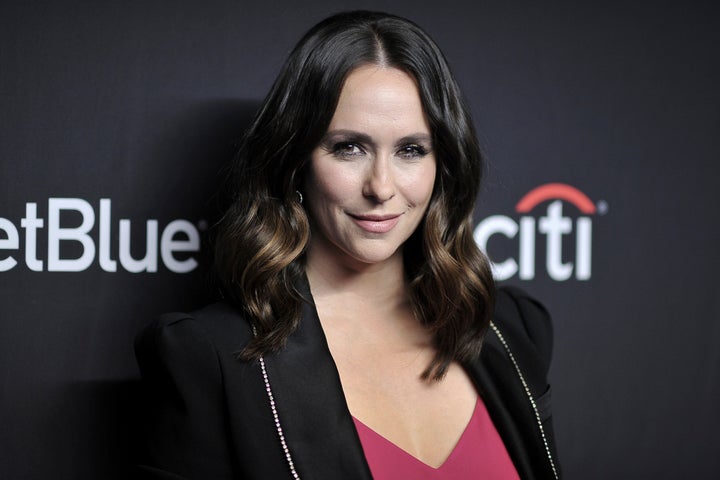
via Associated Press
Jennifer Love Hewitt
Advertisement
Speaking to US Weekly in 2018, the star said: “Here’s what’s crazy about that – that scene was actually directed by a kid who won a contest to come on and create a moment for the movie, and it became the biggest part of the movie.”
Though she admitted “I have no idea where he is,” she said his direction was great.
She claimed he said, “I want her to stay in the street and turn around and just… scream, like, ‘What are you waiting for?’”.
“I was literally like, are you kidding me right now?” Jennifer added.
“This is what I’m gonna do? Okay, this is a great idea, let’s have this guy come in,” she said sarcastically.
Advertisement
“And then we were doing it, and it looked amazing. And now everybody loves it.”
“That’s one of the best scenes of the movie. And one of my favourites to recite as well,” an Instagram user commented under a post about the fact.
The actor is set to star in the new release, having previously told US Weekly: “I’m gonna be the creepy old lady who’s still turning around in the street screaming into the air and the kids are gonna hit me. That’s gonna be my part in the next movie!”
We don’t know exactly what her new role in the franchise will be yet ― but there’s been no mention of child directors so far.
Cute as that seems, dogs have so many other ways of showing affection (wagging their tail, running up to you, leaning against you) that you might be left wondering why they had to turn to your favourite slipper in the first place.
Advertisement
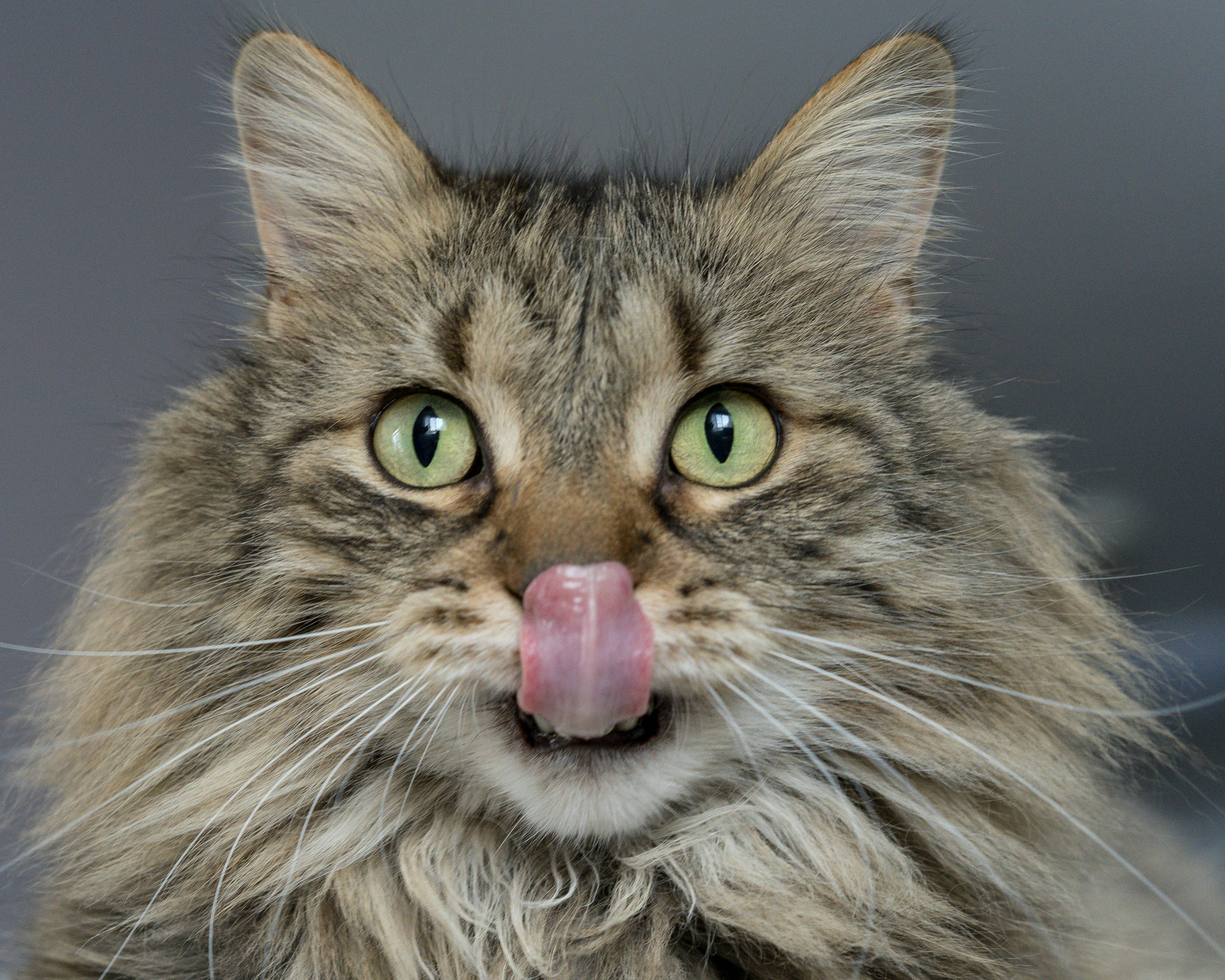
Surely that’s the sort of behaviour you’d expect from notoriously cryptic cats, whose rarer displays of affection include stretching at, kneading on, and licking their owner?
And does your cat licking you mean they like you at all?
It could be a form of “allogrooming”
According to PetMD, we can’t be 100% sure (typical felines) ― but one of the leading theories vets have is that your cat might lick you to get closer to you.
“Mothers groom their kittens and cats may groom one another, which is called allogrooming,” the publication shared.
Advertisement
This helps to strengthen social bonds and increases a sense of belonging (aww).
Other causes may include your cat seeking attention from you, your cat liking the taste of your skin (yes, really ― be careful with this if you’re wearing lotions, fake tan, or perfume), and them identifying you as a part of their group.
Rarely, the habit could indicate stress or anxiety. This is especially likely if their ears are flat to their head and/or their tail is swishing
Advertisement
See your vet if your cat suddenly starts licking you a lot out of nowhere, though. Very occasionally, this can be caused by medical conditions that create nausea.
Why are cats’ tongues so scratchy?
A study published in Proceedings of the National Academy of Sciences found that cats’ tongues actually have little hooks, rather than cones, which allow them to hold saliva on their tongue.
When cats lick themselves (or you), this is designed to comb their fur and distribute the cleansing saliva evenly across the surface they go for ― sometimes at the cost of a scratching sensation on your skin.
Advertisement
Per BBC Science Focus, this is partly because cats (unlike dogs) are solitary hunters. When a cat is hunting, they need to disguise their scent ― their specially-designed tongue helps them to do this to themselves easily.
This is less important for dogs, whose pack-hunting technique requires less disguise from both their prey and potential predators.
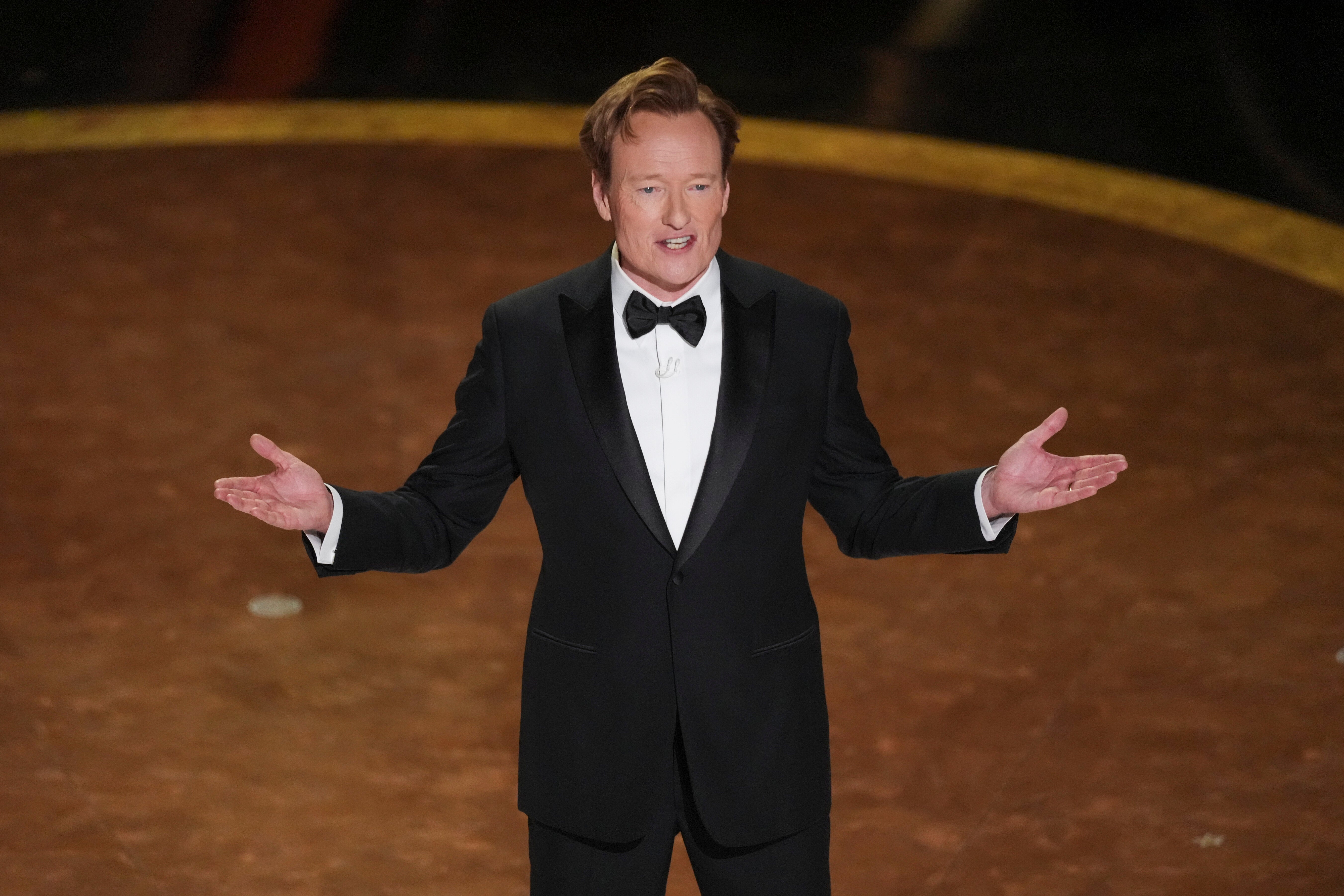
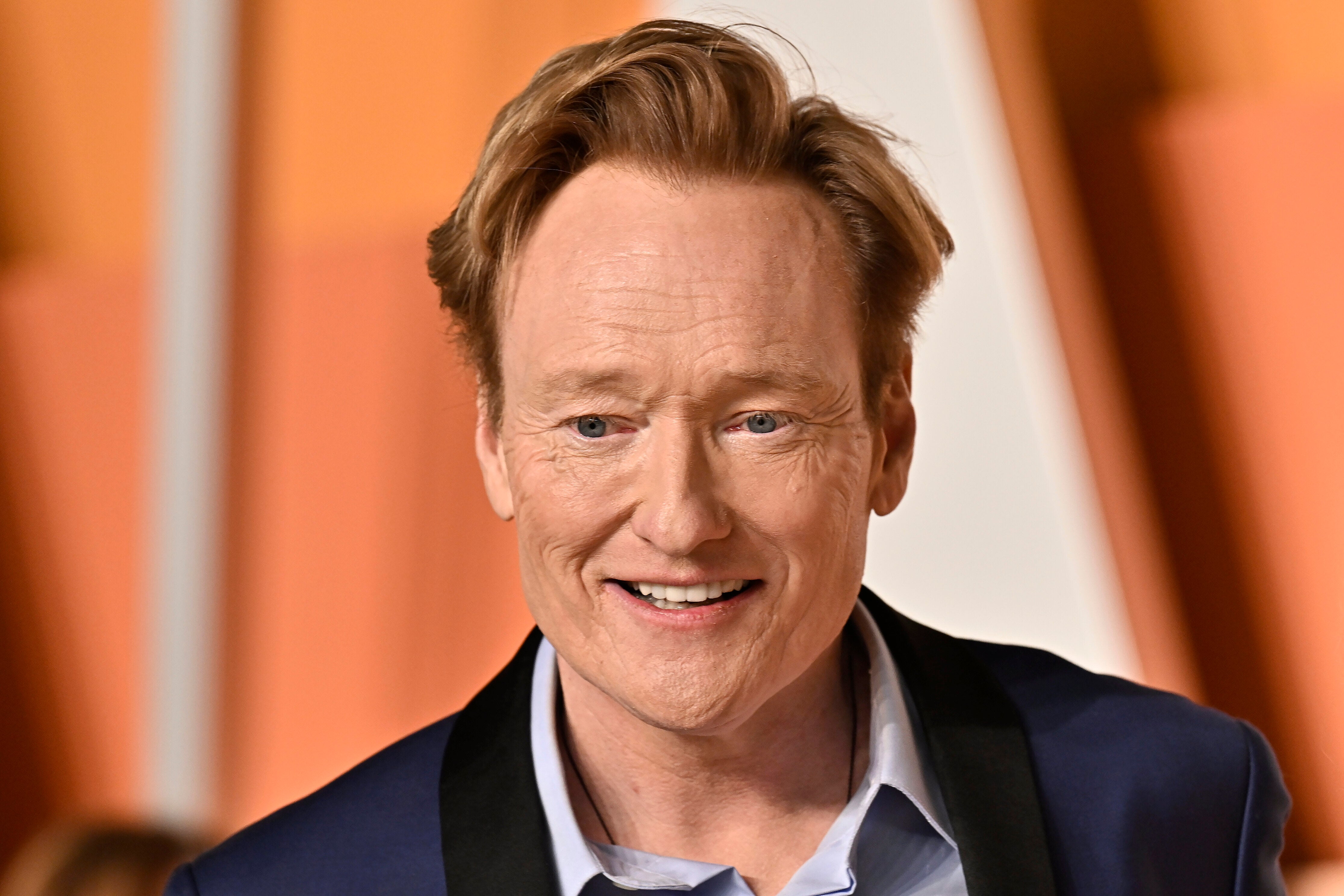
But this year, host Conan O’Brien at least gave the event’s unrecognised cast members a snack box and a touching note, just as he did with the celebs.
Advertisement
In an X post, the editor-in-chief of Variety Ramin Setoodeh said: There’s a note from Conan under every #Oscars seat with a snack box of water and a pretzel.”
Conan O’Brien at the Vanity Fair Oscar Party
via Associated Press
In the note, the host claimed that he’d planned to include another item in the box ― but that it had been given a “hard pass” from Disney, who has the rights to air the show.
Advertisement
“Dear Star/Seat Filler, I hope you enjoy these complimentary snacks,” the note reads.
“I tried my best to include a gummy but Disney said that was a ‘hard pass’,” it continues.
“Have a great night, Conan,” the note ended, along with a doodle of the host himself (the comedian is known by fans for his drawings).
Advertisement
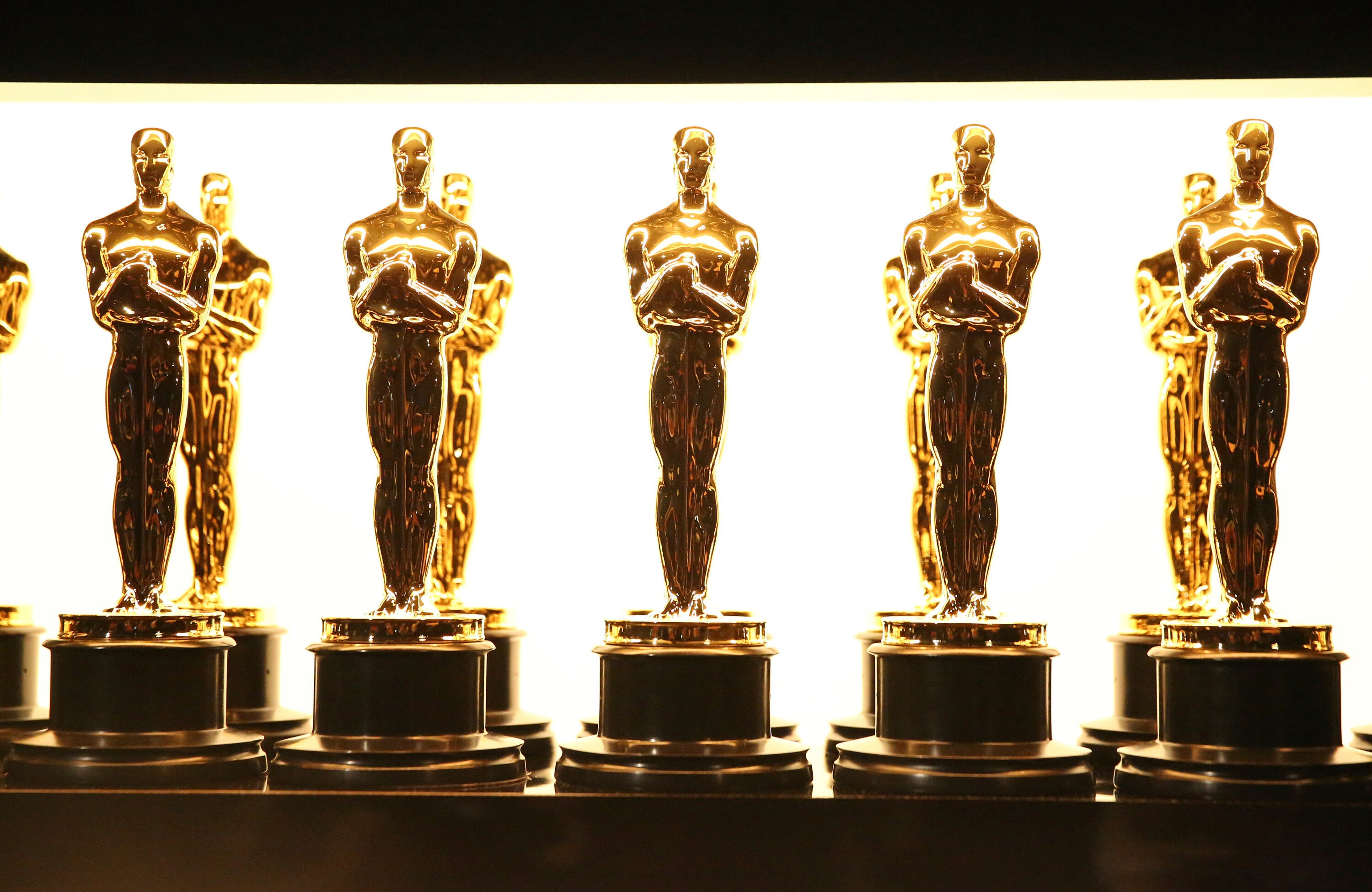
Of course, it’s nowhere near as costly as this year’s Oscars goodie bag which went to all 25 top acting and directing nominees and included a five-night stay at a luxury resort and up to $1 million worth of emergency services to people affected by this year’s LA wildfires.
A commenter wanted to know what we were all wondering, too: “are [the notes] all the same copied and printed or did he handwrite them individually because he is both funny and genuine enough to do that?”
We reckon the reply to their question rings true though ― “I don’t think he’d have the time to handwrite hundreds of notes.”
This year, marketing company Distinctive Assets is in charge of their “Everyone Wins” Oscars bags, which will go to all 25 top acting and directing nominees.
“While our gifts may be famous for being fun and fabulous, they also serve as a means to elevate small businesses, minority-owned brands, female entrepreneurs and companies that give back,” the company’s founder, Lash Fary, said.
“This year, on the heels of the historically tragic LA fires, we have found even more ways that our celebrity swag can do good in our community.”
In practice, that means this year’s Oscars goodie bag will include a membership to disaster recovery charity Bright Harbor, who is offering $1 million worth of services to those affected by the fires.
“Whether they pamper themselves or share these bountiful gifts as a care package for a friend who may have recently lost their home, we give these gifts not based on the recipients’ need but out of a desire to brighten someone’s day and to acknowledge a job well done,” Lash shared.
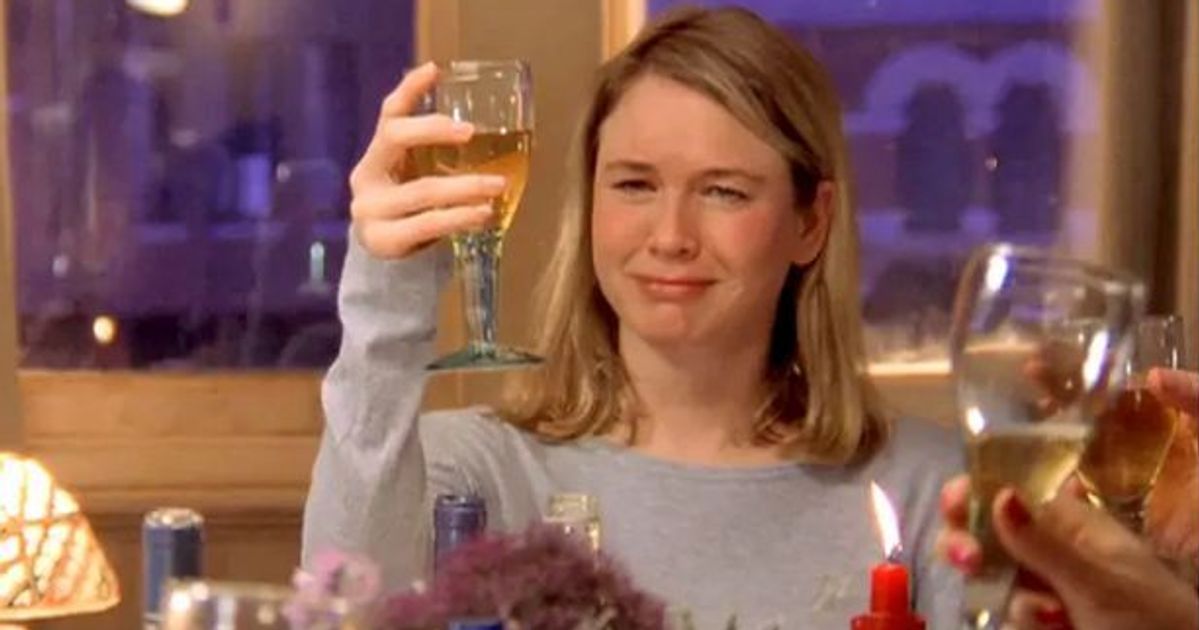
Apparently, the binge-drinking, heavy-smoking, chaotic lifestyle of Bridget Jonesisn’t aspirational to some people?
Personally, I can’t relate but according to one expert, the fictional anti-heroine caused a huge slump in sales of her favoured drink around the time of the column in The Independent and, of course, the film’s release back in 2001.
Advertisement
The expert in question is Oz Clarke, a prestigious wine expert and writer from the UK.
‘The blame should be firmly placed at the door of Bridget Jones’
According to The Telegraph in 2008, Clarke said: “Chardonnay has made some of the world’s greatest wines, everyone appreciated it – until Bridget Jones.
“Bridget Jones goes out on the pull, fails, goes back to her miserable bedsit, sits down, pours herself an enormous glass of Chardonnay, sits there with mascara running down her cheeks saying, ‘Dear diary, I’ve failed again, I’ve poured an enormous glass of Chardonnay and I’m going to put my head in the oven.’ Great marketing aid.”
Personally, I would argue that Ms Jones was not supposed to feel relatable to Mr Clarke, and that’s before we even get into the recession that was flooding the UK at the time.
Advertisement
Anyway, I digress.
The Independent reported at the time: “Across Britain fewer people are seeking solace – or enjoyment – in chardonnay. In the past 12 months, 7.5 million shoppers bought it, fewer than the previous year, according to the retail analysts TNS. Meanwhile, rivals such as sauvignon blanc and pinot grigio are rising in popularity.”
Clarke made his comments at London’s first self-storage wine facility, adding: “Until Bridget Jones, chardonnay was really sexy. After, people said, ‘God, not in my bar’.
“If you’re a marketing manager what would you say? ‘OK, I’m going to sell something that makes people feel really miserable. Let’s call it chardonnay!’”
Advertisement
Other experts argued that the drink had simply taken a new direction
Alan Griffiths, former wine director of Berry Brothers, Britain’s biggest wine merchants, said: “The appeal of chardonnay is still very strong. It’s a safer bet for a party. It’s more likely to go down well for a group of 50 than a gewürztraminer or a riesling or a sauvignon blanc, which some people find too grassy or acidic.”
Personally, I’ll be raising a toast to Bridget before seeing the newest instalment of her story.
Bridget Jones: Mad About the Boy is out on February 13th in cinemas across the UK.
More goes into the design of a takeaway coffee cup than most of us realise.
For instance, you might not have known that placing the cover’s drinking spout opposite the paper cup’s “seam” can help prevent leaks.
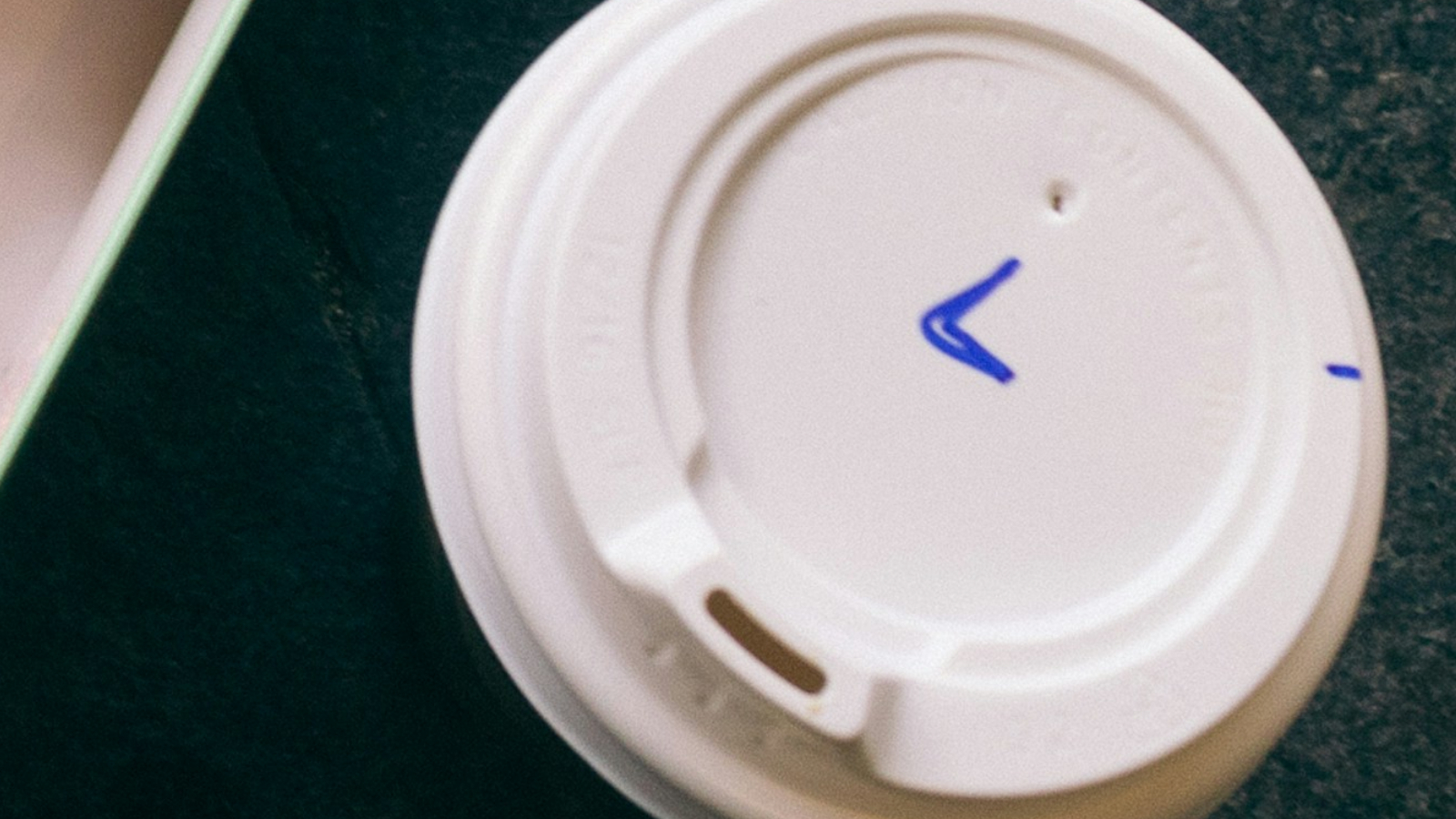
And if you’re anything like me, you’ll have no idea why there’s often a tiny hole (separate from the main drinking point) in the lid either.
Advertisement
Turns out it’s actually a pretty smart safety feature ― and makes sipping from the container easier too.
How?
According to the Aussie version of the food and drink site Delicious, it’s partly down to steam.
The minute vent helps steam to escape, they say ― though this doesn’t cool it down much.
Instead, it prevents steam from building up in the container, causing pressure to build and potentially leading to burst cups.
Additionally, the presence of another hole than the drinking spout allows coffee to run smoothly when you’re sipping from it ― otherwise, there’d be no airflow in the cup.
They write that the Viora lid’s “deep well and centred hole are designed to concentrate the coffee’s aroma.”
Advertisement
It also helps to prevent spills
Per Delicious, the oft-unnoticed detail design also helps to keep your coffee where it should be (ideally, either in your mouth or in the cup).
It works for the same reason the hold creates a better sip; if there’s a lack of steady airflow, the liquid will move in jumpy, unpredictable ways.
Designer Louise Harpman and architect Scott Specht, who worked together on Coffee Lids: Peel, Pinch, Pucker, Puncture, say that trends, tech, and even legal cases have shaped the design of the mundane invention over the years.
For example, coffee lids became more dome-shaped as foamy, bubbly drinks rose in popularity; after the famous McDonald’s coffee court case, they told Atlas Obscura, brands started including more visible warnings on their lids.
Advertisement
“Coffee lids are modest modern marvels, but we rarely slow down and take the time to consider, admire, or even wonder about these humble masterpieces,” Louise told the publication.
We’ve written before at HuffPost UK about the three letters you should always look out for on Italian wine bottles to make sure you’re getting the best bang for your buck.
Well bang is one thing, but what about fizz? After all, ’tis the season for a festive glass of bubbly ― and if you’re anything like me, you have no idea what to look for on a champagne label.
Advertisement
Luckily wine expert Partner In Wine shared a TikTok video revealing how to “read” the drink’s bottle.
Let’s start with “Brut”
I’ll be honest here ― I thought “Brut” was a brand of champagne, but the wine pro says it’s actually to do with its taste.
“Brut is a common name for the sweetness of the wine,” she explained.
“So this bottle says ‘Brut’ on it, which means it’s a dry wine. If you want something bone-dry, look for the words ‘Extra Brut’ or ‘Brut Nature’.”
Advertisement
The “drier” the champagne (or the more Brut force it has ― teehee), the less sweet it is, Champagne de Lozey say on their site.
If you’re after something a little more sugary, Martha Stewart’s site adds, you might want to go for a demi-sec or, for the sweetest sip, doux, variety.
Then, there’s the vintage to consider
“Most champagnes state ‘NV’ on the label,” the wine expert said, meaning they’re not vintage.
“This means it’s been made of a blend of grapes from different years.”
Though I always heard “vintage” matters, Partner In Wine explains that the blending method helps winemakers to produce consistent wine brands that taste the same every time you drink a different bottle.
Advertisement
It’s a smart move because bad grape years spell disaster for your glass of bubbly ― mixing blends together can provide a better product.
With that said, Partner In Wine points out that if a winemaker shows you the year their product is from, that’s usually because its something to brag about.
“If there’s a year on the label, that means it comes form one exceptional year,” she shared. “This means it’s a vintage champagne, and they tend to be more expensive but also, more delicious.”
Advertisement
Don’t let the word “vintage” lead you to think she means “ancient,” though.
Cult Wine Investment writes that 2008 is this century’s standout year, with 2013 and 2014 also yielding pretty great results. 2002 and 2000 went down well too, they add.
I’ll be completely honest here: I know as much about plumbing as I do marine biology or rocket science (which is to say, next to nothing).
So when I told a friend “you know, I always think tap water is way colder in water,” I had no idea how to respond when she asked how I thought that’d happen.
Advertisement
An even more embarrassing admission; I’m not even sure where the reservoir that holds the water that runs through my sink is, or if it’d even be possible for the liquid in it to be affected by the weather.
So, I thought I’d ask Myles Robinson ― former boiler repair company owner and current CEO of UK Composite Doors ― whether I was losing it in the run-up to Christmas, or if this was a real thing.
So… Is tap water really colder in winter?
Yes, Myles says.
He told HuffPost UK: “tap water is definitely colder in the winter. It all comes down to a combination of factors, the water source, the pipes, and how they interact with the colder weather.”
Advertisement
“Most water systems draw from reservoirs, rivers, or groundwater. In winter, these sources naturally drop in temperature, especially in areas with freezing conditions,” he continued.
“Even groundwater, which is insulated by the earth, gets colder as the ground above freezes. So, the water entering your home starts off colder during winter months.”
If you’re thinking “wait, wouldn’t it warm up in the pipes?”, we were in the same boat ― but Myles has answers.
Advertisement
“Pipes running through unheated spaces, like basements, crawl spaces, or underground, are understandably more exposed to the colder air or ground temperatures in winter,” he explained.
“As the water sits in these pipes, it cools even more before reaching your tap. The longer the run of pipe from the main supply to your tap, the more pronounced this cooling effect can be.”
Does tap water get hotter in summer too?
I knew I wasn’t imagining lukewarm glasses of water in the colder months!
“Interestingly, in the summer, the opposite can happen. Heat from the air or soil can warm up the water in your pipes, making it feel less refreshing than winter’s icy flow,” Myles said. Huh!
Advertisement
By the way, if freezing tap water is bothering you, the home expert says there are steps you can take to get rid of the problem.
“If you’re noticing your tap water feels shockingly cold in winter, especially in older homes, you might want to check if your pipes are insulated,” he told HuffPost UK.
“Proper insulation won’t stop the water from being cooler—it starts that way from the source, but it can keep your pipes from freezing, which is a much bigger concern!’’
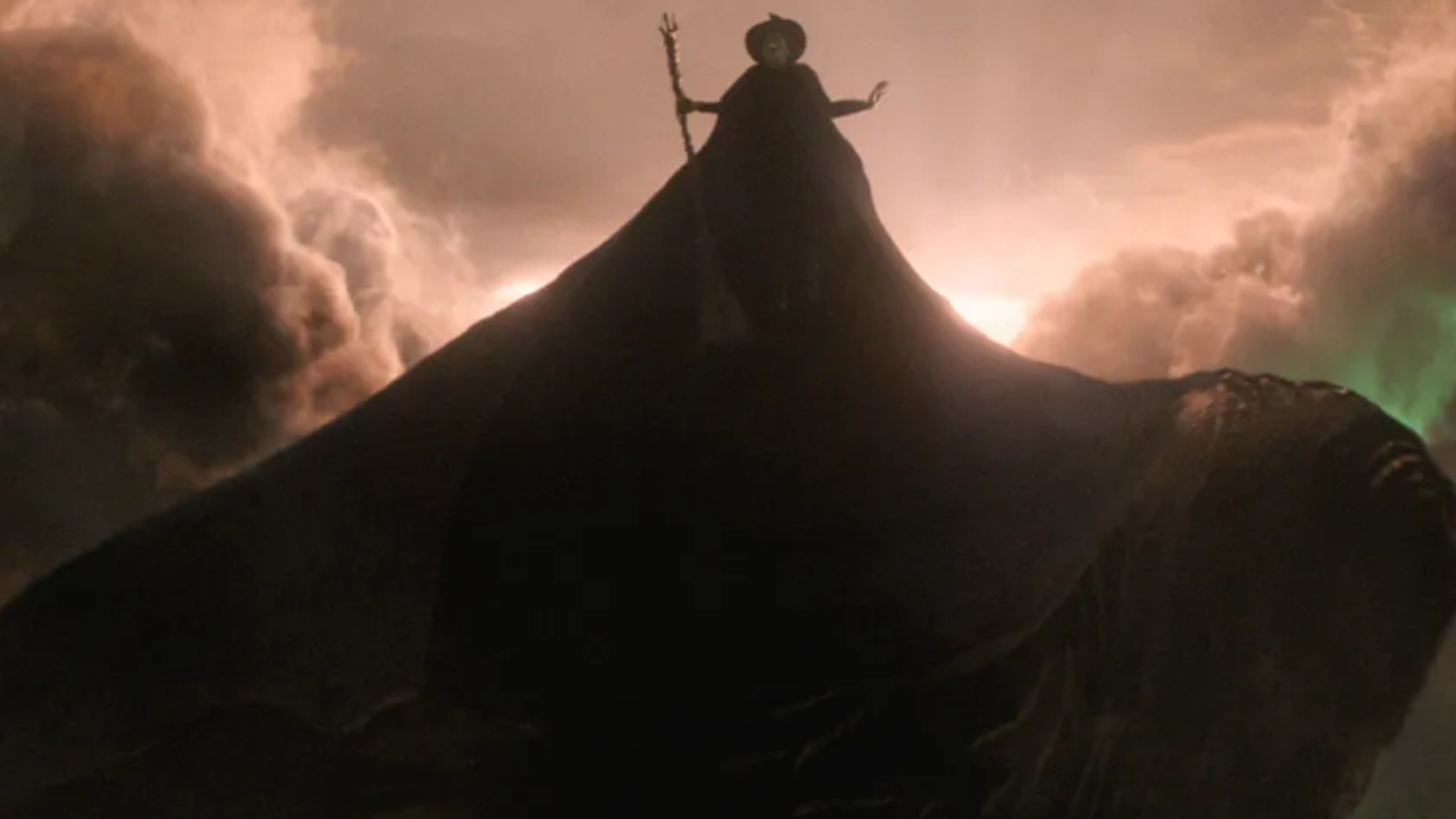
But fans of the Broadway show and its 1939 Wizard of Oz origins have also been enjoying the movie’s Taylor Swift-level Easter eggs and references.
The movie’s director Jon M Chu told Radio Times: “We have a lot, a lot of breadcrumbs in the tradition of Wicked the show.”
Advertisement
“Of course, Wizard of Oz has such a place in our hearts of how we see story, how we see the world,” he added.
You’ll also (obviously) see lots of parallels to the Wicked musical, which was itself inspired by a book that drew on The Wizard Of Oz.
So, we thought we’d find as many Easter eggs and references as we could (oh, and obviously, huge spoiler alert for the movie).
Advertisement
1) Chickens playing the piano
“Before [L Frank Baum] wrote Wizard of Oz, he bred show chickens, these sort of fancy chickens. So we used fancy chickens playing the piano, this kind of weird Ozian piano in the Ozdesk Ballroom,” Chu said.
“So we wanted to reference as much as that, and even the [WW] Denslow drawings in the original book. We wanted to use animals from those books, and the design sort of look from those drawings. And so we infuse some of that throughout.”
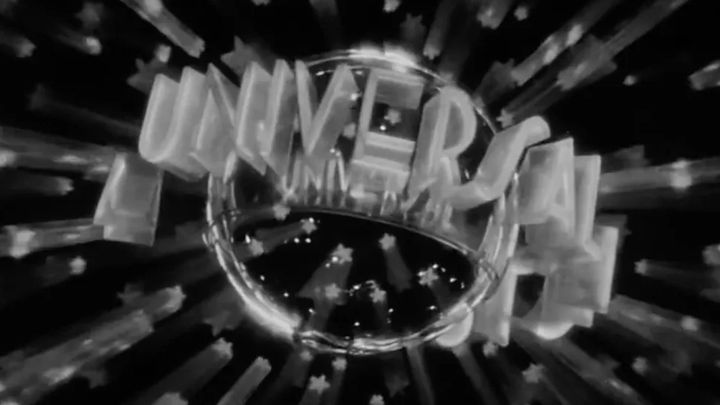
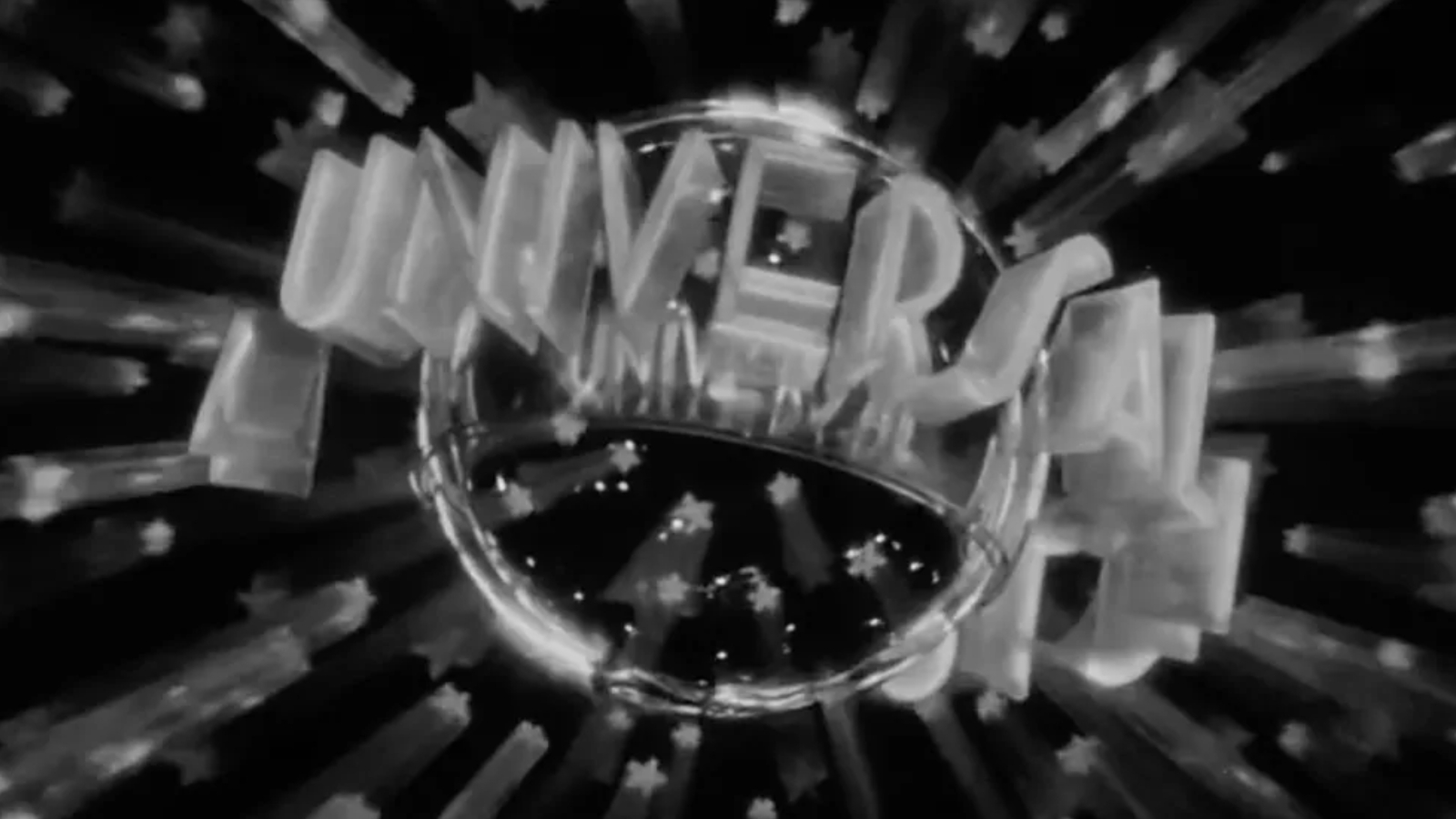
2) The Universal logo throwback
Universal Pictures
The movie’s Universal logo has been replaced by an older version in the film. This echoes what The Wizard Of Oz’s Universal credits would have looked like.
2) The tulips are planted in a rainbow
A scene showing Munchkinland from above reveals multicoloured tulips planted in a rainbow pattern; a reference to The Wizard Of Oz’s Somewhere Over The Rainbow.
Advertisement
3) Elphaba’s name
The author of the The Wizard Of Oz book is called L. Frank Baum, or L. F. Baum, which sounds like “Elphaba” when said out loud.
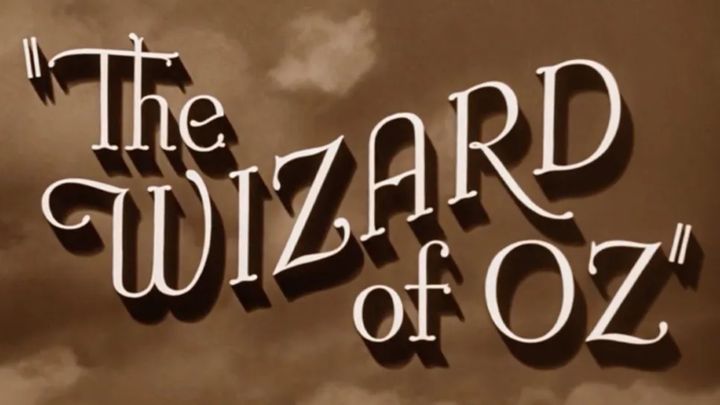
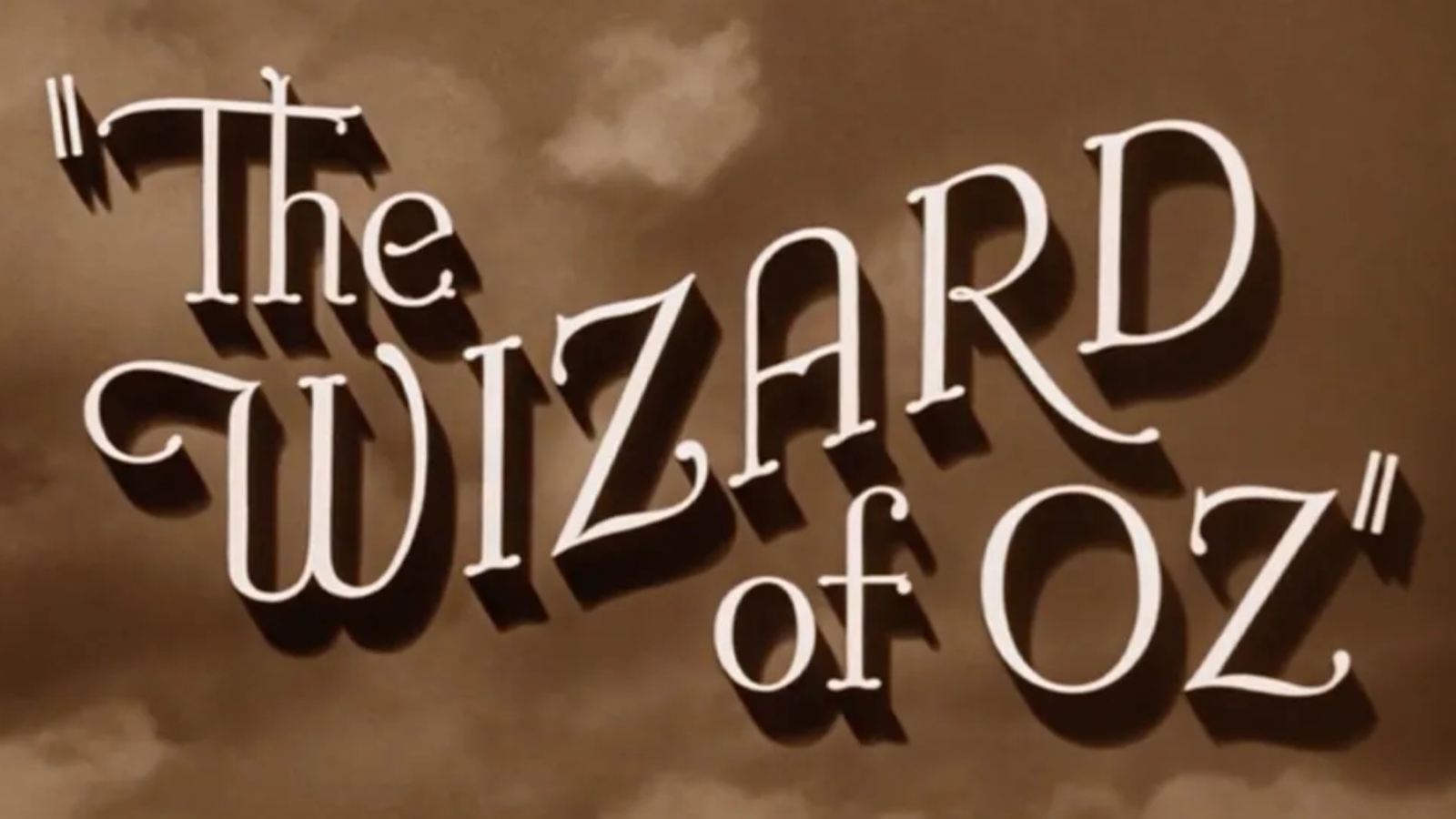
4) The film’s title card font is a throwback
At the end of the film, a title card appeared which uses the same curly font as The Wizard Of Oz’s original movie.
5) Children ring out “ding, dong, the witch is dead”
The iconic Wizard Of Oz tune reappears in this adaptation when children run through Munchkinland ringing bells and clanging pans over the Wicked Witch’s death.
6) Hot air balloons
The Wizard escaped from a hot air balloon in The Wicked musical, and Dorothy tried to use one to get home in the 1939 film too. Apt, then, that Glinda and Elphaba try to escape using one.
Advertisement
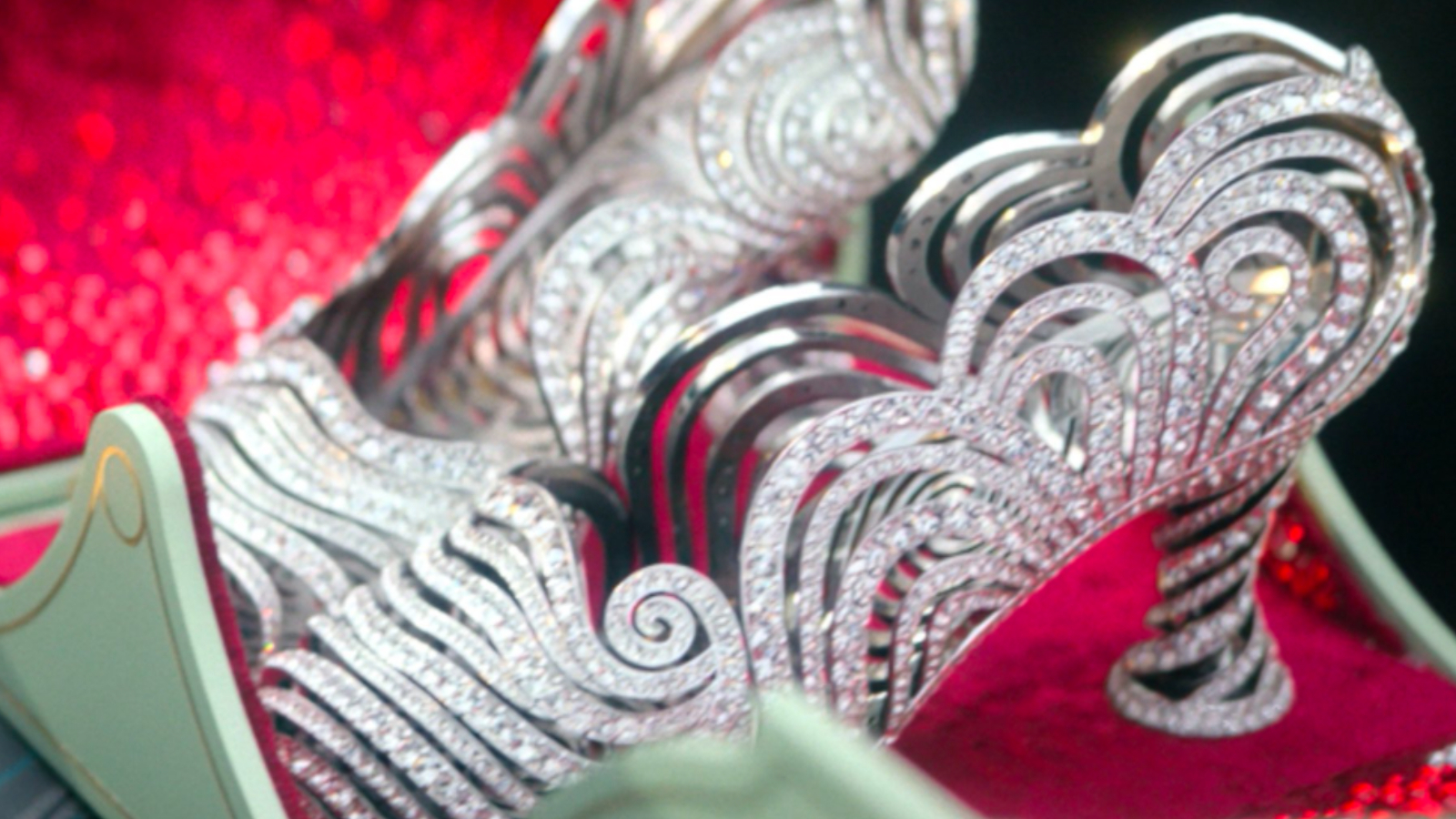
7) The tornado shoes
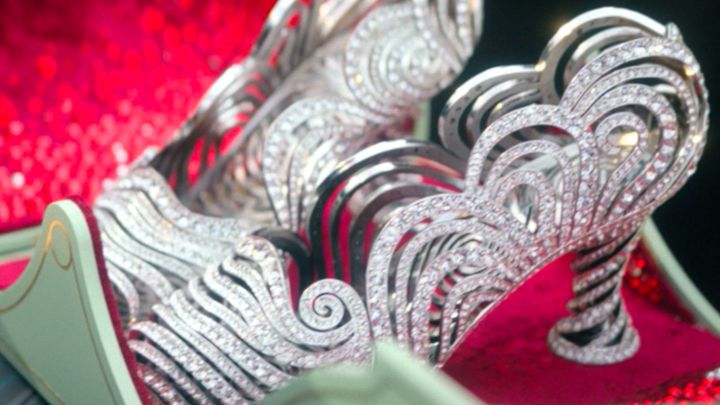
“I love the sort of red slippers that [Glinda] clicks three times in Popular. I love the crystal slippers that we have in the movie. The design of it is like a tornado, as, if you know the story, that comes into play later,” director Chu says. It refers to the tornado that The Wizard Of Oz begins with.
8) More rainbows
During The Wizard And I, both rainbows and bluebirds appear, referencing the iconic Somewhere Over The Rainbow (again).
9) No detail sparred
Both Elphaba and Glinda spar with sticks in the movie, a possible reference to The Wizard Of Oz’s broom and wand battle.
10) Cameo…
Michael Rose, who played Fiyero in the Broadway show, is the lead male vocals on One Short Day.
11) After cameo…
Idina Menzel, who starred in the original Broadway version of the Wicked musical, makes an appearance.
Advertisement
12) After cameo…
So does Kristen Chenoweth, also from the original Broadway version of Wicked.
13) After very-on-the-nose cameo.
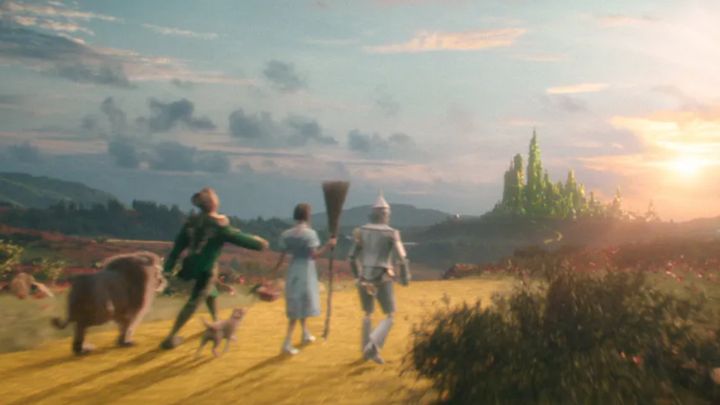
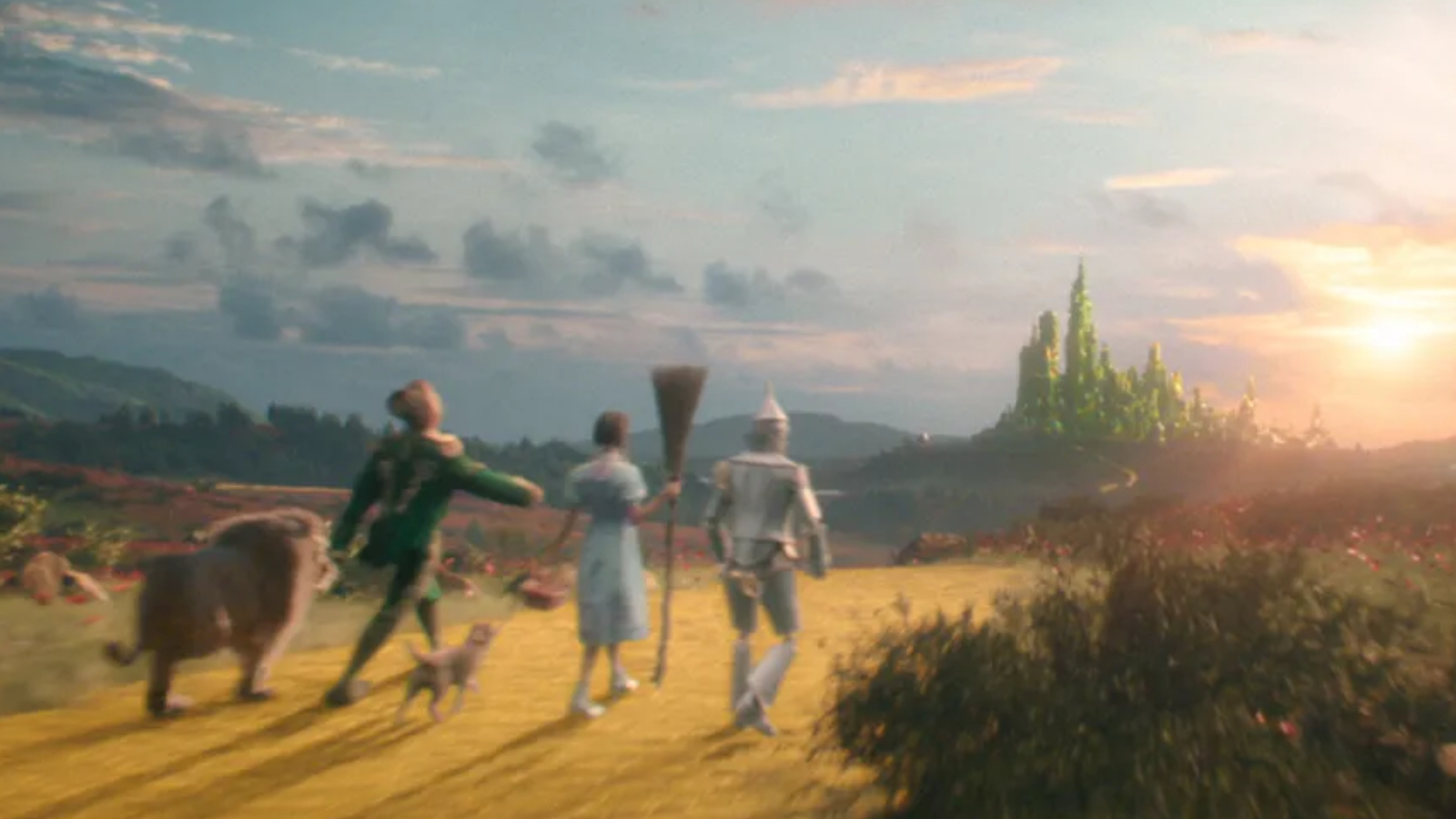
Before No One Mourns the Wicked, the audience sees the Tin Man, the Cowardly Lion, Dorothy, the Scarecrow, and Toto on The Yellow Brick Road.
14) Nessarose’s stripy socks
Elphaba’s sister wears striped socks, reminiscent of the well-known Wizard of Oz still showing The Wicked Witch Of The East’s stripy sock-wearing legs peeking out from under the house that crushed her.
15) Madam Morrible’s hair and costume
Her hair is shaped like storm cloud, a reference to her ability to control the weather.
16) We see a baby Cowardly Lion
The show includes a lion cub trembling in a cage ― reminiscent of the Cowardly Lion.
17) What the gulch?
Miss Cottle calls out “Not to worry, just a slight gulch” in the movie. The Wizard Of Oz’s original Wicked Witch was played by Almira Gulch.
18) You’ve got to hand it to them
Universal / Everett Collection
Advertisement
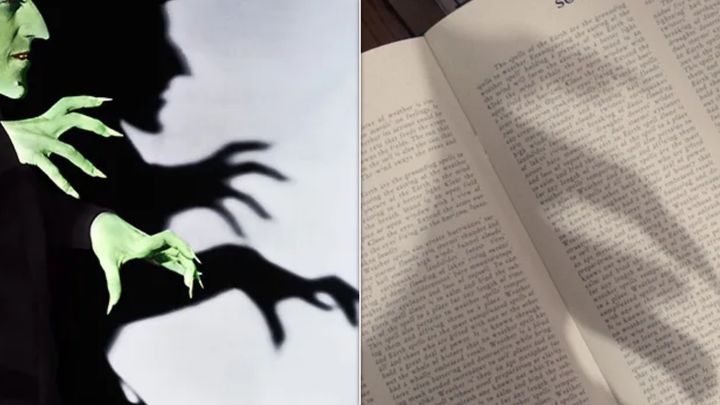
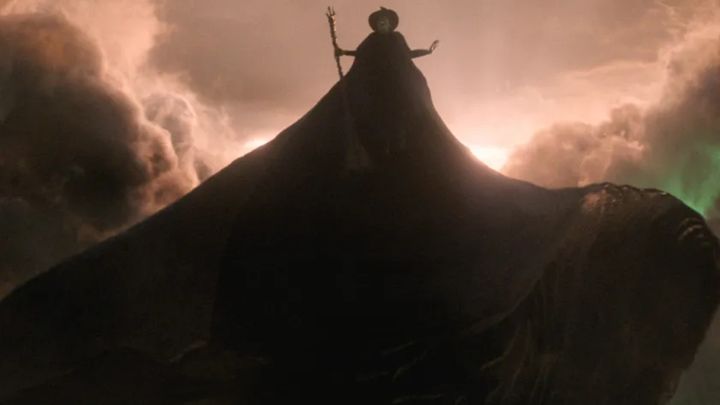
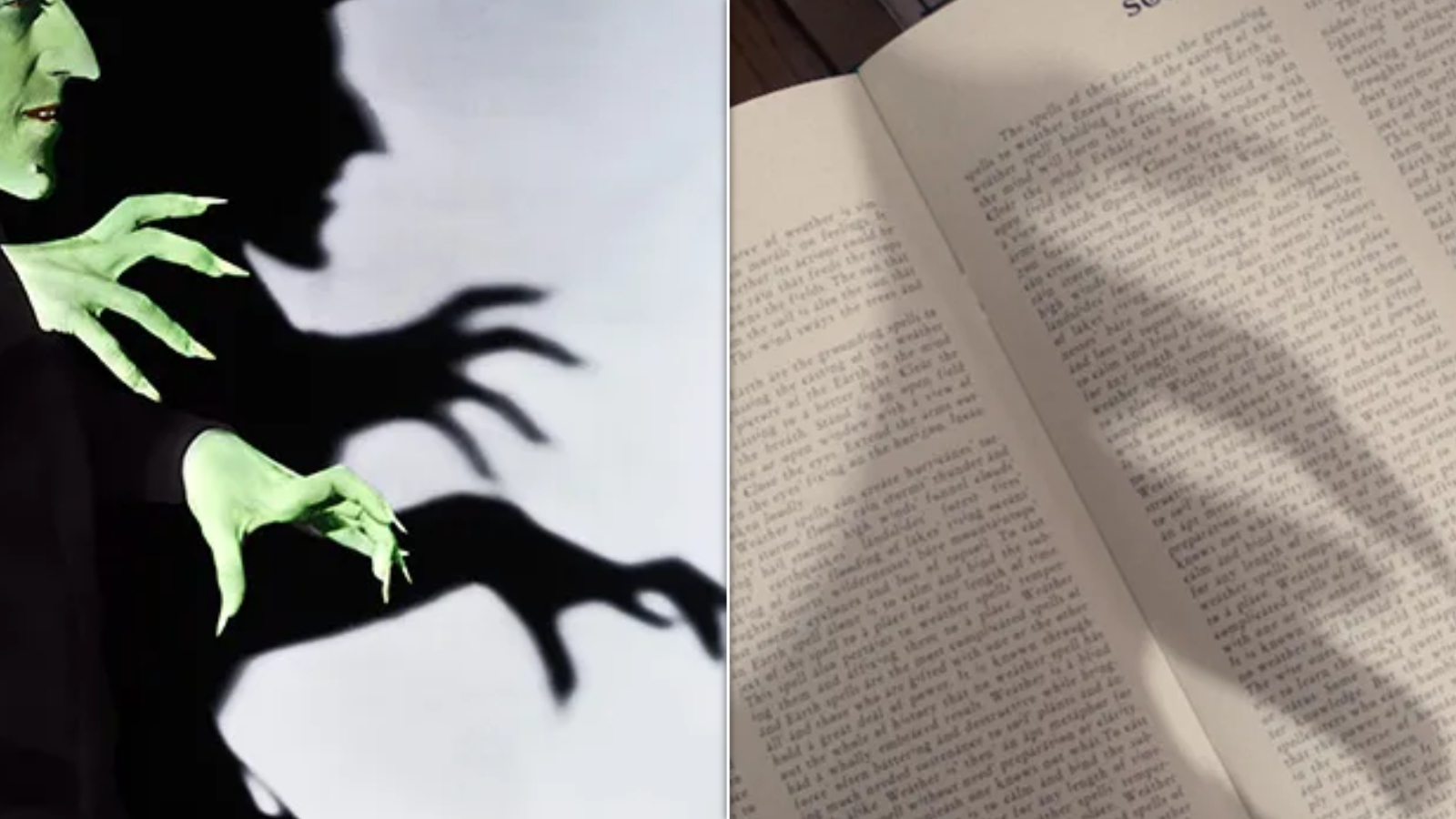
Fans of The Wizard Of Oz will likely have noticed how the shadow of Elphaba’s hand mirrors that of The Wicked Witch Of The West’s in The Wizard Of Oz.
19) Did we mention there were cameos?
Stephen Schwartz, the person who wrote the lyrics to the Wicked musical, is briefly visible as a guard through a peephole.
20) There’s a Bridgerton crossover
Jonathan Bailey, who plays Fiyero in the film, rides on a horse that’s the same as the one he used in Bridgerton.
21) Do you want them to spell it out for you?
The library’s spinning circular shelves and ladders both spell out the letters “O” and “Z” (OZ) at different points in the movie.
Advertisement
22) There’s (sort of) a flying house
The Wizard picks up a wooden house and throws it in the air in the movie, reminiscent of Dorothy’s home’s flight in the 1939 film.
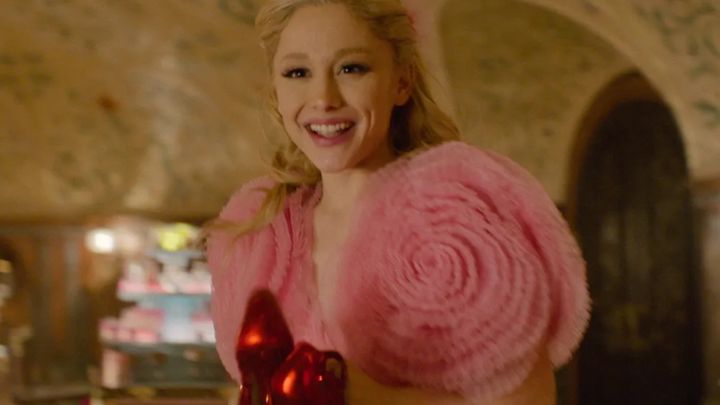
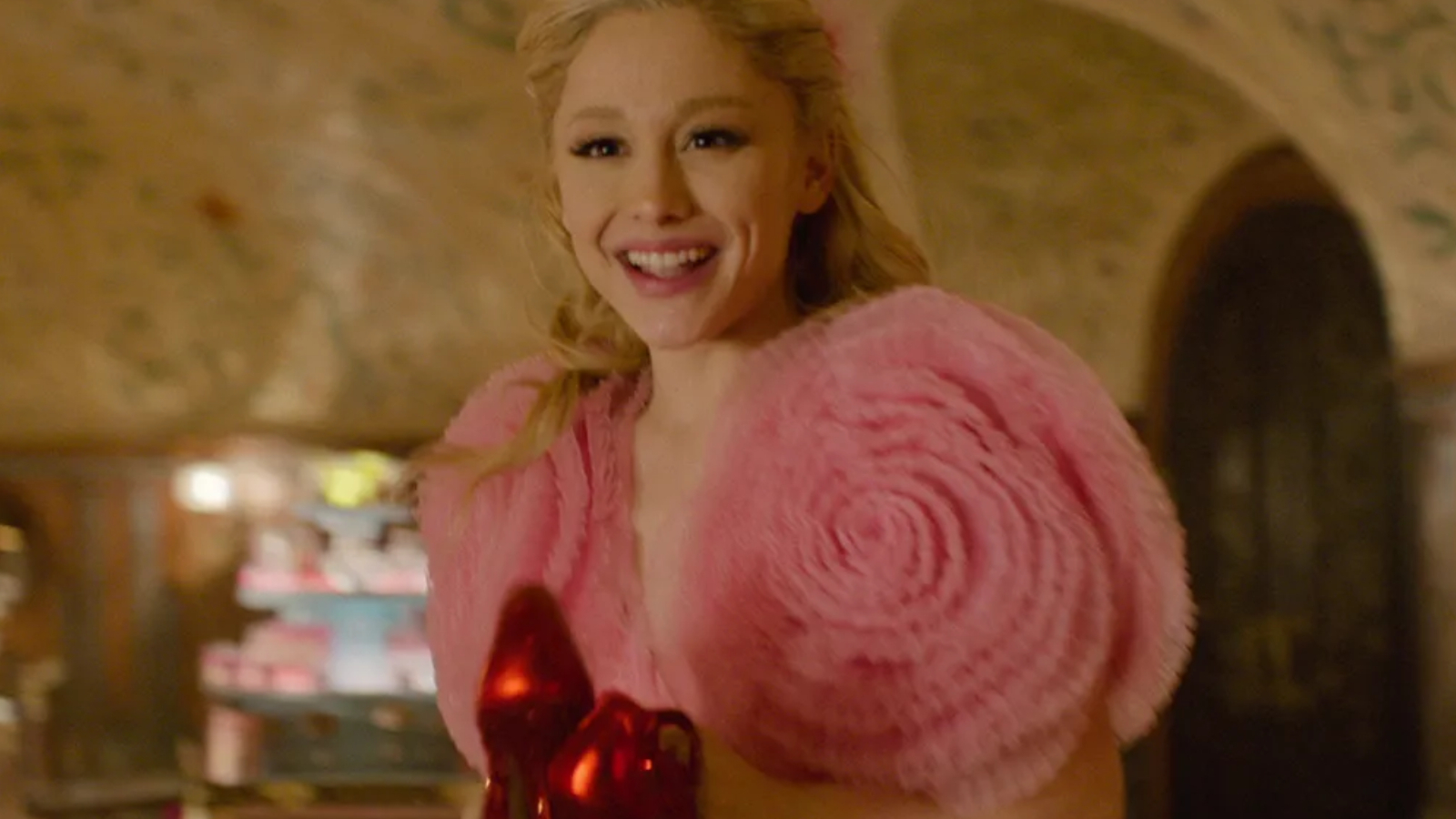
23) There are literal ruby slippers
If you wanted a clear-cut reference to The Wizard Of Oz, these Dorothy-worthy shoes should do it. And if they didn’t, maybe the fact that they’re clicked three times will satisfy you.
24) Everything’s re-cycled
There’s a cycling scene in Wicked with the lion cub in tow. It’s hard not to think of the moment in The Wizard Of Oz, where we see Toto in Dorothy’s bike’s basket.
25) “We mustn’t let you get wet”
Madam Morrible advises Elphaba “we musn’t let you get wet.” This is how The Wicked Witch Of The West dies in the 1939 film.
Advertisement
26) The subtlest Wizard doxxing
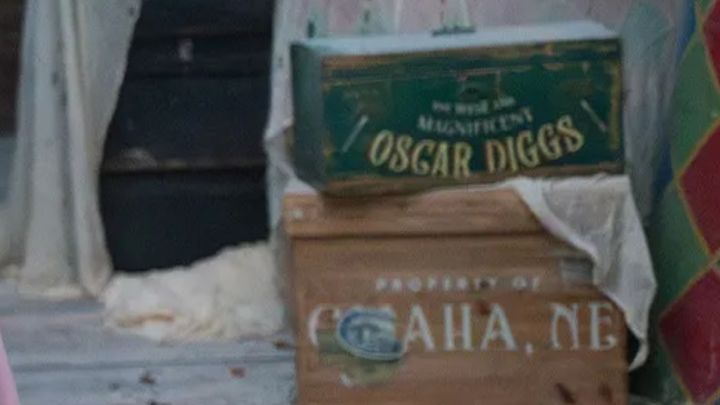
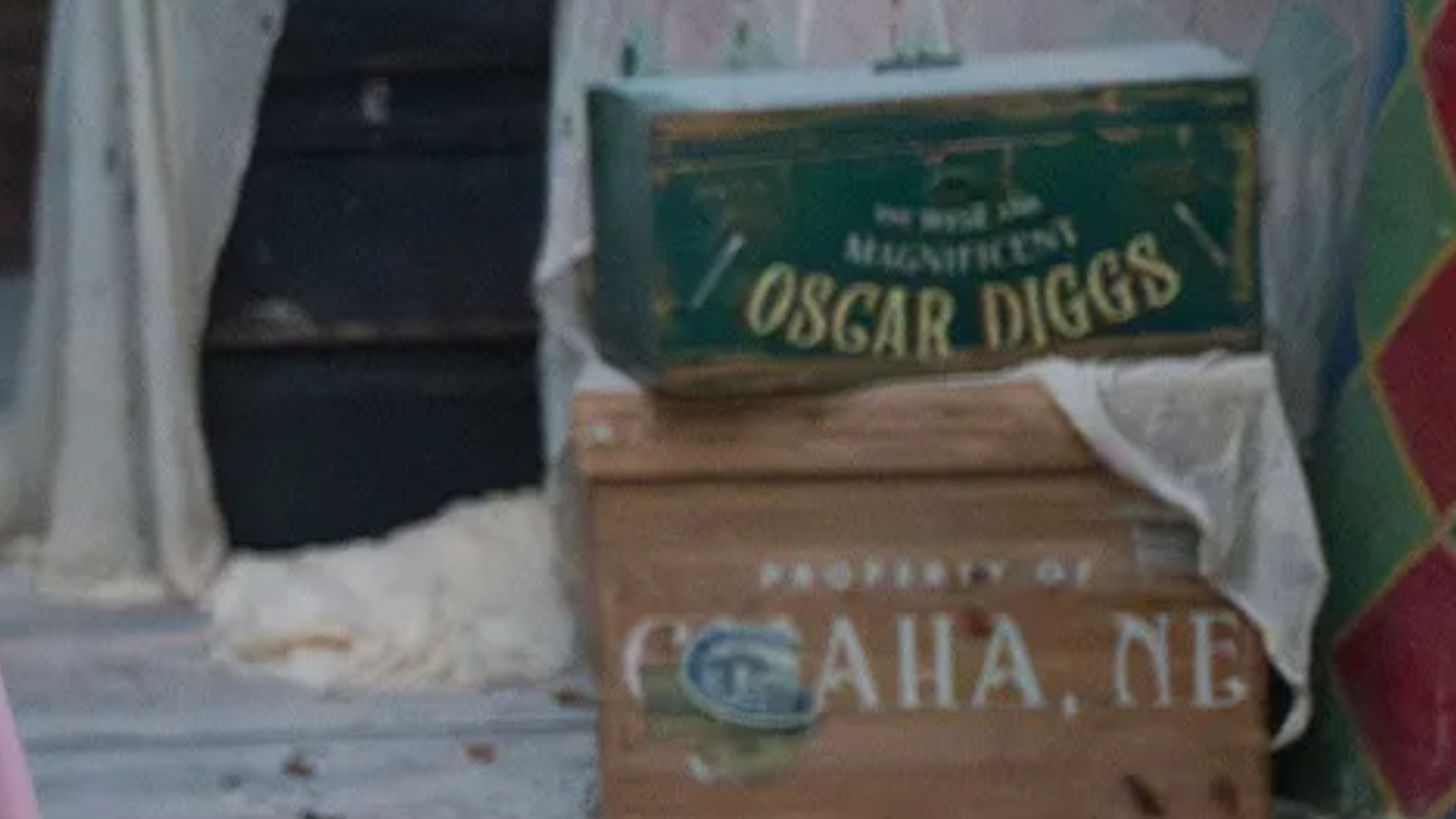
The Wizard in The Wizard Of Oz’s real name is Oscar Diggs. We see this name plastered on surfaces throughout the film.
27) Oma-ha!
Oscar Diggs is from Omaha originally, which is referenced multiple times in the film. The wizard’s invite is from Omaha: an “O-ma-ha” chant rises in the movie.
28) Wouldn’t it be wild if there was another cameo?
Well, there is. Winnie Holzman, who wrote the book of the Wicked musical, also appears in the film.
that he’d wanted to sneak a piece of string that he uses for magic tricks. It mostly got cut out, but he claims Elphaba holds it at some point in the movie.
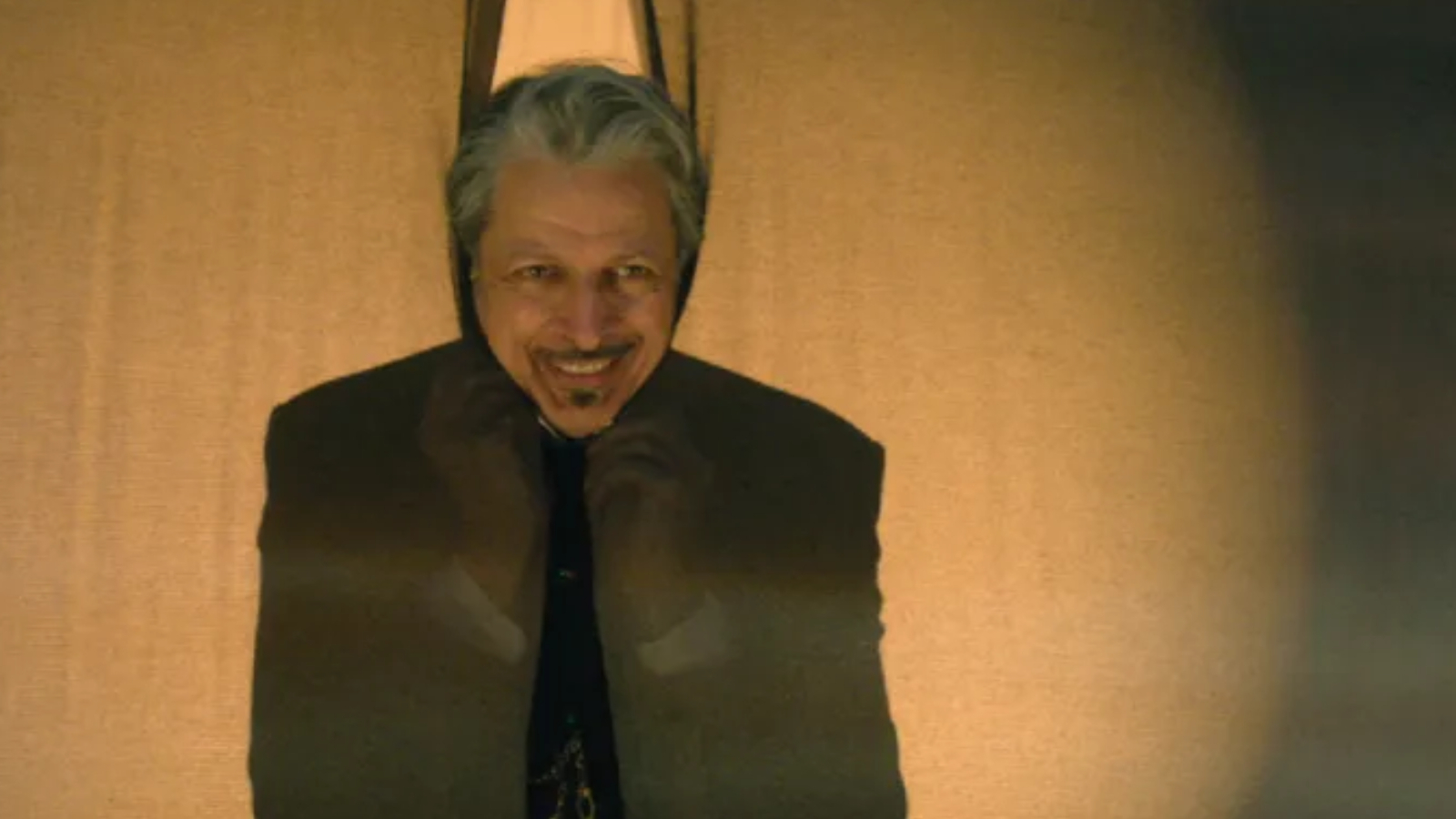
32) Pay attention to the man behind the curtain
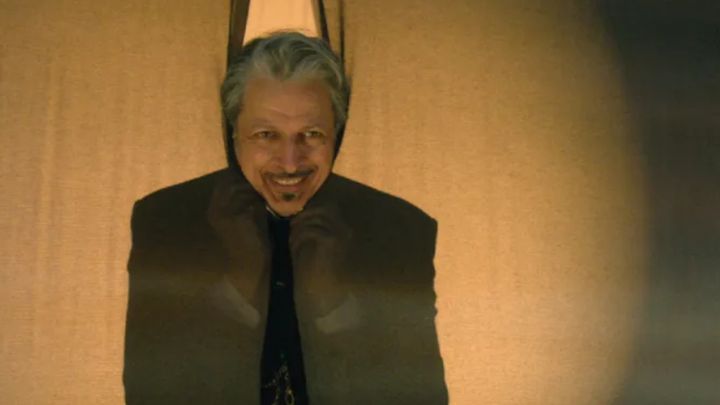
The line “don’t pay attention to the man behind the curtain,” from the 1939 movie, is cleverly referenced when the Wizard hides behind a hanging sheet.
Advertisement
33) There’s a brick road, and… guess what colour they choose to make it
The Wizard has to pick what colour to make his new brick road in the film, and well… there was no real option aside from yellow.
34) To be continued…
The 1939 Wizard Of Oz bursts into Technicolour in the second act, a huge technological feat the time.
The musical also breaks after Defying Gravity, which is when the 2024 movie ends.
At that point, a “to be continued…” title comes up in the same font as the 1939 movie and in bright colours.
35) Oh, did someone say cameos?
Actor Alice Fearn, who played Elphaba in the Broadway Wicked musical throughout the 2010s, plays Glinda’s mother.
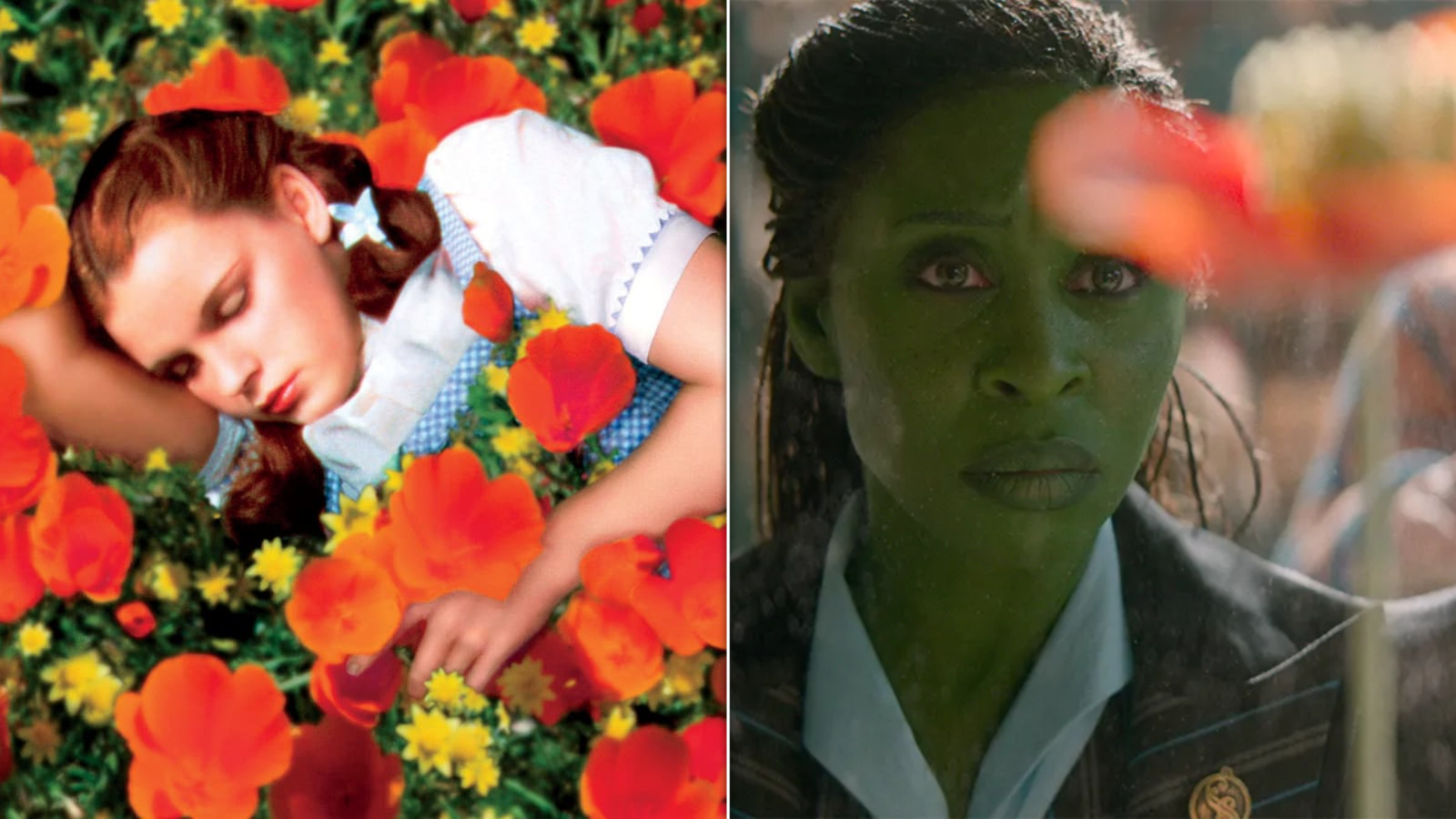
36) Poppies
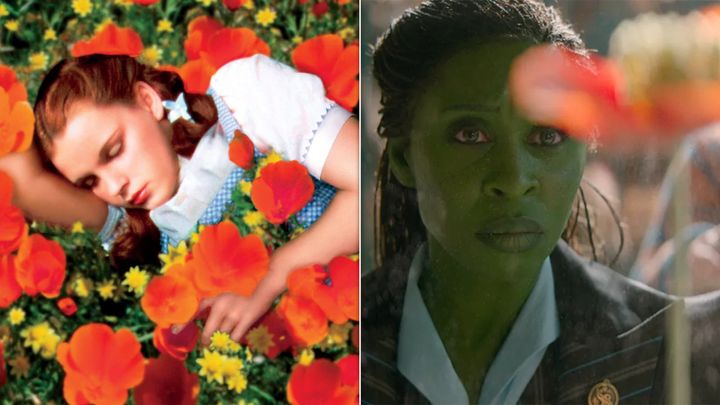
The flowers which featured heavily in the 1939 Wizard Of Oz film also appear in the Wicked movie.
Advertisement
Did you spot any more references and Easter eggs? Let us know!