Researchers find CRISPR is capable of even more than we thought

Every living creature on Earth needs to protect itself from things that would do it harm. Bacteria are no different. And despite their relative simplicity, they deploy remarkably savvy defensive strategies against viral invaders. The most well-known is CRISPR-Cas9, adapted for human use as the first FDA-approved genetic editing technique.

In the past year, researchers at Rockefeller’s Laboratory of Bacteriology, headed by Luciano Marraffini, and at the MSKCC’s Structural Biology Laboratory, headed by Dinshaw Patel, have been studying key immune components of some CRISPR systems called CARF effectors. These newly discovered weapons take different approaches to achieving the same goal: arresting cellular activity, which prevents a virus from spreading through the rest of the bacterial population.

In a recent publication in Science, the scientists announce the newest CARF effector they’ve discovered, which they coined Cat1. Thanks to an unusually complex molecular structure, this protein can deplete a metabolite essential for cellular function. Left without fuel, the viral invader’s plans for a further onslaught are brought to a grinding halt.

“The collective work of our labs is revealing just how effective — and different — these CARF effectors are,” says Marraffini. “The range of their molecular activities is quite amazing.”

Multiple defense systems

CRISPR is a mechanism in the adaptive immune systems of bacteria and other certain single-cell organisms that offers protection against viruses, called phages. The six types of CRISPR systems work roughly the same way: A CRISPR RNA identifies foreign genetic code, which triggers a cas enzyme to mediate an immune response, often snipping off the invader material.

But an increasing body of evidence indicates that CRISPR systems deploy a wide variety of defensive strategies beyond genetic scissors. Marraffini’s lab has led the way on much of this research. In particular, they have been studying a class of molecules in CRISPR-Cas10 systems called CARF effectors, which are proteins that are activated upon phage infection of a bacterium.

CARF effector immunity is believed to work by creating an inhospitable environment for viral replication. For example, the Cam1 CARF effector causes membrane depolarization of an infected cell, while Cad1 triggers a sort of molecular fumigation, flooding an infected cell with toxic molecules.

Metabolic freeze

For the current study, the researchers wanted to try to identify additional CARF effectors. They used Foldseek, a powerful structural homology search tool, to find Cat1.

They found that Cat1 is alerted to the presence of a virus by the binding of secondary messenger molecules called cyclic tetra-adenylate, or cA4, which stimulate the enzyme to cleave an essential metabolite in the cell called NAD+.

“Once a sufficient amount of NAD+ is cleaved, the cell enters a growth-arrest state,” says co-first author Christian Baca, a TPCB graduate student in the Marraffini lab. “With cellular function on pause, the phage can no longer propagate and spread to the rest of the bacterial population. In this way, Cat1 is similar to Cam1 and Cad1 in that they all provide population-level bacterial immunity.”

Unique complexity

But while its immune strategy may be similar to these other CARF effectors, its form is not, as co-first author Puja Majumder, a postdoctoral research scholar in the Patel Lab, revealed through detailed structural analysis using cryo-EM.

She found that the Cat1 protein has a surprisingly complex structure in which Cat1 dimers are glued by cA4 signal molecule, forming long filaments upon viral infection, and trap the NAD+ metabolites within sticky molecular pockets. “Once the NAD+ metabolite is cleaved by Cat1 filaments, it’s not available for the cell to use,” Majumder explains.

But the protein’s singular structural complexity doesn’t stop there, she adds. “The filaments interact with each other to form trigonal spiral bundles, and these bundles can then expand to form pentagonal spiral bundles,” she says. The purpose of these structural components remains to be investigated.

Also unusual is the fact Cat1 often seems to work alone. “Normally in type III CRISPR systems, you have two activities that contribute to the immunity effect,” Baca says. “However, most of the bacteria that encode Cat1 seem to primarily rely on Cat1 for their immunity effect.”

Marraffini says these findings pose intriguing new questions. “While I think we’ve proven the big picture — that CARF effectors are great at preventing phage replication — we still have a lot to learn about the details of how they do it. It will be fascinating to see where this work leads us next.”

Share Button

Longer-lasting wearables set to transform health monitoring

Wearable technologies are revolutionizing health care, but design limitations in adhesive-based personal monitors have kept them from meeting their full potential.

A new University of Arizona study, published in Nature Communications, describes a longer-lasting, 3D-printed, adhesive-free wearable capable of providing a more comprehensive picture of a user’s physiological state.

The device, which measures water vapor and skin emissions of gases, continuously tracks and logs physiological data associated with dehydration, metabolic shifts and stress levels.

“Wearable health monitoring traditionally depends on sensors that directly attach to the skin, but the skin itself constantly renews,” said Philipp Gutruf, an associate professor of biomedical engineering and member of the BIO5 Institute at the U of A who co-authored the study with lead author David Clausen, a doctoral student and researcher in the Gutruf Lab.

“This limits how long you can collect reliable data. With our sensor that tracks gaseous emissions from the skin, we overcome this constraint entirely,” Gutruf said.

Skin shedding weakens adhesives and clogs sensors, so wearables applied with adhesives must be reapplied every few days. Researchers in the Gutruf Lab at the U of A designed a device, worn on the forearm, that resembles a small 3D-printed cuff and can be worn continuously. The device sensors constantly measure gases emitted by the user, comparing their concentrations against normal outside air.

Unlike adhesive-based sports science and health monitoring wearables, which historically only record snapshots, the device developed by Gutruf and his colleagues delivers continuous, real-time data viewable on a smartphone or computer via secure Bluetooth.

“This opens an entirely new space of biomarkers,” said Gutruf. “For example, you can capture the metabolic signatures of exercise or stress without interrupting the subject’s normal routine. Previously, measurements of this kind required an entire room of equipment.”

Practical applications, proven results

With a device such as this, athletes can monitor hydration and exertion during training. The wearable could also record mental health and chronic disease symptoms to aid in prevention and treatment. In fact, tracking and monitoring physiological signs of stress in gas emissions can even help identify early metabolic disturbances, Gutruf said.

“Our design is stable even when exposed to everyday movement and environmental changes,” said Clausen. “We’re able to record data continuously over many days without recharge, all while capturing rich physiological data that isn’t typically possible in a wearable format or requires visible sweat.”

The researchers plan to expand the range of detectable biomarkers and integrate advanced data analytics to provide personalized health insights over even longer periods.

The research was funded by Arizona’s Technology and Research Initiative Fund, the Moore Foundation and with a discretionary award provided to Gutruf as the College of Engineering’s 2024 da Vinci Fellow.

Share Button

Heat-tolerant symbionts a critical key to protecting Florida’s elkhorn coral from bleaching during marine heatwaves

A new study published in the journal Coral Reefs reveals that heat-tolerant symbiotic algae may be essential to saving elkhorn coral (Acropora palmata) — a foundational species in Caribbean reef ecosystems — from the devastating impacts of marine heatwaves and coral bleaching.

The research, conducted by scientists at the University of Miami Rosenstiel School of Marine, Atmospheric, and Earth Science, in collaboration with scientists from The Shedd Aquarium, Coral Restoration Foundation, Reef Renewal, and Mote Marine Laboratory, provides timely insights into the thermal tolerance of elkhorn coral, a focal species for coral restoration efforts in Florida and currently listed under the Endangered Species Act.

The study, conducted in June 2022, one year before the unprecedented 2023 marine heatwave, tested 172 elkhorn coral colonies sourced from restoration nurseries stretching from Miami to the lower Florida Keys. Using custom-built rapid heat stress testing systems onboard the Shedd Aquarium’s research vessel, R/V Coral Reef II, researchers tested coral fragments under a range of temperature treatments to assess their heat tolerance.

Their findings showed that elkhorn corals hosting the heat-tolerant symbiont Durusdinium could survive short-term exposure to temperatures almost 2 0C higher than those with the more common Symbiodinium. These resilient colonies were sexually derived juvenile corals that had acquired Durusdinium in Mote Marine Laboratory’s land-based facility on Summerland Key, providing evidence that manipulating symbiont communities in early life stages can be a very effective strategy for producing heat-tolerant corals for restoration.

“This study represents the most extensive thermal tolerance dataset gathered on A. palmata, revealing that, in Florida, the type of symbiotic algae a coral host, has a greater ability to increase heat resistance than environmental factors or genetic differences among different coral individuals,” said Richard Karp, the lead author of the study, who conducted the research while a doctoral student at the Rosenstiel School. “By incorporating novel interventions like heat-tolerant symbionts into restoration efforts, we can boost coral resilience and help restore this iconic species.”

The findings come at a critical time, as a global coral bleaching event — officially declared in 2024 — has already impacted 84 percent of the world’s reefs. The 2023 marine heatwave wiped out many remaining wild elkhorn colonies along Florida’s Coral Reef, underscoring the need for climate-resilient coral restoration strategies.

This study emphasizes the importance of scaling up symbiont-based interventions as part of current and future coral conservation and restoration work. By shifting coral-algal partnerships toward more thermally resilient symbionts, restoration practitioners may enhance the survival and long-term stability of coral populations in the face of increasing ocean temperatures.

“This is an example of Florida’s reef scientists sharing their scientific and restoration expertise and their coral nurseries, ships, and laboratories to make critical discoveries,” said Andrew Baker, a professor of marine biology and ecology at the Rosenstiel School and Karp’s doctoral advisor. “We need to continue to innovate and think outside the box to keep developing new approaches to help coral reefs in their fight for survival against continued warming and coral bleaching.”

Funding for the study was provided by National Oceanic and Atmospheric Administration-Coral Reef Conservation Program: NA20NMF4820289 and the Defense Advanced Research Projects Agency-Biological Technologies Office (DARPA): HR00112220041.

The authors include Richard F. Karp; Fabrizio Lepiz-Conejo, University of Miami Rosenstiel School of Marine, Atmospheric, and Earth Science; Shayle B. Matsuda and Bryce Corbett, Shedd Aquarium; Alexandra D. Wen, Joseph D. Unsworth, and Martine D’Alessandro, Rosenstiel School; Ken Nedimyer, Reef Renewal, USA; Amelia Moura, Coral Restoration Foundation; Erinn M. Muller and Zachary Craig, Mote Marine Laboratory; Diego Lirman, Rosenstiel School; Ross Cunning, Shedd Aquarium; and Andrew Baker, Rosenstiel School.

Share Button

Study reveals healing the ozone hole helps the Southern Ocean take up carbon

New research suggests that the negative effects of the ozone hole on the carbon uptake of the Southern Ocean are reversible, but only if greenhouse gas emissions rapidly decrease.

The study, led by the University of East Anglia (UEA), finds that as the ozone hole heals, its influence on the ocean carbon sink of the Southern Ocean will diminish, while the influence of greenhouse gas (GHG) emissions will rise.

Relative to its area, the Southern Ocean takes up a disproportionate amount of carbon, which reduces the radiative effects of carbon in the atmosphere and strongly mitigates human-caused climate change. Therefore, knowing how much carbon it will absorb, and what controls this carbon uptake, is important.

Scientists from the UEA and the National Centre for Atmospheric Science (NCAS), in the UK, looked at the relative role of ozone and GHG emissions in controlling the circulation of the Southern Ocean around Antarctica, focusing on how it would impact the carbon uptake.

They were interested in how the amount of atmospheric carbon taken up by the Southern Ocean has changed in the 20th century, and how it will change over the 21st century. Their findings are published today in the journal Science Advances.

Lead author Dr Tereza Jarníková, of the Tyndall Cente for Climate Change Research at UEA, said: “An interesting, and hopeful, highlight of this work is that the effects of human-caused ozone hole damage on the winds, circulation, and carbon uptake of the Southern Ocean are reversible, but only under a lower scenario of greenhouse gas emissions.”

The Southern Ocean takes up lots of atmospheric carbon because of its unique circulation and properties. Winds have intensified in past decades due to the loss of stratospheric ozone, acting to reduce the uptake of carbon.

As the ozone hole recovers, however, the study shows this phenomenon could reverse. At the same time, increasing GHG emissions could also lead to stronger winds, so how the Southern Ocean circulation will behave in the future, and therefore how much carbon this ocean will take up, is uncertain.

“We found that in the past decades, the depletion of ozone led to a relative reduction of the carbon sink, in general because of a tendency of the stronger winds to bring higher-carbon water from depth up to the surface of the ocean, making it less suitable for taking up atmospheric carbon,” said Dr Jarníková.

“This isn’t true in the future: in the future, the influence of ozone on the winds, and therefore on the Southern Ocean, diminishes, and it’s replaced by the increasing influence of greenhouse gas emissions, which also lead to strong winds.”

The study alsoshows that in the future, changes in ocean circulation will have less influence on carbon uptake than they had in the past, because of the changing distribution of carbon between the surface and the deep ocean.

The team used an Earth system model (UKESM1) to simulate three sets of ozone conditions for the time period 1950-2100: a world where the ozone hole never opened; a realistic world where the ozone hole opened but started healing following the adoption of the 1987 Montréal protocol that banned ozone depleting substances; and a world where the ozone hole persisted at its 1987 size throughout the 21st century.

They also simulated two future greenhouse gas scenarios: a low emissions scenario and a high emissions scenario, and then calculated how the main physical features of the ocean change over the 150 simulated years, as well as how the amount of carbon taken up by the ocean changes in response to these physical changes.

This work was funded by the UK Natural Environment Research Council and the Royal Society.

Share Button

Individual layers of synthetic materials can collaborate for greater impact

Millions of years of evolution have enabled some marine animals to grow complex protective shells composed of multiple layers that work together to dissipate physical stress. In a new study, engineers have found a way to mimic the behavior of this type of layered material, such as seashell nacre, by programming individual layers of synthetic material to work collaboratively under stress. The new material design is poised to enhance energy-absorbing systems such as wearable bandages and car bumpers with multistage responses that adapt to collision severity.

Many past studies have focused on reverse engineering to replicate the behavior of natural materials like bone, feathers and wood to reproduce their nonlinear responses to mechanical stress. A new study, led by the University of Illinois Urbana-Champaign civil and environmental engineering professor Shelly Zhang and professor Ole Sigmund of the Technical University of Denmark, looked beyond reverse engineering to develop a framework for programmable multilayered materials capable of responding to local disturbances through microscale interconnections.

The study findings are published in the journal Science Advances.

“This work was born out of a discussion with my collaborator, Professor Sigmund, about how we already can achieve some very extreme behaviors, but there’s always a physical limit or upper bound that single materials can achieve, even with programming,” Zhang said. “That led us to consider what kind of engineering could enable some of the crazy material behaviors needed in real life. For example, extreme buckling behaviors could help dissipate energy for things like car bumpers.”

That is when the team turned their attention to biological materials with multiple layers serving a different purpose, and how they could fabricate a synthetic material and use internal, microscale programming and optimization to control its response to mechanical stress and strain.

“We landed on the idea to design multilayered materials with each layer being capable of exhibiting different properties and behaviors,” Zhang said.

But not stopping there, the team pushed themselves to include the ability of individual layers to collaborate to essentially behave collectively as one.

“Our new framework presents several advantages over existing methodologies for nonlinear stress-strain responses,” Zhang said. “It optimizes nacre-like multiple layers along with their interconnections in a continuum setup, which significantly expands the design space compared to similar work involving a single-layer setup or lattice structures.”

During fabrication, the team learned some lessons. The theoretical idea behind this work is to have an infinitely periodic material. Still, the team must fabricate finite units, and it was to be expected that the theoretical material and the actual fabricated material would exhibit different behaviors.

“The discrepancy we found is something that will always happen in real life,” Zhang said. “But we can harness this information to intentionally program the sequence of the buckling of each of the individual cells in assembly, store some information inside, and then later we can decode the information. It was fascinating to capture this discrepancy and for it to end up providing information needed to improve the work.”

There is still a lot of work to be done to scale up fabrication for this type of material, but Zhang said that one valuable thing learned from this study is that when people collaborate, they achieve much greater things.

“I think it works the same for materials,” Zhang said. “When different materials collectively work together, they can do things that are much more impactful than if they do things individually.”

Zhang also is affiliated with mechanical science and engineering and the National Center for Supercomputing Applications at Illinois.

Share Button

UCF’s ‘bridge doctor’ combines imaging, neural network to efficiently evaluate concrete bridges’ safety

Necati Catbas doesn’t hold a medical degree, but the UCF engineering professor is more than qualified to diagnose the health of bridges using a combination of emerging technologies.

Catbas collaborated with his former civil engineering student Marwan Debees ’23PhD, who now works as a NASA Bridge Program manager, on newly published research that details how infrared thermography, high-definition imaging and neural network analysis can combine to make concrete bridge inspections more efficient.

Catbas and Debees are hopeful that their findings, recently published in the Transportation Research Record, can be leveraged by engineers through a combination of these methods to strategically pinpoint bridge conditions and better allocate repair costs.

“If we better understand which bridges need more repairs and which bridges may be postponed, then [funding agencies] can use limited funds more wisely, and then we can direct our efforts to the really critical bridges,” Catbas says. “We have about 650,000 bridges in the U.S. and we have been working to examine how we can use novel technologies to understand the existing condition of structures.”

Debees noted an instance during a NASA bridge load test where Catbas and his team assisted in evaluating the repairs. They determined that the repairs made were sufficient, ultimately, eliminating the next phrase of planned work.

“We’re only spending the money where we need to instead of doing it without a comprehensive understanding of the actual conditions of the bridge in the field,” Debees says. “The goal is to better understand the conditions of the bridge and have a better priority list of what bridges are really in need.”

Diagnosing Concrete Bridges

Catbas says what he and other civil engineers do to assess a structure’s overall integrity may be likened to a doctor’s diagnostics for a person’s wellbeing.

“Structural health monitoring, which is almost like human health monitoring, is where we use different types of equipment to better understand the safety and serviceability of structures,” he says.

To help take high-definition images to compare to infrared data, the researchers closely collaborated with NEXCO-West USA. Inc, an imaging and non-destructive evaluation company in Tysons, Virginia, that have specialized vehicles equipped with imaging tools. With the company’s support, the research team utilized the infrared data to assess the conditions of bridge components, including the deck, superstructure and substructure.

“As far as the infrared itself, there are some limitations,” Debees says. “One of the things in this paper that helped overcome some of these limitations is high-definition images to complement the infrared images.”

These technologies that were used in the study by Catbas and Debees provided a more comprehensive record of concrete bridge health.

“Human visualization has limitations,” Catbas says. “It’s almost like a doctor just looking at you and saying that you look fine when you might really be fine, or you might not be. There may be other problems that the sensors and other technologies can tell you, kind of like when a doctor says he wants more testing, so he sends you to get an X-ray or an MRI. We are taking a similar approach to our bridges.”

Bridging the Gap Between Technology and Interpretation

Infrared thermography works by collecting a structure’s thermal responses, which can indicate defects within it such as heat loss, moisture intrusion or other structural problems.

To analyze the different parts of the bridge such as the deck, superstructure and substructure, the research team used thermography and image capturing technologies deployed on boats under the bridge and on vehicles traveling across it so that traffic wouldn’t be impeded and motorists may continue using the roads.

The combination of visual inspection and imaging is common practice, but Debees says the element of utilizing a neural network and machine learning to decipher the data is something that is an emerging component of inspections. The collective knowledge from experienced engineers doing similar inspections was used to compare the results in the study.

“The way it differs from other utilization is that we are not using just infrared cameras and collecting raw data, but then we have a level of post-processing, and we are eliminating the noise or unnecessary information within the infrared image,” Debees says. “Then we use this data to understand where these defects are and then we integrate them within the current required bridge inspection processes. We close the loop by using some decision-making and algorithms with an easy-to-use perceptron neural network to guide the inspector or engineer without spending too much time or data analysis.”

The two parts of the paper are how to implement this new technology and how it can be used to accelerate decision making while keeping it accurate and safe, he says.

“When we do bridge inspections, we aim to find ways to accelerate or make it more efficient while also having more data to rely on in the future or in the immediate decision making,” Debees says. “We can determine which bridge needs to be evaluated right away, which needs more testing and we can see the significance of the finding quicker.”

Crossing Into the Future

Debees says one of the most exciting parts of the research findings is the realization that the framework of multiple inspection techniques can be integrated with collective knowledge and applied to monitor a wide variety of structures.

“We’re not limited to concrete bridges,” he says. “We can build on this research and applying it with different inspection methods and use it for different infrastructure types. We can try this on concrete buildings, or steel bridges, buildings or other structures.”

Using machine learning and collective knowledge to interpret data is something that Debees believes will continue to have a role in inspections even beyond the purview of their study.

“I think what was eye-opening to me is there is room, even outside of conventional inspections, to utilize more decision-making neural networks to standardize the decision-making [process],” he says. “You can make it easier on the people in the field to know where to make decisions on the spot or where to seek more experienced help.”

There are ample opportunities to discover even more innovative ways to assess structural health, and Catbas says he gladly looks forward to meeting the next challenge with former students and collaborators like Debees.

“Like other Ph.D. students of mine, we still keep in touch once they graduate and then become my colleague,” Catbas says as he turns to Debees. “So, my question is this: ‘What are we going to work on next?'”

Share Button

Very different mammals follow the same rules of behavior

In the natural world — where predators pounce, prey flee, and group members feed and sleep in solidarity — animal behavior is glorious in its variety. Now, new research suggests there may be an underlying architecture that orders the movements of animals as they go about their very different lives. And it’s more widespread than previously imagined.

In a study spanning meerkats in the Kalahari desert, coatis in Panama’s rainforest, and spotted hyenas in Kenya’s savanna, researchers have discovered that the daily actions of these animals show surprisingly similar patterns. Whether a meerkat scratches in the sand for scorpions or a coati rests in the canopy, a shared ordering of the behaviors persists across different landscapes, species, individuals, and types of behaviors. To the international team of fourteen authors, led by researchers at the Max Planck Institute of Animal Behavior, the findings are unexpected and — possibly — profound.

“We assumed there would be differences,” said Pranav Minasandra, a postdoctoral researcher at MPI-AB and lead author of the study in PNAS. After all, differences are apparent when comparing meerkats, coatis, and hyenas, which occupy dissimilar environments and ecological roles. “But we found common patterns in how animals switch between behaviors, regardless of what species and which individual. It’s as if their behavior was built on the same hidden algorithm.”

Uncovering underlying patterns

The hidden algorithm came to light in data that were collected from wild animals tagged with accelerometers — the same small sensors in phones and watches that track our activity. The species studied are all social mammals, but they differ in their ecology and behavior. Spotted hyenas are large carnivores, meerkats are small burrowing animals, and coatis are racoon-sized tree-dwellers. Accelerometers measure posture changes many times each second and the recordings can continue for several days. These high-resolution motion traces collected from animals were then classified using machine learning into behavioral states like lying, foraging, and walking. For instance, a meerkat might lie down for 10 minutes then briefly stand up to look around for 20 seconds before moving around to search for food for another few minutes.

“This approach allowed us to capture detailed behavioral sequences over days and even weeks from multiple individuals across three distinct species,” says Ariana Strandburg-Peshkin, group leader at MPI-AB and senior author on the study.

Across behaviors, individuals, and species, one common principle emerged: the longer an animal stays in one behavioral state, the less likely it is to change it in the next moment. “This was unexpected,” adds Minasandra.

Imagine a hyena walking continuously for 10 minutes. Most people would probably guess that the hyena would be more likely to stop over time, and the authors did too. “We originally thought the probability of switching behaviors would increase over time, as we assumed it would not be optimal to lock-in to any behavior.” Remarkably, this kind of lock-in, also called a decreasing hazard function, was consistent across all studied animals and species.

The authors further examined how current behavior predicts future actions — a concept they call “predictivity decay.” Predictivity decay reflects the increasing difficulty in predicting behavior the further we look into the future, primarily due to random, unpredictable variations. The shape of the decay graph conveys how decision-making systems across different timescales interact to generate animals’ behavioral sequences. “We found that the pattern of predictivity decay was remarkably consistent across all animals studied, implying a shared architecture beneath the surface.”

Why these patterns?

The study raises a big question: Why do such patterns occur? The authors propose two broad explanations.

First is positive feedback: the longer an animal remains in a state — say, lying down — the more likely that staying put is rewarded, whether because it’s warm, safe, or socially reinforced. Behavior becomes self-reinforcing.

The second possibility is multi-timescale decision-making. Instead of a single internal clock governing when to switch behaviors, animals may integrate cues from many processes — internal hunger, external threats, social context — each with its own tempo. The interplay of these overlapping signals could generate the observed patterns.

Future studies may explore whether these patterns hold in other animals beyond the three mammals in the study: non-social species, across developmental stages, or under different ecological pressures. There’s also the question of whether these long-time behaviors offer advantages — perhaps by optimizing attention, conserving energy, or enhancing group coordination.

Says co-author Meg Crofoot, Director of the Department for the Ecology of Animal Societies: “What this study suggests is that real animals, be they hunting, hiding, or resting, are guided by hidden structures that seem to echo across life’s branches.”

Share Button

Government Must Seize Unprecedented Chance To Halt Economic Decline Triggered By Brexit, MP Warns

Imagine checking your watch every hour to find the country a million pounds poorer.

This isn’t some distant economics lesson; it’s real families stretched by higher bills, businesses crippled by red tape, and young people denied the chance to study and work across Europe.

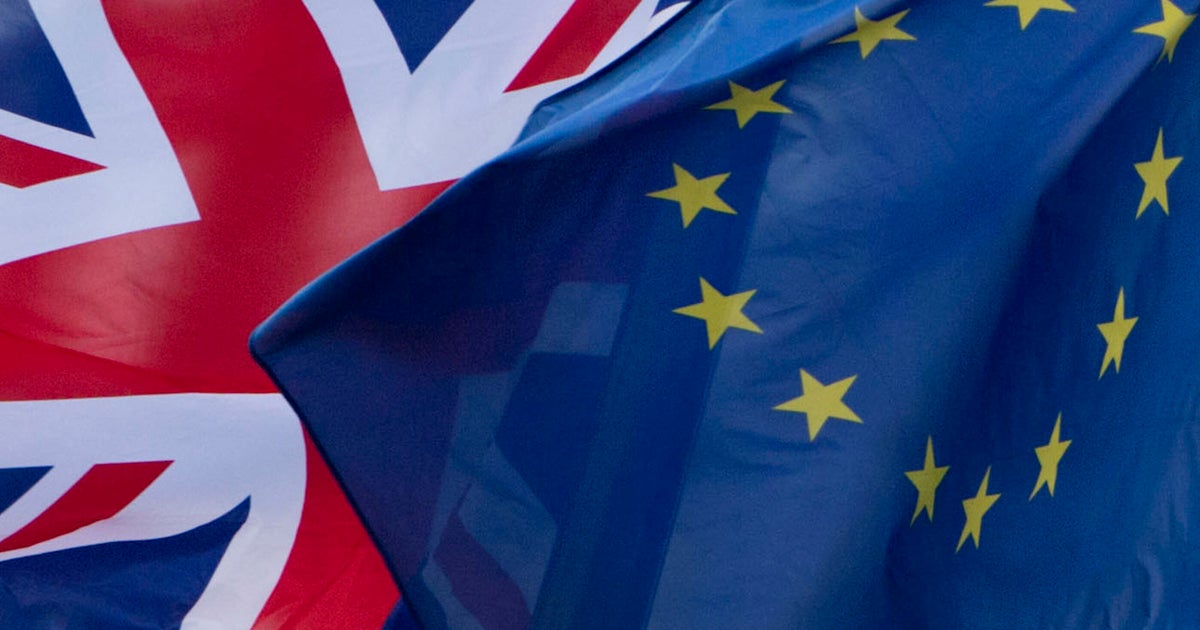
With the upcoming UK-EU summit on May 19, the government has an unprecedented opportunity to halt this decline. It’s not enough to tweak the edges of our broken arrangements—we need a bold reset that rebuilds the partnership we lost. Britain needs real action, not another round of half-measures masquerading as breakthroughs.

First, the summit must set in motion negotiations for the closest possible trading relationship with the EU, with re-entry to the Customs Union as a vital first step. Frictionless trade would rescue our factories, farms, and workers from the suffocating barriers that have driven up costs, delayed deliveries, and pushed investment overseas. It would restore the supply chains that once kept our industries competitive, and give businesses the certainty they need to innovate and export goods.

“We were sold a pup with Brexit, and we can’t pretend otherwise”

Equally vital is restoring freedom of movement, starting with youth mobility. Re-joining the Erasmus programme and establishing a youth visa system similar to that already in place for Aussies will allow students and young people to live, learn, and launch their careers across Europe. These are not luxuries; they are lifelines for ambition, cultural exchange, and shared prosperity that will shape Britain’s future and strengthen ties between neighbours.

The government must also push for realignment of our defence and security cooperation. From cyber-attacks to pandemics to regional flashpoints such as recent tensions between India and Pakistan, we know that conflicts hundreds or thousands of miles away can have immediate repercussions here at home. Our safety depends on shared intelligence, coordinated diplomacy, and joint development efforts.

Defence is not just about bombs and guns; it’s about human security, conflict prevention and the reconstruction that follows. Strengthening security cooperation with Europe means standing shoulder to shoulder to face current and future challenges; not only Putin’s war on Europe’s border, but also biosecurity threats, cyber-warfare, and climate change.

Talking of climate change, there’s an obvious quick win we need to see from the summit. The EU’s Carbon Border Adjustment Mechanism began combatting carbon leakage in 2023, with full implementation planned for 2026, while our own scheme doesn’t come into effect until 2027, and with far greater exemptions than the EU’s scheme to boot. If we continue to lag behind, British businesses will face unfair competition, and our world-leading climate commitments will unravel. Aligning with Europe on these carbon tariffs is essential for protecting jobs, fostering clean-tech innovation and safeguarding the planet for future generations.

These goals are practical and achievable right now if the government chooses to make them key priorities. But even if all are agreed, we will still be worse off than we were before Brexit.

The Green Party’s policy is that the UK should re-join the EU as soon as the domestic political situation is favourable. And it’s clear that a majority of Brits feel the same. For two years, every poll has shown that more than half of Britons believe leaving the EU was a mistake. We were sold a pup with Brexit, and we can’t pretend otherwise.

“We can choose cooperation over isolation, ambition over decline, and hope over fear”

As a former Member of the European Parliament, I’ve seen Europe’s collaborative institutions deliver stability, opportunity and shared progress. At this summit, we should have the guts to admit that leaving was a mistake, and our best future lies together with Europe.

It’s clear that others – Trump, anyone? – are no substitute for the closest possible relationship with our next-door neighbours and biggest trading partners. So let’s shout it from the rooftops: the question is not whether we should rejoin, it’s when. I call on the Prime Minister to seize this moment to kick-start discussions on what rejoining the EU would involve – recognising that the world has changed significantly since Brexit, and that there is a consistent public majority in the UK in support of EU membership. Britain’s future belongs in Europe, and our ambition should be as boundless as the opportunities we once embraced together.

Rejoining the EU will demand political courage and a clear roadmap: forging new alliances, meeting accession criteria, and rallying member-state support. But leadership has never been about playing it safe. It’s about confronting harsh truths, delivering for ordinary people, and envisioning a future that reflects our highest ideals.

This summit can be the pivot from regret to renewal. We can choose cooperation over isolation, ambition over decline, and hope over fear. We can harness the power of collective progress to tackle climate breakdown, defend democracy, and build economies that work for all.

Britain deserves better than economic contraction, trade barriers, and broken promises. Our best days lie not in standing apart, but in standing shoulder to shoulder with our European neighbours. This is the moment to renew, rebuild, and set out a path to rejoining—the public is ready, and the time is now.

Share Button

Starmer Faces A Case Of The Monday Blues As EU Deal And Labour Rebellion Loom

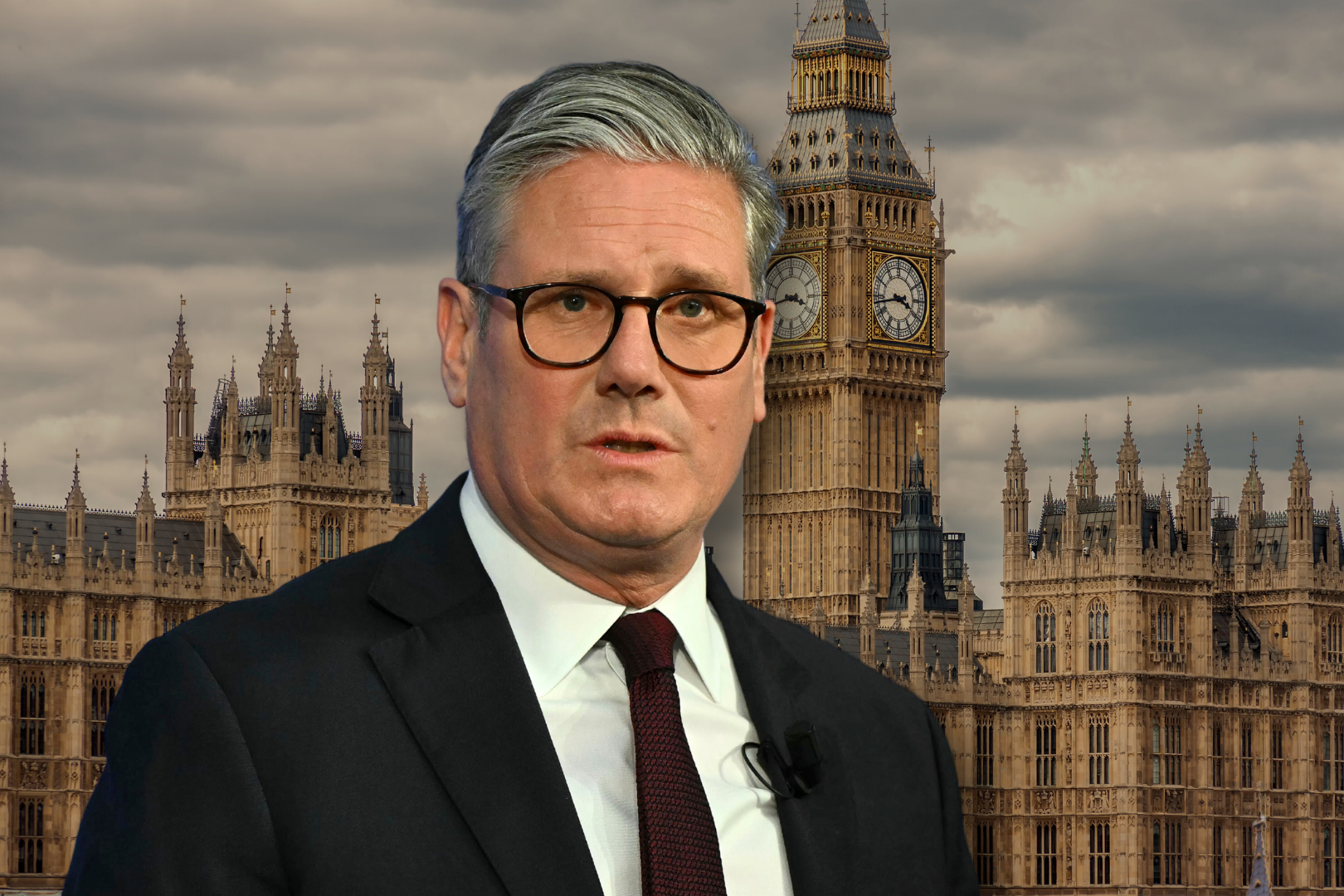
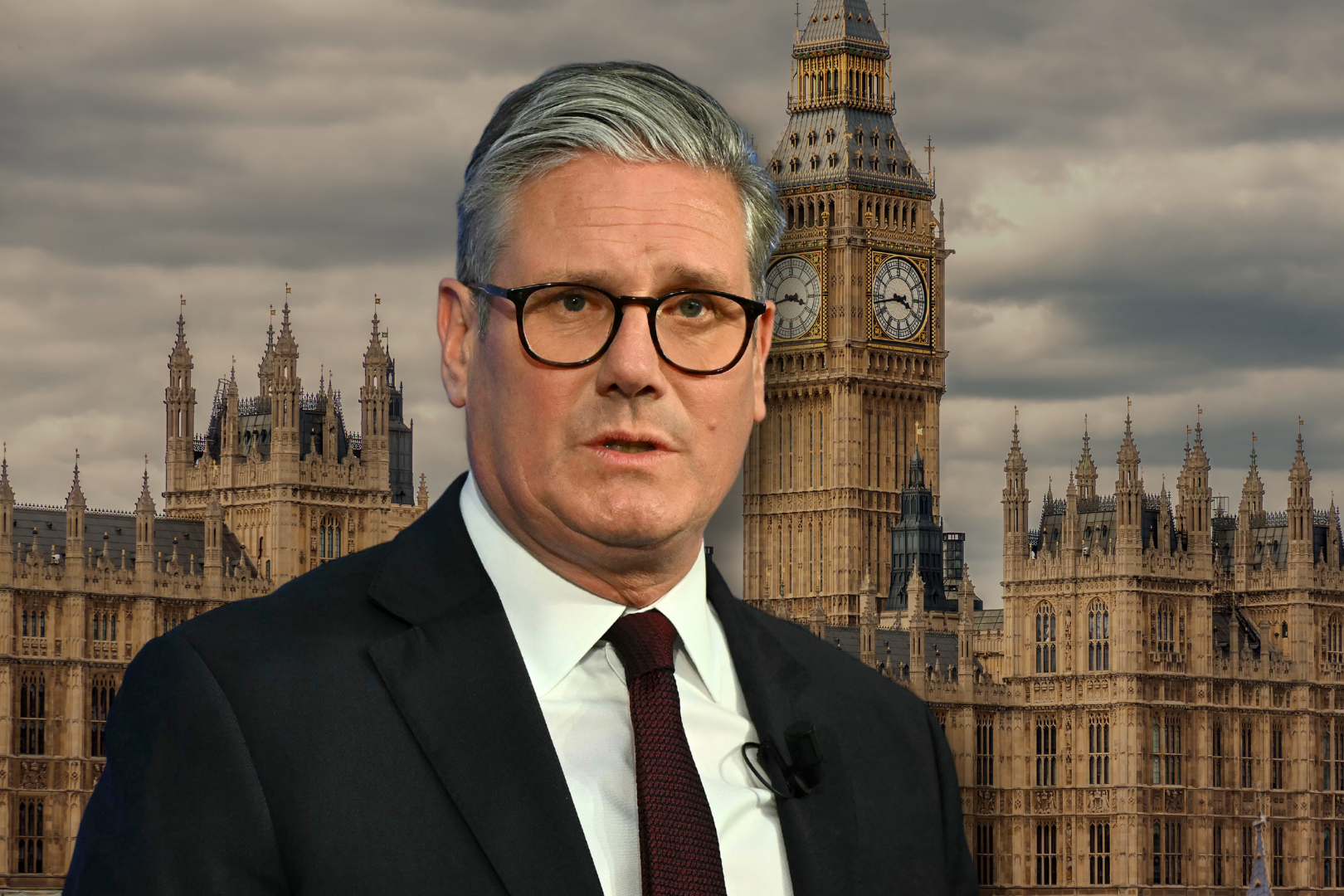
Bob Geldof sang about not liking Mondays more than 40 years ago. Come Tuesday morning, there is a decent chance that Keir Starmer will know how he felt.

The prime minister faces a date with destiny on two fronts at the beginning of next week.

First up on his agenda is a UK-EU summit in London where, he hopes, the details of his “reset” with Brussels will be unveiled.

Later in the day, Starmer will run the gauntlet when he faces a Parliamentary Labour Party (PLP) that is growing more fractious by the week.

Government sources say negotiations on the EU deal will go to the wire and that, inevitably, “nothing is agreed until everything is agreed”, but there is little doubt that a deal of some kind will emerge.

It will include an agreement on the movement of agri-foods between the UK and the bloc, a key demand of British businesses left frustrated by the trade barriers which have resulted from Brexit.

A youth mobility scheme making it much easier for 18 to 30-year-olds to travel between the UK and the EU will also form part of the deal, although Downing Street is keen to emphasise that this does not mean a return to freedom of movement.

Those entering this country will be able to stay for a limited time only, while the Home Office is pushing for a cap on numbers as they try to bring down immigration.

“We already have similar youth mobility agreements with the likes of India, Uruguay and Australia, and any scheme will be smart and controlled,” one senior government figure pointed out.

An agreement on closer security and defence co-operation between London and Brussels will also be struck, with the UK giving the French greater access to British fishing waters in return.

Starmer is ready for hardened Brexiteers to cry betrayal, while those on the other side of the debate will accuse him of not going far enough by ruling out a return to the EU customs union and single market.

But he believes that the vast majority of voters will welcome his attempts to improve relations with the UK’s closest trading partner.

One insider told HuffPost UK: “The Tories took us out of the EU without a plan for growth or on things like asylum.

“The British public know that the current deal isn’t working, which is why we are negotiating a better one.”

The agreement on agri-foods – Sanitary and Phytosanitary (SPS) products in the EU jargon – will “remove barriers to trade to stop all those lorries getting backed up at Dover while also making food will be cheaper in the shops”, No.10 says.

“We know that the opposition will say it’s a Brexit betrayal, but that’s a silly argument because that’s saying we don’t want any deal with the EU,” a government source said.

“That means they’re happy for all that red tape to continue and for British businesses to be hamstrung. The Tories have already criticised the India and US trade deals, so who do they expect British businesses to go and trade with?.

“We’re in a strong place to show the country that we’re delivering for workers.”

New polling by Ipsos shows that the British public are increasingly of the view that the UK needs closer ties with Europe, even if it comes at the expense of our relationship with America. Just over half (51%) are of that opinion, up from 42% in March.

Naomi Smith, chief executive of the pro-EU campaign group Best for Britain, said: “Removing trade barriers with the EU will deliver significant economic growth in every region of our country – more than any other policy idea in the government’s arsenal – and Starmer must urgently secure a common sense deal with Europe to make this happen.”

Happily for the PM, the vast majority of Labour MPs appear to be backing his EU strategy.

Bolton West MP Phil Brickell told HuffPost UK: “This isn’t about going over old Brexit battles, but ensuring we can address the issues that matter so much to my constituents – tackling cross-border crime, building a stronger defence industry, preventing irregular migration and supporting British firms wanting to do business in Europe. All of these matter at a time of increasing global insecurity.”

Starmer would be advised to focus on his EU deal when he addresses the PLP in Committee Room 14 at 6pm on Monday.

In the wake of Labour’s local elections disaster, and the by-election defeat in Runcorn and Helsby, it isn’t difficult to find an MP with an axe to grind.

The most common complaint is about the decision to means test the winter fuel payments, at a stroke removing it from 10 million pensioners.

In Hamilton, Lanarkshire, where Labour is battling to beat Reform UK to second place behind the SNP in a Holyrood by-election, voters are registering their disapproval of that policy before slamming the door on anyone who comes calling wearing a red rosette.

“Winter fuel has the potential to do as much damage to us as increasing tuition fees did to the Lib Dems,” said one Labour MP.

“The people in No.10 need to take off their lanyards and get out and meet some voters.”

HuffPost UK understands that Rachel Reeves is now convinced of the need to at least water down the policy so that more pensioners qualify for the payment, making a U-turn far more likely.

A third place finish for Labour in Hamilton would certainly register in Downing Street. The local MP is Imogen Walker, the wife of Starmer’s chief of staff, Morgan McSweeney.

One Conservative MP who has been canvassing in the constituency even suggested that the prime minister is as unpopular north of the border as Margaret Thatcher. In Scottish political terms, there is no harsher criticism.

Meanwhile, more than 100 Labour MPs have signed a letter to the government chief whip warning that they cannot, without some concessions from Downing Street, vote for planned cuts to disability benefits.

Starmer’s speech last Monday’s speech unveiling the government’s plans to slash immigration – which drew comparisons with Enoch Powell – has also enraged many of his backbenchers.

While the PM’s own position is not currently up for debate, he quickly needs his EU deal, alongside those with India and the US, to translate into an increase in support among the country at large.

A YouGov poll showed that his favourability rating is now the lowest its ever been, with even Labour voters turning against him in alarming numbers.

With the next election potentially still four years away, and with politics in a seemingly permanent state of flux, Starmer has plenty of time to turn things around.

On Monday night, he will be left in no doubt that he needs to up his game, and soon.

Share Button

Am I Meant To Care About The Rich List? It Gets Harder To Stomach Every Year

Oh look – the Sunday Times’ Rich List is out.

I am sure the fact that some billionaires are leaving the UK matters (though some have likely quit the UK after their “non-dom” status was removed; “non-doms” never paid UK tax on their overseas earnings anyway).

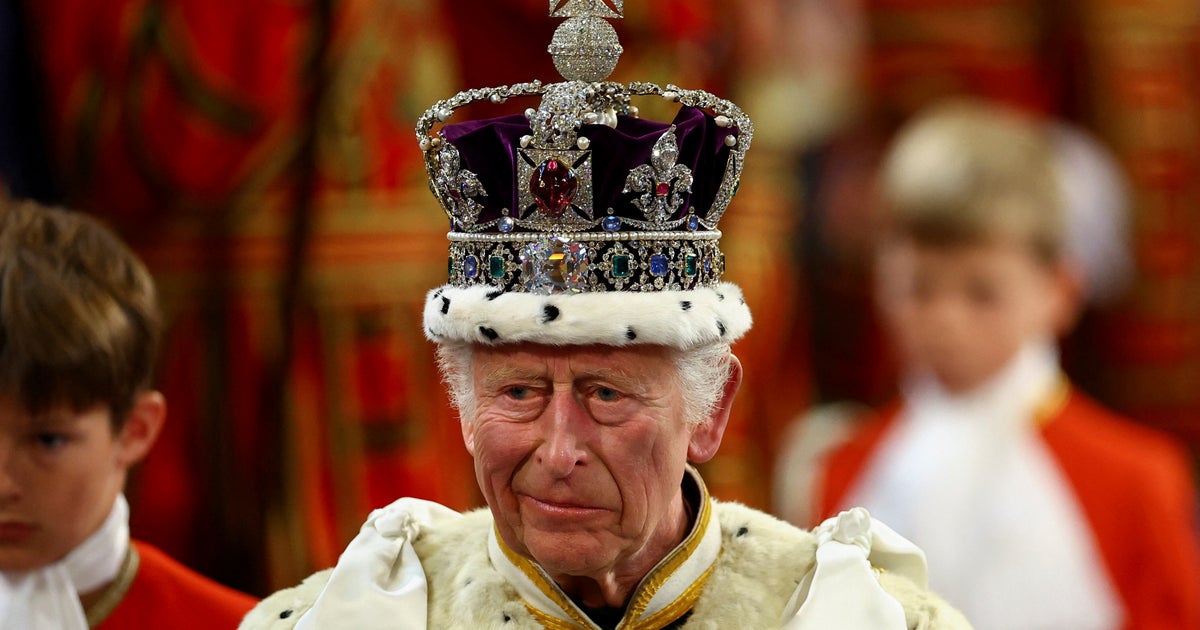
Perhaps I should have something to say about how the King’s private wealth has grown by £30 million in the last year; something other than “typical.”

I know I should be angry that, as Patriotic Millionaires UK writes, ”£772 billion, held by just 350 families, would cover the total cost of the UK’s annual healthcare spend three times over” – and I am, deeply.

But honestly? Reading the news just made me sad, then hopeless, then nauseous, then numb.

It is very, very hard to care about (or even digest) the financial lives of millionaires and billionaires when so many of us are struggling – just to benefit those exact people’s ever-growing wealth.

The list gets harder to read every year

Oxfam says that global billionaire wealth surged by $2 trillion in 2024 alone while the World Bank’s data says poverty has remained largely the same since 1990.

60% of global billionaire wealth comes from inheritance, monopolies, or cronyism, they add. In other words, Oxfam writes, the wealth of the majority of the people with the most money is “unmerited.”

It’s not just the 1%. Half of first-time buyers in the UK get help from the bank of mum and dad, estate agency Savills recently suggested.

Meanwhile, one in 10 Brits has no savings at all. The Equality Trust says that the “UK’s wealth inequality is much more severe than income inequality,” with the top 10% of households holding 43% of all wealth in 2020 while the poorest half owned just 9%.

To matter, wealth has to be relative, meaning that it is not enough for working people to earn more (though we generally aren’t) – the rich need to have proportionally less to stop hoarding the assets like real estate we need to live.

It is hard to see a way out of this mess, which is getting worse, without (as Patriotic Millionaires puts it) “properly taxing this wealth, to invest in our much-loved country.”

Instead, though, the Prime Minister seems more interested in mimicking the previous government’s most extreme anti-immigration rhetoric and slashing the benefits of ordinary people than tackling wealth inequality at its source (which, to be fair, is a trend that’s been happening for decades).

No wonder I can’t bring myself to care that billionaires are supposedly “fleeing”

Robert Watts, compiler of the Rich List, said: “Our billionaire count is down and the combined wealth of those who feature in our research is falling.” (We’re down nine – 156 to last year’s 165).

“We are also finding fewer of the world’s super-rich are coming to live in the UK,” he added.

But whether that’s down to Rachel Reeves’ policies or a vague sense that the increasingly underfunded UK is simply too grim to live in is besides the point – some debate whether billionaires are even good for our economy to begin with.

Instead of the exhausting, demoralising, and frankly bleak focus on the tiny few doing amazingly well, I’m with Patriotic Millionaires – we should “Prioritise the interests of Britain’s true wealth creators – our ordinary hardworking families, small businesses, entrepreneurs, teachers, health and other public sector workers…

“These people are the backbone of the British economy, many of whom haven’t seen a pay rise in 15 years. Our Government should treat the Rich List as the smelling salt it needs, wake up, and tax the super-rich.”

Share Button