Kennedy’s plans to ban dyes in cereals and fluoride in water could get major pushback from the food industry.


Kennedy’s plans to ban dyes in cereals and fluoride in water could get major pushback from the food industry.

If you’ve ever stepped out in what you thought were weather-appropriate clothes, only to find yourself soaked to the skin or sweating buckets, you’re likely very familiar with the feeling of being betrayed by weather apps.
It’s frustrating, especially when your friends tell you that the app that they rely on gave an entirely different forecast for the day. The absurdity! The outrage!
Advertisement
Thankfully, a team of researchers decided to set the record straight on exactly which app we should be using ahead of stepping outside, so that we can be more suitably prepared.
In a move that adds another layer to the treasured British tradition of complaining about the weather, iNews commissioned University of Reading’s Department of Meteorology to identify which were the best sources to check, and the results actually revealed that it can differ, depending on the outlook you’re hoping for.
iNews asked Rosie Mammatt, a weather scientist at the University of Reading, to compare the performance of some of the country’s most popular weather apps.
Over a period of two weeks, Mammatt looked at BBC Weather, the Met Office, Apple Weather, the Weather Channel and AccuWeather over a two-week period.
Advertisement
Her research found that, as many of us know, forecasts are often wrong and surprisingly, it’s the BBC that often gives the least accurate forecasts on their app.
Mammatt reveaed that BBC Weather is often “too pessimistic” and repeatedly overestimated the amount of rainfall ahead.
Well, if you’re heading out in the morning, you’re best to check Accuweather. If you’re going out in the afternoon, the Met Office is best.
The best overall forecaster, though, was Weather Channel, which can be relied on for any and all forecasts.
Weather apps ranked by accuracy:
- Weather Channel
- AccuWeather
- Met Office
- Apple Weather
- BBC Weather

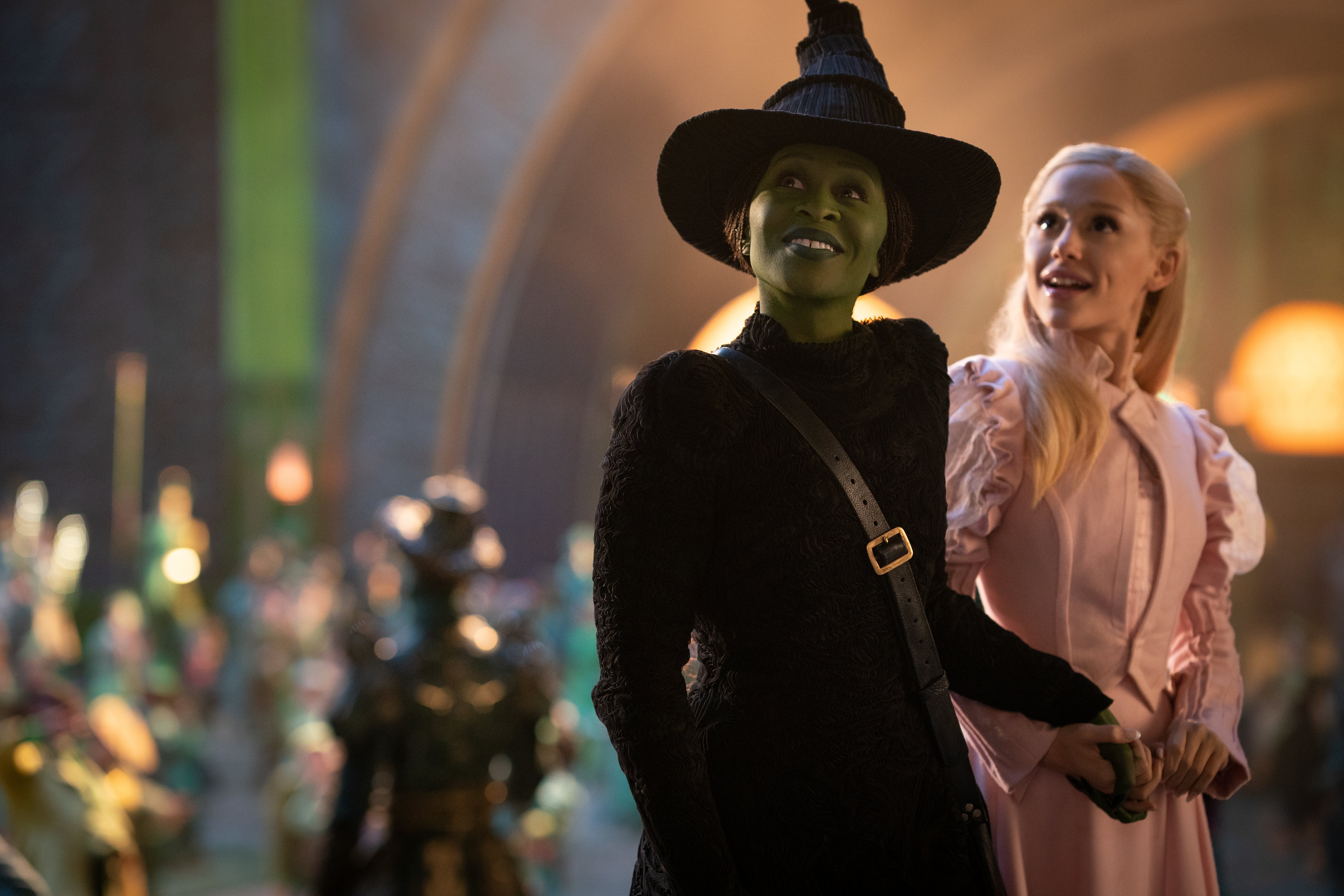
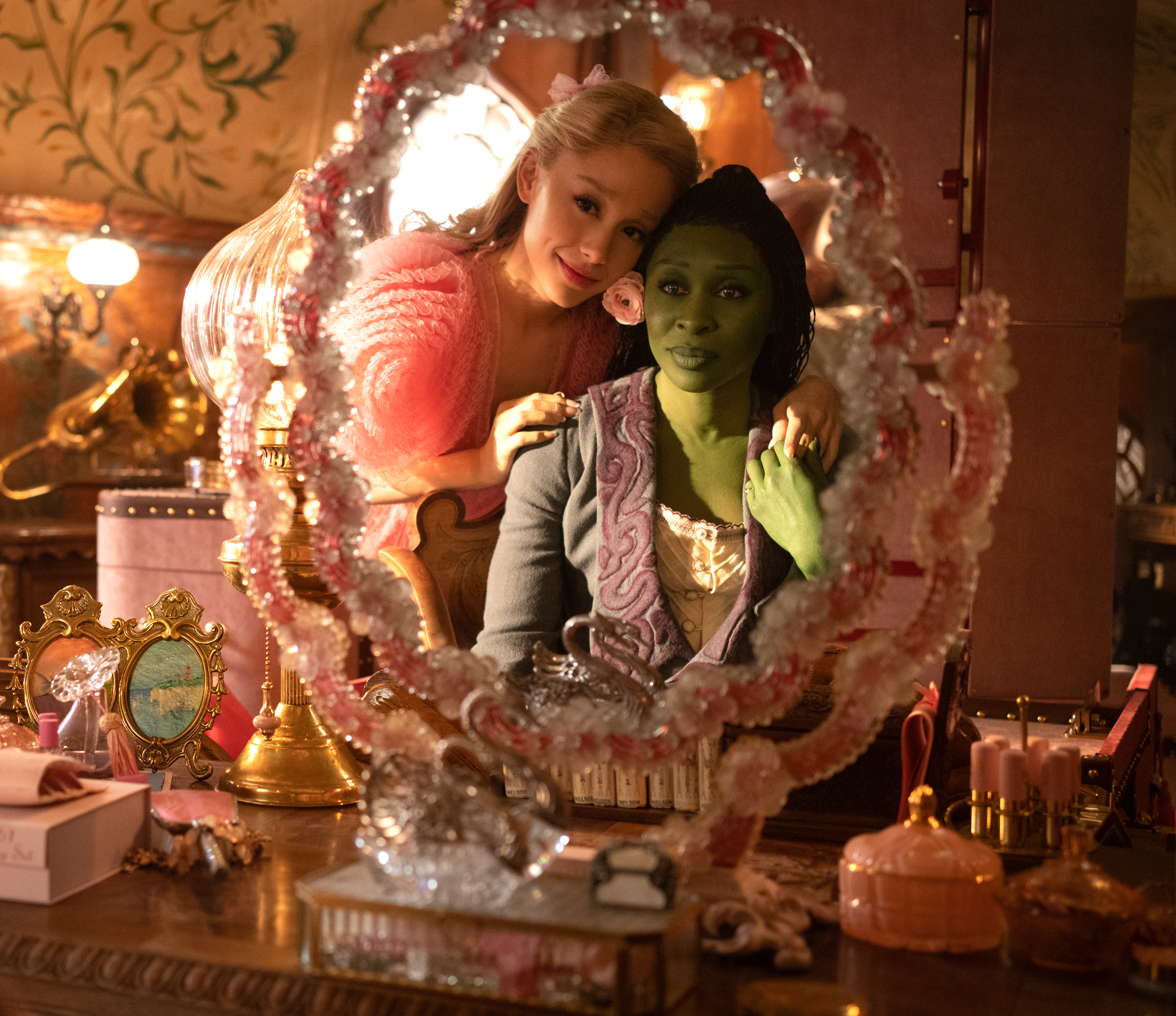
By the time you finish reading this sentence, there’s a good chance that you, too, have received yet another email about the new “Wicked”-themed cocktails, or the “Wicked” line of kids’ clothing or the “Wicked” high-top sneakers. Or, lest we forget, the “Wicked” Mattel dolls that were pulled from stores due to a misprint on the packaging that directed consumers to a porn site.
Even the movie’s marketing mishaps catapult to the top of its Google search page.
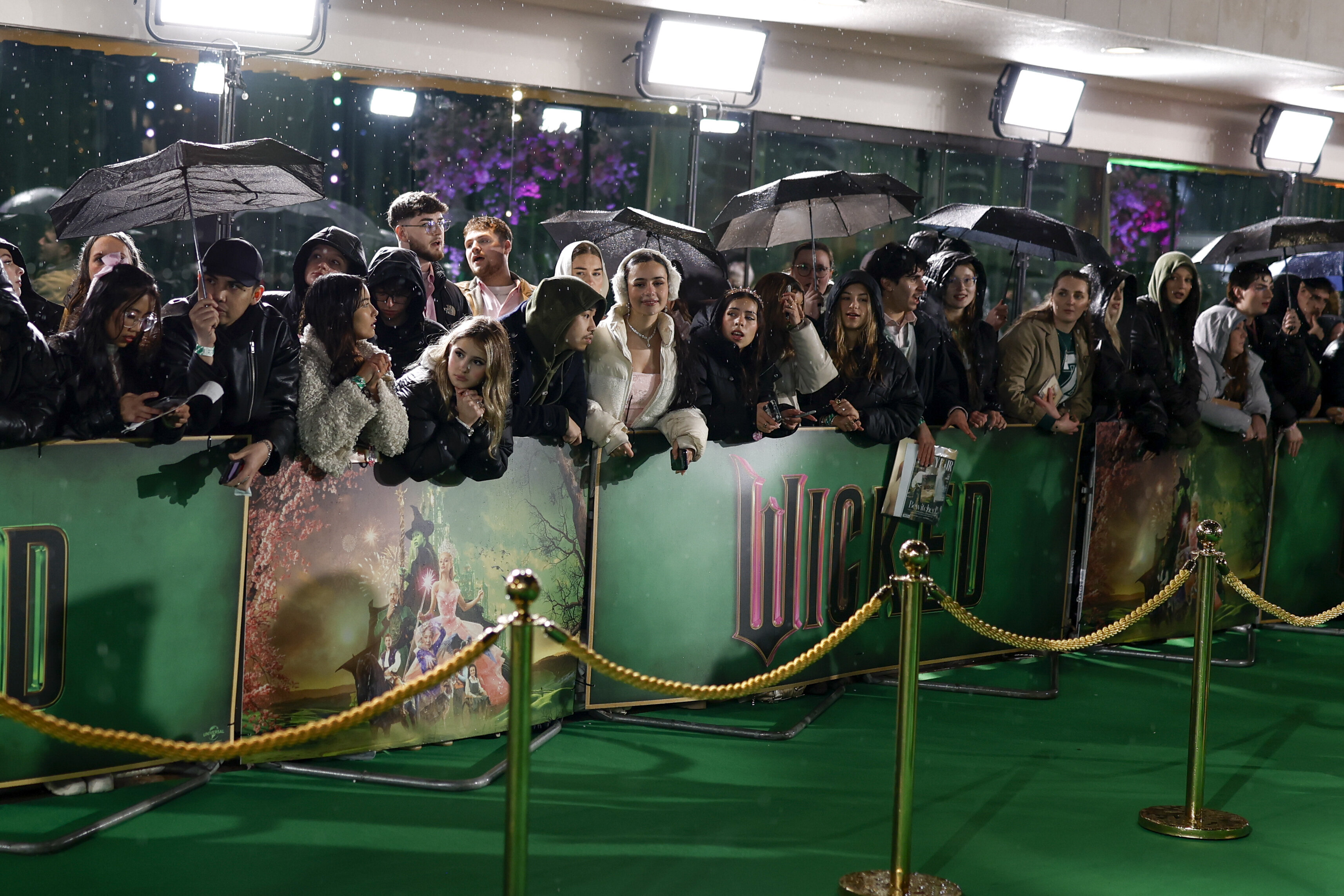
Each of Universal Pictures’ efforts to guarantee an audience for the movie before it hit theatres Friday have unquestionably worked in its favour. It’s predicted to make at least $120 million at the box office in its first weekend, and you can’t really step outside, especially now during holiday season, without seeing a “Wicked”-themed something or other in a store window.
Advertisement
Obviously many built-in fans of the same-titled, second-highest-grossing Broadway show ever, and of Gregory Maguire’s book that inspired it, have been devouring every morsel of the movie’s promotions. But there’s also an entire subset of people who are exhausted by all of it and its seemingly yearlong takeover.
On X, journalist Sophie Vershbow posted, “me to the Wicked marketing team” with a meme with the word “ENOUGH.” Another user on Bluesky sarcastically wrote, “I think just another dozen or so exposures to ‘Wicked’ marketing and I’ll be aware of it.”
Even self-proclaimed die-hard fans of “Wicked” and its star Ariana Grande are turned off by the studio’s excessive marketing. Someone on TikTok wrote, “As a massive ‘Wicked’ and Ari fan, I’m scared to admit that the overmarketing of this movie has given me the ick. Why is ‘Wicked’ collabing with literally every single brand? I’m tired of it being shoved in my face 24/7.”
And another on Threads posted, “This is no hate to all who love ‘Wicked’ (I’m happy for y’all), but OMG I’m excited for the day when my eyes aren’t subjected to their marketing campaigns everywhere I look. It’s too much!”
Advertisement
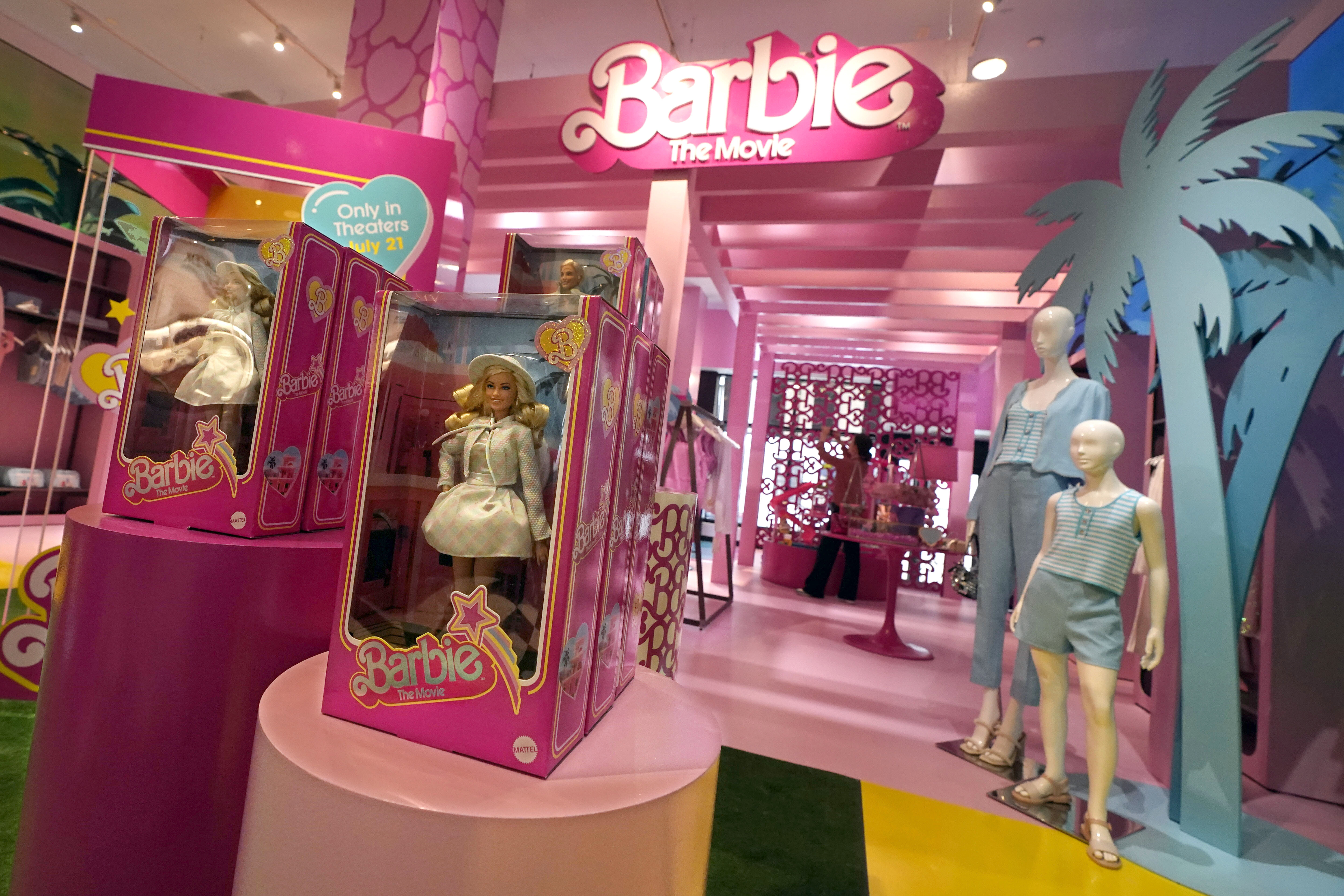
Does consumer fatigue affect Hollywood’s marketing approach to films like “Wicked” or last year’s “Barbie,” which was just as ubiquitous, and included driving fans to a website to create custom “Barbie” posters and a collaboration with Burger King Brazil on a pink burger?

via Associated Press
Yes and no, said Saleha Malik, co-founder of S-Squared, a boutique marketing agency. Hollywood is always going to do the thing that fills up their pockets, no matter how much it might annoy some audiences. But the bottom line is: This approach consistently drives ticket sales.
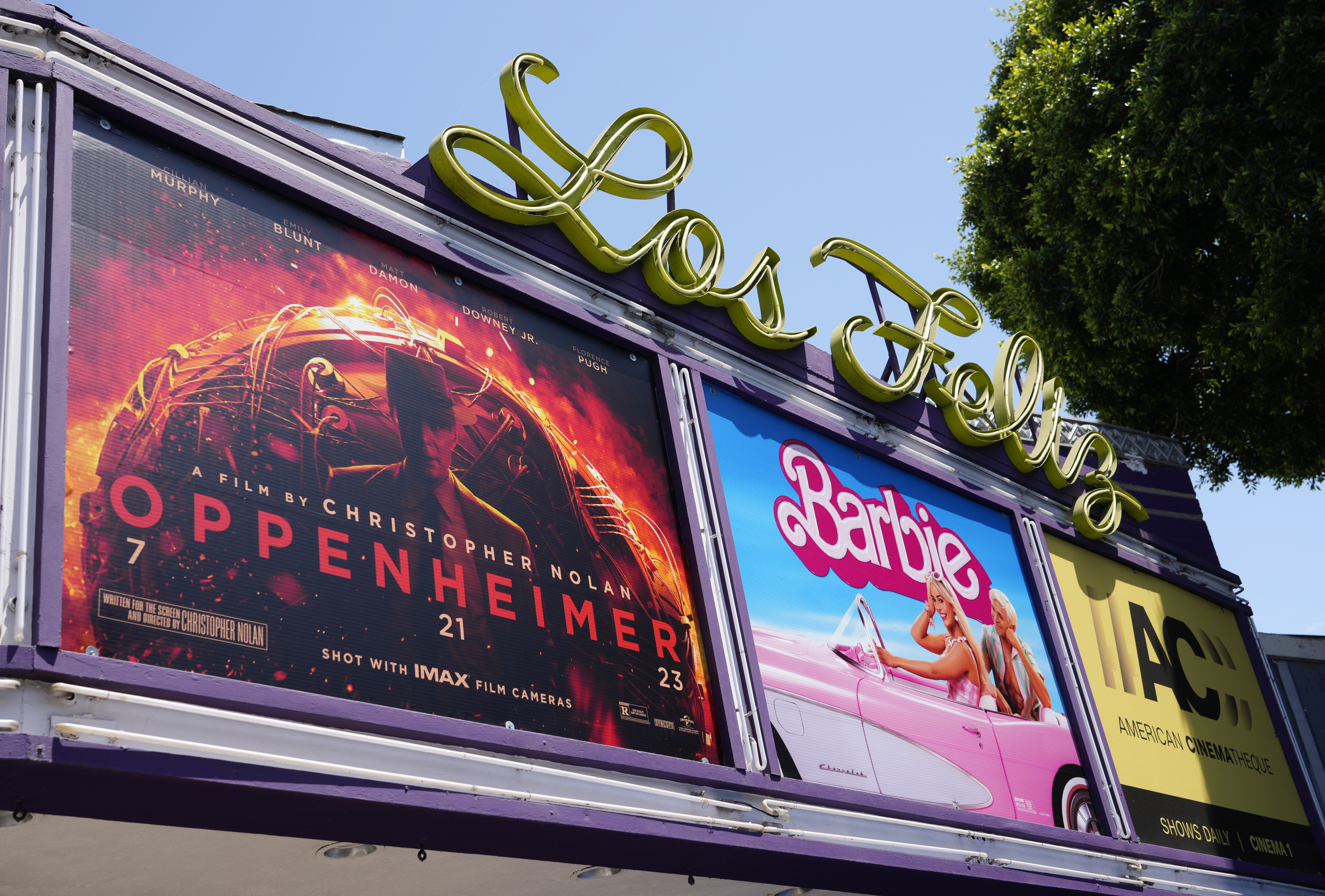
We saw that play out just last year with the twin releases of “Barbie” and “Oppenheimer” (or “Barbenheimer,” if you will).
“So, it’s not that these marketing strategies aren’t working,” Malik told me. “They definitely are, which is why you can see that for big, juggernaut films like ‘Barbie’ and ‘Wicked.’ They’re using the same playbook again and again.”
Advertisement
And while it seems like there’s been at least one of these sometimes portmanteau blockbuster marketing strategies for years now, this level of it, Malik said, is a fairly recent phenomenon. So, while audiences might be weary of it, Hollywood isn’t at all.
“Before ‘Barbie,’ you can’t really think of a lot of movies that took it to that scale,” Malik said. “So, I think they are going to continue to do this.”
Studios might be unfazed by consumer fatigue, even at a time when audiences’ interests are especially fickle, and they’re getting bombarded with ads online and IRL all the time, but Malik told me that any studio worth their salt would pay attention to that and adjust their efforts. Or else that bubble could burst.
“Once consumer fatigue starts setting in more and more, they’re going to have to pivot their strategies,” Malik said. “As marketers, you are always aware that the same strategy is not going to work every time. So you’ll pick and choose different aspects of it, but tailor it for the next one.”
Those consumers that currently have “the ick” from the marketing be damned then, I guess.
But they might not be the only ones the studios are not considering right now. Let’s look at this marketing a little more closely and who it’s actually targeting (beyond simply benefiting Hollywood’s pockets, of course). While certain apparel and branded cocktails can accommodate consumers across economic backgrounds, there is an overwhelming appeal to cater to households with larger incomes.
Advertisement
For instance, a pair of Glinda- and Elphaba-inspired collectible dolls can currently run parents up to $159+ on eBay. A Glinda-sequined bomber jacket is going for almost $90 at Lola and the Boys. Meanwhile, thanks to the “Wicked” partnership with fine jewellery brand Muse, a pair of hoop earrings designed in collaboration with the film’s star Cynthia Erivo costs $8,800.
While Malik maintains that the studio is still blanketing the audience with a wide range of merchandise that caters to a variety of households, she acknowledges that these higher-priced items almost strictly appeal to people within a higher economic bracket. Even more, they’re presented as wish items.
“You want the most people to come to your movies, to buy those limited edition dolls or anything of the sort — you want the most people to buy them,” she said. “So I don’t think this marketing strategy is, let’s exclude people on purpose. But with their strategies, they definitely are.”
The “Barbie” strategy, Malik added, was a prime example of that: “The primary economic demographic that I think was targeted by ‘Barbie’ was the middle- to upper-class audiences. Because, if you look at the merchandising, for example, there were a lot of high end collaborations.”
She pointed to the Christian Louboutin “Barbie” shoe collection and collectible dolls, which are still selling for hundreds of dollars.
Advertisement
“It’s not your everyday person that can afford Christian Louboutin heels,” Malik said. “These are exclusive items. But they reinforce that aspirational and luxury positioning that went along with it. So, they appealed to that sort of audience with the mainstream, middle class families.”
Historically, though, “Barbie” has catered to a very exclusive audience that wasn’t diverse at all. While Malik, who is Pakistani, said she didn’t really play with Barbies growing up, she got a pretty good sense of who they were supposed to be for. She acknowledges that while the movie and its marketing tried to be inclusive, even coming out with a doll for Diwali, it often fell back on their tried-and-true audience.

via Associated Press
“They really did target white and affluent demographics,” Malik said. “So, a lot of the marketing efforts you can see still leaned into that aspirational image of the traditional blonde, which did not resonate that much with audiences of colour who’ve seen historically less representation.”
Concurrently, though, the marketing didn’t completely neglect, for instance, audiences from lower economic backgrounds, Malik quickly added: “They also did things like the ‘Barbie’ Happy Meal, so that it’s more accessible.”
Advertisement
“Wicked” has less of an issue reaching more racially diverse audiences, partly because its lead actor, Erivo, is a Black and queer woman. But that’s also because the essence of its story is about humanising, as Malik put it, those “who often feel misrepresented or underrepresented.”
“They’re highlighting that underdog narrative [that] centres around misunderstood characters,” she said, “and challenges the societal perceptions of good versus evil, which in today’s world is a valuable theme. Then also it aligns with the lived experiences of marginalised audiences.”
Still, while both “Wicked” and, previously, “Barbie” made admirable efforts to connect with diverse audiences in their marketing, there has been a sort of DIY component that has particularly resonated with online fans who go on to create fan art and their own costumes.
Those might invariably include some who aren’t able to afford to purchase their own merchandise or might feel so inclined to create a, for instance, “Wicked” world that they could be a part of — possibly one they might not be seeing in the marketing.
Malik described more of those efforts: “TikTok challenges, which invite younger audiences to engage with the campaign regardless of their social strata. It’s not things that they need to spend excessively on. There’s more focus on aesthetics, humour and relatability that resonates with someone that is more budget conscious.”
Advertisement
You can certainly look at that as a more democratised approach to marketing films like “Wicked” and “Barbie,” which obviously has its benefits like racial and economic diversity. But it also puts it on the audience to see themselves inside a movie’s marketing, perhaps because the powers that be in a white and largely affluent Hollywood either don’t have the range, foresight or desire to do that themselves.

via Associated Press
This question of effort and exclusivity also makes you think about where smaller, independent films, many that amplify talent of colour, fit into this relatively recent level of movie marketing that largely eludes them in both budget and even the most modest effort.
For instance, a film like “Exhibiting Forgiveness” makes nary a sound as it tiptoes to the box office, while the marketing strategies behind those like “Wicked” and “Barbie” make it hard not to hear them coming from 100 miles away and a whole year out from release. It’s either barely anyone knows a film even exists, or they’re sick and tired of hearing about it all the time. There’s rarely any in between.
It can’t be expected for every movie to get, say, a $150 million marketing budget like “Barbie” reportedly did, but the alternative shouldn’t be barely anything at all, particularly when those films are desperately trying to reach even a moderate number of audiences of colour.
Advertisement
Here again, people are compelled to consider untraditional ways to connect with marginalised people without the help of a big studio.
Malik offered that some of the most successful marketing campaigns for independent films, while not a foolproof plan, revolve around less conventional strategies. “‘Everything Everywhere All at Once’ really focused on word of mouth and grassroots marketing,” she said, “to build authentic audience connections and really prove that smaller campaigns can still go viral.”
She went on to say that other small films have utilised the Academy and other awards circuits to get the word out about the film. While studios often use those press runs to primarily push certain talent or films into the running to win an award, it’s also to build audience awareness for these films when there were virtually no other marketing efforts.

Giles Keyte/Universal Pictures
Another way is through partnering with streaming platforms like Netflix or Max, who generally have more marketing dollars that smaller studios could lean on to get the word out about their films and talent.
Advertisement
There’s also “cultural authenticity,” as Malik described it, with the storytelling in the film’s marketing that could propel a film directly to its intended audience like how Netflix did it with the Mexican 2018 drama “Roma.”
“They made sure to engage the Spanish-speaking audiences as well, and made advertisements and events that were bilingual,” Malik explained. “And then there’s that aspect of personal storytelling which became a central narrative to the campaign.”
None of this, obviously, amounts to even a fraction of the return films like “Wicked” and “Barbie” have, which Malik fully acknowledges. But it’s not nothing.
“Studios realistically are not going to invest that amount of time and money into smaller films which might be more representative of society,” Malik said. “But at the end of the day, it’s a business. They’re going to invest in movies that they think are going to bring the most return.”
Smaller or independent films, Malik added, “are more of a risk, they’re just not going to do that.”
I winced a bit at the use of “risk” there, not because what Malik said was untrue but because Hollywoodspeak often conflates that word with films that center talent of color, many of which are independent. It’s an exhaustive cycle that points to a longstanding question of whether smaller films are set up to fail while often white-led, corporate and capitalistic brands like the ones behind “Wicked” and “Barbie” are almost always poised to succeed.
Advertisement
Both of those films are wildly entertaining and have merit (though, more so “Wicked” than “Barbie”) and will, gratefully, bring audiences to the theater at a time when many have abandoned it for a variety of factors. They also serve the same Hollywood machine that, despite its purported advances, still prioritizes an exclusive demographic.
A hallmark of Donald Trump’s first presidency was the way major policy developments would sometimes get almost no attention, because they were competing with the flurry of higher-profile, mind-blowing controversies swirling around him and his team.
Evidently Trump’s second presidency is going to unfold in the same way.
For the past week, the political world has focused mostly on the controversies over Trump’s planned appointments for top positions in his administration. And that’s understandable, given his plan to put the nation’s health in the hands of a noted vaccine skeptic and to hand the national intelligence apparatus over to someone who likes to repeat talking points from Russian propaganda.
Advertisement
But that conversation has left virtually no space for discussion about policy changes — including one that should raise a lot of questions about exactly whose interests Trump will represent in government and exactly who has influence over him.
The policy in question is a federal tax credit for buyers of new electric vehicles. It exists thanks to the 2022 Inflation Reduction Act, President Joe Biden’s signature legislative accomplishment, and is part of that law’s effort to reduce reliance on fossil fuels by promoting EV use.
Last week Reuters reported that Trump’s transition team was recommending he ask Congress to kill the tax credit. And while Trump has not said anything publicly, auto industry leaders and investors saw the report as a trial balloon and indicator of what the president-elect is likely to do.
It was not exactly a shocking development. Trump has been speaking out against Democratic support of EVs ― or what he has called, deceptively, an “electric vehicle mandate” ― for years. Especially when speaking in states like Michigan, cradle of America’s auto industry, he has portrayed the EV effort as elite Democrats imposing a tree-hugging agenda that will ruin the U.S. auto industry and, in the process, wipe out jobs for U.S. workers.
Advertisement
Still, Trump never said explicitly whether he’d actually seek to eliminate the tax credit. And there were reasons to think he might not pursue the idea after the election.
One is that a number of House Republicans support the EV incentives. Many come from places like Georgia, Ohio, Indiana and Nevada ― states that Trump won and where the EV effort has led to a boom in factory construction. The recent EV push has “created good jobs in many parts of the country — including many districts represented by members of our conference,” the House members wrote in a summer letter to House Speaker Mike Johnson (R-La.)
Then there are the feelings of the auto industry itself. Both Ford and General Motors, the two legacy car companies still based in Detroit, have supported the tax credit because they think a global shift towards EVs is inevitable. The real question now, they argue, is not whether there will be many more EVs in the future, but who will produce and sell them.
The U.S. carmakers are particularly worried about losing ground to Chinese companies. Thanks to two decades of financial support from their own government, Chinese carmakers can now produce EVs more cheaply and, as a result, are poised to dominate the worldwide market. The new federal tax credit, worth up to $7,500 per vehicle but only valid for EVs produced here in the U.S., is giving Ford and GM a chance to compete on a more even playing field among U.S. consumers.
Good jobs in the districts of House Republicans, a chance to help American industry compete with China ― those sure sound like ideas that might resonate with Trump.
Advertisement
But those aren’t the only appeals Trump is hearing. He’s also hearing from some of his biggest, and richest, allies. And they have a very different view.
One of the co-leaders of the transition team on EV policy, according to Reuters, is Harold Hamm, a billionaire oil tycoon who was a prodigious Trump fundraiser during the campaign (and donated plenty of his own money, too). Hamm opposes support for EVs, whose growth over the long term would reduce demand for gasoline ― i.e., the financial lifeblood of his enterprises.
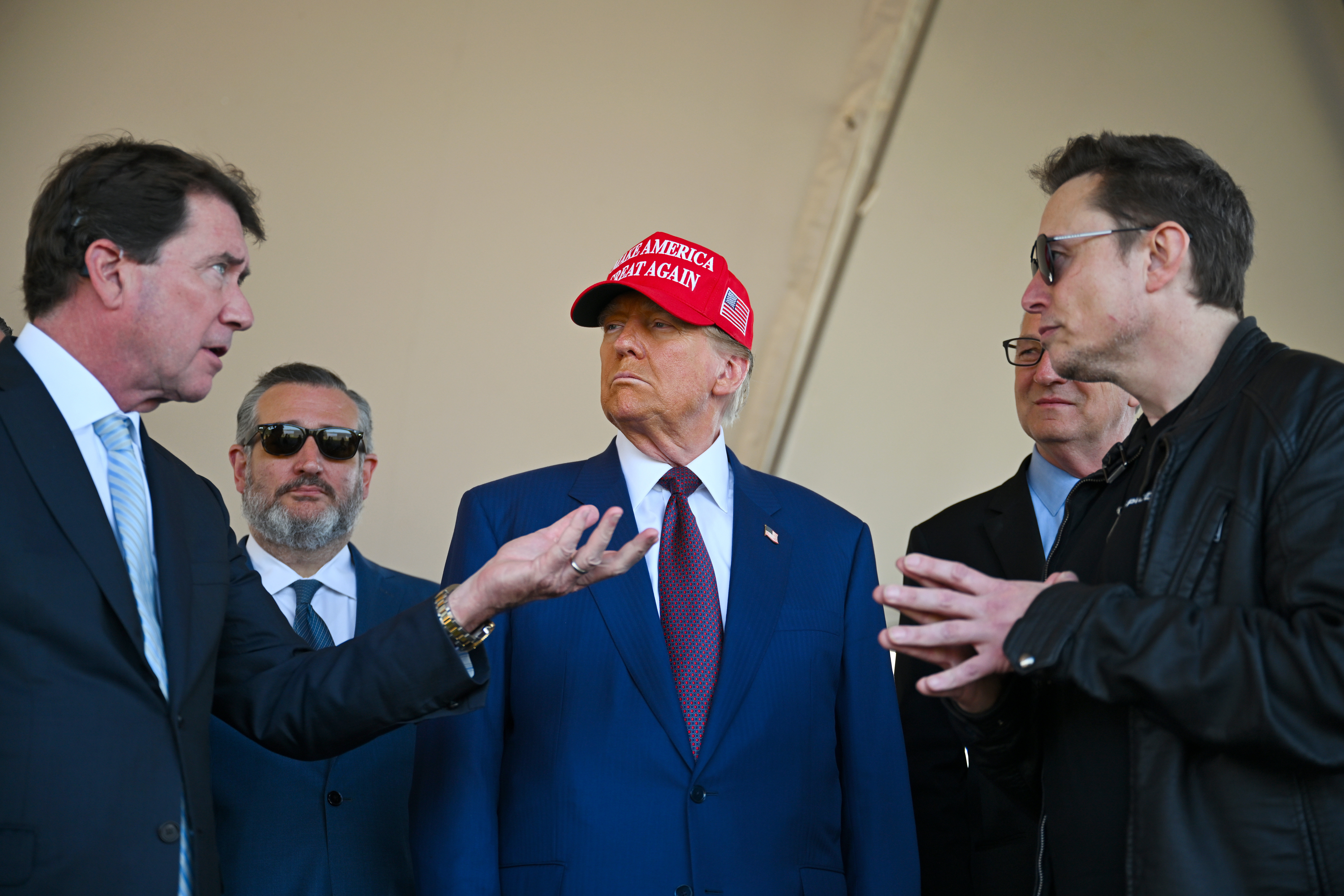
Elon Musk, another Trump megadonor, also has the president-elect’s ear. And although Musk is the CEO of Tesla, the nation’s top electric carmaker, Musk has said his company doesn’t need the subsidies because it’s not trying to retool from making gas-powered cars and isn’t at the same disadvantage internationally as the legacy Detroit automakers.
“I think it would be devastating for our competitors and for Tesla slightly,” Musk told investors over the summer. But he said that in the “long term, it probably helps” Tesla if Trump does away with the tax credit, since that could allow Tesla to more thoroughly dominate the U.S. market.
Corey Cantor, a senior auto industry analyst at BloombergNEF, told HuffPost he thinks Tesla sales benefit from the tax credits more than Musk lets on. But he agrees Tesla has “far more flexibility” and would suffer less.
Advertisement
One reason for that is that Musk has fought unionisation at his auto plants and, according to outside analysts, pays his workers less than competitors. A major goal of the Biden EV push was to support unionised companies in the U.S. and, in the process, guarantee better pay for manufacturing workers.
It’s impossible to know just how much Trump’s opposition to the EV tax credit reflects the influence of Hamm and Musk, given his own longstanding skepticism of measures to prevent climate change. But Trump has a lengthy, well-chronicled history of heeding or helping donors who want policy favors, or offering them positions in his administration.
And that’s to say of nothing of how Trump and his family profited personally when, for example, lobbyists and foreign dignitaries would stay at Trump’s Washington hotel. One watchdog group determined through public disclosures that his daughter, Ivanka, and her husband, Jared Kushner, made as much as $640 million in outside income during Trump’s first term.
Now Trump is on his way back to the White House, with a transition team led by and stocked with billionaires. Musk, along with fellow billionaire Vivek Ramaswamy, are leading a so-called Department of Government Efficiency (“DOGE”) task force that, though not an official government entity, will identify targets for big cuts in government spending.
Lobbyists and analysts familiar with the transition told The New York Times they thought Ford and GM (and Stellantis, the other Detroit company, which is now part of a foreign conglomerate) still had a chance to save the tax credit, if they’re strategic enough.
Advertisement
As these sources explained it to the Times, part of Trump’s motivation for killing the tax credit was his grudge against the Detroit companies because of their past support for auto emissions policies he opposed. To get on Trump’s good side, the companies needed to make amends ― or, as the Times put it, “bow to Mr. Trump.”
Trump has always been unabashedly transactional. The variable is which kind of currency will get him to respond. Campaign contributions? Family enrichment? Personal abasement? Some combination of the above?
The future of EVs, like so many other issues in policy for the next four years, may depend on who figures out the answer.

Here’s lesson 4 for the free Engage course. It’s about how to use your power to create the reality you desire. This video especially focuses on how to shift from wanting something to actually experiencing it.
As I watched it, I really liked the vibe all the way through and opted not to do any internal cuts, edits, or effects this time, so the whole thing is one continuous take. I felt that any cuts or effects would detract from the nice flow of it, so I kept it minimalist this time.
Join the Engage notification list to get an email whenever a new Engage lesson is published. I also encourage you to subscribe to my YouTube channel to follow the course there.
Enjoy!
A toxic row has engulfed the NHS, say ministers. So why have doctors turned on physician associates?

We’ve all been there. Moments after leaving a party, your brain is suddenly filled with intrusive thoughts about what others were thinking. “Did they think I talked too much?” “Did my joke offend them?” “Were they having a good time?”
In a new Northwestern Medicine study, scientists sought to better understand how humans evolved to become so skilled at thinking about what’s happening in other peoples’ minds. The findings could have implications for one day treating psychiatric conditions such as anxiety and depression.
“We spend a lot of time wondering, ‘What is that person feeling, thinking? Did I say something to upset them?'” said senior author Rodrigo Braga. “The parts of the brain that allow us to do this are in regions of the human brain that have expanded recently in our evolution, and that implies that it’s a recently developed process. In essence, you’re putting yourself in someone else’s mind and making inferences about what that person is thinking when you cannot really know.”
The study found the more recently evolved and advanced parts of the human brain that support social interactions — called the social cognitive network — are connected to and in constant communication with an ancient part of the brain called the amygdala.
Often referred to as our “lizard brain,” the amygdala typically is associated with detecting threats and processing fear. A classic example of the amygdala in action is someone’s physiological and emotional response to seeing a snake: startled body, racing heart, sweaty palms. But the amygdala also does other things, Braga said.
“For instance, the amygdala is responsible for social behaviors like parenting, mating, aggression and the navigation of social-dominance hierarchies,” said Braga, an assistant professor of neurology at Northwestern University Feinberg School of Medicine. “Previous studies have found co-activation of the amygdala and social cognitive network, but our study is novel because it shows the communication is always happening.”
The study was published Nov. 22 in the journal Science Advances.
High-resolution brain scans were key
Within the amygdala, there’s a specific part called the medial nucleus that is very important for social behaviors. This study was the first to show the amygdala’s medial nucleus is connected to newly evolved social cognitive network regions, which are involved in thinking about other people. This link to the amygdala helps shape the function of the social cognitive network by giving it access to the amygdala’s role in processing emotionally important content.
This was only possible because of functional magnetic resonance imaging (fMRI), a noninvasive brain-imaging technique that measures brain activity by detecting changes in blood oxygen levels. A collaborator at the University of Minnesota and co-author on the study, Kendrick Kay, provided Braga and co-corresponding author Donnisa Edmonds with fMRI data from six study participants’ brains, as part of the Natural Scenes Dataset (NSD). These high-resolution scans enabled the scientists to see details of the social cognitive network that had never been detected on lower-resolution brain scans. What’s more, they were able to replicate the findings up to two times in each individual.
“One of the most exciting things is we were able to identify network regions we weren’t able to see before,” said Edmonds, a neuroscience Ph.D. candidate in Braga’s lab at Northwestern. “That’s something that had been underappreciated before our study, and we were able to get at that because we had such high-resolution data.”
Potential treatment of anxiety, depression
Both anxiety and depression involve amygdala hyperactivity, which can contribute to excessive emotional responses and impaired emotional regulation, Edmonds said. Currently, someone with either condition could receive deep brain stimulation for treatment, but since the amygdala is located deep within the brain, directly behind the eyes, it means having an invasive, surgical procedure. Now, with this study’s findings, a much less-invasive procedure, transcranial magnetic stimulation (TMS), might be able to use knowledge about this brain connection to improve treatment, the authors said.
“Through this knowledge that the amygdala is connected to other brain regions — potentially some that are closer to the skull, which is an easier region to target — that means people who do TMS could target the amygdala instead by targeting these other regions,” Edmonds said.
The study is titled, “The human social cognitive network contains multiple regions within the amygdala.” Other Northwestern co-authors include Christina Zelano, Joseph J. Salvo, Nathan Anderson, Maya Lakshman and Qiaohan Yang.

A new study from Northwestern Medicine reveals a troubling rise in severe maternal health issues and birth complications in Illinois from 2016 to 2023, closely linked to increases in chronic health conditions affecting pregnancy, such as high blood pressure, gestational diabetes, mental health disorders and especially obesity, which saw the largest increase in annual rates.
The study highlights significant racial and socioeconomic disparities, finding that non-Hispanic Black mothers faced more than double the rate of severe complications compared to non-Hispanic white mothers, and that living in high-poverty neighborhoods elevated maternal health risks across all racial groups.
“Despite significant recent statewide quality-improvement efforts, these birth outcomes are worsening for all ages, reflecting the worsening pre-pregnancy health of the reproductive-age population in Illinois,” said corresponding author Dr. Mugdha Mokashi, aresident physician in obstetrics and gynecology at the McGaw Medical Center at Northwestern.
The findings reflect national trends demonstrating the increasing prevalence of conditions such as obesity, hypertensive disorders of pregnancy and gestational diabetes among pregnant people of all ages, she added. The study provides the most updated data on maternal morbidity and delivery complications within the state of Illinois.
The findings were published Nov. 21 in the journal Obstetrics & Gynecology Open.
“Our findings underscore the role of social determinants of health — such as race and income — in driving disparities in maternal health, suggesting that efforts to reduce maternal morbidity need to address both racial inequalities and economic hardship,” said study co-author Dr. Lynn Yee, associate professor of obstetrics and pulmonology at Northwestern University Feinberg School of Medicine and a Northwestern Medicine maternal fetal medicine physician.
Breaking down of the findings:
In the study cohort of 988,480 births at 127 Illinois hospitals between January 2016 to June 2023, the overall rate of severe maternal morbidity rose from 1.4% in 2016 to 2% in 2023. Vaginal birth complications increased 22.4%, and cesarean birth complications increased 48.9%.
Hypertensive disorders of pregnancy and anemia — both of which increased over the study period — were significant risk factors for severe maternal morbidity and birth complications. The largest increase by far was in annual rates of obesity from 2016 to the first six months of 2023 (7.8% to 22.3%). Additionally, there were increases in gestational diabetes (4.2% to 5.5%), depression (2.5% to 6.6%), anxiety (3.1% to 10.4%) and other chronic comorbidities (4.7% to 7.4%). Non-Hispanic Black patients had more than double the severe maternal morbidity rate (2.6%) compared to non-Hispanic white patients (1.1%).
Health counseling before pregnancy is important
Maternal health affects almost everyone, and those thinking about pregnancy should be sure to check in with their health care provider to screen for any chronic conditions they may have before getting pregnant, the study authors said.
“Pre-conception counseling is such an important way to make sure that all of your health conditions are optimized prior to pregnancy,” Mokashi said. “There are many important policy and public health initiatives in Illinois that people may be interested in learning more about.”
‘It’s not just because the people getting pregnant are older’
While not the original aim of the study, the scientists did additional analysis that found the increased prevalence of maternal health issues and birth complications is not simply because the people getting pregnant are older. The findings reflected an increase in hospital coding for hypertensive disorders of pregnancy, gestational diabetes, anemia, depression, serious mental illness and other chronic conditions, especially obesity, even among those giving birth who are younger than 30.
“In brief, even young pregnant patients have more medical conditions and complications in pregnancy,” Mokashi said.
What can be done?
Policies for poverty alleviation — such as the proposed refundable child tax credit in Illinois, House Bill 4917, if passed — have demonstrated improvement in maternal health, the study authors said.
Perinatal quality initiatives in California have reduced postpartum hemorrhage-related morbidity. Similarly, the Illinois Perinatal Quality Collaborative is working to reduce cesarean births and address racial disparities through Promoting Vaginal Birth and Birth Equity initiatives.
Increasing access to doula support and patient navigator programs could also be useful supports, Mokashi said. In 2024, the Illinois Department of Healthcare and Family Services adjusted reimbursement for doula services. At Northwestern, research on patient-navigator programs have shown promise in reducing care disparities for low-income minoritized patients postpartum. And at the federal level, passage of the 13 bills comprising the Black Maternal Health Momnibus Act re-introduced in 2023 would provide critical funding support to increase data collection and quality initiatives for prevention of maternal morbidity.

The Golgi apparatus modifies, sorts and packages proteins to be sent to their final destinations, whether that’s within or outside of the cell.
It’s a core function, but little studied in the setting of cancer immunology, especially when compared to other organelles like the mitochondria or endoplasmic reticulum.
“So we were interested in looking a little bit more at the Golgi apparatus. It’s obviously an important organelle. How is it being changed or what is its role in T-cells in terms of fighting cancer?” said Nathaniel Oberholtzer, an M.D./Ph.D. student who worked in the lab of Shikhar Mehrotra, Ph.D., co-leader of the Cancer Biology & Immunology Research Program at MUSC Hollings Cancer Center and scientific director of the Center for Cellular Therapy in the MUSC College of Medicine.
As it turns out, the healthy function of the Golgi apparatus has a lot to do with how well T-cells function in killing cancer cells. Understanding how a signaling axis mitigates Golgi stress, enabling it to perform properly, points to a possible new therapeutic target for researchers to pursue to strengthen T-cells. Not only that, but Oberholtzer’s research shows how the Golgi could be used as a biomarker to select the strongest T-cells for immunotherapy.
Oberholtzer, as first author, and Mehrotra, as senior author, along with a team of Hollings scientists published the research this month in Science Advances.
T-cells, part of the immune system, can kill cancer cells. CAR-T cells are T-cells that have been modified in the lab to home in on proteins on the surface of an individual’s cancer cells. CAR-T cells are custom-made for each patient.
Both T-cells and CAR-T cells can become “exhausted” in the hostile tumor microenvironment. Mehrotra’s lab looks at ways to boost these cells so that they can fight cancer for a longer time.
“The whole tumor microenvironment is conducive for the tumor itself, but not for the other cells which are trying to get in there,” Mehrotra said.
Just like people, cells are constantly subjected to stress — stress from biochemical reactions that have become unbalanced and mechanical stress from moving. Transient stress can be good. Stressing your muscles through exercise strengthens them, and transient stress on cells can prompt them to a response that ultimately strengthens them.
“But if this stress stays there, which it does in the tumor microenvironment, the cells are just in continuous stress, and that will then lead to a very different phenotype and death,” Mehrotra said.
However, the researchers found that treating the Golgi apparatus with hydrogen sulfide created T-cells that could take more stress.
“Hydrogen sulfide is a gaseous signaling molecule present in pretty much all mammalian cell types. Typically, it’s a byproduct of different cellular processes, but it’s actually been shown to have really important signaling roles as well,” Oberholtzer said.
“It can modify proteins through a process called sulfhydration, where it modifies cysteine residues and can change their activity.”
In this project, Oberholtzer found that this sulfhydration process, in modifying a protein called Prdx4 within the Golgi apparatus, confers protection in an oxidative setting.
“When you have the stressors that the tumor microenvironment puts on T-cells, you get a disruption, or fragmentation, of the Golgi apparatus where it essentially isn’t able to do its job. Hydrogen sulfide protects against that disruption,” Oberholtzer said.
Looking into this protective effect then led the researchers to look more closely at the Golgi apparatus by itself.
“Essentially, if you just use the Golgi apparatus as a simple marker, if T-cells have a lot of Golgi versus less, the ones that have more Golgi are much more robust at killing tumor cells and controlling tumors,” Oberholtzer explained.
Using cell sorting technology at the Flow Cytometry & Cell Sorting Shared Resource at Hollings, the researchers sorted T-cells according to the amount of Golgi they contained. The top 30% were labeled Golgi-hi and the bottom 30% were labeled Golgi-lo.
“Basically, all the cells which are expressing high Golgi have a very different phenotype. They are less exhausted, and they are much more potent in controlling tumors,” Mehrotra said.
This pre-clinical work suggests that sorting T-cells into Golgi-hi and Golgi-lo and reinfusing only the Golgi-hi cells into a patient would create a better chance of controlling the tumor.
“Right now, we’re working on doing some validation studies in the Center for Cellular Therapy to potentially be able to start a clinical trial to see if that has a translational ability as well,” Oberholtzer said.
More work is also needed to understand the role of Golgi stress when all of the organelles in a cell are under stress because of the tumor microenvironment.

Insecticides have been used for centuries to counteract widespread pest damage to valuable food crops. Eventually, over time, beetles, moths, flies and other insects develop genetic mutations that render the insecticide chemicals ineffective.
Escalating resistance by these mutants forces farmers and vector control specialists to ramp up use of poisonous compounds at increasing frequencies and concentrations, posing risks to human health and damage to the environment since most insecticides kill both ecologically important insects as well as pests.
To help counter these problems, researchers recently developed powerful technologies that genetically remove insecticide-resistant variant genes and replace them with genes that are susceptible to pesticides. These gene-drive technologies, based on CRISPR gene editing, have the potential to protect valuable crops and vastly reduce the amount of chemical pesticides required to eliminate pests.
Still, gene-drive systems have come under scrutiny with concerns that once they are released into a population they could continuously spread unchecked.
University of California San Diego geneticists have now developed a solution to this concern. Publishing in the journal Nature Communications, School of Biological Sciences Postdoctoral Scholar Ankush Auradkar and Professor Ethan Bier led the creation of a new genetic system that converts insecticide-resistant forms of mutated insect genes back to their natural, native form. The novel system is designed to spread the original “wild type” version of the gene using the biased inheritance of specific genetic variants known as alleles and then disappear, leaving only a population of insects with the corrected version of the gene.
“We have developed an efficient biological approach to reverse insecticide resistance without creating any other perturbation to the environment,” said Bier, a professor in the Department of Cell and Developmental Biology, of the self-eliminating allelic drive, or “e-Drive.” “The e-Drive is programmed to act transiently and then disappear from the population.”
As described in the paper, the researchers created a novel genetic “cassette,” a small group of DNA elements, and inserted it inside fruit flies as a proof-of-concept technology that could be applied to other insects. They developed the e-Drive to target a gene known as the voltage gated sodium ion channel, or vgsc, which is required for proper nervous system functioning.
The e-Drive cassette is designed to spread through CRISPR gene editing and features a guide RNA that binds to a Cas9 DNA protein and makes a cut at the targeted vgsc insecticide resistant gene site. The gene is then switched out for a native copy of the gene that is susceptible to insecticides.
Per the study, when insects carrying the cassette are introduced into a target population, they mate randomly and transmit the e-Drive cassette to their offspring. To maintain control of the e-Drive’s spread, the researchers imposed a fitness check on those carrying the cassette, either through limited viability or fertility. The cassette was inserted on the X-chromosome and reduced the mating success of males, resulting in reduced offspring. The frequency of the cassette in the population eventually declines through each generation until it fully vanishes from the population.
In laboratory experiments all of the offspring were converted to native genes in eight-to-10 generations, which took about six months in flies.
“Because insects carrying the gene cassette are penalized with a severe fitness cost, the element is rapidly eliminated from the population, lasting only as long as it takes to convert 100 percent of the insecticide-resistant forms of the target gene back to wild-type,” said Auradkar.
The researchers note that the self-eliminating nature of the e-Drive means it can be introduced and re-introduced as needed, and as different types of pesticides are used. The researchers are now developing a similar e-Drive system in mosquitoes to help prevent the spread of malaria.
In addition to Auradkar and Bier, the coauthors of the Nature Communications paper included their close collaborators Rodrigo Corder of the Institute of Biomedical Science, University of SãoPaulo; and John Marshall of the Innovative Genomics Institute, who performed sophisticated mathematical modeling that revealed important hidden features of the e-Drive system, including its ability to efficiently cull a class of individuals in which the drive process did not occur.
