The secret to cellular youth may depend on keeping the nucleolus — a condensed structure inside the nucleus of a cell — small, according to Weill Cornell Medicine investigators. The findings were elucidated in yeast, a model organism famous for making bread and beer and yet surprisingly similar to humans on the cellular level.
The study, published Nov. 25 in Nature Aging, may lead to new longevity treatments that could extend human lifespan. It also establishes a mortality timer that reveals how long a cell has left before it dies.
As people get older, they are more likely to develop health conditions, such as cancer, cardiovascular disease and neurodegenerative diseases.
“Aging is the highest risk factor for these diseases,” said Dr. Jessica Tyler, professor of pathology and laboratory medicine at Weill Cornell Medicine. “Rather than treating each disease separately, a better approach would be to develop a therapeutic or supplement that will delay the onset of diseases by preventing the underlying molecular defects that cause them.” The nucleolus may hold the key.
Small Packages
The nucleus holds the cell’s chromosomes and the nucleolus where the ribosomal DNA (rDNA) is housed. The nucleolus isolates the rDNA which encodes the RNA portions of the ribosomes, the protein-building machinery. The rDNA is one of the most fragile parts of the genome, due to its repetitive nature making it more difficult to maintain and fix if damaged. If damage in the rDNA is not accurately repaired, it can lead to chromosomal rearrangements and cell death.
In organisms from yeast to worms to humans, nucleoli expand during aging. On the flip side, anti-aging strategies like calorie restriction, or eating less, result in smaller nucleoli. “Calorie restriction does so many different things, and no one knows the precise way that it is extending lifespan,” Dr. Tyler said.
Dr. Tyler and postdoctoral fellow Dr. J. Ignacio Gutierrez, the first author of the paper, suspected that keeping nucleoli small could delay aging. To test this idea, they engineered an artificial way to secure rDNA to the membrane surrounding the nucleus of yeast cells so they could control when it was anchored and when it was not. “The advantage of our system is that we could isolate the nucleolus size from all of the other effects of anti-aging strategies,” Dr. Gutierrez said.
The researchers discovered that tethering the nucleolus was enough to keep it compact, and small nucleoli delayed aging to about the same extent as calorie restriction.
Final Moments
Interestingly, nucleoli did not expand at the same rate during the entire lifespan as cells aged. They remained small for most of the yeast’s life, but at a nucleolar size threshold, the nucleoli suddenly began to grow quickly and expand to a much larger size. Cells only survived for an average of about five more cell divisions after hitting this threshold.
“When we saw it wasn’t a linear size increase, we knew something really important was happening,” said Dr. Gutierrez. Passing the threshold appears to serve as a mortality timer, ticking down the final moments of a cell’s life.
During aging, DNA accumulates damage, some of which can be devastating to the cell. In tests, the team found that large nucleoli had less stable rDNA than smaller ones. Also, when the structure is large, proteins and other factors that are usually excluded from the nucleolus are no longer kept out. It’s as if the nucleolus becomes leaky, letting in molecules that can wreak havoc on the fragile rDNA.
“The whole point of condensates is to separate biological reactions to help them work efficiently, but now when you have other proteins coming into the nucleolus, it leads to genome instability, which triggers the end of the lifespan,” Dr. Tyler said. These proteins can cause catastrophic problems, such as chromosomal rearrangements, to build up.
Next, the researchers plan to study nucleolar effects on aging in human stem cells. Stem cells are special because they have the potential to replace other cell types as they die. But eventually, the stem cells stop dividing, so the researchers hope to use the knowledge gained from this project to make them last longer.
“I was excited that we could connect the structure of the nucleolus with the repair process in a way that could be conserved from yeast to humans,” said Dr. Gutierrez.
As anybody who has ever moved in with a close friend will tell you, you never really know somebody until you live with them.
This is doubly-true for partners. Suddenly, there is nowhere to hide. You can’t hold in farts for the rest of your life, your guilty pleasure awful food combos are now out in the open and your strange behaviours? Well, there’s only so much you can hide them really.
Advertisement
As most of us know, these things ultimately endear us more to our partners. Yes, they’re weirdos but they’re our weirdos.
With this in mind, Reddit users got together to admit their own domestic chaos in answer to the question: “What was your ‘wtf are you doing?!’ moment after moving in with a partner?”
DavdavUltra commented with an absolute corker, saying: “In my parents house we always used to change the duvet sheets by one person getting inside of the new sheet inside out and the other person passes the two corners of the duvet to you and then you turn it right way round over the duvet. Yaknow to make sure it is in all the corners.”
Advertisement
… No, I don’t know.
They continued: “So while my partner was doing the pillows I put the fresh duvet cover on top of me and shouted ‘Im ready’. She turned around and said what the fuck are you doing?”
Truly losing my mind at the thought of this duvet ghost declaring “I’m ready!” to their unsuspecting partner.
DundeeDude delivered a short horror story saying: “They made a cup of tea… oddly: Milk-> teabag-> water-> sugar.”
Milk. Then. Teabag.
TryNo8062 gave a weird but wholesome response, saying: “Saw him fold his dirty shirt before putting it in the laundry basket.”
I don’t know, I think this is sweet. Green flag, in my opinion.
Another sweet answer came from scarygirth (OK) who said: “She still sleeps cuddled up with one of her dad’s old tshirts like she would as a kid. It’s bloody adorable.”
Advertisement
Welsh_dresser said: “When he couldn’t fit any more rubbish in the kitchen bin, so threw it on the floor next to the bin.”
I wouldn’t even accept that from a toddler, TBH. Yuck.
Finally, and most upsettingly, BungedItIn revealed: “When she moved in I found a butter knife in the downstairs and upstairs toilet….. for her very strong poos when she’s on protein time.”
But fans of the Broadway show and its 1939 Wizard of Oz origins have also been enjoying the movie’s Taylor Swift-level Easter eggs and references.
The movie’s director Jon M Chu told Radio Times: “We have a lot, a lot of breadcrumbs in the tradition of Wicked the show.”
Advertisement
“Of course, Wizard of Oz has such a place in our hearts of how we see story, how we see the world,” he added.
You’ll also (obviously) see lots of parallels to the Wicked musical, which was itself inspired by a book that drew on The Wizard Of Oz.
So, we thought we’d find as many Easter eggs and references as we could (oh, and obviously, huge spoiler alert for the movie).
Advertisement
1) Chickens playing the piano
“Before [L Frank Baum] wrote Wizard of Oz, he bred show chickens, these sort of fancy chickens. So we used fancy chickens playing the piano, this kind of weird Ozian piano in the Ozdesk Ballroom,” Chu said.
“So we wanted to reference as much as that, and even the [WW] Denslow drawings in the original book. We wanted to use animals from those books, and the design sort of look from those drawings. And so we infuse some of that throughout.”
2) The Universal logo throwback
Universal Pictures
The movie’s Universal logo has been replaced by an older version in the film. This echoes what The Wizard Of Oz’s Universal credits would have looked like.
2) The tulips are planted in a rainbow
A scene showing Munchkinland from above reveals multicoloured tulips planted in a rainbow pattern; a reference to The Wizard Of Oz’s Somewhere Over The Rainbow.
Advertisement
3) Elphaba’s name
The author of the The Wizard Of Oz book is called L. Frank Baum, or L. F. Baum, which sounds like “Elphaba” when said out loud.
4) The film’s title card font is a throwback
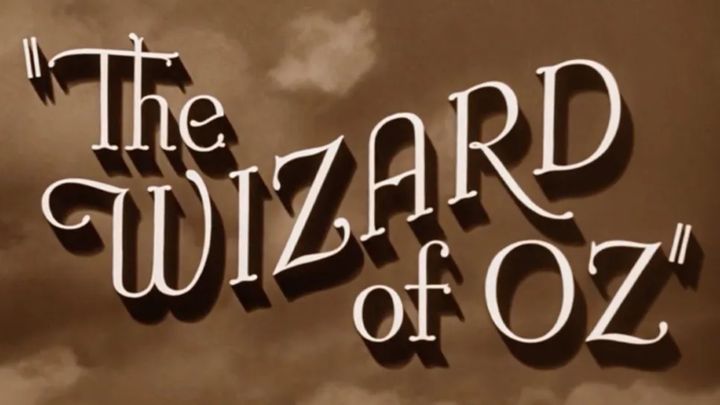
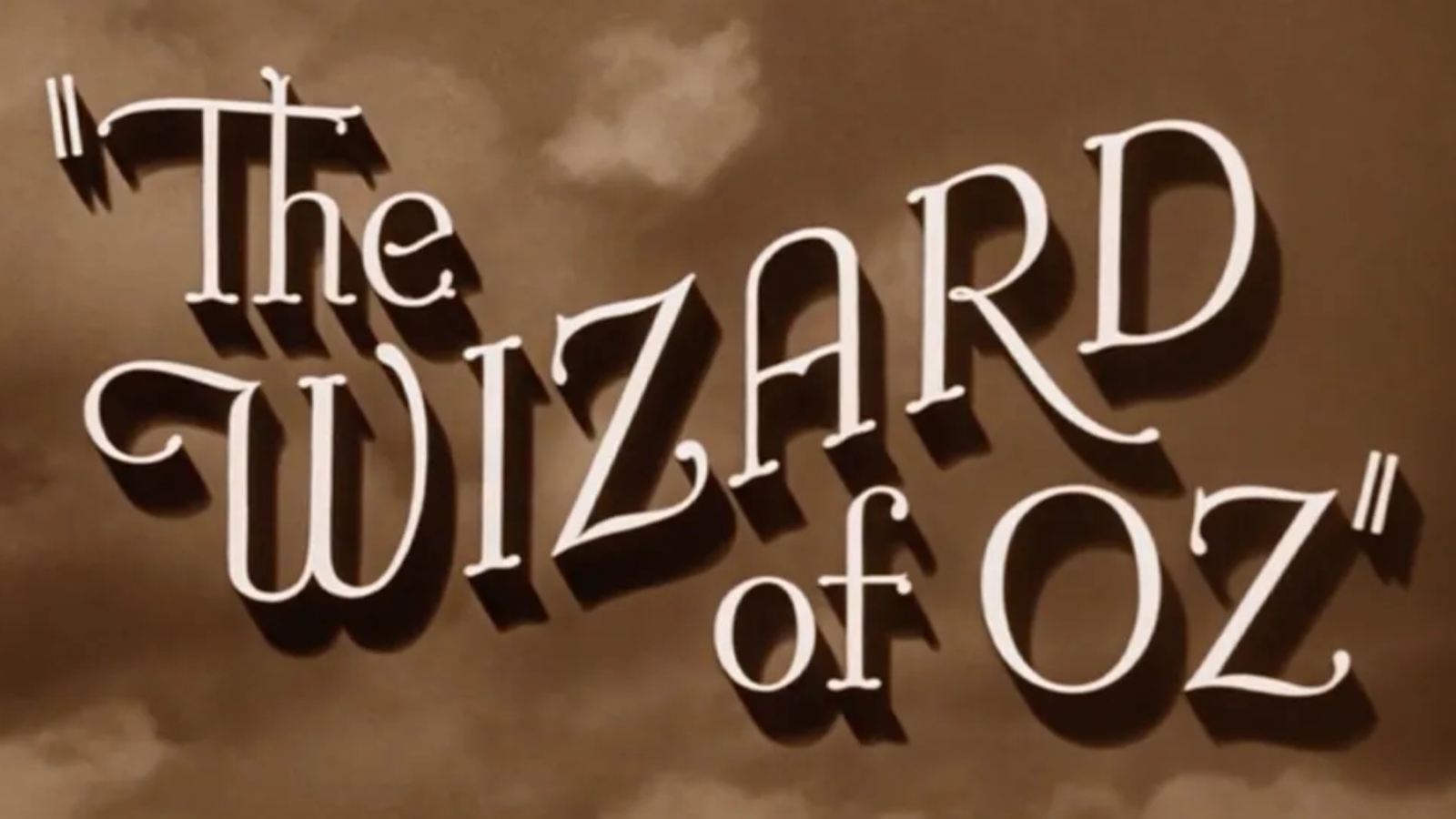
At the end of the film, a title card appeared which uses the same curly font as The Wizard Of Oz’s original movie.
5) Children ring out “ding, dong, the witch is dead”
The iconic Wizard Of Oz tune reappears in this adaptation when children run through Munchkinland ringing bells and clanging pans over the Wicked Witch’s death.
6) Hot air balloons
The Wizard escaped from a hot air balloon in The Wicked musical, and Dorothy tried to use one to get home in the 1939 film too. Apt, then, that Glinda and Elphaba try to escape using one.
Advertisement
7) The tornado shoes
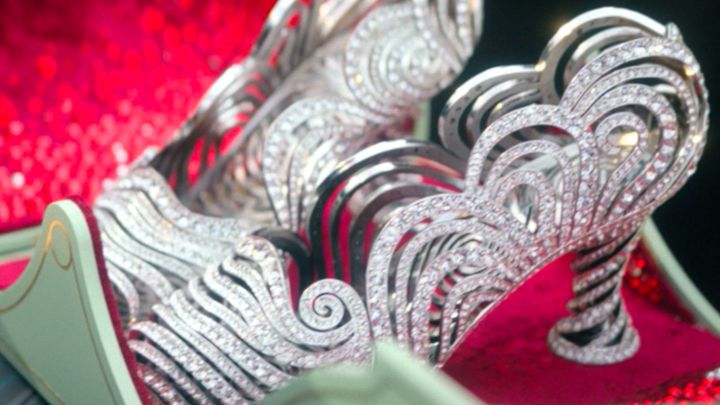
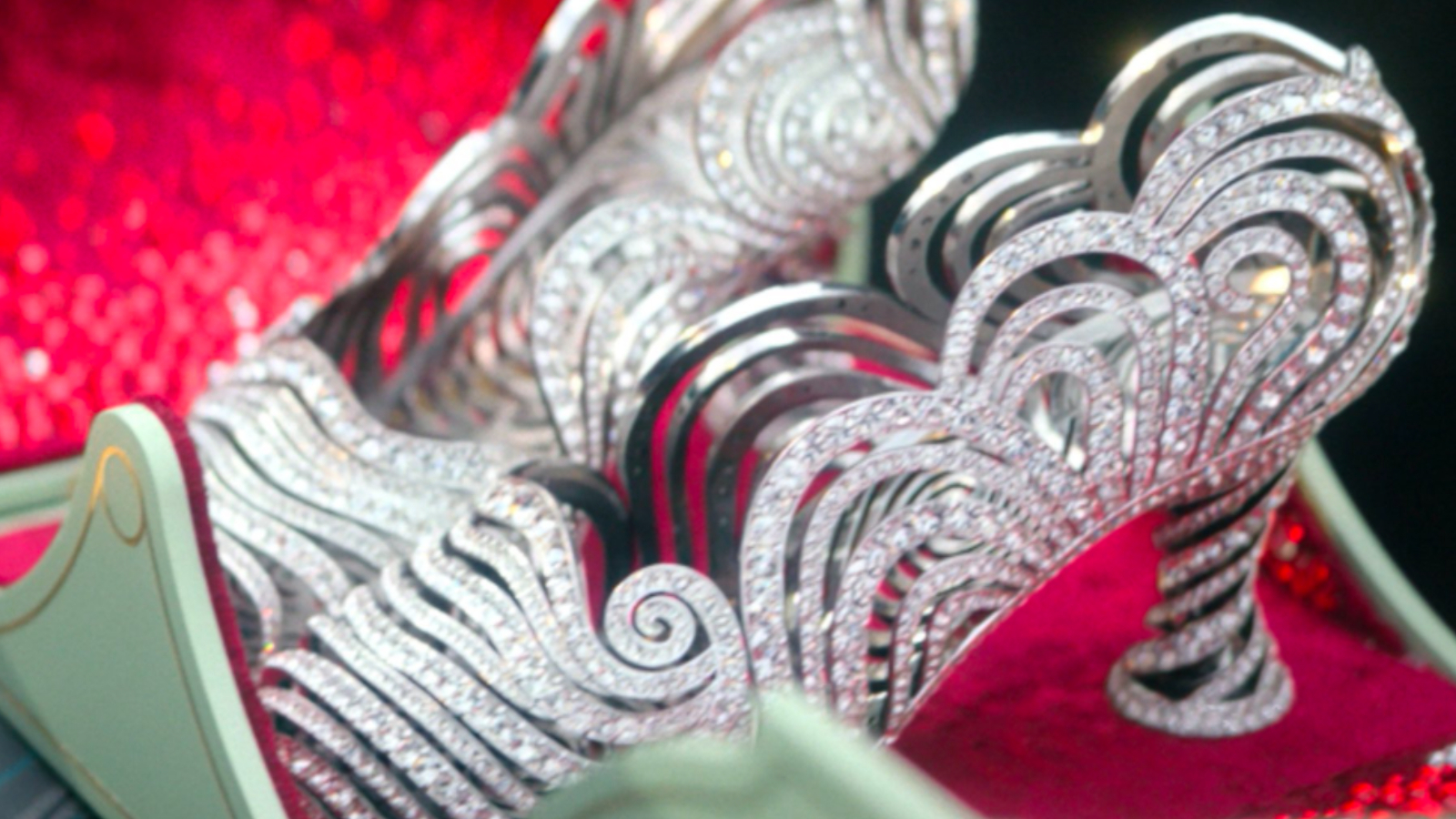
“I love the sort of red slippers that [Glinda] clicks three times in Popular. I love the crystal slippers that we have in the movie. The design of it is like a tornado, as, if you know the story, that comes into play later,” director Chu says. It refers to the tornado that The Wizard Of Oz begins with.
8) More rainbows
During The Wizard And I, both rainbows and bluebirds appear, referencing the iconic Somewhere Over The Rainbow (again).
9) No detail sparred
Both Elphaba and Glinda spar with sticks in the movie, a possible reference to The Wizard Of Oz’s broom and wand battle.
10) Cameo…
Michael Rose, who played Fiyero in the Broadway show, is the lead male vocals on One Short Day.
11) After cameo…
Idina Menzel, who starred in the original Broadway version of the Wicked musical, makes an appearance.
Advertisement
12) After cameo…
So does Kristen Chenoweth, also from the original Broadway version of Wicked.
13) After very-on-the-nose cameo.
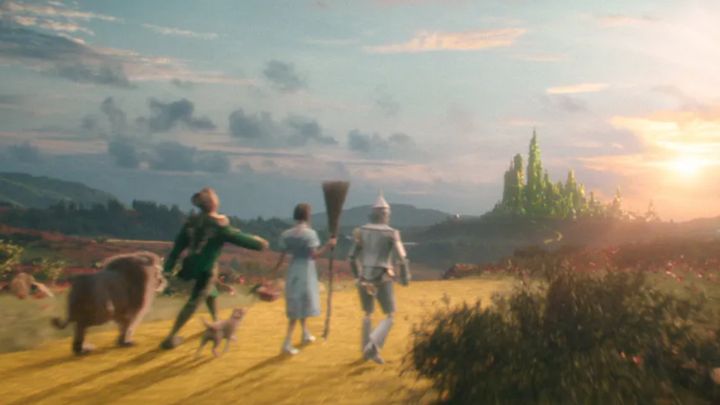
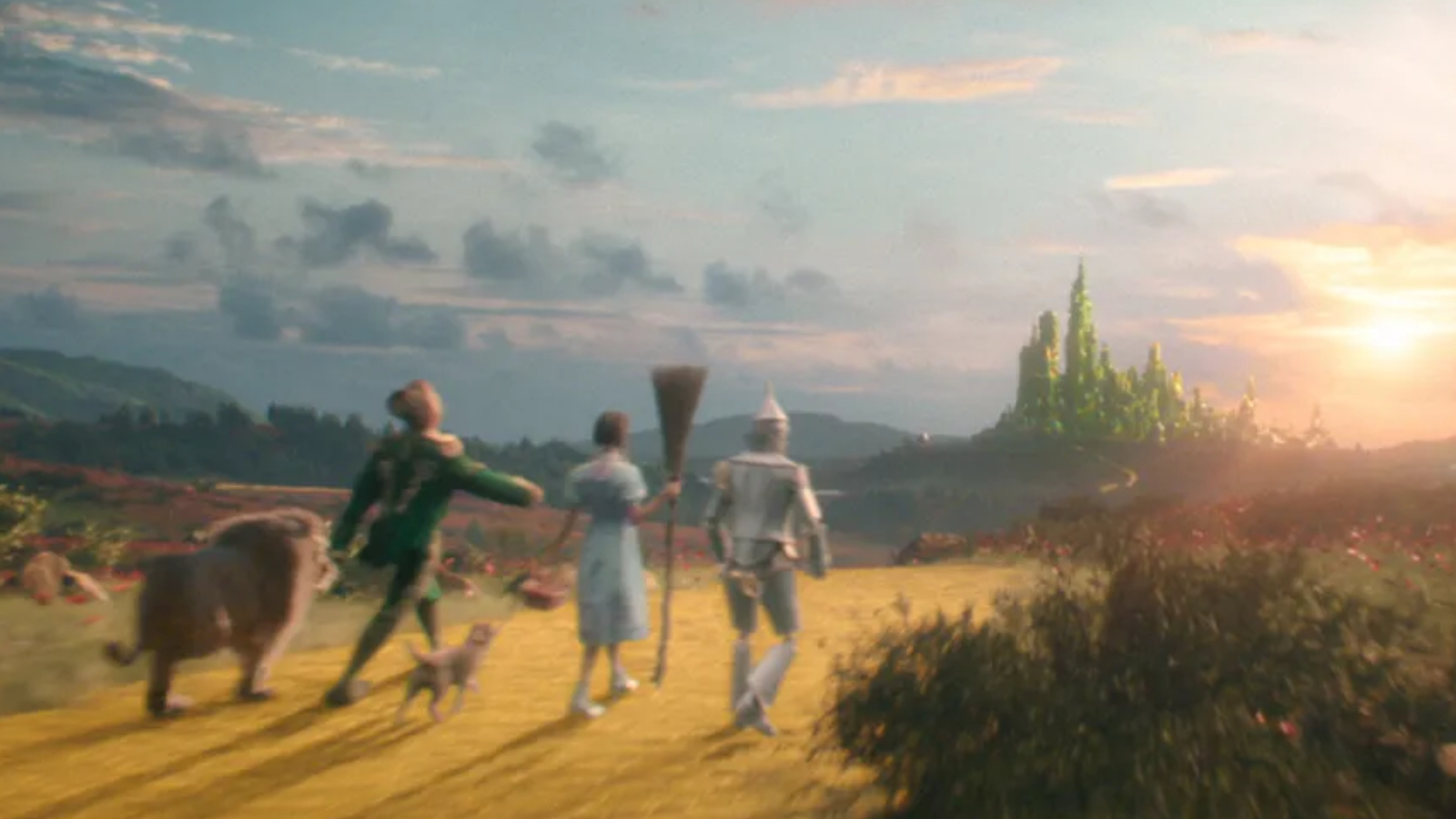
Before No One Mourns the Wicked, the audience sees the Tin Man, the Cowardly Lion, Dorothy, the Scarecrow, and Toto on The Yellow Brick Road.
14) Nessarose’s stripy socks
Elphaba’s sister wears striped socks, reminiscent of the well-known Wizard of Oz still showing The Wicked Witch Of The East’s stripy sock-wearing legs peeking out from under the house that crushed her.
15) Madam Morrible’s hair and costume
Her hair is shaped like storm cloud, a reference to her ability to control the weather.
16) We see a baby Cowardly Lion
The show includes a lion cub trembling in a cage ― reminiscent of the Cowardly Lion.
17) What the gulch?
Miss Cottle calls out “Not to worry, just a slight gulch” in the movie. The Wizard Of Oz’s original Wicked Witch was played by Almira Gulch.
18) You’ve got to hand it to them
Universal / Everett Collection
Advertisement
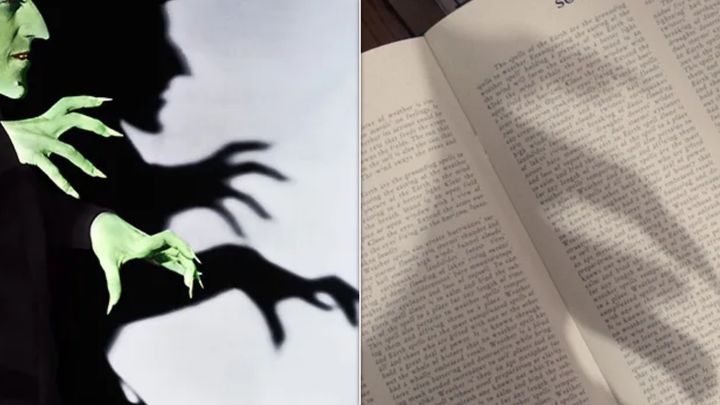
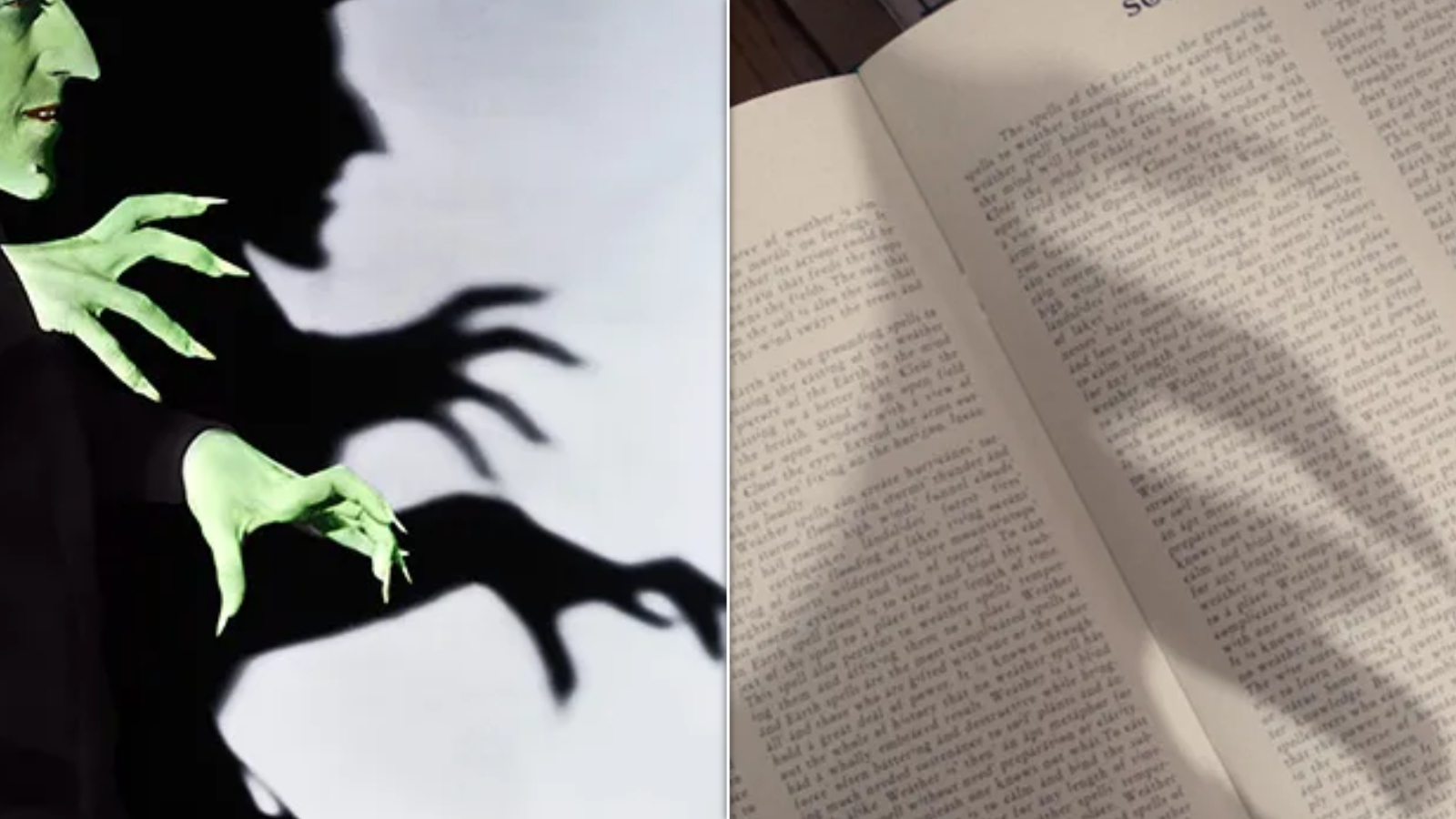
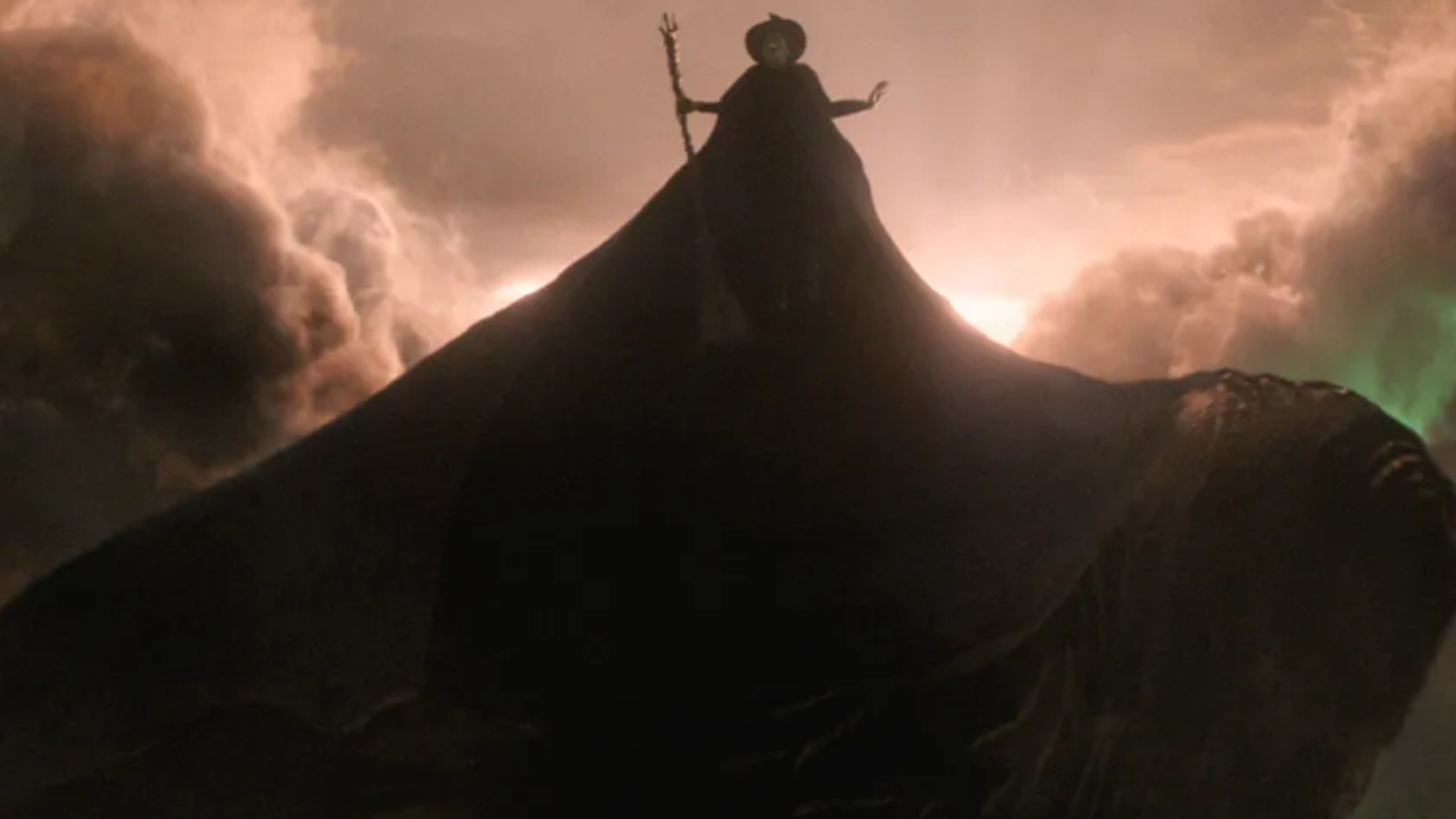
Fans of The Wizard Of Oz will likely have noticed how the shadow of Elphaba’s hand mirrors that of The Wicked Witch Of The West’s in The Wizard Of Oz.
19) Did we mention there were cameos?
Stephen Schwartz, the person who wrote the lyrics to the Wicked musical, is briefly visible as a guard through a peephole.
20) There’s a Bridgerton crossover
Jonathan Bailey, who plays Fiyero in the film, rides on a horse that’s the same as the one he used in Bridgerton.
21) Do you want them to spell it out for you?
The library’s spinning circular shelves and ladders both spell out the letters “O” and “Z” (OZ) at different points in the movie.
Advertisement
22) There’s (sort of) a flying house
The Wizard picks up a wooden house and throws it in the air in the movie, reminiscent of Dorothy’s home’s flight in the 1939 film.
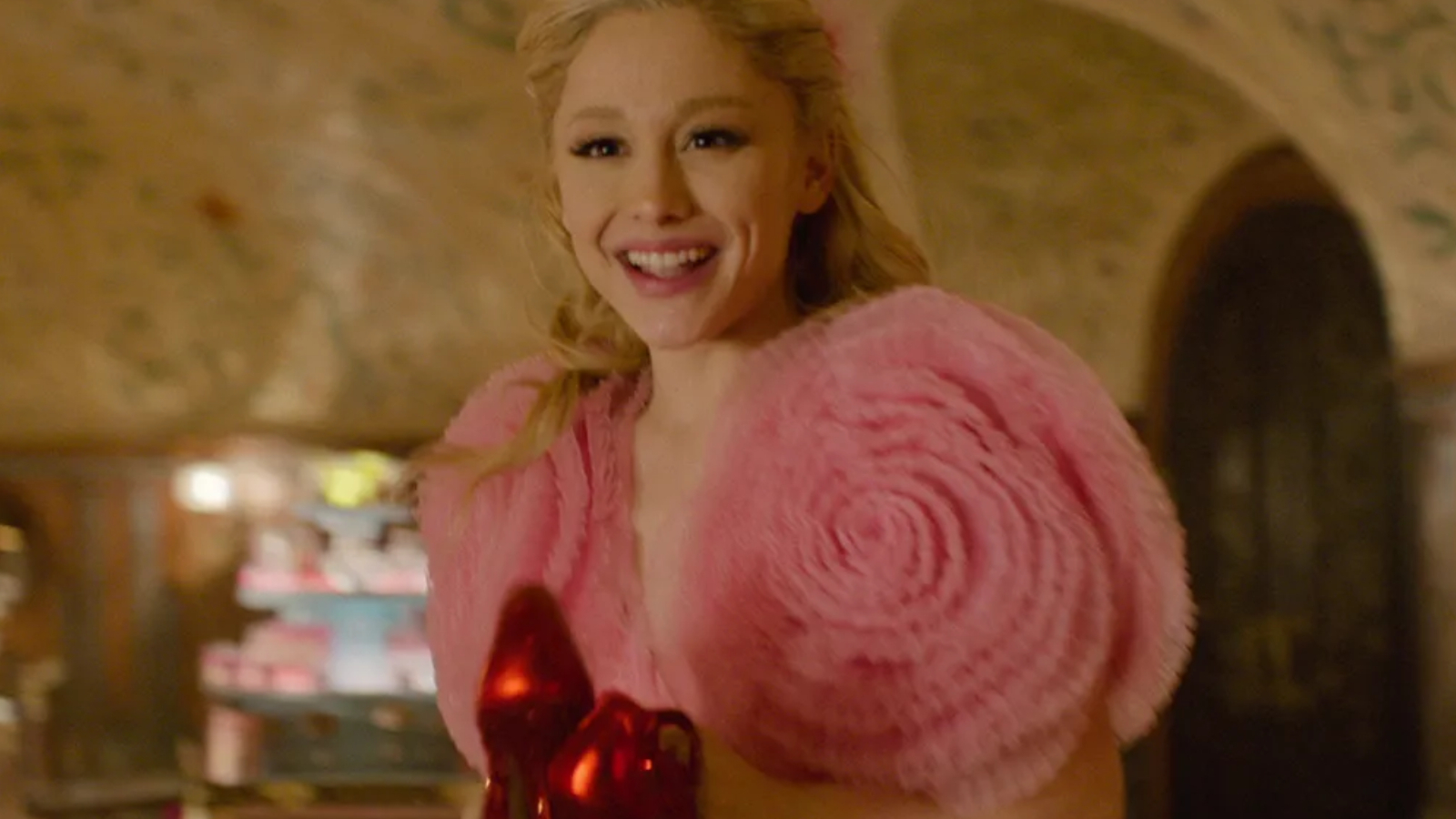
23) There are literal ruby slippers
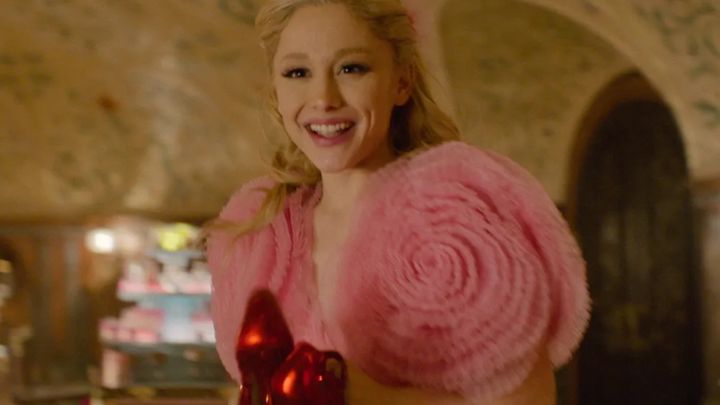
If you wanted a clear-cut reference to The Wizard Of Oz, these Dorothy-worthy shoes should do it. And if they didn’t, maybe the fact that they’re clicked three times will satisfy you.
24) Everything’s re-cycled
There’s a cycling scene in Wicked with the lion cub in tow. It’s hard not to think of the moment in The Wizard Of Oz, where we see Toto in Dorothy’s bike’s basket.
25) “We mustn’t let you get wet”
Madam Morrible advises Elphaba “we musn’t let you get wet.” This is how The Wicked Witch Of The West dies in the 1939 film.
Advertisement
26) The subtlest Wizard doxxing
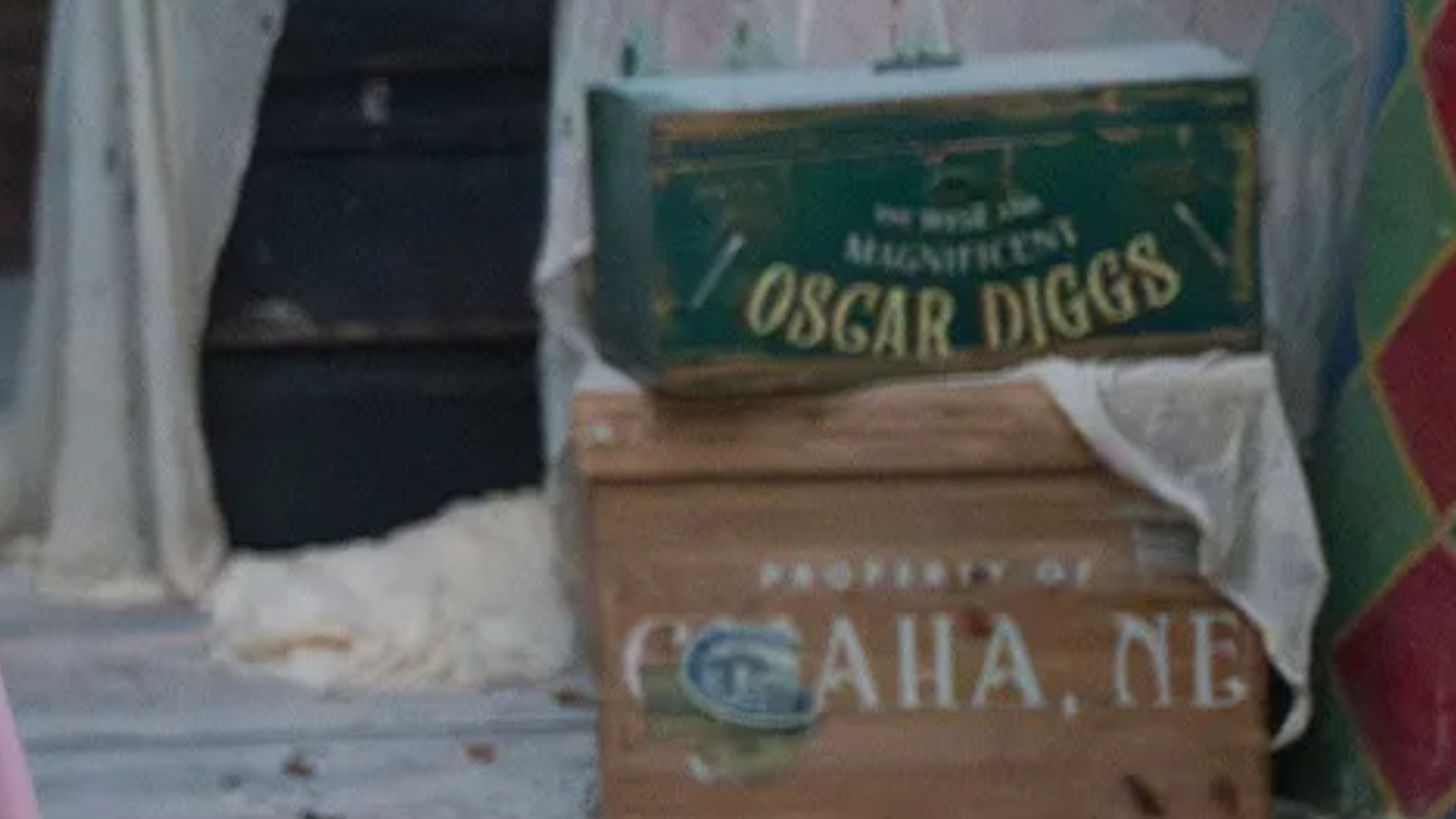
The Wizard in The Wizard Of Oz’s real name is Oscar Diggs. We see this name plastered on surfaces throughout the film.
27) Oma-ha!
Oscar Diggs is from Omaha originally, which is referenced multiple times in the film. The wizard’s invite is from Omaha: an “O-ma-ha” chant rises in the movie.
28) Wouldn’t it be wild if there was another cameo?
Well, there is. Winnie Holzman, who wrote the book of the Wicked musical, also appears in the film.
that he’d wanted to sneak a piece of string that he uses for magic tricks. It mostly got cut out, but he claims Elphaba holds it at some point in the movie.
32) Pay attention to the man behind the curtain
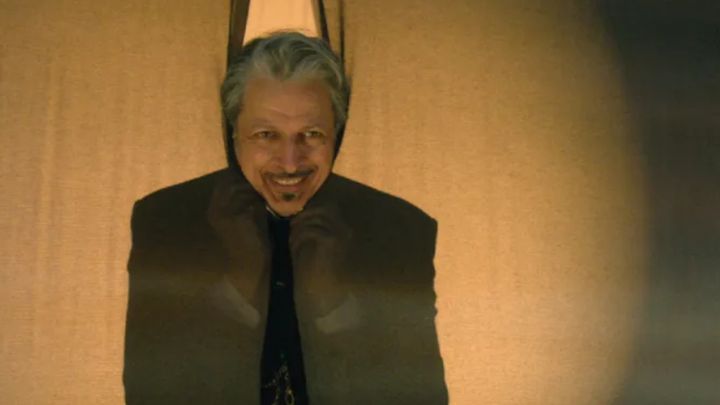
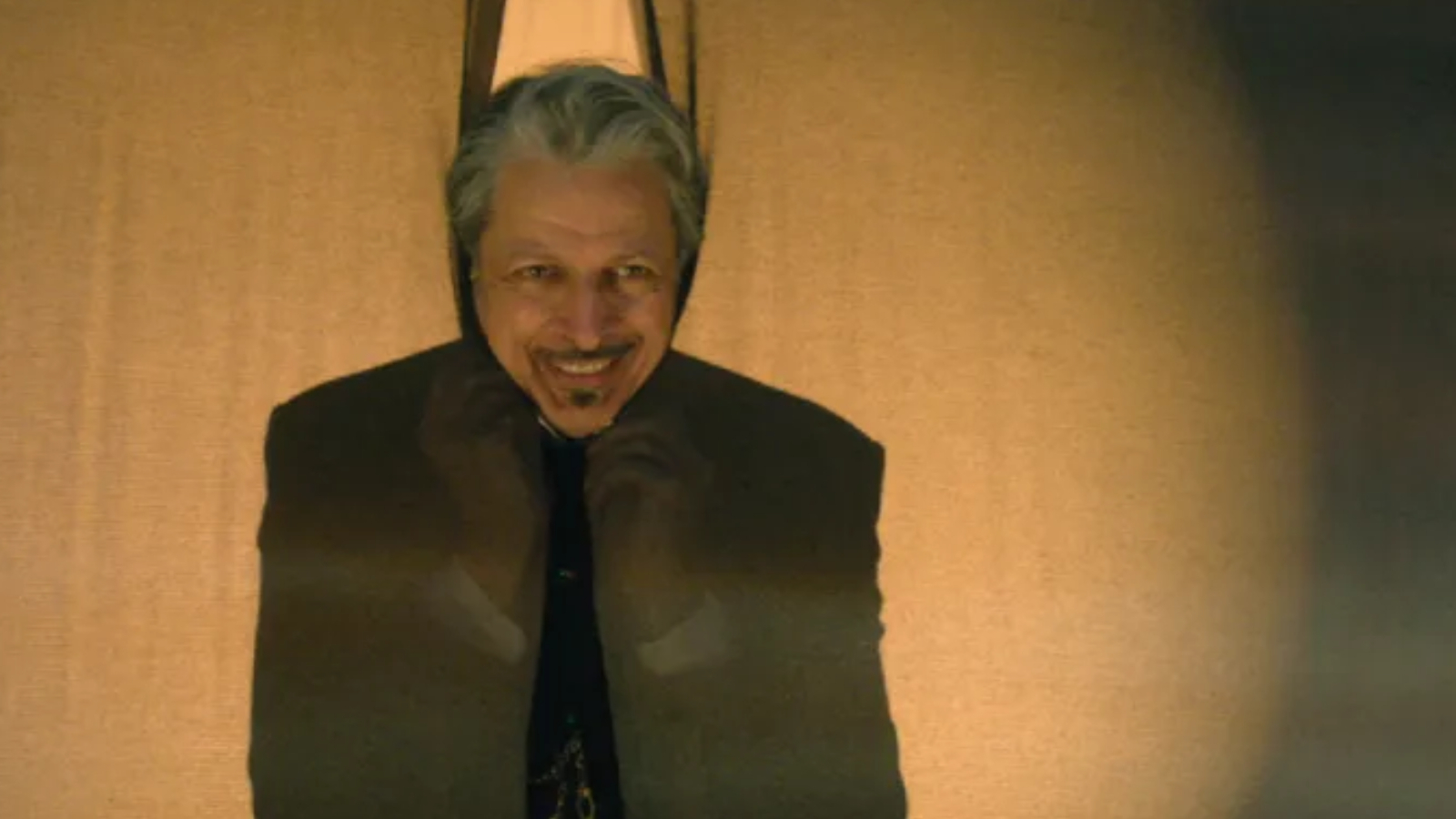
The line “don’t pay attention to the man behind the curtain,” from the 1939 movie, is cleverly referenced when the Wizard hides behind a hanging sheet.
Advertisement
33) There’s a brick road, and… guess what colour they choose to make it
The Wizard has to pick what colour to make his new brick road in the film, and well… there was no real option aside from yellow.
34) To be continued…
The 1939 Wizard Of Oz bursts into Technicolour in the second act, a huge technological feat the time.
The musical also breaks after Defying Gravity, which is when the 2024 movie ends.
At that point, a “to be continued…” title comes up in the same font as the 1939 movie and in bright colours.
35) Oh, did someone say cameos?
Actor Alice Fearn, who played Elphaba in the Broadway Wicked musical throughout the 2010s, plays Glinda’s mother.
36) Poppies
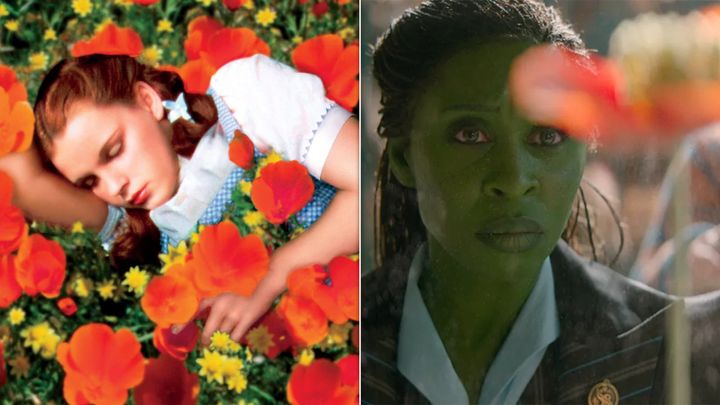
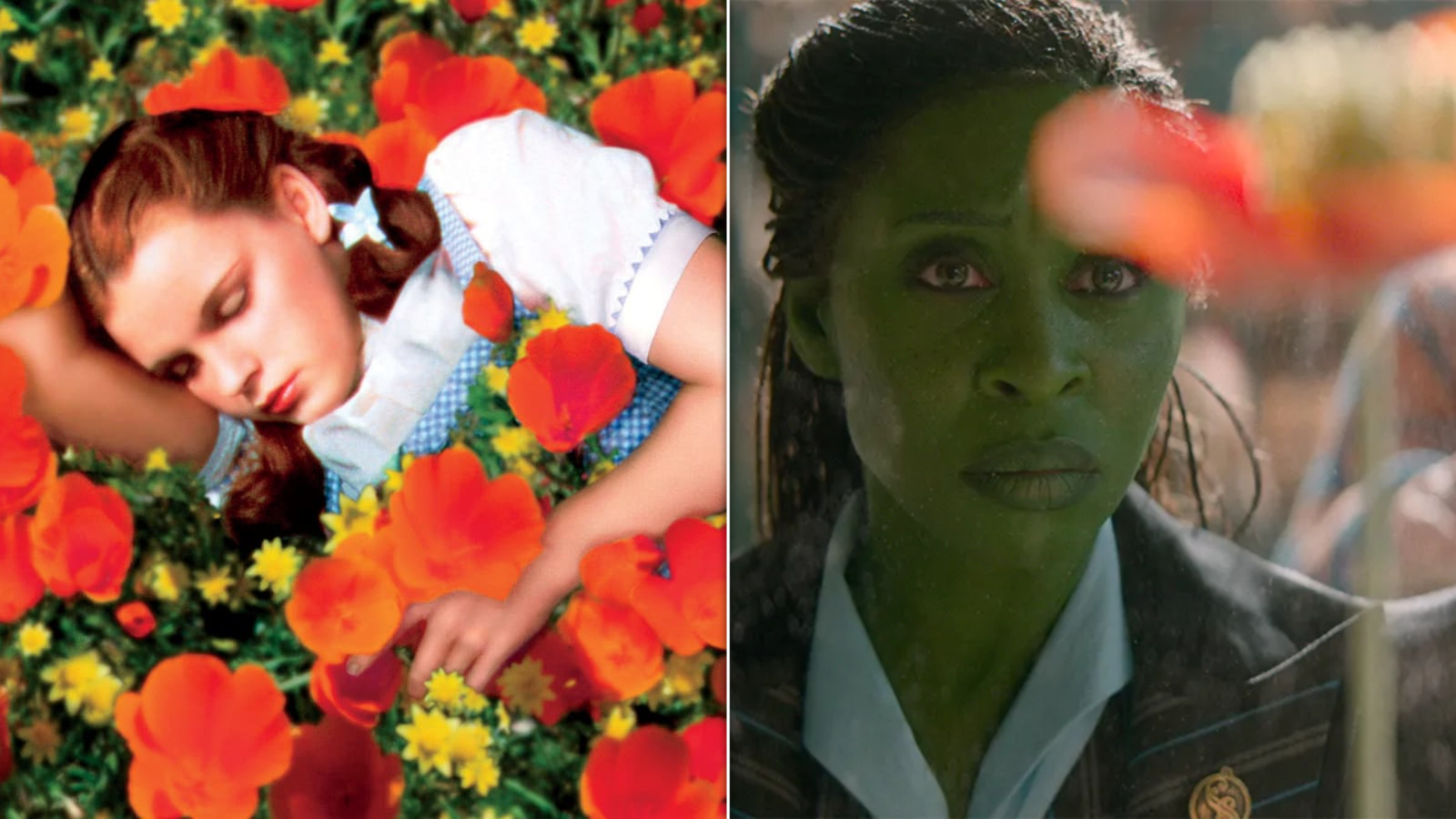
The flowers which featured heavily in the 1939 Wizard Of Oz film also appear in the Wicked movie.
Advertisement
Did you spot any more references and Easter eggs? Let us know!
So it seems that the keen-eyed viewers have picked up on more than just the gossip on this series of this year’s I’m A Celebrity… Get Me Out Of Here.
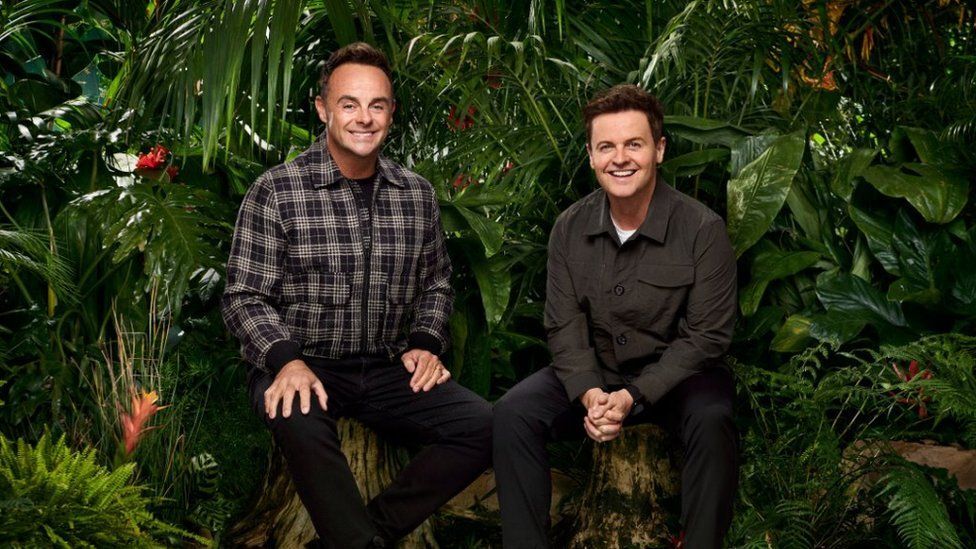
Upon closer inspection, the two seemed to have the faces of their watches covered with plasters and black tape, and people were rushing to get to the bottom of why this was.
That was until I’m A Celebrity producers confirmed that the contestants have ‘no idea what time it is’, and these are measures the production takes to keep it that way.
This is a question that was asked way back in 2017 and then hosts of I’m a Celebrity: Extra Camp hosts Joel Dommett and Scarlett Moffatt gave exactly the same reason, and told us why.
“It’s so the campmates don’t know the time, so all the watches are covered for the people that see the campmates all the time, like Ant, Dec and Medic Bob.
“I think it’s just so you’re really disorientated, like we had no concept of time,” Moffat said.
In a statement to another fan, the Twitter/X programme’s official account stated: “Ant & Dec’s watches are covered to stop the celebs finding out what time it is – they have no idea, as no clocks in camp.”
Drink spiking is to be made a criminal offence under Labour plans to halve violence against women and girls.
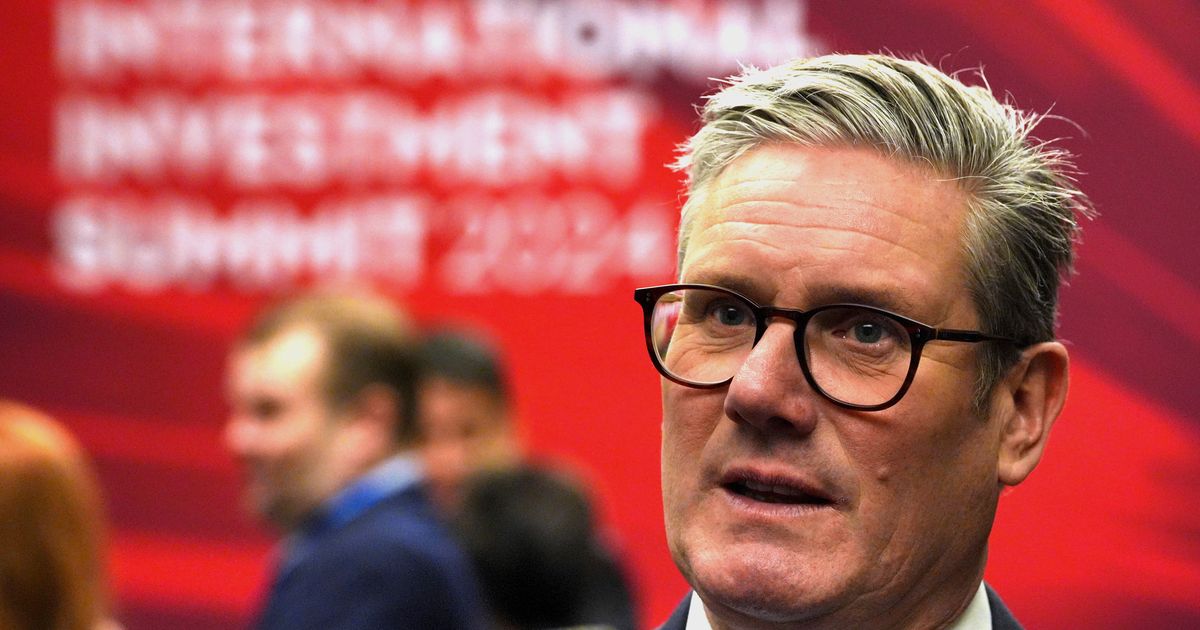
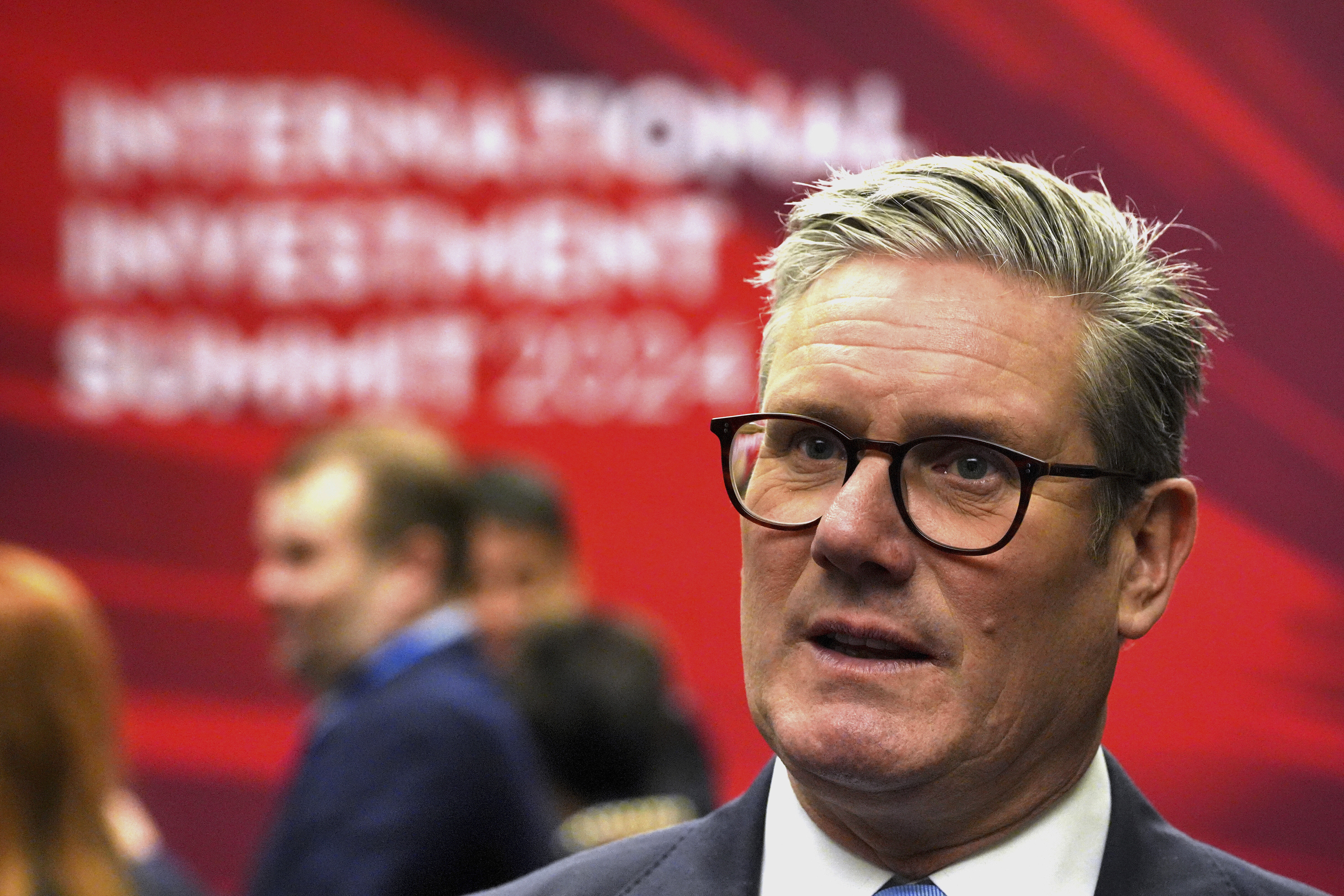
Keir Starmer will confirm the move as part of efforts to “reclaim our streets” from criminals.
The prime minister will meet with police chiefs, hospitality industry executives and transport bosses on Monday to discuss how best to crack down on the practice of putting drugs in drinks.
Advertisement
Thousands of staff working in the nighttime economy will be trained up on how to spot it happening.
A pilot scheme will be launched in December and then rolled out to 10,000 bars across the country by spring next year.
Starmer said: “My government was elected on a pledge to take back our streets, and we will never achieve this if women and girls do not feel safe at night.
“Today, I will bring together police chiefs, heads of industry and transport bosses to demand coordinated action to stop women being targeted, whether they are out with friends or simply travelling home.
“Cracking down on spiking is central to that mission.
“We know it can be incredibly difficult for victims to come forward to report this awful crime, and these cases can be very hard to prosecute. We must do more to bring the vile perpetrators who carry out this cowardly act, usually against young women and often to commit a sexual offence, to justice.
Advertisement
“That is why I made a promise that, if elected, I would make spiking a new criminal offence. Today, I am proud to have come good on that pledge.”
Home secretary Yvette Cooper said: “Spiking is a disturbing and serious crime which can have a damaging and long-lasting impact on victims.
“People shouldn’t have to worry about the safety of their drinks on a night out. These changes are about giving victims greater confidence to come forward, and ensuring that there is a robust response from the police whenever this appalling crimes take place”.
Kate Nicholls, chief executive of UK Hospitality, said: “Our pubs, bars, clubs and restaurants are where Brits go to enjoy themselves and our priority is to ensure everyone can do that safely.
“I’m pleased that we’re able to support the Home Office in its plans to roll out a nationwide training programme as part of these efforts, to help ensure all staff know how to prevent spiking and have the skills to act if they suspect someone has been spiked.”
The PM’s official spokesman said: “There’s no justification for comments like that and what we’ve seen in this country is organised illegal thuggery which has no place on our streets or online.”
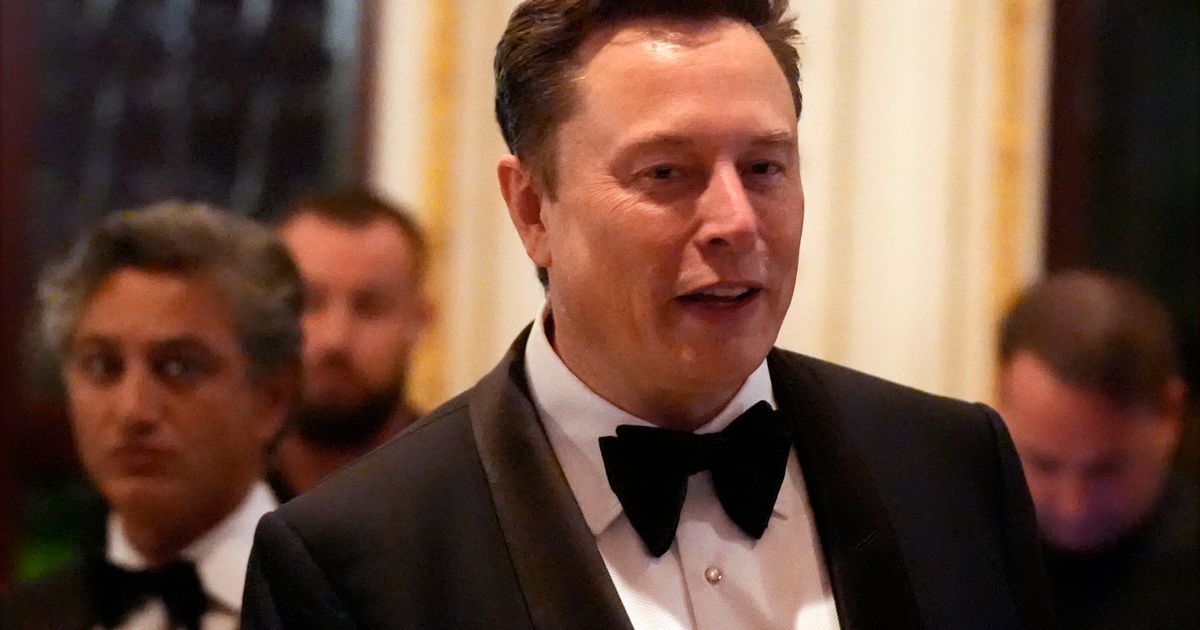
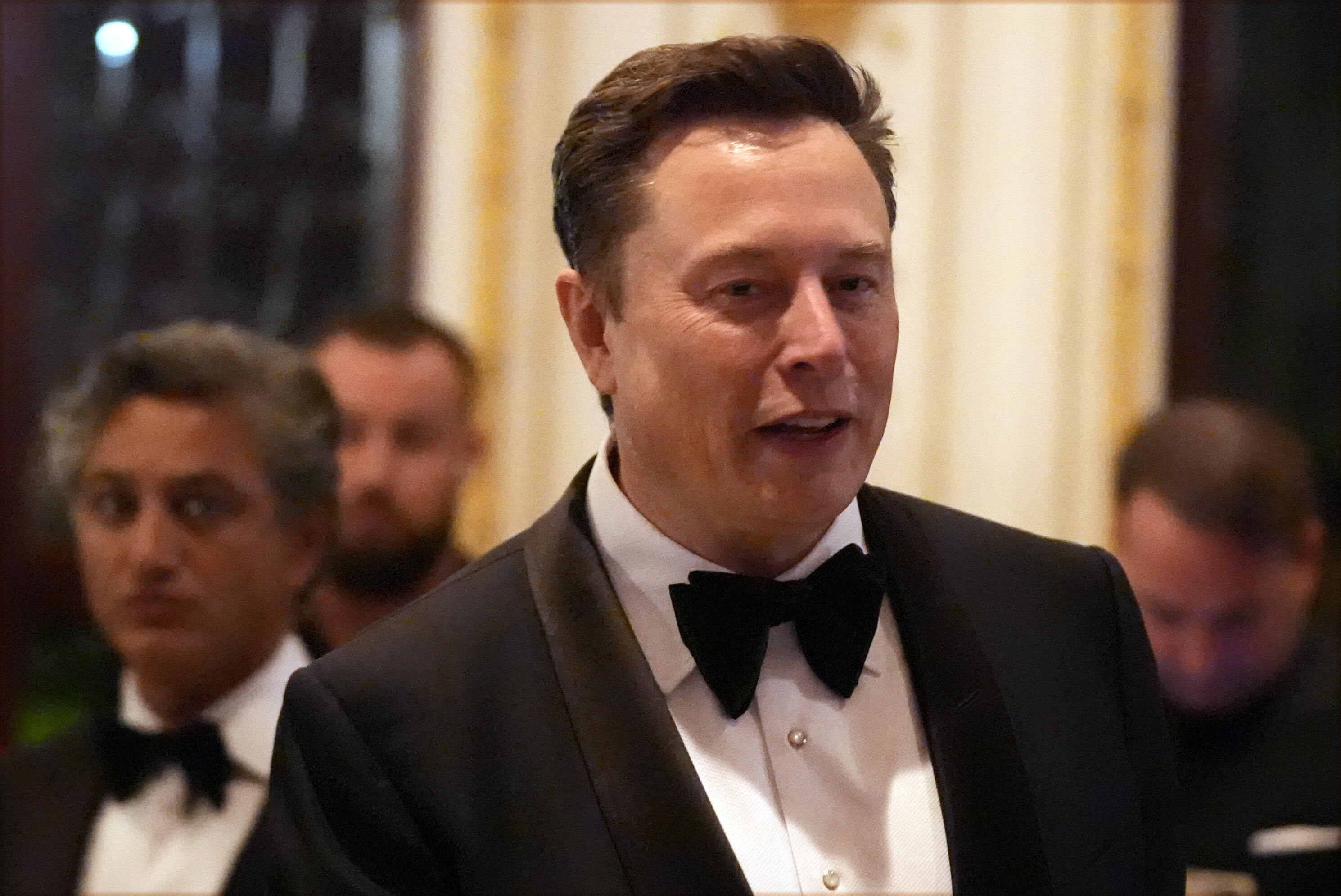
But responding to a video posted on X by Starmer in which he said the government “will not tolerate attacks on mosques or on Muslim communities”, Musk replied: “Shouldn’t you be concerned about attacks on all communities?”
Musk’s ongoing criticism of Starmer is a problem for the PM as he tries to strike up a good relationship with president-elect Trump.
The X owner was one of the Republican’s biggest supporters during the US election campaign and has been appointed to head up a new Department of Government Efficiency aimed at tackling waste and saving trillions of dollars.
The UN’s annual environment summit is meant to be a place where countries come together and agree to act on tackling the climate crisis.

But the 29th gathering of the conference of the parties (COP29) seemed more fractious than ever, with some representatives even walking out of the final negotiations.
Advertisement
Despite the UN secretary-general Antonio Guterres warning that “failure was not an option” last Thursday – and scientists fearing that 2024 may be the hottest year on record – many countries now feel betrayed by the final agreement of this year’s summit.
Described as “one of the most poorly led and chaotic COP meetings ever” with offerings from developed countries written off as mere “crumbs”, here’s a look at the issues which split the conference.
The big one: climate finance
The primary target of this year’s COP was to come up with a new sum for how much money should be sent to developing countries to help them recover from climate emergencies while also transition to cleaner energy systems.
COP previously agreed to offer those countries $100 billion (£79bn) per year, but that deal expires in 2025.
Advertisement
Experts believe the world now need to aim to raise around $1.3 trillion (£1.08trn) per year by the end of the decade to meet the needs of vulnerable countries.
But a draft of the final COP29 text shows the fund only reaching $250 billion a year by 2035 instead – a number most delegates from developing nations did not think was anywhere near enough.
After representatives from small island nations walked out of negotiations in fury, the number was increased to £300 billion – which is still a long way off the target.
That sum would also be given to the developing world in grants and low-interest loans from wealthier countries. It would only increase to the £1.3tn figure if private investors or extra taxes on fossil fuels were introduced for individual countries.
Advertisement
The deal eventually secured the approval of all attending nations on Saturday night, but the sum was dismissed as an “abysmally poor” amount by India’s negotiator Chandni Raina.
Claiming the decision was not reached by consensus, she said: “This document is little more than an optical illusion.”
The bloc of least developed countries (LDC) – constituting of 45 countries and 1.1 billion people – also claimed the agreement unpicked three years of negotiations on climate finance.
And Panama’s special representative for climate change, Juan Carlos Monterrey Gomez, said: “Developed nations always throw text at us at the last minute, shove it down our throat, and then, for the sake of multilateralism, we always have to accept it, otherwise the climate mechanisms will go into a horrible downward spiral, and no one needs that.”
Speaking before the deal was struck, he also slammed the suggested $250bn sum, saying it was a “spit on the face of vulnerable nations like mine”.
Advertisement
He added: “They offer crumbs while we bear the dead. Outrageous, evil and remorseless.”
Similarly, the charity ActionAid UK said: “There’s no sugarcoating it: this text is a complete catastrophe and a farce.
“With floods and droughts tearing through the Global South, the goal announced remains a drop in the ocean compared to the trillions needed to help climate-hit communities adapt and recover, especially women and girls who are among the worst impacted.”
But others still felt the overall sum was too high – and too much pressure was on developed countries to pay up.
One European negotiator told Reuters: “No one is comfortable with the number, because it’s high and (there is) next to nothing on increasing contributor base.”
“They offer crumbs while we bear the dead.”
– Panama’s special representative for climate change, Juan Carlos Monterrey Gomez
Advertisement
Some nations also raged that the funds would be shared with countries that had stronger economies, like India.
Others complained the offering was only a fraction of what was being spent on war globally in the last few years and pointed out that there was a lack of definition around what exactly they mean by climate finance.
What about the 1.5C limit?
The Paris Agreement, from COP21, saw 196 countries pledge to limit the global temperature increase to just 1.5C compared to pre-industrial levels.
A climate scientist at Berkeley Earth told Bloomberg that the 1.5C limit has been “deader than a door nail” for some time now.
Advertisement
There have therefore been some argument that COP’s ongoing goal of staying below 1.5C is pointless, because they believe it is no longer feasible.
However, it is still a symbol of the pressing climate crisis and so it remained a pivotal part of the talks.
As Imperial College London’s professor Professor Joeri Rogelj said: “Much has been said about whether limiting warming to 1.5C is still possible, and the odds are no longer in the world’s favour on this one.
“However, with every fraction of a degree of warming, life on earth will become much more dangerous. It doesn’t matter what the number is. Every country has to deliver emissions reductions that are as deep as they can possibly be.”
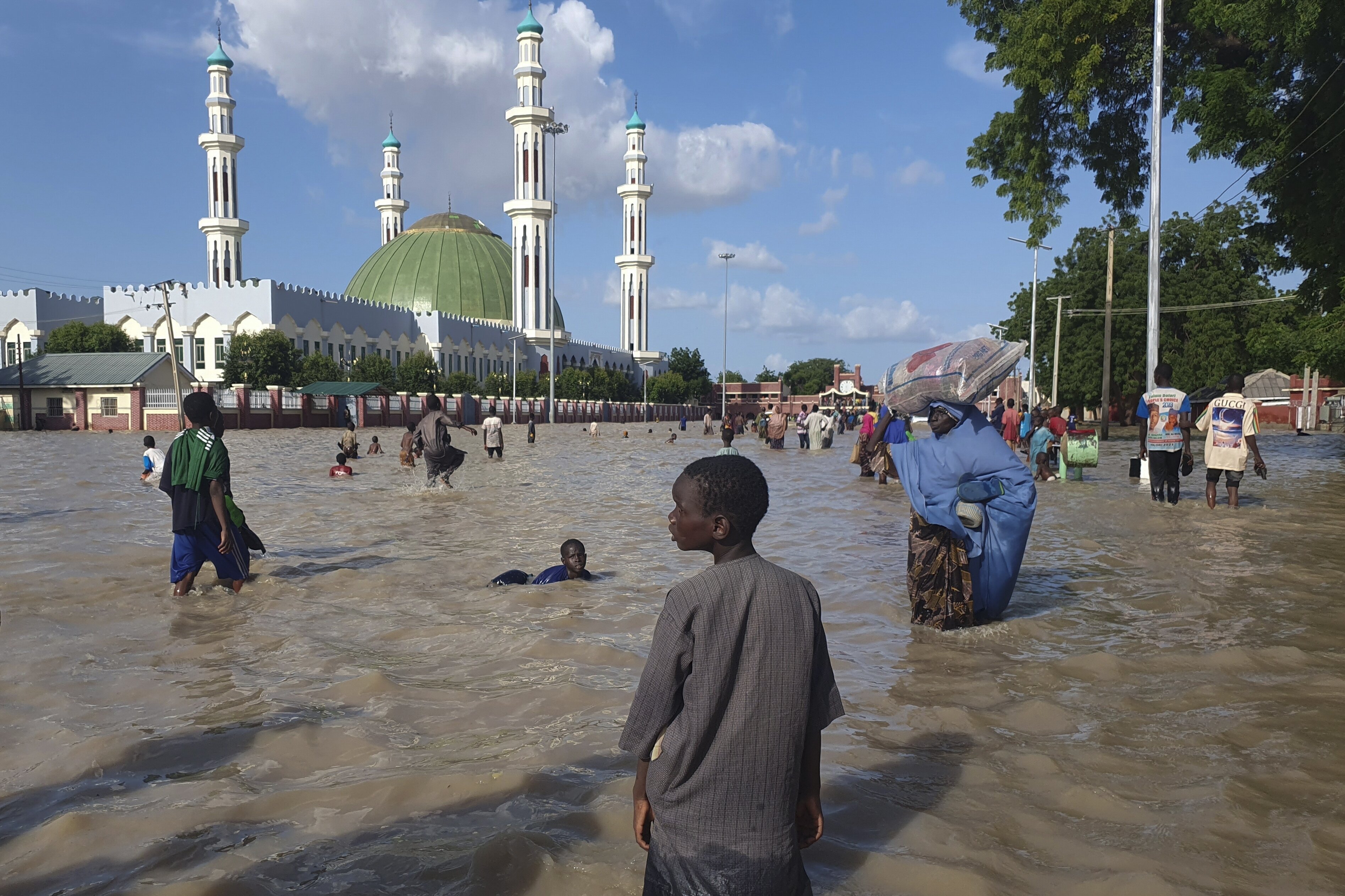
Extreme weather: People walk through floodwaters following a dam collapse in Maiduguri, Nigeria, Tuesday, Sept 10, 2024.
via Associated Press
Advertisement
The questionable hosts
Last year, COP was controversial because it was held in the UAE, which makes most of its money through fossil fuels.
This year, it had the same problem – oil and gas make up 90% of Azerbaijan’s exports and fossil fuel interests.
He also accused western nations of “double standards” for buying fossil fuels from his country while urging the world to go green.
So it is no surprise that Mohamed Adow, director of the climate and energy think tank Power Shift Africa, laid into the hosts of this year’s conference.
Advertisement
He said it was “one of the most poorly led and chaotic COP meetings ever”, saying this presidency is “one of the worst in recent memory”.
Speaking shortly before an agreement was reached, he said: “We only have a matter of hours remaining to save this COP from being remembered as a failure for the climate and embarrassment for the rich world.
“We need Mukhtar Babayev [COP29 president] to get his act together.”
Babayev is a veteran of the oil industry, and Azerbaijan’s ecology and natural resources minister.
Adow added: “No deal is better than a bad deal. Poor countries don’t need to be held hostage in Baku. If rich countries fail to deliver what they owe in climate finance, then they should be forced to come back next year in Brazil with a better plan.”
Fossil Fuels – are they in or out?
COP26′s president Alok Sharma was left in tears in 2021 when the wording on reducing dependency on coal was watered down in the 11th hour negotiations for the final agreement.
COP27 just kept the same wording – a promise to reduce dependency on coal – without expanding it to natural gas or oil, or offering a time frame.
Advertisement
COP28 managed to move the dial a bit more, so countries pledged to transition away from all fossil fuels.
But this year, the European states who want countries to promise to move away from the fossil fuel industry faced backlash from Arab states.
Then Saudi Arabia was even criticised for obstructing much of the final text, and allegedly tried to remove references to “transition away from fossil fuels”.
Still, Green Party co-leader Adrian Ramsay told HuffPost UK that COP itself remains a strong forum which “offers the chance to bring nations together to act and move away from the fossil fuel economies that are destroying our planet and making life intolerable for millions in the global South.”
Advertisement
He added: “A COP that excludes the fossil fuel companies and their lobbying arms while supporting representatives of countries and indigenous peoples most impacted by climate change can transform all our futures.”
An attendee reacts during a closing plenary session at the COP29 U.N. Climate Summit, Sunday, Nov. 24, 2024, in Baku, Azerbaijan. (AP Photo/Joshua A. Bickel)
via Associated Press
Where were all the major players?
There was a noticeable absence of major world leaders at this year’s COP.
Neither US president Joe Biden nor Chinese leader Xi Jinping turned up, despite leading the world’s two largest economies (which also have the largest carbon footprint.)
UK PM Keir Starmer was one of only two G7 leaders who spoke at the summit.
For an ambassador from One Young World – a youth forum which sent a delegation of activists to Baku this year – that was not enough.
Bodhi Patil, a climate “solutionist” from Canada and CEO of Inner Light said it was “deeply concerning” leaders from major polluting countries were absent this year, especially the when fossil fuel lobby had 1,700 representatives there – making it the fourth-largest delegation.
Advertisement
But he told HuffPost UK: “We can’t wait for global leaders to take action.
“It falls to grassroots movements, indigenous leaders, and local communities to drive change and hold the world accountable for climate finance commitments.”
The final lacklustre deal also meant even those who did attend were under fire for claiming to be climate leaders – like the British.
The UK’s nature representative Ruth Davis said “the UK continues lead the way” at COP29, prompting ActionAid to accuse the government of trying to put a “shine on a terrible deal”.
It said the agreement was a “far cry from [Labour’s] lofty claims of putting climate change at the heart of foreign policy only months ago.”
Corporations over indigenous voices
Before the deal concluded, scientist and chief executive of Climate Analytics, Bill Hare warned that it was a “step back” not to include small islands and the least developed countries more in negotiations.
Advertisement
Similarly, another One Young World ambassador told HuffPost UK his hope that this year’s summit could be different were dashed.
The founder of Barlig Rainforest Coffee Project and Indigenous Youth Eco-Cultural Warriors of Mountain Province, Daniel Maches said he wanted COP to bring “concrete solutions” while recognising indigenous rights.
“It is our ancestral domains that are looked upon as vital in combating GHG emissions, so they should be as loud as any others at a summit like COP,” he said.
However, he added: “There is a tendency for these events to focus on spectacle rather than impact. I was hopeful that COP would be different, but it’s shown that world leaders aren’t taking climate change seriously. How can they be when corporate players continue to lobby and control government initiatives?
“I am hopeful that things can improve, and young people in particular push to actualise effective climate policies.
Advertisement
“But COP29 hasn’t alleviated my fear that the climate crisis is slipping beyond our grasp, and that farmers and indigenous peoples – whose survival is inextricably linked with the land – will suffer the most.”
What about next year?
Donald Trump, who is returning to the White House in January, is expected to have a major impact on the overall fight against the climate crisis.
He pulled the US – which is world’s top historic greenhouse gas emitter – out of the Paris Agreement (1.5C limit) during his first term in office.
He is expected to have an even stronger impact on the global environmental challenge in his second term too, having already shown a preference for fracking.
Even away from the US’s impact, it looks like the next summit is already beset with its own challenges.
Advertisement
Set to be held in Belem’s Brazil, the impoverished city has been racing to prepare to host the next COP, trying to clean up its river filled with untreated sewage and garbage quickly before thousands of delegates descend.
There are also heavy expectations that COP30 will be a turning point, marking three decades of climate negotiation.
But perhaps that’s a reasonable expectation. After the disaster and division of COP29, things certainly can’t get too much worse.