Direct evidence found for dairy consumption in the Pyrenees in the earliest stages of the Neolithic

A joint study conducted by the Universitat Autònoma de Barcelona, the University of Zaragoza and the University of Strasbourg on the remains of the Chaves and Puyascada caves, both located in the province of Huesca, Spain, yields the first direct proof of the consumption and processing of dairy products in the Pyrenees already at the start of the Neolithic period, approximately 7,500 years ago, as well as the consumption of pig. The results lead to doubts about the belief that these products were first used much later in the Pyrenean mountain range.

The analysis of the content and use of prehistoric vessels has become a valuable source of information on the food patterns and subsistence practices of past societies. A research conducted on the materials found at the Huescan sites of Cueva de Chaves (Bastaràs), at 640 metres above sea level, and at Espluga de la Puyascada (La Fueva), at 1,300 metres above sea level, in a strictly Pyrenean mountain region, now has yielded the first direct evidence of dairy product consumption and processing in the Pyrenees during the earliest stages of the Neolithic.

The study was conducted by prehistorians from the Universitat Autònoma de Barcelona (UAB) and the University of Zaragoza, and chemists from the University of Strasbourg, France, on materials on display at the Huesca Museum. The findings have now been published in the journal Archaeological and Anthropological Sciences.

The research was conducted through a combination of techniques used to identify organic residues and the isotopic characterisation of fatty acids to determine animal origin, as well as data obtained of the morphology and functionality of ceramics and the archaeozoological studies of both sites.

The analysis of organic residues preserved in the argillaceous matrix of the interior of 36 ceramic vessels indicates that 7,500 years ago dairy products were already processed and consumed in the Central Pyrenees. The correlation between the residues of dairy fats and the different forms of the pottery suggests, moreover, that all the processes (preparation, consumption and storage) were carried out in both settlements.

This “questions previous considerations in which dairy consumption in the Pyrenees was thought to have begun much later,” points out Nàdia Tarifa, researcher from the University of Strasbourg when this study was conducted, and lead autor of the paper. “It was always thought that prehistoric social dynamics in mountainous regions were slower or ‘less evolved’ than in coastal regions. Our study adds solid proof to previous faunistic studies conducted in both sites, which had pointed to dairy farming in these mountainous regions at the very early stages of the Neolithic period,” Tarifa states.

The study also shows how pig-derived products may have been processed or stored in ceramic vessels at both sites, which would indicate the importance of this species for the early mountain farming economies. In contrast to the results for milk, researchers also observed variations between the two sites in terms of the exploitation of meat from ruminants and pigs, with a predominance of the former in Espluga de la Puyascada and the latter in Cueva de Chaves. These differences could be related to the characteristics of the settlements and their surroundings, and to the methods of meat processing.

The researchers also identified residues from processed vegetables, as well as from pine resin. The latter substance would have been used to waterproof the inside of the vessels.

The results support the idea that in the early Neolithic period in the Pyrenean area there was a mixed economy based on integrated agriculture and livestock farming (in which one supported the other), with sheep herds as the main source of meat and milk.

“Our findings provide a better understanding of consumption habits and the technological use of resources in the early Neolithic period in the Pyrenees and open up new avenues of research to deepen our understanding of the social and economic dynamics of ancient societies, especially in mountainous areas,” says Alejandro Sierra, researcher at the UAB and co-author of the study.


Share Button

A high-fat diet may fuel anxiety

When stressed out, many of us turn to junk food for solace. But new University of Colorado Boulder research suggests this strategy may backfire.

The study found that in animals, a high-fat diet disrupts resident gut bacteria, alters behavior and, through a complex pathway connecting the gut to the brain, influences brain chemicals in ways that fuel anxiety.

“Everyone knows that these are not healthy foods, but we tend to think about them strictly in terms of a little weight gain,” said lead author Christopher Lowry, a professor of integrative physiology at CU Boulder. “If you understand that they also impact your brain in a way that can promote anxiety, that makes the stakes even higher.”

Lowry’s team divided adolescent rats into two groups: Half got a standard diet of about 11% fat for nine weeks; the others got a high-fat diet of 45% fat, consisting mostly of saturated fat from animal products.

The typical American diet is about 36% fat, according to the Centers for Disease Control and Prevention.

Throughout the study, the researchers collected fecal samples and assessed the animals’ microbiome, or gut bacteria. After nine weeks, the animals underwent behavioral tests.

When compared to the control group, the group eating a high-fat diet, not surprisingly, gained weight. But the animals also showed significantly less diversity of gut bacteria. Generally speaking, more bacterial diversity is associated with better health, Lowry explained. They also hosted far more of a category of bacteria called Firmicutes and less of a category called Bacteroidetes. A higher Firmicutes to Bacteroidetes ratio has been associated with the typical industrialized diet and with obesity.

The high-fat diet group also showed higher expression of three genes (tph2, htr1a, and slc6a4) involved in production and signaling of the neurotransmitter serotonin — particularly in a region of the brainstem known as the dorsal raphe nucleus cDRD, which is associated with stress and anxiety.

While serotonin is often billed as a “feel-good brain chemical,” Lowry notes that certain subsets of serotonin neurons can, when activated, prompt anxiety-like responses in animals. Notably, heightened expression of tph2, or tryptophan hydroxylase, in the cDRD has been associated with mood disorders and suicide risk in humans.

“To think that just a high-fat diet could alter expression of these genes in the brain is extraordinary,” said Lowry. “The high-fat group essentially had the molecular signature of a high anxiety state in their brain.”

Lowry suspects that an unhealthy microbiome compromises the gut lining, enabling bacteria to slip into the body’s circulation and communicate with the brain via the vagus nerve, a pathway from the gastrointestinal tract to the brain.

“If you think about human evolution, it makes sense,” Lowry said. “We are hard-wired to really notice things that make us sick so we can avoid those things in the future.”

Lowry stresses that not all fats are bad, and that healthy fats like those found in fish, olive oil, nuts and seeds can be anti-inflammatory and good for the brain.

His advice: Eat as many different kinds of fruits and vegetables as possible, add fermented foods to your diet to support a healthy microbiome and lay off the pizza and fries. Also, if you do have a hamburger, add a slice of avocado. Some research shows that good fat can counteract some of the bad.

Share Button

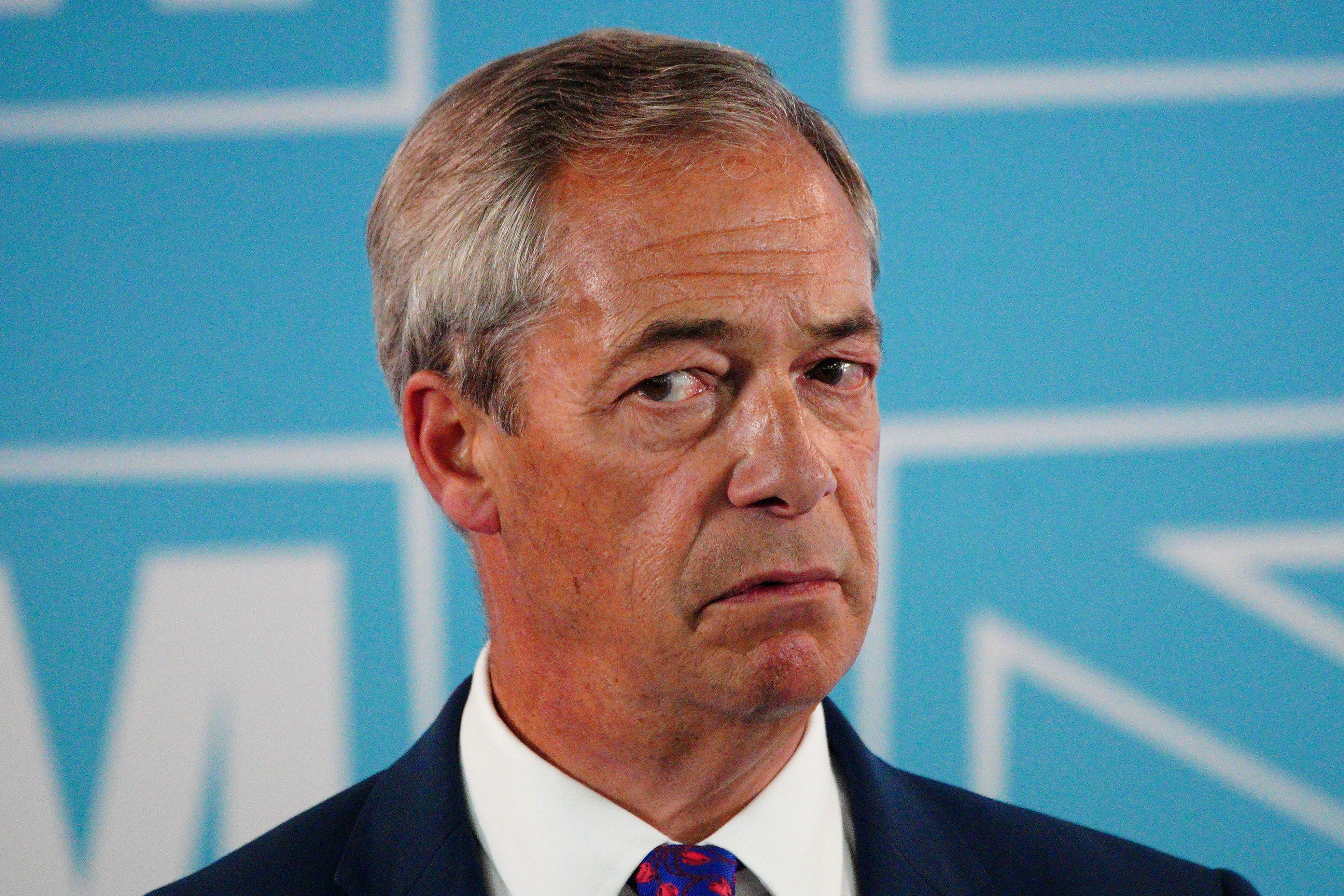
Nigel Farage Mocked Over Reform UK’s ‘Deeply Unserious’ Plan To Cut Taxes And Raise Spending

Reform UK’s plans to cut taxes while also massively increasing public spending has been branded “deeply unserious” as the party unveiled its general election “contract” with voters.

The document – which party leader Nigel Farage refused to call a manifesto – was launched as the right-wing party threatens to torpedo any lingering chance the Tories had of staying in power.

It included plans to boost public spending by £141 billion a year – many times more than either Labour or the Conservatives have proposed – while at the same time cutting taxes by £70 billion.

Other pledges include scrapping the UK’s net zero commitments, pulling the country out of the European Convention on Human Rights and freezing “non-essential” immigration.

But at the launch of the 26-page document in Merthyr Tydfil, Farage endured a rough ride from sceptical political journalists who queried.

The BBC’s Alex Forsyth said: “You’ve talked about the costings, you’ve talked about the spendings, but some of the stuff in here – a freeze on immigration, NHS waiting lists down to zero, more police officers.

“You accuse other parties of broken promises, but isn’t this a list of unrealistic promises – wish-list rather than a serious plan? Aren’t you doing what you accuse others of, which is chucking out a load of things which sound popular in the hope you get votes, that you never plan to deliver on?”

Farage replied: “It is a promise that this is what we’re going to campaign for over the course of the next five years.”

He said that Reform UK would not win the election, but would be “a voice of opposition to Labour” in the Commons.

“We’ve laid out very clearly where we stand philosophically, ideologically, on a number of things and this is what we’re going to fight for,” Farage added. “I see no inconsistency with that whatsoever.”

Sky News deputy political editor Sam Coates told Farage: “In your contract, your proposing to spend an extra £141 billion every year. That’s about 30 times the amount that Labour say they’re going to spend, 10 times the amount of the Tories and about three times what Liz Truss spent.

“You did say you weren’t going to win the next election, but the scale of this – it’s deeply unserious, isn’t it?”

Farage replied: “That’s right, it’s radical, it’s fresh thinking, it’s outside the box, it’s not what you’re going to get with the current Labour and Conservative parties, who are virtually indistinguishable from each other.

“Is this radical, fresh thinking on economics? Yes. Is it radical, fresh thinking on constitutional change? Yes. Is it very radical change on the way our education system is currently bringing up our young children? Yes.

“Britain is broken, Britain needs reform. That’s what we’re here for, that’s what we’re trying to do. We’re unashamedly radical – we want change.”

Share Button

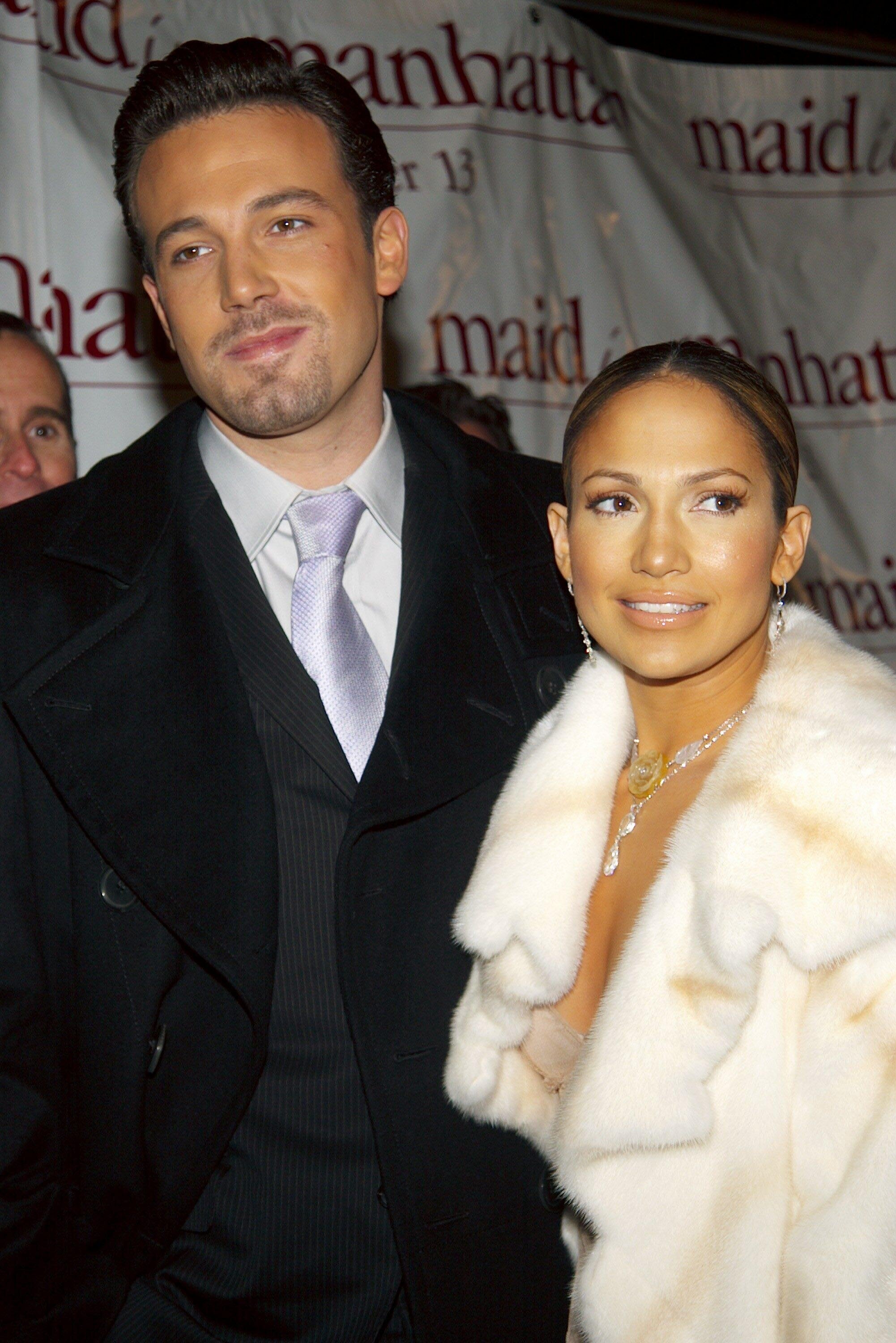
Jennifer Lopez Posts Father’s Day Tribute To Ben Affleck Amid Split Rumors

Jennifer Lopez wished her husband, Ben Affleck, a happy Father’s Day on Sunday with a short and sweet message.

“Our hero,” read the post on the Atlas star’s Instagram story, alongside a white heart emoji. “Happy Father’s Day.”

The backdrop of J-Lo’s post was a black-and-white image of Ben, apparently from his 2001 film Pearl Harbor.

Following this, Jen shared a black-and-white photo of her own father, alongside the message: “Happy Father’s Day Daddy.”

Ben and Jennifer are both parents to children from their previous marriages to Jennifer Garner and Marc Anthony, respectively.

Jen’s post comes amid speculation over the state of Jen’s marriage to the Air actor, and reports they are selling the $61 million (around £48 million) home they bought last year.

The Golden Globe nominee recently cancelled her This Is Me… Live summer tour, with the event’s promoters saying at the time that the singer was taking time off to be with her “children, family and close friends”.

“I am completely heartsick and devastated about letting you down. Please know that I wouldn’t do this if I didn’t feel that it was absolutely necessary,” she wrote in a statement about the decision last month.

“I promise I will make it up to you and we will all be together again. I love you all so much. Until next time.”

Ben Affleck and Jennifer Lopez first dated more than 20 years ago

Lawrence Lucier via Getty Images

Jennifer and Ben married two years ago, rekindling their high-profile romance after calling off their first engagement in 2004.

Back in February, Jen released her ninth album This Is Me… Now, which featured a second part to her 2002 track Dear Ben, written about the Oscar winner, which featured on the similarly-named This Is Me… Then.

Share Button

Wrap sold in WH Smith recalled over E. coli fears

Manufacturer THIS! is recalling one of its products because of possible contamination with E. coli.

Share Button

‘I started drinking aged 11 and couldn’t stop’

Chloe Ward says she lost a decade of her life to alcohol but is now determined to stay sober.

Share Button

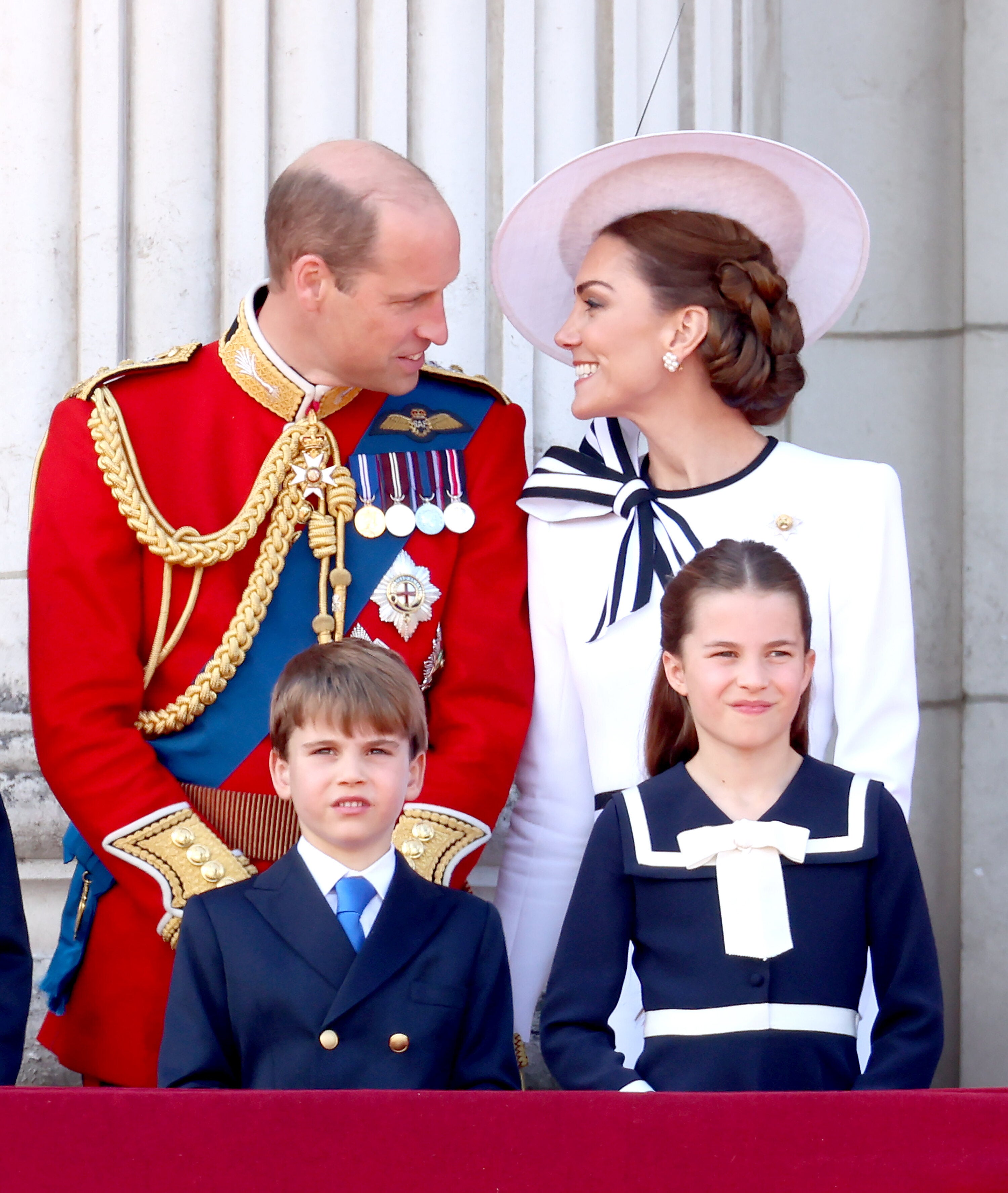
Kate Middleton And Prince William Celebrate Father’s Day With Sweet New Photo

The picture showed William and Prince George, Princess Charlotte and Prince Louis standing with their backs turned to the camera, looking out at the beach.

“We love you, Papa,” the caption read. “Happy Father’s Day 💕 G, C & L.”

The photo was taken by the Princess of Wales earlier this year.

In addition to the photo of William and his children, the future king also shared a photo for his dad, King Charles.

“Happy Father’s Day, Pa” the caption said, which William signed “W.”

Kate revealed on Friday that she was attending the celebrations this weekend in a deeply personal message about her chemotherapy treatments.

“I am making good progress, but as anyone going through chemotherapy will know, there are good days and bad days,” she said in her message. “On those bad days you feel weak, tired and you have to give in to your body resting.”

“But on the good days, when you feel stronger, you want to make the most of feeling well. My treatment is ongoing and will be for a few more months,” Kate went on, adding that she is “taking each day as it comes, listening to my body, and allowing myself to take this much needed time to heal.”

Share Button

‘Admission Of Defeat’: Laura Kuenssberg Calls Out ‘Desperate’ Tory Campaign Tactics

Laura Kuenssberg laid into transport secretary Mark Harper on Sunday and said the Conservatives’ campaign tactics are “desperate”.

The Tories have been trailing in the polls for weeks now – YouGov even put them in third place behind both Labour and Reform on Thursday.

The Conservatives have responded by telling voters supporting any party other than them is the same as giving Labour a “blank cheque” for a huge majority.

So, on her show, Sunday with Laura Kuenssberg, the presenter said: “The message shifting somewhat in the last few days, not so much necessarily to say, ‘let’s win this,’ but to say ‘you should worry about a big Labour majority to stop the other side romping home’.”

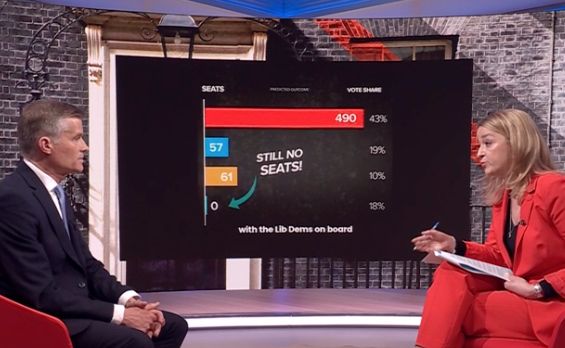
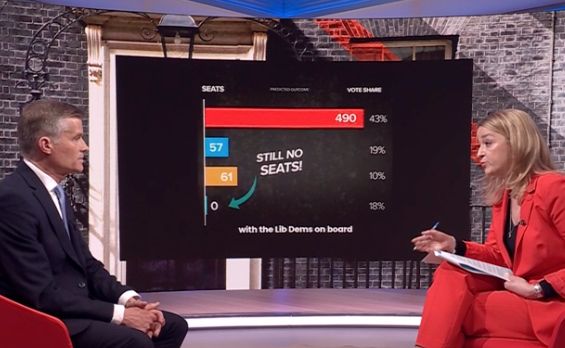
She showed viewers one of the Tories’ more recent social media adverts, which predicts a Labour victory with 490 seats.

Kuenssberg showing Harper the Tories' own attack ad, which gives 57 seats.
Kuenssberg showing Harper the Tories’ own attack ad, which gives 57 seats.

“You seem to be resorting to just spooking people into some kind of massive majority.

“Isn’t that an admission of defeat, when as you said, not a single vote has been cast, apart from a few postal votes?” the BBC presenter asked.

The minister replied: “It’s not, it’s simply doing what you did before with me, just to point to the polls.

“All we’re doing is if you look at the polls, and if people voted the way the polls are suggesting, that’s what you’d get.

“And we’re saying to people is that what you want? And actually I don’t think it is what people want.”

He claimed the Tories are still fighting for every vote, and there’s still plenty of undecided voters.

According to research from consultancy firm More in Common, about 15% of voters are still undecided.

Kuenssberg hit back: “Isn’t that exactly the point?

“There are still millions of people in this country, probably many of them watching this morning, who haven’t decided what they’re going to do yet, and they’re hearing from you, is not ‘hey here’s our positive vision’.

“What they’re hearing is, ‘oh well you can’t give the other side everything they want so stick with us.’

“Isn’t that something that sounds a bit desperate?”

“Not really,” Harper said, and claimed broadcasters often talk about polls.

Share Button

Support For Tories Is ‘At Its Lowest Ever In British Polling History,’ Elections Guru Says

Public support for the Conservatives have fallen to a historic low in polling history, John Curtice said today.

The famous pollster told the BBC’s Sunday with Laura Kuenssberg: “Standing at just 20%, Conservative support is now at its lowest ever in British polling history.

“Mr Sunak, whose own personal ratings have clearly fallen, must be beginning to doubt his decision to call the election early.”

He added that a eight-point lead over Reform last week has fallen to just a four-point.

But Curtice also noticed that Labour are “being challenged by the Greens and the Lib Dems”, and support has fallen by two points – to 41%, on average.

His remarks came after another wave of polls predicted a pretty bleak result for the Conservatives when the public go to the ballot box.

A Savanta survey of 2,045 adults for The Sunday Telegraph found the party were at the lowest point since the final days of Theresa May’s time in office in early 2019, having dropped down four points to just 21%.

The same poll, conducted between 12-14 June and released on Saturday, showed Reform UK had climbed up three points to 13%.

Political research director at Savanta, Chris Hopkins, said it showed “nothing short of electoral extinction for the Conservative Party”.

“The hopes of Conservative candidates are being shot to pieces by poll after poll showing the Conservative Party in increasingly dire straits – and we’re only halfway through the campaign,” he said.

“There’s a real sense that things could still get worse for the Conservatives, and with postal votes about to drop through millions of letterboxes, time is already close to running out for Rishi Sunak.”

It comes after a separate Survation poll for Best for Britain, published in The Sunday Times, suggested the Conservatives would secure only 72 seats in the next parliament.

It predicted Labour would win 456, meaning the party would win a stomping 262 majority, the Liberal Democrats 56 seats, Reform seven and the Greens one.

Survation – which had polled 22,000 adults between 31 May and 13 June – showed the vote share would have halved from 44% in 2 019 to 24%.

Meanwhile, YouGov poll released last Thursday caused a huge stir within Westminster as it put Reform ahead of the Conservatives for the first time.

Nigel Farage’s populist party was on 19% of the vote while the Tories were on 18%, prompting his party to position themselves as the “opposition to Labour”.

Rishi Sunak downplayed this poll on Friday.

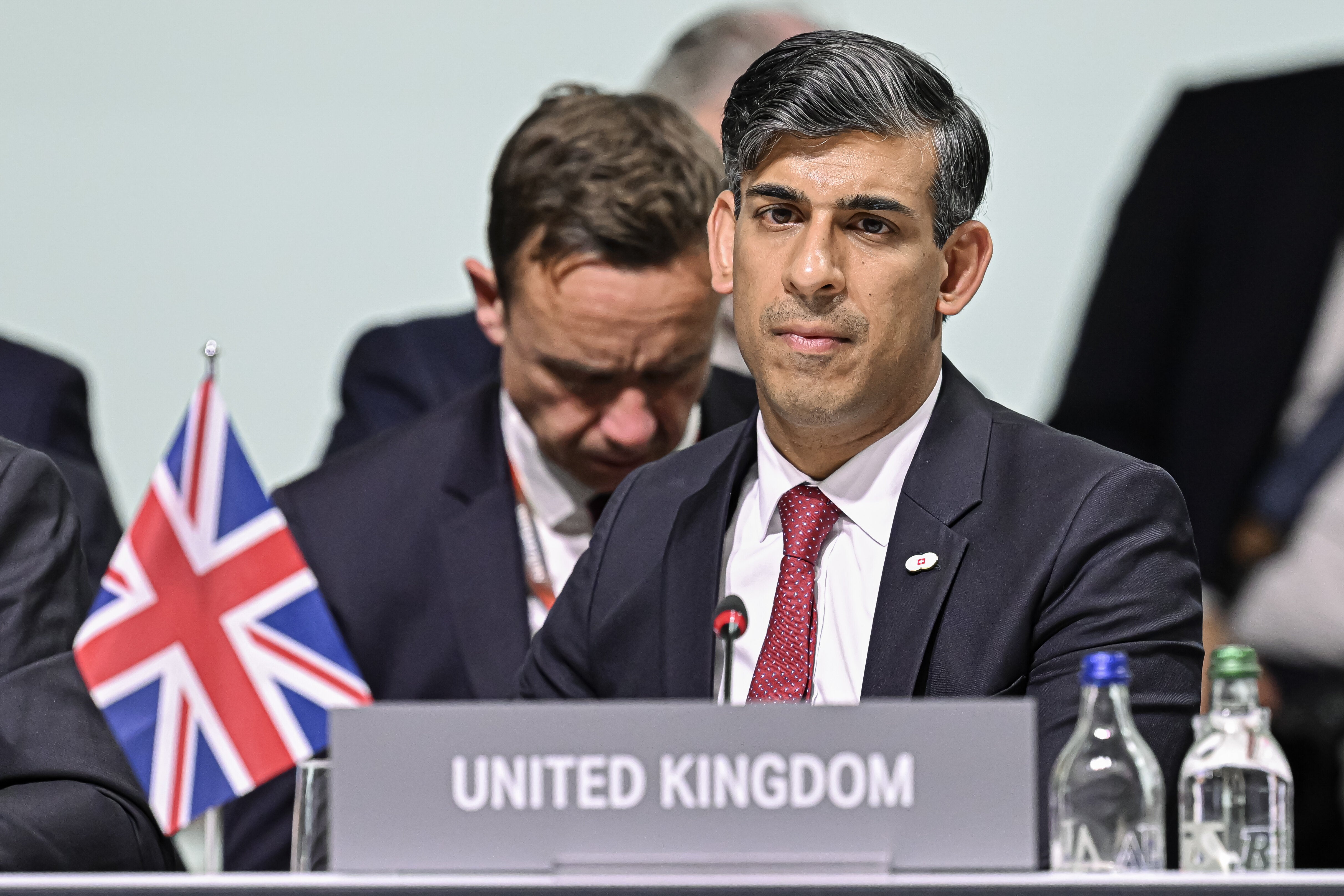
Speaking to journalists from the G7 summit in Italy, he said: “We are only halfway through this election, so I’m still fighting very hard for every vote.”

He also pledged to stay in parliament as an MP even if the Conservatives lose the election.

Share Button

King Charles Releases Message About Kate Middleton’s Next Public Appearance

King Charles released a message after Kate Middleton confirmed that she will attend Trooping the Colour this weekend, marking her first public appearance since December 2023.

“His Majesty is delighted that The Princess is able to attend tomorrow’s events, and is much looking forward to all elements of the day,” a Buckingham Palace spokesperson told People magazine Friday.

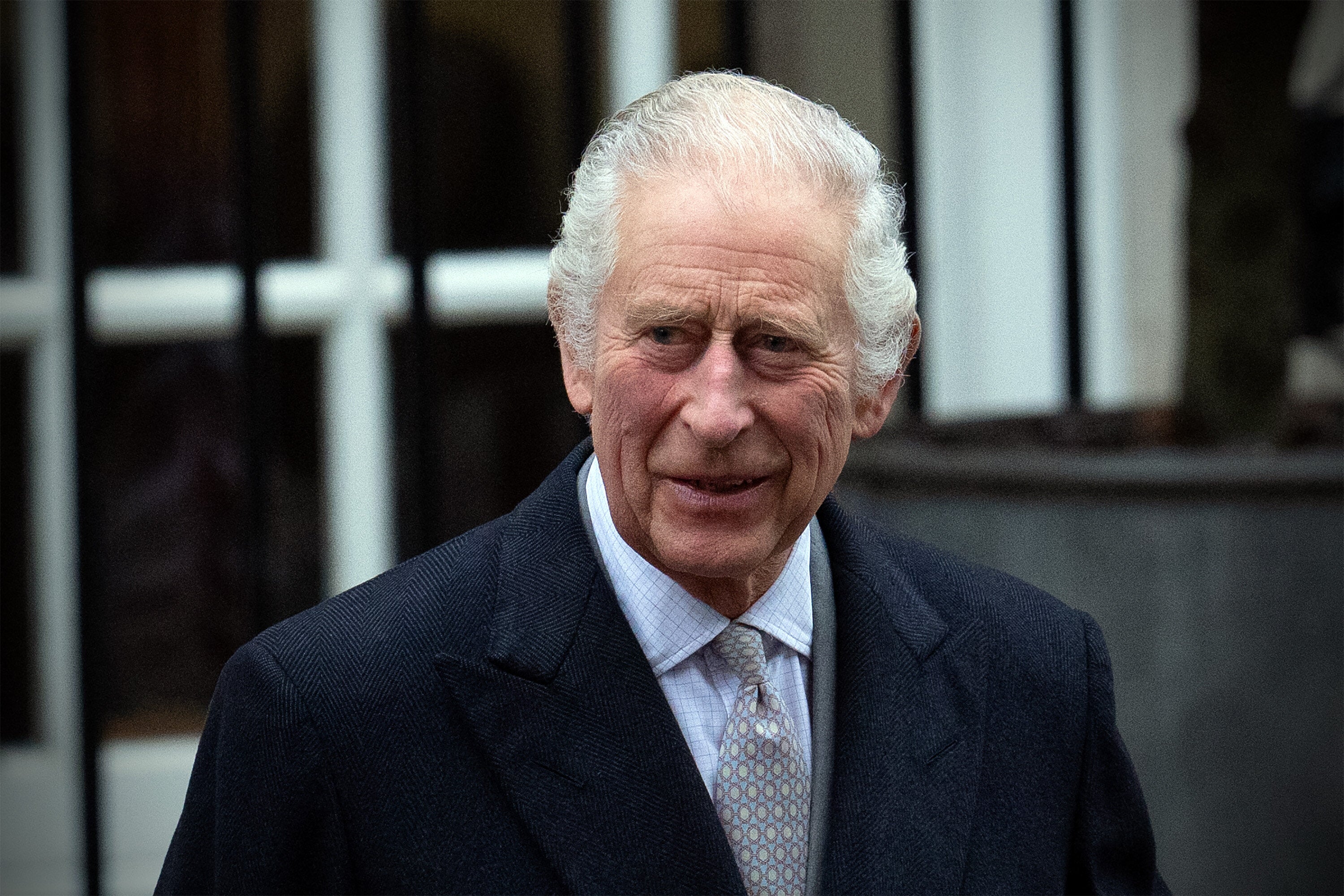
The event, which is the official celebration for the monarch’s birthday, will be held on Saturday, June 15. Charles, who was diagnosed with cancer in February, will be in attendance, alongside Queen Camilla.

The Princess of Wales on Friday issued a deeply personal update on her journey with cancer, and also confirmed her attendance at the military parade.

“I am making good progress, but as anyone going through chemotherapy will know, there are good days and bad days. On those bad days you feel weak, tired and you have to give in to your body resting,” Kate said. “But on the good days, when you feel stronger, you want to make the most of feeling well.”

The royal added that her “treatment is ongoing” and will continue “for a few more months.”

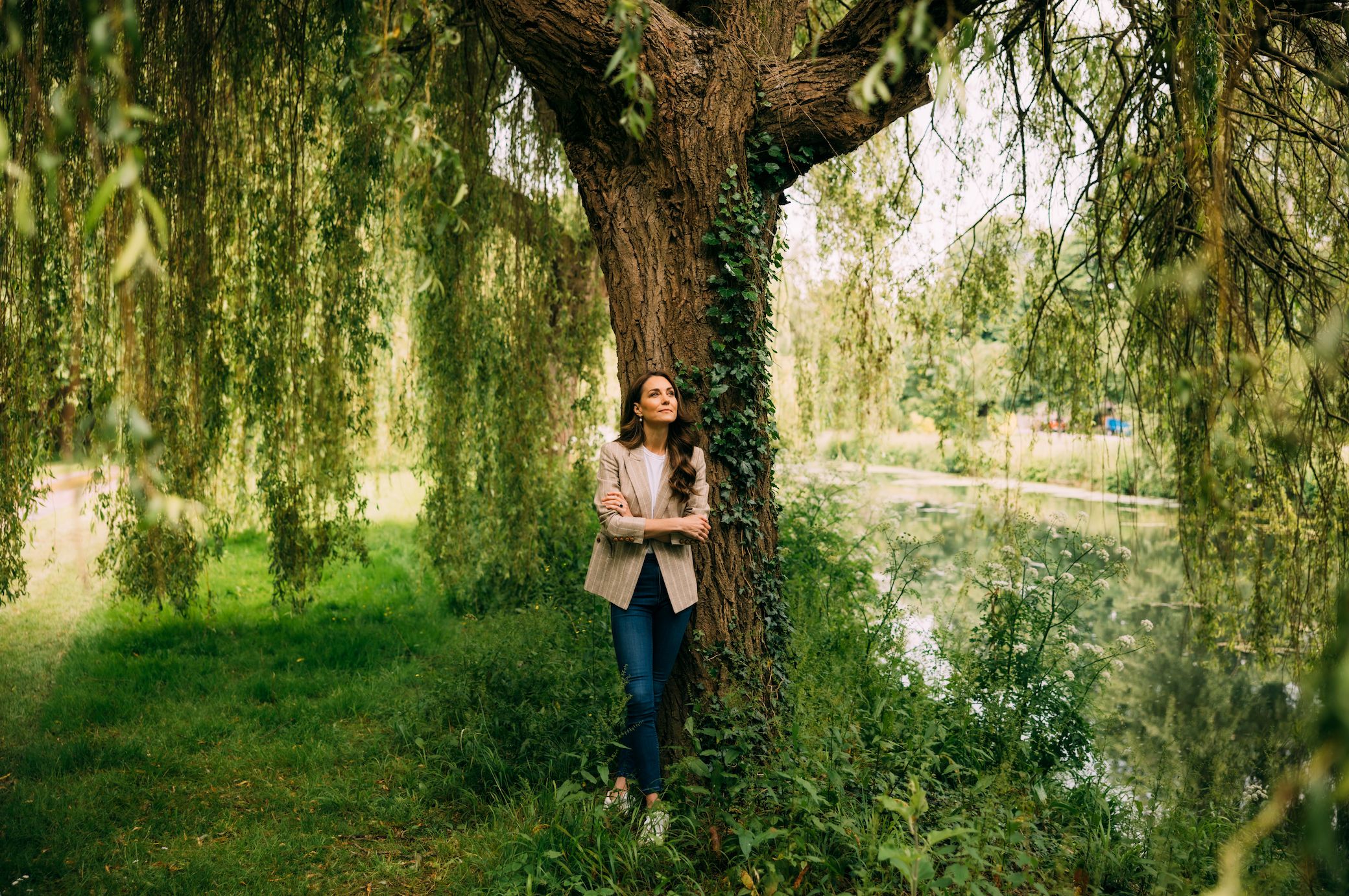
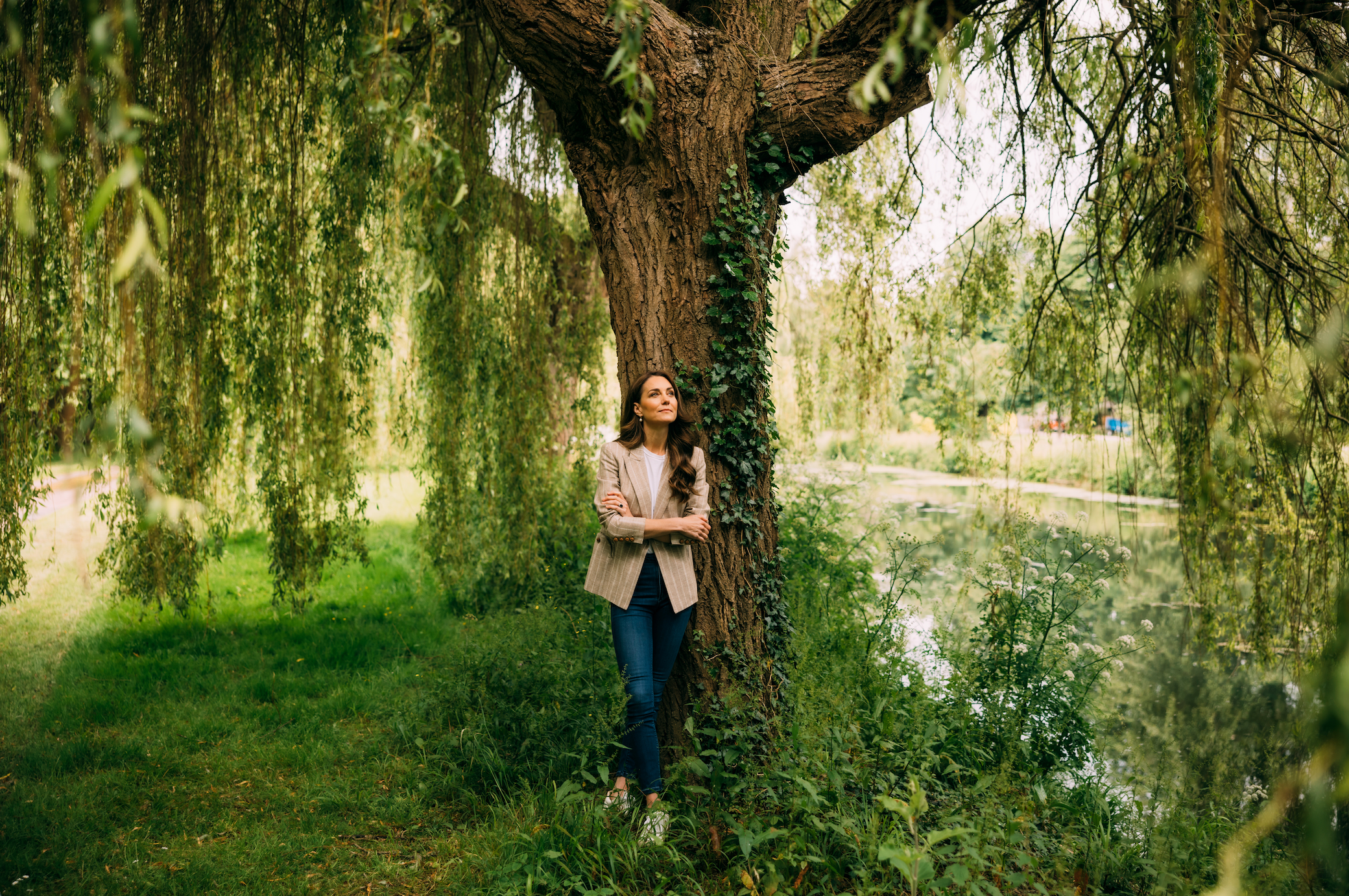
A new photo of the Princess of Wales, taken by photographer Matt Porteous on the grounds of Windsor Castle earlier this week.

The Prince and Princess of Wales/Matt Porteous

“On the days I feel well enough, it is a joy to engage with school life, spend personal time on the things that give me energy and positivity, as well as starting to do a little work from home,” she said.

“I’m looking forward to attending The King’s Birthday Parade this weekend with my family and hope to join a few public engagements over the summer, but equally knowing I am not out of the woods yet,” Kate said, adding that she is “learning how to be patient, especially with uncertainty.”

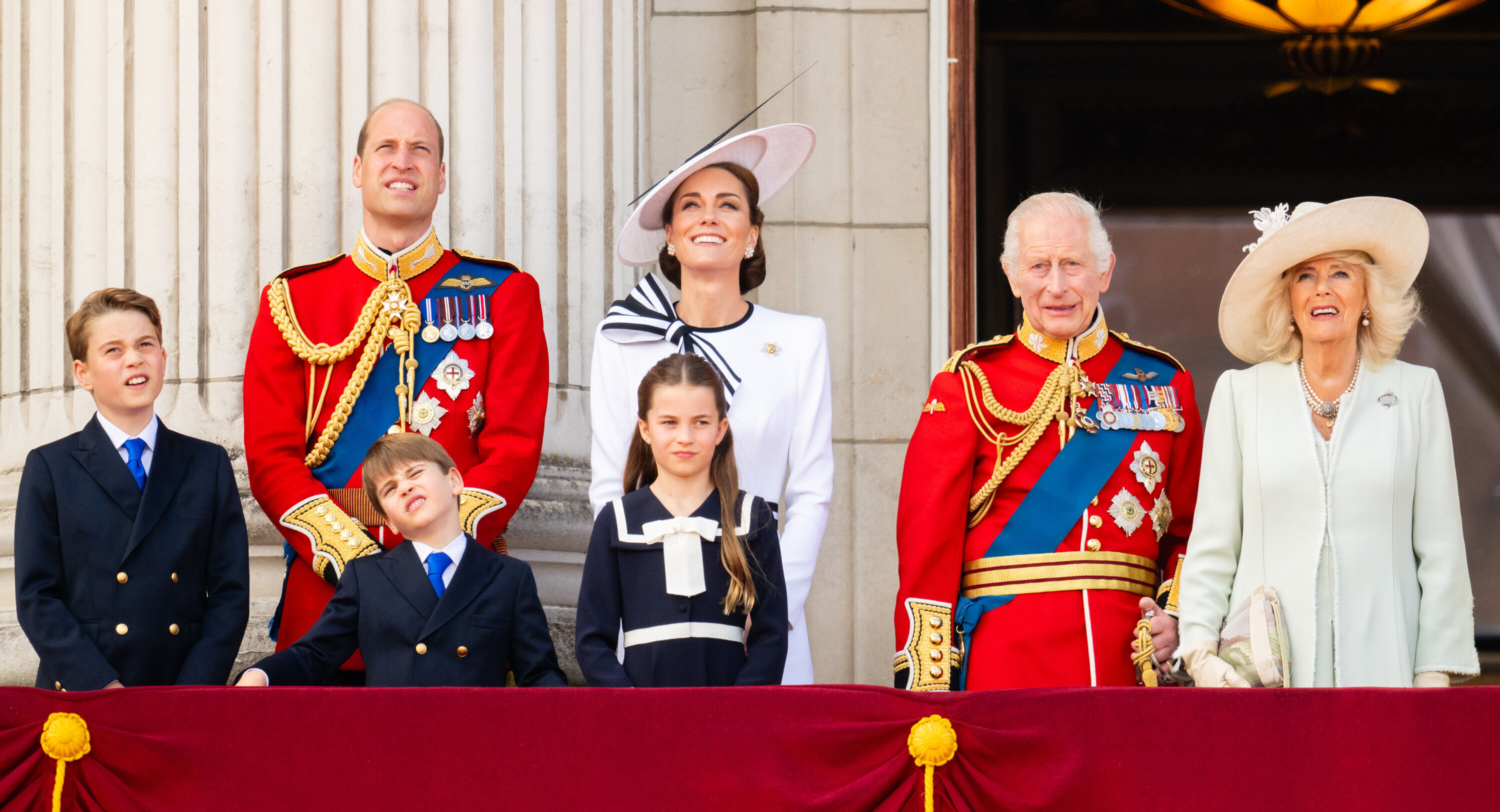
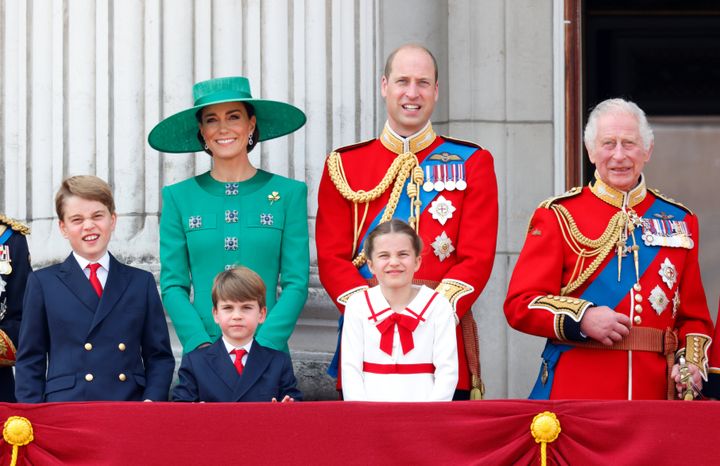
Trooping the Colour usually includes a carriage procession for members of the royal family, as well as a balcony appearance to wave to the crowds from Buckingham Palace.

The Princess of Wales is expected to ride in a carriage alongside her three children ― Prince George, Princess Charlotte and Prince Louis ― and also make a balcony appearance.

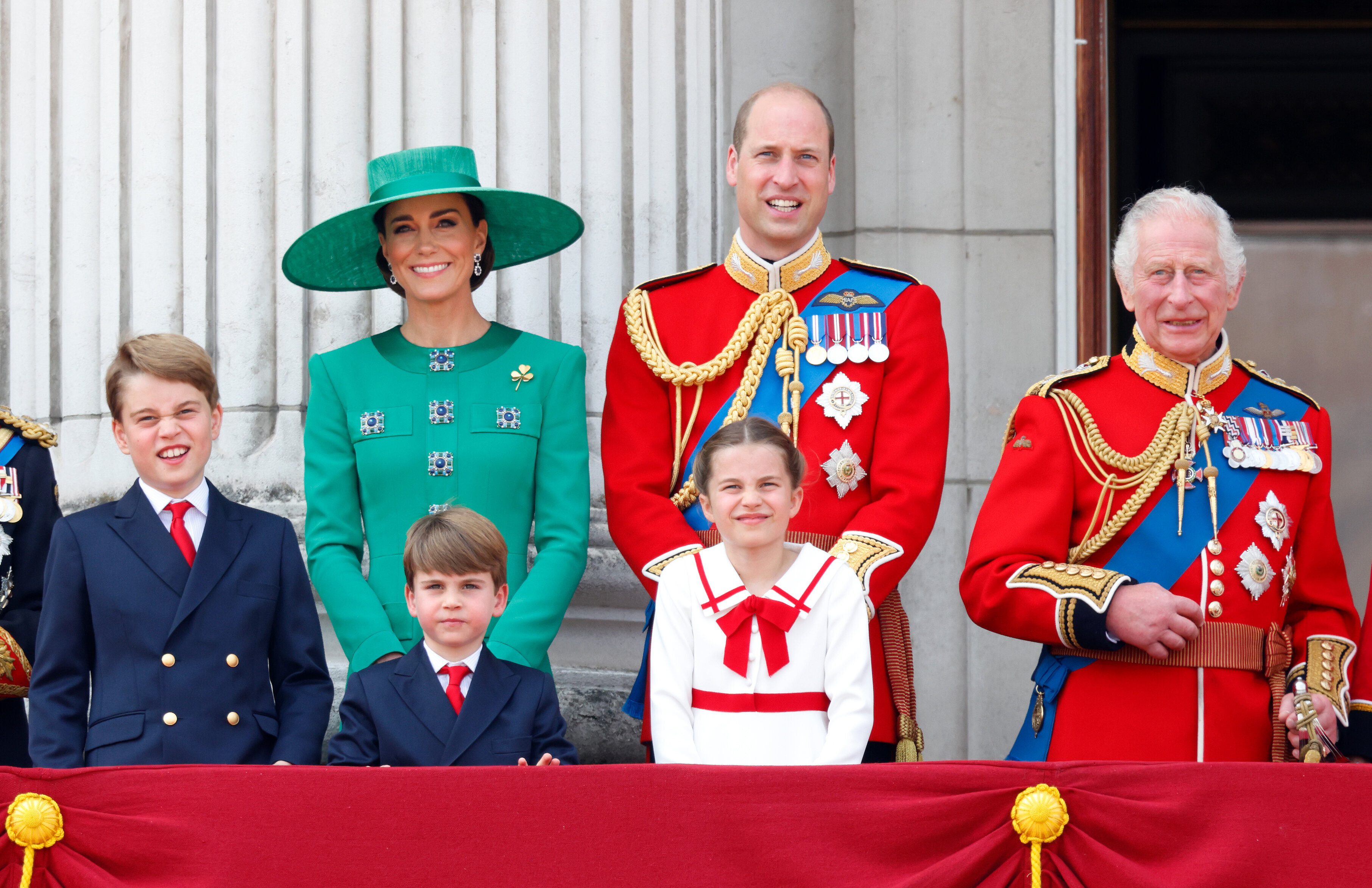
The Wales family and King Charles III watch an RAF flypast from the balcony of Buckingham Palace during Trooping the Colour on June 17, 2023, in London, England.

Max Mumby/Indigo via Getty Images

On Saturday, Kate issued an apology for missing a rehearsal for the annual military parade.

Share Button