Researchers identify a genetic cause of intellectual disability affecting tens of thousands

Researchers at the Icahn School of Medicine at Mount Sinai and others have identified a neurodevelopmental disorder, caused by mutations in a single gene, that affects tens of thousands of people worldwide. The work, published in the May 31 online issue of Nature Medicine, was done in collaboration with colleagues at the University of Bristol, UK; KU Leuven, Belgium; and the NIHR BioResource, currently based at the University of Cambridge, UK.

The findings will improve clinical diagnostic services for patients with neurodevelopmental disorders.

Through rigorous genetic analysis, the researchers discovered that mutations in a small non-coding gene called RNU4-2 cause a collection of developmental symptoms that had not previously been tied to a distinct genetic disorder. Non-coding genes are parts of DNA that do not produce proteins. The investigators used whole-genome sequencing data in the United Kingdom’s National Genomic Research Library to compare the burden of rare genetic variants in 41,132 non-coding genes between 5,529 unrelated cases with intellectual disability and 46,401 unrelated controls.

The discovery is significant, as it represents one of the most common single-gene genetic causes of such disorders, ranking second only to Rett syndrome among patients sequenced by the United Kingdom’s Genomic Medicine Service. Notably, these mutations are typically spontaneous and not inherited, providing important insights into the nature of the condition.

“We performed a large genetic association analysis to identify rare variants in non-coding genes that might be responsible for neurodevelopmental disorders,” says the study’s first author Daniel Greene, PhD, Assistant Professor of Genetics and Genomics Sciences at Icahn Mount Sinai and a Visitor at the University of Cambridge. “Nowadays, finding a single gene that harbors genetic variants responsible for tens of thousands of patients with a rare disease is exceptionally unusual. Our discovery eluded researchers for years due to various sequencing and analytical challenges.”

More than 99 percent of genes known to harbor mutations that cause neurodevelopmental disorders encode proteins. The researchers hypothesized that non-coding genes, which don’t produce proteins, could also host mutations leading to intellectual disability. Neurodevelopmental disorders, which often appear before grade school, involve developmental deficits affecting personal, social, academic, or occupational functioning. Intellectual disability specifically includes significant limitations in intellectual functioning (e.g., learning, reasoning, problem-solving) and adaptive behavior (e.g., social and practical skills).

“The genetic changes we found affect a very short gene, only 141 units long, but this gene plays a crucial role in a basic biological function of cells, called gene splicing, which is present in all animals, plants and fungi,” says senior study author Ernest Turro, PhD, Associate Professor of Genetics and Genomic Sciences at Icahn Mount Sinai and a Visitor at the University of Cambridge. “Most people with a neurodevelopmental disorder do not receive a molecular diagnosis following genetic testing. Thanks to this study, tens of thousands of families will now be able to obtain a molecular diagnosis for their affected family members, bringing many diagnostic odysseys to a close.”

Next, the researchers plan to explore the molecular mechanisms underlying this syndrome experimentally. This deeper understanding aims to provide biological insights that could one day lead to targeted interventions.

“What I found remarkable is how such a common cause of a neurodevelopmental disorder has been missed in the field because we’ve been focusing on coding genes,” says Heather Mefford, MD, PhD, of the Center for Pediatric Neurological Disease Research at St. Jude Children’s Research Hospital who was not involved with the research. “This study’s discovery of mutations in non-coding genes, especially RNU4-2, highlights a significant and previously overlooked cause. It underscores the need to look beyond coding regions, which could reveal many other genetic causes, opening new diagnostic possibilities and research opportunities.”

The paper is titled “Mutations in the U4 snRNA gene RNU4-2 cause one of the most prevalent monogenic neurodevelopmental disorders.”

The remaining authors of the paper are Chantal Thys (KU Leuven, Belgium); Ian R. Berry, MD (University of Bristol, UK); Joanna Jarvis, MD (Birmingham Womens’ Hospital, UK); Els Ortibus, MD, PhD (KU Leuven, Belgium); Andrew D. Mumford, MD (University of Bristol, UK); and Kathleen Freson, PhD (KU Leuven, Belgium).

The work was supported, in part, by NIH awards R01HL161365 and R03HD111492.

Share Button

Researchers discover ‘trojan horse’ virus hiding in human parasite

An international team led by researchers at the University of Toronto has found a new RNA virus that they believe is hitching a ride with a common human parasite.

The virus, called Apocryptovirus odysseus, along with 18 others that are closely related to it, was discovered through a computational screen of human neuron data — an effort aimed at elucidating the connection between RNA viruses and neuroinflammatory disease. The virus is associated with severe inflammation in humans infected with the parasite Toxoplasma gondii, leading the team to hypothesize that it exacerbates toxoplasmosis disease.

“We discovered A. odysseus in human neurons using the open-science Serratus platform to search through more than 150,000 RNA viruses” said Purav Gupta, first author on the study, recent high school graduate and current undergraduate student at U of T’s Donnelly Centre for Cellular and Biomolecular Research. “Serratus identifies RNA viruses from public data by flagging an enzyme called RNA-dependent RNA polymerase, which facilitates replication of viral RNA. This enzyme allows the virus to reproduce itself and for the infection to spread.”

The study was published recently in the journal Virus Evolution.

The parasite T. gondii is far-reaching, infecting an estimated one-third of the global population. It can live in any non-blood cell type, including neurons, forming cysts inside cells. The parasite is transmitted to nearby cells when the infected cell ruptures.

T. gondii infections often go unnoticed because they only lead to symptoms in rare cases. Regardless, toxoplasmosis merits investigation considering how widespread it is and the potential effects it may have on pregnant women and those who are immunocompromised, Gupta said.

“We believe the virus and parasite work hand-in-hand to cause disease in the human host, where the virus hides inside the parasite, like a soldier in a trojan horse, to gain entry to the human brain,” said Gupta. “Our research marks the first time that scientists have connected toxoplasmosis to a virus.”

The newly discovered A. odysseus is found in two hypervirulent strains of the T. gondii parasite, referred to as RUB and COUGAR.

RUB has been documented in French Guinea to cause severe fever and organ failure, while COUGAR has been shown in British Columbia to be connected to ocular toxoplasmosis — the leading cause of infectious blindness. Researchers found the strains in different geographical locations at different times, demonstrating their potentially wide-ranging impacts.

Symptoms of toxoplasmosis can be aggravated by a hyperactivated human immune response. The virus-carrying parasite triggers this type of response when the immune system senses the foreign RNA of the virus.

“The group of 19 RNA viruses we found are strong biomarkers for parasitic infection,” said Artem Babaian, principal investigator on the study and assistant professor of molecular genetics at the Donnelly Centre and the Temerty Faculty of Medicine. “It’s obvious now that the A. odysseus virus could be a valuable marker of disease-causing infections, like severe toxoplasmosis, in humans or other animals. The next step is to test if this raises the possibility that treating a parasite’s viruses could be an effective means of treating symptoms that arise from parasitic infections.”

Zoonotic viruses that infect other living things in our environment in order to reach us are expected to cause the majority of emerging infectious diseases in humans, Babaian noted. “This study underscores the importance of looking beyond the viruses that infect humans directly into the extended virome,” he said.

This research was supported by the Canadian Institutes of Health Research.

Share Button

Lighting up the brain: What happens when our ‘serotonin center’ is triggered?

Using mice, scientists at the Okinawa Institute of Science and Technology (OIST) and their collaborators from Keio University School of Medicine have studied the main source of serotonin in the brain — the dorsal raphe nucleus (DRN). By studying how activating the brain’s ‘serotonin center’ affects awake animals for the first time, they found that serotonin from the DRN activates brain areas that affect behavior and motivation. Results show that DRN serotonin stimulation causes activation of the cerebral cortex and the basal ganglia, brain areas involved in many cognitive functions.

Additionally, the brain’s response to serotonin stimulation is strongly linked to the distribution of serotonin receptors (proteins activated by serotonin) and the connection patterns of DRN serotonin neurons. “We clearly see from the high-field MRI images which areas in the brain are activated and deactivated during the awake state and under anesthesia when we activate serotonin neurons in the DRN,” lead author Dr. Hiroaki Hamada said. “A previous study showed that the cerebral cortex and the basal ganglia were mostly deactivated under anesthesia, which we also observed, however, in awake states these areas are significantly activated.”

Our brains are made of tens of billions of nerve cells called neurons. These cells communicate with each other through biomolecules called neurotransmitters. Serotonin, a type of neurotransmitter, is produced by serotonin neurons in our brains and influences many of our behavioral and cognitive functions such as memory, sleep, and mood.

“Learning about the brain’s serotonin system can help us understand how we adapt our behaviors and how mood therapy medication works. But it was hard to study how serotonin from the DRN affects the entire brain. First, because electric stimulation of the DRN can also activate neurons that don’t use serotonin to communicate with each other, and second, using drugs can affect other serotonin in the brain,” explained Dr. Hiroaki Hamada, a former PhD student at OIST’s Neural Computation Unit and lead author of a paper on this study published in the journal Nature Communications.

Previous studies by researchers at the Neural Computation Unit have shown that serotonin neurons in the DRN promote adaptive behaviors in mice associated with future rewards. Dr. Hamada and his collaborators wanted to understand the mechanisms in the brain that cause these adaptive behaviors.

“We knew that DRN serotonin activation has strong effects on behavior, but we didn’t know how this serotonin activation affects different parts of the brain,” Prof. Kenji Doya, leader of the Neural Computation Unit, stated.

Observing the entire brain’s response to DRN serotonin activation

The researchers used a novel technique called opto-functional MRI to address this question. They used a method called optogenetics to selectively activate serotonin neurons in the DRN with light and observed the entire brain’s response using functional MRI (Magnetic Resonance Imaging). They utilized the latest MRI scanner with a strong magnetic field to achieve the high resolution needed to study the small brains of mice. The mice were put in the MRI scanner and serotonin neurons were stimulated at regular intervals to see how this affected the whole brain.

They found that DRN serotonin stimulation causes activation of the cerebral cortex and the basal ganglia, brain areas involved in many cognitive functions. This result was very different from a previous study performed under anesthesia. Additionally, the brain’s response to serotonin stimulation is strongly linked to the distribution of serotonin receptors (proteins activated by serotonin) and the connection patterns of DRN serotonin neurons.

“We clearly see from the high-field MRI images which areas in the brain are activated and deactivated during the awake state and under anesthesia when we activate serotonin neurons in the DRN,” Dr. Hamada said. “A previous study showed that the cerebral cortex and the basal ganglia were mostly deactivated under anesthesia, which we also observed, however, in awake states these areas are significantly activated.”

The cerebral cortex and the basal ganglia are parts of the brain critical for many cognitive processes, including motor activity and behaviors to gain rewards such as food and water. Activation of DNR serotonin neurons can therefore lead to changes in motivation and behavior.

Patience and stimulating your own serotonin

Combining the new technique of high field MRI and optogenetics presented many obstacles that Dr. Hamada had to overcome. “We introduced and adapted a method previously used by our collaborators and established many new procedures at OIST. For me, the main challenge was using the new MRI machine at the time, so I needed to have patience and stimulate my own serotonin. I started doing a lot of exercise after that,” he laughed.

Seeing activations in the DRN for the first time was a standout moment for Dr. Hamada. In the beginning, he used the same light intensity that his collaborators used, but this was too weak to see the brain responses in the MRI. He then used bigger optical fibers and increased the intensity to stimulate the DRNs.

Prof. Doya noted that the next important milestone to achieve is understanding exactly how this brain-wide activation of serotonin occurs: “It’s important to find out what is the actual molecular mechanism allowing this activation in our brain. People who would like to get better at adjusting their behavior and thinking in different situations could also find it helpful to learn more about how serotonin helps control our moods.”

Share Button

AI-controlled stations can charge electric cars at a personal price

As more and more people drive electric cars, congestion and queues can occur when many people need to charge at the same time. A new study from Chalmers University of Technology in Sweden shows how AI-controlled charging stations, through smart algorithms, can offer electric vehicle users personalised prices, and thus minimise both price and waiting time for customers. But the researchers point to the importance of taking the ethical issues seriously, as there is a risk that the artificial intelligence exploits information from motorists.

Today’s commercial charging infrastructure can be a jungle. The market is dynamic and complex with a variety of subscriptions and free competition between providers. At some fast charging stations, congestion and long queues may even occur. In a new study, researchers at Chalmers have created a mathematical model to investigate how fast charging stations controlled by artificial intelligence, AI, can help by offering electric car drivers personalised prices, which the drivers can choose to accept or refuse. The AI uses algorithms that can adjust prices based on individual factors, such as battery level and the car’s geographic location.

“The electric car drivers can choose to share information with the charging station providers and receive a personal price proposal from a smart charging station. In our study, we could show how rational and self-serving drivers react by only accepting offers that are beneficial to themselves. This leads to both price and waiting times being minimized,” says Balázs Kulcsár, professor at the department of electrical engineering at Chalmers.

In the study, the drivers always had the option to refuse the personal price, and choose a conventional charging station with a fixed price instead. The personal prices received by the drivers could differ significantly from each other, but were almost always lower than the market prices. For the providers of charging stations, the iterative AI algorithm can find out which individual prices are accepted by the buyer, and under which conditions. However, during the course of the study, the researchers noted that on some occasions the algorithm raised the price significantly when the electric car’s batteries were almost completely empty, and the driver consequently had no choice but to accept the offer.

“Smart charging stations can solve complex pricing in a competitive market, but our study shows that they need to be developed and introduced with privacy protection for consumers, well in line with responsible-ethical AI paradigms,” says Balázs Kulcsár.

More about the study

The researchers created a mathematical model of the interaction between profit-maximising fast charging stations and electric car users. The “charging stations” could offer public market prices or AI-driven profit-maximising personal prices, which the “electric car users” could then accept or reject based on their own conditions and needs. In most cases, the results were promising, as the AI-generated prices were lower than the market prices.

Share Button

Tackling the hurdle of tumor formation in stem cell therapies

Pluripotent stem cells (PSCs) are a type of stem cells capable of developing into various cell types. Over the past few decades, scientists have been working towards the development of therapies using PSCs. Thanks to their unique ability to self-renew and differentiate (mature) into virtually any given type of tissue, PSCs could be used to repair organs that have been irreversibly damaged by age, trauma, or disease.

However, despite extensive efforts, regenerative therapies involving PSCs still have many hurdles to overcome. One being the formation of tumors (via the process of tumorigenesis) after the transplantation of PSCs. Once the PSCs differentiate into a specific type for stem cell therapy, there is a high probability of tumor formation after differentiated stem cells are introduced to the target organ. For the success of PSC-based therapies, the need of the hour is to minimize the risk of tumorigenesis by identifying potentially problematic cells in cultures, prior to transplantation.

Against this backdrop, a research team led by Atsushi Intoh and Akira Kurisaki from Nara Institute of Science and Technology, Japan, has recently achieved a breakthrough discovery regarding stem cell therapy and tumorigenesis. “Our findings present advancements that could bridge the gap between stem cell research and clinical application,” says Intoh, talking about the potential of their findings. Their study was published in Stem Cells Translational Medicine and focuses on a membrane protein called EPHA2, which was previously found to be elevated in PSCs prior to differentiation by the team.

Through several experiments involving both mouse and human stem cell cultures, the researchers gained insights into the role of EPHA2 in preserving the potency of PSCs to develop into several cell types. They found that EPHA2 in stem cells is co-expressed with OCT4 — a transcription factor protein which controls the expression of genes which are critically involved in the differentiation of embryonic stem cells. Interestingly, when the EPHA2 gene was knocked down from the cells, cultured stem cells spontaneously differentiated. These results suggest that EPHA2 plays a central role in keeping stem cells in an undifferentiated state.

The researchers thus theorized that EPHA2-expressing stem cells, which would fail to differentiate, might be responsible for tumorigenesis upon transplantation into the target organ.

To test this hypothesis, the researchers prepared PSC cultures and artificially induced their differentiation into liver cells. Using a magnetic antibody targeting EPHA2, they extracted EPHA2-positive cells from a group of cultures prior to transplantation into mice. Interestingly, the formation of tumors in mice receiving transplants from cultures from which EPHA2 had been removed was vastly suppressed.

Taken together, these results point to the importance of EPHA2 in emerging stem cell-based therapies. “EPHA2 conclusively emerges as a potential marker for selecting undifferentiated stem cells, providing a valuable method to decrease tumorigenesis risks after stem cell transplantation in regenerative treatments,” remarks Kurisaki.

Further in-depth studies on this protein may lead to the development of protocols that make PSCs safer to use. Luckily, however, these findings pave the way towards a future where we will be able to finally restore damaged organs and even overcome degenerative conditions.

Share Button

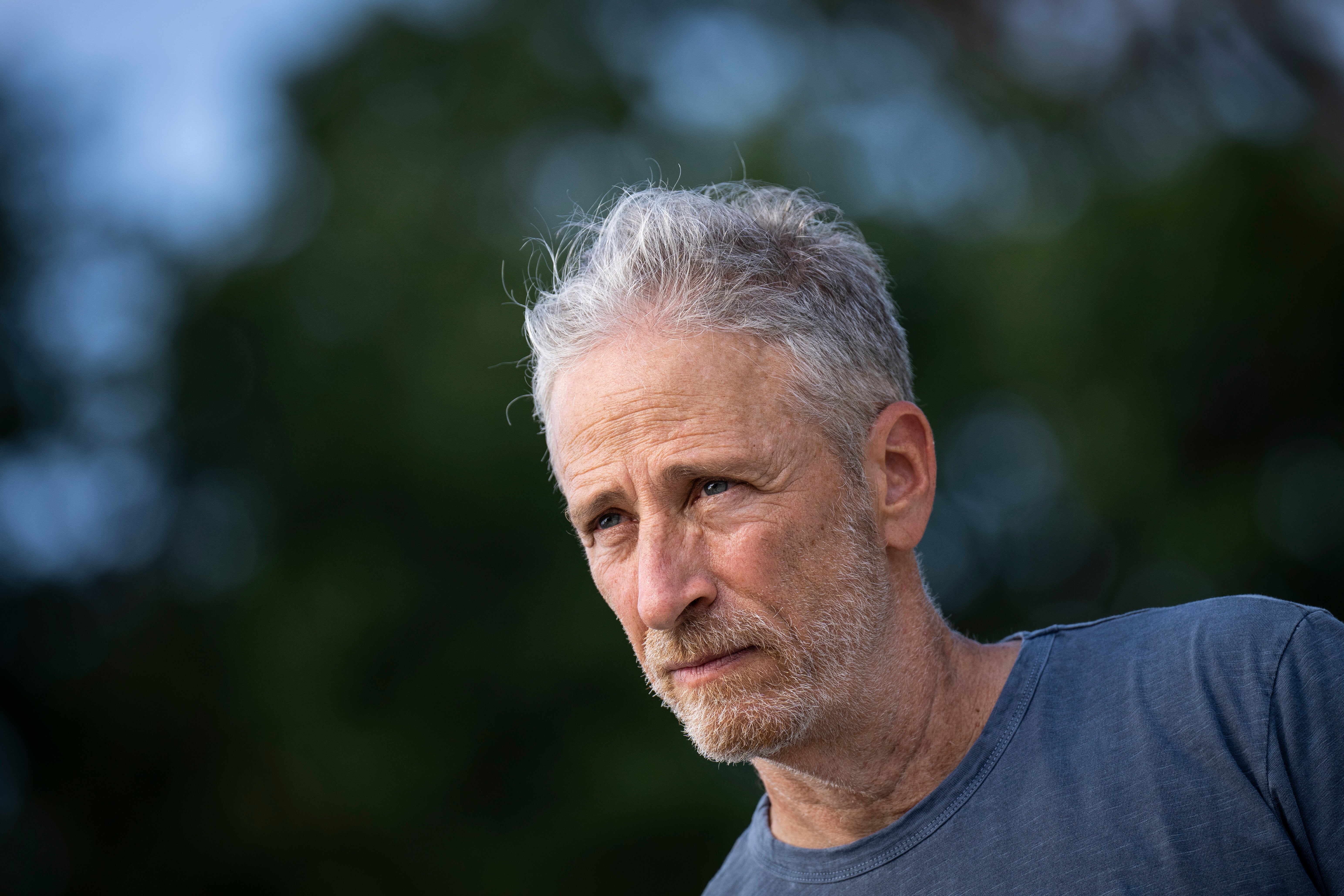
Jon Stewart Slams Labour Party For Ousting Candidate Who Liked A Tweet Quoting His Israel Skit

Jon Stewart had some choice words for the Labour Party this week.

The former Daily Show host, who returned to the program last year after stepping away in 2015, expressed outrage on Wednesday after Labour candidate Faiza Shaheen was suspended from her post for “liking” a tweet that linked to a 2014 Daily Show segment about Israel.

“This is the dumbest thing The UK has done since electing Boris Johnson… what the actual fuck,” Stewart wrote Wednesday on X, the platform formerly known as Twitter, in response to a tweet from Mehdi Hasan.

“Hey @jonstewart,” Hasan’s tweet read, “not sure if you’re following the Jon-Stewart-related news out of the UK but Labour parliamentary candidate and Muslim woman @faizashaheen has just been suspended tonight from the Labour Party for liking on Twitter this old Israel video sketch of yours.”

Shaheen joined Labour in 2015 and became a star of their parliamentary constituency in London’s Chingford and Woodford Green constituency in 2018.

Those ambitions stalled on Wednesday when, following weeks of door-to-door campaigning with her newborn baby, Shaheen learned via email that the Labour Party had dropped her, after the Jewish Labour Movement flagged her social media activity as allegedly antisemitic.

The Daily Show clip showed Stewart trying to discuss Israel when his colleagues ― in a parody of furious defenders of Israel and Palestinians alike ― repeatedly shouted him down, accusing him of being a “self-hating Jew,” a “Zionist pig” and various other epithets.

Labour Party candidate Faiza Shaheen, seen here campaigning in 2019, is now blocked from running in this year's election.
Labour Party candidate Faiza Shaheen, seen here campaigning in 2019, is now blocked from running in this year’s election.

Nicola Tree via Getty Images

Shaheen “liked” a May 12 tweet from Substack writer Philippe Lemoine that linked to the Daily Show clip. In the tweet, Lemoine wrote: “Every time you say something even mildly critical of Israel, you’re immediately assailed by scores of hysterical people who explain to you why you’re completely wrong, how you’re biased against Israel.”

Lemoine’s tweet also suggested that the people who harshly condemn any and all criticism of Israel are “not just random people,” but are “mobilised by professional organisations” ― a claim reminiscent of various antisemitic conspiracy theories, which Shaheen acknowledged on Wednesday during an appearance on BBC Newsnight.

“I know what’s wrong with it, of course ― the line that’s there about the, you know, they’re in ‘professional organisations,’” she told presenter Victoria Derbyshire. “It plays into a trope, and I absolutely don’t agree with that and I’m sorry about that.”

“I’m just in a bit of a state of shock, to be honest,” Shaheen said elsewhere on the program. “I’ve worked that seat for a long time. I just had a baby. I went back, I had a C-section. I was on doors, knocking, six weeks after my baby was born … Suddenly, I’m out campaigning and my phone’s blowing up.”

Last year, Scream star Melissa Barrera was fired from an upcoming installment in the slasher series after making pro-Palestinian statements that drew accusations of antisemitism. Oscar-winning director Jonathan Glazer, who is Jewish, was also the object of widespread condemnation after he criticised Israel’s ongoing bombing campaign in Gaza.

Share Button

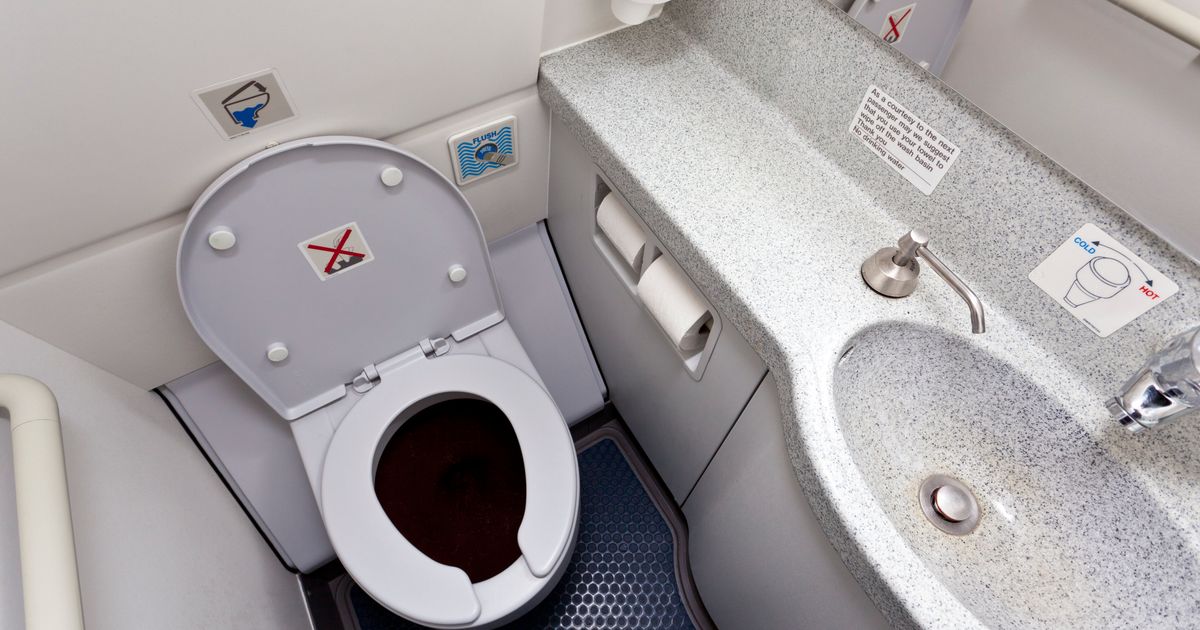
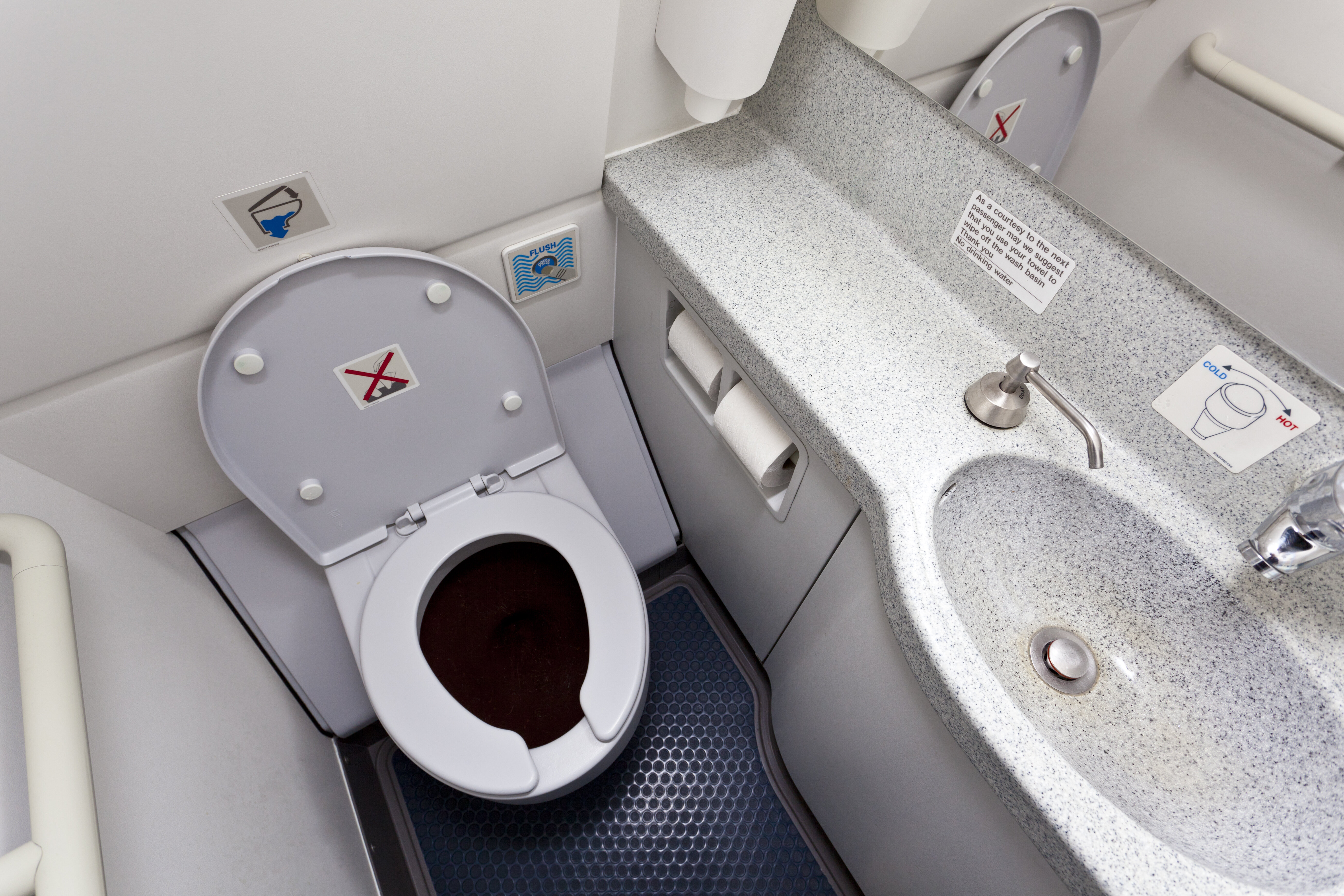
Before You Set Foot Inside Another Airplane Bathroom… Read This

There’s lots to love about flying — from how quickly it gets us to our destinations to finally being able to watch that trashy movie we normally wouldn’t make time for — but we’re just never going to be psyched about using an airplane bathroom.

They’re small. They’re cramped. They’re often occupied. They’re almost always nasty. But unless we remember to go before our flight takes off and/or we can hold it until we land, we’re probably going to end up in one sooner or later.

So when’s the best time to go? And what can we do to make using them as low-trauma as possible?

That’s what we — Raj Punjabi and Noah Michelson, hosts of HuffPost’s “Am I Doing It Wrong?” podcast — recently discussed with HuffPost senior reporter and travel expert Caroline Bologna. She dropped by our studio to school us on everything we need to know to make flying the friendly skies a little friendlier.

Listen to the full episode by pressing play:

“Some people would say the sweet spot [to use the lavatory] is once the pilot turns off the fasten seat belt sign but before the drink service starts,” Bologna told us. “That can sometimes be a short window, but most people aren’t thinking to go to the bathroom that early in the flight, so that’s a good time.”

If you miss your opportunity then, she recommends waiting until after the drink service, or else there’s a good chance you’ll be stuck behind the cart and stranded in the aisle until you’re able to return to your seat. However, by that point, many people will have finished their drinks, which means more bladders will need to be emptied and you’ll face longer wait times.

Another smart move is using the bathroom after you’ve boarded the plane but before it’s taken off, because it will have been cleaned recently. However, keep in mind you won’t be able to take your time, and you’ll likely have to navigate around other passengers who are trying to get to their seats and stow their luggage.

Once you’ve made it into the restroom, Bologna warns against hovering over the seat while you go.

“You probably do just need to sit on the toilet seat,” she advised. “There’s not much room for squatting, and because of turbulence, if your tush is not on the seat, that could be a real problem if you hit a bump.”

When it’s time to wipe, considering using the facial tissue in the bathroom instead of the toilet paper, which is more likely to be exposed to bodily fluids, since the roll-holder is closer to the bowl.

“The tissue paper is typically located at eye level on commercial aircrafts,” a flight attendant told Bologna, “significantly increasing the likelihood that any liquid splashed on it is in fact just water.”

Once you’re finished, make sure you flush with the toilet lid closed to avoid anything launching out of the bowl.

There could be a poo plume, “especially [because] those flushers are so powerful,” Michelson said.

Another potential issue? Due to the large number of people typically using the airplane restrooms during a flight — not to mention how tiny the space is — foul smells are common and can quickly rage out of control.

Bologna suggests employing a courtesy flush or two to keep your poop’s “air exposure time” as minimal as possible, thereby diminishing how long the odor has to permeate the lavatory.

Neil Patrick Harris — of all people — agrees.

“When you have to go No. 2 in an airplane bathroom, flush while you go, then flush after you go,” the actor told Thrillist. “Then — you laugh, but this is effective — use hand soap,” Harris suggested. “Put it on your hands and all over your arms, and do, like, tai chi moves with your arms.”

Bologna offered another unconventional idea to annihilate odors.

“I’ve heard that flight attendants sometimes use coffee grounds to freshen the air when there’s perhaps a little bit of a biohazard situation,” she said. Asking for a pack of the odour-absorbing grounds — or using one that you took from your hotel room’s mini bar — and unleashing them in the restroom could save your fellow passengers’ noses some misery.

Bologna also recommended wearing something comfortable that can easily be taken up or down or removed while doing your business in an especially tight space. If you’ve taken your shoes off, put them back on before entering the restroom, and make sure to wash your hands thoroughly before you return to your seat.

Finally, if you have a medical condition that causes you to use the restroom frequently or you’re not feeling well, let a flight attendant know. As one Reddit commenter with Celiac disease noted, “They went out of their way to help me. They moved me to a seat in the rear of the plane near the bathrooms and even flipped the door sign to where it always said occupied so it was available for me at anytime… They’re pretty understanding and are there to make sure you have a good flight.”

During our chat Bologna we also learned the disgusting reason why we might want to stop drinking airplane coffee, what to do if we feel sick while flying, and much more.

Listen to the full episode above or wherever you get your podcasts.

Make sure to subscribe to “Am I Doing It Wrong?” so you don’t miss a single episode, including our investigations of the ins and outs of tipping, how to apologise or the secrets of understanding your cat and more.

Need some help with something you’ve been doing wrong? Email us at AmIDoingItWrong@HuffPost.com, and we might investigate the topic in a future episode.

Share Button

Allison Williams Explains Why She Thinks Gen Z Relates To Her Cringey Girls Character

Love for Marnie Michaels is getting stronger — and Allison Williams has “a theory” as to why.

Vanity Fair recently set up a reunion between Williams and The Bear star Ebon Moss-Bachrach to reminisce about their time working together on the critically acclaimed but polarising HBO comedy Girls.

“The whole show got a lot of flak when it was airing for everyone being too selfish and self-centred,” Williams lamented to Moss-Bachrach nearly seven minutes into their chat.

<div class="js-react-hydrator" data-component-name="YouTube" data-component-id="6030" data-component-props="{"itemType":"video","index":5,"contentIndexByType":2,"contentListType":"embed","code":"

","type":"video","meta":{"author":"Vanity Fair","author_url":"https://www.youtube.com/channel/UCIsbLox_y9dCIMLd8tdC6qg","cache_age":86400,"description":"It’s been seven years since Allison Williams & Ebon Moss-Bachrach starred in HBO’s ‘Girls.’ Allison and Ebon reunite to discuss everything from working with Andrew Rannells on the show to songs that were actually written for Kelly Clarkson by Jack Antonoff. See them also catch up on their latest projects including ‘Fellow Travelers’ and ‘The Bear.’ \r\n\r\nDirector: Claire Buss \r\nDirector of Photography: Ryan Nethery\r\nEditor: Richard Trammell\r\nTalent: Allison Williams & Ebon Moss-Bachrach\r\nProducer: Madison Coffey\r\nLine Producer: Romeeka Powell\r\nAssociate Producer: Lyla Neely\r\nProduction Manager: Andressa Pelachi\r\nProduction Coordinator: Elizabeth Hymes\r\nTalent Booker: Meredith Judkins\r\nCamera Operator: Chloe Ramos\r\nGaffer: Niklas Moller\r\nAudio Engineer: Sean Paulsen\r\nProduction Assistant: Alexis Alzamora\r\nStylist: Allison: Cristina Ehrlich, Margaret Meg Galvin \r\nGroomer: Ebon: Melissa Dezarate\r\nMake-up Artist: Allison: Gianpaolo Ceciliato \r\nHairstylist: Allison: Anthony Campbell \r\nSet Designer: Jeremy D. Myles\r\nWriter: Chris Murphy\r\nPost Production Supervisor: Christian Olguin\r\nPost Production Coordinator: Scout Alter\r\nSupervising Editor: Doug Larsen\r\nAssistant Editor: Andy Morell\n\nStill haven’t subscribed to Vanity Fair on YouTube? ►► http://bit.ly/2z6Ya9M\r\n\r\nWant to stay in the know? Subscribe to Vanity Fair Magazine and be exquisitely informed ►► http://vntyfr.com/2RuQGW2\r\n\r\nABOUT VANITY FAIR\r\nArts and entertainment, business and media, politics, and world affairs—Vanity Fair’s features and exclusive videos capture the people, places, and ideas that define modern culture.","options":{"_cc_load_policy":{"label":"Closed captions","value":false},"_end":{"label":"End on","placeholder":"ex.: 11, 1m10s","value":""},"_start":{"label":"Start from","placeholder":"ex.: 11, 1m10s","value":"355"},"click_to_play":{"label":"Hold load & play until clicked","value":false}},"provider_name":"YouTube","thumbnail_height":720,"thumbnail_url":"https://i.ytimg.com/vi/OP61CVFkhmo/maxresdefault.jpg","thumbnail_width":1280,"title":"Allison Williams & Ebon Moss-Bachrach Reunite After 7 Years | Vanity Fair","type":"video","url":"https://www.youtube.com/watch?v=OP61CVFkhmo","version":"1.0"},"flags":[],"enhancements":{},"fullBleed":false,"options":{"theme":"news","device":"desktop","editionInfo":{"id":"uk","name":"U.K.","link":"https://www.huffingtonpost.co.uk","locale":"en_GB"},"originalEdition":"uk","slideshowAd":{"scriptTags":[],"otherHtml":""},"slideshowEndCard":{"scriptTags":[],"otherHtml":""},"isMapi":false,"isAmp":false,"isVideoEntry":false,"isEntry":true,"isMt":false,"entryId":"6659af3ce4b0ca2f37c00618","entryPermalink":"https://www.huffingtonpost.co.uk/entry/allison-williams-explains-why-she-thinks-gen-z-relates-to-her-cringey-girls-character_uk_6659af3ce4b0ca2f37c00618","entryTagsList":"we-love-tv,allison-williams,@ai_seo_headline,@us_huffpost_now,@widget-imported","sectionSlug":"entertainment","deptSlug":null,"sectionRedirectUrl":null,"subcategories":"","isWide":false,"headerOverride":null,"noVideoAds":false,"disableFloat":false,"isNative":false,"commercialVideo":{"provider":"custom","site_and_category":"uk.entertainment","package":null},"isHighline":false,"vidibleConfigValues":{"cid":"60afc140cf94592c45d7390c","disabledWithMapiEntries":false,"overrides":{"all":"60b8e525cdd90620331baaf4"},"whitelisted":["56c5f12ee4b03a39c93c9439","56c6056ee4b01f2b7e1b5f35","59bfee7f9e451049f87f550b","5acccbaac269d609ef44c529","570278d2e4b070ff77b98217","57027b4be4b070ff77b98d5c","56fe95c4e4b0041c4242016b","570279cfe4b06d08e3629954","5ba9e8821c2e65639162ccf1","5bcd9904821576674bc55ced","5d076ca127f25f504327c72e","5b35266b158f855373e28256","5ebac2e8abddfb04f877dff2","60b8e525cdd90620331baaf4","60b64354b171b7444beaff4d","60d0d8e09340d7032ad0fb1a","60d0d90f9340d7032ad0fbeb","60d0d9949340d7032ad0fed3","60d0d9f99340d7032ad10113","60d0daa69340d7032ad104cf","60d0de02b627221e9d819408"],"playlists":{"default":"57bc306888d2ff1a7f6b5579","news":"56c6dbcee4b04edee8beb49c","politics":"56c6dbcee4b04edee8beb49c","entertainment":"56c6e7f2e4b0983aa64c60fc","tech":"56c6f70ae4b043c5bdcaebf9","parents":"56cc65c2e4b0239099455b42","lifestyle":"56cc66a9e4b01f81ef94e98c"},"playerUpdates":{"56c6056ee4b01f2b7e1b5f35":"60b8e525cdd90620331baaf4","56c5f12ee4b03a39c93c9439":"60d0d8e09340d7032ad0fb1a","59bfee7f9e451049f87f550b":"60d0d90f9340d7032ad0fbeb","5acccbaac269d609ef44c529":"60d0d9949340d7032ad0fed3","5bcd9904821576674bc55ced":"60d0d9f99340d7032ad10113","5d076ca127f25f504327c72e":"60d0daa69340d7032ad104cf","5ebac2e8abddfb04f877dff2":"60d0de02b627221e9d819408"}},"connatixConfigValues":{"defaultPlayer":"8b034f64-513c-4987-b16f-42d6008f7feb","clickToPlayPlayer":"5a777b9b-81fe-41a6-8302-59e9953ee8a2","videoPagePlayer":"19654b65-409c-4b38-90db-80cbdea02cf4"},"topConnatixThumnbailSrc":"https://img.connatix.com/5040289d-d99c-4c59-b070-605e79f0d8c6/1_th.jpg?crop=629:354,smart&width=629&height=354&format=jpeg&quality=60&fit=crop","customAmpComponents":[],"ampAssetsUrl":"https://amp.assets.huffpost.com","videoTraits":null,"positionInUnitCounts":{"buzz_head":{"count":0},"buzz_body":{"count":0},"buzz_bottom":{"count":0}},"positionInSubUnitCounts":{"article_body":{"count":7},"blog_summary":{"count":0},"before_you_go_slideshow":{"count":0}},"connatixCountsHelper":{"count":1},"buzzfeedTracking":{"context_page_id":"6659af3ce4b0ca2f37c00618","context_page_type":"buzz","destination":"huffpost","mode":"desktop","page_edition":"en-uk"},"tags":[{"name":"we love tv","slug":"we-love-tv","links":{"relativeLink":"news/we-love-tv","permalink":"https://www.huffingtonpost.co.uk/news/we-love-tv","mobileWebLink":"https://www.huffingtonpost.co.uk/news/we-love-tv"},"section":{"title":"Life","slug":"lifestyle"},"topic":{"title":"We Love TV","slug":"we-love-tv","overridesSectionLabel":false},"url":"https://www.huffingtonpost.co.uk/news/we-love-tv/"},{"name":"Allison Williams","slug":"allison-williams","links":{"relativeLink":"news/allison-williams","permalink":"https://www.huffingtonpost.co.uk/news/allison-williams","mobileWebLink":"https://www.huffingtonpost.co.uk/news/allison-williams"},"relegenceId":5822275,"url":"https://www.huffingtonpost.co.uk/news/allison-williams/"}],"isLiveblogLive":null,"cetUnit":"buzz_body","bodyAds":["

\r\n\r\n HPGam.cmd.push(function(){\r\n\t\treturn HPGam.render(\"inline-1\", \"entry_paragraph_1\", false, false);\r\n });\r\n\r\n","

\r\n\r\n HPGam.cmd.push(function(){\r\n\t\treturn HPGam.render(\"inline\", \"entry_paragraph_2\", false, false);\r\n });\r\n\r\n","

\r\n\r\n HPGam.cmd.push(function(){\r\n\t\treturn HPGam.render(\"inline-2\", \"entry_paragraph_3\", false, false);\r\n });\r\n\r\n","

\r\n\r\n HPGam.cmd.push(function(){\r\n\t\treturn HPGam.render(\"inline-infinite\", \"repeating_dynamic_display\", false, false);\r\n });\r\n\r\n"],"adCount":0},"isCollectionEmbed":false}”>

But Williams and Moss-Bachrach did indeed play two seemingly insufferable characters in the comedy that starred Lena Dunham, who was also its creator.

The “M3gan” star portrayed the entitled and delusional Marnie for five years on the show, which aired from 2012 to 2017. Moss-Bachrach played the recurring character Desi, Marnie’s bandmate and boyfriend-turned-husband-turned-ex who exudes the image of a sensitive artist but lacks any real depth.

In the show, Marnie and Desi start a mediocre folk duo called Marnie & Desi and croon songs packed with cringey lyrics and don pretentious and bizarre titles, like Oaxaca Blues.

Ebon Moss-Bachrach and Allison Williams on the set of "Girls" on June 7, 2016, in New York City.
Ebon Moss-Bachrach and Allison Williams on the set of “Girls” on June 7, 2016, in New York City.

Bobby Bank via Getty Images

Despite the two playing characters that were meant to be satirical takes on white, upper-middle-class millennials, that intent flew over many viewers’ heads at the time the series was airing.

But both Williams and Moss-Bachrach agreed that viewers’ initial opinion of Girls seems to be changing — and a lot of that has to do with people “in their early 20s” discovering the show and watching it for the first time.

Williams noted there’s been a distinctive shift in the way Gen Z views Marine on social media platforms such as TikTok — and she feels it’s because her character was “before her time.”

“My theory is what was coded as selfishness among millennials is now coded as self-care,” Williams said. “Just being aware of what you need and advocating for your needs and standing up for yourself, and so Gen Z, is like, ‘No, we get her. She makes sense to us.’”

Allison Williams with her “Girls” co-stars, from left, Lena Dunham, Zosia Mamet and Jemima Kirke, in 2017.

Roy Rochlin via Getty Images

Williams added that the show’s new audience doesn’t necessarily see the show’s core female characters as annoying but rather as “a bunch of girls trying to create the best environment for each of them to survive and thrive and being wrong, but still trying and caring.”

“I think that’s a pursuit that is resonant in a new way, whereas before it just looked like [our characters] didn’t know that other countries existed or that anyone had lives that were less fortunate than ours, but that was sort of the point. It just got missed a little bit.”

Williams may be on to something — at least after a little perusal of the name Marnie Michaels on TikTok.

The search calls up videos in which social media users seem to relate to Marnie’s behavior, show appreciation for her more cringeworthy moments and even debate over what Marnie’s astrological signs could be.

Basically, folks on TikTok seem to be fascinated by Marnie, regardless of whether they like or hate her.

During Williams’ conversation with Moss-Bachrach for Vanity Fair, the Get Out alum also weighed in on what she thinks Marnie would be up to today.

“I think Marnie’s still trying to have a singing career, in addition to other jobs,” she said. “I picture her with another marriage under her belt, I think probably on the verge of deciding to have a baby on her own.”

Share Button