A new study finds that hundreds of lives have been saved since school-age girls were offered the HPV jab in 2008.


A new study finds that hundreds of lives have been saved since school-age girls were offered the HPV jab in 2008.
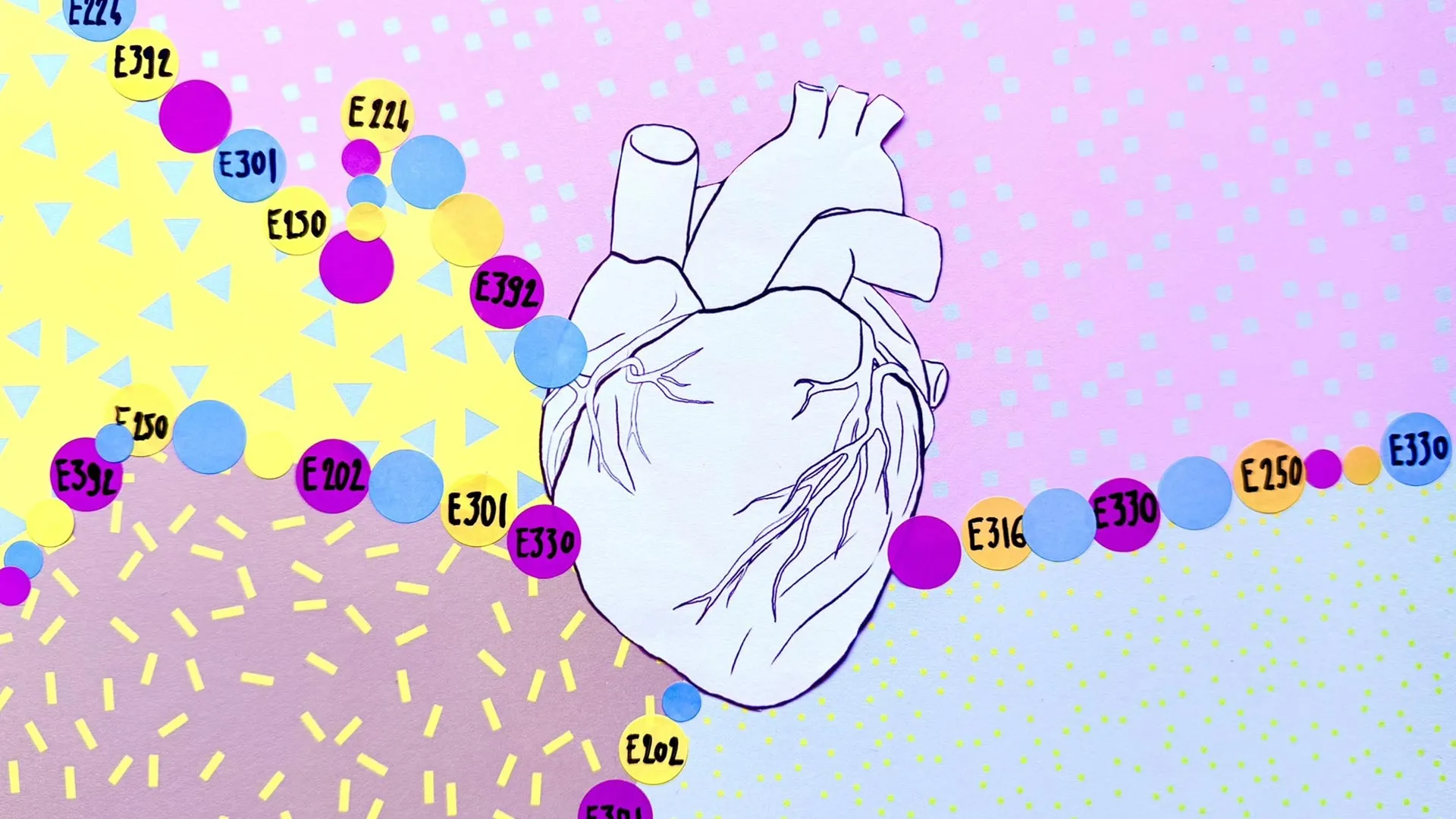
A massive study suggests that some common food preservatives may be putting heart health at risk.
People who regularly consume foods containing common preservatives may face a greater risk of developing high blood pressure and cardiovascular disease, according to a new study published in the European Heart Journal.
The research was led by Dr. Mathilde Touvier, research director at INSERM (the French National Institute for Health and Medical Research), and Anaïs Hasenböhler, a PhD student. Both are members of the Nutritional Epidemiology Research Team at Université Sorbonne Paris Nord and Université Paris Cité in France.
Large Study Examined Food Preservatives and Heart Health
Food preservatives are widely used in industrially processed foods to extend shelf life and maintain product quality. Although previous laboratory and experimental studies have suggested that some of these additives could affect cardiovascular health, evidence from human populations has been limited.
Ms Hasenböhler said: “Food preservatives are used in hundreds of thousands of industrially processed foods. Experimental studies suggest that some preservative food additives may be harmful to cardiovascular health, but we have not had enough evidence on the impact of these ingredients in humans. As far as we know, this is the first study of its kind to investigate the links between a wide range of preservatives and cardiovascular health.”
The investigation was conducted as part of the ongoing NutriNet-Santé study and included 112,395 volunteers from across France. Participants reported everything they ate and drank over three-day periods every six months.
Researchers then performed detailed assessments of the ingredients in those foods and beverages, including preservative additives. Participants’ health was monitored for an average of seven to eight years to determine whether they developed high blood pressure or cardiovascular disease.
Nearly all participants were exposed to preservatives. Within the first two years of the study, 99.5% had consumed at least one food preservative.
Higher Preservative Intake Linked to Greater Health Risks
The analysis found that participants who consumed the highest amounts of non-antioxidant preservatives had a 29% greater risk of hypertension compared with those who consumed the least. They also had a 16% higher risk of cardiovascular disease, including heart attack, stroke, and angina.
People with the highest intake of antioxidant preservatives showed a 22% greater risk of hypertension.
Non-antioxidant preservatives are used to prevent the growth of microbes such as mold and bacteria. Antioxidant preservatives serve a different purpose, helping to prevent oxidation so foods do not become brown or rancid.
Eight Preservatives Associated With High Blood Pressure
Researchers also examined 17 of the most commonly consumed preservatives individually. Eight were specifically associated with a higher risk of high blood pressure:
Among these additives, ascorbic acid (E300) was also specifically linked to cardiovascular disease.
Researchers Call for Further Evaluation
Dr. Touvier added: “This study has some limitations inherent to its observational design. However, the findings are based on highly detailed data, and we have taken account of other factors that can increase or lower the risk of cardiovascular disease. Experimental research in the literature consistently suggested that preservatives may cause oxidative stress in the body or affect the way the pancreas works.
“These results suggest we need a re-evaluation of the risks and benefits of these food additives by the authorities in charge, such as the EFSA in Europe and the FDA in the USA, for better consumer protection. In the meantime, these findings support existing recommendations to favor non-processed and minimally processed foods, and avoid unnecessary additives. Doctors and other healthcare professionals play a key role in explaining these recommendations to the public.”
The research team is continuing to investigate how food additives and ultra-processed foods influence inflammation, oxidative stress, blood metabolic markers, and the composition of the gut microbiota. These studies may help explain the biological mechanisms that could connect food additives to an increased risk of disease.
A new study finds that hundreds of lives have been saved since school-age girls were offered the HPV jab in 2008.
Can we grow a third set of teeth? Dr Oscar examines the truth behind the headlines
For generations, scientists have viewed the inability to regrow lost body parts as one of the fundamental limitations of humans and other mammals. While creatures such as salamanders can regenerate entire limbs, humans typically heal injuries by forming scar tissue.
New research from the Texas A&M College of Veterinary Medicine and Biomedical Sciences (VMBS), however, suggests that regenerative abilities may not be entirely absent in mammals. Instead, they could be hidden within the body’s normal healing machinery, waiting to be activated under the right conditions.
“Why some animals can regenerate and others, particularly humans, can’t is a big question that has been asked since Aristotle,” said Dr. Ken Muneoka, a professor in the VMBS’ Department of Veterinary Physiology & Pharmacology (VTPP). “I’ve spent my career trying to understand that.”
In a study published in Nature Communications, Muneoka and colleagues describe a new two-step treatment that enabled the regeneration of bone, joint structures, and ligaments. Although the regrown tissues were not perfect replicas of the originals, the researchers believe the approach could eventually help reduce scarring and improve tissue repair after amputations.
Redirecting Healing Away From Scar Formation
When mammals are injured, the body usually responds with fibrosis. During this process, fibroblast cells quickly close the wound and create scar tissue. While this response helps prevent infection and further damage, it also limits the body’s ability to rebuild what was lost.
Animals capable of regeneration follow a different path. In salamanders, for example, similar cells gather into a structure called a blastema, which serves as a foundation for new tissue growth.
“It’s as if these cells can move in two different directions,” Muneoka said. “They could either make a scar or make a blastema. Our research focused on redirecting the behavior of fibroblasts already present at the injury site.”
To explore whether mammalian healing could be pushed toward regeneration, the research team developed a treatment that uses two well-known growth factors in sequence.
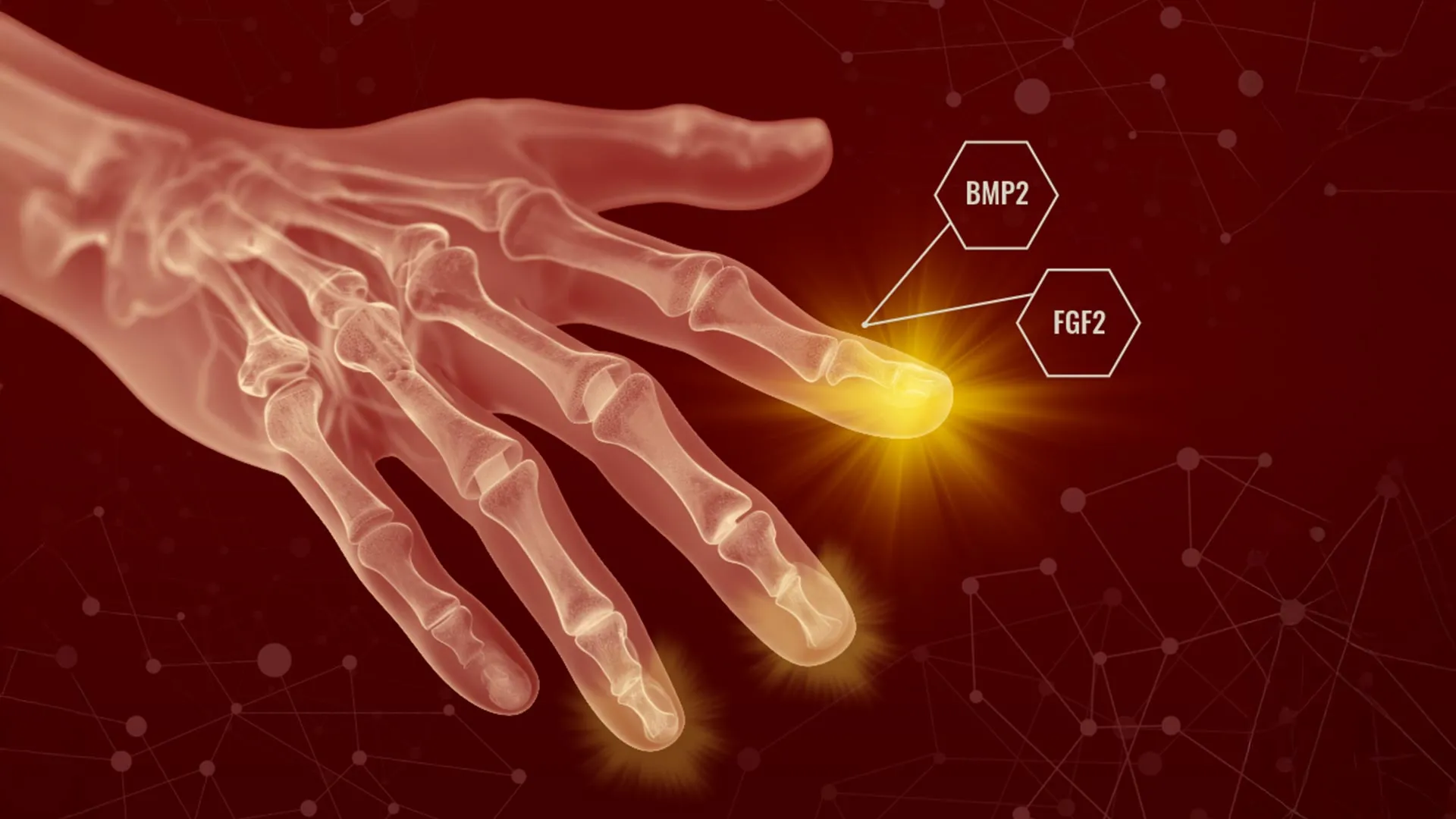
The first step involved applying fibroblast growth factor 2 (FGF2) after the wound had already healed over. By waiting until the initial healing process was complete, the researchers allowed the body to respond normally before intervening.
According to Muneoka, the team then “changed what happens next.”
FGF2 encouraged the formation of a blastema-like structure, something that does not typically occur in mammals after this type of injury. Several days later, the researchers applied a second growth factor, bone morphogenetic protein 2 (BMP2), which prompted those cells to begin building new tissues.
“This is really a two-step process,” Muneoka said. “You first shift the cells away from scarring, and then you provide the signals that tell them what to build.”
Rethinking the Role of Stem Cells
One of the study’s most important findings is that regeneration may not require adding stem cells from outside the body, an approach commonly explored in regenerative medicine.
“You don’t have to actually get stem cells and put them back in,” Muneoka said. “They’re already there — you just need to learn how to get them to behave the way you want.”
Dr. Larry Suva, another VTPP professor involved in the study, said the results challenge long-standing assumptions about what mammalian cells are capable of doing.
“The cells that we thought to be unprogrammable, in fact are,” Suva said. “The capacity is not absent — it’s just obscured.”
The researchers also found evidence that cells can be redirected to create structures outside their usual location. This process, known as positional re-specification, is an important part of development.
In practical terms, cells that would normally help form one type of tissue can be instructed to rebuild a different structure following an injury.
Regrowing Bone, Tendons, Ligaments, and Joints
Although the regenerated tissues were not exact matches to the original anatomy, the researchers successfully restored all of the major structures that had been removed during amputation, including bone, tendon, ligament, and joint tissue.
The regenerated areas contained both skeletal components and connective tissues arranged in patterns resembling natural anatomy.
“We regenerated what you would expect to see at that level of injury,” Muneoka said. “The structures are there — just not in a perfect form.”
The findings also suggest that regeneration depends on multiple biological pathways working together. Rebuilding tissue appears to be far more complex than activating a single mechanism.
Potential Benefits for Wound Healing
While the research remains in its early stages, the scientists believe it could have practical applications long before complete regeneration becomes possible.
Rather than focusing solely on replacing missing structures, the approach may help improve healing outcomes by reducing scar formation and enhancing tissue repair.
“People should start thinking about using these signals during the healing process,” Muneoka said. “Even shifting the response slightly away from scarring could have real benefits.”
The path toward clinical testing may also be more straightforward than with many experimental therapies. BMP2 already has FDA approval for certain medical applications, and FGF2 is currently being evaluated in multiple clinical trials.
A New View of Mammalian Regeneration
The study adds to growing evidence that regeneration in mammals may not be a completely lost trait. Instead, it may be a dormant capability that normally remains inactive during healing.
“This changes the way we think about what’s possible,” Suva said. “Once you show that regeneration can be activated, it opens the door to asking entirely new questions.”
For Muneoka, those questions have driven decades of research and now have a promising new framework.
“Regenerative failure in mammals can be rescued,” he said. “Now we have a model to begin figuring out how.”

Researchers have identified a remarkable new spider species in Ecuador’s Amazon rainforest that disguises itself as a parasitic fungus. The species, named Taczanowskia waska, represents the first known example of a spider mimicking the appearance of a fungus that infects spiders. The discovery was made by an international team of scientists that included researchers from the Leibniz Institute for the Analysis of Biodiversity Change (LIB), and the findings were published in the journal Zootaxa.
The spider was found in the Llanganates-Sangay Corridor, a region of the Ecuadorian Amazon known for its extraordinary biodiversity. During a nighttime field survey, researchers initially mistook the animal for a mushroom, highlighting just how convincing its disguise is.
A Spider With a Fungus-Like Appearance
Taczanowskia waska closely resembles the fruiting body of fungi in the genus Gibellula, which grow on spiders. The spider has elongated structures extending from its abdomen and a pale coloration that gives it the appearance of fungal growth.
Its behavior strengthens the illusion. The spider remains motionless on the undersides of leaves, the same location where Gibellula fungi are commonly found.
Researchers say this combination of appearance and behavior points to a highly specialized adaptation. By blending into its surroundings as something predators are likely to ignore, the spider may reduce its chances of being eaten. The disguise may also help it catch prey by allowing it to remain unnoticed until the right moment.
First Known Example of Its Kind
According to the study, this is the first documented case of a spider imitating a parasitic fungus that infects other spiders. Scientists say the finding offers valuable insight into how mimicry evolves and the ecological functions these adaptations can serve.
The genus Taczanowskia remains poorly understood and is considered rare. Much of its ecology is still a mystery because spiders in this group are seldom encountered in the wild.
Nadine Dupérré of the Museum of Nature Hamburg at LIB contributed to the research by examining reference specimens from scientific collections and helping classify the new species.
Citizen Science Helped Spark the Discovery
The story began with a post on the citizen science platform iNaturalist. What observers initially believed to be a mushroom was later recognized by users as a spider, prompting further scientific investigation.
The case highlights the growing role of citizen science in biodiversity research and species discovery.
“Finds like these demonstrate the value of scientific collections. They enable us to classify new species and compare them with historical specimens. Combined with international collaboration and citizen science, this opens up new opportunities for researching biodiversity,” explains Nadine Dupérré.
The discovery also serves as a reminder of how much remains unknown about life in tropical ecosystems. Scientists say it underscores both the immense biodiversity of rainforest regions and the importance of international cooperation and new sources of data in advancing our understanding of the natural world.

David Lammy told the Conservatives’ deputy chairman he should be “ashamed of himself” after he mocked the arson attacks targeting Keir Starmer.
Two Ukrainians set alight to the prime minister’s family home and his car in 2025 after being recruited online by a Russian-speaking Telegram user “El Money”.
Advertisement
Roman Lavrynovych, and Ukrainian-born Romanian national Stanislav Carpiuc were convicted of conspiracy to carry out arson attacks on Monday.
But on Tuesday, Matt Vickers joined Talk’s Peter Kyle in laughing at the incident.
The Tory MP joked about the far-right conspiracy theory that the two Ukrainian nationals found guilty of conspiring to carry out the attacks on Starmer’s property and car were “rent boys”.
So when Vickers stood up to ask about the high rates of unemployment during deputy prime minister’s questions, Lammy hit back by pointing out the MP had been “laughing and joking” about the arson attacks against Starmer only yesterday.
Advertisement
Standing in for Starmer, Lammy said: “I must say to this Tory deputy chairman, yesterday he was on television laughing and joking about the arson attack on the prime minister’s home.
“Laughing about a firebomb targeting the prime minister and his family.
“Not only that, he joined with promoting conspiracies about the attack and laughed along to demeaning, homophobic remarks.
“He should be ashamed of himself.
“My advice to him is to grow up, apologise, and do considerably better.”
Vickers just shook his head from the Commons’ opposition benches.
Labour chair Anna Turley later said: “It is frankly sickening that anyone would seek to laugh and joke about an appalling attack on a fellow politician’s family home.
Advertisement
“To do so on the same day as we stood in unity to mark the anniversary of our dear friend and much missed colleague Jo Cox, is beyond the pale.
“Matt Vickers is not fit to be an MP and if Kemi Badenoch had an ounce of integrity or respect for the safety of those who seek to serve the public, she would do the right thing and sack him today.
“Just two days ago, Kemi Badenoch rightly called out the perpetrators of the vile attack against the Prime Minister. Some issues go beyond the rough and tumble of Party politics. If she fails to act now, her words clearly will have meant nothing.”
Advertisement
When asked for his take on the story on Talk on Tuesday, Vickers did begin his interview by acknowledging the serious concerns around Russian influence in the UK and the subsequent impact on security.
However, he soon added: “The idea that there some secret Russian effort to destabilise the country via the prime minister… I mean, you’d leave him in office!”
Advertisement
Kyle laughed loudly while Vickers continued: “Let him destroy the country! Don’t distract him, because he’s doing a pretty canny job of blowing himself up.”
Referring to the false rumour spread by Russia around the attacks, Kyle asked: “Were they rent boys?”
“I’m not familiar with them,” the MP replied, smiling.
Kyle said: “His front door was firebombed wasn’t it? Why are you laughing? It wasn’t his back door, it was his front door.”
Advertisement
The presenter then turned to the backlash to the PM’s attempts to introduce a social media ban for under-16s, adding: “He’s trying to bring a social media ban in through the back door quite quickly, isn’t he?”
Vickers struggled to stop his laughter.
A Tory Party spokesperson said: “If you’ve got an issue with the content of the programme, I suggest taking that up with Jeremy Kyle.”
He said party leader Kemi Badenoch had outright condemned the arson attacks on Tuesday.
The spokesperson said: “If you listen to what he actually says, the content of his words isn’t actually saying anything wrong. He laughed on that part, he was purely polite to the host of a radio programme.”
Advertisement
Watch the Talk interview here:
Listen to Commons People, the podcast that makes politics easy. Every week, Kevin Schofield and Kate Nicholson unpack the week’s biggest stories to keep you informed. Join us for straightforward analysis of what’s going on at Westminster.


Peter Capaldi, who was the 12th Doctor on BBC hit Doctor Who, has spoken out about his exit from the show.
The Thick Of It Star left the franchise in 2017. In a recent appearance on YouTube series 100 Questions with John Simmons, he claimed that he decided to leave the role because “I just wasn’t sure that it was going to go in the direction that I… everybody was leaving that I’d worked with.”
He added, “Everybody was leaving. Jenna [presumably Jenna Louise-Coleman, who played the Doctor’s companion Clara Oswald] had gone, and Steven [probably former head writer Steven Moffat, who also left in 2017] was going, and Brian [likely Brian Minchin], the producer, was going, and those are the people that make it work for you.
Advertisement
“We’d had some talks about the direction. I wasn’t sure that that was where I wanted to go with the show. And I also thought, I’m not sure I could come up with anything new.”
Peter continued to say that while his regeneration, which saw the actor replaced by Jodie Whittaker, was “very sad”, he thinks that the biological process the Doctor uses to survive serious damage has become “diminished”.
Advertisement
Calling the concept “a very, very powerful death motif,” he said, “To be perfectly honest, I think there are too many regenerations.
“I love all the Doctors, but I’ve lost count now of how many of them there are, so the weight of this kind of regeneration is diminished. Whereas when I grew up as a kid, the first time it happened it was: ‘What just happened there?’ It was mysterious and strange. It holds the mystery of the show, the regeneration.”
Advertisement
It’s not the first time he’s expressed his feelings about the show, of which he was a super-fan in his youth.
On the Half Of The Picture podcast this year, he claimed: “The show became very, very big. And it was never like that when I loved it. So it became a different thing.
“I think the show is a little bit of a victim of its success. You know, the show that I loved was a tiny thing, a little small thing that survived. It just survived, but nobody knew that it was warming its way into the culture in such a deep way. And I think that’s what I have an affinity with.”
Advertisement
In the ’70s, the Doctor Who fan club received so much correspondence from a young Capaldi that then-president of the group, Keith Miller, said he felt “haunted” by the Doctor-to-be.


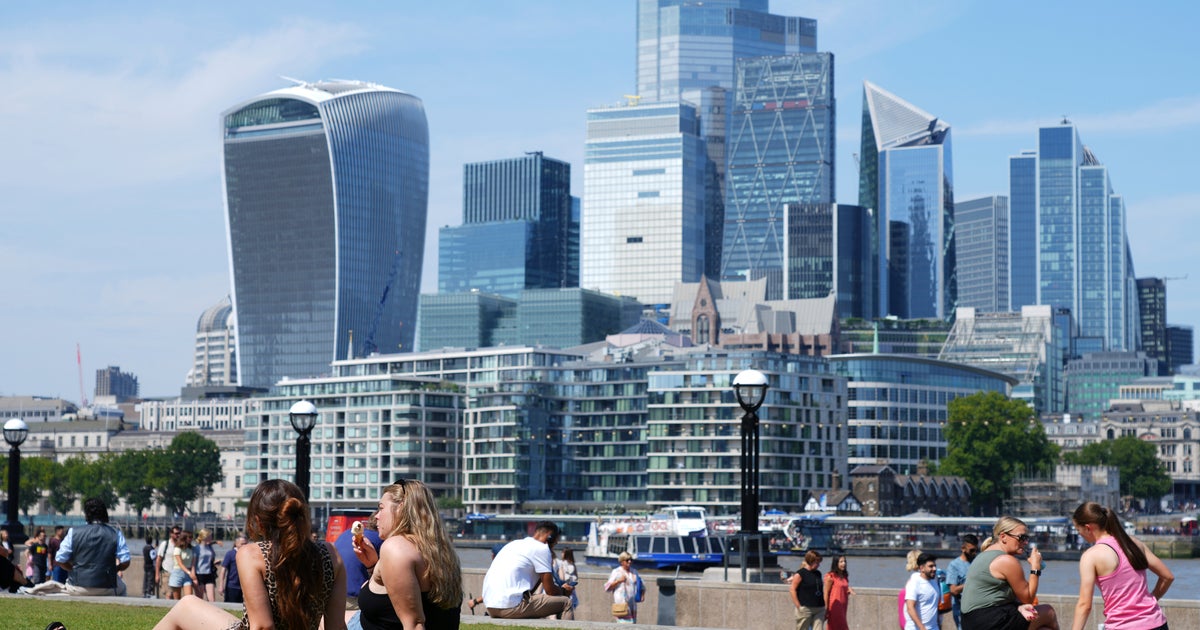
Soon after a 35°C May record-breaker, the Met Office said more heatwaves are likely in the UK this summer.
And it turns out they may be just days away from being proven right in London.
As of the time of writing (17 June), temperatures between 28°C and 30°C are expected in the capital this weekend.
Advertisement
Here’s what you need to know about: when that could happen, what it would take to count as an official heatwave, and why hot spells can be so insufferable in the city.
The Met Office predicts our current miserable weather will take a sunnier turn on Friday, 19 June.
At that point, temperatures will rise to 29°C.
From then on, per the Met Office, Londoners can expect:
Even if the highest of those temperatures come to pass, however, an official heatwave may still not have taken place.
A heatwave is defined as three back-to-back days at or above an area’s maximum temperature threshold.
Advertisement
Because some parts of the UK are usually hotter than others, that upper limit changes depending on location.
As you head further North or West, that threshold is set a little lower than the warmer South-East – around 25°C and 26°C.
But in London, the threshold is 28°C.
That means that it’d need to reach at least 28°C on Tuesday after the predicted Sunday and Monday temperatures to officially count (or Saturday would have to be a degree hotter than currently anticipated).
Advertisement
As we mentioned before, London is already in the warmer South-East. Then, there’s the infrastructure to consider.
Speaking to HuffPost UK previously, Richard Millard, senior sustainability consultant at Building Energy Experts, said that built-up areas can make already brutal UK heatwaves even more unbearable.
Advertisement
“Our towns and cities have a large urban heat island effect due to the amount of concrete, asphalt and such that absorbs heat and releases it slowly, making cities and towns feel hotter,” he shared.
2026′s two consecutive record-breaking May temperatures were recorded in London’s Kew Gardens this year (34.8°C and 35.1°C, respectively).

For folks with limited mobility, day-to-day activities and tasks can take more effort and pose increased risk. Showering, in particular, can be challenging and even downright scary. Getting in and out of the tub and moving around in the shower presents the possibility of slipping or falling because of wet surfaces.
We’ve found some reviewer-beloved products from Amazon that folks swear by for preventing injuries while bathing. Many people say these items changed and saved their lives, and some even deemed a product the “Cadillac” of shower assisters! Read on for some of their favorite picks.
The original version of this story was published on HuffPost at an earlier date.
