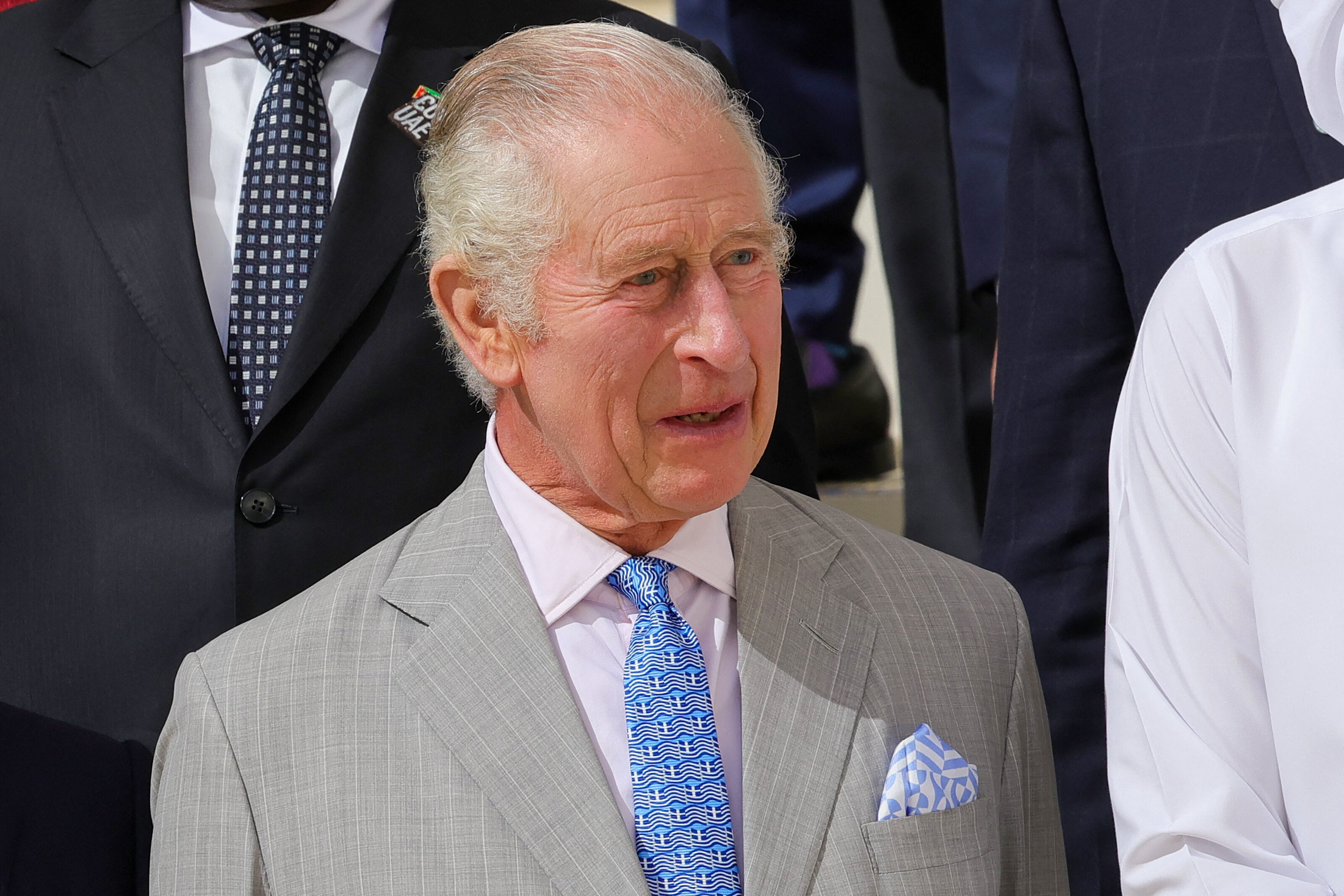
King Charles caused quite the stir with his outfit choice during his keynote speech at COP28 on Friday.
While at first glance it may appear pretty subtle, upon closer inspection, the Greek flag appears to have been printed on the monarch’s blue and white tie, with a similar pattern seen on his pocket-square.
Advertisement
Earlier this week, prime minister Rishi Sunak triggered a diplomatic row with Greece when he decided to cancel a meeting with his Greek counterpart at the last minute.
No.10 claim it was because Kyriakos Mitsotakis broke his promise not to publicly discuss Greece’s demand for the UK to return the 2,500-year-old Elgin Marbles (or Parthenon sculptures) to their place of origin – Greece.
This has led to significant public backlash against Sunak for his supposed “petulance”.
Sending subtle political messages through clothing, while outwardly maintaining your place as an apolitical figurehead, was an art Charles’ mother Queen Elizabeth II was well-known for.
Worth looking closely, the King today, wearing a Greek flag tie at COP, after days of a simmering diplomatic row btw UK and Greek PM 👀👀👀 pic.twitter.com/CEwaFmBYW4
The Queen’s decision to wear a blue hat with yellow circles on it at the 2017 state opening of parliament was widely perceived as a sign of solidarity with the EU at a time when Brexit negotiations were pulling Westminster apart.
The Queen’s dresser Angela Kelly later denied any political intent behind the outfit, saying it “never occurred to her” that it would be comparable to the EU flag.
The King has managed to steer clear of direct intervention in politics since ascending the throne in September last year – as his role demands – despite his reputation as the “activist prince” when he was the heir apparent.
He does have Greek heritage through his father, the late Prince Philip who was born in Corfu as the Prince of Greece and Denmark, and has visited the European country on multiple occasions.
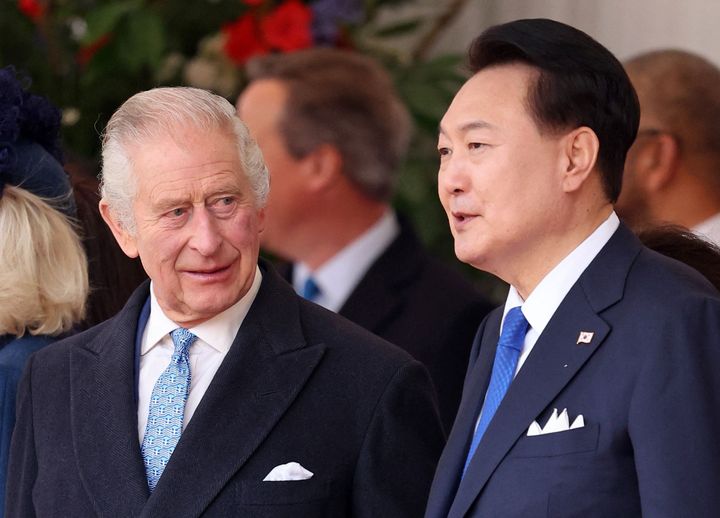
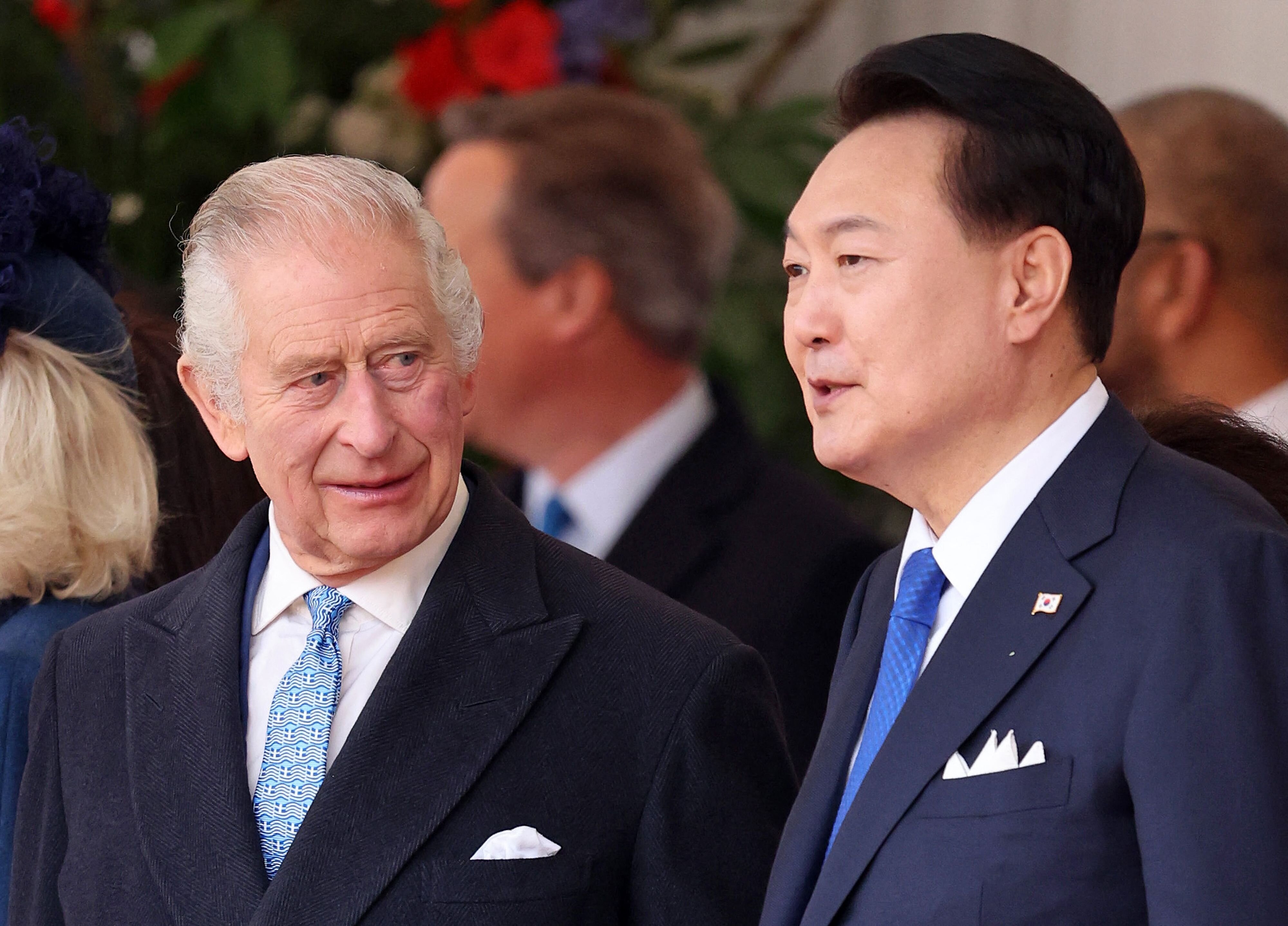
However, the King did also seem to wear the same tie last week, when meeting the South Korean president – before the Elgin Marbles row kicked off.
Advertisement
Charles meeting the South Korea president on November 21
The largest climate summit of the year began this week amid hope that world leaders may actually agree to an effective deal to target the environmental crisis.
The 28th Conference Of Parties – COP28 – is being held in Dubai, UAE, this year, and will run from November 30 to December 12.
Advertisement
Activists are looking for governments to agree for a more equitable management of the environment this year, as extreme weather hit almost every part of the planet over the last 12 months.
What’s decided at COP28 could therefore be very consequential – but it can be hard to understand what’s happening through all of the jargon.
So here’s a breakdown of some of the phrases we can expect to see this year.
It pops up regularly in climate commitment plans – it turned up seven times in the April G7 summit’s final statement – but the exact definition has not been spelt out by governments.
Critics see that as a means for the fossil fuel companies to continue selling the product, and it has been widely described as a delay tactic which stops companies from having to phase out fuels.
Supporters of abatement argue that this is needed for the foreseeable future, as the planet is not even close to phasing out fossil fuels altogether.
2. Climate finance
The UN describes climate finance as “local, national or transnational financing—drawn from public, private and alternative sources of financing—that seeks to support mitigation and adaptation actions that will address climate change”.
Effectively, developed nations promise to pass some funds onto developing countries that have fewer resources to defend against the climate crisis.
Advertisement
COPs have repeatedly agreed to pass more finances onto other countries since 1992.
Back in 2009, the parties agreed to share $100 billion a year from developed countries to developing countries by 2020, but this target was missed.
This year’s COP will see countries debate several controversial elements of climate financing: how the finance is allocated; how much goes to adaptation; and how much goes to loss and damage.
3. Carbon pricing
Carbon pricing ties the cost the public ends up paying for greenhouse gas emissions – from crop damage to sea level rise – to their sources through a price, according to the World Bank Group.
This usually means putting a price on the amount of CO2 emitted, in an effort to put the carbon burden back onto the producers of the fossil fuels, while also boosting revenue to help the environment.
President of the European Commission, Ursula von der Leyen, said in her opening remarks that there must be a “price on carbon”.
Advertisement
She said: “Carbon pricing nudges the private sector towards innovation. It makes heavy polluters pay a fair price. And the revenues can be reinvested in the fight against climate change, in innovation and in a just transition.”
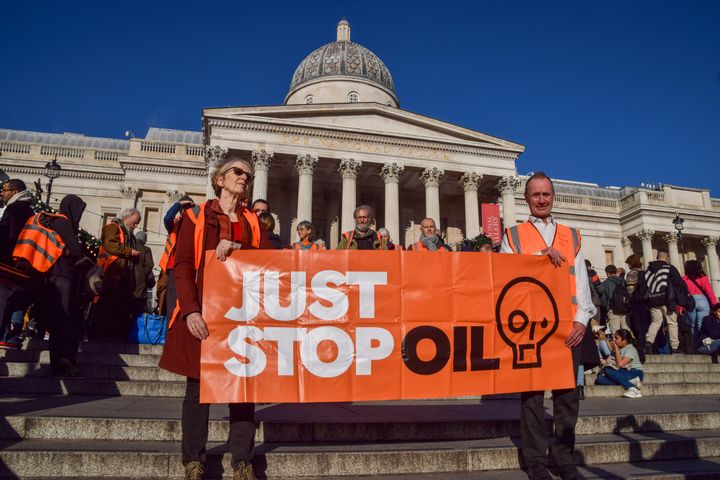
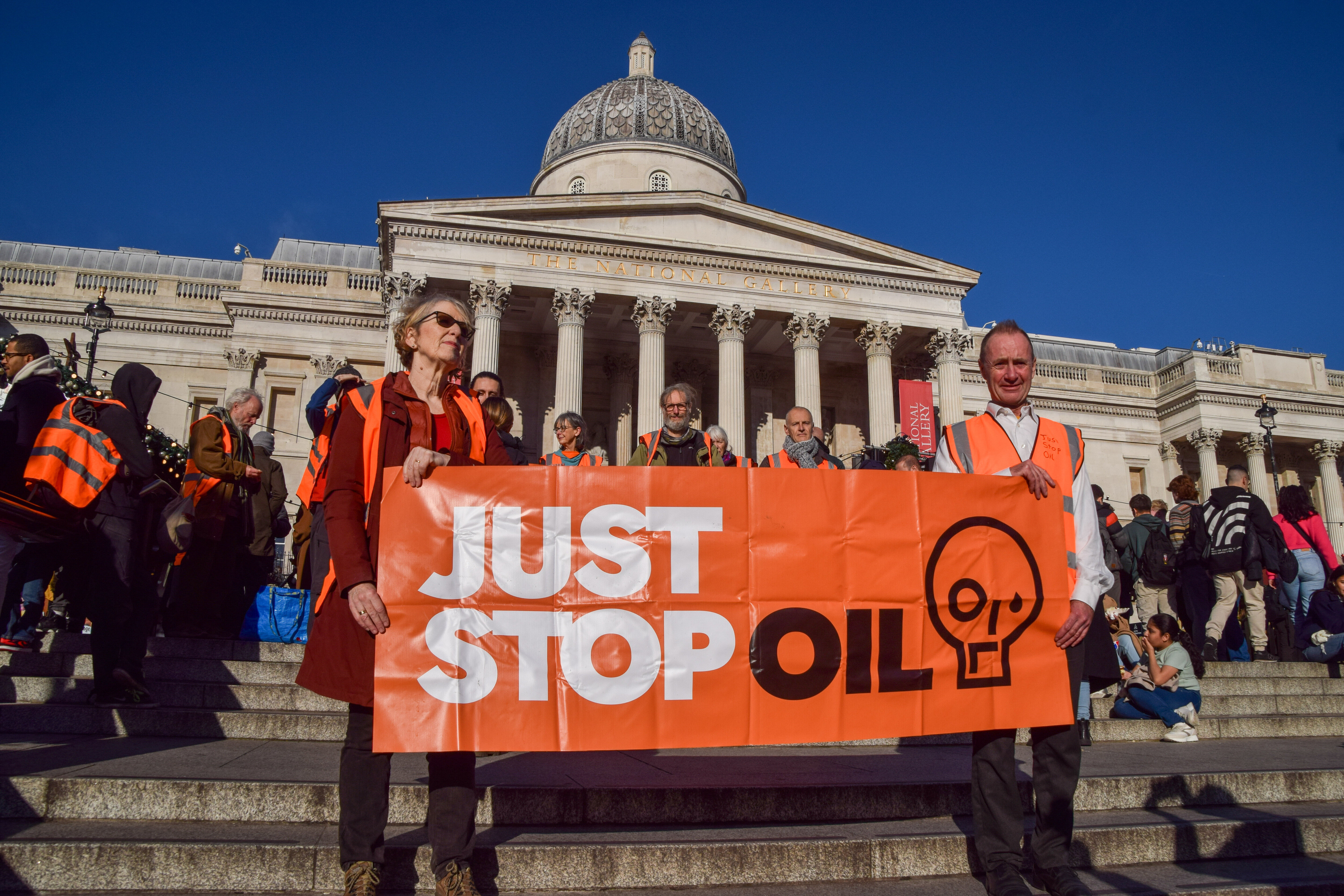
Activists march with a Just Stop Oil banner during a demonstration in Trafalgar Square.
SOPA Images via Getty Images
4. The UN Global Stocktake (GST)
This is a measure for countries (and other stakeholders) to see where they’re collectively making progress toward meeting the goals of the Paris Agreement, according to the UN.
It describes this as a “critical turning point” when it comes to addressing climate change, and akin to “taking inventory”.
The first ever global stocktake is going to conclude at the end of COP28, and will take place every five years after that.
Advertisement
It’s likely to be pretty damning considering scientists have warned we are still a long way off limiting global temperature change to 1.5C compared to pre-industrial levels.
“Governments will take a decision on the global stocktake at COP28, which can be leveraged to accelerate ambition in their next round of climate action plans due in 2025,” the UN said.
The GST is also meant to inform future NDCs.
5. Nationally Determined Contributions (NDCs)
These are the pledges at the centre of the Paris Agreement, and they’re unique to each country. They are submitted every five years to the UN – so the next ones will be due in 2025.
Each nation tries to see how it can reduce national emissions and adapt to climate change by taking these actions.
The UN understands these targets will be harder for developing countries to achieve, so emission reduction is “undertaken on the basis of equity, and in the context of sustainable development as well as efforts to eradicate poverty”.
After ten weeks of the fiercest competition around, a new queen has taken the crown of Drag Race UK.
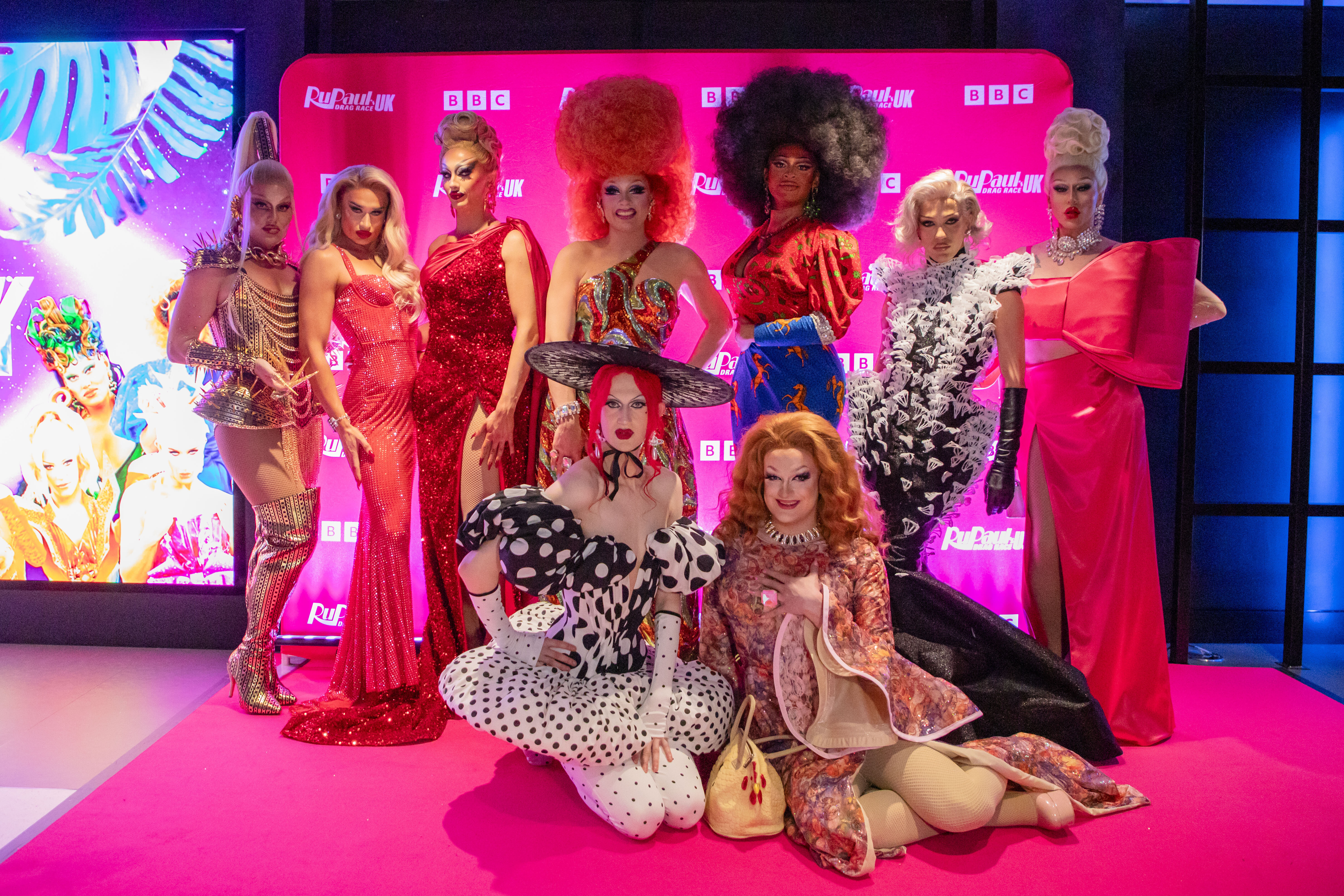
Ginger Johnson, Michael Marouli and Tomara Thomas – the ‘Angels of the North’, so called because of all three of the trio’s North-Eastern background – made it to the finale of Drag Race UK season five, with one of them superseding Danny Beard, who won season four a year ago.
In the queens’ final challenge, they had to write and perform a verse on RuPaul’s song ‘Spotlight’, and appear in a sexy, cat burglar themed video.
Advertisement
Elsewhere in the episode, the queens had sit down with RuPaul and Michelle Visage, got to enjoy a visit from their biggest supporters and reflected on the season as a whole.
Beware: spoilers below.
After a stellar season, the top three were rejoined on the main stage by six eliminated queens of the season, including the recently fallen Dede Licious and the iconic Kate Butch; Cara Melle was absent due to illness.
With the badge count stacked against her, Tomara Thomas and her single challenge win were told to sashay away from the competition, with the star leaving the stage with a signature cackle and good humour.
It was then up to Ginger Johnson and Michael Marouli, with three challenge wins apiece, to lip sync for the crown to ‘A Little Respect’ by Erasure.
Advertisement
After a fierce battle (and a cameo from Danny Beard), the winner of season five of RuPaul’s Drag Race UK was announced as… Ginger Johnson!
Now, a bit of behind-the-scenes tea; at the end of a Drag Race season, multiple endings are filmed, so not even the queens know who’s won before it airs on TV – so here’s the moment Ginger actually found out she’d snatched the crown.
In the clip, season five’s top two (Ginger and Michael) can be seen reacting to the announcement with an appropriate amount of tears and celebration. Tomara, to her credit, looks thrilled to be there.
Advertisement
And here’s the moment we at HuffPost UK found out during the finale screening!
Drag Race UK Seasons 1-5 and Drag Race UK Vs. The World are available to stream on BBC iPlayer.
Locking the UK down three weeks earlier would have saved “many, many lives” during the Covid pandemic, Matt Hancock has claimed.
The former health secretary said the measures should have been introduced on March 2, 2020 instead of March 23.
Advertisement
He admitted that he was speaking with the benefit of hindsight and defended the government’s decision to hold off from locking down the country at the time.
Hancock was speaking during his second evidence session at the Covid Inquiry.
He said: “At the time, there was still enormous uncertainty, the number of cases was still very low – in fact, there were only 12 cases reported on March 1 – and the costs of what I’m proposing were known and huge.
“So I defend the actions that were taken by the government at the time, knowing what we did, but with hindsight, that’s the moment we should have done it, three weeks earlier, and it would have been, would have saved, many, many lives.
“Having obviously thought about this and reflected on this a huge deal over the last few years, the first moment we realistically could have really cracked it was on March 2, three weeks earlier than we did.”
Advertisement
Hancock was also accused by Dominic Cummings of lying to the inquiry over his claim that he had pushed then prime minister Boris Johnson on March 13 to order a lockdown.
Cummings posted on X (formerly Twitter): “Hancock flat out lying to inquiry claiming he privately pushed for lockdown on 13th with PM – but admits there’s no evidence for it .”
An ally of Hancock hit back: “Cummings is not a reliable witness and this tweet is wrong.
“Matt called Boris on 13th, argued for lockdown on 14th and then Boris invited Matt into the smaller meeting after Cummings had tried to exclude him.”
A brand new year is almost here and that means a lot of us are thinking about what we want to do differently in 2024. Though we may have big plans to make big changes, sticking to a new year’s resolution is often easier said than done.
A recent study found that of the 44% of Americans who were likely or very likely to make a resolution, 55% kept their resolutions for less than a year, 11% kept them going at least six months, 14% made it at least three months, 19% lasted at least one month, and 11% were resolute for less than a month.
So, if we’re serious about launching a new routine or project on Jan. 1 — whether it’s a fitness regimen, eating better, improving our mental health or finally learning a new language — how can we improve the odds that we’ll still be doing it a year (or more) later?
Advertisement
Robin Arzón says the secret is to start on Dec. 1.
The Peloton superstar, a two-time New York Times best-selling author who just released a self-empowerment journal entitled “Welcome, Hustler” and is the founder of Swagger Society, recently joined us, Raj Punjabi and Noah Michelson, co-hosts of HuffPost’s “Am I Doing It Wrong?” podcast, to talk about how to make big life changes, including the strategy behind launching her #3for31 challenge, which involves committing to 30 minutes of movement a day, every day in December (for more info and to join the challenge, sign up for Arzón’s newsletter, The Pivot).
Photo by James Farrell
Robin Arzon launched her #3for31 challenge in 2012.
“This is cobbling together 30 minutes in a 24-hour period every day from Dec. 1 to Dec. 31 — traditionally the busiest time of the year for a lot of folks,” Arzón, who debuted the program in 2012, told us. “It is a really robust time of year and you prove to yourself that you can do it. If you can do that for 31 days, then how dare you tell yourself that you can’t during other seasons of your life?”
Though #3for31, which now involves thousands of participants, is specifically centered around movement, Arzón emphasized this mindset can apply to any new project or adventure we want to tackle.
Advertisement
“It sets us up to establish what the starting line is before the [new] year even begins,” she said. “For me, January 1 is just another day, because I’ve been doing it. I stay ready. I want folks to get a glimpse of that. I say #3for31 is a love letter to yourself, because doing something for yourself, even when it’s hard — especially when it’s hard — for 31 days is really, really a testament to your tenacity, and that will serve you in every other area of your life.”
During our chat with Arzón, we also learned about the very first step she takes whenever she’s ready to make a big (or little) change, how she’s transformed discomfort into a useful “companion,” and much more:
Need some help with something you’ve been doing wrong? Email us at AmIDoingItWrong@HuffPost.com, and we might investigate the topic in an upcoming episode.
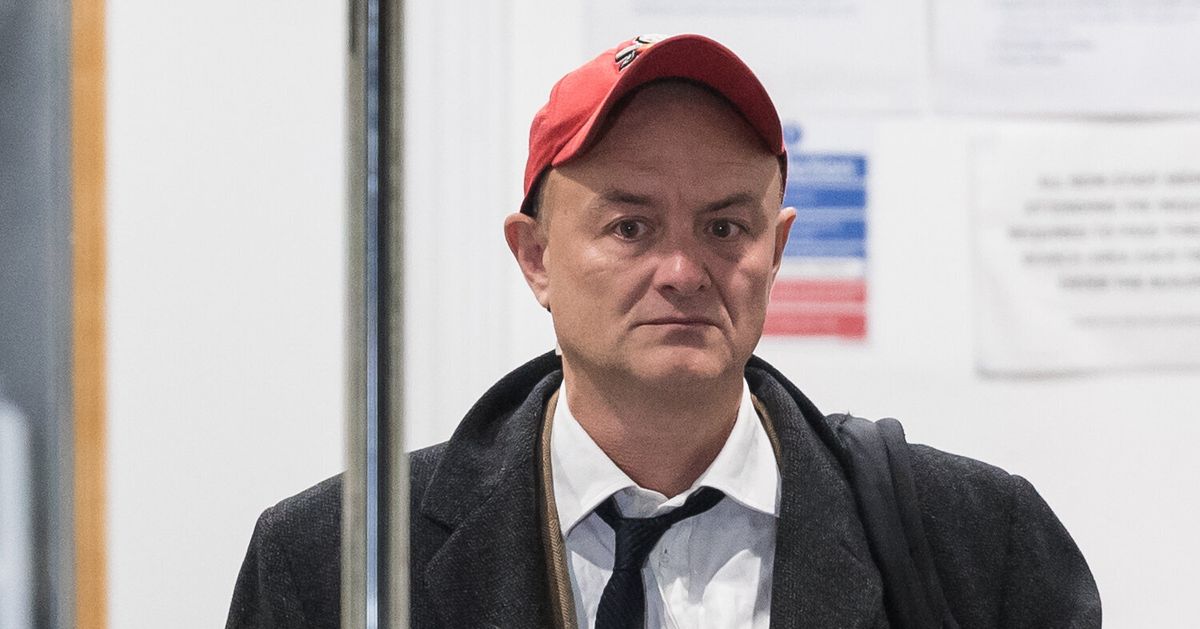
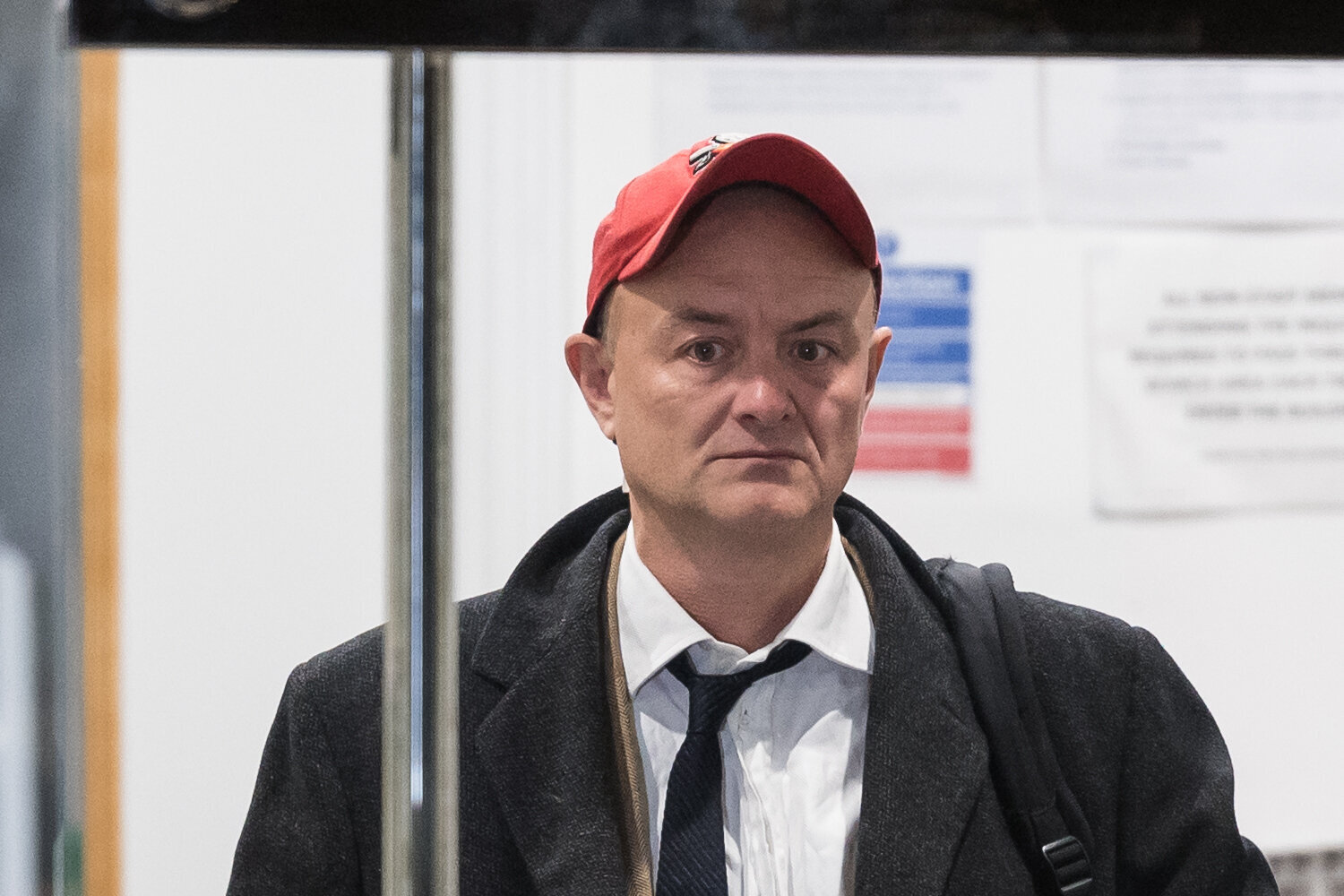
Dominic Cummings has accused Matt Hancock of “flat out lying” to the Covid Inquiry by claiming he was the first to push for the UK to go into lockdown.
The former health secretary Hancock claimed he urged then prime minister Boris Johnson to enforce a lockdown on March 13, 2020.
Advertisement
But in a scathing post on X (formerly Twitter) as Hancock was still giving evidence to the inquiry, Cummings said that was untrue.
He said: “Hancock flat out lying to Inquiry claiming he privately pushed for lockdown on 13th with PM – but admits there’s no evidence for it .”
Hancock flat out lying to Inquiry claiming he privately pushed for lockdown on 13th with PM – but admits there’s no evidence for it – and again on 14th in mtngs – when evidence from ALL others & paper trail is that he was still pushing Plan A herd immunity 13-15th – and his Perm…
Cummings also claimed that he “physically stopped” the then-health secretary coming to a meeting the following day because he “was bull****ting everybody about herd immunity”.
Advertisement
But an ally of Hancock said: “Cummings is not a reliable witness and this tweet is wrong.
“Matt called Boris on 13th, argued for lockdown on 14th and then Boris invited Matt into the smaller meeting after Cummings had tried to exclude him.”
Giving evidence today, Hancock told the inquiry that Cummings was a “malign influence” who created a toxic “culture of fear” in government.
Cummings is not the first witness to accuse the former health secretary of dishonesty.
And Helen MacNamara claimed he “regularly” told colleagues things “they later discovered weren’t true”.
Former deputy cabinet secretary Helen MacNamara also said Hancock would say things “which surprise people because they knew the evidence base wasn’t there”. Hancock refuted these claims during his evidence session.
Advertisement
Covid inquiry counsel Hugo Keith also seemed skeptical at the legitimacy of Hancock’s lockdown assertions. He asked why there was no mention of it in his book, Pandemic Diaries.
“There is a whole page on how you woke up from the dawn flight to Belfast … you then went to Cardiff and so on.
“Telling the prime minister of this country, for the first time, that he had to call an immediate lockdown, is surely worthy of some recollection, is it not?”
Hancock replied: “I didn’t have full access to my papers for the writing of that, and this came to light in researching the papers ahead of this inquiry.”
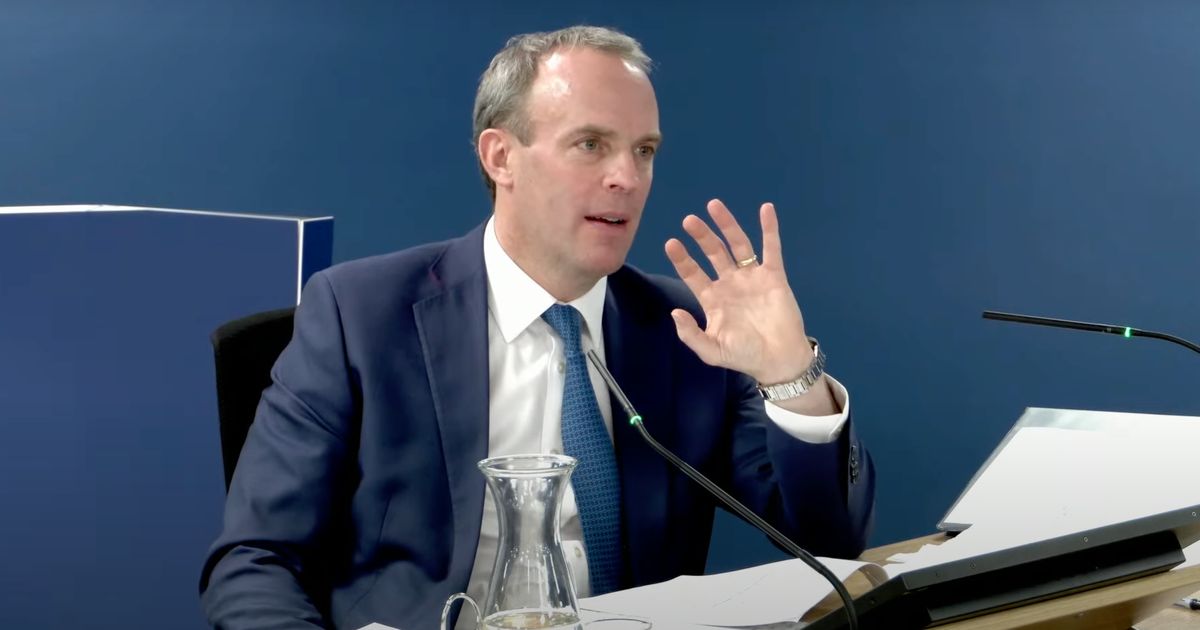
Dominic Raab has said he was given “five minutes notice” that he was taking over the running of the country from Boris Johnson during the pandemic.
The former foreign secretary told the Covid inquiry on Wednesday he believed the government “did a reasonable job” during his time in charge.
Advertisement
He stepped up as de facto prime minister in April 2020 when Johnson was incapacitated due to being serious ill with Covid.
At the time, Raab was also first secretary of state, with Johnson having told him “you’ve got my back” if he ever became unable to do his job.
Raab revealed he was told by officials he would need to take charge moments after wrapping up one of the Downing Street daily press conferences on April 6.
“I was effectively told on five minutes’ notice,” he told the inquiry.
The chance Johnson could die triggered a crisis at the top of government and Raab said he needed to “steady the ship”.
Advertisement
“We actually did a reasonable job during that four, five weeks”, Raab said, thanks to “British pragmatism”.
Raab also said he was wary of imposing too much of his own will on the government while serving as interim-PM.
“I didn’t want anyone saying Dom Raab is enjoying this just a bit too much,” he said. “I wasn’t. I was there to do a job.”
“I was mindful of not looking like I was camping out in No.10 while my prime minister was ill-disposed.”
The Covid inquiry is still due to hear from Rishi Sunak, Johnson and Matt Hancock.
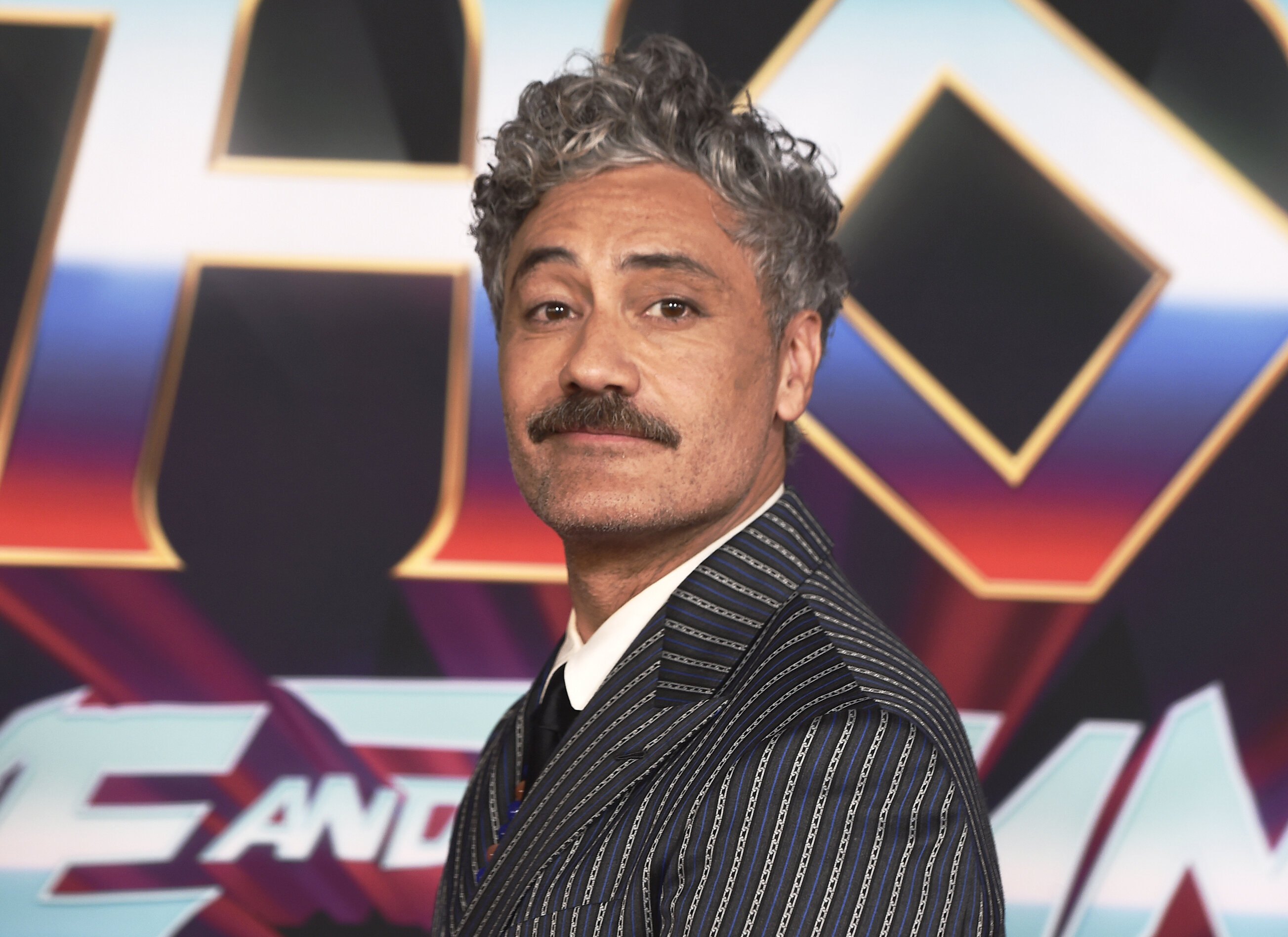
“I had no interest in doing one of those films,” Waititi said on the podcast, which is hosted by actors Will Arnett, Jason Bateman and Sean Hayes. “It wasn’t on my plan for my career as an auteur. But I was poor and I’d just had a second child, and I thought, ‘You know what, this would be a great opportunity to feed these children.’”
Advertisement
“And ‘Thor,’ let’s face it, it was probably the least popular franchise,” he continued. “I never read ‘Thor’ comics as a kid. That was the comic I’d pick up and be like, ‘Ugh.’ And then I did some research on it, and I read one ‘Thor’ comic … [and] I was still baffled by this character.”
Waititi made “Thor: Ragnarok” (2017), Marvel’s third movie centered on the character, after co-writing the beloved vampire comedy “What We Do in the Shadows” (2014). He went on to win a Best Adapted Screenplay Oscar for “Jojo Rabbit” before helming “Thor: Love and Thunder” (2022), the fourth “Thor” entry and one of the most polarising Marvel films to date.
“It’s hard to see it now but Taika Waititi was most definitely an Auteur,” wrote one person on X, formerly Twitter, on Monday. “It saddens me that the man who made beautiful films like Eagle Vs Shark, Boy, What We Do In The Shadows & Hunt For the Wilderpeople turned into a hack.”
“I think we just had too much fun,” Chris Hemsworth, who has portrayed Thor Odinson for Marvel Studios since 2011, told GQ earlier this year. “It just became too silly. It’s always hard being in the centre of it and having any real perspective.”
Waititi said he wouldn’t direct a fifth “Thor” movie, but that he’d be open to helm another entry even if other filmmakers get a crack before he returns. In Waititi’s words, he and Marvel are “in an open relationship, and it’s like if they want to see other people, I’m happy for that.”
He concluded: “I’d still get back into bed with them one day.”
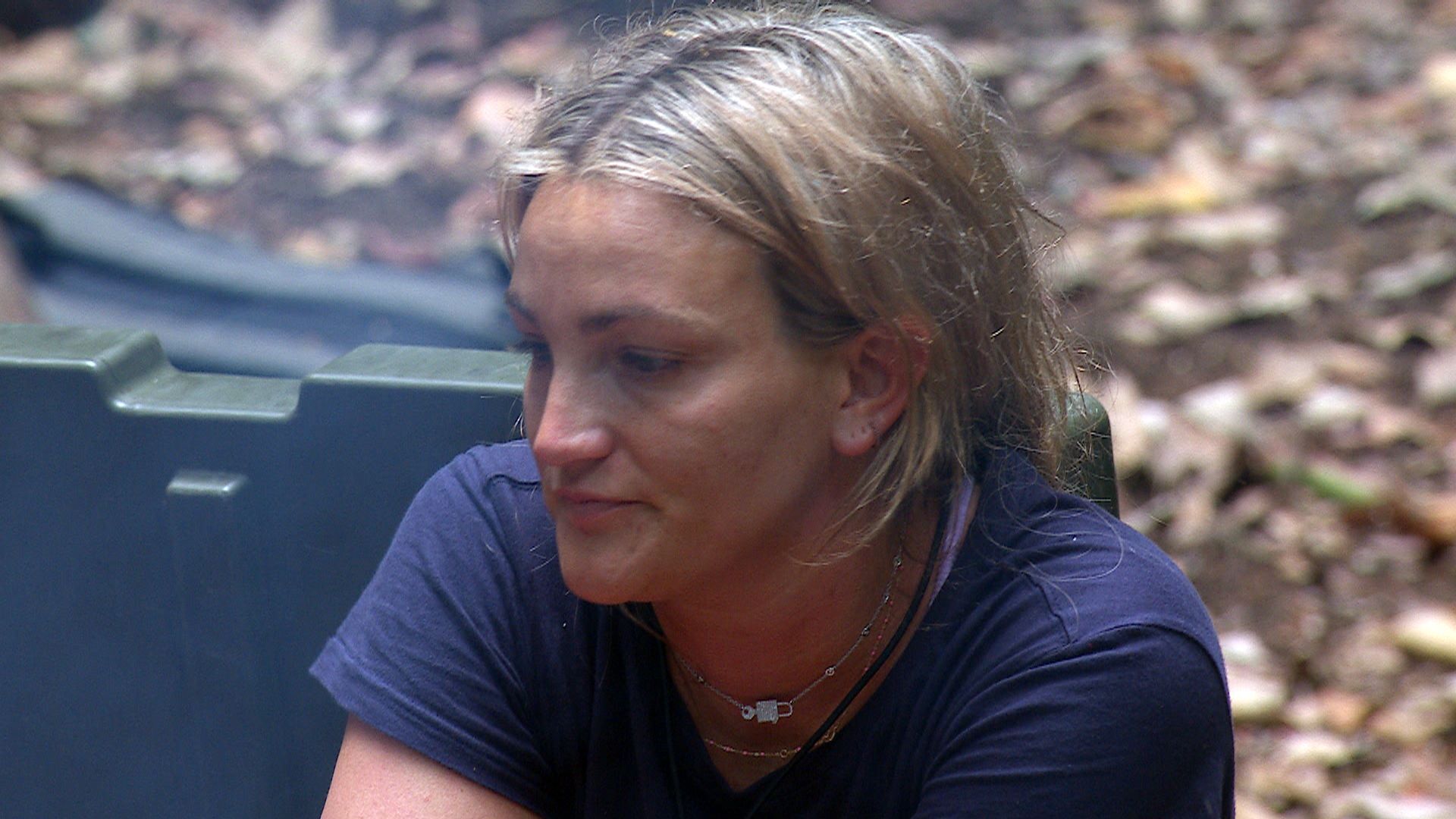
On Wednesday afternoon, ITV confirmed that the singer, actor and younger sister of Britney Spears had left camp and not be returning.
Advertisement
A spokesperson said: “Jamie Lynn Spears has left I’m A Celebrity, Get Me Out Of Here! on medical grounds.
“She’s been a fantastic campmate who has triumphed at trials and bonded well with her fellow celebrities.”
Jamie Lynn Spears has left I’m A Celebrity… Get Me Out Of Here! on medical grounds. She’s been a fantastic campmate who has triumphed at trials and bonded well with her fellow celebrities. #ImACelebpic.twitter.com/3ZalOP7hYA
It’s been confirmed that Jamie Lynn’s final appearance on the show will air during Wednesday night’s episode.
Advertisement
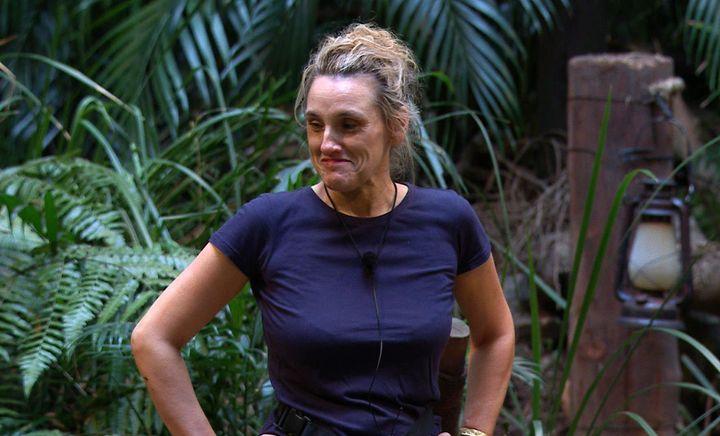
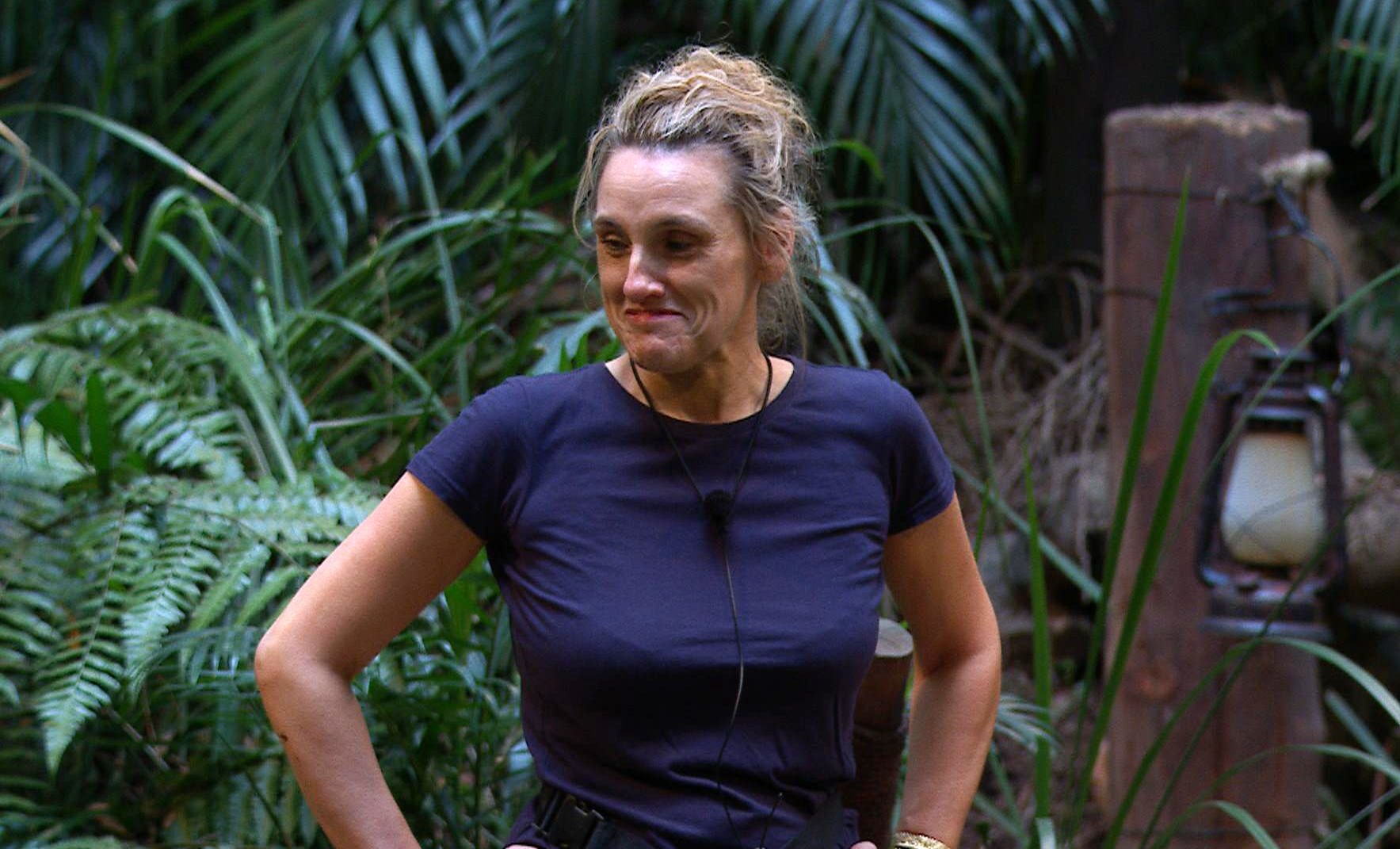
The former Zoey 101 star’s exit follows that of Grace Dent earlier this week, who also left the show for medical reasons.
Grace Dent in the jungle
ITV/Shutterstock
In a statement given to her fellow campmates, the journalist and MasterChef star said: “My dear campmates, I’m so sorry to let you down. I have left the camp for medical reasons,” the statement read.
“My heart is broken, I have loved and enjoyed getting to know you all. You’ve held me up and it’s been a pleasure being your friend through this experience.
“Leaving you all at this stage will be one of the saddest things in my life. I love you all.”
The countdown to the 25 of December is officially on because the MET Office has revealed the Christmas day forecast.
But, it’s not great news if you’re a snow-lover. (Sorry!)
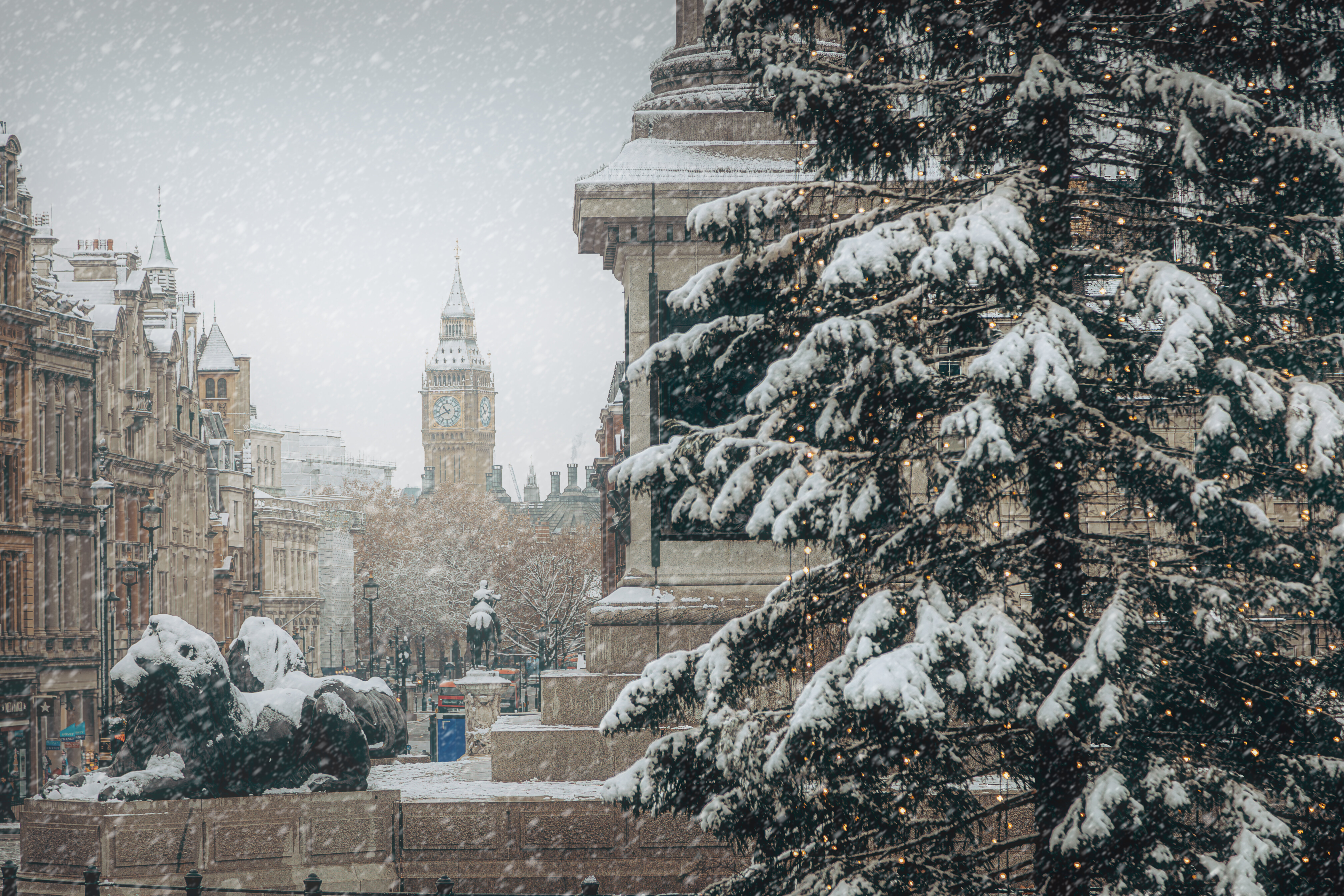
Temperatures have certainly dropped recently, with most of us feeling the chill as the predicted cold snap is expected to hit the UK later this week. And yes, that forecast does include snow.
Advertisement
And, in the run-up to the festive period, temperatures are expected to plummet to below zero in some parts (looking at you Scotland). But, when it comes to the big day, things are looking like they might be unseasonably mild, with wetter and windy weather than normal.
This is what the meteorologists say: “Conditions are most likely to be changeable through this period.
“Wetter and windier than average conditions are slightly more likely than normal, especially in the west and northwest.
“Temperatures are most likely to be near or above average overall, although this doesn’t rule out some spells of cold weather and associated wintry hazards.”
Advertisement
So if you’re looking forward to building that snowman, or making snow angels, then you might be waiting a long time.
But all snow-related-hopes are not lost, as forecasters have warned that there is still a chance of us running into some “associated wintry hazards”.
A month is a long time, and things can change rapidly. While snow isn’t looking likely, it definitely hasn’t been ruled out completely.
So maybe the no-show-snow-day is a blessing in disguise?